Magical Potter Day Celebrations Explained
Whether it’s September 1st marking the start of term at Hogwarts or Harry’s birthday on July 31st, Potter fans have turned key dates from the wizarding world into genuine celebrations. These aren’t just casual nods to favorite books — they’ve become full-scale events with their own traditions, foods, and rituals that bring magic into the everyday world.
Platform Nine and Three-Quarters Day

September 1st transforms any ordinary Monday into something extraordinary. Fans don red and gold scarves despite the weather.
Train stations become pilgrimage sites. The date carries weight because it’s when Harry first crossed into his new life.
So people recreate that crossing in whatever way they can — running at brick walls, boarding trains with vintage trunks, anything that captures that moment of stepping from one world into another.
Harry Potter’s Birthday
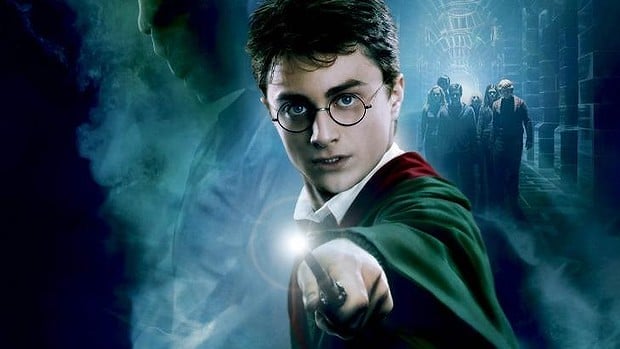
July 31st belongs entirely to Harry (and J.K. Rowling, who shares the date, though that feels almost secondary now). The celebration centers around the idea that someone who spent eleven years forgotten deserves the most memorable birthday possible.
So birthday cakes appear everywhere on social media — not just any cakes, but ones decorated with lightning bolts, golden snitches, or simply the words “You’re a wizard” written in green icing, because (and here’s the thing that gets people) Harry’s first real birthday cake came from Hagrid, misspelled and slightly lopsided, which somehow made it more precious than any perfect confection could have been. The imperfection was the point.
And yet people recreate it carefully, as if getting the misspelling exactly right matters more than getting the spelling exactly right, which it absolutely does.
Butterbeer Brewing Sessions
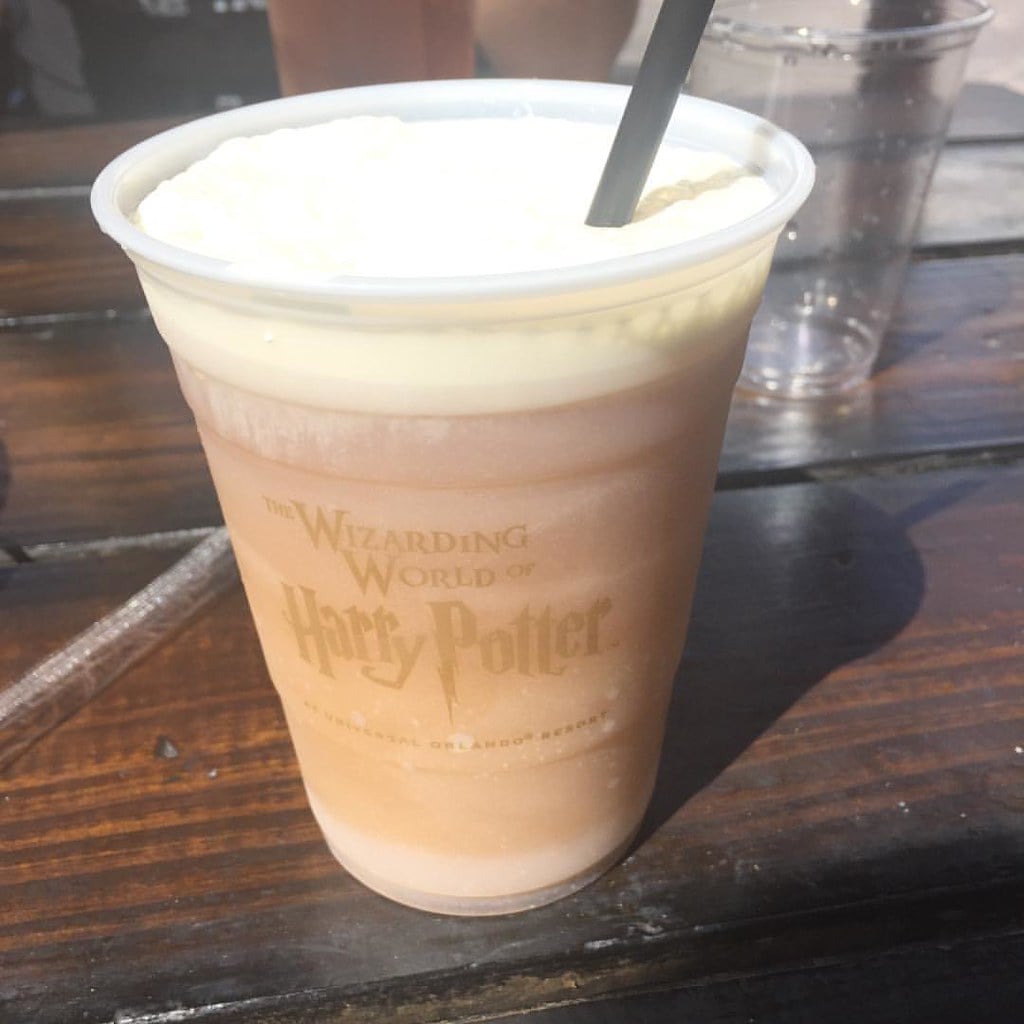
There’s something almost ritualistic about the way people approach making butterbeer — that fictional drink that exists nowhere in the real world yet has spawned thousands of recipes. Each household seems to guard their particular combination of butter, cream, and butterscotch like it’s the one true formula.
The drink serves as a bridge between worlds. You can’t actually taste what Harry tasted at the Three Broomsticks, but you can taste what your imagination thinks he tasted, filtered through cream soda and vanilla extract and whatever else your recipe calls for.
The act of making it matters more than the final product, though no one admits that out loud. Everyone pretends their version is the definitive one.
House Pride Displays
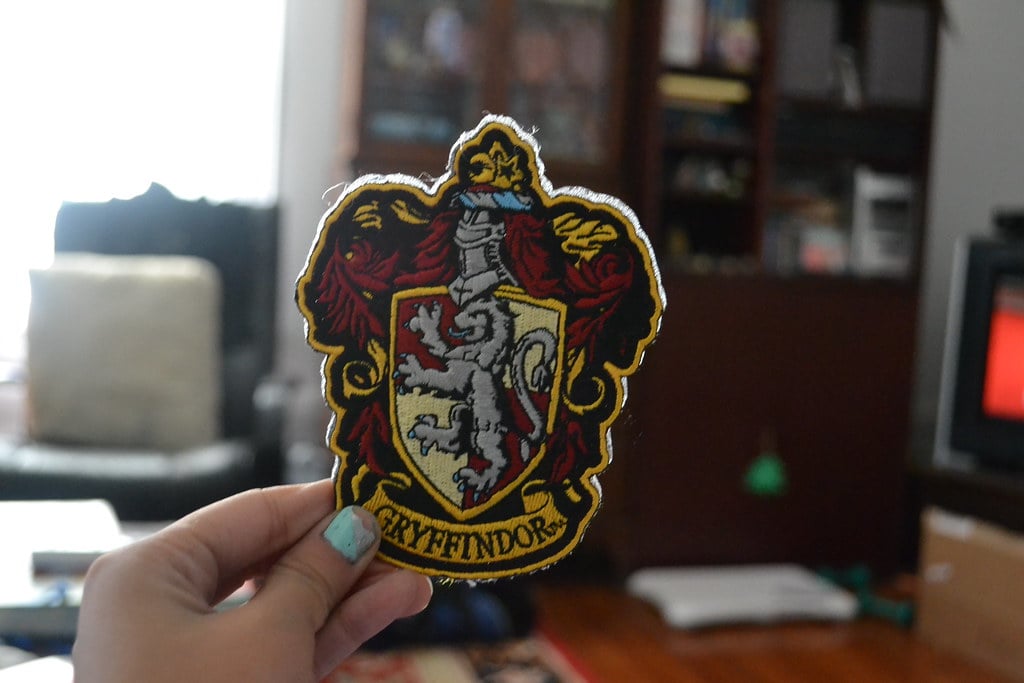
Fans have turned house sorting into a form of identity that extends far beyond the books. Gryffindor gets the most love, which is predictable.
Slytherin gets the most defensive loyalty, which is more interesting. Hufflepuff supporters have developed an almost aggressive pride in being underestimated.
They wear their house colors like they’re correcting a long-standing injustice. Ravenclaw folks just assume they’re smarter than everyone else and don’t feel the need to prove it, which is probably the most Ravenclaw thing possible.
Magical Feast Preparations
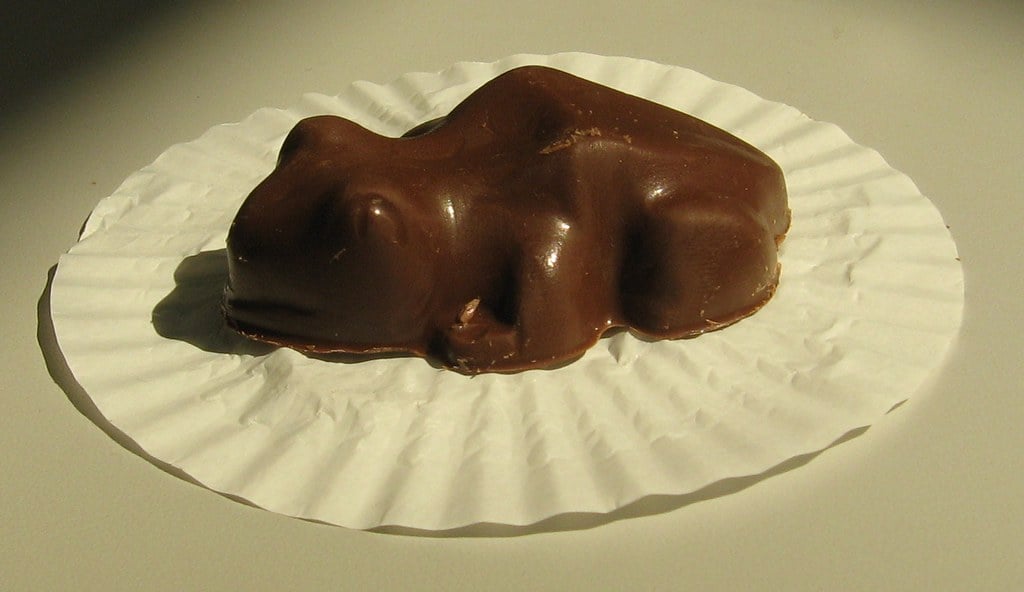
The food matters more than it should, but it matters exactly as much as it needs to. Chocolate frogs that don’t actually hop.
Bertie Bott’s Every Flavour Beans that people eat despite knowing they might taste like earwax or spinach. Treacle candy that most Americans had never heard of until they read about Harry’s favorite dessert.
These aren’t just themed snacks — they’re edible memories of moments that never happened to you but somehow feel like they did. The taste becomes tied to the story in a way that makes both more real.
A bite of pumpkin pasty connects you to the Hogwarts Express even if you’ve never been on a train longer than your morning commute. The magic lives in that gap between what you’re actually eating and what you remember eating.
Wand Making Workshops
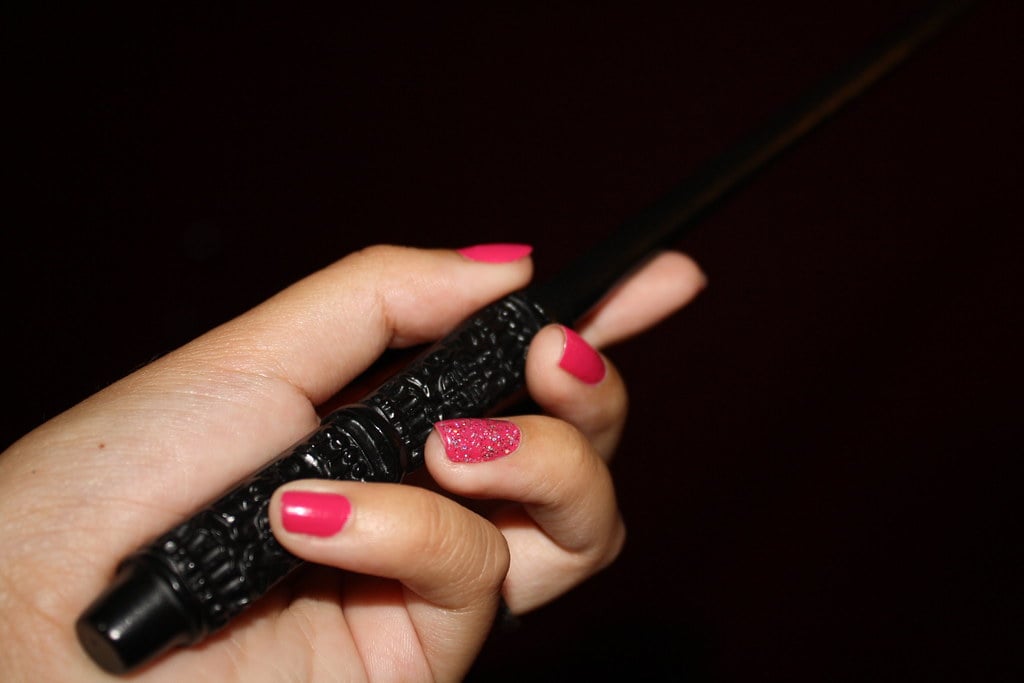
Adults spend surprising amounts of time crafting their own wands from dowel rods and hot glue. The process is meditative in an unexpected way.
You’re creating a prop for a fantasy that will never come true, and somehow that makes the creating more meaningful, not less. Each wand becomes personal in a way that the mass-produced versions can’t match.
The slight imperfections, the choice of materials, the way the handle fits your particular grip — these details matter because they’re yours. The wand chooses the wizard, but first the wizard has to make the wand.
Sorting Hat Ceremonies
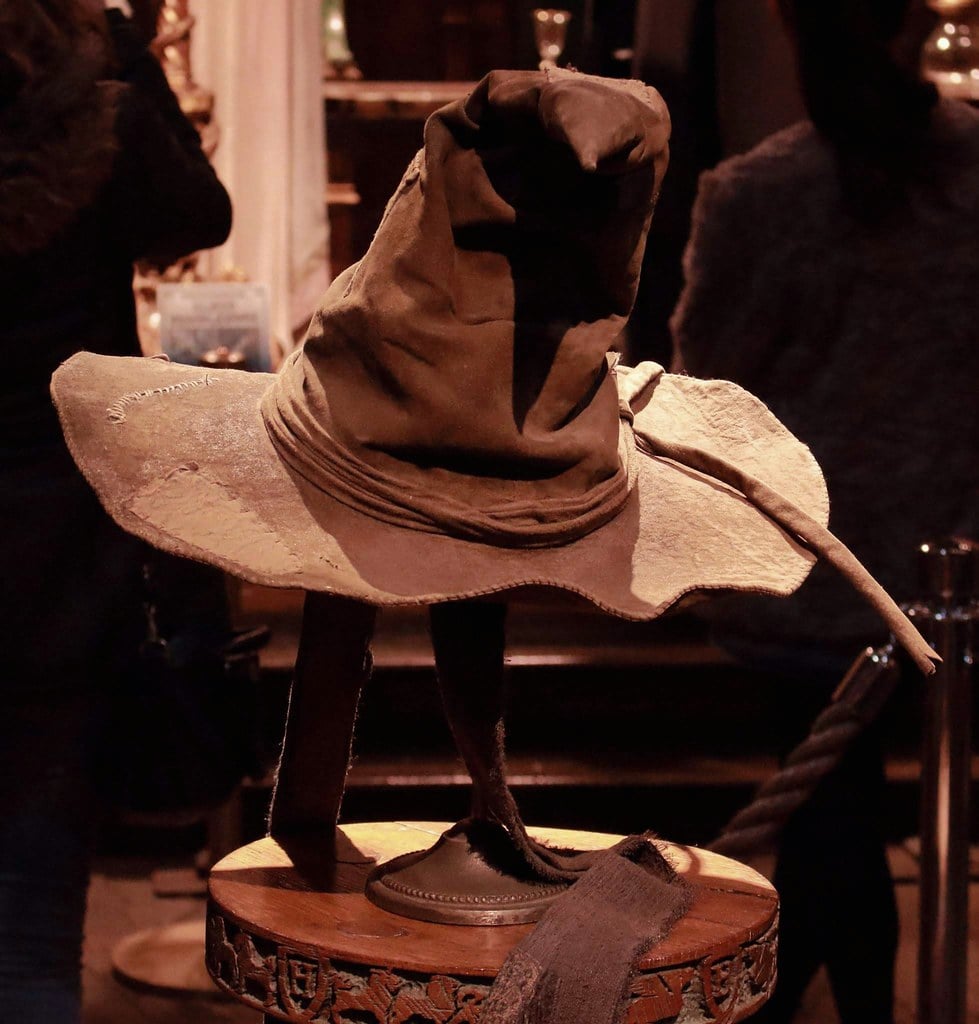
The sorting never gets old because it taps into something deeper than house loyalty — the desire to be seen and categorized and told you belong somewhere specific. People know their houses by heart, but they still participate in sorting ceremonies at parties like the outcome might be different this time.
Children take it seriously in a way that adults pretend not to but absolutely do. The hat’s decision feels final and meaningful, even when it’s just a friend reading from a laminated card or an online quiz giving you results you’ve gotten fifteen times before.
Quidditch Match Recreation
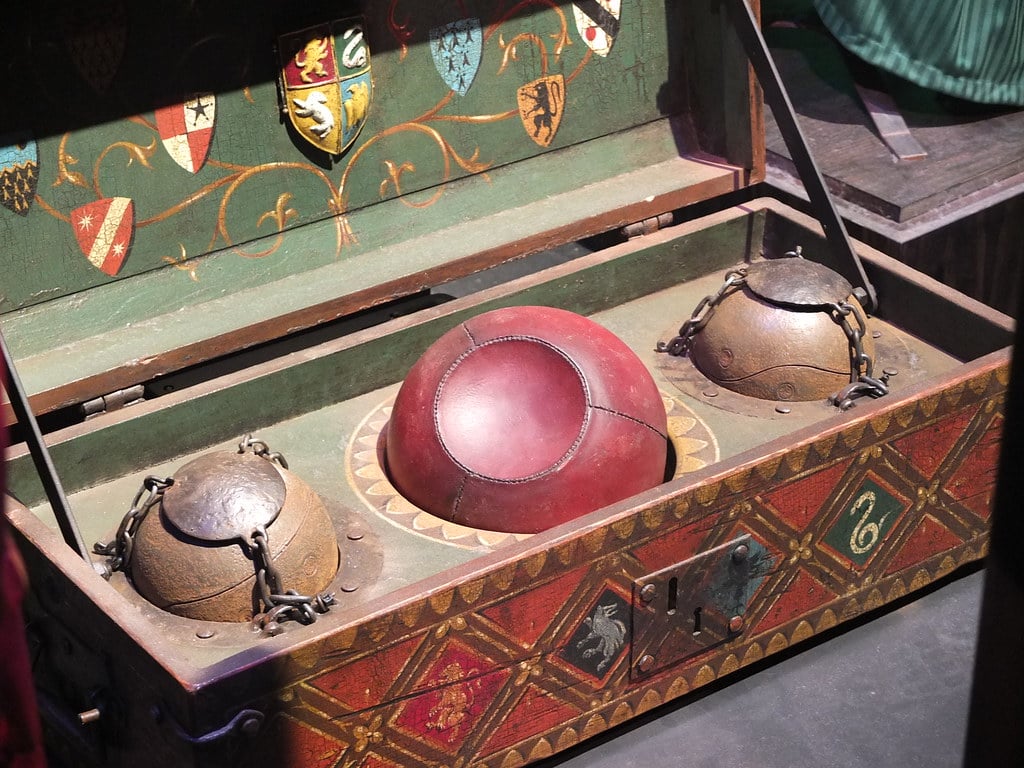
Flying remains impossible, so people adapt. Brooms become mandatory props that everyone runs with despite feeling ridiculous.
The snitch gets replaced by a tennis orb in a sock or a person in yellow who runs away from everyone else. The games are chaotic and barely resemble the sport described in the books, but that’s not the point.
The point is the attempt — the willingness to look silly while chasing something magical, literally running after wonder with a broomstick between your legs.
Potions Class Activities

Mixing colorful liquids that fizz and bubble satisfies something primal about the idea of magic. Baking soda and vinegar become ingredients for transformation, even when the only thing being transformed is clear liquid into a foamy mess.
The potions don’t have to work because the real magic is in the belief that they might. Children approach these activities with the appropriate seriousness, measuring ingredients like precision matters for the spell.
Adults do the same thing but pretend it’s for the children’s sake.
Great Hall Banquet Setups
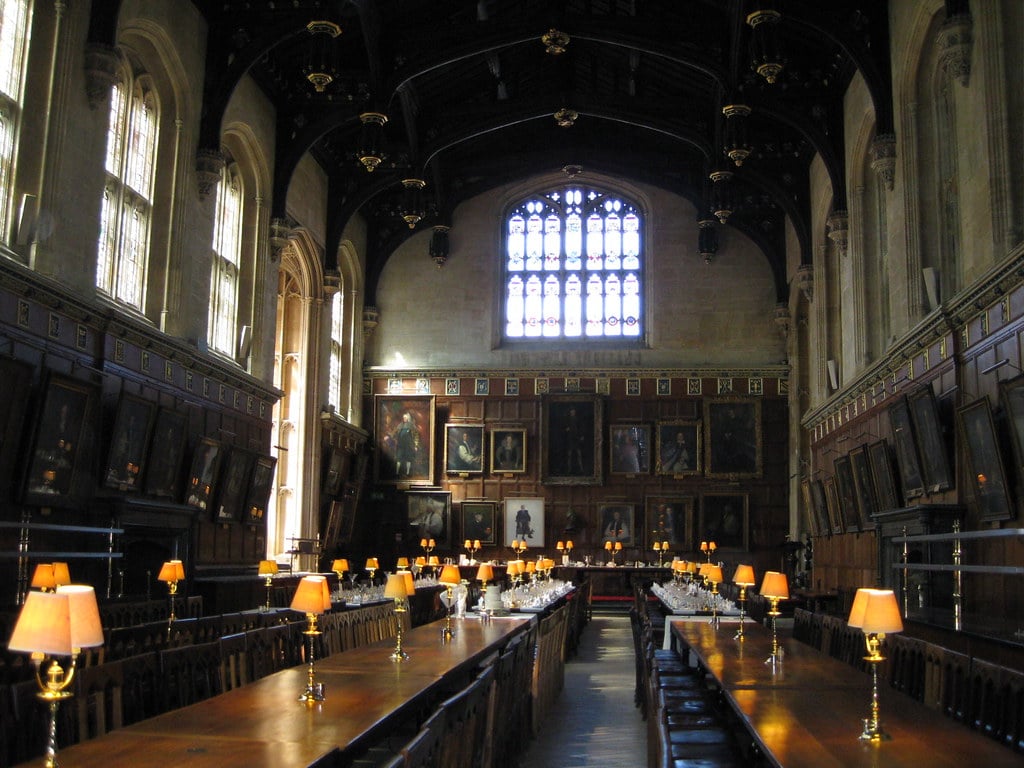
Long tables with mismatched chairs become the Great Hall through sheer force of will and strategic lighting. Floating candles (battery-operated and carefully suspended) cast shadows that look almost magical if you don’t examine them too closely.
The transformation happens in the details — the way people arrange themselves by house colors, the formality of passing dishes family-style, the moment when ordinary dinner conversation shifts into something that feels like celebration. The Great Hall isn’t a place; it’s a feeling that happens when people decide to make something ordinary into something special.
Defense Against the Dark Arts Training
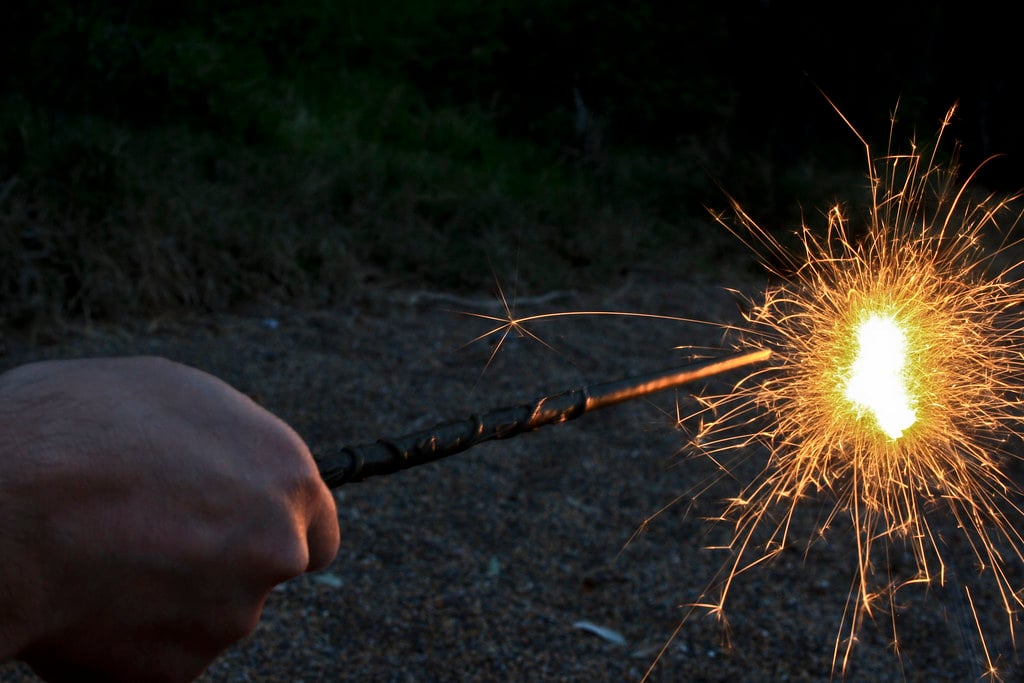
Teaching people to shout “Expelliarmus!” cardboard cutouts shouldn’t be as satisfying as it is, but magic spells demand to be spoken aloud. The words carry weight even when they’re not carrying magic.
The training becomes an excuse for adults to play with foam swords and practice dramatic gestures without embarrassment. Everyone commits fully to the pretense because half-hearted magic is worse than no magic at all.
The defense isn’t against actual dark arts — it’s against the creeping sense that magic isn’t real and never was.
Care of Magical Creatures Exhibits

Stuffed animals become dragons, unicorns, and hippogriffs through the simple addition of cardboard wings and glitter. The creatures don’t move or breathe, but they don’t need to when imagination is doing most of the work.
Children approach these exhibits with the reverence reserved for actual animals, speaking softly and reaching out carefully to pet fabric fur. The care is real even when the creatures aren’t. Maybe especially because they aren’t.
Memories That Never Fade

The celebrations work because they’re not trying to recreate something that actually happened — they’re trying to create something that feels like it should have happened. The magic lives in the gap between reality and story, and Potter Day celebrations exist specifically to narrow that gap until it almost disappears.
These aren’t just themed parties or book clubs. They’re collective acts of belief, moments when groups of people agree that magic is real enough to celebrate, even if it’s only real for the length of a birthday cake or the duration of a sorting ceremony.
The celebration becomes the magic, which might have been the point all along.
More from Go2Tutors!

- The Romanov Crown Jewels and Their Tragic Fate
- 13 Historical Mysteries That Science Still Can’t Solve
- Famous Hoaxes That Fooled the World for Years
- 15 Child Stars with Tragic Adult Lives
- 16 Famous Jewelry Pieces in History
Like Go2Tutors’s content? Follow us on MSN.