Dark Historical Realities of the Victorian Era
The Victorian era conjures images of elegant carriages, elaborate gowns, and refined tea parties. Yet beneath the veneer of propriety and progress lay a world far more brutal than most history books dare to reveal.
The very foundations of Victorian society were built upon exploitation, suffering, and a level of casual cruelty that would shock modern sensibilities. These weren’t isolated incidents or unfortunate exceptions — they were the deliberate structures that powered an empire and defined an age.
Child Labor in Factories
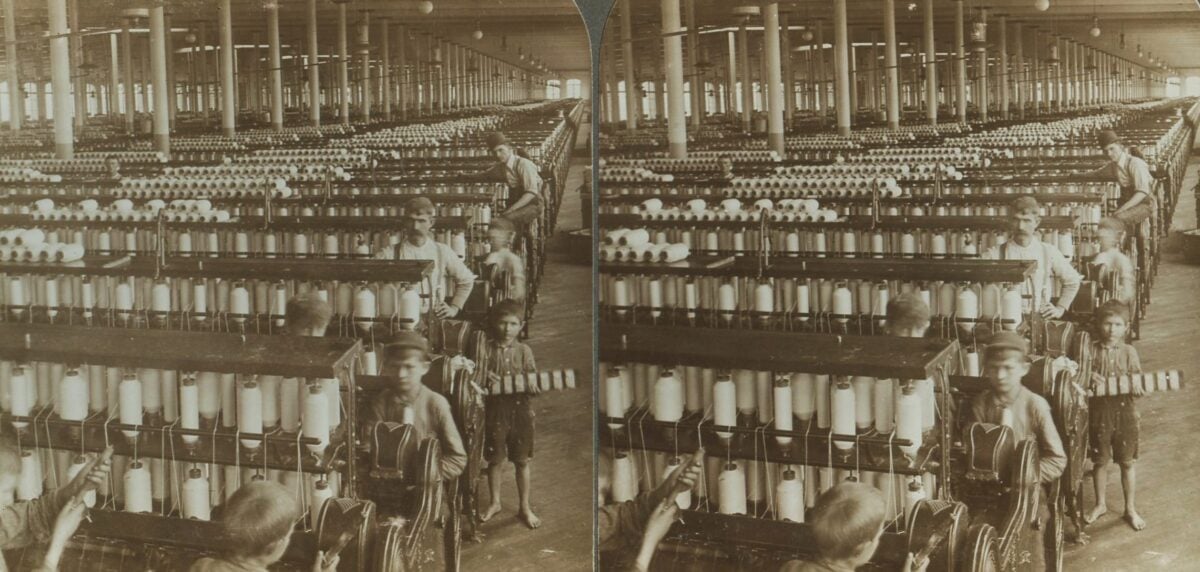
Children as young as five worked fourteen-hour shifts in textile mills. Their small fingers were perfect for untangling threads in moving machinery.
Factory owners preferred them because they cost less to feed and were easier to control than adults.
Workhouse Conditions

The Poor Law Amendment Act of 1834 created a system designed to be more miserable than starvation itself. Families were separated upon entry, fed gruel and bread, and forced into repetitive labor that served no purpose beyond punishment.
The architects of this system weren’t trying to help the poor — they were trying to make poverty so unbearable that people would accept any alternative, no matter how exploitative.
Body Snatching and Medical Schools
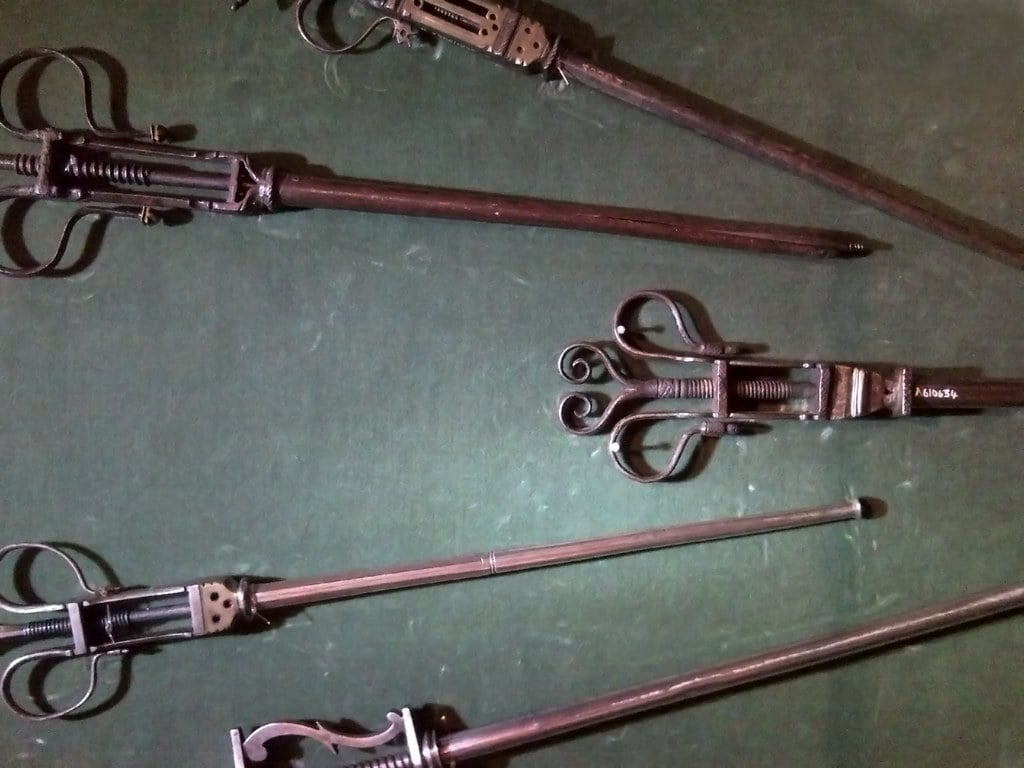
Medical students needed cadavers for anatomy lessons, but the law only provided the bodies of executed criminals (and there weren’t nearly enough executions to meet demand, which is saying something for the Victorian era). So a thriving black market emerged where “resurrection men” would dig up fresh graves and sell the contents to medical schools for roughly the equivalent of a month’s wages.
The practice was so common that wealthy families began hiring guards to watch over burial sites, while the poor — whose graves went unprotected — essentially donated their bodies to science whether they’d intended to or not. And the medical schools? They knew exactly where these bodies were coming from, but asking too many questions would have meant shutting down their programs entirely.
So they developed an elaborate system of plausible deniability, paying cash for deliveries made in the dead of night and maintaining just enough bureaucratic distance to claim ignorance if authorities came calling. The whole arrangement was about as subtle as a grave-shaped pit in the ground, but it kept the anatomy theaters stocked and the students learning, which was apparently all that mattered to the respectable gentlemen running these institutions.
Living Conditions in Industrial Cities
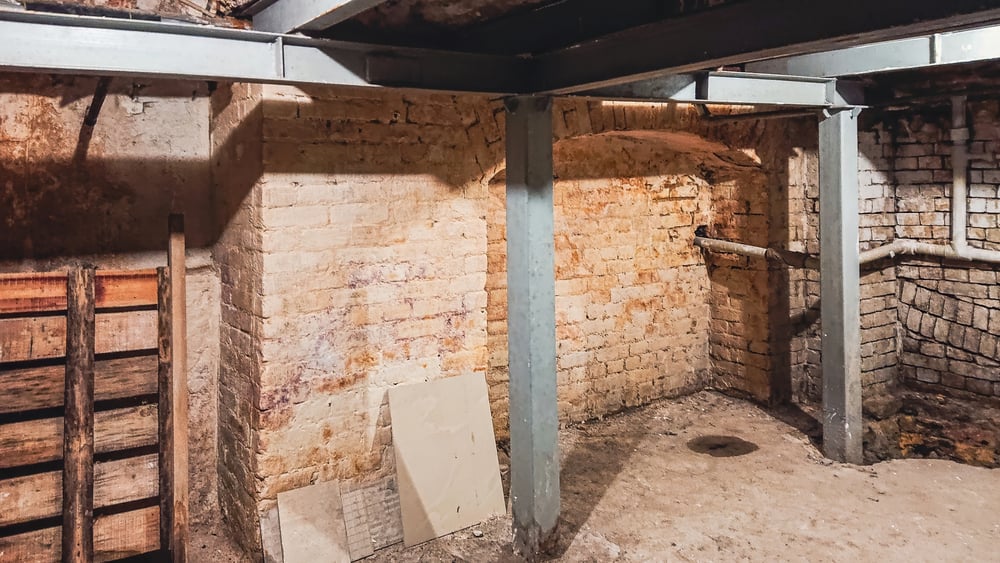
Picture a basement room smaller than most modern walk-in closets, flooded regularly by backed-up drains, housing an entire family of seven. The walls sweat constantly from poor ventilation, and the only light comes from whatever manages to filter down through a grate at street level — if there’s a grate at all.
This wasn’t temporary housing or emergency shelter; for millions of people, this was simply where life happened. The air itself became a toxic soup of coal smoke, industrial chemicals, and human waste that had nowhere else to go.
Children who grew up breathing this mixture developed a distinctive pale, hollow-cheeked look that became so common it was almost fashionable among the working class — not by choice, but because it marked everyone who couldn’t afford to live anywhere else. And the landlords who owned these properties?
They were often the same respectable citizens who filled church pews on Sundays and spoke passionately about moral improvement for the masses.
The Irish Potato Famine Response
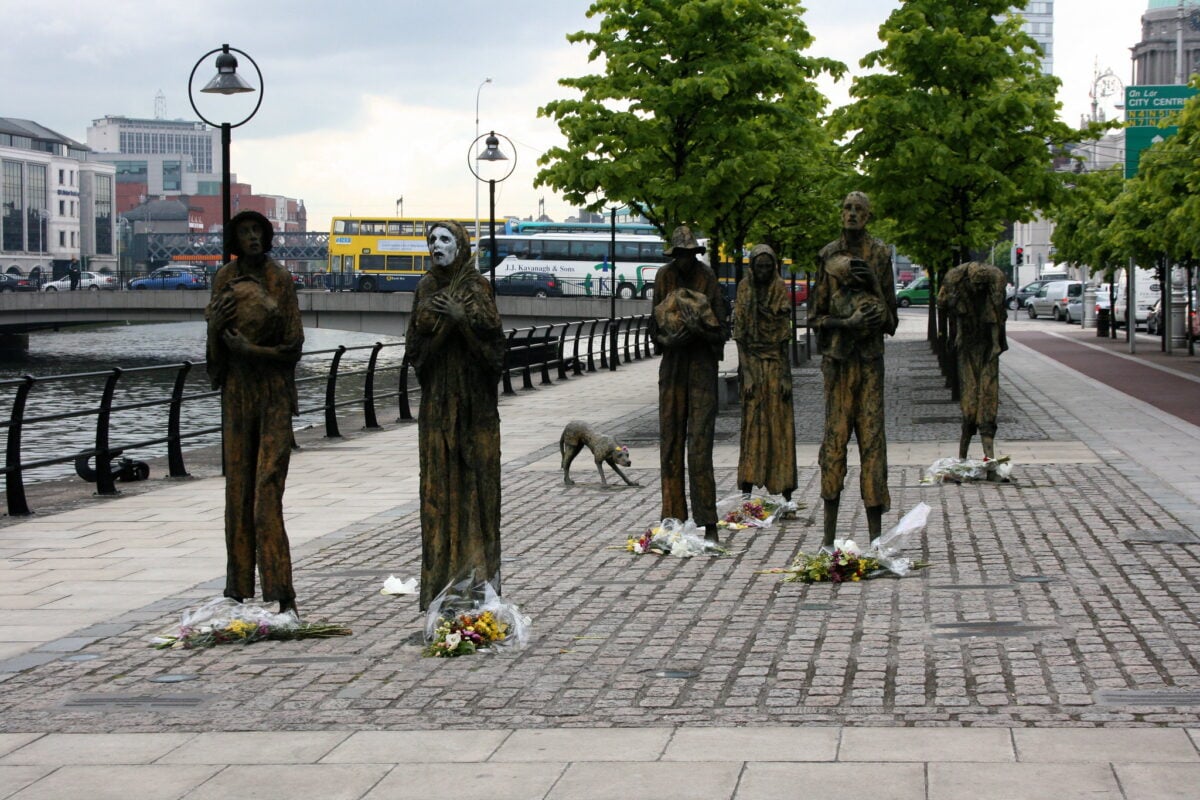
Britain controlled Ireland during the worst famine in European history. While over a million Irish people starved to death, Ireland continued exporting food to England under armed guard.
Government officials argued that providing aid would interfere with free market principles.
Treatment of Mental Illness
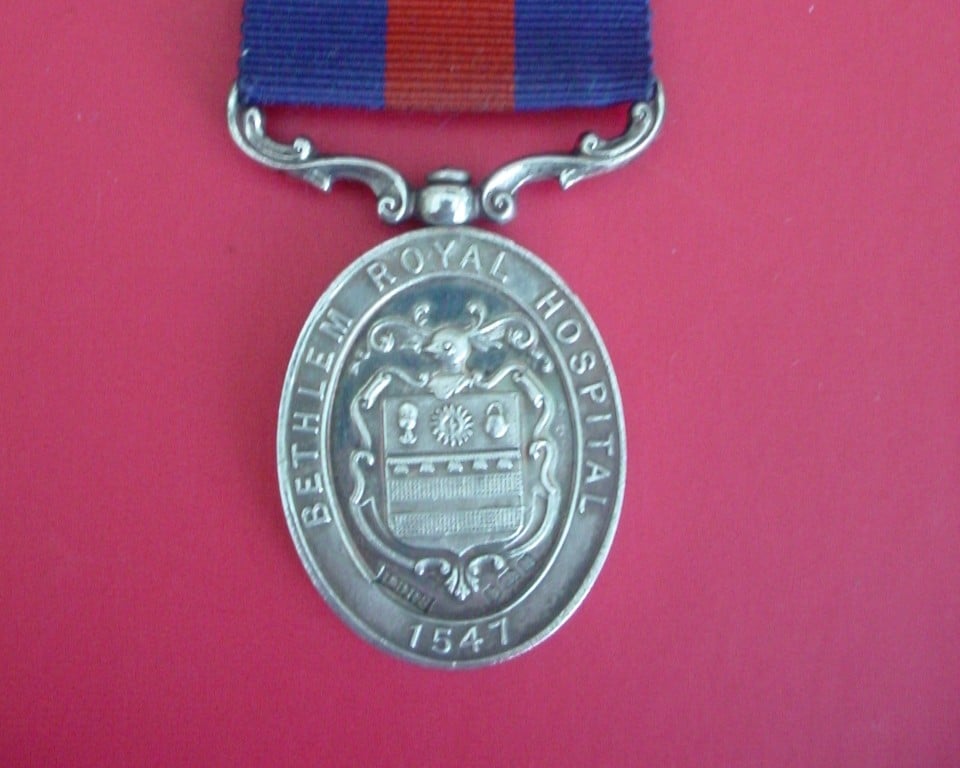
Bethlem Royal Hospital — better known as “Bedlam” — charged admission for visitors to observe patients as entertainment. Families paid extra for front-row seats to watch their relatives during episodes.
Treatment consisted of chains, cold baths, and rotating chairs designed to induce unconsciousness through centrifugal force.
Women’s Legal Status
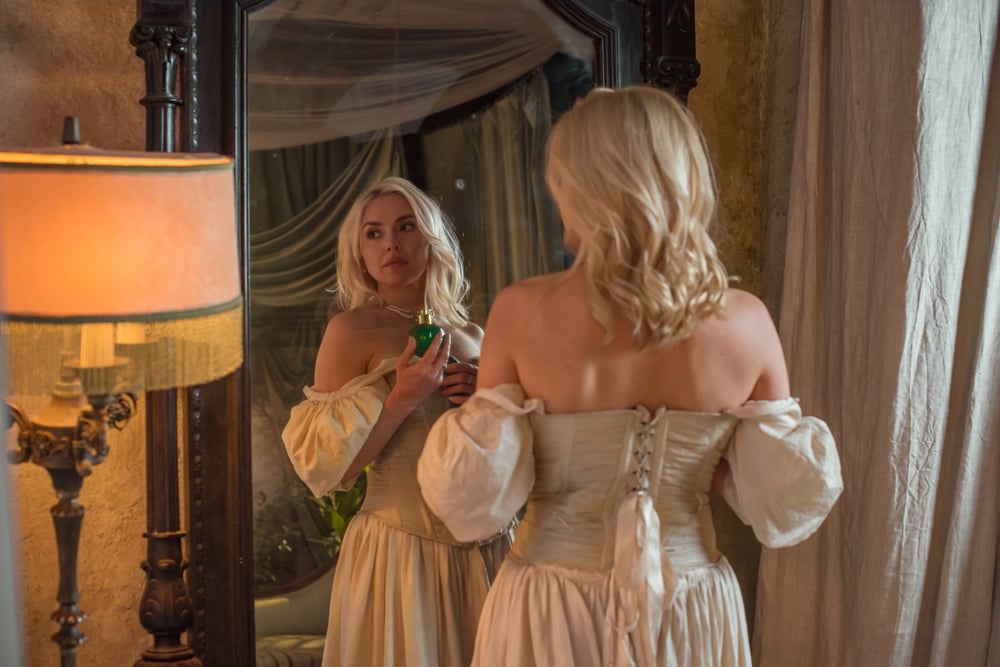
Victorian marriage was less a romantic union than a legal erasure ceremony. The moment a woman said “I do,” she ceased to exist as a person under law — her property, her earnings, even her children belonged entirely to her husband.
He could spend her inheritance on gambling debts, beat her with impunity, and commit her to an asylum if she proved inconveniently opinionated. The doctrine of “coverture” meant that married women couldn’t sign contracts, couldn’t sue in court, couldn’t even be held responsible for crimes committed in their husband’s presence — the assumption being that no woman possessed sufficient moral agency to act independently.
This wasn’t seen as oppression; it was framed as protection, a kindness extended to creatures too delicate and simple-minded to navigate the complexities of adult life. The same society that celebrated Queen Victoria’s reign somehow managed to maintain that ordinary women were fundamentally incapable of the most basic civic responsibilities.
But here’s the thing that really captures the Victorian mindset: when women began organizing for legal reform in the 1850s and 1860s, opponents argued that equality would destroy the very femininity that made women worth protecting in the first place. So the system that treated women like property claimed to do so out of reverence for their special nature — a kind of circular logic that would be impressive if it weren’t so transparently self-serving.
Life Expectancy by Social Class
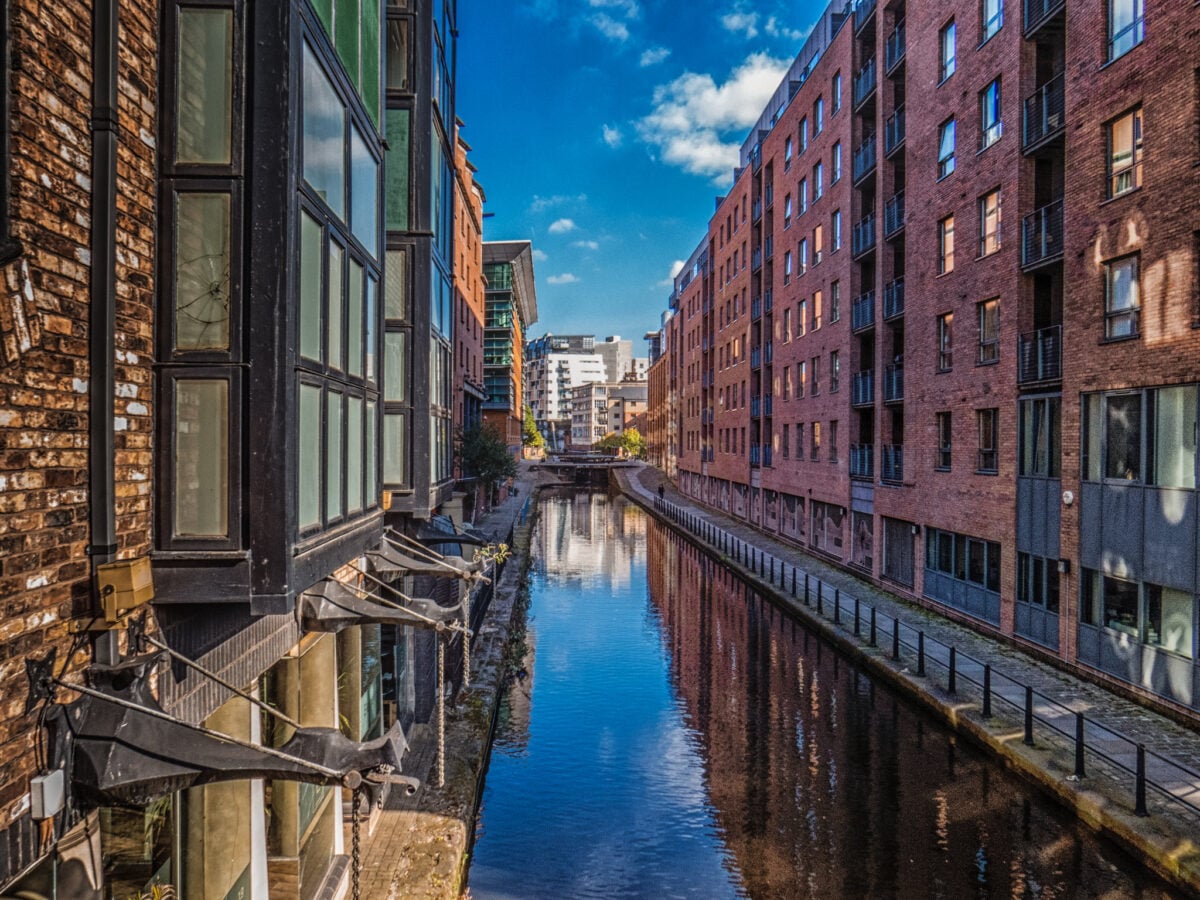
Working-class life expectancy in Manchester averaged fifteen years. Middle-class residents lived to thirty-eight.
The wealthy averaged fifty-two years — more than triple the lifespan of those who worked in their factories.
Transportation and Exile

Britain solved its crime problem by shipping convicts to Australia in conditions that killed roughly one in four passengers during the voyage. Crimes warranting transportation included poaching rabbits, stealing bread, and “being a rogue and vagabond” — a category broad enough to include anyone without visible means of support.
Public Executions as Entertainment

Public hangings drew crowds of thousands who treated them like carnival events. Vendors sold food and souvenirs.
Parents brought children to witness what they called moral instruction. The condemned were expected to deliver final speeches thanking God and the Crown for their punishment.
Factory Safety and Industrial Accidents

— Photo by DeminPan
Industrial machinery had no safety guards because they slowed production. Workers who lost fingers or hands were simply replaced.
Factory owners calculated that paying occasional injury settlements cost less than installing protective equipment or reducing operating speeds.
Domestic Violence and Legal Protection

A husband’s right to “discipline” his wife was legally protected until 1891. Police rarely intervened in domestic disputes, considering them private family matters.
Women who fled violent marriages had no legal right to their children and could be forcibly returned to their husbands by court order.
Child Prostitution and Age of Consent

The age of consent was twelve until 1875, when it was raised to thirteen. Child prostitution flourished openly in London’s East End, with girls as young as ten working in brothels that operated with minimal interference from authorities.
Reform came only after a series of investigative articles shocked middle-class readers who had preferred not to know what was happening in their city.
Beyond the Fairy Tale

These weren’t the unfortunate side effects of progress or the growing pains of industrialization. They were deliberate choices made by people who had alternatives and chose brutality instead.
The Victorian era’s greatest achievement wasn’t technological or cultural — it was convincing future generations that their cruelty was somehow inevitable, that the suffering of millions was simply the price of civilization. That mythology has proved more durable than any of their actual innovations, which says something troubling about how we prefer to remember the past.
More from Go2Tutors!

- The Romanov Crown Jewels and Their Tragic Fate
- 13 Historical Mysteries That Science Still Can’t Solve
- Famous Hoaxes That Fooled the World for Years
- 15 Child Stars with Tragic Adult Lives
- 16 Famous Jewelry Pieces in History
Like Go2Tutors’s content? Follow us on MSN.