Best Kids’ Movies Based on Books
It seems uncommon to find a film that truly honors the novel it is based on. Children pick up on when crucial scenes are omitted or when their favorite characters appear incorrect.
Every frame is compared to the mental images they conjured up while reading. However, some adaptations succeed. They add something fresh that only movies can offer—music, movement, and voices that bring characters to life in ways that reading can’t quite match—while capturing what made the book unique.
The Iron Giant

Brad Bird’s 1999 film takes Ted Hughes’ book The Iron Man (retitled The Iron Giant in the U.S.) and expands it into something bigger without losing the story’s heart. The book focuses on a metal-eating robot who befriends a boy, but the movie adds Cold War paranoia and gives the giant an arc about choosing who you want to be.
The animation still holds up today, and the emotional beats land exactly where they need to. When the giant makes his final choice, kids understand what sacrifice means without the movie having to explain it in words.
Charlotte’s Web (1973)
E.B. White’s book works because it treats death honestly while still being gentle about it. The 1973 animated version does the same thing.
It doesn’t try to make Wilbur’s situation less scary or pretend that Charlotte’s fate will change. The voice acting feels natural rather than over-performed, and the songs by the Sherman Brothers add to the mood instead of interrupting it.
Debbie Reynolds as Charlotte sounds exactly right—warm but also matter-of-fact about how the world works. The 2006 live-action version has its moments, but the original animation understands that you don’t need realistic animals to tell an emotional story.
Sometimes hand-drawn simplicity works better than computer effects trying to make a spider’s mouth move in realistic ways.
The Secret Garden (1993)
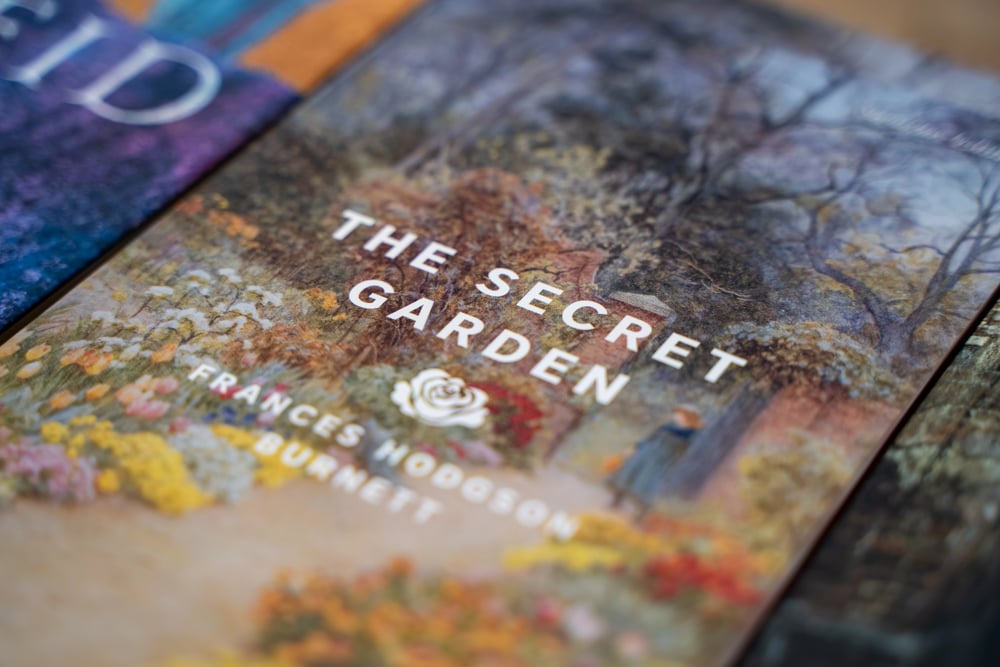
Frances Hodgson Burnett’s novel moves slowly, spending chapters on Mary Lennox being unpleasant before she starts to change. The 1993 film adaptation handles this well by showing her transformation through the garden itself.
As the plants come back to life, so does Mary. The cinematography makes the garden feel like a real place of magic without adding any fantasy elements that aren’t in the book.
Maggie Smith as Mrs. Medlock is perfectly stern, and the three child actors—Kate Maberly, Heydon Prowse, and Andrew Knott—feel like actual kids rather than miniature adults reading lines. The Yorkshire accents are thick enough to be authentic but not so heavy that American kids can’t understand what’s being said.
Matilda (1996)

Roald Dahl’s books work because they let kids feel powerful in a world where adults usually have all the control. Danny DeVito’s film version of Matilda gets this completely.
Matilda isn’t just smart—she’s capable of changing her own circumstances. The movie makes Miss Trunchbull even more terrifying than the book does, which seems impossible, but Pam Ferris commits to being absolutely monstrous in ways that kids find thrilling rather than truly scary.
Mara Wilson plays Matilda with the right mix of confidence and vulnerability. She knows she’s special, but she doesn’t act superior about it.
The film stays faithful to the book’s core message about finding family where you find love and respect.
The NeverEnding Story (1984)
Michael Ende reportedly objected to this adaptation because it only covers the first half of his novel, stopping at a point where the book continues for many more chapters. But judged on its own merits, the film works as a story about the power of imagination and the courage it takes to keep believing in things.
The practical effects—Falkor, the Rock Biter, the sphinxes—have a tangible quality that CGI often lacks. They look like things that exist in space rather than images added in post-production.
The frame story about Bastian reading the book adds urgency that helps kids connect with Atreyu’s journey. And yes, the Swamp of Sadness scene is devastating, but it’s meant to be. Kids can handle sad things in stories when those things mean something.
Paddington (2014) and Paddington 2 (2017)

Michael Bond’s books about a polite bear from Peru have a gentle quality that could have become saccharine on screen. Instead, Paul King’s films find humor in Paddington’s earnestness while keeping him genuinely kind.
The movies add a stronger plot than most of the individual books have—the first one gives him a villain to face, the second puts him in prison—but they never lose sight of what makes Paddington himself. Ben Whishaw’s voice work is perfect. He sounds polite and hopeful without being naive.
The Brown family feels like real people who would actually take in a stray bear, and the films build an entire neighborhood of characters around them. Hugh Grant in the second film clearly has fun playing a washed-up actor, and his performance adds layers that a kids’ movie didn’t need but benefits from having.
How to Train Your Dragon (2010)
Cressida Cowell’s book series and the DreamWorks film share a premise—Vikings and dragons—but differ dramatically in tone and plot. In the books, dragons can talk and the story has a lighter, more comedic feel.
The movie makes Hiccup older, reimagines dragons as non-speaking creatures, and builds a more serious coming-of-age narrative around the core idea: sometimes the thing everyone fears is just misunderstood. The flying sequences are breathtaking. They make you feel what it would be like to soar on a dragon’s back.
The score by John Powell does half the emotional work, and the voice actors—Jay Baruchel as Hiccup, Gerard Butler as Stoick—create a father-son relationship that feels complicated in realistic ways. The film’s success led to two sequels that continued developing these ideas, and the whole trilogy works as a coming-of-age story about finding your place.
The Tale of Despereaux (2008)

Kate DiCamillo’s book is strange—it has multiple narrators, philosophical digressions, and a darkness that doesn’t quite match its fairy-tale setting. The film adaptation significantly changes the tone and structure, creating a more conventional adventure story while keeping the central idea that courage means doing the right thing even when you’re terrified.
Despereaux is an unlikely hero because he’s small, has big ears, and likes beauty in a world that doesn’t value those things. The animation style is more stylized than realistic, which fits the storybook feeling.
Dustin Hoffman, Matthew Broderick, and Emma Watson do the voice work, but they don’t overwhelm their characters. You hear Despereaux and Roscuro, not famous actors reading lines.
Coraline (2009)

Neil Gaiman’s novella is creepy in ways that feel almost too intense for a kids’ book. Henry Selick’s stop-motion film leans into that creepiness and makes it visual.
The Other Mother with button eyes is nightmare material, and the film doesn’t shy away from how unsettling she becomes. But it also captures Coraline’s bravery—she’s scared but she acts anyway.
The stop-motion animation gives everything a handmade quality that adds to the uncanny atmosphere. Objects move in slightly off ways. Faces don’t look quite right.
The world through the door seems better at first but feels wrong underneath. Dakota Fanning voices Coraline and makes her sound like an actual kid—frustrated with her parents, curious about new things, scared when she should be. Teri Hatcher voices both the real mother and the Other Mother, creating subtle differences that make the contrast more unsettling.
Where the Wild Things Are (2009)

Spike Jonze’s adaptation of Maurice Sendak’s picture book is more melancholy than most kids’ movies allow themselves to be. Max is angry and hurting, and the Wild Things reflect his emotions back at him.
They’re not simple creatures—they have their own problems and conflicts. The film trusts kids to understand that Max needs to work through his feelings before he can go home.
The Wild Things are actors in suits with animatronic faces enhanced by CGI, which creates a physicality that pure animation wouldn’t have. They feel heavy and real. Max Records plays Max as genuinely difficult—not cute-difficult, but actually hard to be around when he’s upset.
The film doesn’t punish him for this. It just shows him learning that other people have feelings too.
Bridge to Terabithia (2007)
Katherine Paterson’s novel is taught in schools because it deals with grief in ways that kids can understand. The 2007 film stays true to this but had to navigate marketing that made it look like a fantasy adventure, which disappointed viewers expecting Narnia.
Terabithia exists in Jess and Leslie’s imaginations, and the film shows this through brief, stylized sequences that illustrate their play without turning it into an actual fantasy world—staying faithful to the book’s approach. The real story is about friendship between two kids who don’t fit in anywhere else.
Josh Hutcherson and AnnaSophie Robb create a believable bond, and the film earns its emotional ending by building up that relationship first. When tragedy happens, it feels as sudden and unfair as it does in real life.
The Witches (1990)
Roald Dahl’s book is scary. The witches hate children and want to eliminate them.
Nicolas Roeg’s film keeps this darkness and makes it visual through effects by Jim Henson’s Creature Shop. Anjelica Huston as the Grand High Witch is terrifying when she removes her human disguise, and the film doesn’t soften this moment or make it less intense.
The ending changes from the book—in Dahl’s version, the main character stays a mouse. The film gives him his human form back, which Dahl objected to.
The rest of the adaptation understands what makes his books work: they acknowledge that childhood is sometimes scary and that kids need to be brave to get through it.
The Little Prince (2015)

Antoine de Saint-Exupéry’s book is philosophical and strange, more a meditation on life than a traditional story. The 2015 animated film adds a frame narrative about a girl being pushed to grow up too fast, and she discovers the book of The Little Prince through her elderly neighbor.
This structure lets the film adapt the original story through stop-motion sequences while telling a parallel story in CGI. It’s a clever solution to an unadaptable book. The film becomes about the importance of keeping childhood wonder alive, which is exactly what The Little Prince is about.
Jeff Bridges voices the aviator, and his gentle narration carries the philosophical weight without making it feel heavy-handed.
A Wrinkle in Time (2018)

Madeleine L’Engle’s novel has been difficult to adapt because so much of it happens in abstract spaces and deals with complex ideas about time, space, and good versus evil. Ava DuVernay’s film makes bold visual choices and significant plot changes—the planets Meg visits are wildly different from each other, the Mrs. W’s are styled in ways that make them feel otherworldly, and some characters from the book are removed or altered.
The film doesn’t entirely succeed at translating L’Engle’s philosophy into visual storytelling, but it captures Meg’s emotional journey. Storm Reid plays her as smart and insecure, which feels true to the character.
The movie’s ambition deserves credit even where the execution falls short. It tries to do something difficult rather than playing it safe.
Finding Stories on Screen

You have time to dream when you read books. You can stop and visualize a character’s appearance or a location’s atmosphere.
Movies take away that control, but they also provide something else: they give you choices, and when those decisions are successful, they can add depth you were unaware existed. An effective adaptation does more than simply depict the events of the book.
It demonstrates why the story was important in the first place. The best children’s book-to-film adaptations are aware of this.
They are aware of which aspects of the narrative are crucial and which are subject to change. They have faith in children to manage challenging themes and complicated emotions.
And they keep in mind that the objective is to coexist with the book, providing an alternative means of experiencing the same narrative, rather than to completely replace it. When that is successful, children are able to enjoy both versions without having to make a decision.
More from Go2Tutors!

- The Romanov Crown Jewels and Their Tragic Fate
- 13 Historical Mysteries That Science Still Can’t Solve
- Famous Hoaxes That Fooled the World for Years
- 15 Child Stars with Tragic Adult Lives
- 16 Famous Jewelry Pieces in History
Like Go2Tutors’s content? Follow us on MSN.