Things Named After Their Inventors
From the sandwich you ate for lunch to the measurement system that tracks your fitness goals, many everyday items carry the names of their creators. These eponymous inventions tell stories of human ingenuity, accident, and sometimes just being in the right place at the right time.
The practice of naming things after their inventors creates a kind of immortality — a way for someone’s contribution to live on in the language itself.
Sandwich
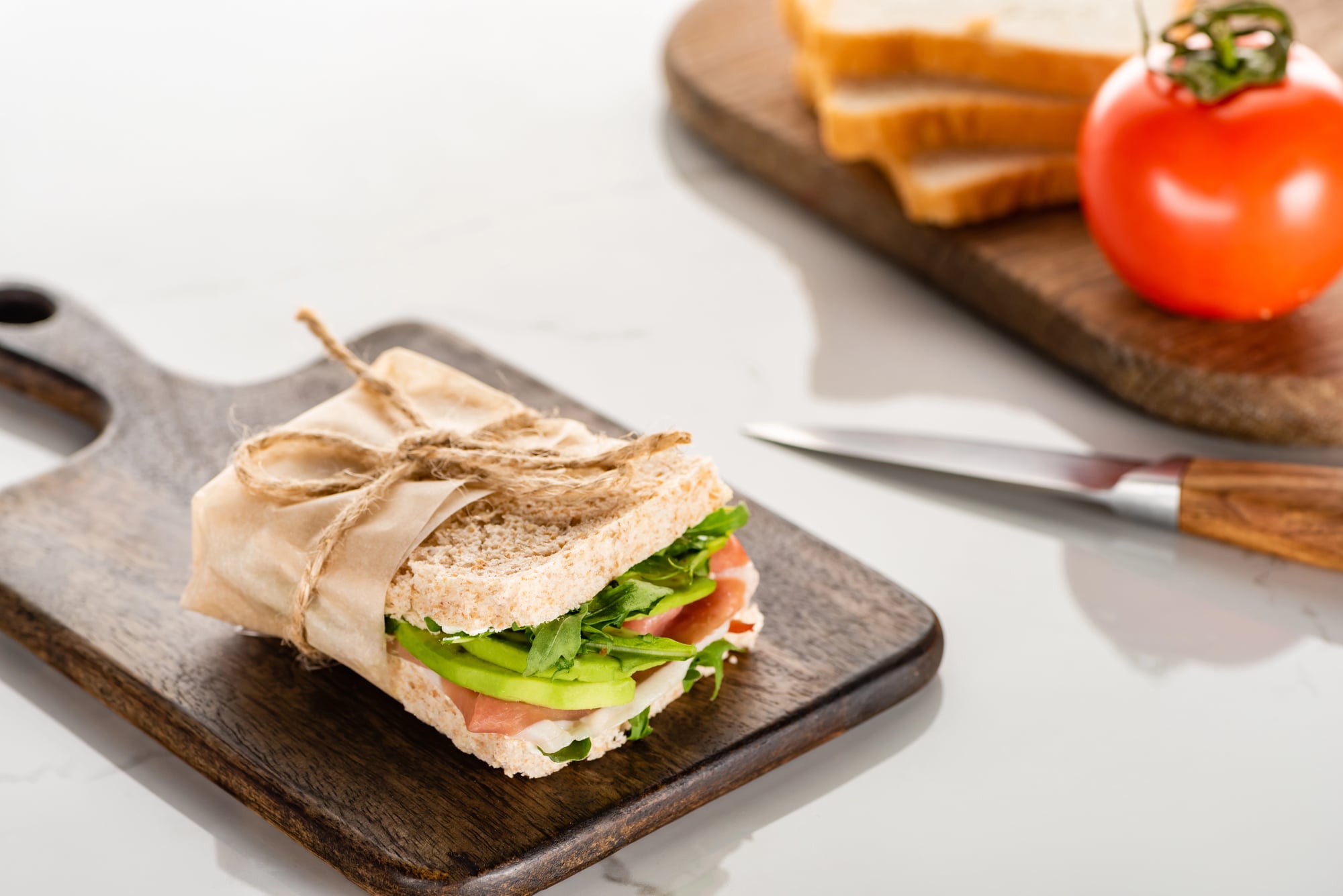
The Earl of Sandwich didn’t set out to revolutionize lunch. He just wanted to keep playing cards without getting grease on his hands.
So he asked for meat between two pieces of bread — a meal he could eat with one hand while gambling with the other. The year was 1762, and John Montagu, the 4th Earl of Sandwich, had no idea he’d just given his name to one of the world’s most popular foods.
Cardigan
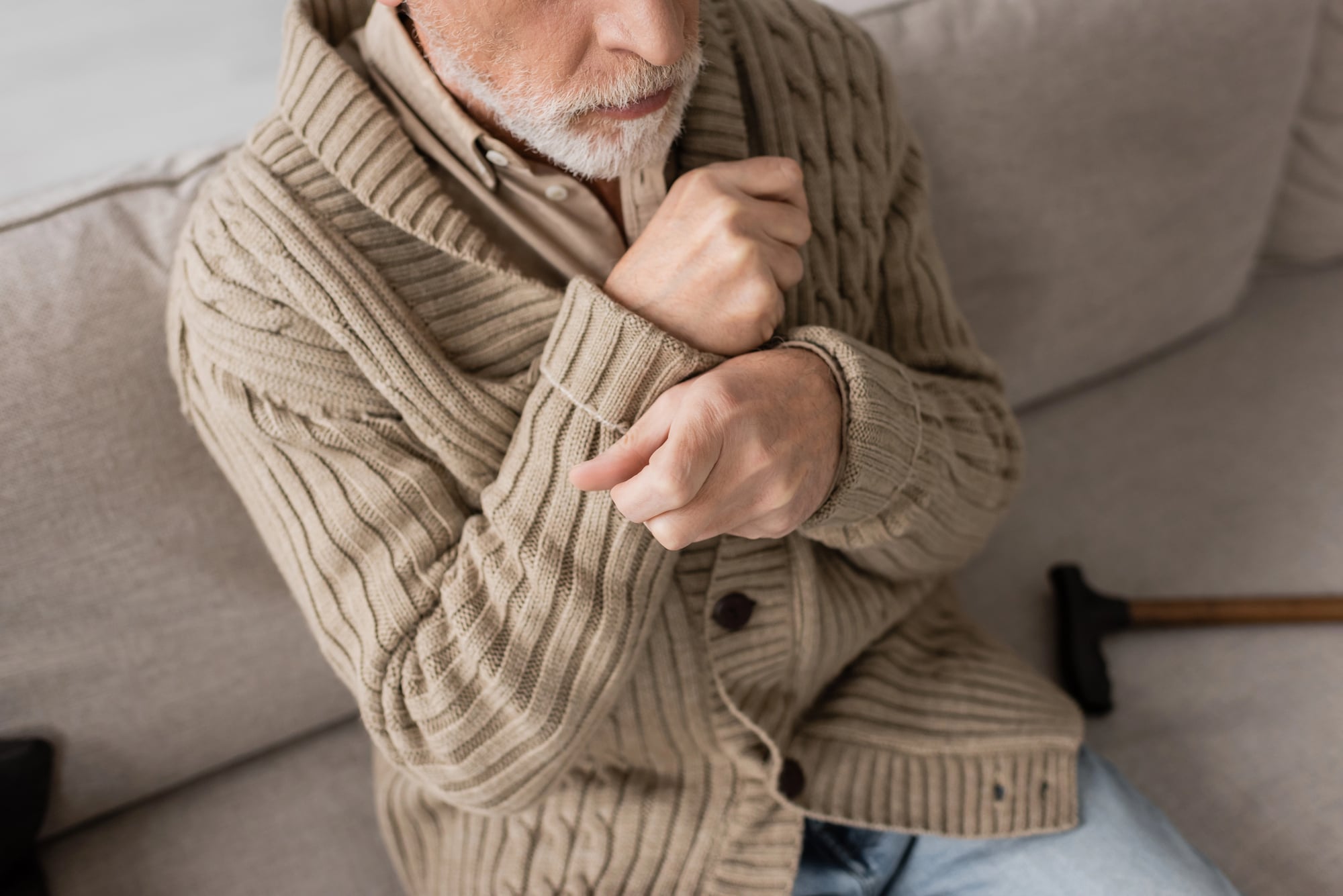
James Thomas Brudenell, the 7th Earl of Cardigan, was many things — a British cavalry officer, a participant in the infamous Charge of the Light Brigade, and apparently someone who appreciated practical knitwear. The button-up sweater that bears his name became popular after he wore a similar knitted waistcoat during the Crimean War.
Turns out military practicality makes for lasting fashion.
Saxophone
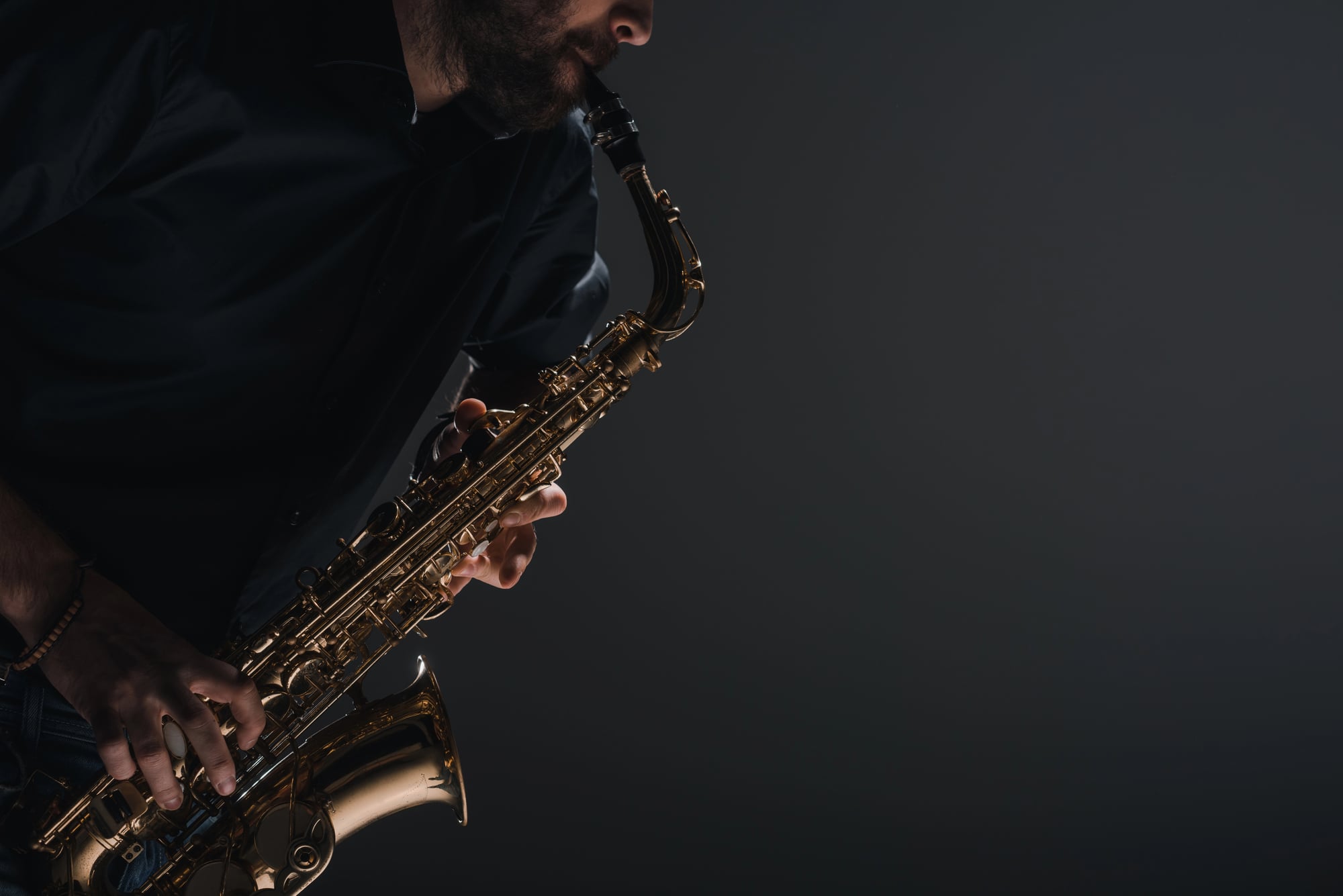
Antoine-Joseph Sax was a Belgian instrument maker who understood something fundamental about sound: there was a gap between the woodwinds and the brass instruments that needed filling. So in the 1840s, he created an instrument that combined the best of both worlds — the single-reed mouthpiece of a clarinet with the conical brass body of a horn.
The saxophone (literally “Sax’s horn”) wasn’t immediately embraced by classical music, but jazz musicians knew exactly what to do with it, and the rest (as they say in the music business, which is filled with its own particular rhythms and unexpected detours) became history — though not the kind of history that Sax himself could have predicted, since jazz wouldn’t emerge for several more decades, and the instrument he’d crafted with one musical tradition in mind would find its true voice in something entirely different. Revolutionary.
But that’s how invention works: you solve one problem and accidentally create something that solves problems you didn’t even know existed. And the saxophone, with its warm tone that could growl like brass or sing like wood, turned out to be exactly what American music was waiting for, even though American music didn’t know it was waiting for anything at all.
Frisbee
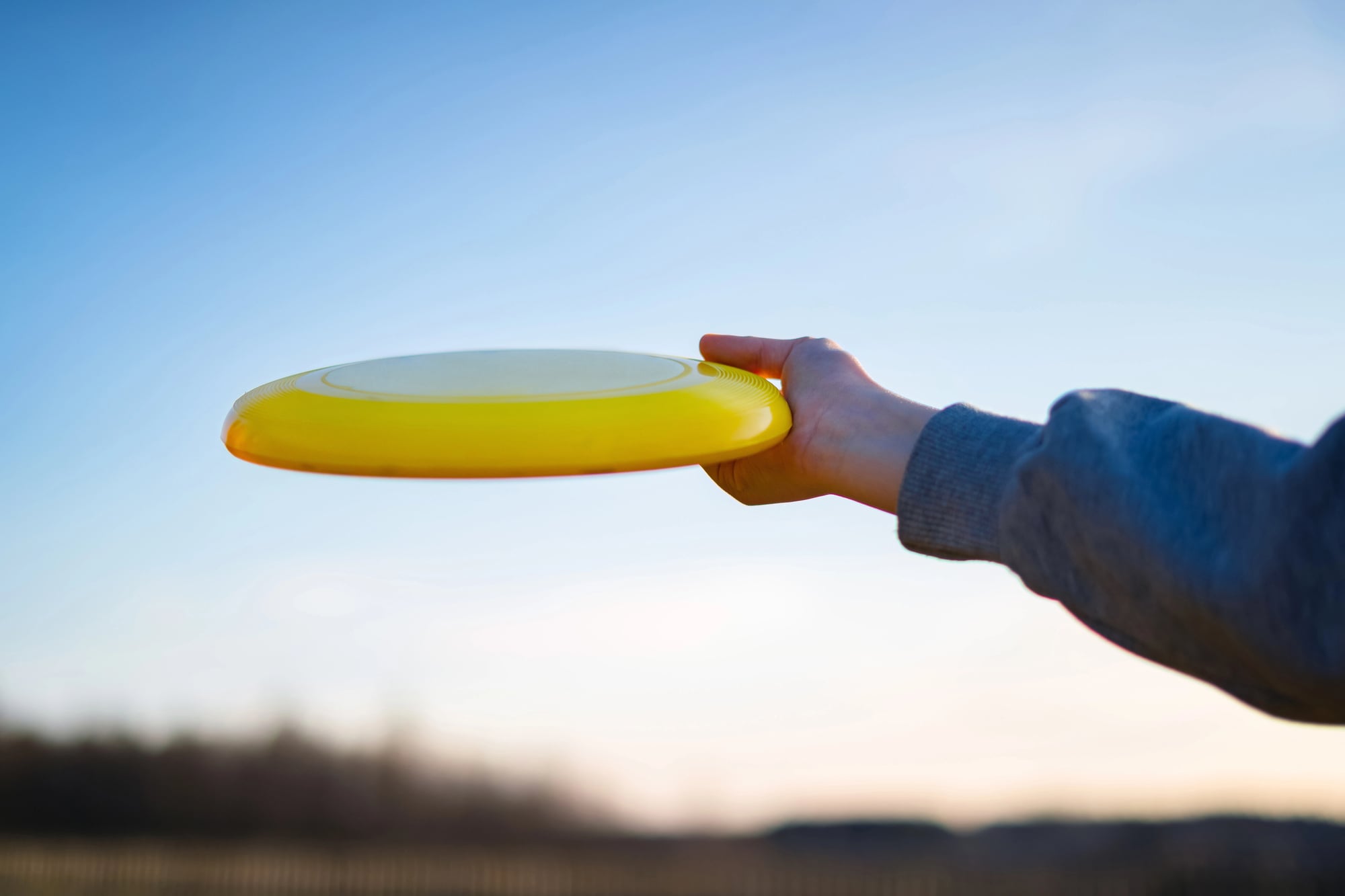
There’s something perfect about the fact that the Frisbee came from pie tins. Students at Yale in the 1950s discovered that the metal tins from the Frisbie Pie Company made excellent flying discs when thrown across campus.
The weight was right, the shape caught the air just so, and suddenly lunch leftovers became entertainment.
Walter Morrison saw college students flinging these pie tins and recognized the potential. He created a plastic version that flew better and lasted longer.
The Wham-O toy company bought his design and named it the Frisbee — a slight misspelling of the original pie company, but close enough to honor the accidental discovery that started it all.
Leotard

Jules Léotard was a French acrobat who needed clothing that moved with his body as he flew through the air on his trapeze. The tight-fitting, one-piece garment he designed in the 1860s was practical above all else — no loose fabric to catch on equipment, no separate pieces to shift during performance.
What he created for circus work became essential for dancers, gymnasts, and anyone else who needed freedom of movement. Sometimes the most functional choice becomes the most enduring one.
Silhouette

Étienne de Silhouette was France’s finance minister in 1759, and he was not popular. His cost-cutting policies during wartime earned him a reputation for cheapness that extended beyond government budgets.
When the trend for inexpensive profile portraits cut from black paper became fashionable, people mockingly called them “silhouettes” after the penny-pinching minister.
The irony is obvious: Silhouette’s name became attached to an art form precisely because people thought he was stingy. But those simple black profiles captured something that elaborate painted portraits often missed — the essential shape of a person, distilled to its most recognizable elements.
What started as an insult became a lasting artistic technique.
Teddy Bear

Theodore Roosevelt refused to shoot a bear. That’s the unlikely beginning of one of the world’s most beloved toys.
During a hunting trip in 1902, Roosevelt was presented with a bear that had been captured and tied to a tree for him to kill easily. He declined, calling it unsportsmanlike.
A political cartoon commemorated the moment, and toymakers Morris and Rose Michtom saw an opportunity. They created a stuffed bear and called it “Teddy’s Bear” after the president.
Roosevelt gave his permission to use his name, and the teddy bear was born.
Guillotine
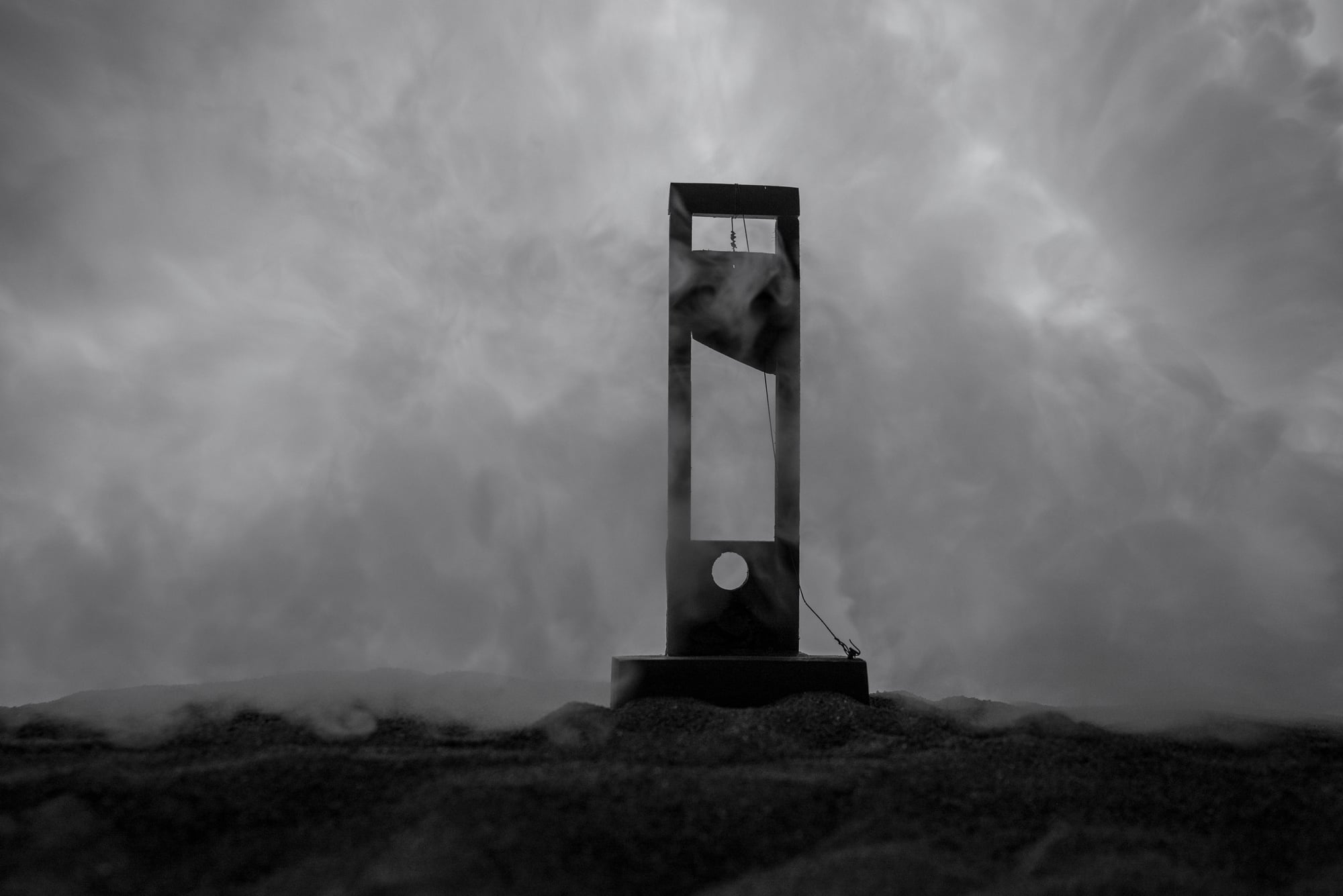
Joseph-Ignace Guillotin was a doctor who advocated for a more humane method of execution during the French Revolution. The device that bears his name was actually designed by Antoine Louis and built by Tobias Schmidt, but Guillotin’s public support for the machine linked his name to it forever (and in a way that probably made him wish he’d chosen his causes more carefully, since having your name attached to an execution device — no matter how humanitarian the original intent — tends to overshadow whatever else you accomplished in life, which in his case included significant medical reforms and early advocacy for vaccination).
The irony cuts deep.
But history has its own sense of justice: Guillotin opposed the death penalty entirely and saw the machine as a step toward eventual abolition. He believed that if execution had to exist, it should be swift, painless, and equal regardless of social class.
And the device did achieve those goals, even if it became a symbol of revolutionary terror rather than humanitarian progress.
Bluetooth
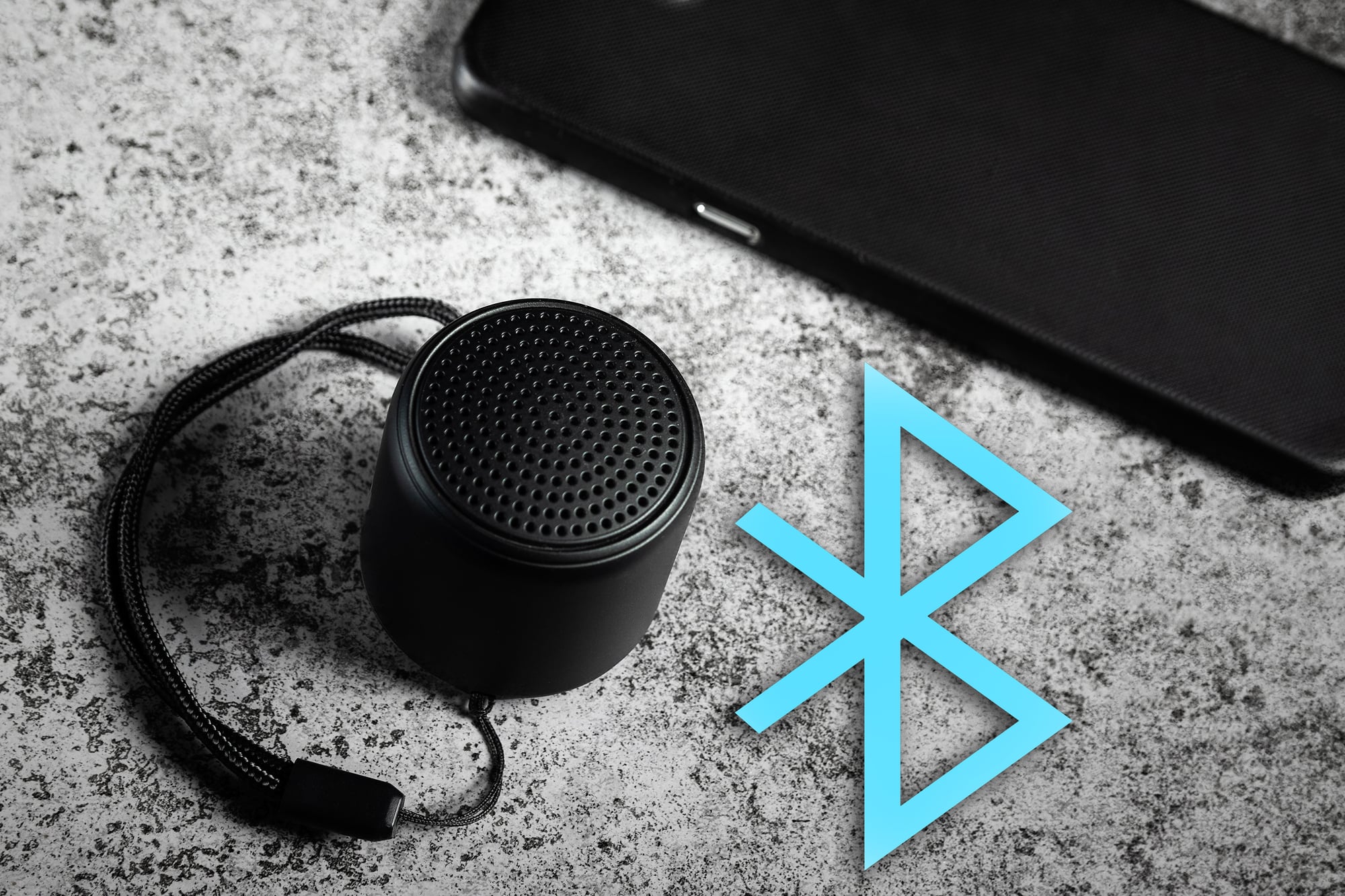
Harald “Bluetooth” Gormsson was a 10th-century Danish king who united warring tribes and brought Christianity to Denmark. When engineers at Ericsson needed a name for their new wireless technology that would unite different devices, they chose Bluetooth as a temporary codename.
The name stuck because it captured exactly what the technology did — it brought different systems together to communicate seamlessly. Even the Bluetooth logo combines the king’s initials in ancient Nordic runes.
Stetson
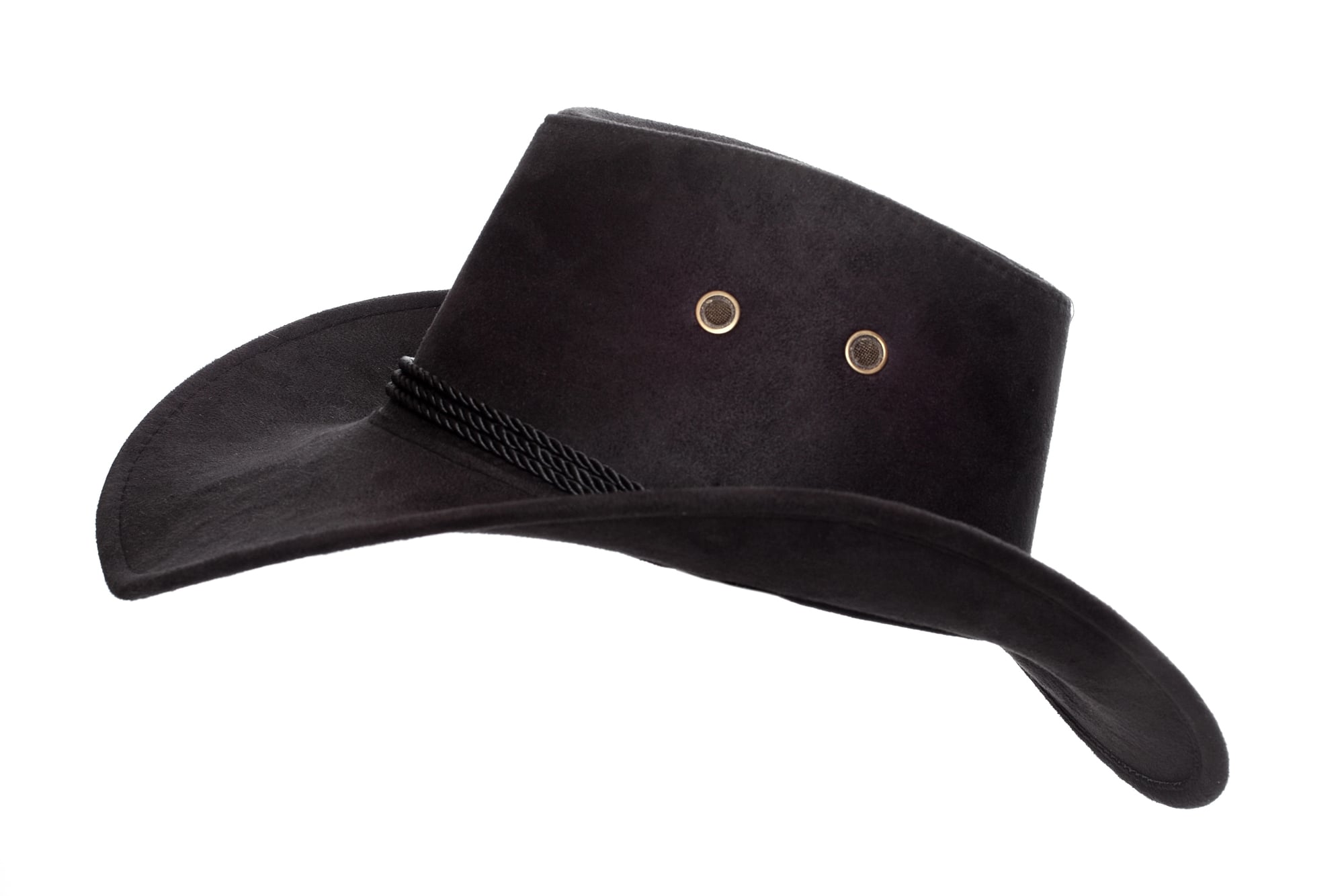
John Batterson Stetson created the first cowboy hat by accident. He was traveling west for his health in the 1860s when he made a hat from felt as a joke to entertain his companions.
A passing horseman liked it so much he bought it on the spot for five dollars — a significant sum at the time. Stetson realized he’d found his calling.
His “Boss of the Plains” hat became the template for what we now recognize as the classic cowboy hat.
Gerrymandering
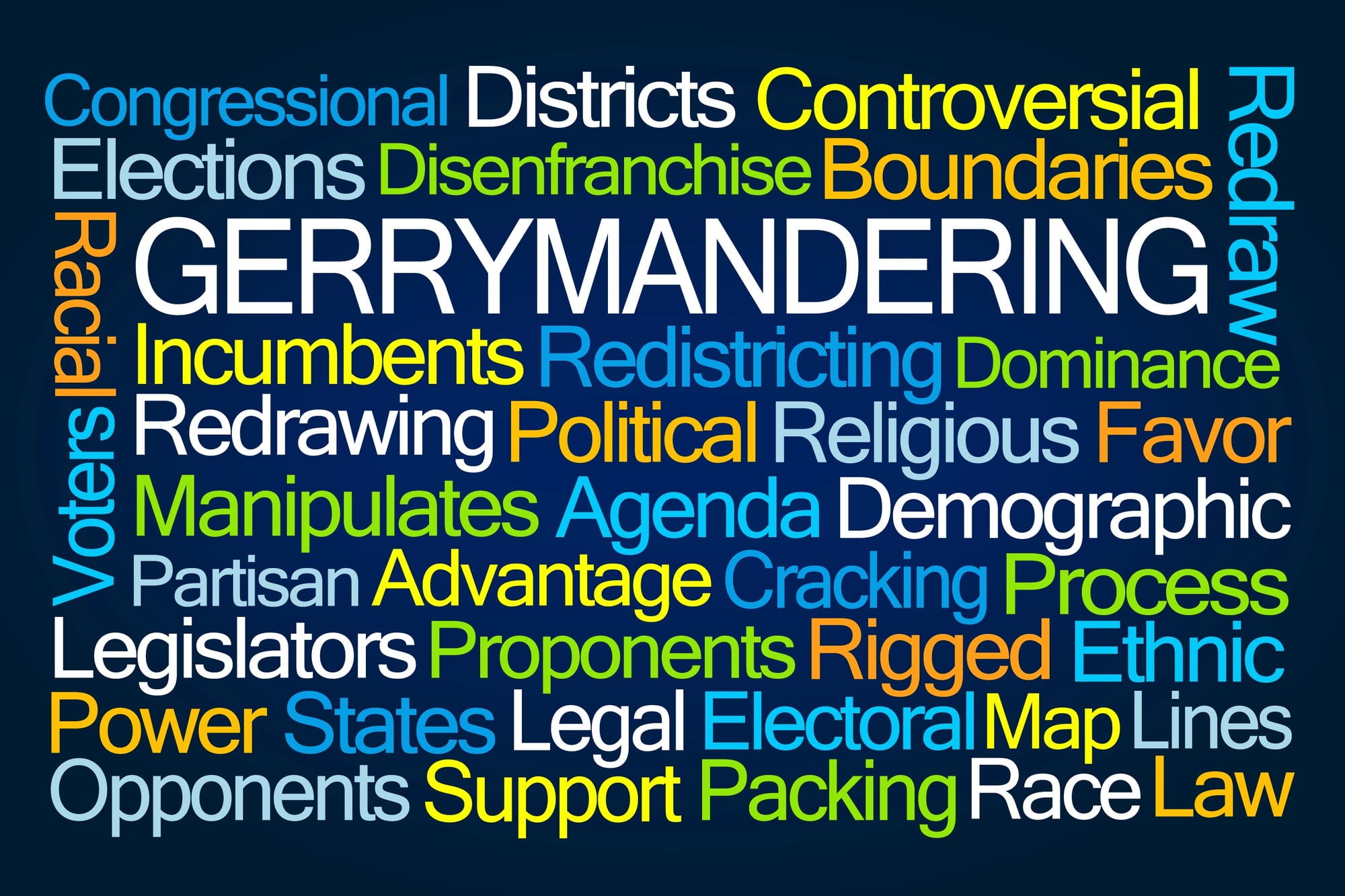
Elbridge Gerry was governor of Massachusetts in 1812 when his party redrew electoral districts to favor their candidates. One district was so bizarrely shaped that a newspaper editor said it looked like a salamander — or better yet, a “Gerrymander” after the governor who approved it.
The term stuck, and Gerry’s name became permanently attached to the practice of manipulating electoral boundaries for political advantage. Not the kind of immortality most politicians hope for.
Shrapnel

Henry Shrapnel was a British artillery officer who invented an exploding shell filled with small metal orbs in the 1780s. His innovation was designed to be more effective against personnel than solid cannonballs.
The military adopted his design, and “shrapnel shells” became standard artillery ammunition. Eventually, any fragments from an explosion came to be called shrapnel, whether they came from Shrapnel’s original design or not.
Derrick

Godfrey Derrick was an executioner at Tyburn gallows in London around 1600. His name became associated with the gallows itself, and eventually with any crane-like structure used for lifting heavy objects.
The connection makes sense — both gallows and construction derricks use similar mechanical principles to raise heavy loads.
What’s remarkable is how a name can travel from one use to something entirely different while keeping the same basic meaning.
When Names Become Words
The strangest thing about eponymous inventions is how completely we forget their origins. Nobody thinks about the Earl of Sandwich when ordering lunch, and teddy bears have long since separated from Theodore Roosevelt in our minds.
These names have become so embedded in the language that their human origins feel almost accidental — as if the words existed independently and just happened to sound like someone’s name. But behind each one is a person who solved a problem, filled a need, or simply got lucky enough to have their moment of innovation remembered.
More from Go2Tutors!

- The Romanov Crown Jewels and Their Tragic Fate
- 13 Historical Mysteries That Science Still Can’t Solve
- Famous Hoaxes That Fooled the World for Years
- 15 Child Stars with Tragic Adult Lives
- 16 Famous Jewelry Pieces in History
Like Go2Tutors’s content? Follow us on MSN.