Reasons People Were Arrested in the 1800s
The 1800s carried strict rules that shaped everyday life, and many of them look surprising now. People ended up in jail for things that feel small today, yet these rules shaped how towns protected order and their own sense of good behavior.
Before diving in, it helps to remember how different daily life looked back then. With slower travel and tight community standards, small actions sometimes drew big reactions.
Public disturbance

Loud behavior often sent people straight to the local jail. Town leaders believed noise made crowds restless, so they acted quickly when arguments grew too heated.
Even a sudden shouting match could catch the attention of an officer. Travelers learned early that calm voices kept them out of trouble.
Debt trouble

Falling behind on payments carried real risk because many courts favored strict repayment. Some people landed in debtors’ jails for amounts that sound tiny today.
Families often relied on neighbors to vouch for them or help cover part of the debt. Towns used these arrests to remind everyone that missed payments affected the whole community.
Vagrancy

Wandering without steady work raised suspicion in many places. Leaders believed that people with no fixed home might slip into trouble, so they kept a close eye on unfamiliar faces.
A traveler walking long stretches of road alone could be questioned before reaching the next town. Many people carried simple work papers to avoid problems, even if they only planned to stay one night.
Public drunkenness

Drinking in public spaces created quick tension, especially during crowded events. If someone caused a scene, officers stepped in fast since one person’s behavior often sparked more noise.
Some towns built small overnight lockups just for people who drank too much. Locals knew these spots well and joked about staying far away from them.
Horse theft

Stealing a horse counted as a major offense because animals were essential for work, travel, and trade. A stolen horse could leave a family stranded miles from town.
Courts punished the crime harshly to discourage anyone from even thinking about it. Ranchers sometimes branded their animals so officers could identify them quickly.
Counterfeit money

Fake currency caused worry, especially in small towns where trust kept the local economy steady. People examined coins and bills carefully because one bad piece could disrupt several businesses.
Anyone caught passing fake money faced serious charges, even if they claimed they did not know it was fake. Merchants often taught their children how to spot problems just by feeling the surface.
Breaking curfew laws

Many towns used curfews to keep streets calm after dark and to limit late-night fights. Anyone walking around without a clear reason became an easy target for arrest.
Officers patrolled main roads and checked lantern-lit paths for unfamiliar movement. It gave towns a sense of control in an era with limited lighting and slower communication.
Gambling violations

Games of chance drew crowds, and leaders often believed they encouraged disorder. When makeshift tables gathered too much attention, officers stepped in to clear the area.
Even friendly games behind a shop could lead to arguments that spread into the street. People who loved games learned to keep them quiet and choose their company carefully.
Pickpocketing

Crowded streets, open markets, and busy fairs created perfect conditions for quick hands. When someone mishandled another person’s belongings, tensions rose fast.
Officers acted quickly because stolen items often vanished within minutes. Merchants warned customers to hold their belongings close, especially during harvest festivals.
Trespassing
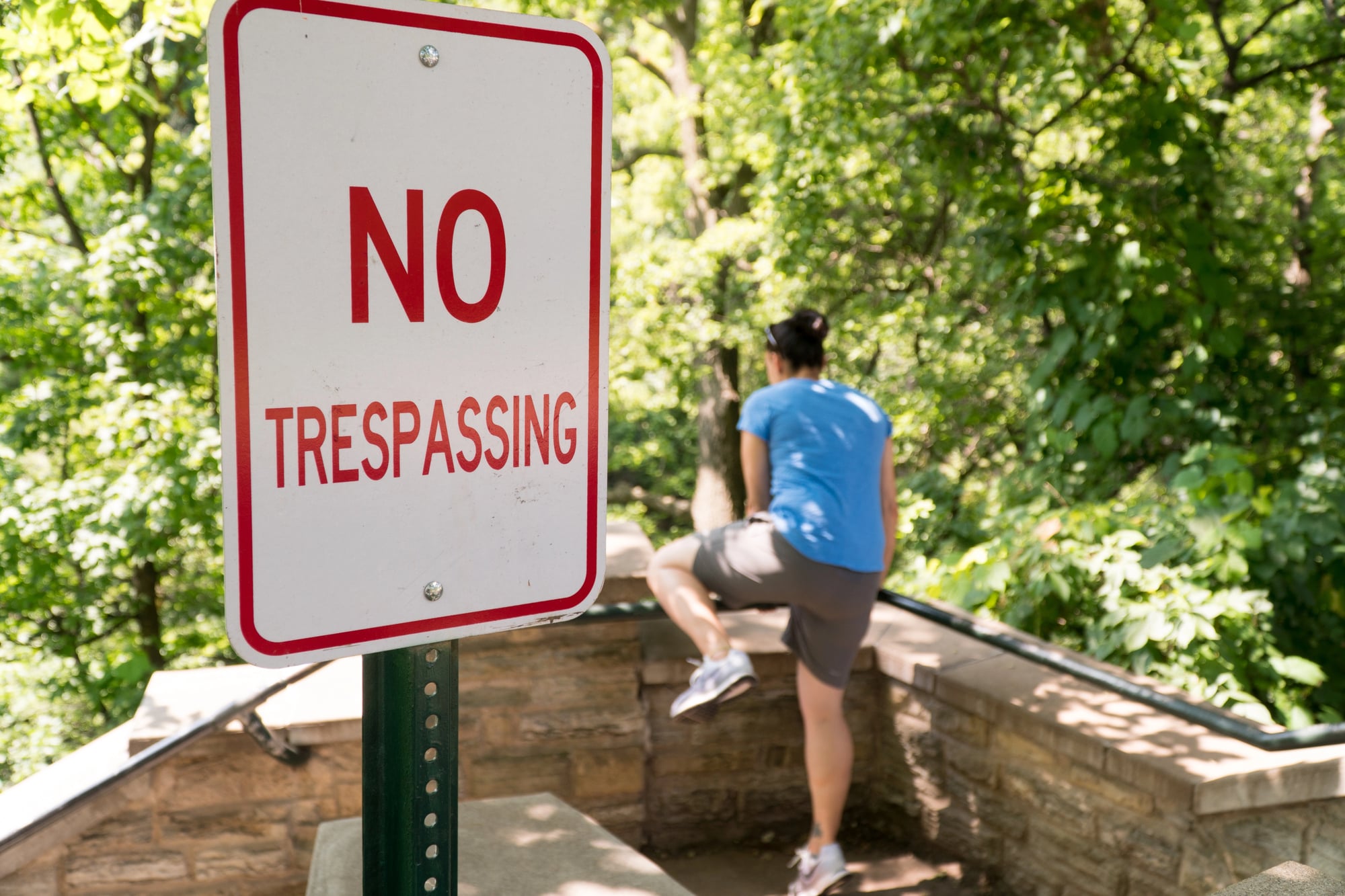
Crossing private land without permission could start trouble in seconds. Farms stretched for miles, and landowners guarded every corner of their property.
Even a simple shortcut across a field might lead to a heated confrontation. Some owners posted signs or built fences, but many relied on word of mouth to keep people away.
Poaching

Hunting on someone else’s land without approval brought stiff penalties. Game fed families, so property owners protected it closely.
A hunter caught with fresh meat and no permission often faced both arrest and a long lecture from the landowner. People learned to ask before aiming their rifles, even if the forest looked empty.
Disorderly gatherings

Large crowds worried leaders who feared sudden fights or secret plans. When groups formed quickly in a square or near a dock, officers moved in to break them apart.
Street vendors sometimes lost customers when this happened, since shoppers scattered fast. Many towns preferred small, organized meetings that were easy to monitor.
Violating moral codes

Many communities enforced strict behavior rules tied to local values. If someone acted in a way that clashed with these expectations, they risked getting detained.
What counted as improper varied from town to town, making travel tricky. Visitors often learned the rules only after getting scolded by a local elder.
Unauthorized street selling

Street vendors needed permission to set up their goods, and officers checked permits often. Anyone caught selling without approval faced fines or arrest.
Town leaders claimed this protected established shops, though some said it gave them too much control. Many vendors carried small handwritten papers to prove they belonged there.
Resisting officers

Anyone who challenged an officer’s orders faced fast consequences. Even small disagreements could turn into charges if an officer felt the person moved too slowly or spoke too sharply.
Towns expected quick cooperation to keep situations calm. Local gossip often spread news of these arrests, warning others to stay polite.
Train fare dodging

As trains spread across the country, skipping the fare became a growing issue. Conductors checked tickets carefully and sometimes walked each railcar twice.
Anyone caught sneaking aboard faced arrest at the next stop, no matter how short the trip.
Where old rules meet modern understanding

The reasons people were arrested in the 1800s reveal how communities handled order, fear, and daily pressure in a changing world. Some rules feel harsh now, yet they show how deeply towns valued quiet streets and predictable behavior.
More from Go2Tutors!

- The Romanov Crown Jewels and Their Tragic Fate
- 13 Historical Mysteries That Science Still Can’t Solve
- Famous Hoaxes That Fooled the World for Years
- 15 Child Stars with Tragic Adult Lives
- 16 Famous Jewelry Pieces in History
Like Go2Tutors’s content? Follow us on MSN.