Everyday Things That Are Riskier Than They Look
Life has a way of hiding danger in plain sight. The things that actually hurt people rarely announce themselves with warning labels or dramatic music.
Instead, they sit quietly in kitchens, bathrooms, and garages, looking perfectly harmless until something goes wrong. The most treacherous part isn’t that these everyday items are dangerous — it’s that familiarity breeds a false sense of security that can catch anyone off guard.
Ladders

Don’t trust ladders. They look stable until the moment they aren’t.
Falls from ladders send more people to emergency rooms than most extreme sports combined. The problem isn’t the ladder itself — it’s the confidence that comes with using something so ordinary.
People skip safety checks, lean too far, or rush the setup because it’s “just a ladder.” That casual approach kills more than 300 people every year.
Garage door springs
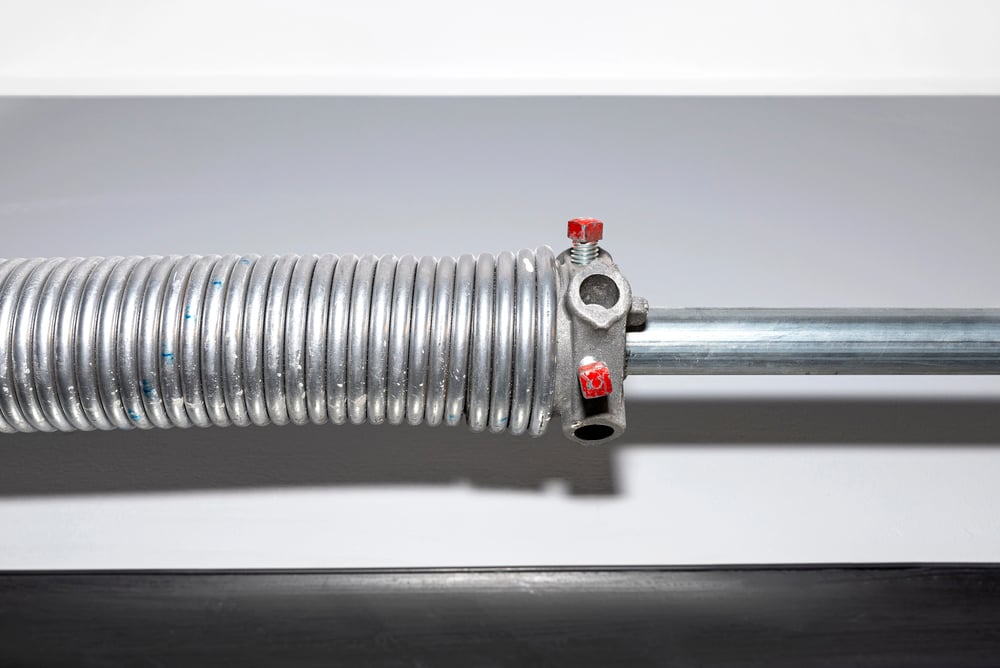
There’s something almost sinister about how innocent garage door springs appear, coiled there above your car like oversized desk accessories, when in reality they’re storing enough tension to launch themselves through drywall (or through you) with the force of a small explosion. Most people see them as simple hardware — part of the background machinery that makes suburban life convenient — but these springs operate under pressures that would make a pneumatic tool nervous, and when they fail, which they eventually do after thousands of cycles, they don’t just break.
They detonate. And here’s the thing that really gets you: the failure is usually sudden, without warning, happening on some random Tuesday morning when you’re just trying to get to work, not during a storm or after some obvious mechanical stress, just because today happened to be the day that metal fatigue finally won.
So when your garage door starts making new noises or moving differently, that’s not a weekend project calling your name. That’s a professional repair hiding behind what looks like simple maintenance.
Bathtubs

Bathtubs are slippery museums of accidents waiting to happen. Every year, they claim their victims with the quiet efficiency of a predator that’s learned to look harmless.
The porcelain surface becomes a skating rink the moment soap enters the equation, and suddenly the most relaxing room in the house turns into a place where one wrong step can fracture a hip or crack a skull. The danger multiplies for older adults, but nobody gets a free pass here.
A wet bathtub doesn’t care about your age or agility — physics works the same for everyone. Those little rubber mats and grab bars aren’t suggestions. They’re the difference between a peaceful soak and a ride in an ambulance.
Extension cords
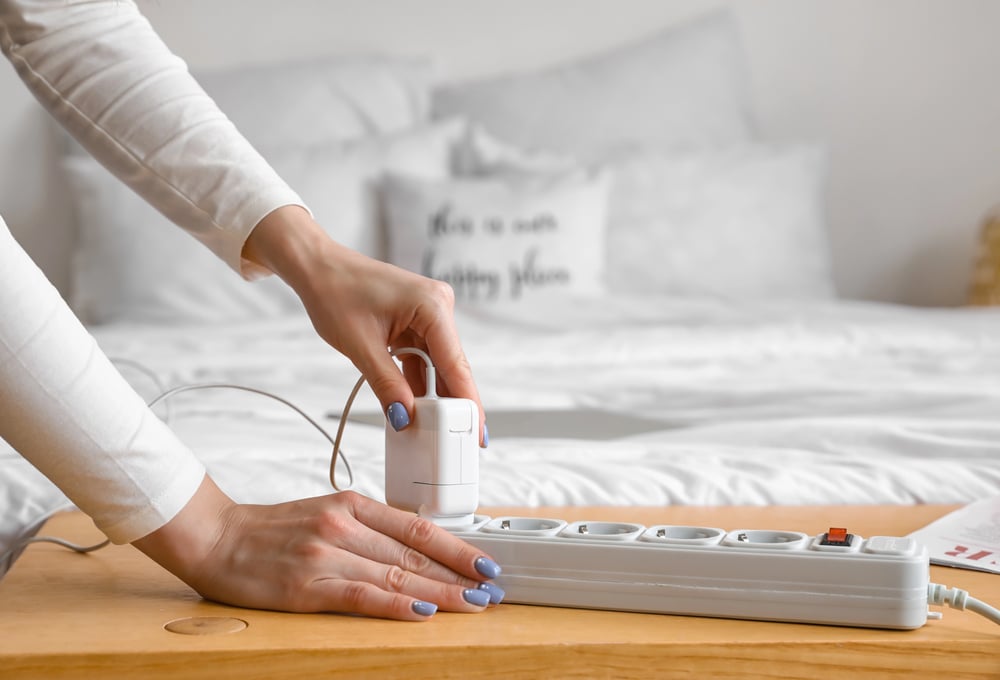
Extension cords are the electrical equivalent of duct tape — people use them for everything except what they’re designed for. Running space heaters, powering workshop tools, daisy-chaining multiple cords together like some kind of electrical Christmas garland.
The result is predictable: house fires, electrocution, and insurance claims. The real problem is that extension cords look so harmless. Just a simple cable with plugs on both ends. What could go wrong? Turns out, plenty.
Overloaded circuits don’t announce themselves before they start a fire. They just get hot, melt the insulation, and introduce your walls to open flame.
Which is saying something about trusting a fifteen-dollar piece of equipment with your entire house.
Stepladders
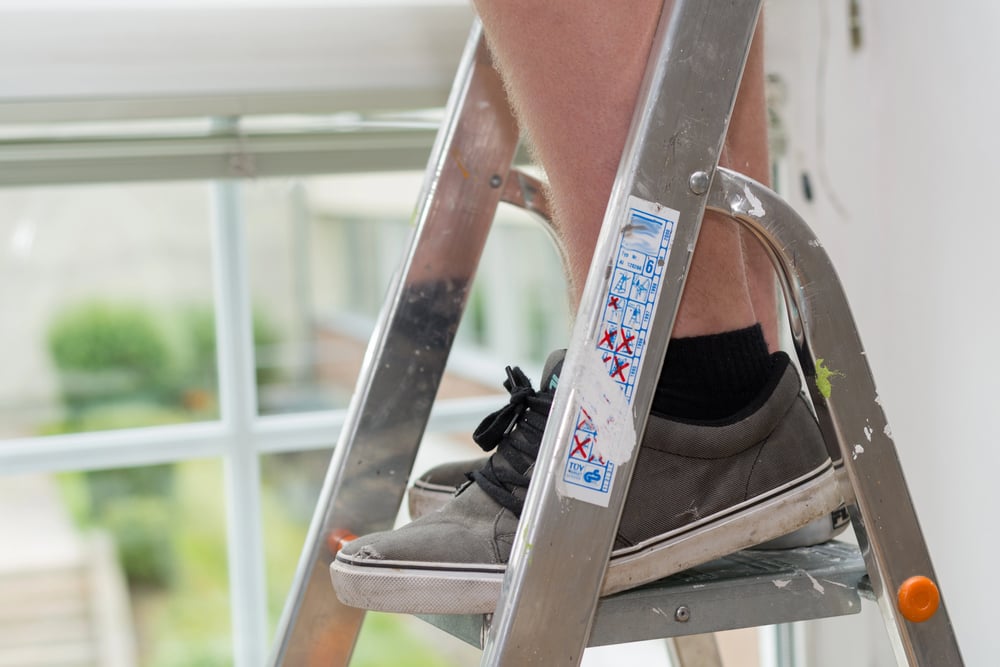
Unlike their taller cousins, stepladders live indoors and get treated like furniture. People climb them in socks, set them up on uneven surfaces, and use the top step as a shelf instead of standing on the proper platform below it.
This casual relationship with basic safety turns a simple tool into a statistical inevitability. The danger isn’t in the ladder’s design — it’s in how comfortable people get with using it.
That familiarity leads to shortcuts, and shortcuts lead to emergency room visits. Standing on a stepladder should feel slightly precarious, not like sitting in a chair. The moment it feels completely safe is the moment to double-check your setup.
Space heaters
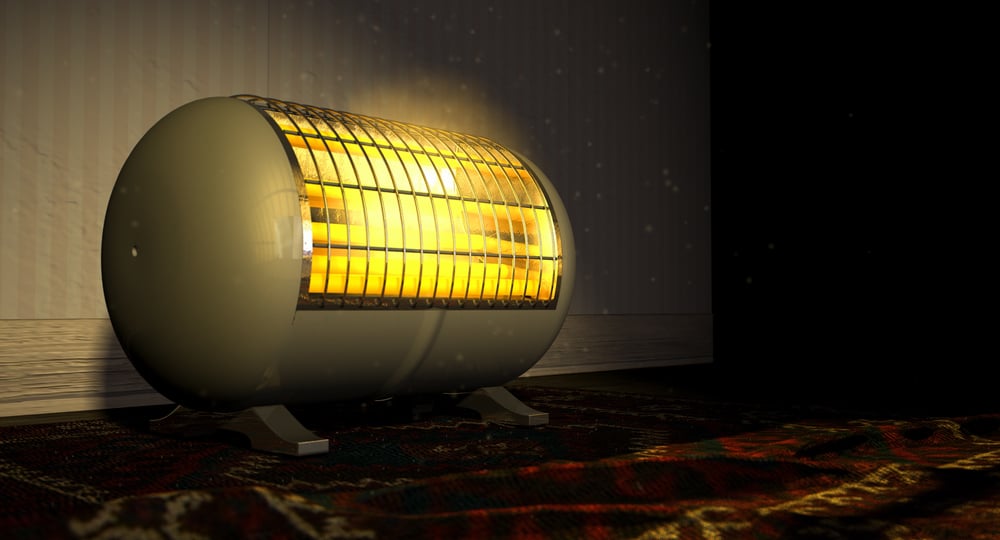
Space heaters seduce people with their promise of targeted warmth, like having a personal sun in the corner of the room, but they’re essentially controlled fires that most people treat with all the respect of a desk lamp. The coils glow cheerfully, the fan hums along, and everything seems perfectly civilized until fabric gets too close, or dust builds up on the elements, or someone falls asleep with the thing running full blast three feet from a pile of laundry.
Then that helpful little appliance becomes an arsonist’s dream, turning bedrooms into furnaces faster than anyone expects. The statistics don’t lie here: space heaters cause thousands of house fires every year, and most of those start in ways that seemed completely safe to the people involved.
So when the manual says “three feet of clearance on all sides,” that’s not a gentle suggestion from overly cautious engineers. That’s the voice of experience talking.
Pressure washers
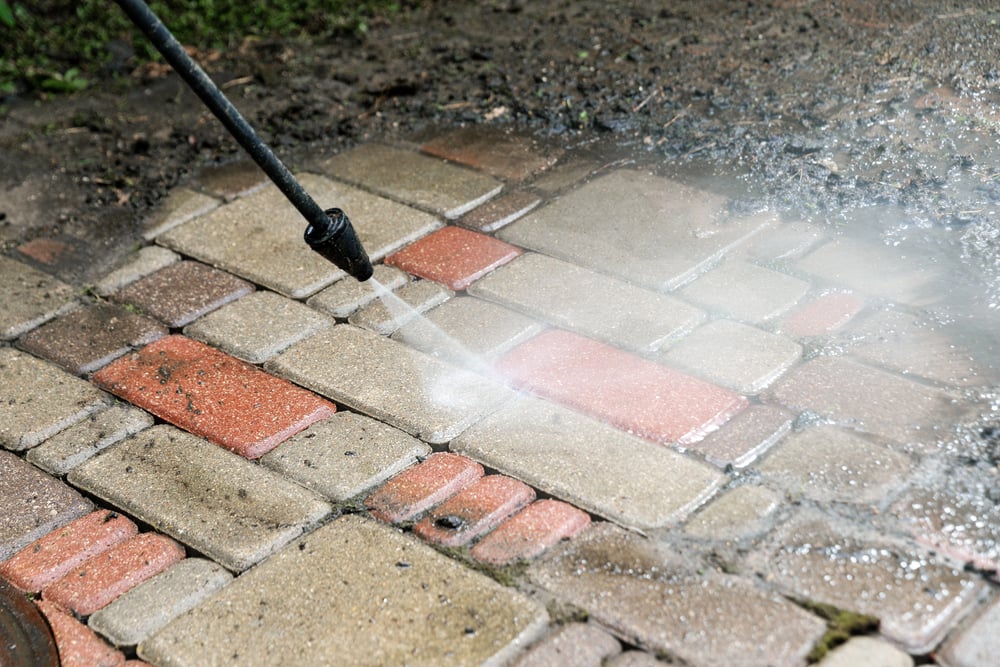
Pressure washers turn ordinary water into a force that can strip paint, carve wood, and peel skin off bone. The mistake people make is thinking they’re just fancy garden hoses.
They’re not. They’re industrial tools disguised as weekend conveniences.
That concentrated stream of water shoots out at pressures high enough to inject dirt and bacteria directly into wounds. One careless moment — pointing the nozzle the wrong direction, losing grip on the trigger, stepping into the spray path — and suddenly you’re explaining to a doctor how cleaning the deck sent you to the hospital.
The pressure doesn’t care about good intentions or careful planning. It just cuts through whatever gets in its way.
Kitchen mandolines
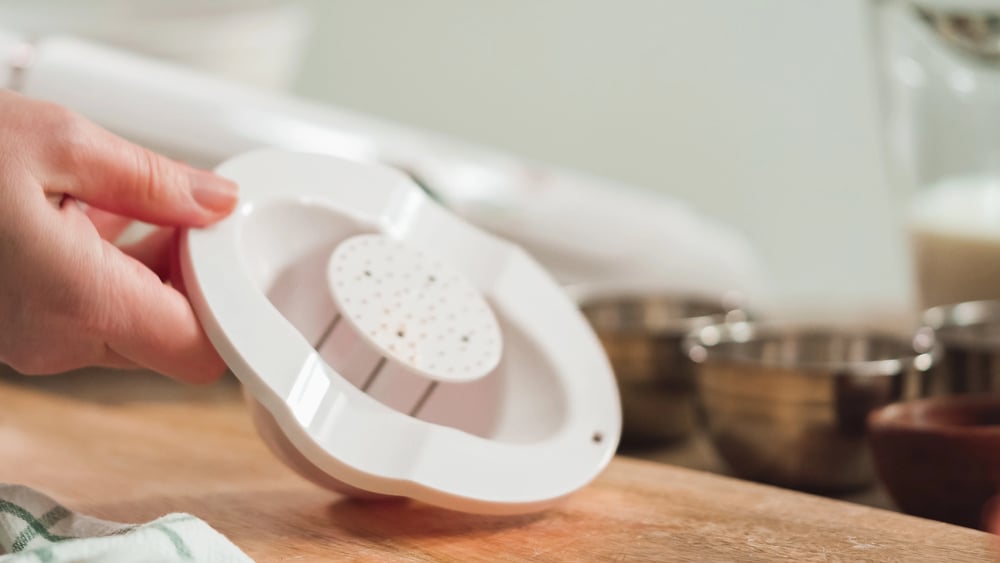
The mandoline slicer sits in kitchen drawers like a sleeping predator, all sharp edges and surgical precision wrapped in the innocent promise of perfectly uniform vegetables. Professional chefs know to treat these devices with the respect typically reserved for power tools — gloves, guards, and absolute attention to where fingers are in relation to that blade — but home cooks see them as just another kitchen gadget, something that should be as safe as a can opener or measuring cup.
The blade doesn’t distinguish between potato and fingertip, though, and emergency room nurses can always tell when someone got a new mandoline for Christmas based on the uptick in nearly severed digits. Even experienced cooks get complacent after months of incident-free slicing.
The rhythm becomes automatic, the safety precautions start feeling excessive, and that’s exactly when the mandoline reminds everyone why it earned its reputation. One distracted moment, one piece of produce that’s slightly smaller than expected, and suddenly perfect julienne cuts become a bloody lesson in kitchen safety.
Ceiling fans
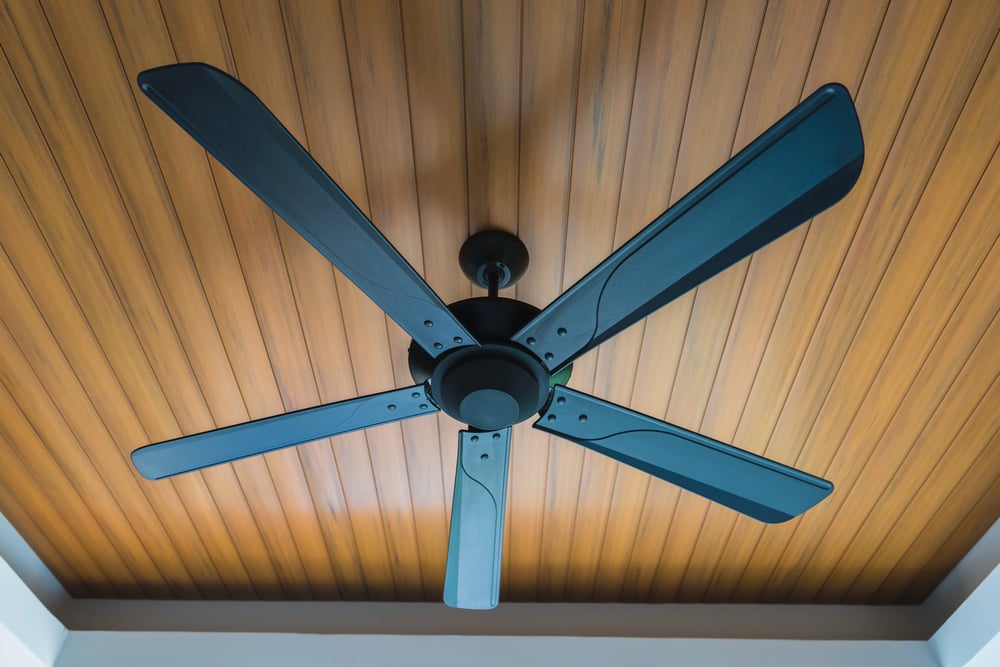
Ceiling fans are deceptively powerful machines spinning heavy blades at head level. People walk under them every day without thinking twice, but those blades can break bones if they connect with a skull at the wrong angle.
The danger isn’t just from walking into them — it’s from the fan itself coming apart. Poor installation, loose screws, or worn-out hardware can turn a ceiling fan into a projectile launcher.
When the motor mount fails, those spinning blades don’t just stop — they travel. Across the room, into walls, through windows.
The peaceful whoosh of circulating air becomes the sound of destruction in about two seconds.
Ice

Ice doesn’t look dangerous. It looks like water that got cold and decided to take a nap.
But ice is responsible for more broken bones than most people realize, turning sidewalks into skating rinks and parking lots into accident scenes waiting to happen. The real problem is that ice lies.
A thin layer of black ice on asphalt looks like nothing more than a wet road, right up until your feet go in different directions and gravity takes over. Even obvious ice gets underestimated — people think they can navigate it with regular shoes and careful steps, but ice doesn’t negotiate.
It just waits for that moment when balance shifts slightly wrong, then sends people to the ground faster than they can react.
Hot water
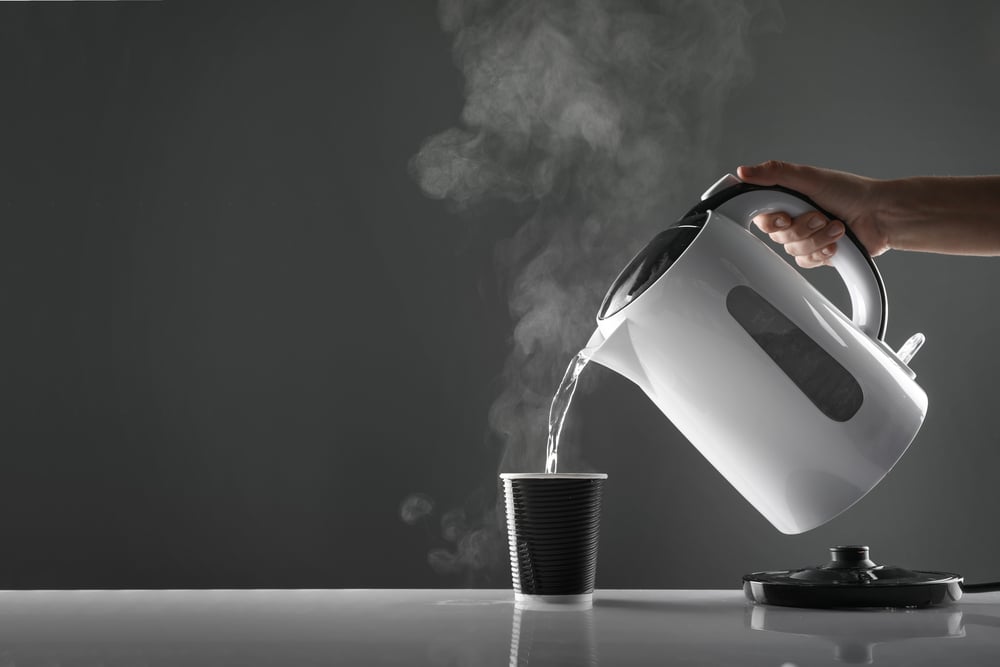
Most people think of hot water as a comfort, not a weapon. The temperature that feels perfect in a shower can cause third-degree burns in less than five seconds if the flow hits the wrong spot or someone slips under the stream.
Water heaters set above 120 degrees turn every faucet in the house into a potential hazard, especially for children and older adults whose skin burns faster. The danger multiplies in kitchens, where boiling water and hot oil create opportunities for devastating accidents.
Spilled pasta water doesn’t just make a mess — it creates burns that can require skin grafts. And unlike other kitchen hazards that announce themselves with sharp edges or open flames, hot water looks exactly like cold water until it’s too late.
Trampolines
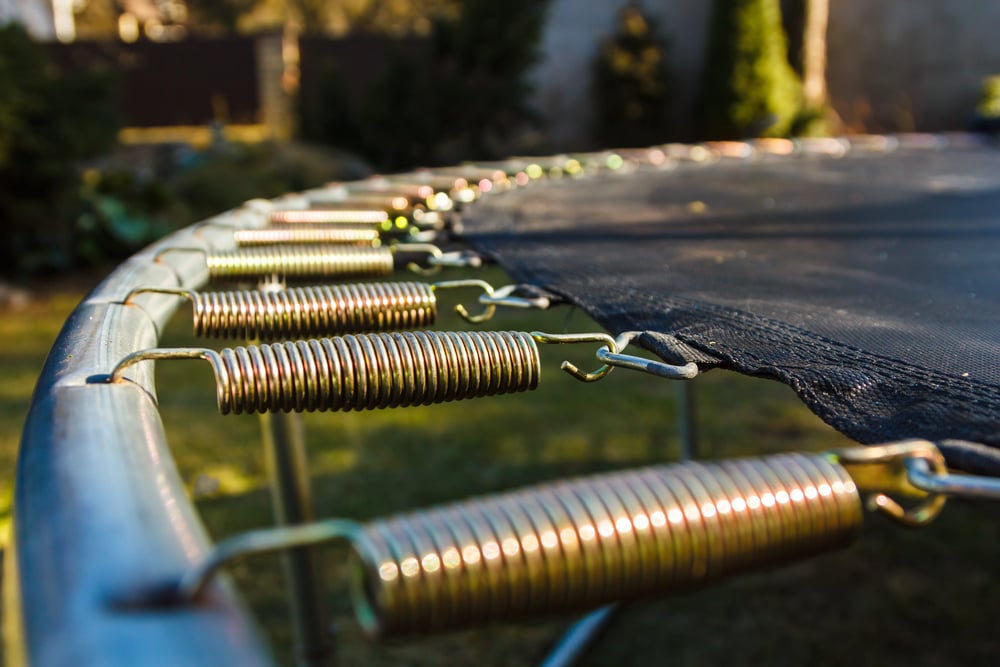
Trampolines transform backyards into orthopedic waiting rooms with remarkable efficiency. The bouncing looks harmless enough — just kids having fun in the fresh air — but emergency room doctors know better.
Broken bones, dislocated joints, and head injuries arrive at hospitals with predictable regularity every time the weather gets nice enough for outdoor bouncing. The problem isn’t that trampolines are inherently evil.
It’s that they create a false sense of security about defying gravity. People bounce higher and attempt more ambitious tricks than their bodies can handle, and trampolines don’t forgive mistakes.
Land wrong, bounce into someone else, or miss the center of the mat, and physics delivers an immediate lesson about forces and momentum. Safety nets help, but they can’t protect against the overconfidence that comes with feeling weightless.
Automatic garage doors
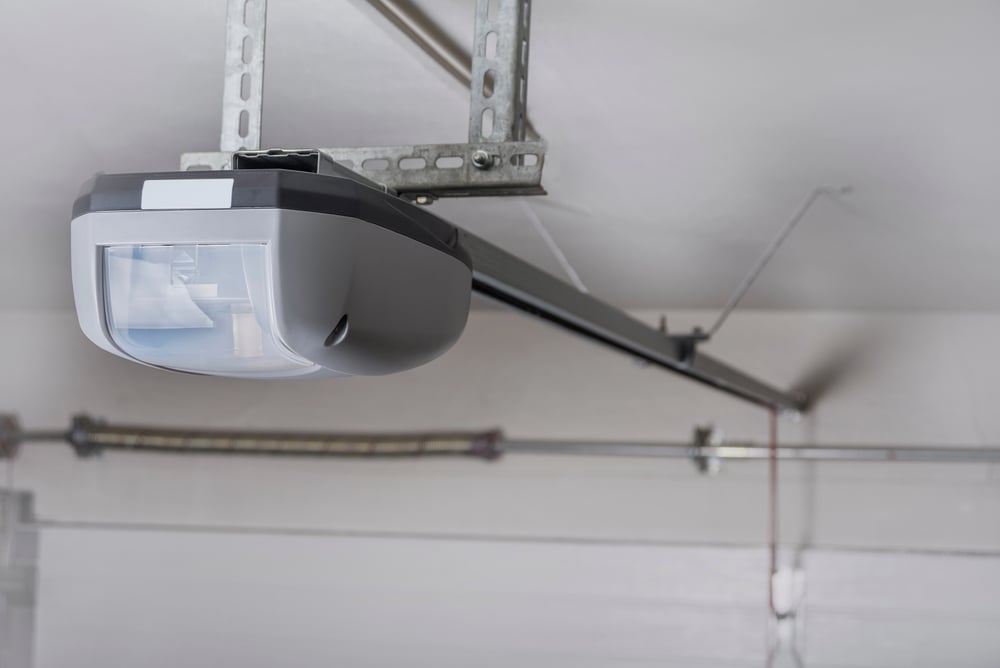
Automatic garage doors operate with enough force to lift several hundred pounds of metal and wood, which means they also operate with enough force to crush whatever gets in their way. The safety mechanisms that are supposed to stop the door when it encounters resistance can fail, malfunction, or simply not detect smaller objects — like pets, children, or body parts that happen to be in the wrong place when the door decides to close.
Most people treat garage door openers like magic — push a button, door goes up, push again, door comes down. That casual relationship with a powerful machine creates opportunities for accidents.
Fingers get caught in tracks, people duck under closing doors instead of waiting, and maintenance gets ignored until something goes wrong. The door doesn’t care about convenience or hurried schedules. It just follows its programming, regardless of what’s in the way.
The art of paying attention

The thread connecting all these everyday dangers isn’t their inherent evil or poor design. It’s the way familiarity breeds carelessness, turning routine activities into moments where attention wanders and safety becomes an afterthought.
The most dangerous thing in any house isn’t the tool or appliance itself — it’s the assumption that ordinary means safe, and safe means you can stop thinking about consequences. Paying attention isn’t paranoia.
It’s the difference between a normal day and an emergency room visit that starts with the phrase “I was just trying to…”
More from Go2Tutors!

- The Romanov Crown Jewels and Their Tragic Fate
- 13 Historical Mysteries That Science Still Can’t Solve
- Famous Hoaxes That Fooled the World for Years
- 15 Child Stars with Tragic Adult Lives
- 16 Famous Jewelry Pieces in History
Like Go2Tutors’s content? Follow us on MSN.