Most Iconic Space Missions or Objects Ever Launched
Nothing captures human ambition quite like hurling metal and dreams into the vast darkness above our heads. For decades, we’ve been sending pieces of ourselves beyond Earth’s atmosphere — some return with answers, others keep traveling until the stars burn out.
These missions and objects didn’t just advance science; they redefined what seemed possible and reminded us that curiosity might be our species’ greatest trait.
Sputnik 1
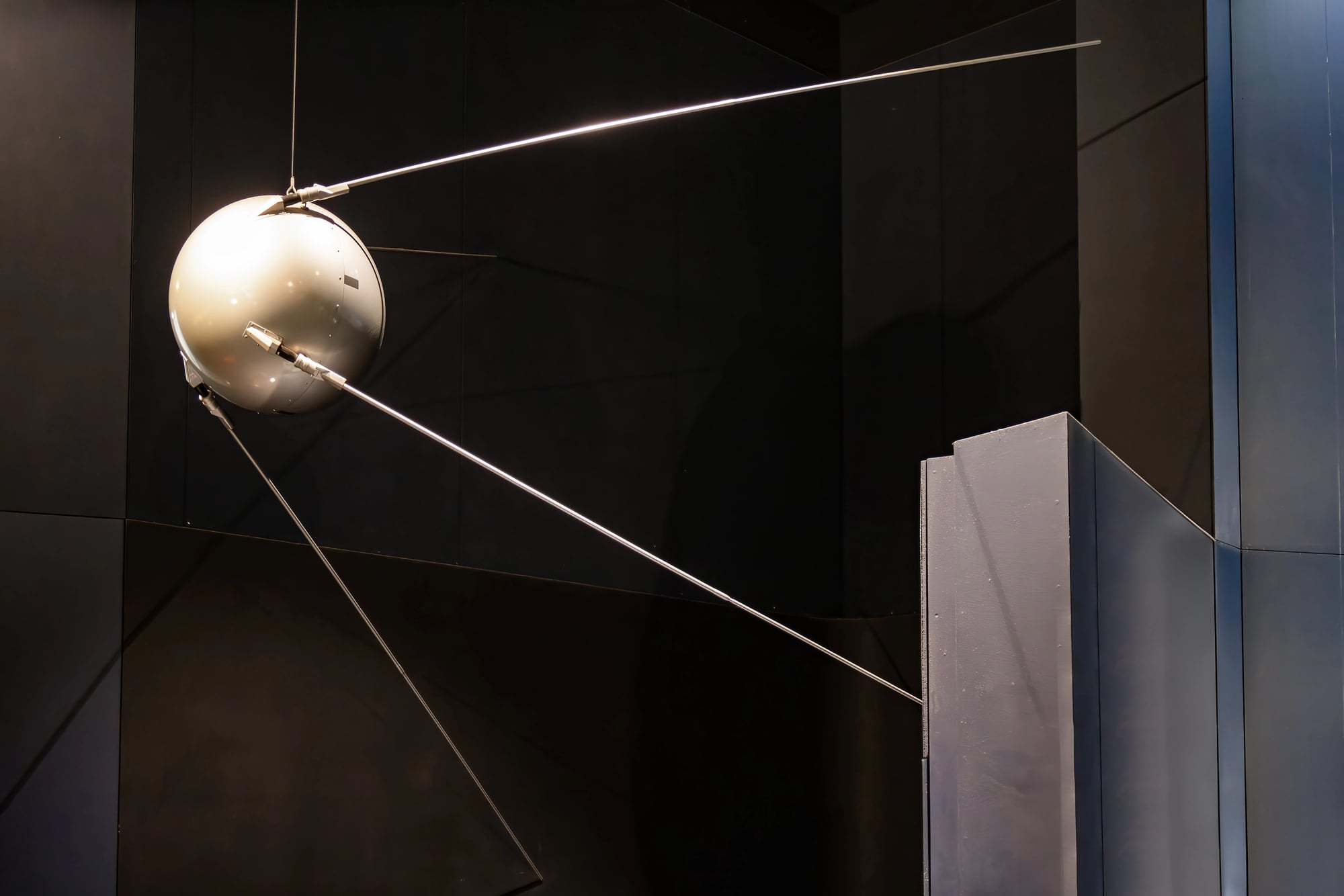
The beach orb that changed everything. Soviet engineers launched a 183-pound sphere with four antennas in October 1957.
It beeped for three weeks before going silent. The world was never the same.
Apollo 11
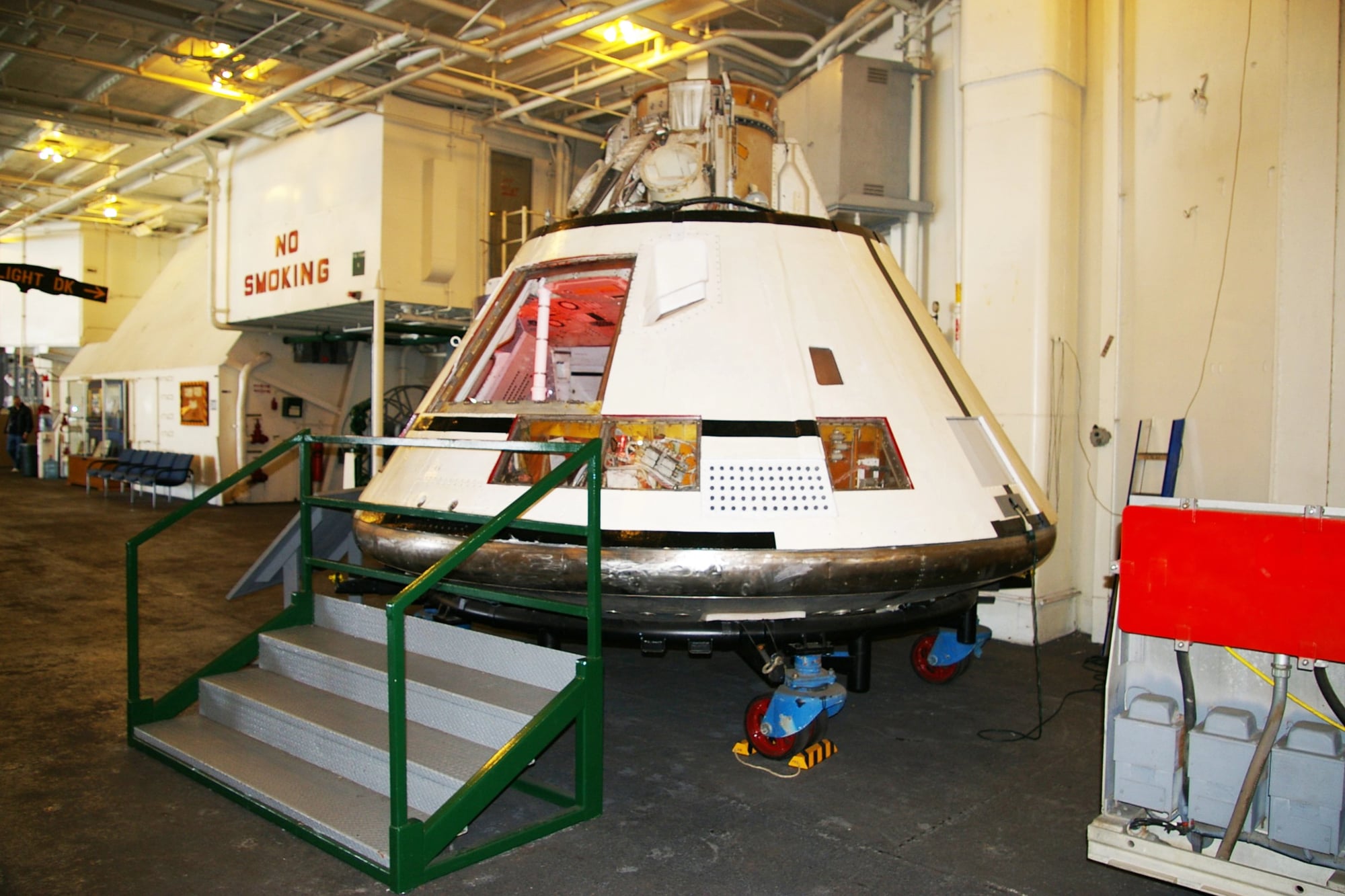
The magnitude of what happened in July 1969 still feels impossible when you think about it properly — three humans strapped themselves to a controlled explosion, traveled 240,000 miles through airless void, landed on another celestial body (which had never been attempted before), walked around taking pictures like tourists, then somehow made it home in time for ticker-tape parades and awkward presidential phone calls.
And the whole thing worked. The audacity alone should have been enough to collapse under its own weight, but instead it became the moment when science fiction turned into Tuesday afternoon television programming, which is saying something about both human engineering and the strange way reality occasionally exceeds even our most ridiculous expectations.
Voyager 1 and 2
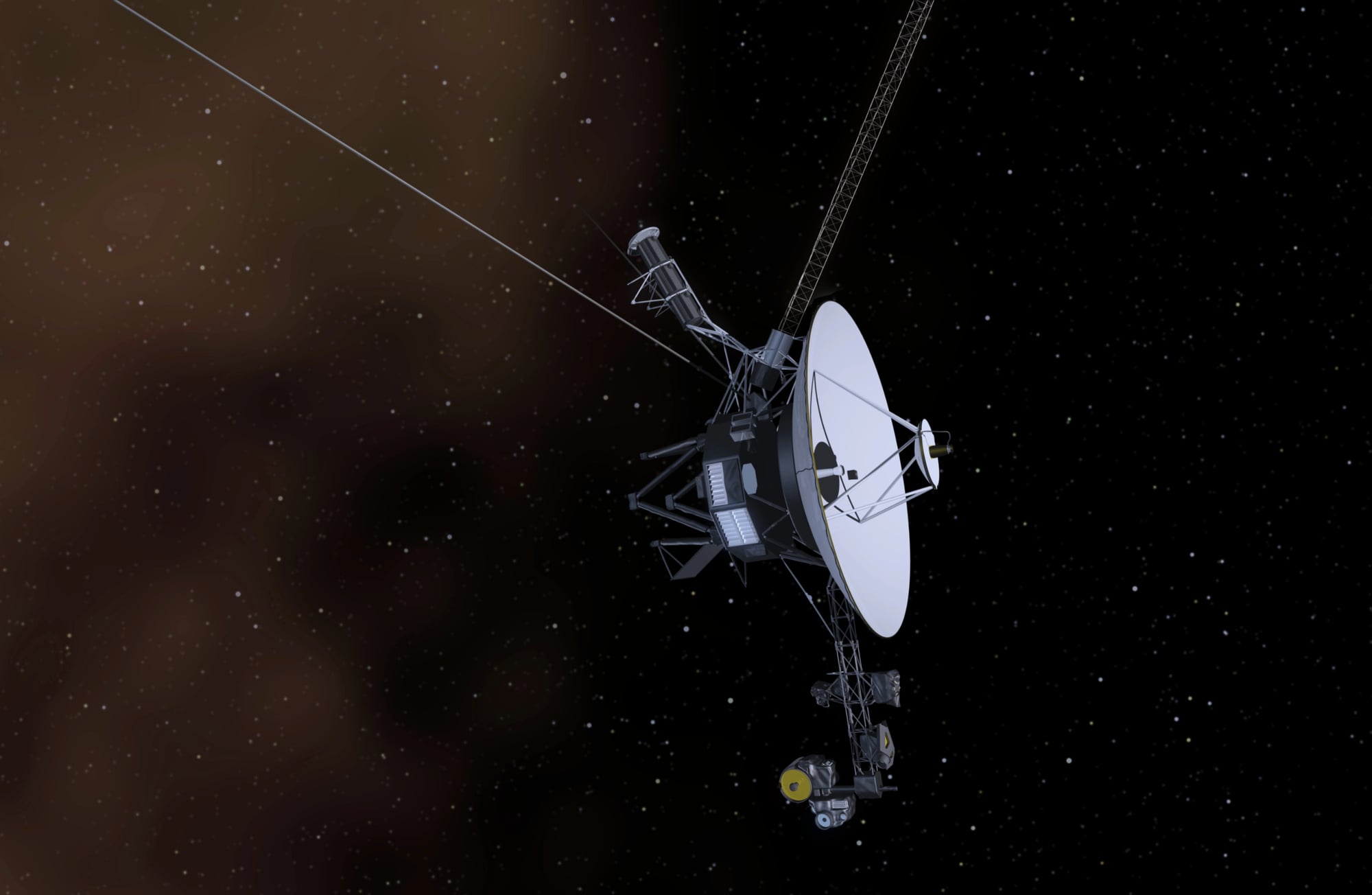
These twin spacecraft carry something that feels almost naive now — golden records with Earth’s greatest hits, just in case someone out there wants to know what we sound like. Bach sits next to whale songs.
A crying baby follows Beethoven. Forty-five years later, they’re still traveling, still sending postcards from the edge of everything we know. The records have become time capsules of a species that believed the universe might be listening.
Hubble Space Telescope
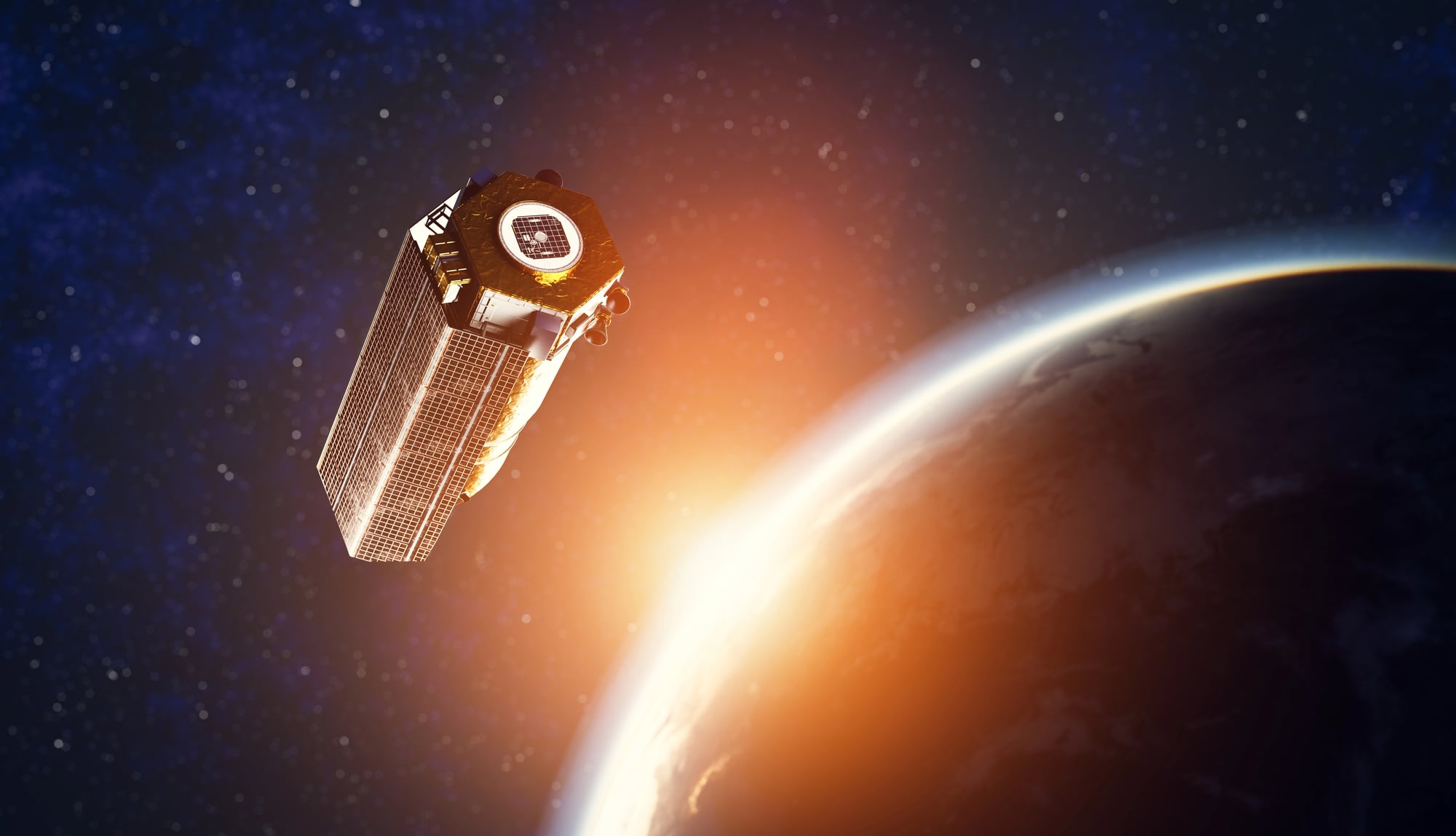
Hubble doesn’t just take pictures — it corrects your assumptions about scale and beauty. Every image it sends back suggests that reality operates on a level of artistic ambition that makes human creativity look like finger painting.
The telescope has spent three decades staring into deep space and returning evidence that the universe is both larger and more beautiful than anyone had the right to expect.
Luna 2
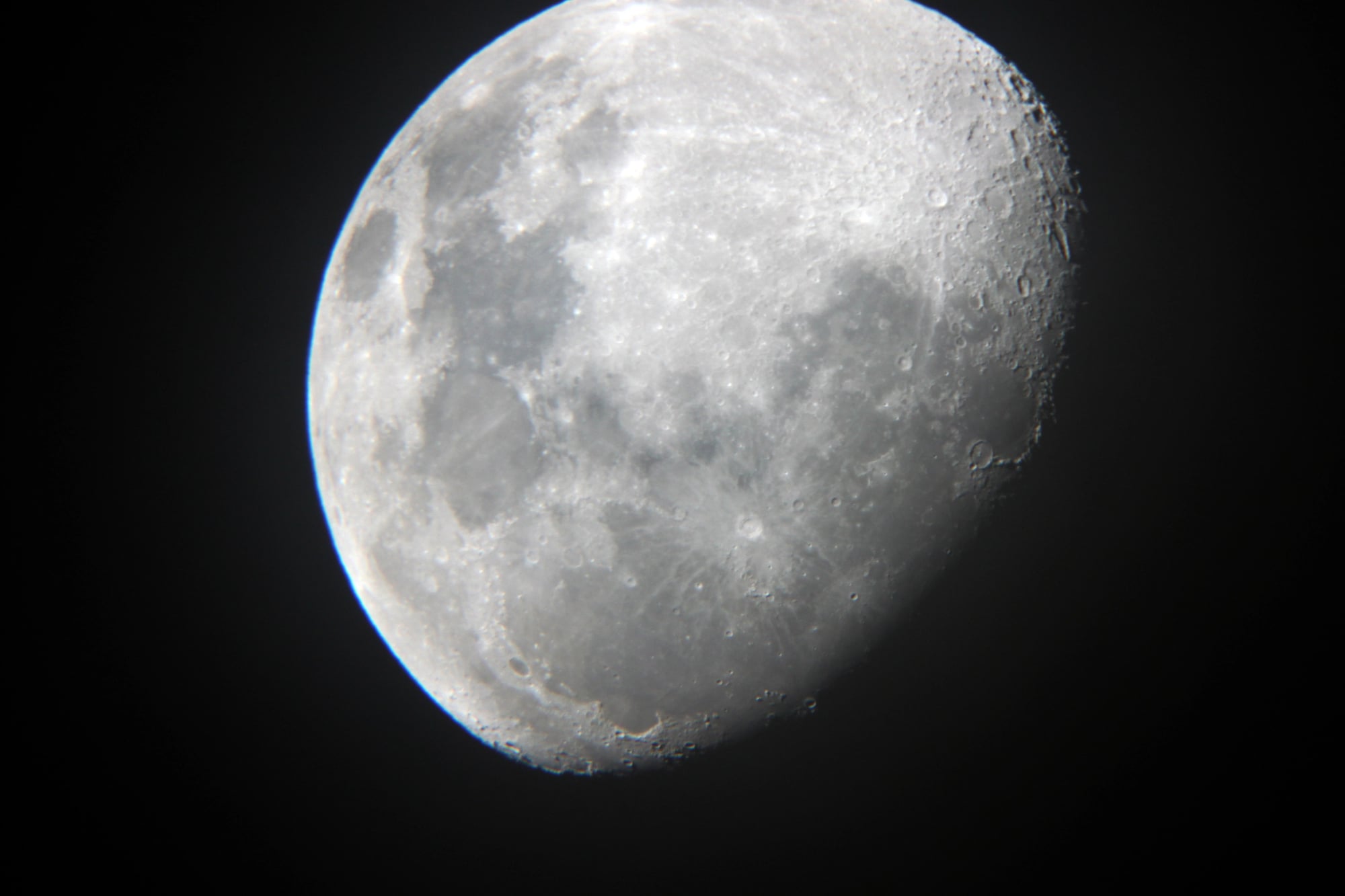
First human-made object to reach another celestial body. The Soviets crashed it into the Moon in September 1959 — not exactly a soft landing, but it got the job done.
Sometimes the most important breakthroughs happen when things don’t go according to plan.
Mars Rovers (Sojourner, Spirit, Opportunity, Curiosity, Perseverance)
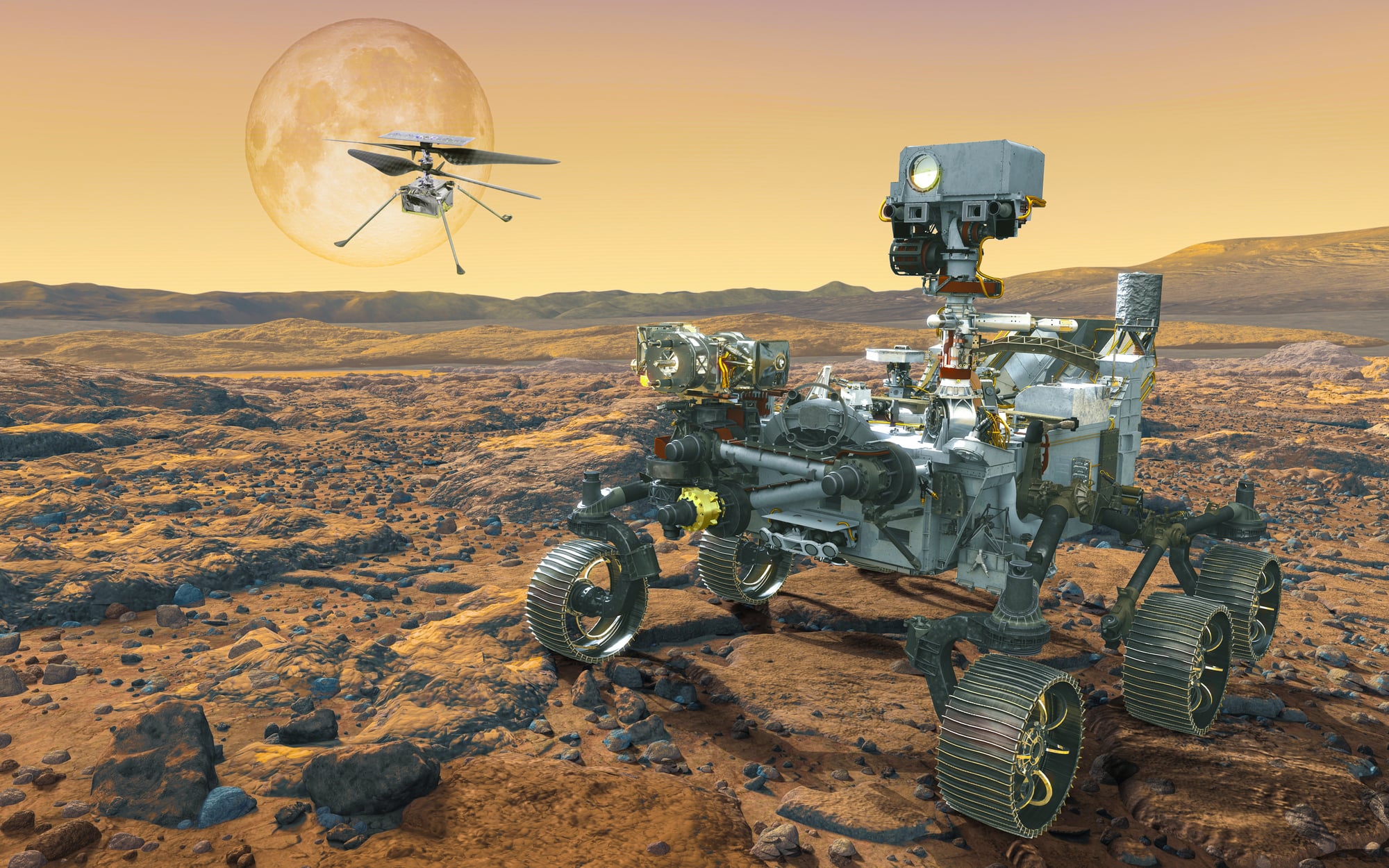
Each Mars rover represents a different kind of loneliness — being the only conscious thing (even artificially conscious) on an entire planet, sending back reports to a world that’s too far away to have a conversation with (the radio delay makes real-time communication impossible, so every message is essentially a letter that takes anywhere from four to twenty-four minutes to arrive, depending on orbital positions).
But there’s something deeply moving about these robots that keep working long past their planned lifespans, like Opportunity, which was supposed to last ninety days and instead kept rolling for nearly fifteen years until a dust storm finally silenced it in 2018. They’ve become the universe’s most dedicated pen pals, writing postcards from a place where the sunsets are blue and the silence is so complete it has its own weight.
International Space Station
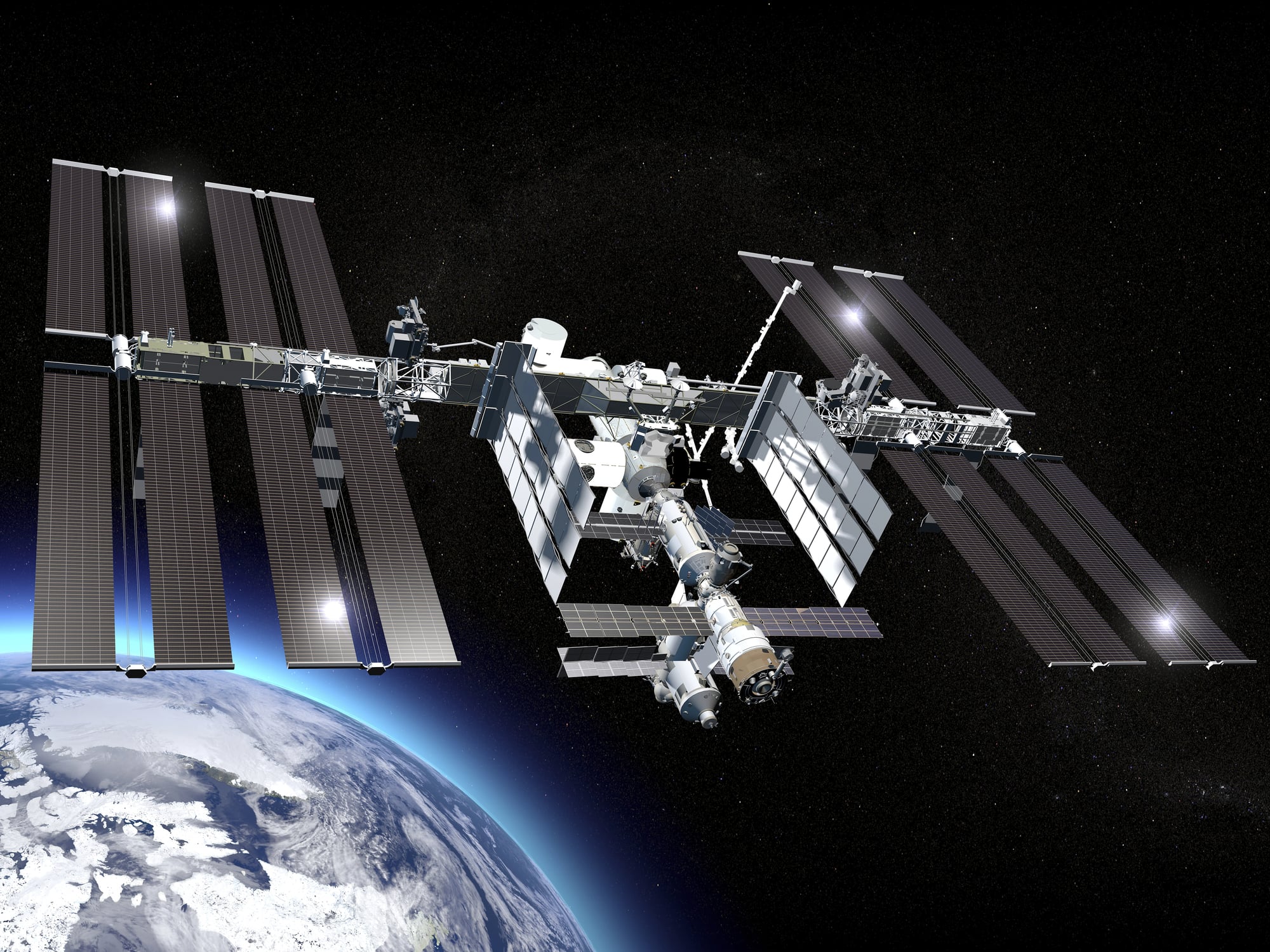
The ISS proves that countries capable of pointing nuclear weapons at each other can also build something together 250 miles above the arguments. Russian cosmonauts and American astronauts share the same recycled air, conduct the same experiments, and look down at the same borderless planet.
Politics stops at the atmosphere, apparently.
Cassini-Huygens
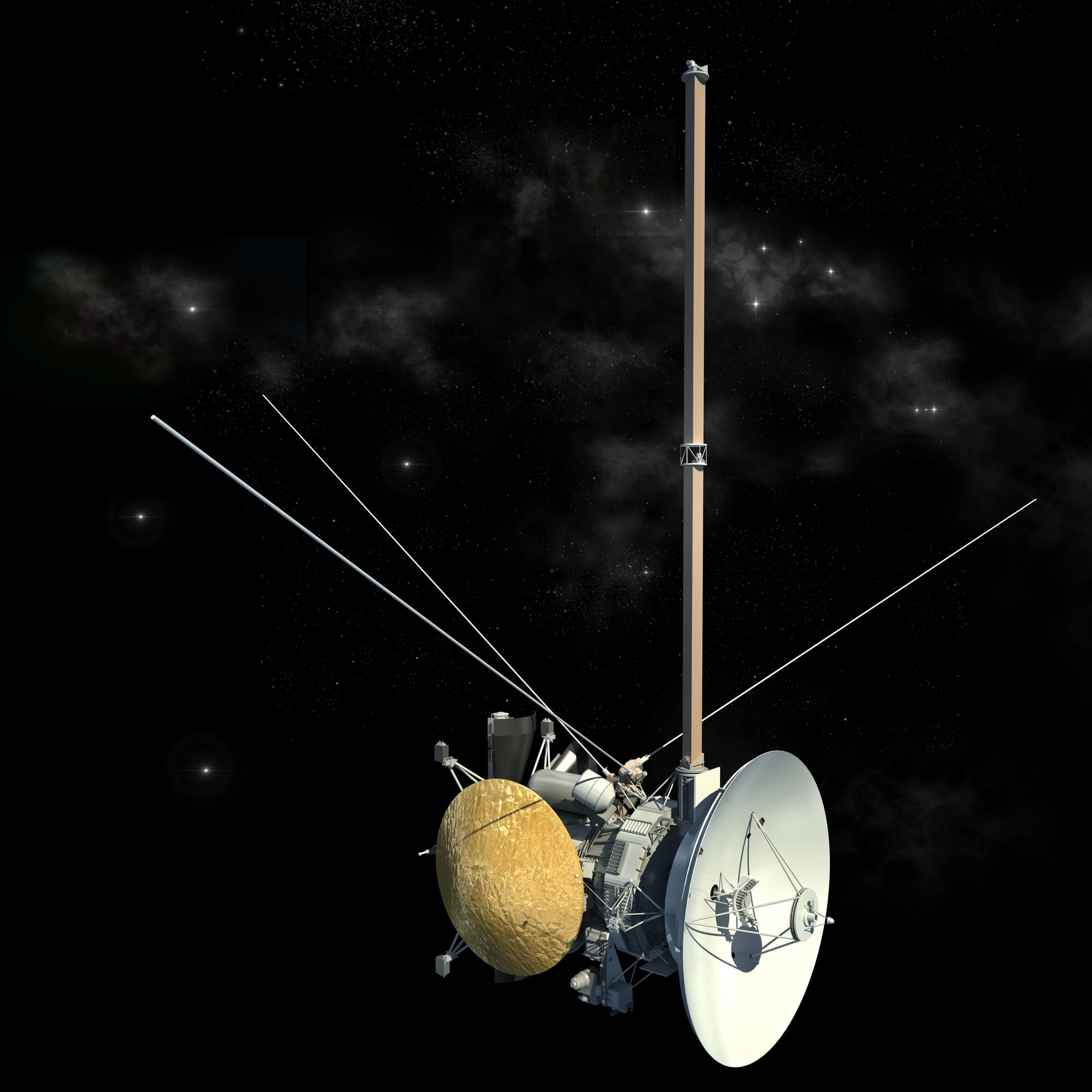
Saturn’s rings had been photographed before, but Cassini spent thirteen years turning them into high-definition poetry (the probe arrived at Saturn in 2004 and didn’t stop sending back data until 2017, when it was deliberately crashed into the planet to avoid contaminating Saturn’s moons).
The mission revealed that Saturn’s moon Enceladus has an ocean beneath its icy surface — which means life might exist in places we never thought to look. The spacecraft’s final transmission, sent as it burned up in Saturn’s atmosphere, felt like losing a friend who had been writing letters from the most beautiful place imaginable.
Yuri Gagarin’s Vostok 1
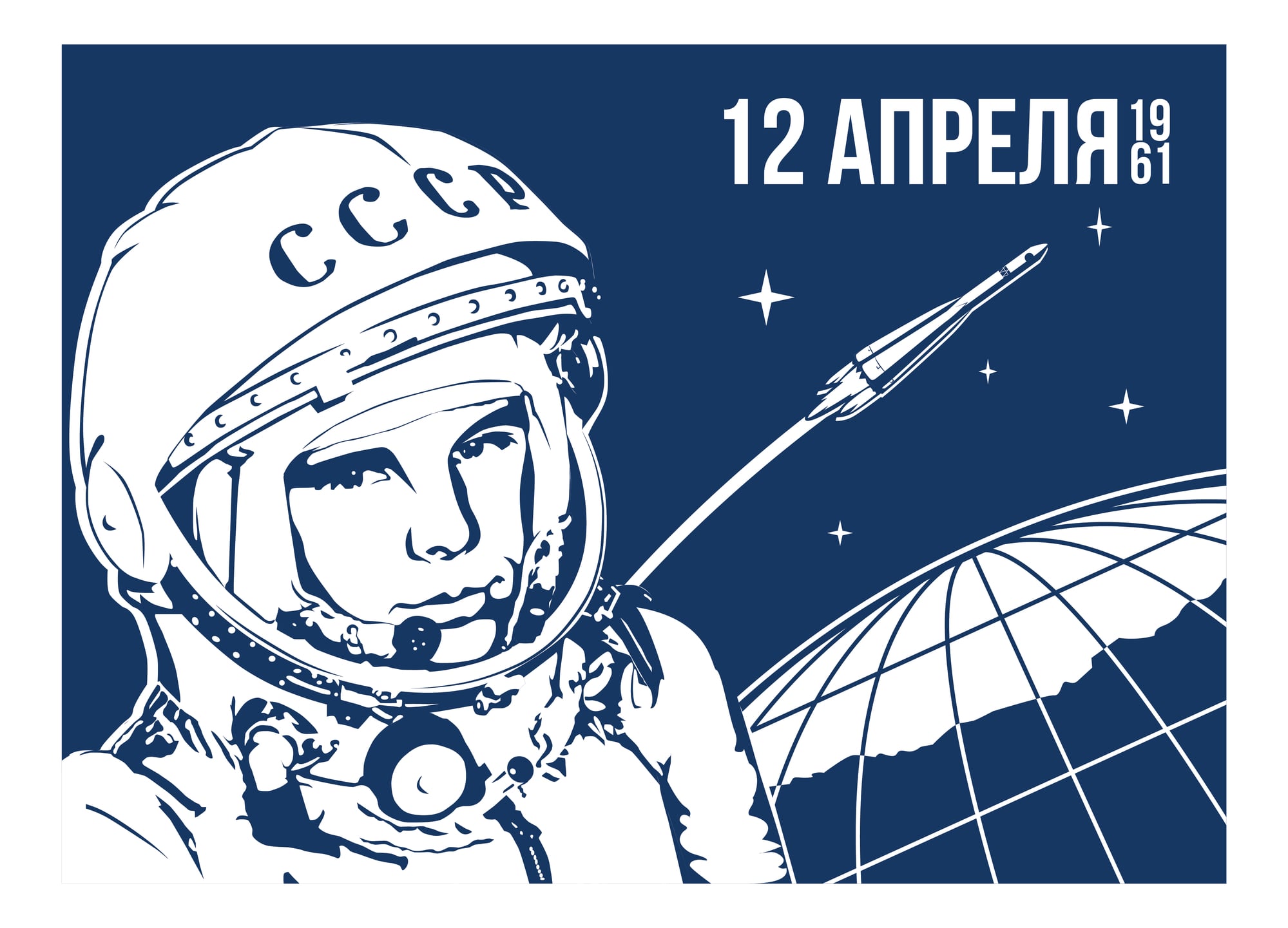
First human in space completes one orbit in 108 minutes. Gagarin’s famous words — “I see Earth! It is so beautiful!” — weren’t scripted.
Sometimes the most important statements happen spontaneously when someone sees something no one has ever seen before.
Pioneer 10 and 11
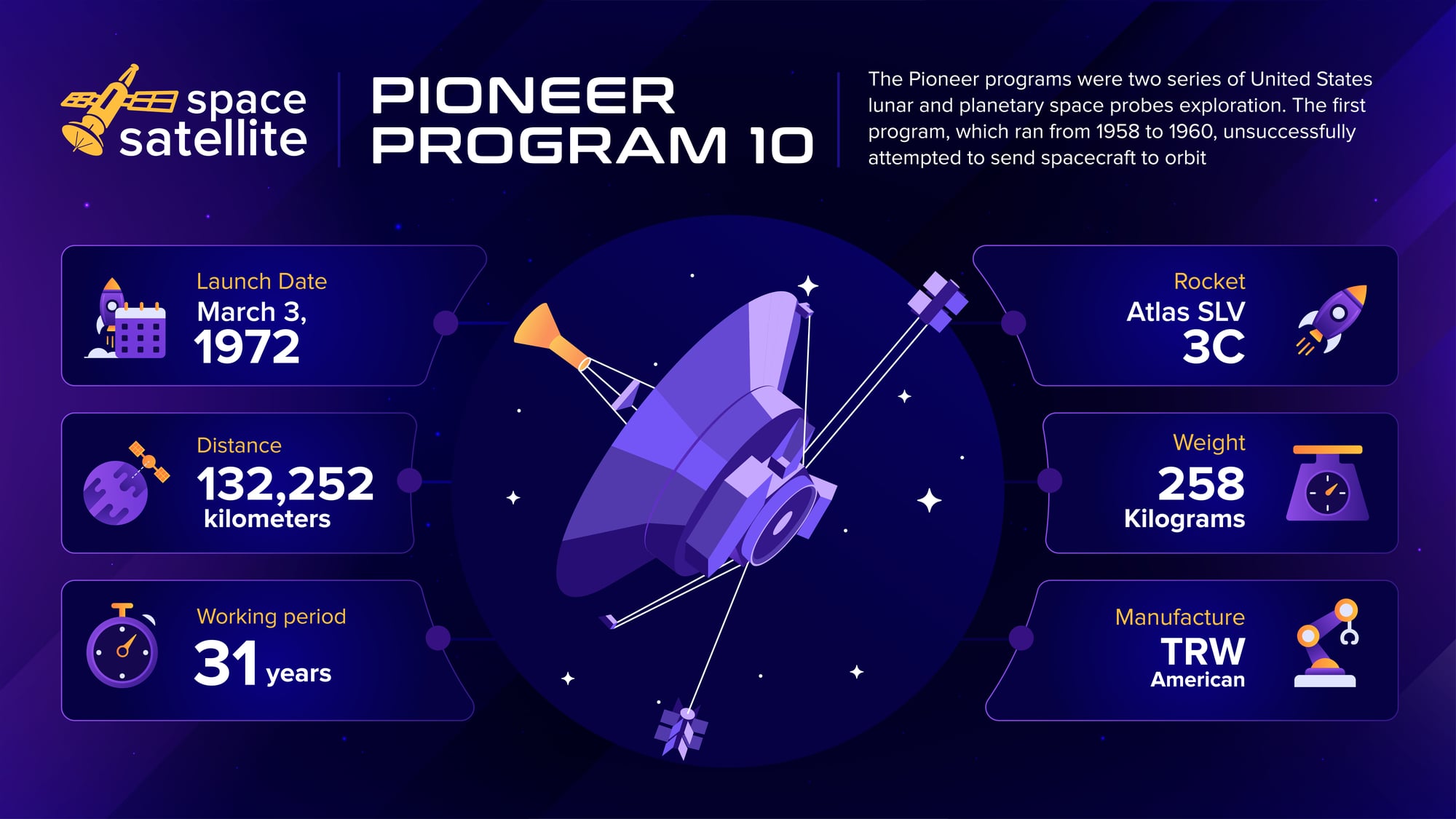
These spacecraft carried humanity’s first attempt at interstellar communication — gold-plated plaques showing human figures, our solar system’s location, and basic scientific information (the plaques were designed by Carl Sagan and Frank Drake, among others, and include a diagram showing the position of our sun relative to fourteen pulsars, which should give any extraterrestrial finder a decent cosmic address).
Pioneer 10 was the first human-made object to leave the solar system, which happened in 1983, though it won’t approach another star for about 2 million years. By then, human civilization will either be unrecognizably advanced or completely extinct, but the little spacecraft will still be carrying our introduction to whoever might find it, like a message in a bottle thrown into an ocean so vast that finding it would require luck on a geological timescale.
Space Shuttle Program
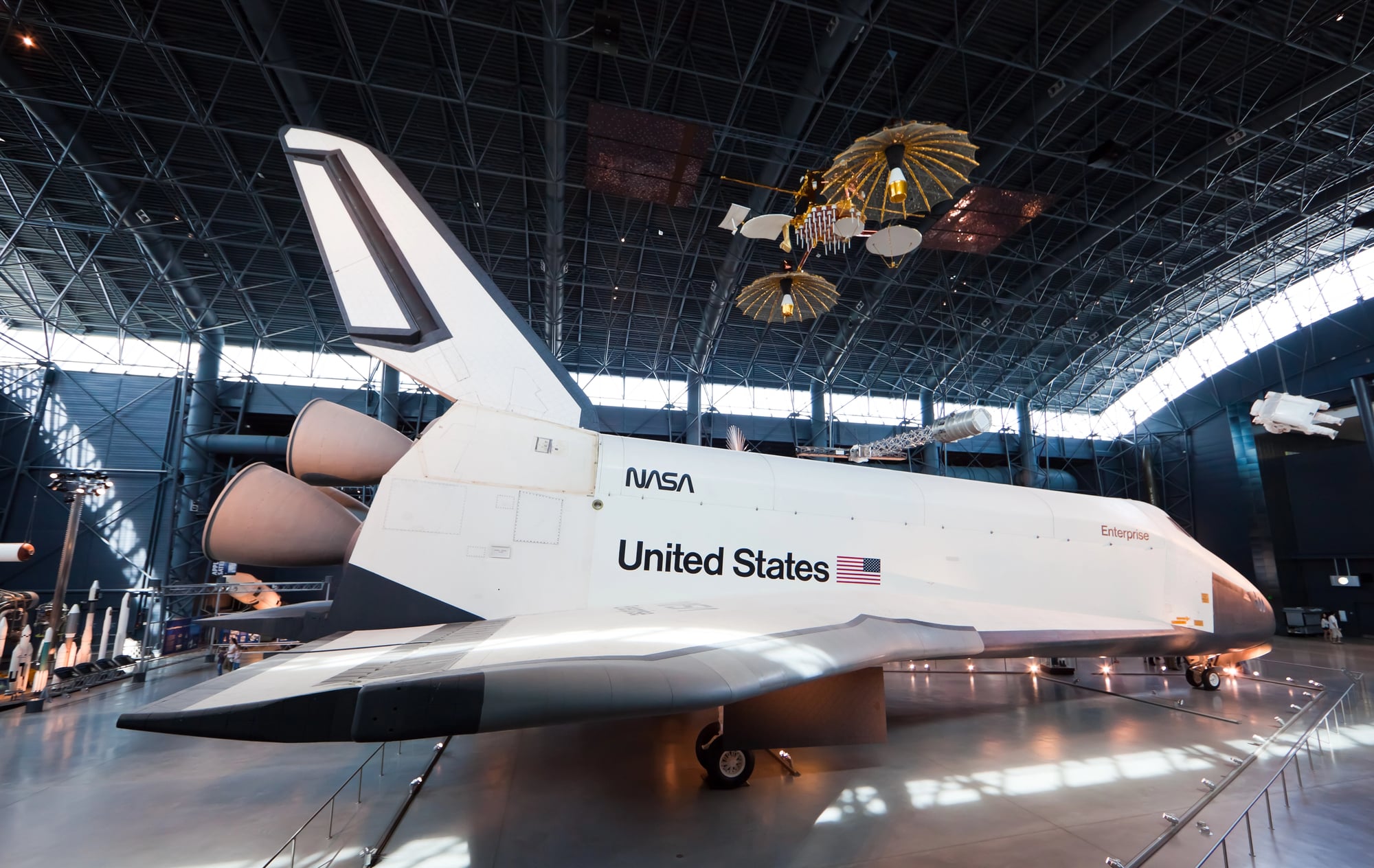
The shuttle program promised to make space travel routine, like catching a bus to orbit. It never quite achieved that level of mundane reliability — the shuttles remained dangerous, expensive, and complex until the program ended in 2011.
But for thirty years, they carried astronauts, satellites, and space station components into orbit with a reusability that seemed almost casual. The shuttles looked like airplanes that had decided to visit space temporarily, which made the whole enterprise feel more approachable than capsules riding on top of rockets.
New Horizons
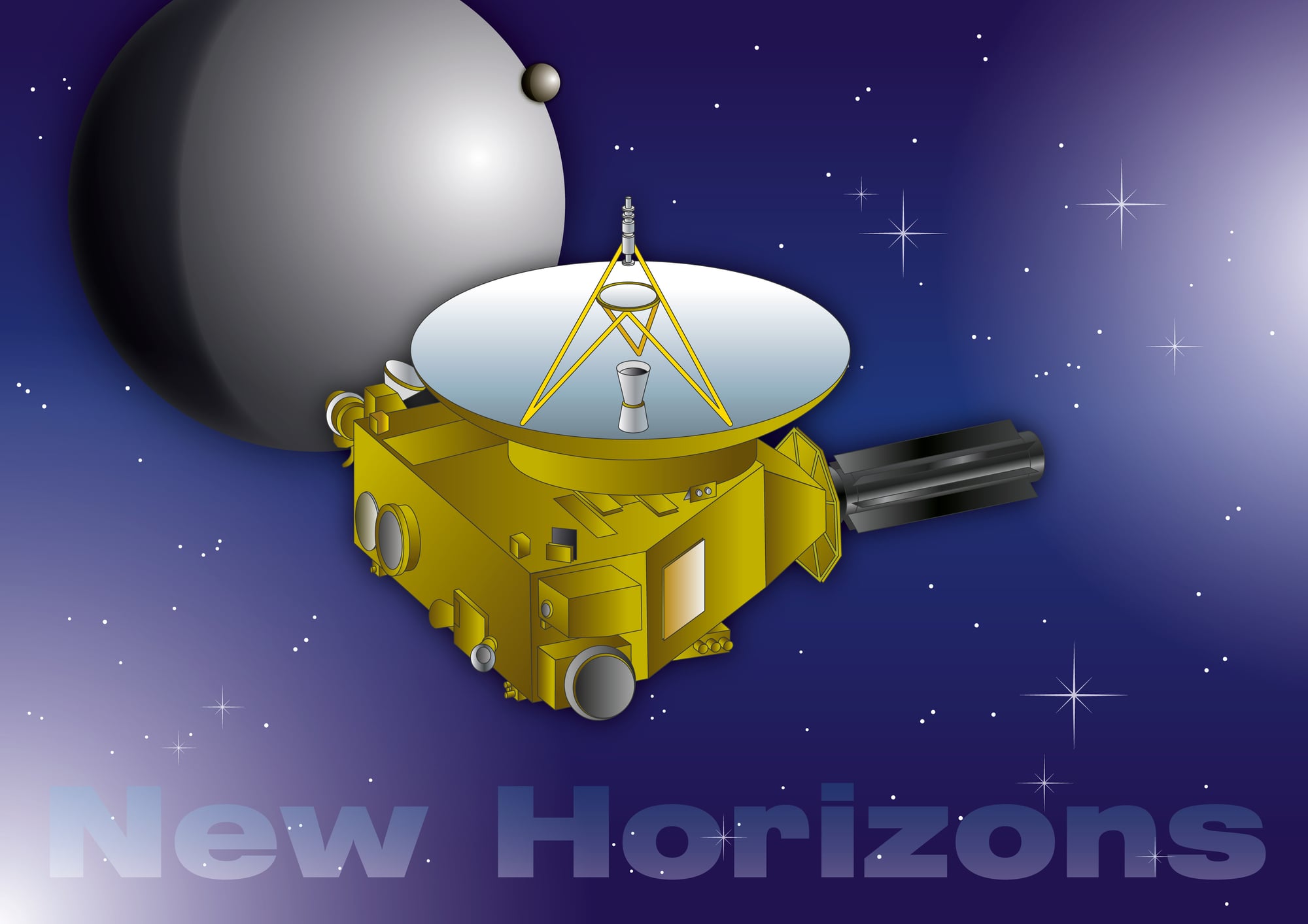
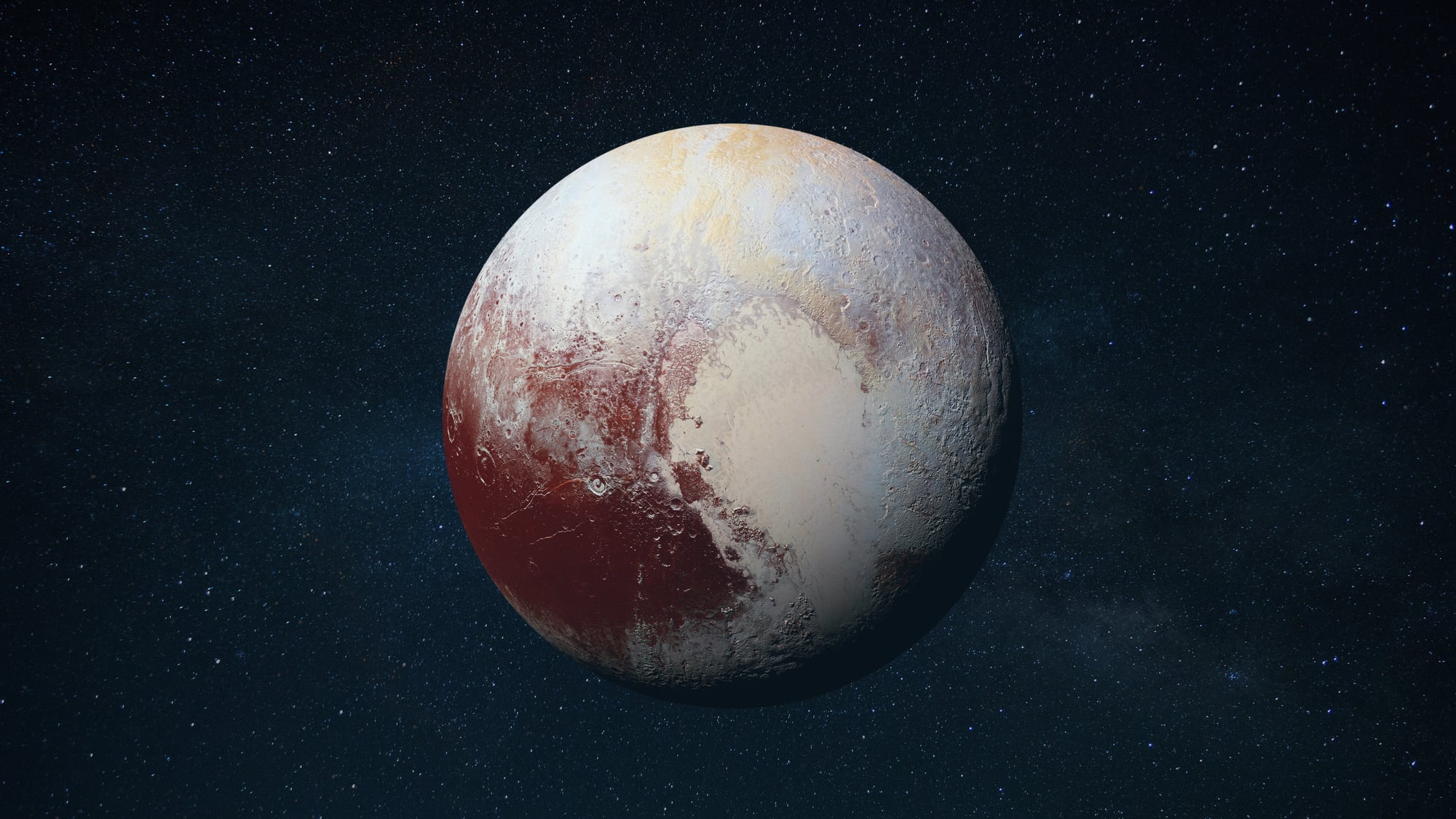
Pluto had been a blurry dot for 85 years until New Horizons arrived in 2015 with cameras that could actually see what the distant world looked like. The flyby lasted only a few hours, but the images revealed a complex, geologically active world with nitrogen plains, methane dunes, and mountains made of water ice.
Pluto went from being the solar system’s most mysterious planet to its most surprising former planet — the reclassification happened in 2006, while New Horizons was already on its way.
James Webb Space Telescope
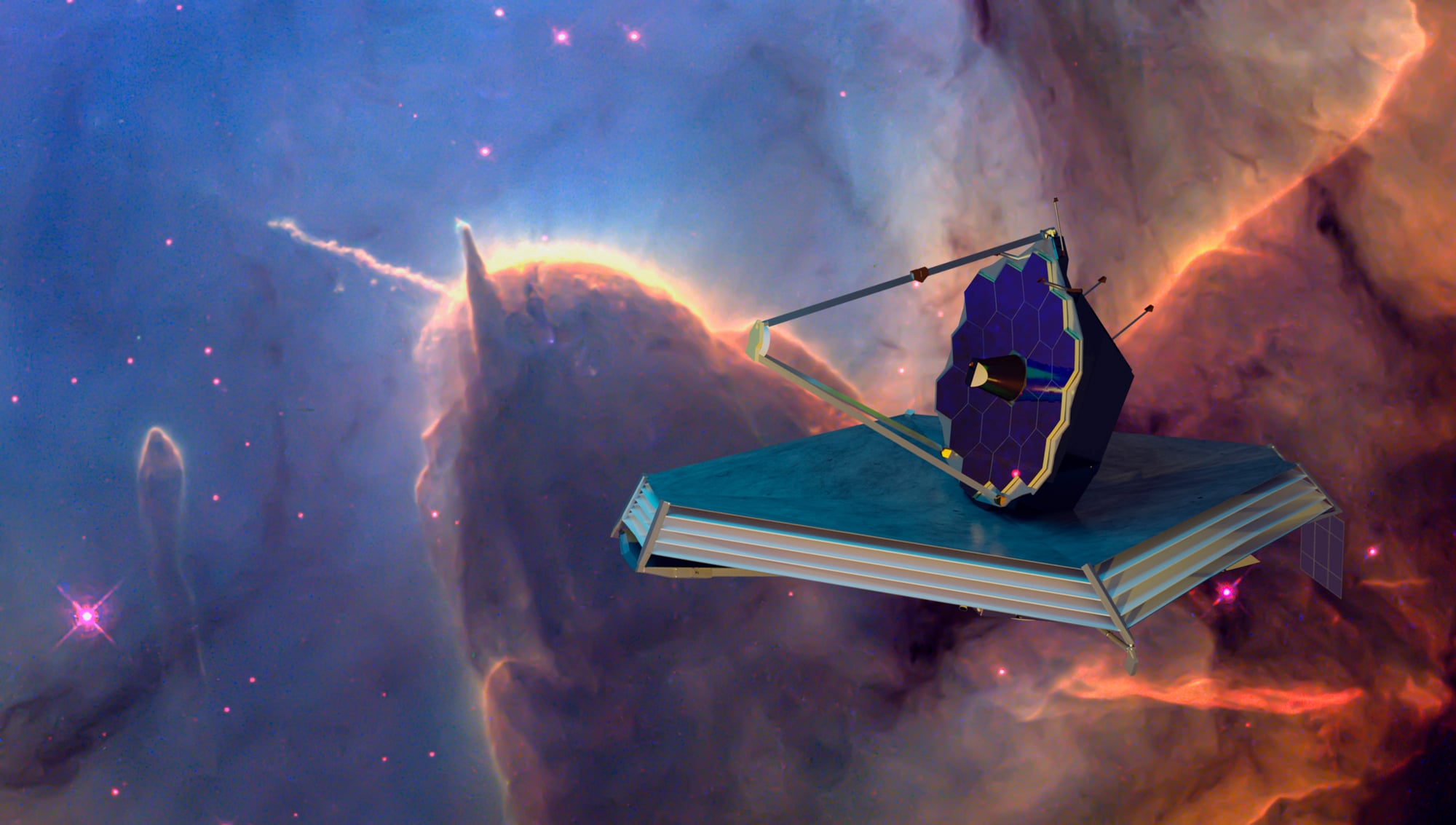
Webb sees in infrared, which means it’s looking through cosmic dust that blocks visible light and peering further back in time than Hubble ever could. The telescope’s first images, released in 2022, showed galaxies that formed when the universe was only a few hundred million years old — practically newborn by cosmic standards.
Each picture reveals more galaxies than expected, more complexity than predicted, and more questions than answers, which seems to be the pattern with truly important scientific instruments.
The Long Journey Continues
These missions represent something distinctly human — the willingness to spend decades and billions of dollars satisfying curiosity about places we may never visit. Each launch carries instruments, but also hopes that someone, somewhere, will learn something worth knowing.
The spacecraft keep traveling, the data keeps arriving, and the universe keeps revealing that it’s stranger and more wonderful than we imagined. That pattern shows no signs of stopping, which might be the most encouraging thing about our species.
More from Go2Tutors!

- The Romanov Crown Jewels and Their Tragic Fate
- 13 Historical Mysteries That Science Still Can’t Solve
- Famous Hoaxes That Fooled the World for Years
- 15 Child Stars with Tragic Adult Lives
- 16 Famous Jewelry Pieces in History
Like Go2Tutors’s content? Follow us on MSN.