Bizarre Etiquette Rules from the Victorian Era
Victorian society operated on rules so intricate they’d make a chess master dizzy. Every gesture, every word, every pause carried weight — social standing could rise or fall based on how someone held a teacup or arranged flowers in a parlor. These weren’t suggestions. They were commandments carved into the fabric of daily life.
The peculiar thing about Victorian etiquette wasn’t just its complexity, but its sheer inventiveness. Someone, somewhere, sat down and decided that the angle of a calling card mattered deeply. That certain colors were morally dangerous. That a woman’s ankle glimpsed at the wrong moment could spell social ruin.
Calling Cards Had a Secret Language
Calling cards weren’t just business cards with fancy fonts. The way someone left their card told an entire story, and everyone was expected to read between the lines.
Turn down the right corner to indicate a personal visit. Fold the left corner for congratulations. A bent corner meant condolences, while leaving the card completely flat suggested you’d only stopped by out of obligation, not genuine interest.
People even developed systems for how many cards to leave depending on the number of daughters in a household or whether the gentleman of the house was present. One tiny rectangle of cardstock carried enough hidden meaning to qualify as a social encryption device.
Proper Ladies Never Ate Bananas in Public

Bananas were scandalous fruit. The way someone had to hold them, the peeling process, the suggestive shape — Victorian society decided the entire experience was far too improper for public consumption.
Respectable women could eat bananas at home, behind closed doors, preferably with a knife and fork to maintain dignity. In public, stick to apples or carefully sectioned oranges.
Which says a lot about a society that could look at fruit and decide it represented moral danger.
The Fan Spoke Louder Than Words
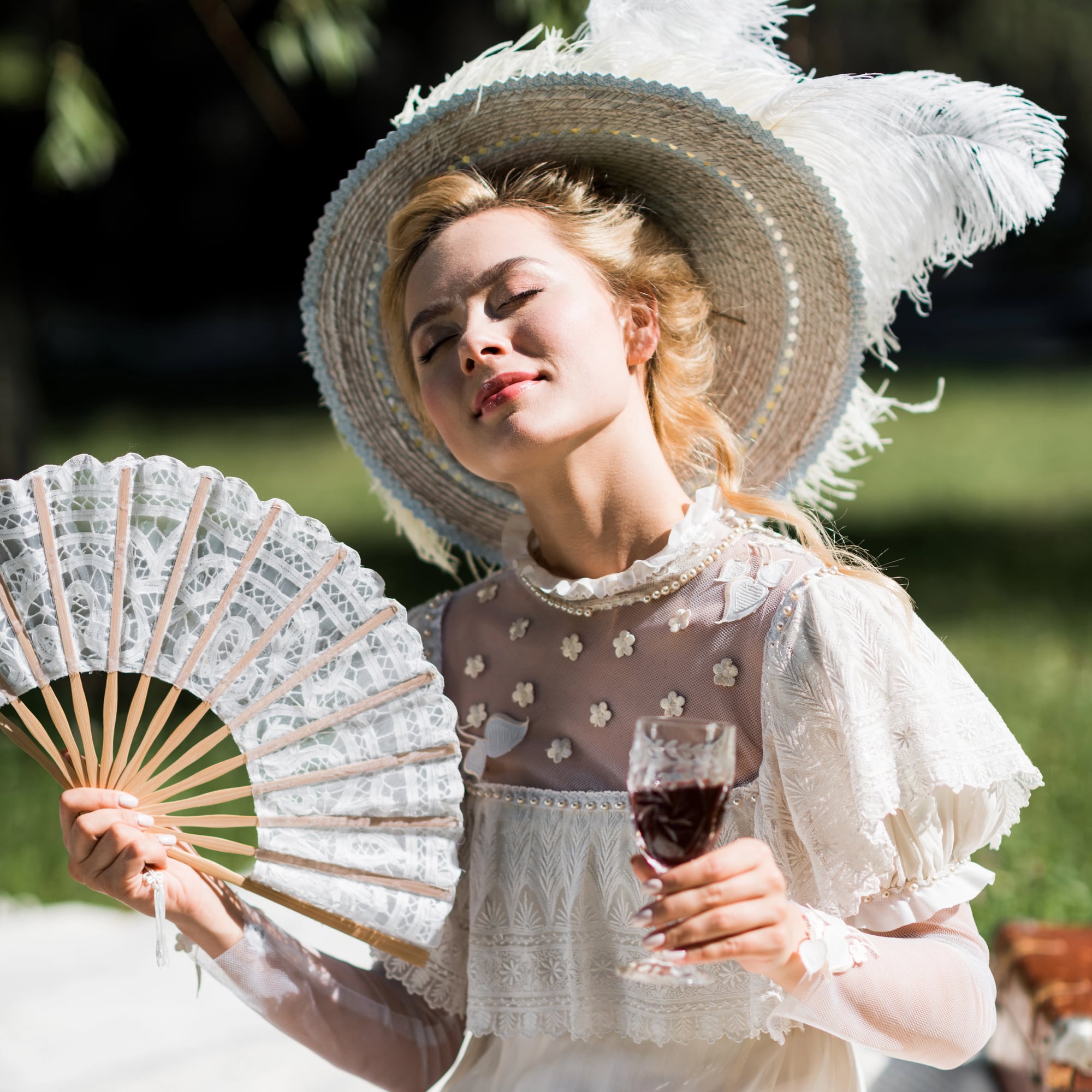
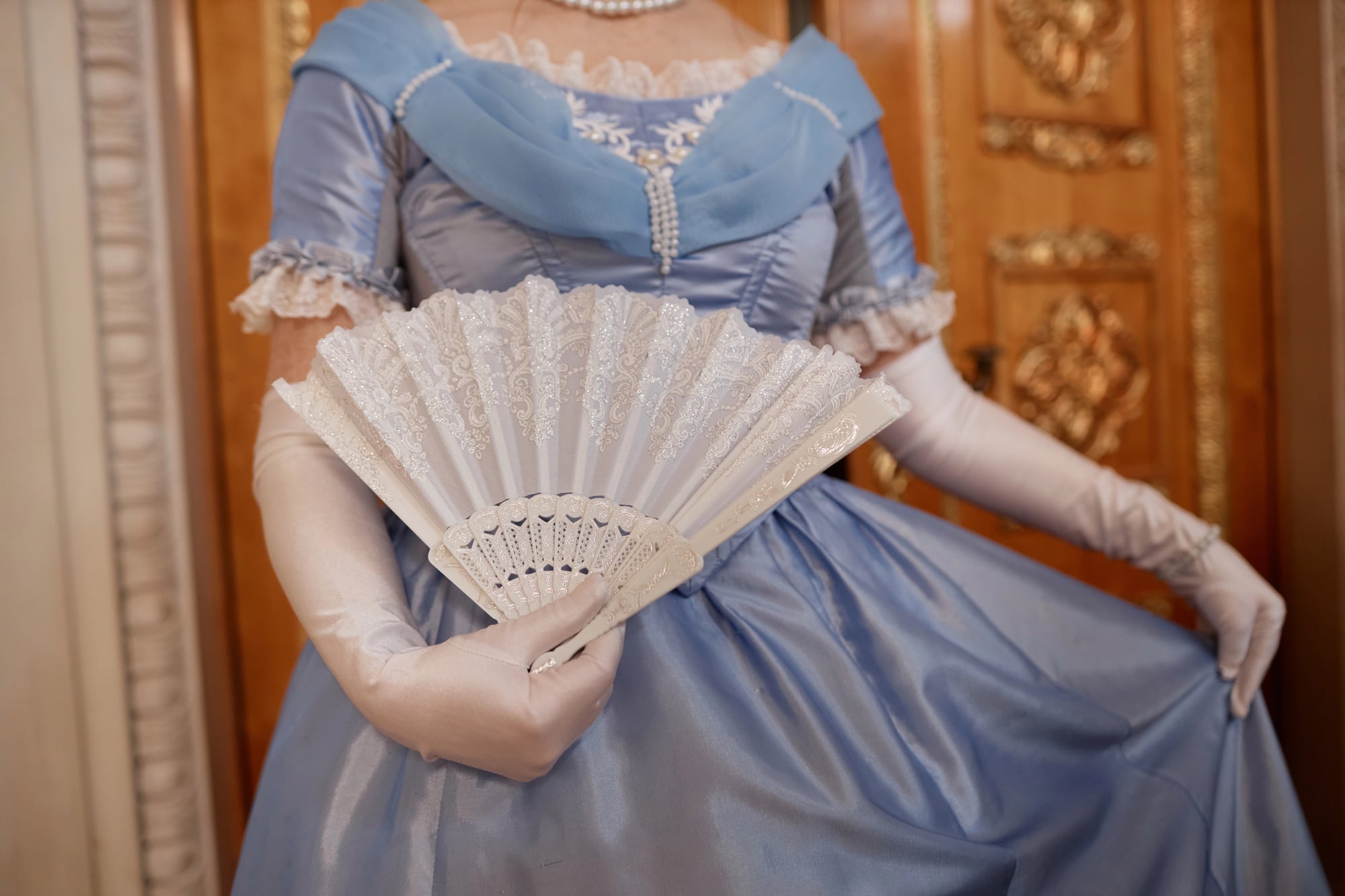
A fan wasn’t a cooling device — it was a telecommunications system disguised as an accessory, and women wielded them like conductors directing an invisible orchestra. Fan against the lips meant “I don’t trust you,” while fanning slowly suggested “I’m married, but interested.” Quick, nervous fanning? “I wish you’d leave me alone.” And placing the fan over the heart — well, that was practically a marriage proposal in silk and ivory.
So mothers spent considerable time teaching their daughters this elaborate semaphore system. Because heaven forbid someone accidentally communicate the wrong level of romantic availability by fanning too enthusiastically near a gentleman’s general direction.
Books Revealed Moral Character

Your reading material said everything about your soul. Novels were particularly suspicious — they filled young minds with romantic nonsense and unrealistic expectations about life.
Poetry was acceptable, but only certain poets. Religious texts were ideal. Scientific books were fine for men, questionable for women. And anything French was automatically suspect.
Even the way someone held a book mattered. Proper posture, careful page-turning, no dog-earing allowed. Reading was a performance of virtue as much as education.
Flowers Carried Coded Messages
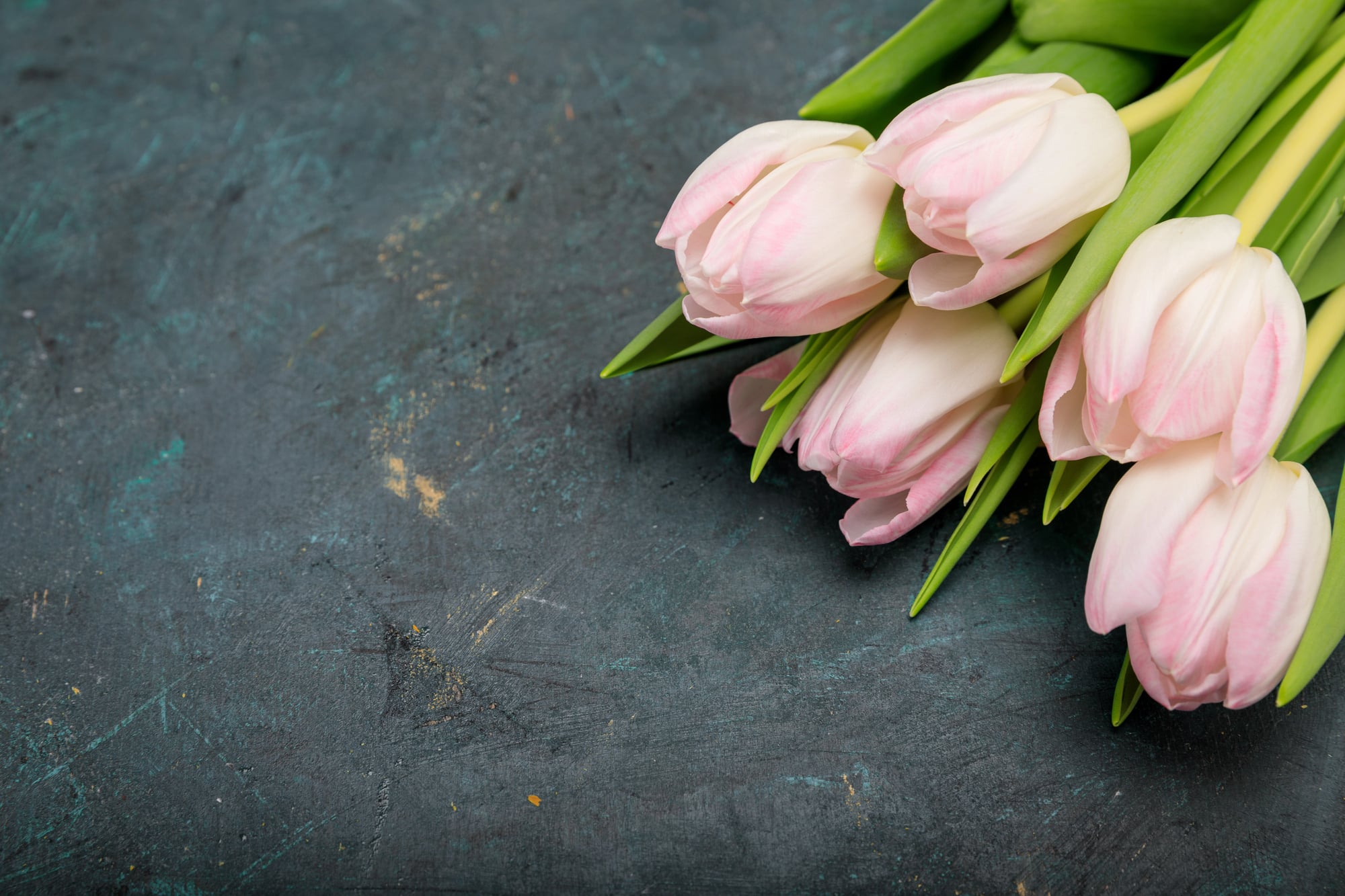
The Victorian language of flowers turned every bouquet into a carefully crafted message, each bloom chosen with the precision of someone composing a diplomatic treaty. Red roses meant passionate love, but yellow roses? Friendship — or worse, infidelity suspected. Forget-me-nots whispered “remember me always,” while yellow carnations practically shouted “you have disappointed me.”
A single stem sent one message, a full arrangement another entirely. The ribbon color mattered. The way the flowers were presented — upside down, right-side up, tied with the bow on the left or right — each detail shifted the meaning like adjusting the dials on some emotional telegraph machine.
And women were expected to decode these floral cryptograms instantly. No pressure there.
Gloves Stayed On for Everything
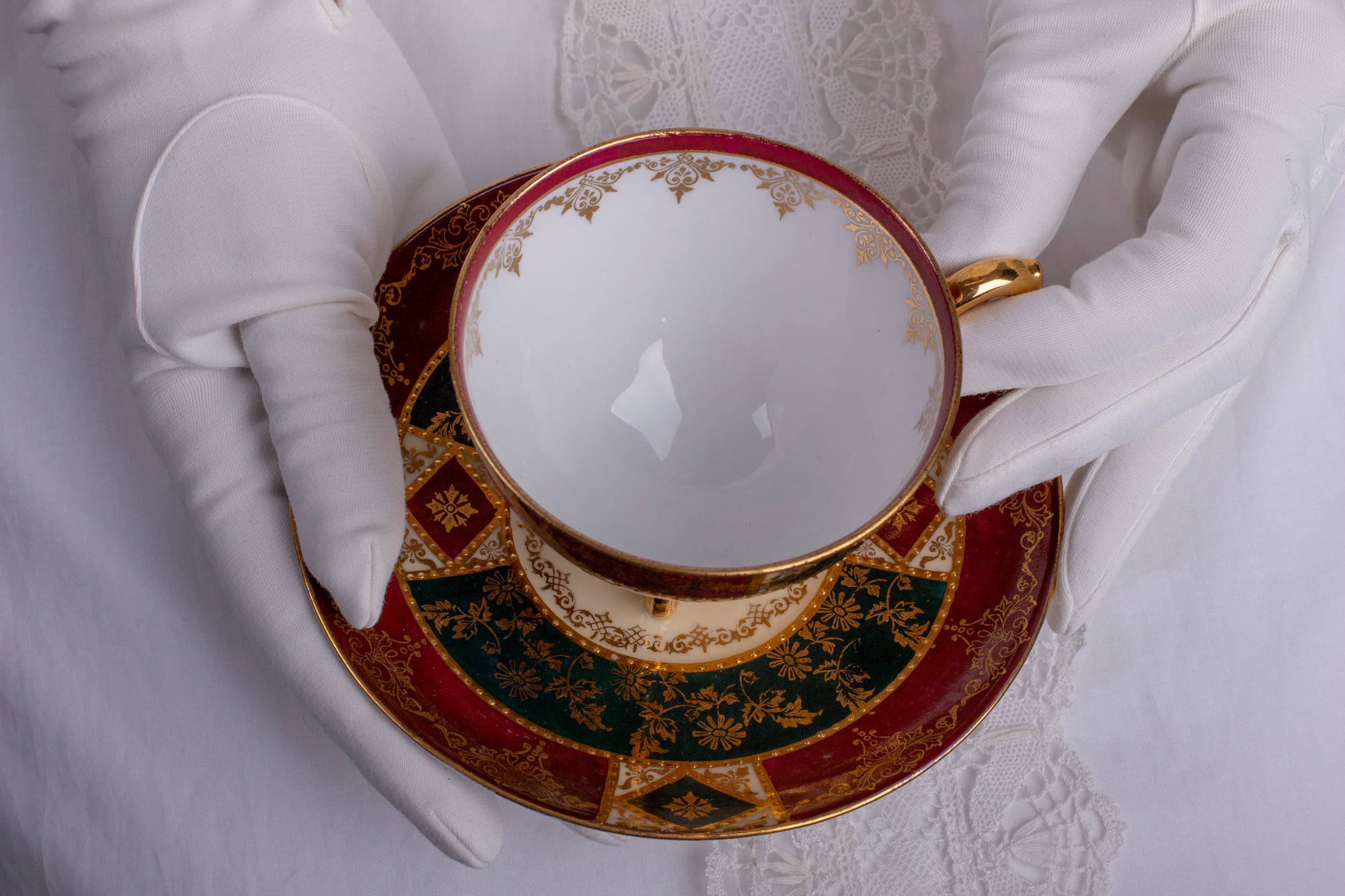
Proper ladies lived their entire social lives through white cotton or kid leather. Gloves came off for three activities only: eating, playing piano, or retiring to bed.
Shaking hands with gloves on wasn’t rude — it was required. Removing gloves in public suggested intimacy that proper society couldn’t handle. Even indoor social calls demanded gloves remain firmly in place.
The cleanliness requirements were staggering. Fresh gloves daily, sometimes multiple pairs depending on activities planned. Stained or wrinkled gloves were a social catastrophe.
Mourning Dress Followed Strict Timelines
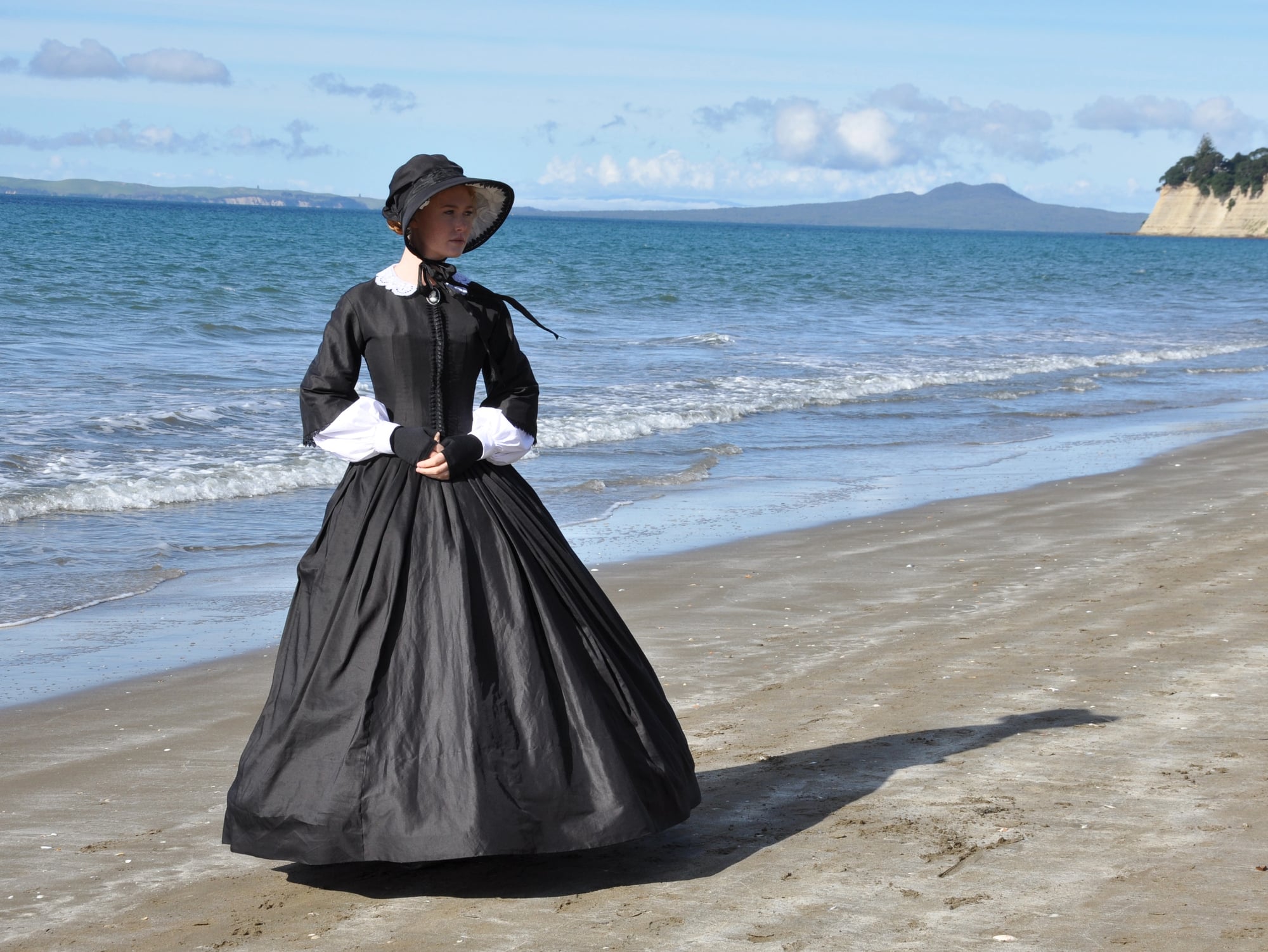
Death triggered a complex wardrobe calendar that could stretch for years, and Victorian society tracked these sartorial schedules with the dedication of accountants monitoring quarterly earnings. First-year mourning meant head-to-toe black — no exceptions, no jewelry except jet, no social gatherings worth mentioning. Second-year mourning allowed small touches of white or gray. By year three, purple might be cautiously introduced, but only the deepest, most somber purple imaginable.
Widows faced the longest sentences — two and a half years minimum of regulated grief-wear, assuming they didn’t remarry. And everyone watched. Everyone kept track. Show up wearing the wrong shade of black six months too early, and the whispers would follow you through every drawing room in town.
The rules changed based on your relationship to the deceased, creating an elaborate hierarchy of grief measured in fabric choices and color timing.
Walking Pace Indicated Breeding
Rushing was common. Strolling was refined. The speed at which someone moved through the world revealed everything about their social class and moral fiber.
Ladies were expected to glide rather than walk, taking small steps that barely lifted their feet from the ground. Quick movements suggested desperation or, worse, the kind of urgency associated with people who worked for a living.
Even crossing a room required careful choreography. The right pace conveyed dignity, self-control, and the luxury of having nowhere pressing to be.
Tea Service Was Performance Art
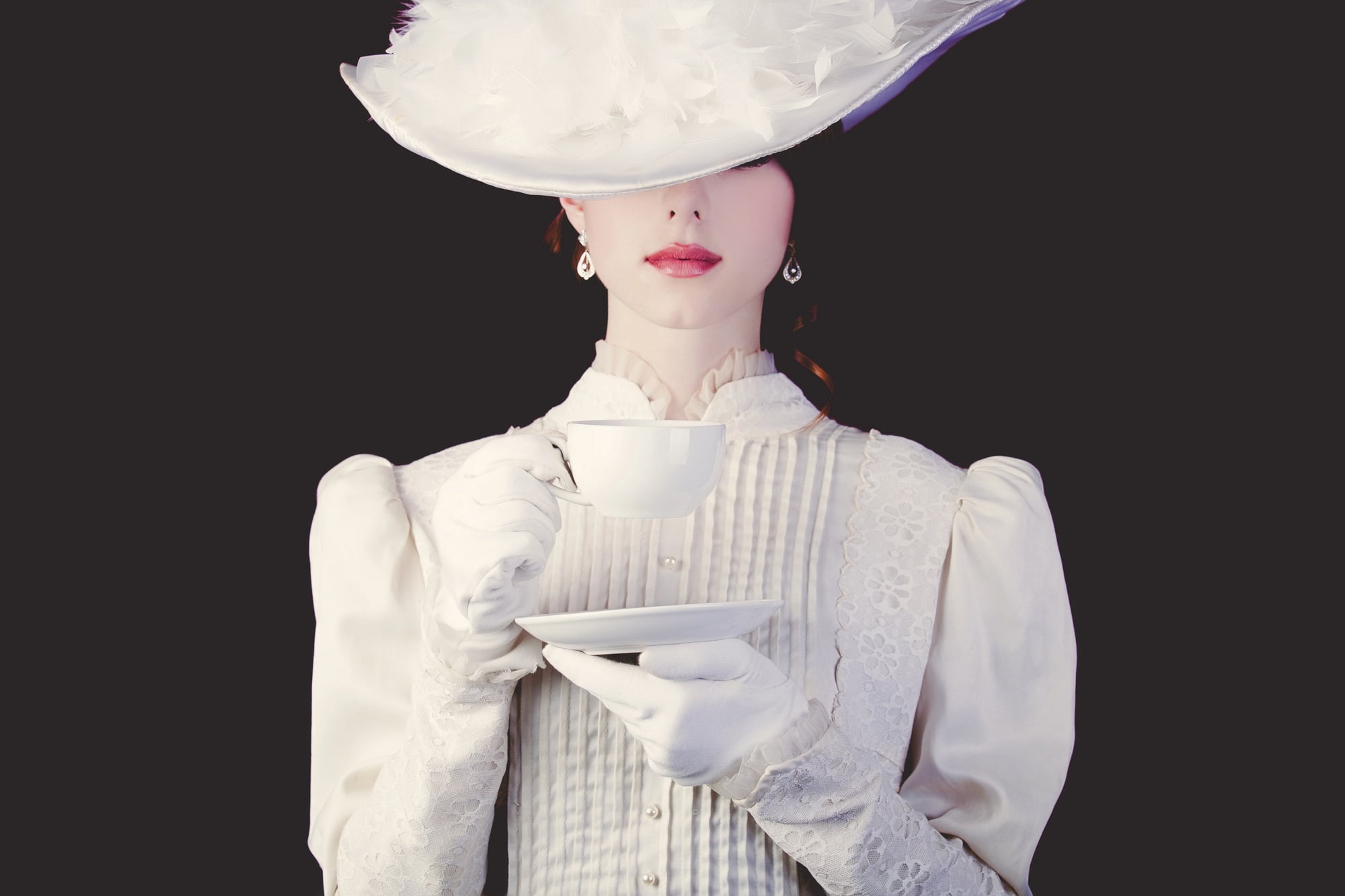
Pouring tea involved more protocol than a diplomatic summit. The hostess always poured — delegating this task insulted guests by suggesting they weren’t worth personal attention.
Milk went in first, but only for certain teas. Sugar cubes required special tongs, never fingers. The cup had to be lifted with thumb and forefinger, pinky down despite modern myths claiming otherwise.
Conversation during tea followed scripts. Weather was safe. Books were acceptable. Politics were forbidden. Personal problems were absolutely off-limits.
Tea wasn’t just a beverage. It was a social examination conducted with porcelain cups and passive aggression.
Proper Posture Was a Full-Time Job
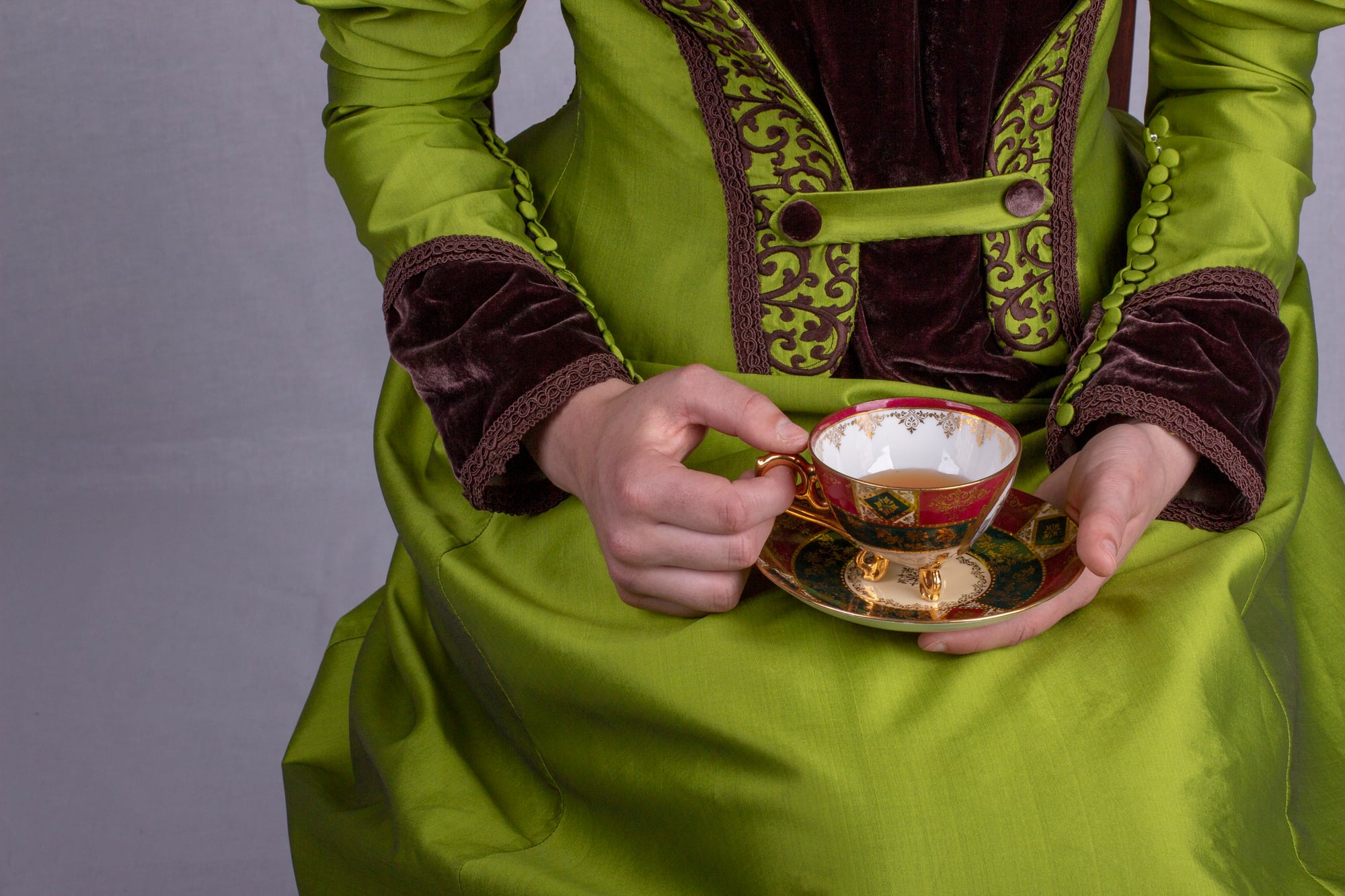
Victorian ladies balanced books on their heads as children, but that was just training for a lifetime of posture expectations that would make modern chiropractors weep. Shoulders back, chin parallel to the floor, spine straight as a plumb line — but not rigid, because rigid looked common.
Sitting required even more precision. Perch on the edge of chairs, never sink into cushions. Feet flat on the floor, ankles crossed but never legs. Hands folded in lap, never draped over armrests.
Victorian furniture wasn’t designed for comfort. It was designed to enforce good posture through sheer discomfort.
Mission accomplished.
Weather Talk Had Hidden Meanings
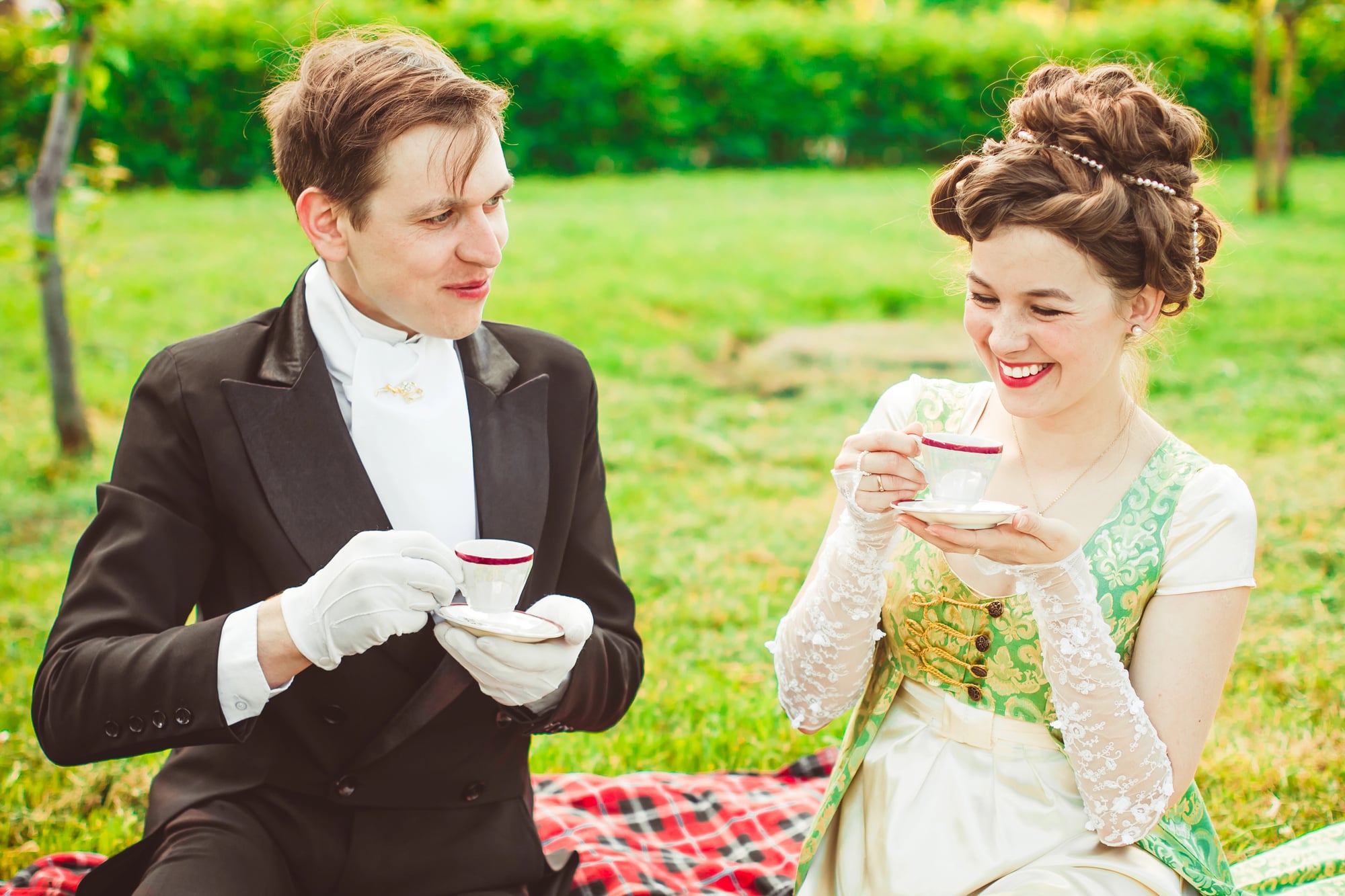
Discussing the weather wasn’t small talk — it was code for social reconnaissance. “Lovely day” could mean anything from genuine friendliness to pointed commentary about someone’s recent behavior.
Comments about storms, sunshine, or seasonal changes often carried subtext about marriages, finances, or family scandals. Experienced socialites could conduct entire conversations about community gossip without ever mentioning a single name.
The trick was knowing when weather talk was actually about weather and when it was about everything else.
Dining Utensils Had Hierarchies
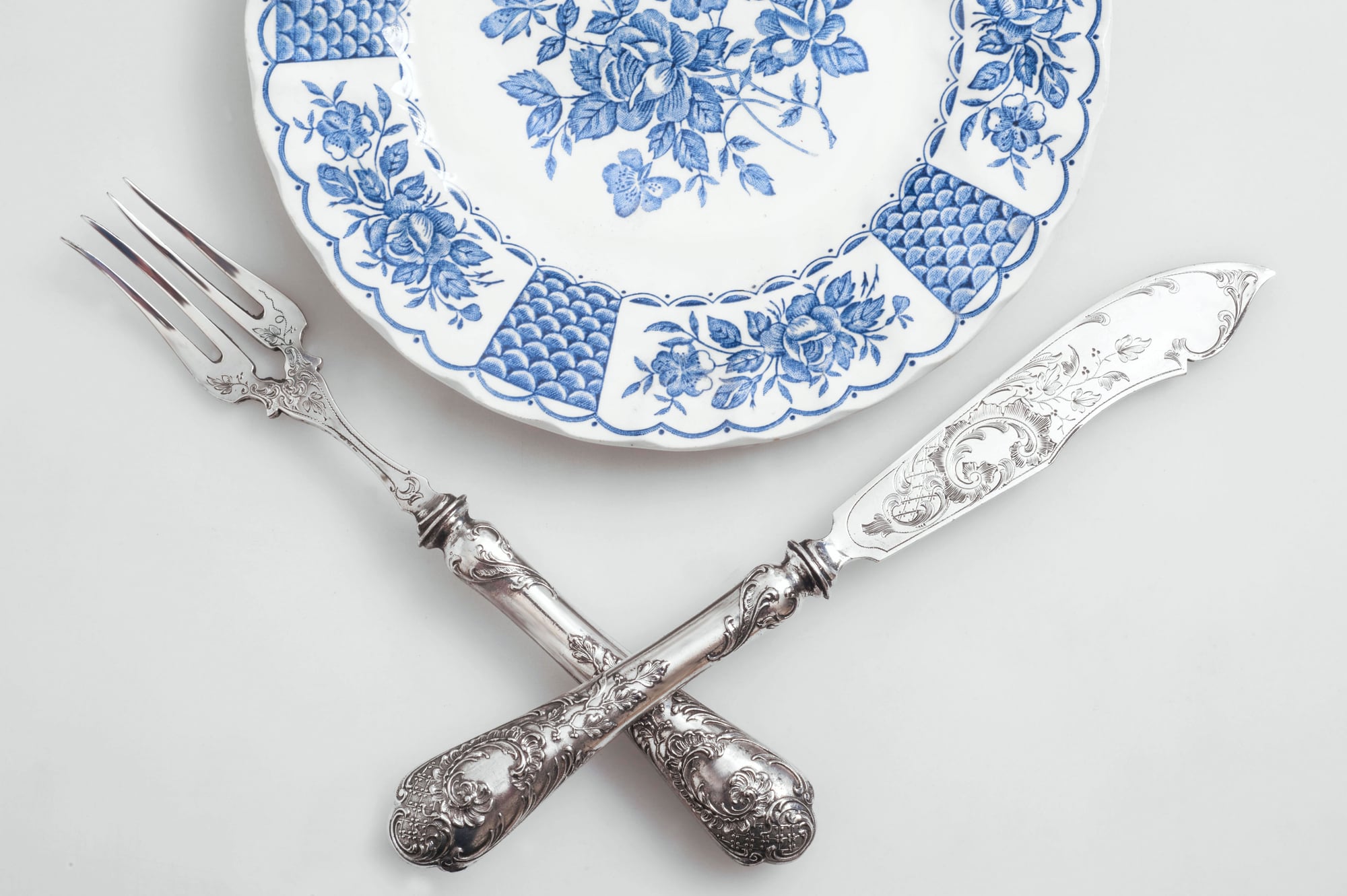
Each course demanded its own fork, and using the wrong one was like showing up to a formal dinner in muddy boots. Start from the outside and work inward — this wasn’t advice, it was law.
The knife stayed in the right hand, fork in the left. No switching between bites like some sort of dining barbarian. Rest utensils at four o’clock on the plate when finished, never crossed or scattered randomly.
Even the way someone cut food revealed breeding. Small, precise cuts suggested refinement. Large, aggressive cutting implied the kind of hunger associated with people who actually worried about their next meal.
Children Were Decorative Accessories
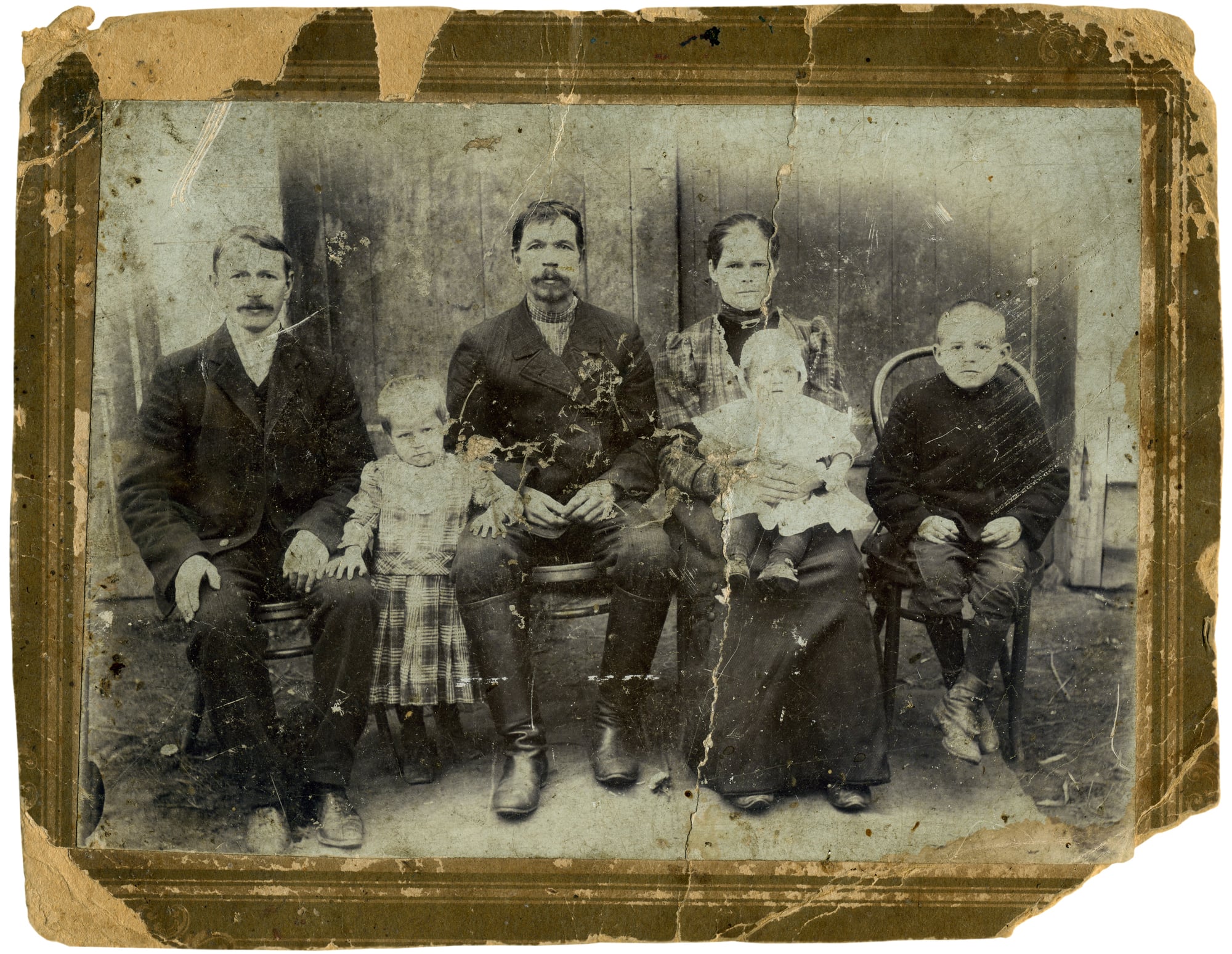
Victorian children were expected to be seen and definitely not heard, which turned family gatherings into elaborate displays of miniature human furniture that occasionally needed feeding. Children spoke only when addressed by adults, answered in complete sentences, and demonstrated perfect posture at all times.
Spontaneous laughter, running indoors, or expressing genuine childhood enthusiasm were marks against the family’s social standing.
And the clothing — children dressed like tiny adults, complete with formal wear that made playing nearly impossible. Which was probably the point.
But children were also expected to perform on command: recite poetry, play piano pieces, or demonstrate accomplishments that proved their parents were raising them properly. Simultaneously invisible and impressive — quite the assignment for a nine-year-old.
The Art of Strategic Ignoring
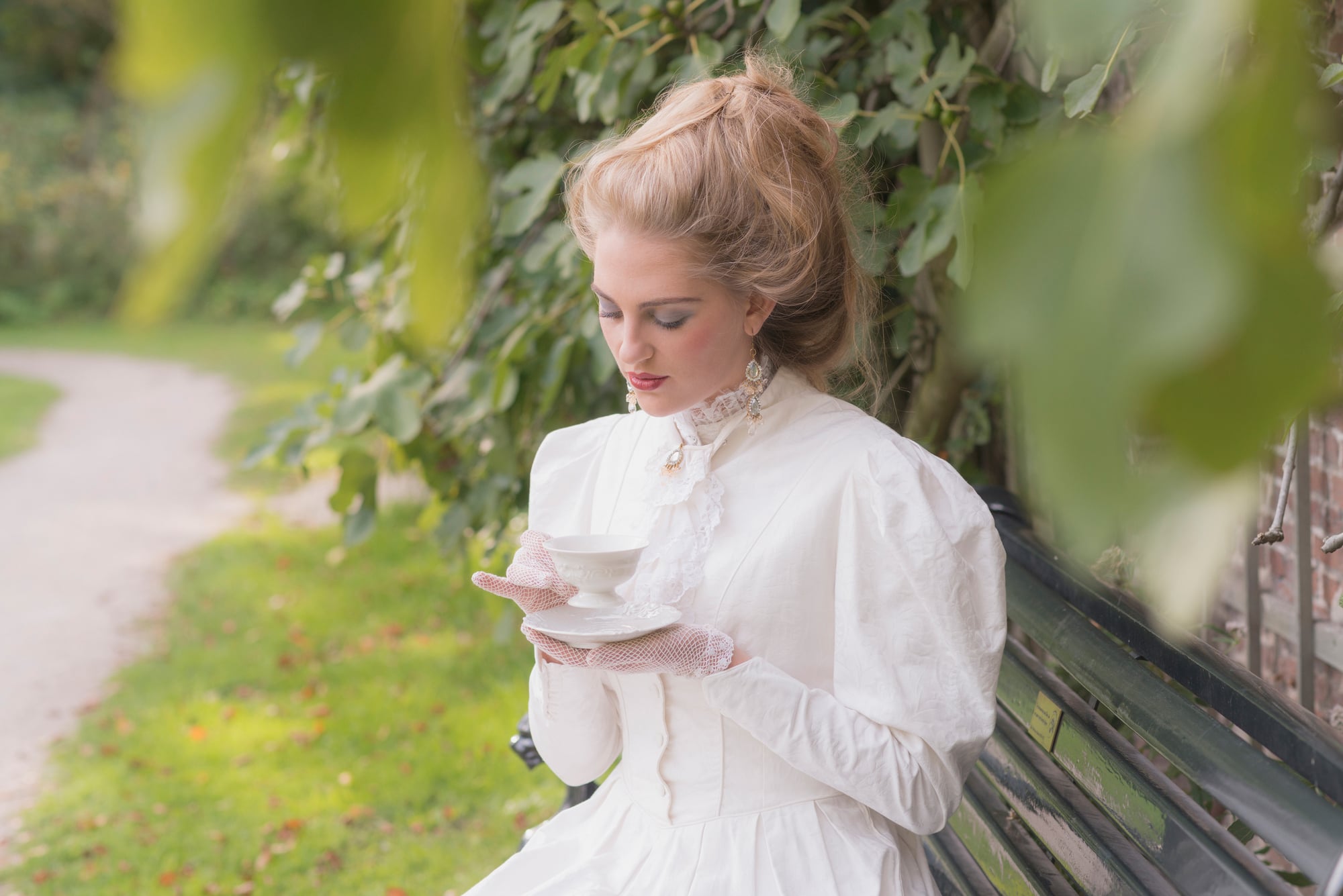
“Cut direct” was the Victorian equivalent of deleting someone from your life in public. When someone committed a social offense serious enough to warrant banishment, proper society would look right through them as if they’d become invisible.
This wasn’t casual snubbing — it was coordinated social warfare. Entire circles of people would simultaneously pretend the offending person didn’t exist. No greetings. No acknowledgments. No response to direct address.
The cut direct could destroy reputations permanently. Recovery often required leaving town entirely or somehow earning forgiveness from the social gatekeepers who’d initiated the freeze.
Victorian society weaponized awkwardness with terrifying efficiency.
Living by Impossible Standards
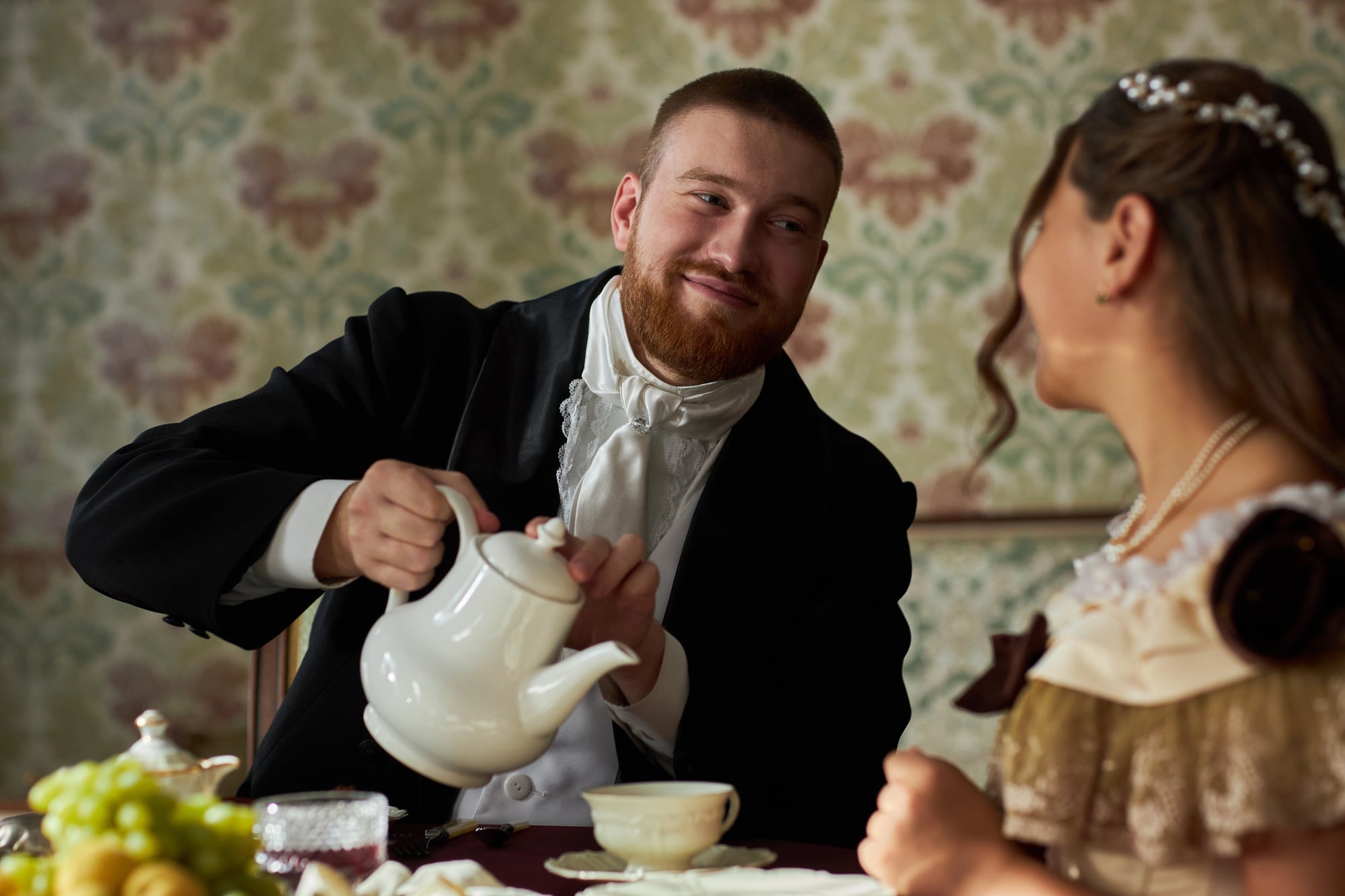
These weren’t just quirky old-fashioned customs — they were the building blocks of an entire social system designed to separate the worthy from the unworthy based on their ability to remember which fork belonged with which course. Victorian etiquette created a world where stepping outside the lines, even accidentally, could reshape someone’s entire social reality.
The remarkable thing isn’t that these rules existed, but that anyone managed to follow them all without collapsing under the weight of constant performance. Every conversation, every gesture, every moment in public was a test with consequences stretching far beyond embarrassment.
Modern life has its complications, but at least nobody’s judging the angle of your calling card.
More from Go2Tutors!

- The Romanov Crown Jewels and Their Tragic Fate
- 13 Historical Mysteries That Science Still Can’t Solve
- Famous Hoaxes That Fooled the World for Years
- 15 Child Stars with Tragic Adult Lives
- 16 Famous Jewelry Pieces in History
Like Go2Tutors’s content? Follow us on MSN.