Photos of Medical Tools from the Past That Look Scary
Modern medicine feels sterile and precise — gleaming instruments handled by gloved professionals in controlled environments. But medical tools weren’t always designed with patient comfort in mind. For centuries, doctors relied on implements that look more like medieval torture devices than healing instruments. These historical medical tools reveal a time when surgery was brutal, anesthesia was nonexistent, and survival often depended more on luck than skill. Looking at these instruments today, it’s hard to believe they were ever used on living patients.
Trepanation Tools
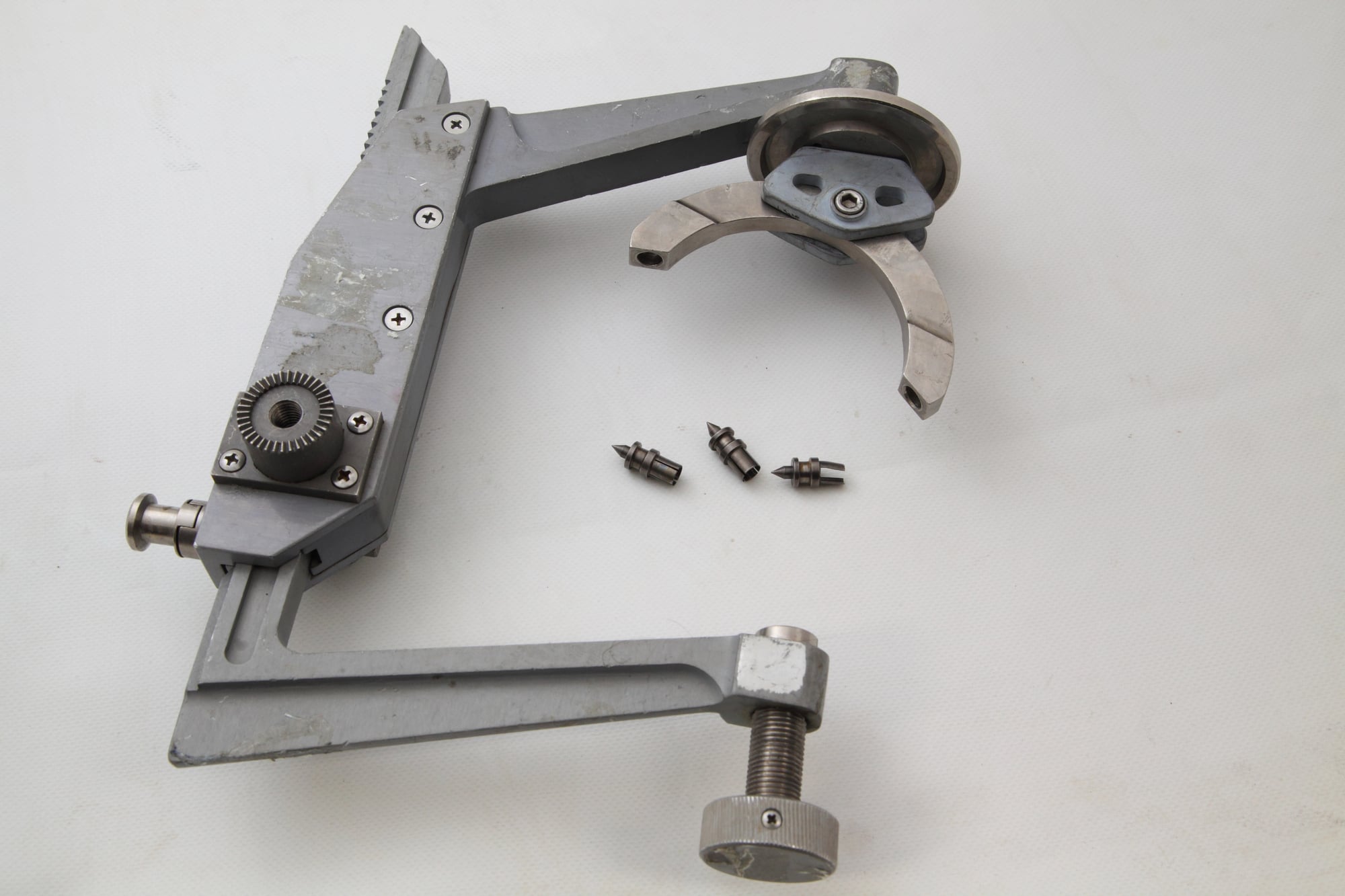
Skull drilling was considered cutting-edge medicine for thousands of years. Metal bits bored through bone to release evil spirits or relieve pressure. The patient stayed awake through the entire procedure.
Most survived the drilling. The infection afterward was a different story.
Bone Saws
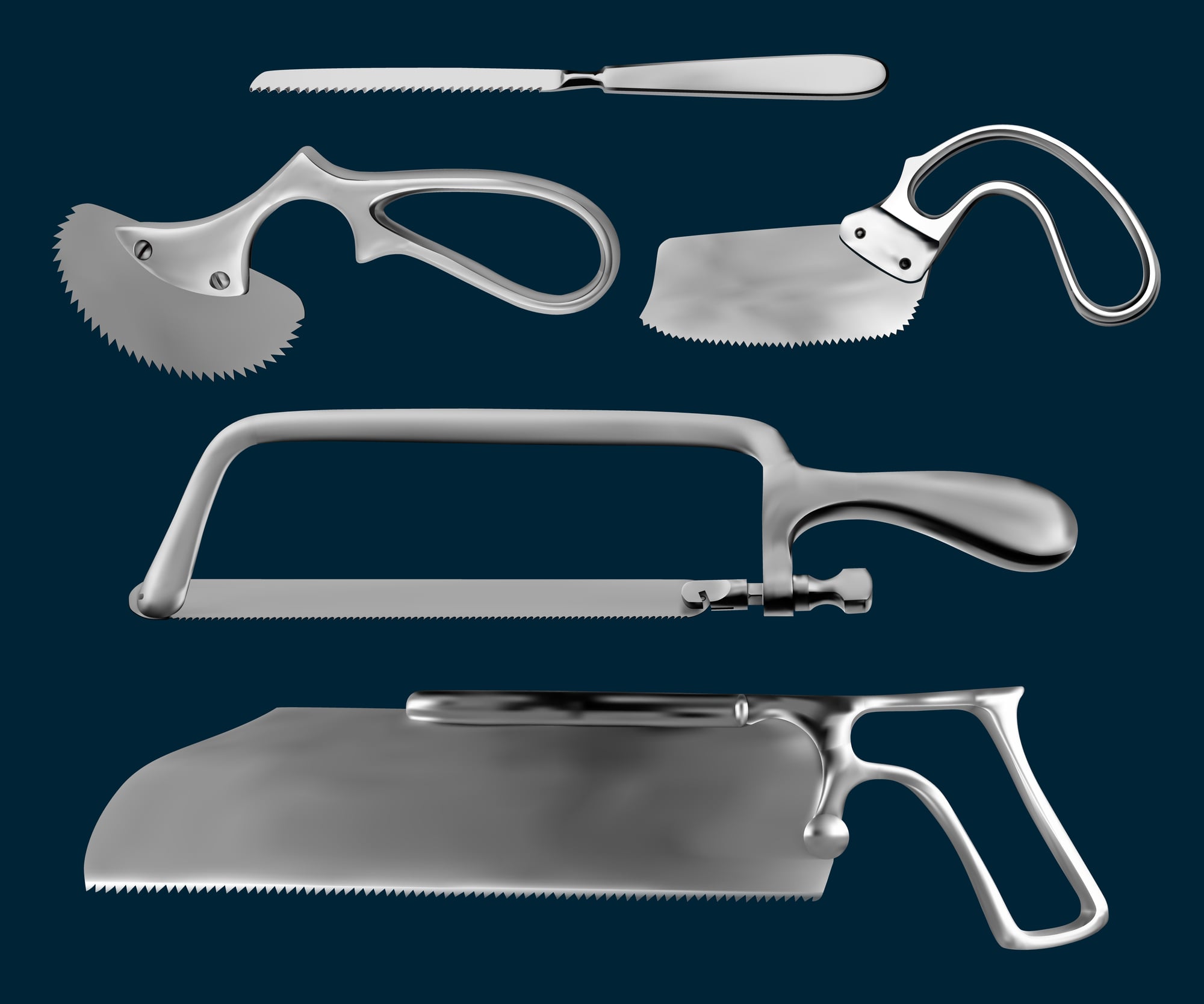
The relationship between a bone saw and hope is more complicated than it appears — because when the saw came out, it meant the limb was already lost, but it also meant there was still something left worth saving. These serrated blades cut through femurs and tibias with the same mechanical efficiency a carpenter might use on oak planks, except the wood didn’t scream (though by the time the saw appeared, many patients couldn’t either, having passed out from pain or been given something that barely qualified as anesthesia). The teeth on these saws were designed to cut in one direction only, which meant each stroke had to count, and surgeons developed the kind of steady, relentless rhythm you’d associate more with manual labor than medicine. And yet there’s something almost tender about the way these instruments were crafted — the wooden handles worn smooth by hundreds of hands, the metal polished from use, as if the tools themselves understood they were instruments of last resort wielded by people who had run out of gentler options.
But even the best bone saw couldn’t solve the fundamental problem: once you cut something off, it stays off. The finality built into these tools makes them feel less like medical instruments and more like the punctuation marks that ended chapters of people’s lives — not necessarily their whole story, but certainly the part where they could claim to be whole.
Lithotomy Knives
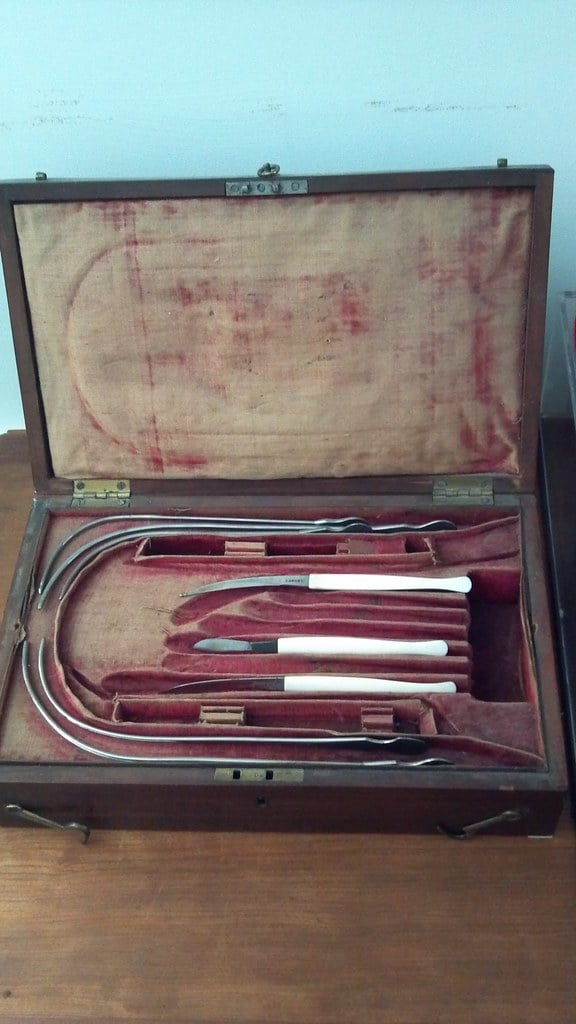
Bladder stones required removal before anesthesia existed. These curved blades sliced through the perineum to reach stones the size of golf orbs. Patients were held down by several assistants during the procedure.
The mortality rate hovered around fifty percent. Those who survived often wished they hadn’t, at least initially.
Bullet Extractors
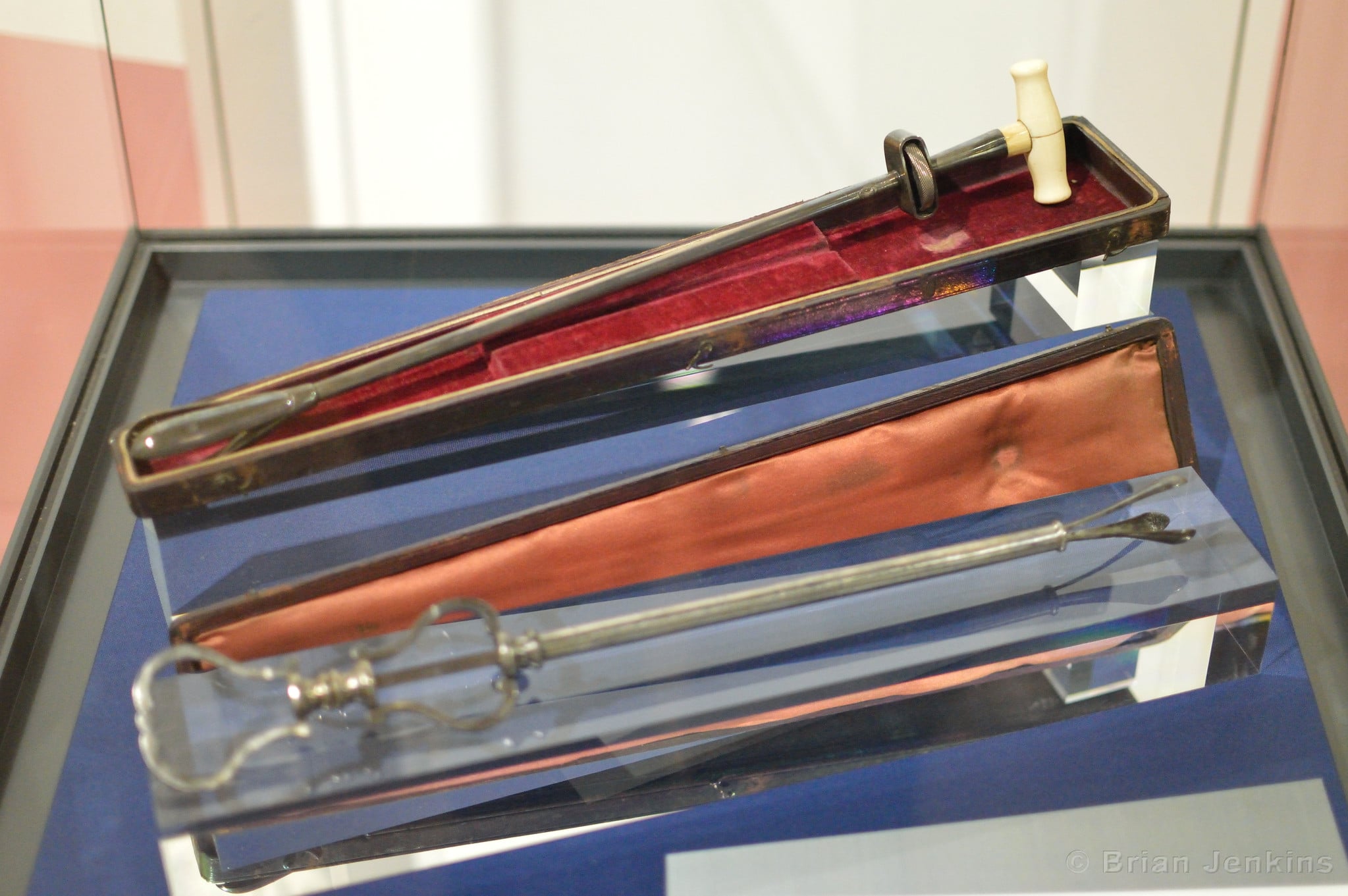
Gunshot wounds in the 18th and 19th centuries came with a grim arithmetic that no one talks about anymore: the bullet going in was just the opening bid, and everything that happened afterward — the digging, the probing, the metal instruments scraping against bone in search of lead fragments — was where the real damage got done. These extractors look like a cross between pliers and some medieval contraption designed for confession extraction, which isn’t entirely wrong since patients often found themselves making promises to various deities while doctors rooted around inside their bodies with these things. The handles are long enough to provide leverage, the tips narrow enough to fit through bullet marks, and the grip strong enough to pull out flattened metal that had buried itself in places metal was never meant to go. So the irony compounds: the tool meant to heal often caused more trauma than the original wound, and doctors knew this, but infection from leaving bullets inside was almost guaranteed death, which meant they had to choose between certain disaster and probable disaster.
And yet these instruments saved lives — not elegantly, not painlessly, but they saved them. Sometimes the most effective tools are the ones that look the most brutal.
Scarificators
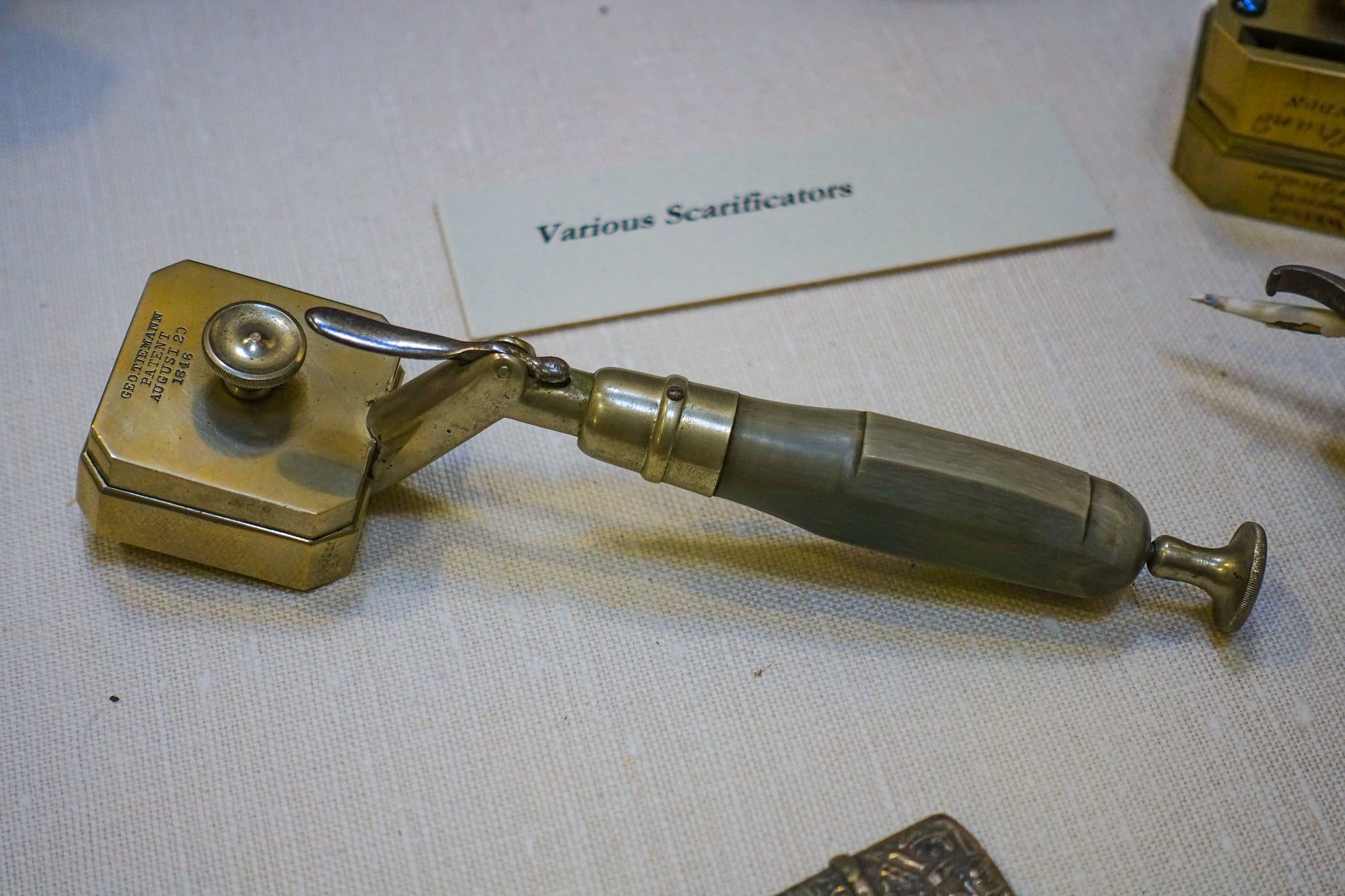
These spring-loaded devices created multiple cuts simultaneously for bloodletting. Twelve to twenty blades deployed at once across the patient’s skin. The theory was that bad blood needed to escape the body.
The practice killed more people than it helped. But it took centuries for medicine to figure that out.
Tooth Extractors
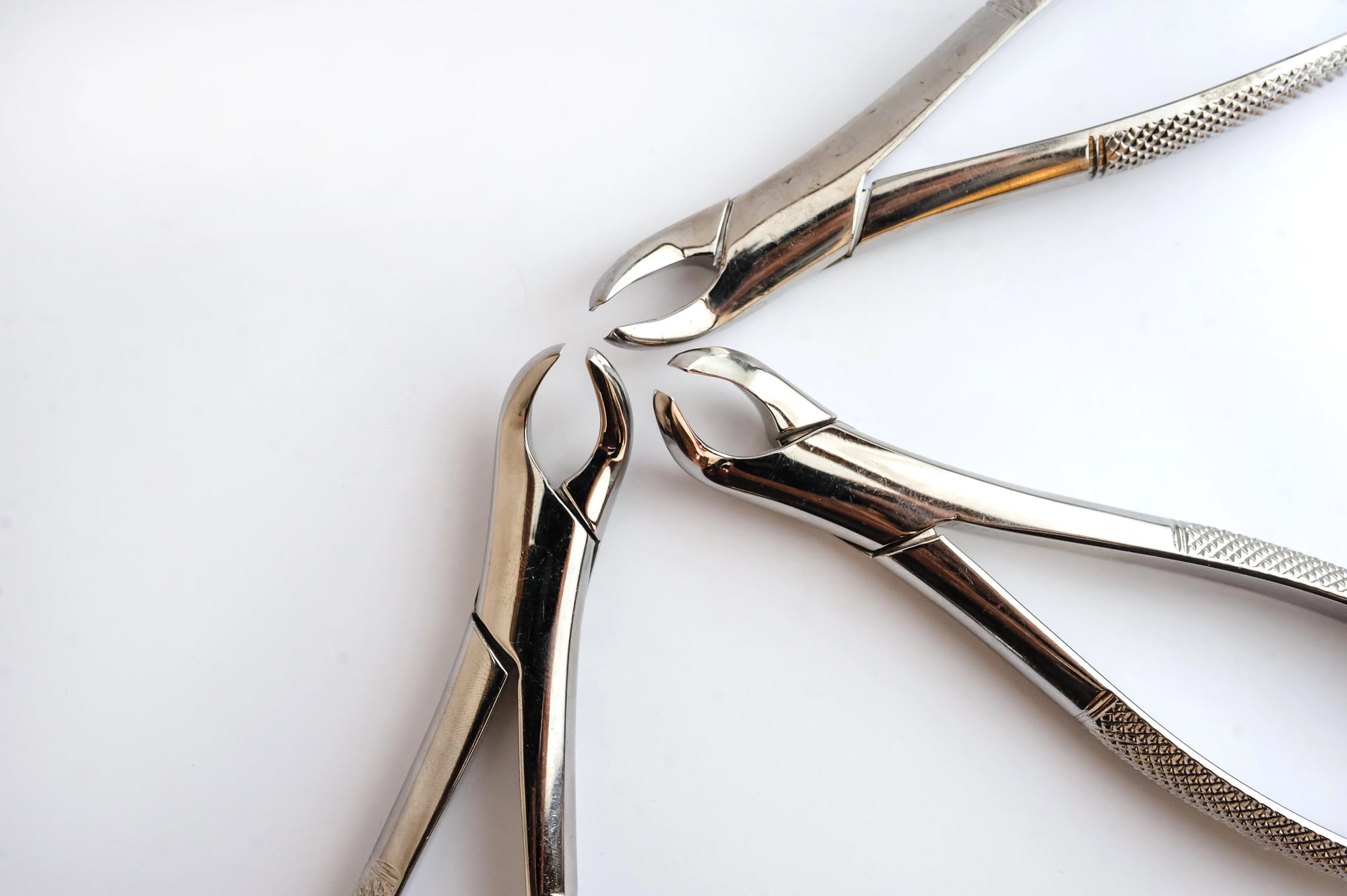
Before dentistry became a specialized field, tooth removal fell to barbers, blacksmiths, and anyone else with steady hands and strong grip — which explains why these extractors look less like precision instruments and more like something designed to pull nails from old lumber. The working principle was straightforward enough: grip the tooth, apply leverage, extract with force, but teeth have roots that twist and branch in directions no one can predict, so what should have been a quick procedure often turned into a contest between human jaw bone and metal determination that the metal usually won, though not always in the way anyone intended. These tools had no give in them, no sensitivity to the particular architecture of individual mouths, just pure mechanical advantage applied to a problem that required finesse more than force. And the patients, of course, remained conscious throughout, gripping the arms of chairs or whatever else was available while someone essentially dismantled part of their skull with instruments that belonged more in a workshop than a medical office.
But pain was temporary, and infected teeth could kill you, so the choice wasn’t really a choice at all. Sometimes the most terrifying option is still the right one.
Hemorrhoid Forceps
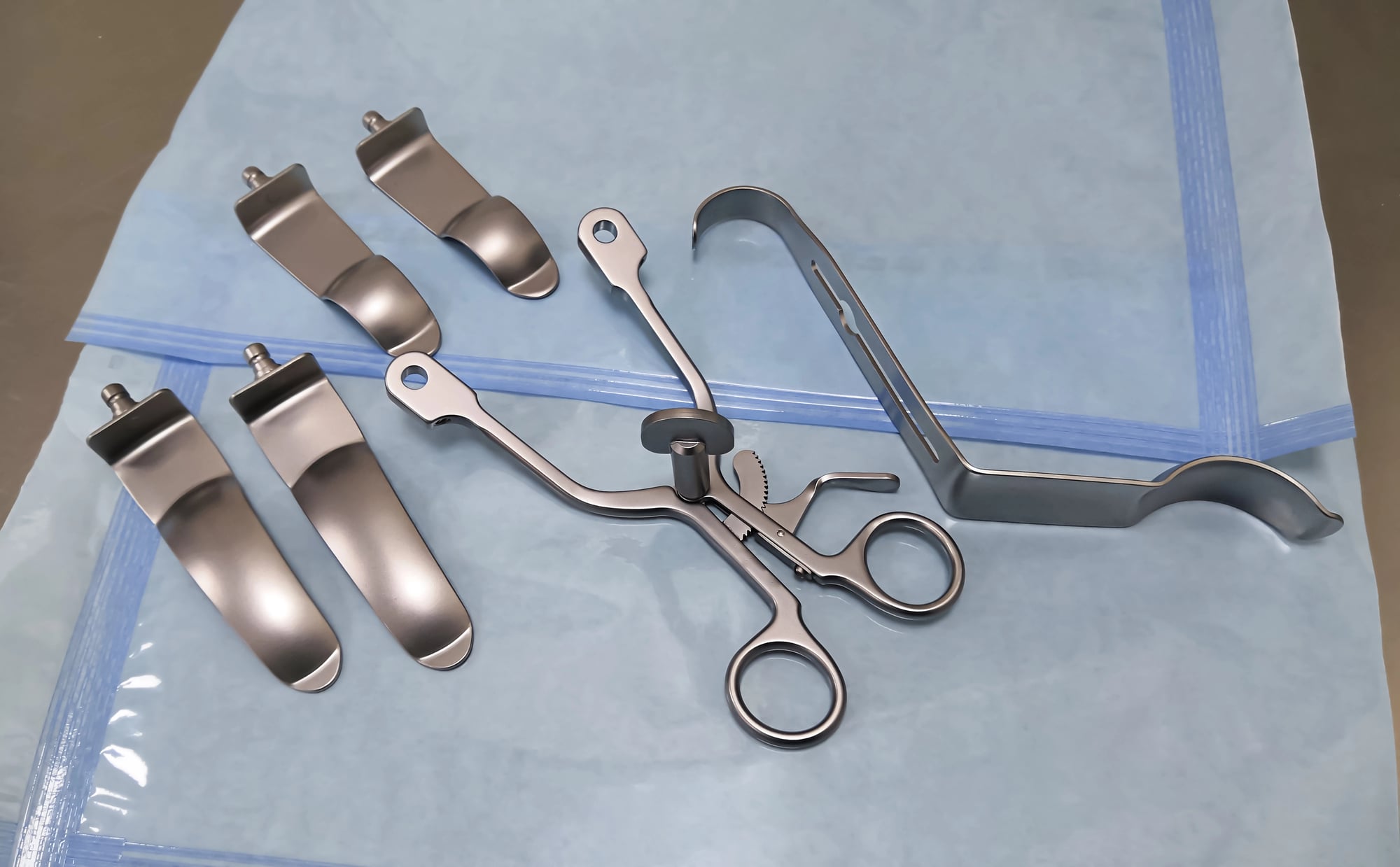
Rectal problems required direct intervention. These serrated clamps grabbed tissue that needed removal. The procedure happened without any pain management whatsoever.
Recovery took weeks. Most patients couldn’t sit properly for a month.
Cupping Glasses and Scarifying Tools
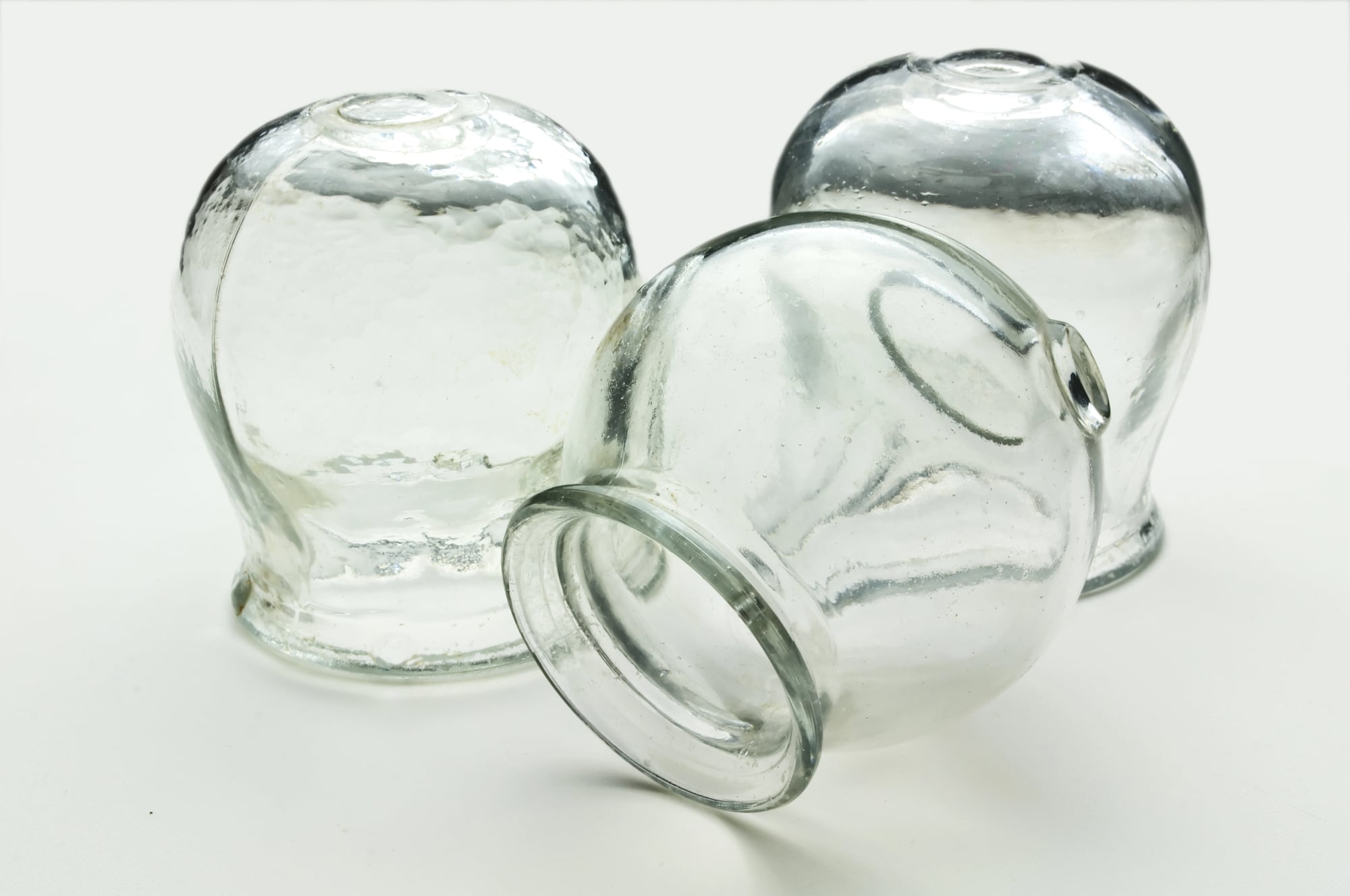
The logic of cupping therapy made perfect sense if you believed that illness lived in the blood and could be drawn out through suction — which most people did for several centuries, so these glass cups and the scarification tools that accompanied them seemed as essential as surgical gloves do today. The process worked like this: make small cuts in the skin (that’s where the scarifying tool came in, with its multiple small blades designed for shallow, parallel cuts), place the heated glass cup over the cuts, and let the cooling air create suction that would pull the “diseased blood” out through the wounds and into the cup. The cups themselves look innocent enough — like small glass bowls that might hold tea lights or candy — but paired with those multi-bladed scarification devices, they become part of a medical philosophy that treated the human body like a container that occasionally needed draining. And the patients, naturally, were expected to lie still while glass cups tugged at their freshly cut skin, pulling up little mounds of flesh that turned purple from the suction.
The strangest part isn’t that the treatment was painful — most medical treatments were — but that it actually seemed to help some patients, probably because lying still for an hour while someone paid careful attention to your symptoms was more healing than anyone realized at the time.
Amputation Kits
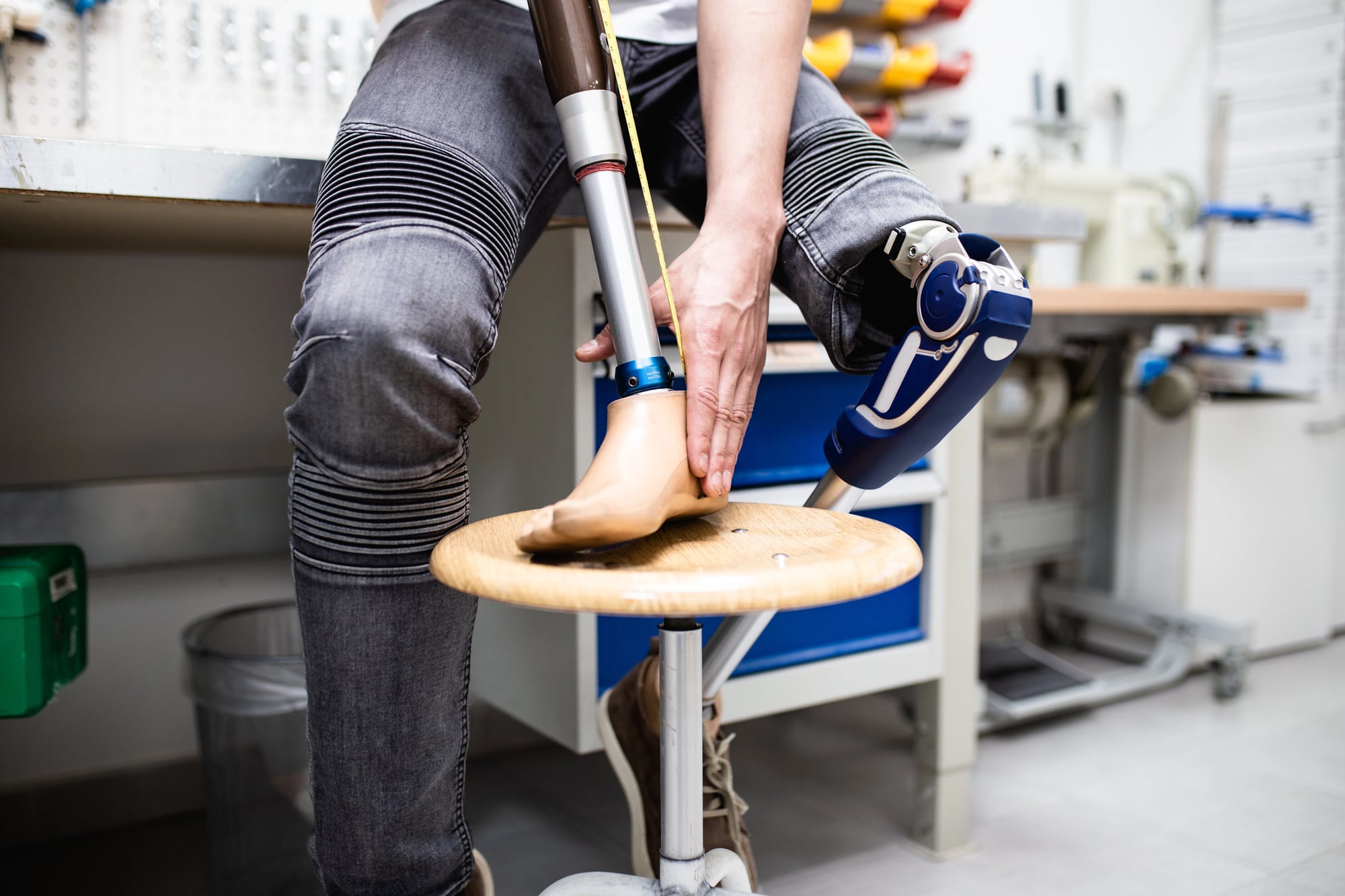
Battlefield medicine required portable surgical sets. These leather cases contained bone saws, knives, and tourniquets designed for speed over precision. Soldiers were given leather straps to bite during the procedure.
The amputation itself took under ten minutes. Everything that came after took much longer to heal, assuming it healed at all.
Vaginal Speculums
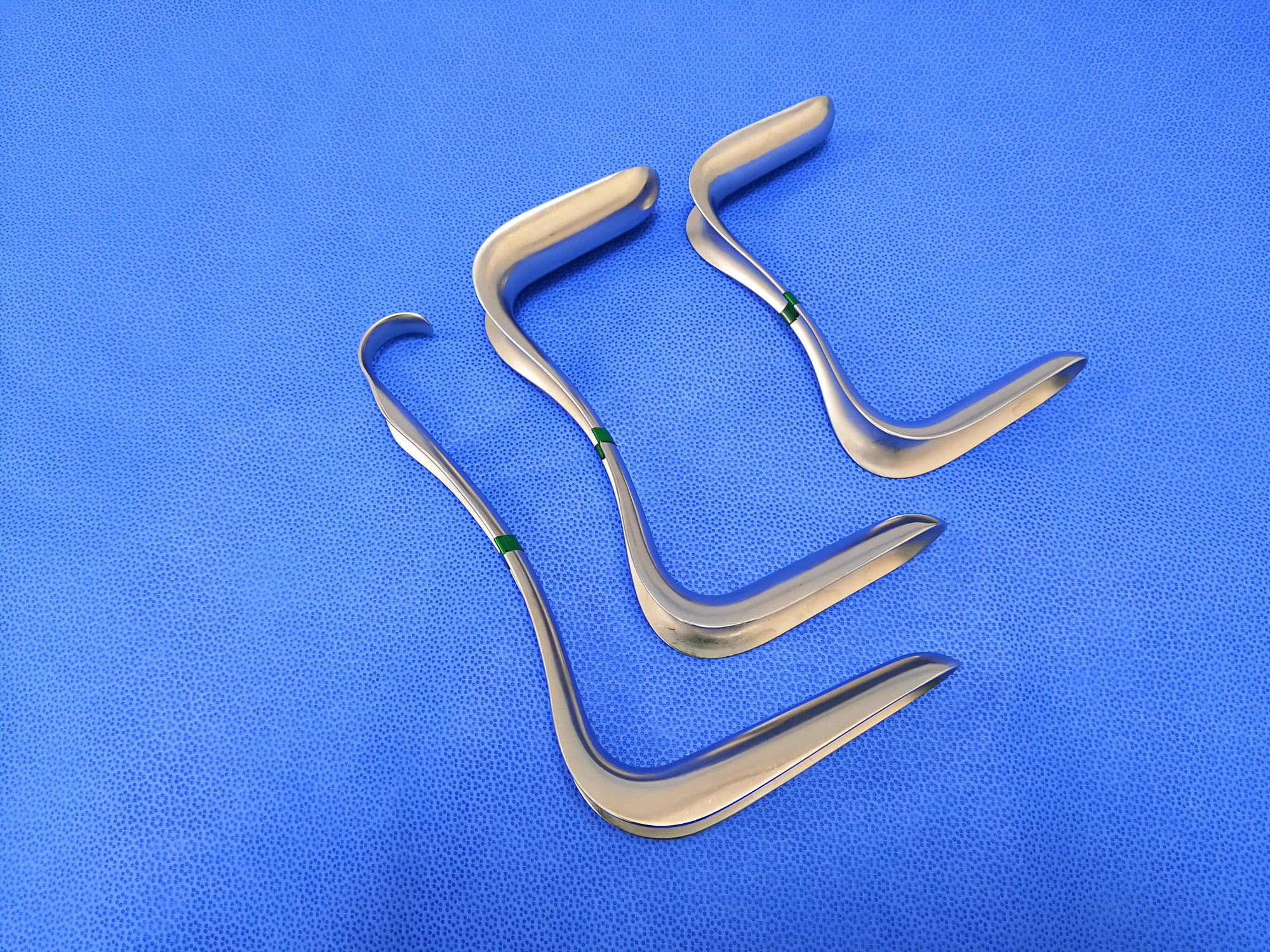
Early gynecological exams required massive metal instruments that opened like medieval torture devices. These speculums were made of heavy steel and operated with screw mechanisms that had no sensitivity settings.
The discomfort was considered irrelevant. Women’s pain during medical procedures wasn’t taken seriously until embarrassingly recently.
Cataract Needles
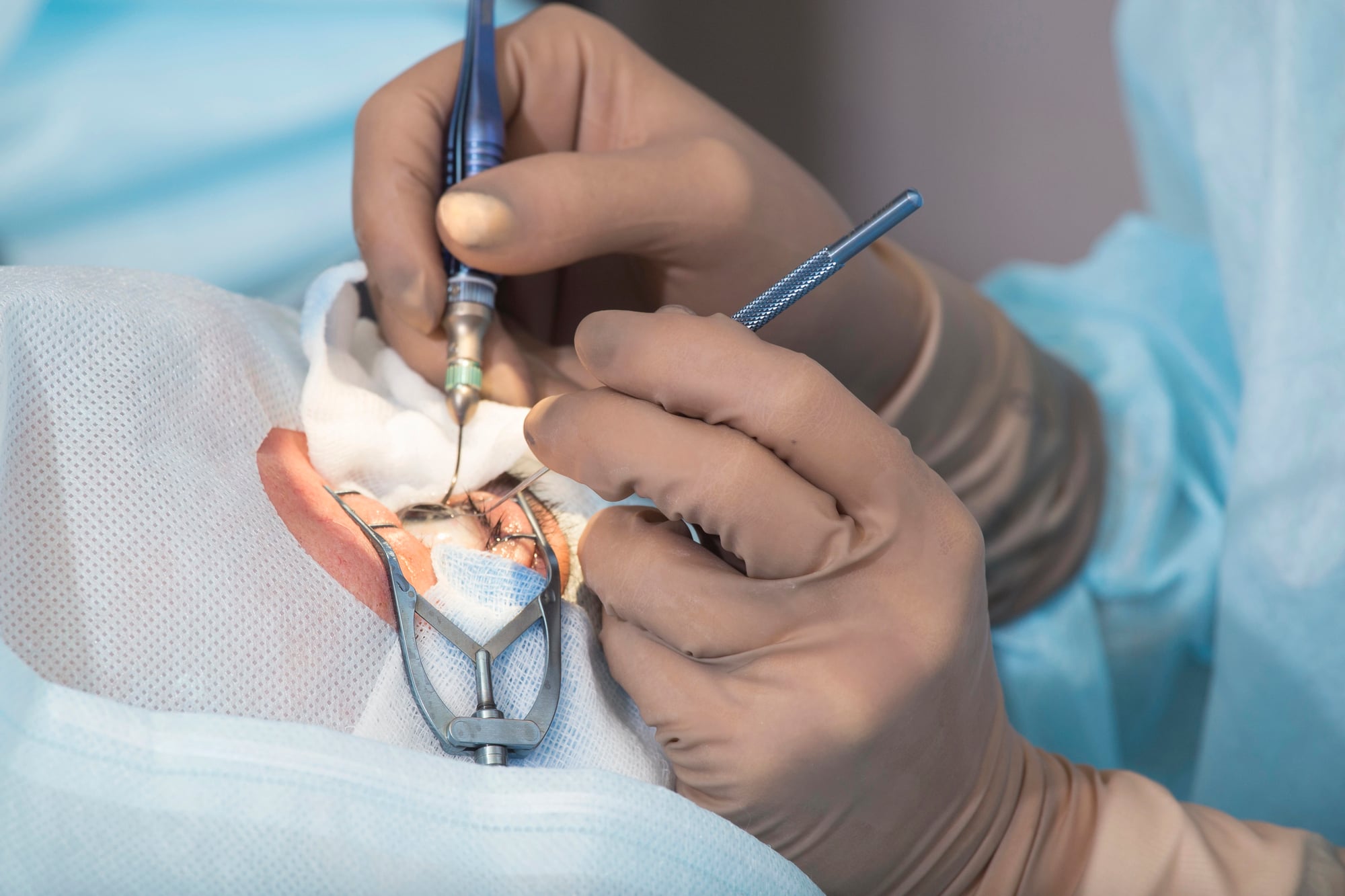
Eye surgery in the 18th century meant threading sharp needles directly through the eyeball to dislodge clouded lenses, and the fact that anyone volunteered for this procedure tells you everything you need to know about how desperate blindness could make a person. These needles were essentially sewing implements repurposed for ocular surgery — thin, sharp, and completely unforgiving of any hand tremors or sudden patient movements, which made the whole enterprise feel less like medicine and more like the world’s most high-stakes embroidery project. The technique, called “couching,” involved pushing the cataract out of the line of sight rather than removing it entirely, so success meant the patient could see light and shapes again, while failure meant permanent blindness, infection, or both. And the patients had to remain perfectly still during the procedure, which meant staring directly at the needle as it approached their eye — a test of nerve that most people today couldn’t pass even with modern anesthesia.
But partial vision was infinitely better than no vision, so people took the risk. The needle might have been terrifying, but blindness was worse.
Obstetrical Forceps
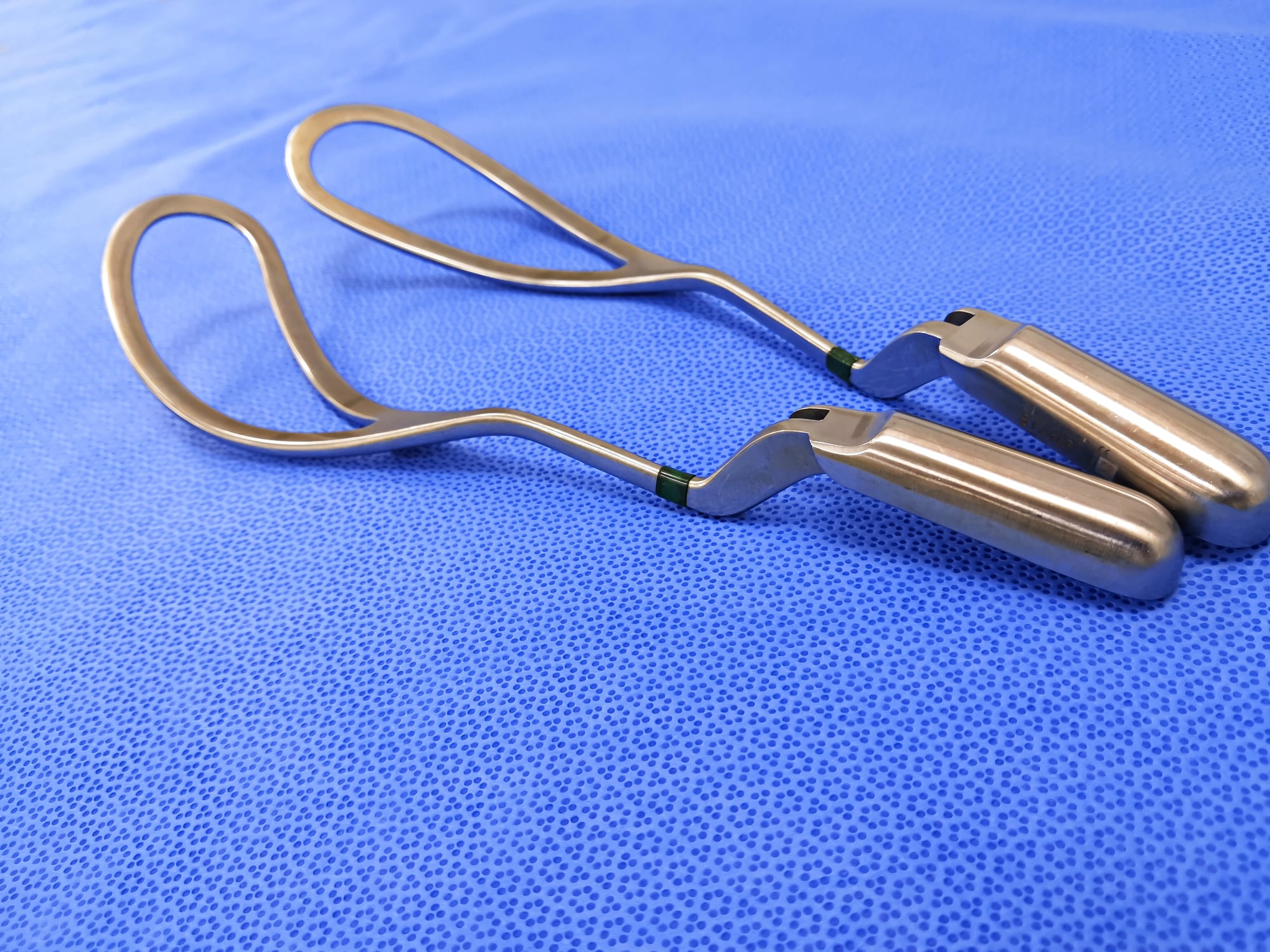
Difficult births required metal intervention. These large forceps clamped around babies’ heads to assist delivery. The grip strength needed to extract a stuck infant often caused skull fractures.
Mothers and babies both survived more often with forceps than without them. But the tool looked like something designed to grab logs, not newborns.
Cautery Irons
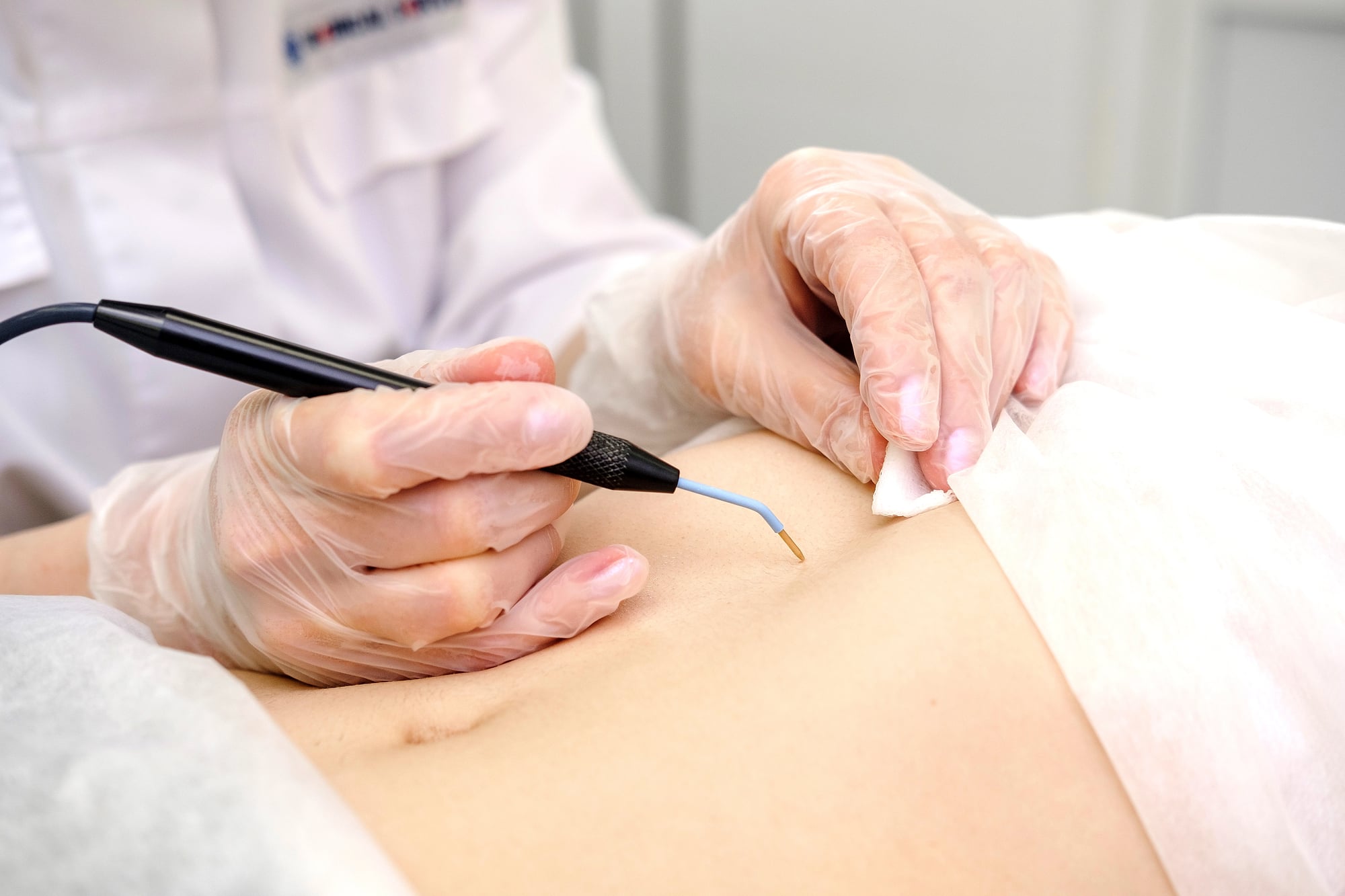
Wound closure before sutures meant heated metal applied directly to flesh. These iron rods were heated in flames until they glowed red-hot, then pressed against the tissue. The smell was reportedly unforgettable.
The technique stopped hemorrhaging instantly. It also created burns that took months to heal properly.
Looking Back Without Flinching

These instruments weren’t designed by sadists — they were created by people who understood that survival sometimes requires accepting terrible options rather than waiting for better ones. The doctors who wielded bone saws and trepanation drills weren’t crueler than modern physicians; they just worked in a time when cruelty was often indistinguishable from care. Every one of these tools represents someone’s best attempt to solve an urgent problem with the materials and knowledge available to them. That they look frightening to us now says more about how far medicine has come than about the intentions of the people who once depended on them.
More from Go2Tutors!

- The Romanov Crown Jewels and Their Tragic Fate
- 13 Historical Mysteries That Science Still Can’t Solve
- Famous Hoaxes That Fooled the World for Years
- 15 Child Stars with Tragic Adult Lives
- 16 Famous Jewelry Pieces in History
Like Go2Tutors’s content? Follow us on MSN.