World’s Most Expensive Substances Ever Discovered
Some things cost more than gold. A lot more.
While most people think precious metals represent the peak of valuable materials, there are substances so rare, so difficult to obtain, or so incredibly useful that they make gold look like spare change. These materials command prices that can reach millions of dollars per gram, and in some cases, their value is almost impossible to calculate because they’re so scarce that they barely exist outside of laboratories.
Antimatter

Antimatter holds the record as the most expensive substance ever created. At an estimated cost of $62.5 trillion per gram, it makes every other material on this list look affordable.
The price tag isn’t arbitrary. Creating antimatter requires particle accelerators that consume enormous amounts of energy, and the process is incredibly inefficient.
Scientists can only produce tiny amounts — we’re talking about individual particles that exist for microseconds before annihilating with regular matter.
Endohedral Fullerenes
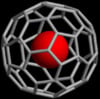
These aren’t just expensive molecules — they’re molecular cages with atoms trapped inside, and the production process is as complex as it sounds. The cost can reach $167 million per gram for certain types, which makes sense when you consider what’s actually happening here: scientists are essentially building atomic prisons where noble gas atoms sit locked inside carbon structures that resemble soccer orbs, except these soccer orbs are invisible to the unaided eye and require sophisticated equipment to create.
So yes, it’s expensive. Also unsurprising.
Californium-252
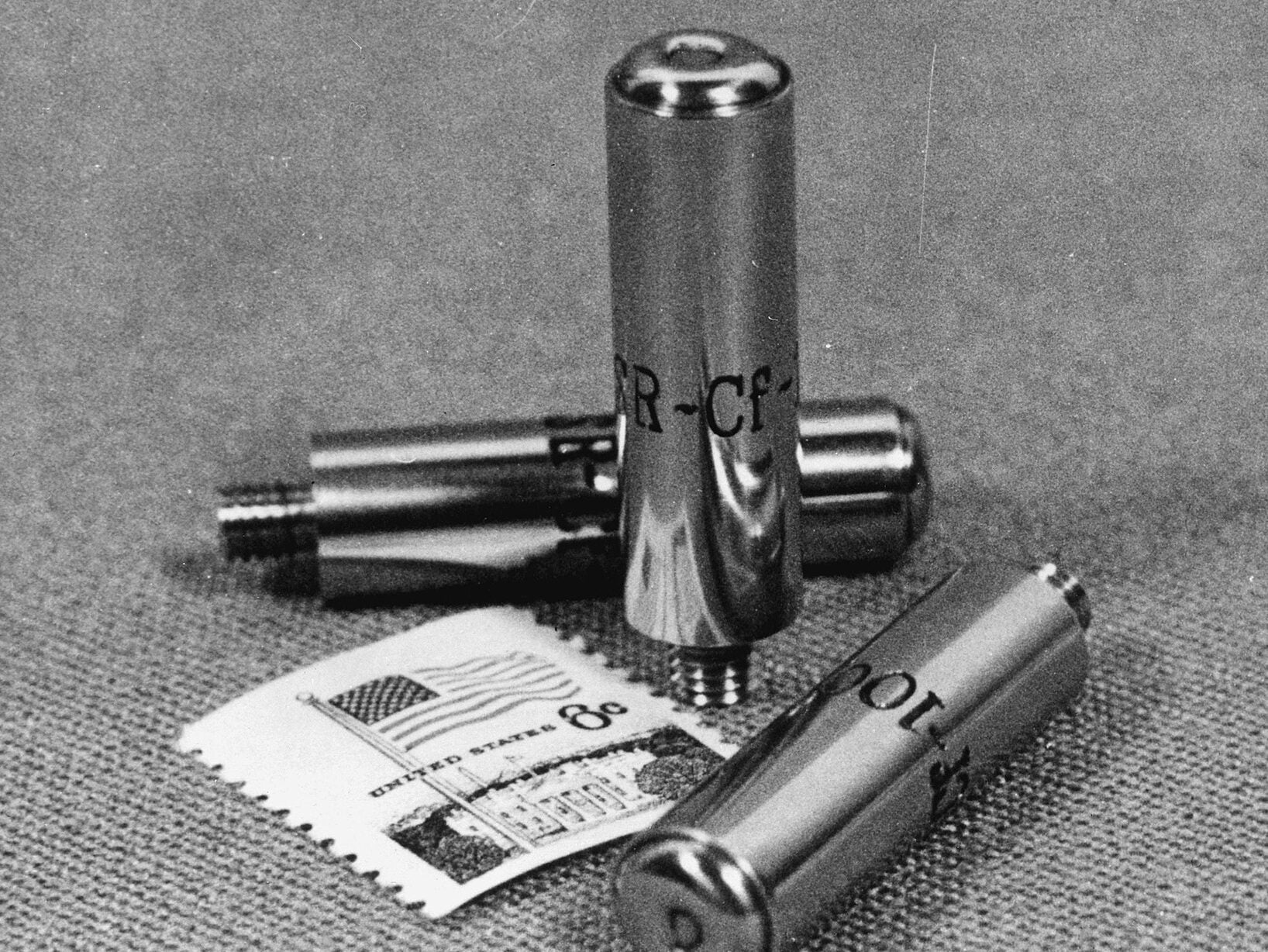
Producing Californium-252 takes patience. The kind of patience most people don’t have.
This radioactive element requires years of neutron bombardment in specialized reactors. Only a few grams exist worldwide at any given time, and it costs around $27 million per gram.
The material is so rare that the global supply could fit in a small vial, yet it’s essential for neutron detection and oil well logging. You either need it or you don’t — there’s no substitute that works as well.
Red beryl
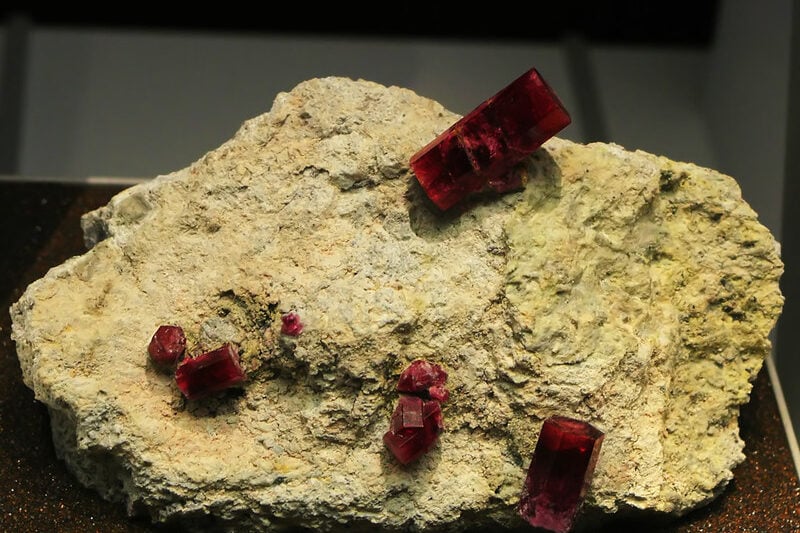
Red beryl grows in conditions so specific that finding it feels almost accidental — like discovering that a particular combination of volcanic activity, mineral-rich water, and geological pressure happened to occur in exactly the right sequence, at exactly the right time, in exactly the right place. Red beryl’s finest gem specimens are found primarily in the Wah Wah Mountains of Utah, though deposits have been discovered in other locations including Mexico and Madagascar.
Even there, gem-quality specimens are so rare that most miners work entire careers without finding a single piece worth cutting.
The red comes from trace amounts of manganese, but that’s like saying a perfect sunset happens because of light refraction. Technically true, entirely insufficient as an explanation for why something so ordinary in theory becomes so extraordinary in practice.
Painite

Painite was once considered the rarest mineral on Earth, and for good reason. For decades, only two specimens existed in the entire world.
The mineral was discovered in Myanmar in the 1950s, but finding additional samples proved nearly impossible. Even today, with more specimens known, painite remains extraordinarily rare.
The crystal structure is complex, and the geological conditions required for its formation are specific to a small region. A single gram can cost around $300,000, assuming you can find someone willing to sell.
Jadeite
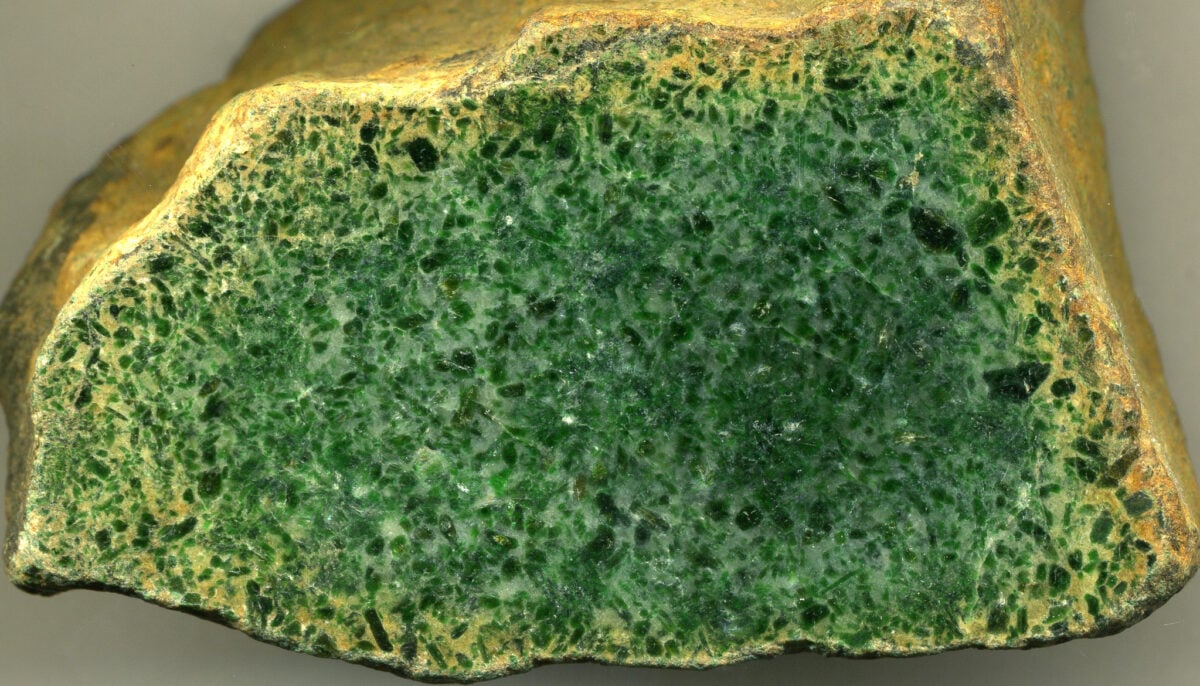
The finest jadeite commands prices that reach $3 million per carat, but this isn’t about rarity in the traditional sense — it’s about a specific type of perfection that occurs when jadeite achieves what collectors call “imperial green,” a color so pure and intense that it seems to glow from within (though it doesn’t actually emit light, the visual effect can be startling enough that people assume it must). Burma produces the highest quality specimens, and the mining process involves finding deposits that formed under very particular pressure and temperature conditions millions of years ago.
And yet the strange thing about jadeite is that most people wouldn’t recognize it as particularly valuable if they saw it — the extraordinary pieces look almost too perfect to be natural, which they are, in a way.
Bixbite
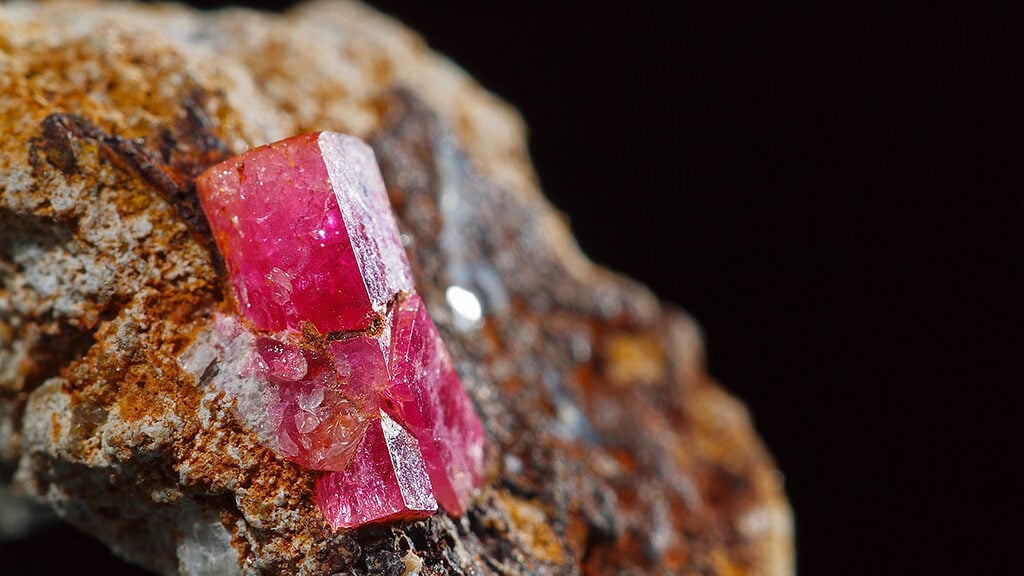
Bixbite is red beryl’s technical name, though both refer to the same impossibly rare gemstone. While the Wah Wah Mountains of Utah contain the most significant gem-quality deposits of bixbite, the mineral has been identified in other geological formations.
It forms under such specific conditions that geologists are still debating exactly how it happens.
The crystal structure requires beryllium, aluminum, and silicate to combine in the presence of manganese — a combination that almost never occurs naturally. Most specimens are too small or too included to facet, which means gem-quality bixbite is essentially a geological accident that happened to turn out well.
Black opal
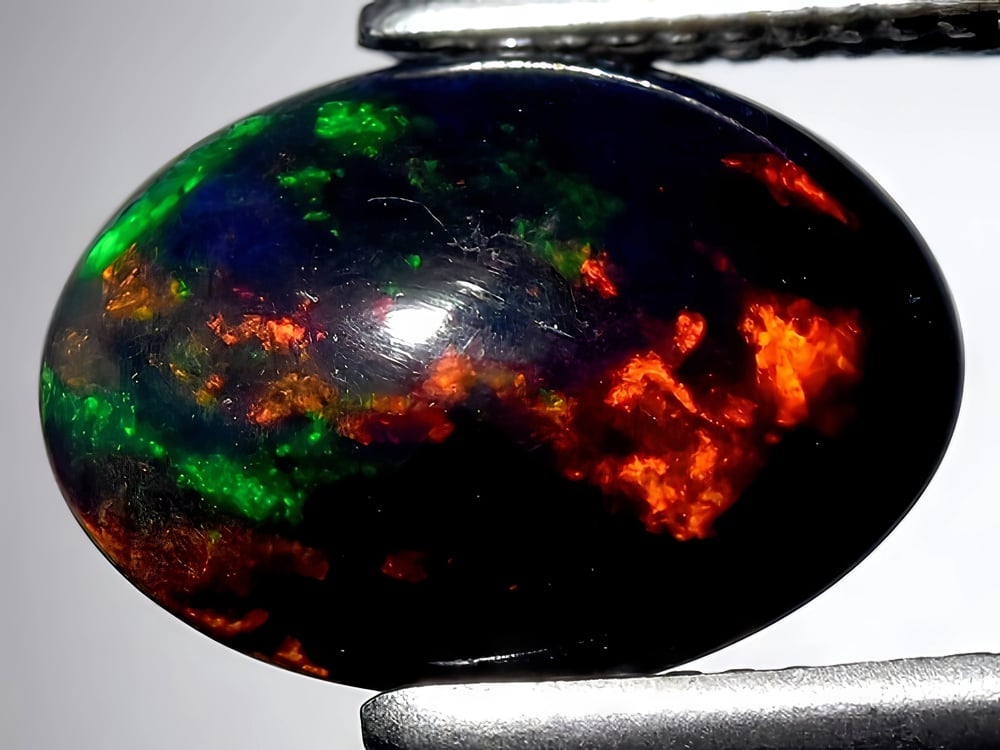
Black opal doesn’t follow the rules other gemstones follow — instead of achieving value through clarity or traditional beauty, it creates something closer to captured lightning, where colors shift and dance across a dark background in patterns that seem almost intentionally designed to catch attention. The finest specimens come from Lightning Ridge in Australia, and the play of color can be so intense that it looks artificial until you realize that nature occasionally produces things more dramatic than anything humans would think to invent.
The formation process takes millions of years as silica-rich water seeps through rock formations, but that’s the boring part of the explanation. The interesting part is that nobody fully understands why some opals develop extraordinary color play while others remain ordinary, which keeps the discovery process unpredictable.
Taaffeite
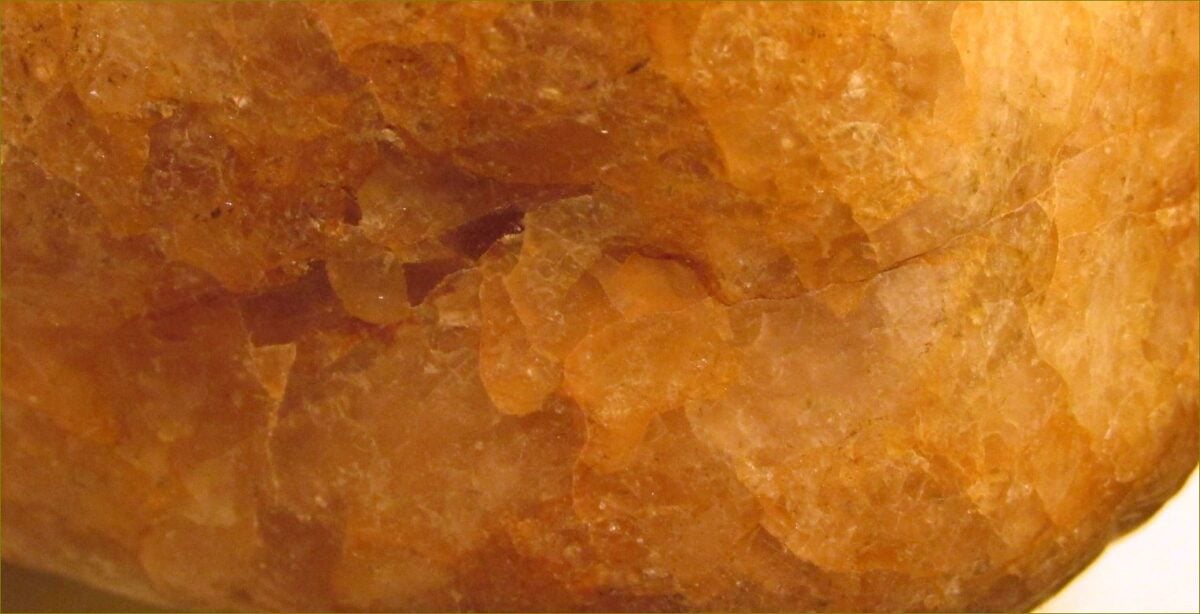
Taaffeite was discovered by accident when a gemologist realized that a stone he thought was spinel had different optical properties. This turned out to be fortunate, because taaffeite is so rare that it might have remained unidentified for decades longer.
The mineral forms in metamorphic rocks under very specific conditions, and gem-quality specimens are extraordinarily scarce. Most known examples come from Sri Lanka and Tanzania, but even experienced miners rarely encounter it.
The price reflects this rarity — fine specimens can reach $35,000 per carat, assuming any are available for purchase.
Jeremejevite
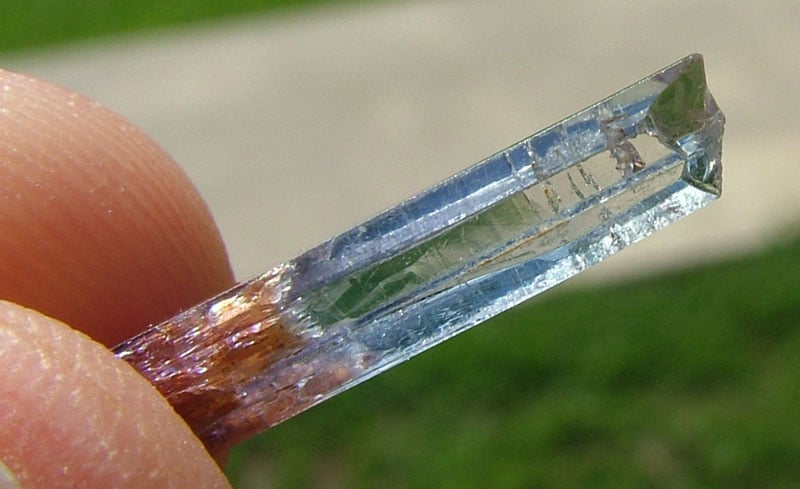
Jeremejevite is one of those minerals that sounds made up but isn’t. Named after a Russian mineralogist, it’s an aluminum borate that forms in granite pegmatites — which is a technical way of saying it grows in very specific pockets of slowly cooling underground rock.
The best specimens come from Namibia, where gem-quality crystals occasionally form in colors ranging from colorless to pale blue. The price can reach $2,000 per carat, but finding specimens large enough to facet into meaningful gemstones requires considerable patience.
Poudretteite
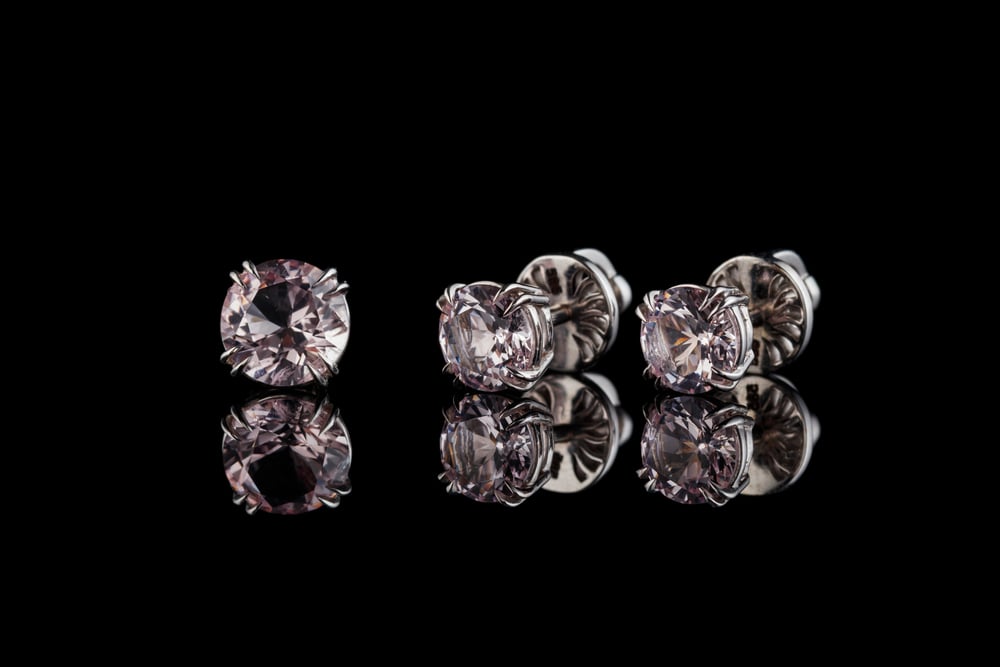
This pink to violet mineral was first discovered in Canada but remained a curiosity until gem-quality specimens surfaced in Myanmar. The discovery changed everything, because suddenly there was enough material for gemstone collectors to actually acquire specimens.
Even so, poudretteite remains extremely rare. The crystal structure is complex, involving potassium, sodium, and boron in a combination that rarely occurs in nature.
Fine examples can cost $3,000 per carat, which reflects both the scarcity and the appeal of the unusual color.
Benitoite
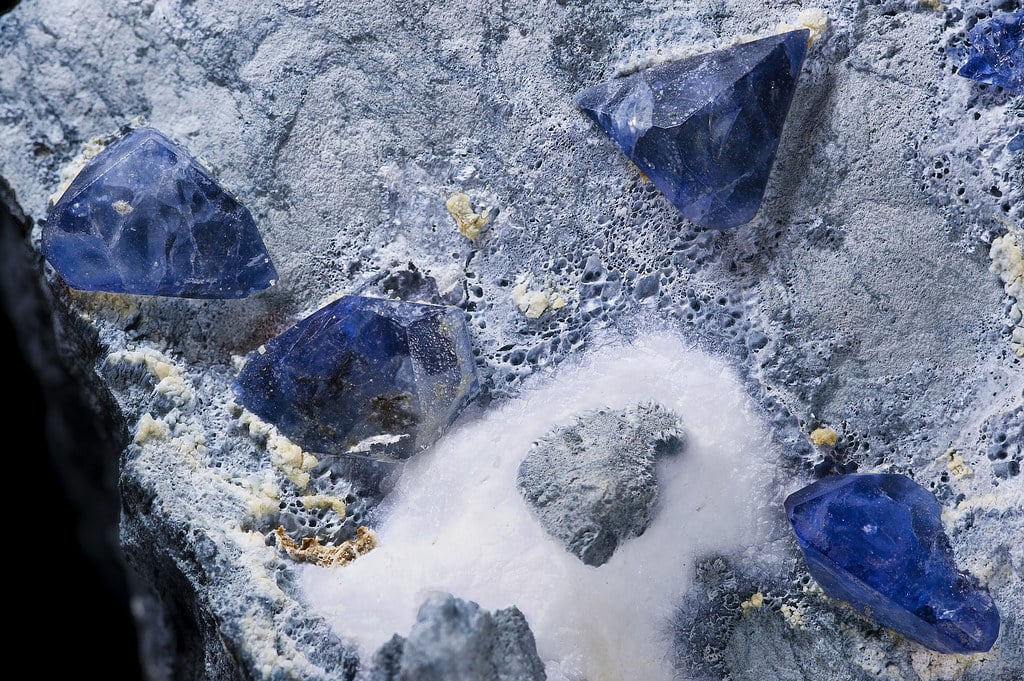
California’s state gem exists almost nowhere else on Earth, which seems appropriate for a state that specializes in unique situations. Benitoite forms in serpentine under very particular conditions, and the only significant deposit is located in San Benito County.
The mineral displays strong fluorescence under ultraviolet light and has a refractive index that creates exceptional brilliance when properly cut. Gem-quality specimens command high prices — often $4,000 per carat or more — because the supply is essentially finite.
When the California deposit is exhausted, that’s likely the end of benitoite as a gemstone.
Red diamond
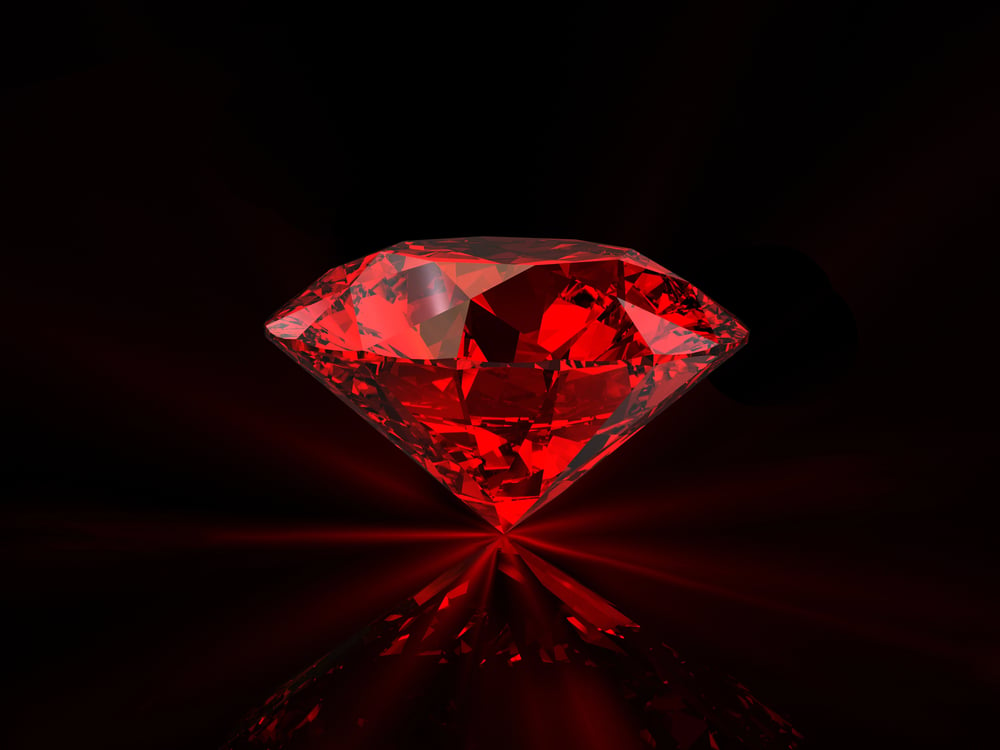
Red diamonds push rarity to an extreme that makes other colored diamonds seem common by comparison. Fewer than 30 true red diamonds are known to exist, and most of these are under one carat.
The color comes from a distortion in the crystal lattice rather than trace elements, which is why red diamonds are so extraordinarily scarce. The largest known red diamond weighs just 5.11 carats, and when exceptional specimens appear at auction, they can sell for over $1 million per carat.
The supply is so limited that owning a red diamond essentially means owning something that almost doesn’t exist.
Diamond-encrusted substances
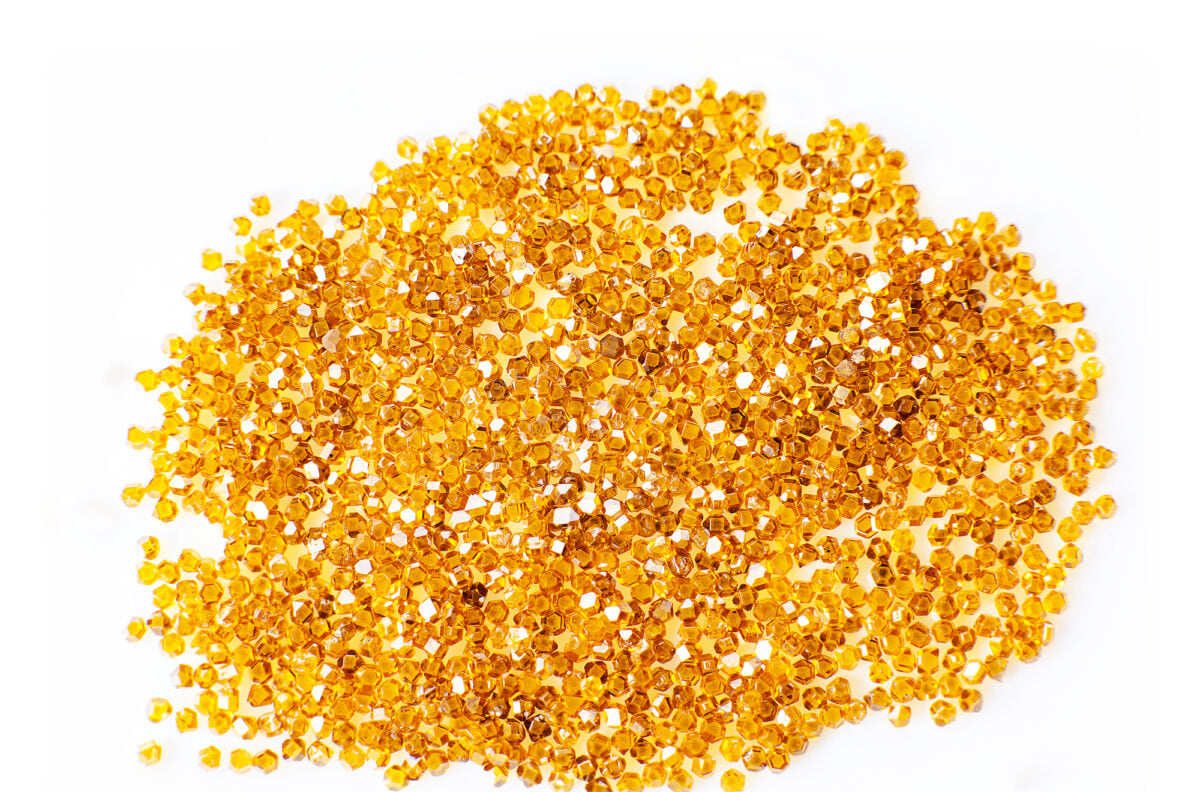
Some materials become expensive not because of what they are, but because of what gets added to them. Diamond dust, for instance, costs around $400 per gram — not because diamond dust is particularly rare, but because turning diamonds into powder involves destroying larger stones that might otherwise become jewelry.
Industrial diamond powder serves specific purposes in cutting tools and abrasives, but the cost reflects the raw material rather than any complex manufacturing process. It’s expensive because diamonds are expensive, which is circular logic that somehow makes perfect sense.
Where rarity meets reality
These substances remind you that scarcity creates its own kind of value, separate from utility or beauty. Most people will never see antimatter or hold red beryl, which is exactly why they command such extraordinary prices.
The cost reflects not just rarity, but the human tendency to want what barely exists.
More from Go2Tutors!

- The Romanov Crown Jewels and Their Tragic Fate
- 13 Historical Mysteries That Science Still Can’t Solve
- Famous Hoaxes That Fooled the World for Years
- 15 Child Stars with Tragic Adult Lives
- 16 Famous Jewelry Pieces in History
Like Go2Tutors’s content? Follow us on MSN.