31 Old Board Game Editions With Specific Pieces That Spike the Price
There’s something stubborn about old board games. They sit in thrift store bins and garage sale boxes, stacked under decades of indifference, and most of them are worth exactly what someone paid for them in 1987.
But every so often, a specific edition — with a specific set of pieces, a particular token, an unusual insert — turns out to be worth a genuinely startling amount of money. Not because the game itself changed, but because one small detail about how it was made, when it was made, or what was included inside the box separates it from every version that came after.
Collectors know this. The casual seller usually doesn’t.
These are the editions where the pieces matter as much as the game itself.
Monopoly (1935 First Edition)
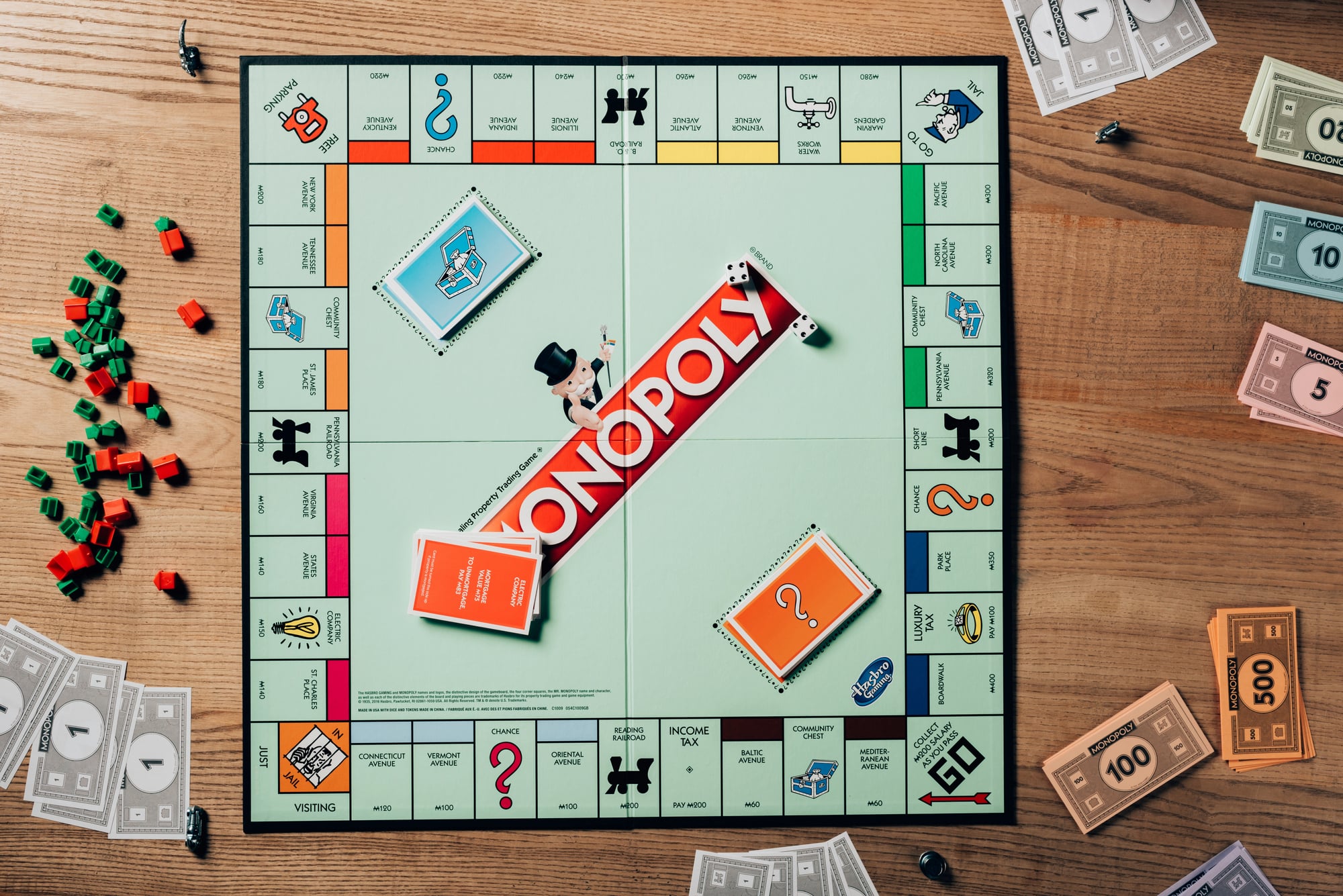
The original 1935 Parker Brothers Monopoly is recognizable by its wooden houses and hotels rather than plastic ones, and the tokens — a flatiron, a lantern, a racecar — were cast in lead alloy rather than the lighter zinc die-cast metal used in later decades. Complete sets in good condition with all original wooden pieces and the correct cardboard box have sold for several thousand dollars at auction.
The box art, the font, the deed card design — every detail differs from what most people grew up playing, and any variation flags an incomplete set to a serious collector.
Clue (1949 First UK Edition, “Cluedo”)
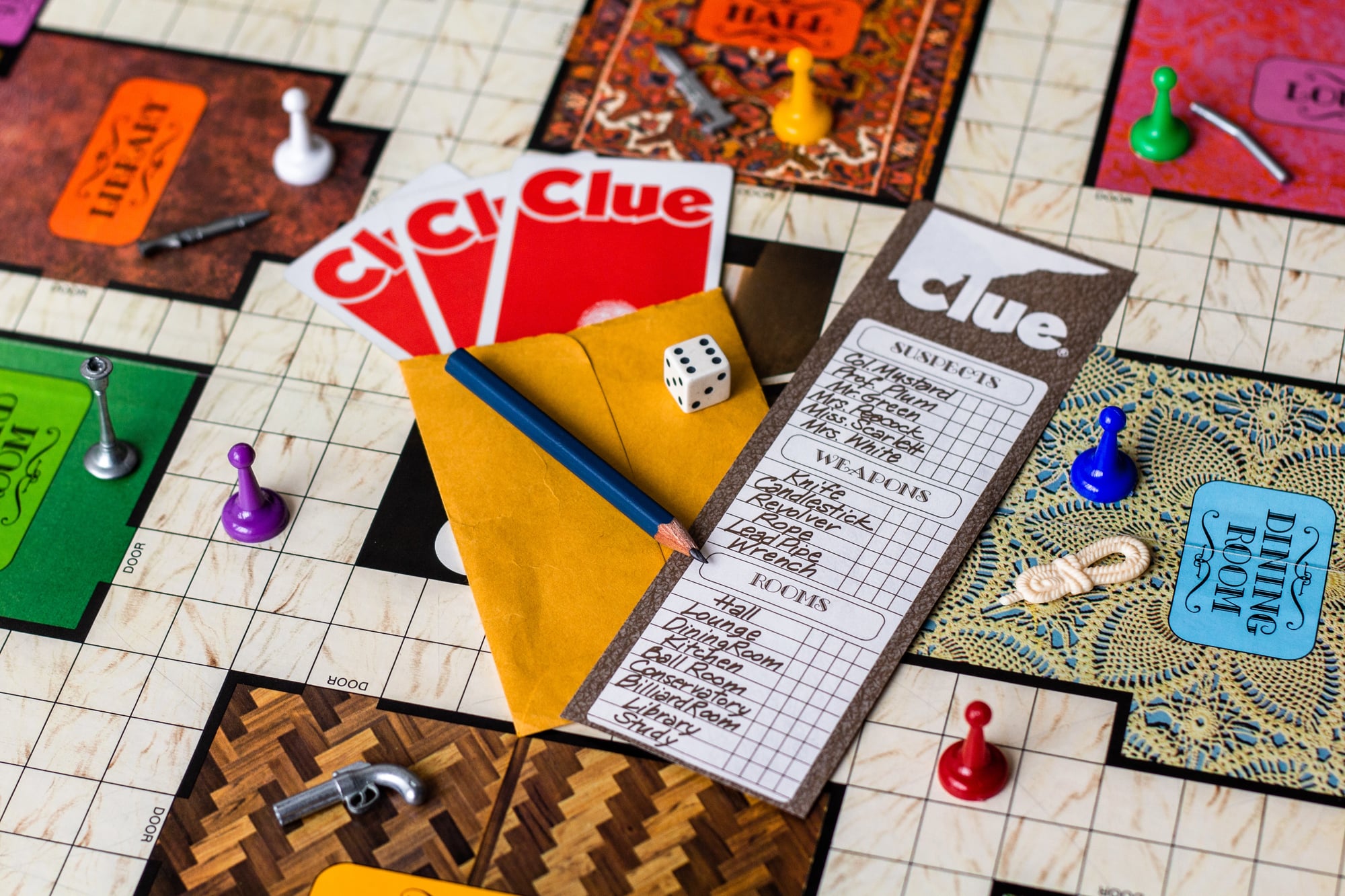
Cluedo launched in the UK before the American Clue version existed, and the 1949 Waddingtons first edition included lead figurines for the six suspects rather than the colored plastic pawns that became standard. Those figurines — small, surprisingly detailed for their era — are the single biggest value driver in a first-edition set, and missing even one drops the price dramatically.
The original board also used a slightly different room layout than later printings, which is useful for dating a copy but doesn’t move the price needle the way the figurines do.
Scrabble (1948–1953 Early Editions)
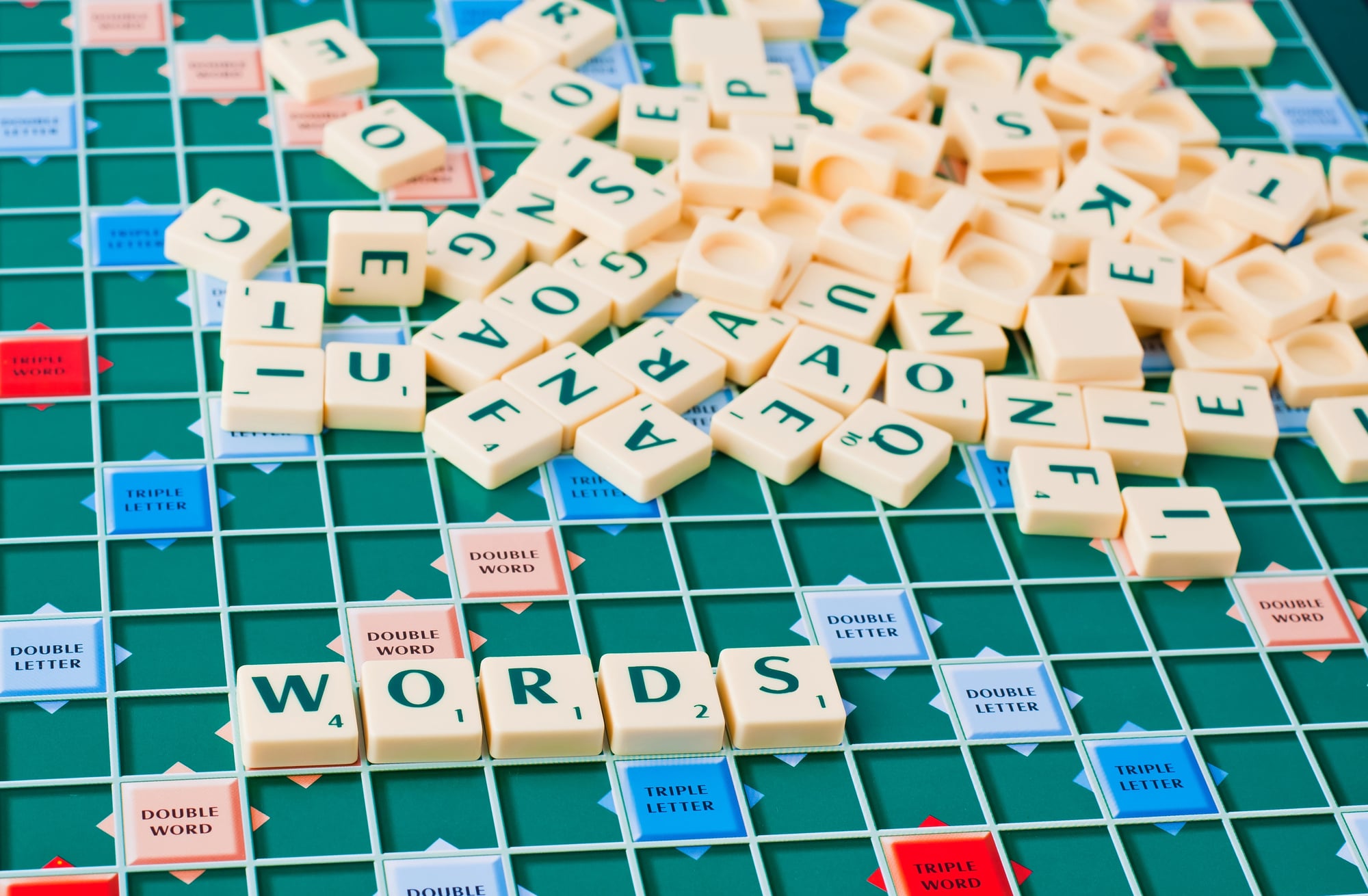
Early Scrabble sets produced by Selchow and Righter used wooden tiles with a noticeably different weight and finish than the tiles made after the mid-1950s, and the board itself was printed on a thinner, less laminated surface that warps badly if it was ever stored in humidity. A complete early set — all 100 tiles, the correct wooden racks, and the original flat box — is rare enough that condition becomes almost the entire conversation.
Tiles from this period were also stamped rather than engraved, which is easy to spot under decent light.
Chess (Staunton Pattern, Pre-1900 Jaques Sets)

The Staunton pattern was standardized in 1849 by John Jaques of London, and sets produced by Jaques in the second half of the 19th century — particularly those in weighted boxwood and ebony — regularly sell for thousands of dollars even in moderately played condition. What separates an authentic Jaques set from a reproduction is the stamp on the base of the king, the quality of the felt pads on each piece, and the specific turning of the knight’s head, which later mass-production sets never quite replicated.
Sets missing the original green baize-lined box lose a meaningful portion of their value even if every piece is present.
Game of Life (1960 First Milton Bradley Edition)

The 1960 revival of the Game of Life — redesigned by Reuben Klamer for Milton Bradley — came with a three-dimensional plastic mountain centerpiece and a spinning wheel mounted on a raised plastic hub, both of which were sturdier and more precisely molded than the versions produced through the 1970s. Complete first-edition sets with the original mountain intact and uncracked are genuinely difficult to find because the plastic aged poorly and children were not gentle with it.
The pink and blue peg people from this edition are also slightly smaller in diameter than later versions, which matters for fitting correctly into the original car tokens.
Careers (1955 Parker Brothers Edition)
Careers has been reprinted several times, but the 1955 Parker Brothers edition is the one collectors chase — and what they’re really chasing is the complete set of occupation cards and score pads with the original graphic design, which used a mid-century illustration style that later editions replaced with blander artwork. The “success formula” mechanic was also presented differently in early editions, with printed cardboard sliders rather than the paper secret-formula cards that became standard.
A sealed or near-sealed 1955 copy occasionally turns up and moves quickly among collectors who follow mid-century game design.
Diplomacy (1959 Games Research First Edition)
Diplomacy’s first commercial edition, produced by Games Research in 1959 before Avalon Hill acquired it, used a flat map printed on heavy paper stock with a noticeably different color palette than the Avalon Hill versions — deeper greens, browner oceans — and the supply center markers were simple wooden discs rather than the spring-loaded units used later. Finding a complete 1959 Games Research copy is genuinely uncommon; most of what surfaces in the collector market is the early Avalon Hill printing from the 1970s, which has its own following but commands significantly less.
The 1959 edition box is also smaller and thinner, which makes it easier to identify at a glance.
Coup (Early Kickstarter Edition)
The original Kickstarter printing of Coup from 2012 used card stock and artwork that was replaced almost entirely in the commercial Indie Boards and Cards release — the Kickstarter version had a darker, more hand-finished illustration style and slightly thicker cards that collectors describe as feeling more deliberate. Sealed copies of the Kickstarter edition move for multiples of the retail price in secondary markets, not because Coup is a rare concept but because the specific physical artifact of that first print run has become its own collectible.
The Kickstarter backers who traded or sold their copies early tend to regret it.
Acquire (1962 3M Bookshelf Edition)
Acquire’s first commercial edition came in 3M’s distinctive bookshelf-style box, and the tiles were made from thick, satisfyingly heavy plastic in a muted color palette that later editions never matched. What pushes the price on a complete 1962 copy is the condition of the hotel pieces — small plastic cylinders, easily lost — and the original paper money, which was printed in denominations and colors that changed in the 1968 revision.
The board itself is also noticeably thinner than later pressings, which means warping is common and a flat board in a complete set is worth paying attention to.
Risk (1959 First US Edition)

Parker Brothers released the first American version of Risk in 1959, and the infantry, cavalry, and artillery pieces in that edition were made from a heavier, slightly waxy plastic that feels nothing like the hollow pieces produced after the mid-1960s. The board also used a different color scheme for the territories — more muted, more overtly mid-century — and the card backs had a specific crossed-cannon design that was quietly changed in later printings.
Collectors chasing a complete 1959 US edition are really chasing those original army pieces, because the rest of the components are easier to find than the pieces themselves.
Stratego (1961 Milton Bradley First US Edition)

The first American edition of Stratego, released by Milton Bradley in 1961, used wooden pieces rather than the plastic ones introduced later in the decade. The wooden pieces had a vine-like design on the back and a satisfying heft that the plastic replacements never matched — Milton Bradley switched to plastic partly for cost and partly because the wooden pieces had no base and tipped easily during play, sometimes revealing a hidden rank.
A complete 1961 set with all 80 wooden pieces, no warped board, and the original rule sheet is the standard collectors measure against. The transition to plastic happened quickly, which makes fully intact wooden-piece sets genuinely uncommon.
Battleship (1931 Milton Bradley Salvo Edition)
Before Battleship became the peg-and-plastic game most people recognize, Milton Bradley sold a version of the concept called Salvo in 1931 that used paper pads and pencils rather than any plastic components at all. A complete Salvo set with its original paper grids and box is collectible as a precursor artifact more than as a playable game, and condition is nearly everything since paper components this old rarely survived intact.
The transition to plastic boards and pegs happened in the 1967 edition, which is the version people actually remember — but it’s the 1931 paper edition that commands the serious money.
Candy Land (1949 First Edition)
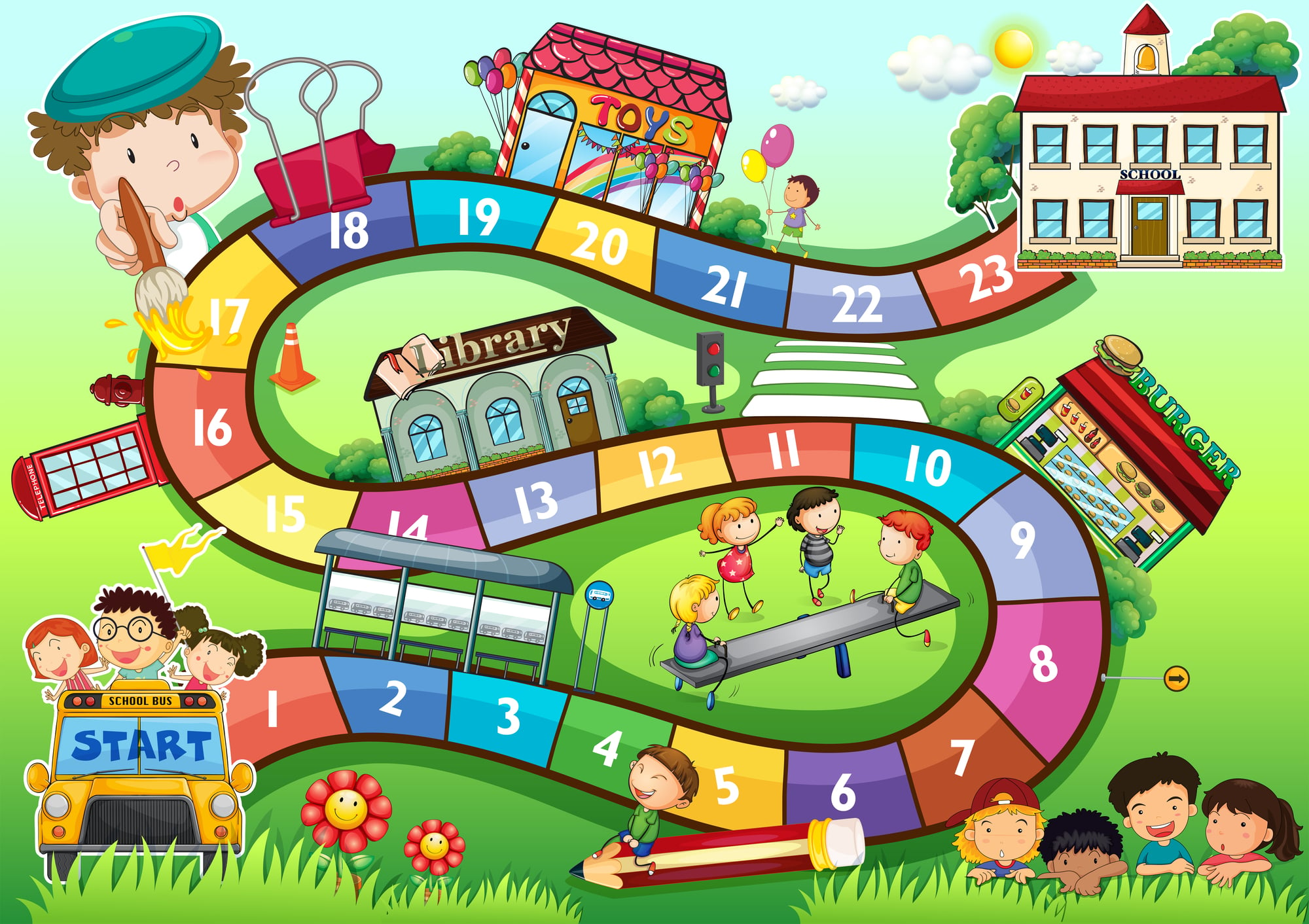
The 1949 Milton Bradley first edition of Candy Land came with simple flat cardboard pawns — four of them, in red, blue, green, and yellow — rather than any molded plastic figure. Those original cardboard pawns are almost never present in surviving copies, which means a truly complete first edition is rarer than the game’s general ubiquity would suggest.
The board art in the 1949 version is also notably different from any later edition, painted in a softer, more watercolor-adjacent style that the 1955 reprint had already started moving away from.
Axis and Allies (1981 Nova Games Edition)
The original 1981 Nova Games edition of Axis and Allies preceded the Milton Bradley version by three years and was produced in far smaller quantities, with hand-assembled components and a noticeably rougher production quality that makes it easy to distinguish from the polished 1984 Milton Bradley release. The pieces in the Nova edition are cruder — simpler infantry sculpts, thicker cardboard — but that roughness is exactly what makes a complete copy valuable to serious war game collectors.
Most people who think they have an early Axis and Allies copy actually have the 1984 Milton Bradley version, which is common enough to be nearly worthless in collector terms.
Checkers (Pre-1900 Carved Sets)
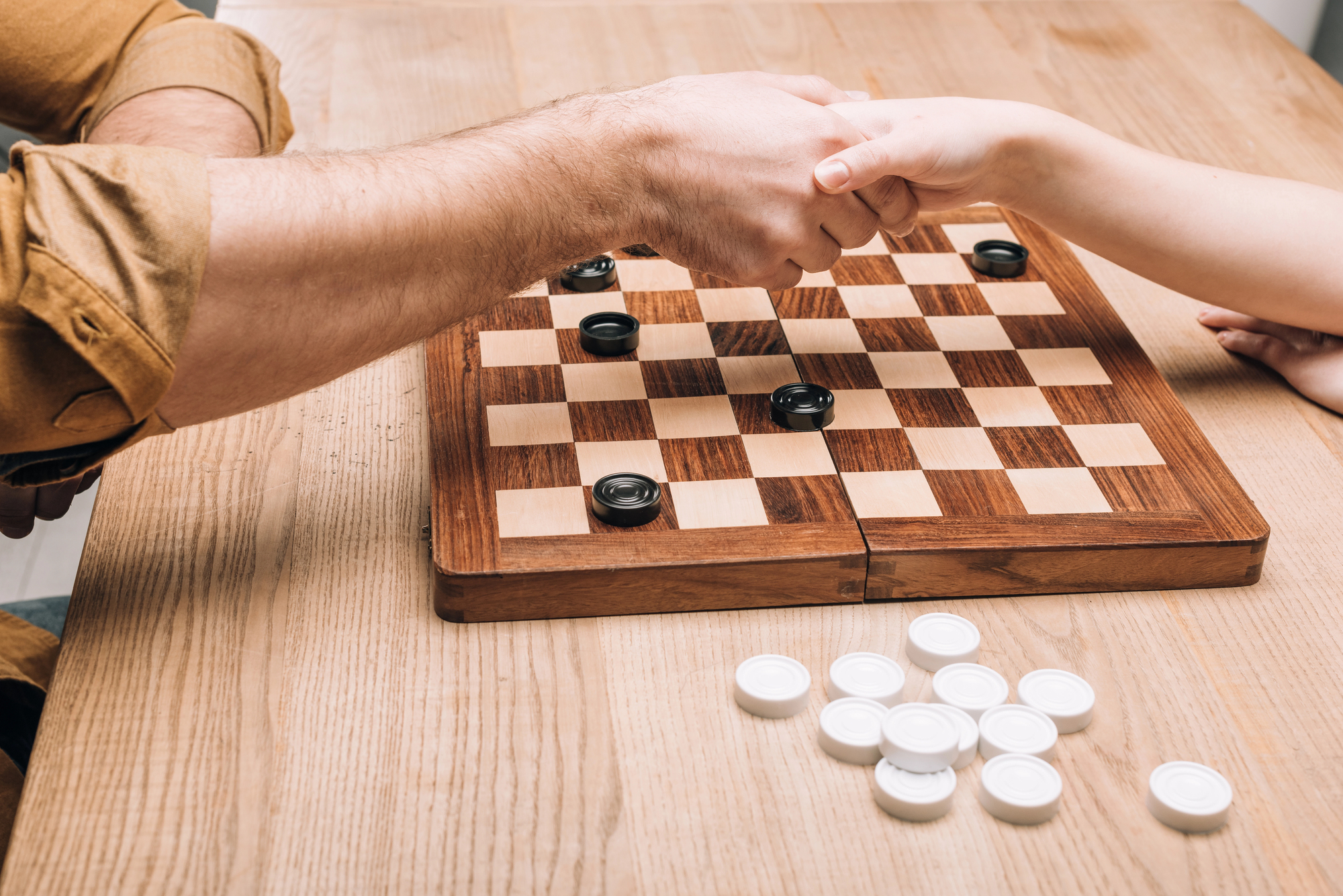
Mass-produced checkers sets from the 20th century are essentially valueless, but hand-carved or lathe-turned sets from the 19th century — particularly those in alternating fruitwood and ebonized hardwood — are a different conversation entirely. What separates a valuable antique checkers set from a decorative reproduction is the quality of the turning on each disc, whether the pieces are consistent enough to have been made by a single craftsman, and whether the board itself is inlaid rather than painted.
Sets with a documented provenance, or those found inside period furniture, regularly surface at estate sales for prices the sellers don’t anticipate.
Trivial Pursuit (1981 Genus Edition Prototype Printing)
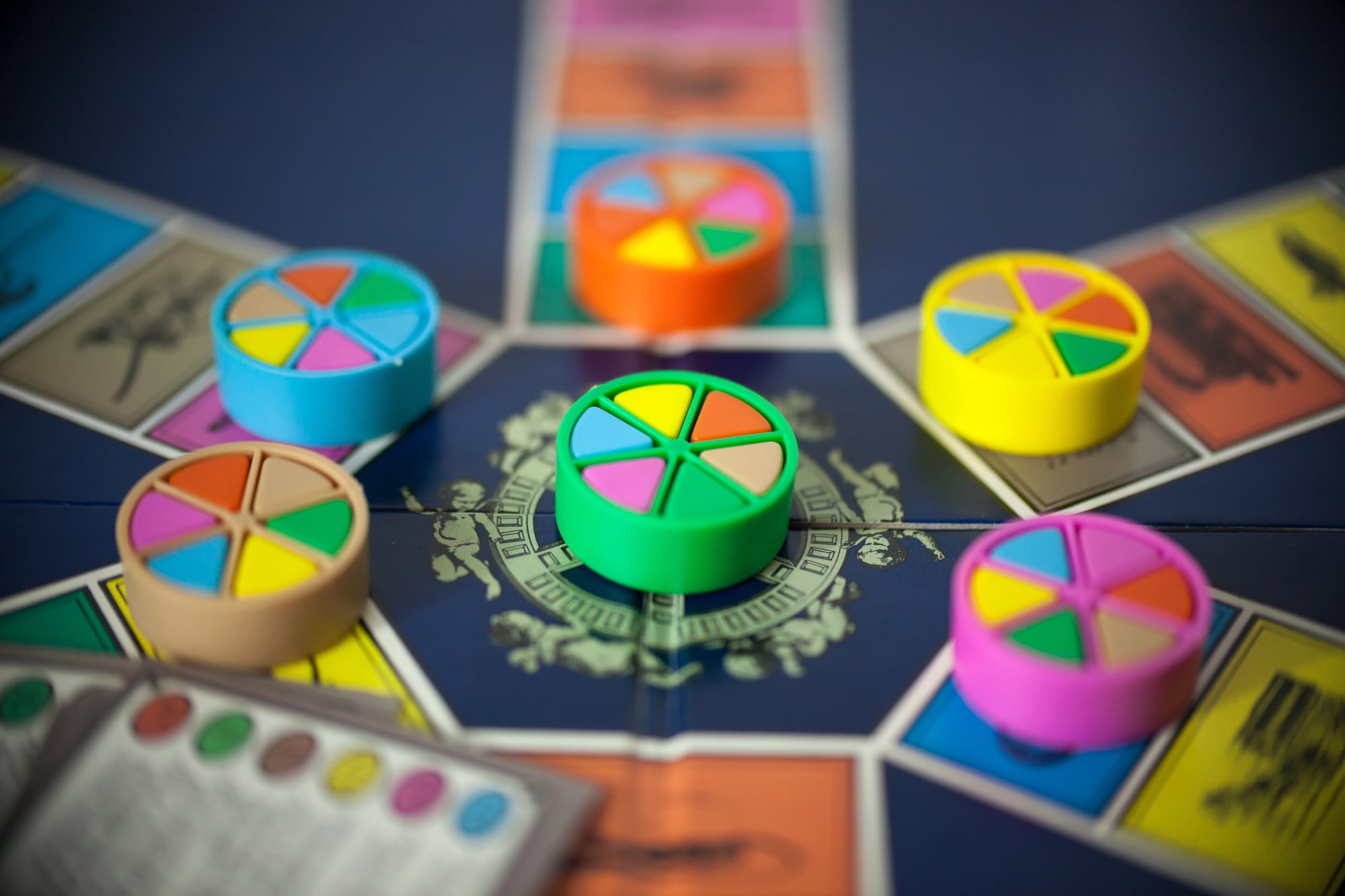
The 1981 prototype printing of Trivial Pursuit — produced by Horn Abbot before the game went into mass production — used hand-assembled question cards and a board that differed in small but identifiable ways from the 1982 commercial release. Fewer than 1,000 copies of the original prototype printing are believed to exist, and a complete copy in playable condition is the kind of find that gets a collector’s hands shaking.
The pie-wedge scoring pieces in the prototype edition were also made from a softer, slightly translucent plastic that the commercial version replaced almost immediately.
Go (Pre-Meiji Japanese Kaya Wood Sets)
Go sets made from kaya wood — a Japanese conifer whose slow growth produces a dense, resonant playing surface — are the standard against which serious players measure everything else, and pre-Meiji sets from the Edo period represent the ceiling of that standard. The stones in antique Japanese sets were typically made from clam shell and slate, hand-ground to a precise thickness, and the variation in stone size across a 19th-century set tells you something about whether they were made by a master craftsman or a production workshop.
A matched set of Edo-period kaya board, slate stones, and clam shell stones in original wooden bowls can reach five figures without attracting any surprise from collectors who follow the market.
Boggle (1976 Parker Brothers First Edition)
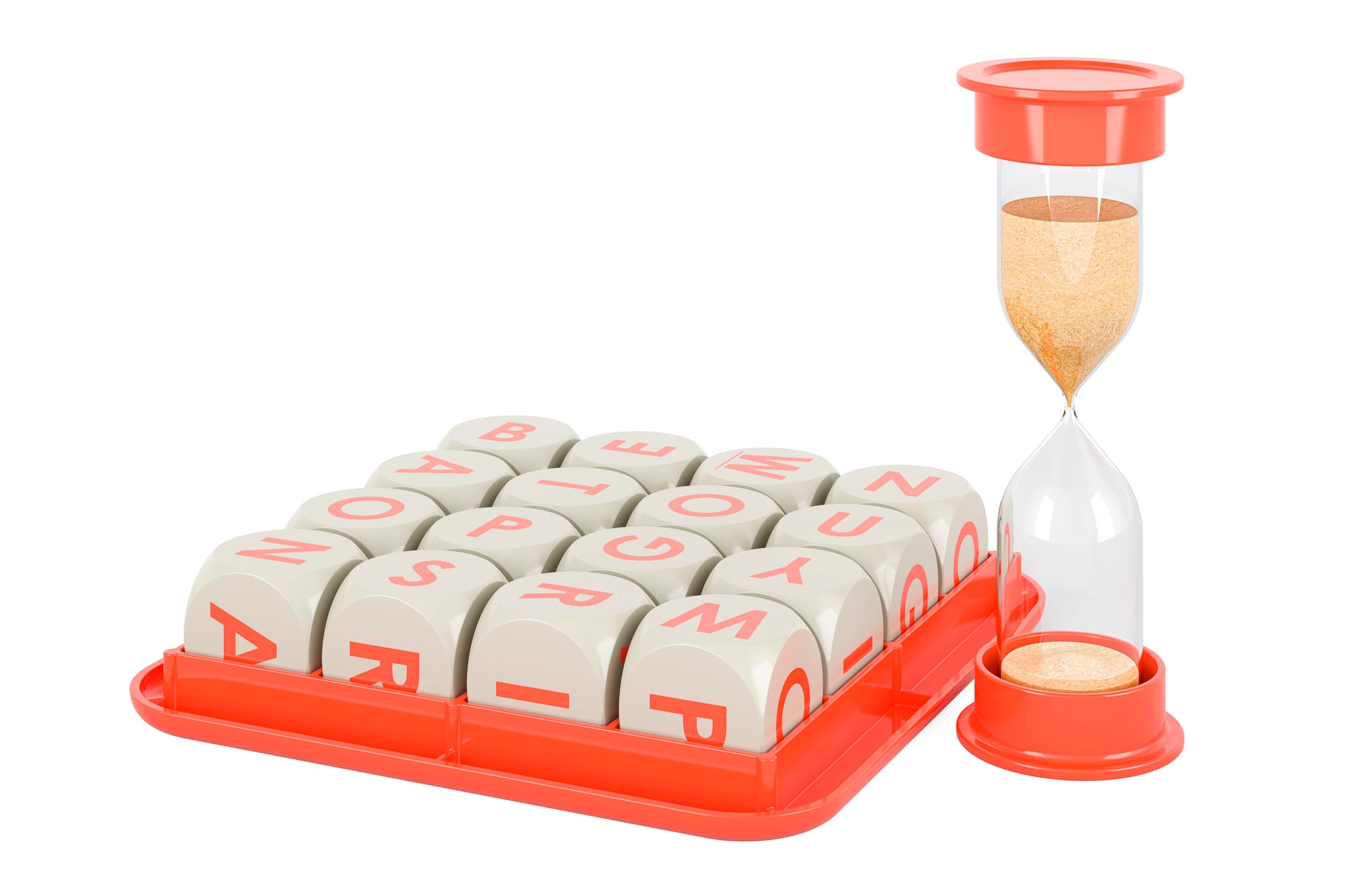
The 1976 first edition of Boggle used a different letter distribution than later printings — specifically, a higher frequency of less common consonants — and the plastic letter cubes were made from a slightly yellowish translucent material that aged distinctly from the bright white cubes used after the early 1980s. The original hourglass timer was also taller and narrower than the squat timer in later editions, and the sand moved at a slightly different pace that players who grew up with the original notice immediately.
A complete first edition with the original timer intact and the lid’s vacuum-form tray uncracked is rarer than the game’s ubiquity suggests.
Feudal (1967 3M Edition)
Feudal was one of 3M’s more ambitious bookshelf games — a medieval castle-siege strategy game with three-dimensional plastic castle walls and towers that were assembled before play and disassembled after. The castle components are the value driver here: they were made in a brittle plastic that snapped easily, and most surviving copies are missing at least a tower or a wall section.
A complete 1967 3M edition with every castle piece intact, the original playing cloth, and all 72 playing pieces is the kind of find that moves fast when it surfaces, because patient collectors have been waiting for one for years.
Othello (1973 Mattel First US Edition)
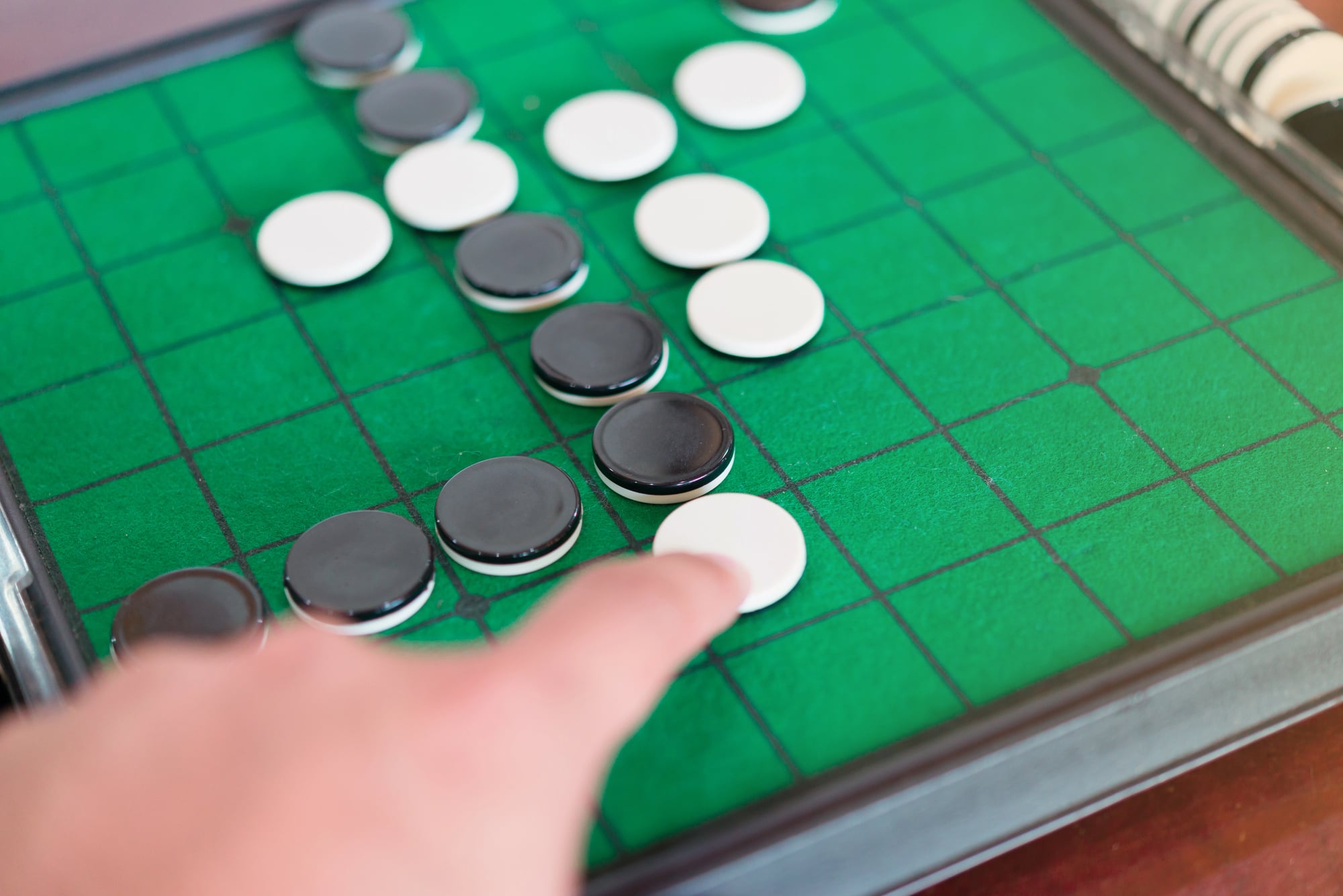
Mattel’s 1973 US release of Othello used discs with a noticeably different weight and surface texture than later editions — the black side had a slightly matte finish and the white side was closer to ivory in tone rather than the bright white used after the mid-1970s. The box itself was also larger in the first edition, housing the board in a flat tray rather than folding it, and the original rule sheet included phrasing that was revised in the 1975 reprint.
Complete first editions with the original heavier discs and the oversized box are modest in dollar terms but consistent sellers among collectors who focus on abstract strategy games.
Dungeons and Dragons (1974 Original Woodgrain Box)
The original 1974 printing of Dungeons and Dragons — sold in a woodgrain-patterned brown box by TSR — contained three small booklets and reference sheets that were staple-bound rather than perfect-bound, and the print quality was notably rough even by the standards of the time. What makes a complete woodgrain box set valuable isn’t any single insert but the combination: all three booklets present, the reference sheets unwritten-on, and the box itself holding its shape rather than splitting at the corners.
Serious RPG collectors know these sets and price them accordingly — a complete woodgrain box in good condition is a four-figure find without question.
Scotland Yard (1983 Ravensburger First German Edition)
Scotland Yard’s first German edition from Ravensburger in 1983 — the year it won the Spiel des Jahres — used a London map board with a slightly different station layout than the international editions released shortly after, and the detective tokens were made from a heavier plastic that gives them a satisfying heft the later pawns lack. The Mister X notepad in the original edition was also a different size and used a distinct grid layout for tracking movement, which experienced players found more legible than the revised version.
First-edition German copies surface occasionally in European estate sales and move quickly when they do.
Mastermind (1971 Invicta Plastics First Edition)
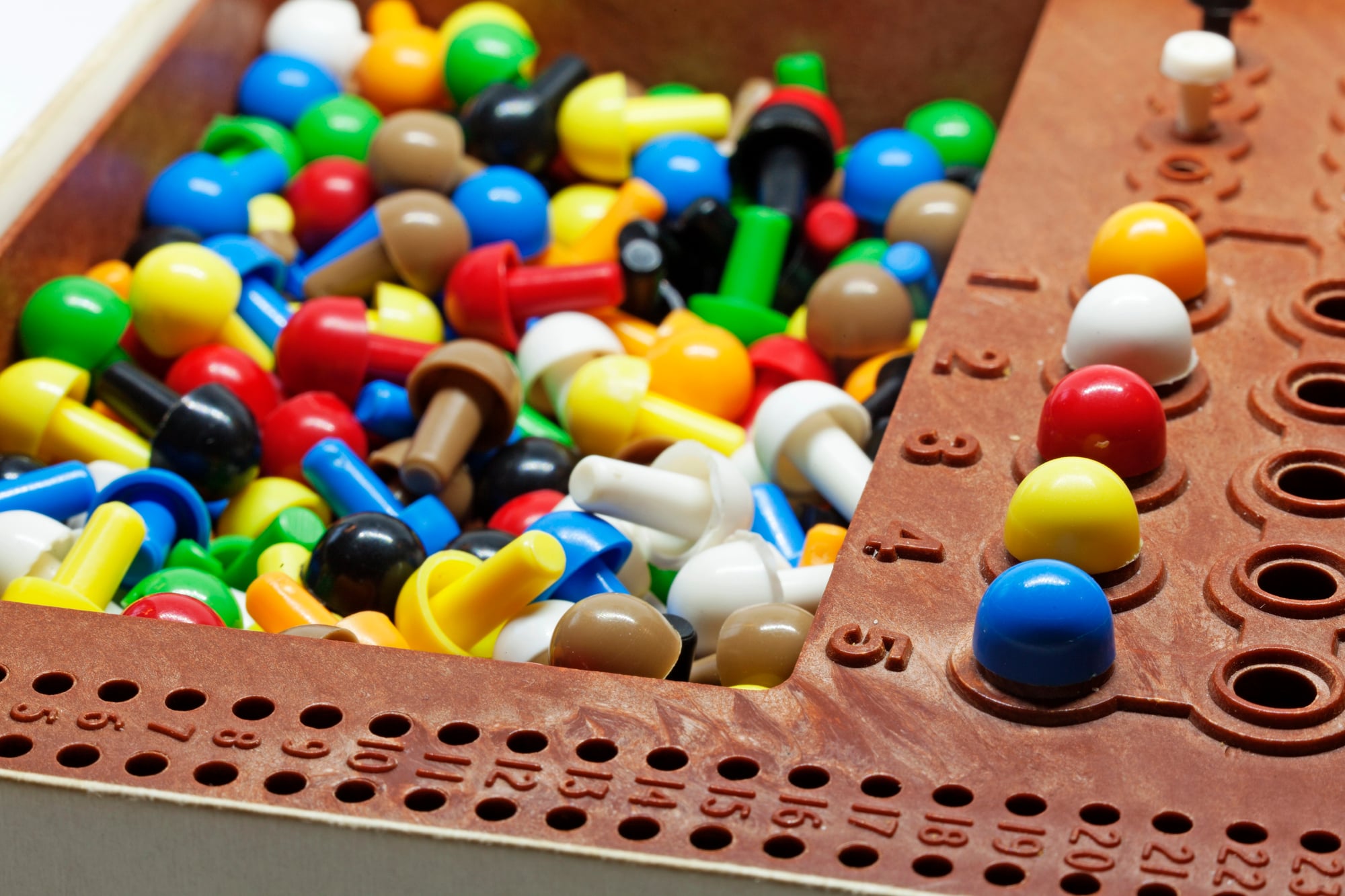
The 1971 Invicta Plastics first edition of Mastermind — produced in the UK before the game spread internationally — used code pegs in six colors that were slightly larger in diameter than the pegs in every subsequent edition, and the peg board itself was made from a heavier, more opaque black plastic that felt industrial in a satisfying way. Invicta’s original packaging was also simpler, with a plain white box and a single folded rule sheet, which is a dead giveaway when trying to date a copy.
Complete first editions with all original pegs — which were frequently lost — are uncommon enough that collectors treat a full peg count as a significant condition point.
Gettysburg (1958 Avalon Hill First Edition)

Gettysburg holds a specific claim as one of the first commercially produced hex-and-counter war games, and the 1958 Avalon Hill first edition used a square-grid map rather than a hexagonal one — a distinction that matters enormously to war game historians. The counters in the first edition were printed on lighter cardstock than the 1961 revised edition and used a different unit designation system, and the box is physically smaller than later printings.
A complete 1958 first edition is a landmark artifact in board game history, and the price reflects that regardless of the copy’s condition.
Yahtzee (1956 E.S. Lowe First Edition)

The 1956 E.S. Lowe first edition of Yahtzee came in a small, flat box with five dice made from a dense ivory-colored plastic that feels nothing like the lightweight dice in every edition produced after 1960. The original score pads also used a different category layout, and the shaker cup was made from a heavier cardboard tube rather than the plastic cups that replaced it.
Collectors know that finding all five original dice together is the challenge — dice from this period were frequently mixed with other game sets, and the right size and color combination is specific enough that substitutes are obvious.
Pivot Pool (1898 McLoughlin Brothers Edition)
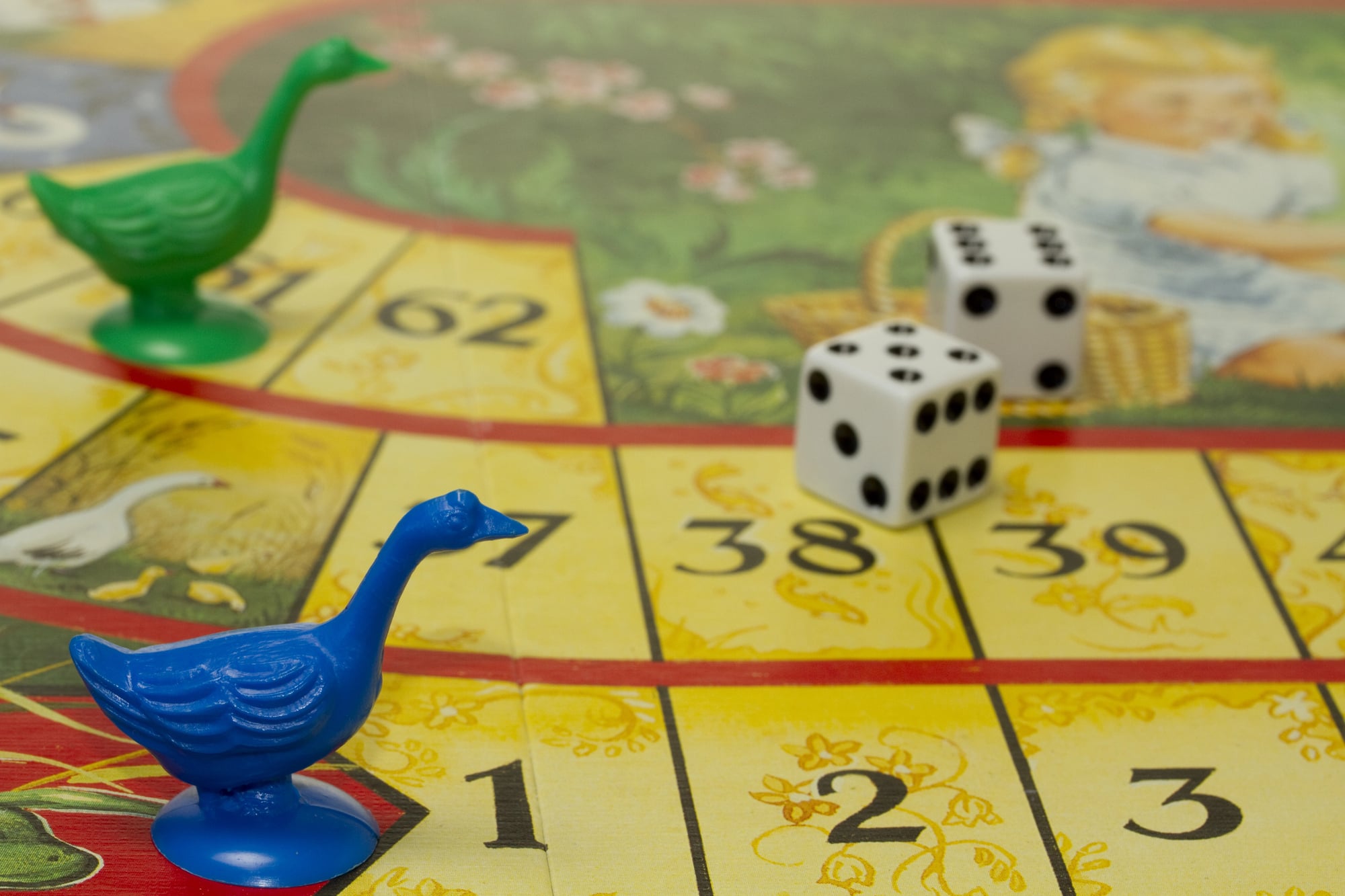
McLoughlin Brothers was one of the most significant American game publishers of the 19th century, and their 1898 Pivot Pool set — a tabletop billiards simulation using a folding board and small numbered discs — is among the more visually striking artifacts from that era. The lithography on McLoughlin games was a commercial art form in itself: rich colors, elaborate borders, cover illustrations that treated a simple game as something deserving of genuine visual ambition.
Complete Pivot Pool sets with the original folding board intact, all numbered discs present, and the box retaining its lithographed lid are uncommon at any price, and pristine examples in fully presentable condition move for hundreds of dollars among collectors who specifically follow 19th-century American game publishing.
Mahjong (Pre-War Chinese Bone and Bamboo Sets)
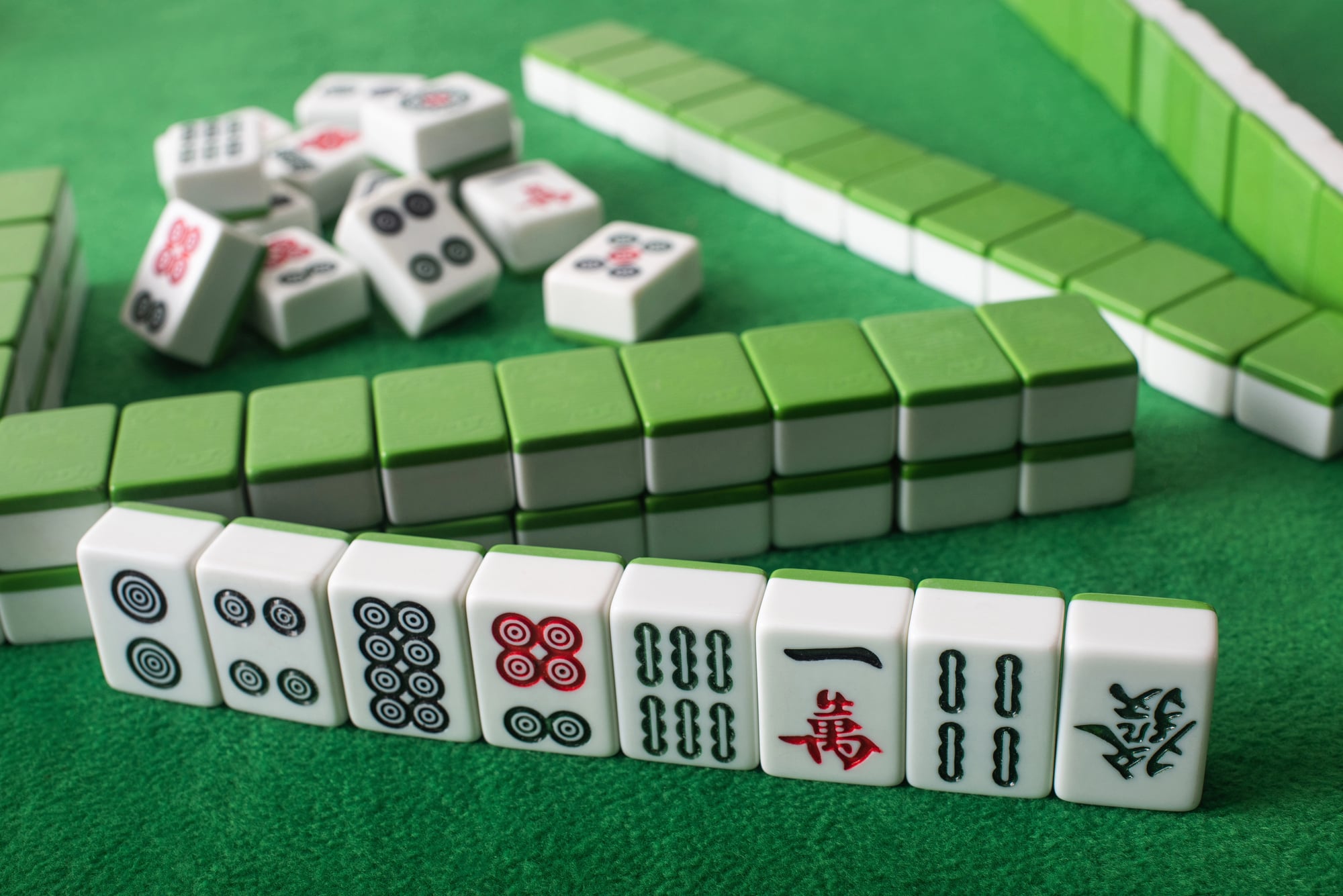
Mahjong sets made from bone and bamboo — tiles where the backs are laminated strips of bamboo and the faces are carved bone, often from cattle, sometimes from older materials — predate the mass-produced Bakelite and plastic sets that defined 20th-century Western versions of the game. A complete pre-war Chinese set with 144 tiles, all characters and bamboo suit tiles intact, original wooden case with brass fittings, and the correct complement of wind and flower tiles in their proper configuration is a serious collector’s find.
The bone carving quality varies enormously, and sets where the characters are cleanly incised rather than stamped command a premium that reflects the labor that went into them.
Camelot (1930 Parker Brothers Edition)

Camelot — originally invented by George Parker himself under the name Chivalry in 1887 and later simplified and rebranded — had a dedicated following through the first half of the 20th century that the game’s current obscurity makes difficult to appreciate. The 1930 Parker Brothers edition used a two-color game board and wooden disc pieces in red and tan, and a complete set in the original box with its rule booklet is consistently undervalued at general antique sales because most buyers don’t recognize it.
Collectors who follow abstract strategy games know Camelot and know what a clean 1930 copy is worth. The gap between what sellers ask and what informed buyers will pay is wider here than for almost any game on this list.
Pan Am (2020 Kickstarter Edition)
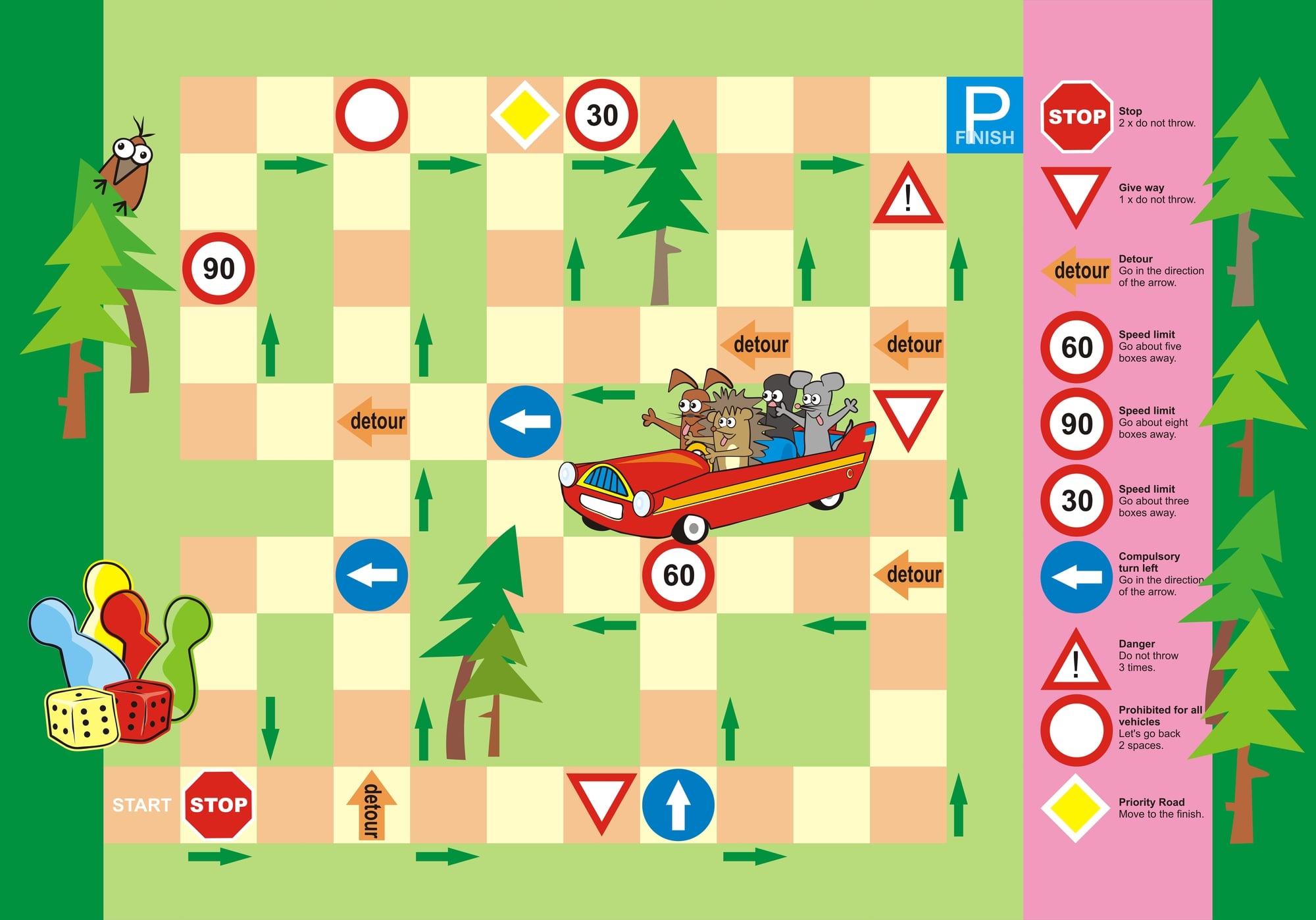
The 2020 Kickstarter edition of Designers & Dragons’ Pan Am game came with a set of upgraded metal airplane miniatures and premium card components not included in the standard Funko Games retail release. For a game released recently enough that most buyers have the retail version, the Kickstarter edition’s upgraded pieces represent a meaningful physical upgrade that justifies genuine collector interest.
Sealed Kickstarter copies trade at multiples of retail — a pattern that has become common enough in modern hobby board gaming that Kickstarter edition tracking has become its own collector subspecialty, complete with price guides and authentication discussion.
Catan (First German Edition, 1995)
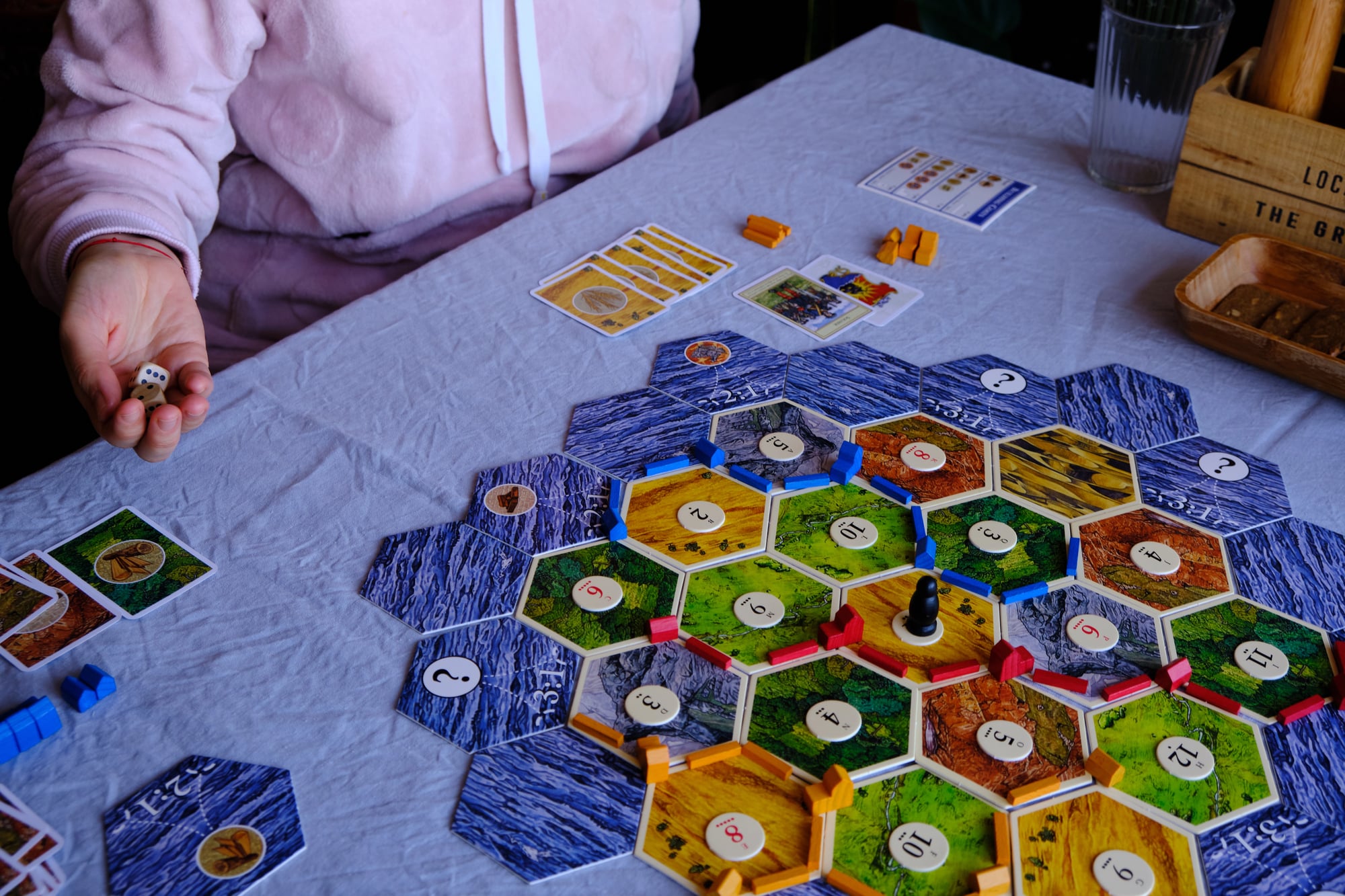
The 1995 Kosmos first edition of Die Siedler von Catan — Klaus Teuber’s game that effectively introduced a generation of players to modern European-style board gaming — used a distinct hex tile design and color palette that subsequent editions shifted away from. The resource cards had a slightly different illustration style, the wooden settlement and city pieces were a noticeably different shade, and the number tokens used a different font that experienced players immediately recognize.
A complete 1995 Kosmos first edition in good condition is modest in absolute dollar terms but consistent in demand from collectors who want the artifact of the game’s beginning rather than just a working copy.
Sorry! (1934 W.H. Storey & Co. UK First Edition)
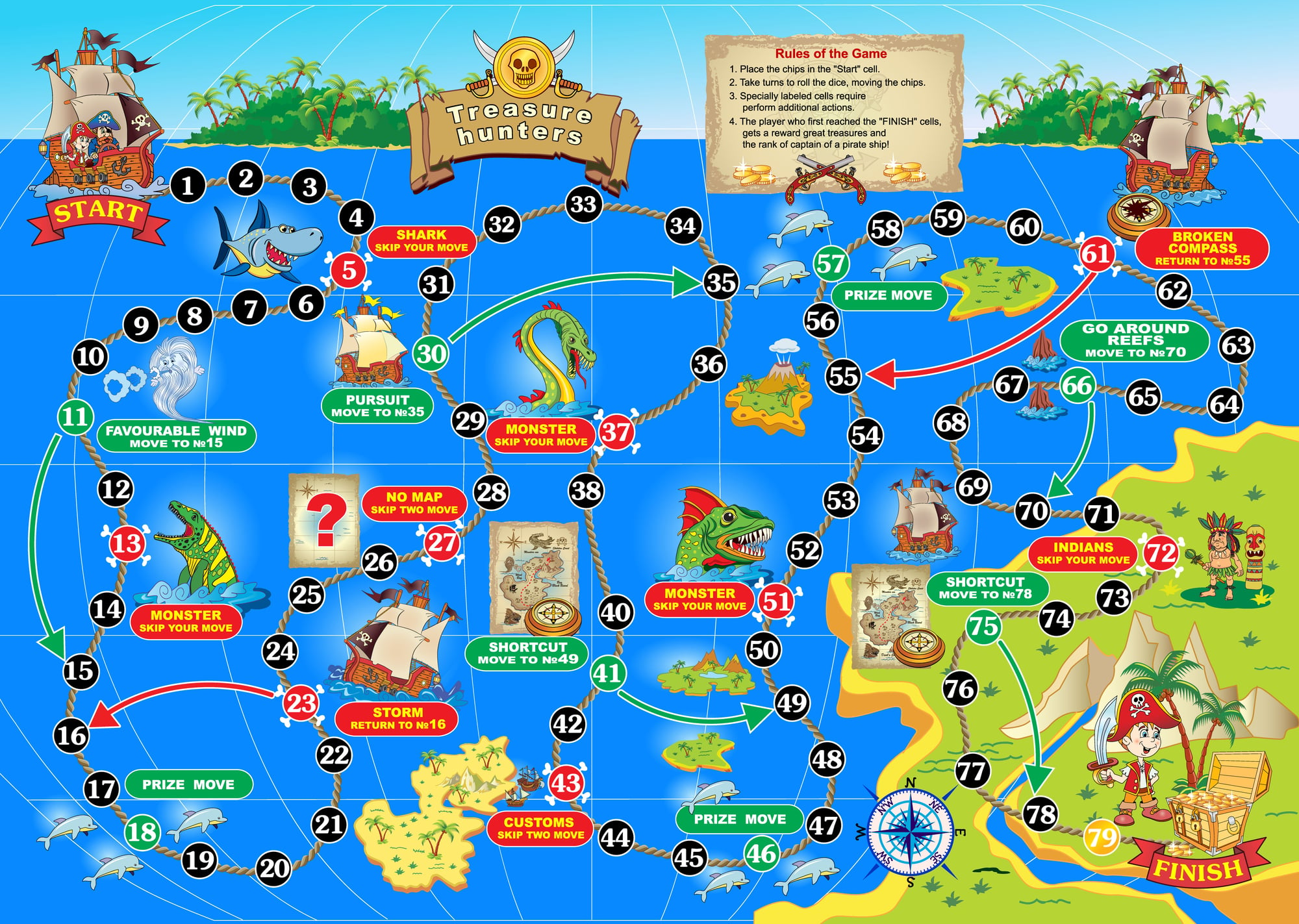
Sorry! was a British game before it was an American one — the W.H. Storey & Co. UK edition appeared in 1934, before Parker Brothers licensed it for the American market in 1934 as well. The British edition used a different board layout, different card design, and pawns that were taller and more tapered than the flat disc pawns used in the American release.
A complete UK first edition is genuinely difficult to find outside the UK, and even within the UK it surfaces rarely enough that condition almost doesn’t matter — a nearly complete copy in any condition is worth investigating. The visual difference between the UK and US first editions is clear enough that an informed buyer can identify which version they’re looking at immediately.
What the Pieces Say

The thing about collecting these specific editions isn’t really about the money, though the money is real. It’s about what the pieces document — a moment in manufacturing, a material that was chosen for practical reasons nobody thought to record, a production decision that was reversed within a few years and then forgotten.
The wooden Stratego pieces that tipped over and revealed their rank. The cardboard Candy Land pawns that nobody thought to keep.
The Pivot Pool lithography that treated a parlor game like a piece of art worth caring about.
These objects weren’t meant to survive this long. They were made to be played with, and then replaced, and then discarded.
The ones that didn’t get discarded are the ones collectors are paying for now — not as relics of something precious, but as the accidental archives of how people made things, and played things, and what they thought was worth spending care on in the first place.
More from Go2Tutors!

- The Romanov Crown Jewels and Their Tragic Fate
- 13 Historical Mysteries That Science Still Can’t Solve
- Famous Hoaxes That Fooled the World for Years
- 15 Child Stars with Tragic Adult Lives
- 16 Famous Jewelry Pieces in History
Like Go2Tutors’s content? Follow us on MSN.



