Rare Coins People Spent That Were Worth a Fortune
Imagine reaching into your pocket for loose change and accidentally spending what could have been your retirement fund. It happens more often than most people realize.
Throughout history, rare coins have slipped through fingers, been handed over at coffee shops, and dropped into parking meters — their true value unknown to the person spending them. These aren’t just stories from decades past, either.
Even today, valuable coins continue to circulate, waiting for someone to recognize their worth.
1913 Liberty Head Nickel
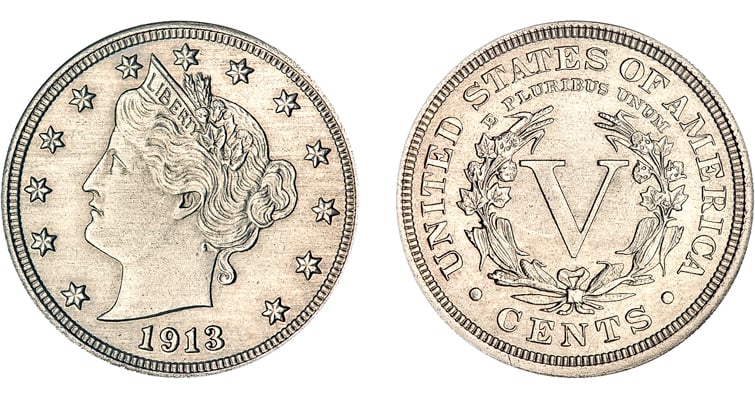
The 1913 Liberty Head Nickel shouldn’t exist. The U.S. Mint had already switched to the Buffalo nickel design that year, making any Liberty Head nickels from 1913 unauthorized strikes.
Only five are known to exist, and they’re worth millions each. One was spent at face value in the 1940s by someone who had no idea what they possessed.
The coin eventually surfaced decades later when a collector recognized it, but by then it had passed through countless hands. That five-cent piece sold at auction for over $3 million.
1943 Copper Penny
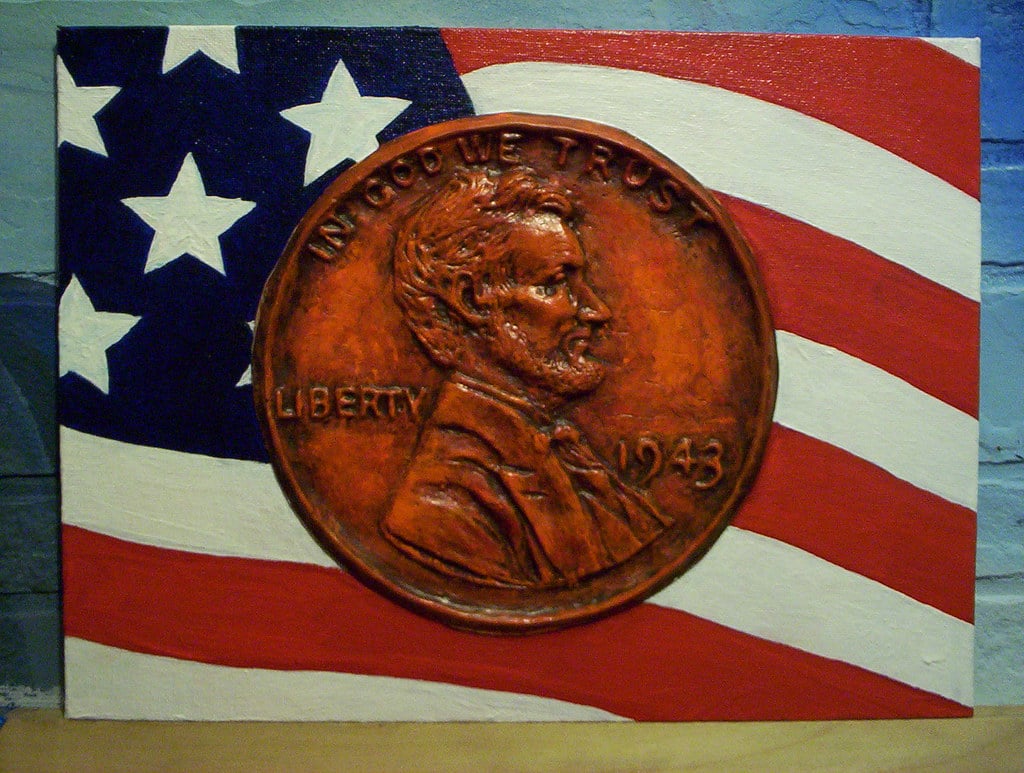
During World War II, the U.S. Mint switched from copper to steel for penny production (copper was needed for the war effort), but a few copper blanks accidentally got mixed in with the steel ones. The result: a handful of 1943 copper pennies that look nearly identical to regular pennies from other years.
These copper pennies have been spent countless times because they’re so easy to miss — and because most people assume all 1943 pennies are the common steel variety (which are worth almost nothing). But those rare copper versions? They’ve sold for hundreds of thousands of dollars.
So the next time someone tells you that pennies found on the ground aren’t worth picking up, they might want to reconsider that philosophy, especially if those pennies happen to be from 1943.
1916-D Mercury Dime
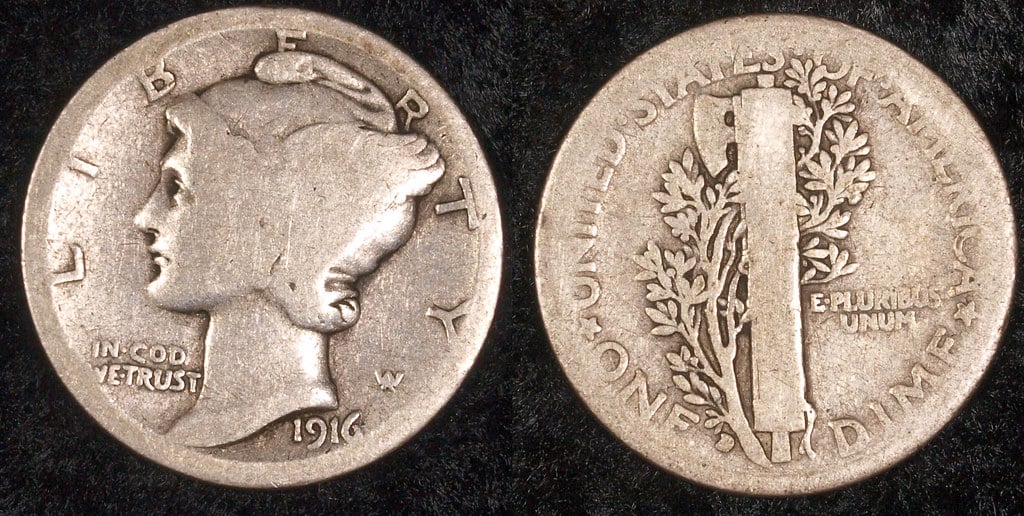
The 1916-D Mercury Dime represents one of those peculiar situations where geography and timing created something genuinely valuable, though you’d never know it just by looking at the thing. The Denver mint produced only 264,000 of these dimes (which sounds like a lot until you realize that millions of dimes are typically minted), and most people who encountered them in circulation had no reason to think twice about spending them on newspapers, candy, or whatever else cost a dime in those days.
And here’s where it gets interesting: these dimes continued circulating for decades because they looked exactly like every other Mercury dime — same design, same size, same basic appearance. The only difference was that tiny “D” mint mark on the reverse, which most people never bothered to check.
But that little “D” turned what appeared to be an ordinary dime into something worth tens of thousands of dollars. Even now, when one occasionally surfaces in an old collection or estate sale, it’s often because someone finally took the time to look closely at what they’d been carrying around.
1909-S VDB Penny
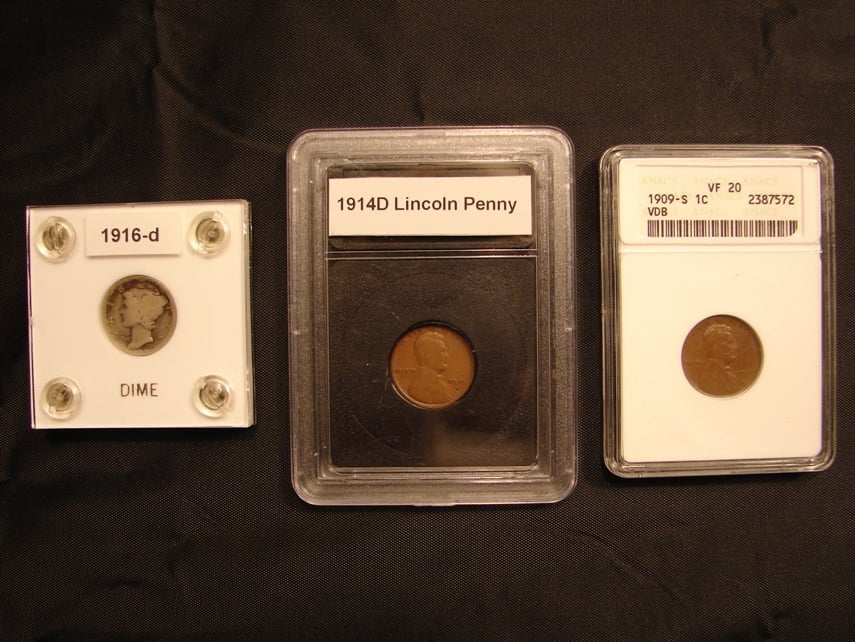
Victor David Brenner designed the Lincoln cent, and his initials appeared on the first pennies minted in 1909. Public outcry over the prominent placement of the designer’s initials led to their quick removal, but not before the San Francisco mint produced a limited number.
The 1909-S VDB penny is valuable because of that brief production window. Most were spent normally because they looked like regular pennies.
Today, a well-preserved example sells for thousands of dollars — not bad for something that cost one cent.
1932-D Washington Quarter
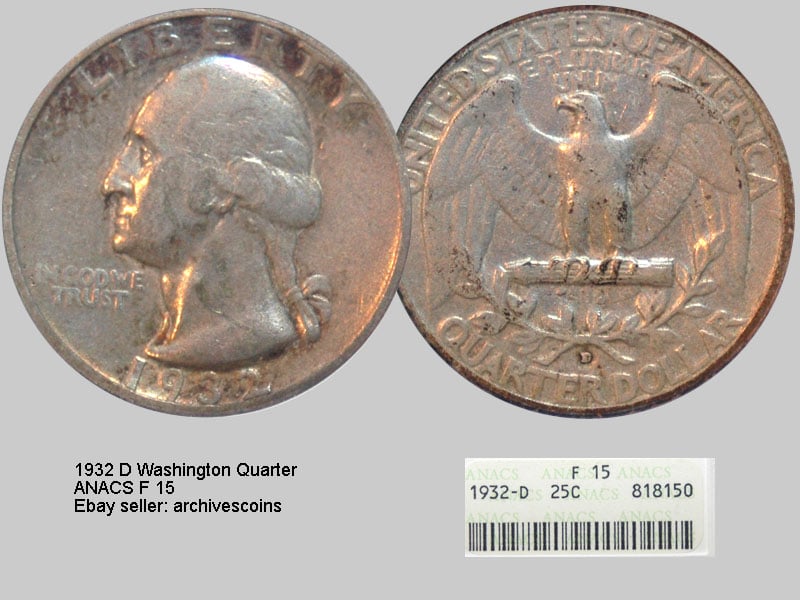
When the Washington quarter was first introduced in 1932 to commemorate George Washington’s 200th birthday, the Denver mint produced relatively few examples. The combination of the Great Depression reducing demand for coins and the limited production run created a scarcity that wasn’t immediately obvious.
These quarters circulated normally for years. People spent them on groceries, bus fare, and everything else quarters were used for, completely unaware they were parting with coins that would eventually be worth hundreds or thousands of dollars.
The irony is particularly sharp: during the Depression, when people desperately needed money, they were unknowingly spending coins that represented far more value than their face amount suggested.
1921 Peace Dollar
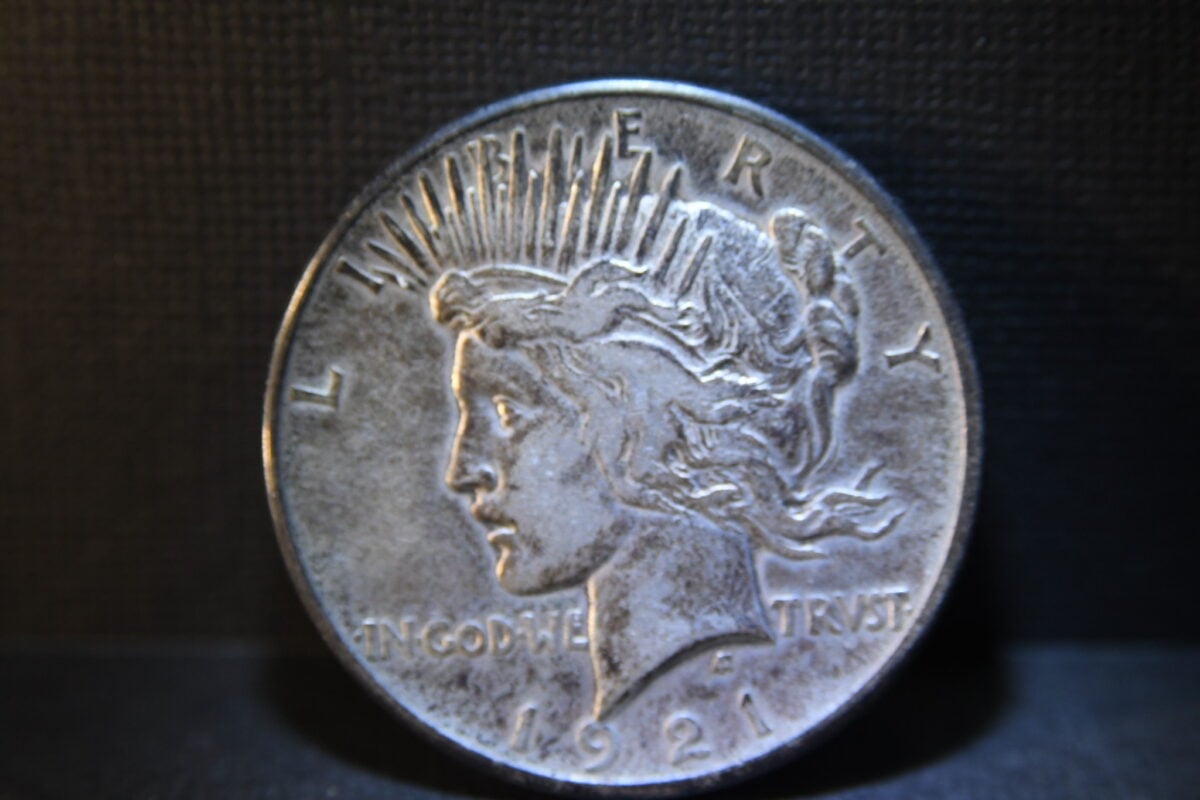
The 1921 Peace Dollar holds the distinction of being the first year of issue for this design, which was created to commemorate the end of World War I. The relief on these early coins was so high that it caused production problems, leading to design modifications the following year.
Many 1921 Peace Dollars were spent or traded at banks during the silver buying programs of the 1960s and 1970s. People brought in bags of silver dollars, including rare dates, and exchanged them for paper money.
Those who knew what to look for made fortunes, while others unknowingly traded away coins worth far more than their silver content.
1955 Doubled Die Penny
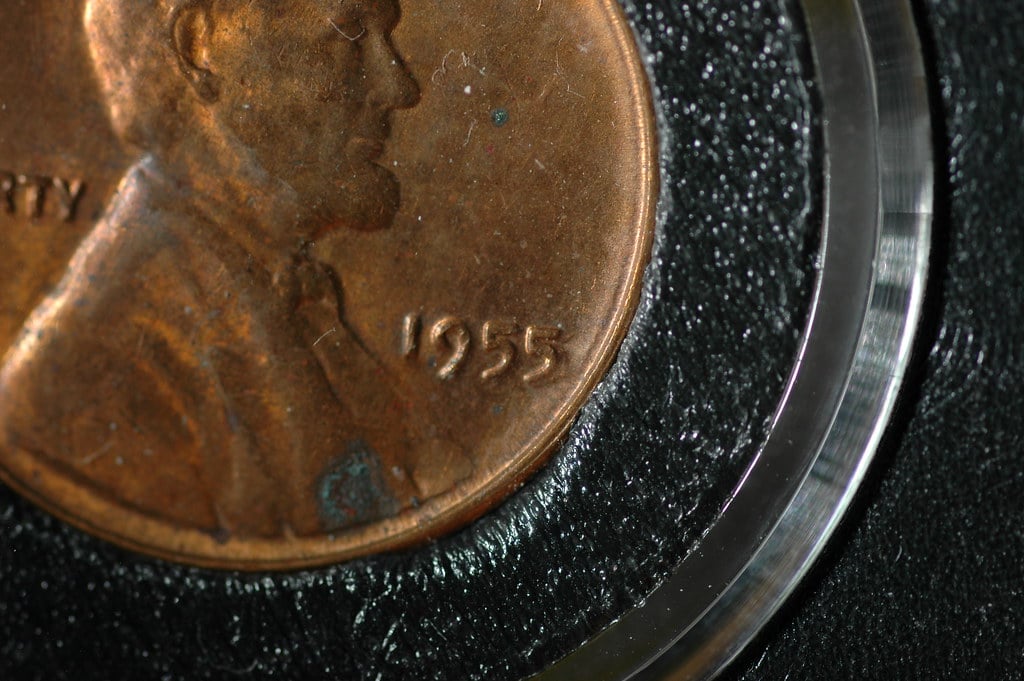
Machine errors at the mint created one of the most famous error coins in American numismatics. The 1955 Doubled Die Penny shows clear doubling on the date and inscriptions, visible even to casual observers once they know what to look for.
The strange thing about this particular error coin is that the doubling is obvious enough that you’d think people would have noticed it right away, but most didn’t (or if they did notice, they assumed it was just a worn or damaged coin rather than a valuable minting error). These pennies got spent on comic books, candy, and lunch money throughout the 1950s and 1960s.
And yet each one that slipped through someone’s fingers represented thousands of dollars in future value — which is particularly galling when you consider that most kids in the 1950s would have been thrilled to find a few extra dollars, let alone a few thousand.
1893-S Morgan Silver Dollar
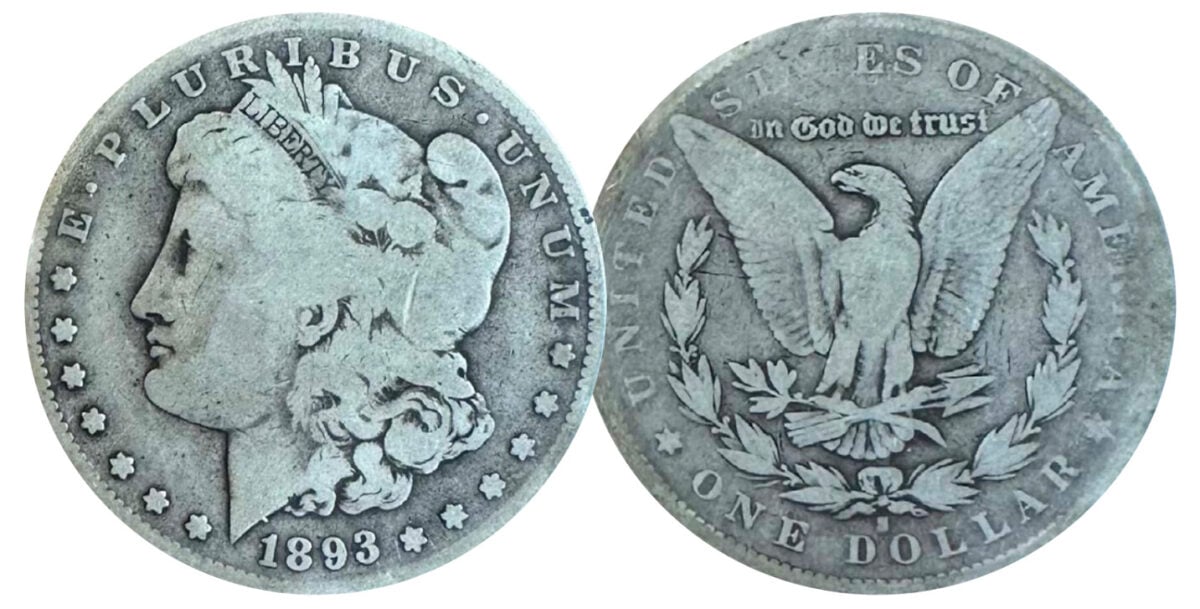
San Francisco minted only 100,000 Morgan dollars in 1893, making it one of the key dates in the series. Most silver dollars from this era were stored in bank vaults rather than circulated, but the 1893-S was different — it actually saw use in commerce on the West Coast.
These dollars were spent in saloons, general stores, and gambling halls throughout California and Nevada. What seemed like ordinary currency to miners, cowboys, and shopkeepers was actually one of the rarest regular-issue Morgan dollars ever minted.
Today, even heavily worn examples sell for thousands of dollars.
1916 Standing Liberty Quarter
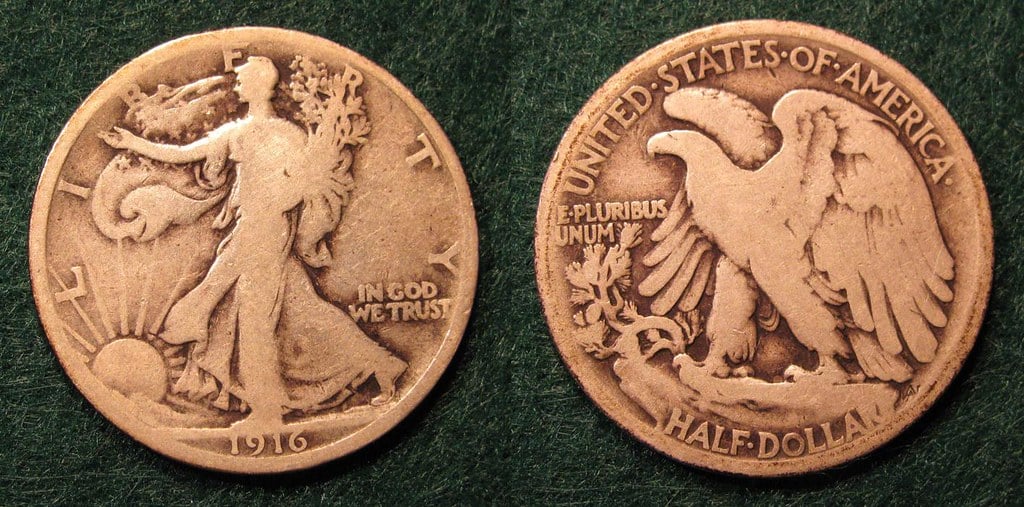
The 1916 Standing Liberty Quarter was produced for only part of the year, as the new design wasn’t ready when quarter production began in January. The Philadelphia mint struck just 52,000 examples, making it instantly scarce.
Unlike many rare coins that were saved by collectors, most 1916 Standing Liberty Quarters entered circulation immediately. They were spent on everyday purchases, treated as ordinary quarters, and showed up in cash registers across the country.
The design was so new that even bank tellers and merchants had no reason to think these quarters were anything special. That casual treatment of what’s now a thousand-dollar coin seems almost criminal in hindsight.
1877 Indian Head Penny
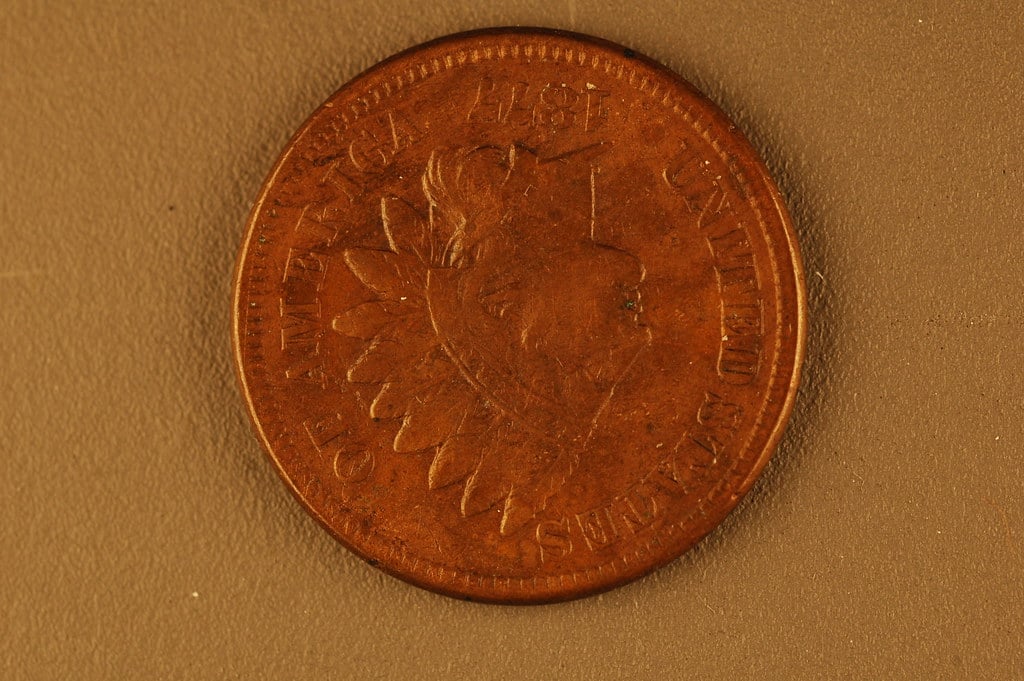
The 1877 Indian Head Penny became the key date of its series almost by accident. Economic conditions that year reduced the demand for small denomination coins, leading to a production run of fewer than 900,000 pieces — tiny by penny standards.
These pennies circulated normally for decades. Children spent them on penny candy, adults used them for trolley fare, and merchants handed them out as change without a second thought.
The coin that’s now worth several thousand dollars in decent condition was once just another penny in someone’s pocket. That transformation from everyday currency to valuable collectible happened so gradually that most people never realized they’d held something precious.
1931-S Lincoln Penny
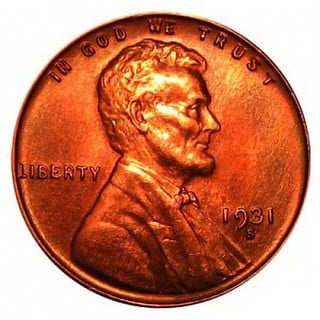
During the Great Depression, coin production dropped dramatically as economic activity slowed. The San Francisco mint produced only 866,000 Lincoln pennies in 1931, creating what numismatists call a “sleeper” — a coin that’s rare but doesn’t immediately announce its scarcity.
The 1931-S penny looked identical to millions of other Lincoln cents, so it spent decades in circulation being used for its face value. These pennies bought newspapers during World War II, went into parking meters in the 1950s, and ended up in penny candy purchases throughout their circulating life.
But that “S” mint mark made all the difference — what appeared to be a common penny was actually worth hundreds of times its face value.
1901-S Barber Quarter
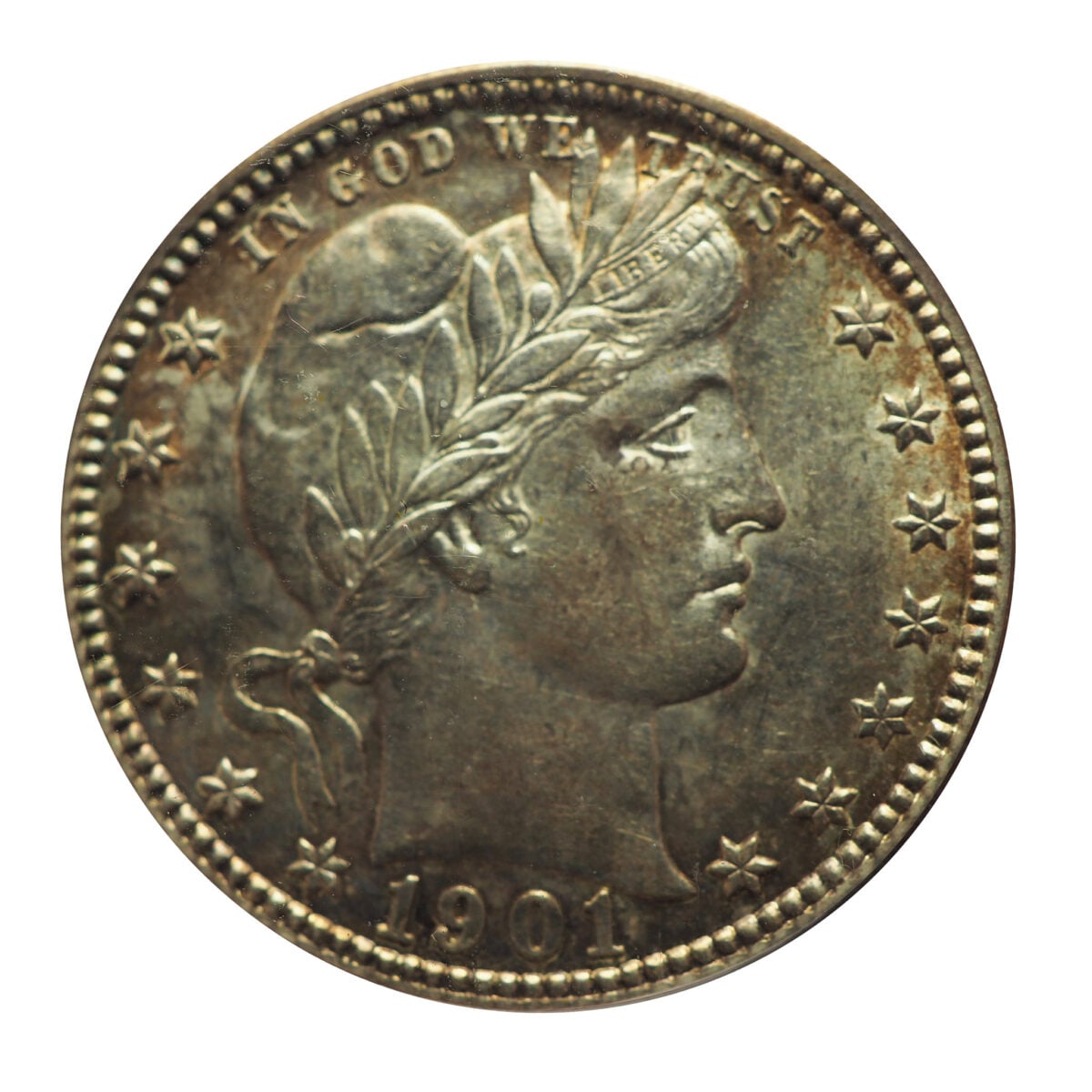
San Francisco struck only 72,664 Barber quarters in 1901, making it one of the scarcest regular-issue quarters of the early 20th century. Most entered circulation on the West Coast, where they were spent as ordinary quarters for decades.
These quarters bought everything from newspapers to streetcar rides, passed through countless hands without anyone recognizing their rarity. The combination of limited mintage and normal circulation wear means that finding a decent example today requires serious money — often several thousand dollars for a coin that was once spent without a thought.
1926-S Buffalo Nickel
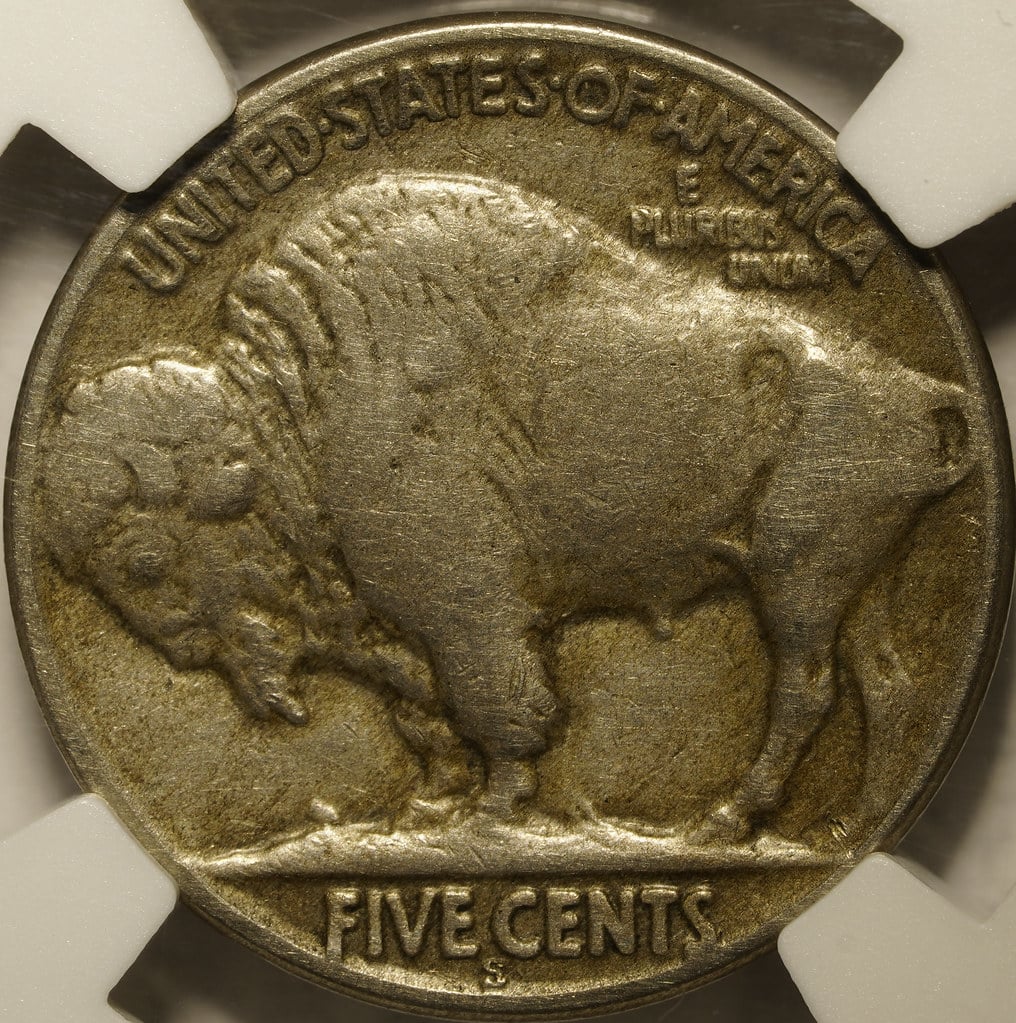
The 1926-S Buffalo Nickel represents another case where a small mintage created significant value that went unrecognized for years. Only 970,000 were produced, and most entered normal circulation patterns.
These nickels were spent on everything nickels bought in the 1920s and beyond — candy, newspapers, bus fare, and parking meters. The buffalo design was familiar to everyone, so there was no visual cue that this particular date and mint mark combination was anything special.
People handled these coins for decades without realizing they were holding something worth hundreds or thousands of dollars.
1804 Draped Bust Dollar
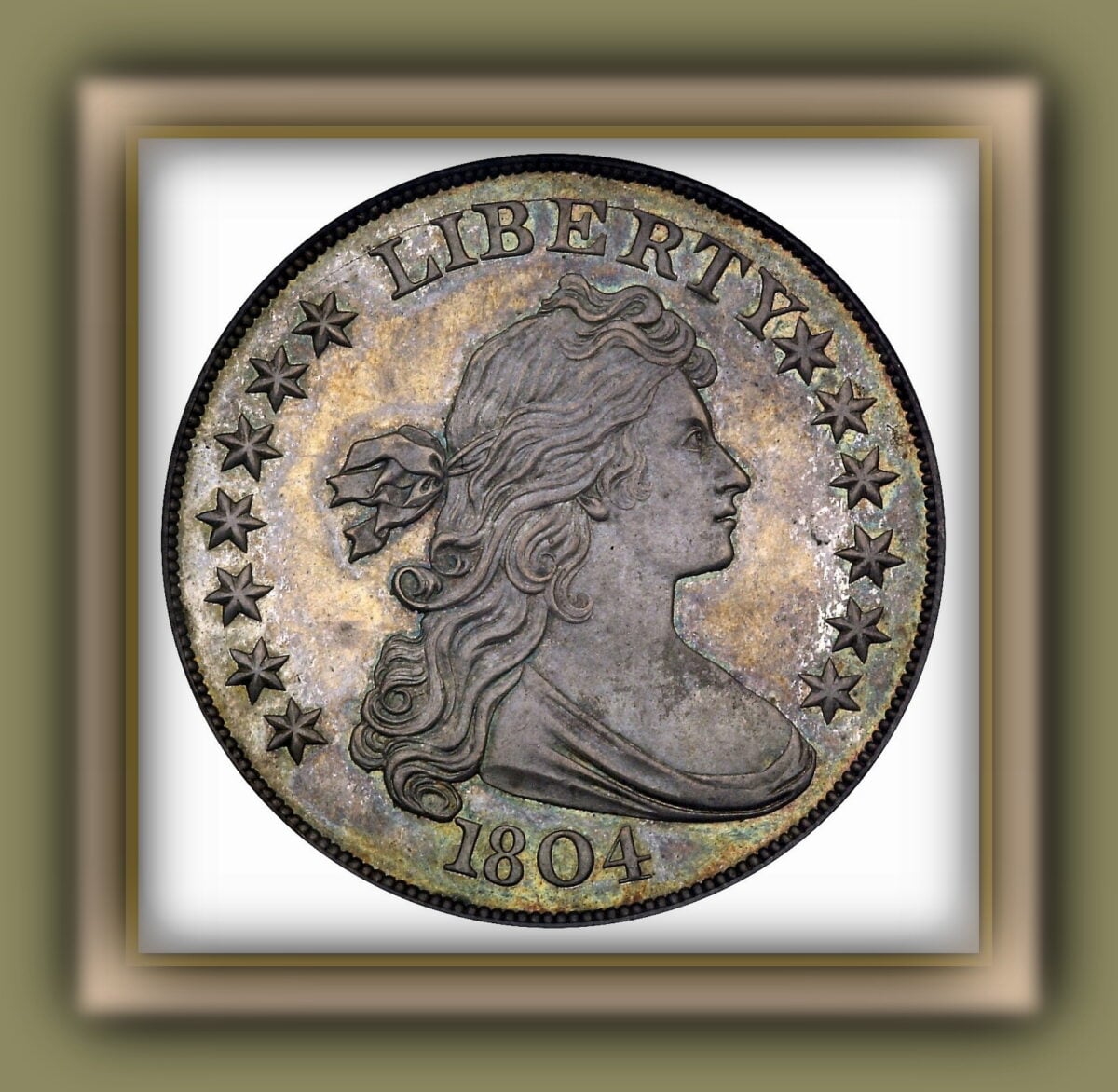
Though dated 1804, these dollars were actually struck in the 1830s as diplomatic gifts. Only 15 examples exist, divided into three classes based on when they were minted.
They’re among the most valuable coins in American numismatics. Despite their legendary status now, at least one example was spent at face value in the 19th century before collectors understood their significance.
The person who spent it probably thought they were being generous, using a silver dollar instead of smaller change. That act of casual generosity cost someone what would eventually become a seven-figure coin.
When ordinary becomes extraordinary

The thread connecting all these stories isn’t just bad luck or missed opportunities — it’s the fundamental unpredictability of value itself. These coins didn’t announce their worth with special markings or unusual appearances.
They looked like what they were: regular money, designed to be spent and forgotten. The difference between a common coin and a fortune often came down to nothing more than which mint produced it, or what year appeared on its face, or whether a machine happened to malfunction on a particular day decades ago.
More from Go2Tutors!

- The Romanov Crown Jewels and Their Tragic Fate
- 13 Historical Mysteries That Science Still Can’t Solve
- Famous Hoaxes That Fooled the World for Years
- 15 Child Stars with Tragic Adult Lives
- 16 Famous Jewelry Pieces in History
Like Go2Tutors’s content? Follow us on MSN.