Great Movies That Almost Went Straight to Video
The film industry runs on a strange kind of faith. Studios invest millions in projects that might never see the inside of a theater, while brilliant films sometimes get shuffled toward the direct-to-video pile based on executive decisions that look absurd in hindsight.
The gap between a theatrical release and straight-to-video obscurity can be surprisingly narrow — sometimes just one person’s opinion or a single test screening can make the difference. What’s fascinating is how many beloved classics nearly took that second route.
Films that now define genres, launch careers, or fill up “greatest of all time” lists once sat in distribution limbo, their fate hanging in the balance. Some got rescued by last-minute studio changes of heart, others by test audiences who saw something executives missed, and a few simply by lucky timing.
Dumb and Dumber
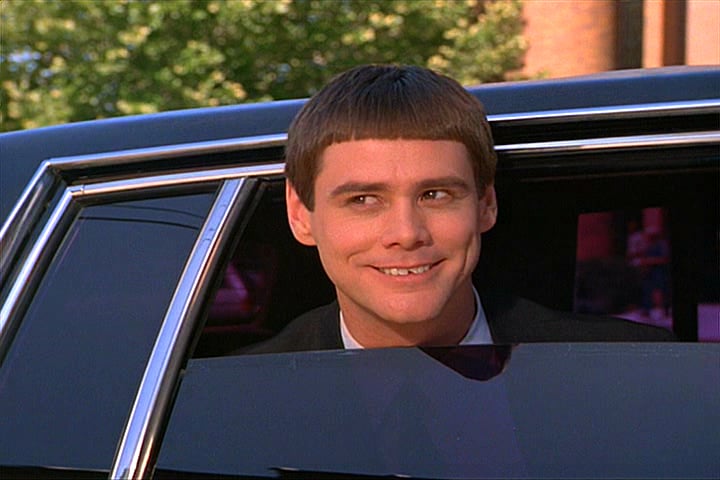
New Line Cinema almost buried this one before anyone saw it. The studio had zero faith in the Farrelly Brothers’ toilet humor masterpiece and seriously considered skipping theaters entirely.
Test screenings changed everything. Audiences laughed until they cried, then demanded to see it again.
The studio realized they might have something bigger than expected and gave it a proper release. Smart choice — the film made $247 million worldwide and launched Jim Carrey into megastardom.
Hoop Dreams
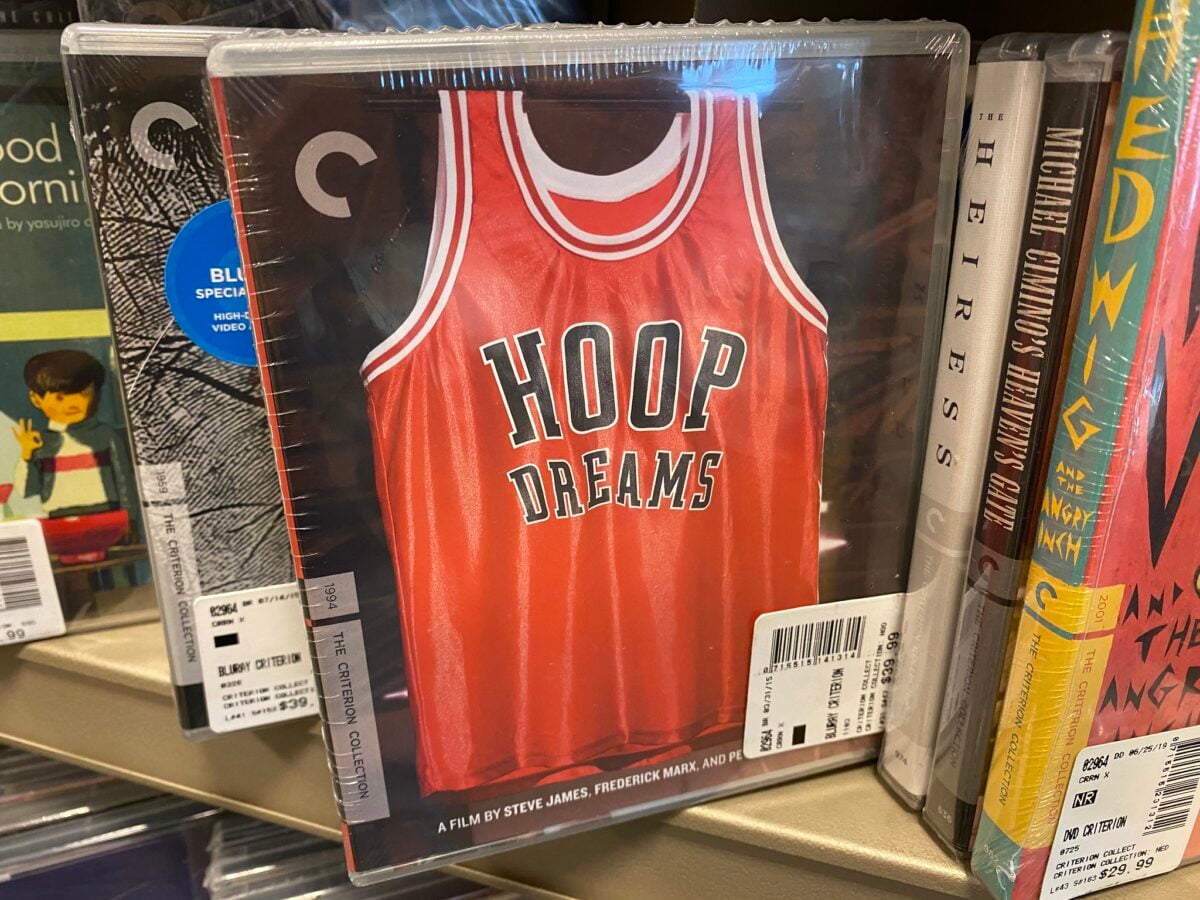
Documentary films face an uphill battle in theatrical distribution under the best circumstances, but Hoop Dreams had additional strikes against it: nearly three hours long, no famous subjects, and a story that unfolded over several years without a tidy ending (because real life doesn’t provide those). The distributors at Fine Line Features were convinced that audiences wouldn’t sit through such an epic documentary, particularly one about inner-city basketball players that most moviegoers had never heard of — and yet something about the raw authenticity of Arthur Agee and William Gates’ stories kept nagging at the people who had seen early cuts.
The film follows these two Chicago teenagers through four years of high school basketball with an intimacy that feels almost invasive at times, capturing moments of triumph and devastating disappointment with equal clarity. So they took a chance on a limited theatrical release.
The critical response was immediate and overwhelming. Roger Ebert called it the best film of 1994, beating out Pulp Fiction and Forrest Gump.
It became one of the highest-grossing documentaries ever made at that point. But it started as a film that distributors were convinced belonged on cable television.
The Shawshank Redemption
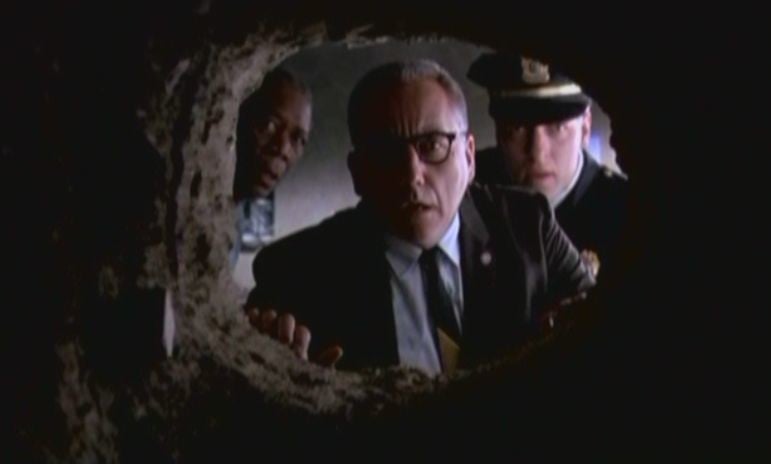
Sometimes a film sits at the intersection of artistic achievement and commercial miscalculation like a beautiful accident waiting to happen. Castle Rock Entertainment knew they had something special with Frank Darabont’s adaptation of the Stephen King novella, but the subject matter — a slow-burning prison drama about friendship and hope — felt like a tough sell to general audiences, especially in a year dominated by Forrest Gump and The Lion King.
The studio executives kept circling back to the same uncomfortable question: who exactly was going to pay to see a two-and-a-half-hour movie about life in prison that didn’t have any explosions, car chases, or love interests? The marketing department struggled with how to position it. The test screenings, though positive, didn’t generate the kind of enthusiastic word-of-mouth that translates to opening weekend numbers.
There was serious discussion about limiting the release to art house theaters or bypassing theaters altogether in favor of home video, where prison dramas traditionally found their audience. The decision to give it a wide theatrical release came down to faith in the material more than market research.
That faith paid off in ways nobody predicted, though not immediately. The film received seven Academy Award nominations and has since been voted the greatest movie ever made by IMDb users.
Office Space
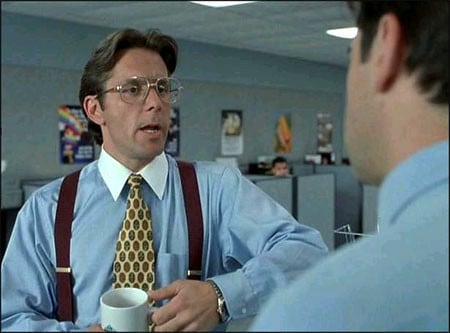
Mike Judge’s workplace satire felt too niche for theatrical success. Fox executives looked at this deadpan comedy about cubicle life and saw a limited audience — probably just office workers who would get the jokes.
The studio gave it a minimal release with almost no marketing support. Office Space made only $10 million theatrically, which seemed to confirm the executives’ instincts.
Then home video happened. The film found its audience on DVD and became a genuine cultural phenomenon, spawning countless quotable lines and turning TPS reports into a universal punchline.
The Iron Giant
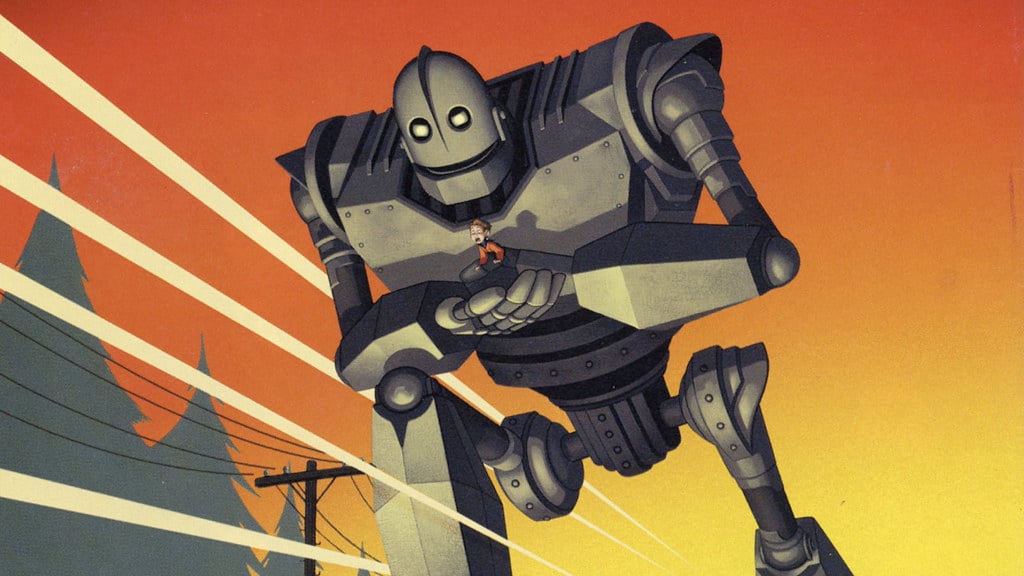
Warner Bros. had already written off Brad Bird’s animated masterpiece before it reached theaters. The studio barely marketed it and released it on fewer than 2,500 screens during its opening weekend.
The film tells the story of a boy and his friendship with a massive robot during the Cold War, but the marketing department couldn’t figure out how to sell it. Too sophisticated for young children, too animated for adults — it fell between demographics in a way that made executives nervous.
Critics loved it immediately, but audiences discovered it slowly through home video and television broadcasts. The Iron Giant is now considered one of the finest animated films ever made, influencing a generation of filmmakers including Pixar’s creative team.
It started as a film the studio considered dumping straight to video.
Bottle Rocket
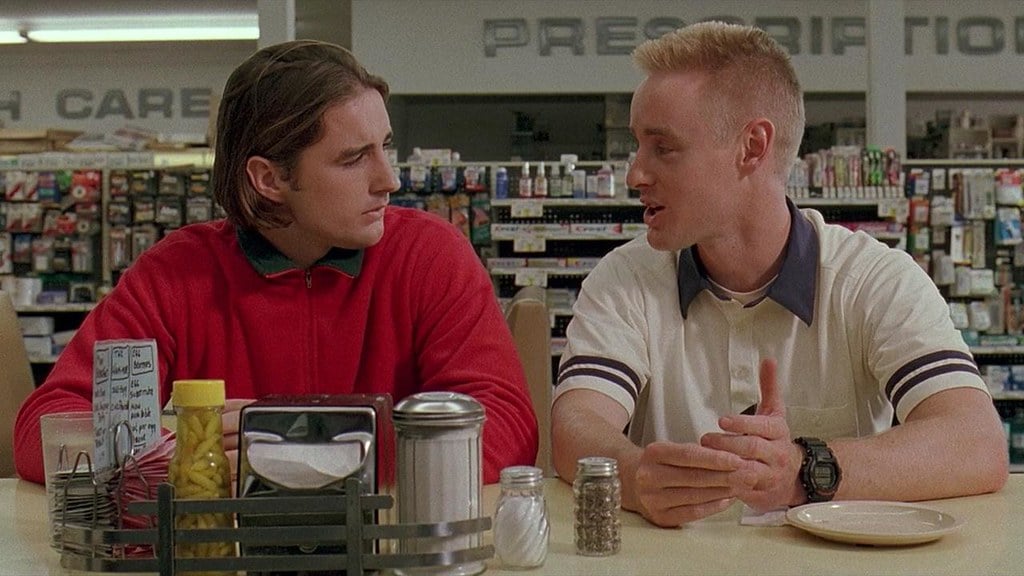
This feels like watching someone practice scales before they write a symphony — except the scales turned out to be pretty remarkable themselves. Wes Anderson’s debut feature (co-written with Owen Wilson, who also starred alongside his brother Luke) had everything working against it: unknown director, unknown cast, tiny budget, and a plot about three friends planning an amateur heist that unfolds with the urgency of a Sunday afternoon stroll through a quiet neighborhood.
The film’s deliberately paced storytelling and deadpan humor didn’t fit any established commercial category, which made Columbia Pictures nervous about spending money on a theatrical release when they could recoup their modest investment through video stores. The characters speak in the kind of understated, carefully composed dialogue that would later become Anderson’s signature, but at the time it just seemed odd — too quirky for mainstream audiences, too accessible for art house crowds.
Columbia executives kept pushing for a straight-to-video release until James L. Brooks saw the film and championed it. His support gave Anderson the theatrical release that launched one of the most distinctive careers in American cinema. But it came close to disappearing entirely.
Memento
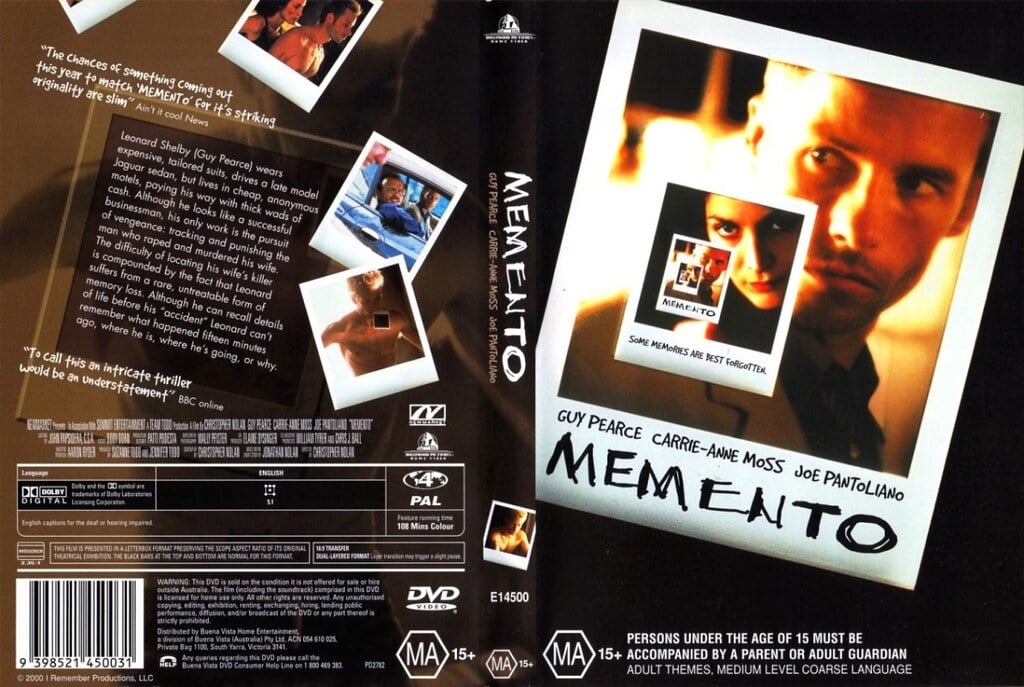
Christopher Nolan’s backwards thriller presented an obvious problem: how do you market a film that tells its story in reverse chronological order to audiences who just want to be entertained for two hours? Newmarket Films, the small distributor that picked it up, seriously considered skipping theaters.
The film’s complex structure seemed too challenging for general audiences, and the budget was too small to support a major marketing campaign. The decision to give it a limited theatrical release was more about artistic integrity than commercial expectations.
Word-of-mouth saved it. Audiences who understood the film became evangelists, explaining the concept to friends and insisting they had to see it in theaters.
Memento became a surprise hit and established Nolan as a filmmaker who could combine commercial appeal with narrative innovation.
Napoleon Dynamite
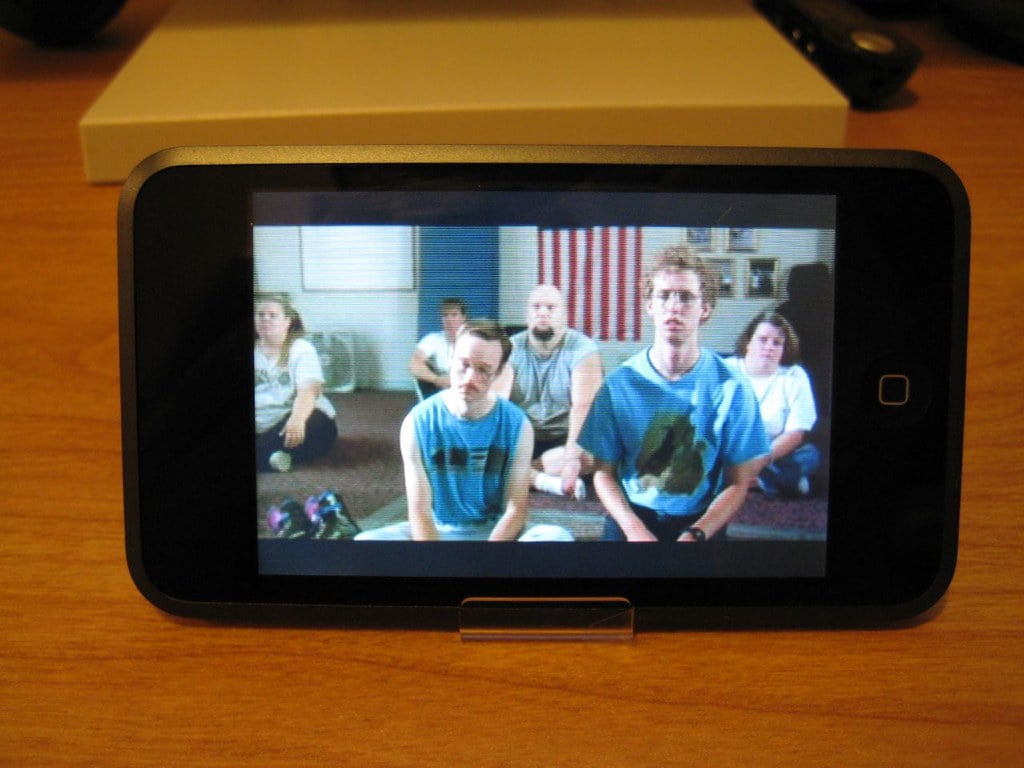
Fox Searchlight looked at this odd little comedy about a socially awkward teenager in rural Idaho and saw a film with extremely limited appeal. The humor was so specific and understated that executives worried it would only connect with a tiny audience.
The film cost just $400,000 to make, so the financial risk of a theatrical release was minimal. Even so, the studio considered going straight to video rather than spending money on marketing a film they didn’t understand.
Napoleon Dynamite made $46 million worldwide and became a cultural phenomenon that spawned countless internet memes and Halloween costumes. The film’s success proved that audiences were hungry for something genuinely different, even if executives couldn’t predict what that difference would look like.
Clerks
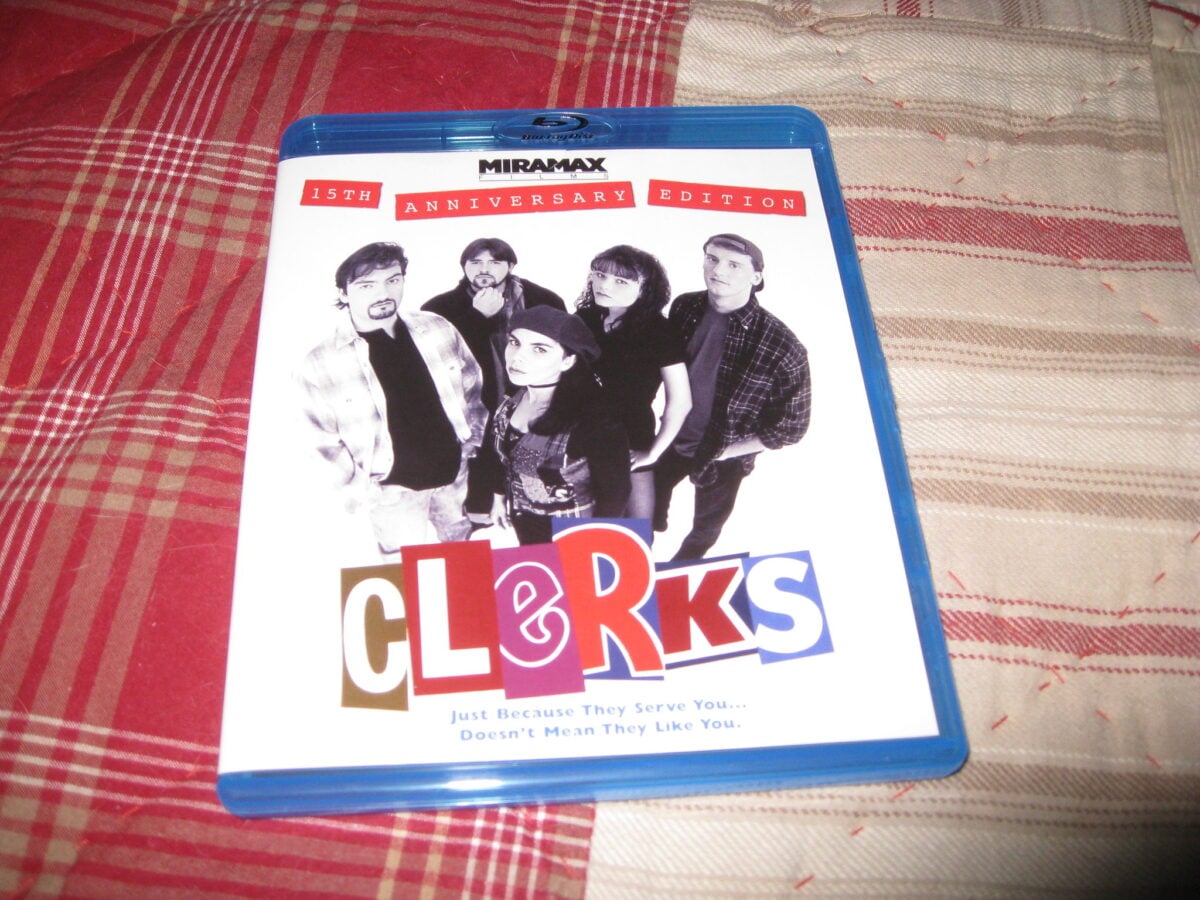
Kevin Smith’s convenience store comedy had strikes against it that went beyond the usual concerns about commercial viability. Shot in black and white on a budget of $27,575, featuring unknown actors and dialogue heavy with pop culture references and profanity, Clerks looked like exactly the kind of film that belonged in video stores rather than movie theaters — which created a certain irony, given that much of the film takes place in a video rental shop.
Miramax picked it up after it won awards at Sundance, but Harvey Weinstein wasn’t convinced that Smith’s talky, static comedy would work in theaters, particularly given the MPAA’s initial NC-17 rating for language (a rating that would have killed any chance of wide release). The film follows Dante and Randal through a single day of work, dealing with difficult customers and discussing everything from Star Wars to relationship problems, but the conversations unfold with the natural rhythm of actual friendship rather than the heightened pace of typical film comedy.
Smith fought the MPAA rating and won an appeal that brought it down to R. The theatrical release that followed turned Clerks into the defining film of 1990s independent cinema.
But Weinstein came very close to sending it straight to video, where it would have disappeared among thousands of other low-budget comedies.
Being John Malkovich
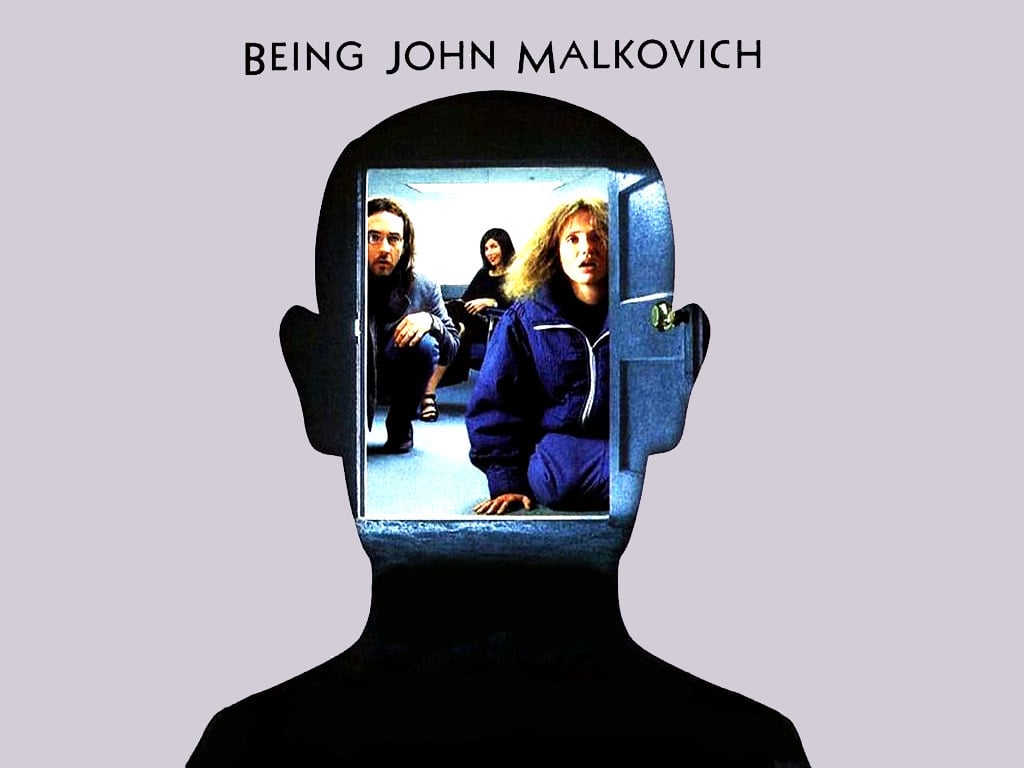
Spike Jonze’s surreal comedy about a portal that leads directly into John Malkovich’s consciousness presented distribution challenges that went beyond the typical concerns about commercial viability.
USA Films executives understood they had something unique, but uniqueness doesn’t automatically translate to box office success. A film about people climbing through a filing cabinet into a famous actor’s mind seemed too weird for mainstream audiences and too accessible for art house crowds.
The decision to give it a theatrical release came down to Charlie Kaufman’s script, which was unlike anything anyone had read before. The film became a critical and commercial success, earning Academy Award nominations and establishing Jonze and Kaufman as major creative forces.
But it started as a film that seemed too strange for theaters.
Donnie Darko
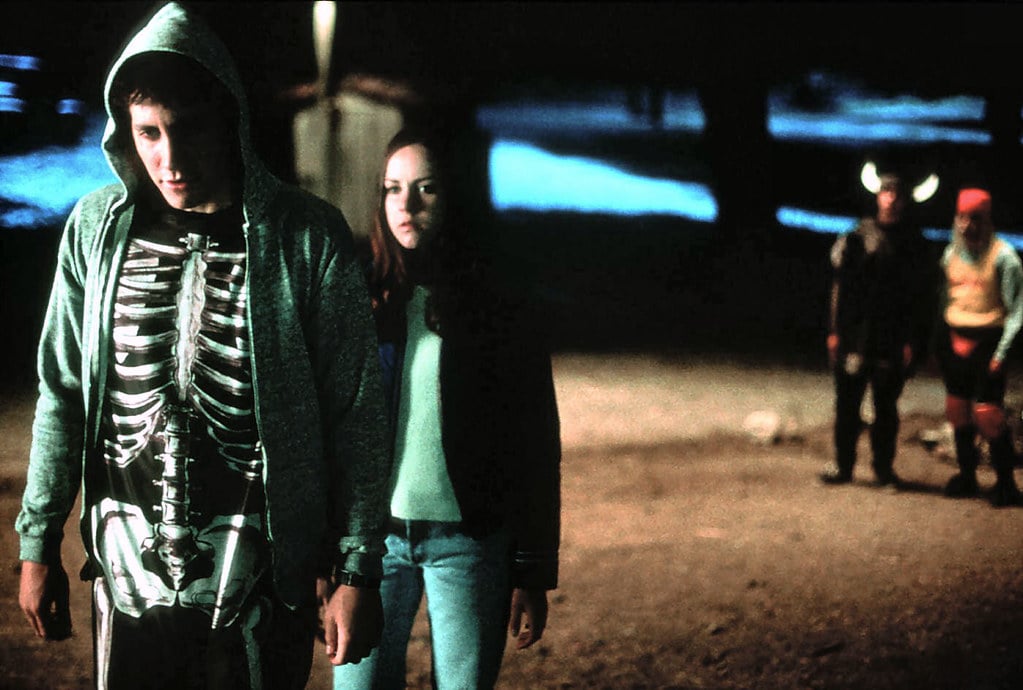
Richard Kelly’s time-travel thriller about a troubled teenager and a six-foot rabbit named Frank confused everyone who read the script. Newmarket Films bought it but had no idea how to market it to general audiences.
The film’s dark tone, complex plot, and ambiguous ending seemed designed to alienate mainstream viewers. Newmarket seriously considered bypassing theaters entirely, especially after test screenings produced mixed reactions from audiences who weren’t sure what they had just watched.
The limited theatrical release was a commercial disappointment, but home video and late-night cable broadcasts turned Donnie Darko into a cult phenomenon. The film’s reputation has only grown over time, with many considering it one of the most original science fiction films of the 2000s.
Slacker
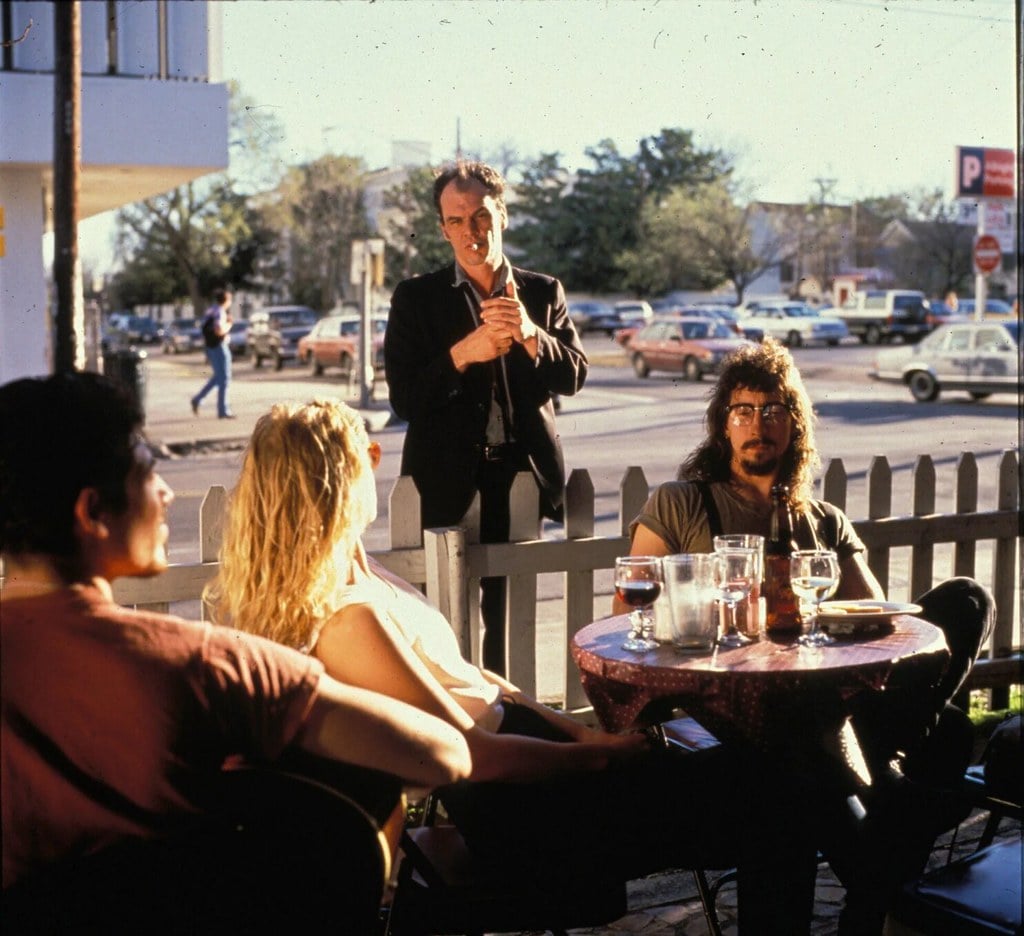
Richard Linklater’s plotless journey through Austin’s bohemian subculture seemed designed to frustrate conventional distribution channels. The film follows dozens of characters through loosely connected conversations about philosophy, conspiracy theories, and daily life, but never develops a traditional narrative structure.
Orion Classics picked it up after it played film festivals, but executives weren’t sure what to do with a film that deliberately avoided commercial storytelling techniques. The decision to give it a theatrical release was more about supporting independent filmmaking than expecting financial returns.
Slacker became the defining film of early 1990s independent cinema and established Linklater as a major voice in American filmmaking. The film’s success opened doors for other unconventional narratives and proved that audiences were hungry for alternatives to mainstream Hollywood storytelling.
The Evil Dead

Sam Raimi’s low-budget horror film faced skepticism from distributors who saw it as just another cheaply made genre exercise. Shot for $375,000 in a remote cabin with unknown actors, The Evil Dead looked like countless other independent horror films that went straight to video.
New Line Cinema took a chance on a theatrical release after the film generated positive buzz at film festivals. The decision paid off — The Evil Dead became a cult classic that launched Raimi’s career and spawned two sequels, a remake, and a television series.
The film’s success proved that originality and creativity could overcome budget limitations, but it came very close to disappearing into video store horror sections where most low-budget genre films ended up.
When Stories Find Their Way

The distance between theatrical glory and video store obscurity turns out to be smaller than most people realize. These films remind us that the difference between a classic and a forgotten curiosity often comes down to timing, luck, and someone with enough faith to take a financial risk on something they don’t fully understand.
Each of these movies could have vanished entirely, known only to the people who made them and whatever small audience might have discovered them years later. Instead, they became part of the cultural conversation, influencing other filmmakers and entertaining millions of people who never knew how close they came to missing them entirely.
More from Go2Tutors!

- The Romanov Crown Jewels and Their Tragic Fate
- 13 Historical Mysteries That Science Still Can’t Solve
- Famous Hoaxes That Fooled the World for Years
- 15 Child Stars with Tragic Adult Lives
- 16 Famous Jewelry Pieces in History
Like Go2Tutors’s content? Follow us on MSN.