Legendary 1980s Toys You Wish You Still Owned
The 1980s delivered a golden age of toys that defined childhoods and sparked imaginations in ways that feel almost impossible to recreate today. These weren’t just playthings—they were cultural phenomena that taught kids about friendship, adventure, and the thrilling possibility that their toys might actually come to life when nobody was watching.
Decades later, the nostalgia hits differently, especially when you realize what some of these treasures are worth now.
Rubik’s Cube
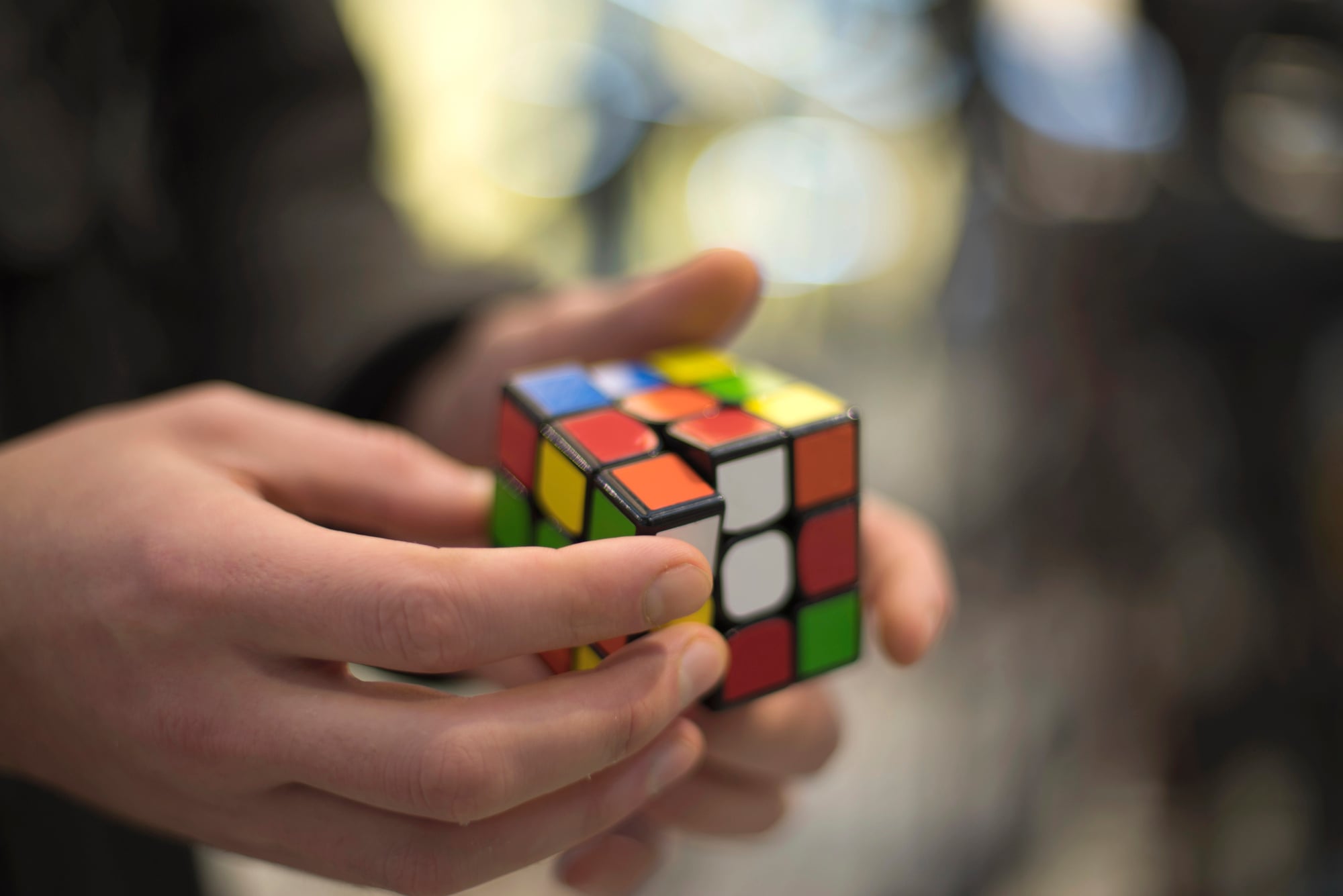
The Hungarian puzzle cube landed in America like a mathematical meteor. Everyone had one.
Nobody could solve it.
Those colorful squares mocked you from every angle, promising satisfaction that remained perpetually out of reach.
The few kids who could actually solve it became playground legends, their fingers dancing across the faces with an almost supernatural confidence that made the rest of us question our intelligence.
Transformers
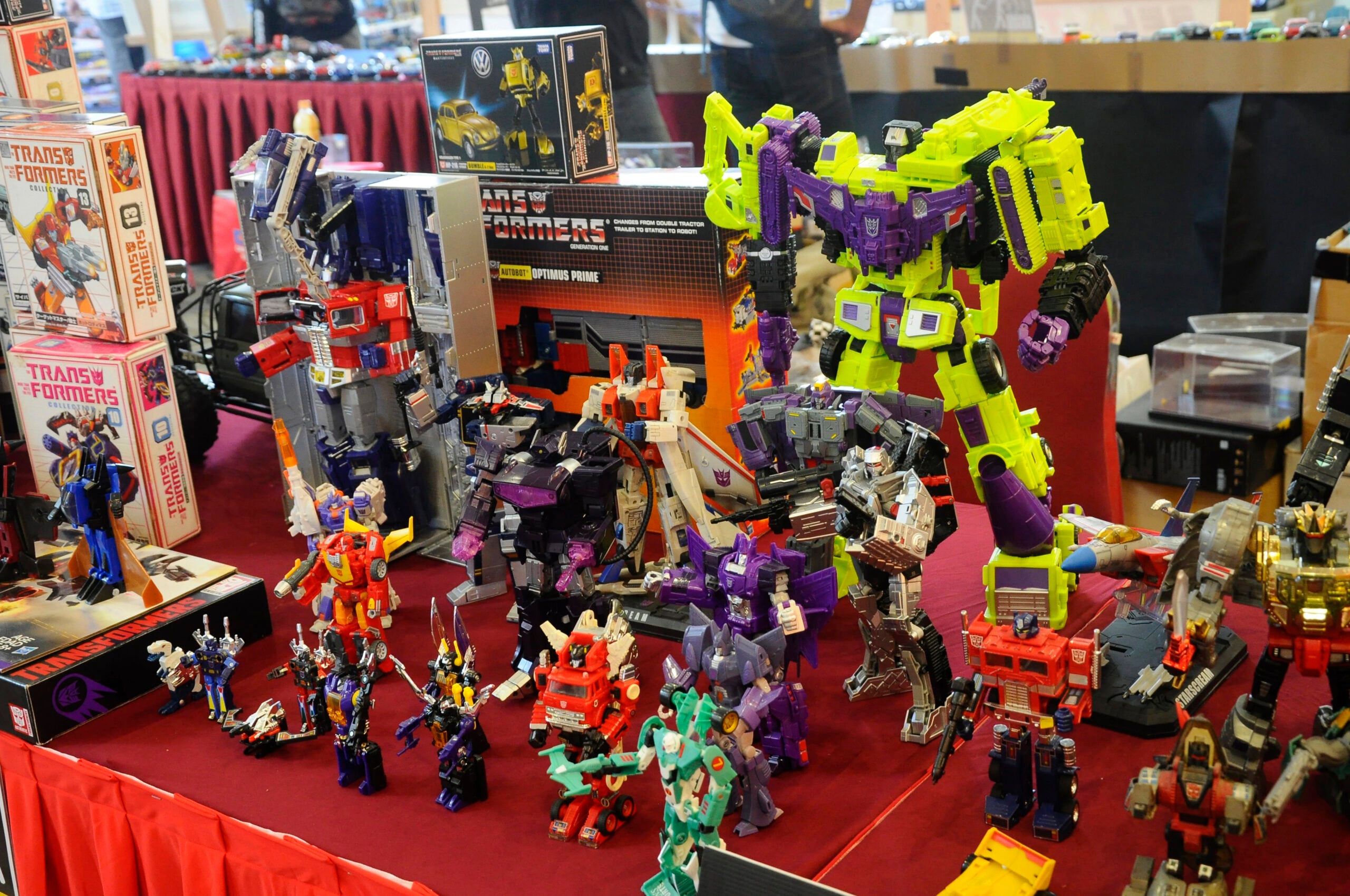
Robots in disguise turned out to be the perfect metaphor for childhood itself—everything was more than it appeared, and transformation was always just a few clever moves away.
The original Transformers demanded patience and spatial reasoning that smartphones would later eliminate from young minds, but the payoff was extraordinary: a truck that became a robot, a cassette player that spawned tiny mechanical animals, a world where nothing stayed the same for long.
And the cartoon didn’t just sell toys (though it absolutely did that)—it created an entire mythology around the idea that machines could have souls, that good and evil were worth fighting for, and that sometimes the best leaders were the ones who questioned their own decisions.
The modern movies, for all their spectacular effects, never quite captured that original sense of wonder.
So when kids today pick up a Transformer, they’re holding something that once represented the absolute cutting edge of imagination.
Which explains why mint-condition figures from 1984 can cost more than a decent used car.
My Little Pony
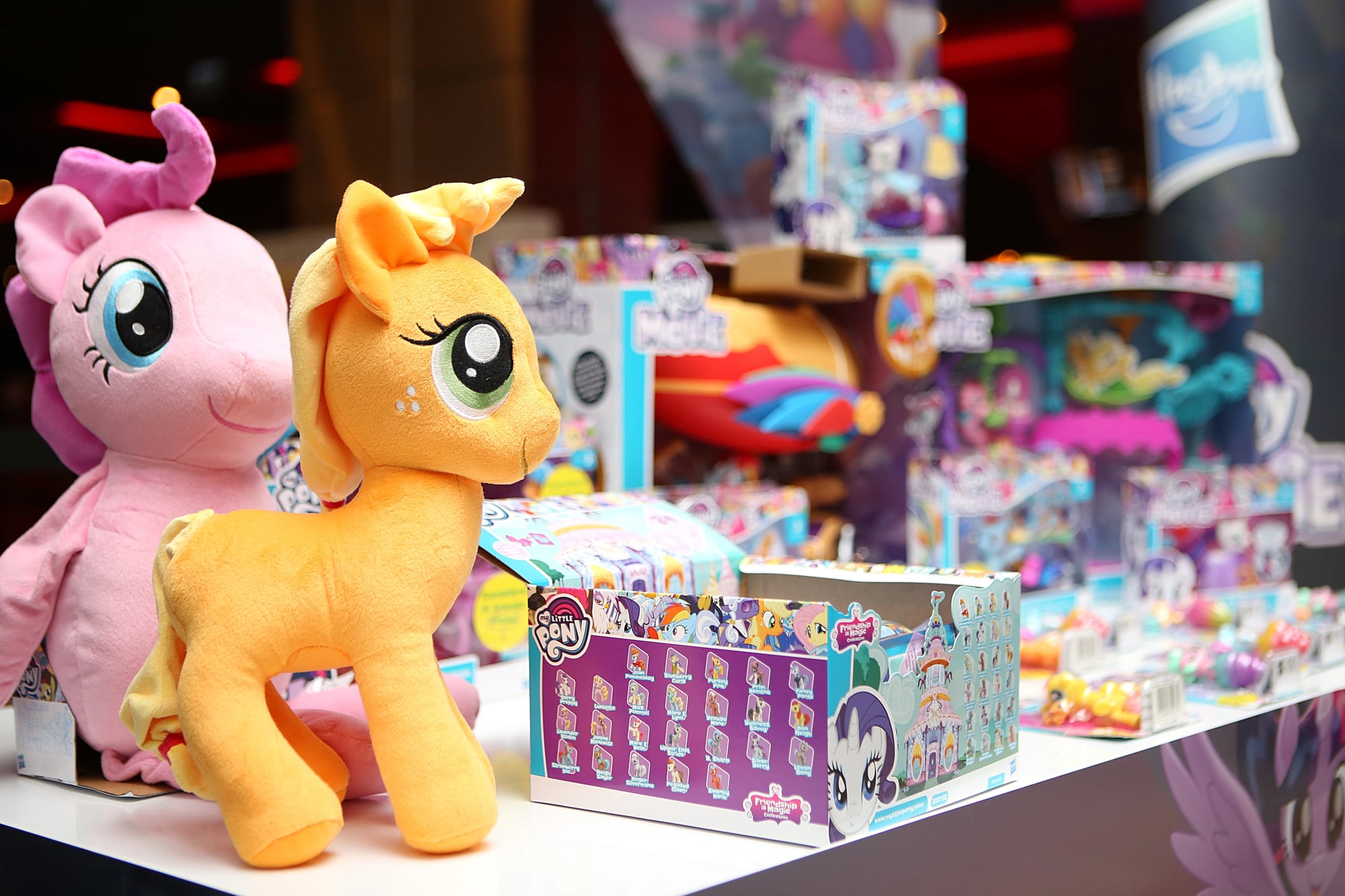
Before the internet made everything ironic, My Little Pony existed in a state of pure, unapologetic sweetness that somehow never felt saccharine.
Each pony had her own personality embedded right into her design—the cutie mark system was basically Myers-Briggs for seven-year-olds, teaching kids that differences weren’t just okay, they were magical.
The brushable manes satisfied something tactile and nurturing that video games couldn’t touch.
Kids spent hours arranging and rearranging those silky strands, creating elaborate scenarios where friendship really could solve any problem.
The simplicity was the point—in a decade obsessed with technology and transformation, these toys celebrated gentleness.
Cabbage Patch Kids
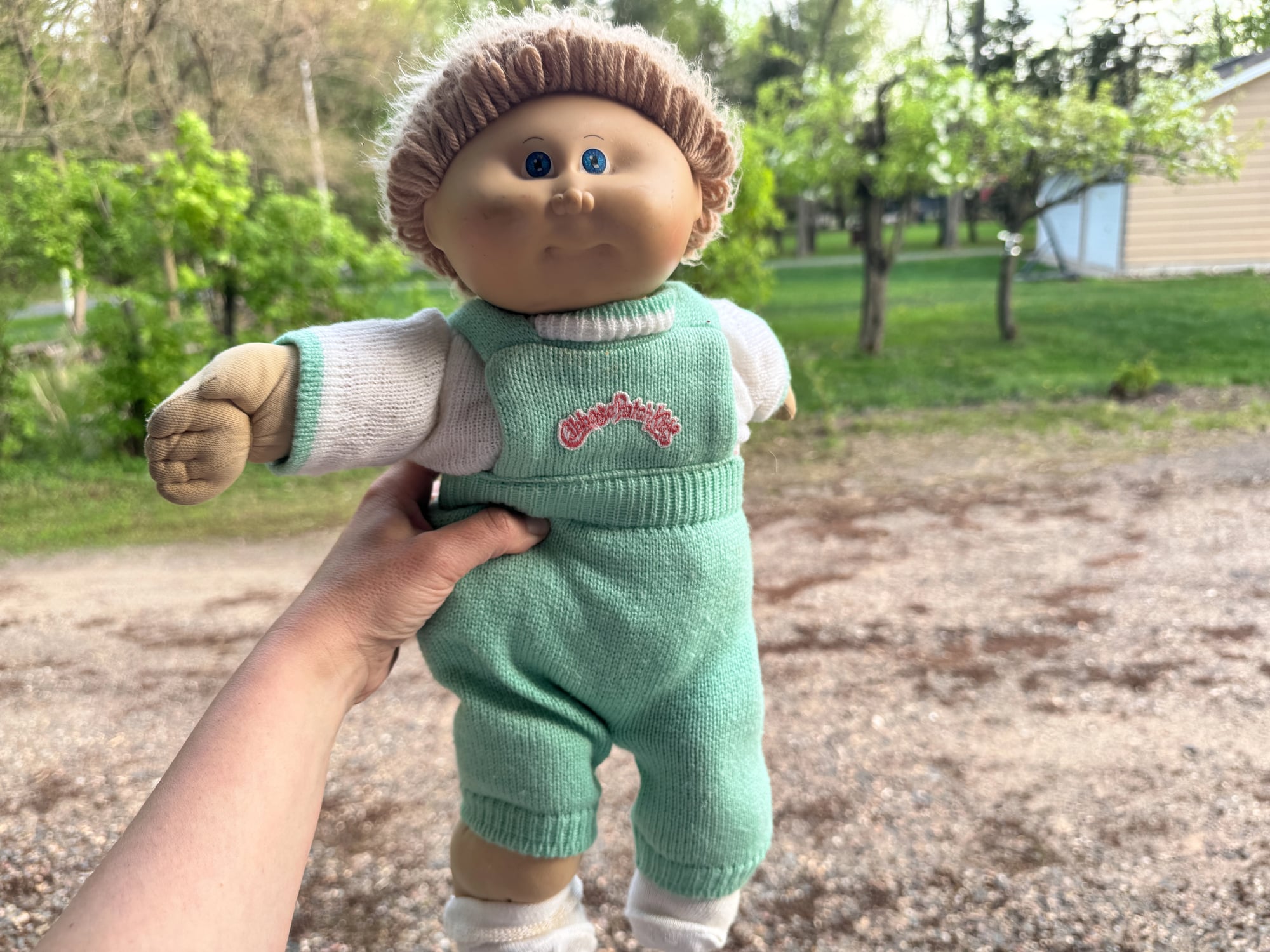
Cabbage Patch Kids created the first true toy shortage in modern American history.
Parents literally fought in store aisles over these soft-sculpted children, and the media covered it like a natural disaster.
But the hysteria made perfect sense.
Each doll was supposedly unique, with its own name and birth certificate, which transformed the act of buying a toy into something that felt like adoption.
Kids didn’t just play with Cabbage Patch Kids—they cared for them with a devotion that bordered on parental.
The adoption papers mattered more than anyone expected.
Having an official document that declared you the parent of “Miranda Francine” or “Bradley Theodore” gave weight to imaginative play that felt revolutionary.
He-Man And Masters Of The Universe
Castle Grayskull stood as the ultimate fortress of childhood imagination—a half-skull, half-castle that managed to be both terrifying and inviting at the same time.
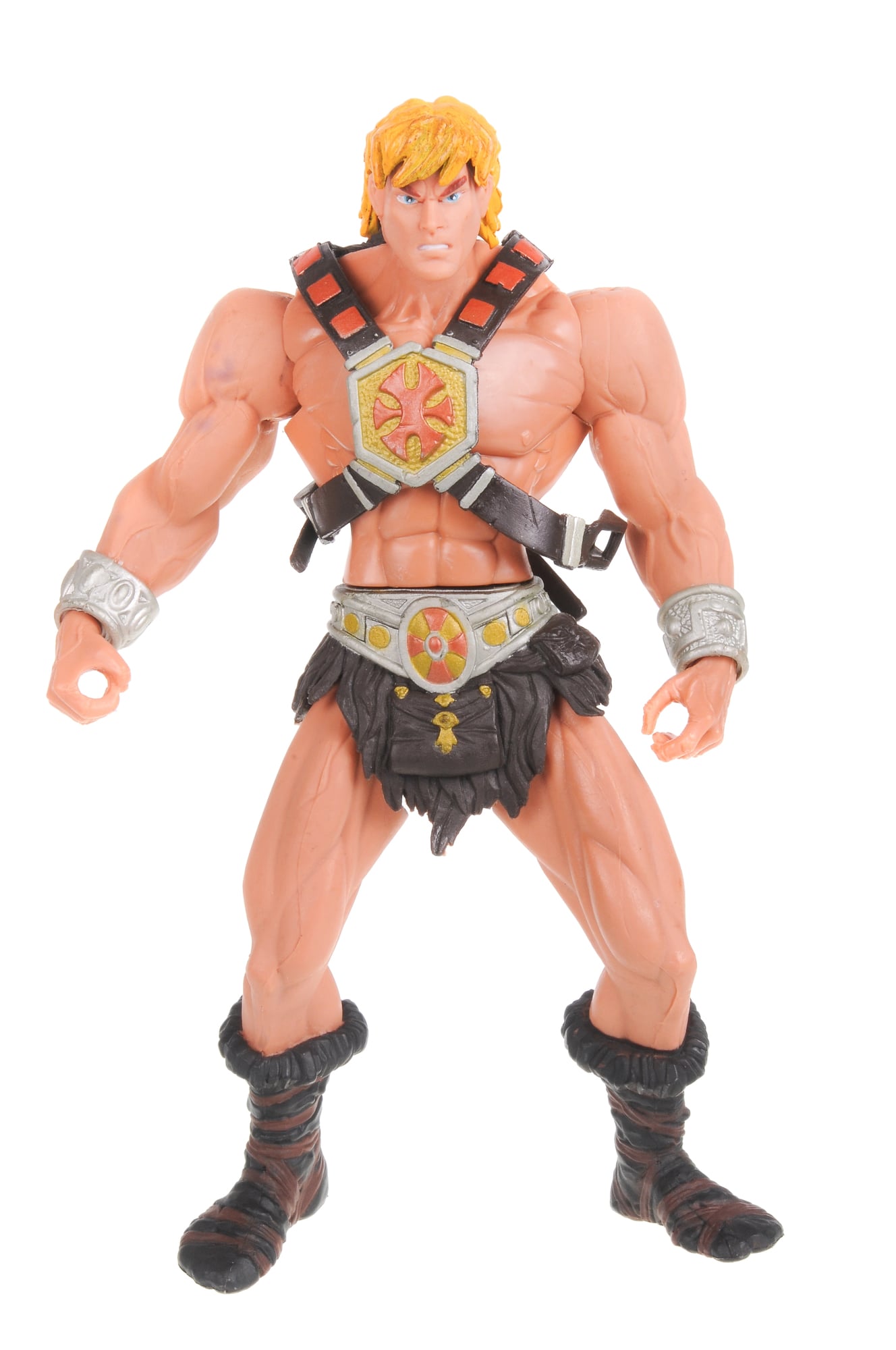
He-Man himself was absurdly muscled, even by 1980s standards, but that cartoonish exaggeration was precisely the point: this was fantasy taken to its logical extreme, where problems could be solved through sheer force of will and really, really big swords.
The entire Masters of the Universe line operated on dream logic, where a cowardly prince could transform into the most powerful man in the universe simply by raising a sword and believing in himself.
And the villains were actually villainous—Skeletor wasn’t misunderstood or complex, he was just evil, which gave kids the rare pleasure of moral clarity in a world that rarely offered such luxury.
But what made these toys legendary was their commitment to weirdness: Beast Man, Trap Jaw, Man-at-Arms—each figure pushed further into creative absurdity than seemed commercially wise.
The fact that it worked reveals something profound about what kids actually wanted from their toys.
G.I. Joe
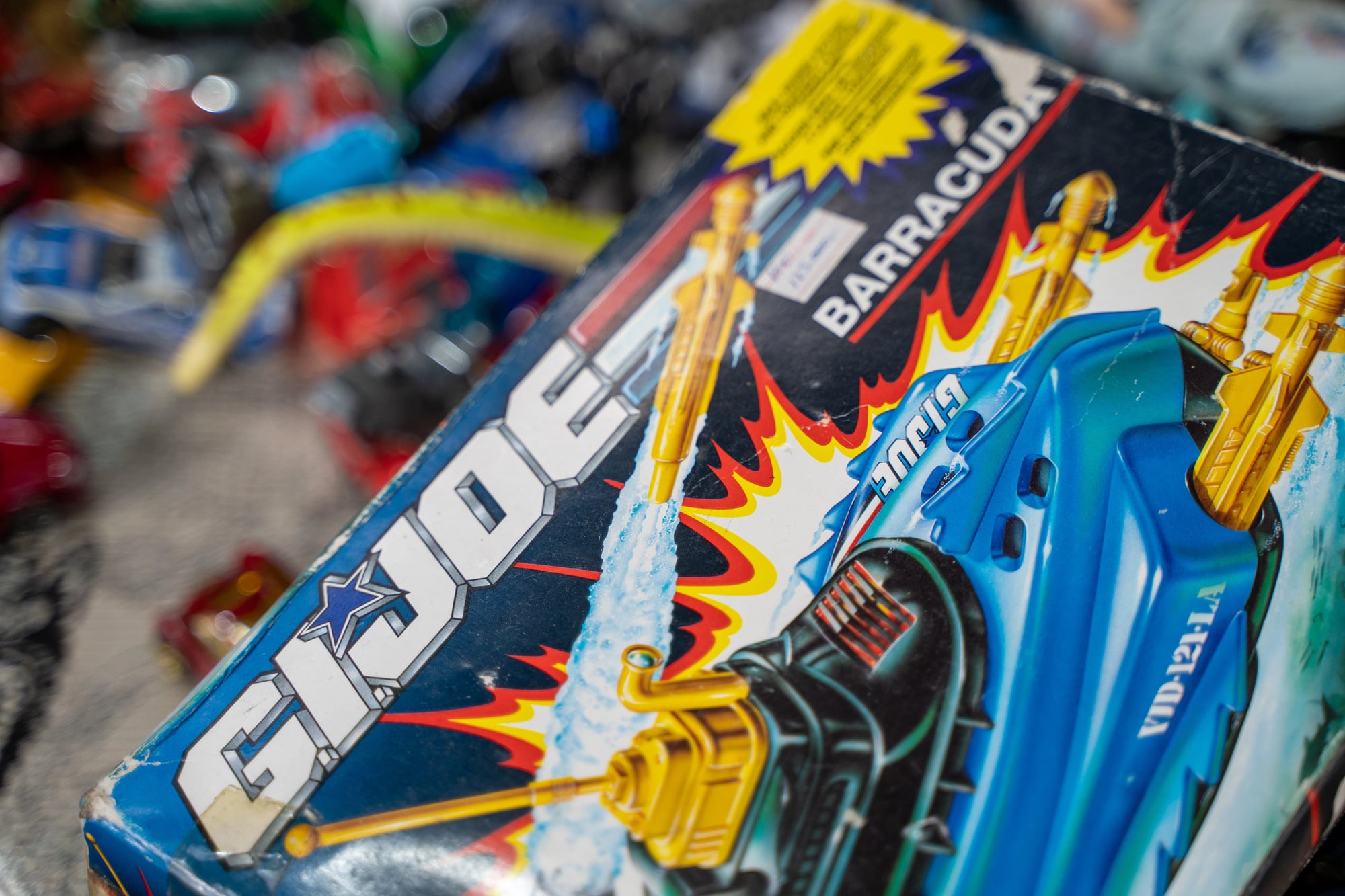
The “Real American Hero” era of G.I. Joe coincided perfectly with Reagan-era optimism and Cold War paranoia, creating action figures that felt both patriotic and slightly subversive.
Cobra Commander was incompetent enough to be non-threatening, but the elaborate military equipment was detailed enough to feel genuinely tactical.
Each figure came with enough tiny accessories to furnish a dollhouse: helmets, weapons, backpacks, radios—all meticulously crafted and immediately lost under couches across America.
The attention to detail was obsessive in ways that modern manufacturing rarely attempts.
Star Wars Figures
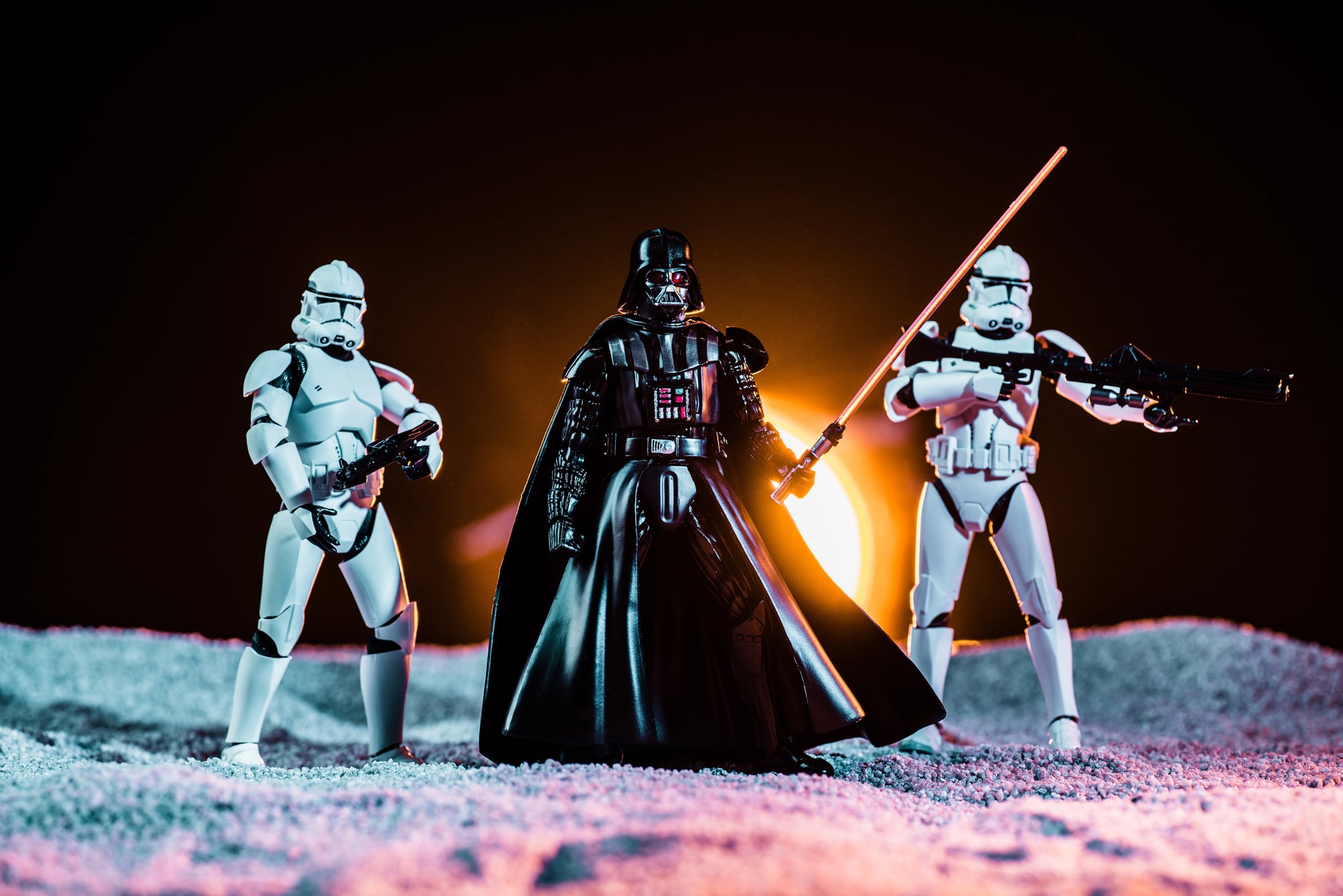
The second wave of Star Wars fever hit just as kids who’d seen the original movie were old enough to have allowances and opinions.
These weren’t just toys—they were tiny ambassadors from a galaxy far, far away, proof that the magic you’d seen on screen could live in your bedroom.
Kenner’s 3.75-inch figures were perfectly scaled for epic adventures but small enough to fit in a pocket, which meant Han Solo might end up at school or hidden in a jacket during family dinner.
The Death Star playset was ambitious enough to dominate an entire room, while the Millennium Falcon was detailed enough to justify hours of careful examination.
The original trilogy figures possessed a weight and craftsmanship that made them feel valuable even to kids who had no concept of collectibles.
Each character had been carefully translated from screen to plastic while maintaining the essential qualities that made them memorable.
Care Bears
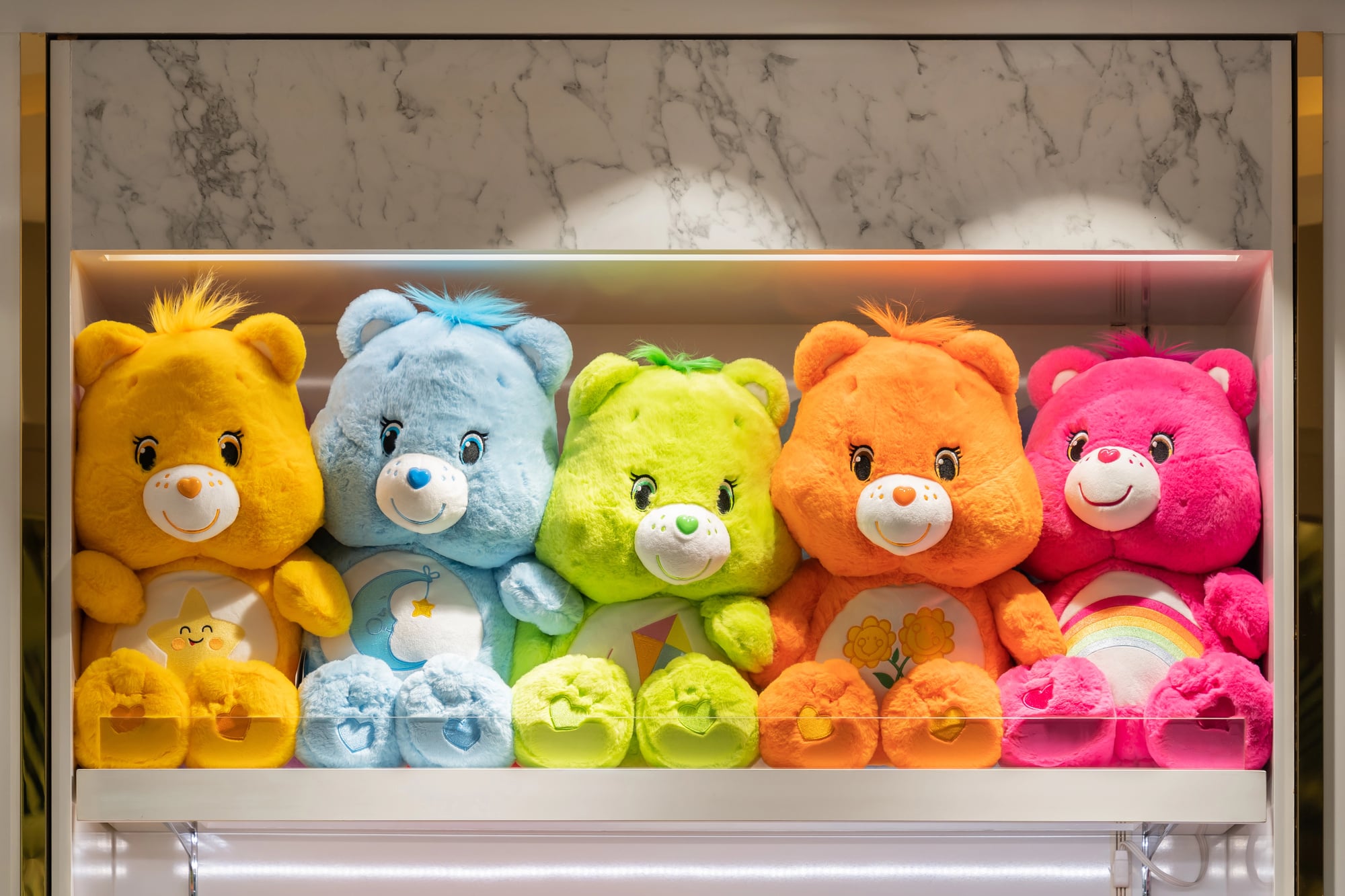
Care Bears operated on pure emotional intelligence, giving kids a vocabulary for feelings they couldn’t yet articulate themselves.
Each bear’s belly badge served as shorthand for complex emotional states—Cheer Bear for happiness, Grumpy Bear for frustration, Tenderheart Bear for compassion—creating a framework for understanding that feelings weren’t just okay, they were worth celebrating.
The cartoon pushed the concept even further, suggesting that caring itself could be a superpower.
The Care Bear Stare wasn’t just magical thinking—it was emotional literacy disguised as fantasy, teaching kids that empathy could actually change outcomes.
Strawberry Shortcake
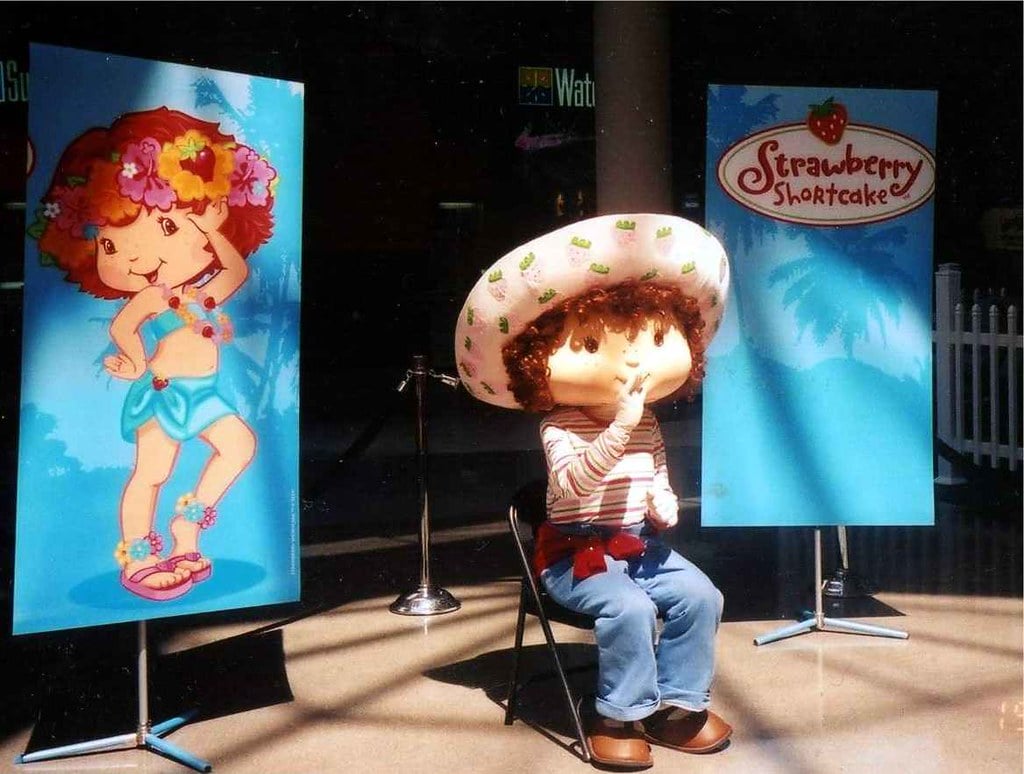
Before everything smelled like vanilla and pumpkin spice, Strawberry Shortcake introduced the radical idea that toys could appeal to multiple senses simultaneously.
Each doll carried her own distinct scent that lasted for years, turning playtime into something almost edible.
The fruit-themed world felt both innocent and sophisticated, creating a aesthetic that was distinctly feminine without being restrictive.
Orange Blossom, Blueberry Muffin, and Apple Dumplin’ inhabited a universe where sweetness was strength and cooperation was cooler than competition.
And the scents worked on adults too—decades later, the smell of artificial strawberry can transport former owners directly back to childhood in ways that visual memory alone never could.
Teenage Mutant Ninja Turtles
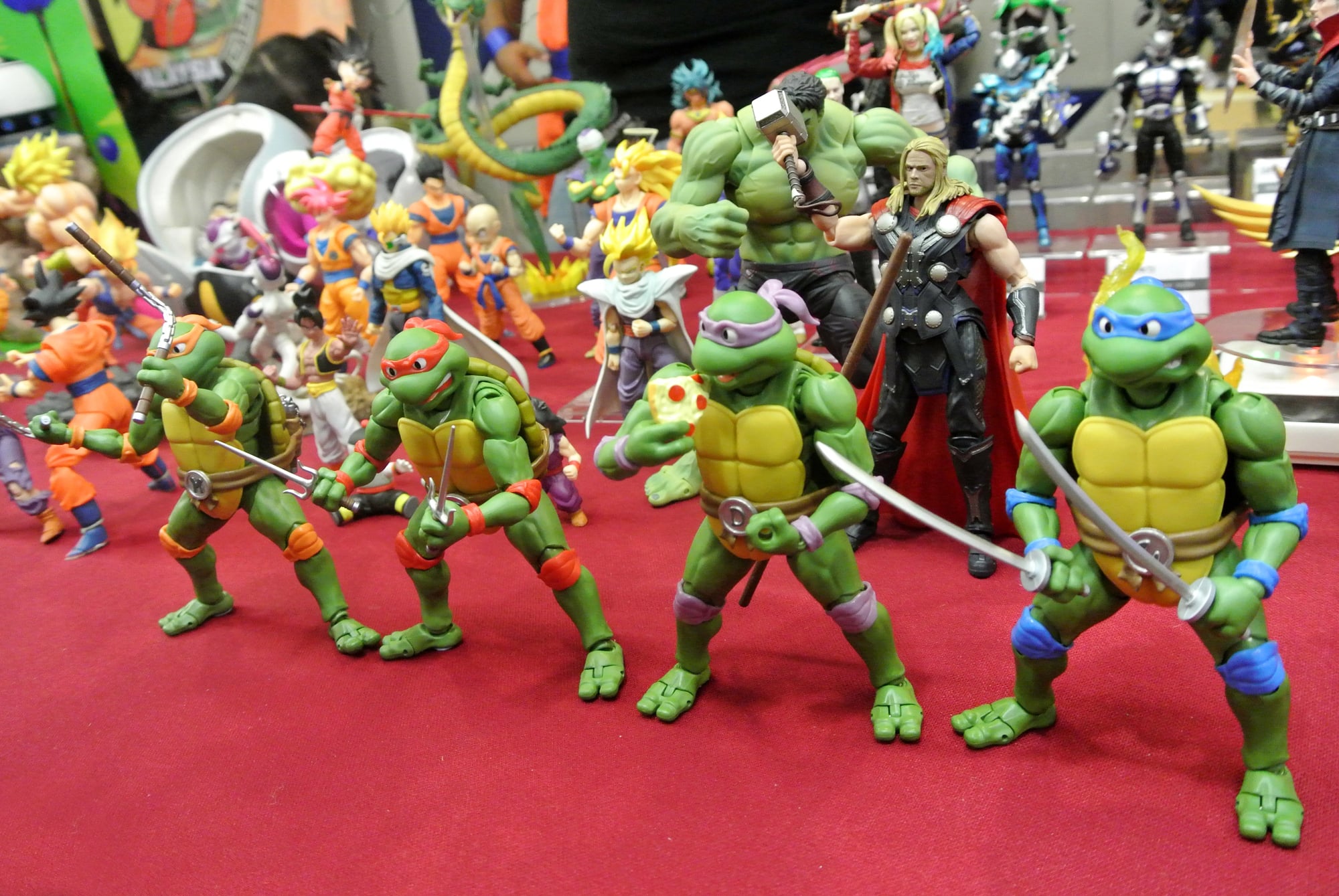
Four reptiles trained in martial arts by a rat and fueled by pizza shouldn’t have made sense to anyone, but TMNT proved that the best ideas often emerge from complete creative chaos.
The concept was so deliberately absurd that it wrapped around to become genius, giving kids permission to embrace weirdness without explanation.
Each turtle had his own personality and weapon, but more importantly, they functioned as a team where differences were strengths rather than problems.
Leonardo led, Donatello invented, Michelangelo joked, and Raphael brooded—a perfect division of childhood personality types that let every kid find his favorite.
The toys captured something essential about brotherhood and belonging that resonated across demographics in ways that focus groups never could have predicted.
Voltron
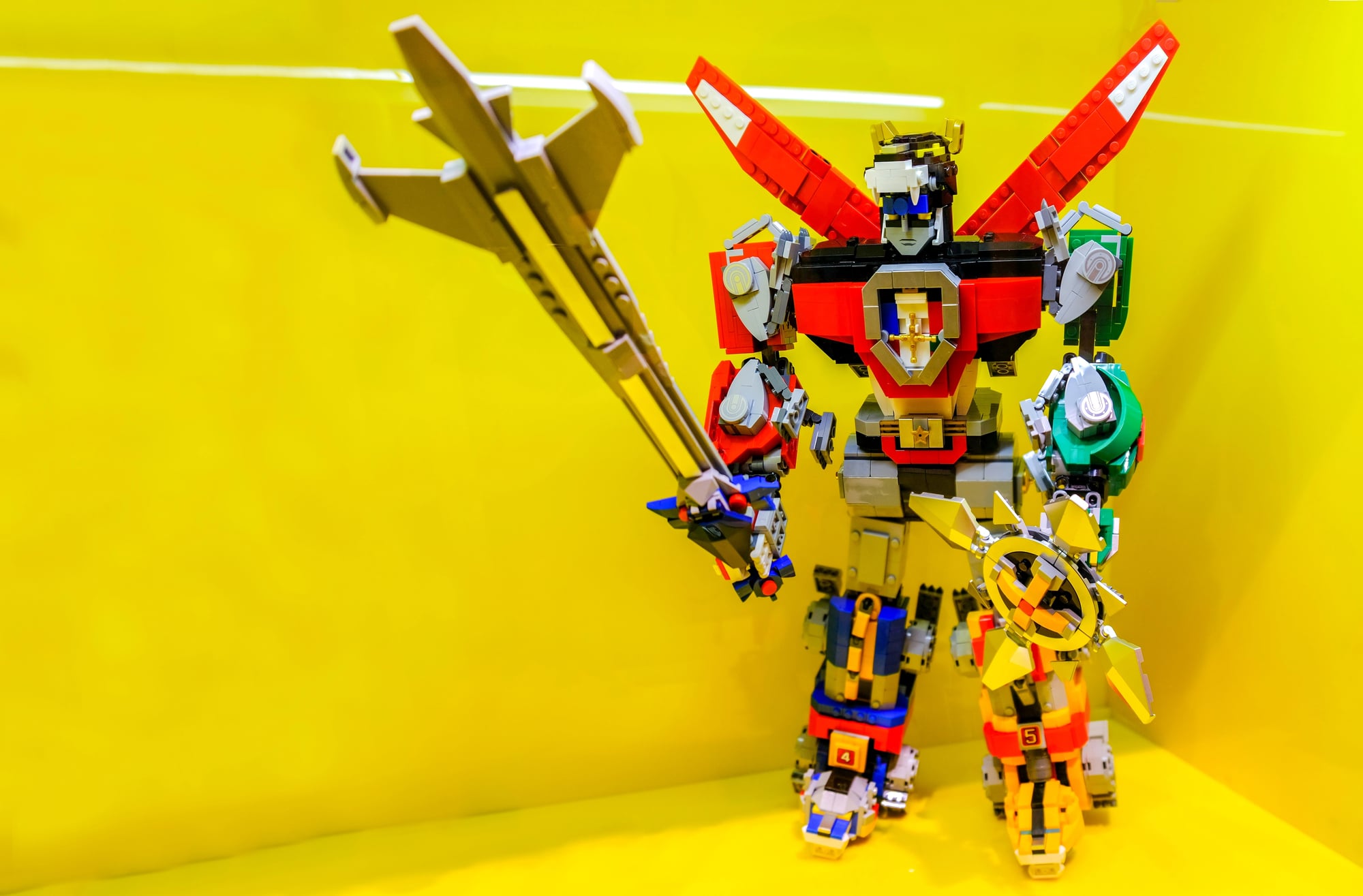
Five mechanical lions that combined into one giant robot represented the ultimate expression of teamwork made tangible.
Voltron required cooperation—each lion was necessary but insufficient on its own, which taught kids about interdependence in ways that felt exciting rather than preachy.
The transformation sequence was elaborate enough to demand patience and spatial reasoning, but the payoff was enormous: a robot powerful enough to defend the universe, assembled from individual components that each had their own purpose and dignity.
Rainbow Brite
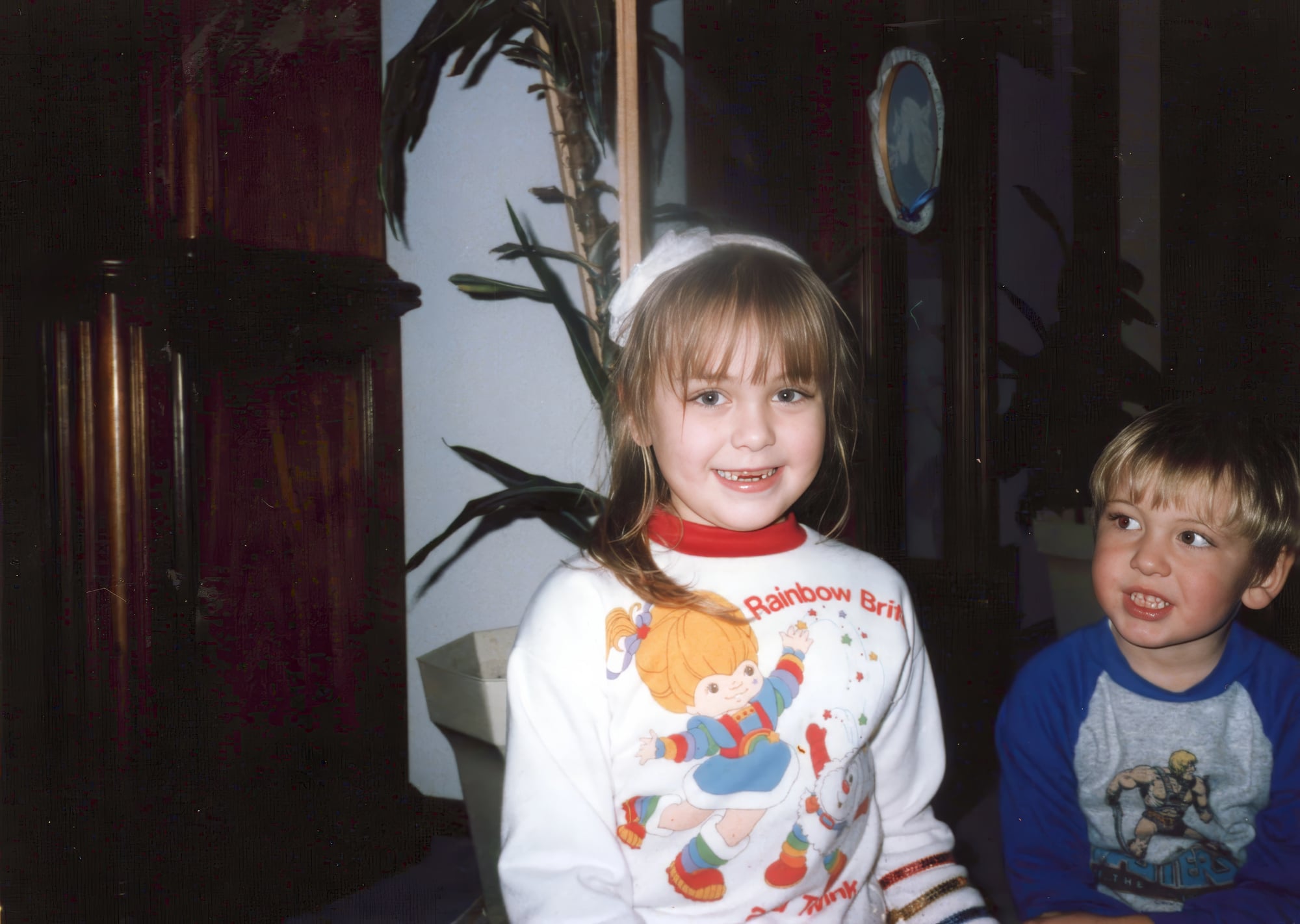
Rainbow Brite fought the forces of darkness with color and determination, wielding a star-powered belt and an attitude that refused to accept that anything was permanently gray.
The concept was ambitious—a little girl responsible for bringing color to the universe—but the execution was sophisticated enough to make it feel epic rather than silly.
The Color Kids each represented a different hue, creating a world where diversity was literally the source of all beauty.
Star Sprinkles, the horse, was white with a rainbow mane that somehow made perfect sense in context.
Smurfs
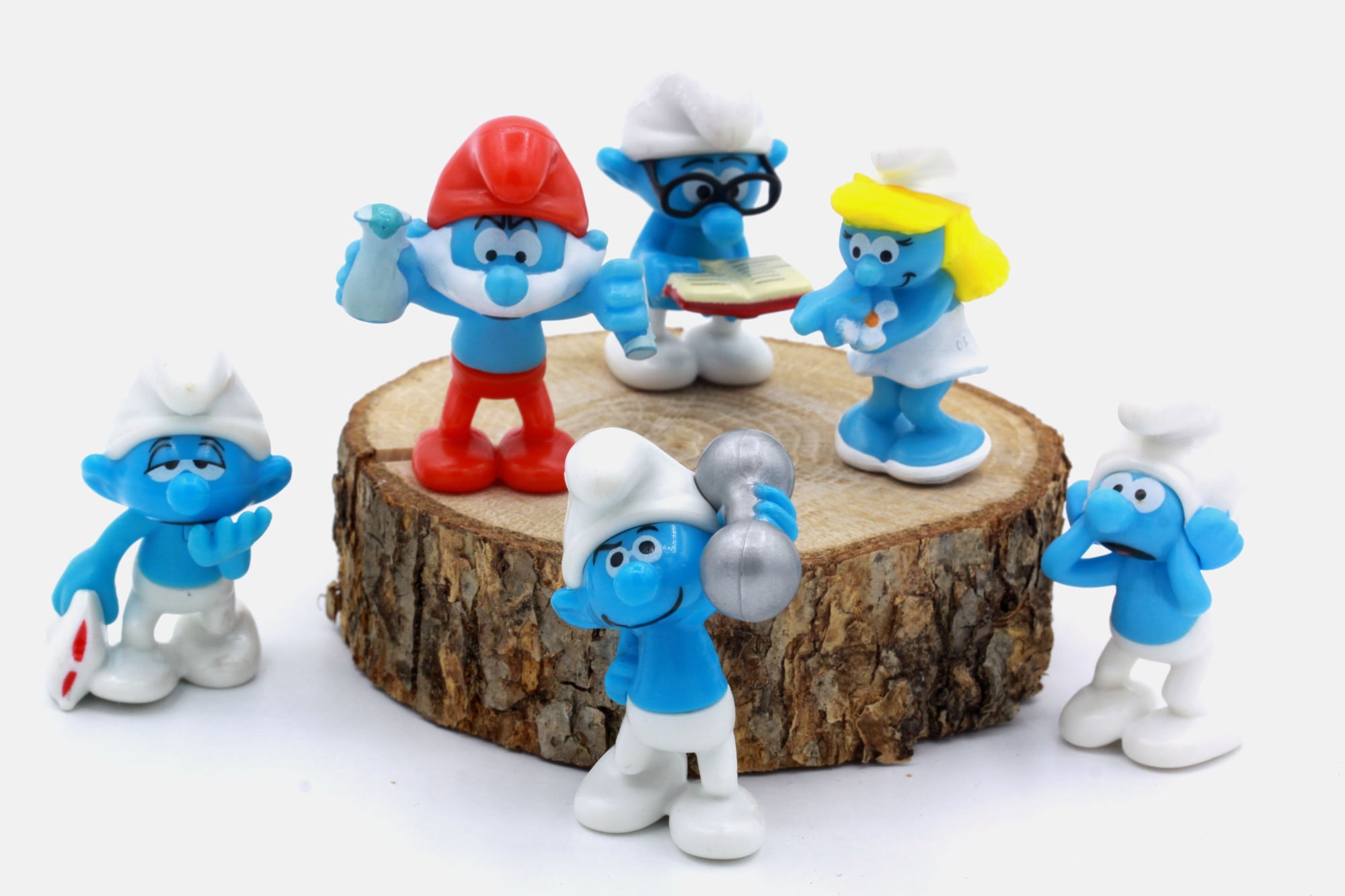
Three apples high and blue all over, the Smurfs created their own miniature civilization that felt complete and self-sustaining.
Each character was defined by a single trait—Brainy Smurf, Vanity Smurf, Hefty Smurf—but the simplicity made them instantly recognizable and consistently entertaining.
Papa Smurf’s red outfit and white beard positioned him as the wise elder, while Smurfette’s blonde hair and white dress made her the obvious focus of every storyline.
Gargamel provided just enough menace to create tension without genuine fear.
The Smurf village playsets allowed kids to create their own mushroom-based civilization, complete with tiny furniture and detailed accessories that made the fantasy feel tangible and lived-in.
Pac-Man

The transition from arcade to toy aisle was seamless for Pac-Man, whose simple design and clear objective translated perfectly to physical play.
The yellow circle with the wedge-shaped mouth was instantly recognizable, while the ghosts provided just enough personality to make them characters rather than obstacles.
Pac-Man toys ranged from simple figurines to elaborate board games, but they all captured something essential about the pursuit and consumption that made the video game addictive.
Lite-Brite
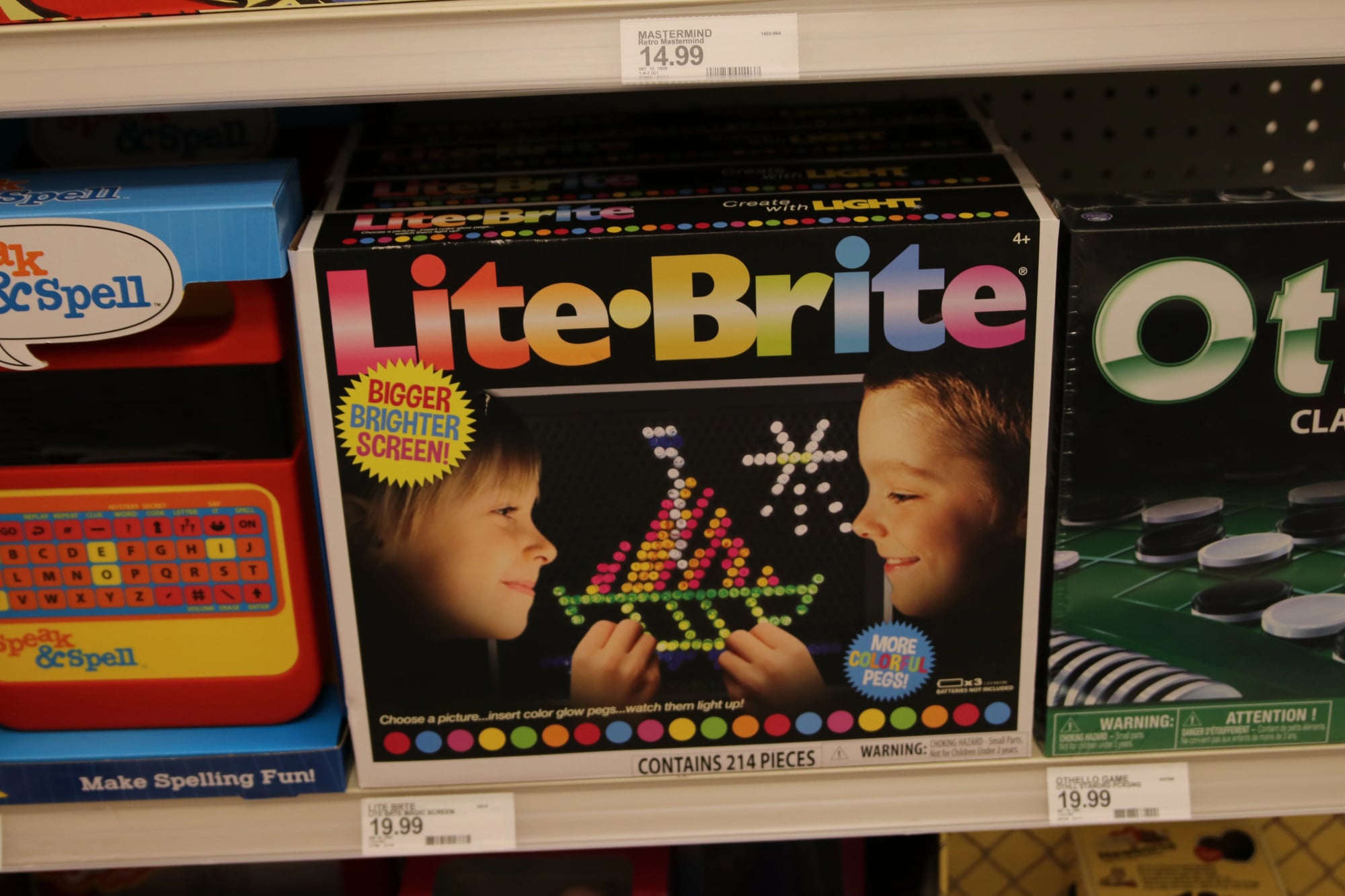
Colored pegs and black paper transformed into illuminated art with the flip of a switch, making every child an artist and lighting engineer simultaneously.
Lite-Brite demanded patience and planning—each design required careful consideration of color placement and pattern recognition that felt more like meditation than play.
The magic was in the reveal: hours of careful peg placement culminated in that moment when the light switched on and the image came alive with an inner glow that made even simple designs feel professional and impressive.
The pre-made templates provided structure for beginners, but the real joy came from freestyle creation, where kids learned that light and color could combine in infinite ways to create beauty that existed nowhere else in the world.
The Lasting Glow Of Plastic Memories
These toys didn’t just occupy space on shelves—they colonized imagination in ways that shaped how an entire generation thought about storytelling, friendship, and the possibility that ordinary objects might contain extraordinary magic.
Today’s kids have toys that are technically superior in every measurable way, yet somehow these analog treasures from the Reagan era continue to command respect, affection, and increasingly astronomical prices on auction sites.
Perhaps it’s because they demanded something that modern toys rarely require: the patient construction of entire worlds, one carefully placed peg or transformation at a time.
More from Go2Tutors!

- The Romanov Crown Jewels and Their Tragic Fate
- 13 Historical Mysteries That Science Still Can’t Solve
- Famous Hoaxes That Fooled the World for Years
- 15 Child Stars with Tragic Adult Lives
- 16 Famous Jewelry Pieces in History
Like Go2Tutors’s content? Follow us on MSN.