17 Forgotten Toy Making Hacks from the Handmade Era
Before plastic dominated toy boxes and factories churned out mass-produced playthings, children grew up with handmade treasures crafted from whatever materials parents could find around the house. These weren’t just budget solutions—they were ingenious workarounds that turned everyday objects into hours of entertainment.
The techniques passed down through generations created toys that lasted longer, sparked more creativity, and often meant more to kids than anything store-bought. These forgotten methods reveal a different relationship with play itself.
When materials were scarce and money tight, imagination filled the gaps. The result was a collection of time-tested tricks that transformed scraps into joy.
Newspaper And Flour Paste Paper Mache
Mix flour with just enough water to form a thick paste, then layer strips of torn newspaper over a balloon or wire frame. The trick that most modern crafters miss: add a pinch of salt to prevent mold and let each layer dry completely before adding the next.
This creates paper mache so durable it could survive being dropped down stairs. The salt makes all the difference.
Without it, toys would start growing fuzzy spots within weeks. With it, they lasted for years.
Sock Dolls With Personality
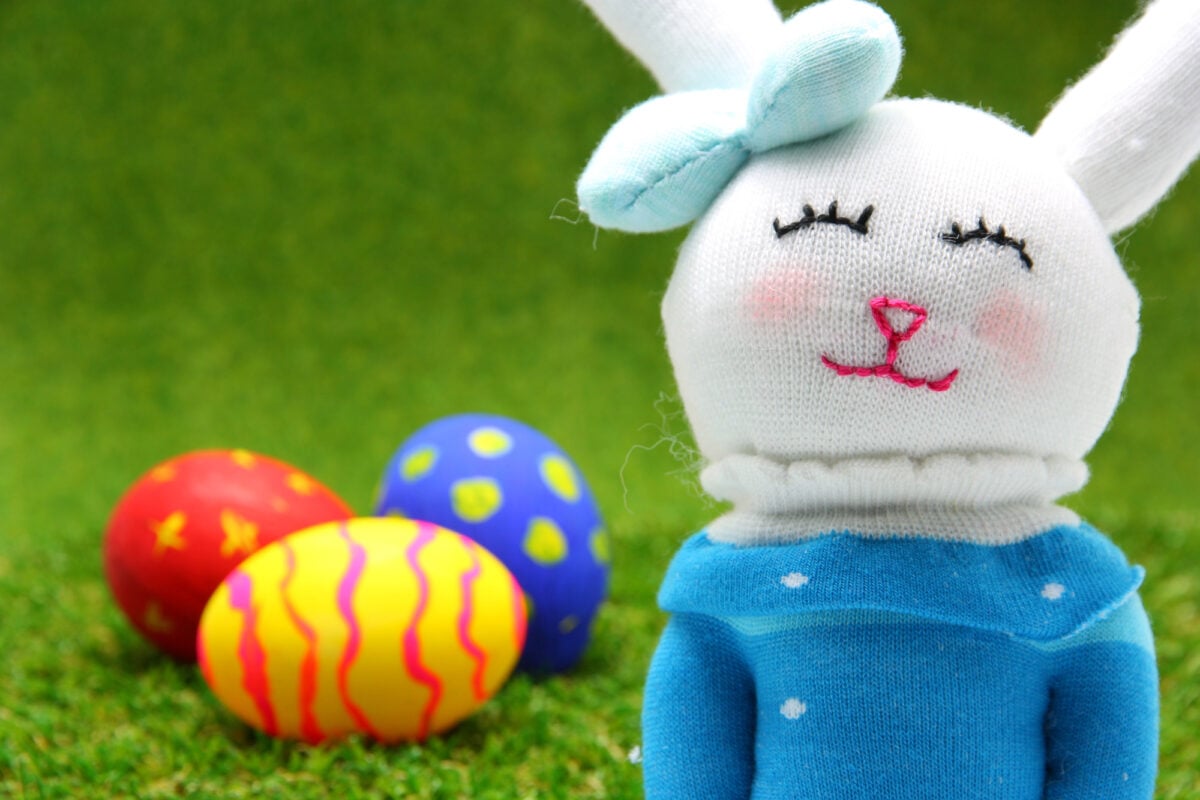
The secret wasn’t just stuffing socks with rags—it was the strategic placement of the stuffing that gave each doll its unique character. Experienced toy makers would pack the head firmly but leave the neck slightly loose, creating a natural pivot point that made the doll’s head bob realistically during play.
For arms, they’d twist the sock fabric before stuffing, which created natural creases that looked like bent elbows and defined shoulders. What most people don’t realize is that the best sock dolls started with worn-out socks rather than new ones (and you’d think it would be the opposite, but the slightly stretched fabric was actually easier to work with and held its shape better after stuffing).
The heel section became the perfect foundation for a rounded bottom that let the doll sit upright without toppling. Old wool socks were particularly prized because they had a natural give that made the finished dolls feel almost lifelike in a child’s arms.
So the next time someone suggests throwing away socks with small runs or thin spots: consider their second career potential instead. The most cherished dolls weren’t the perfectly symmetrical ones.
They were the slightly lopsided characters with one arm shorter than the other or a head that tilted just so. Imperfection was built into the process, and children loved their toys more for it.
Like watching a sculptor find the figure hiding in marble, making sock dolls was about discovering what personality each piece of fabric wanted to become. The maker’s job wasn’t to impose a predetermined design but to work with the natural drape and stretch of the material.
A sock with a small run might become a doll with a charming dimpled cheek. One with a looser weave could be coaxed into a softer, more huggable companion.
Corn Husk Figures
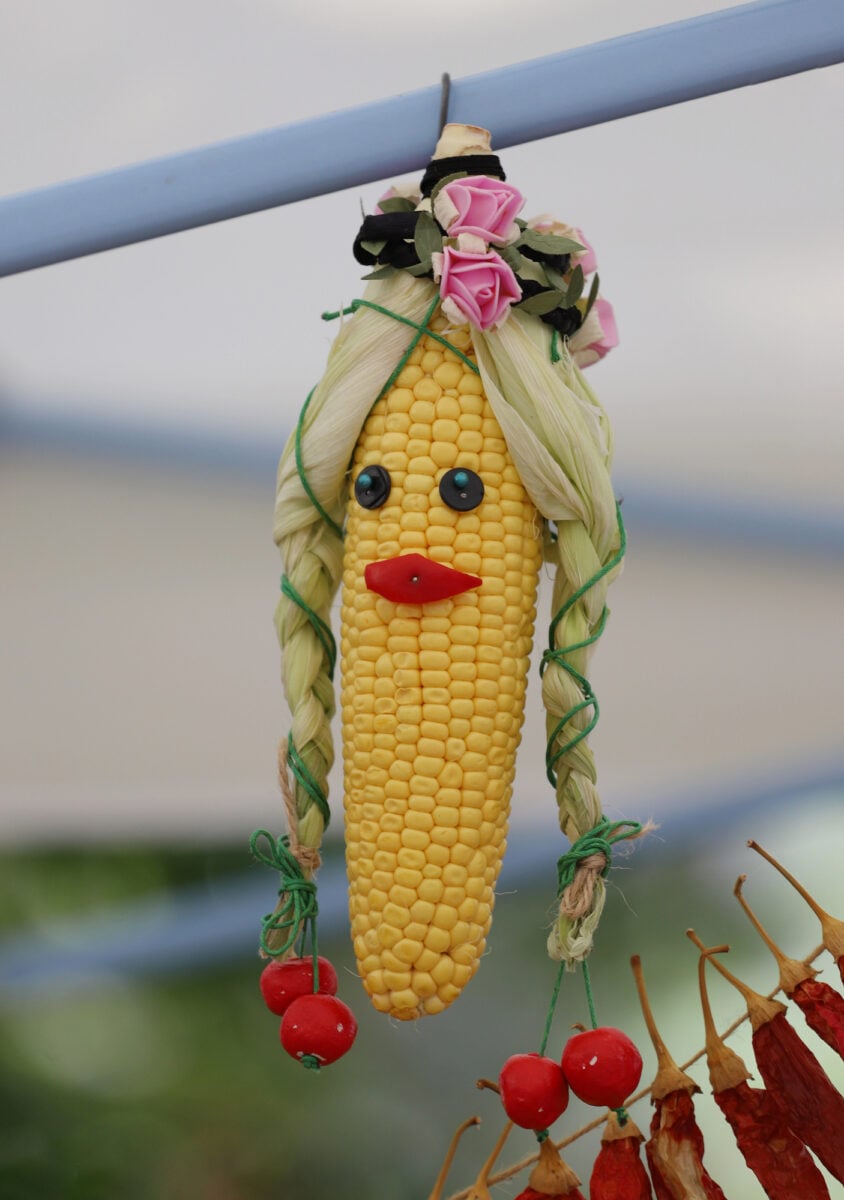
Freshly husked corn provided the raw materials for an entire miniature world. Craftspeople would separate the husks while they were still pliable and immediately begin shaping them into dolls, animals, and tiny furniture.
The timing was everything. Wait too long and the husks would crack. Work too fast and they’d be too wet to hold their shape properly.
Button Spinners

Two buttons threaded on a loop of strong string created one of the most satisfying toys ever devised. The hack was choosing buttons with exactly four openings—two openings didn’t provide enough stability, and buttons with a shank wouldn’t work at all.
Thread the string through two opposite openings, then back through the other two to form a complete loop with the buttons at the center. Hold the loop ends and wind it up by spinning the buttons.
Pull the ends apart and watch the buttons spin so fast they blur into a humming disc.
Tin Can Stilts
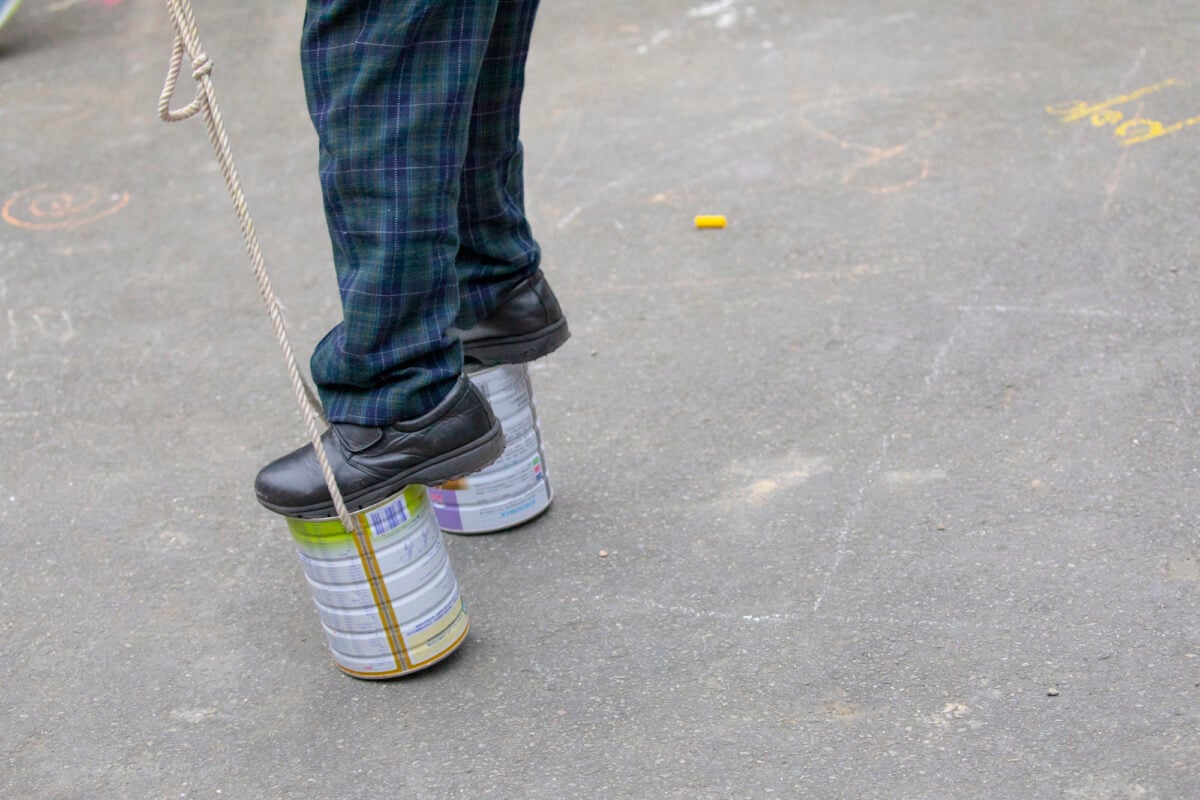
Punch two openings near the closed end of large tin cans and thread sturdy rope through each opening. The forgotten detail: smooth all sharp edges with a file or sandpaper, and always use rope thick enough that it won’t cut into small hands during extended play sessions.
The cans needed to be identical in size for balance. Coffee cans were ideal because they were tall enough to make walking feel like a genuine achievement but not so tall that falls became dangerous.
Most importantly, the openings had to be positioned at exactly the same height on both cans, or the walker would constantly tip to one side.
Cornstalk Horses
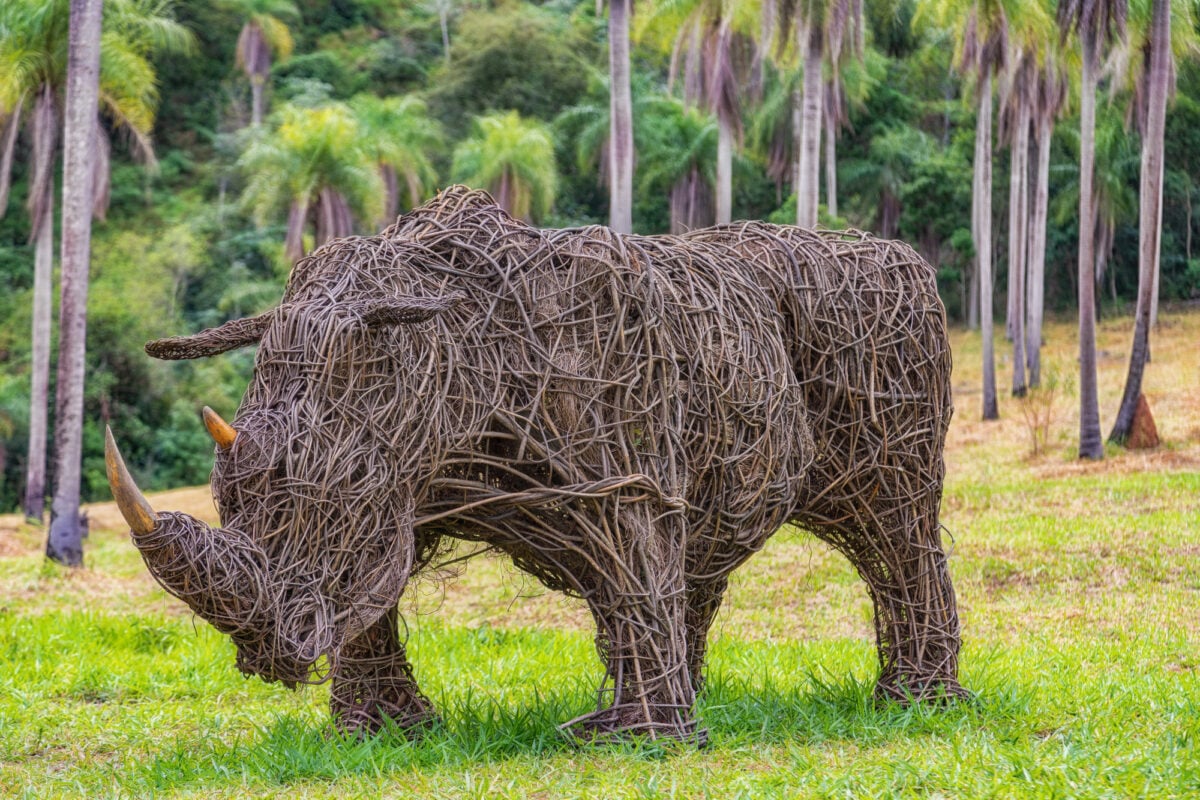
Long corn stalks with the leaves still attached became galloping steeds with just a few strategic knots. Gather the leaves near the top and tie them tightly to form the horse’s head and mane.
The remaining stalk served as both neck and riding stick. Children would spend hours racing these horses around farmyards, and the best ones had personality.
A stalk that curved slightly to one side became a spirited mustang. A perfectly straight one was a noble thoroughbred.
Willow Branch Whistles
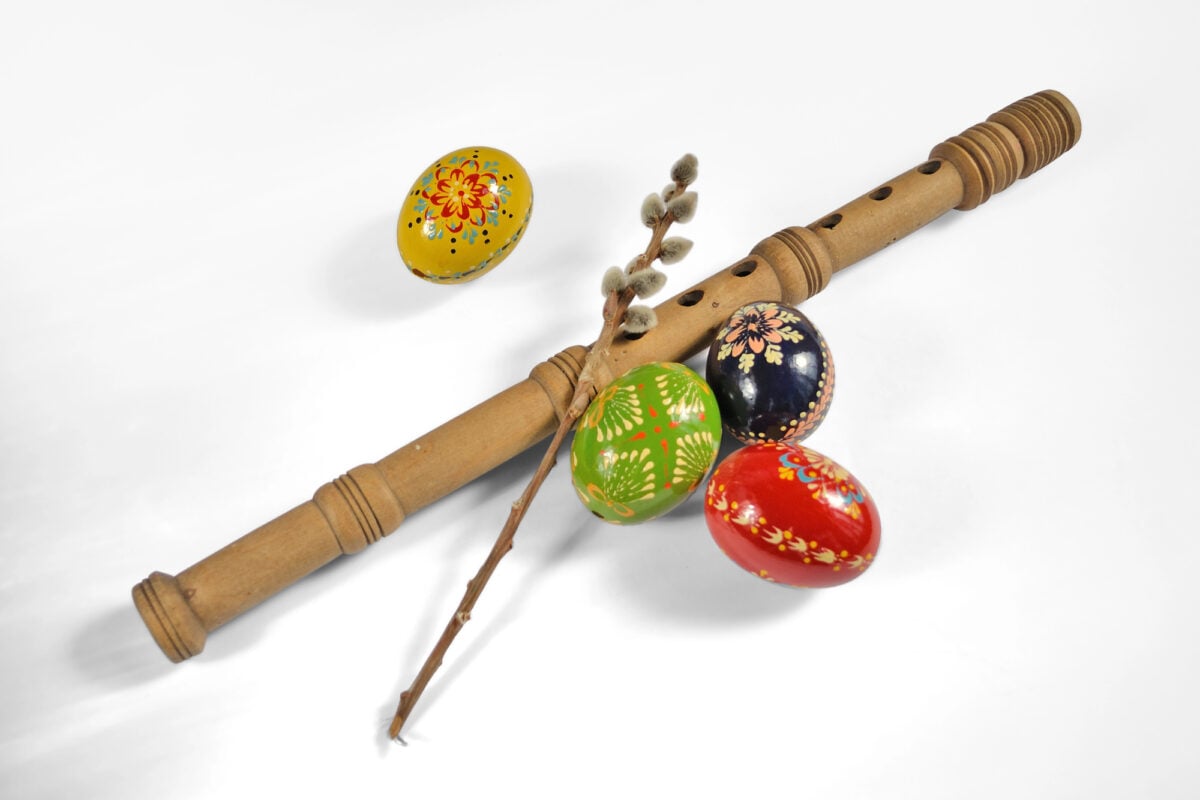
Fresh willow bark slips off easily in spring, making it perfect for crafting simple whistles that actually worked. Cut a straight section about as thick as your thumb and gently tap the bark all around until it loosened enough to slide off the wood core intact.
The wood underneath had to be perfectly smooth—any nicks or rough spots would prevent the bark from sliding back on properly. After reshaping the wooden core to create the whistle’s air chamber and sound opening, the bark sleeve slipped back over everything like nature’s own mouthpiece.
But here’s what separated the working whistles from the silent failures: the angle of the air chamber cut had to be precise, and the sound opening needed to align perfectly when the bark was replaced. Most attempts produced nothing but breathy puffs of air.
The successful ones created clear, sweet notes that could be heard across entire neighborhoods.
Clothespin Dolls
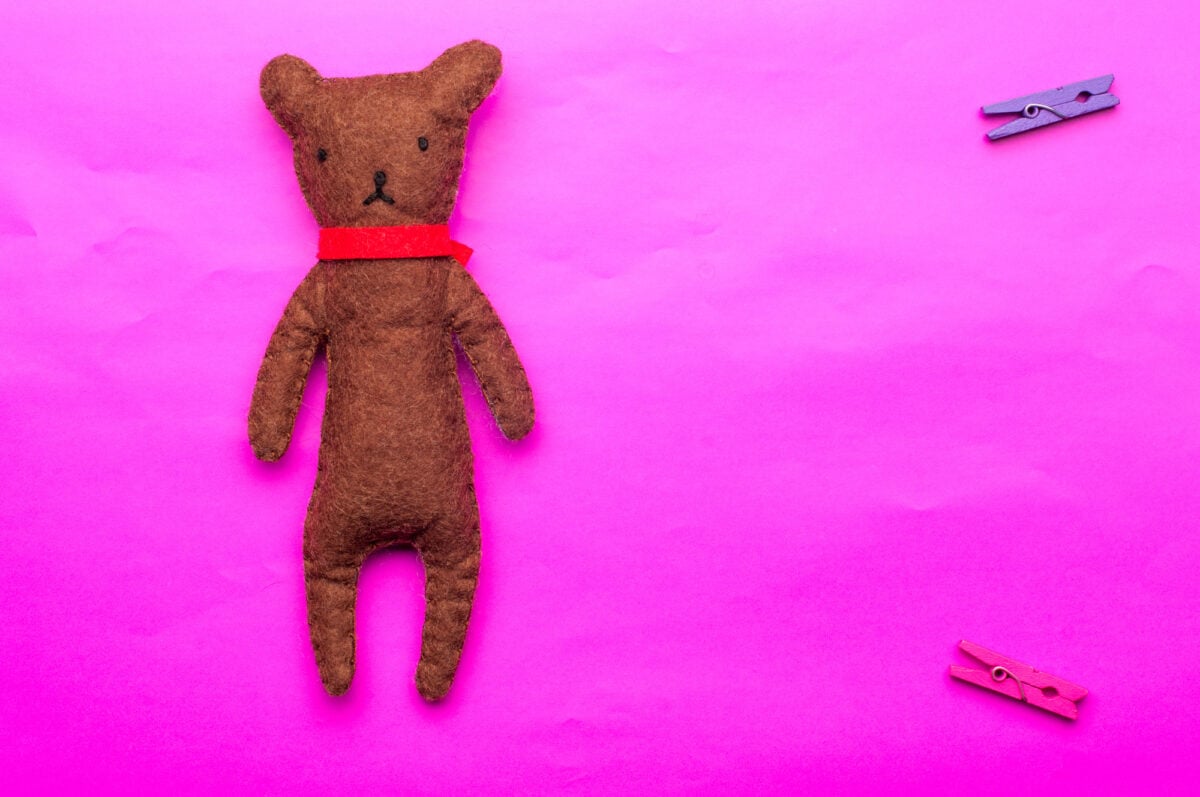
Wooden clothespins transformed into entire families with just paint, fabric scraps, and patience. The trick was using the spring mechanism as an advantage rather than trying to work around it—it became the doll’s waist, creating a natural place where skirts could be attached and still allow the legs to move independently.
Paint the head and torso before adding clothing. Fabric scraps could be tied, glued, or even sewn directly onto the wood.
The most elaborate versions had removable outfits held in place by tiny rubber bands.
Acorn Cap Boats
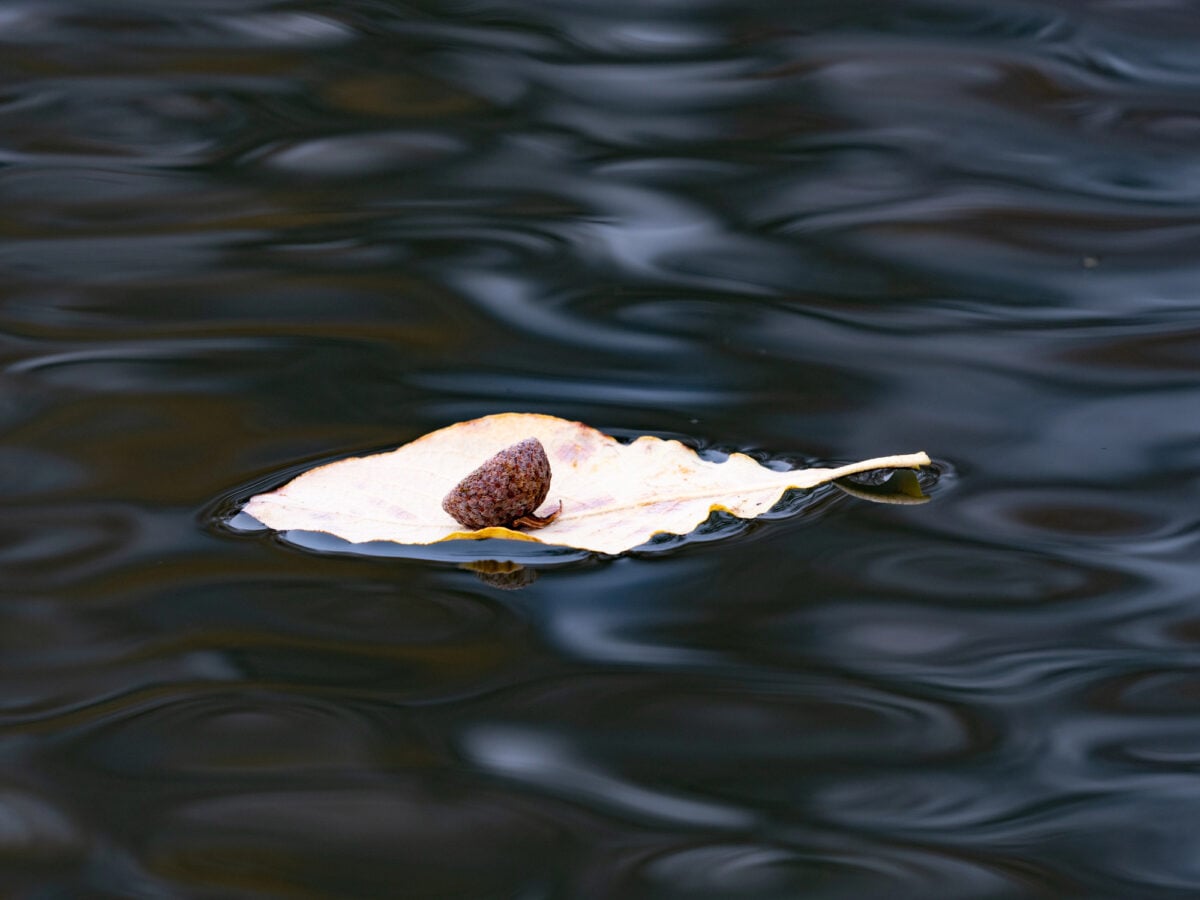
Perfect acorn caps made seaworthy vessels for bathtub adventures, but only if you knew the secret of waterproofing them first. A thin coat of melted candle wax brushed inside each cap created a watertight seal that kept these tiny boats afloat indefinitely.
Without the wax, even perfect acorn caps would become waterlogged and sink within minutes. With it, they could sail across entire bathtubs with their cargo of pebbles or small toys intact.
A toothpick mast with a paper sail completed the transformation from forest debris to naval fleet. The best acorn caps came from white oaks—they were deeper and more bowl-shaped than other varieties (red oak caps were too shallow and had a tendency to tip over even in calm water, which made them frustrating for young sailors who wanted their boats to stay upright).
Finding a handful of perfect caps was like discovering buried treasure, and children would hoard them carefully until bath time arrived.
Twig And Yarn God’s Eyes
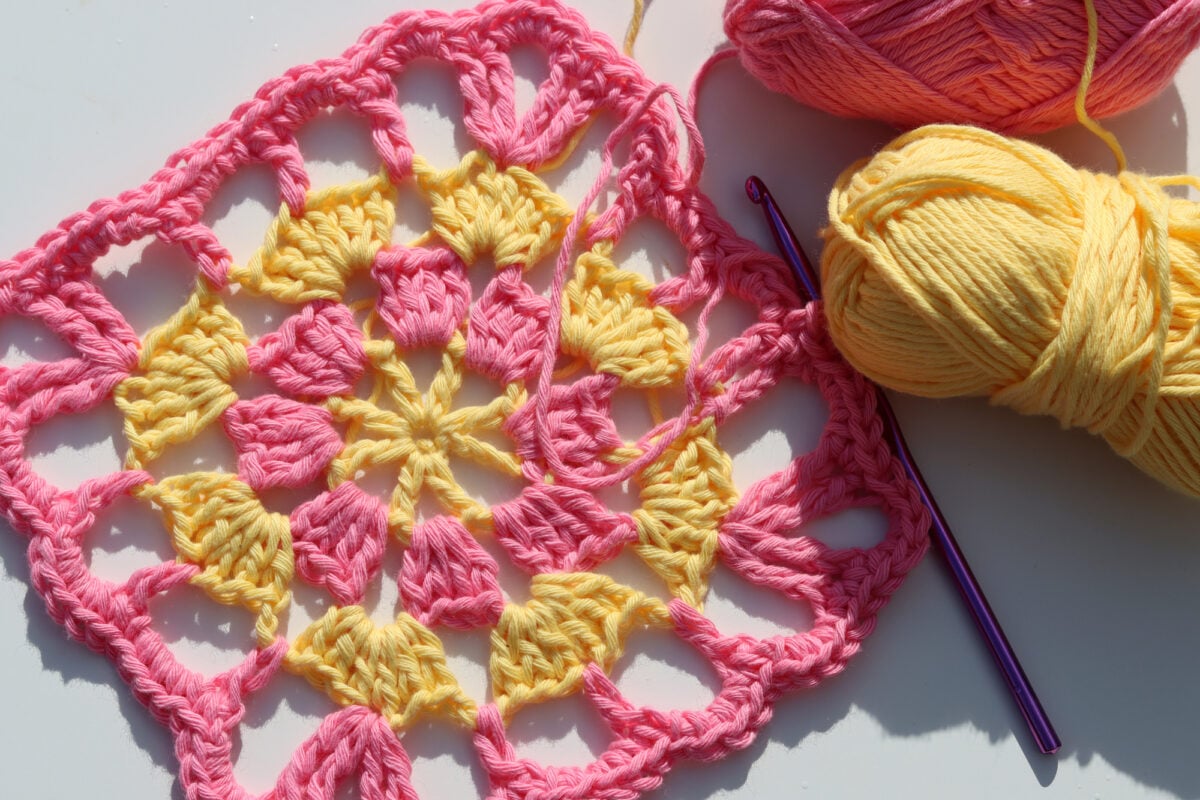
Two crossed twigs held together with yarn created geometric patterns that seemed to grow more complex with each wrap. The forgotten technique: start with green twigs that bend without breaking, and begin wrapping at the center intersection before moving outward along each arm.
Each color change created a new ring in the pattern. The rhythmic over-under-over-under wrapping was meditative, and finished God’s Eyes could be hung in windows where sunlight would filter through the yarn and cast colored shadows on walls.
Pine Cone Creatures
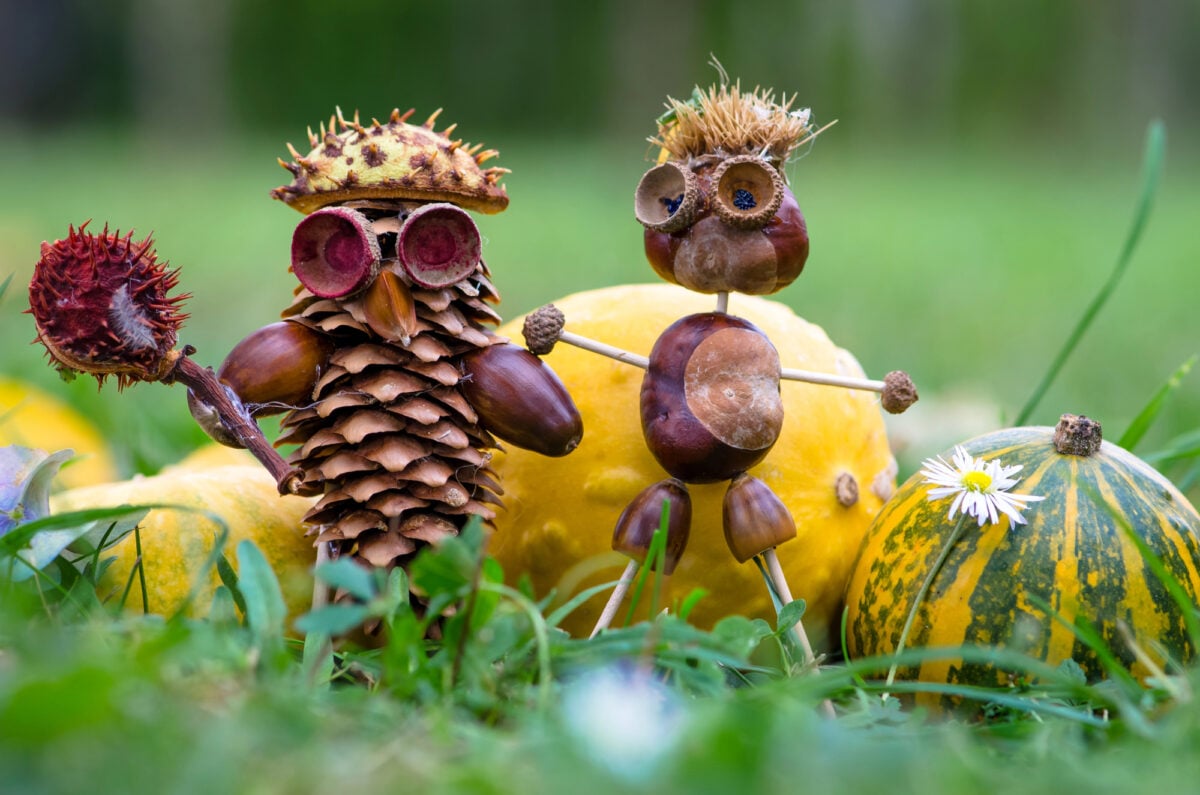
Pine cones became the bodies for an entire menagerie with the addition of pipe cleaners, felt scraps, and small wooden beads. The key was matching the pine cone’s natural shape to the animal you wanted to create—long, narrow cones worked best for birds, while short, fat ones were perfect for hedgehogs or bears.
Pipe cleaners pushed between the scales stayed put without glue and could be bent into any position. Felt pieces glued to the cone’s surface created faces, ears, and other details that brought each creature to life.
Rubber Band Paddle Boats
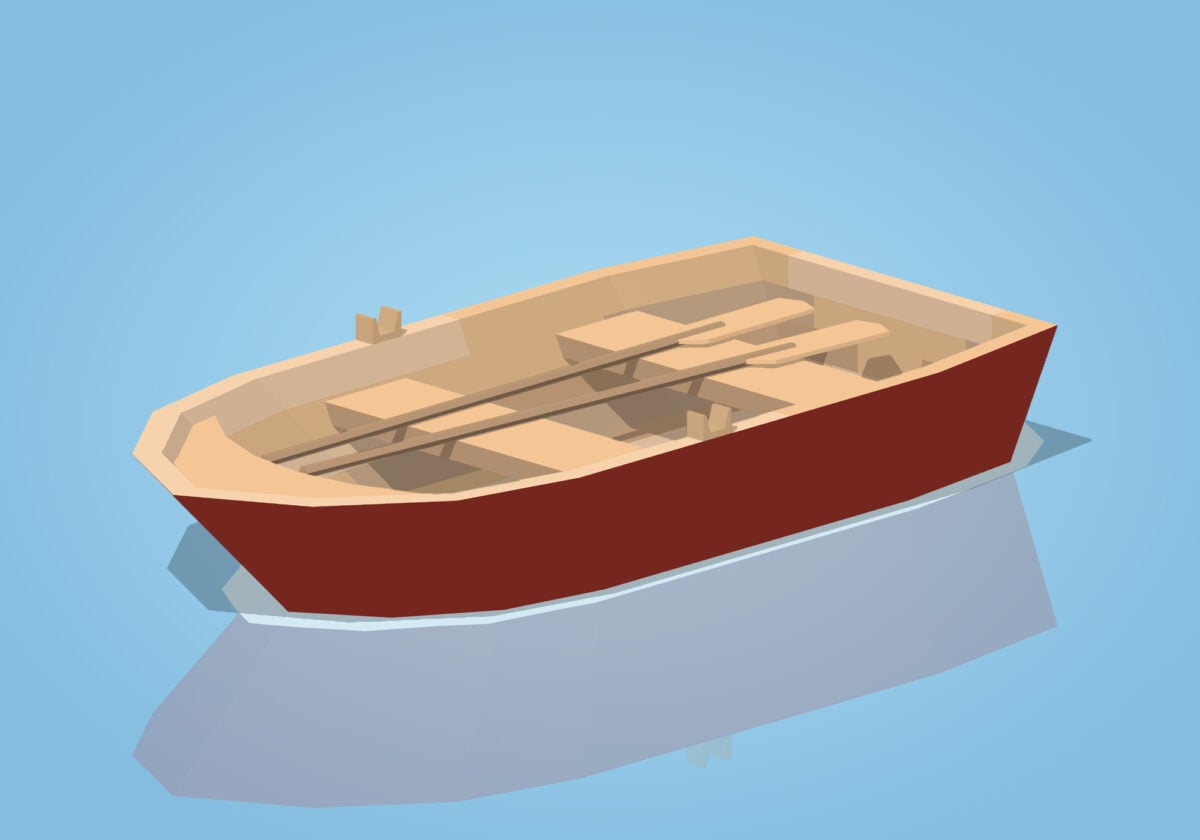
A simple wooden paddle boat became a mechanical marvel with the addition of a rubber band motor. Cut a notch in the stern of a small piece of wood, then carve a paddle from a flat stick.
Loop a rubber band through the notch and around the paddle, wind it up, and release for forward motion. The paddle needed to be wide enough to catch water effectively but light enough that the rubber band could spin it rapidly.
Balancing these requirements took experimentation, but successful boats could cross an entire pond on a single wind-up. But the real engineering challenge was preventing the rubber band from unwinding too quickly—the boats that worked best had some method of controlling the release speed, whether through friction from the wood grain or a deliberately tight fit between moving parts (and this is where the craft became almost scientific, with young boat builders testing different paddle shapes, rubber band tensions, and hull designs until they found combinations that produced sustained forward motion rather than short bursts followed by dead stops).
Maple Seed Helicopters

Nature provided the design, but human ingenuity improved the performance. Fresh maple seeds with their helicopter-wing design could be modified for longer flight times by carefully splitting the seed casing and removing the heavy seed inside, leaving just the papery wing.
The lightened helicopters spun longer and fell more slowly, giving children more time to catch them or simply watch their graceful descent. Launched from second-story windows, they could drift surprisingly far from their release point.
Bottle Cap Checkers
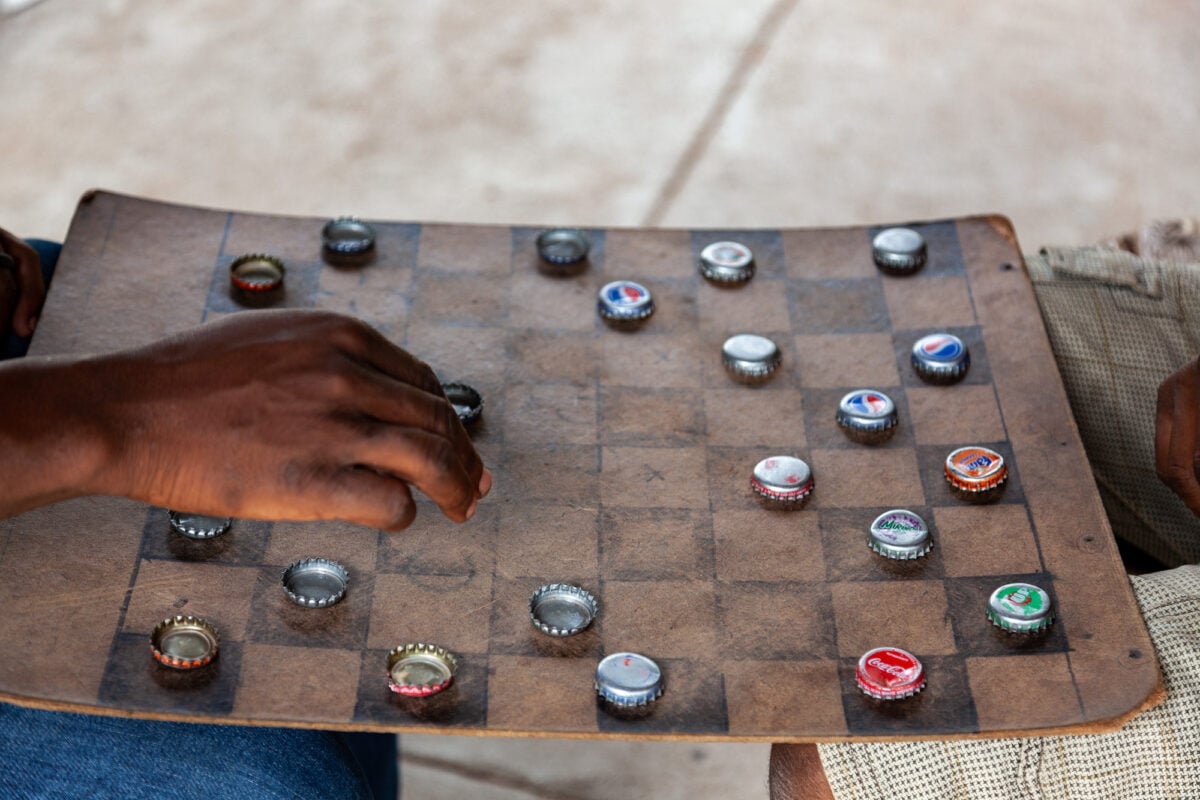
Collect bottle caps in two different colors and you had an instant checker set. The forgotten detail was flattening each cap slightly with a hammer so they stacked neatly and didn’t roll around the board during play.
Any large square of cardboard could become a checker board with the right pattern of squares drawn in alternating colors. The bottle cap checkers were actually superior to wooden pieces in some ways—they were lighter, made a satisfying clicking sound when moved, and if one got lost, replacement pieces were as close as the next soda bottle.
Stick And Hoop Races

Rolling a bicycle wheel or large embroidery hoop with a stick required skill that took weeks to master. The stick needed to be just the right length—too short and you’d have to run hunched over, too long and you’d lose fine control over the hoop’s direction.
The secret was finding the hoop’s balance point and keeping the stick in light contact with that spot as the hoop rolled forward. Pressure applied too high would make it tip away from you.
Too low and it would lean in and eventually crash. Expert hoop rollers could navigate obstacle courses, race against friends, and even perform tricks like changing direction without stopping the hoop’s forward momentum.
Dandelion Chains And Crowns
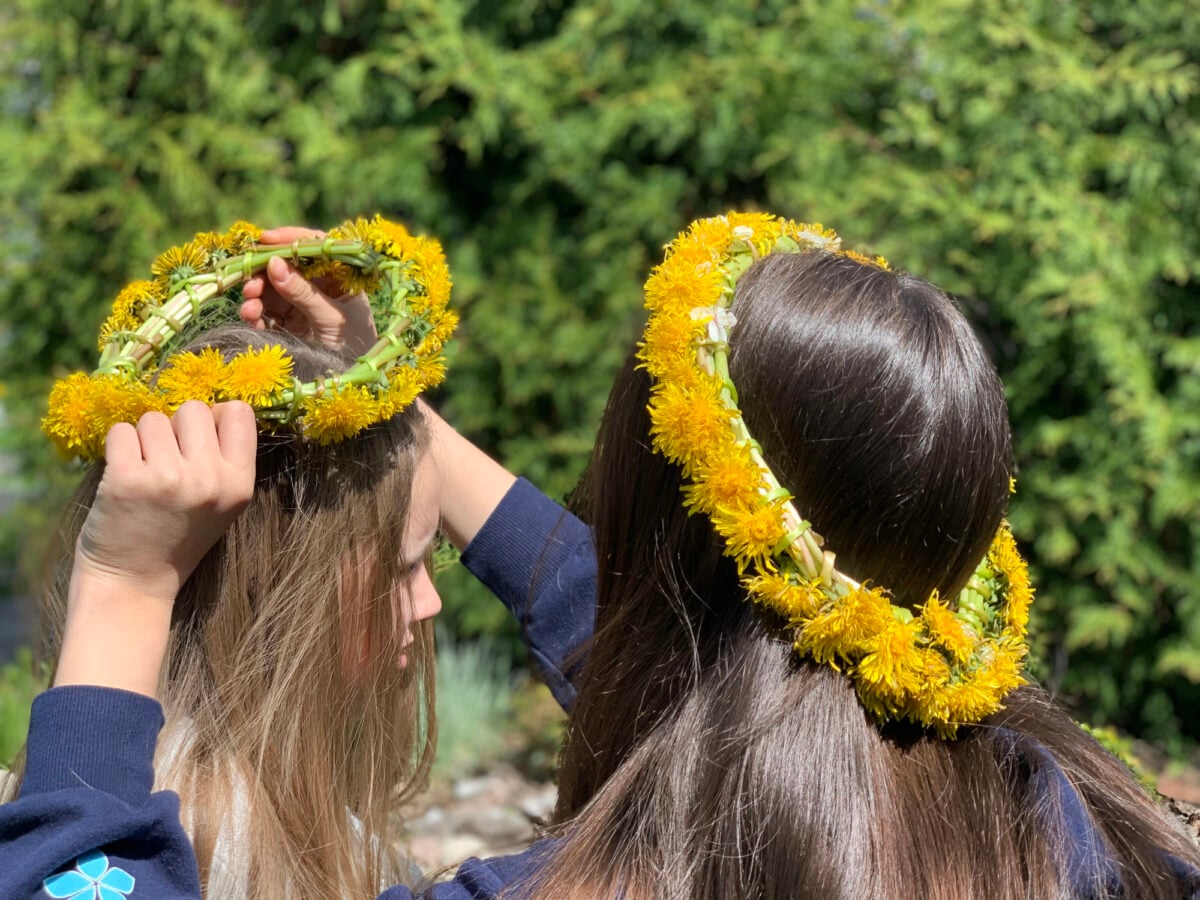
The technique for creating long-lasting dandelion jewelry lay in the preparation of each stem. Using a fingernail to split the stem end created a natural clasp that could hold the next dandelion securely without breaking.
Work quickly before the stems began to wilt, and choose dandelions with the longest, strongest stems. The finished chains could be worn as necklaces, bracelets, or woven into crowns that transformed any child into woodland royalty for an afternoon.
Paper Fortune Tellers
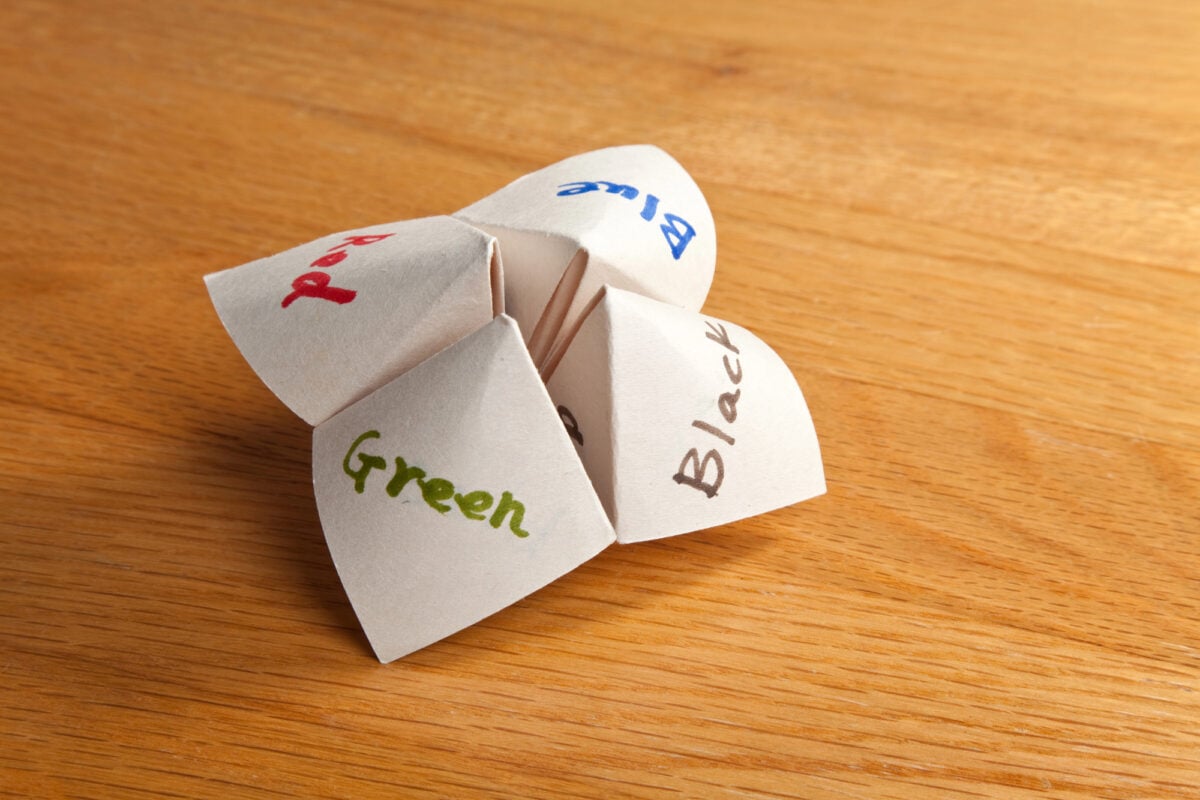
The origami fortune teller required precise folds to work properly, but once mastered, the technique produced endless entertainment. Start with a perfect square of paper—notebook paper trimmed to size worked fine.
The key was making each fold sharp and exact, because loose folds would make the finished fortune teller too floppy to operate smoothly. After folding the basic structure, the real creativity came in writing the fortunes, colors, and numbers that would determine each user’s fate.
The best fortune tellers mixed silly predictions with mysteriously vague ones, keeping the element of surprise alive no matter how many times friends played with them.
Rediscovering Simple Ingenuity
These weren’t just ways to make toys—they were lessons in seeing potential where others saw scraps. Every household object became raw material for creativity, and children learned to solve problems with whatever was at hand.
The toys that emerged from these techniques weren’t perfect by modern standards, but they carried something mass-produced items never could: the satisfaction of creating something from nothing, and the knowledge that broken toys could always be fixed or remade entirely.
More from Go2Tutors!

- The Romanov Crown Jewels and Their Tragic Fate
- 13 Historical Mysteries That Science Still Can’t Solve
- Famous Hoaxes That Fooled the World for Years
- 15 Child Stars with Tragic Adult Lives
- 16 Famous Jewelry Pieces in History
Like Go2Tutors’s content? Follow us on MSN.