16 Historical Figures Who Faked Their Own Deaths and Nearly Got Away with It
The urge to disappear entirely isn’t new. Throughout history, people have staged elaborate death scenes, written fake obituaries, and slipped away into new lives — some out of desperation, others for fortune, and a few just because they could.
These weren’t small-time con artists or desperate criminals. These were emperors, writers, explorers, and inventors who decided that being dead looked more appealing than being themselves.
Nero
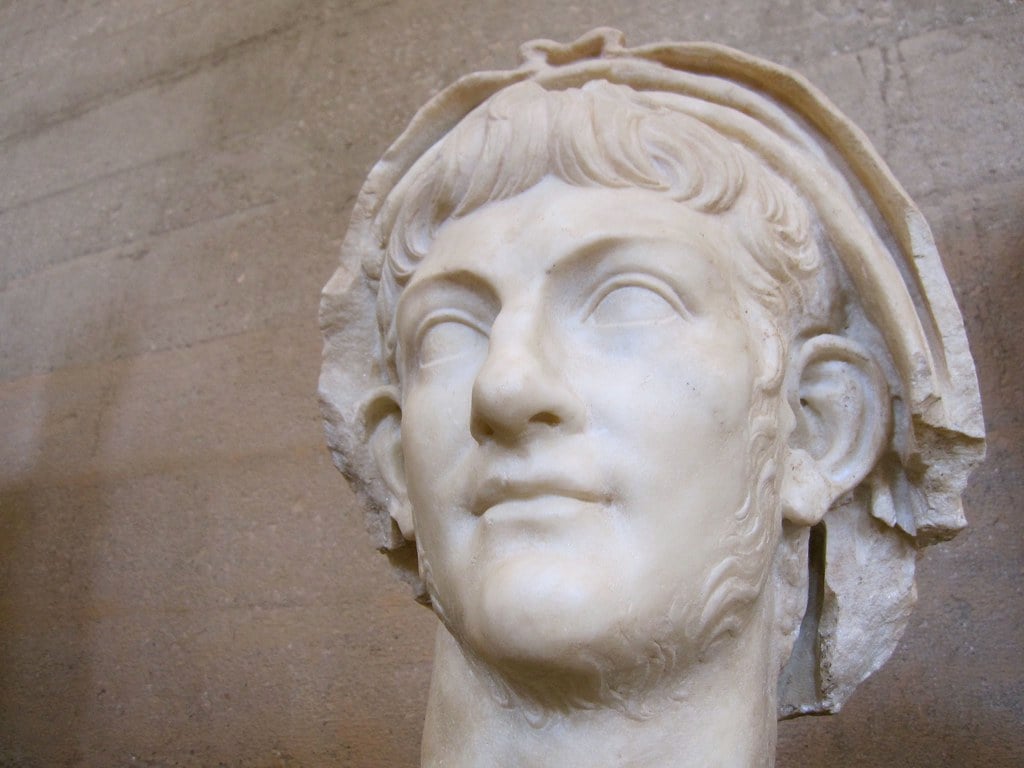
The Roman Emperor who supposedly fiddled while Rome burned had plans to fake his own demise when the Senate turned against him in 68 AD. Nero arranged for loyal followers to spread rumors of his death while he fled to Egypt, where he intended to reinvent himself as a traveling musician (which tells you everything about his priorities).
His servant was supposed to help him commit a staged ending, but when the moment came, Nero couldn’t go through with the deception — or the real thing. He died genuinely, muttering something about what a great artist the world was losing.
Christopher Marlowe
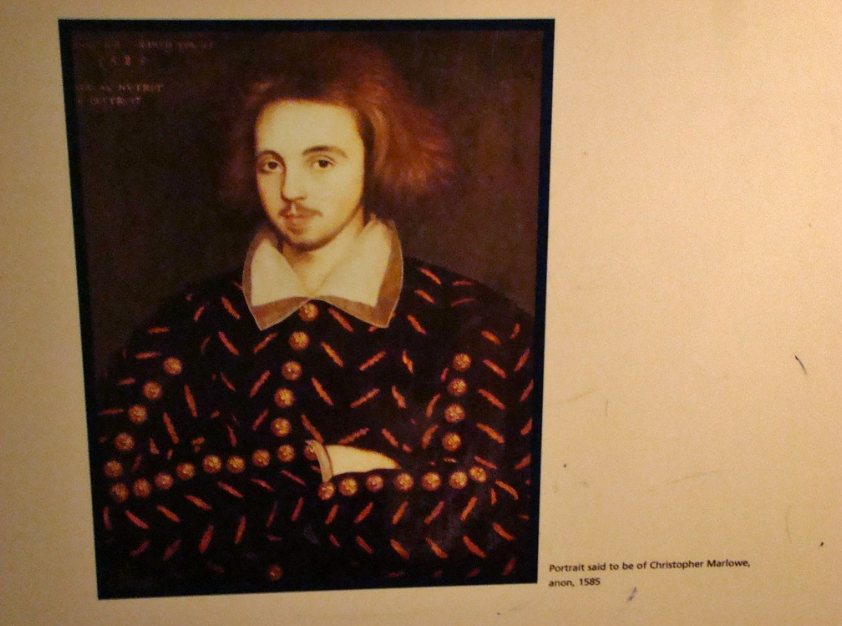
Marlowe’s death in 1593 was suspicious from the start: a government spy, a tavern brawl, and a knife wound over the eye that killed him instantly (which is anatomically improbable, considering the location). But here’s where it gets interesting — some historians believe Marlowe, who was already working as a government agent and facing charges of atheism, staged the entire thing to escape execution.
The theory goes that he fled to the continent and continued writing plays under the name William Shakespeare. The evidence is circumstantial but compelling: Shakespeare’s sudden burst of sophisticated work right after Marlowe’s supposed demise, his intimate knowledge of court politics, and the fact that no one can quite explain where a glover’s son from Stratford learned to write like that.
And yet the official records show Marlowe buried in an unmarked grave, which is exactly what you’d expect if the whole thing was orchestrated. So either Marlowe died in the most convenient tavern fight in history, or he pulled off one of literature’s greatest disappearing acts.
The timing alone makes you wonder.
Lord Lucan
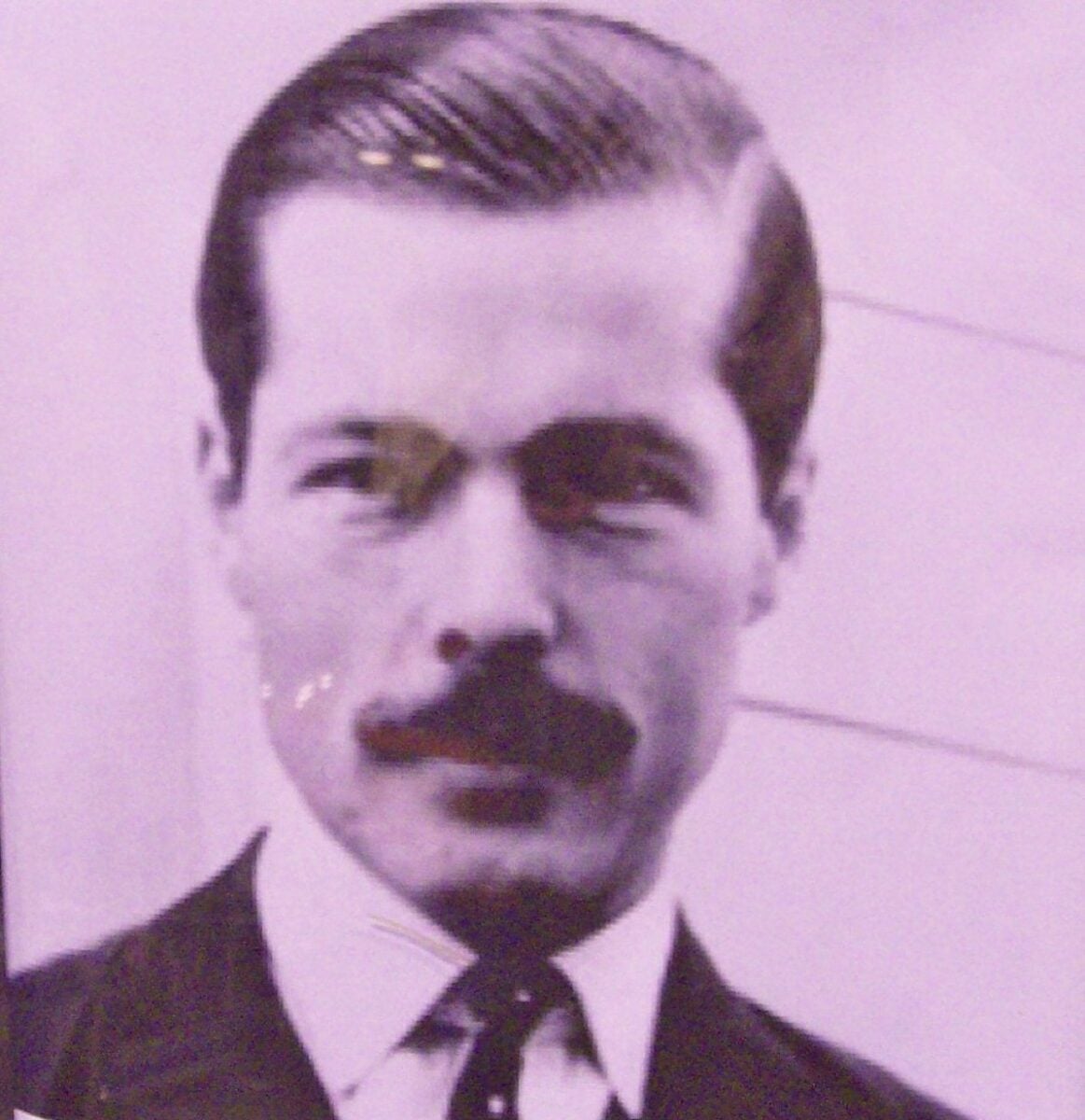
The British aristocrat vanished in 1974 after his children’s nanny was found murdered in his London home, and he was the prime suspect. What makes Lucan’s case fascinating isn’t just that he disappeared — it’s how thoroughly he seemed to have planned for it.
On the night of the murder, Lucan called a friend and calmly explained that he’d interrupted a burglary and the intruder had killed the nanny. Then he drove off in his Ford Corsair, which was later found abandoned with bloodstains and a lead pipe inside.
Here’s the thing about Lucan: he was a gambler who understood odds and a man with connections across the globe. Friends reported receiving mysterious phone calls for years afterward.
There were sightings in Africa, South America, and Australia — always just plausible enough to seem real, never concrete enough to prove. The official declaration of death didn’t come until 2016, more than 40 years later.
For someone supposedly panicking after a murder, Lucan managed to disappear with remarkable efficiency.
Jim Morrison

Morrison’s passing in Paris in 1971 reads like a checklist for faking your own demise. No autopsy was performed.
The body was discovered by his girlfriend, who had a history of heroin use and wasn’t exactly a reliable witness. The death certificate was signed by a doctor who never saw the corpse.
Morrison was buried quickly in Père Lachaise Cemetery before most people even knew he was gone. The Doors’ lead singer had been talking about disappearing for months.
He was fascinated by the idea of shedding his rock star identity and becoming a poet. He’d grown tired of fame and was facing potential jail time for indecent exposure charges in Miami.
For someone who wanted out, Paris offered the perfect opportunity — and French bureaucracy provided just enough confusion to make it work.
D.B. Cooper

Cooper didn’t fake his death so much as he created the perfect conditions for everyone else to assume he was gone. In 1971, he hijacked a Boeing 727, collected $200,000 in ransom money, and then parachuted into a storm over southwestern Washington wearing a business suit and a parachute he’d never used before.
The FBI spent decades assuming Cooper died on impact — the weather was terrible, the terrain was unforgiving, and he was woefully underdressed for survival. But Cooper had done his homework.
He knew the aircraft, understood the flight path, and had researched the drop zone. He’d even requested specific parachutes, suggesting he knew enough to separate the functional ones from the training equipment (though he actually got this backwards and took a training chute, which makes his survival even more impressive if he managed it).
The assumption that he died kept investigators looking for a body instead of a living man. Some of the ransom money surfaced years later, but Cooper never did.
The case officially remains unsolved, which is exactly what Cooper would have wanted.
Agatha Christie
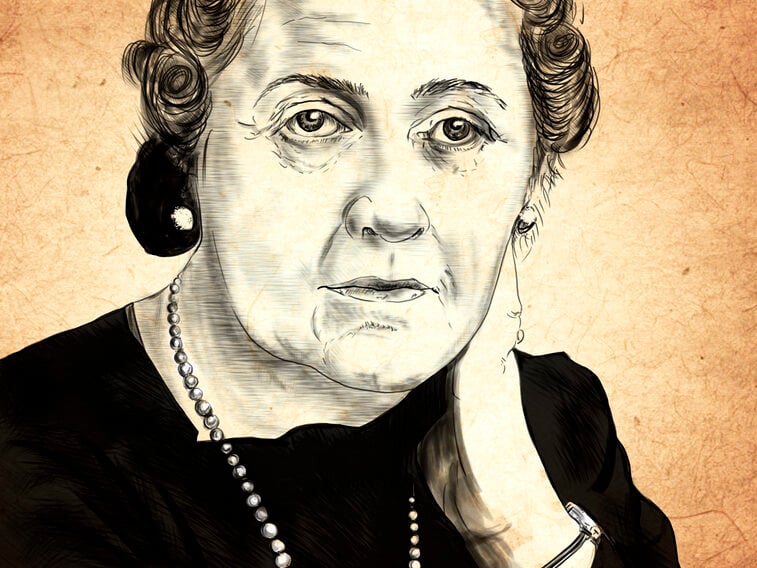
Christie’s 11-day disappearance in 1926 wasn’t technically a faked demise, but it was certainly a carefully orchestrated vanishing act that had everyone convinced she was gone. The mystery writer left her car abandoned with her fur coat and driver’s license inside, then simply evaporated.
A massive search effort involving planes, bloodhounds, and thousands of volunteers found nothing. She turned up at a hotel in Yorkshire, registered under the name of her husband’s mistress and claiming to have no memory of the previous week and a half.
But Christie was too smart to have amnesia, and the timing was too convenient — she’d just discovered her husband’s affair and was facing divorce. The woman who created Hercule Poirot had staged her own mystery, complete with false clues and red herrings.
She never explained what really happened during those 11 days, taking the secret to her actual grave decades later.
T.E. Lawrence

Lawrence of Arabia spent years after World War I trying to disappear from his own legend, but his most dramatic attempt came in 1935 when he staged a motorcycle accident that was supposed to kill “T.E. Lawrence” permanently (the man, not the myth — though he was probably hoping for both). He’d already changed his name twice, first to John Hume Ross and then to T.E. Shaw, desperately trying to shed the romantic figure the press had made him into.
But people kept recognizing him, which defeated the entire purpose of disappearing. So Lawrence, who understood the mechanics of mythology better than most, decided that only his visible passing would truly free him from his reputation, and he arranged what should have been a survivable accident that would let him emerge with a new identity.
The problem was that Lawrence, who’d survived Turkish torture and Bedouin warfare, died for real when his motorcycle swerved to avoid two cyclists on a country road. Even Lawrence of Arabia couldn’t outmaneuver irony.
But here’s the curious part: an autopsy was performed, though the circumstances were unusual enough to fuel decades of speculation that he’d finally succeeded in disappearing.
Andy Kaufman

Kaufman told friends for years that he was going to fake his own demise as the ultimate performance art piece. He was obsessed with the idea of staging his own passing and returning decades later to see how people had remembered him.
When lung cancer killed him in 1984 at age 35, many people simply refused to believe it — which was exactly the kind of reaction Kaufman would have wanted. The comedian had already faked his own passing on stage multiple times and had discussed elaborate plans for disappearing.
He’d even set a specific date for his return: 20 years after his supposed demise. When 2004 came and went without Kaufman reappearing, most people accepted that he was actually gone.
But Kaufman was exactly the type of person who would have enjoyed keeping people guessing for an extra decade or two, just to make the eventual reveal more dramatic.
Elvis Presley
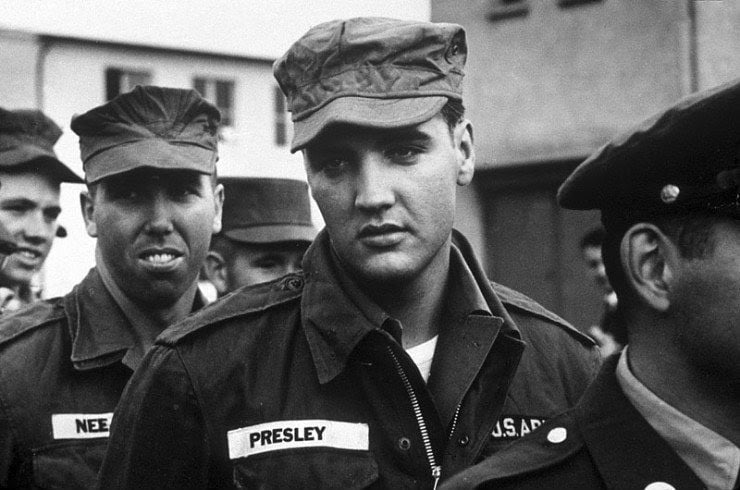
The King’s passing in 1977 launched a thousand conspiracy theories, but the logistics actually support the possibility that it was staged. Elvis was deeply in debt, facing potential federal charges for his prescription drug use, and had become a prisoner of his own fame.
His manager, Colonel Parker, was an illegal immigrant who couldn’t leave the country, which meant Elvis couldn’t tour internationally and earn the money he desperately needed. Faking his demise solved multiple problems at once.
The immediate financial benefits were enormous — his estate earned more in the first year after his supposed passing than he had in the previous five years of his life. More importantly, it freed him from contracts, debts, and legal troubles that had been suffocating him.
The official story has always been that Elvis died from a heart attack brought on by prescription drug abuse, but the autopsy results were released to the public, and the funeral featured a closed casket that was suspiciously heavy (and reportedly air-conditioned, which is an odd detail for someone who’s actually gone).
Amelia Earhart

Earhart’s disappearance in 1937 over the Pacific Ocean was officially attributed to running out of fuel, but she was too experienced a pilot to make such a basic error. More likely, she was on a secret reconnaissance mission for the U.S. government and was captured by the Japanese.
The cover story about getting lost provided perfect plausible deniability for both countries — Japan could hold her without admitting to capturing a spy, and America could avoid an international incident. Recent evidence suggests Earhart might have survived for years on a remote Pacific island.
Radio operators received distress signals for days after her supposed crash, and metal fragments found on Gardner Island match her aircraft. If she did survive the initial crash landing, she was resourceful enough to stay alive and smart enough to know that revealing herself might create more problems than it solved.
Sometimes disappearing isn’t about escaping your old life — it’s about protecting everyone else from the consequences of your real one.
John Stonehouse

The British politician and businessman had every reason to fake his demise in 1974. He was facing financial ruin, his businesses were collapsing, and he was being investigated for fraud.
More problematically, he’d been passing information to Czech intelligence for years, and that relationship was becoming increasingly dangerous as the Cold War intensified. Stonehouse’s plan was remarkably sophisticated: he left his clothes on a Miami beach, making it look like he’d drowned while swimming.
But he’d actually assumed the identity of a recently deceased constituent, complete with passport and bank accounts. He flew to Australia and was living quietly in Melbourne when he was arrested — not for faking his passing, but because Australian police thought he was the fugitive Lord Lucan.
The mix-up revealed his new identity, and suddenly Stonehouse found himself famous again for all the wrong reasons.
Rudolf Diesel
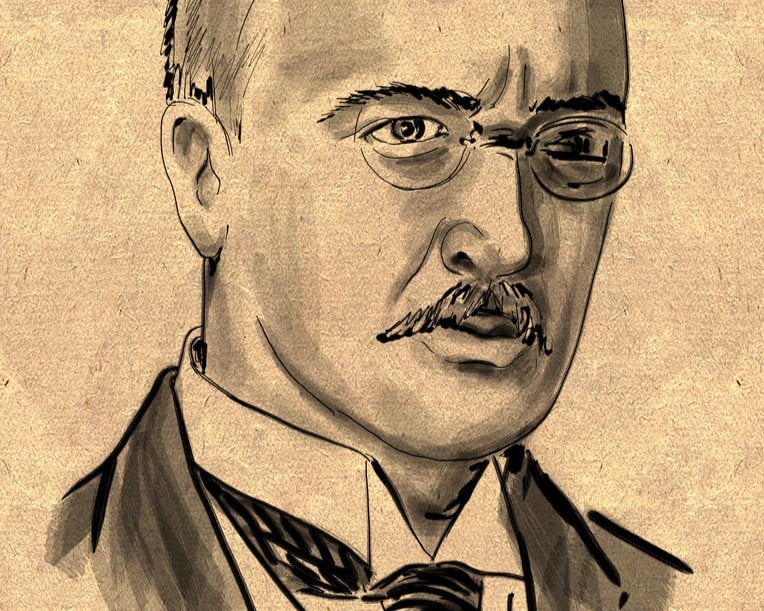
The inventor of the diesel engine vanished from a ship crossing the English Channel in 1913, and his body was never recovered. Officially, Diesel jumped overboard in a fit of depression over his financial troubles.
But Diesel had been negotiating to sell his engine patents to the British government, which would have made him incredibly wealthy and solved his money problems permanently. More likely, Diesel faked his demise to escape German agents who wanted to prevent him from sharing his technology with Britain.
World War I was already brewing, and diesel engines were going to be crucial for naval warfare. Diesel was carrying a bag containing the equivalent of $1 million in today’s currency when he disappeared, which is a lot of money for someone planning to kill himself.
His family received mysterious financial support for years after his supposed passing, suggesting that Diesel had successfully disappeared and was taking care of them from wherever he’d gone.
Jim Thompson

The American silk merchant disappeared in Malaysia’s Cameron Highlands in 1967 while visiting friends. Thompson had revitalized Thailand’s silk industry and was one of the most recognizable Americans in Southeast Asia.
He was also rumored to have maintained connections with the CIA from his World War II service with the OSS. Thompson simply vanished during an afternoon walk.
No trace of him was ever found despite massive search efforts involving helicopters, tracker dogs, and indigenous guides who knew every inch of the jungle. For someone to disappear so completely in such a small area suggests careful planning rather than an accident.
Thompson had been receiving death threats related to his business dealings, and his political connections made him a target for various groups operating in the region during the Vietnam War era. His disappearance was too clean, too complete, and too well-timed to be accidental.
Alexander I of Russia
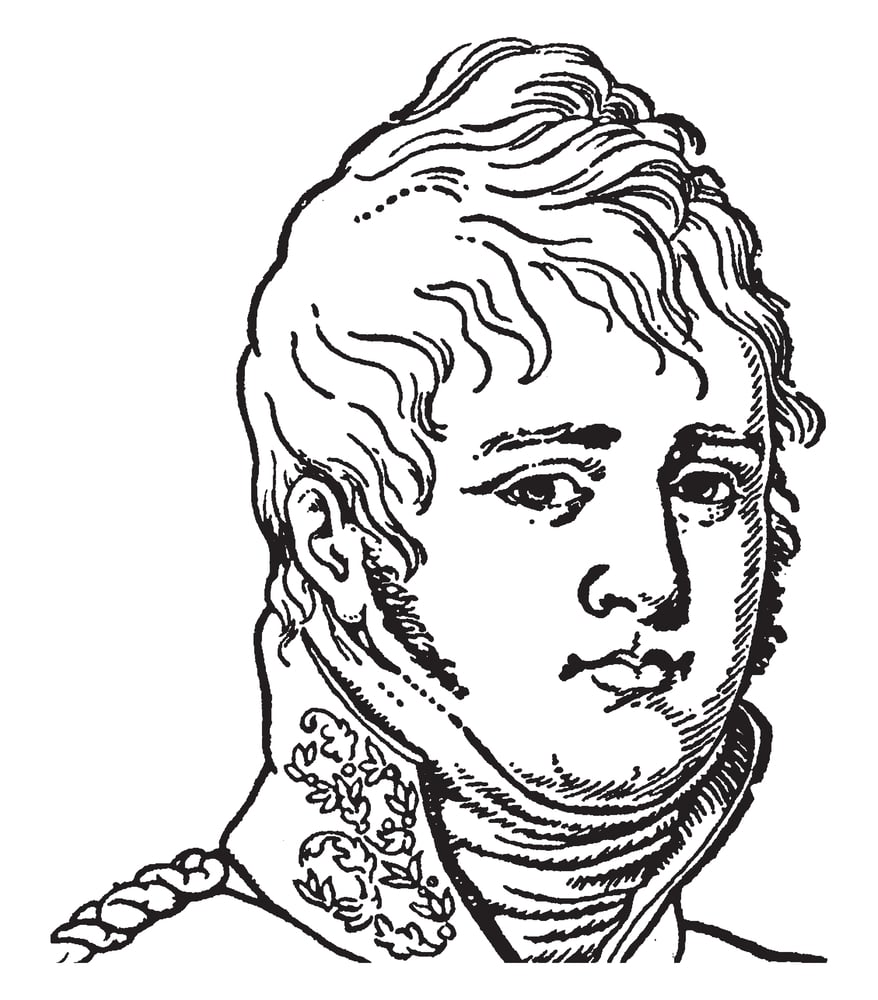
The Tsar died suddenly in 1825 while traveling in southern Russia, but his body was never properly examined, and the circumstances were suspicious enough to launch a persistent legend. According to this theory, Alexander staged his passing to escape the burdens of ruling and became a hermit monk named Feodor Kuzmich in Siberia.
The timing was convenient: Alexander was facing political pressures, his succession was uncertain (which led to the Decembrist revolt), and he’d been expressing religious doubts about his role as autocrat. The monk Feodor Kuzmich appeared in Siberia shortly after Alexander’s supposed demise and demonstrated knowledge of court life and European politics that would have been impossible for an ordinary peasant.
When Kuzmich died in 1864, he was buried with honors typically reserved for nobility, and the local governor attended his funeral — unusual treatment for a simple monk.
Tsugaru Tamenobu
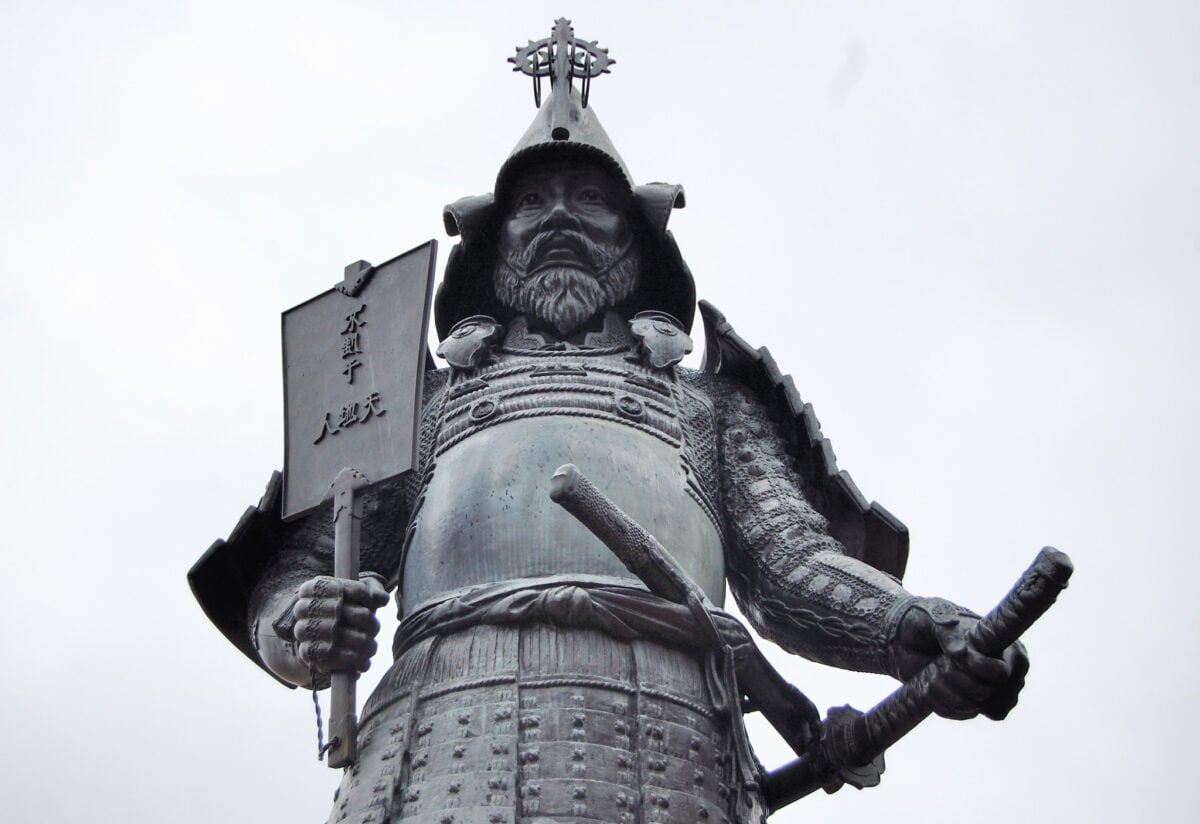
This Japanese feudal lord reportedly died in battle in 1608, but evidence suggests he actually survived and lived under an assumed identity for decades afterward. Tamenobu had been playing a dangerous game, switching allegiances between different factions during Japan’s tumultuous transition from the Sengoku period to the peaceful Edo period.
When his political maneuvering finally caught up with him, faking his passing in battle provided the perfect escape. A warrior matching Tamenobu’s description and fighting style appeared in several conflicts over the following years, always fighting for different lords and never staying in one place long enough to be identified.
More tellingly, financial records show that Tamenobu’s family continued to receive income from mysterious sources long after his supposed demise, suggesting he was still alive and providing for them from hiding.
Bobby Fischer
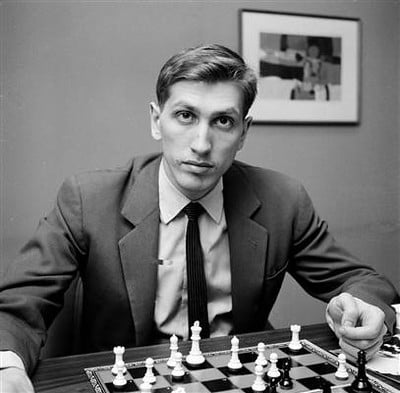
The chess grandmaster didn’t exactly fake his passing, but he did disappear so completely from public view that many people assumed he was gone. After winning the World Chess Championship in 1972, Fischer became increasingly paranoid and reclusive.
He forfeited his title in 1975 rather than defend it, then vanished from the chess world entirely. For nearly 20 years, Fischer was effectively a ghost.
Occasional sightings placed him everywhere from California to the Philippines, but none were confirmed. When he finally resurfaced in 1992 to play a match against Boris Spassky in Yugoslavia, it was like seeing someone return from the grave.
Fischer had been living under assumed names, avoiding taxes and federal authorities, and had become so skilled at disappearing that even close friends lost track of him for years at a time.
The Art of Vanishing

These stories share common threads that make them compelling: the perfect storm of motive, opportunity, and personality that makes disappearing seem not just possible but inevitable. The best vanishing acts don’t fight reality — they use it.
A musician becomes a mysterious demise in Paris. A businessman becomes a drowning victim.
An emperor becomes a religious hermit. They understood that sometimes the most radical thing you can do is simply stop being yourself.
The ones who nearly got away with it had one thing in common: they knew that the difference between disappearing and dying isn’t about the body — it’s about the story. Get people to believe the right story, and the body becomes irrelevant.
The most successful disappearing acts are the ones we’re still talking about decades later, wondering if maybe, just maybe, they actually pulled it off.
More from Go2Tutors!

- The Romanov Crown Jewels and Their Tragic Fate
- 13 Historical Mysteries That Science Still Can’t Solve
- Famous Hoaxes That Fooled the World for Years
- 15 Child Stars with Tragic Adult Lives
- 16 Famous Jewelry Pieces in History
Like Go2Tutors’s content? Follow us on MSN.