Saturday Night TV Lineups From The ’80s That Kept Entire Families Glued To The Couch
Saturday nights in the 1980s meant something different than they do now. Families didn’t scatter to their individual screens or scroll through endless streaming options.
They gathered around a single television set, fought over the remote (if they were lucky enough to have one), and committed to whatever the networks had planned for them. The programming was appointment television at its finest—shows that entire households planned their weekends around.
These weren’t just random collections of shows thrown together to fill airtime. Networks crafted their Saturday night lineups like carefully orchestrated events, building momentum from early evening family comedies to late-night variety shows that kept parents entertained after the kids went to bed.
The result was a shared cultural experience that defined weekend entertainment for an entire generation.
The Love Boat And Fantasy Island
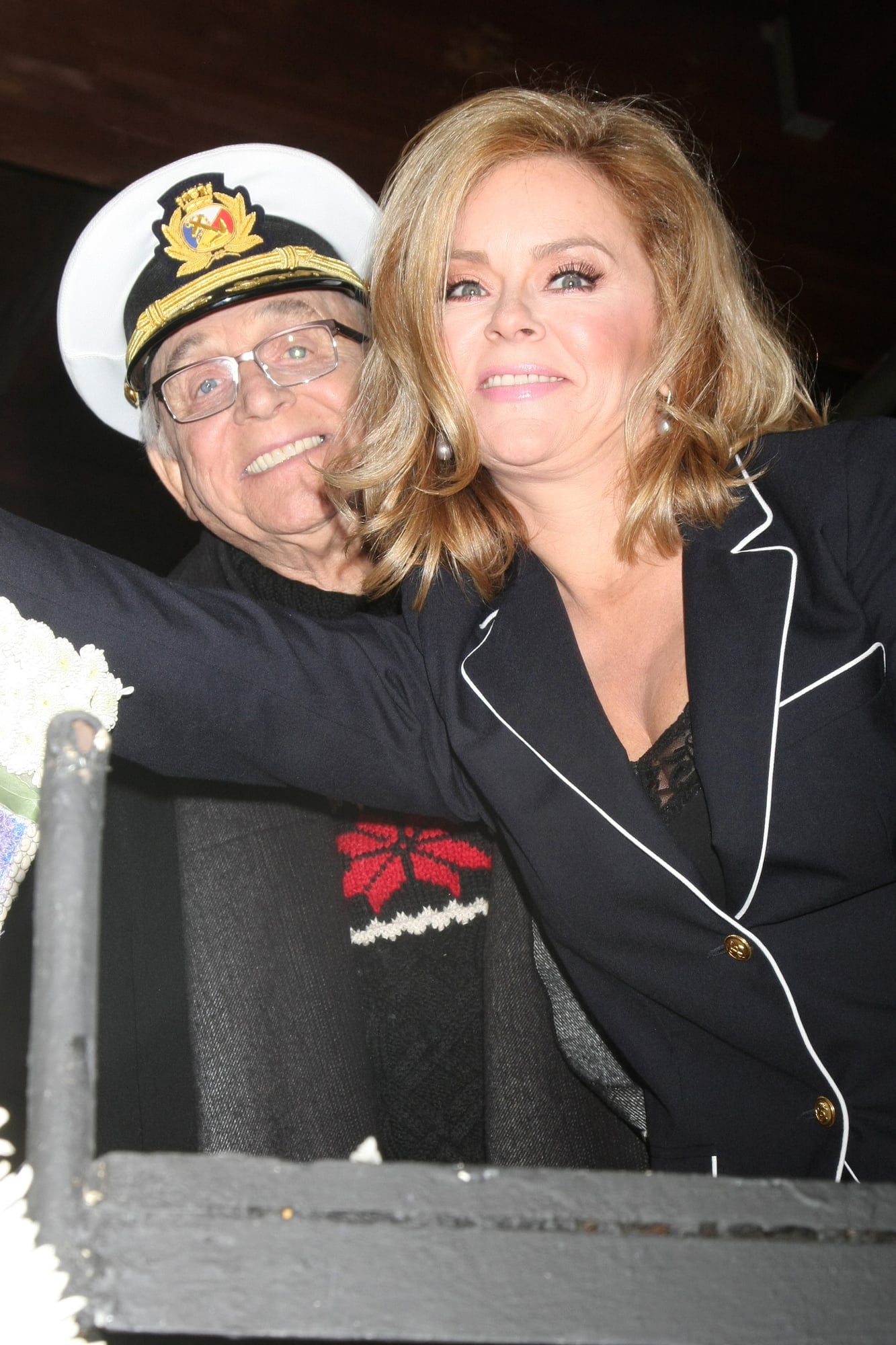
ABC struck gold with this Saturday night pairing that ran from 1978 through most of the ’80s. The Love Boat kicked off the evening with romantic escapades on the high seas, followed by Fantasy Island’s mysterious tales of wish fulfillment.
Both shows featured guest stars galore—aging Hollywood legends, rising soap opera stars, and the occasional athlete or musician looking to try their hand at acting. The formula was brilliant in its simplicity.
Families could watch together without anyone feeling left out. Kids enjoyed the adventure and romance, while parents played the “spot the celebrity” game with has-been stars they remembered from their youth.
The shows were wholesome enough for family viewing but sophisticated enough to hold adult attention.
The Golden Girls

When The Golden Girls premiered in 1985, it redefined what Saturday night television could be. Here was a show about four older women living together in Miami, tackling subjects that ranged from lighthearted misunderstandings to serious social issues.
Dorothy’s sharp wit, Rose’s naive stories from St. Olaf, Blanche’s romantic adventures, and Sophia’s unfiltered commentary created a dynamic that appealed to viewers across generations. The show’s genius lay in its ability to be genuinely funny while addressing real concerns.
Episodes dealt with everything from dating in your golden years to facing serious illness, all wrapped in humor that never felt forced or condescending. Grandparents, parents, and teenagers could all find something to appreciate, making it perfect family viewing.
Saturday Night Live
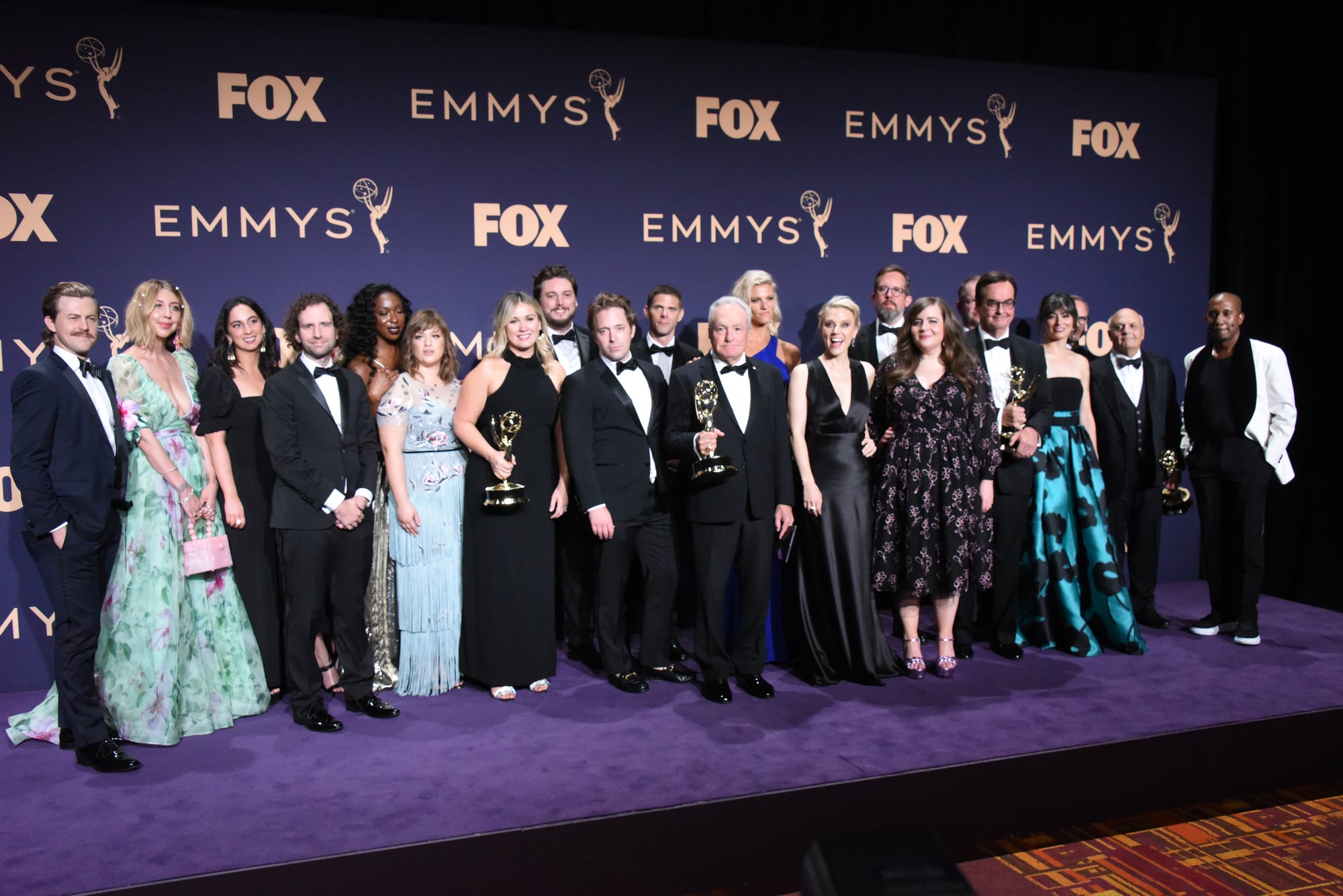
SNL occupied a unique position in the Saturday night landscape—it was the show that older kids desperately wanted to stay up for and parents used as a bargaining chip. The show’s 11:30 PM start time made it feel forbidden and adult, even though much of the humor was accessible to younger viewers.
The ’80s were a golden era for SNL, featuring cast members like Eddie Murphy, Bill Murray, Dan Aykroyd, and later, Phil Hartman and Dana Carvey. Families would negotiate bedtimes around particularly exciting host-and-musical-guest combinations.
Kids learned to appreciate both comedy and music through the show’s format, while parents relived their own youth through the irreverent humor.
Diff’rent Strokes

This sitcom about a wealthy white man adopting two African American boys from Harlem became a cultural touchstone of the early ’80s. Gary Coleman’s Arnold Jackson, with his catchphrase “What’chu talkin’ ’bout, Willis?” became one of the most recognizable characters on television.
The show tackled serious social issues within its family-friendly format, addressing everything from racism to child abuse. While some of its approaches seem dated now, at the time it provided families with opportunities to discuss difficult topics together.
The Drummond family’s dynamics—including the relationship between the boys and their white sister Kimberly—reflected changing American family structures.
The Facts Of Life

Spinning off from Diff’rent Strokes, The Facts of Life followed a group of girls at a private boarding school under the watchful eye of housemother Mrs. Garrett. The show evolved from its early seasons focused on younger girls to become a coming-of-age series that followed its characters through high school and beyond.
What made the show perfect for family viewing was its ability to address teenage concerns without alienating adult viewers. Episodes dealt with first relationships, peer pressure, and growing independence—issues that resonated with teenage viewers while giving parents insight into adolescent struggles.
The diverse cast of characters meant most viewers could find someone to identify with.
Knight Rider

David Hasselhoff and his talking Trans Am KITT brought action and adventure to Saturday nights with this high-tech crime-fighting series. The show’s premise—a lone crimefighter with an artificially intelligent car—captured the decade’s fascination with technology while delivering straightforward good-versus-evil stories.
Knight Rider worked for family viewing because it combined elements that appealed to different age groups. Kids loved KITT’s gadgets and smart-aleck personality, teenagers appreciated the car chases and action sequences, and adults could enjoy the show’s campy humor without feeling embarrassed.
The show’s moral clarity made it safe family entertainment in an era when parents worried about television’s influence on children.
The A-Team
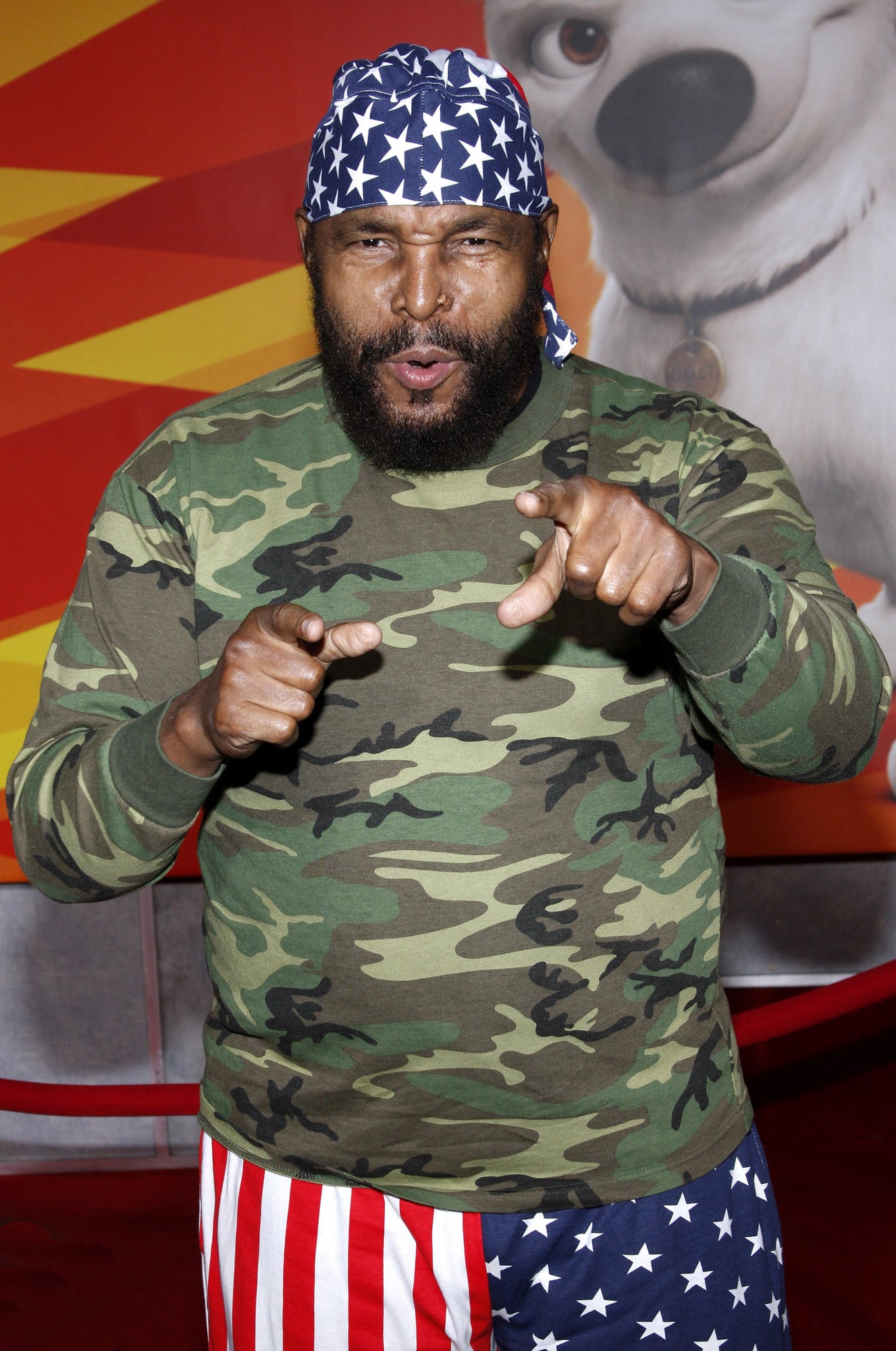
This action series about a team of ex-military specialists helping people in need became a Saturday night staple. Mr. T’s B.A. Baracus, George Peppard’s Hannibal Smith, and the rest of the team combined military precision with elaborate schemes that somehow never resulted in anyone getting seriously hurt.
The show’s violence was notably bloodless—lots of explosions and car crashes, but minimal actual harm to anyone involved. This made it acceptable for family viewing while still delivering the action that made it exciting.
The team’s commitment to helping the underdog and their elaborate plans gave the show a Robin Hood quality that appealed to viewers’ sense of justice.
Webster
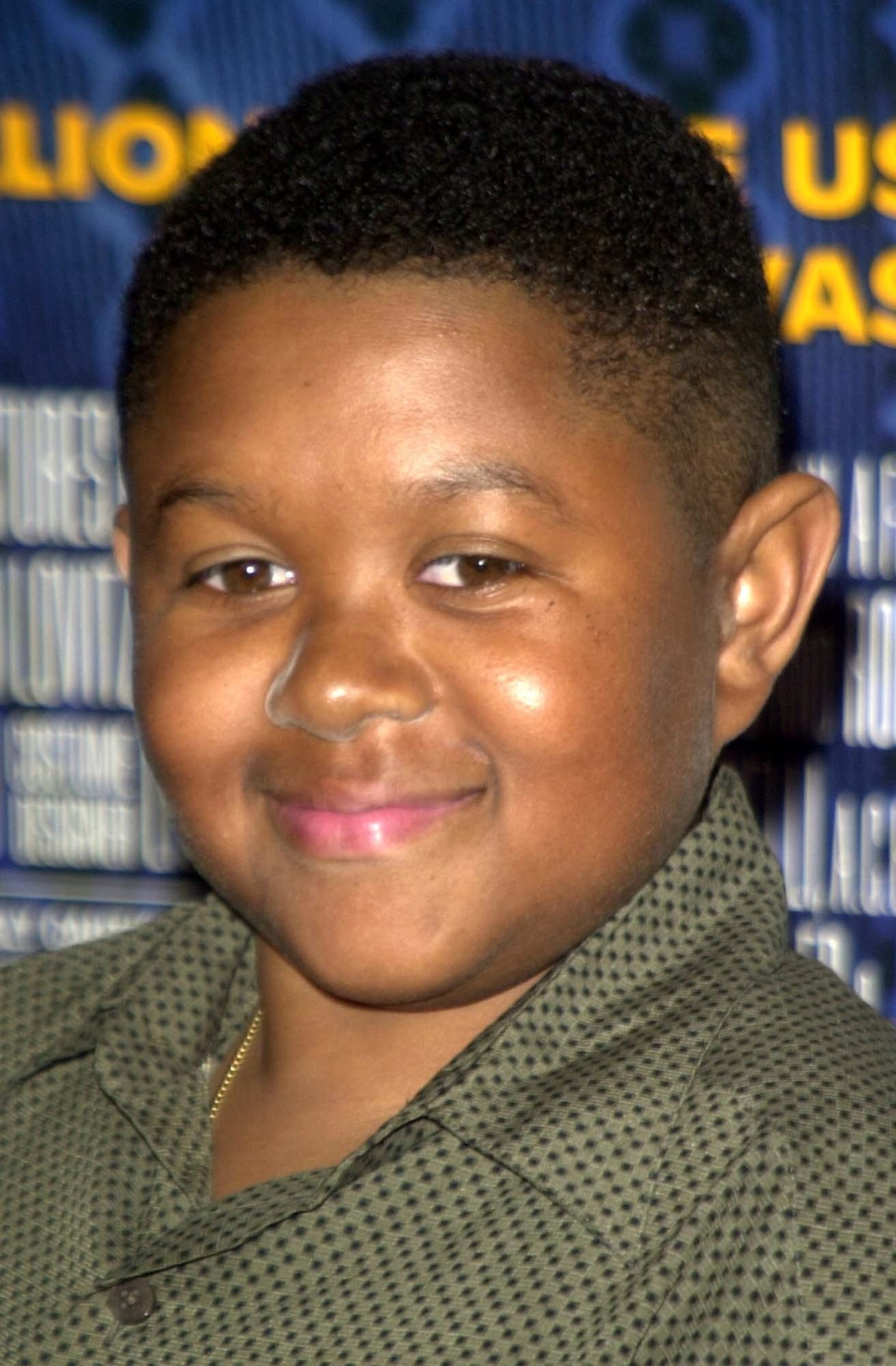
Emmanuel Lewis starred as the title character in this family sitcom about a young boy living with his deceased father’s friend and the friend’s wife. Like Diff’rent Strokes, the show dealt with unconventional family structures while maintaining a light, comedic tone.
Webster’s appeal lay in its genuine warmth and the chemistry between the three main characters. The show addressed childhood concerns from a child’s perspective while giving adults characters they could relate to as they navigated unexpected parenthood.
The family dynamics felt authentic despite the unusual circumstances that brought them together.
Punky Brewster
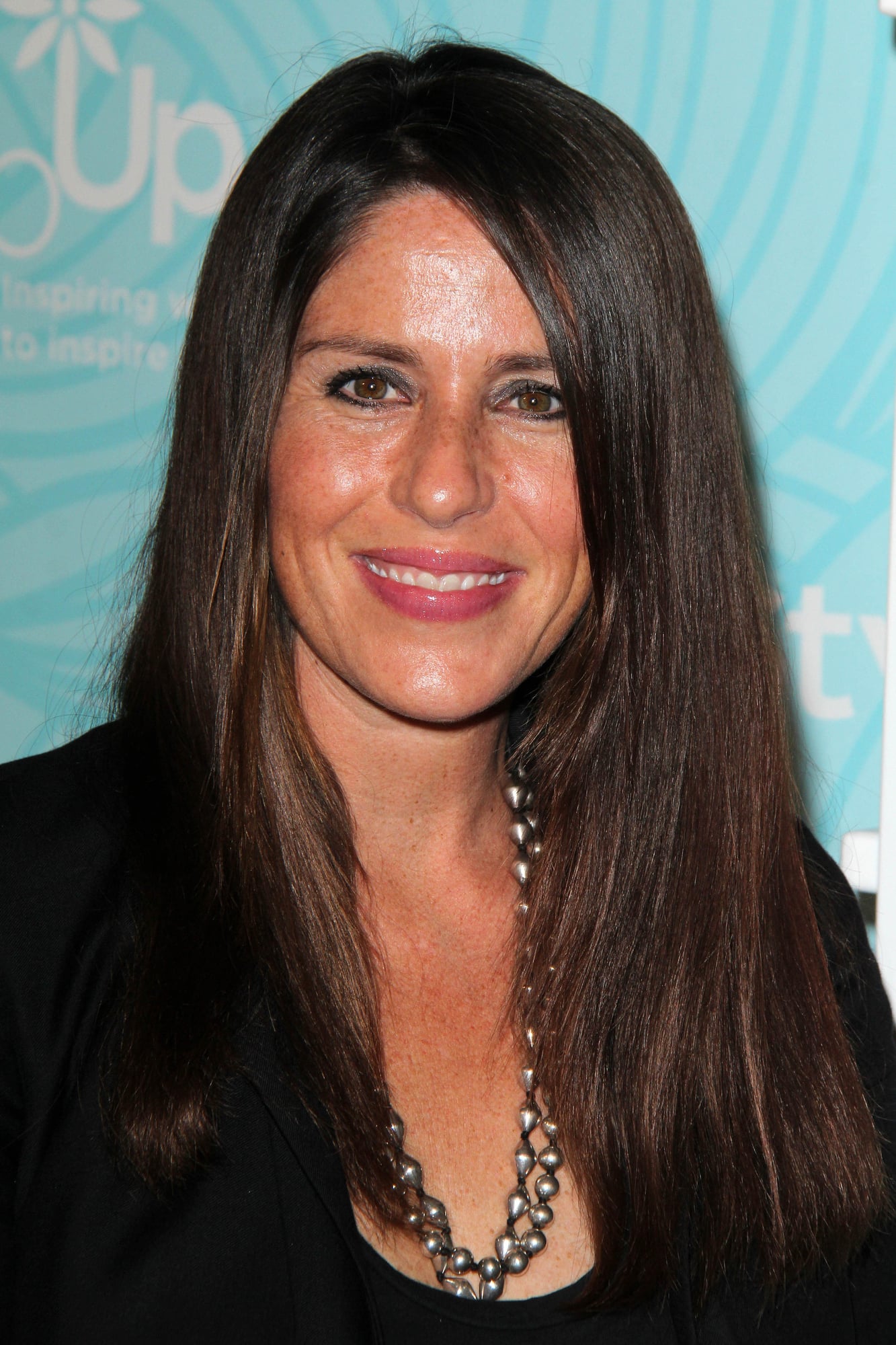
This series about a spunky young girl and her elderly guardian Henry captured the era’s optimistic spirit while dealing with some surprisingly serious subjects. Soleil Moon Frye’s Punky was abandoned by her mother and found by Henry, leading to an unconventional father-daughter relationship.
The show balanced Punky’s resilient cheerfulness with genuine emotional moments, creating a character that both children and adults could root for. Episodes dealt with everything from the Challenger disaster to child abandonment, always treating serious subjects with appropriate gravity while maintaining the show’s essentially hopeful outlook.
T.J. Hooker

William Shatner’s return to series television as a veteran police officer gave families action programming with a moral center. The show followed Hooker as he mentored younger officers while solving crimes on the streets of Los Angeles.
The series worked for family viewing because it presented clear moral lessons within its action format. Hooker’s dedication to justice and his role as a mentor figure gave the show educational value that parents appreciated.
The action was exciting enough to hold younger viewers’ attention while the character relationships provided depth for adult viewers.
Gimme A Break!
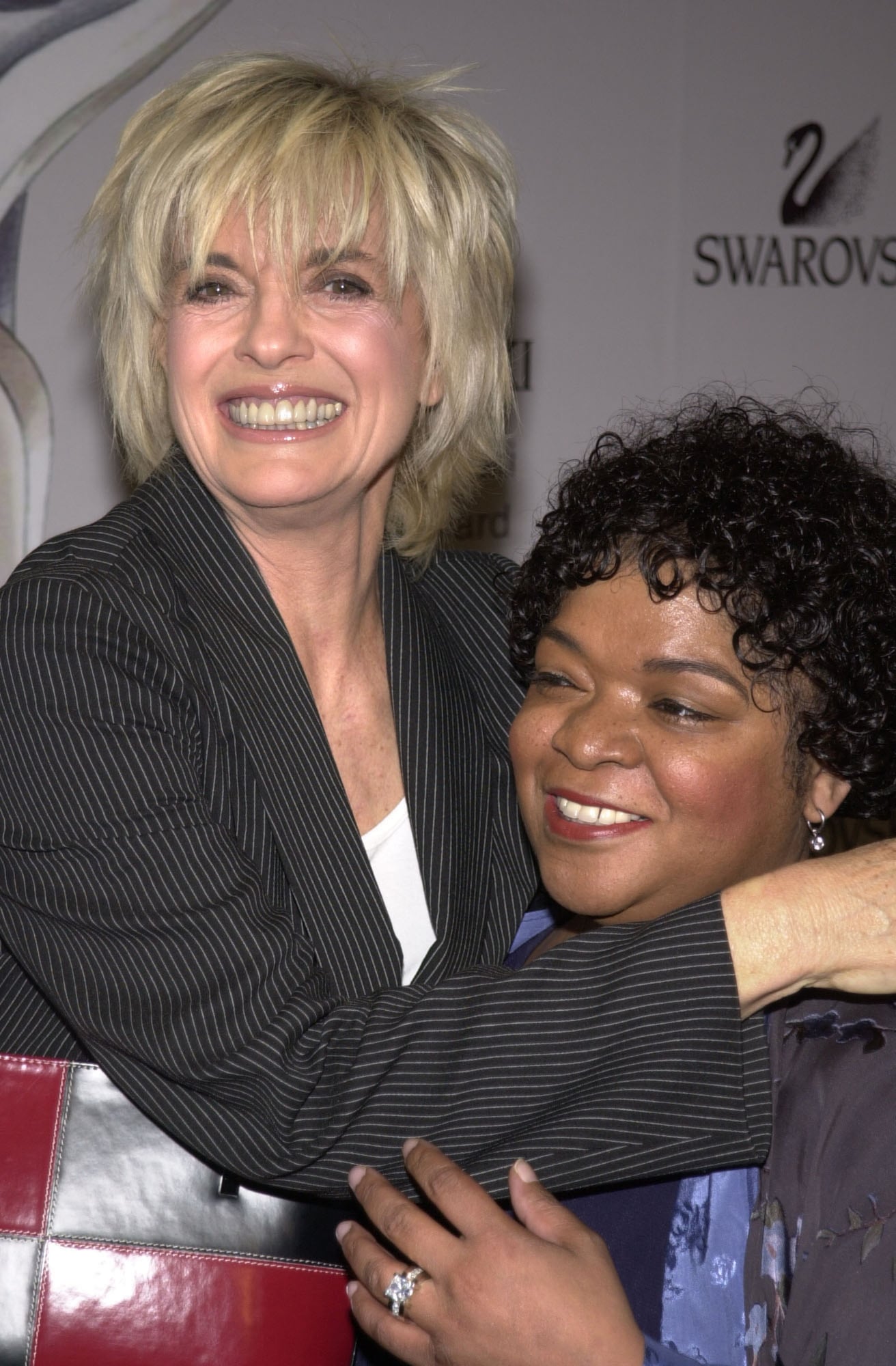
Nell Carter starred as a housekeeper who becomes a surrogate mother to three girls after their mother’s death. The show combined Carter’s powerhouse singing voice with family sitcom formulas, creating something unique in the Saturday night lineup.
Carter’s presence elevated the material, bringing both comedic timing and genuine emotional depth to her role. The show addressed family issues, racial dynamics, and personal growth while maintaining a consistently entertaining tone.
Musical numbers were woven naturally into episodes, giving the show a theatrical quality that set it apart from other family sitcoms.
Airwolf

This action series about a high-tech military helicopter and its pilot offered families high-flying adventure with Cold War intrigue. Jan-Michael Vincent’s Stringfellow Hawke operated the advanced helicopter on missions around the world, combining spectacular aerial sequences with espionage plotting.
The show’s appeal lay in its impressive helicopter footage and international settings, which gave families a sense of adventure and exotic locations. Like Knight Rider, it featured a high-tech vehicle as essentially another character, but with more serious dramatic undertones that appealed to adult viewers interested in military and political themes.
Hunter
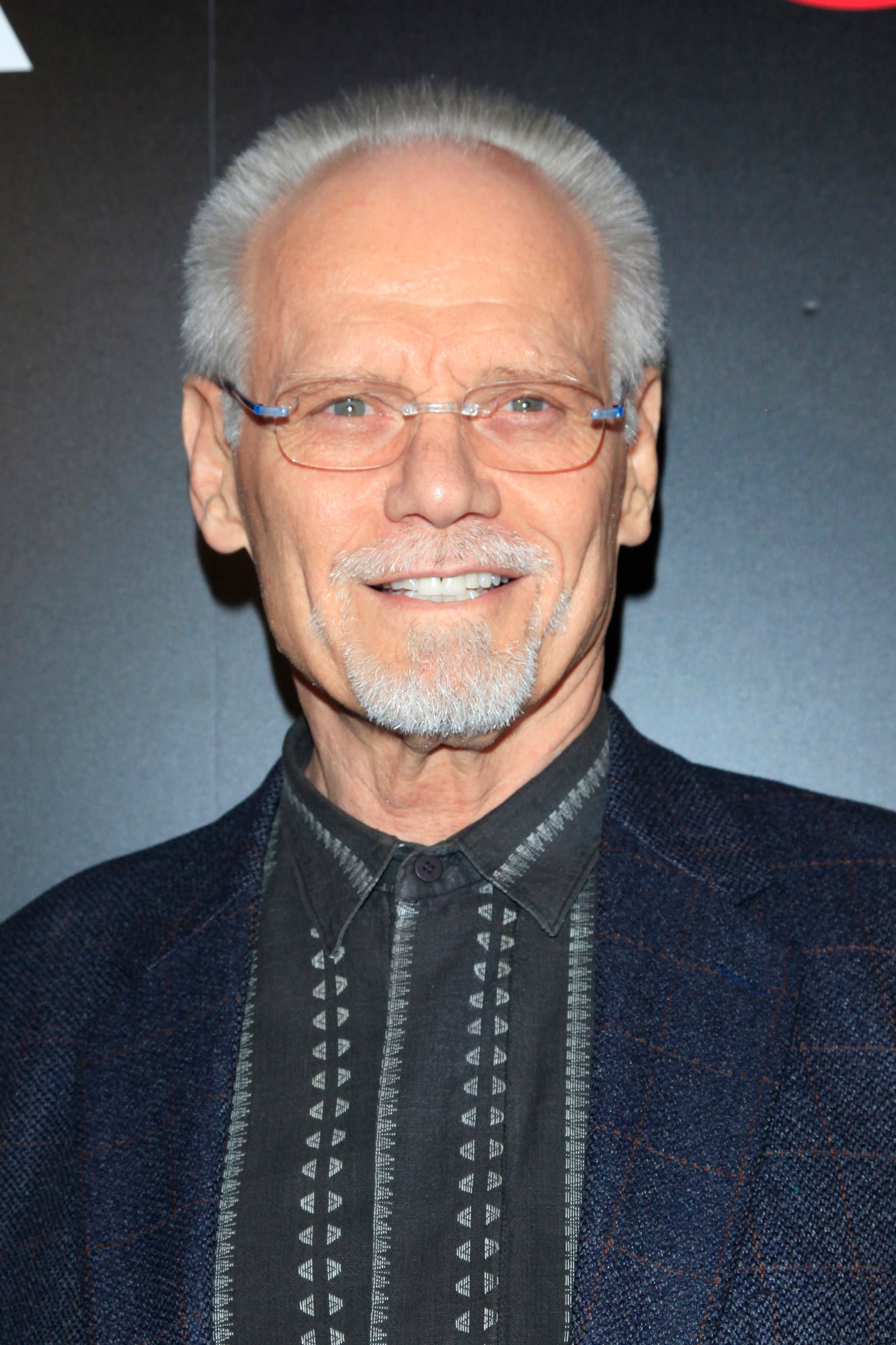
This police drama starring Fred Dryer and Stepfanie Kramer brought gritty crime fighting to Saturday nights while maintaining enough humor and character development to work for family viewing. The partnership between the two lead characters provided both action and relationship dynamics.
The show found the right balance between realistic police work and entertainment value, never getting too dark for family consumption while avoiding the campy tone of some other action series. The banter between Hunter and McCall gave the show personality beyond its crime-of-the-week format.
Mama’s Family
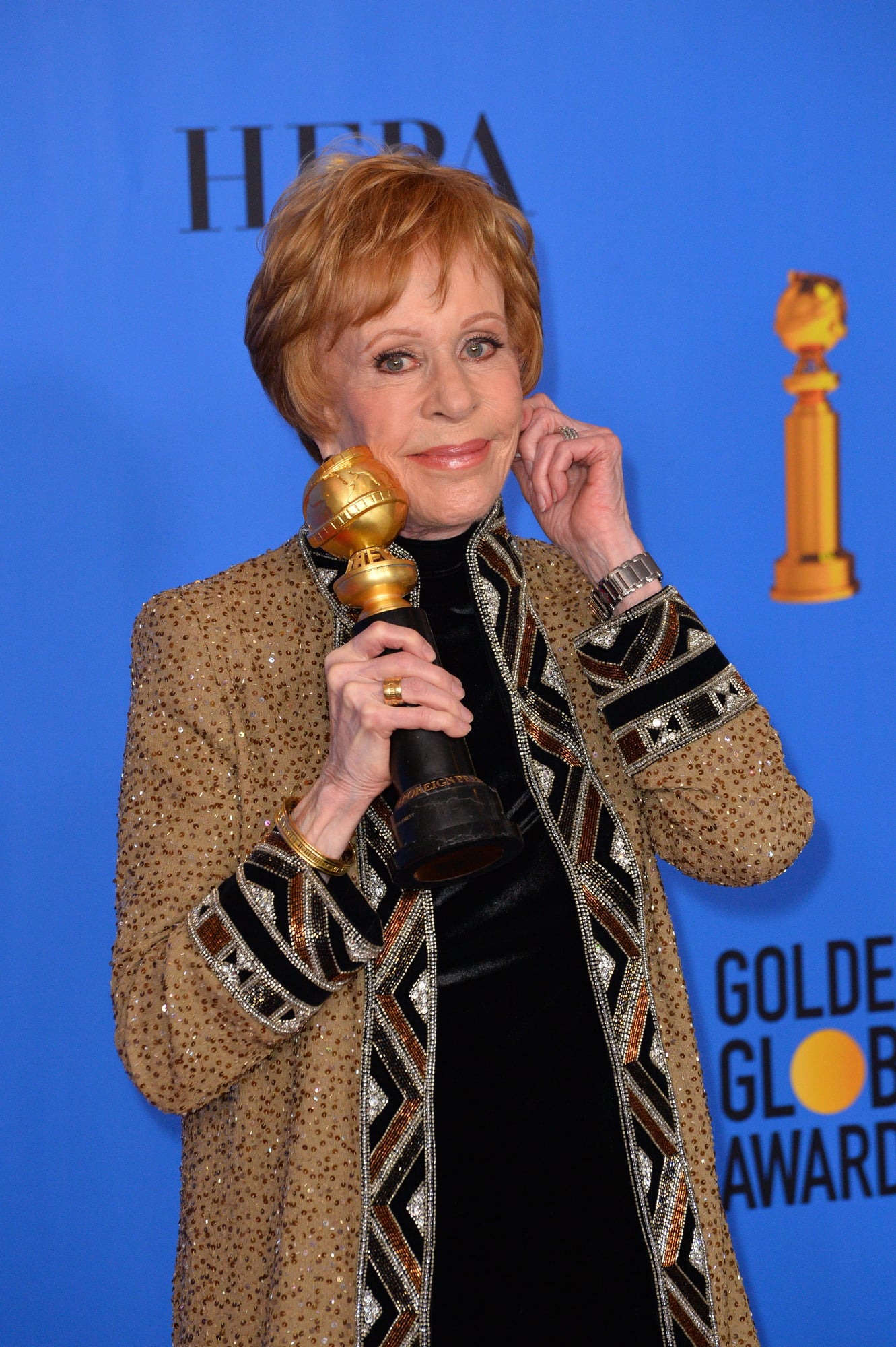
This Carol Burnett Show spin-off starring Vicki Lawrence became a Saturday night fixture with its multigenerational family comedy. The show’s broad humor and family dynamics made it accessible to viewers of all ages, while Lawrence’s sharp portrayal of Mama gave it a comedic anchor.
The Harper family’s working-class struggles and intergenerational conflicts resonated with many American families, while the show’s Southern setting gave it a distinct personality. The comedy was physical and verbal, appealing to different comic sensibilities within the same household.
When Television Was A Shared Language

Those Saturday night lineups created something that feels almost impossible to recreate today. Families negotiated what to watch, compromised on shows that weren’t everyone’s first choice, and discovered new favorites together.
Parents didn’t worry about content because networks understood their responsibility to provide programming suitable for mixed-age viewing. The shows weren’t perfect, and looking back, some of their approaches to social issues seem simplistic or outdated.
But they created shared cultural references that connected people across age groups and backgrounds. Everyone knew what Arnold meant when he said “What’chu tallin’ ’bout?”
Everyone could hum The Love Boat theme song. These weren’t just shows—they were the foundation of a common language that brought families and communities together around the simple act of watching television.
More from Go2Tutors!

- The Romanov Crown Jewels and Their Tragic Fate
- 13 Historical Mysteries That Science Still Can’t Solve
- Famous Hoaxes That Fooled the World for Years
- 15 Child Stars with Tragic Adult Lives
- 16 Famous Jewelry Pieces in History
Like Go2Tutors’s content? Follow us on MSN