17 Actors Who Were Almost Cast in Iconic Roles That Would Have Changed Everything
Sometimes the stories behind the casting are more fascinating than the movies themselves. A single decision in a Hollywood office can shift entire careers, reshape film history, and leave audiences wondering what might have been.
These near-misses remind you that some of cinema’s most beloved characters almost looked completely different.
Will Smith as Neo
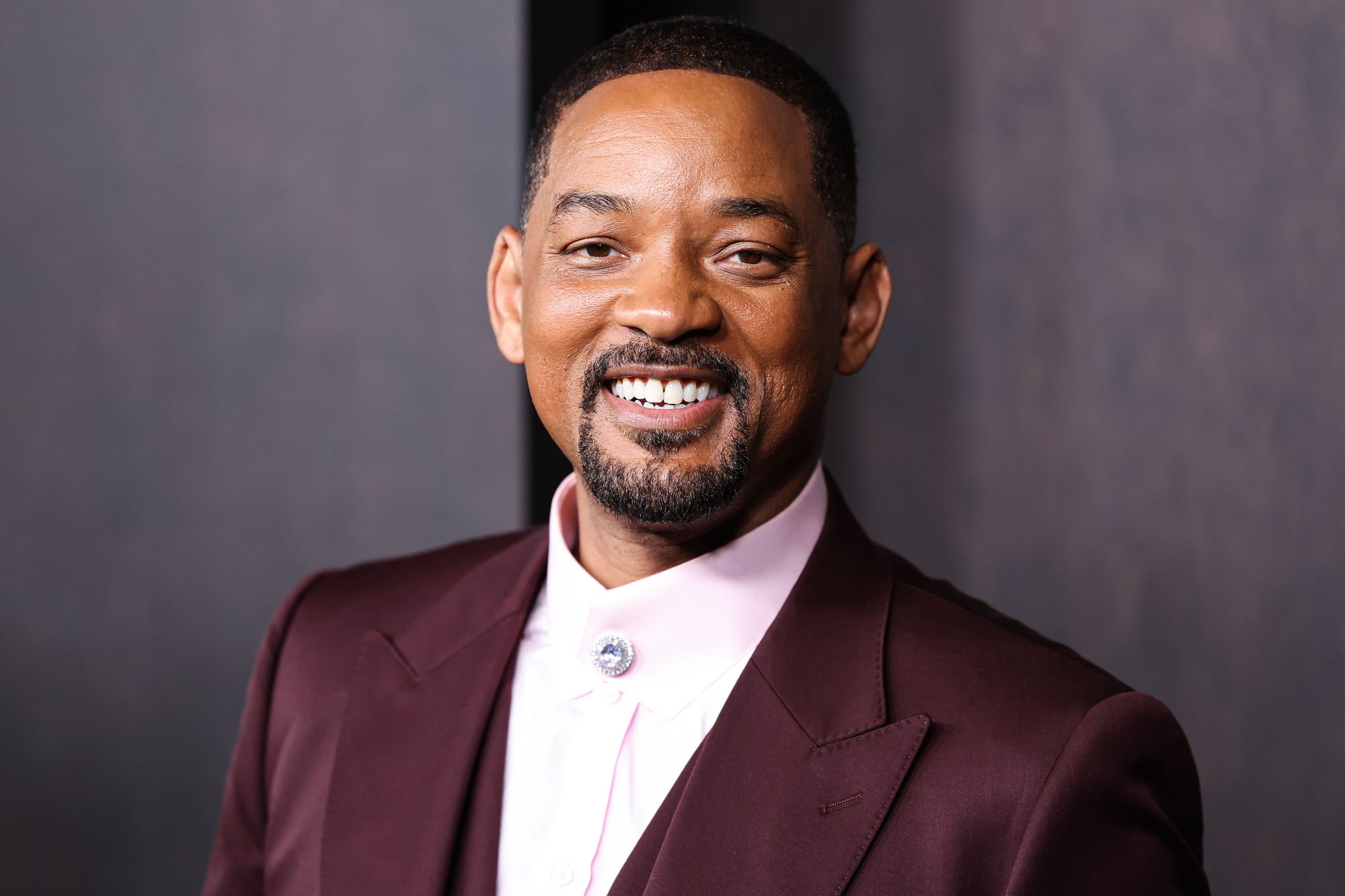
The Matrix without Keanu Reeves feels impossible to imagine now. Smith turned down the role because he couldn’t wrap his head around the concept during his pitch meeting with the Wachowskis.
He later admitted he probably would have ruined it anyway. Smith was coming off Independence Day and Men in Black — two massive hits that made him the biggest action star on the planet.
But The Matrix required a different kind of intensity, something quieter and more philosophical than Smith’s typical charisma-heavy performances.
Sean Connery as Gandalf
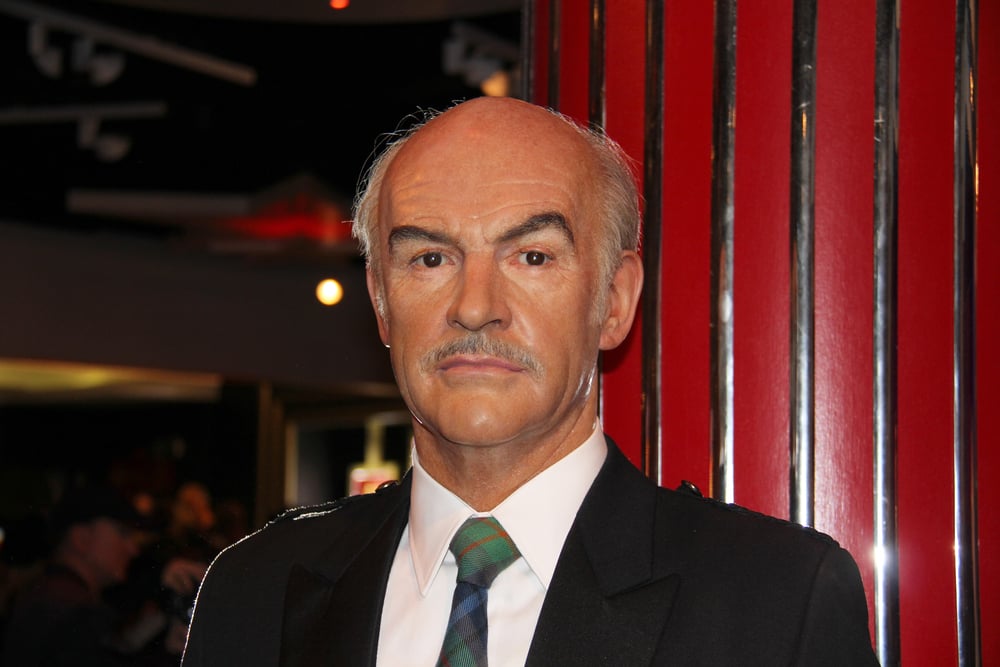
Here’s the thing about Sean Connery passing on The Lord of the Rings trilogy (and specifically the role of Gandalf that went to Ian McKellen): he was offered a percentage of the box office that would have made him one of the highest-paid actors in history, but he turned it down because he “didn’t understand the script.” Which, to be fair, makes perfect sense when you consider that Connery also passed on The Matrix for similar reasons — though that decision cost him significantly less money.
The man who defined James Bond apparently had a blind spot for fantasy and science fiction that cost him hundreds of millions of dollars. And yet there’s something almost admirable about an actor in his seventies sticking to his guns about what he does and doesn’t want to spend months of his life making, even when the financial upside is astronomical.
But imagine that Scottish accent delivering Gandalf’s wisdom (or trying to explain the finer points of hobbit culture to confused Fellowship members). Actually, maybe don’t.
John Travolta as Forrest Gump
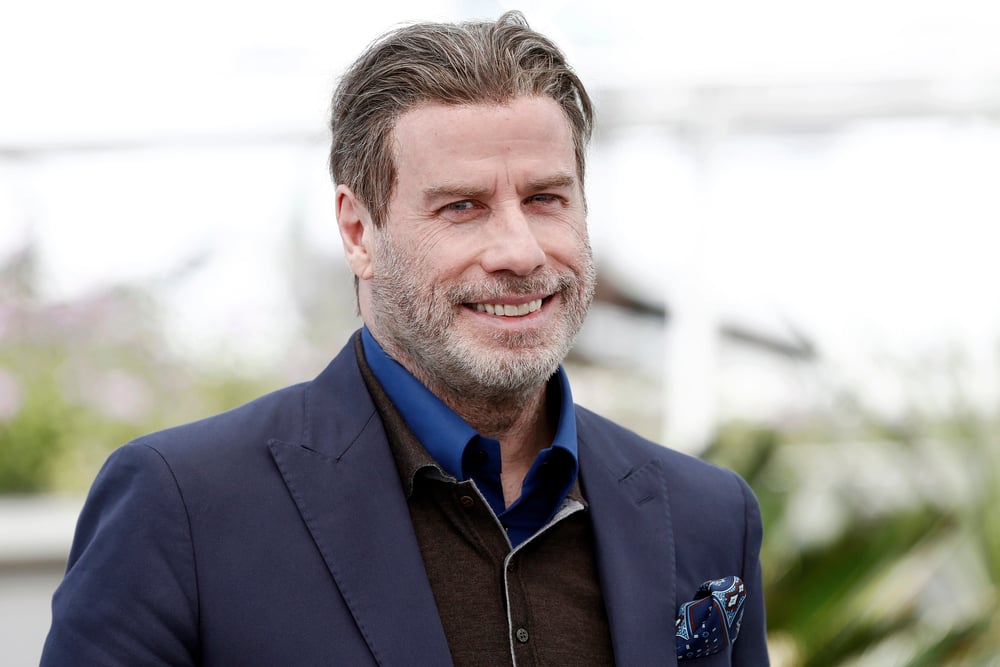
Picture Forrest Gump with Travolta’s trademark swagger and that distinctive Brooklyn-tinged delivery. The performance would have been fundamentally different — less naive wonder, more street-smart charm.
Travolta was actually the studio’s first choice before Tom Hanks entered the picture. The role requires a specific kind of innocence that feels genuine rather than performed.
Hanks brought something pure to the character that made you believe Forrest really was that good-hearted. With Travolta, the audience might have spent the entire movie waiting for the wink, the moment when the character revealed he was smarter than he was letting on.
Emily Blunt as Black Widow

Blunt was Marvel’s original choice for Natasha Romanoff, but scheduling conflicts with Gulliver’s Travels forced her to pass. The role went to Scarlett Johansson instead.
Blunt has since admitted she regrets the decision, especially considering how forgettable Gulliver’s Travels turned out to be. Black Widow demands physicality and emotional complexity in equal measure.
Blunt certainly has the acting chops — her work in Edge of Tomorrow and Sicario proves she can handle action while maintaining dramatic depth. But Johansson made the character her own across multiple films, developing a specific brand of world-weary competence that became essential to the Marvel formula.
Hugh Jackman as Bond
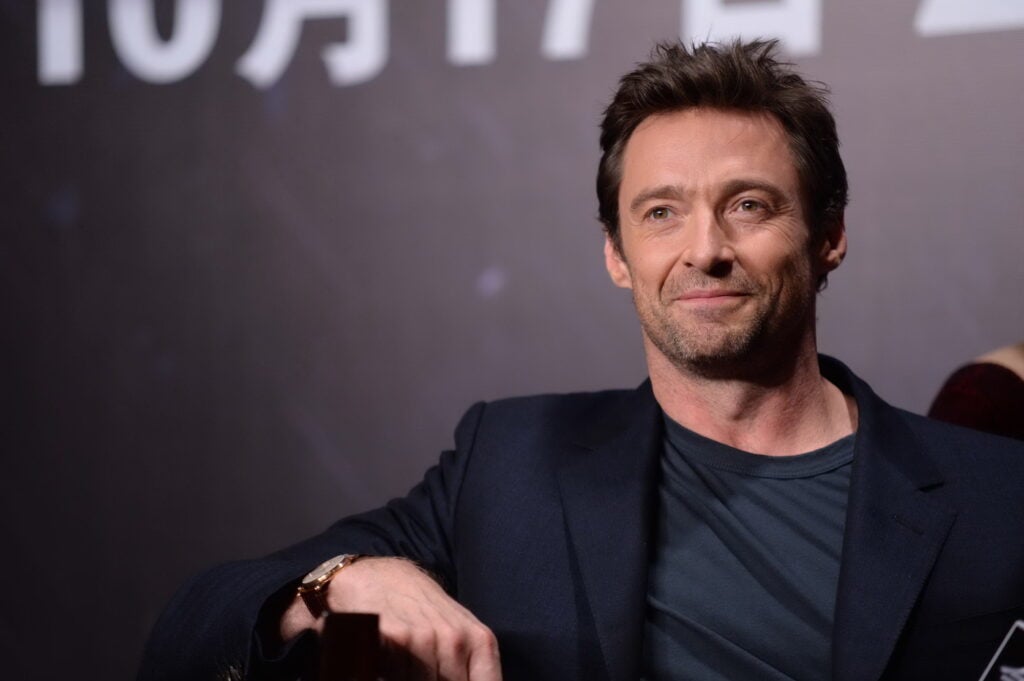
This one stings because it represents a sliding doors moment that could have redefined two major franchises. Jackman was seriously considered for Casino Royale before Daniel Craig landed the role, but the timing overlapped with his X-Men commitments.
So instead of getting Hugh Jackman as a grittier, more physical Bond, audiences got more Wolverine movies (which, admittedly, worked out pretty well for everyone involved, but still). The Australian actor had the physicality, the charm, and the dramatic range to make Bond feel dangerous again after the Roger Moore era had turned the character into something closer to a quip machine than a legitimate threat.
And unlike some of the other what-if casting scenarios on this list, this one actually came close to happening — Jackman was allegedly the second choice, and the decision came down to scheduling rather than creative differences or studio politics.
Matthew McConaughey as Rust Cohle
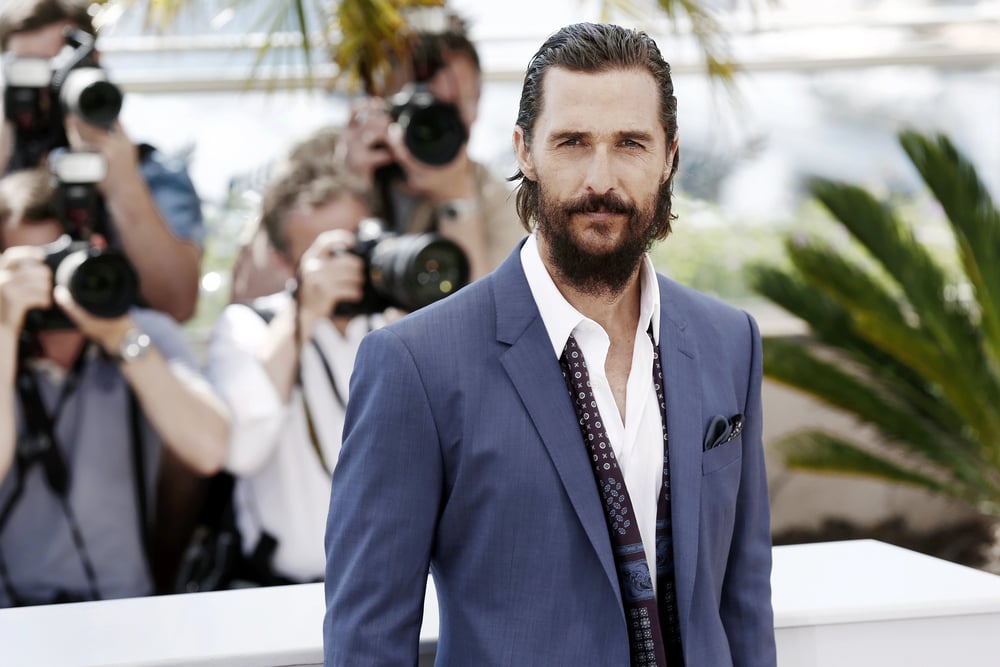
Wait, this one actually happened. But before McConaughey transformed his career with True Detective, the role was written with someone completely different in mind.
Creator Nic Pizzolatto originally envisioned an older, more grizzled actor for Rust Cohle. McConaughey’s casting represented a major gamble for both the actor and the show.
He was still known primarily for romantic comedies, and True Detective required a complete reinvention of his screen persona.
Nicolas Cage as Aragorn
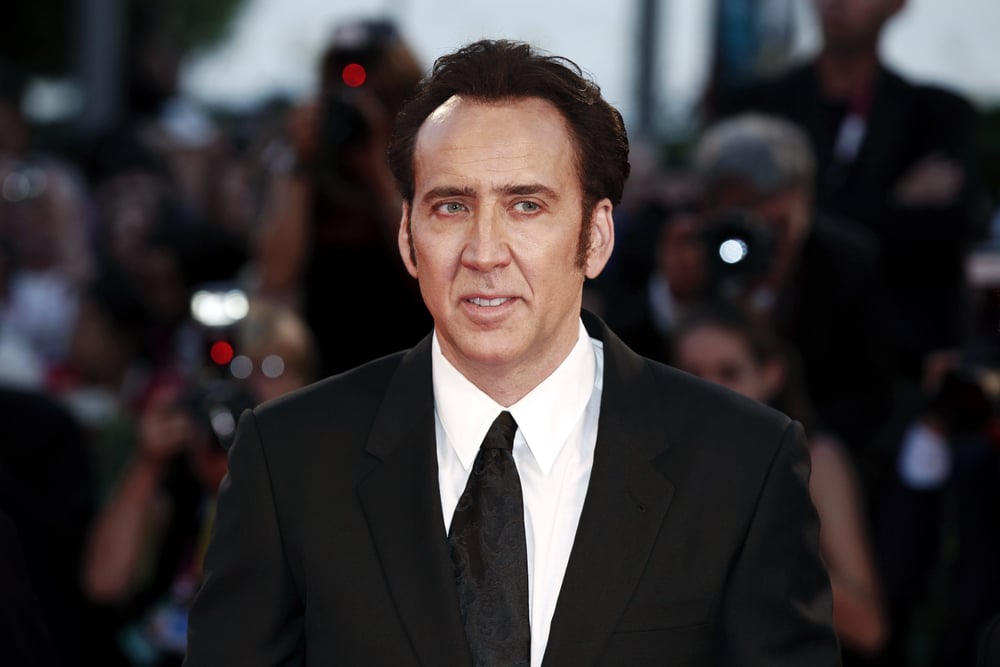
Cage actively pursued the role of Aragorn in The Lord of the Rings trilogy before it went to Viggo Mortensen. Peter Jackson was reportedly intrigued by the possibility but ultimately decided Cage’s intense acting style wouldn’t fit Middle-earth.
The character demands a kind of understated nobility that Mortensen brought naturally. Cage’s approach tends toward the explosive and unpredictable — qualities that work brilliantly in the right context but might have turned Aragorn into something closer to a medieval action hero than a reluctant king.
Russell Crowe as Wolverine
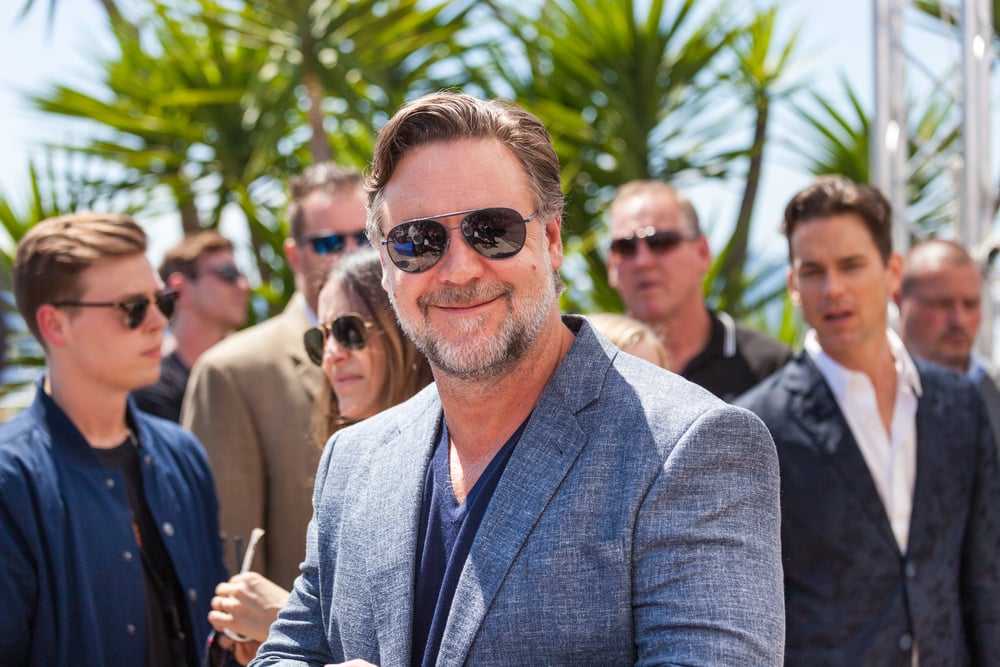
Before Hugh Jackman became synonymous with Logan, Russell Crowe was offered the role that would define the X-Men franchise. Crowe passed because he thought the script was too similar to his character in Gladiator — an interesting way to think about a superhero movie.
The decision worked out well for both actors. Crowe went on to win an Oscar for Gladiator, while Jackman built an entire career around Wolverine.
But imagine Crowe’s intensity and gravitas applied to Logan’s tortured past and violent present. The performance would have been darker, more brutal, and probably more psychologically complex than what Jackman delivered.
Tom Selleck as Indiana Jones
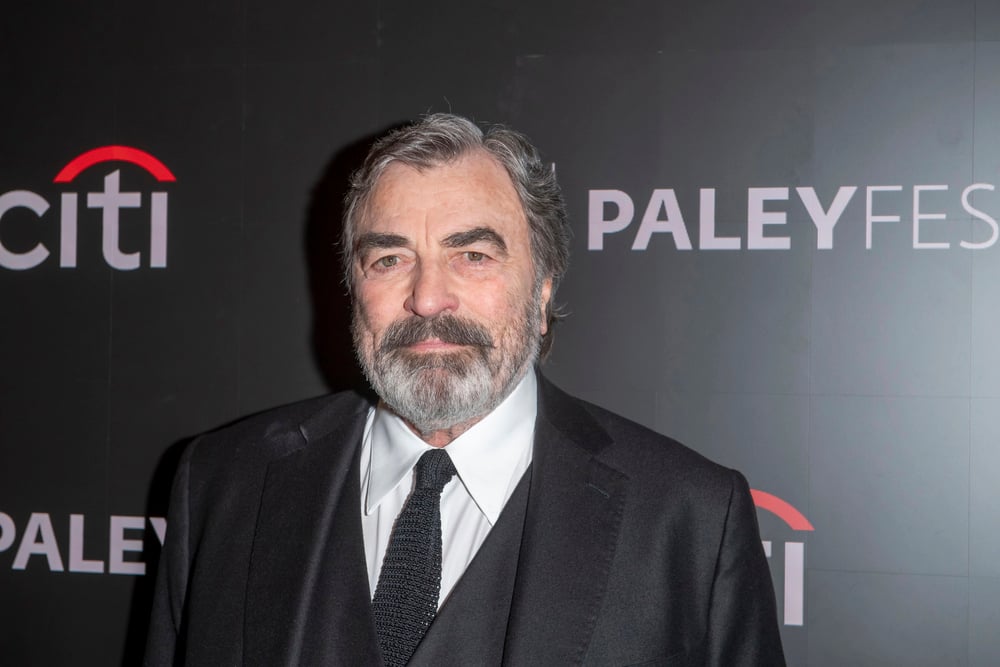
Selleck was Steven Spielberg’s first choice for Indiana Jones, but his commitment to Magnum P.I. made scheduling impossible. The role went to Harrison Ford instead, creating one of cinema’s most iconic action heroes.
Selleck has said he still wonders what might have been. Ford brought a specific kind of everyman quality to Jones — he looked like he could be an actual professor who happened to get caught up in extraordinary adventures.
Selleck might have made the character more traditionally heroic, more conventionally handsome, and possibly less relatable as a result.
Will Smith as Django
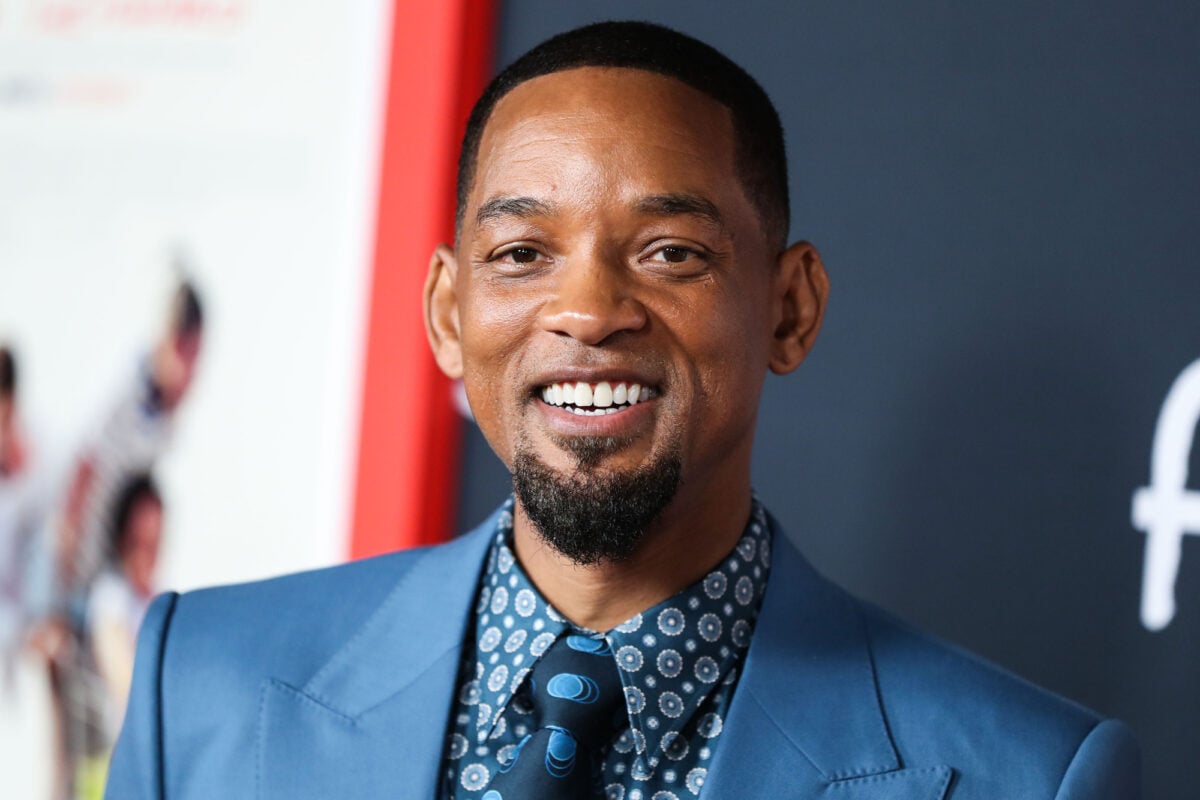
Quentin Tarantino wrote Django Unchained with Will Smith in mind for the title role. Smith spent months in discussions with Tarantino but ultimately passed because he wanted Django to be more heroic and less morally complicated.
The role went to Jamie Foxx. Smith’s concerns centered around the character’s motivations and the film’s violence.
He wanted Django to be a clearer hero, while Tarantino insisted on moral ambiguity. The disagreement reveals different philosophies about storytelling and character development.
Leonardo DiCaprio as Anakin Skywalker
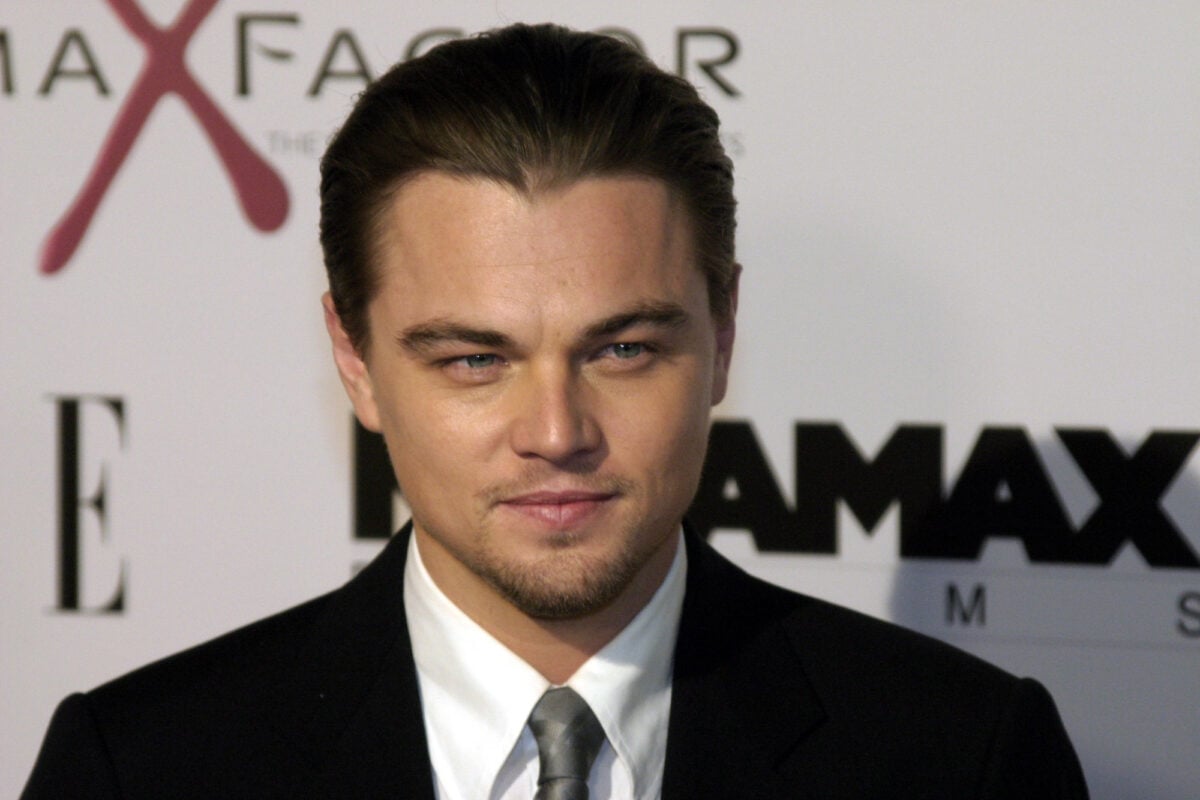
George Lucas reportedly met with DiCaprio about playing Anakin Skywalker in the Star Wars prequels. DiCaprio passed, and the role went to Hayden Christensen.
Given how those films were received, DiCaprio probably made the right choice for his career. The prequels required an actor who could convincingly portray Anakin’s fall to the dark side while maintaining audience sympathy.
DiCaprio certainly had the dramatic range, but his star power might have overshadowed the character. Sometimes the biggest name isn’t the right choice.
Mel Gibson as Gladiator
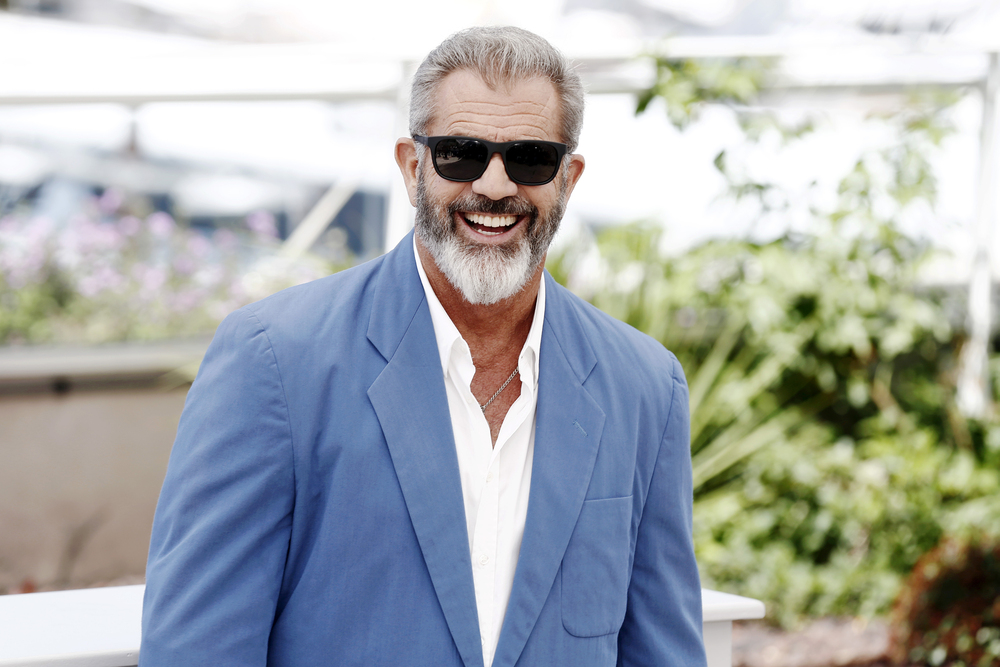
Before Russell Crowe won an Oscar for Gladiator, the role was offered to Mel Gibson. Gibson passed because he felt he was too old to play a Roman warrior convincingly.
The decision opened the door for Crowe to deliver a career-defining performance. Gibson was probably right about his age — Maximus required physical credibility that might have been harder to achieve with an older actor.
But Gibson’s intensity and screen presence could have brought something different to the role, perhaps more rage and less noble suffering.
Brad Pitt as Neo
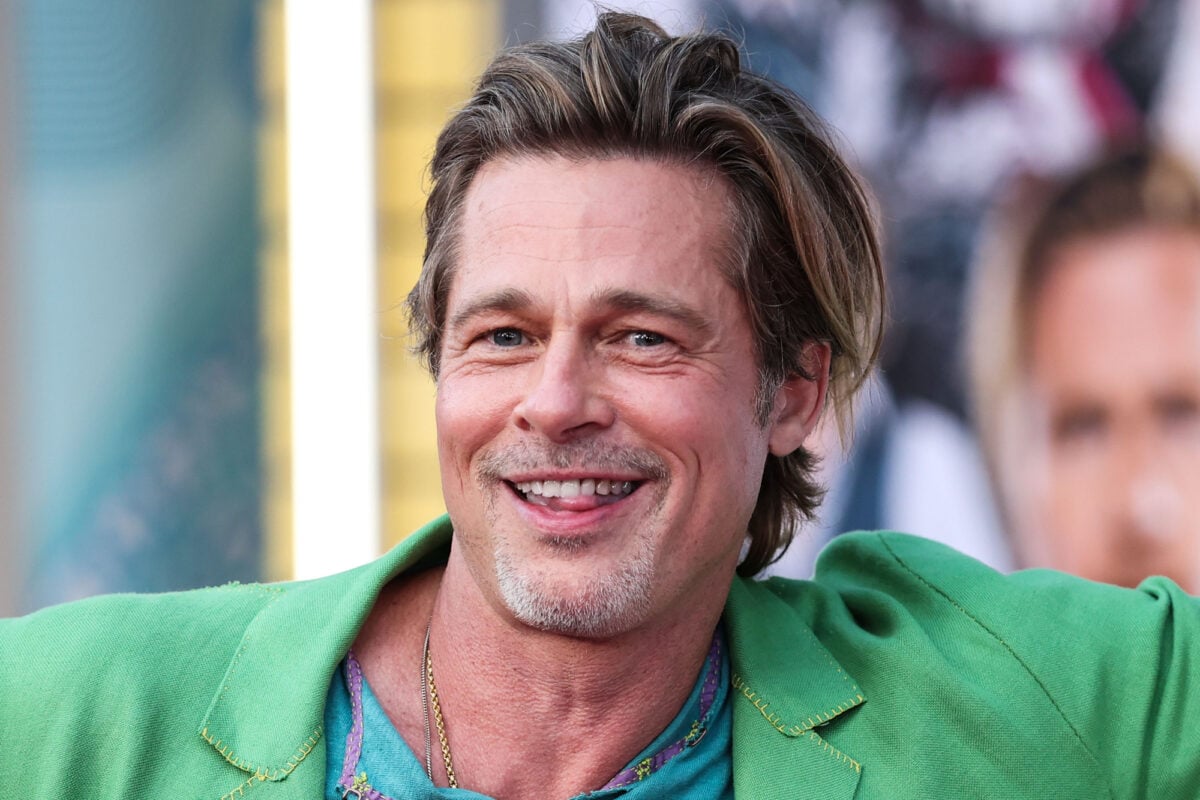
Along with Will Smith, Brad Pitt was seriously considered for The Matrix before Keanu Reeves was cast. Pitt was interested but committed to Fight Club, which was filming around the same time. The scheduling conflict forced him to pass.
Pitt would have brought movie-star charisma to Neo, but the role benefits from Reeves’ more understated approach. Neo works best as an everyman who gradually discovers his power, rather than someone who looks like he could take over the world from the opening scene.
Sandra Bullock as Neo
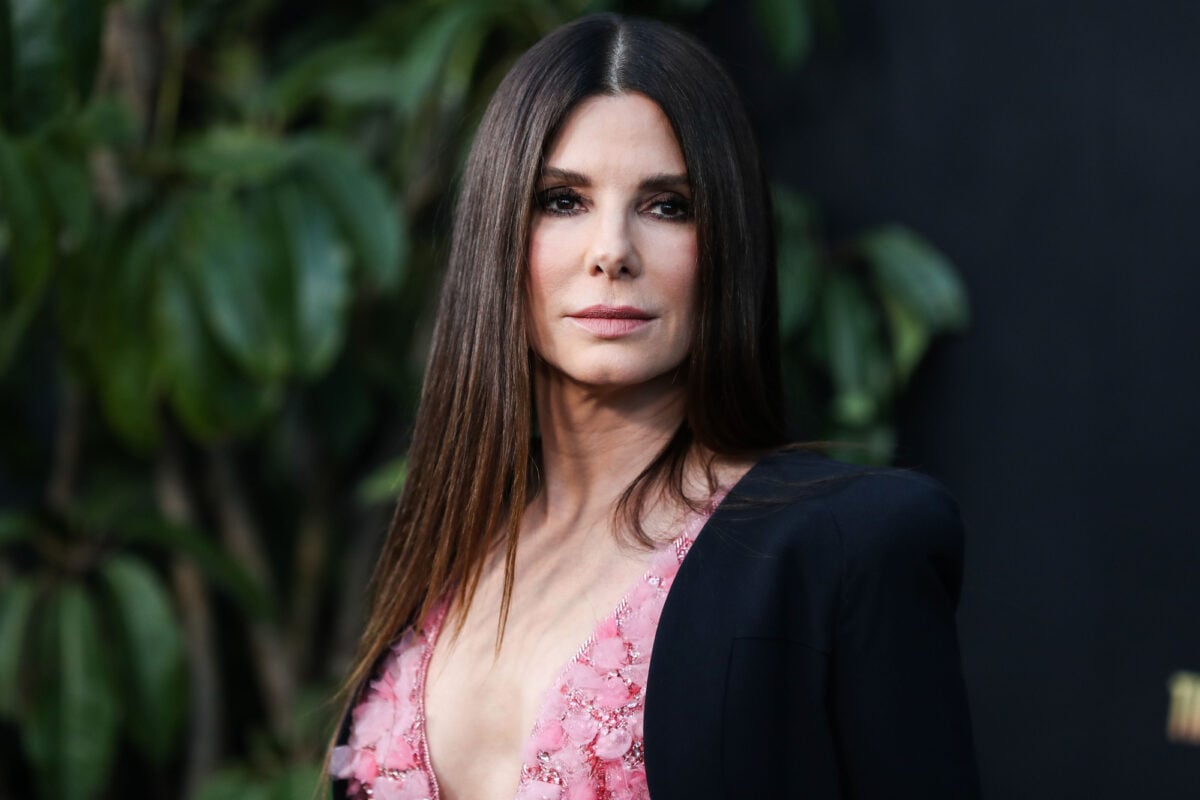
Yes, the Wachowskis also considered making Neo a woman, with Sandra Bullock as their top choice. The idea was ultimately scrapped, but it represents one of the most intriguing what-if scenarios in modern cinema.
Bullock was coming off Speed and showed interest in the project. A female Neo would have completely changed The Matrix’s themes and cultural impact.
The chosen one narrative takes on different meanings when filtered through gender dynamics. Bullock could have handled the action sequences, but the philosophical elements might have shifted in unexpected directions.
John Krasinski as Captain America
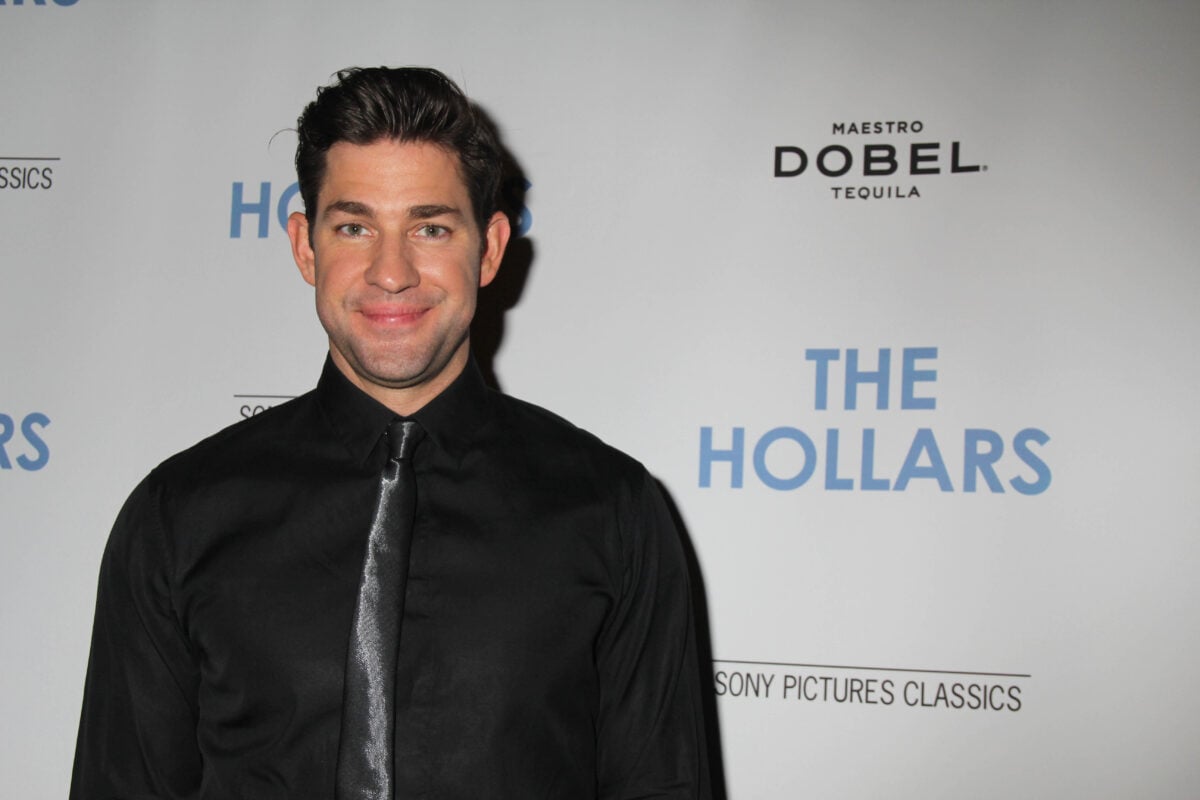
Before Chris Evans was cast as Steve Rogers, John Krasinski screen-tested for Captain America. The Office star was seriously considered but ultimately deemed too associated with comedy to carry a major action franchise.
Evans got the role and turned it into a decade-long commitment. Krasinski has since proven he can handle action — directing and starring in A Quiet Place showed his range beyond comedy.
But Captain America required someone who could embody idealism without irony, and Evans
brought the right combination of sincerity and physical presence.
Michael Madsen as Vincent Vega
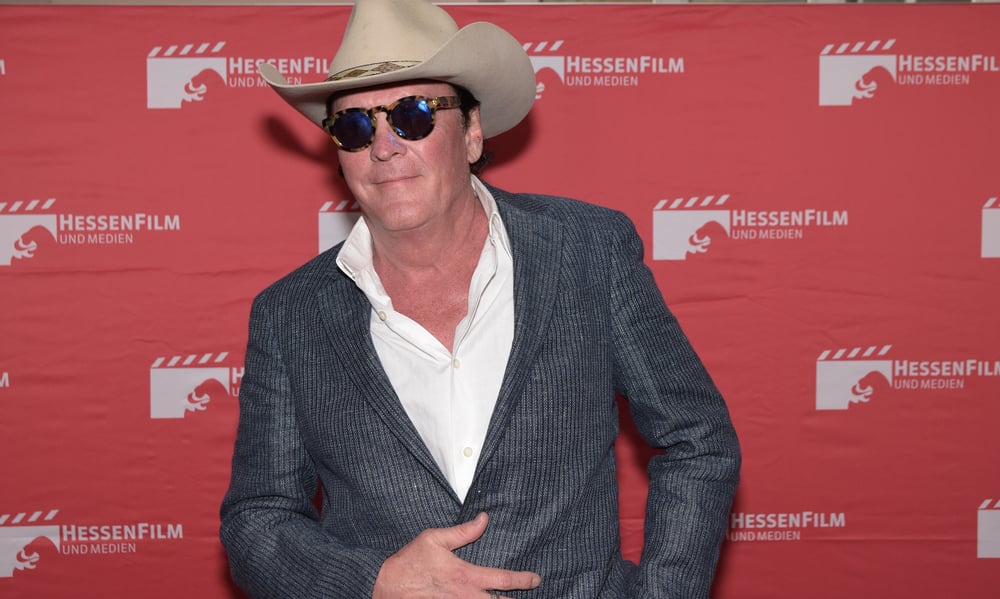
Here’s where things get interesting: Michael Madsen was Quentin Tarantino’s first choice to play Vincent Vega in Pulp Fiction, but scheduling conflicts with another film forced him to pass. John Travolta stepped in and delivered the performance that revitalized his career.
Madsen and Travolta bring completely different energies to their roles. Madsen tends toward menace and unpredictability, while Travolta found something almost childlike in Vincent’s drug-addled confusion.
The character would have been more threatening and less sympathetic with Madsen, which might have shifted the entire tone of the film.
Pacino as Han Solo
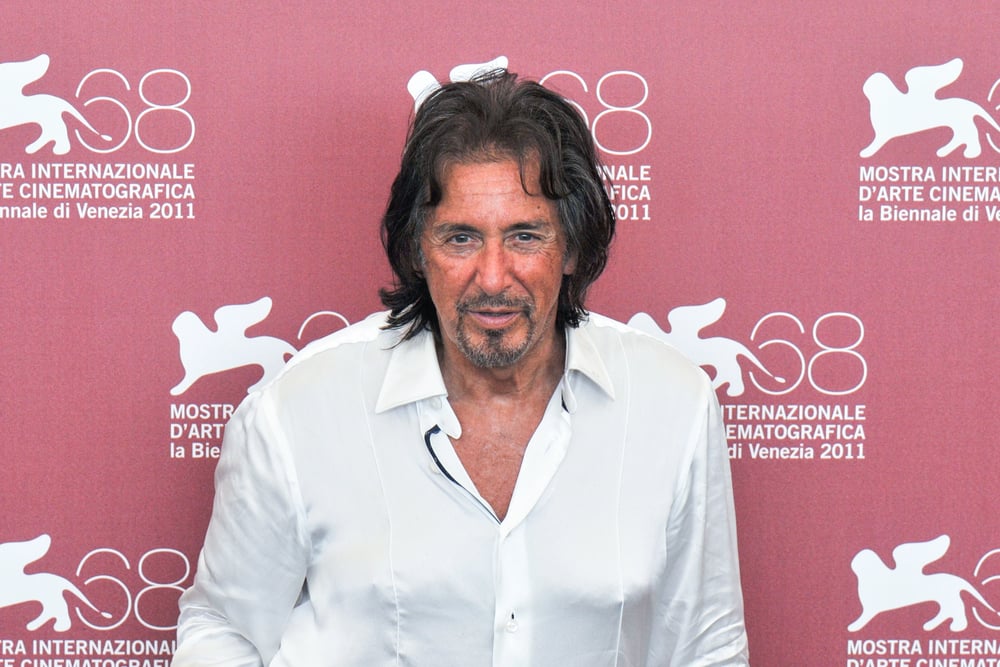
Al Pacino was among the actors considered for Han Solo before Harrison Ford was cast. The idea seems almost surreal now — Pacino’s intensity and East Coast energy applied to the roguish smuggler from a galaxy far, far away.
Ford’s casting defined not just the character but the entire franchise’s approach to humor and heroism. Han Solo works because he feels like he belongs in space, like he grew up on spaceships and cantinas rather than New York streets.
Pacino might have brought more psychological complexity to the role, but at the cost of the character’s essential lightness. Sometimes the wrong choice is obvious only in retrospect.
When the Stars Align Differently
These casting decisions remind you that film history balances on smaller moments than you might expect. A scheduling conflict here, a creative disagreement there, and entire careers shift direction.
The actors who landed these roles shaped not just their own futures but the cultural impact of the films themselves. What’s fascinating is how many of these near-misses worked out well for everyone involved.
The actors who passed often ended up in projects better suited to their talents, while the roles found their way to performers who made them iconic. Sometimes the best decision is the one that doesn’t get made.
More from Go2Tutors!

- The Romanov Crown Jewels and Their Tragic Fate
- 13 Historical Mysteries That Science Still Can’t Solve
- Famous Hoaxes That Fooled the World for Years
- 15 Child Stars with Tragic Adult Lives
- 16 Famous Jewelry Pieces in History
Like Go2Tutors’s content? Follow us on MSN.