Things You Could Only Buy from the Sears Catalog in the 1970s
The thick Sears catalog that arrived twice a year felt like holding the entire world in your hands. Those glossy pages contained everything from underwear to entire houses, and plenty of items that seemed to exist nowhere else on earth.
The company had mastered the art of selling things people didn’t know they needed until they saw them tucked between the power tools and patio furniture. Some of these catalog exclusives became household staples, while others vanished into the peculiar history of American retail, leaving behind only memories and the occasional garage sale discovery.
Mail-Order Houses

Complete houses arrived in boxcars with instruction manuals and every nail needed for assembly. Sears had been selling these kit homes since 1908, but ceased manufacturing them around 1940, making the 1970s a retrospective era for this former product line rather than its final chapter.
You could flip through pages of Cape Cods, colonials, and contemporary designs, each with floor plans and financing options laid out like choosing a winter coat.
Craftsman Tools

The red and chrome tools with lifetime warranties existed exclusively in the Sears universe (though these days, people argue about whether the quality was better when ordering meant waiting six weeks for delivery instead of driving to the store that afternoon). You couldn’t find these exact models anywhere else — hardware stores carried other brands, but Craftsman belonged to Sears, and Sears belonged to the mailbox.
Kenmore Appliances
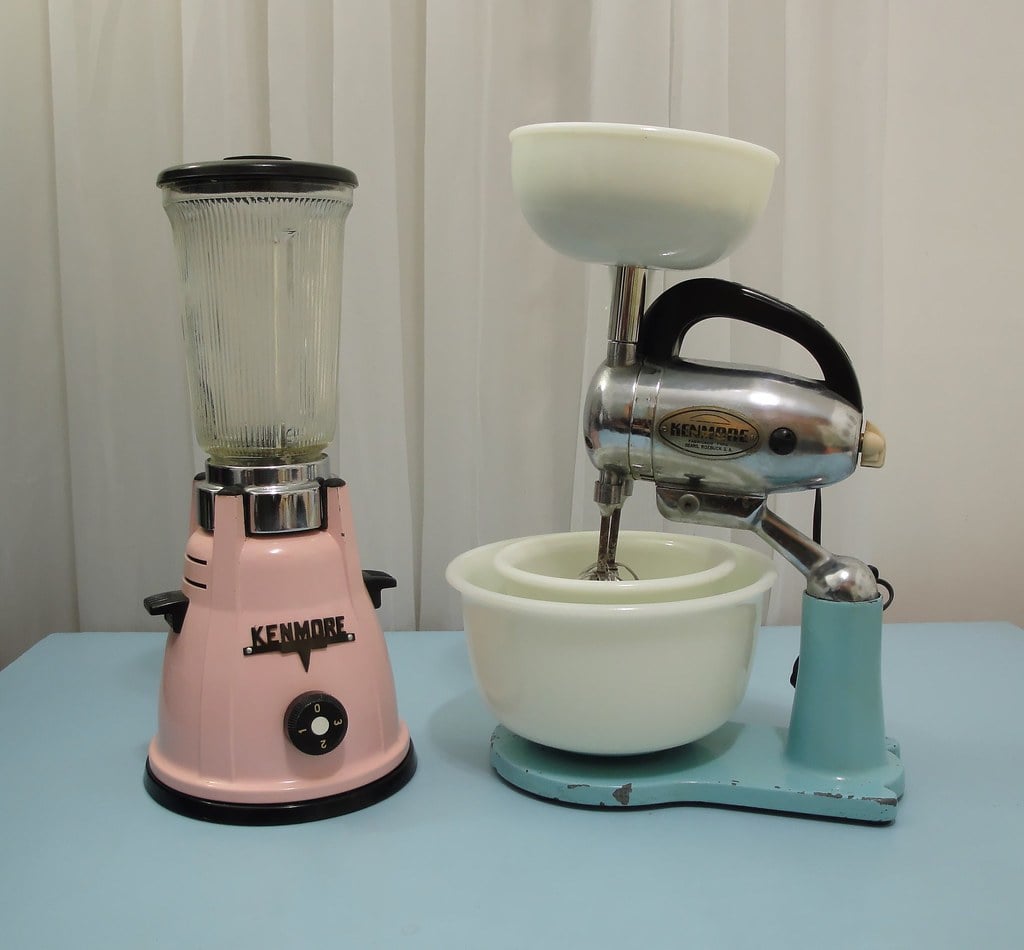
Kenmore refrigerators, washers, and vacuum cleaners lived only in Sears territory, which meant most of suburban America had never seen the inside of another appliance showroom. The catalog pages showed gleaming white machines in spotless kitchens where everything matched and nothing ever broke down (a promise that lasted longer for some models than others, but the warranty service was real enough that repair technicians knew every neighborhood by heart).
Ted Williams Sporting Goods
Before athletes started slapping their names on everything that moved, Sears had an exclusive deal with the baseball legend that produced fishing gear, camping equipment, and hunting supplies you couldn’t find anywhere else. The Ted Williams rod and reel combos became legendary among weekend fishermen — not because Ted Williams personally designed them, obviously, but because they worked well enough that people kept ordering them year after year.
The catalog made it seem like the Splendid Splinter himself had tested every tackle box, which was probably more marketing magic than truth, but the gear held up either way.
Toughskins Jeans
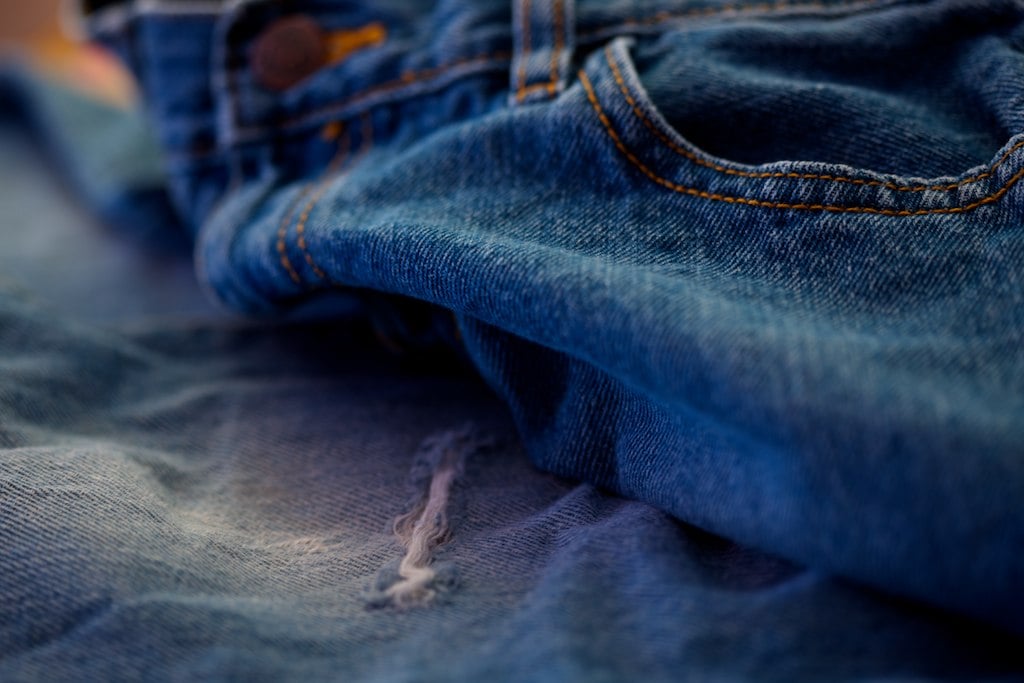
These reinforced denim pants for children came with patches already sewn into the knees because Sears understood that regular jeans lasted about two weeks on the average eight-year-old. The catalog promised they were “virtually indestructible,” and for once, the marketing department wasn’t overselling.
Kids put these jeans through tests that would destroy most adult clothing, and the knees stayed intact.
Silvertone Musical Instruments
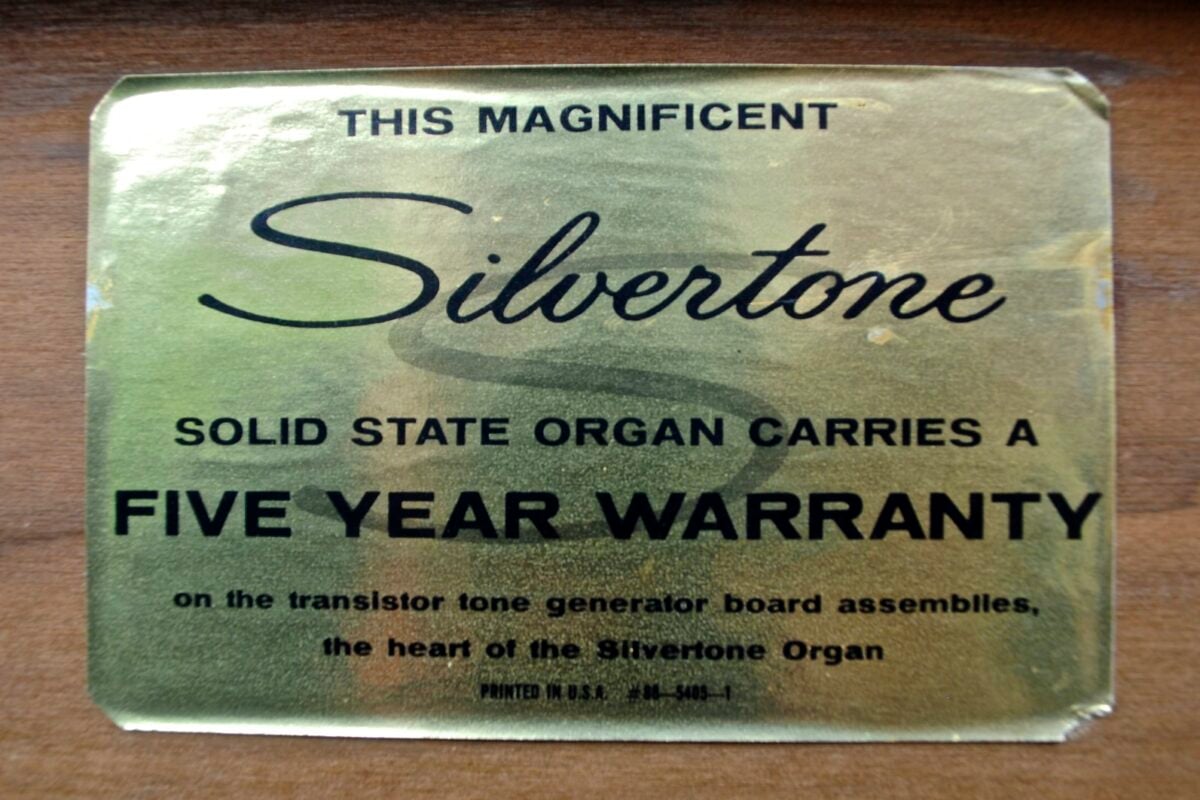
Guitar players still hunt for these catalog instruments decades later, not because they were the finest ever made, but because they captured a specific sound that belonged entirely to bedroom practice sessions and garage band dreams. Sears partnered with established manufacturers to create these exclusive models, so you might get a guitar built by Harmony or an amplifier made by Danelectro, but with Silvertone badges and finishes that existed nowhere else.
The catalog made learning guitar look as simple as ordering a wrench set.
DieHard Car Batteries
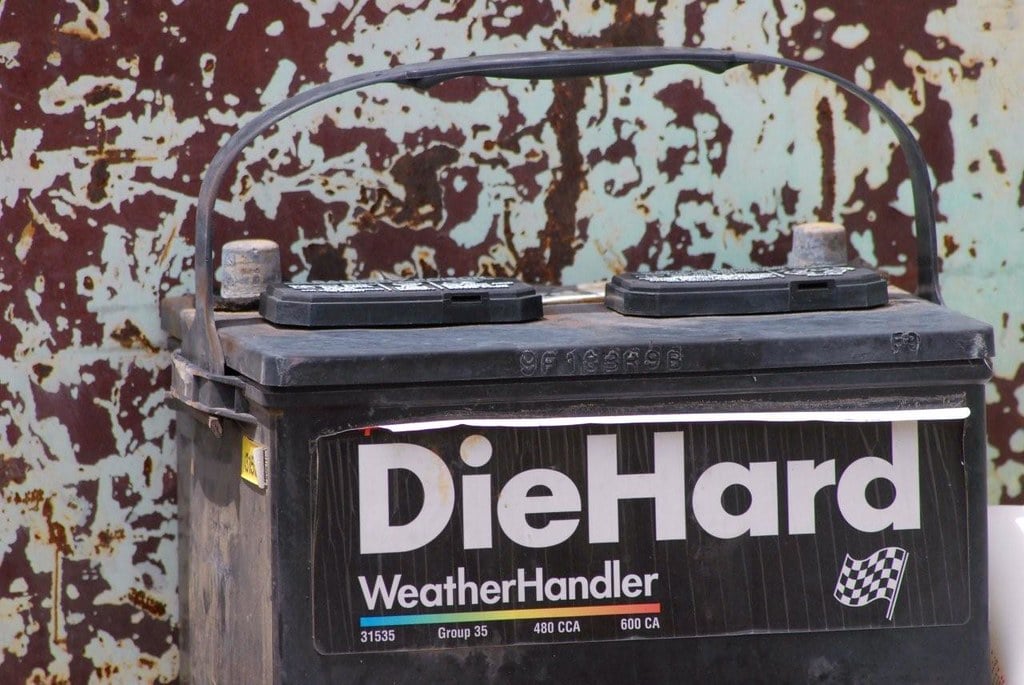
The battery that promised to start your car in any weather became a Sears exclusive that actually lived up to its dramatic name more often than not. You couldn’t buy a DieHard anywhere except through Sears, which meant millions of Americans learned to associate reliable winter mornings with that catalog company.
The advertising was pure theater — cars starting in arctic conditions, batteries lasting longer than the cars they powered — but the product backed up enough of the claims to build genuine loyalty.
Coldspot Appliances
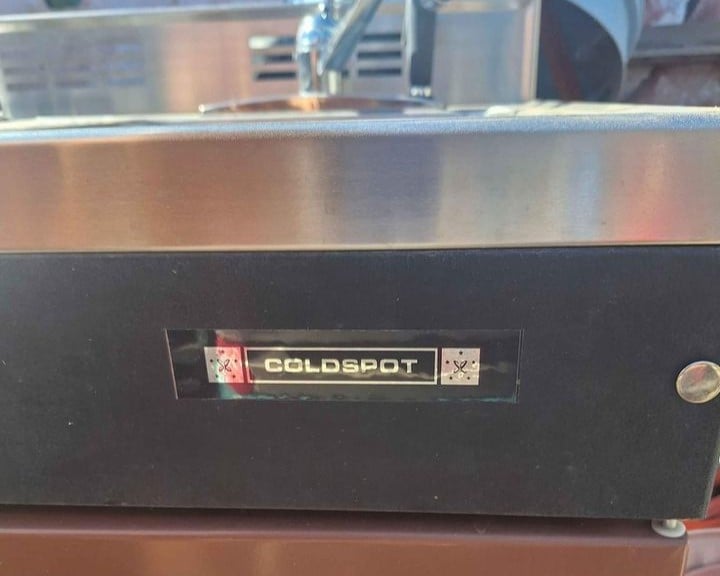
These budget-friendly refrigerators and freezers offered basic reliability without the premium features of Kenmore models, filling a specific slot in the Sears lineup that other manufacturers didn’t quite match (and creating a hierarchy where customers could move up through the catalog ecosystem as their budgets and ambitions grew). The white metal boxes did what refrigerators were supposed to do: keep food cold and last long enough to justify the monthly payment plan.
Roebuck Work Clothes
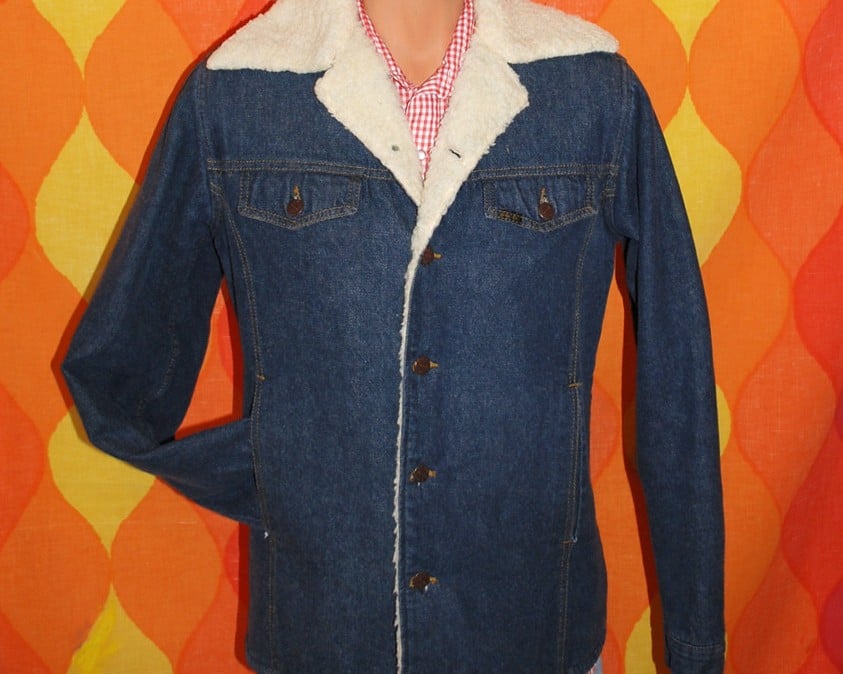
The practical clothing that filled the back pages of every catalog — work shirts, coveralls, and boots built for function over fashion — carried the Roebuck name and came with the kind of straightforward durability that made sense when ordering meant committing to whatever showed up in the mail. These weren’t the clothes people wore to dinner parties; they were what you put on to paint the garage or change the oil, and they lasted until the work was finished.
The catalog photography was refreshingly honest: real workers doing actual jobs in clothes that looked lived-in rather than styled.
Allstate Tires

Before Allstate became exclusively an insurance company, the name appeared on tires that you could only order through Sears catalogs or pick up at their automotive centers. These weren’t the premium tires that tire shops pushed, but they weren’t the cheapest options either — they occupied that middle ground where most people actually lived, offering decent performance at catalog prices.
The catalog pages showed families loading station wagons for cross-country trips, suggesting these tires could handle whatever American roads threw at them.
Sears Electronics
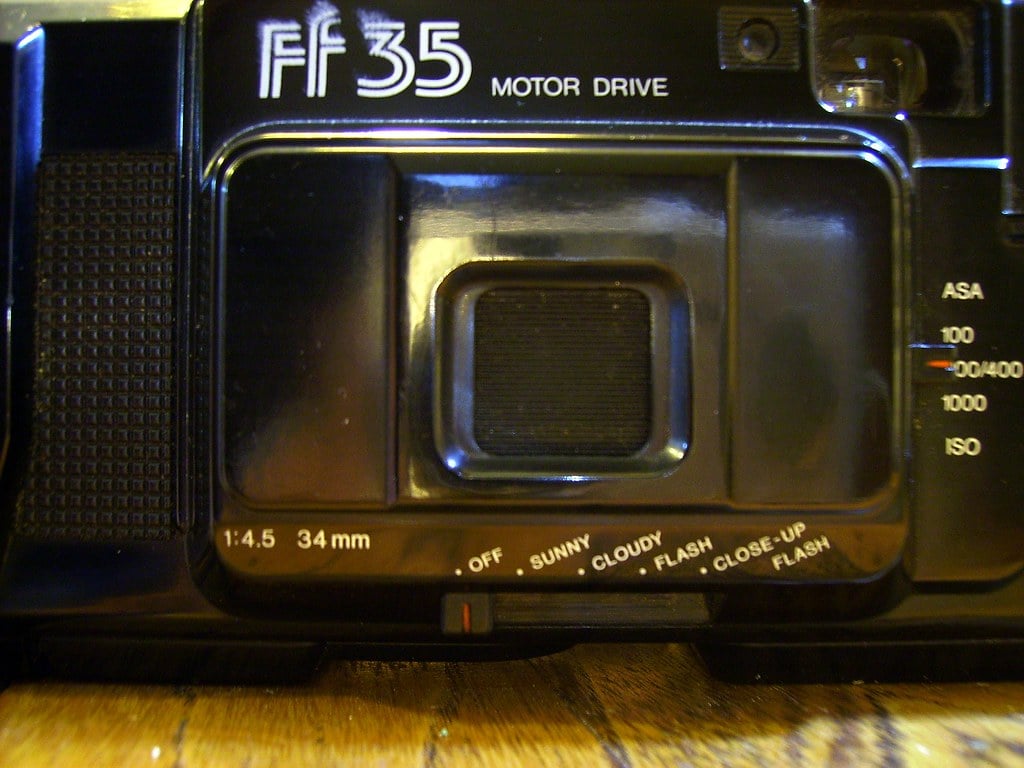
Televisions, radios, and stereo systems branded with various Sears names offered alternatives to the big manufacturers, often built by the same companies that made the name-brand versions but tuned specifically for catalog customers who wanted decent quality without paying for advertising and retail markups. You might get a television that performed like a Zenith but cost like a Sears, which was exactly the kind of practical magic that catalog shopping promised.
The electronics pages looked like mission control centers, with families gathered around entertainment systems that turned living rooms into command centers for American leisure.
Perma-Prest Clothing
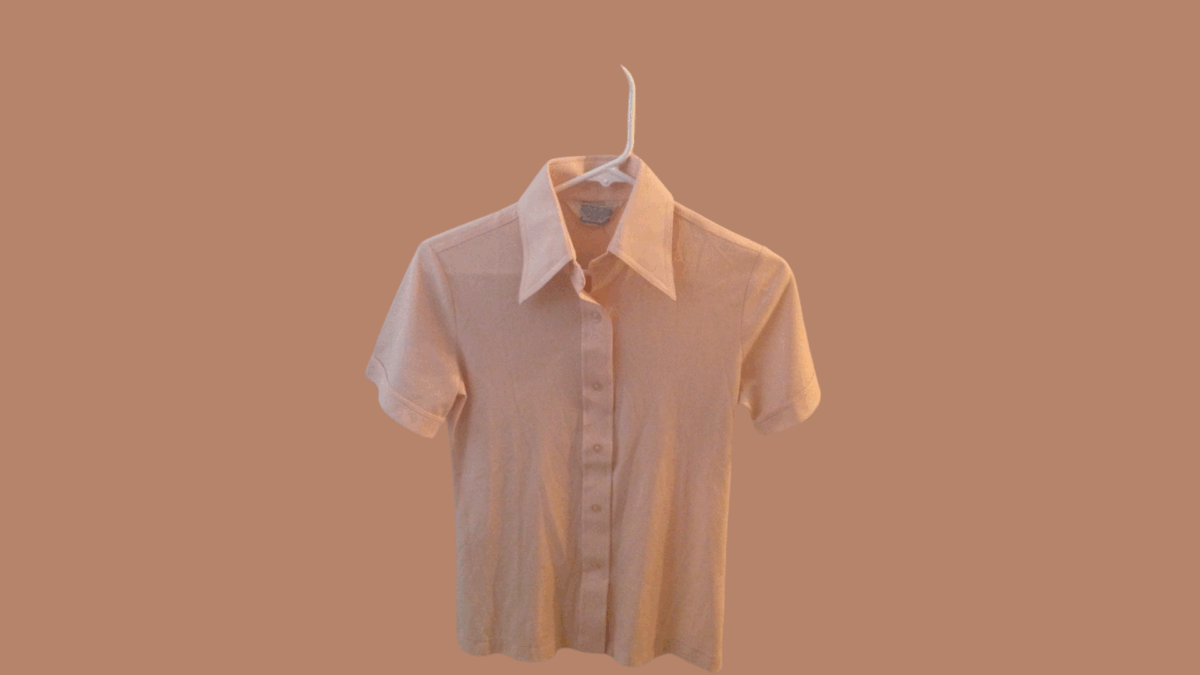
These wrinkle-free shirts and pants promised to eliminate ironing from American life, which was exactly the kind of domestic revolution that catalog companies specialized in delivering. The permanent press technology wasn’t exclusive to Sears, but their Perma-Prest line offered the convenience at catalog prices with the reliability that came from ordering through a company that had to stand behind everything they shipped.
The clothing looked professional enough for office work but practical enough for daily wear, and it actually emerged from the dryer looking like something you could wear without additional effort.
Tower Records

Not the music store chain, but Sears’ own brand of audio equipment that promised high-end performance at catalog prices, which sometimes delivered exactly that and sometimes reminded customers that promises and reality don’t always match. The stereo components came with impressive specifications and sleek designs that looked expensive in the catalog photography, but the real test came when they arrived and customers compared the sound to what they’d heard in actual audio stores.
Some Tower components became legendary among budget audiophiles; others became cautionary tales about catalog shopping.
Easy Living Furniture
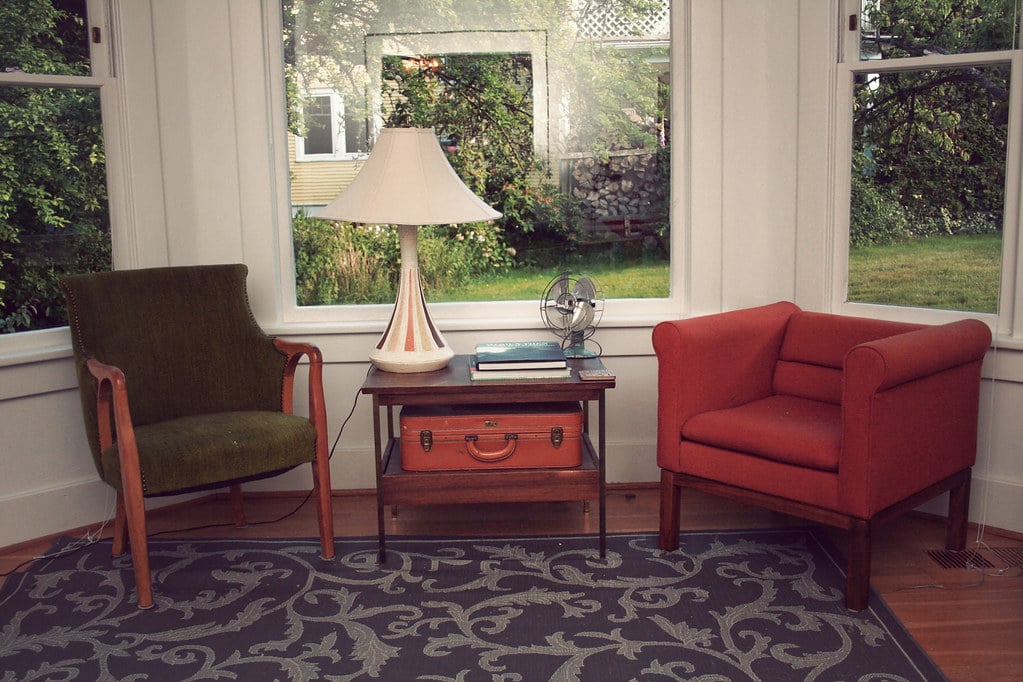
The furniture collections that filled the catalog’s middle sections offered complete room setups for customers who wanted everything to match without hiring an interior designer or visiting multiple furniture stores. You could order an entire living room, bedroom, or dining room set with the confidence that all the pieces would work together, which was genuinely valuable for people who found furniture shopping overwhelming.
The styles were safe rather than adventurous, but they created comfortable spaces that looked like the catalog photographs and lasted long enough to justify the payment plans.
Fashion Horizons

The women’s clothing line promised contemporary style at practical prices, which meant taking the trends from expensive department stores and translating them into versions that catalog customers could afford and actually wear to their real jobs and social events. The clothing wasn’t cutting-edge fashion, but it wasn’t trying to be — it was trying to help women look current and professional without spending department store money or taking department store risks. The catalog models looked like idealized versions of actual customers rather than unreachable fashion fantasies.
Field Master

The outdoor gear and camping equipment that carried this exclusive brand name was built for weekend adventurers rather than professional mountaineers, which perfectly matched the catalog customer base of people who wanted to explore the outdoors without investing in expedition-grade equipment. The tents, sleeping bags, and backpacks offered decent quality at catalog prices, with designs that prioritized ease of use over ultimate performance.
You could outfit an entire family camping trip from a few catalog pages, and the gear would probably last until the kids outgrew their interest in sleeping on the ground.
Harmony House
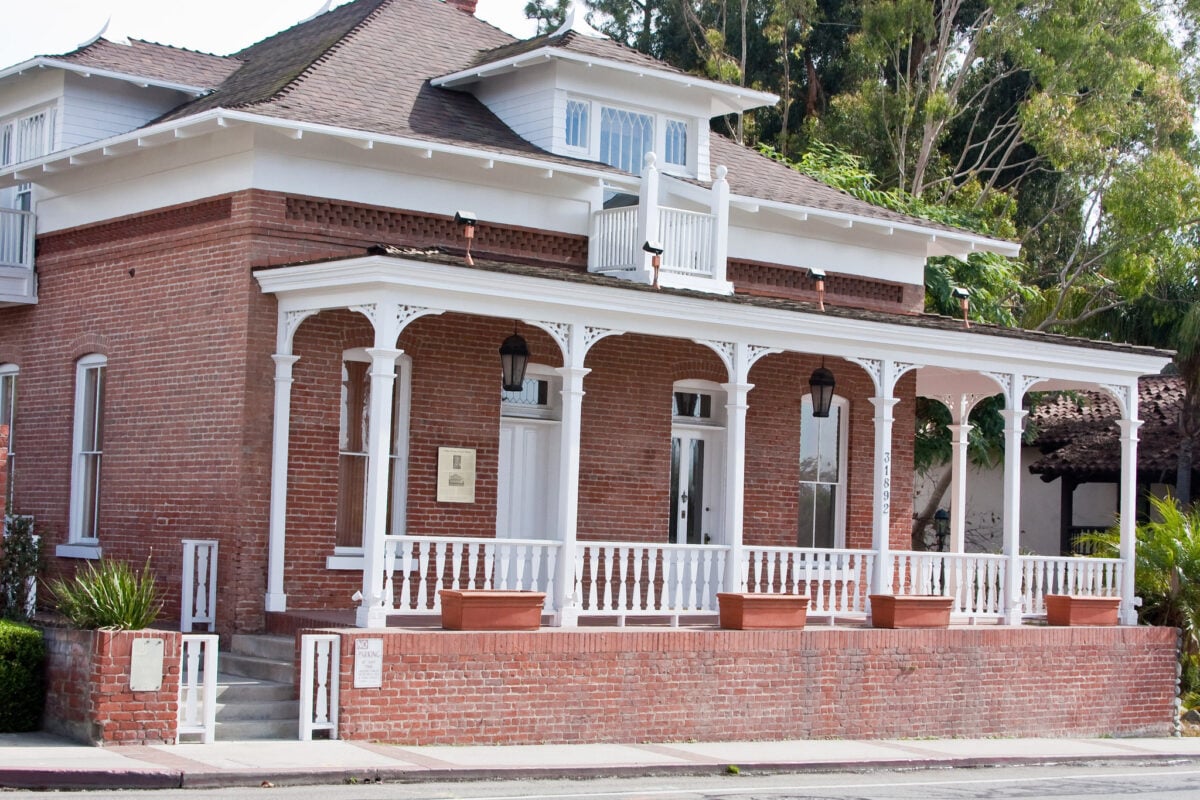
The home decor and housewares collection that helped customers create coordinated interiors without the expense and effort of working with professional designers or shopping at high-end home stores. Harmony House offered everything from bedding to kitchen accessories, all designed to work together in color schemes and styles that looked sophisticated in the catalog photography.
The products weren’t luxury items, but they weren’t disposable either — they occupied that middle ground where most American homes actually existed, providing comfort and style at catalog prices.
J.C. Higgins
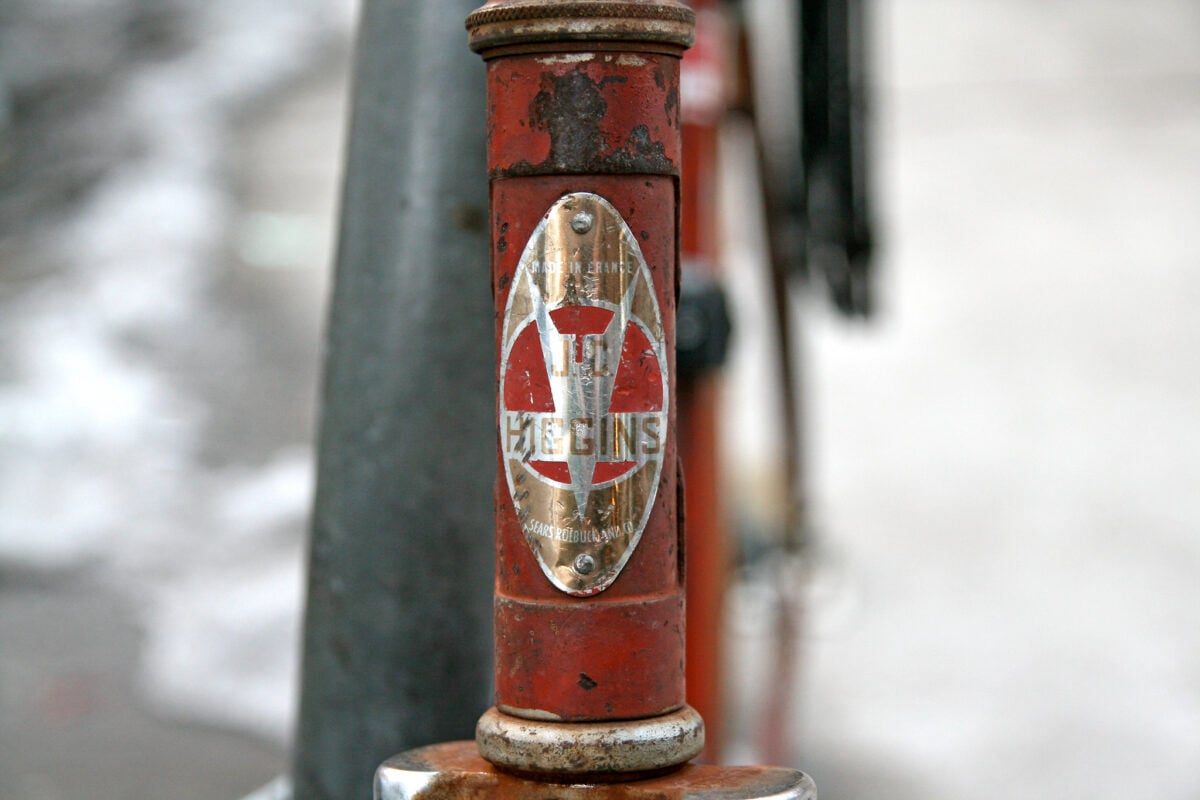
Before Ted Williams took over the sporting goods section, this name appeared on everything from bicycles to baseball gloves, representing Sears’ early entry into exclusive athletic equipment that promised name-brand performance at catalog prices. The brand disappeared from catalogs by the early 1960s, but the 1970s still saw some holdover items carrying the J.C. Higgins name.
These weren’t professional-grade sporting goods, but they were built well enough for neighborhood games and weekend recreation, and they came with the catalog guarantee that meant something when return policies actually protected customers.
David Bradley
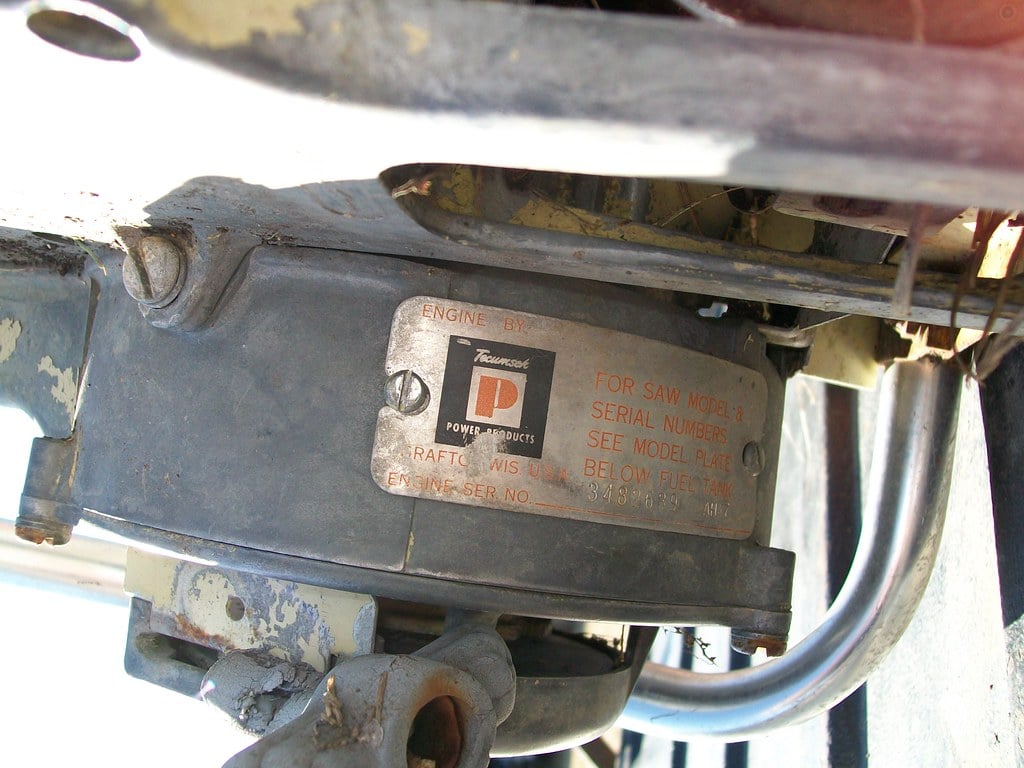
The farm and garden equipment that carried this name was designed for suburban homeowners who wanted to maintain their properties without investing in commercial-grade machinery or hiring professional landscapers. The lawn tractors, tillers, and garden tools offered enough power for typical home use while staying within the price range of catalog customers who were managing household budgets rather than farm operations.
The equipment wasn’t fancy, but it was functional, and it came with the support network that Sears had built around catalog sales and local service centers.
Looking Back Through Time’s Pages
These catalog exclusives represented more than just products — they were proof that a single company could create its own retail universe, complete with brands that existed nowhere else and loyalty that lasted for generations. The 1970s marked the end of this catalog dominance, as shopping malls and discount chains began offering the convenience and selection that had made Sears catalogs essential.
But for customers who remember flipping through those thick pages, choosing between Craftsman and Dunlap tools or Kenmore and Coldspot appliances, the catalog years still feel like a time when shopping was an event rather than an errand, and when waiting for delivery was part of the pleasure rather than an inconvenience to endure.
More from Go2Tutors!

- The Romanov Crown Jewels and Their Tragic Fate
- 13 Historical Mysteries That Science Still Can’t Solve
- Famous Hoaxes That Fooled the World for Years
- 15 Child Stars with Tragic Adult Lives
- 16 Famous Jewelry Pieces in History
Like Go2Tutors’s content? Follow us on MSN.