Household Appliances From the 1950s That Were Built to Last a Lifetime
There’s something almost mythical about opening a friend’s kitchen cabinet and finding their grandmother’s mixer still humming along after seven decades. Not just working, but working better than the replacement they bought last year that’s already making suspicious grinding noises.
The 1950s represented a sweet spot in American manufacturing — a time when companies built their reputations on products that lasted, when planned obsolescence hadn’t yet become the dominant business model, and when “good enough” simply wasn’t good enough.
These weren’t just appliances; they were investments families made with the expectation that their children might inherit them. The materials were heavier, the engineering was simpler, and the mindset was fundamentally different.
Quality wasn’t a marketing term — it was the baseline expectation.
Sunbeam Mixmaster
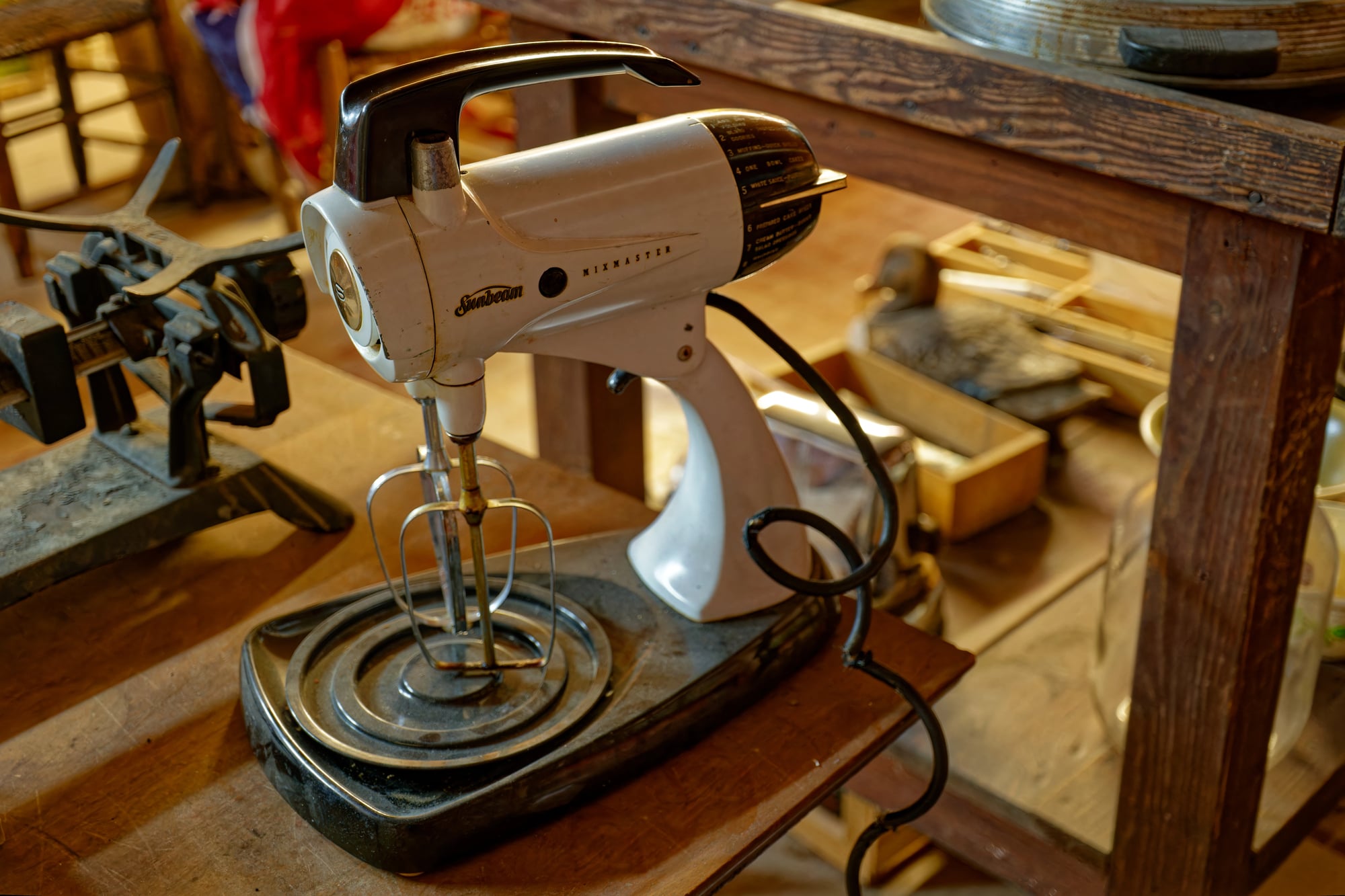
The Mixmaster didn’t just mix ingredients. It anchored itself to your counter like it had been bolted there and refused to budge no matter how thick the cookie dough got.
The motor never strained, never overheated, never gave up.
Frigidaire Refrigerators
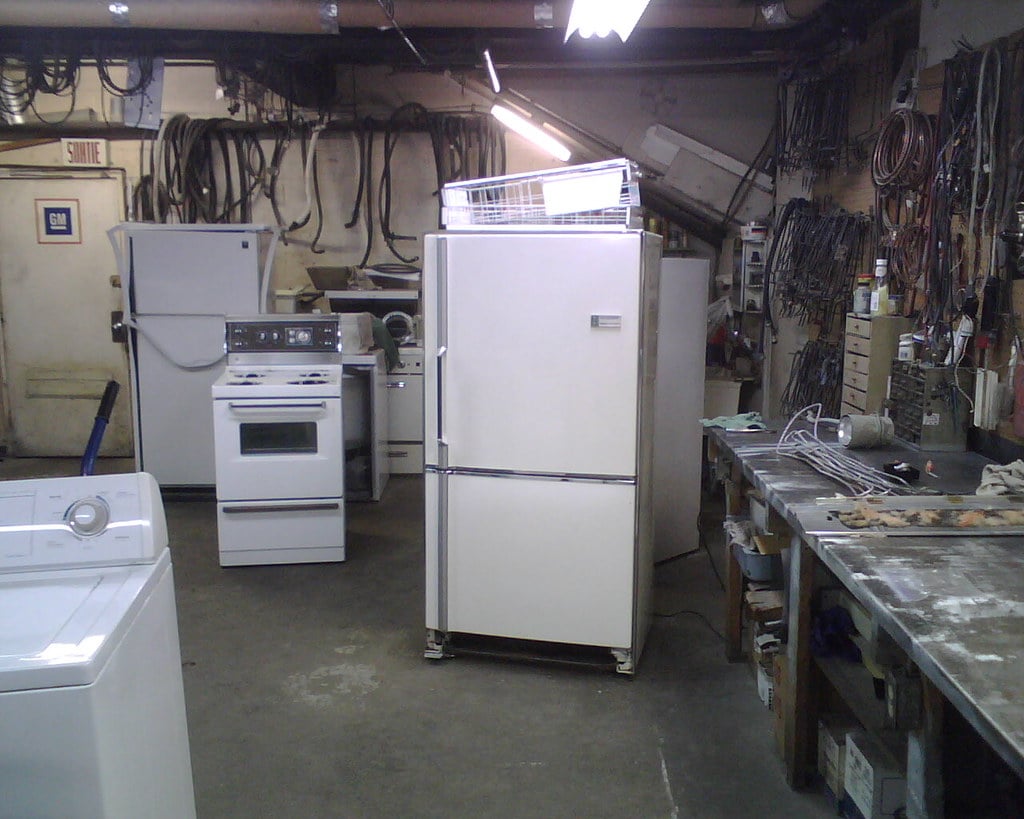
Back when Frigidaire actually meant something (and wasn’t just a generic term people used for any refrigerator), these units were built with compressors that seemed to draw their power directly from some eternal source. The thick steel construction and robust cooling systems meant that when something finally did break after thirty years, it was usually worth fixing — and there were still parts available to do it.
The rounded corners and clean lines weren’t just aesthetic choices; they reflected an engineering philosophy that prioritized function over flash, durability over disposability. And the freezer compartments, small as they were by today’s standards, maintained temperatures that modern units struggle to match, even with all their digital controls and energy-efficient promises.
Maytag Wringer Washers

Like a patient teacher who never loses composure, the Maytag wringer washer approached laundry with methodical precision that couldn’t be rushed or shortcuts taken. You fed clothes through those rollers at the machine’s pace, not yours, and somehow the rhythm of it — the deliberate back-and-forth agitation, the steady squeeze of water through fabric — created a kind of partnership between human and machine that automatic washers would never quite replicate.
The cast iron construction meant these units didn’t walk across the floor during the spin cycle or develop mysterious rattles after a few years of use. They settled into their spot in the laundry room and stayed there, solid and dependable, washing load after load with the same thorough efficiency whether it was their first month or their third decade of service.
General Electric Toasters
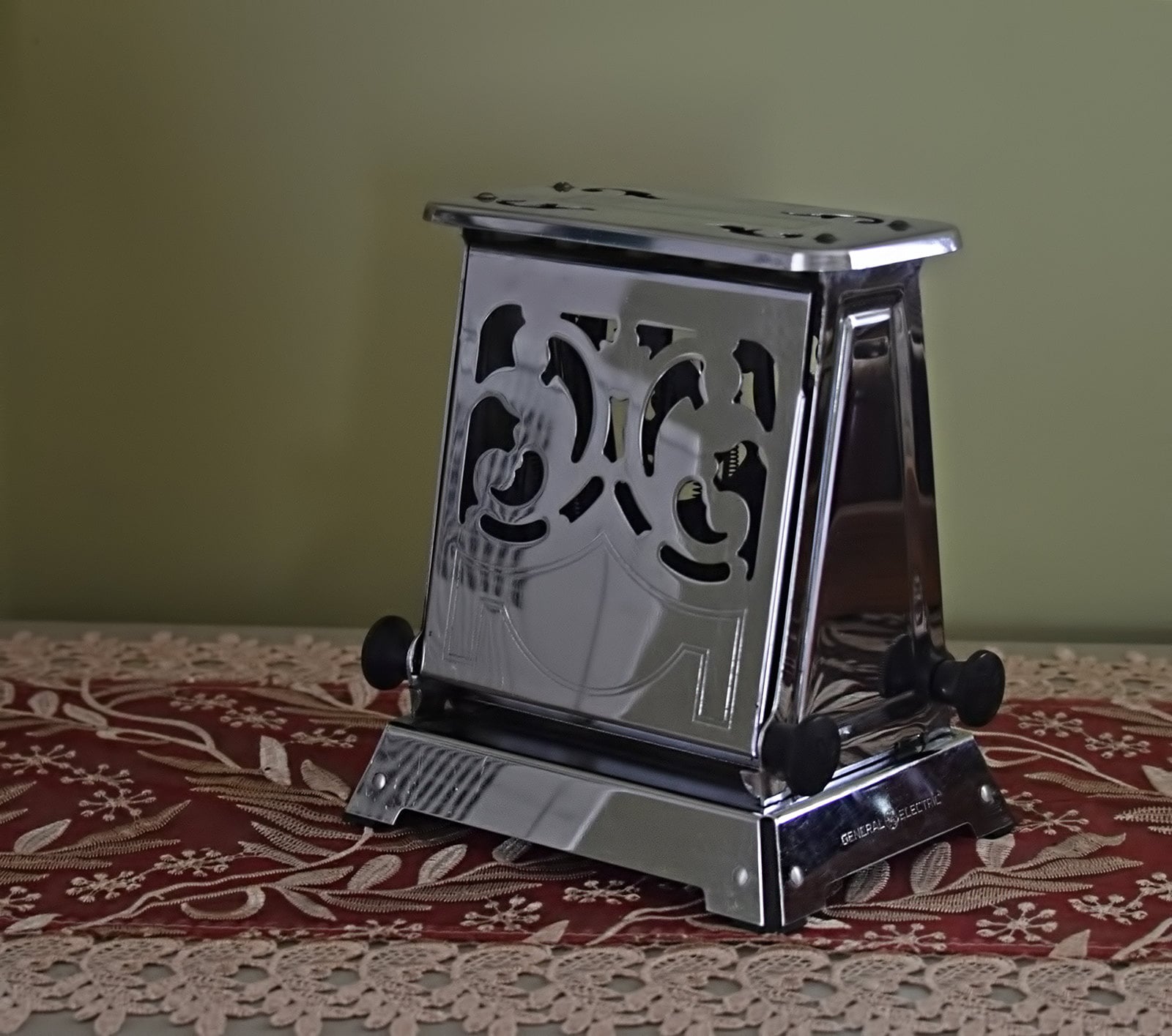
GE toasters from this era operated on a simple principle: bread goes in, toast comes out, and the machine doesn’t overthink the process. No digital displays, no multiple browning settings for different types of bread, no automatic lowering mechanisms that break after six months.
Just a lever, a timer, and heating elements that delivered consistent results every single morning.
The chrome finish didn’t chip or fade, partly because it was actual chrome over substantial steel, not the thin coating that passes for chrome today. These toasters developed character — small scratches and wear marks that told the story of thousands of breakfasts — without developing problems.
KitchenAid Stand Mixers

The KitchenAid stand mixer was built like a piece of industrial equipment that happened to be sized for home use, and that wasn’t entirely accidental. The company’s background in commercial food service equipment showed in every component — from the planetary mixing action that ensured thorough blending to the gear-driven motor that could handle bread dough thick enough to challenge lesser machines.
What set these apart wasn’t just their power (though watching one plow through a double batch of chocolate chip cookie dough without breaking stride was impressive), but their versatility. The attachment hub turned the mixer into a meat grinder, pasta maker, ice cream churner, or grain mill, transforming a single appliance into an entire food preparation system.
And because the motor was built to commercial standards, it could handle whatever attachment you threw at it, year after year, without complaint.
Westinghouse Roaster Ovens

Westinghouse roaster ovens operated on the radical notion that cooking a turkey shouldn’t require a PhD in appliance troubleshooting. The heavy-gauge steel construction distributed heat evenly, the simple thermostat maintained accurate temperatures, and the self-basting lid design meant your holiday roast came out perfectly browned and moist without constant attention.
These weren’t countertop conveniences — they were serious cooking tools that freed up oven space during holiday meals and handled large roasts with the confidence of commercial equipment. The heating elements were built to last decades, not seasons, and the straightforward controls meant there were fewer things to break down over time.
Hamilton Beach Drink Mixers
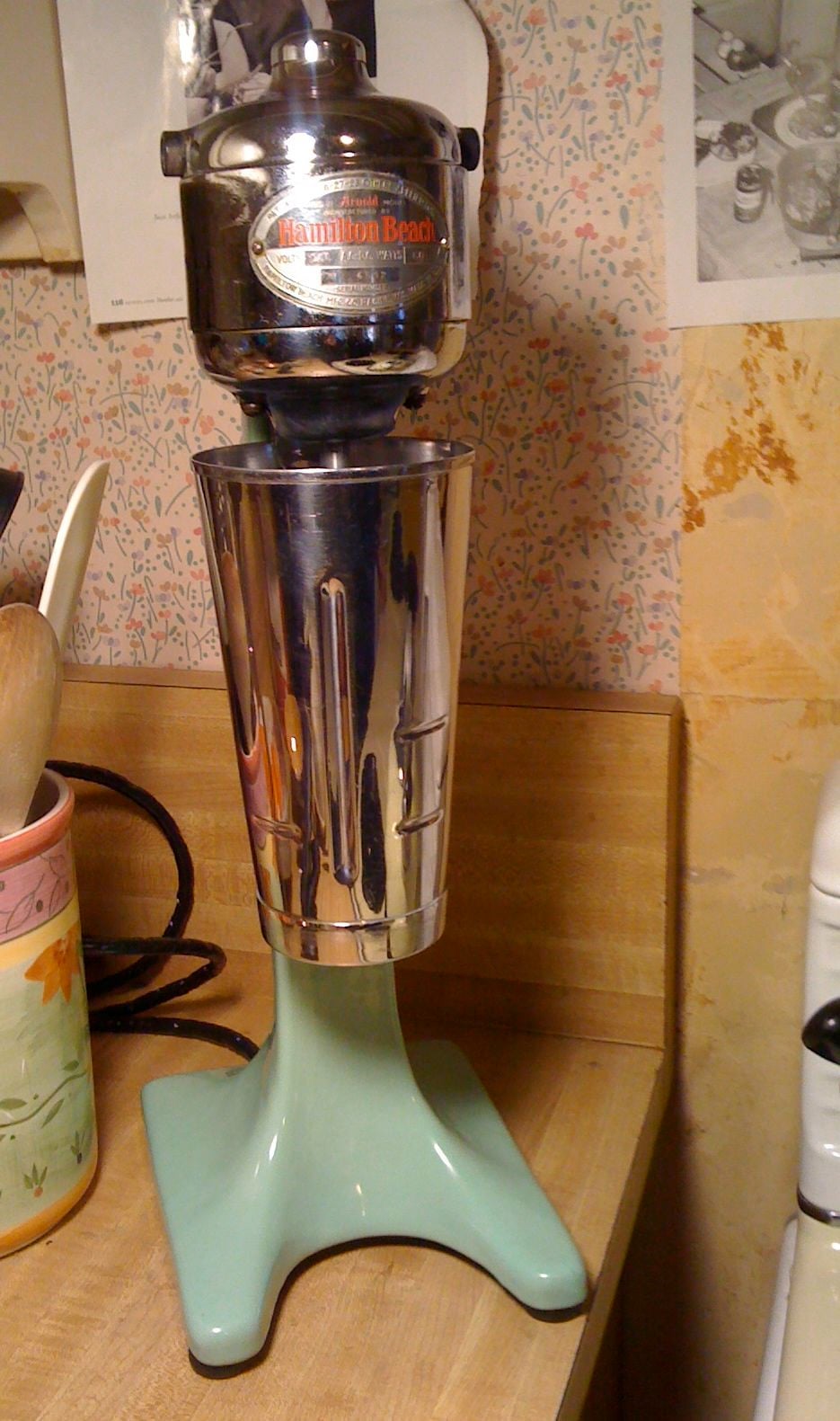
There’s a poetry to simplicity that Hamilton Beach understood when they built their drink mixers — the kind of focused engineering that produces a tool so good at its single purpose that trying to improve it only makes it worse. These machines mixed milkshakes with a patience and thoroughness that modern blenders, for all their speed and power, somehow can’t quite match.
The motor housing was substantial enough that you could rest your hand on it during operation without feeling any vibration, and the spindle mechanism was built with tolerances tight enough that even after decades of use, there was no wobble, no off-axis spinning that would create uneven mixing. The result was milkshakes with that perfect consistency — thick enough to coat the glass, smooth enough that every sip was identical to the last.
Norge Washing Machines

Norge built washing machines the way other companies built farm equipment — to handle whatever abuse daily use could dish out and keep running regardless of conditions. The transmissions were overbuilt, the agitators were designed for clothes that were actually dirty (not just lightly soiled), and the fill valves operated with mechanical precision that didn’t require electronic sensors to know when enough water was enough.
The porcelain finish on the tub wasn’t just for looks; it created a surface that wouldn’t rust, wouldn’t chip easily, and wouldn’t retain odors no matter how many loads of work clothes or cloth diapers it processed.
Hoover Constellation Vacuum Cleaners

The Hoover Constellation looked like something that had landed from the future — a round, canister vacuum that rode on a cushion of its own exhaust air, floating behind you as you cleaned. But beneath that space-age exterior was engineering that prioritized function over form, with a motor powerful enough to maintain suction through hoses that were longer and attachments that were more numerous than anything available today.
The floating design wasn’t just a gimmick; it meant the unit could follow you up stairs, around corners, and under furniture without the constant lifting and repositioning that wheeled canisters required. And because the motor was isolated from the floor by that cushion of air, there was less vibration, less wear on internal components, and less noise during operation.
Oster Beehive Blender

Oster’s Beehive blender treated ice cubes like a suggestion rather than an obstacle. The glass pitcher was thick enough to withstand thermal shock and impact, the blade assembly was built with bearings that didn’t seize up after a few years of smoothie-making, and the motor had enough torque to pulverize frozen fruit without that labored grinding sound that signals impending failure.
The distinctive beehive shape wasn’t just aesthetic — it created a vortex pattern that pulled ingredients down into the blades more efficiently than the straight-sided pitchers that would later become standard. This meant better blending with less liquid, fewer air pockets, and more consistent results whether you were making a single serving or a full pitcher.
Dormeyer Mixer
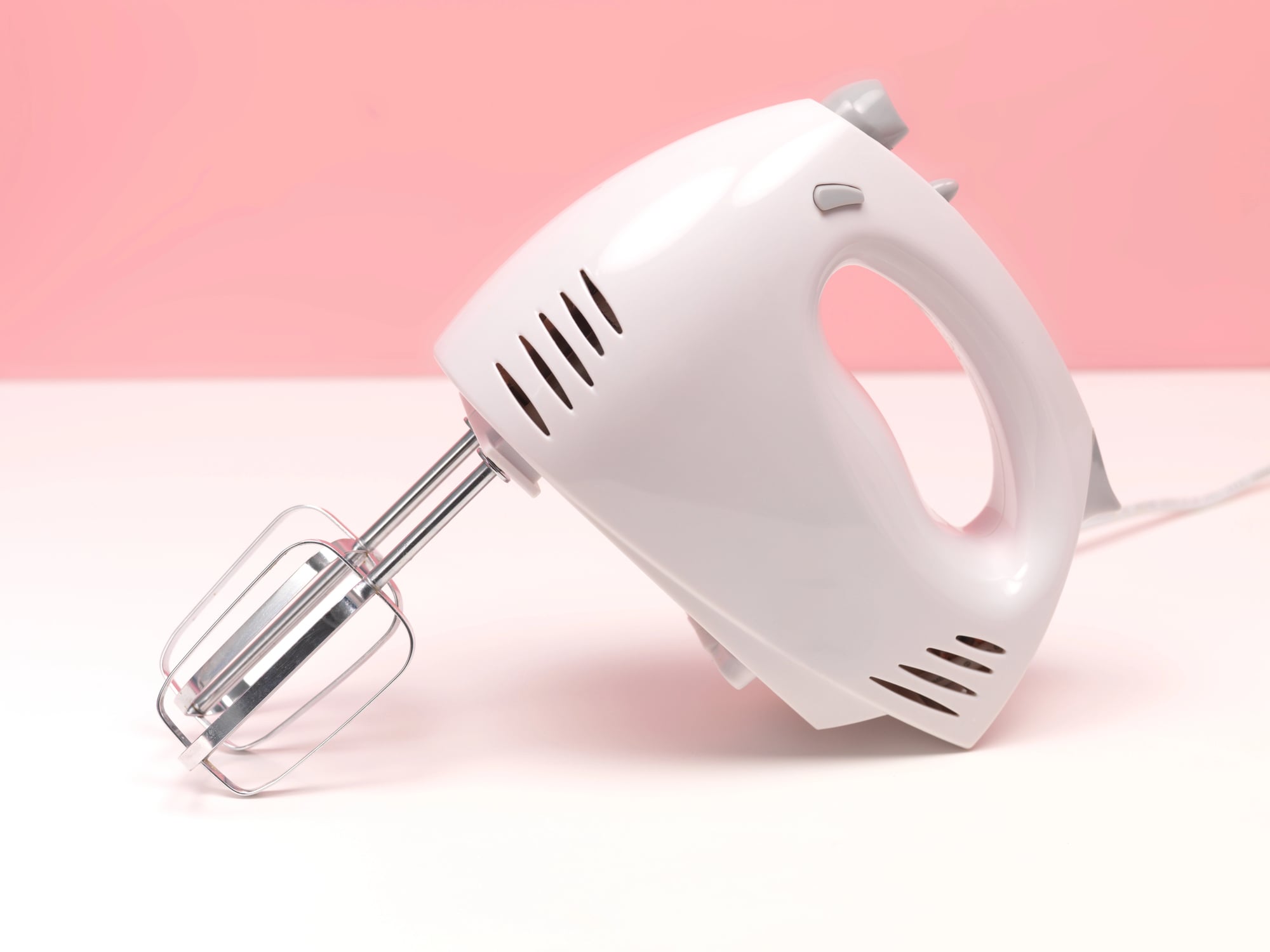
Like a watchmaker’s apprentice who learned precision through repetition rather than instruction, the Dormeyer mixer approached every task with methodical accuracy that couldn’t be rushed or hurried. The motor turned at exactly the right speed for the job — not faster because faster seemed more impressive, not slower because slower seemed more gentle — but at the speed that produced the best results.
The cast iron housing absorbed vibration and noise, creating a mixing experience that was surprisingly quiet despite the power being generated. And the beaters themselves were designed with subtle curves and angles that folded air into batters more effectively than the generic attachments that would later become industry standard, producing cakes and cookies with textures that modern mixers struggle to replicate.
Revere Ware
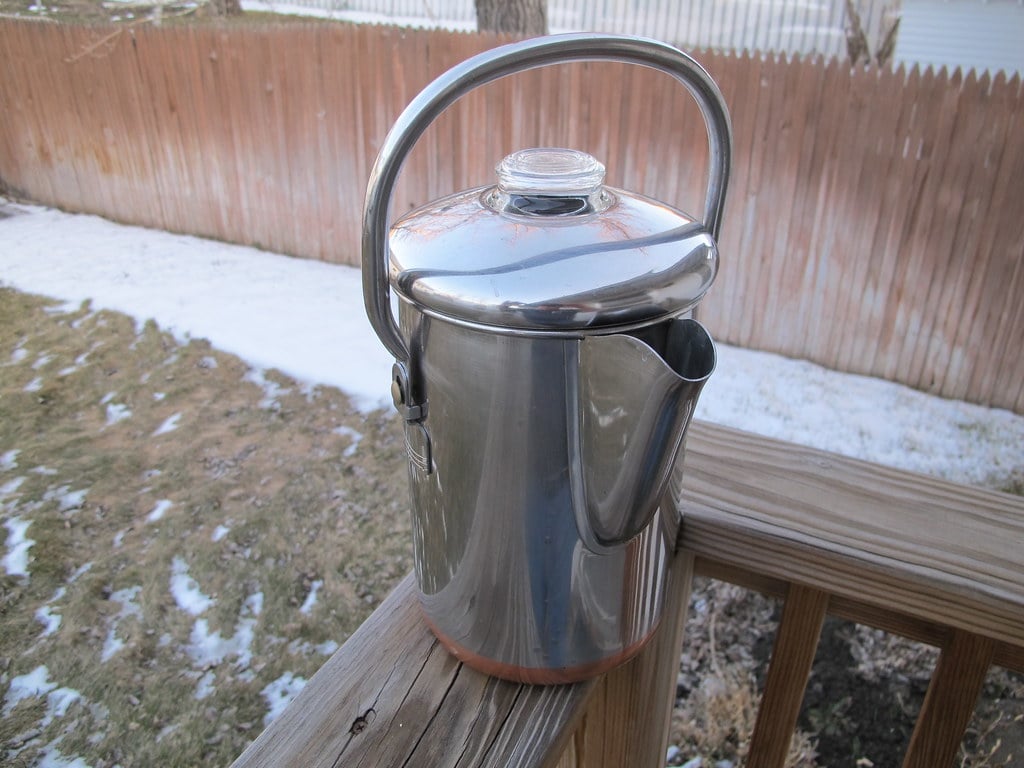
Revere Ware transformed the simple act of cooking into something that felt permanent and substantial, as if the pots and pans themselves were making a commitment to your kitchen that would outlast trends, remodels, and possibly the house itself. The copper bottom wasn’t applied as a thin decorative layer — it was thick enough to actually distribute heat evenly, creating hot spots and scorched food only when the cook was at fault, not the equipment.
The stainless steel construction developed a patina over years of use that served as a visual record of thousands of meals, but the performance never degraded. Handles stayed tight, lids fit precisely, and the cooking surface remained smooth and responsive to temperature changes.
These weren’t just pots and pans; they were tools that got better with age, seasoning themselves through use into more effective versions of what they’d been when new.
Proctor Silex Steam Iron
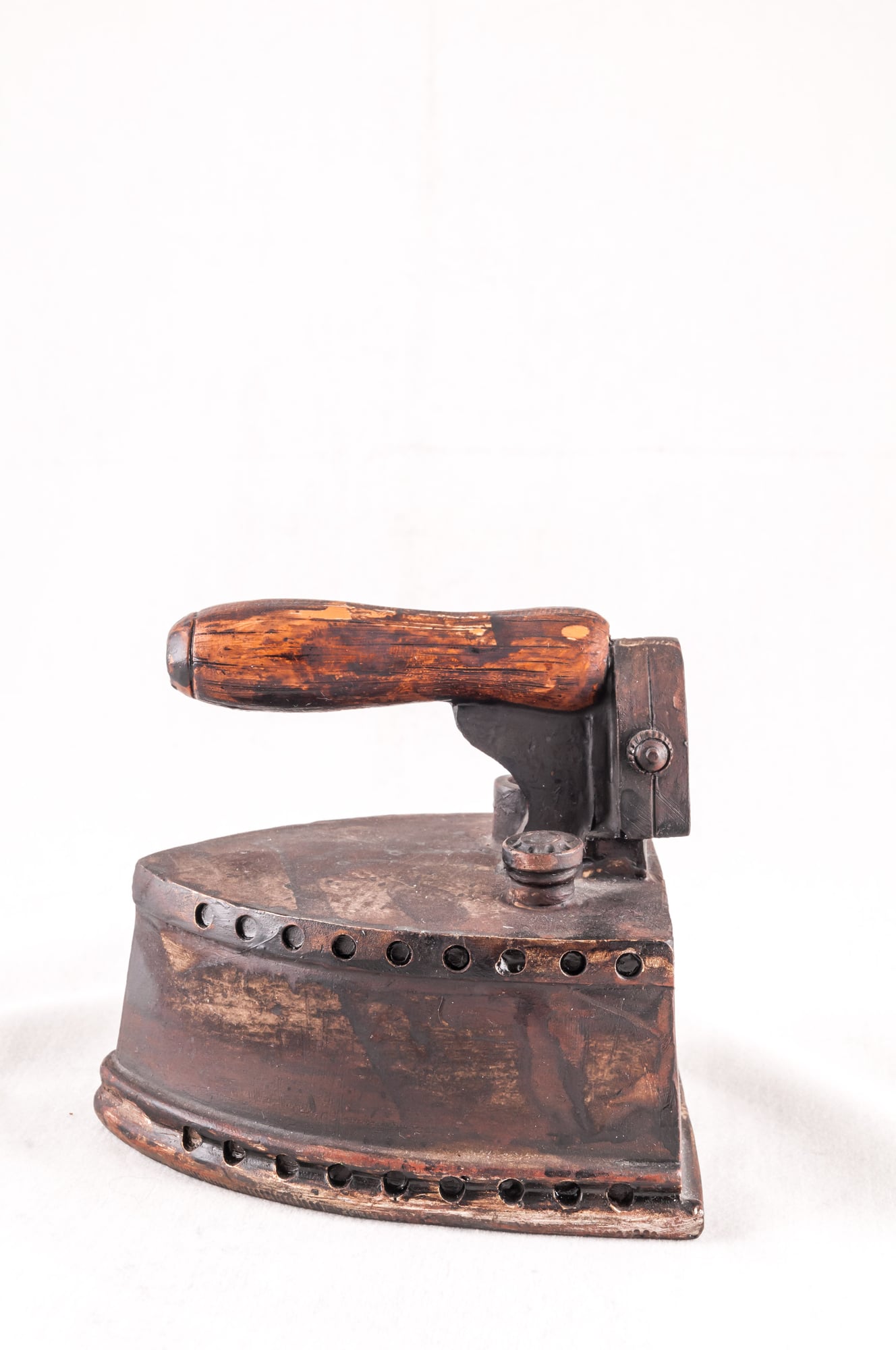
Proctor Silex steam irons operated on the principle that wrinkles were the enemy and diplomacy wasn’t an option. The heavy cast iron sole plate retained heat uniformly, the steam distribution was generous without being wasteful, and the simple controls delivered consistent performance whether you were pressing a cotton shirt or smoothing out a wool jacket.
The weight of these irons was a feature, not a flaw — it provided the pressure needed to create crisp creases and smooth fabric without excessive arm effort. And the steam system was built with components that could handle years of mineral deposits and hard water without clogging or losing effectiveness.
Black & Decker Drill
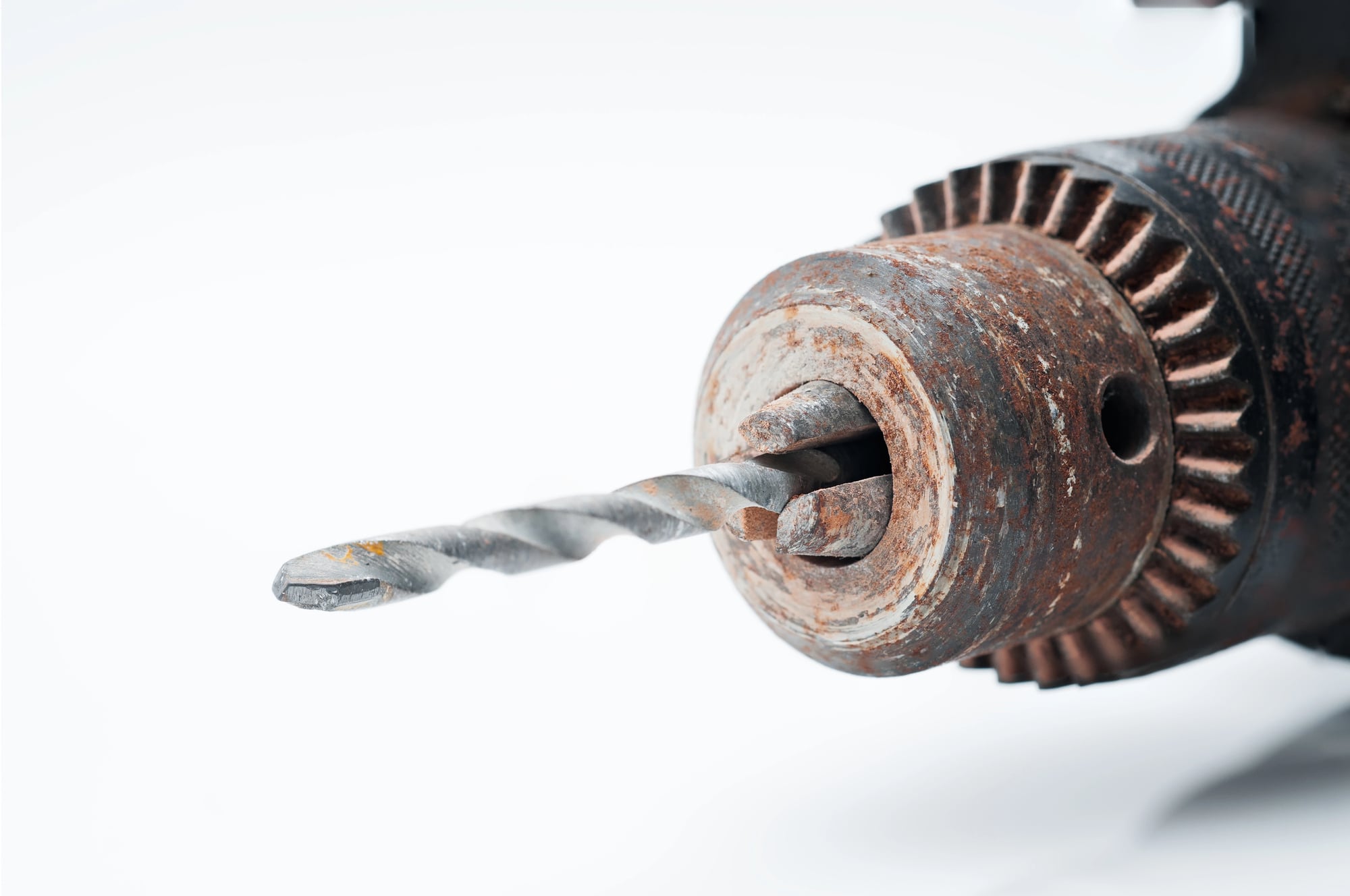
The Black & Decker drill was built like a piece of industrial equipment that happened to be painted in colors suitable for home use, and that similarity wasn’t accidental. The motor brushes lasted for years, the chuck maintained its grip on bits regardless of how many projects it had seen, and the trigger switch operated with mechanical precision that didn’t require electronic controls or variable speed circuits to deliver exactly the right amount of power.
The cord was thick enough to handle the electrical load without heating up, and long enough that you weren’t constantly searching for extension cords or outlets. These drills approached every job — whether drilling pilot marks for furniture assembly or boring through floor joists for electrical work — with the same steady, reliable performance that never seemed to diminish with age.
Sunbeam Electric Frying Pan

Sunbeam’s electric frying pan delivered temperature control that was both precise and forgiving — hot enough to sear meat properly, stable enough to maintain gentle heat for delicate sauces, and responsive enough to adjust quickly when cooking demands changed mid-recipe. The removable probe design meant the pan could go from stovetop-style cooking to oven-safe baking simply by unplugging the control.
The non-stick coating, when it finally wore away after years of faithful service, revealed an aluminum surface that continued to cook effectively without sticking or scorching. This wasn’t planned obsolescence defeated — it was thoughtful engineering that anticipated normal wear and designed the product to remain functional even after its premium features had aged.
Looking Back at What Lasted

These appliances succeeded not because they were perfect, but because they were honest about what they were designed to do and built to keep doing it for decades. There was no shame in making a toaster that only toasted bread, or a mixer that only mixed ingredients, or a vacuum that only cleaned floors.
The magic was in doing those simple tasks so well, so consistently, and for so long that the appliances became invisible parts of daily life — working perfectly until the day you noticed they’d been working perfectly for thirty years.
More from Go2Tutors!

- The Romanov Crown Jewels and Their Tragic Fate
- 13 Historical Mysteries That Science Still Can’t Solve
- Famous Hoaxes That Fooled the World for Years
- 15 Child Stars with Tragic Adult Lives
- 16 Famous Jewelry Pieces in History
Like Go2Tutors’s content? Follow us on MSN.