15 Foods That Never Expire
The back of your pantry probably holds more treasures than you realize. While most food comes with expiration dates that send you scrambling to use things up or toss them out, some items just refuse to go bad.
These foods can sit on your shelf for years, even decades, and remain perfectly safe to eat. Knowing which ones last forever changes how you shop and store food.
Honey
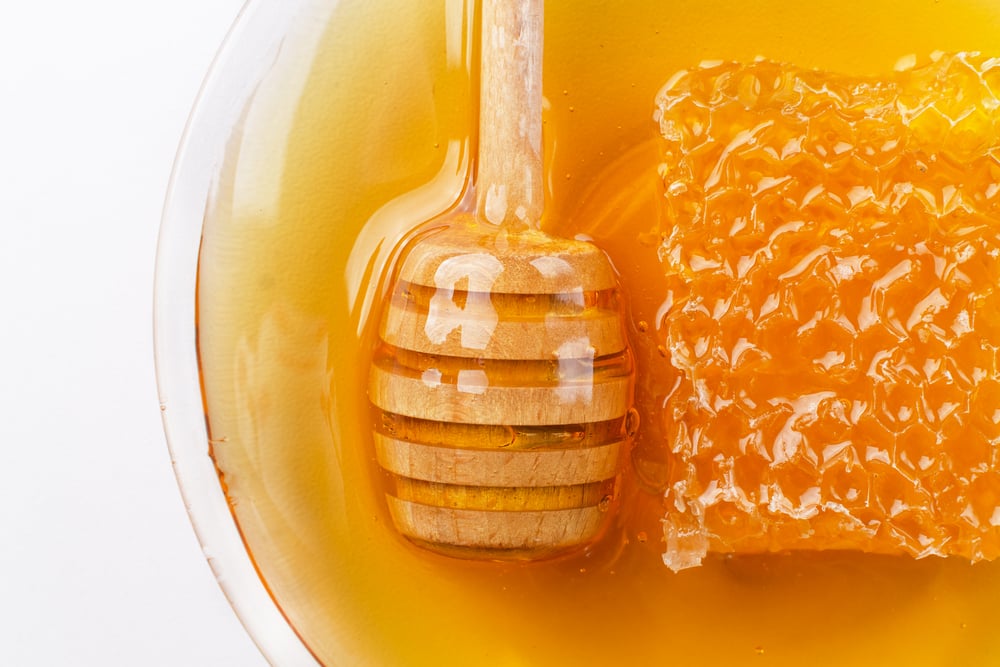
Honey inside old Egyptian tombs stayed fresh enough to eat – even after ages passed. What makes it last?
Almost no water sits in honey; mostly just thick sugar fills each pot. Bacteria fail to survive when there’s nothing wet for them to live on.
Sealed away from damp air, a covered container keeps spoilage far away. Over time, crystals may form – cloudiness spreads through the golden liquid.
Heat flows back into shape if you soak the closed jar in warm bathwater.
White Rice
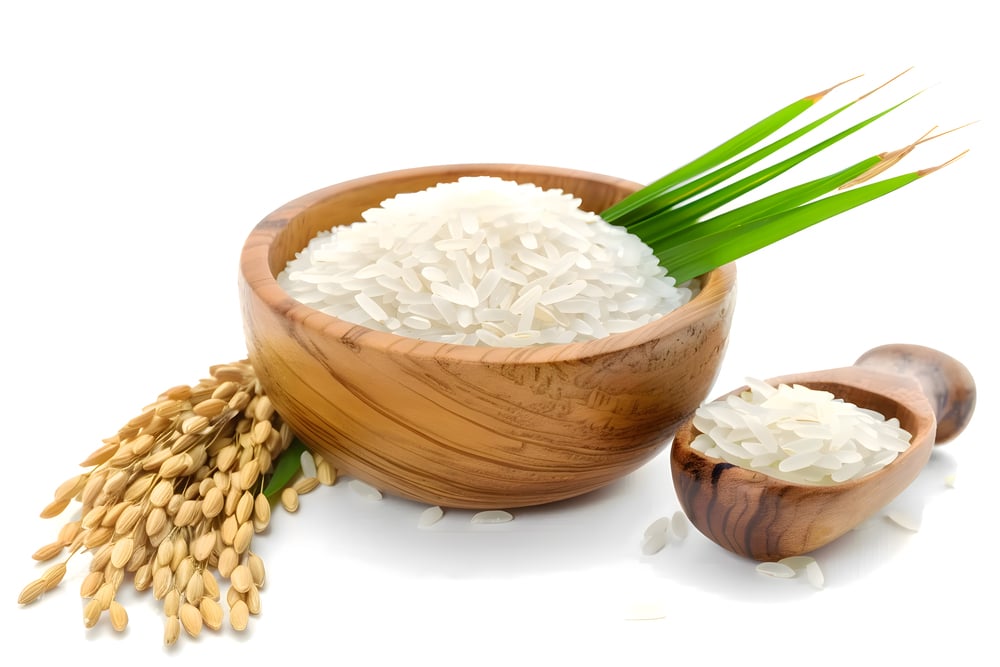
Oil in the bran layer makes brown rice turn bad over time. White rice lacks this part entirely.
Starch fills what remains after milling. When kept dry and sealed tight, starch holds its quality almost indefinitely.
A closed jar protects against dampness and pests alike. Decades pass without ruining the grains inside.
Old batches still boil into soft meals. Water amounts may rise slightly during cooking.
Age changes texture, nothing else.
Salt
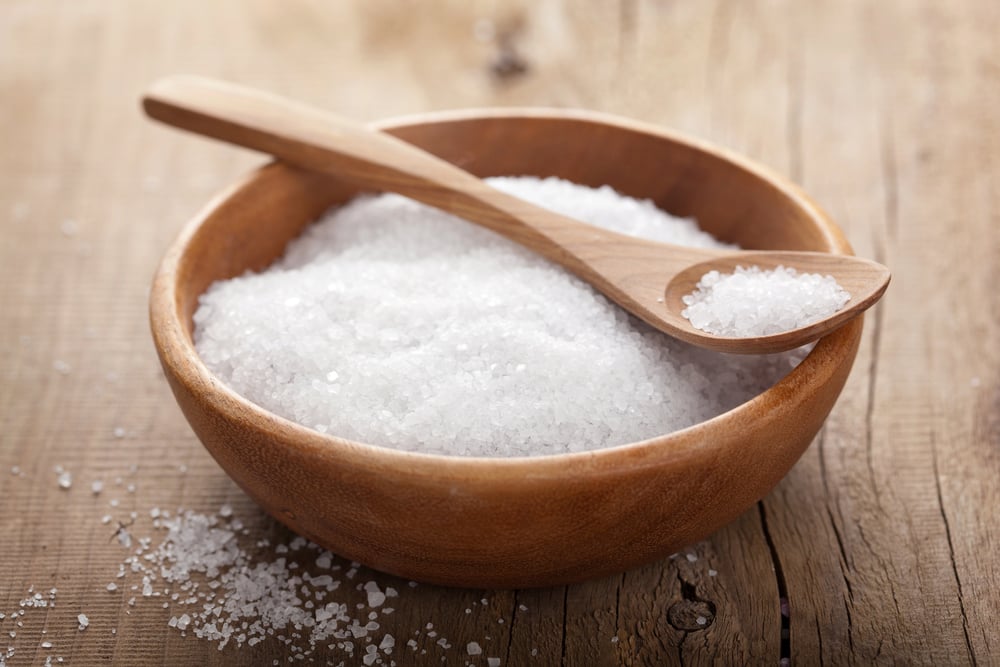
Salt has been used to preserve other foods for thousands of years, so it makes sense that salt itself never goes bad. It’s a mineral, not an organic substance, so there’s nothing in it that can rot or decay.
The only thing that happens to old salt is that it might clump up if it absorbs moisture from the air. Even then, it’s still perfectly safe to use. Iodized salt can lose some of its iodine content over time, but the salt itself remains fine.
Sugar
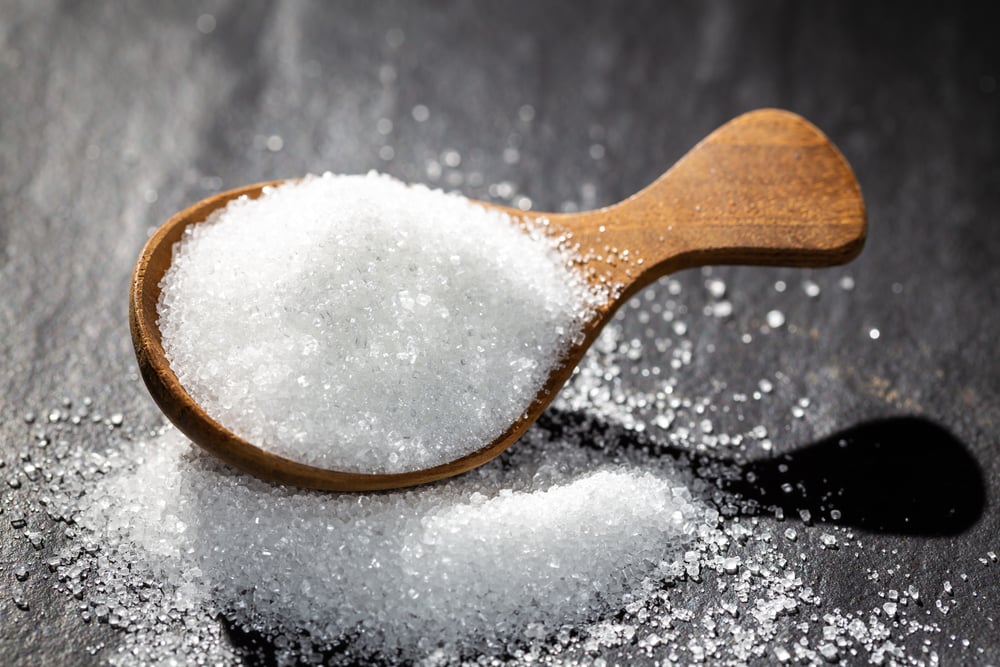
Pure white sugar and granulated sugar last forever for the same reason honey does—bacteria and mold need moisture to grow, and sugar doesn’t provide it. Your sugar might turn into a hard brick if humidity gets to it, but that doesn’t mean it’s gone bad.
Break it up and use it like normal. The exception is brown sugar, which contains molasses and has a bit more moisture, but even that lasts for years if you store it right.
Dried Beans
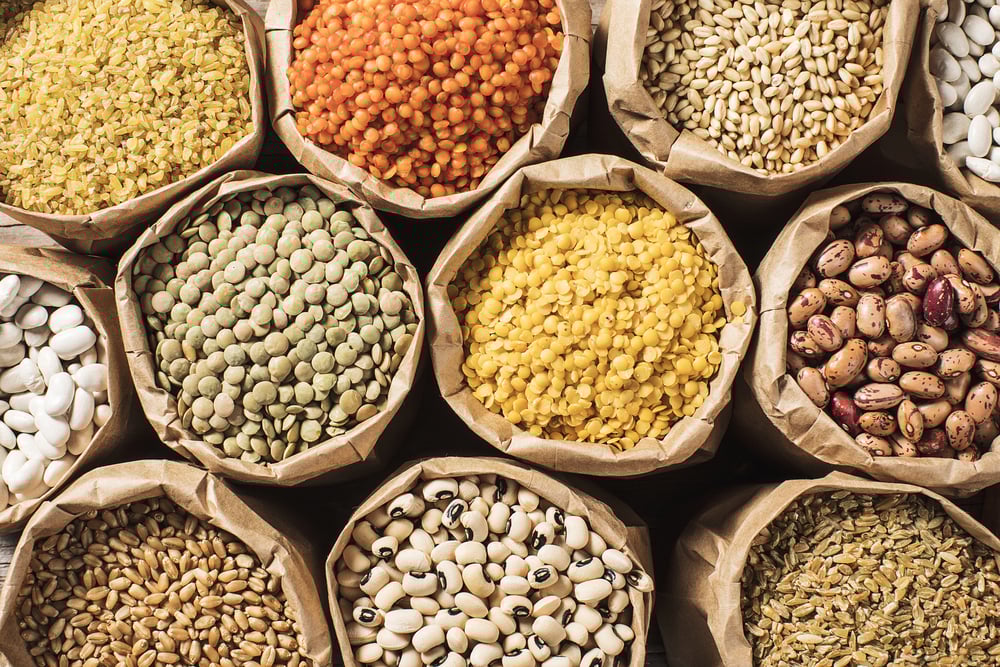
You can find dried beans from the 1970s that still cook up and taste fine. They get harder as they age, which means they take longer to cook and might never get quite as tender as fresh beans.
But they don’t spoil. The proteins and carbohydrates in beans are completely stable when dried.
Store them somewhere cool and dry, and you can keep them for 30 years or more. Just plan on extra cooking time for really old beans.
Cornstarch

Cornstarch is pure starch with all the moisture removed. Nothing grows on it, nothing breaks it down, and it doesn’t change over time.
The only way to ruin cornstarch is to let it get wet or let bugs into the container. Keep it sealed and dry, and it thickens your gravy just as well in 2050 as it does today.
Maple Syrup
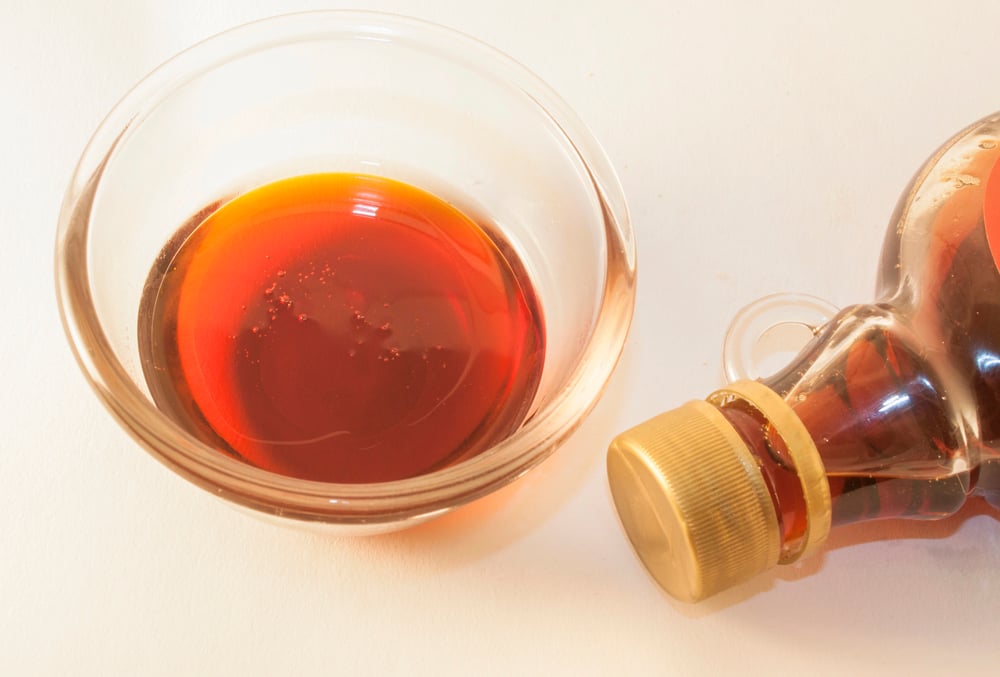
Pure maple syrup is concentrated sugar, and like honey, that high sugar content prevents bacterial growth. You need to keep opened maple syrup in the fridge to prevent mold from growing on the surface, but unopened bottles last indefinitely on the shelf.
Even if you do get some mold on opened syrup, you can just skim it off—the rest is still safe. The syrup might darken over time, but that’s just a color change.
Vanilla Extract
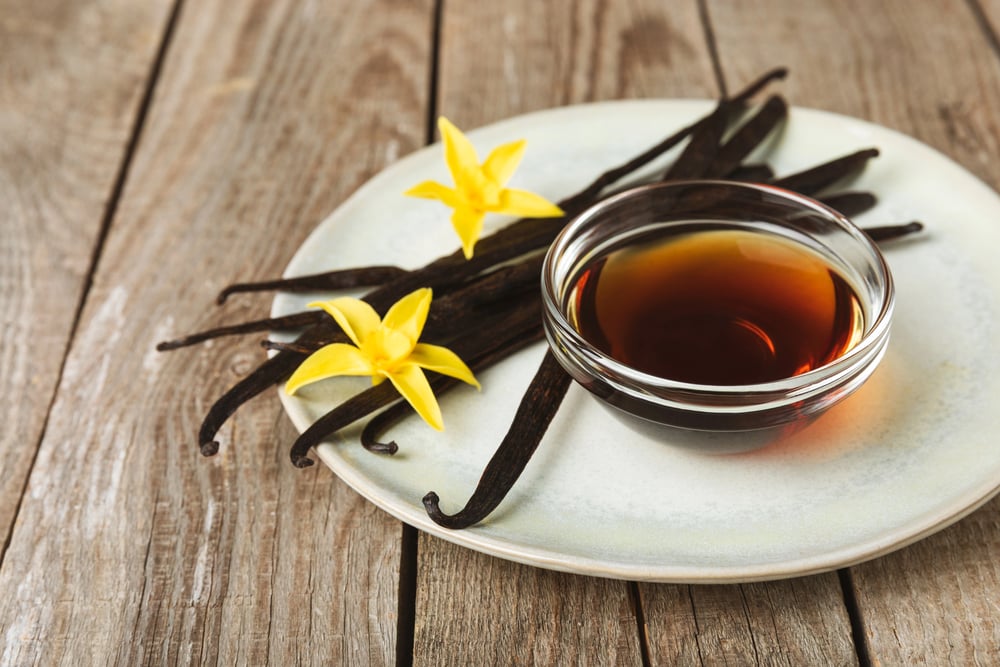
Real vanilla extract is made with alcohol, usually at least 35 percent. That alcohol content acts as a preservative.
Your vanilla extract might lose some of its flavor intensity after many years, but it won’t go bad or become unsafe. The vanilla beans suspended in the alcohol might settle or change color, and the liquid might get darker, but none of that affects safety.
Imitation vanilla extract also lasts indefinitely because it’s synthetic flavoring in alcohol.
Soy Sauce
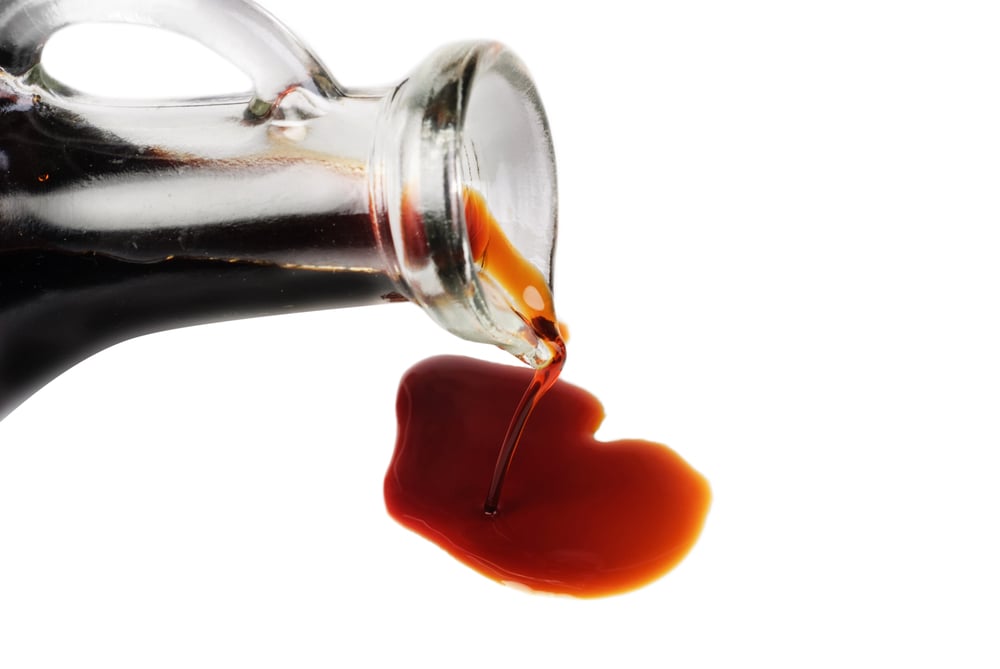
The combination of salt and fermentation makes soy sauce incredibly stable. Traditional soy sauce has been fermented for months, which creates an environment where harmful bacteria can’t survive.
Then there’s all that salt. You can keep an unopened bottle of soy sauce in your pantry for years.
Even after opening, it lasts for years in the fridge. The color might darken and the flavor might change slightly, but it stays safe to eat.
White Vinegar
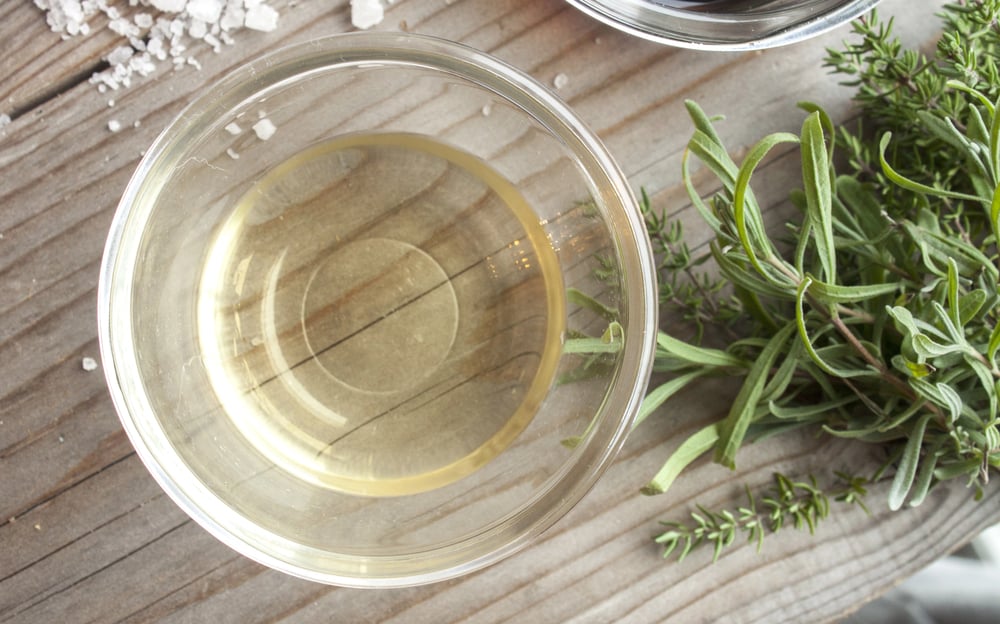
Vinegar is acidic enough that bacteria can’t grow in it. That’s why people use vinegar to preserve other foods.
White distilled vinegar has a pH so low that nothing survives in it. The acidity never goes away, so the vinegar never expires.
You might notice some cloudiness or sediment after years of storage, but that’s harmless. The vinegar works just as well for cooking, cleaning, or pickling as it did when you bought it.
Hard Liquor
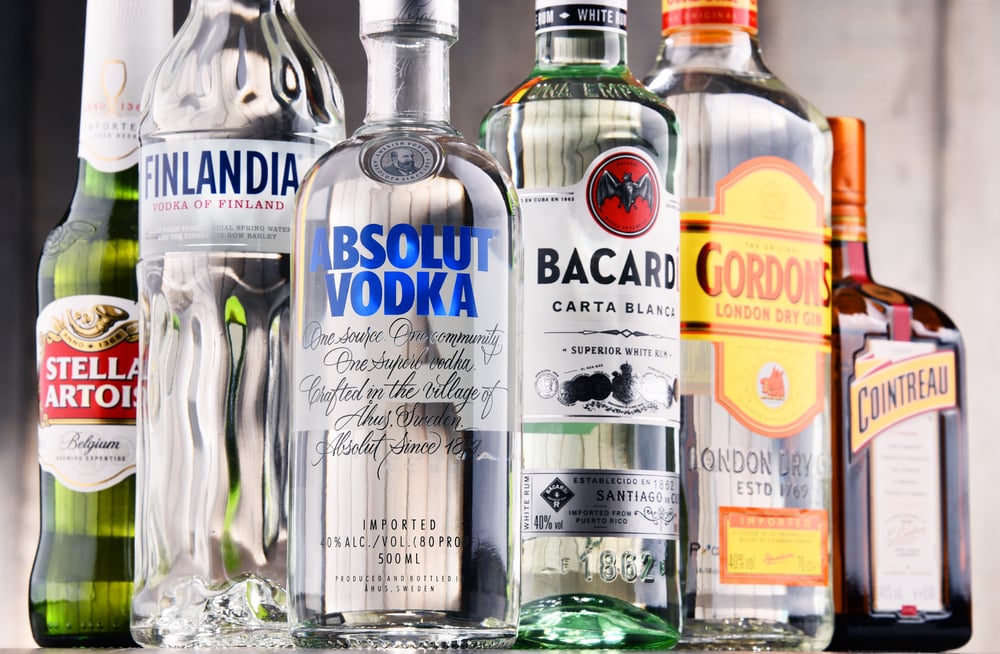
Unopened bottles of vodka, rum, whiskey, and other distilled spirits last forever. The high alcohol content—usually 40 percent or higher—kills any bacteria or mold that might try to grow.
Even after you open a bottle, the alcohol stays good for years as long as you keep the cap on. The flavor might change slightly as the spirit interacts with air, but it doesn’t become dangerous to drink.
Wine and beer don’t follow this rule because they have much lower alcohol content and other ingredients that can spoil.
Instant Coffee
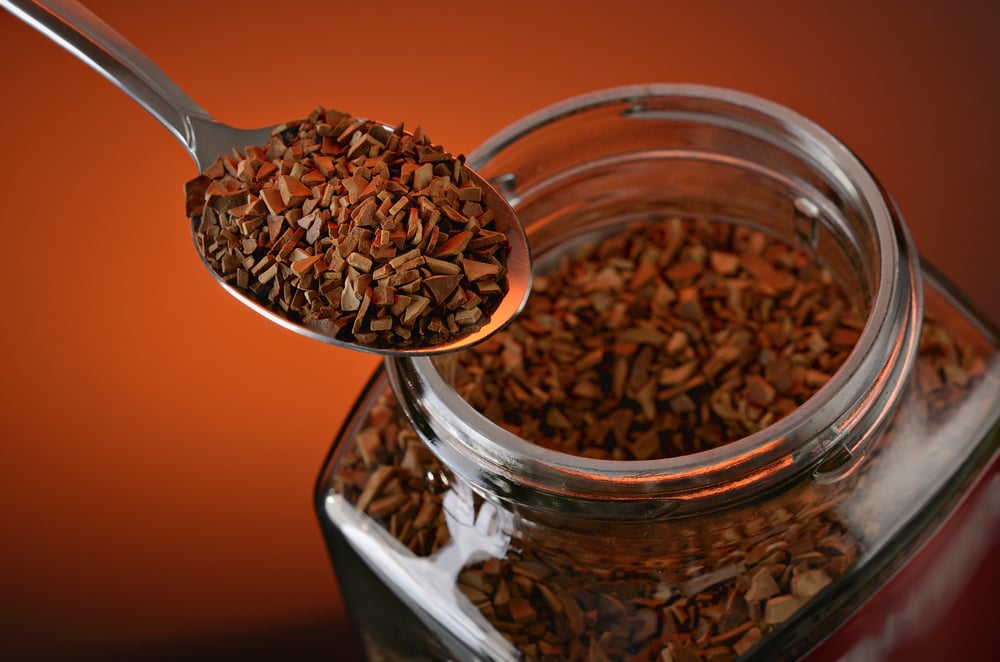
Freeze-dried instant coffee has had all its moisture removed, which means nothing can grow in it. The flavor will fade after a few years, and really old instant coffee tastes flat and dull, but it won’t make you ill.
Keep the jar sealed tight to prevent humidity from getting in, and your instant coffee remains drinkable even if it doesn’t taste amazing. Fresh coffee beans and ground coffee do go stale and lose their oils, but instant coffee is much more stable.
Powdered Milk
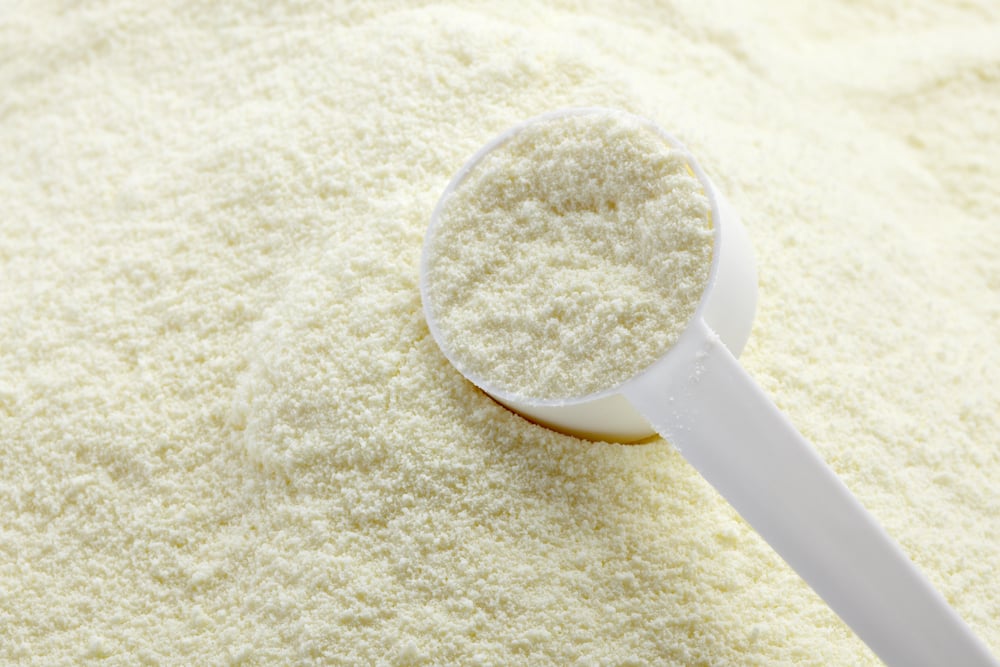
Once you remove all the water from milk, what’s left lasts for years. Powdered milk can sit in your pantry for a decade or more if you keep it sealed and dry.
The proteins and fats are stable in powder form. When you’re ready to use it, just add water back in.
The taste might not match fresh milk, especially with really old powder, but it’s safe to drink. People have been using powdered milk as emergency food storage for generations because of how long it lasts.
Bouillon Cubes
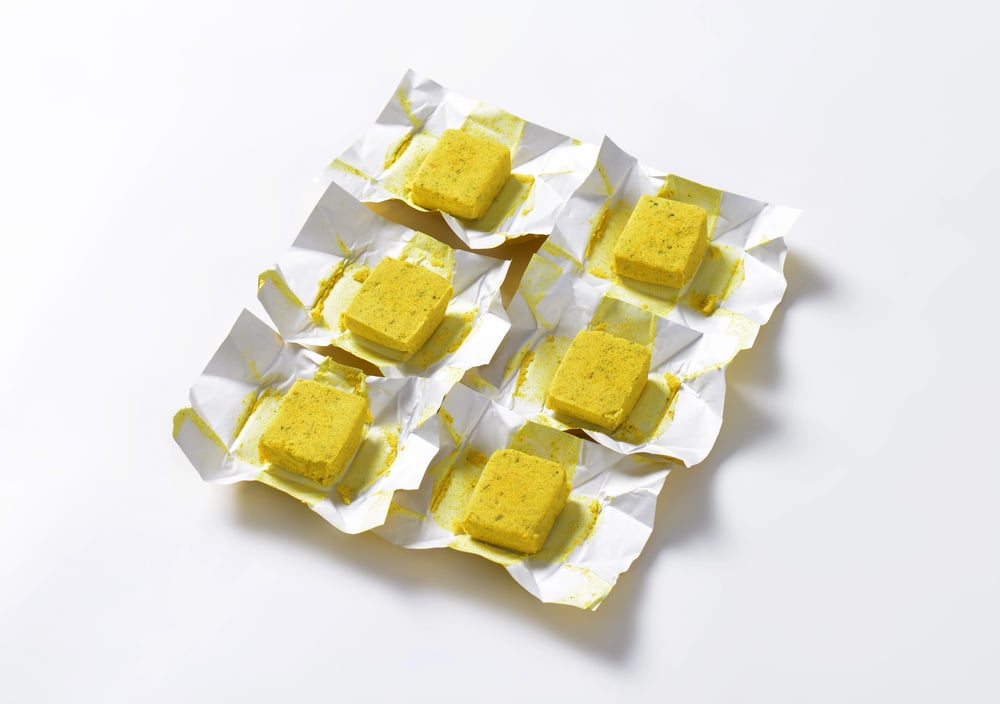
Tiny blocks of dried soup base? Just salty stuff plus bits of dehydrated seasonings. Since salt never goes bad, neither do these cubes – so long as moisture stays away.
After ages on the shelf, taste fades slightly, yet each piece remains okay to toss into meals. Over time, texture shifts – denser maybe, or prone to cracking – but boiling liquid breaks them down without issue.
Tucked inside unopened wrappers or sealed jars, they simply remain, unchanged, year after year.
Dried Pasta
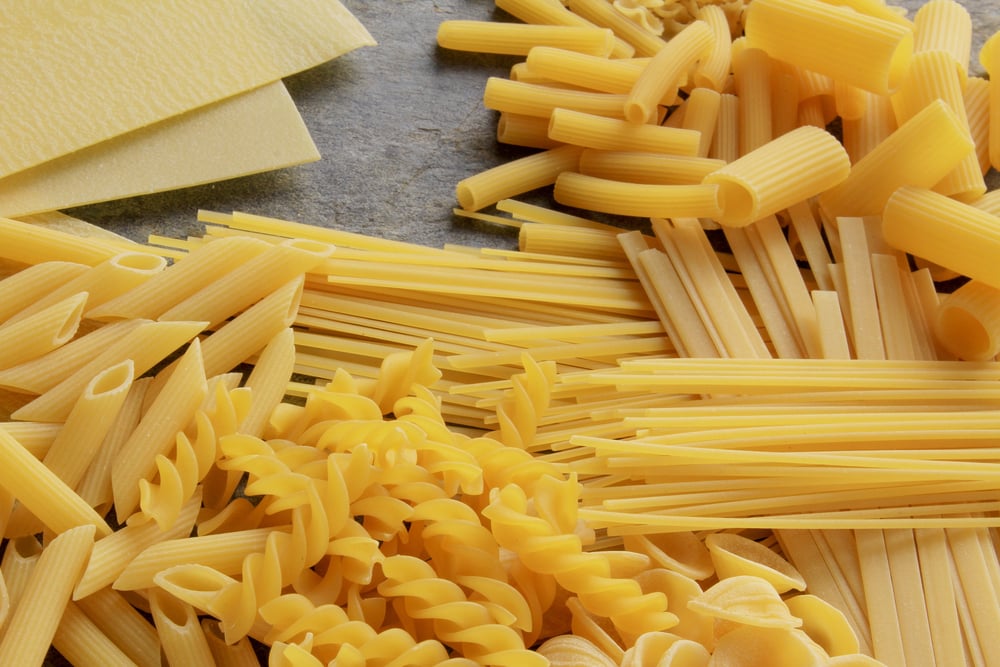
A handful of basic elements go into pasta – just flour blended with water, later dried completely. Because moisture invites microbes, removing it blocks decay quickly. Even when past its labeled date, those strands stay fit to consume.
With time, maybe months or years, they might break more readily in hot water, but their flavor stays much like before. How they cook barely moves off course.
Freshness flees fast from eggs, but plain dried noodles stay unchanged. Hard wheat teams up with no water – this duo blocks spoilage.
Time passes, yet they wait without weakening.
How This Affects What You Keep at Home

Honey sits quiet on the shelf, waiting. If meals fall apart and stores feel distant, that old jar still pours smooth.
Rice stays ready even after seasons pass by. No alarm needed if you dig up dried beans from last winter.
They’re regular kitchen things – just built to outlast plans. Spoiled milk? Closed shops?
These won’t quit. An ancient can of lentils might surprise you at dinner.
Time forgets them, yet they hold their place without fuss. Finding moldy leftovers doesn’t mean hunger wins.
Five-year-old peanut butter acts like nothing has changed. Their calm presence means fewer trips, less stress.
Even neglected oats bounce back in porridge form. Normal cooking keeps going because some things refuse to fade.
A dusty spice tin revives soups like it never left. Forgotten pasta cooks up just as before.
See if the container is still dry and closed tight – then it’s fine. Some expiry labels care more about freshness than danger, so spotting that gap shifts your view on tossing leftovers.
More from Go2Tutors!

- The Romanov Crown Jewels and Their Tragic Fate
- 13 Historical Mysteries That Science Still Can’t Solve
- Famous Hoaxes That Fooled the World for Years
- 15 Child Stars with Tragic Adult Lives
- 16 Famous Jewelry Pieces in History
Like Go2Tutors’s content? Follow us on MSN.



