Stamp Collections Gathering Dust That Might Be Sitting on a Small Fortune
Most people remember their grandfather’s stamp albums or that shoebox of stamps tucked away in the attic. These collections often get dismissed as outdated hobbies from a bygone era, destined for garage sales or donation bins.
Yet some of these seemingly forgotten collections contain stamps worth thousands, even tens of thousands of dollars. The difference between a worthless collection and a valuable one often comes down to knowing what to look for, and most people simply don’t realize what they might be holding.
British Guiana 1856 One-Cent Magenta

This stamp holds the record as the most expensive stamp ever sold at auction. Only one copy exists, making it the rarest stamp in the world.
The octagonal stamp sold for $9.5 million in 2014. Any collection containing British colonial stamps from the 1850s deserves immediate professional examination.
Inverted Jenny
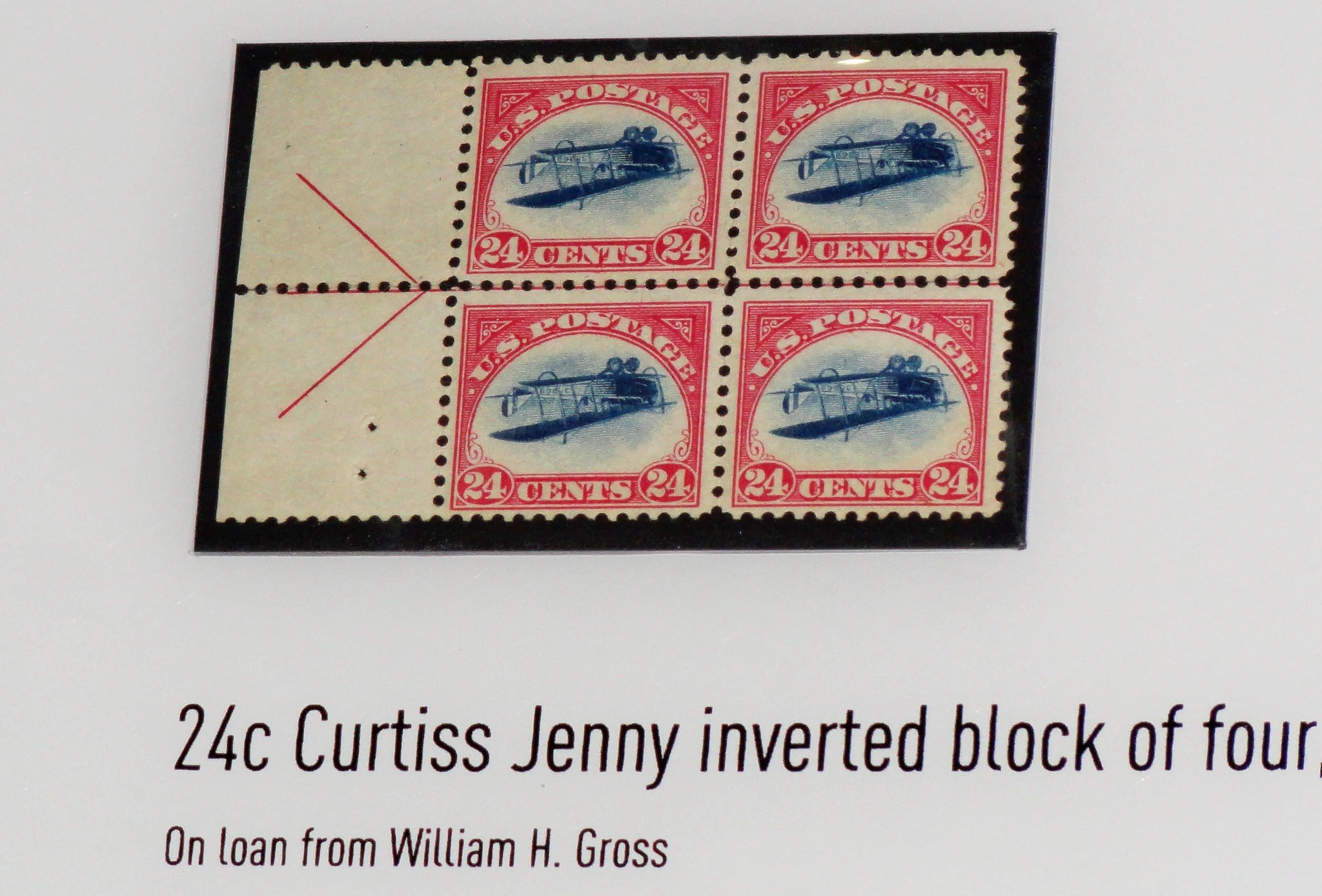
The 1918 airmail stamp featuring an upside-down Curtiss JN-4 airplane represents one of the most famous errors in postal history. And the thing is (because printing errors happened more often than people realize), similar mistakes from that era can turn up in unexpected places, though none quite match the Jenny’s fame or astronomical value — one sold for $1.35 million in 2016.
But here’s where it gets interesting: other inverted stamps from the early airmail period, ones that didn’t achieve the Jenny’s legendary status, still command serious money, and collectors who weren’t specifically looking for errors might have overlooked them entirely. So any collection with early 20th-century airmail stamps warrants a closer look.
Hawaiian Missionaries
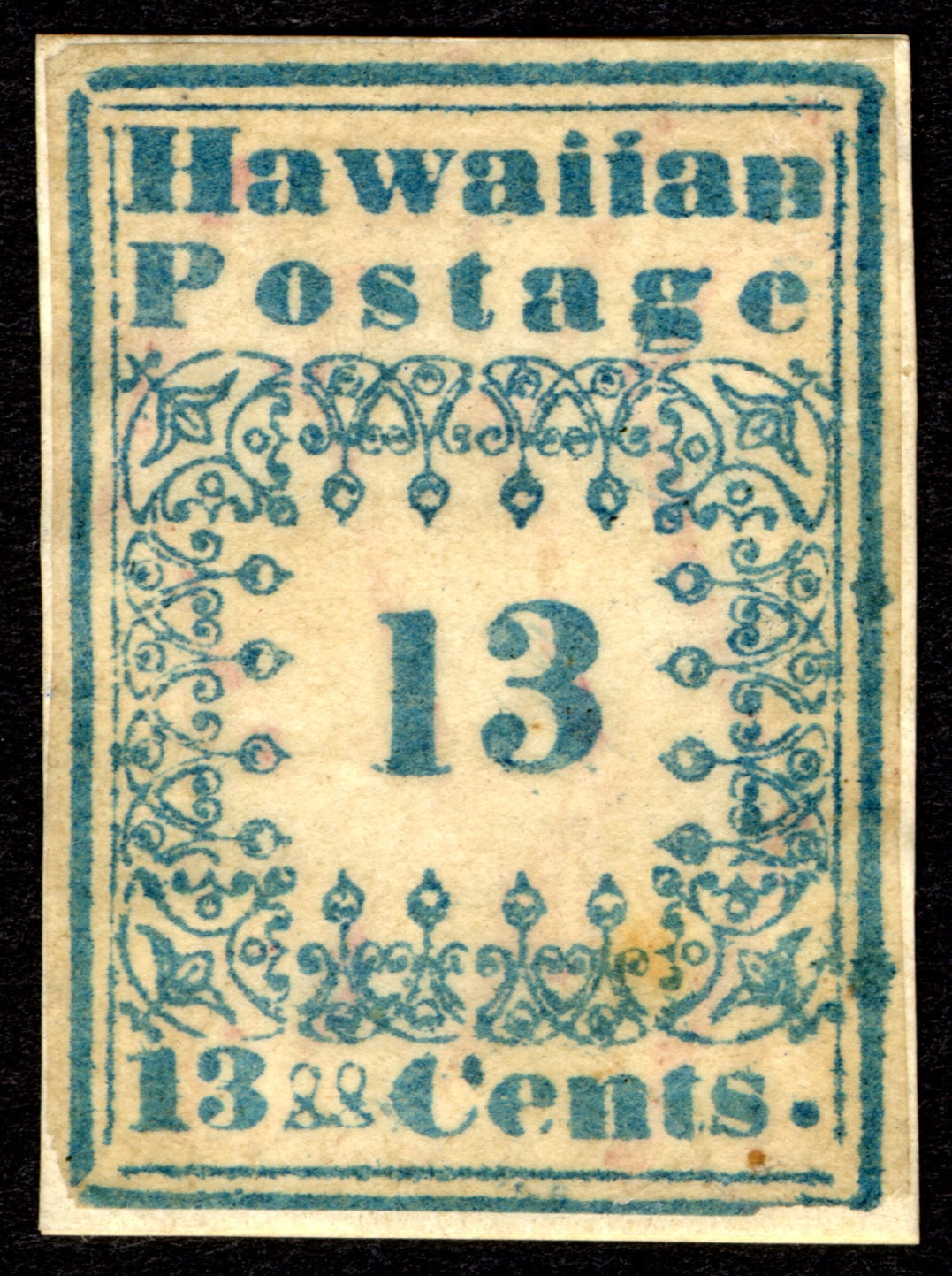
Hawaiian stamps issued between 1851 and 1852 carry enormous value because Hawaii was an independent kingdom at the time. These stamps have a weathered, handmade appearance that might cause inexperienced collectors to overlook them.
The crude printing and poor paper quality disguise their true worth — genuine examples sell for hundreds of thousands.
Mauritius Post Office Issues
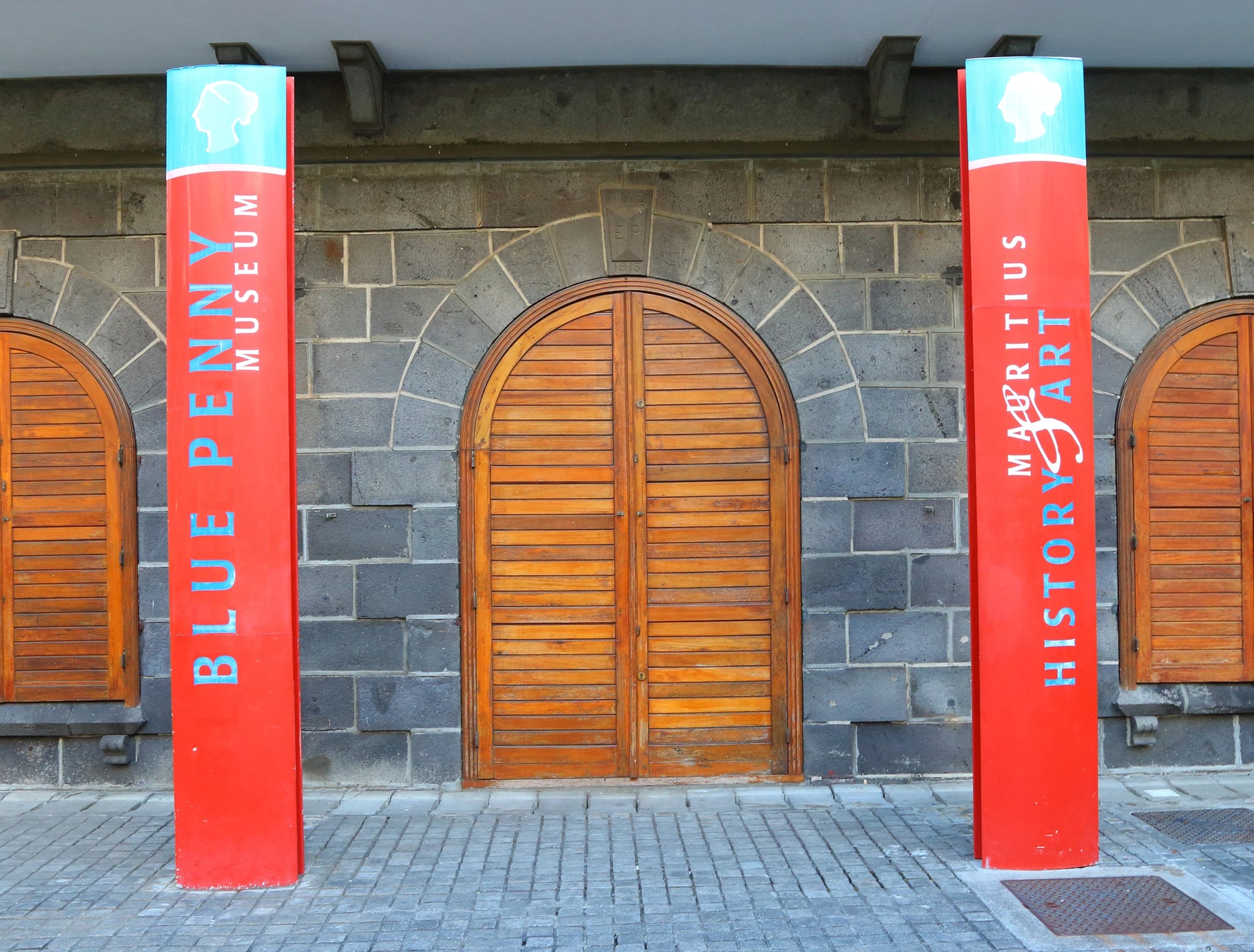
Here’s the thing about mistakes: they age beautifully. The 1847 Mauritius stamps were supposed to read “Post Paid” but instead read “Post Office” — a simple error that occurred when the local postmaster ordered the plates.
This wasn’t discovered as an error for years, which is exactly why it’s so valuable now. People used them for regular mail, never knowing they were handling what would become some of the most coveted stamps in existence.
Finding one today would be like discovering a Monet someone had been using as a coaster.
Basel Dove
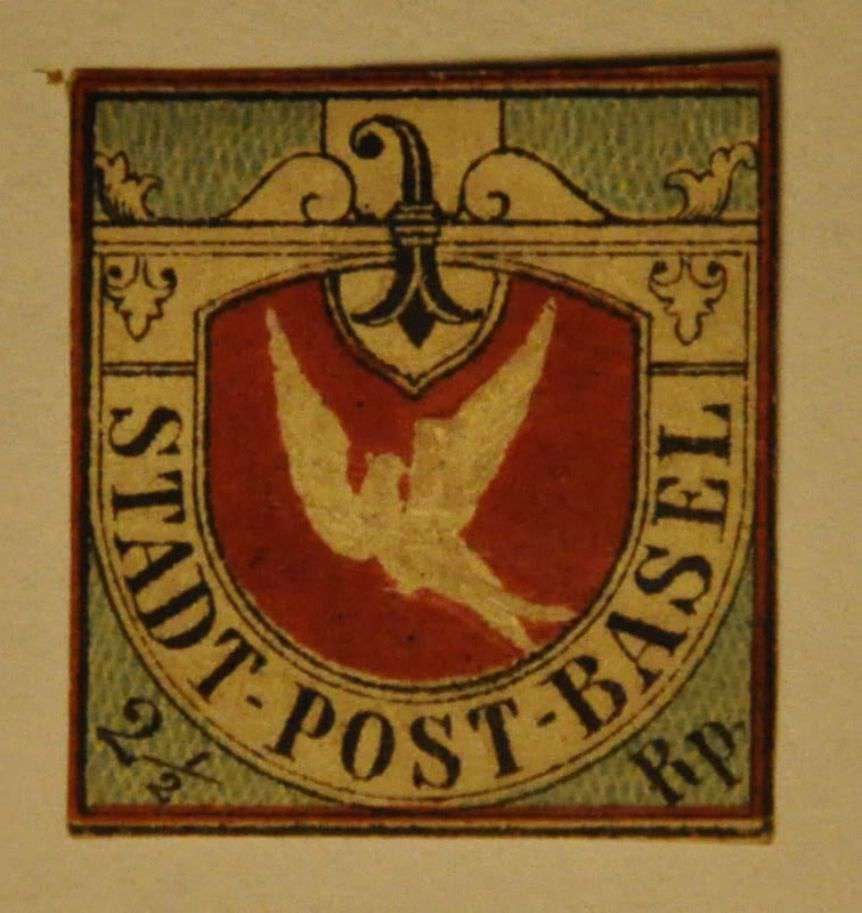
The 1845 Basel Dove from Switzerland features a white dove carrying a letter. Only about 40 copies survive today.
Swiss stamps from this period require expert authentication, but collections with early European material should never be dismissed without professional evaluation.
The thing about stamp collecting is that it rewards the obsessive personality — people who save everything, organize meticulously, and never throw anything away. Which means the collections sitting in attics right now weren’t assembled by casual hobbyists.
They belonged to people who cared enough to preserve stamps for decades, and that kind of dedication usually resulted in some genuinely valuable pieces mixed in with the common material.
Penny Black

The world’s first adhesive postage stamp doesn’t command the prices of rarer stamps, but good examples still sell for thousands. Issued in Britain in 1840, the Penny Black appears in many older collections.
Condition determines value — crisp examples with clear margins bring premium prices.
Z Grill
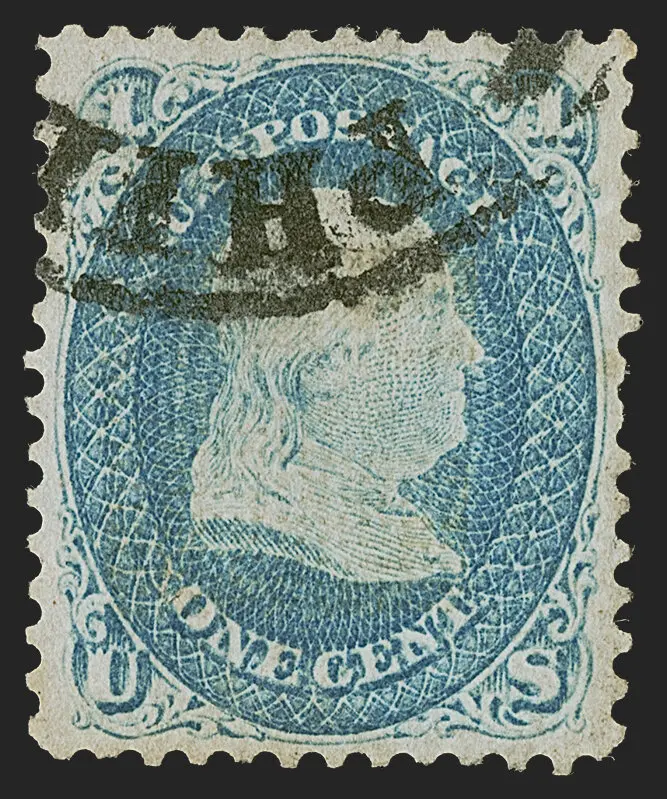
This 1868 American stamp (featuring Benjamin Franklin) gets its value from the grill pattern pressed into the paper — a security measure that created small indentations. Most people wouldn’t notice the subtle pattern without magnification, which is exactly why valuable stamps slip through estate sales and family distributions undetected.
The Z Grill sold for over $3 million, but other grilled stamps from the same era, ones with different patterns or denominations, still command substantial money even if they never achieved that particular stamp’s legendary status. And yet: how many collections have been dispersed without anyone checking for these patterns?
Treskilling Yellow
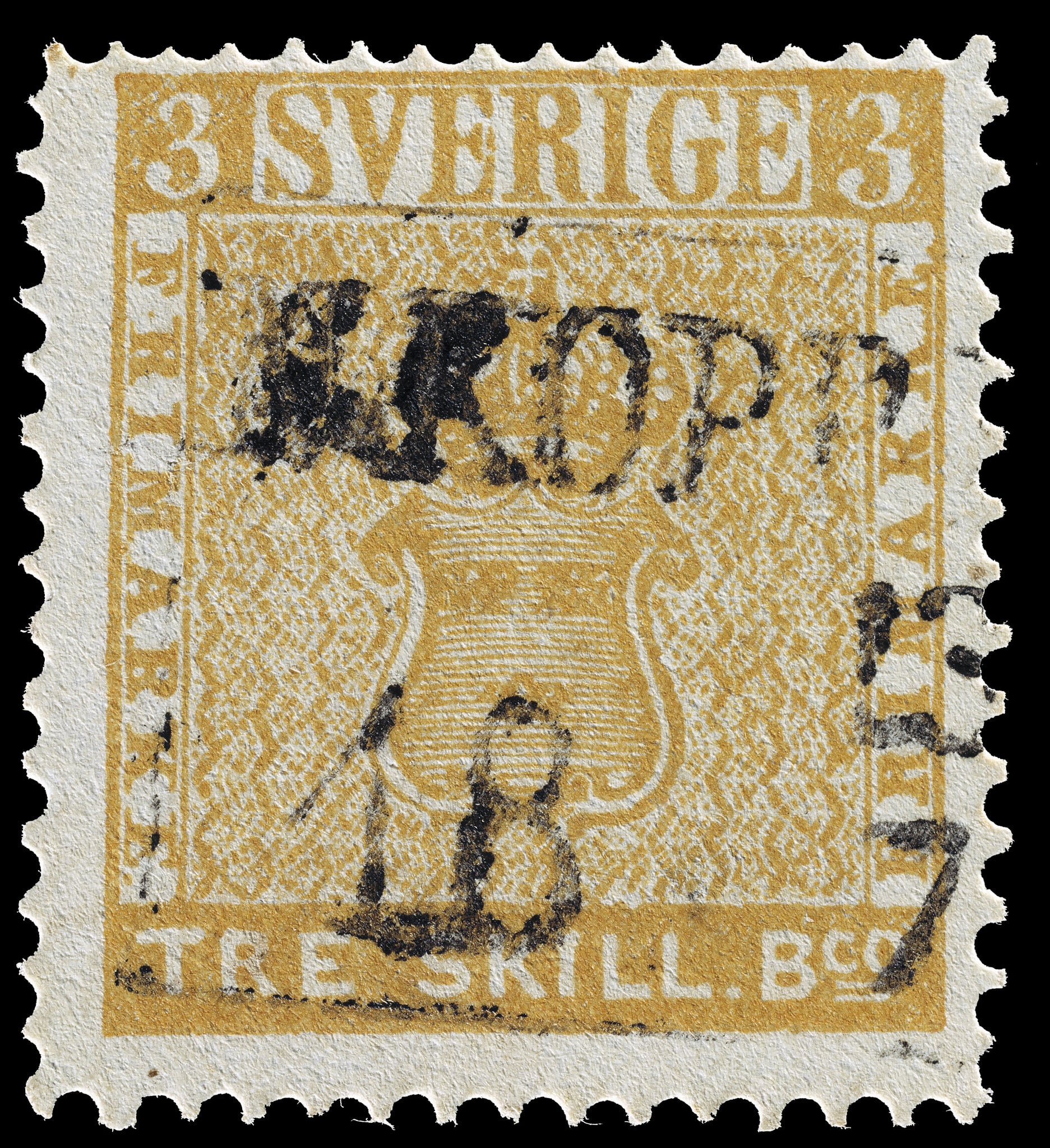
Sweden’s 1855 three-skilling stamp was supposed to be printed in green. The single known yellow example sold for $2.3 million.
The error occurred when the wrong color ink was used during printing. Swedish stamps from the 1850s merit careful examination.
There’s something almost archaeological about going through old stamp collections — each album represents someone’s attempt to impose order on the chaos of global postal history. The collector who carefully mounted stamps from British colonies probably didn’t realize they were preserving what would become some of the most sought-after material in the hobby.
They were just trying to fill spaces in their album, one stamp at a time, building something complete from fragments of correspondence that crossed oceans decades ago.
Alexandria Blue Boy
This 1847 postmaster’s provisional from Alexandria, Virginia, features a blue design and exists in very few copies. American provisional stamps from the pre-Civil War period represent some of the most valuable domestic material.
Any collection with mid-19th century American stamps deserves professional evaluation.
Cape Of Good Hope Triangulars
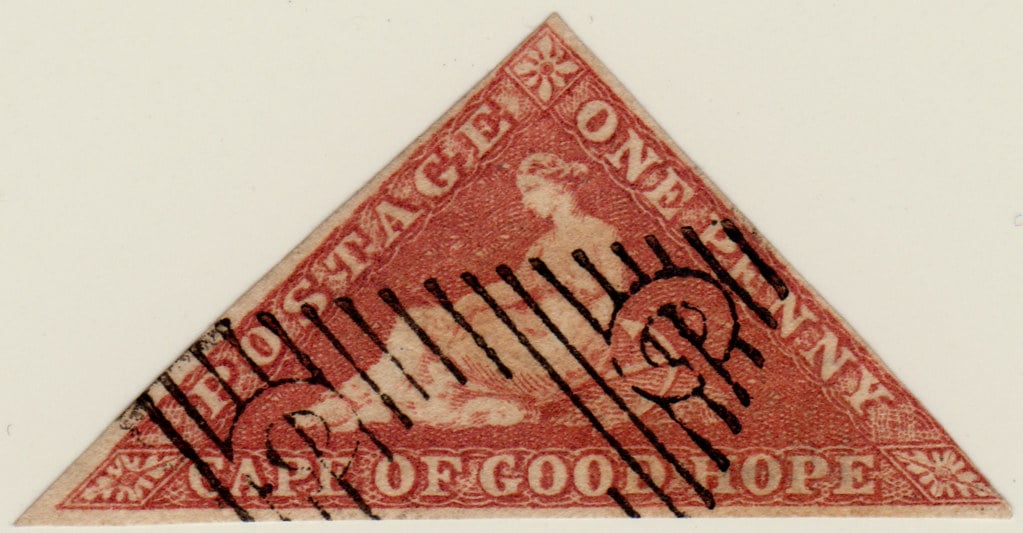
The triangular stamps from the Cape of Good Hope (1853-1864) stand out due to their unusual shape and colonial origin. Collectors often kept these stamps specifically because they looked different from standard rectangular issues.
Their distinctive appearance actually worked in their favor — people saved them, which preserved examples that now command high prices.
British Guiana 1856 Four-Cent
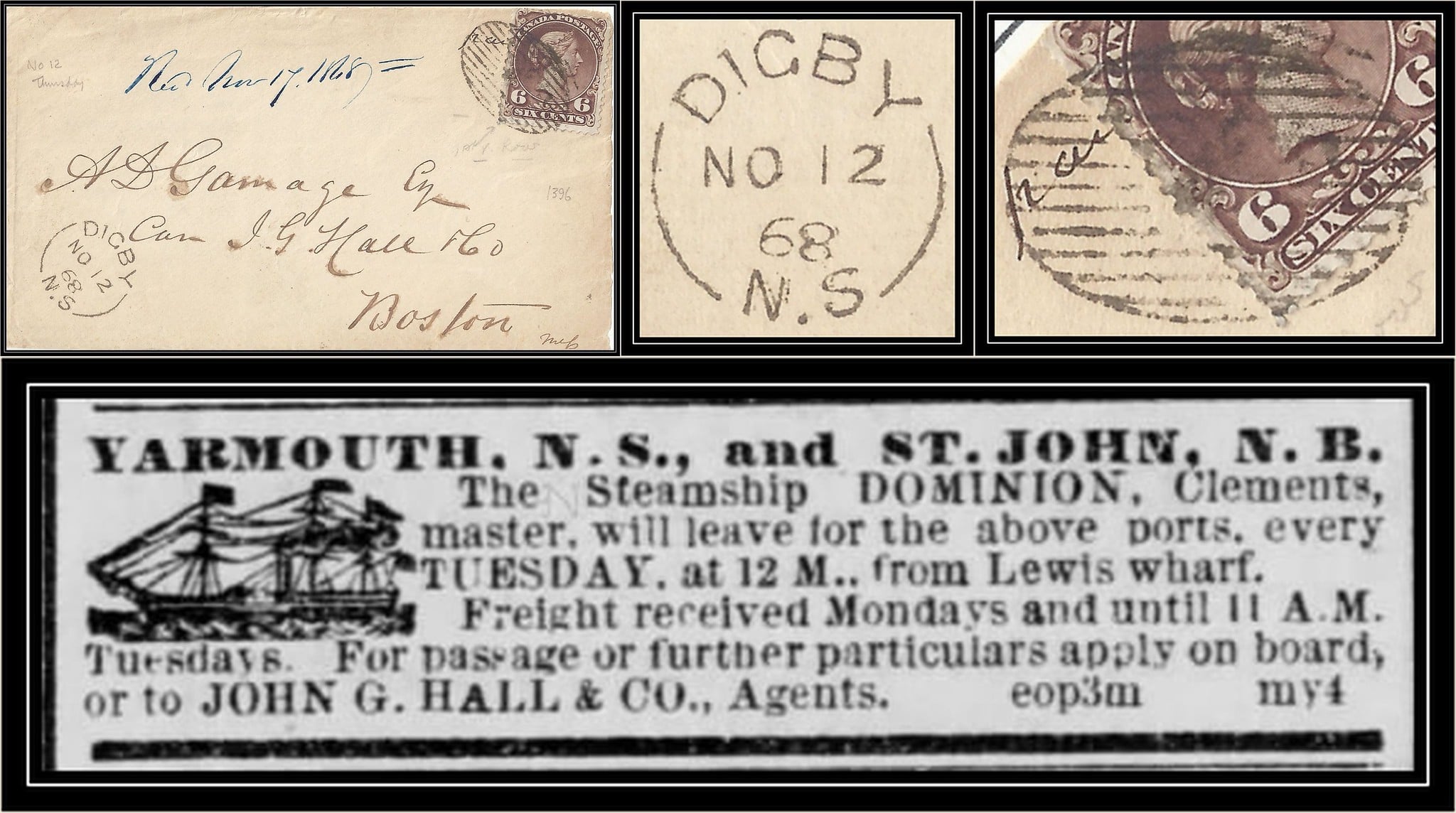
While overshadowed by its one-cent sibling, the four-cent stamp from British Guiana’s 1856 issue remains extremely valuable. The same printing characteristics that make the one-cent unique apply to the four-cent denomination.
South American colonial material from this period requires expert evaluation.
Here’s what most people don’t understand about valuable stamps: they don’t announce themselves. The most expensive stamps often look unremarkable — faded, roughly cut, printed on cheap paper with crude techniques.
But that’s exactly what makes them authentic. Modern collectors expect crisp printing and perfect perforations, so when they encounter stamps that look old and worn, their first instinct is to dismiss them as damaged or worthless.
The irony is that this weathered appearance often indicates genuine age and rarity, but it takes knowledge to distinguish between worthless old stamps and priceless old stamps, and most people simply don’t have that expertise.
Inverted Swan
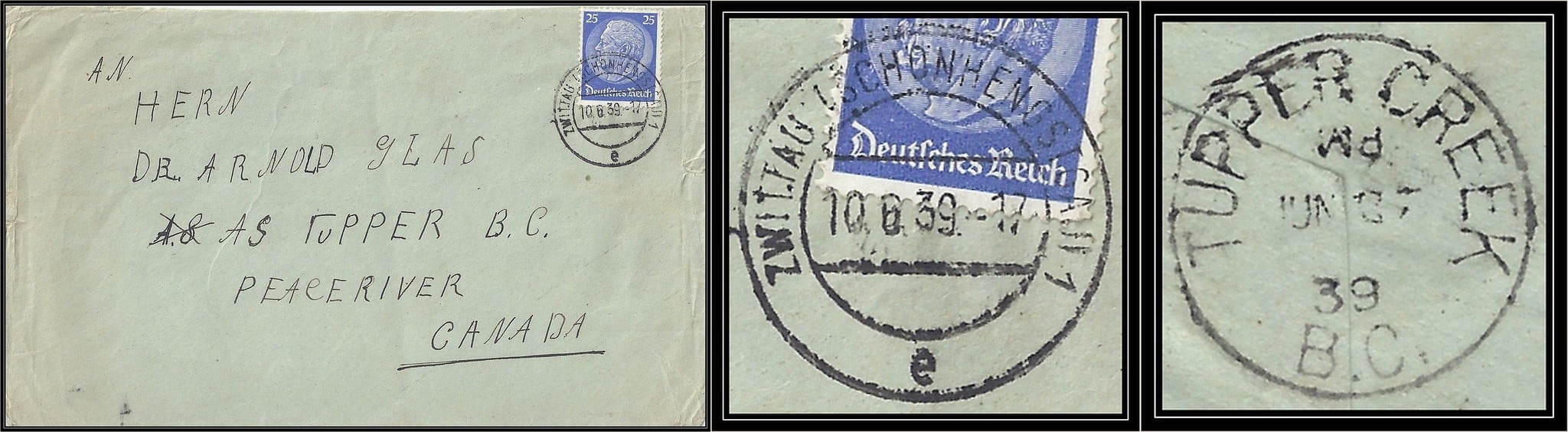
Western Australia’s 1854 four-penny stamp occasionally appears with an inverted frame. The swan watermark combined with the printing error creates significant value.
Australian colonial material often appears in collections assembled by emigrants or military personnel who served in the Pacific.
Red Revenue
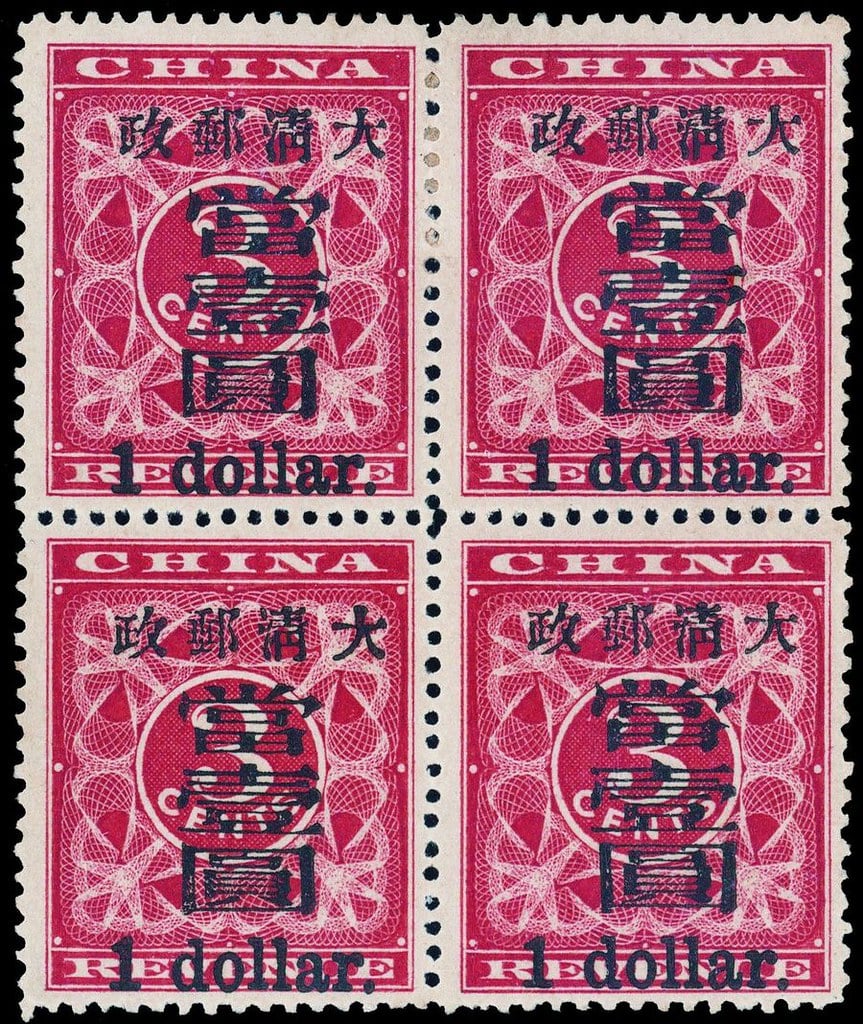
The 1871 American revenue stamp printed in red instead of the standard brown represents a notable error. Revenue stamps were used for tax purposes rather than postage, so collectors sometimes overlooked them entirely.
Collections with mixed revenue and postage material warrant careful examination.
Saint Louis Bear
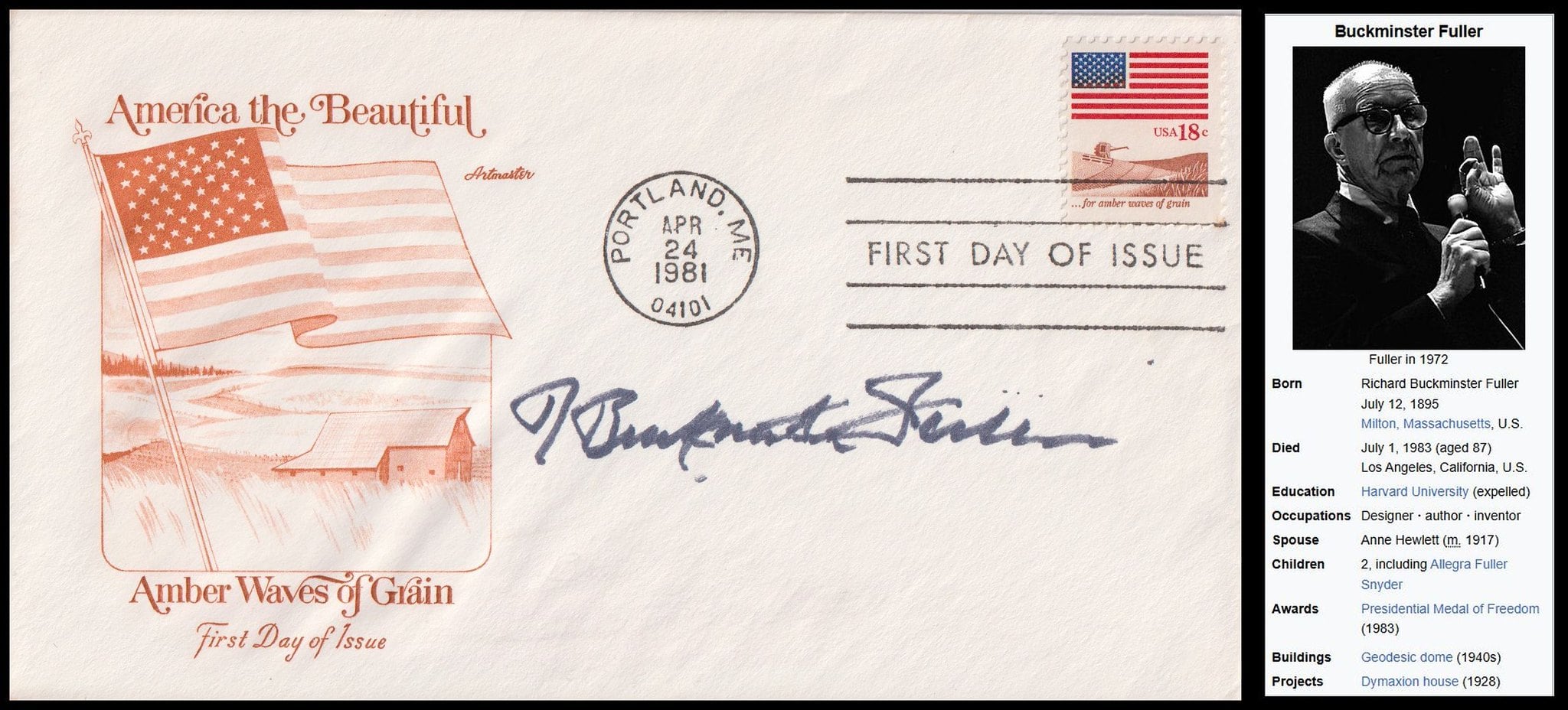
This 1845 postmaster’s provisional from Saint Louis, Missouri, features a bear design. Like other provisional issues, it represents local postal administration before national standardization.
The crude appearance and local printing make authentication crucial, but genuine examples command substantial prices. The truth about stamp collecting is that timing created most of the value.
People who collected stamps between 1920 and 1970 were buying material that seemed old but wasn’t yet considered historically significant. They could acquire 19th-century stamps for reasonable prices, building comprehensive collections that would be impossible to assemble today.
Those collectors are gone now, but their collections remain, often sitting unexamined in family homes where no one quite knows what to do with all those albums.
Canal Zone Overprints
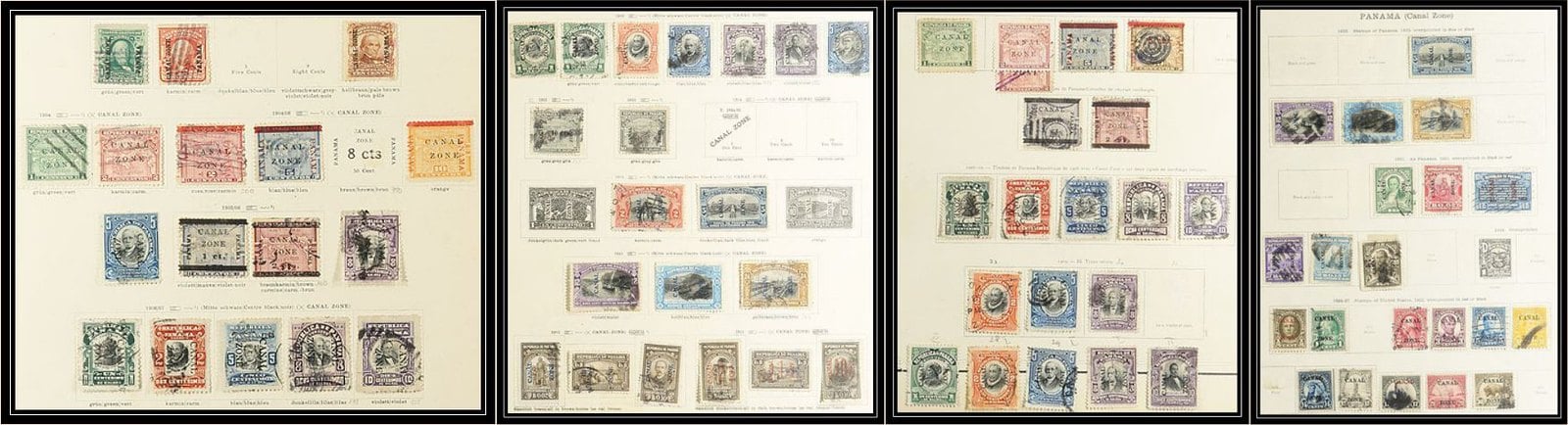
When the Panama Canal Zone was established, existing Colombian stamps were overprinted with “Canal Zone.” Errors in the overprinting process created valuable varieties.
Collections assembled by military personnel or canal workers often contain this material.
Indian States
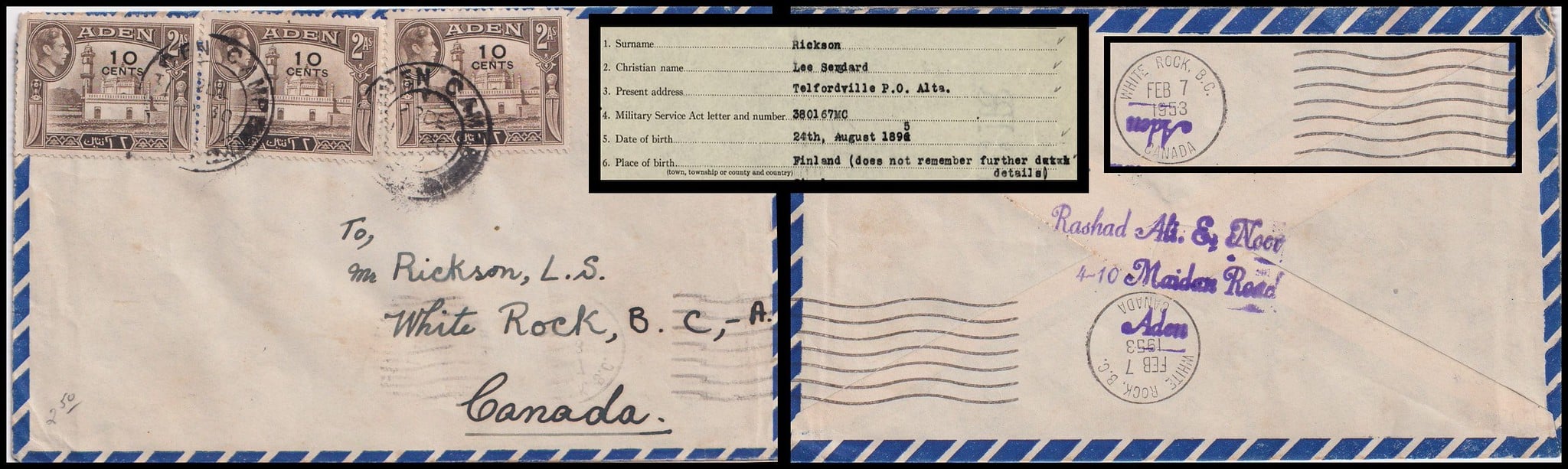
The independent princely states of India issued their own stamps before British consolidation. States like Hyderabad, Kashmir, and Travancore produced stamps with distinctive designs and local printing characteristics.
Collections with Indian material from the late 19th century often contain these issues.
Confederate States
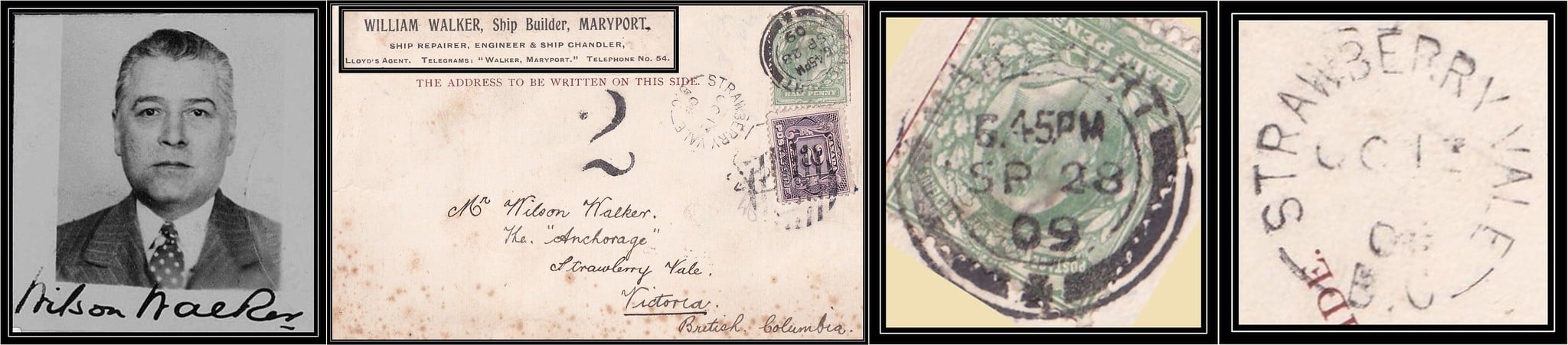
Stamps issued by the Confederate States during the Civil War represent a brief postal system that operated under wartime conditions. The paper quality was poor and printing was often crude, but genuine Confederate stamps command high prices due to their historical significance.
Telegraph Stamps
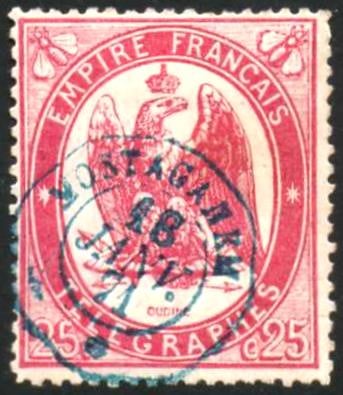
Many collectors saved telegraph stamps alongside postal issues without realizing the distinction. Some telegraph stamps, particularly early issues or errors, have developed significant value.
Collections with mixed telegraph and postal material require careful sorting and identification.
Dead Country Stamps
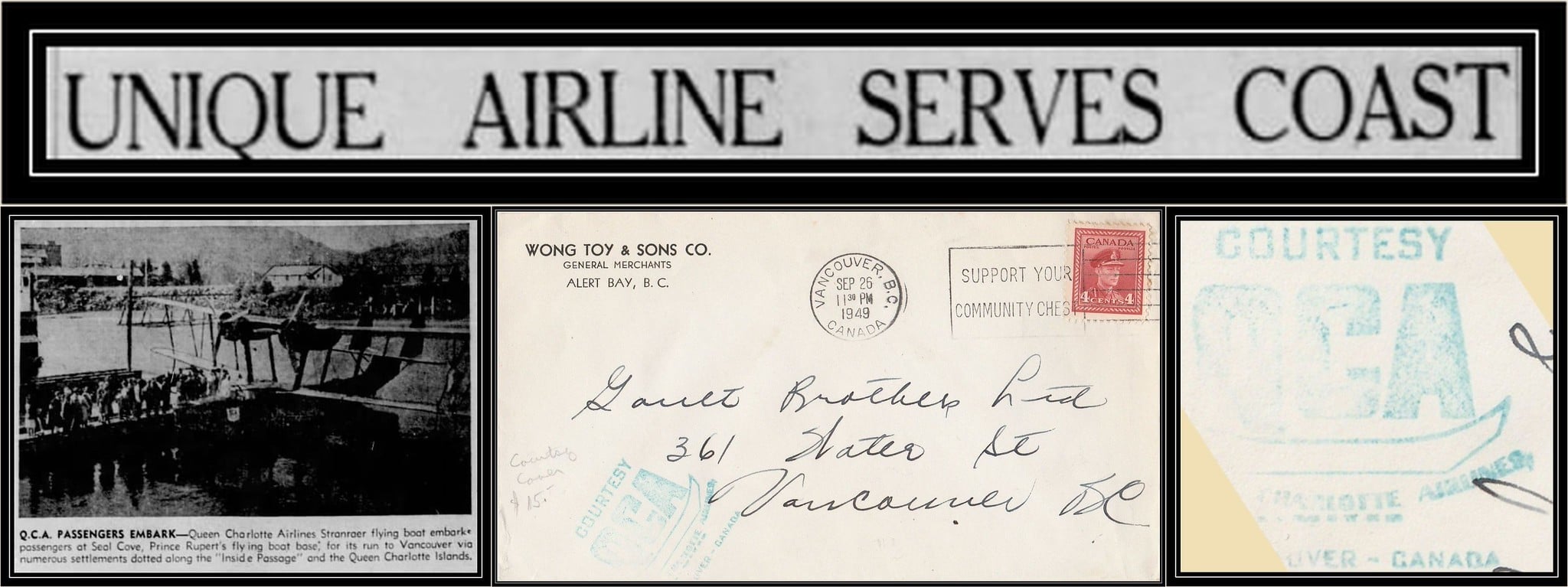
Political changes eliminated many stamp-issuing entities, creating finite populations of stamps that can never be reprinted. Countries like Czechoslovakia, East Germany, and Yugoslavia no longer exist, but stamps from transitional periods or short-lived governments within these regions can be extremely valuable.
Local Posts
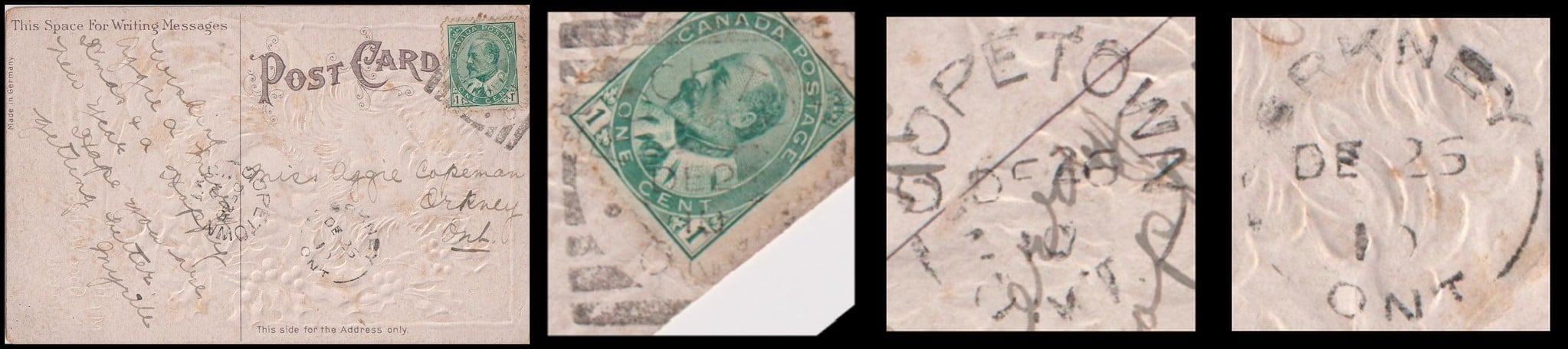
Private postal services operated in many areas before government postal systems were established. These local posts issued their own stamps, often with limited print runs and distribution.
Collections assembled in areas with active local posts sometimes contain these rare issues.
Perforation Varieties
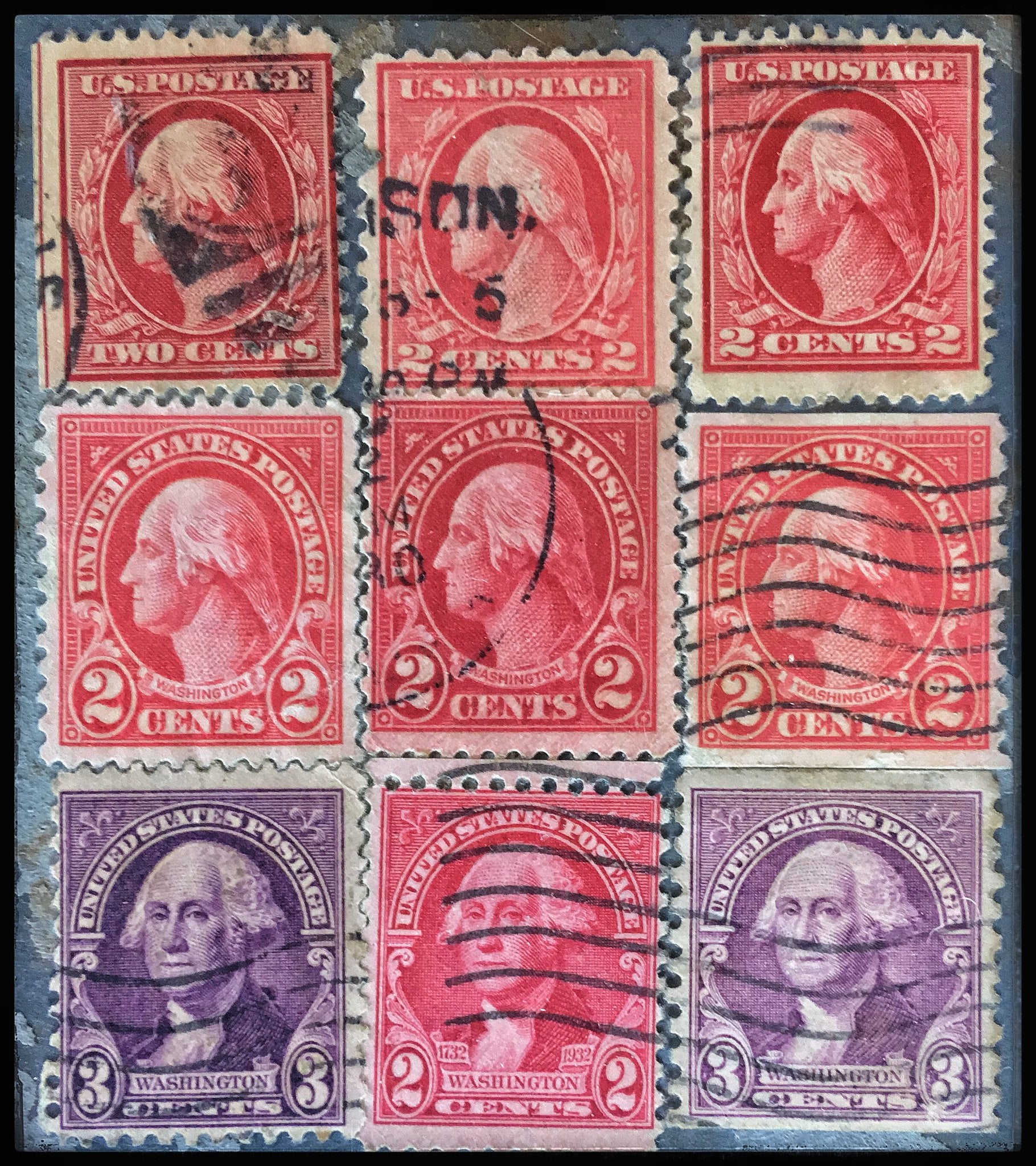
The same stamp design perforated with different gauge measurements can have dramatically different values. Most people never notice perforation differences without proper measurement tools.
Collections assembled by detail-oriented collectors often contain perforation varieties that were carefully acquired but are now overlooked by inheritors.
Color Errors
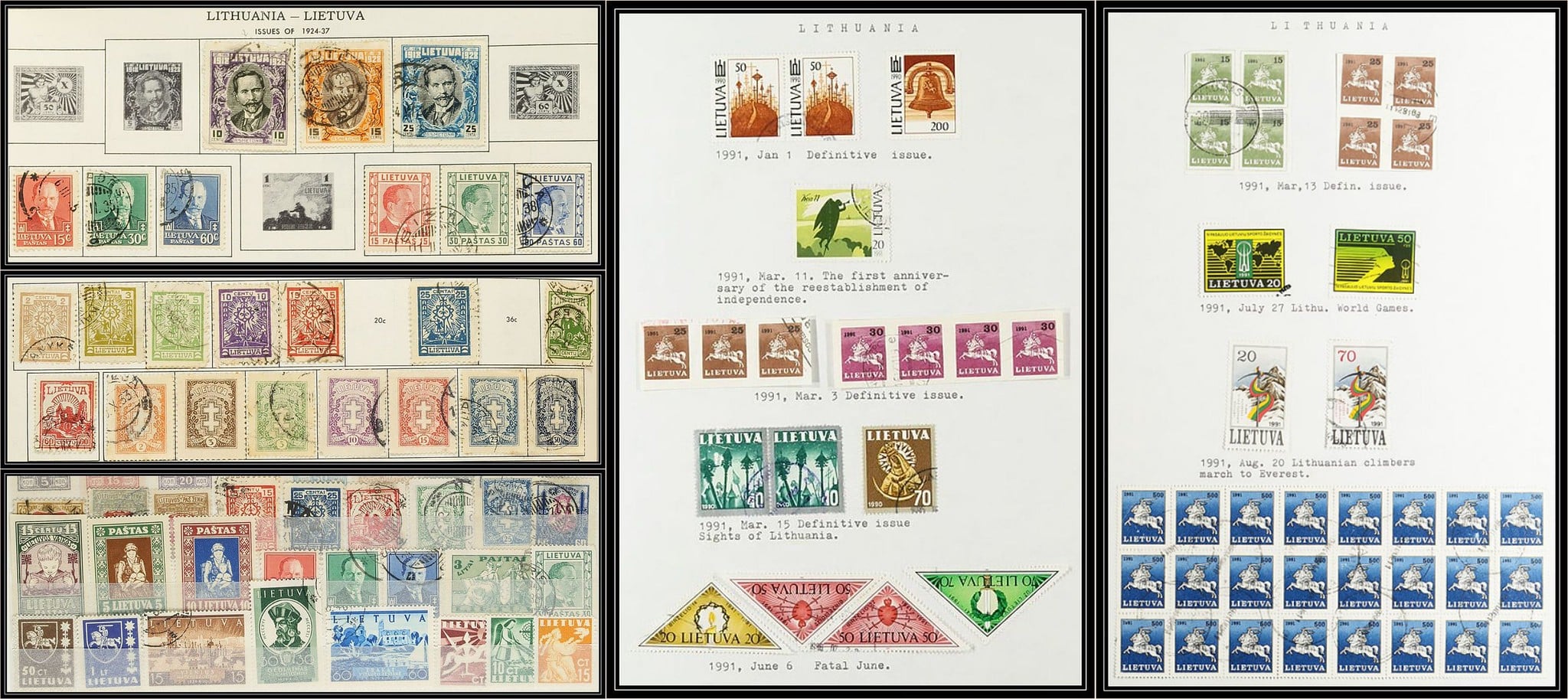
Stamps printed in wrong colors create some of the most valuable errors in philatelic history. The errors often resulted from ink contamination or plate mixing during production runs.
Collections with stamps that appear to have unusual colors for their denomination warrant professional examination.
Paper Varieties
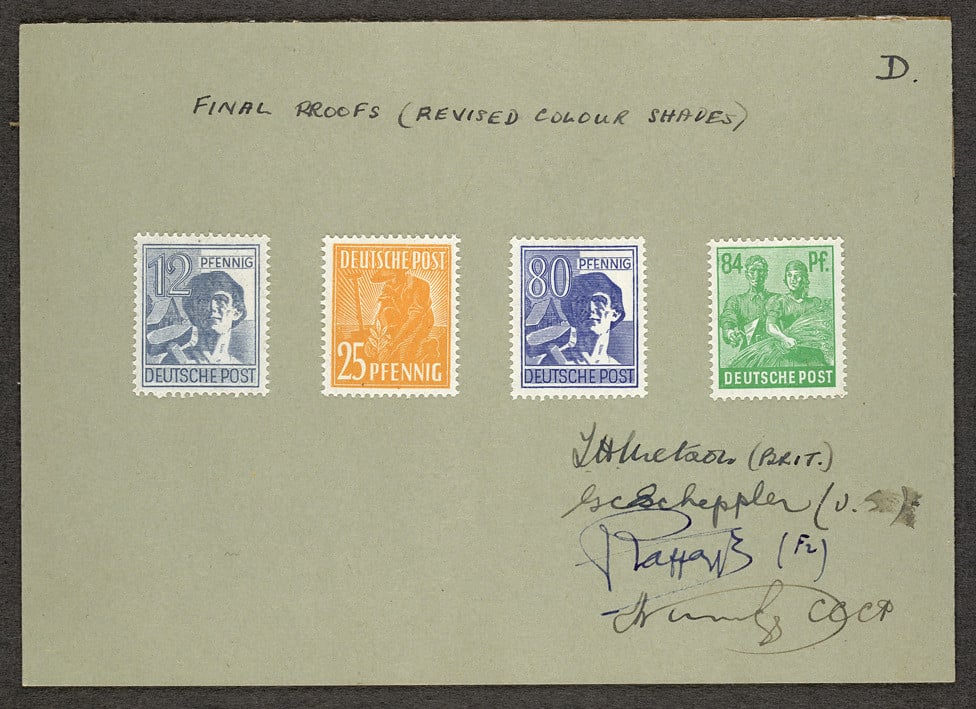
Different paper types used for the same stamp design can create significant value differences. Collectors who focused on paper varieties often assembled collections with materials that appear identical to casual observers but contain substantial variations in watermarks, thickness, or composition.
The Weight Of Forgotten Knowledge
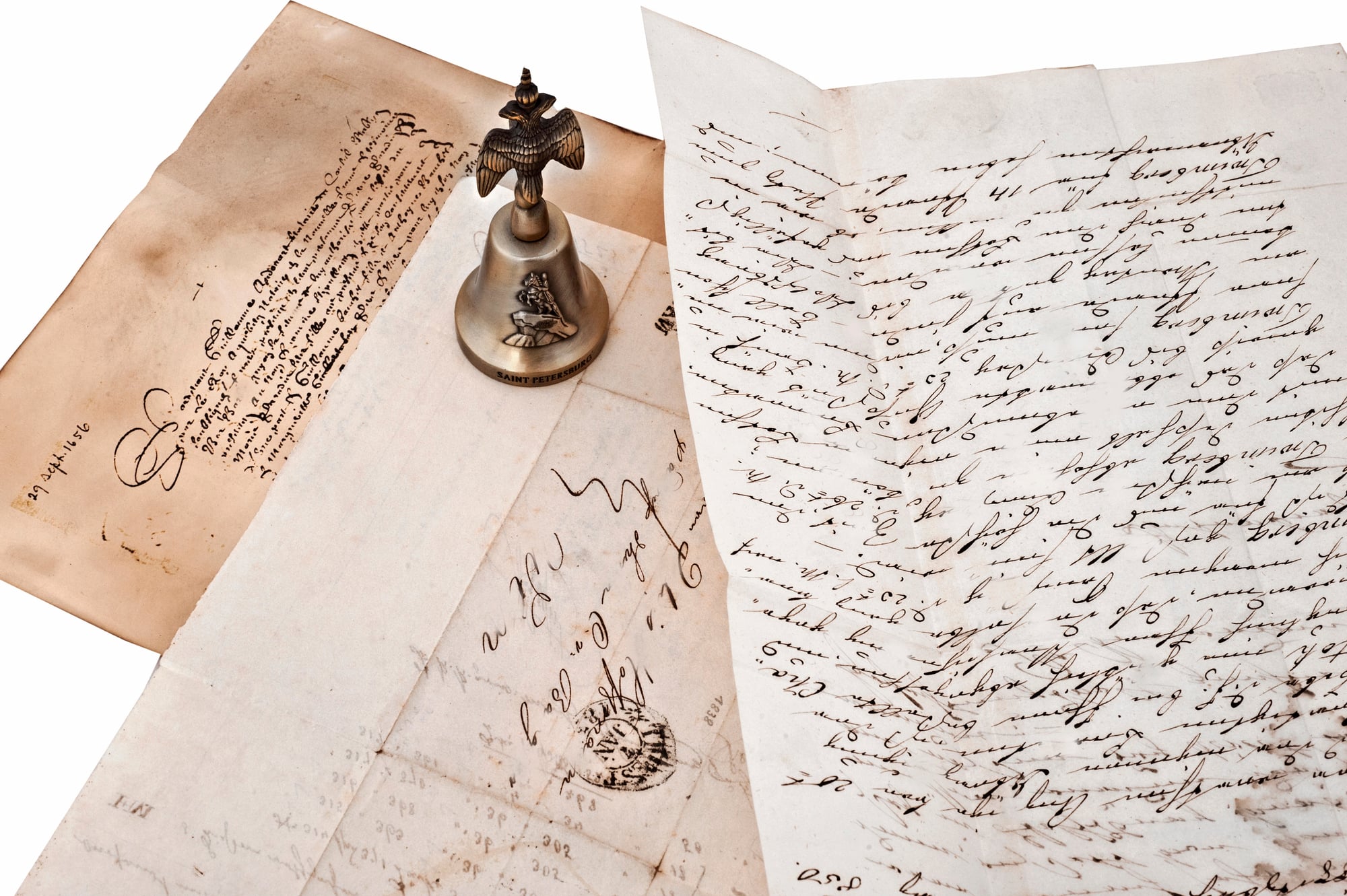
What strikes you about these old collections isn’t just their potential value, but what they represent — decades of careful attention to details that no longer seem to matter to anyone. Each stamp was selected, purchased, mounted, and preserved by someone who understood postal history in ways most people today simply don’t.
That knowledge died with the collectors, leaving behind the physical evidence of their expertise but none of the context that made their selections meaningful. And yet the value remains, waiting quietly in albums and stockbooks for someone who knows how to recognize it again.
More from Go2Tutors!

- The Romanov Crown Jewels and Their Tragic Fate
- 13 Historical Mysteries That Science Still Can’t Solve
- Famous Hoaxes That Fooled the World for Years
- 15 Child Stars with Tragic Adult Lives
- 16 Famous Jewelry Pieces in History
Like Go2Tutors’s content? Follow us on MSN.



