27 Shipwrecks Discovered with Cargo Still Perfectly Preserved After Centuries
The ocean doesn’t just swallow ships — it preserves them. In the cold, dark depths where oxygen barely reaches, wooden hulls that should have rotted away centuries ago sit undisturbed, their cargo holds still packed with treasures from long-dead civilizations. These underwater time capsules offer glimpses into worlds that vanished before your great-grandparents were born, their contents as pristine as the day they sank.
Uluburun
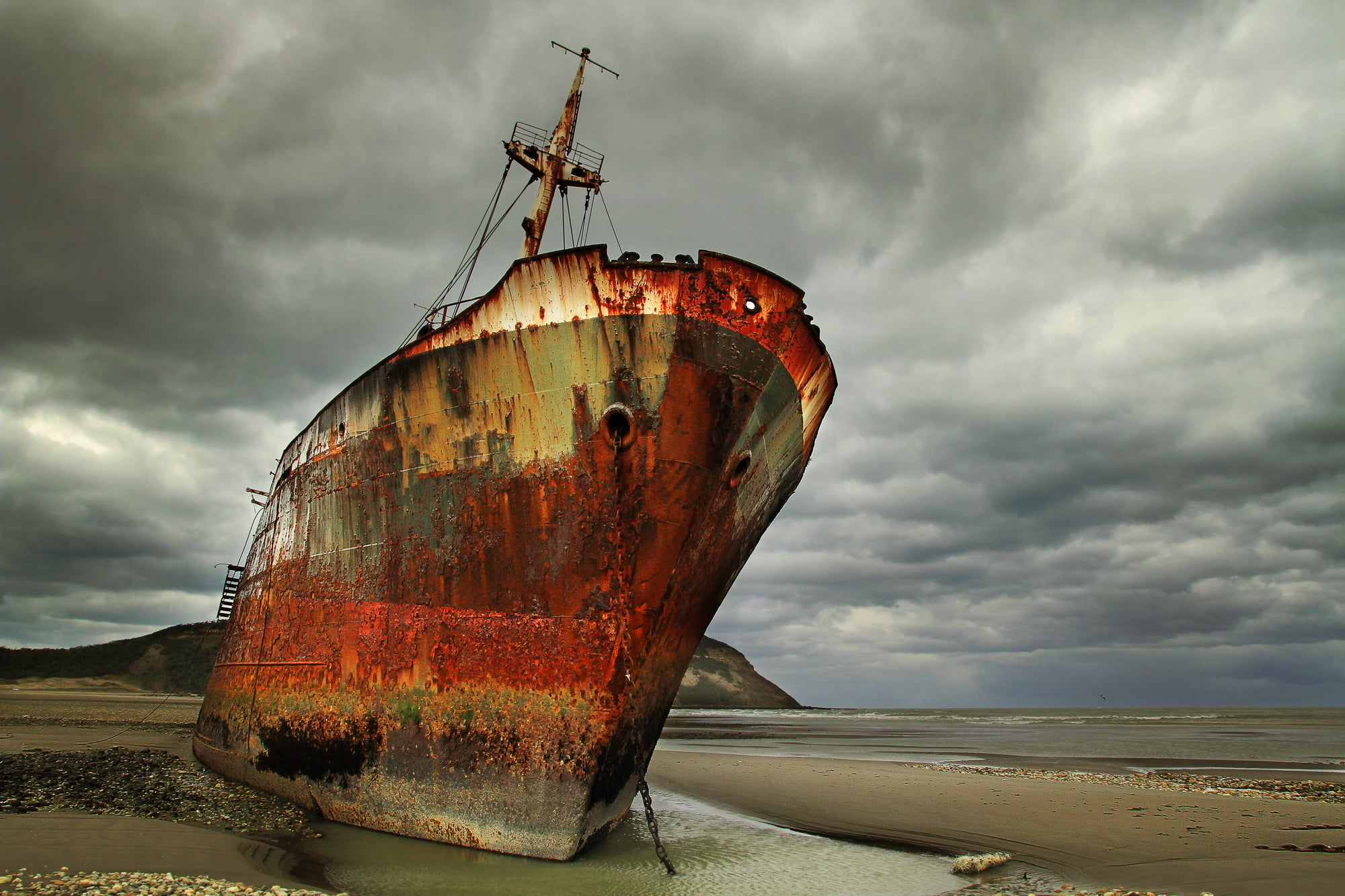
The Bronze Age cargo ship discovered off Turkey’s coast in 1982 reads like an ancient merchant’s inventory come to life. Copper ingots from Cyprus, tin from Afghanistan, and ivory from Africa — all stacked in the same positions where sailors arranged them 3,400 years ago. The ship carried items from seven different civilizations, proving that global trade networks existed long before anyone thought possible. And the preservation was so complete that archaeologists found the remains of the crew’s last meal still sitting in clay pots.
Mary Rose
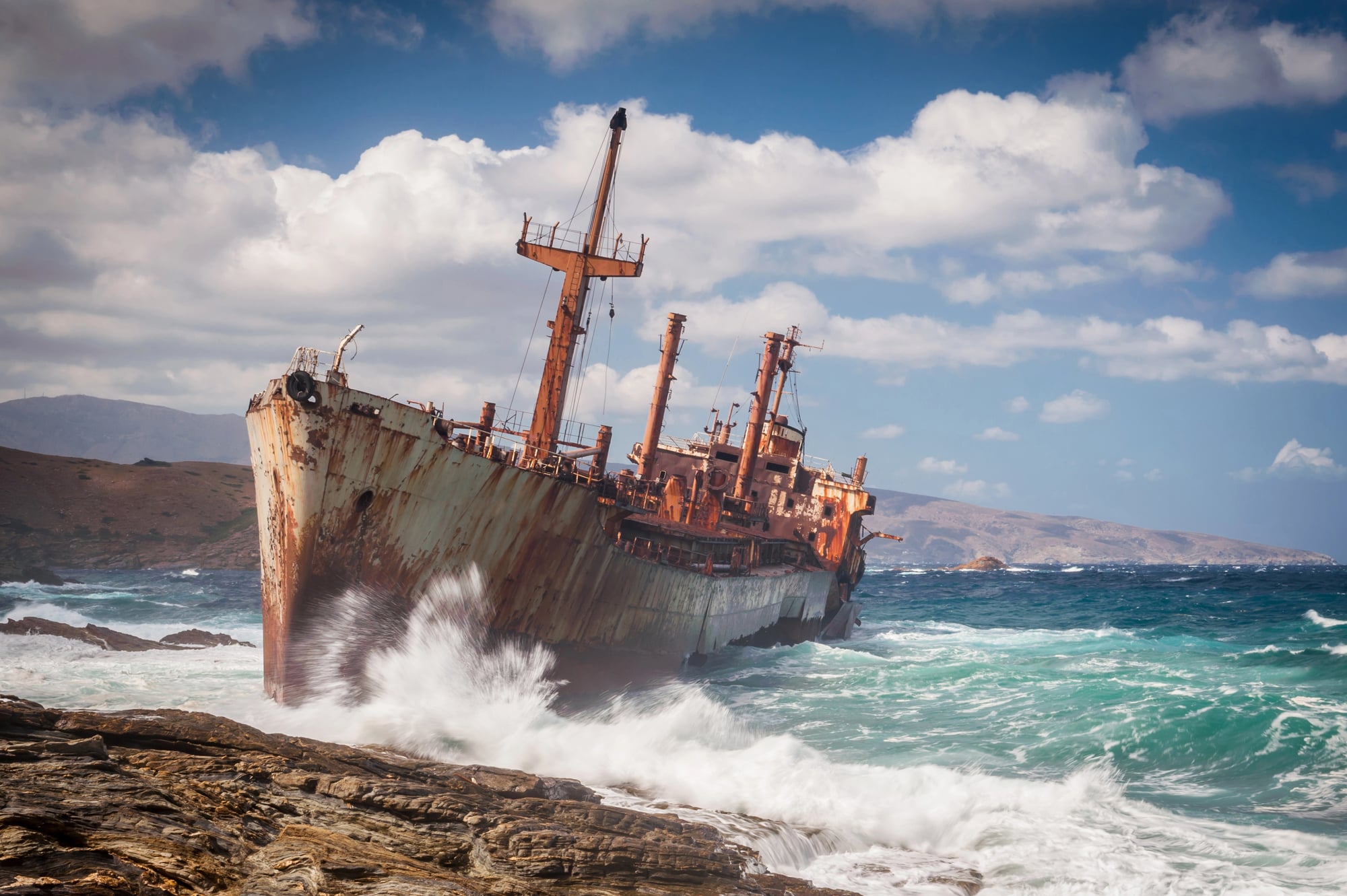
The Mary Rose sank in 1545 and was discovered in 1971, resting on the seabed for approximately 426 years. The port side, buried in sediment, preserved everything from longbows still strung and ready to fire to barrels of salt pork that hadn’t spoiled. So complete was the preservation that archaeologists recovered the personal belongings of individual sailors — leather shoes, wooden combs, even a backgammon set with the pieces still arranged mid-game. But here’s what gets you: they found musical instruments, including pipes and drums, suggesting these men were playing music even as they sailed into battle.
Belitung
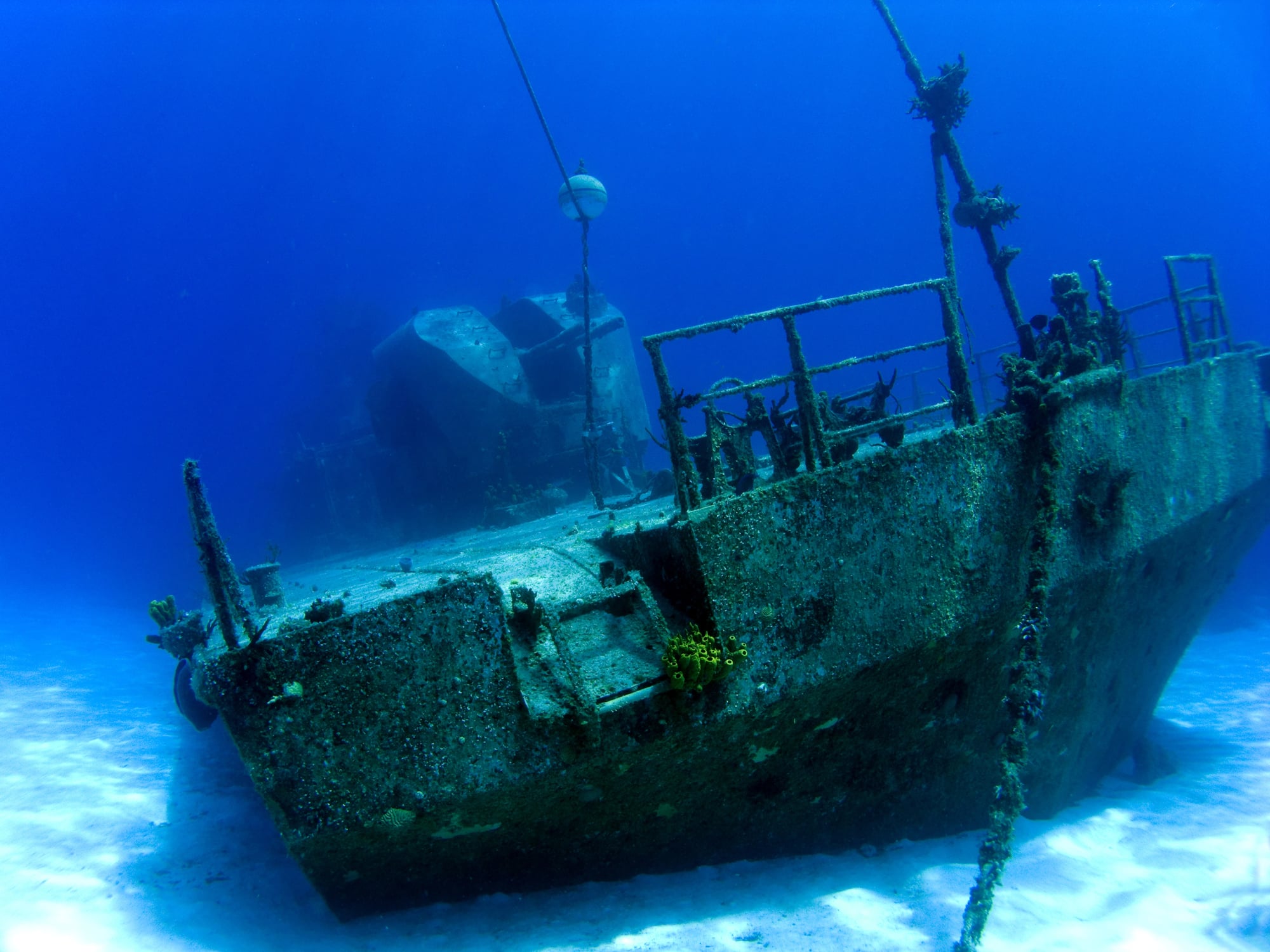
This Tang Dynasty vessel tells the story of 9th-century maritime trade between China and the Middle East with startling clarity. The dhow sank around 830 CE while carrying 60,000 pieces of Chinese ceramics, gold, silver, and spices — the largest collection of Tang artifacts ever discovered. What makes this find extraordinary goes beyond mere quantity. The cargo was so carefully packed and the preservation so complete that archaeologists could determine exactly how 9th-century merchants organized their trade goods for maximum protection during long voyages.
Antikythera Wreck
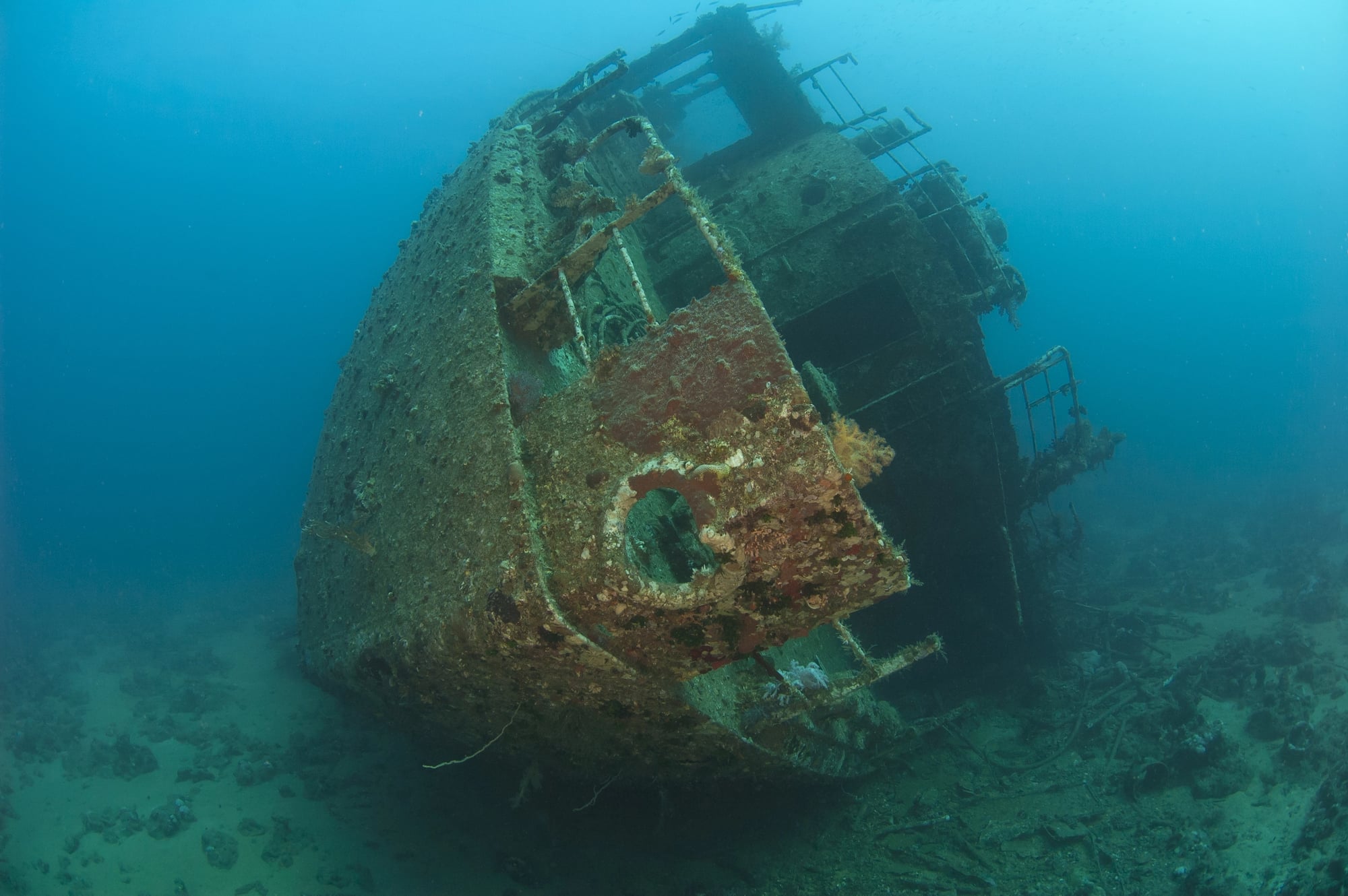
Sometimes the sea keeps secrets that rewrite history books. This Roman-era shipwreck, discovered by sponge divers in 1900, contained what appeared to be a corroded lump of bronze — until X-rays revealed the most sophisticated mechanical device from the ancient world. The Antikythera mechanism, as it came to be known, was an analog computer that could predict the positions of the sun, moon, and planets with stunning accuracy. The device contained over 30 bronze gears working in perfect harmony, technology that wouldn’t appear again in human history for another thousand years. The cold waters had preserved not just the mechanism itself, but bronze statues, jewelry, and coins that painted a picture of Roman wealth and sophistication that scholars are still trying to fully understand.
Dokos Wreck
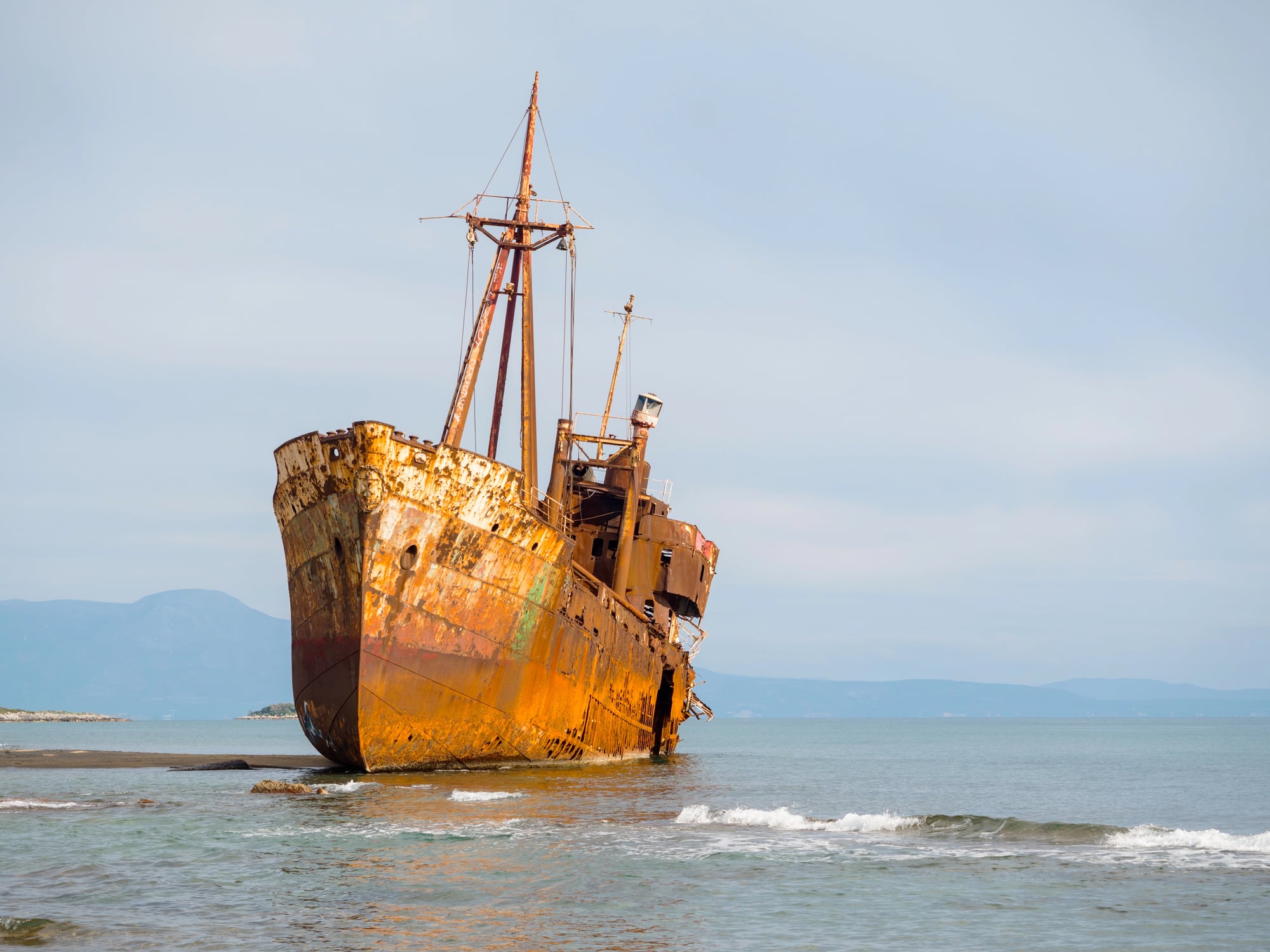
The oldest known shipwreck sits in Greek waters, its cargo scattered across the seafloor for 4,700 years. Hundreds of pottery vessels — storage jars, cooking pots, and serving bowls — remain exactly where they fell when the ship broke apart. The pottery styles and construction techniques preserved here predate the Bronze Age, offering archaeologists a direct link to early Hellenic civilization. These aren’t museum pieces polished and displayed behind glass. They’re everyday objects that real people used, still bearing the fingerprints of the potters who shaped them.
Vasa
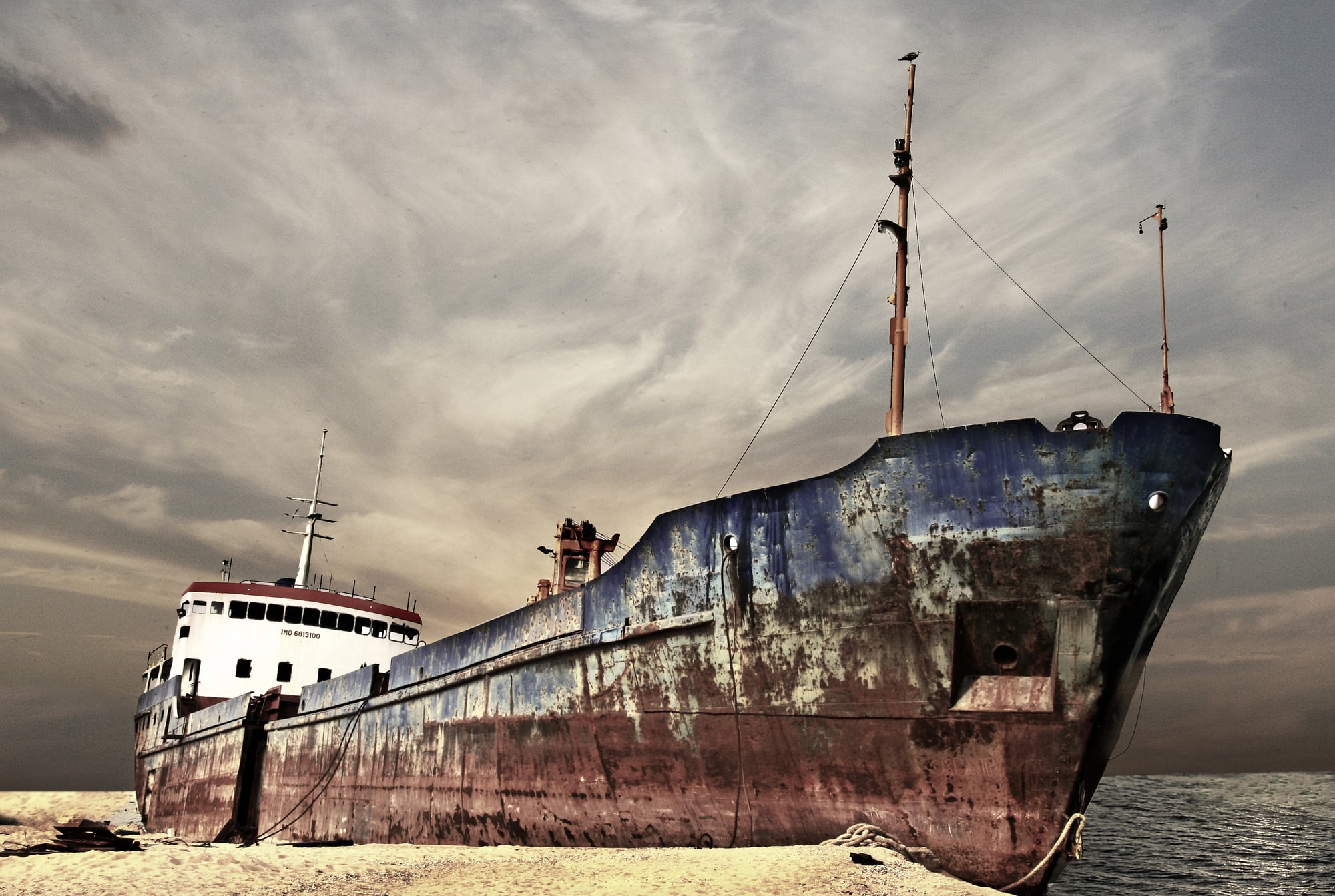
Stockholm’s harbor claimed the Swedish warship Vasa just 20 minutes into her maiden voyage in 1628, and the brackish Baltic waters turned her into the most perfectly preserved 17th-century ship in existence. When salvage teams raised her in 1961, they found a floating palace — carved decorations still showing traces of original paint, cannons loaded and ready to fire, sailors’ sea chests packed with personal belongings. The ship carried provisions for a long voyage: barrels of beer, salt pork, and hardtack bread that had turned to mush but remained recognizable. Even the ship’s cat was found, perfectly preserved in the hold where it had taken shelter as the ship went down. And the detail extends to things you’d never expect to survive — rope still coiled exactly as the sailors left it, wooden buttons on clothing, leather pouches containing coins from across Europe.
Cape Gelidonya Wreck
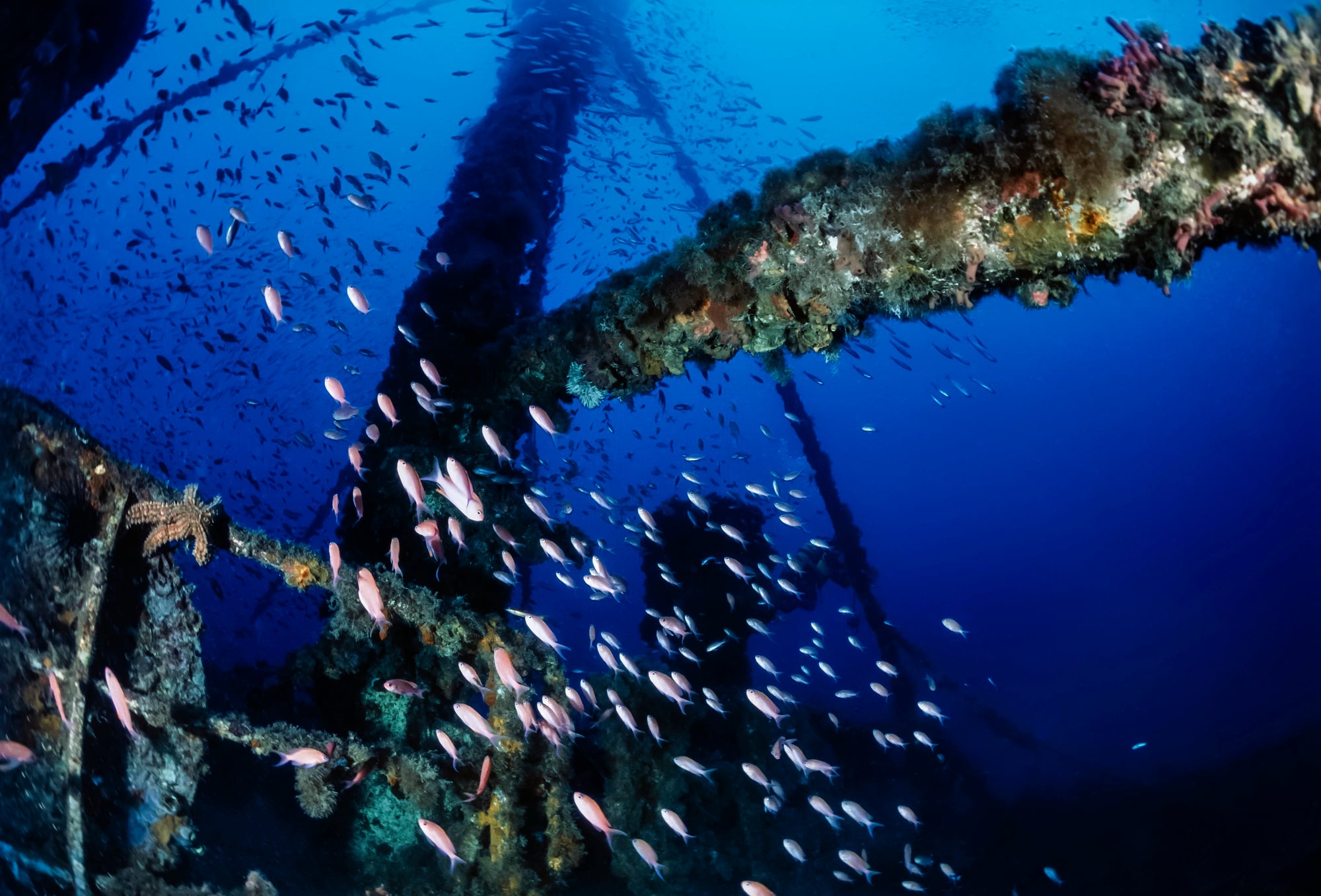
This Bronze Age merchant vessel proves that underwater archaeology can be more revealing than terrestrial digs. The ship went down around 1200 BCE carrying a cargo of raw materials: copper ingots, tin, bronze tools, and scrap metal destined for recycling. What preservation allowed archaeologists to determine was revolutionary — this wasn’t just cargo, it was evidence of the first identifiable traveling metalsmith. Personal tools, weights, and raw materials suggested the merchant was also a craftsman who would work his trade in port towns along his route.
Kyrenia Ship
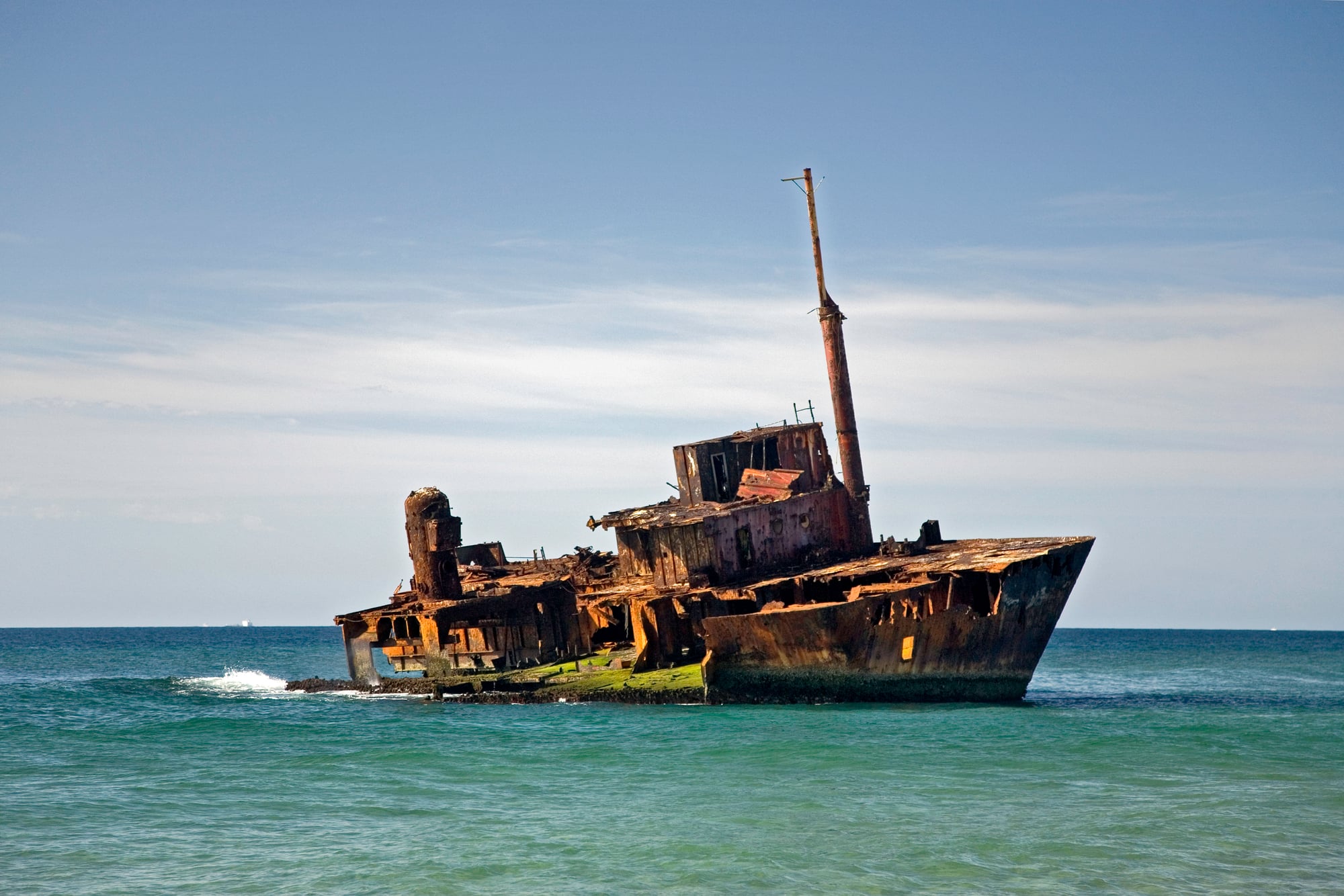
Cyprus waters preserved this ancient Greek merchant vessel so completely that marine archaeologists could reconstruct her entire final voyage. The 4th-century BCE ship carried wine amphorae, millstones, and almonds — a humble cargo that revealed the everyday commerce of the ancient Mediterranean. The almonds, still in their shells after 2,300 years underwater, provided botanists with perfectly preserved samples of ancient varieties. But what captured archaeologists’ attention was evidence of the ship’s long working life. Her hull showed multiple repairs, patches, and reinforcements that told the story of a merchant vessel that had sailed these waters for decades before her final voyage.
Monte Cristo Wreck
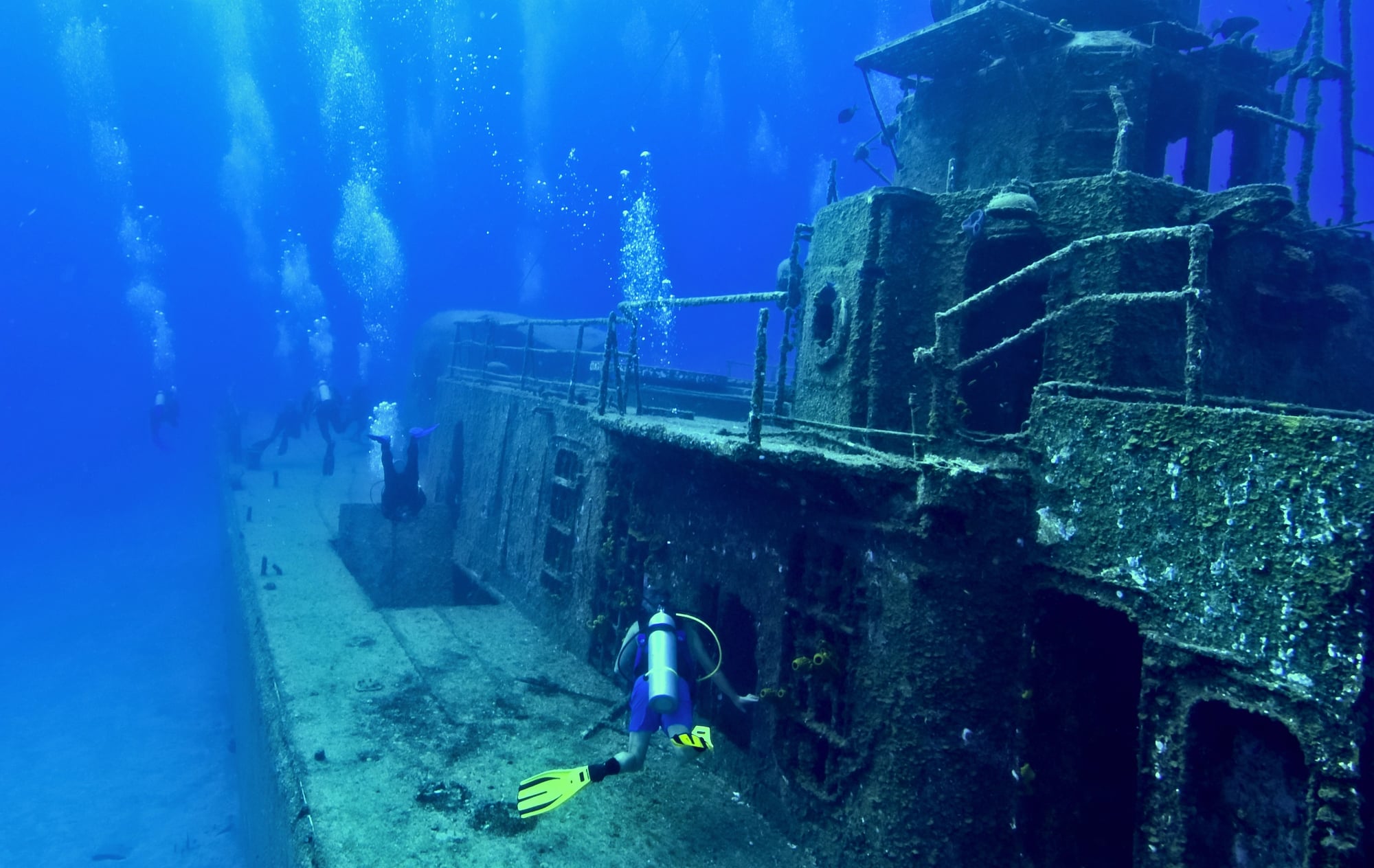
The waters off Italy’s Monte Cristo island preserved a Roman cargo ship that operated during the height of the Empire, around 100 CE. This vessel carried a mixed cargo that reads like a catalog of Roman luxury: wine amphorae from different regions, fine tableware, bronze objects, and glass vessels. What sets this discovery apart lies in the preservation of organic materials that usually disappear entirely. Wooden crates, rope, and even fabric wrapping around delicate items survived intact. The ship’s galley contained the crew’s cooking equipment, storage jars, and even fishing hooks — evidence that Roman sailors supplemented their diet with fresh fish during long voyages.
Madrague de Giens
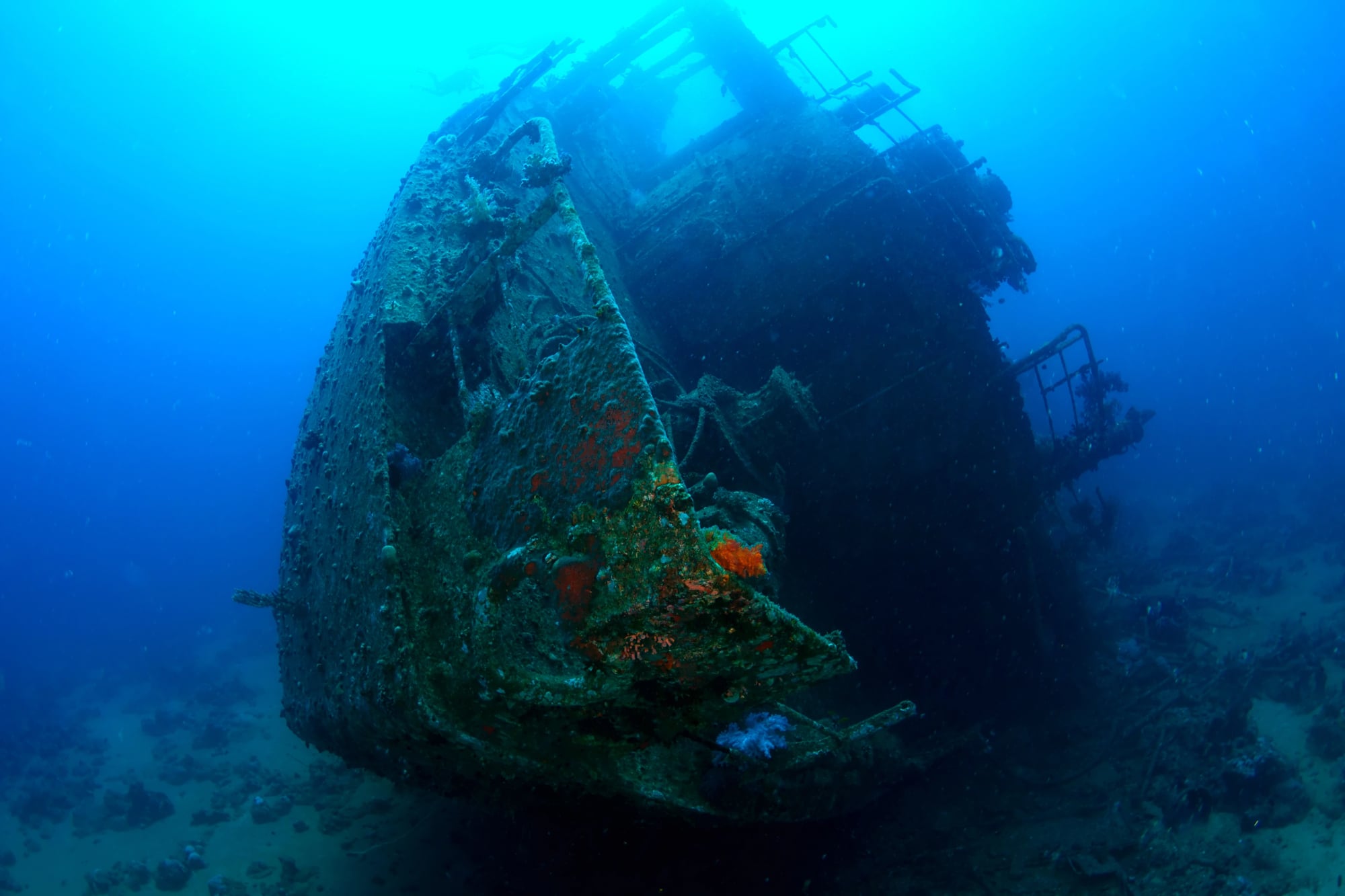
Here’s what happens when perfect preservation meets Roman engineering. This massive cargo vessel — one of the largest ships from the ancient world — went down around 60 BCE carrying a cargo that weighed over 400 tons. The ship transported wine from Italy to Gaul in specially designed amphora that remained perfectly stacked in the ship’s hold. But the preservation revealed sophisticated maritime technology: a lead-sheathed hull, multiple anchors, and a cargo organization system that maximized space while protecting fragile goods. The ship’s construction was so advanced that it matches techniques not seen again until the Renaissance.
Shinan Wreck
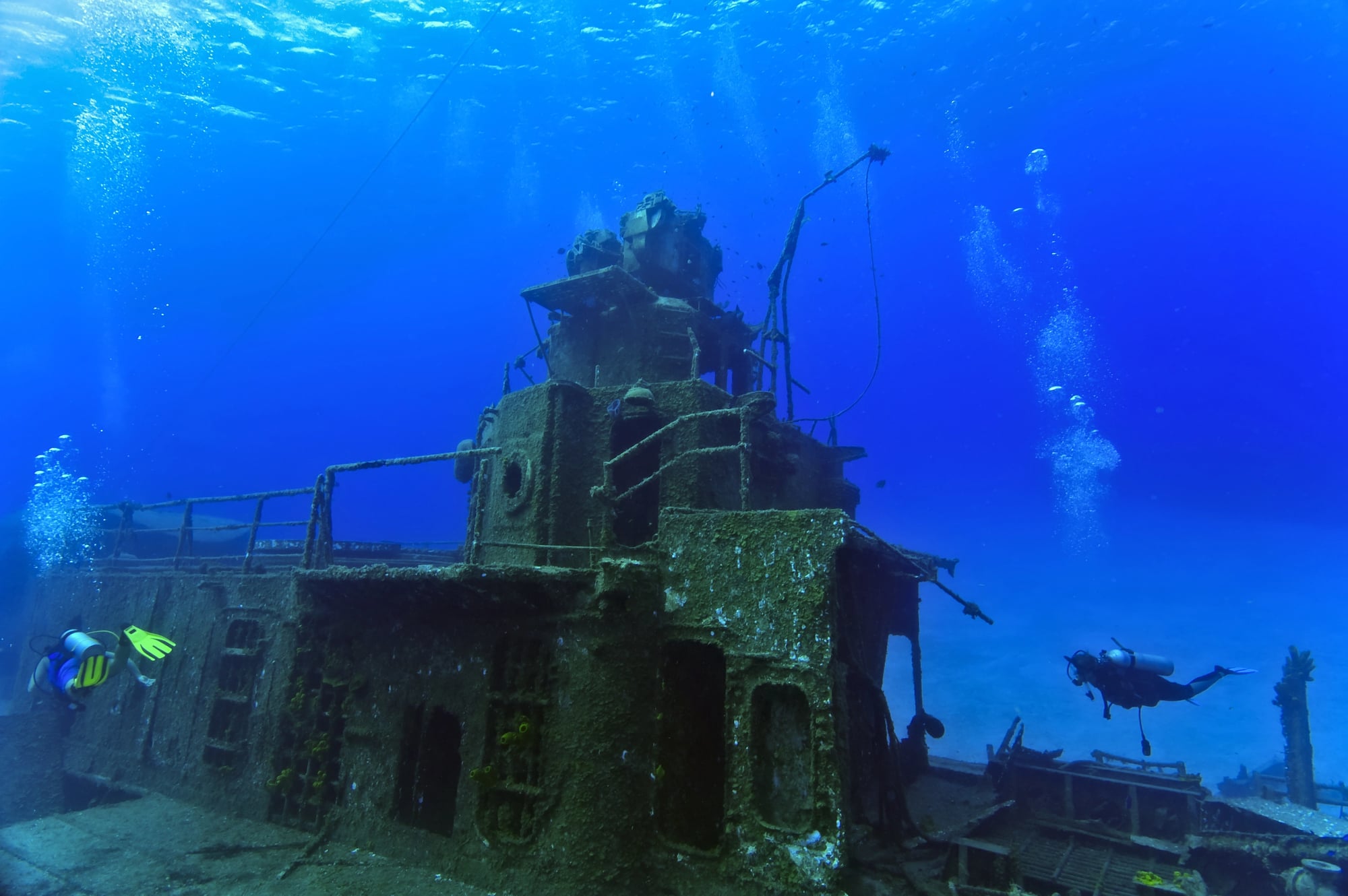
Korean waters claimed this Chinese merchant vessel in the 1320s, preserving a snapshot of 14th-century maritime trade between China and Japan. The cargo included over 20,000 pieces of celadon pottery, wooden sculptures, and medicinal herbs — all packed with a precision that survived seven centuries underwater. What makes this discovery remarkable goes beyond the cargo itself. The ship’s wooden hull preserved so completely that archaeologists could study medieval Chinese shipbuilding techniques in detail. Even the ship’s compass, made from a magnetized iron needle floating in water, remained in working condition.
Serçe Limanı
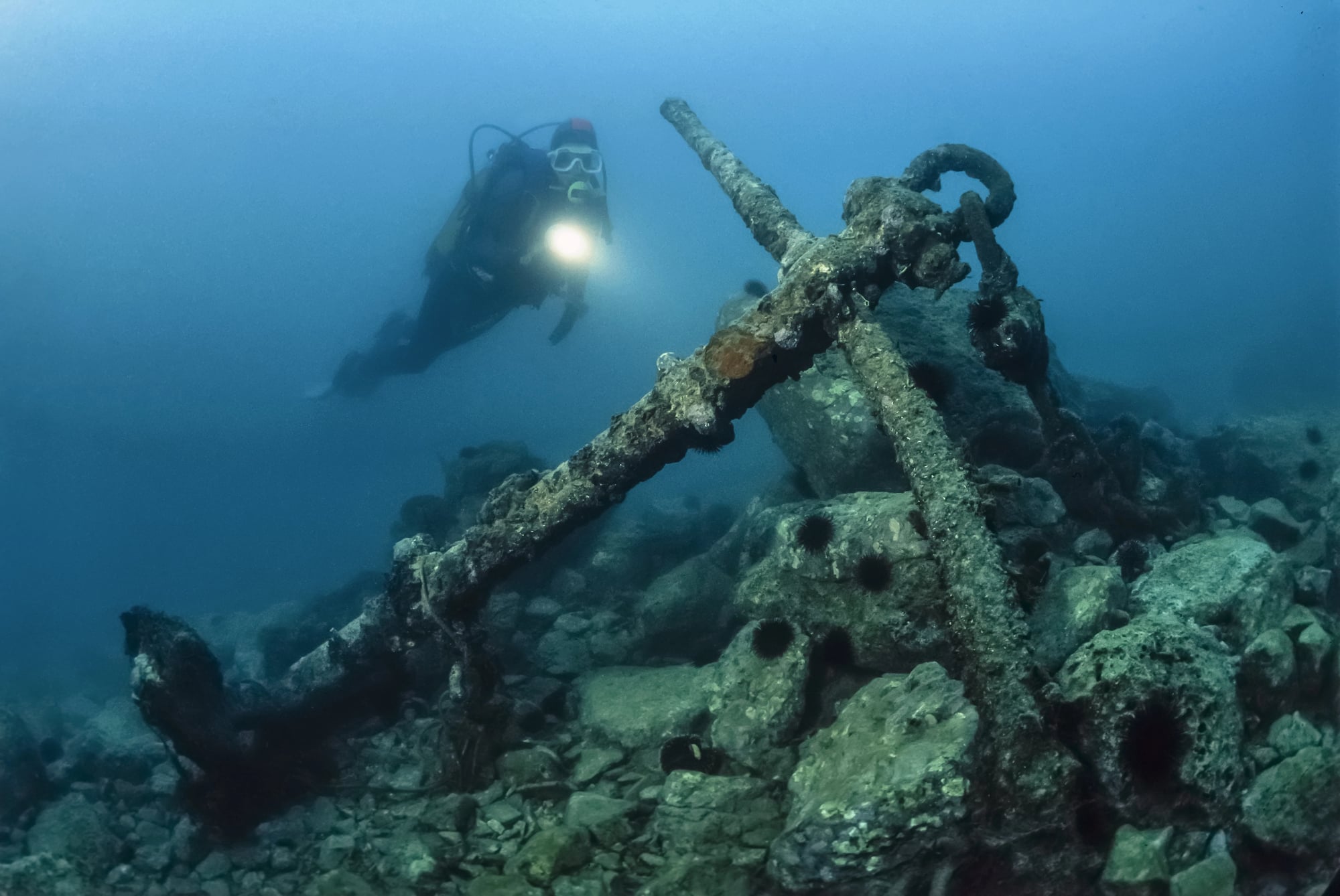
This Byzantine glass ship tells a story of medieval recycling that feels surprisingly modern. The 11th-century vessel was carrying three tons of broken glass — wine bottles, bowls, and decorative objects — back to furnaces for remelting into new products. The preservation in Turkish waters was so complete that archaeologists could identify the original shapes and functions of thousands of glass fragments. But what captured attention was the discovery that medieval merchants had developed sophisticated systems for collecting, sorting, and transporting recyclable materials across the Mediterranean.
Tektas Burnu
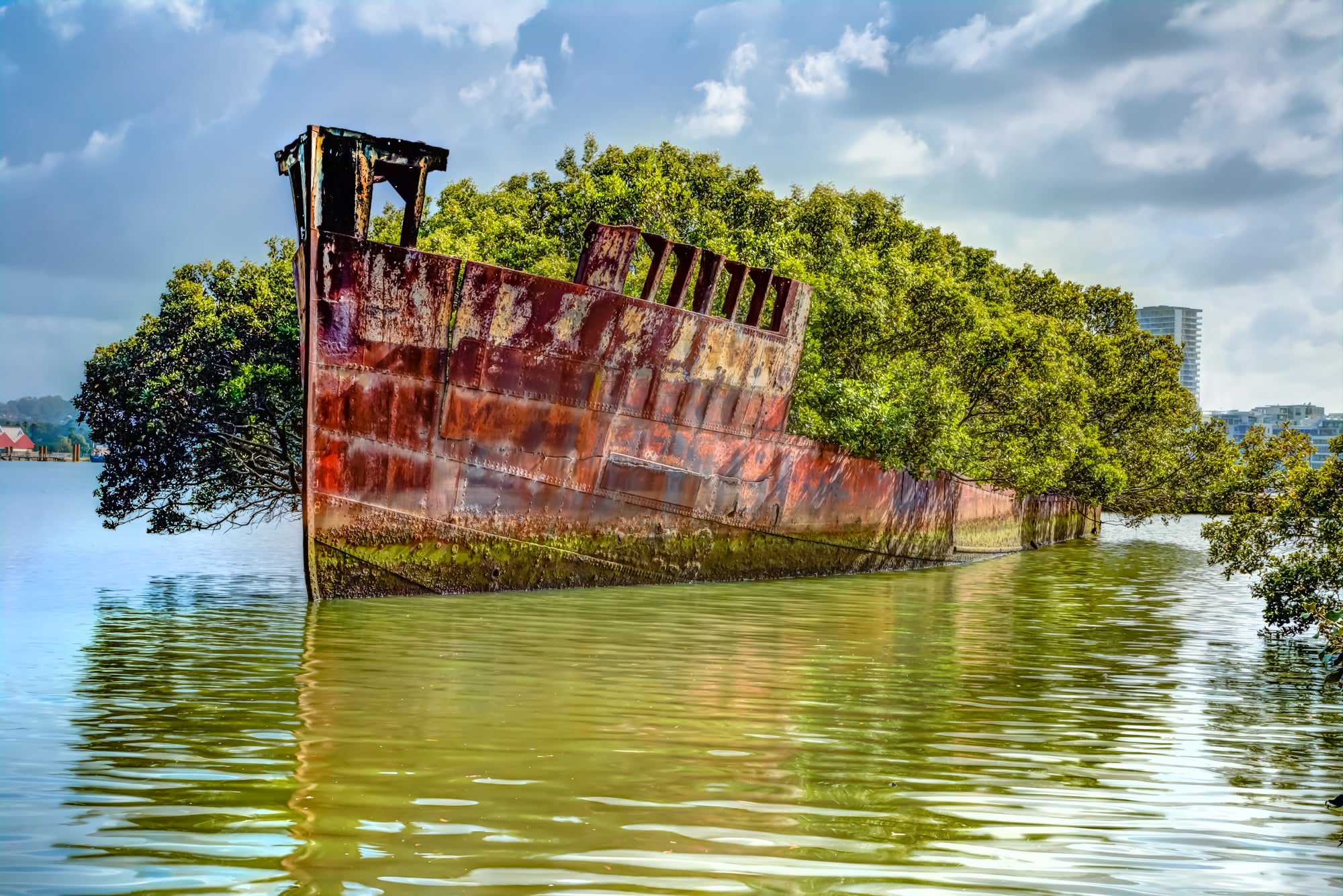
Sometimes underwater preservation reveals trading relationships that reshape historical understanding. This 5th-century BCE Greek merchant ship carried wine amphora from at least five different regions, suggesting that ancient merchants operated complex supply networks. The cargo arrangement showed careful planning — heavy items in the bottom, fragile goods cushioned with padding that still survived, and personal belongings stored in specific crew areas. Even the ship’s drinking water, stored in large ceramic jars, remained separate from the cargo hold to prevent contamination.
Albenga
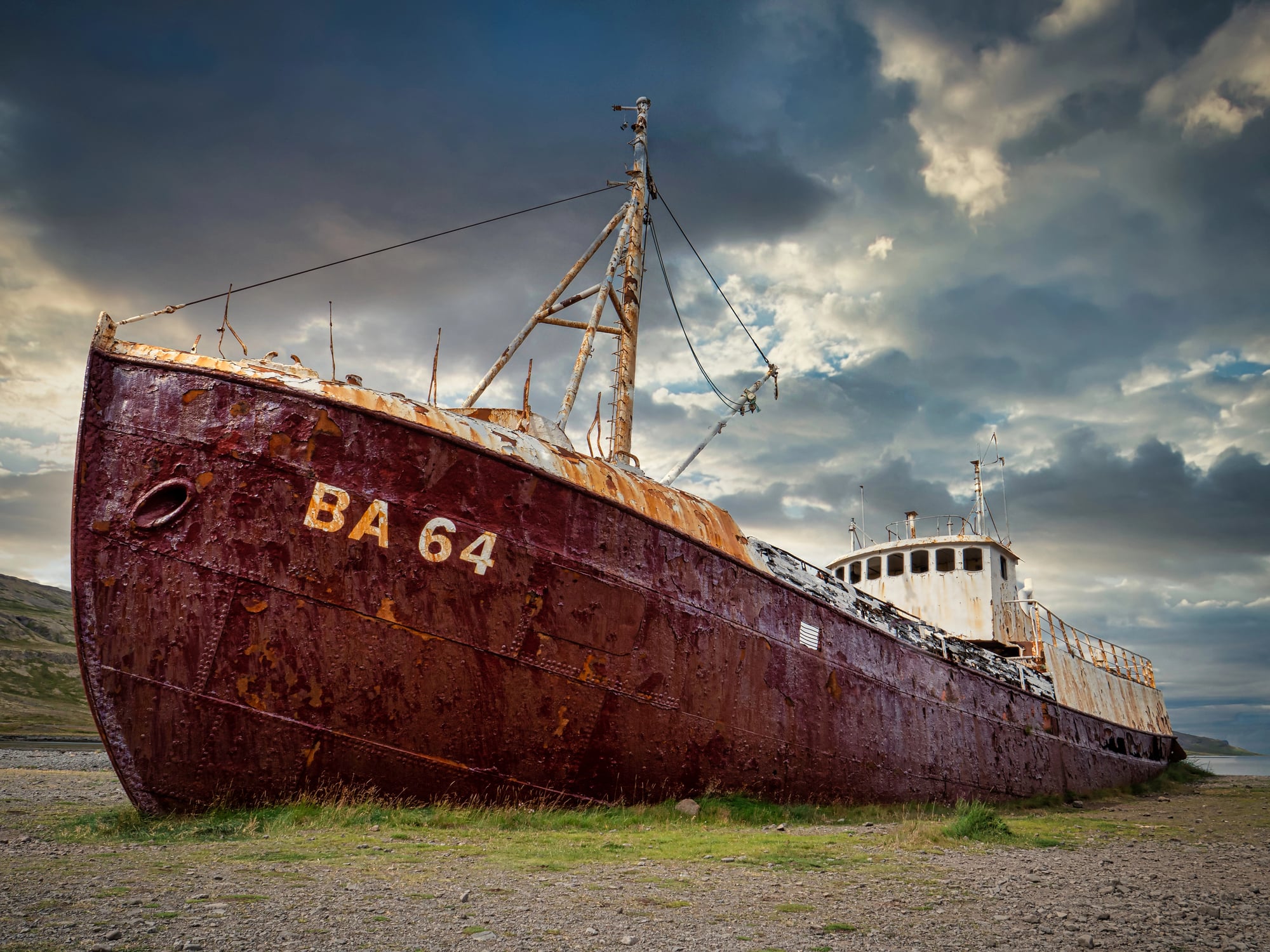
The Mediterranean preserved this Roman cargo ship so perfectly that archaeologists could determine the exact sequence of events during her final voyage. The 1st-century BCE vessel carried wine amphora stacked in precise rows, but the preservation showed that the crew had been rearranging cargo when the ship went down. Some amphora were out of place, cargo nets were partially deployed, and tools were scattered across the deck — evidence of frantic activity during the ship’s final moments.
Grand Ribaud F
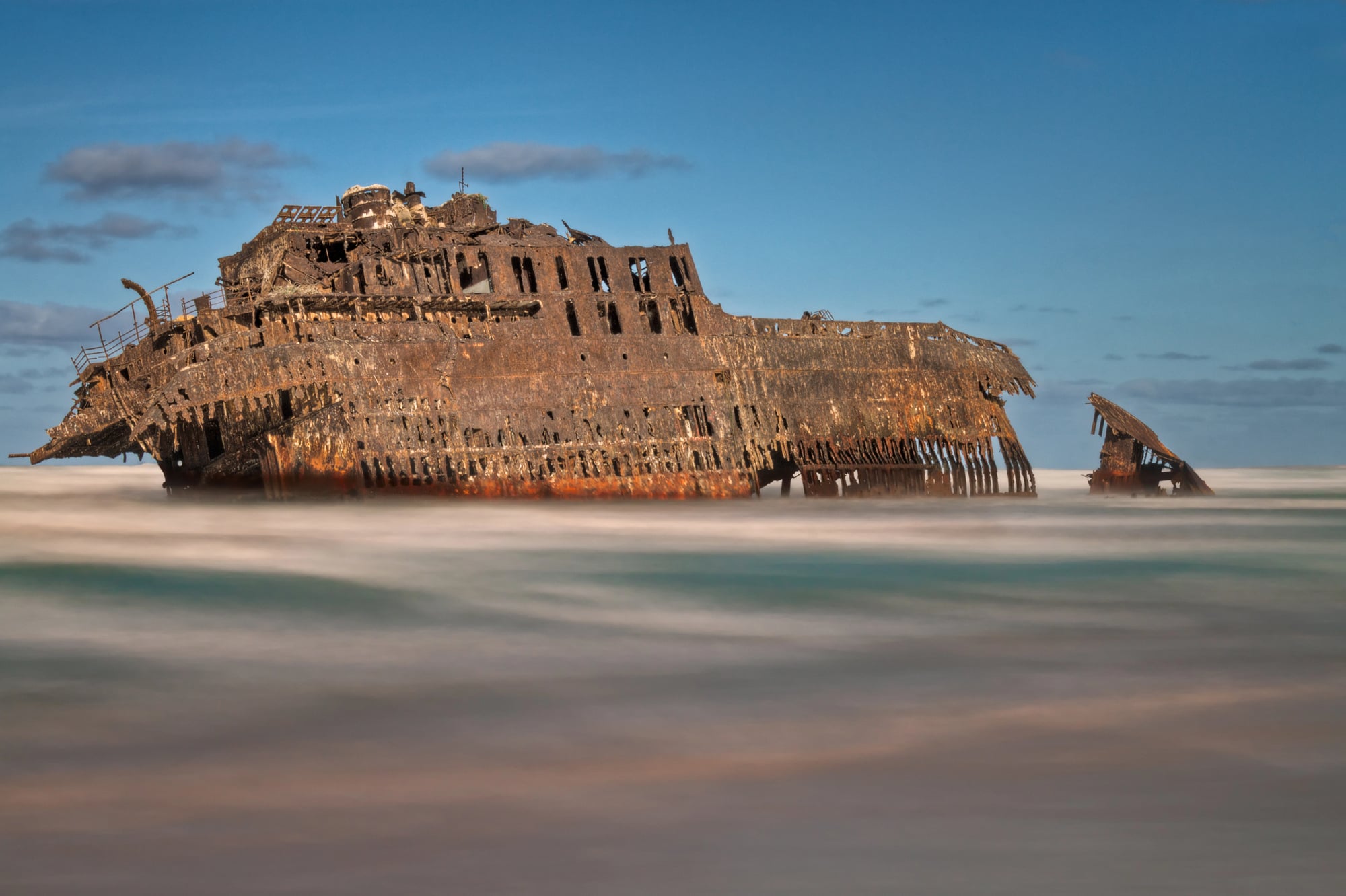
This Roman wine ship demonstrates how underwater preservation can reveal ancient business practices with startling detail. The vessel went down around 70 CE carrying amphora from multiple vineyards, each marked with stamps that identified the producer, vintage, and quality grade. The preservation was so complete that archaeologists could reconstruct the entire supply chain — from individual vineyard owners to the merchant who assembled the cargo to the specific markets where different wines were destined. Even the ship’s manifest, written on lead tablets, survived intact.
Point Iria
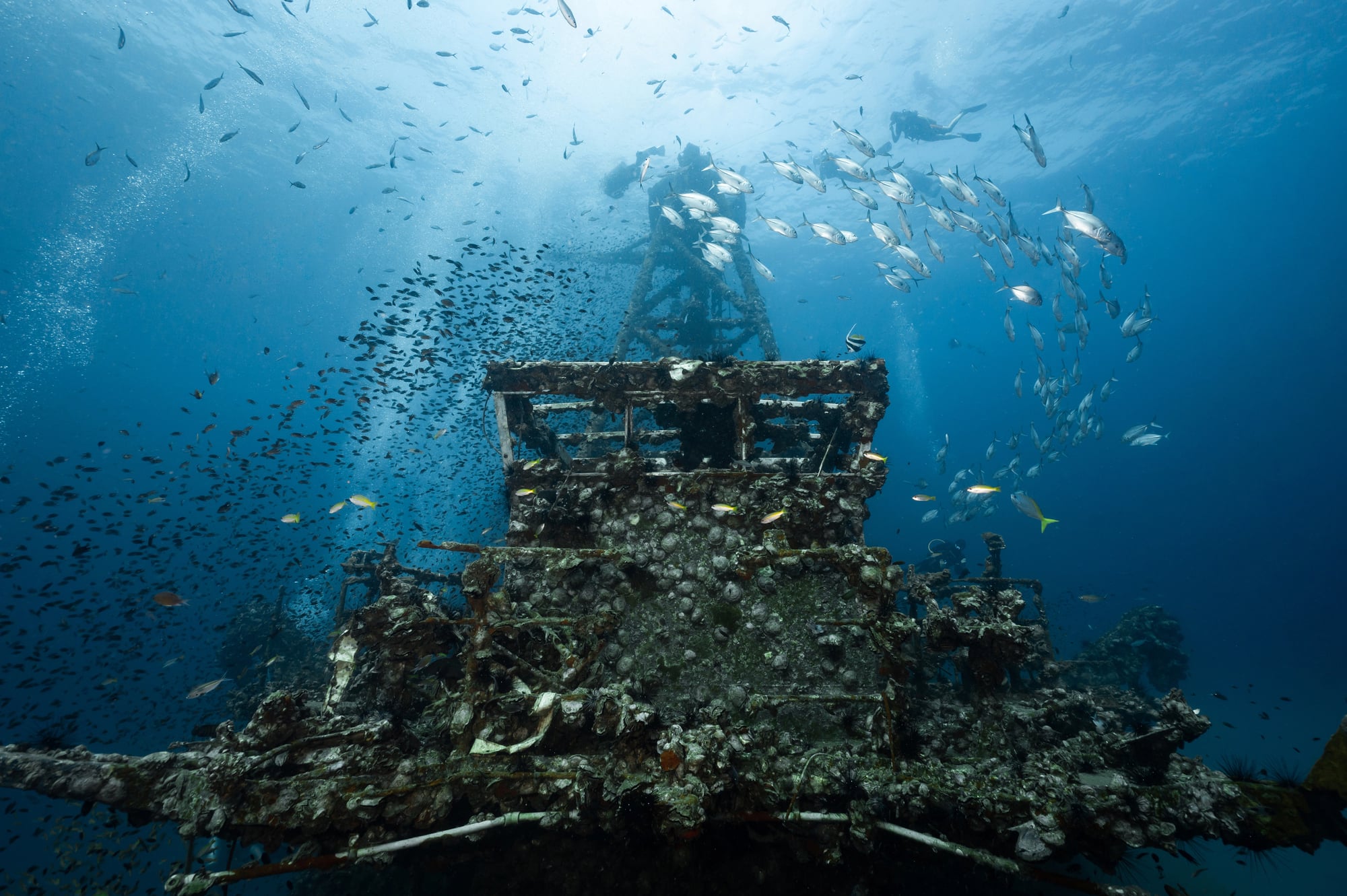
Greek waters preserved this Bronze Age merchant vessel along with a cargo that included pottery, stone anchors, and bronze tools from around 1200 BCE. But what preservation revealed here challenged assumptions about ancient maritime technology. The ship’s construction used advanced joinery techniques and featured a sophisticated anchor system that could handle different bottom conditions. The cargo organization showed that Bronze Age merchants understood how to balance loads and protect fragile items during rough voyages.
Cape Artemision
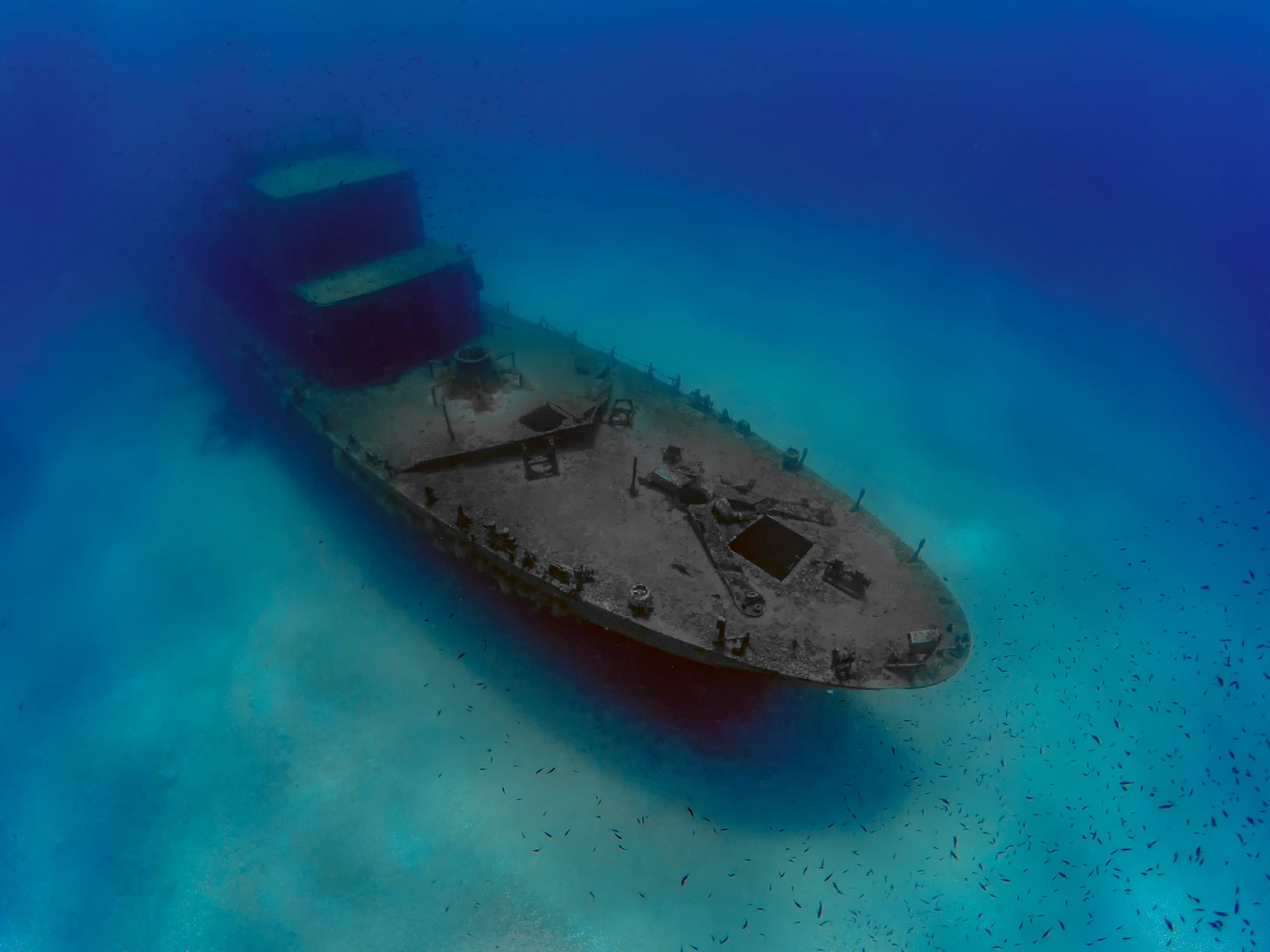
This ancient Greek ship carried bronze statues and luxury goods that were already centuries old when the vessel sank around 100 BCE. The underwater preservation revealed that ancient Romans collected Greek art with the same enthusiasm as modern collectors — some pieces in the cargo showed wear from previous display, suggesting they had been removed from temples or public buildings. The packing methods were remarkably sophisticated, with statues wrapped in lead sheets and cushioned with organic materials that survived long enough for archaeologists to identify.
Mahdia
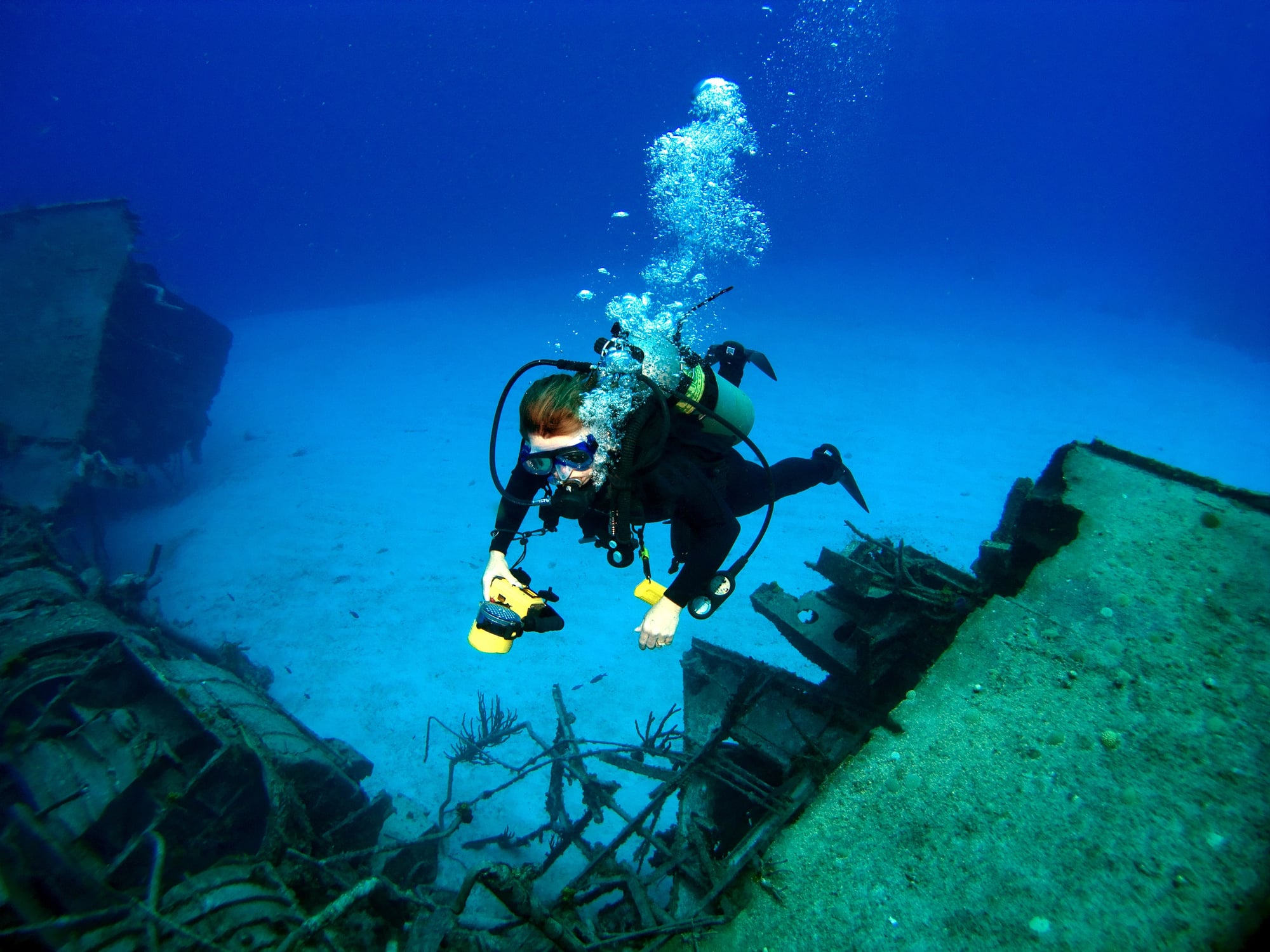
Off Tunisia’s coast, Mediterranean waters preserved a Roman ship that operated as a floating art gallery. The 1st-century BCE vessel carried Greek sculptures, bronze furniture, marble columns, and decorative objects — essentially a cargo of high-end interior design materials for Roman villas. The preservation allowed archaeologists to study how ancient art dealers transported fragile masterpieces across dangerous waters. Bronze statues still showed traces of their original patina, marble sculptures retained sharp details, and even wooden crates used for packing survived with their contents undisturbed.
Blackfriars
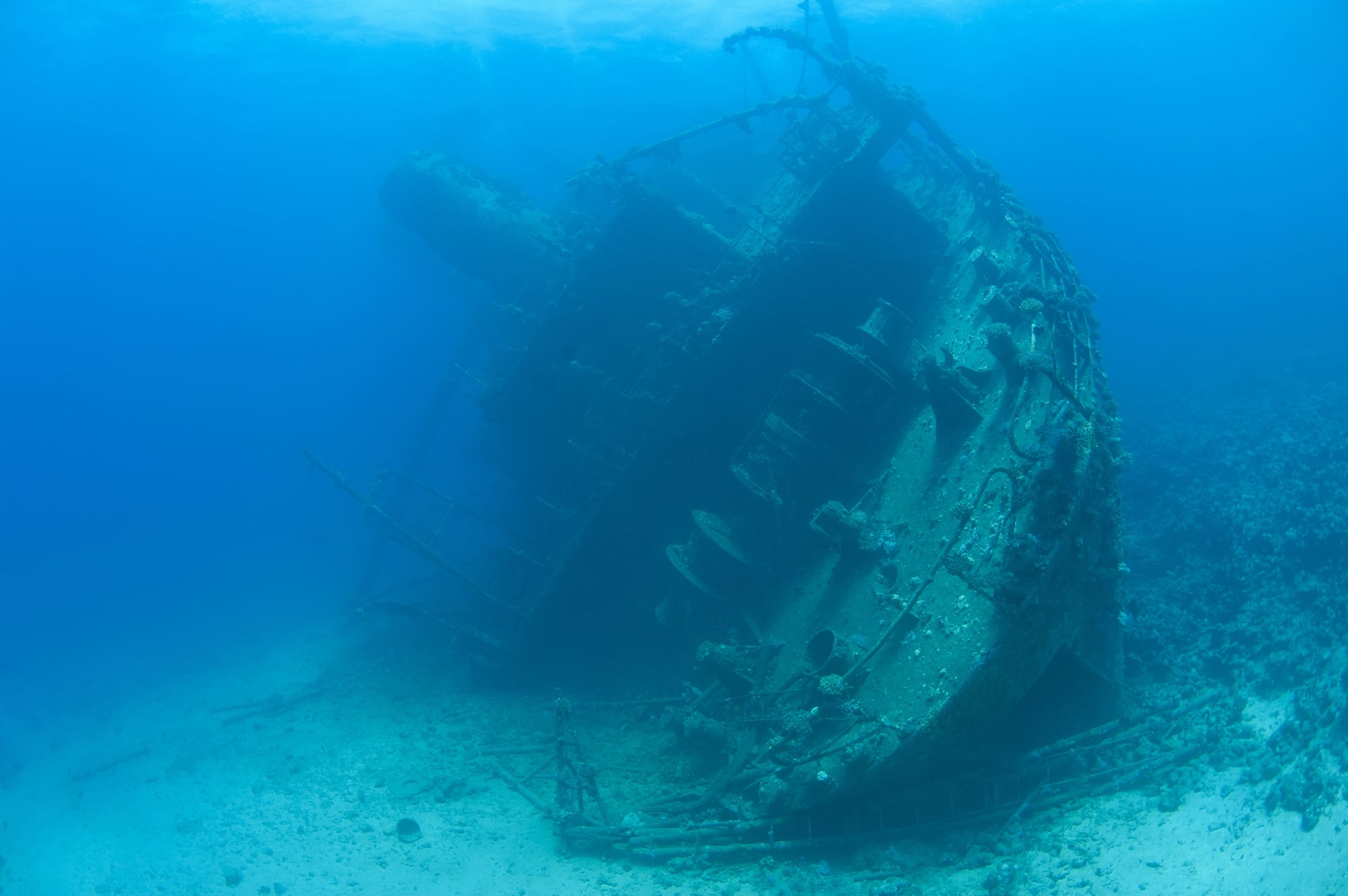
The Thames preserved this Roman cargo barge so completely that archaeologists could reconstruct daily life aboard a working vessel in 2nd-century London. The flat-bottomed barge carried building stone from quarries to construction sites, but the preservation revealed personal belongings, cooking equipment, and even games that crew members played during downtime. The ship’s galley contained pottery from across the Roman Empire, suggesting that even humble barge crews had access to goods from distant provinces.
Spargi
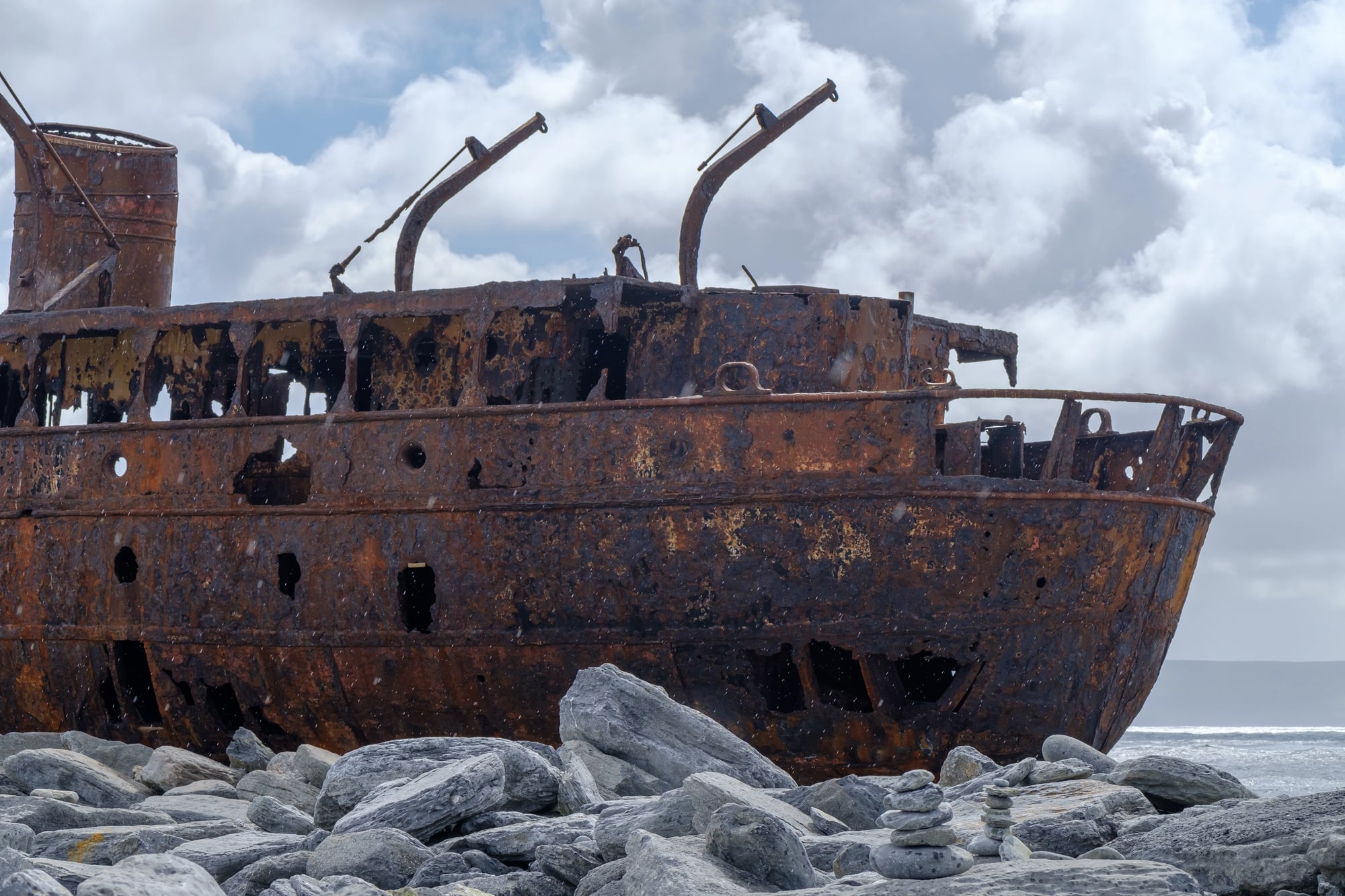
This Roman cargo ship foundered around 120 BCE while carrying a mixed load that included wine, oil, and garum — the fermented fish sauce that Romans used like ketchup. The preservation in Sardinian waters was so complete that amphora still contained residues of their original contents. Chemical analysis revealed not just what the ship carried, but where each product originated. The wine came from specific vineyards in Campania, the oil from groves in southern Italy, and the garum from processing facilities in Spain.
Yassiada
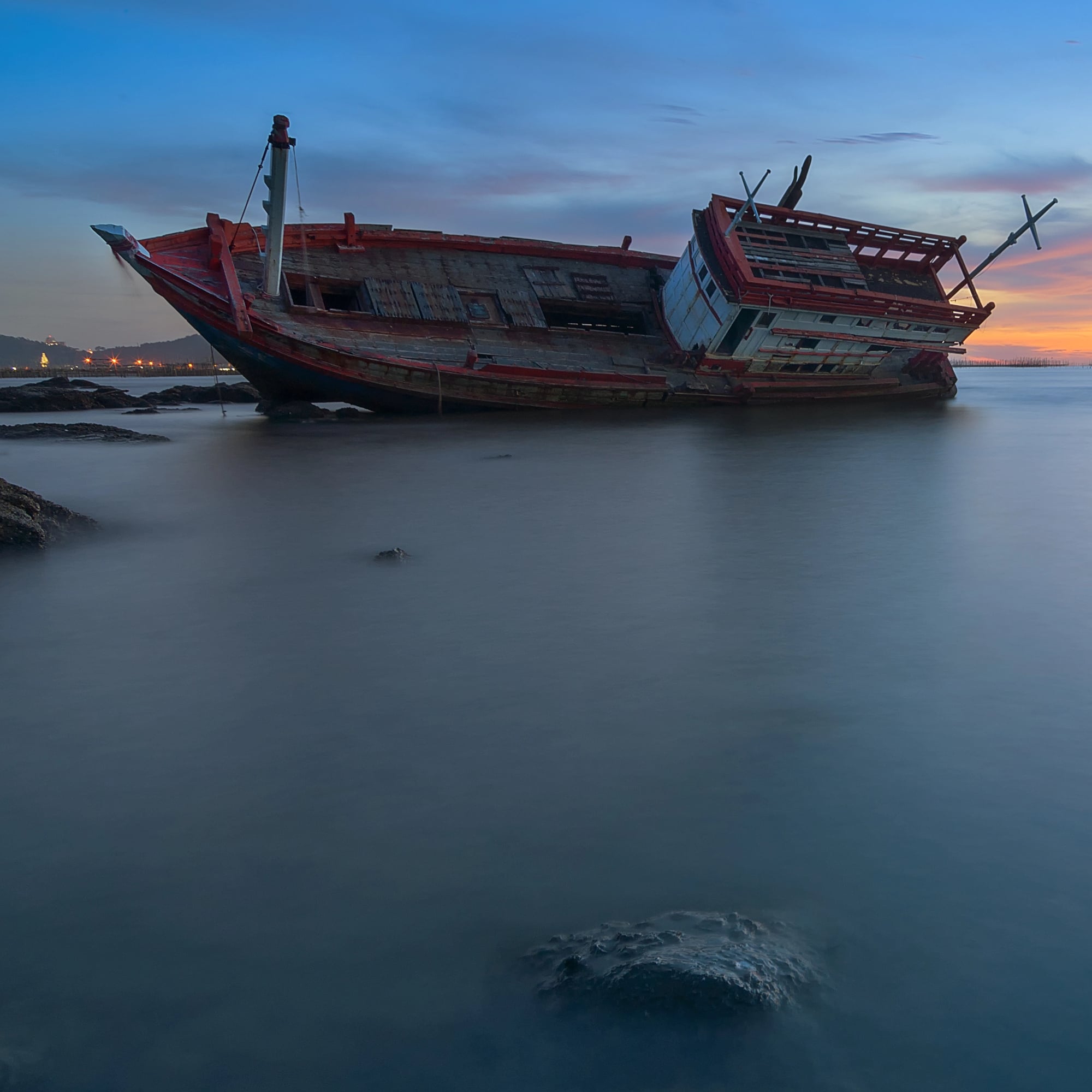
Byzantine waters off Turkey preserved this 7th-century merchant vessel along with cargo that included wine, oil, and everyday pottery. But what makes this discovery exceptional lies in the preservation of the ship’s structure. Archaeologists could study Byzantine shipbuilding techniques in detail, from the way planks were joined to the methods used for waterproofing. The ship carried a cargo of amphora that were already obsolete when the vessel sailed — evidence that medieval merchants sometimes dealt in surplus inventory from earlier periods.
Dramont E
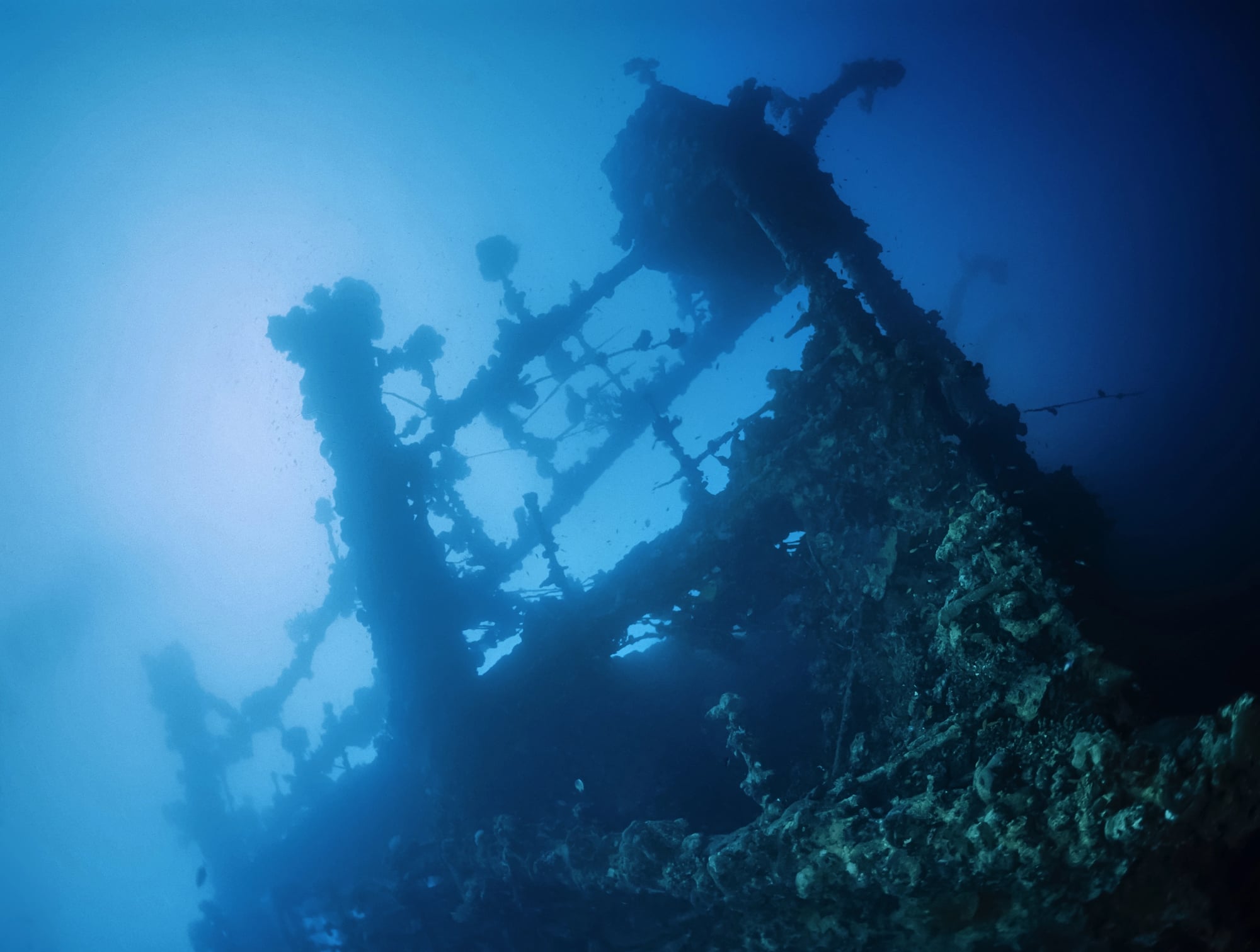
This Roman ship carried a cargo of roof tiles, pottery, and construction materials that reveals how the ancient building trade operated across the Mediterranean. The preservation in French waters showed that Roman merchants standardized their products for efficient shipping — tiles were uniform in size and shape, pottery followed consistent patterns, and everything was designed for compact stacking. Even the ship’s bilge contained pottery shards that crew members had swept up during the voyage.
La Chrétienne A
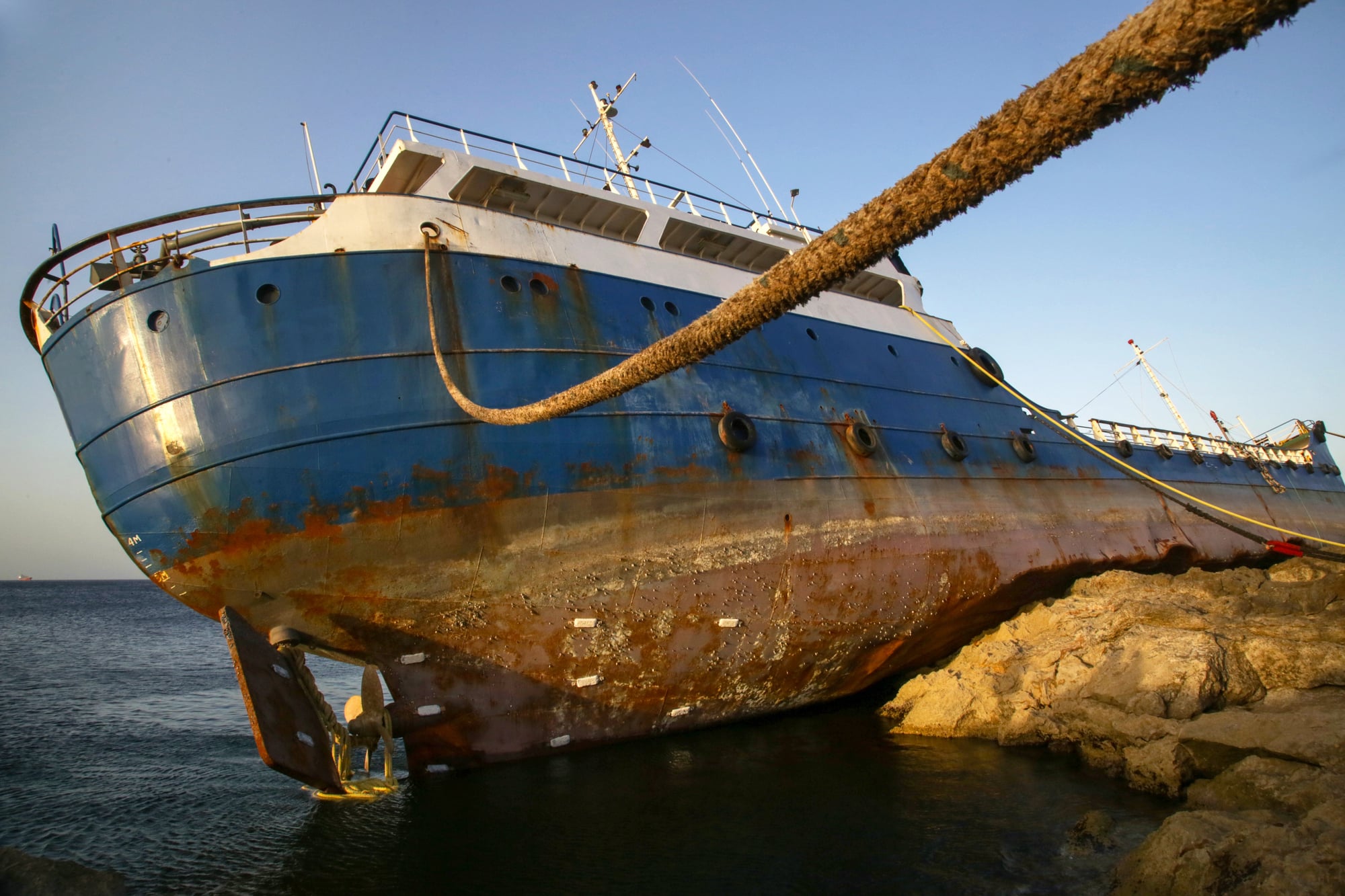
The underwater environment off southern France preserved this Roman cargo ship along with a wine collection that would make modern sommeliers weep. The 2nd-century BCE vessel carried amphora from premium vineyards, each stamped with marks that identified not just the producer but the specific vintage year. Some amphora still contained wine residue that chemical analysis identified as coming from grapes that were already considered premium varieties in Roman times. The cargo arrangement showed that Roman merchants understood how to store wine for long voyages without spoiling.
Comacchio
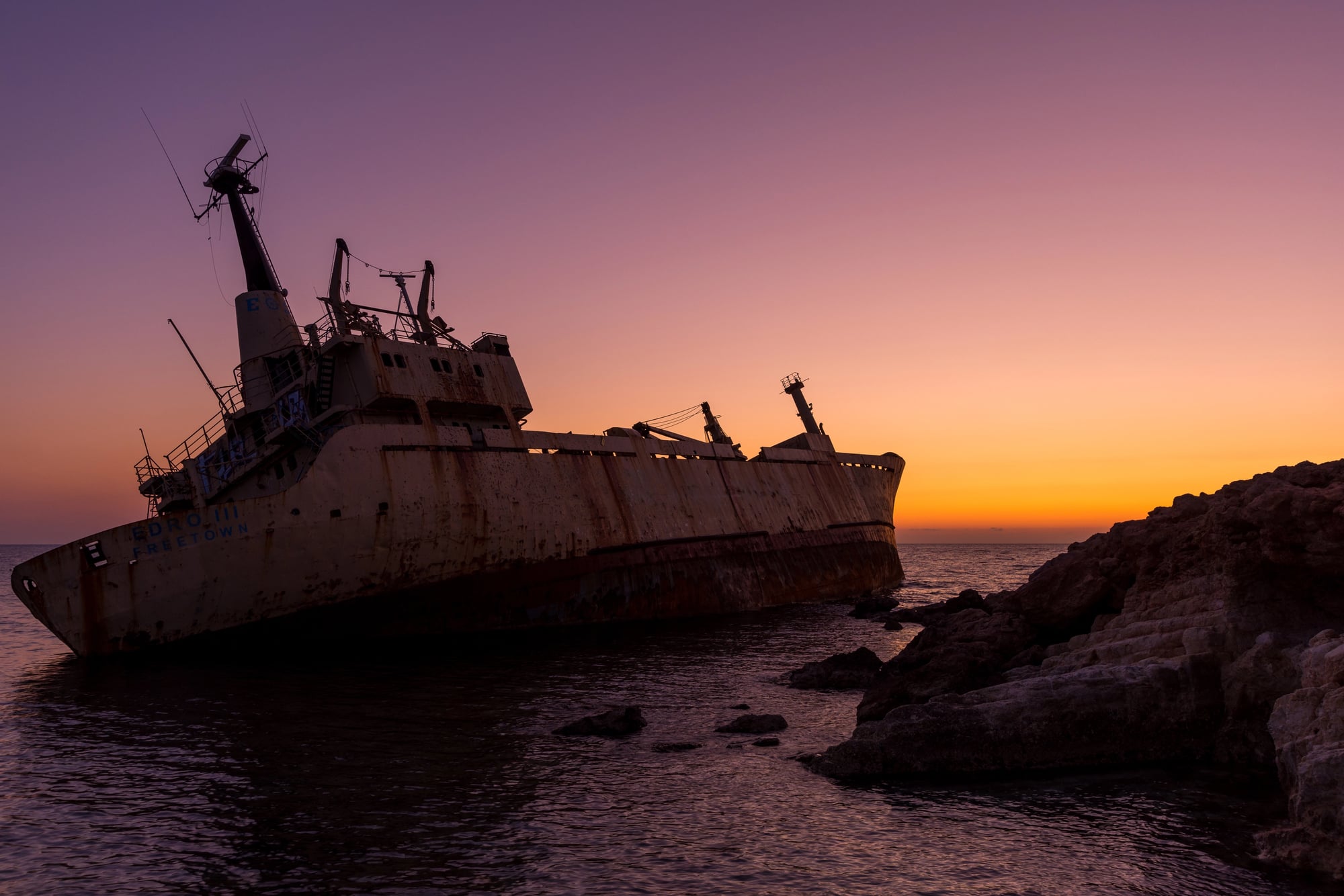
Italian waters preserved this Byzantine merchant vessel that operated during the 7th century, when the Eastern Roman Empire controlled much of the Mediterranean trade. The ship carried a cargo that included amphora, pottery, and glass objects, but what preservation revealed was more interesting than the cargo itself. The ship’s construction combined Roman engineering with new techniques developed during the Byzantine period, creating vessels that were both stronger and more efficient than their predecessors.
Pabuc Burnu
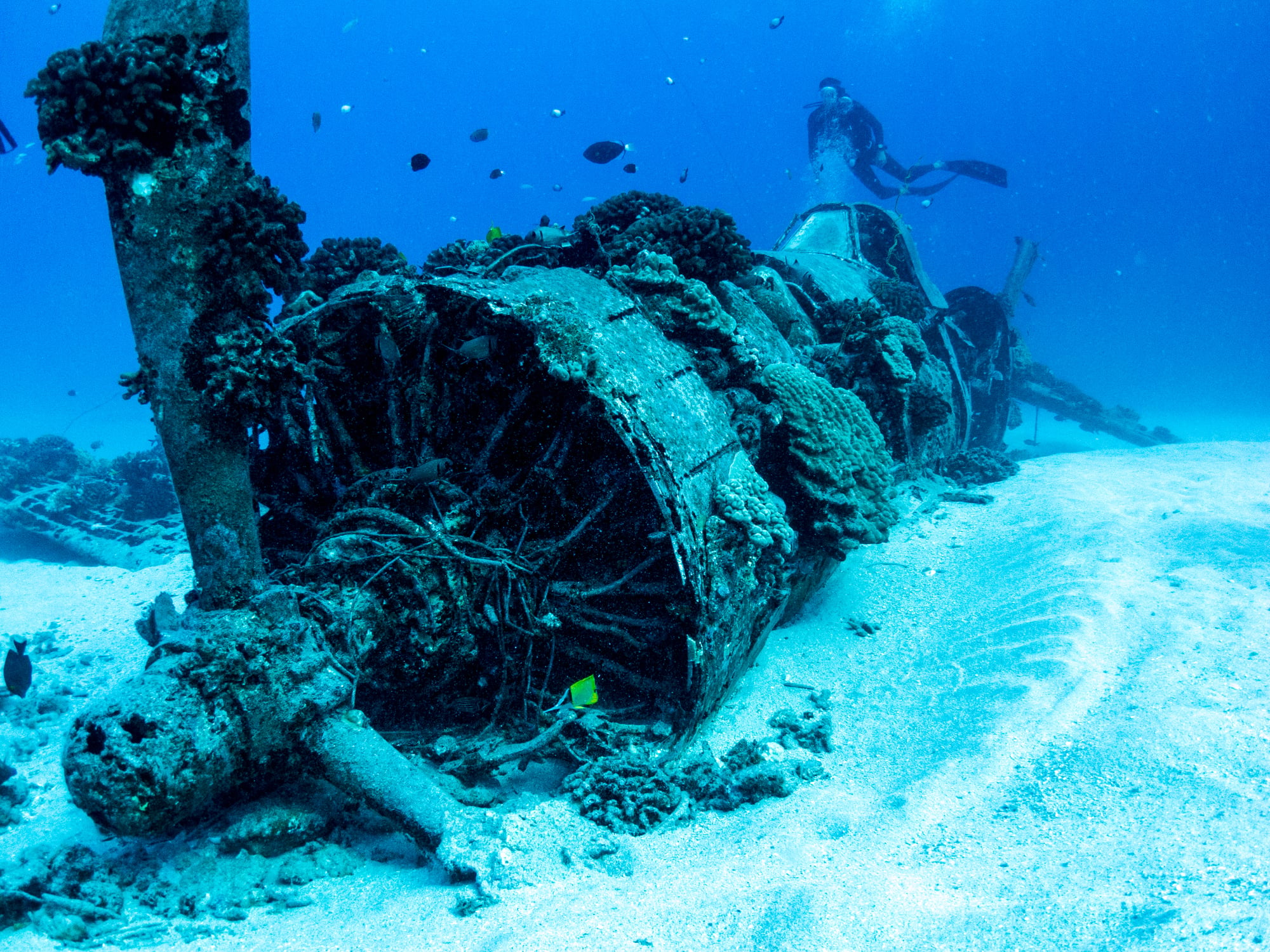
This Archaic period Greek ship demonstrates how underwater preservation can reveal the earliest developments in maritime trade. The 6th-century BCE vessel carried pottery and other goods that were still experimental in design — evidence that ancient merchants were willing to transport new products before their markets were fully established. The ship’s construction showed early Greek shipbuilding techniques that would later evolve into the sophisticated vessels of the Classical period.
Plemmirio B
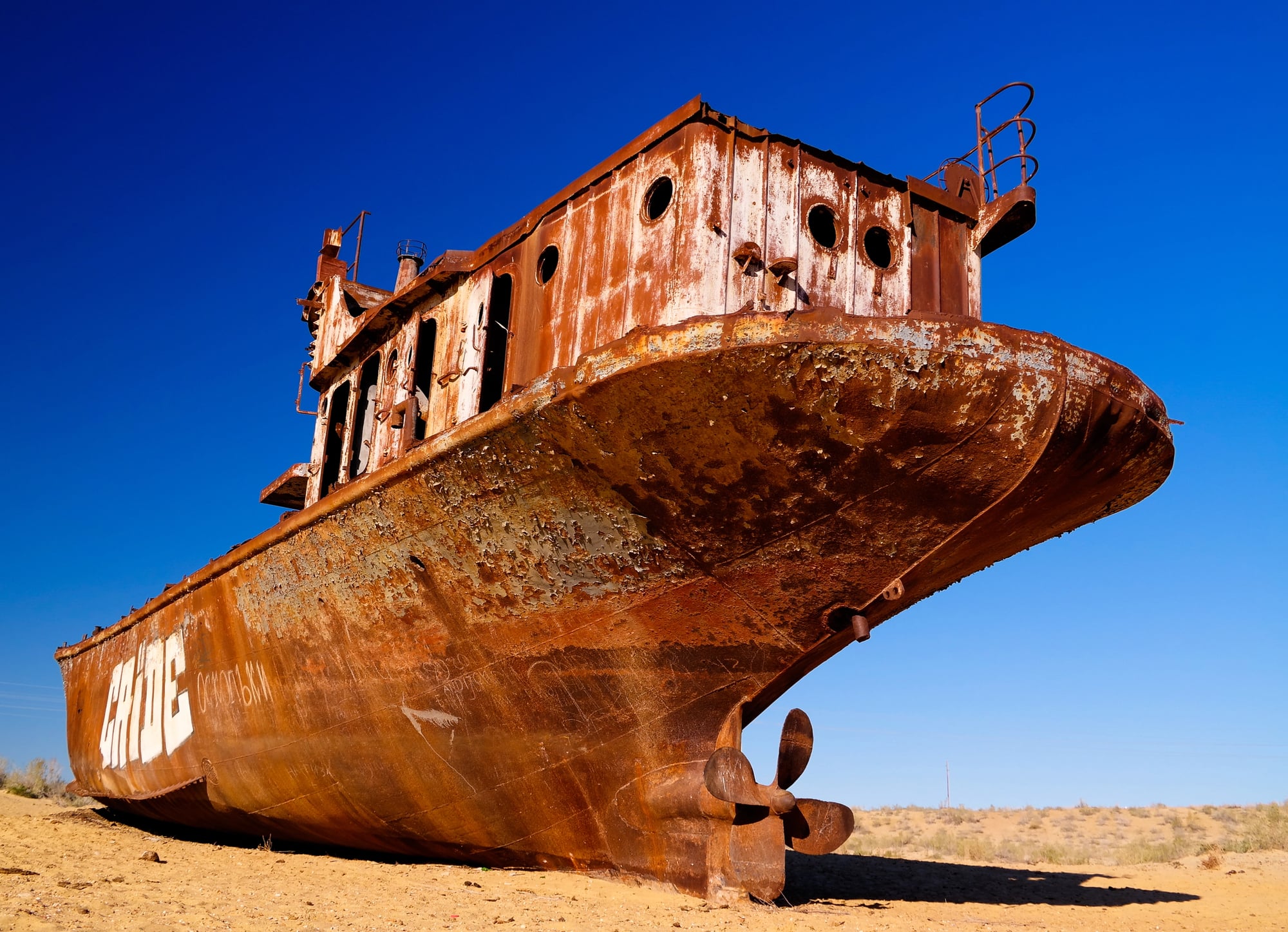
Sicilian waters preserved this Roman cargo ship that carried a mixed load reflecting the complexity of ancient Mediterranean commerce. The vessel transported wine amphora, oil containers, and fine pottery, but the cargo arrangement revealed something unexpected — different sections of the ship carried goods destined for different ports. This wasn’t a simple point-to-point voyage; it was a complex trading expedition that would make multiple stops along a carefully planned route.
Xlendi
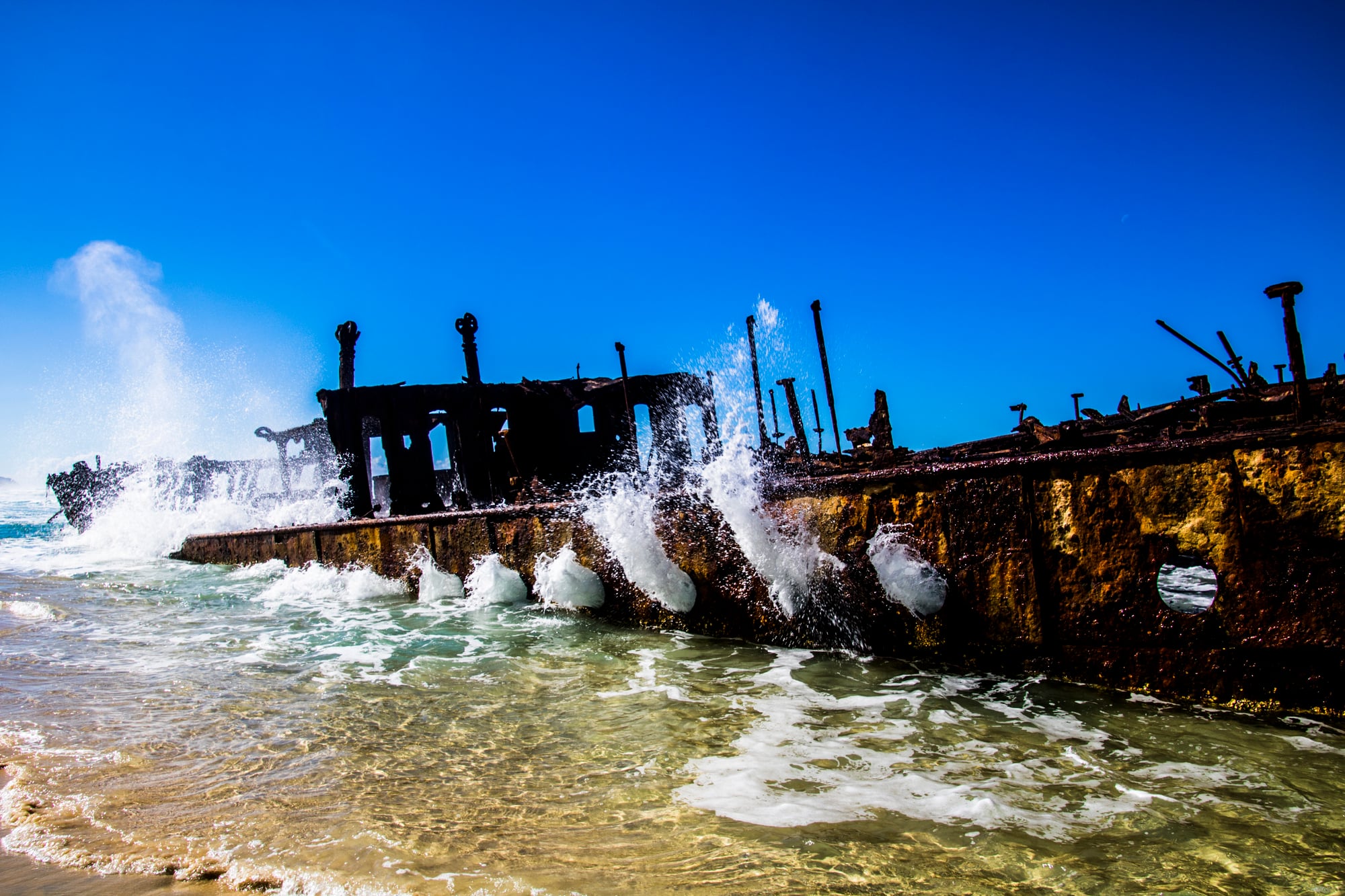
The Mediterranean preserved this Roman ship that carried a cargo of oil, wine, and pottery typical of 1st-century BCE commerce. But what makes this discovery significant lies in the preservation of organic materials that usually disappear. Wooden stoppers were still in place in some amphora, rope remained coiled on deck, and even samples of the original cargo survived for chemical analysis. The ship’s galley contained cooking equipment and storage jars that revealed what Roman sailors ate during long voyages.
When Time Stands Still

These underwater museums didn’t choose their fate, but they’ve become the most honest historians we have. No curator arranged their displays, no restorer touched up their details. They simply waited in the dark, holding their secrets until technology advanced enough to reach them safely. Each one challenges what we thought we knew about ancient commerce, medieval technology, or Bronze Age civilization. And somewhere in the ocean’s depths, more ships rest undisturbed, their cargo holds still packed with stories that could rewrite history books all over again.
More from Go2Tutors!

- The Romanov Crown Jewels and Their Tragic Fate
- 13 Historical Mysteries That Science Still Can’t Solve
- Famous Hoaxes That Fooled the World for Years
- 15 Child Stars with Tragic Adult Lives
- 16 Famous Jewelry Pieces in History
Like Go2Tutors’s content? Follow us on MSN.