Things Grandparents Did Every Day That Would Shock Modern Kids
The gap between generations has always existed, but the speed of technological and social change over the past few decades has created a chasm that would leave many kids today utterly bewildered by their grandparents’ daily routines. What seemed perfectly normal just 40 or 50 years ago now feels like stories from another planet. These weren’t hardships or inconveniences to previous generations — they were simply how life worked. Today’s children, raised on smartphones and instant everything, might struggle to believe these daily realities were once as common as breathing.
Walking Everywhere Without GPS

Kids walked miles to school, to friends’ houses, to the store. No parent tracking their location. No Google Maps to guide them home. They memorized landmarks, street names, and shortcuts through neighborhoods that stretched far beyond their own block.
Children as young as six navigated complex routes through town centers and suburban mazes with nothing but their own sense of direction. Getting lost wasn’t a crisis — it was a puzzle to solve.
Using Rotary Phones for Every Call
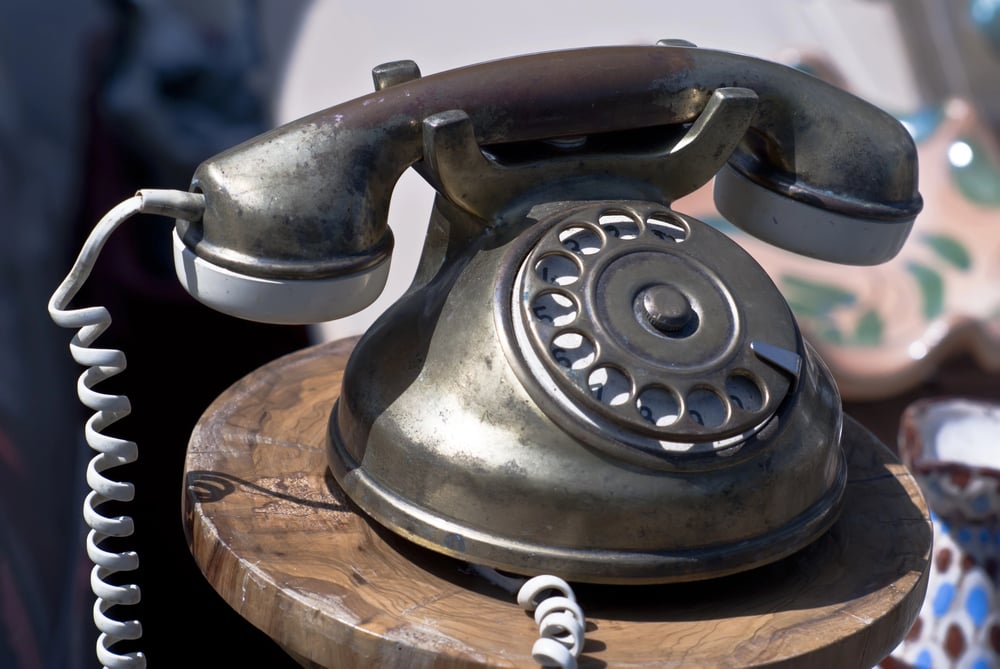
Phone conversations required patience and precision. Each number had to be dialed by rotating a heavy wheel clockwise, waiting for it to return to position before dialing the next digit. A single wrong number meant starting over from the beginning.
But here’s the thing that would really confuse modern kids — people actually memorized dozens of phone numbers. No contact lists, no speed dial, just pure memory. And if someone wasn’t home when the phone rang (which happened constantly, since phone calls were essentially random interruptions rather than scheduled events), you simply didn’t talk to them that day, or maybe that week — and that wasn’t considered a problem worth solving, it was just how communication worked, with all its gaps and missed connections that forced people to be more intentional about when and why they reached out to each other in the first place.
Waiting for Film to Be Developed
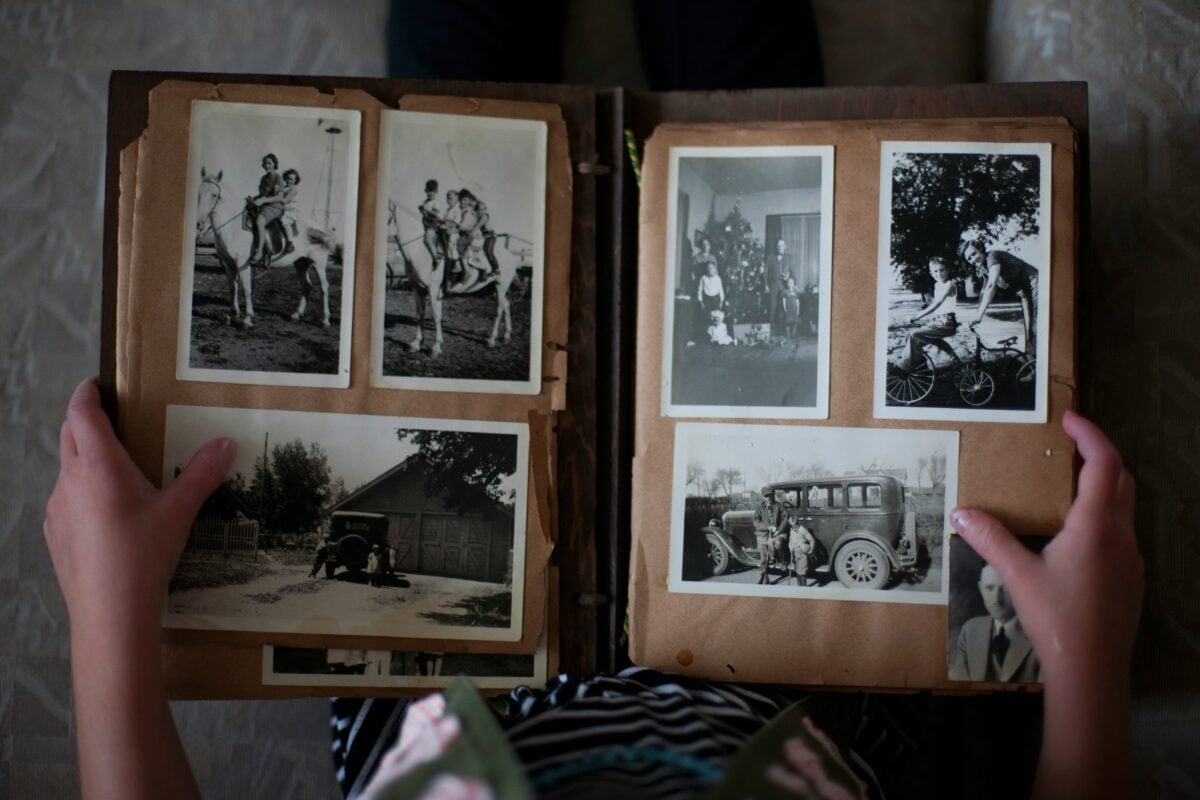
Photography meant commitment. Each roll of film held 24 or 36 precious shots, and every single one had to count because there was no preview, no delete button, no second chances.
The ritual felt almost ceremonial: dropping off the film canister at the drugstore, waiting three to seven days, then returning to collect an envelope of glossy prints. Half might be blurry or overexposed. That blurry family Christmas photo stayed blurry forever — it became part of the memory, imperfect and irreplaceable.
Memorizing Everything Instead of Looking It Up
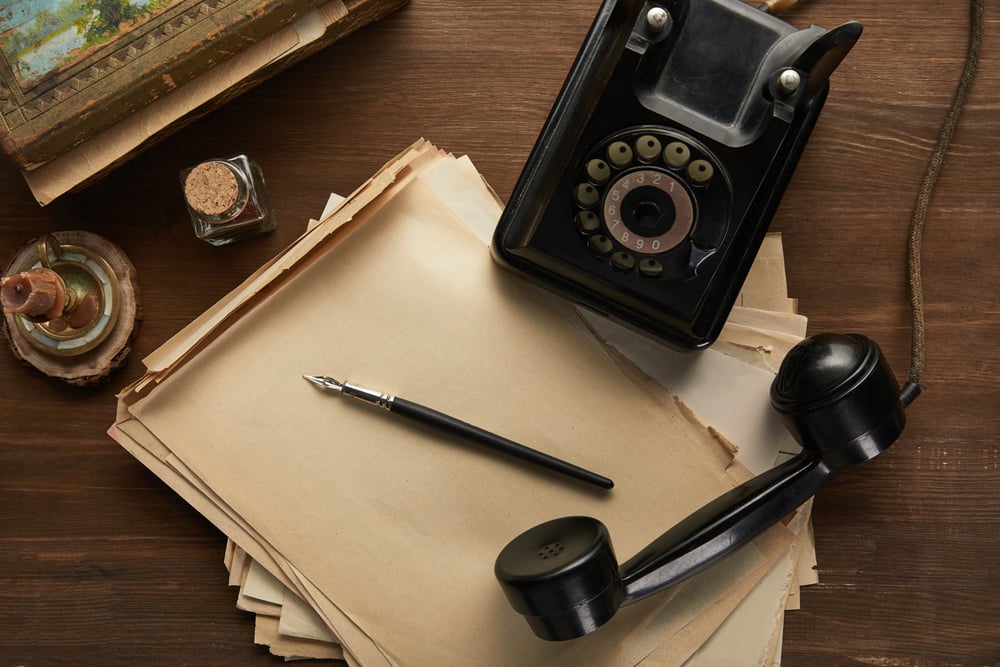
Phone numbers lived in heads, not phones. Addresses, birthdays, recipes, driving directions — all committed to memory because forgetting meant real inconvenience. There was no safety net of instant access to information.
Dinner table arguments about facts went unresolved for days or weeks. Was it 1969 or 1970 when humans first landed on the moon? The discussion would continue until someone made a trip to the library or found the right encyclopedia volume.
Watching TV Shows on the Network’s Schedule

Television happened when television happened. Miss your favorite show and it was gone until the summer rerun season — if it got picked for reruns at all. Families planned their evenings around TV schedules posted in the newspaper.
There was something oddly democratic about this constraint (everyone watching the same episode of the same show at the exact same time across the entire country), but also mildly tyrannical in the way it demanded your attention at a predetermined moment or not at all. So appointment television became a genuine social event where neighbors would call each other during commercial breaks to discuss what just happened, creating a shared cultural conversation that’s nearly impossible to replicate in an age where everyone watches everything at their own pace.
Reading Physical Maps While Driving

Navigation required real skill. The driver’s companion unfolded enormous paper maps that covered the entire front seat, tracing routes with their finger while trying to figure out which tiny numbered line corresponded to the road they were actually on.
Getting lost meant pulling over at gas stations to ask for directions from strangers. These interactions were brief, human moments of vulnerability and trust that happened dozens of times during any long road trip. The route never felt certain until arrival.
Writing Letters by Hand for Important Communication

Serious conversations happened in ink on paper. Thank you notes, condolences, invitations, love letters — anything that mattered got written by hand and mailed through the postal system.
The permanence changed how people wrote. No backspace key meant thinking before writing. No instant delivery meant accepting that important thoughts might take days or weeks to reach their destination, and the response would take just as long to return.
Making Plans Without Being Able to Change Them Last-Minute

Meeting at 7 PM meant showing up at 7 PM because there was no way to send a quick “running 15 minutes late” message. Plans made on Tuesday stayed exactly the same on Friday because communication between the initial arrangement and the actual event was essentially impossible.
This inflexibility had an unexpected side effect: people kept their commitments. Flaking required a level of rudeness that most people couldn’t stomach. So social reliability was higher, even though social flexibility was zero. Which, it turns out, might not have been such a bad trade-off.
Looking Up Everything in Heavy Reference Books

Research meant physical books. Encyclopedias, dictionaries, atlases, phone books — massive volumes that took up entire shelves and required actual muscle strength to handle.
But the depth of focus was remarkable, like diving into still water rather than skimming across rapids. Finding one answer often led to discovering three unrelated but fascinating pieces of information on the same page (something that’s nearly impossible when searching digitally, where results are surgically precise and context disappears). And there was a certain democratic randomness to learning this way: the person looking up “Napoleon” might accidentally absorb something about “Natural Selection” simply because of alphabetical proximity.
Carrying Cash for Every Transaction

Credit cards existed but weren’t universal. Most daily purchases — gas, groceries, lunch, movie tickets — required physical money. People carried folded bills and pockets full of coins everywhere.
Running out of cash meant finding a bank during business hours or locating one of the rare ATM machines that charged significant fees for after-hours access. No cash meant no purchase. End of discussion.
Being Unreachable for Hours at a Time

People left home and became temporarily invisible to the world. No cell phone, no pager, no way for anyone to track them down until they returned. This wasn’t considered dangerous or irresponsible — it was normal.
Parents sent children outside to play for entire afternoons without any means of contact. Adults ran errands, went to appointments, or visited friends in complete communication silence. The world operated just fine with everyone being occasionally unreachable.
Recording Music From the Radio
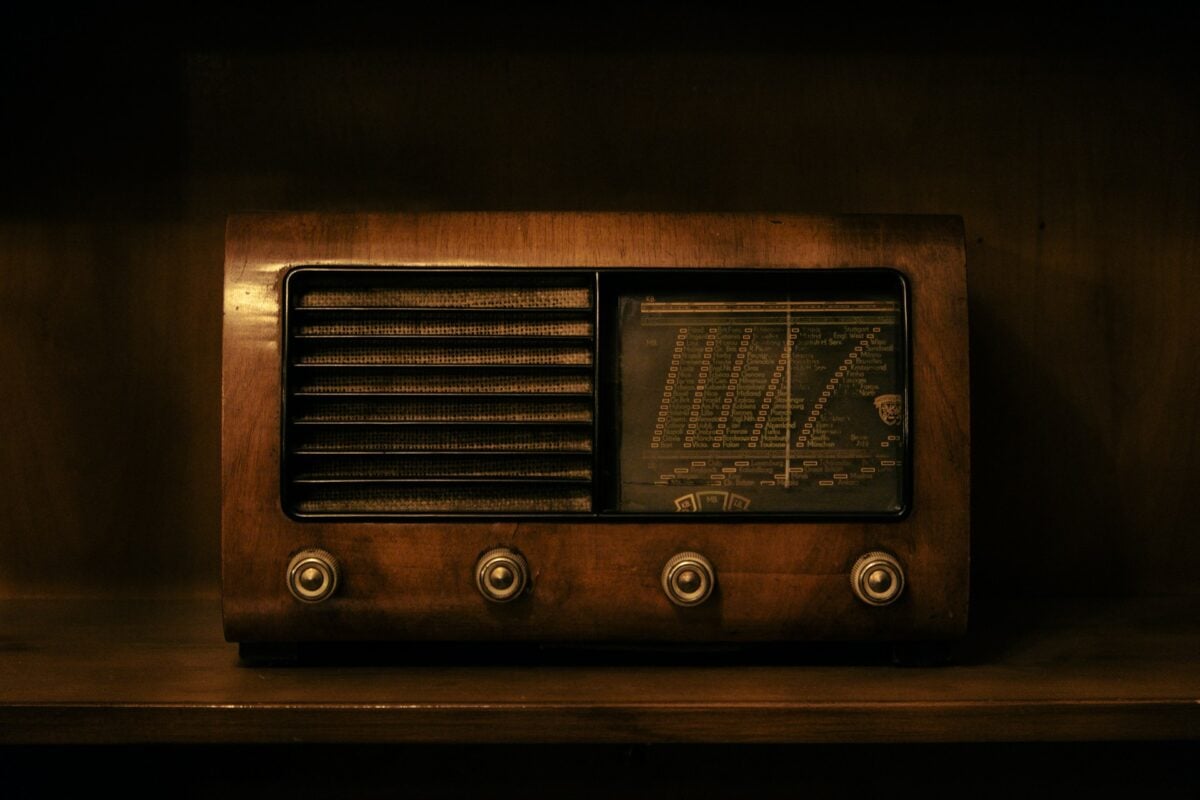
Building a music collection required patience and luck. Kids sat by the radio for hours waiting for their favorite songs, finger poised over the record button on their cassette deck, hoping the DJ wouldn’t talk over the beginning or end.
The resulting mix tapes were treasures built from dozens of hours of vigilant listening. Each successfully recorded song felt like a small victory against the randomness of radio programming. Music had to be earned through dedication rather than summoned on demand.
Using Pay Phones for Emergencies
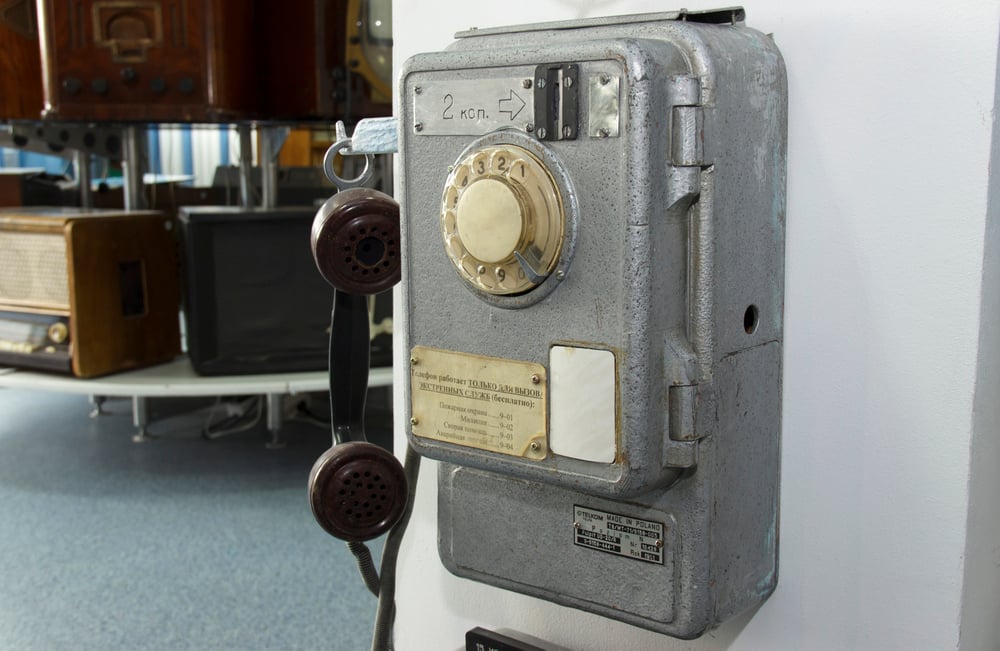
Public phones hung on walls throughout every town and city. Making a call required exact change — usually a quarter — and the physical act of dialing while standing in whatever weather conditions existed at that moment.
The conversations were always brief and purposeful. No idle chatter when each minute cost money and comfort was impossible. Pay phones served as crucial communication lifelines, but they demanded efficiency in exchange for access.
When Normal Was Actually Extraordinary
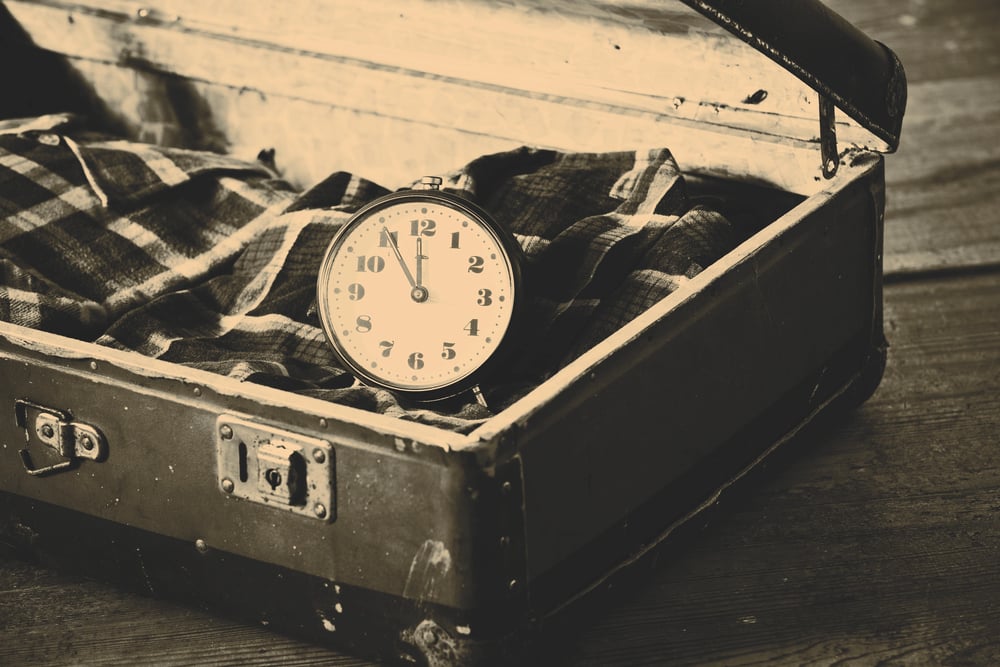
These daily routines that would baffle modern children weren’t seen as limitations by the people living them — they were simply the texture of ordinary life, with its built-in pauses, genuine surprises, and unavoidable human interactions. What strikes today’s observer isn’t how difficult or inconvenient these practices seem, but how they quietly demanded qualities that feel increasingly rare: patience, planning, commitment, and the ability to be fully present in whatever moment was actually happening rather than the one that might be waiting in a pocket-sized screen.
More from Go2Tutors!

- The Romanov Crown Jewels and Their Tragic Fate
- 13 Historical Mysteries That Science Still Can’t Solve
- Famous Hoaxes That Fooled the World for Years
- 15 Child Stars with Tragic Adult Lives
- 16 Famous Jewelry Pieces in History
Like Go2Tutors’s content? Follow us on MSN.



