Breakfast Cereals from the ’80s and ’90s That Vanished from Shelves Without Warning
Remember wandering down the cereal aisle as a kid, faced with an endless rainbow of boxes promising sugar-fueled adventures before school? The ’80s and ’90s were peak cereal innovation, when food scientists seemed more concerned with creating edible entertainment than actual nutrition. Cartoon mascots battled for your attention while parents grudgingly tossed boxes into shopping carts, knowing full well they’d be buying milk by the gallon.
But somewhere between then and now, dozens of beloved cereals simply disappeared. No farewell tours, no final boxes marked with nostalgic messaging.
One day they were there, and the next day the shelf space belonged to another honey-glazed contender. These weren’t quiet retirements—they were sudden vanishings that left entire generations wondering if they’d imagined their favorite breakfast entirely.
Fruity Yummy Mummy
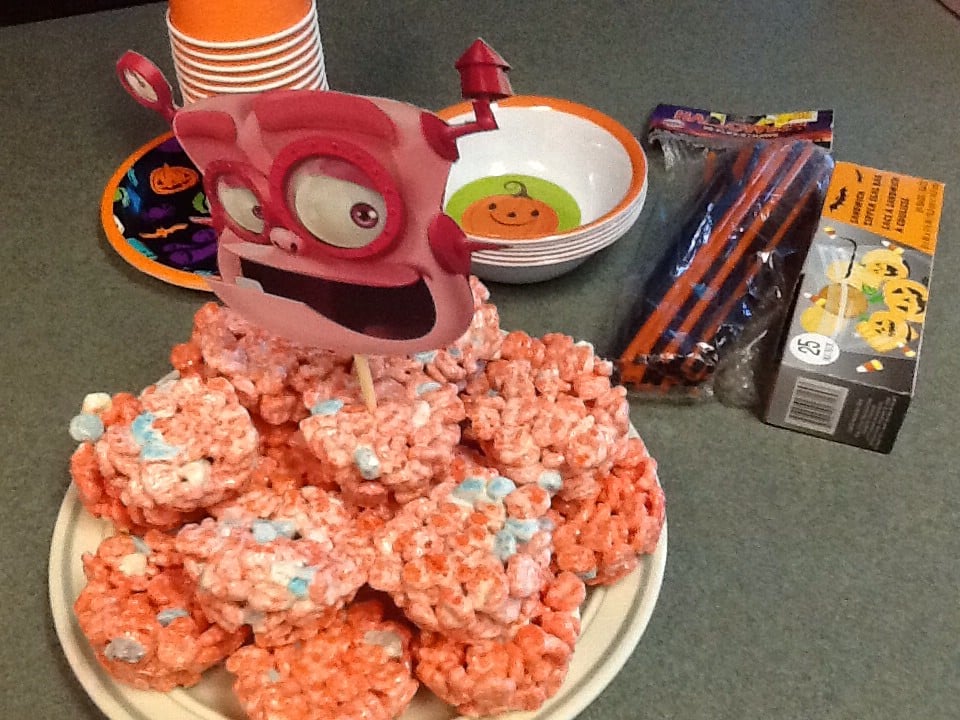
Monster cereals ruled the spooky breakfast scene, but Fruity Yummy Mummy never got the respect it deserved. This mummy-wrapped mascot pushed a fruit-flavored cereal that turned milk into something resembling tropical punch.
The cereal itself looked like tiny bandages, which should have been disturbing but somehow worked perfectly for kids who wanted their breakfast to match their Saturday morning horror movies. General Mills pulled the plug on Fruity Yummy Mummy in the early ’90s, along with its equally forgotten cousin, Fruit Brute.
While Count Chocula and Franken Berry managed to claw their way back to seasonal appearances, the Mummy stayed buried.
S’mores Crunch
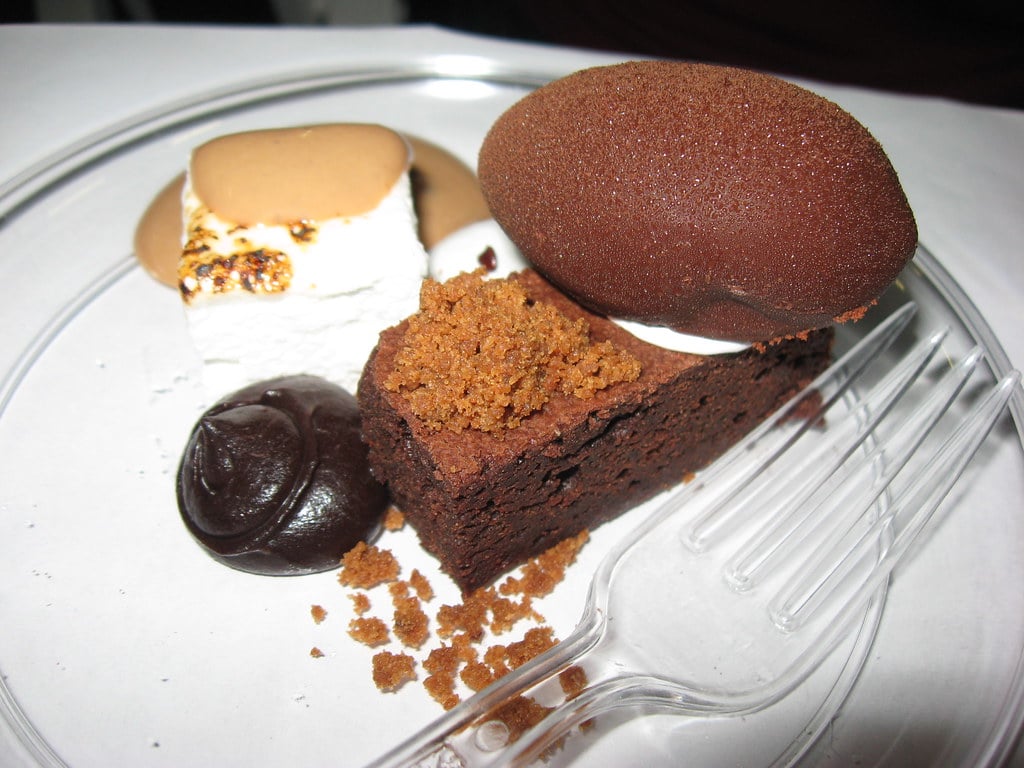
Campfire treats for breakfast made perfect sense in the ’90s, when cereal companies were convinced they could turn any dessert into morning fuel. S’mores Crunch delivered tiny graham cracker squares, mini marshmallows, and chocolate-flavored pieces that promised to recreate the summer camp experience in a bowl.
The reality was messier and less satisfying than actual s’mores, but that hardly mattered to kids who just wanted chocolate for breakfast. The cereal vanished quietly, probably because parents realized they were essentially serving their children candy with milk. Fair enough.
Crazy Cow
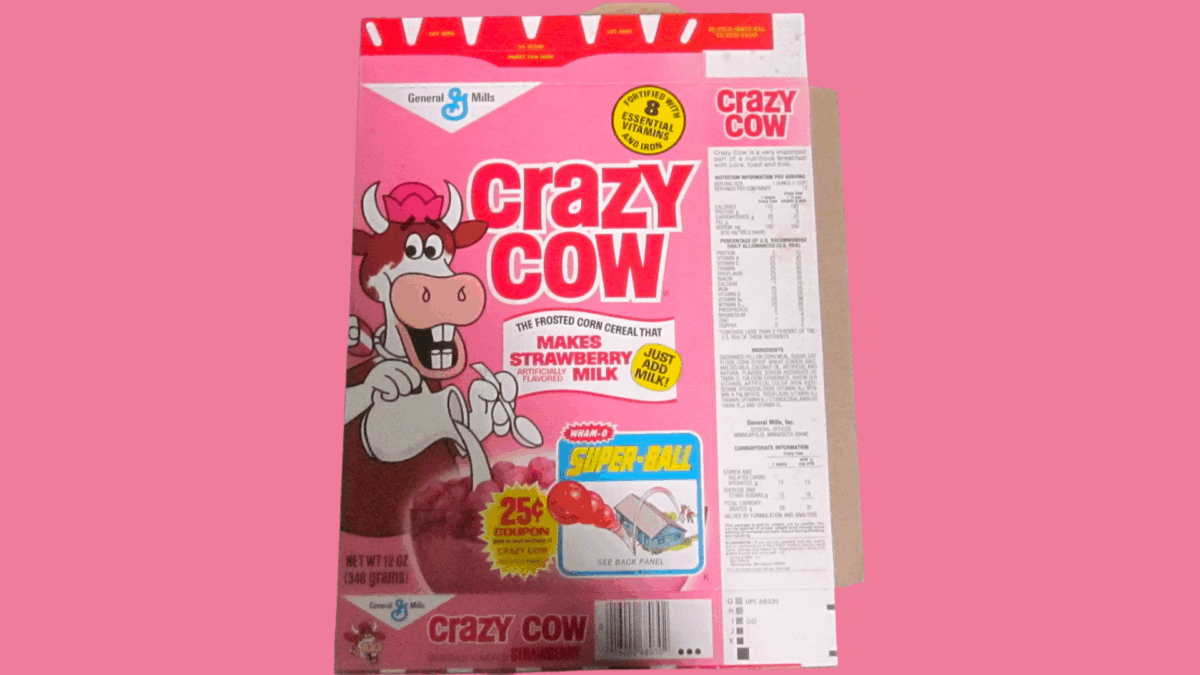
Here was a cereal that understood its assignment: change the milk into something unrecognizable and let chaos ensue. Crazy Cow came in chocolate and strawberry varieties (and supposedly there were other flavors that have become the stuff of collector legend), but the real magic happened when the cereal started dissolving and transforming plain milk into flavored milk that bore only a passing resemblance to actual strawberries or chocolate.
The cereal pieces themselves were almost beside the point—they were vehicles for milk transformation, which made Crazy Cow less about eating breakfast and more about conducting kitchen chemistry experiments. And yet, when it disappeared from shelves, it left behind a peculiar nostalgia that even the most sophisticated flavored milk products couldn’t replicate, because there’s something about accidentally stumbling onto magic that can’t be manufactured deliberately (even when the magic was always manufactured to begin with).
The timing of its disappearance suggests that someone, somewhere, decided that breakfast shouldn’t be quite this chaotic—but the decision felt less like wisdom and more like the elimination of small joys that nobody realized were small joys until they were gone.
Smurf Berry Crunch
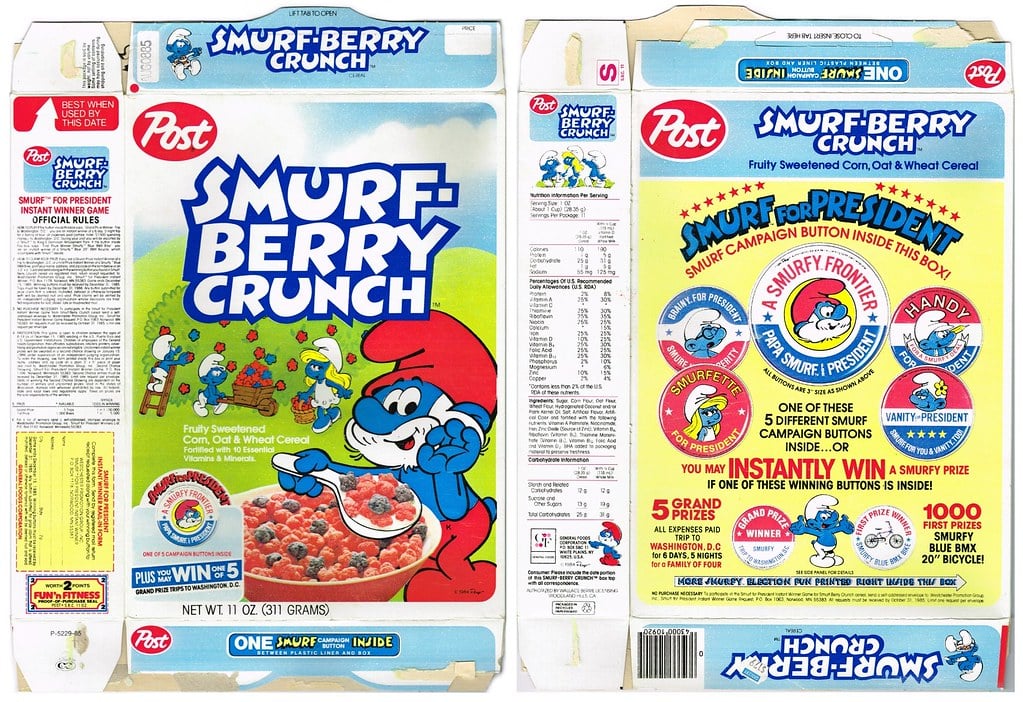
The Smurfs invaded breakfast tables with a cereal that looked like it belonged in Papa Smurf’s laboratory. Bright blue pieces mixed with red “Smurfberries” created a bowl that resembled edible finger paint more than actual food.
The milk turned an alarming shade of purple, which delighted children and horrified parents who were still getting used to the idea that food coloring had no limits. Post discontinued Smurf Berry Crunch when the Smurf craze died down, but the cereal had already secured its place in the hall of fame for cereals that prioritized spectacle over flavor.
Sometimes spectacle was enough.
Urkel-Os
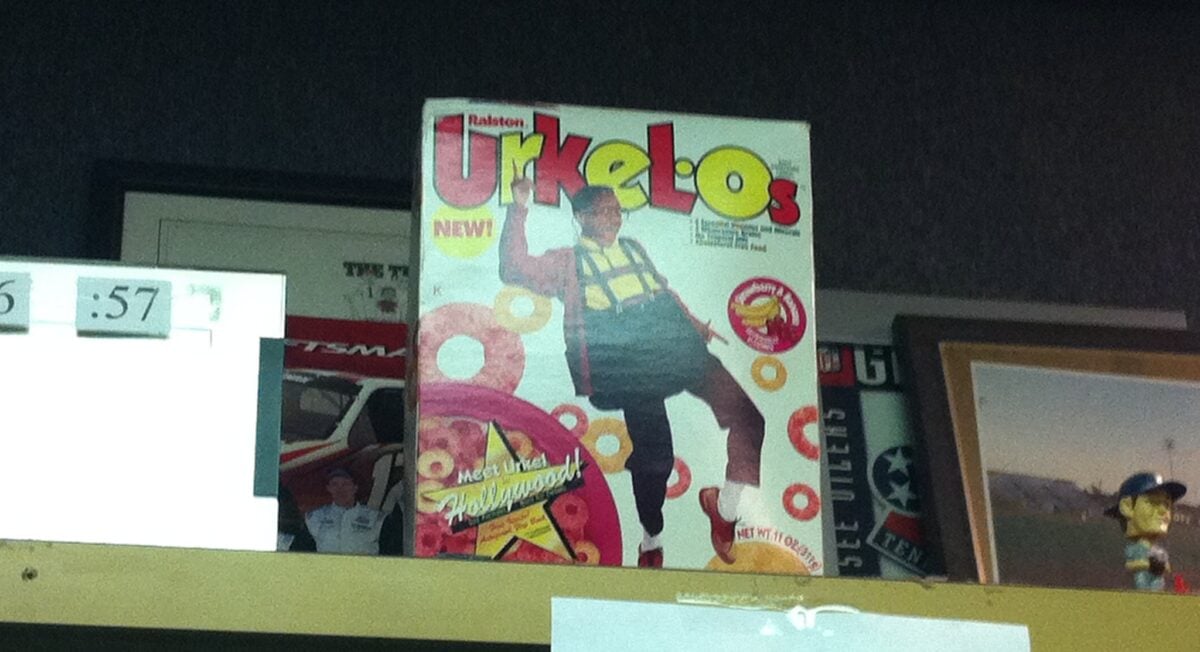
Steve Urkel’s catchphrase might have been “Did I do that?” but the real question should have been “Why did they make that?” Urkel-Os arrived during the height of Family Matters fame, featuring banana and strawberry flavored O’s that were supposed to appeal to fans of television’s most famous nerd. The cereal came with the promise that eating it would make you as smart as Urkel himself.
The connection between a sitcom character and breakfast food was tenuous at best, and Urkel-Os disappeared as quickly as Urkel’s cultural relevance. Celebrity cereals rarely have staying power, which probably says something about both celebrity culture and breakfast culture that nobody wants to examine too closely.
Ice Cream Cones Cereal
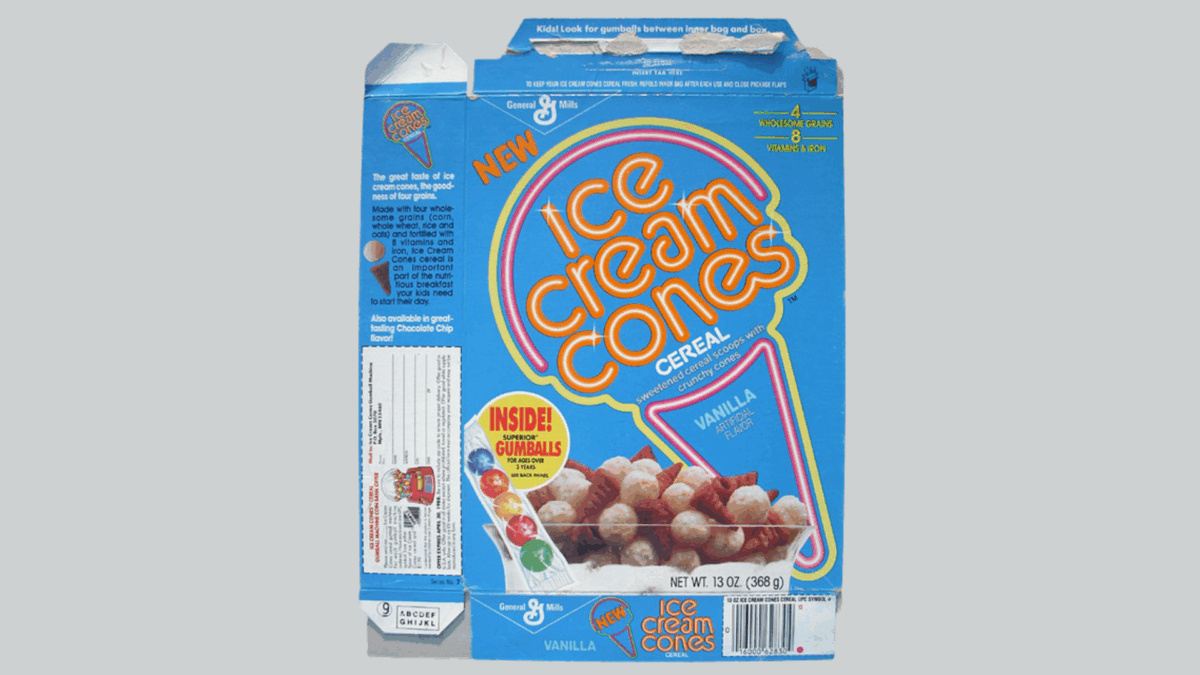
General Mills took the logical next step in dessert-to-cereal evolution and created tiny ice cream cones filled with cereal pieces that were supposed to taste like vanilla ice cream. The cones were actual miniature waffle cones, which meant the cereal had genuine texture variety—a rarity in the cereal world where everything was usually some variation of crunchy or chewy.
But texture variety couldn’t save Ice Cream Cones from the fundamental problem that breakfast ice cream was a tough sell, even in the anything-goes cereal landscape of the ’80s. Parents drew lines somewhere, and apparently breakfast desserts shaped like other desserts was where many of them decided to take a stand.
Pac-Man Cereal
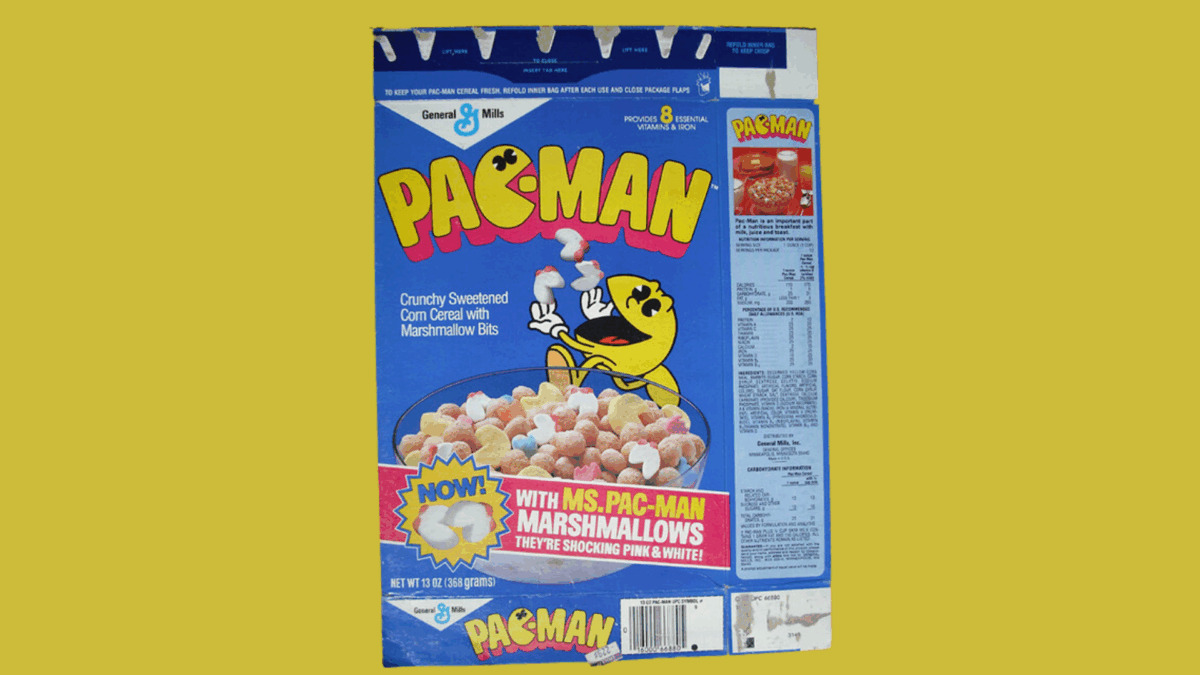
Pac-Man’s transition from arcade hero to breakfast staple produced a cereal that looked exactly like what you’d expect: tiny yellow Pac-Man shapes mixed with colorful ghost marshmallows. The cereal promised to bring arcade excitement to breakfast tables, though it’s unclear how eating Pac-Man was supposed to recreate the thrill of controlling Pac-Man.
The marshmallows were the real draw here, providing that sugar rush that made facing another day of elementary school feel possible, while the Pac-Man pieces served as edible reminders of quarters not spent and high scores not achieved. So the cereal disappeared when the arcade craze moved on to other characters, but its brief existence proved that any cultural phenomenon could be turned into breakfast food if someone was willing to invest in the right molds and enough yellow food coloring.
Nintendo Cereal System
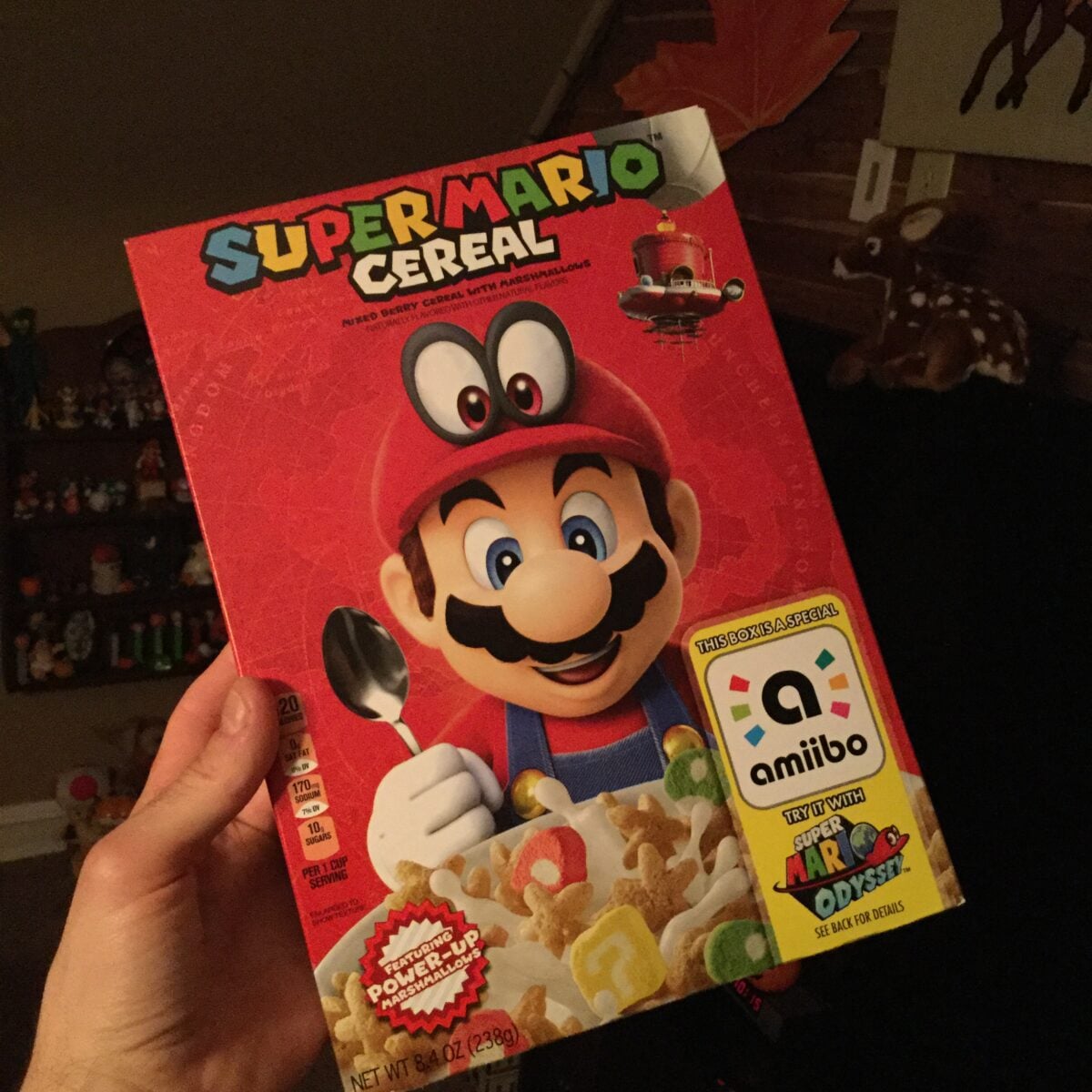
This wasn’t just a cereal—it was a system. Nintendo Cereal System came in a box divided into two separate bags: Super Mario Bros. and The Legend of Zelda.
Each side had its own unique shapes and flavors, though both sides tasted vaguely fruity in that indefinable way that characterized most novelty cereals of the era. The concept was brilliant in its complexity and doomed by that same complexity.
Kids had to choose between Mario and Zelda every morning, or figure out the proper ratio for mixing both sides. The cereal disappeared when someone presumably realized that breakfast was complicated enough without requiring strategic decisions about flavor combinations.
Breakfast with Barbie
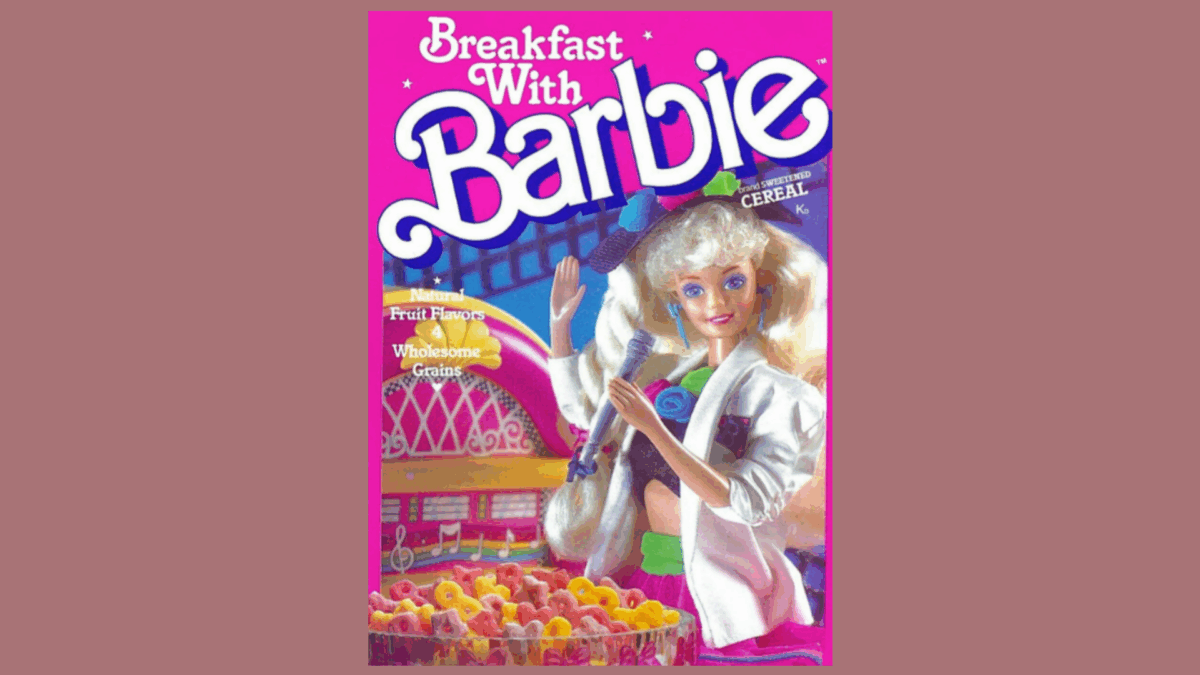
Barbie’s entry into the cereal market produced a pink and purple spectacle that transformed milk into something resembling liquid cotton candy. The cereal pieces were shaped like tiny hearts, stars, and other symbols of feminine childhood, while the overall aesthetic suggested that breakfast could be as glamorous as any Malibu dream house adventure.
The cereal vanished relatively quickly, possibly because the target demographic was narrower than most breakfast cereals could sustain. Marketing breakfast food exclusively to girls who loved Barbie was a bold strategy that didn’t quite work in the long term.
Donkey Kong Cereal
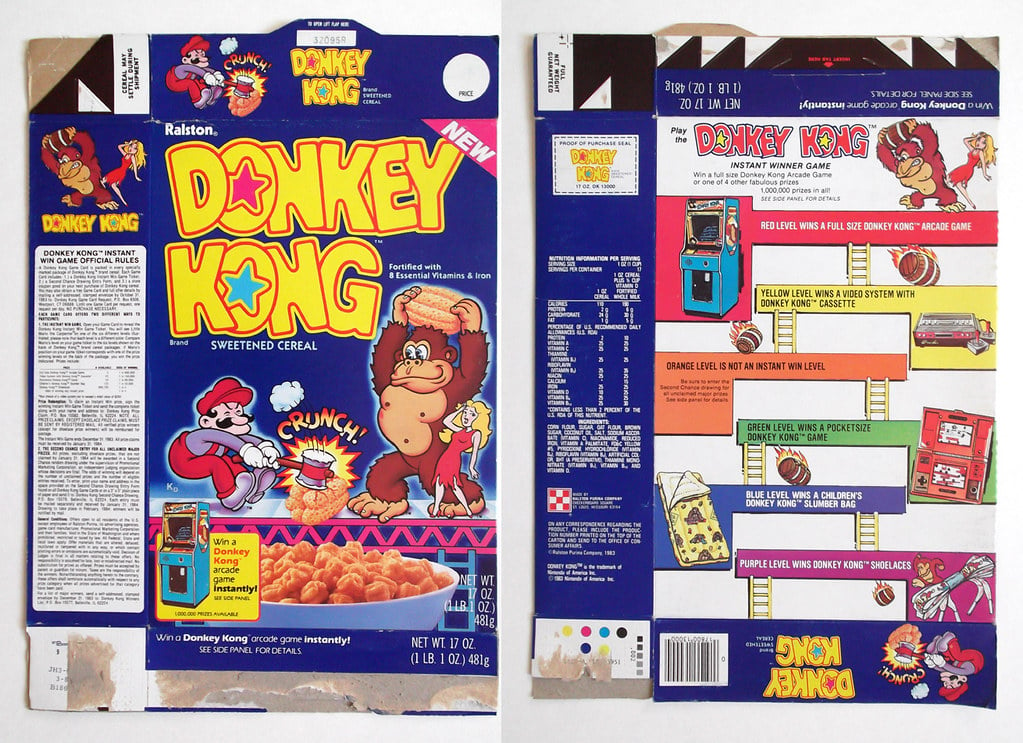
Following Nintendo’s successful breakfast invasion, Donkey Kong got his own cereal featuring banana-flavored pieces mixed with other fruity shapes. The banana flavor was more convincing than most artificial fruit flavors, which made sense given that Donkey Kong’s obsession with bananas was well-established video game lore.
But Donkey Kong Cereal couldn’t maintain the novelty that had made Nintendo Cereal System briefly successful. Single-character cereals were harder to sustain than multi-character systems, and Donkey Kong’s breakfast career ended almost as quickly as it began.
The cereal world moved fast in those days.
Teenage Mutant Ninja Turtles Cereal
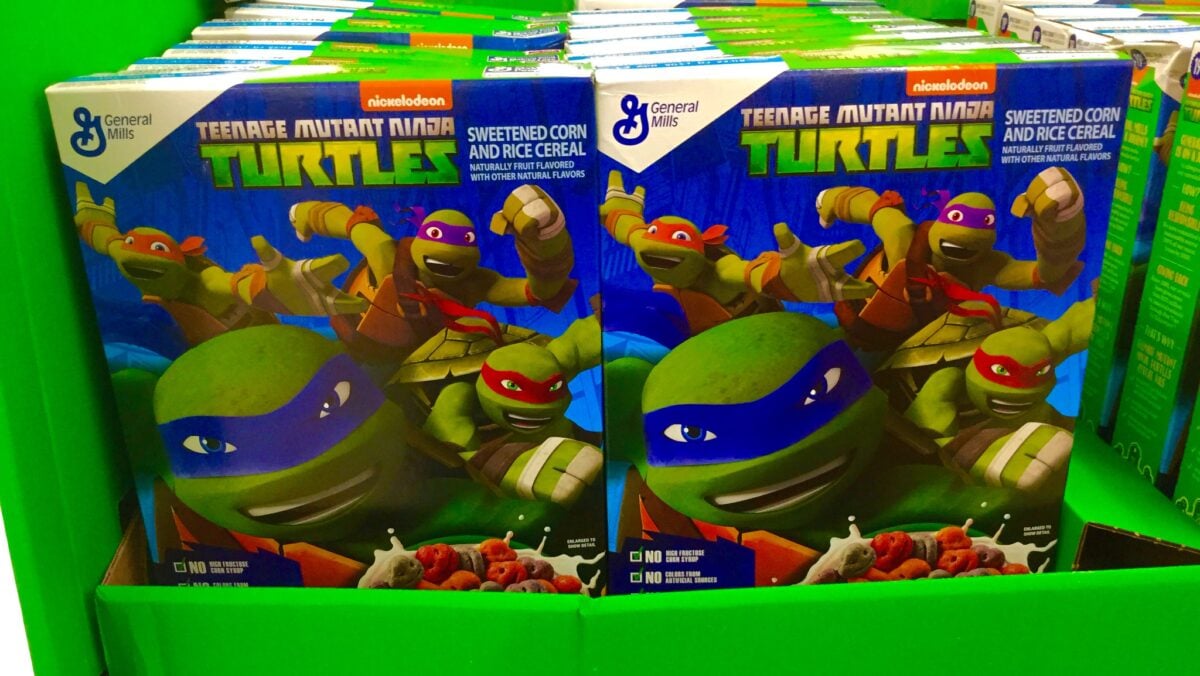
Turtle power extended to breakfast with a cereal that featured ninja-shaped pieces in colors that roughly corresponded to the four turtle heroes. The cereal promised to fuel kids with the same energy that powered Leonardo, Donatello, Michelangelo, and Raphael through their sewer adventures, though the connection between martial arts and breakfast nutrition was never entirely clear.
The cereal rode the wave of Ninja Turtles popularity and disappeared when that wave crashed. Licensed cereals lived and died by the cultural relevance of their source material, which made them inherently temporary products in a market that usually rewarded consistency and longevity.
Mr. T Cereal
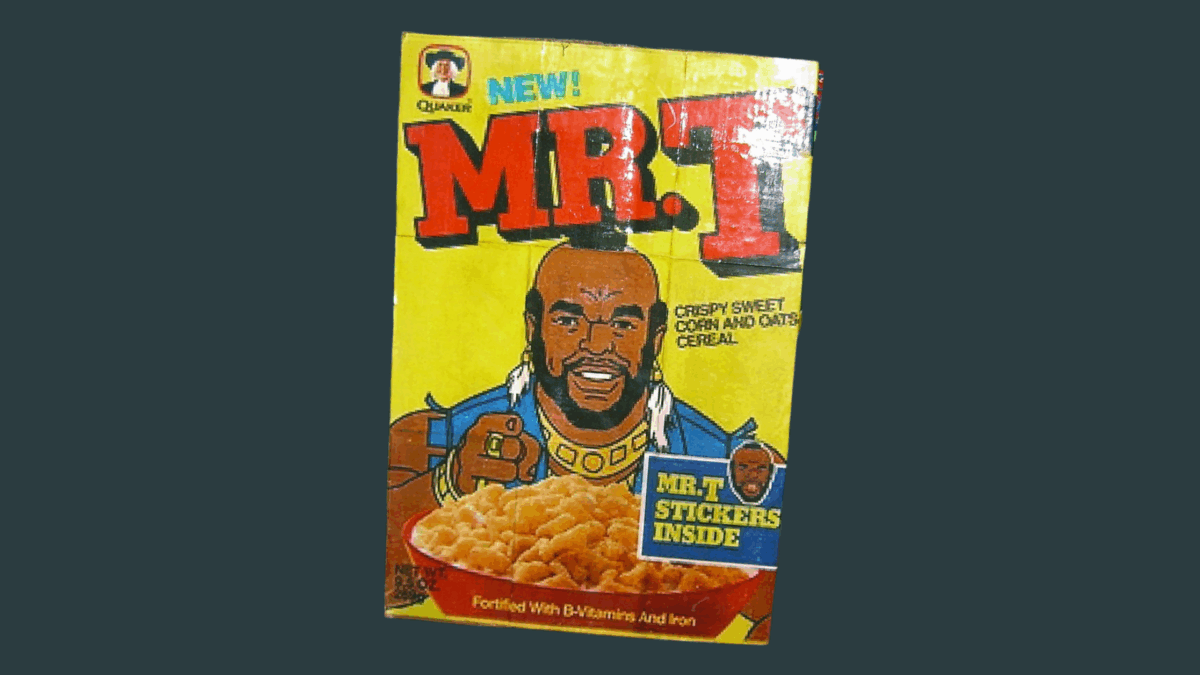
“I pity the fool who doesn’t eat my cereal” became the rallying cry for a breakfast product that was essentially Fruit Loops with better marketing. Mr. T Cereal featured T-shaped pieces mixed with colorful rounds, all designed to channel the aggressive breakfast energy that Mr. T represented in the cultural imagination.
The cereal’s success depended entirely on Mr. T’s fame, which meant it was destined to disappear once his television appearances became less frequent. Celebrity cereals were always temporary products, but Mr. T Cereal lasted longer than most because Mr. T’s personality was larger than most.
Rainbow Brite Cereal
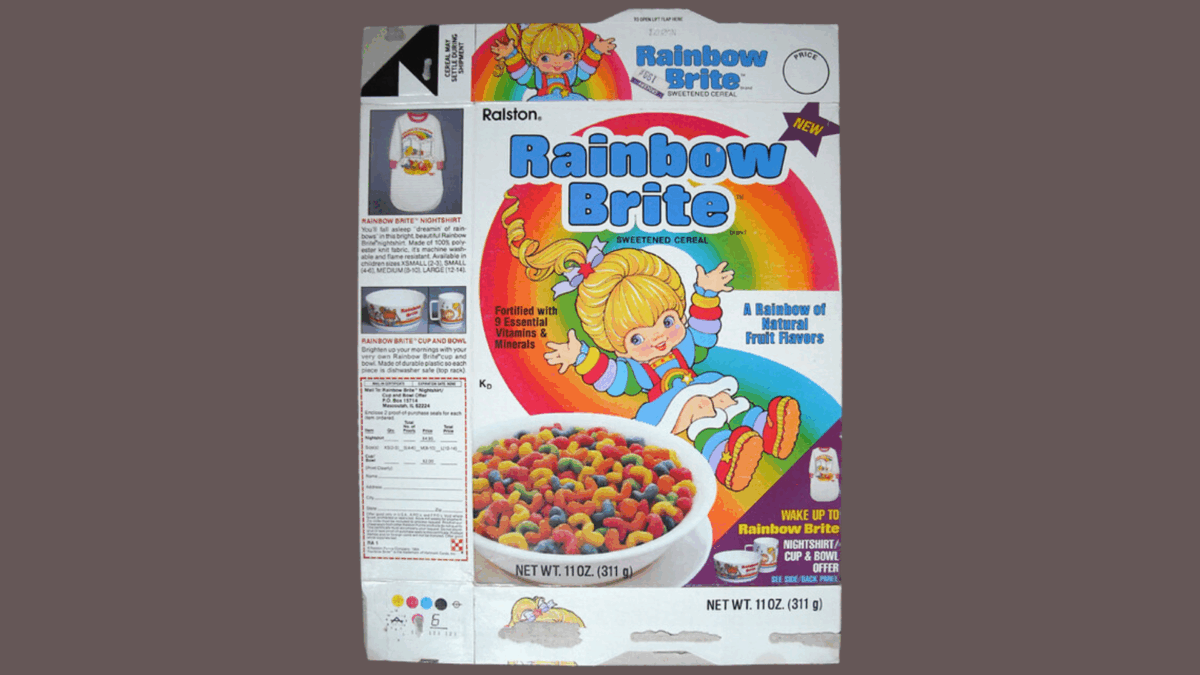
Rainbow Brite’s colorful universe translated perfectly to cereal form, with pieces that covered the entire spectrum and turned milk into a rainbow-colored mixture that looked like melted crayons. The cereal was essentially a vehicle for food coloring, but the visual impact was undeniable—especially for kids who wanted their breakfast to match their cartoon preferences.
The cereal disappeared when Rainbow Brite’s popularity faded, but it had already accomplished its mission of proving that any colorful cartoon character could be transformed into an equally colorful breakfast experience. The formula was simple: take a beloved character, add food coloring, and watch children demand it from grocery store aisles.
C-3PO’s Cereal
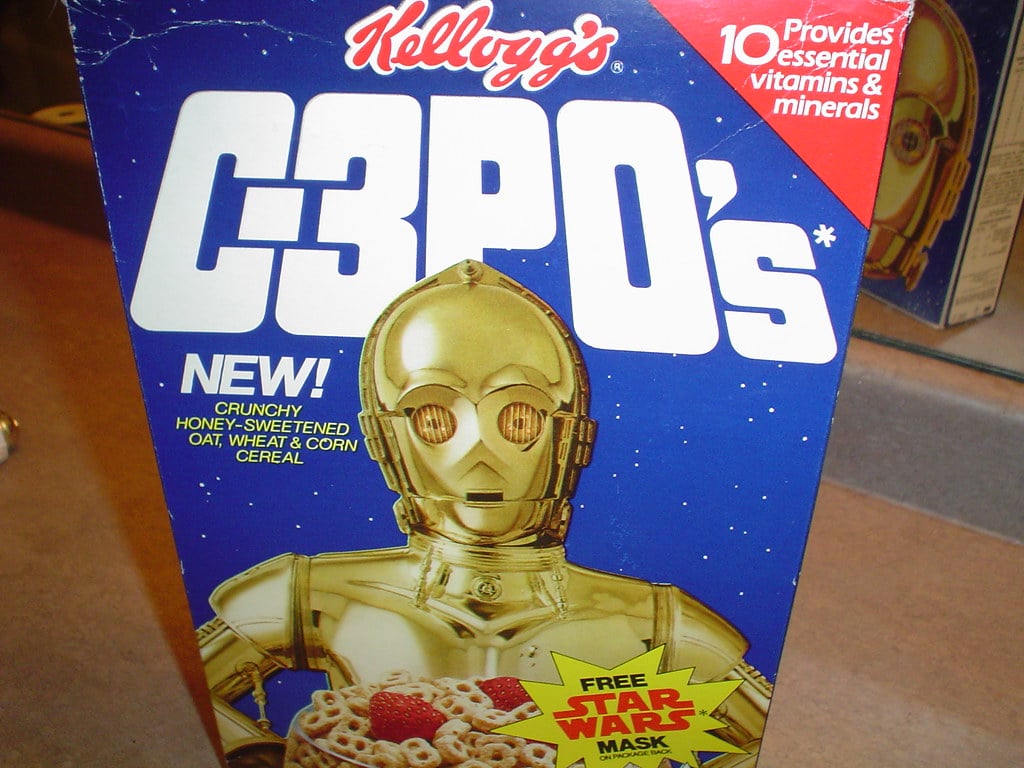
Star Wars invaded breakfast tables with a cereal that promised to deliver the nutritional power of the galaxy’s most famous protocol droid. C-3PO’s featured honey-sweetened pieces shaped like the character himself, mixed with other space-themed shapes that were supposed to evoke the Star Wars universe.
But C-3PO was an odd choice for cereal mascot duties. Unlike cartoon characters who were designed to appeal to children, C-3PO was a supporting character in movies that appealed to broader audiences.
The mismatch between character and target demographic probably contributed to the cereal’s relatively quick disappearance from shelves.
Ghostbusters Cereal
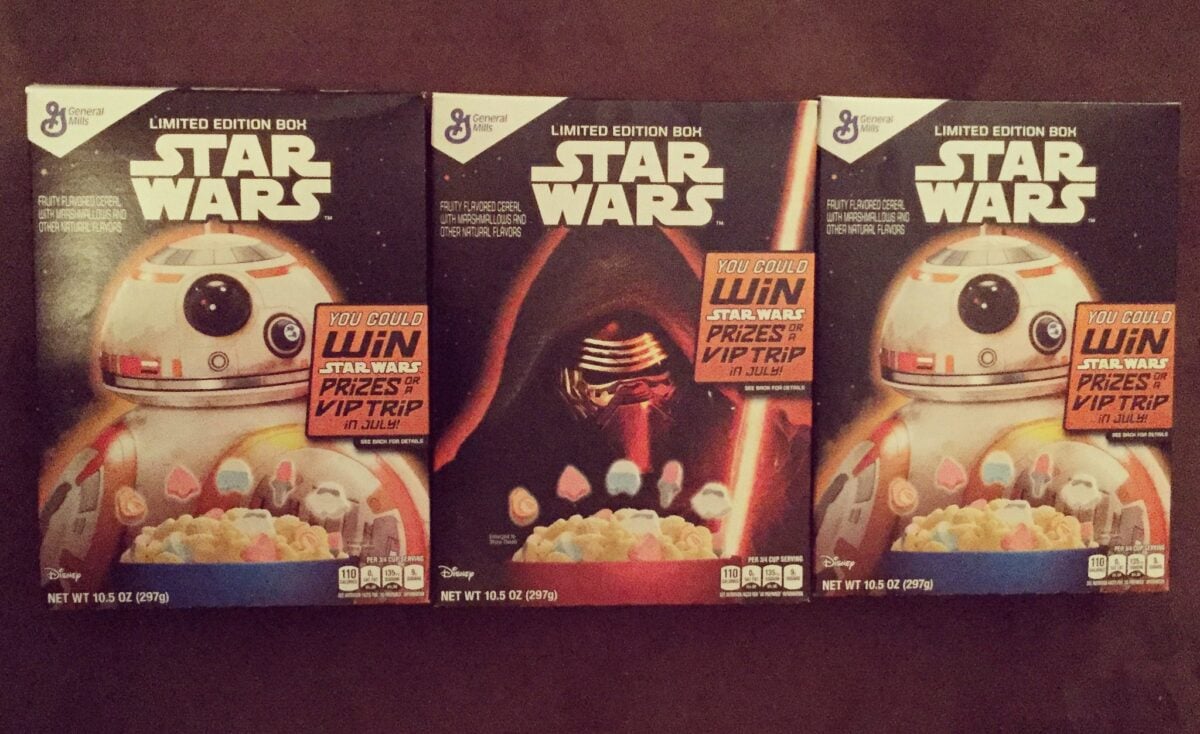
“Who you gonna call?” apparently wasn’t “cereal manufacturers,” because Ghostbusters Cereal had a shorter lifespan than most supernatural entities the movie heroes were hired to eliminate. The cereal featured ghost-shaped marshmallows mixed with other pieces that were supposed to represent the Ghostbusters’ equipment, though the connection was tenuous at best.
The cereal capitalized on the movie’s massive popularity but couldn’t sustain interest once the cultural moment passed. Movie tie-in cereals faced even shorter lifespans than television tie-ins, because movies eventually stopped being new while television shows provided ongoing marketing support.
Powdered Donut Cereal
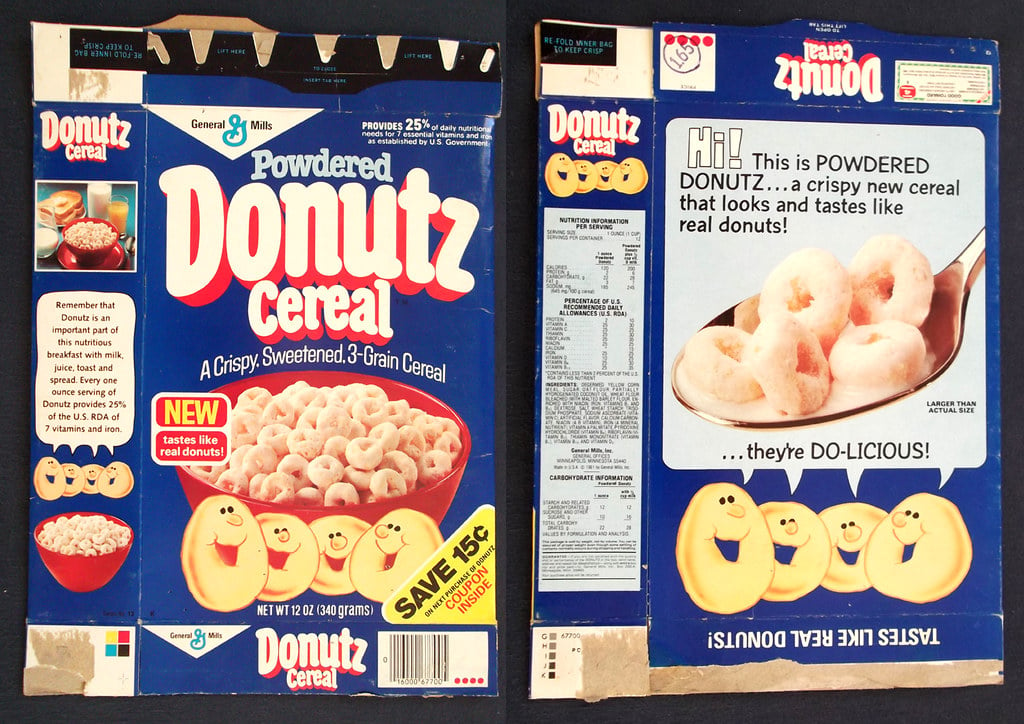
Someone at General Mills decided that breakfast needed more powdered donuts, so they created a cereal that featured tiny donut-shaped pieces covered in powdered sugar. The result was a bowl that looked like miniature donuts floating in milk, which was either appetizing or disturbing depending on your tolerance for breakfast that resembled other breakfast foods.
The cereal disappeared relatively quickly, probably because the powdered sugar created a mess that even the most patient parents couldn’t tolerate on a daily basis. Sometimes the gap between concept and practical implementation was too wide to bridge, even in the forgiving world of novelty breakfast cereals.
The Sweet Spot of Memory

These vanished cereals occupy a peculiar space in food history—products that were too strange to survive but too memorable to forget entirely. Their disappearance wasn’t about quality or taste as much as it was about cultural timing and the simple economics of shelf space.
Cereal aisles can only support so many varieties, and novelty eventually gives way to newer novelty. But their brief existence proved that breakfast could be entertainment, experiment, and sugar delivery system all at once.
They represented a moment when food companies were willing to try almost anything, when licensing deals could turn cartoon characters into breakfast mascots, and when parents were slightly more tolerant of artificial colors that transformed milk into unnatural shades. Those days are largely gone, replaced by cereals that emphasize nutrition and wholesome ingredients over pure spectacle.
Progress, probably—but progress that came at the cost of a certain kind of breakfast magic that disappeared along with these forgotten cereals.
More from Go2Tutors!

- The Romanov Crown Jewels and Their Tragic Fate
- 13 Historical Mysteries That Science Still Can’t Solve
- Famous Hoaxes That Fooled the World for Years
- 15 Child Stars with Tragic Adult Lives
- 16 Famous Jewelry Pieces in History
Like Go2Tutors’s content? Follow us on MSN.



