16 Things Every Household Had in the 1950s That You Can’t Find Anywhere Now
Walk through any American home in the 1950s, and certain items would be as predictable as the milkman’s morning rounds. These weren’t luxuries or curiosities — they were the basic equipment of daily life, as essential as a front door key or a coffee pot.
Families didn’t question their presence any more than they questioned the sunrise. Now those same items have vanished so completely that younger generations encounter them only in museums or their grandmother’s attic.
The speed of this disappearance says something about how dramatically American life shifted in just a few decades. What once felt permanent turned out to be surprisingly temporary.
Milkman Bottles

Those thick glass bottles didn’t just hold milk. They anchored an entire system of neighborhood commerce that disappeared when supermarkets took over.
Families left empties on the porch and found fresh ones by morning — cold, with cream floating on top and cardboard caps that kids collected. The bottles themselves were built to last decades.
Heavy glass, embossed with dairy names, designed to survive thousands of trips between doorstep and dairy. Some are still out there, repurposed as vases or decorations, but the daily rhythm they represented is gone completely.
Party Lines

Sharing a telephone line with neighbors wasn’t a choice — it was how the system worked, and everyone (well, mostly everyone) followed an unspoken etiquette about when to pick up and when to politely hang up if someone else was already talking. The setup meant that privacy was a luxury, not a given, though it also meant that Mrs. Henderson down the street always knew if something urgent was happening and could help in a pinch.
So you learned to speak carefully, knowing that your conversation might have an audience, even if that audience was supposed to pretend they weren’t listening — which they sometimes were, because human nature hasn’t changed, even if telephone technology has. But the party line created something that modern communication can’t replicate: a forced awareness of your neighbors’ lives.
You couldn’t escape into your own digital bubble because the infrastructure itself was communal. And that infrastructure taught a specific kind of patience — waiting your turn, keeping conversations brief, understanding that the line belonged to everyone and no one at the same time.
Ice Boxes
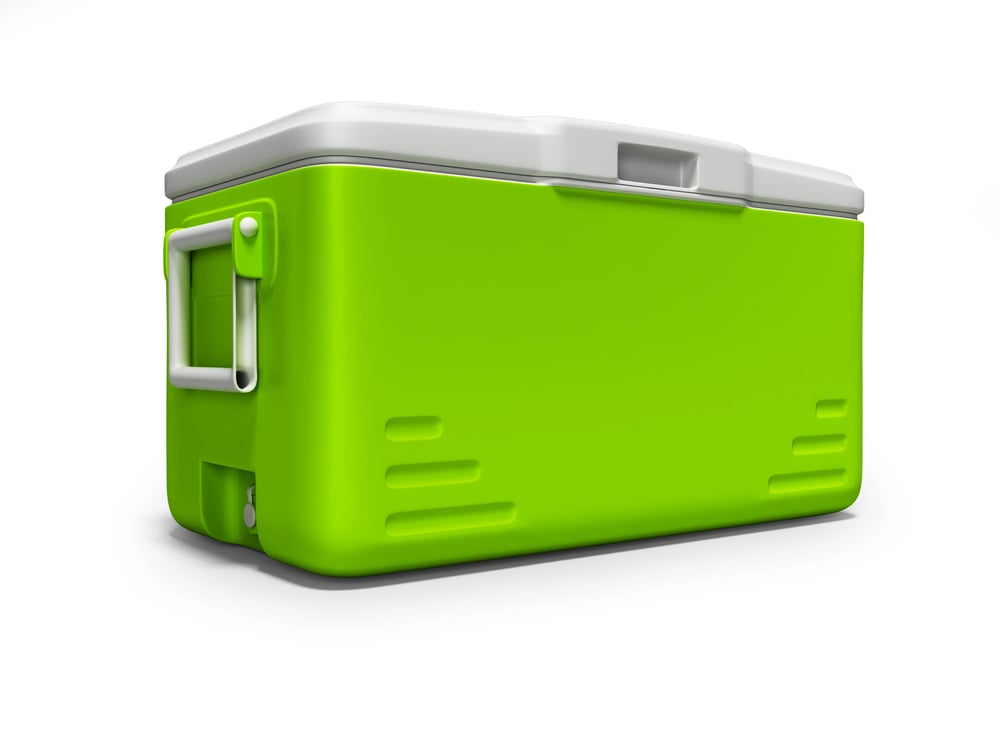
The icebox wasn’t just a refrigerator’s ancestor. It was a piece of furniture that demanded daily attention and reshaped how families thought about food. The ice truck came twice a week, delivering blocks that melted steadily into the drip pan below.
This wasn’t an inconvenience — it was simply how preservation worked. Foods spoiled faster, shopping happened more frequently, and meal planning revolved around what the melting ice could keep cold.
The rhythm of ice delivery structured the week as much as church or school.
Wringer Washers
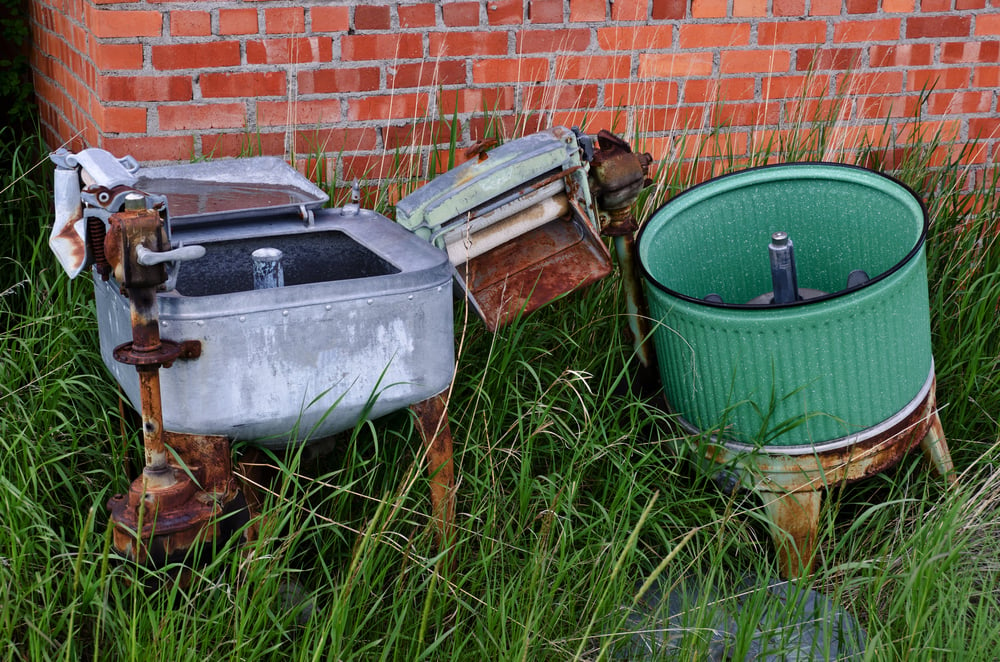
Laundry was serious business. The wringer washer dominated the basement or back porch, a hulking machine that could catch fingers or flatten buttons if you weren’t paying attention.
Feeding wet clothes through those rollers required skill and complete focus. Modern washing machines do everything automatically.
The wringer washer demanded participation. You guided each piece through, watching for snags or tangles.
Laundry day was exactly that — an entire day devoted to washing, wringing, and hanging. The convenience disappeared, but so did the torn shirts and mangled hands.
Cig Cases and Holders
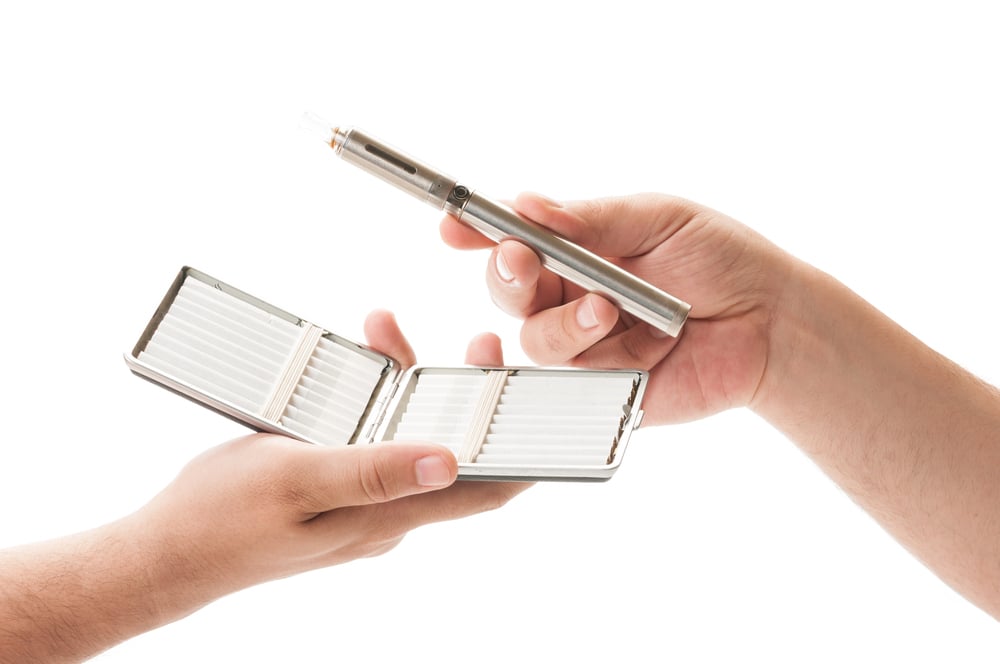
Every elegant adult seemed to carry one — the slim silver case that snapped open to reveal perfectly aligned rows, or the long holder that kept the fire at a fashionable distance from painted fingernails. These weren’t just accessories; they were essential equipment for a habit that defined sophisticated social interaction, the same way smartphones do now (though the health implications have, thankfully, moved in opposite directions).
The ritual of offering a case around a dinner table, the practiced gesture of inserting a fresh one into the holder, the satisfying click of closing the case — these small ceremonies made cig puffing feel elevated beyond mere habit. But the accessories revealed something about the era’s relationship with cig puffing that’s hard to imagine now.
It wasn’t just accepted; it was elegant, social, even glamorous. The cases and holders were designed to enhance that glamour, not hide it.
Test Patterns
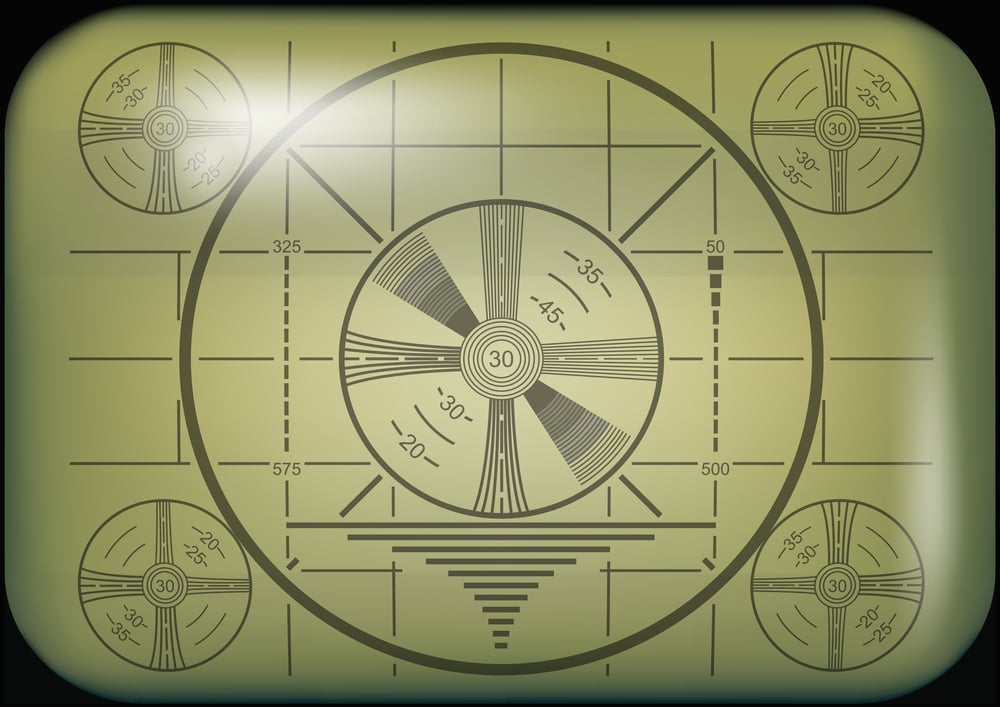
Television didn’t run all night. When programming ended around midnight, stations switched to test patterns — geometric designs that held the screen until morning shows began. These patterns weren’t entertainment; they were proof that your television was working properly.
Children who stayed up late might catch the end of programming and watch the test pattern appear, accompanied by a steady tone. It marked the boundary between television time and sleep time more clearly than any modern streaming service ever could.
The screen had limits, and so did the day.
Phone Books

The phone book was democracy in alphabetical order. Everyone with a telephone got listed, creating a comprehensive directory of an entire city’s residents.
The white pages listed everyone; the yellow pages organized businesses by category. Thick as a brick and updated annually, phone books accumulated on kitchen counters and hallway tables.
Looking up a number meant flipping through pages, not typing into a search bar. The books themselves became phone stands, booster seats, or doorstops when the new edition arrived.
Kitchen Step Stools
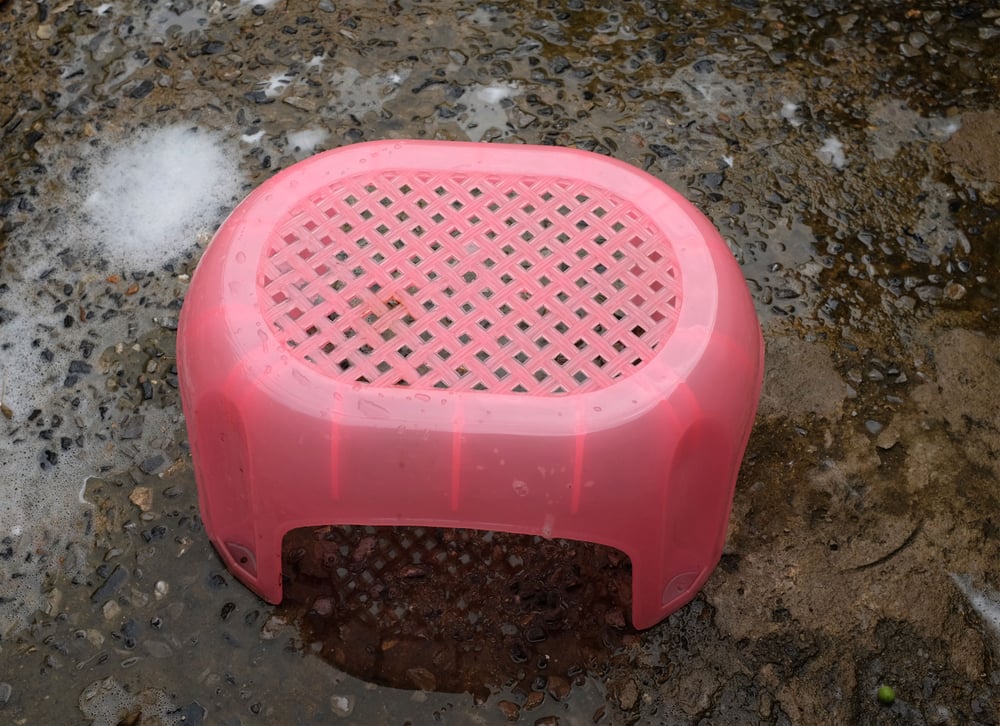
Every kitchen had one tucked against the counter — the fold-out step stool that bridged the gap between child-height and cabinet-height. These weren’t flimsy plastic; they were sturdy metal platforms that could hold an adult reaching for the good dishes on the top shelf.
The step stool was independent furniture. It meant you could reach what you needed without calling for help.
Modern kitchens assume everyone is the same height, but 1950s kitchens acknowledged reality and provided a solution.
Coal Chutes

Houses built before gas heating often retained their coal chutes well into the 1950s — those metal slides that connected the outside wall directly to the basement, allowing coal deliveries to tumble straight into storage bins without anyone having to carry individual loads down narrow stairs. The chute represented a very different relationship with home heating: seasonal deliveries of bulk fuel, the constant awareness of supply levels, the daily ritual of feeding the furnace and removing ash.
And then there was the sound — coal cascading down the chute created a distinctive rumble that announced the fuel truck’s arrival to the entire neighborhood. Modern heating systems hide their complexity behind thermostats and utility bills.
Coal heating was visible, physical, demanding. The chute was just the delivery mechanism, but it connected each household directly to the industrial processes that kept them warm.
Dress Patterns

Sewing your own clothes wasn’t a hobby — it was basic household economics. Pattern companies like Simplicity and McCalls produced thousands of designs each season, sold in envelopes that contained tissue-paper templates for every piece of a garment.
The pattern envelope showed the finished dress or skirt on a model, but inside were dozens of delicate paper pieces marked with cryptic instructions. Following a pattern required translating symbols, measuring twice, and cutting once.
Getting it wrong meant wasted fabric and starting over.
TV Dinners
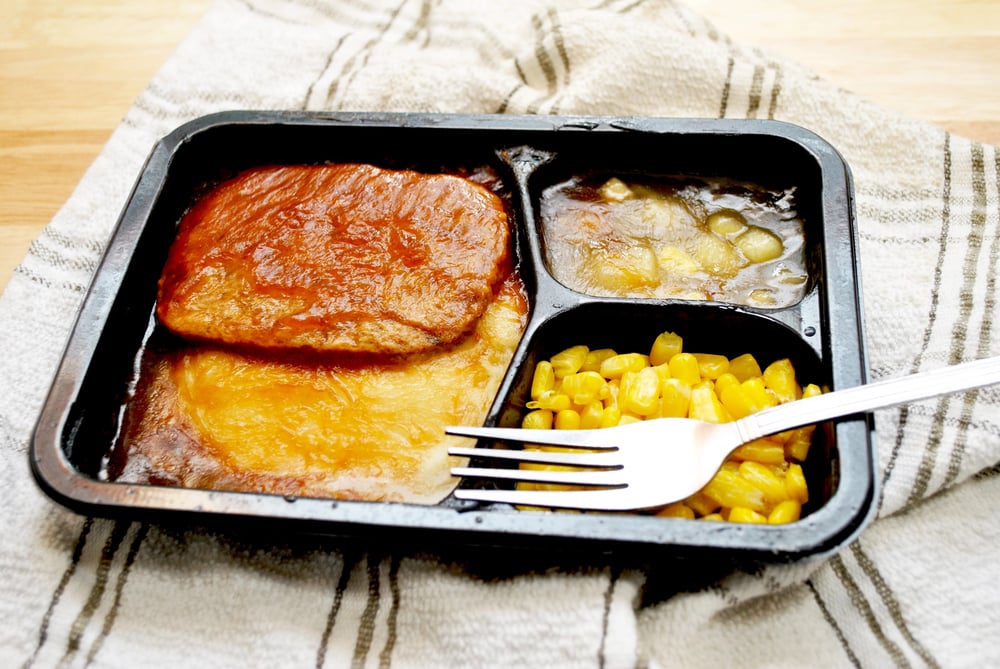
The aluminum tray sectioned into compartments changed American eating habits overnight. Swanson’s TV dinners meant families could eat while watching television, breaking the tradition of gathering around a dining table.
Each frozen meal was an engineering marvel — proteins, starches, and vegetables cooked at different temperatures but served together. The portions were modest, the flavors mild, but the convenience was revolutionary.
Dinner could happen anywhere with an oven and a TV tray.
Rotary Phones
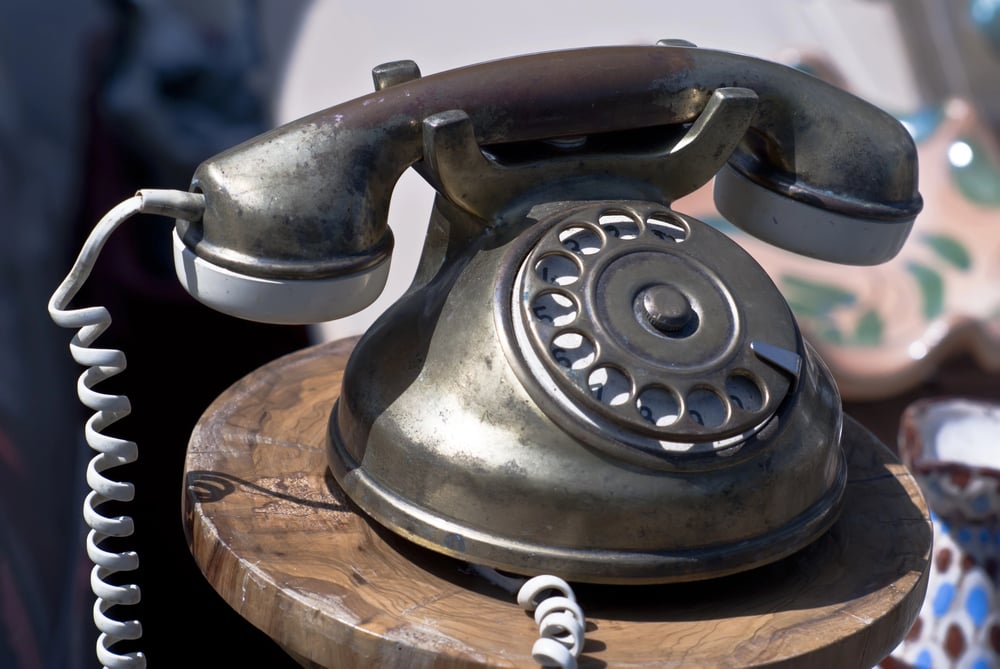
Dialing a number was a deliberate act. Each digit required inserting your finger into the corresponding ring and rotating the dial clockwise until it stopped.
Wrong numbers meant starting over from the beginning. The rotary dial imposed a rhythm on phone conversations that touch-tone phones eliminated.
You couldn’t speed-dial or redial automatically. Every call required the same careful sequence of rotations, the same mechanical clicks and whirs as the dial returned to position.
Record Players
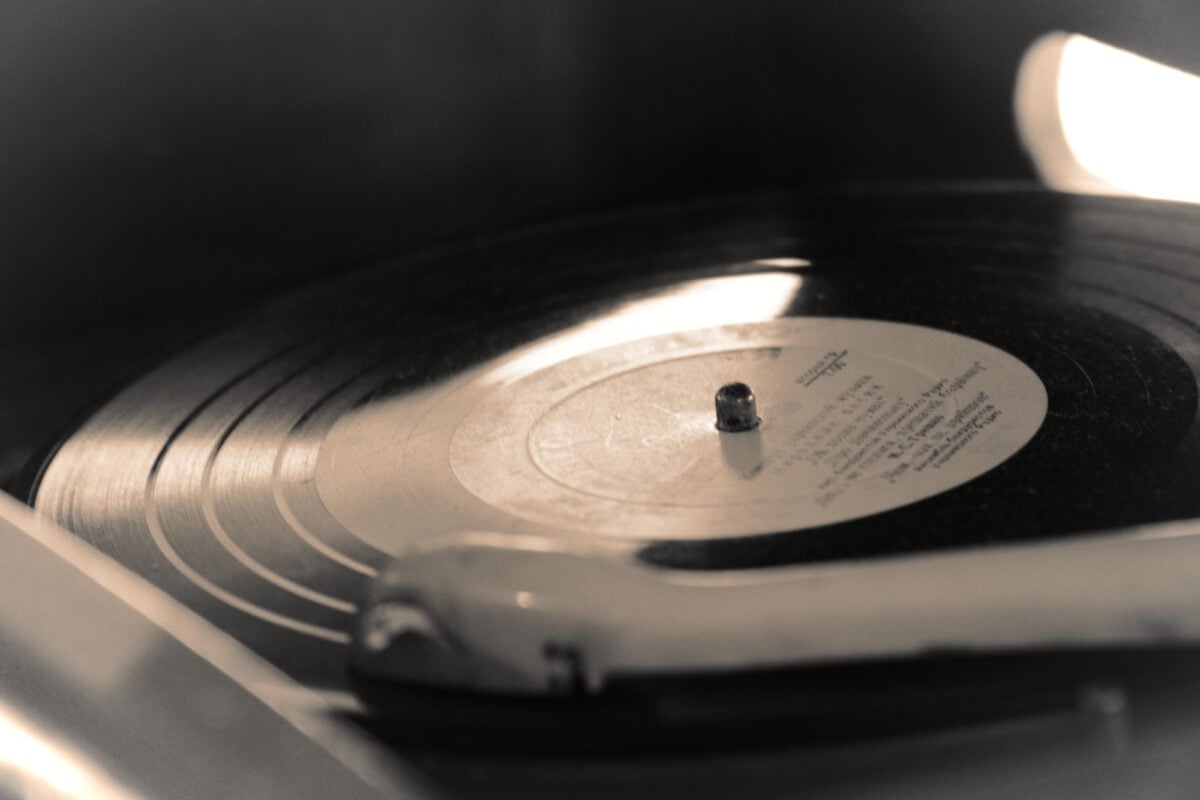
Music lived on vinyl discs that spun at precise speeds under a needle that traced grooves carved by sound waves. Playing an album meant lifting the tone arm, placing it at the beginning of the first track, and listening to songs in the order the artist intended.
Records demanded care. Scratches caused skips, dust caused pops, and warping caused wobbles.
The ritual of selecting, cleaning, and playing a record slowed down music consumption in ways that streaming can’t replicate.
Milk Delivery Boxes
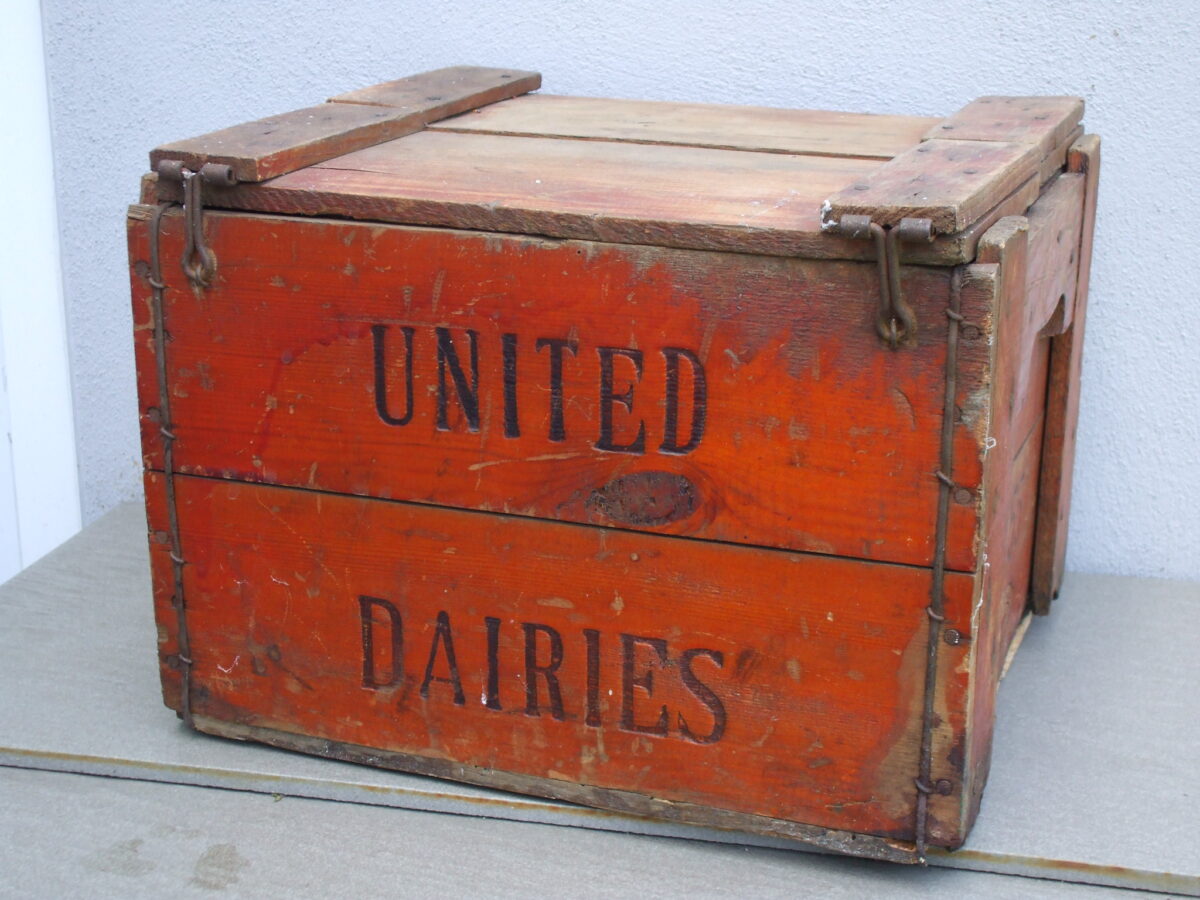
The insulated box by the front door served as the neighborhood’s first temperature-controlled delivery system. Made of metal or thick wood, these containers kept milk cold until families retrieved it, while protecting bottles from heat, thieves, and curious animals.
The milk box created a daily rhythm of exchange. Empty bottles went out, full ones came in. Payment happened weekly, often through notes left in the box itself.
The system required trust between customer and milkman that extended beyond simple commerce.
Carbon Paper

Making copies meant layering carbon paper between sheets of typing paper and pressing hard enough to transfer ink through multiple layers. Each carbon sheet could produce several copies before wearing out, creating a faint hierarchy of legibility from original to final copy.
Carbon paper was messy, staining fingers and smudging documents, but it democratized duplication. Anyone with a typewriter could make copies without expensive equipment.
The purple-blue smudges on fingertips were the mark of office work.
Manual Can Openers
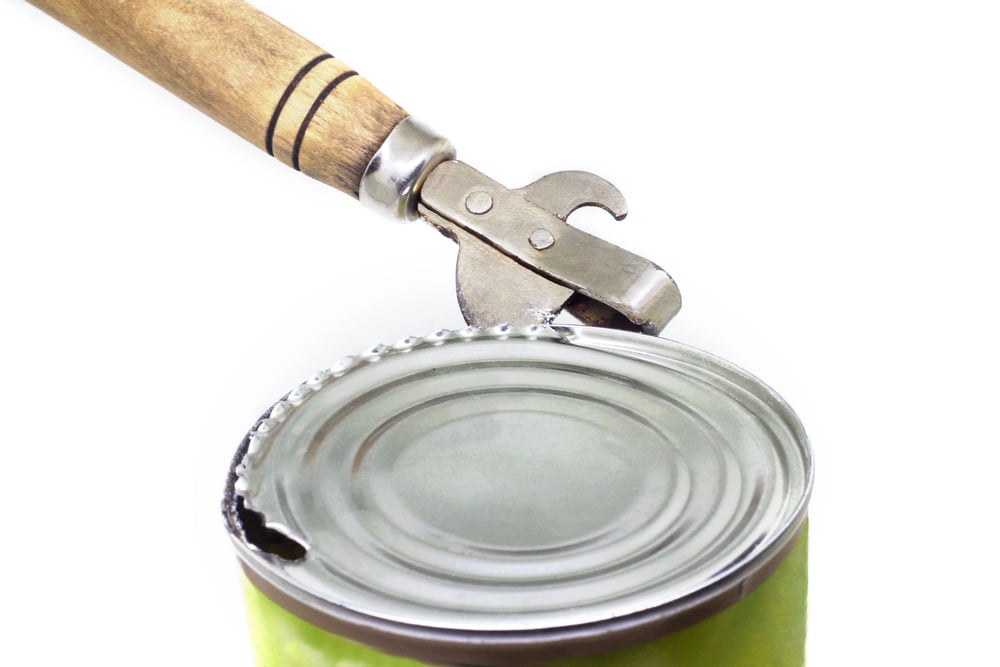
Opening a can required skill, strength, and attention. The simple tool clamped onto the rim and cut around the circumference as you turned a small crank.
Dull blades meant ragged edges and frustrated cooks. Electric can openers eventually replaced the manual versions, but those early tools connected you directly to your food preparation.
Each can was opened individually, deliberately. The rhythm of puncturing, clamping, and cranking became automatic, but it was never effortless.
The Rhythm of Disappearance
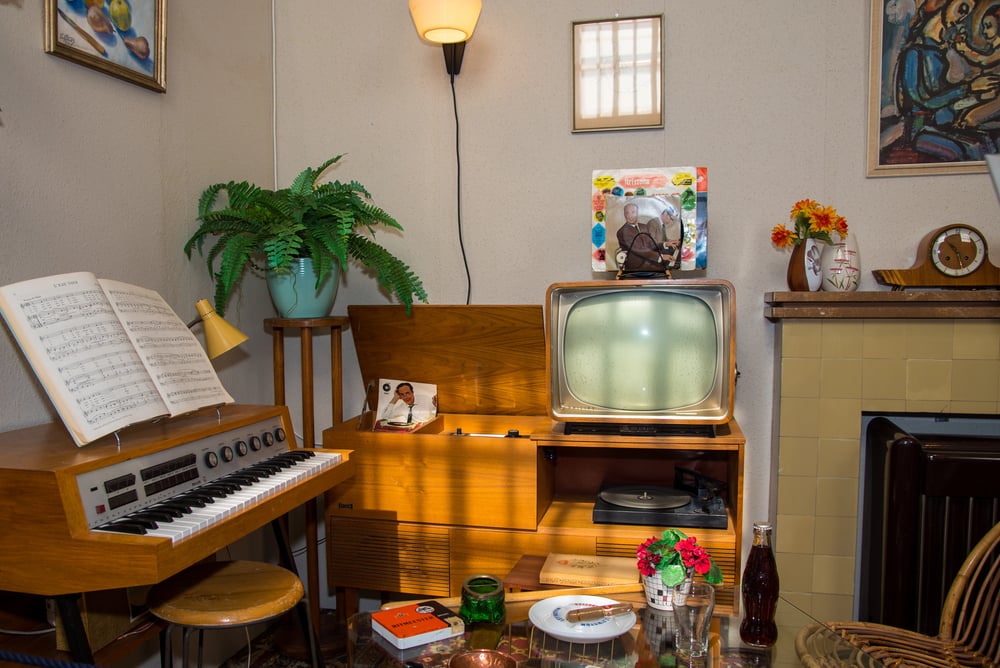
These items didn’t vanish overnight. They faded gradually, replaced by more convenient alternatives or made obsolete by changing infrastructure.
The milkman lost to supermarkets, rotary phones to push-button models, record players to cassette decks. What disappeared wasn’t just the objects themselves, but the rhythms they created and the skills they required.
The daily ice delivery, the weekly milk payment, the careful handling of vinyl records — these small rituals structured time and demanded attention in ways that modern conveniences eliminate. Progress brought undeniable improvements, but it also erased a particular kind of mindfulness that came from living with objects that required care, patience, and daily acknowledgment of how things actually work.
More from Go2Tutors!

- The Romanov Crown Jewels and Their Tragic Fate
- 13 Historical Mysteries That Science Still Can’t Solve
- Famous Hoaxes That Fooled the World for Years
- 15 Child Stars with Tragic Adult Lives
- 16 Famous Jewelry Pieces in History
Like Go2Tutors’s content? Follow us on MSN.