28 ’90s Bedroom Items That Defined a Whole Generation
There’s something almost archaeological about remembering a ’90s bedroom. Pull back the memory far enough and the whole room materializes — the posters, the plastic, the glow, the noise.
It wasn’t just a place to sleep. It was a personal headquarters, a signal to the world (or at least to anyone who walked through the door) about exactly who you were and what you cared about. Some of those objects were beloved. Some were maddening.
All of them were unmistakably, specifically that decade — and if you grew up with them, you already know.
Lava Lamp
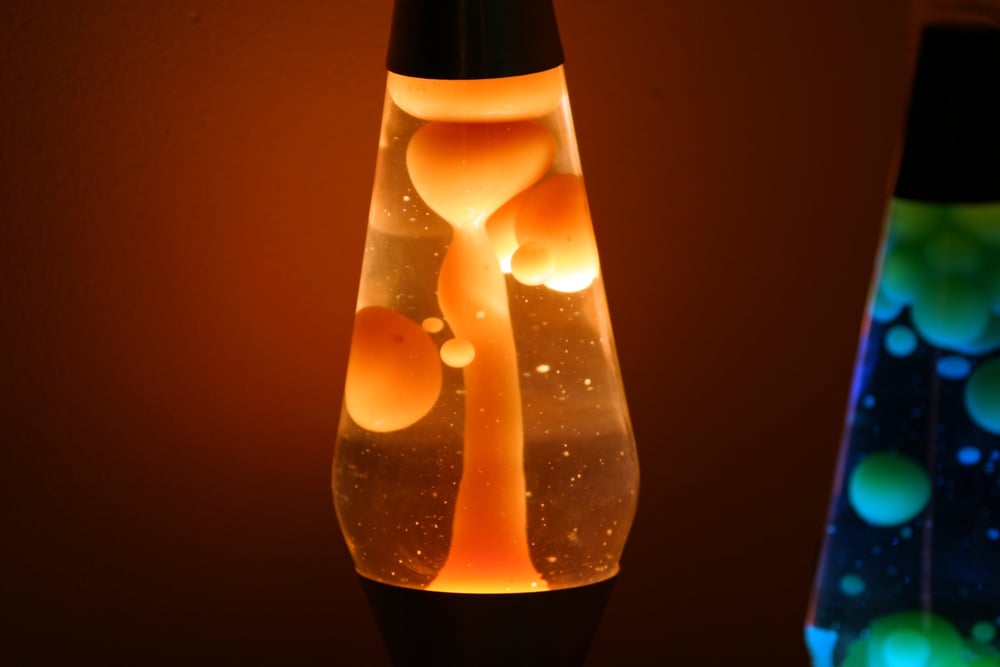
A lava lamp is essentially a slow-motion screensaver you could stare at for twenty minutes without once feeling like you’d wasted your time. The wax blobs rose and fell with complete indifference to your homework, your problems, your whole situation. It asked nothing of you.
Glow-in-the-Dark Stars
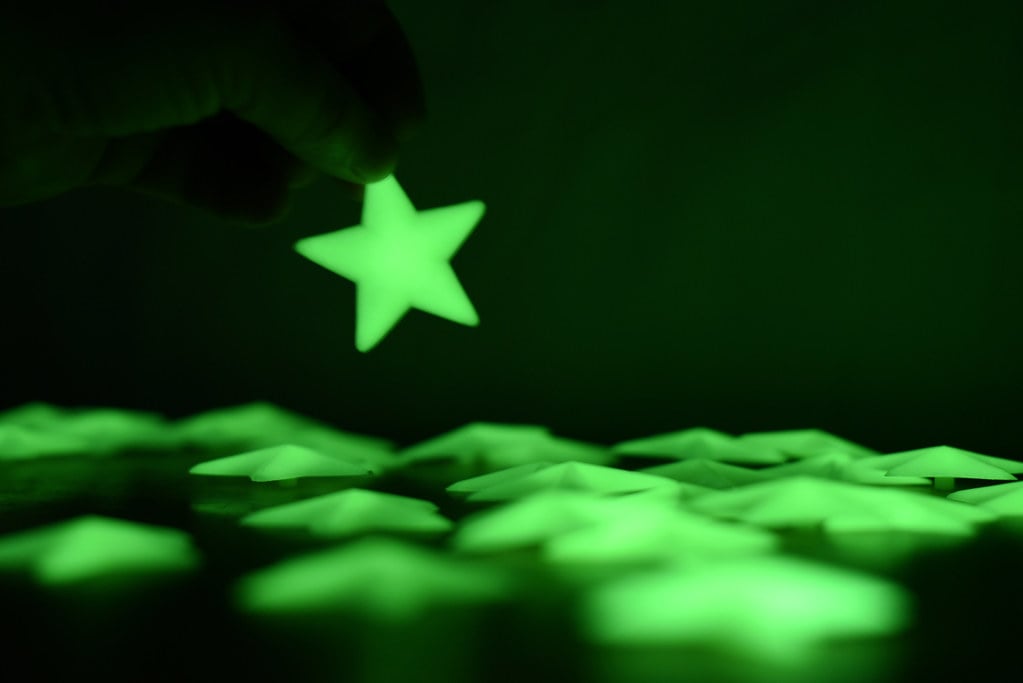
Pressing those plastic stars onto the ceiling was a project that felt architectural. You’d spend an entire Saturday arranging them into vague constellations — mostly inaccurate, entirely personal — and then lie back in the dark waiting for the payoff.
The ceiling glowed faintly green, and for approximately eleven minutes, the room felt like a different universe.
Bean Bag Chair
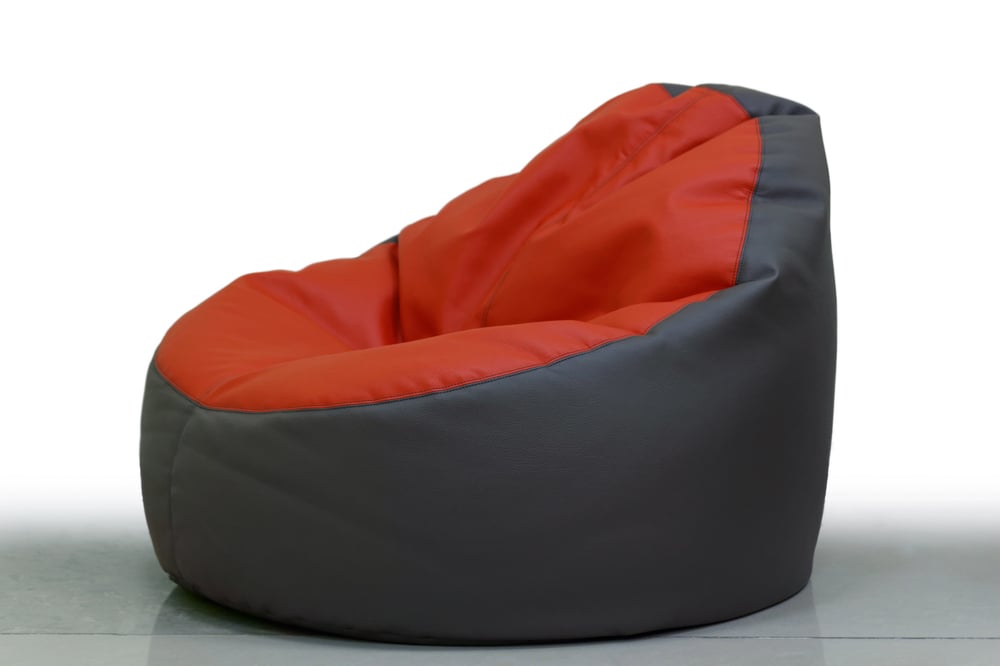
The bean bag chair was the most deceptive piece of furniture ever manufactured. It looked comfortable, it felt comfortable for the first four minutes, and then gravity and physics conspired to swallow you whole — and getting out required a level of effort that no teenager should have to summon.
And yet the chairs sold by the millions, go figure.
Cassette Tape Collection
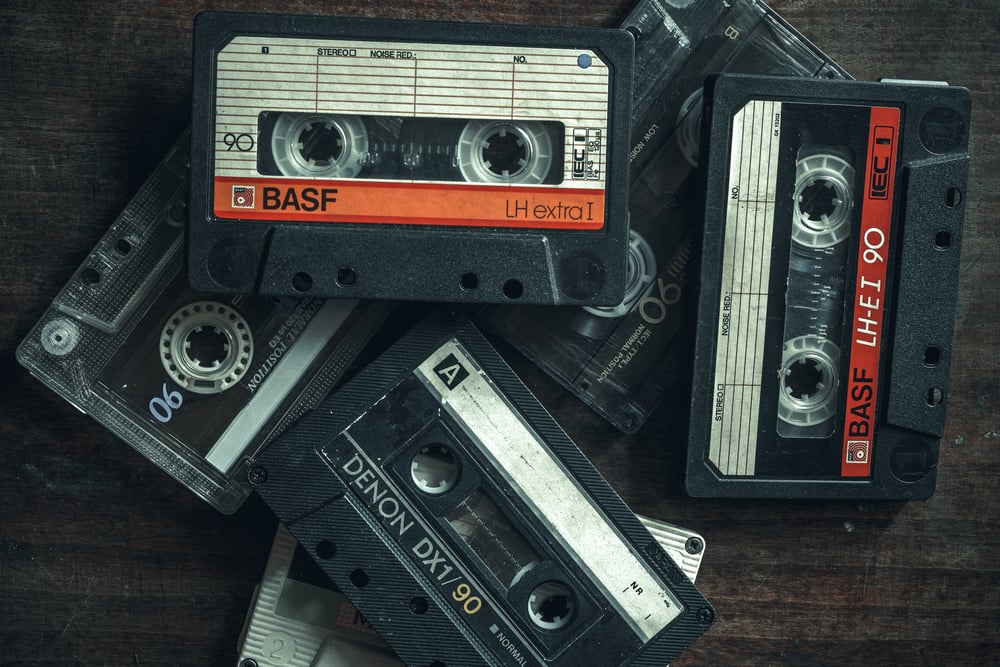
A cassette collection was a biography. The tapes you bought, the tapes you recorded off the radio with your finger hovering over the pause button to avoid the DJ talking over the intro — all of it stacked in a rack or scattered across the dresser like evidence.
Losing a tape meant losing a piece of the record.
Inflatable Furniture
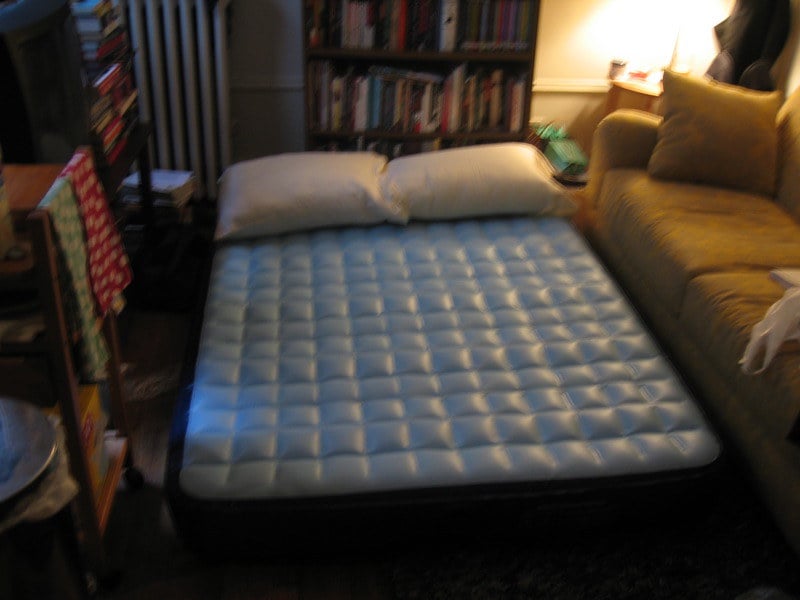
Inflatable furniture arrived in the mid-’90s as though someone had dared a designer to make a couch out of nothing, and the designer had accepted. The translucent plastic chairs and sofas felt futuristic right up until the moment one of them developed a slow leak at 11 p.m. on a Tuesday.
To be fair, the aesthetic was genuinely striking — in a “what were we thinking” kind of way that only improves with distance.
CD Tower
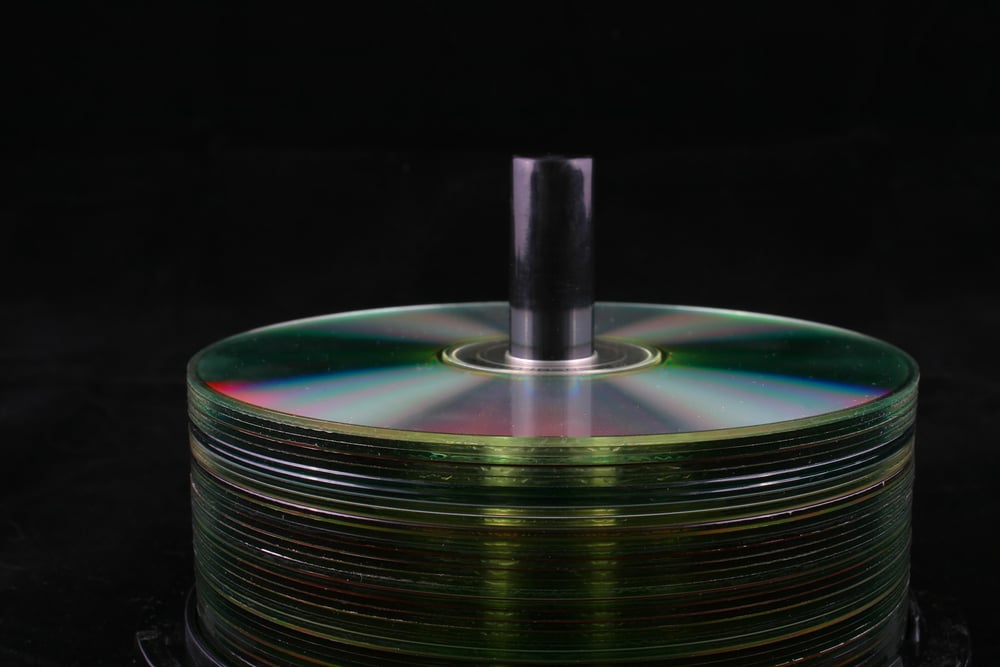
The CD tower was a status object. The taller it was, the more seriously you needed to be taken — stacked five feet high with jewel cases, each one a small argument about taste and identity. Alphabetizing them was optional but aspirational.
Tamagotchi
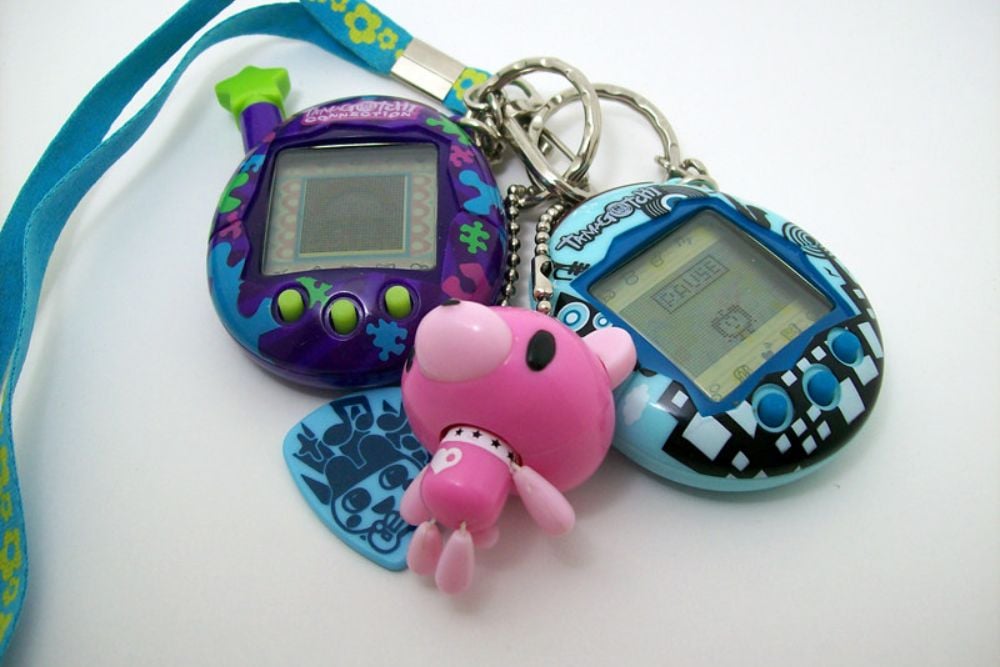
The Tamagotchi was the first time a generation learned that responsibility arrives without warning and leaves without ceremony. You fed it, cleaned up after it, watched it grow — and then forgot it in your locker for a weekend and came back to a tiny digital ghost.
The guilt was real, which is a strange thing to say about a keychain.
Beaded Curtain
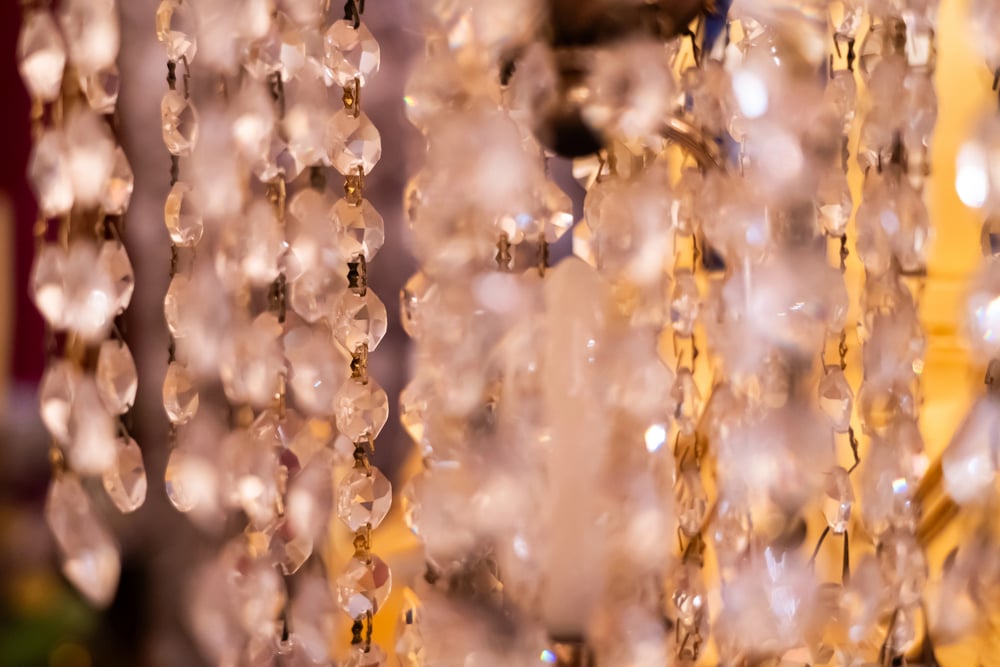
A beaded curtain in a doorway communicated a very specific personality: artistic, vaguely mysterious, probably had incense somewhere nearby. The curtain itself did nothing useful — it separated no space, blocked no drafts — but walking through it made a satisfying clatter that felt like entering somewhere intentional.
It was décor as a theater.
Portable CD Player
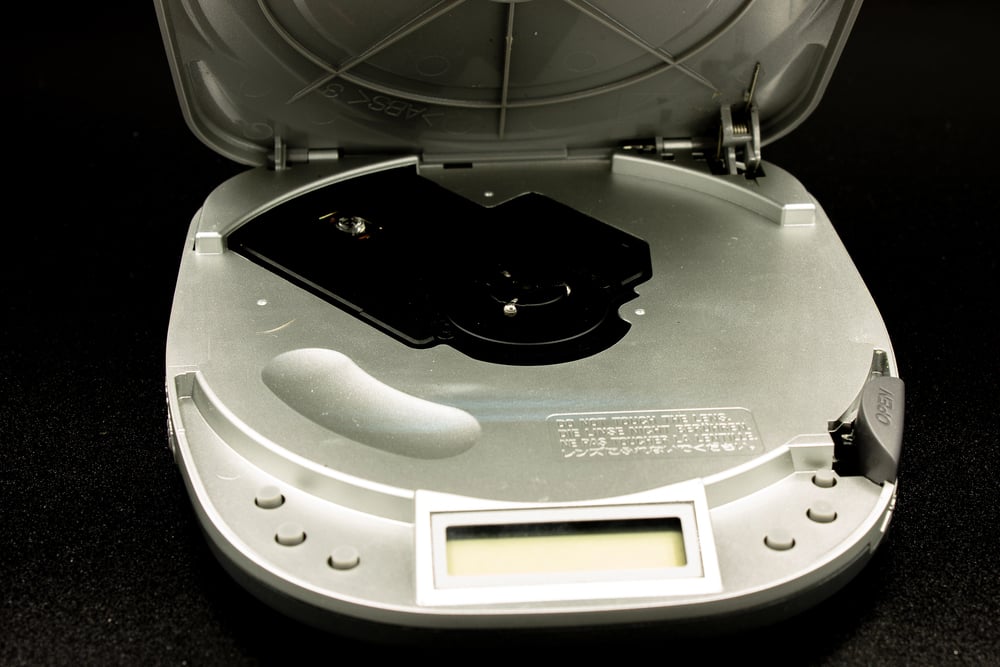
Portable CD players were the most optimistic technology of the era, in the sense that they assumed you would never move, jog, or breathe too hard while listening to music. The anti-skip protection was a lie told by manufacturers who understood marketing better than physics.
Carrying one required a certain stillness — deliberate, almost ceremonial — that no one under fifteen actually possessed.
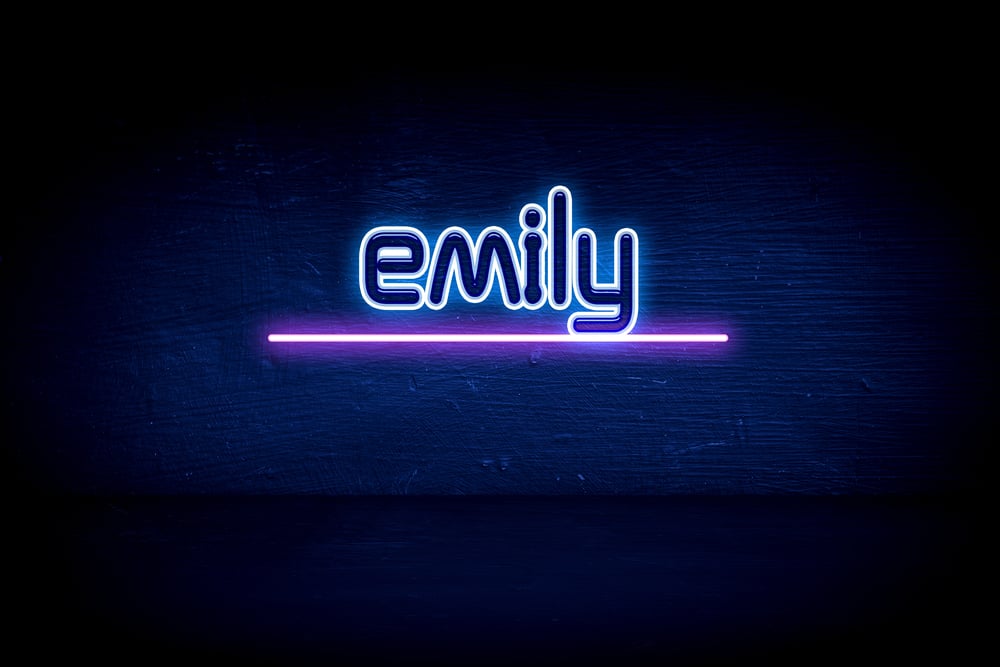
Printed AIM Screen Name Decorations
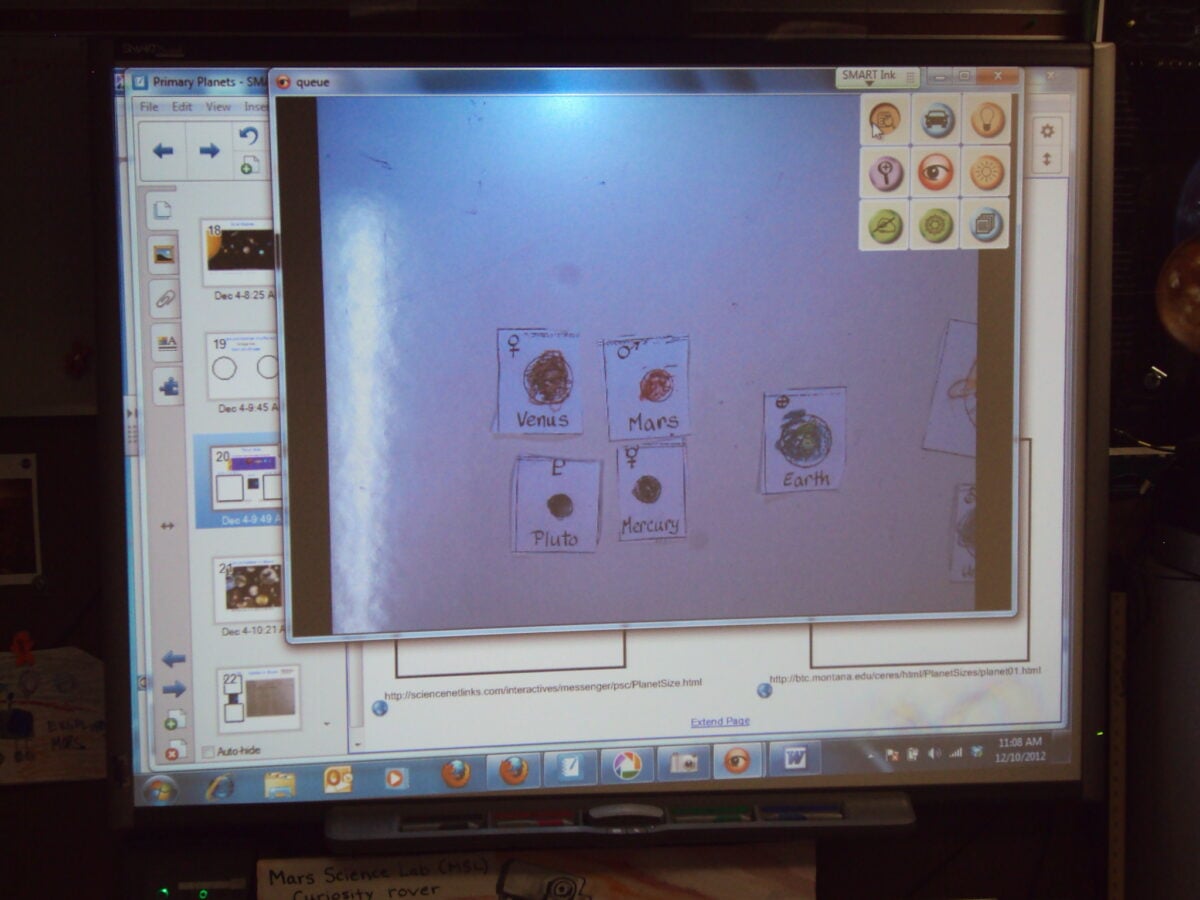
Some teenagers printed their AIM screen name in a stylized font and taped it to their bedroom wall like a personal logo. This was not considered strange at the time.
The screen name was identity — carefully chosen, lowercase letters and random numbers arranged into something that felt, inexplicably, like art.
Lava Lamp’s Cousin: The Fiber Optic Lamp
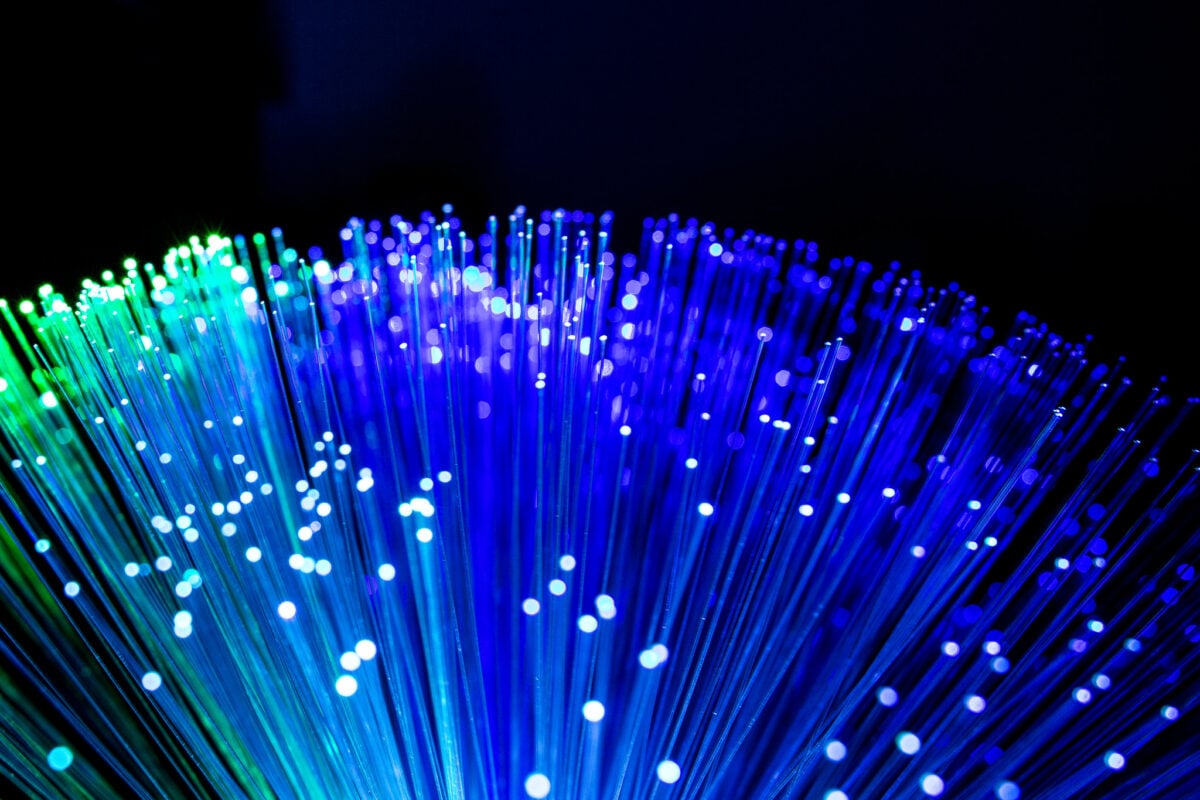
A fiber optic lamp sat on the nightstand and cycled through colors with the patient commitment of something that had nowhere else to be. The strands of light shifted from pink to blue to green without ever quite landing, which — in retrospect — felt like a reasonable metaphor for being fourteen.
The lamp hummed faintly. Nobody ever mentioned the humming.
Wall-to-Wall Posters

— Photo by sirylok
Covering every square inch of bedroom wall with posters wasn’t decorating — it was a manifesto. Leonardo DiCaprio next to a Tupac memorial print next to a Spice Girls centerfold was not a contradiction; it was documentation.
The walls held everything you were figuring out about yourself, plastered up with tape that left marks your parents would find later.
Discman Holder Armband
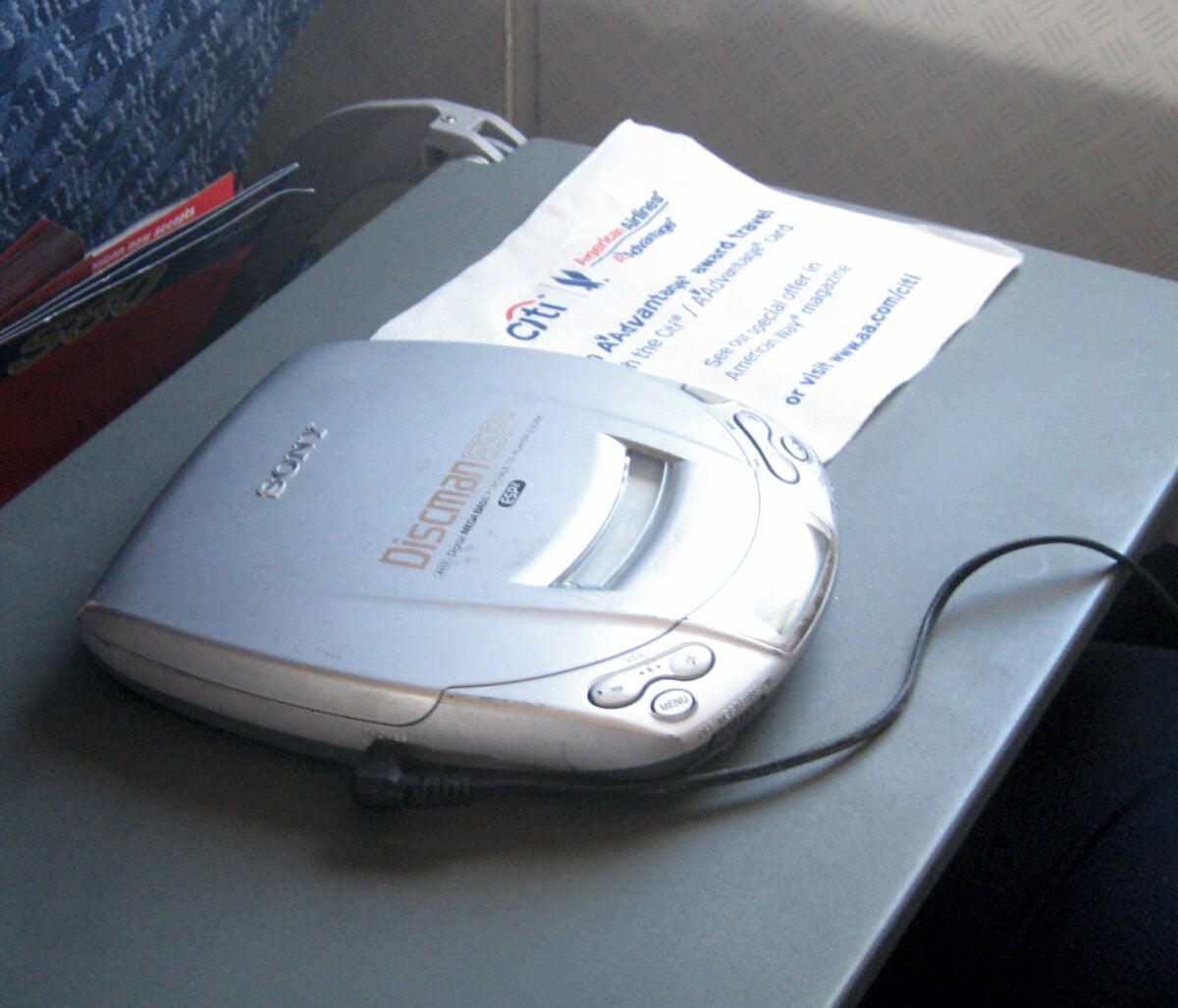
The Discman armband was an accessory born of pure aspiration. It existed to suggest you were the kind of person who ran, exercised, or at minimum moved through space with athletic confidence.
Most people wore it to the bus stop and called that good enough.
Answering Machine
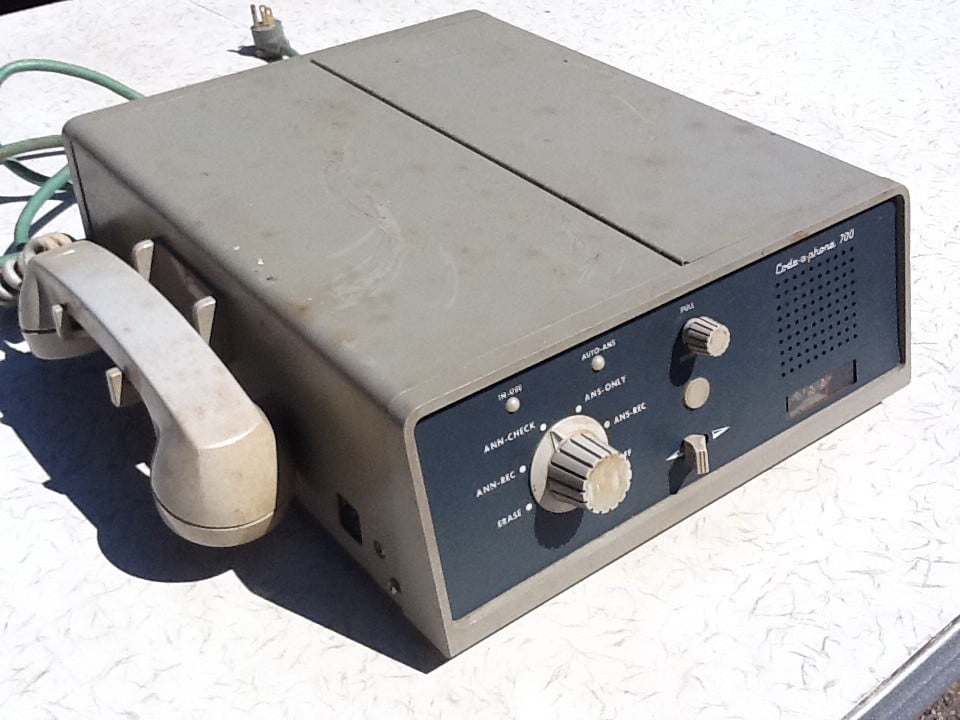
The answering machine in a teenager’s bedroom was a private intelligence system. You could screen calls by listening as your friend left a message, deciding in real time whether the conversation was worth the effort.
Pressing play on a full machine at the end of the school day felt like debriefing from a mission you’d been on since morning.
Dream Catcher
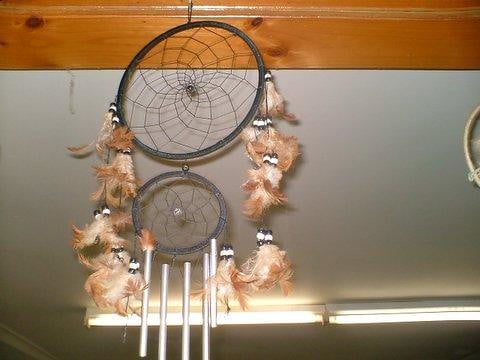
Dream catchers hung above beds with a quiet authority, their feathers drifting in the AC current like something that remembered what wind felt like. The spiritual origins were largely lost in the translation to suburban bedrooms and Claire’s boutiques — but the objects themselves were beautiful in the way that things with a complicated history often are: stubborn, layered, a little too easy to overlook.
Portable Keyboard

A small Casio keyboard on the desk was either the beginning of a musical career or an object that got used twice and became a shelf. The built-in demo song played at maximum volume if you hit the wrong button — which happened constantly — filling the house with an automated melody that nobody had asked for.
The rhythm presets had names like “Bossa Nova” and “Samba,” none of which any ’90s kid used.
Lighted Makeup Mirror
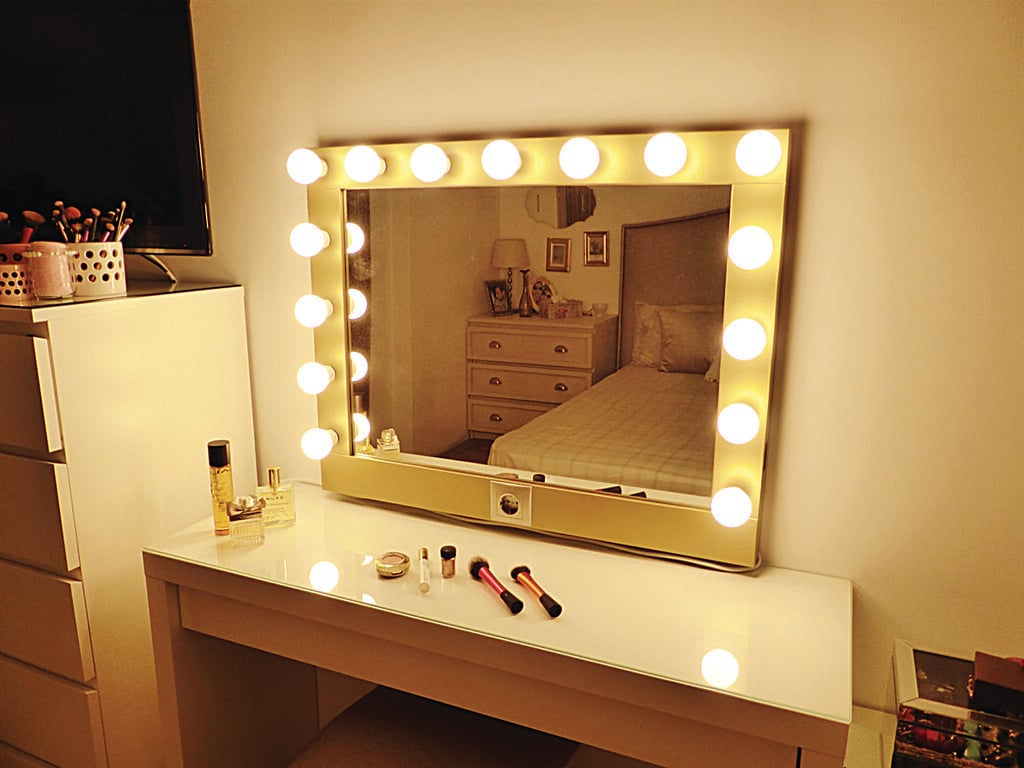
The lighted makeup mirror, that round magnifying contraption with a ring of Hollywood bulbs, turned a corner of the bedroom into something resembling a backstage vanity. It was aspirational and slightly blinding.
Looking into it at maximum magnification was either character-building or genuinely traumatic, depending on the day.
Photo Collage Frame
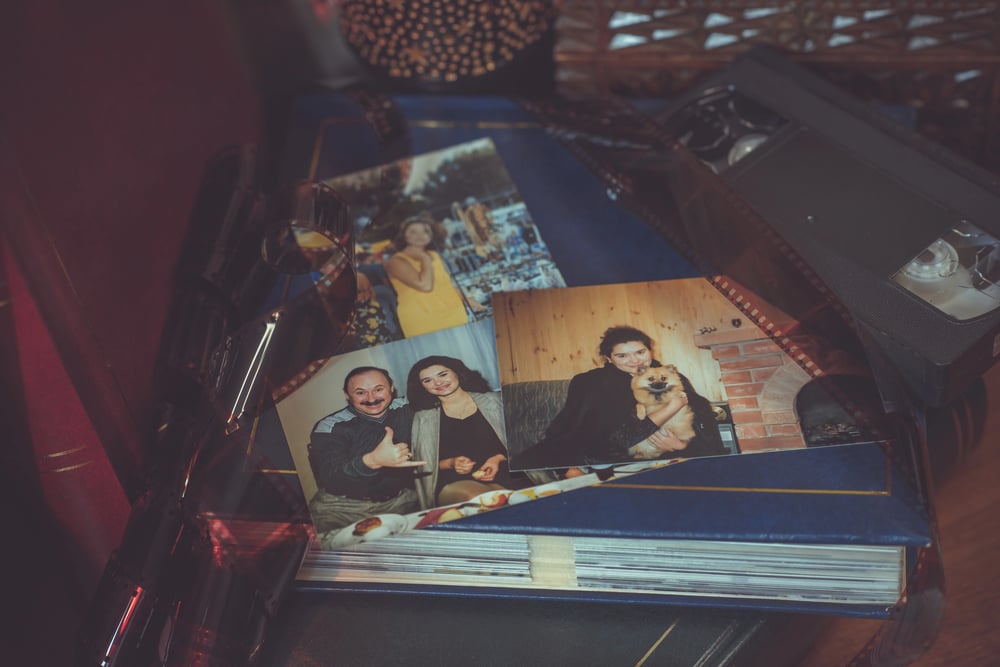
The multi-photo frame — the kind that held twelve pictures in a grid of little windows — was a curation project that took most of a Saturday afternoon. You’d print photos at the drugstore specifically for it, arrange them in order of importance, and then stare at the result as though you’d made something.
Which, to be fair, you had.
String Lights
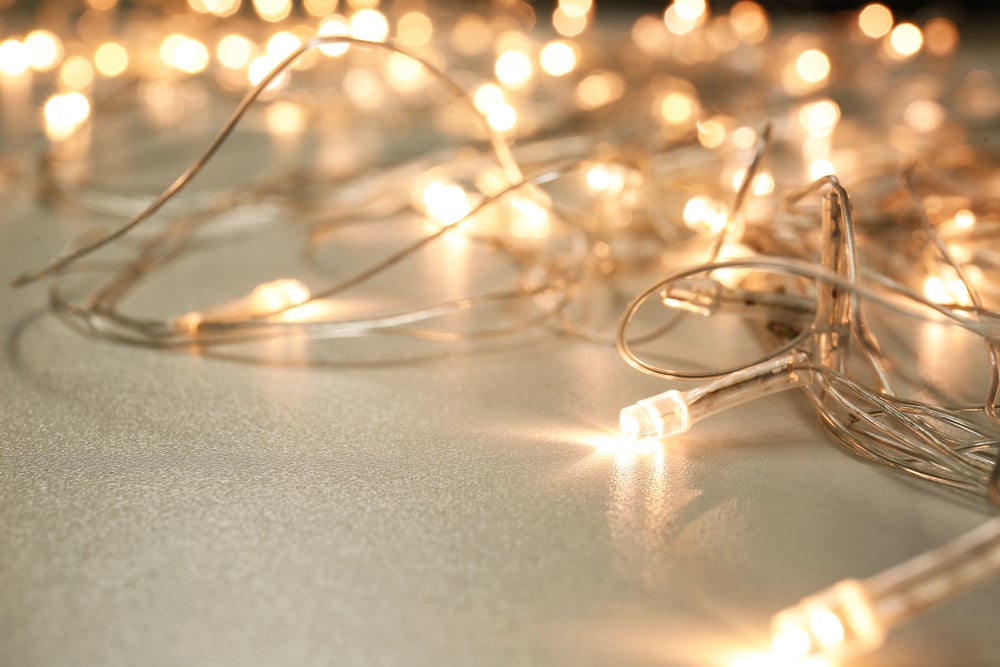
String lights weren’t invented in the ’90s, but they were claimed by the ’90s bedroom. Draped along a headboard or wound around a curtain rod, they gave every room a permanent amber-tinted atmosphere that made everything feel like a very specific kind of evening.
The effect was warm in a way that no overhead light has ever managed to replicate.
Slam Book

A slam book was a spiral notebook passed between friends for commentary — each page headed with a question like “Who’s the funniest?” and filled with handwritten answers in different pens. It was a social document, a loyalty test, and a source of low-grade anxiety that could resurface at any moment.
Someone always wrote something that required three days of context to interpret correctly.
Stuffed Animal Collection
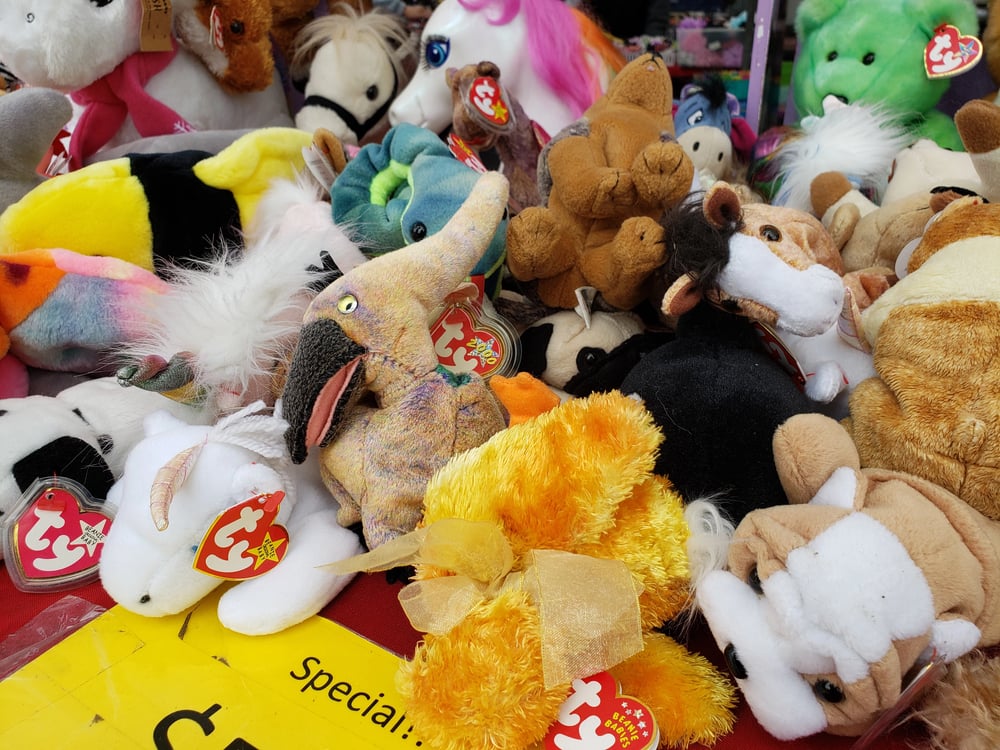
The stuffed animal collection occupied the corner of the bed, the shelf above the desk, or an entire separate chair dedicated exclusively to their storage. This was not babyish — this was curation.
The animals had a hierarchy, a history, and at least one member that had been there since before you could remember anything at all.
Sports Pennant

The pennant on the bedroom wall was the simplest possible declaration of allegiance — a triangle of felt with a team name, hung above the door like a flag over territory you were prepared to defend. It didn’t move, it didn’t light up, and it required zero maintenance.
It just stayed there, being certain about something, which in a decade of rapid change was actually quite comforting.
Hot Wheels Track Set
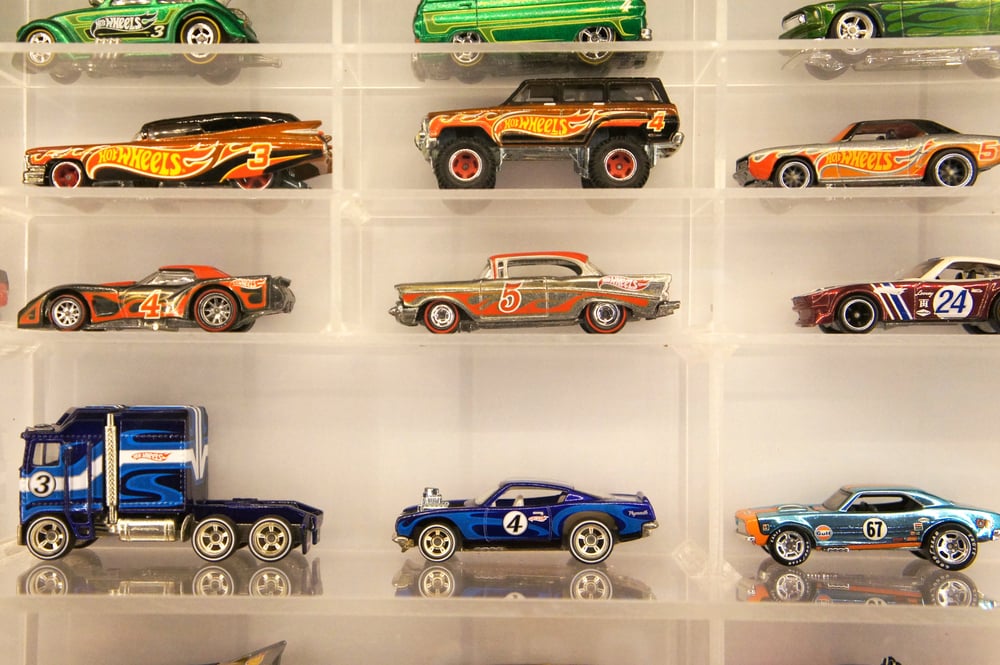
A Hot Wheels track assembled on the bedroom floor was a temporary infrastructure project that consumed an entire afternoon and involved pieces that never quite clicked together the way the box suggested they would. The cars flew off the loop at top speed and hit the baseboard.
You reset the track and did it again. So you did it again.
Clip-On Booklight
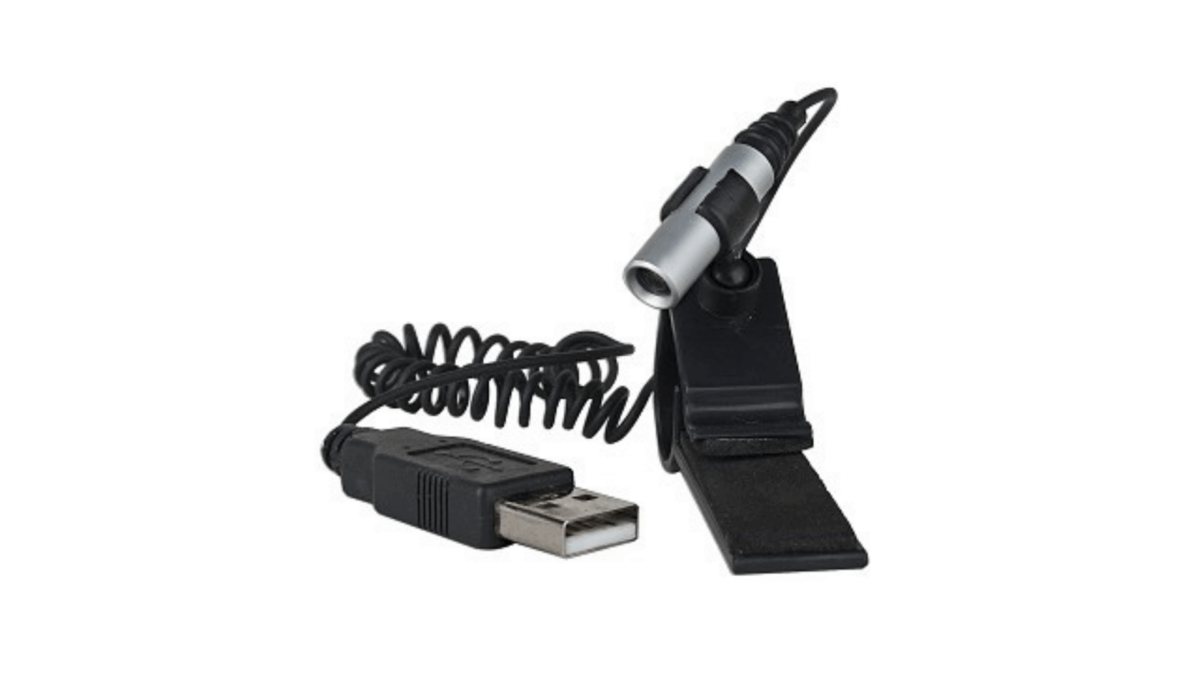
The clip-on booklight was a tool of organized rebellion — the official equipment of reading past bedtime without technically having the lights on. The yellow beam was barely sufficient for the task, but the insufficiency was part of the ritual.
Squinting under the covers with a flashbook clipped to a paperback felt, somehow, like getting away with something.
Portable Stereo Boombox
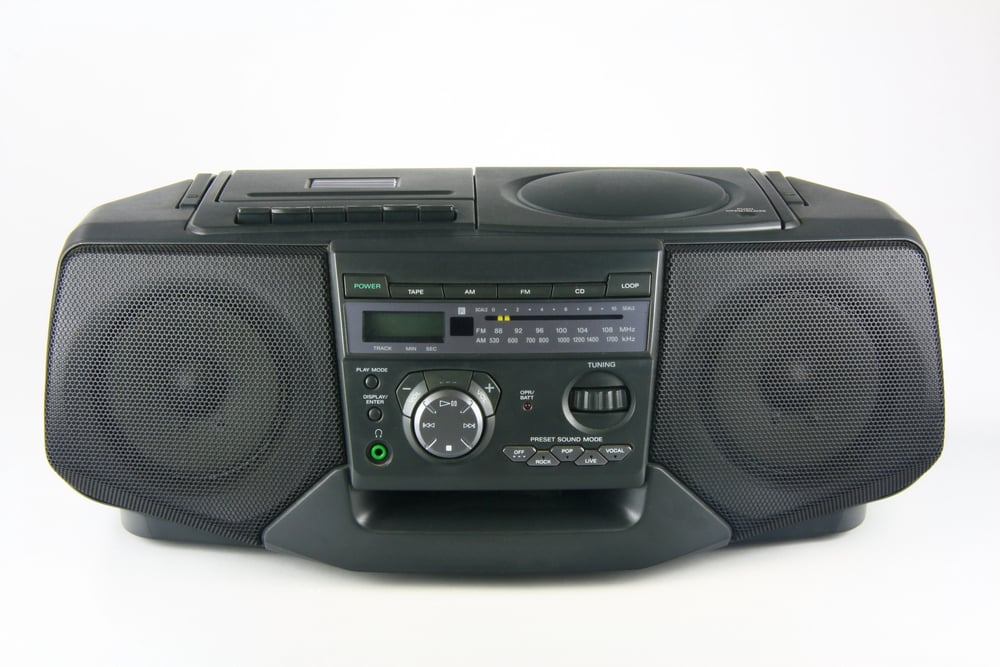
A boombox in the bedroom was more than an appliance — it was a broadcasting station. The clock was set wrong, the tape deck door didn’t close all the way, and the bass was at a level that made the dresser mirror vibrate slightly.
You could carry it from room to room, which gave you a mobility that felt almost political.
Neon Sign
Neon signs with words like “OPEN” or “COOL” or the outline of a flamingo threw a warm, buzzing light that made the bedroom feel less like a bedroom and more like a place that had chosen its own mood. The buzz was audible if the room was quiet enough.
Most ’90s bedrooms were never that quiet.
Magnetic Poetry

Magnetic poetry on the back of a bedroom door was the decade’s most low-stakes creative exercise. The words were small, weirdly limited, and grammatically uncooperative — but arranging them into something that made half-sense felt like composition.
Some people left theirs up for years without changing a word, and the poem became less a poem and more a piece of furniture.
Lava Lamp Night Light
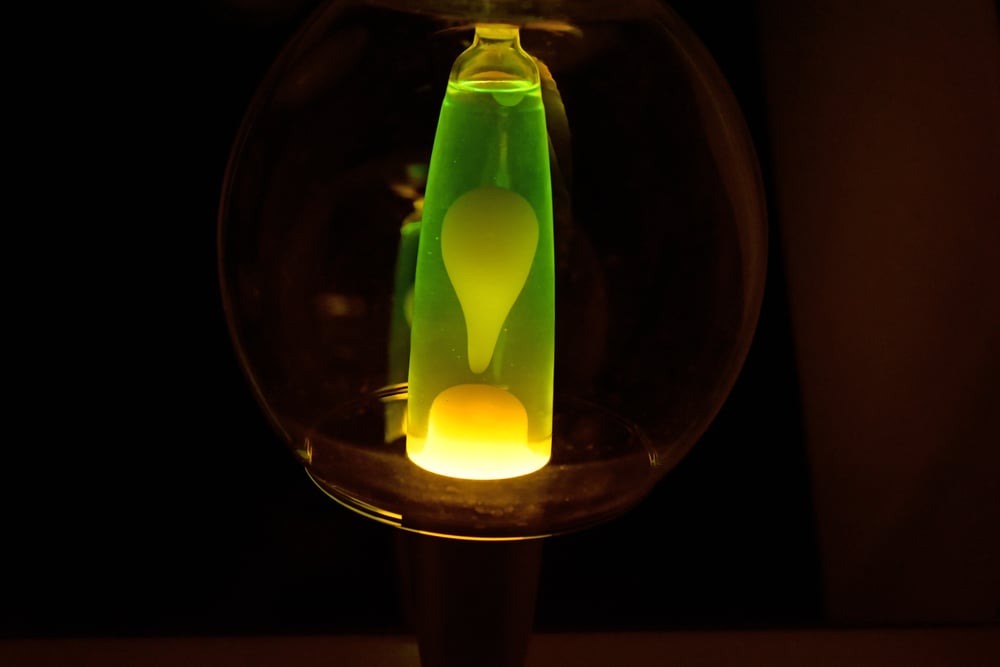
The plug-in nightlight shaped like a tiny lava lamp was the miniature, budget version of the full-size lamp — same colored liquid, same slow movement, same hypnotic quality, but sized for the outlet beside the bed. It cost about four dollars and lasted approximately forever.
Some of them are probably still running somewhere, in houses where the original owners have long since moved out and forgotten entirely that it was ever theirs.
What Those Four Walls Actually Were
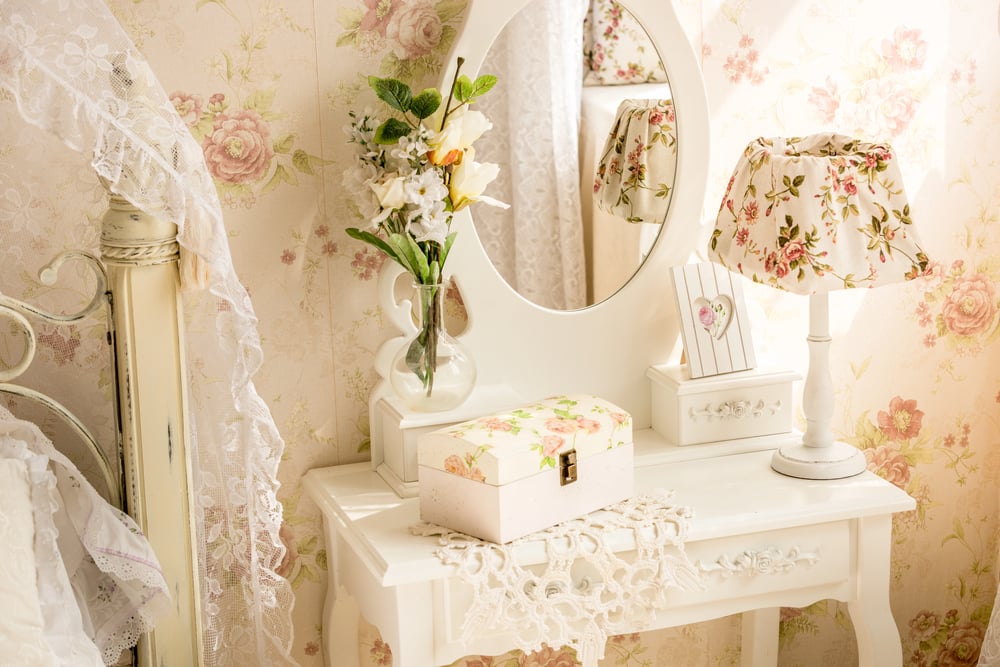
A ’90s bedroom wasn’t just a room — it was a record of a particular kind of becoming. Every object in it was a choice, even when the choice was unconscious: the posters said something, the lamp said something, the cassettes said something, and the whole arrangement together said this is who I am right now.
The decade had an aesthetic that was confident without being coherent, and the bedrooms reflected that completely. You didn’t need it all to match.
You just needed it all to be yours.
More from Go2Tutors!

- The Romanov Crown Jewels and Their Tragic Fate
- 13 Historical Mysteries That Science Still Can’t Solve
- Famous Hoaxes That Fooled the World for Years
- 15 Child Stars with Tragic Adult Lives
- 16 Famous Jewelry Pieces in History
Like Go2Tutors’s content? Follow us on MSN.