How Conquered Peoples Preserved Their History in Secret
Throughout human history, conquering powers have understood one fundamental truth: to truly defeat a people, you must erase their memory. The sword might claim their land and the chains might bind their bodies, but it’s the deliberate destruction of their stories, their languages, and their traditions that delivers the final blow.
Yet time and again, conquered peoples have found ingenious ways to hide their histories in plain sight, weaving their truths into seemingly harmless songs, stories, and daily practices that could survive even the most systematic attempts at cultural erasure.
These acts of preservation weren’t just about nostalgia or sentiment. They were acts of resistance as profound as any battlefield victory, ensuring that future generations would know who they really were, where they came from, and what they had lost.
The methods they used were as varied as the cultures themselves, but they shared a common thread: the understanding that memory, once lost, rarely returns intact.
Oral Traditions Disguised as Entertainment
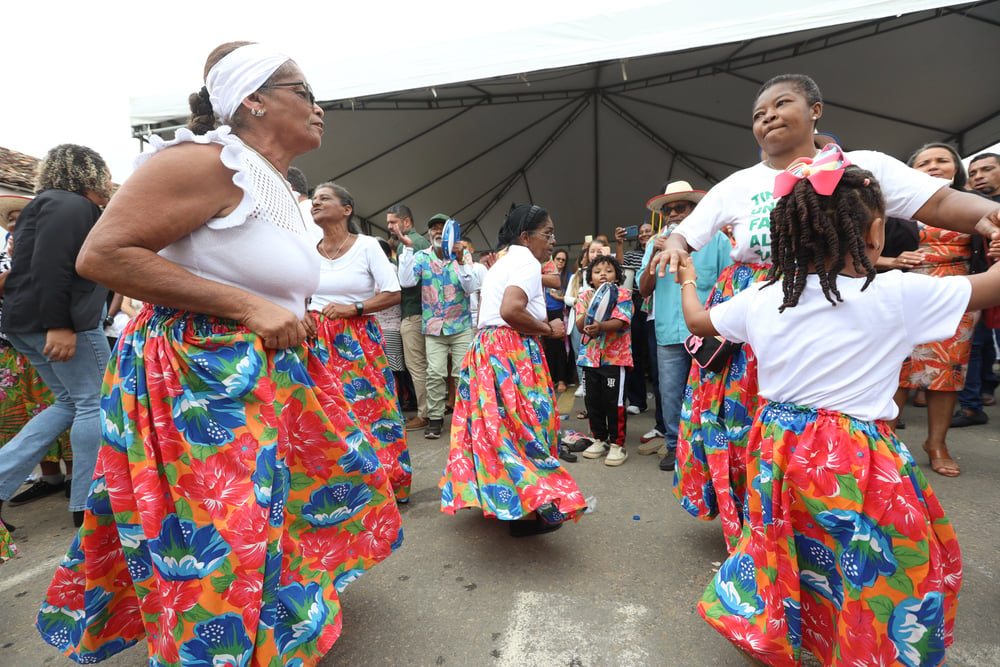
Oral Traditions Disguised as Entertainment Folk tales weren’t just bedtime stories. They carried the weight of entire civilizations on their backs. When the Spanish conquered the Aztec Empire, indigenous peoples transformed their historical chronicles into seemingly innocent children’s tales, embedding real genealogies, territorial boundaries, and political alliances within stories of talking animals and magical quests.
The beauty of this method lay in its invisibility. Conquerors rarely paid attention to what they considered primitive storytelling, allowing these oral histories to pass from grandmother to grandchild without interference.
Religious Syncretism and Hidden Symbols
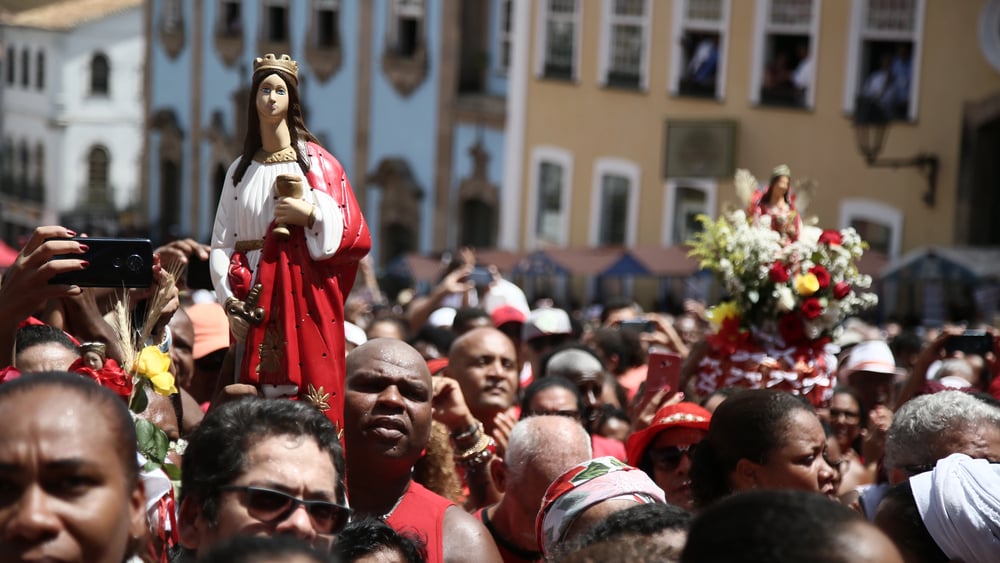
Religious Syncretism and Hidden Symbols So the conquistadors wanted to convert everyone to Christianity — but they never quite understood what was happening in those newly built churches (where Aztec temples once stood, where Mayan priests had once performed their rituals, where entire cosmologies had been reduced to rubble and then rebuilt as something supposedly pure and European). And underneath the carefully painted images of Catholic saints, indigenous artists embedded their own religious symbols, their own historical figures, their own understanding of the divine that had nothing to do with Rome or Jesus but everything to do with who they had been before the ships arrived.
But try explaining that to a Spanish priest who saw only proper Christian devotion and felt satisfied that his work was complete. The irony, of course, is that the more elaborate and beautiful these religious artworks became, the more praise the colonizers heaped upon their “successful” conversion efforts.
Textile Patterns and Woven Histories

There’s something almost defiant about the way a woman at her loom can encode an entire rebellion into a blanket. The Quechua people of the Andes developed textile patterns that looked decorative to Spanish eyes but actually recorded family lineages, territorial claims, and historical events.
Each color combination, each geometric shape carried specific meaning that could be read like text by those who knew the code.
The patterns survived because they were beautiful. The Spanish collected these textiles, displayed them as curiosities, never realizing they were preserving the very history they sought to destroy.
Song and Dance as Historical Documents
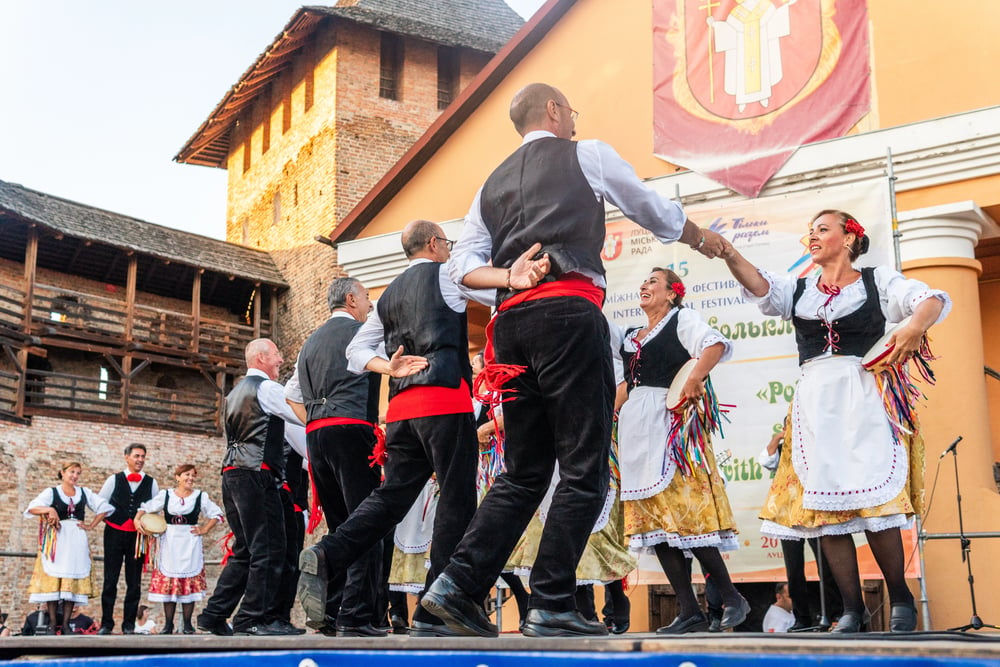
Music operates by different rules than speech — it’s harder to police, harder to translate, harder to control. African slaves in the Americas developed complex musical traditions that preserved everything from African place names to specific historical events. The ring shouts, work songs, and spirituals that emerged weren’t just expressions of faith or endurance. They were archives.
The call-and-response patterns that defined much of this music served a dual purpose: they maintained African musical traditions while creating a system for transmitting information that was nearly impossible for outsiders to decode.
Architectural Memory in Sacred Spaces
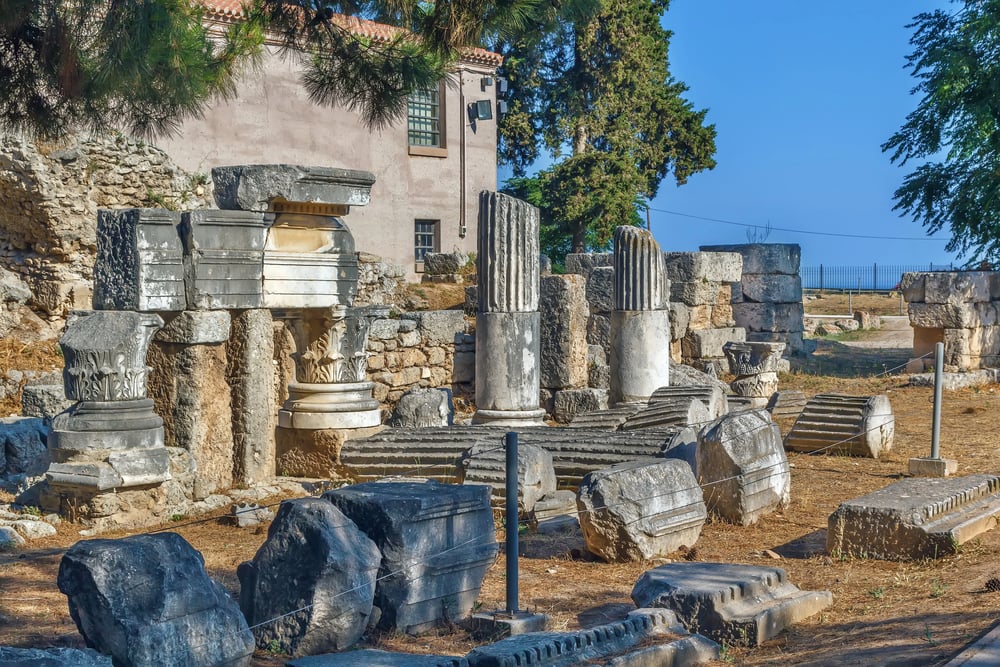
The Romans had a straightforward approach to conquest: tear down the old temples, build new ones on top. But here’s what they didn’t count on (what most conquerors don’t count on): the conquered peoples who were forced to construct these new buildings had their own ideas about what should be remembered and how.
So Celtic stonemasons working on Roman temples would carve traditional spiral patterns into foundation stones that would never see daylight, creating a hidden layer of cultural continuity that outlasted the empire that forced its creation. And when Christianity later swept through these same regions, the same thing happened again — pagan symbols worked their way into cathedral walls, stained glass windows, and carved capitals, where they waited centuries for eyes that knew how to read them. The buildings themselves became books.
Genealogical Memory in Names and Titles
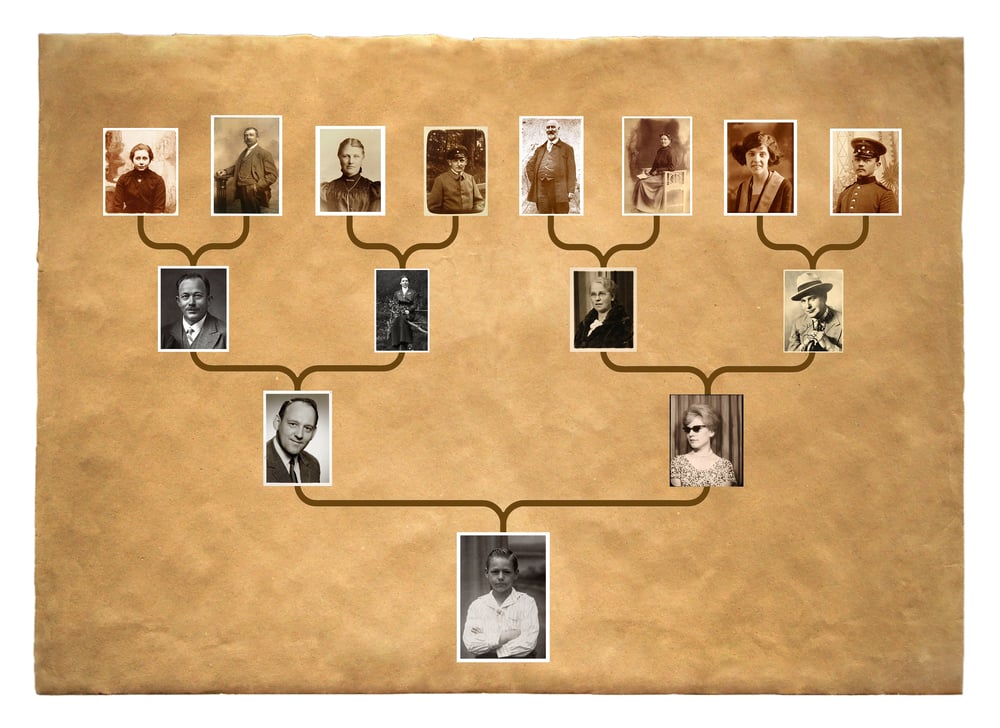
Names matter more than most people realize. When the British systematically tried to eliminate Scottish clan culture after Culloden, many families preserved their genealogies by encoding clan relationships into seemingly ordinary given names.
A child might be named after a particular ancestor not out of simple family tradition, but because that ancestor represented a specific claim to land or leadership that the family refused to abandon. The practice created a kind of human filing system where each generation carried forward the essential information needed to reconstruct their political and social structure once the oppression ended.
Culinary Traditions as Cultural Preservation

Food doesn’t lie. While languages can be banned and religious practices suppressed, people still have to eat, and within those daily meals, entire cultures found ways to persist. Jewish communities in medieval Europe developed elaborate symbolic meal traditions that preserved religious and historical knowledge even when open practice of Judaism was forbidden.
The symbolic foods of Passover, for instance, weren’t just religious observance — they were history lessons, teaching each generation about specific historical events and their cultural significance. The meal became a classroom that could be assembled and dismantled without leaving evidence.
Secret Societies and Underground Networks
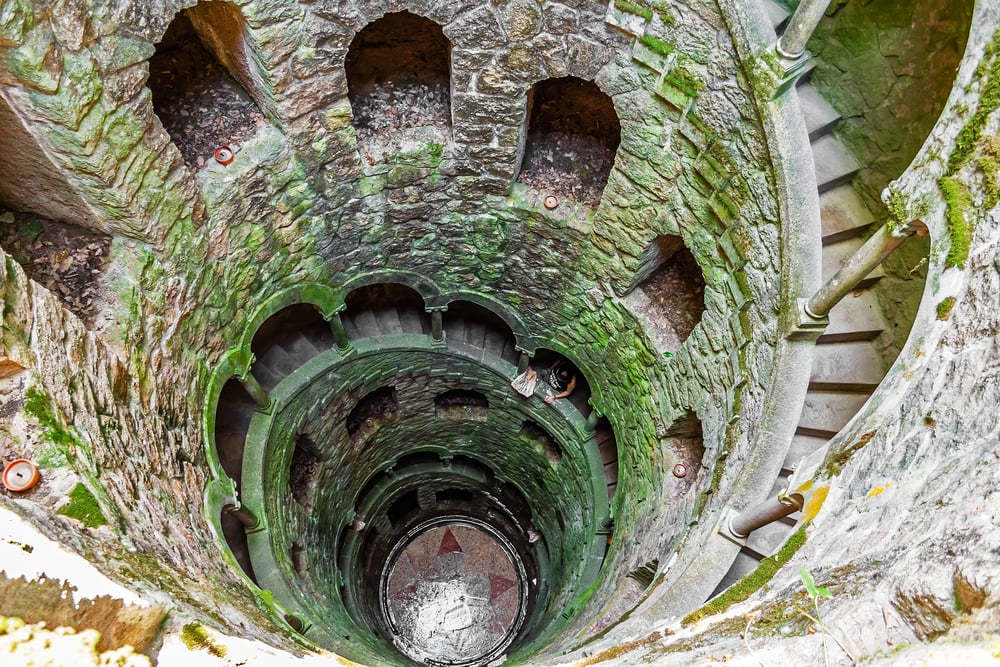
Sometimes preservation required organization. The Chinese Triads, originally formed to resist Manchu rule, developed complex initiation rituals and symbolic systems that preserved Ming Dynasty history and political philosophy. These weren’t just criminal organizations — they were historical preservation societies operating under cover of secrecy.
The elaborate hand signals, coded language, and ritual objects that defined these groups served as mnemonic devices for maintaining historical knowledge that the Qing Dynasty was actively trying to eliminate.
Maps Hidden in Art and Decoration

Geography is power, and conquerors know it. When the British colonized India, they immediately began systematic mapping projects designed to give them control over trade routes and strategic locations. But Indian merchants and local rulers had been creating their own detailed maps for centuries, and these didn’t simply disappear. Instead, they found their way into textile patterns, architectural decorations, and religious artwork where they could be preserved without being recognized.
Temple wall carvings that appeared purely decorative often contained precise information about river systems, mountain passes, and city locations that would prove crucial for later resistance movements.
Language Preservation in Hybrid Forms

Languages under threat don’t always die cleanly — sometimes they hide. When the Ottoman Empire imposed Turkish as the administrative language throughout its territories, many conquered peoples developed hybrid linguistic forms that preserved their original languages within Turkish grammatical structures.
These pidgin languages looked like successful assimilation to Ottoman administrators but actually maintained the vocabulary, idioms, and conceptual frameworks of the original cultures. The linguistic camouflage allowed entire worldviews to survive within what appeared to be complete cultural surrender.
Astronomical Knowledge in Seasonal Celebrations
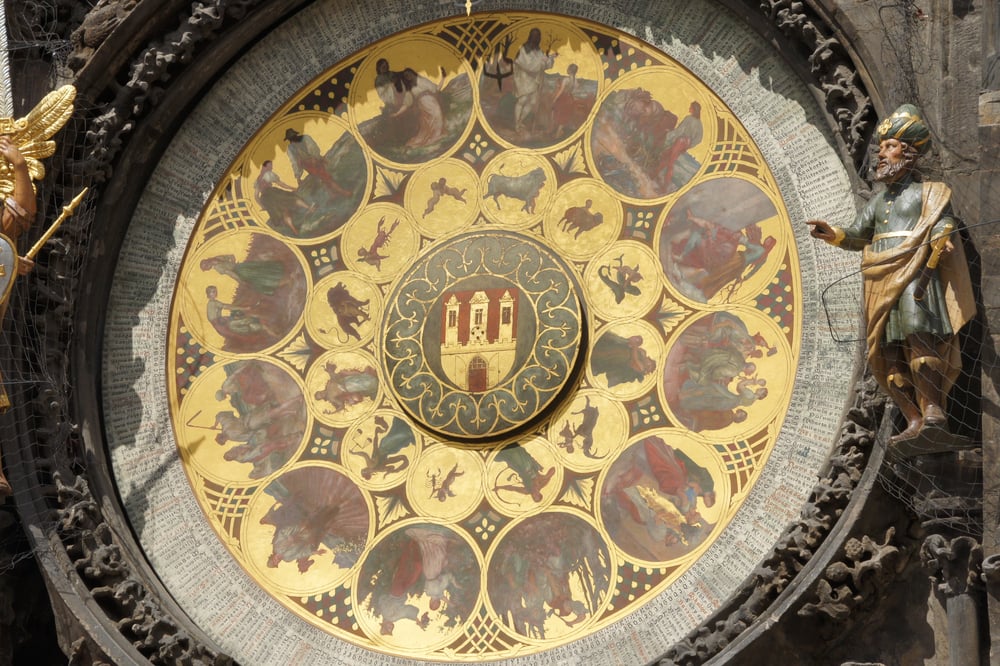
Calendars represent more than just timekeeping — they embody a culture’s understanding of the natural world and its place within it. When Spanish missionaries tried to impose the Christian calendar on Mayan communities, local leaders simply adapted their traditional astronomical observations into seemingly Christian seasonal celebrations.
The timing of festivals, the specific rituals associated with planting and harvest, and the complex mathematical calculations behind eclipse predictions all survived within what appeared to be Catholic religious observance. The stars, after all, remained the same regardless of which god was officially being honored.
Trade Networks as Information Highways

Commerce creates its own kind of immunity to political control. The Romani people, scattered across Europe and constantly persecuted, maintained their cultural continuity through trade networks that operated across political boundaries.
The routes themselves became repositories of cultural knowledge, with specific locations serving as informal schools where language, music, and historical traditions were taught and preserved. These mobile communities understood something that settled peoples often missed: culture doesn’t require territory, only continuity of contact between those who carry it.
Legal Traditions in Customary Practice

Even when formal legal systems were dismantled, the principles they represented often survived in customary practice. Irish communities under English rule maintained their traditional Brehon law through informal dispute resolution systems that operated parallel to the imposed English legal framework.
These weren’t just nostalgic attempts to preserve the past — they were practical systems that better served community needs than the foreign legal structures forced upon them. The persistence of these customs created a shadow legal system that preserved an entire worldview about justice, property, and social relationships.
Medical Knowledge in Folk Remedies

Traditional medical systems represent thousands of years of accumulated observation and experiment. When Western medicine was imposed on colonized peoples, traditional healers didn’t simply disappear — they went underground, preserving their knowledge in the form of folk remedies and home treatments that could be dismissed as harmless superstition by colonial authorities.
The herb gardens maintained by village women, the diagnostic techniques passed down through families, and the surgical procedures hidden within religious rituals all served to maintain medical traditions that were often more effective than the imported alternatives.
Philosophical Systems in Everyday Wisdom
You can ban philosophers, but you can’t really ban philosophy. When the Chinese Communist Party systematically attacked traditional Chinese philosophy during the Cultural Revolution, much of Confucian and Daoist thought survived in the form of everyday wisdom — proverbs, sayings, and practical advice that seemed politically harmless but actually preserved complex philosophical systems.
The old woman teaching her granddaughter about proper behavior wasn’t just passing on social customs — she was maintaining intellectual traditions that stretched back thousands of years. The wisdom found ways to dress itself as common sense.
Maritime Knowledge in Fishing Traditions

Island peoples and coastal communities developed sophisticated knowledge of ocean currents, weather patterns, and navigation techniques that represented centuries of accumulated wisdom. When European colonial powers imposed their own navigation systems and trade regulations, traditional maritime knowledge persisted within local fishing practices that were too small-scale to attract official attention.
The timing of fishing expeditions, the reading of wave patterns, and the oral maps that guided boats between islands all served to preserve navigational knowledge that would prove crucial for later independence movements. The ocean itself became a library that couldn’t be burned.
Resistance Through Passive Preservation

The most successful preservation efforts shared a common characteristic: they looked like cooperation while actually being resistance. The conquered peoples who managed to save their histories understood that direct confrontation was useless — instead, they learned to hide their truths within the forms their conquerors expected to see.
This wasn’t cowardice or collaboration. It was strategic thinking on a generational timescale, the understanding that cultural survival sometimes requires temporary invisibility. The histories they preserved in secret eventually became the foundation for later independence movements, proving that memory, once truly embedded, is almost impossible to destroy.
The Quiet Victory of Hidden Memory

Perhaps the most remarkable thing about these preservation efforts isn’t their ingenuity, but their patience. The people who encoded their histories in songs and textiles, who hid their gods behind foreign saints, who disguised their laws as customs, rarely lived to see their work vindicated.
They simply trusted that someday, someone would know how to read the messages they had left behind.
And they were right. The histories they buried have been surfacing for generations, providing the foundation for cultural revivals, independence movements, and scholarly reconstructions of lost worlds. The quiet victory belongs not to the conquerors, who imagined they had created clean slates, but to the conquered, who understood that human memory runs deeper than political power and finds ways to survive even the most systematic attempts at erasure.
More from Go2Tutors!

- The Romanov Crown Jewels and Their Tragic Fate
- 13 Historical Mysteries That Science Still Can’t Solve
- Famous Hoaxes That Fooled the World for Years
- 15 Child Stars with Tragic Adult Lives
- 16 Famous Jewelry Pieces in History
Like Go2Tutors’s content? Follow us on MSN.