16 Home Remedies That Stop Ants in Their Tracks
Ants are incredible insects—fashioned, hardworking, and incredibly obstinate once they’ve decided that your kitchen counter is their new dining area. While you might have a degree of admiration for their work ethic as a viewer of nature documentaries, having them march over your breakfast table is a different story altogether.
The only silver lining is that you do not need to grab poisonous chemicals or expensive pest control services to dislodge these pesky pests. Your pantry or closet cleaning supplies contain the most effective ant deterrents.
These little creatures respond very aggressively to some scents, textures, and chemicals that are entirely harmless to people and pets. The following is a list of 16 home remedies that will help you reclaim your home from unwanted ant visitors using items you likely already have at home.
Sprinkle cinnamon around entry points
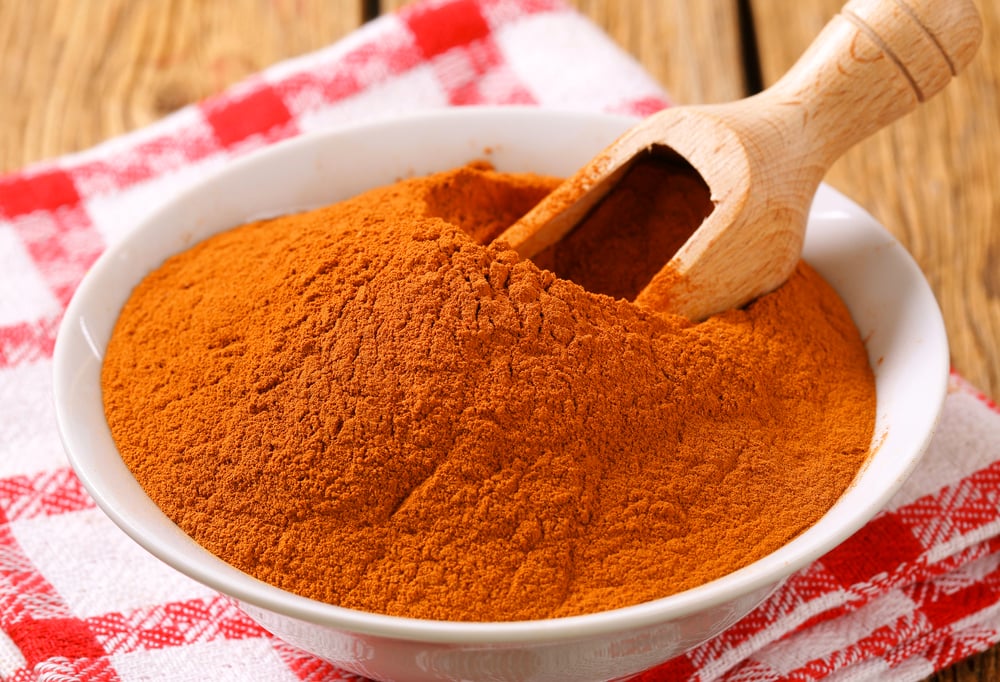
Cinnamon acts like an invisible fence that ants refuse to cross, thanks to its strong scent that overwhelms their navigation system. Sprinkle ground cinnamon directly on windowsills, doorways, and anywhere you’ve spotted ant trails.
The sweet smell that humans love is actually repulsive to ants, making this one of the most pleasant-smelling solutions you can use.
Create coffee ground barriers
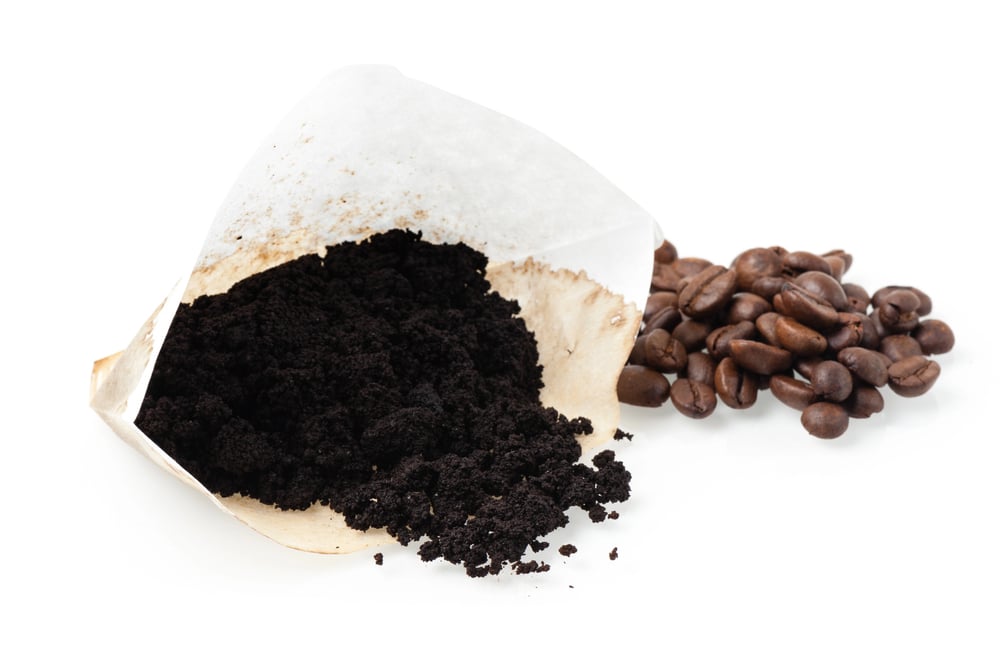
Used coffee grounds work as both a physical and chemical deterrent that ants find completely unappealing. Spread them around the perimeter of your home or in problem areas—the rough texture irritates their feet while the caffeine disrupts their scent trails.
Plus, coffee grounds double as garden fertilizer, so you’re solving two problems at once.
Deploy peppermint oil strategically
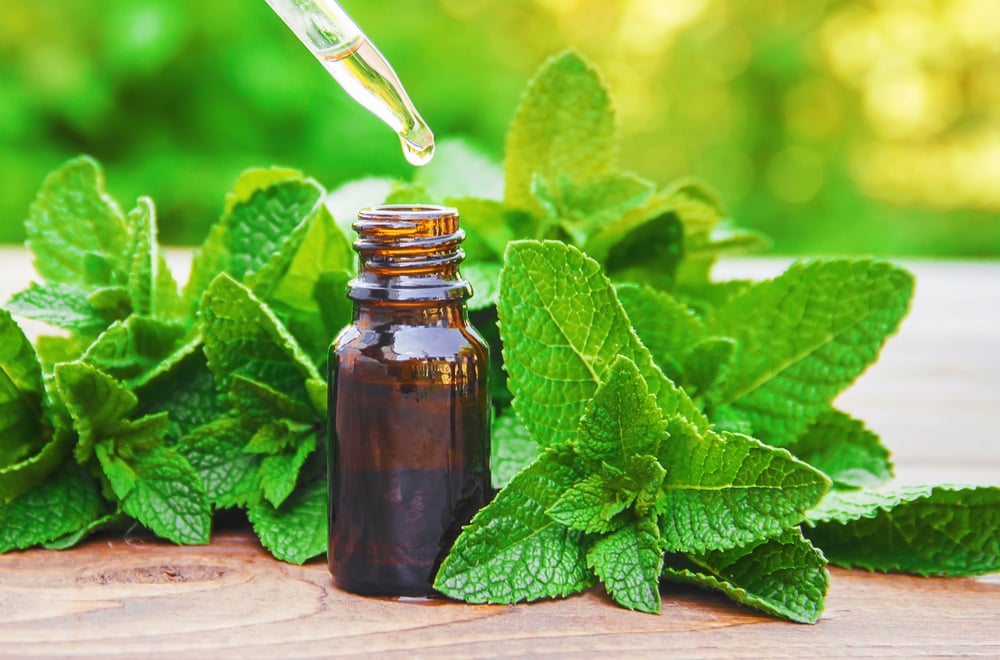
Peppermint oil creates an aromatic barrier that ants interpret as a giant ‘keep out’ sign. Mix 10-15 drops with water in a spray bottle and apply it to ant trails, entry points, and areas where food is stored.
The refreshing scent will make your home smell like a spa while effectively discouraging ant exploration.
Use white vinegar as a trail eraser
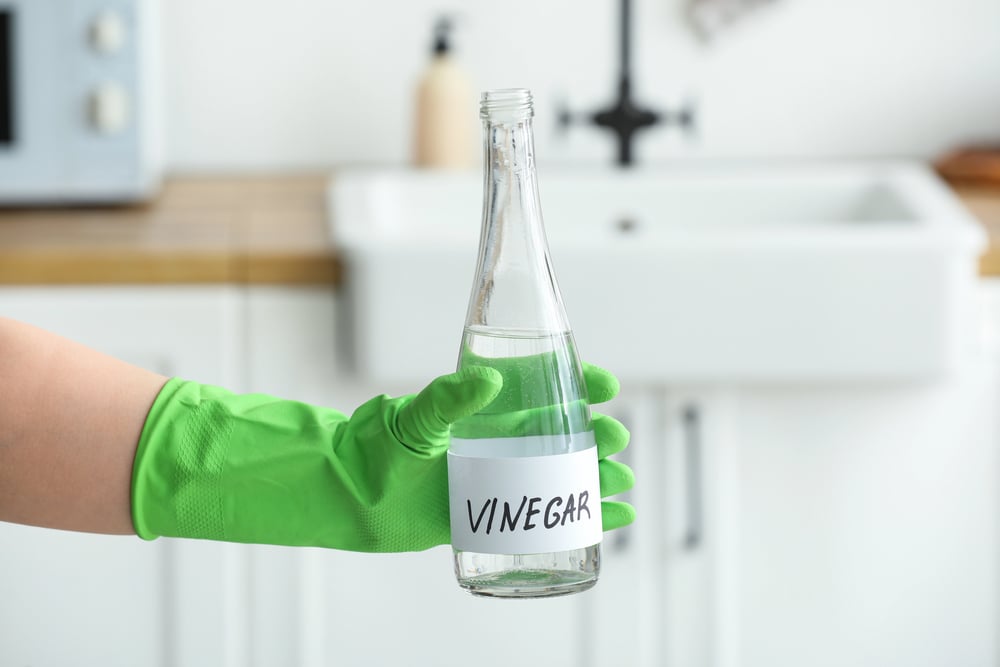
White vinegar doesn’t just repel ants—it completely erases the chemical trails they leave for their colony mates to follow. Spray undiluted vinegar directly on ant trails and wipe clean, then respray the area and let it air dry.
This double approach removes existing scent markers and creates a lasting deterrent zone.
Scatter baby powder in problem areas
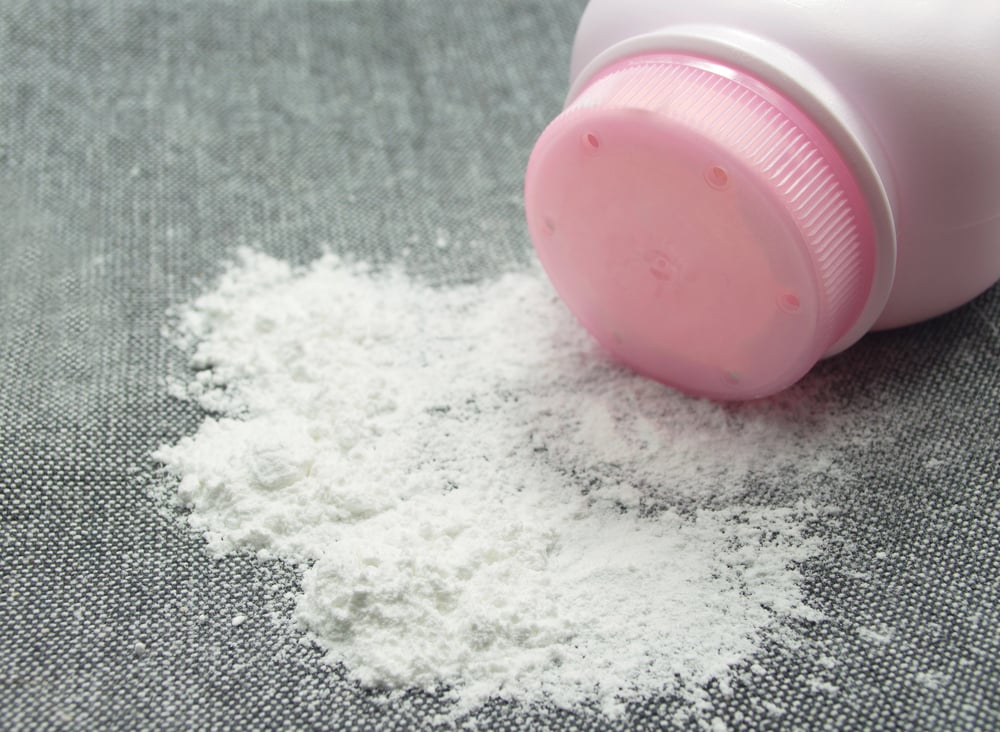
Baby powder contains talc, which ants find impossible to navigate through because it sticks to their bodies and interferes with their movement. Create thin lines of powder across doorways, windowsills, and other entry points.
It’s like laying down quicksand for ants—they simply can’t get through it effectively.
Place chalk lines as boundaries
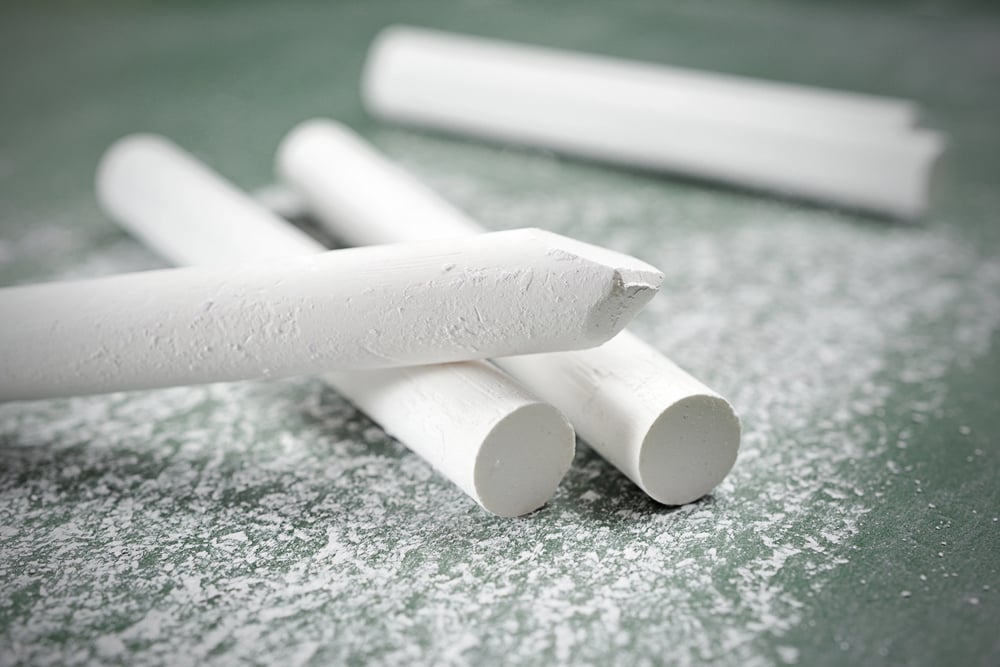
Regular classroom chalk works as an ant deterrent because of its calcium carbonate content, which disrupts their ability to follow scent trails. Draw thick chalk lines around entry points, pet food bowls, and other areas you want to protect.
The ants will approach the line and turn around as if they’ve hit an invisible wall.
Deploy lemon juice and peels

Citrus creates an acidic environment that ants actively avoid, while the strong scent masks their trail markers. Squeeze fresh lemon juice around entry points and leave the peels in areas where ants congregate.
This method freshens your home while creating multiple layers of ant deterrence.
Create cornmeal feeding stations
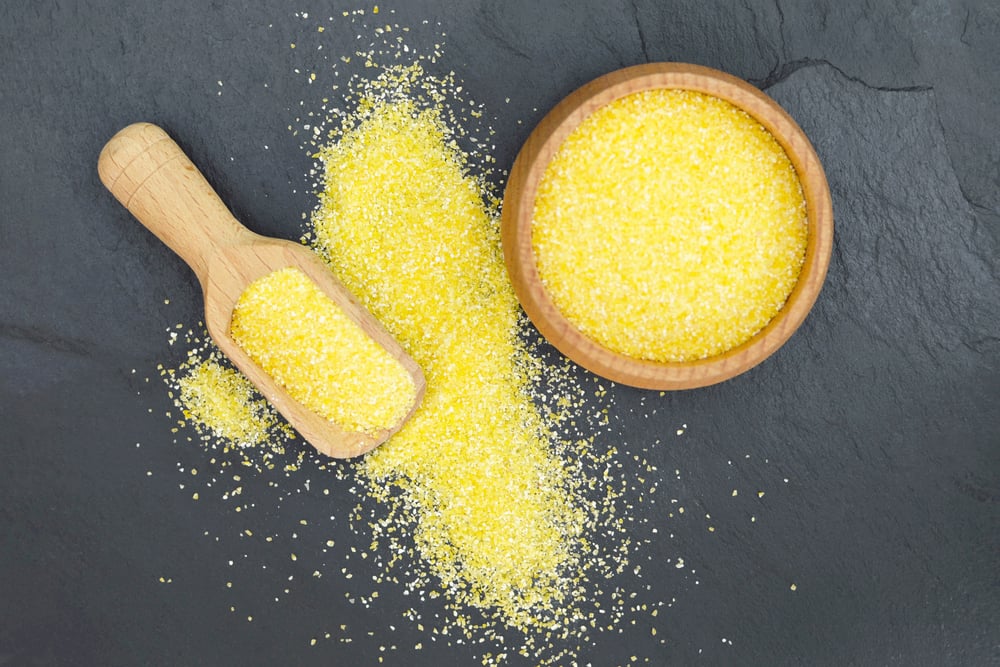
Cornmeal works as a natural ant control method because they can’t properly digest it, causing digestive issues that encourage them to relocate. Sprinkle small amounts near ant hills or trails, but keep it away from areas where children and pets spend time.
The ants will take it back to their colony, solving the problem at its source.
Use dish soap spray solutions
A simple mixture of liquid dish soap and water creates a slippery surface that ants can’t navigate while also suffocating any insects it contacts directly. Mix one tablespoon of dish soap with a pint of water and spray it on trails and entry points.
The soap residue continues working long after the initial application dries.
Spread diatomaceous earth barriers
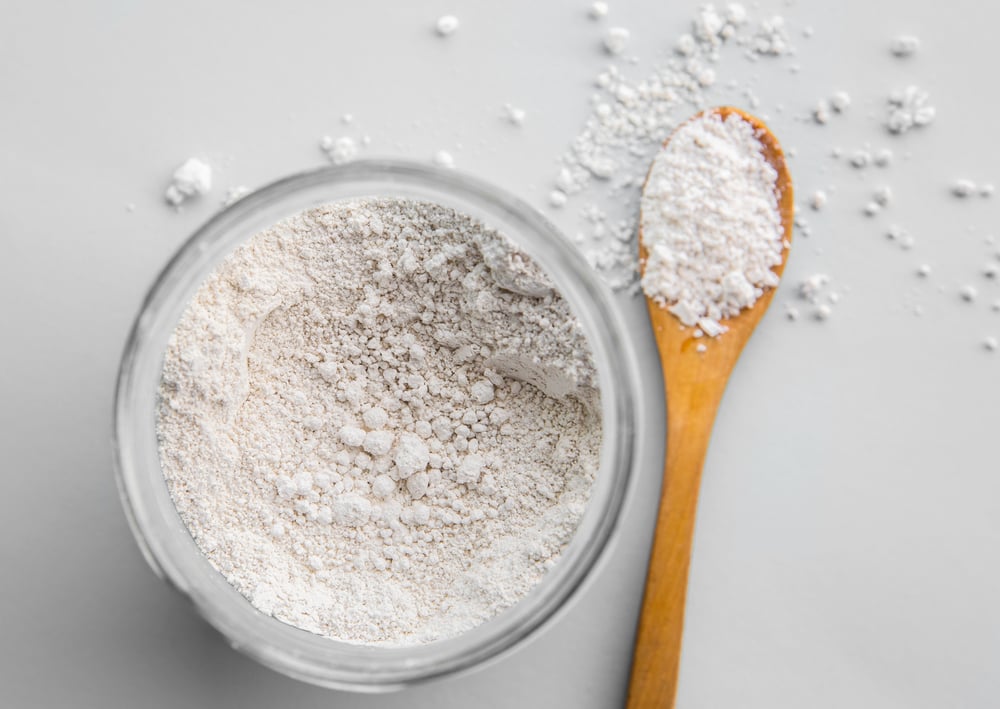
Food-grade diatomaceous earth acts like microscopic glass shards to insects while being completely safe for humans and pets. Dust it lightly around entry points and ant trails—the tiny particles damage their exoskeletons and absorb moisture from their bodies.
It’s nature’s way of creating an impassable desert for unwanted insects.
Position cucumber peels strategically
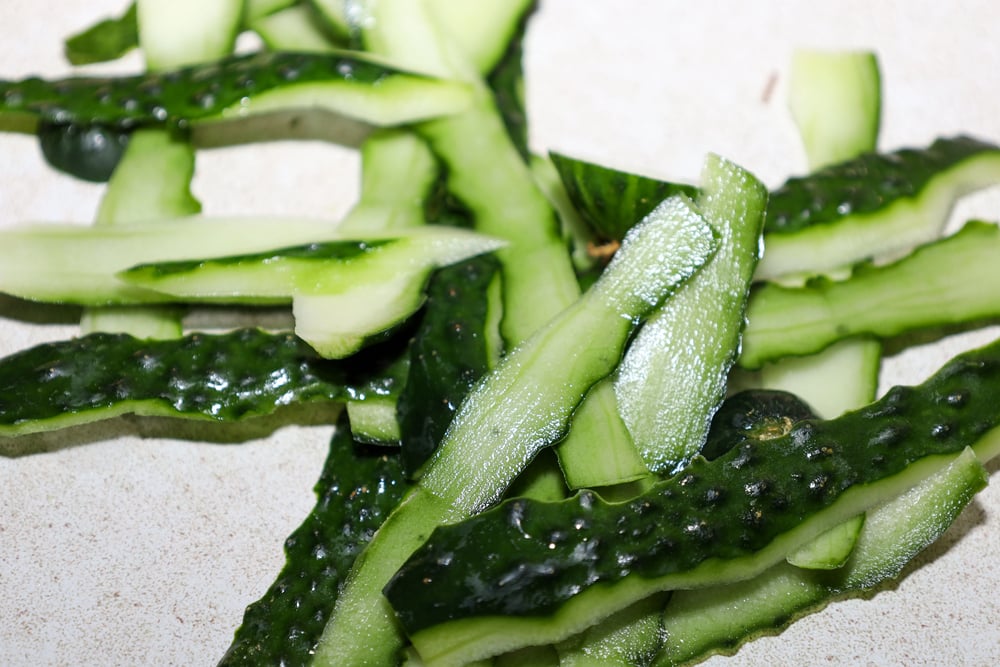
Cucumber peels contain compounds that ants find naturally repulsive, making them an excellent biodegradable deterrent. Place fresh peels near all entry points and replace them every few days as they dry out.
This method works especially well in kitchens where the peels blend in naturally with regular food preparation waste.
Apply petroleum jelly barriers
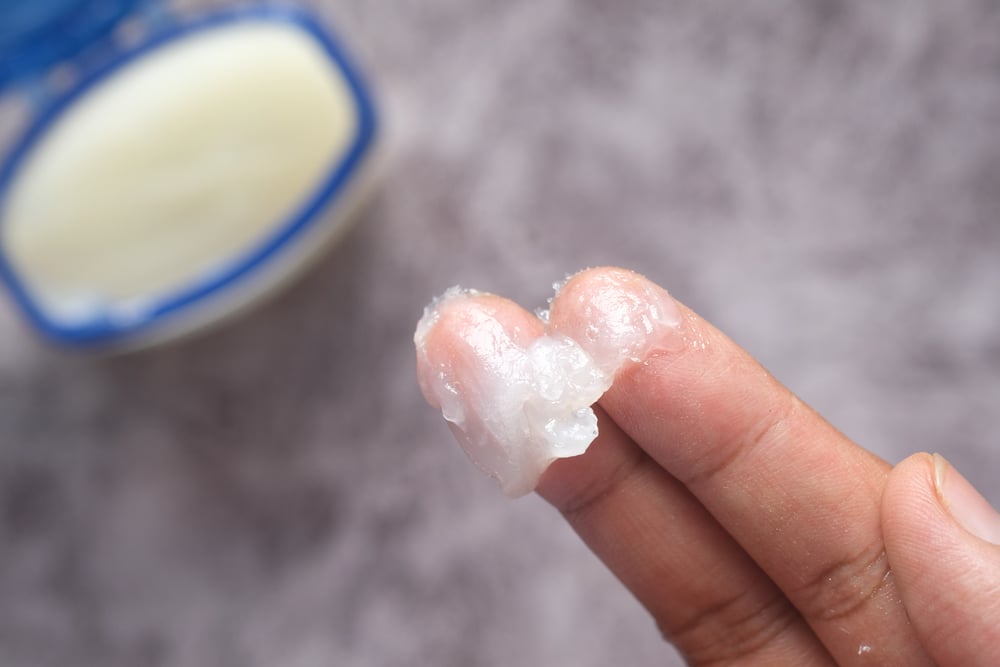
Petroleum jelly creates an impassable sticky trap that ants can’t cross, making it perfect for protecting specific items like pet food bowls or plant pots. Apply a thin ring around the base of whatever you want to protect.
It’s like creating a moat that ants simply cannot bridge, no matter how determined they are.
Use baking soda and powdered sugar mixture
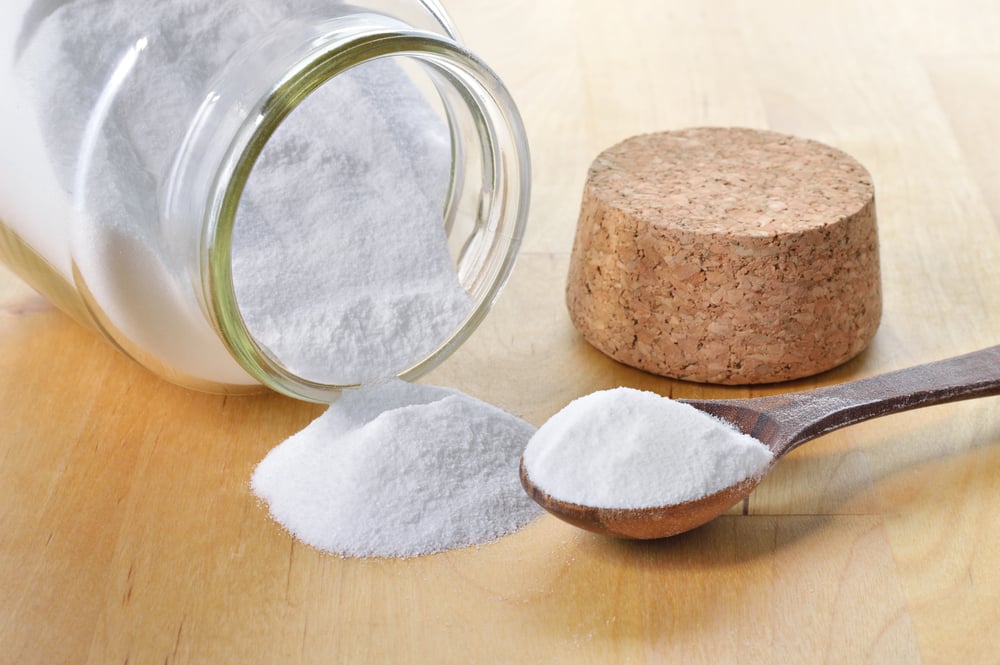
This combination exploits ants’ inability to process baking soda properly—they’re attracted to the sugar, but the baking soda causes fatal digestive reactions. Mix equal parts of both ingredients and place small amounts near ant trails, away from children and pets.
The sweet attraction leads to a permanent solution to your ant problem.
Deploy bay leaves in storage areas
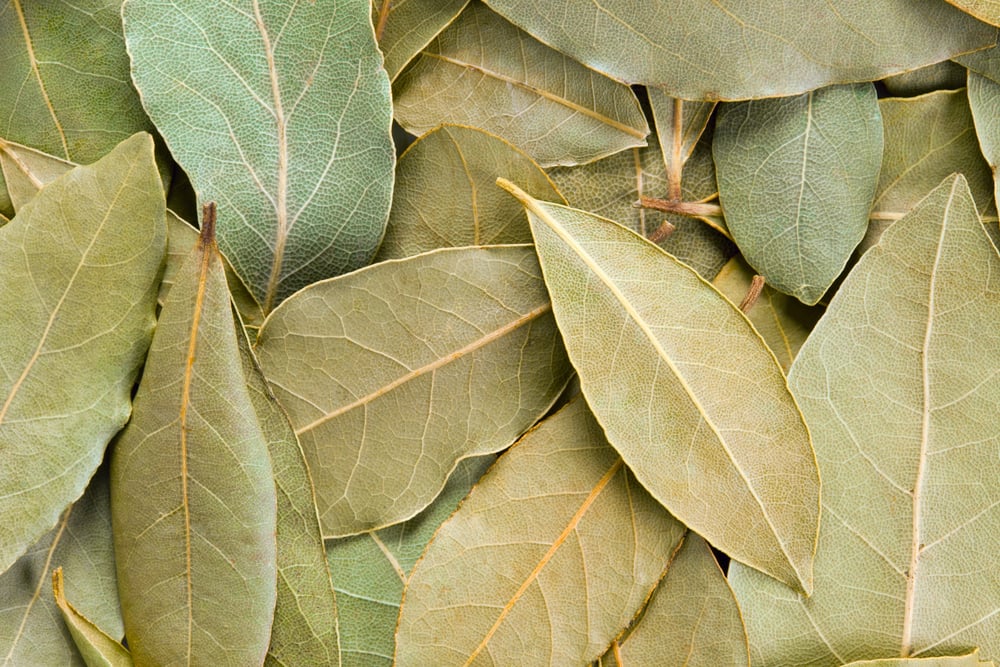
Bay leaves release compounds that ants find overwhelming, making them excellent natural repellents for pantries and storage areas. Tuck whole bay leaves into the corners of cabinets, behind appliances, and near food storage containers.
Replace them monthly to maintain their potency—the oils in fresh leaves are what keep ants at bay.
Create borax and sugar bait stations
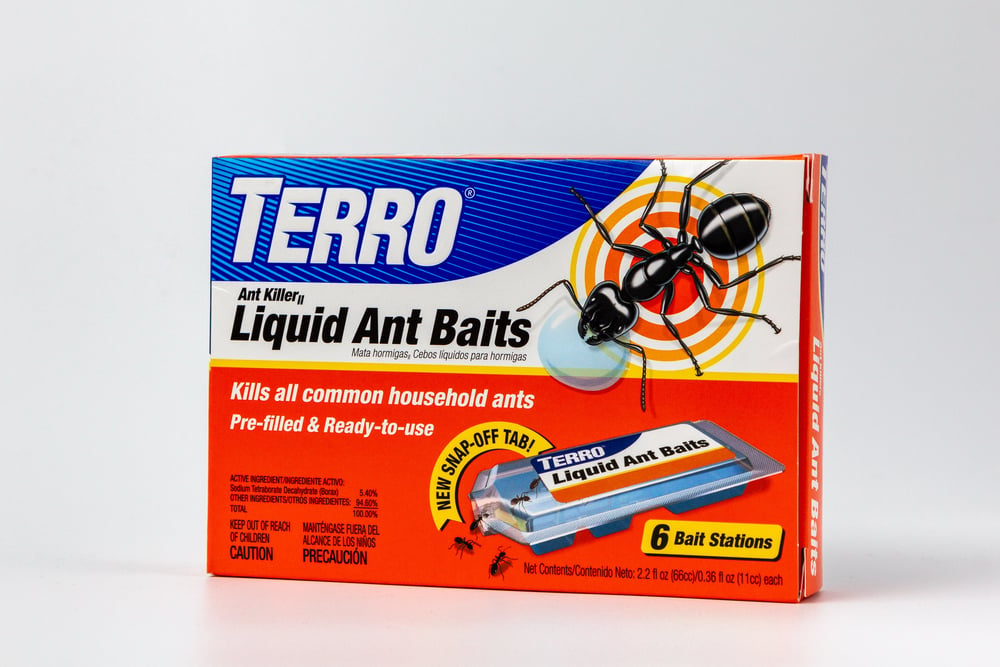
Borax mixed with sugar creates an effective bait that ants carry back to their colony, eliminating the problem at its source. Mix three parts sugar with one part borax and place in bottle caps or small containers near ant trails.
Keep these stations away from children and pets, as borax can be harmful if ingested by mammals.
Spray soapy water directly on trails
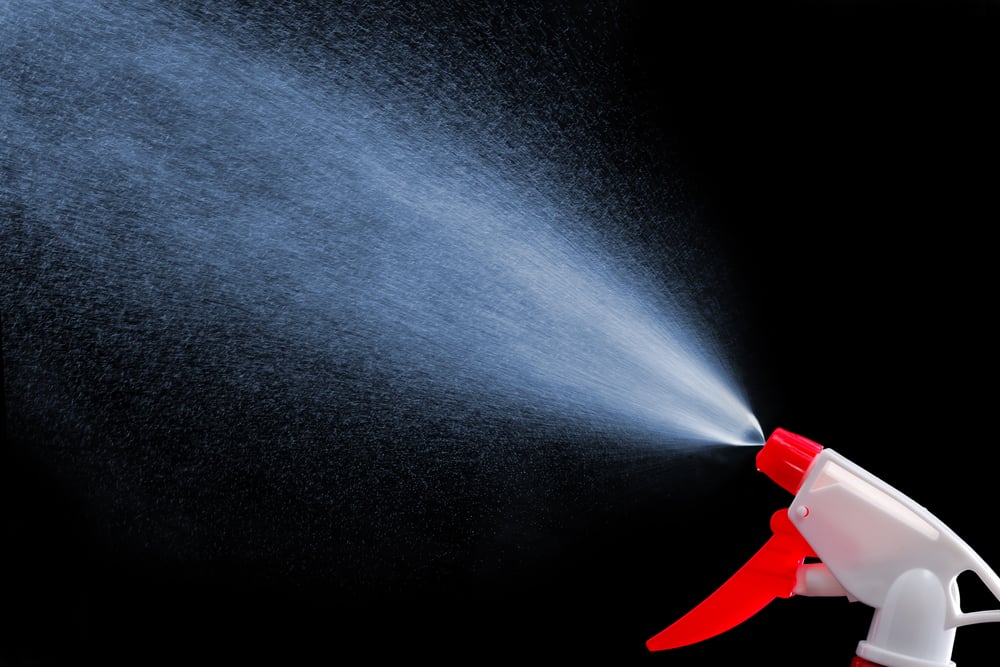
A potent mixture of liquid soap and water applied directly to ant trails immediately disrupts their chemical communication system. Use about two tablespoons of dish soap per cup of water and spray generously on active trails.
This instant method stops current ant activity while preventing future trail formation in the same areas.
Reclaiming your space naturally

The most effective approach is to combine these remedies in order to create multiple layers of ant deterrent that ants can’t just circumvent. What makes these home remedies so powerful is that they work with the behavior of ants, not in opposition to it, knowing that ants rely on scent, texture, and chemical signals to navigate around your premises.
Many people discover that after they have installed these natural barriers, ants get into the habit of avoiding their homes entirely, venturing out instead in search of easier prey elsewhere. Your kitchen can be a place of human food preparation once more rather than an ant highway system.
More from Go2Tutors!

- The Romanov Crown Jewels and Their Tragic Fate
- 13 Historical Mysteries That Science Still Can’t Solve
- Famous Hoaxes That Fooled the World for Years
- 15 Child Stars with Tragic Adult Lives
- 16 Famous Jewelry Pieces in History
Like Go2Tutors’s content? Follow us on MSN.