Things Every ’70s Teen Did the Day They Got a Driver’s License 1970s America
There’s a specific kind of freedom that exists only once — the moment a sixteen or seventeen-year-old in 1970s America walked out of the DMV with a laminated card and the sudden, staggering realization that nobody could tell them where to go anymore. Not their parents, not the school bus schedule, not the neighbor who offered rides that came with unsolicited life advice.
The car was theirs. The road was open.
And the afternoon stretched out like something that had never existed before and would never exist quite the same way again.
What happened next followed a pattern so consistent across every suburb, small town, and city block in America that it might as well have been an unwritten ritual — passed down not through words but through the sheer gravitational pull of being young and newly, terrifyingly free.
Took The Car Out Alone Before Anyone Could Change Their Mind
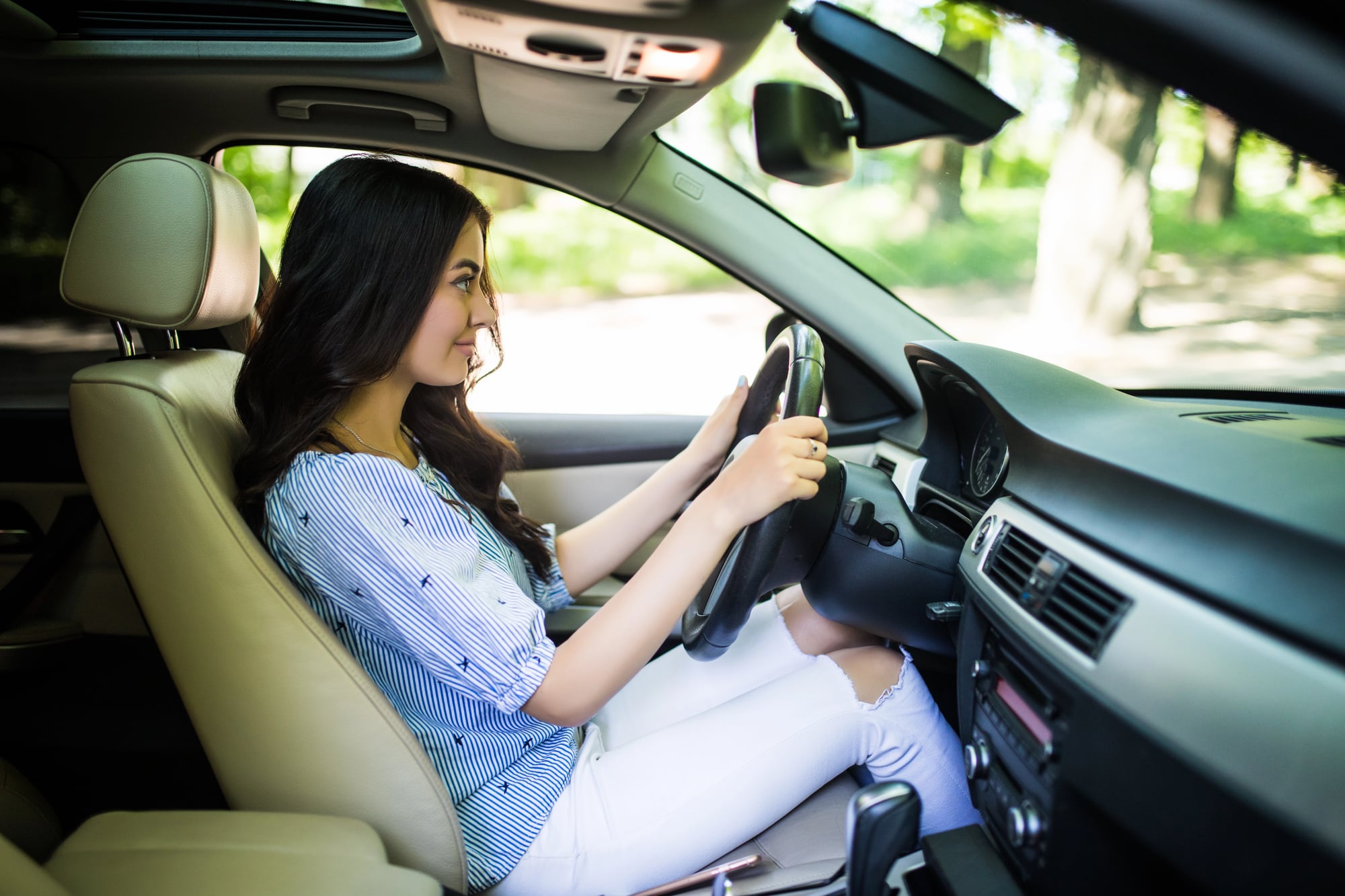
The license wasn’t even dry before the keys were in the ignition. No destination, no errand, no excuse needed — just the need to prove that the thing was real, that the card in the wallet actually meant something.
So they drove, sometimes just around the block, sometimes for an hour, indifferent to direction and completely absorbed in the fact that they were doing it alone.
Cruised The Main Strip
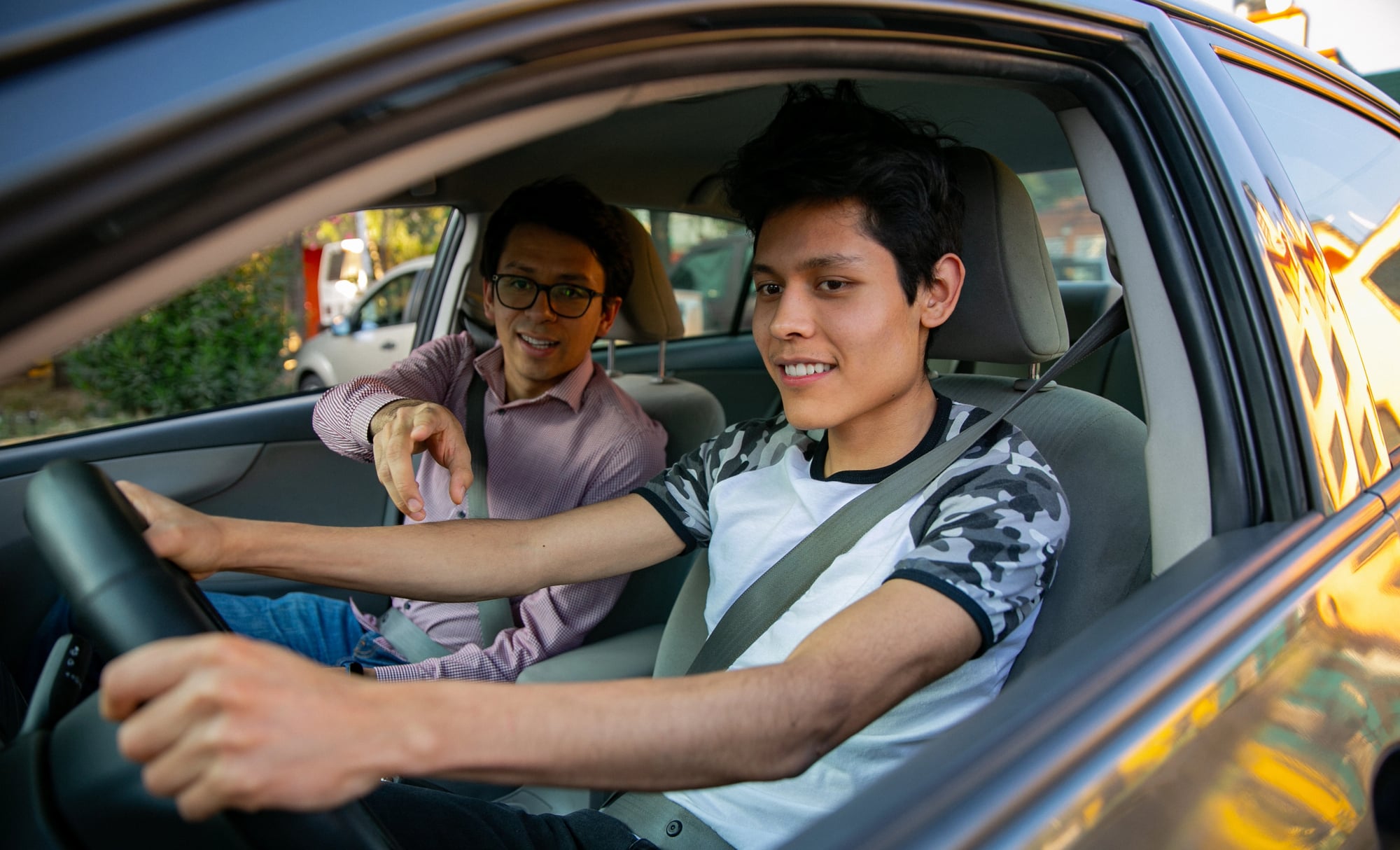
Every town had one — the stretch of road where teenagers drove slow on purpose, windows down, radio loud enough to announce their presence to anyone within half a mile. Cruising the main strip wasn’t transportation; it was theater, a slow-rolling declaration that a new driver had entered the scene.
And on that first night with a license, the strip felt less like a road and more like a stage that had been waiting for them specifically.
Picked Up Friends Immediately
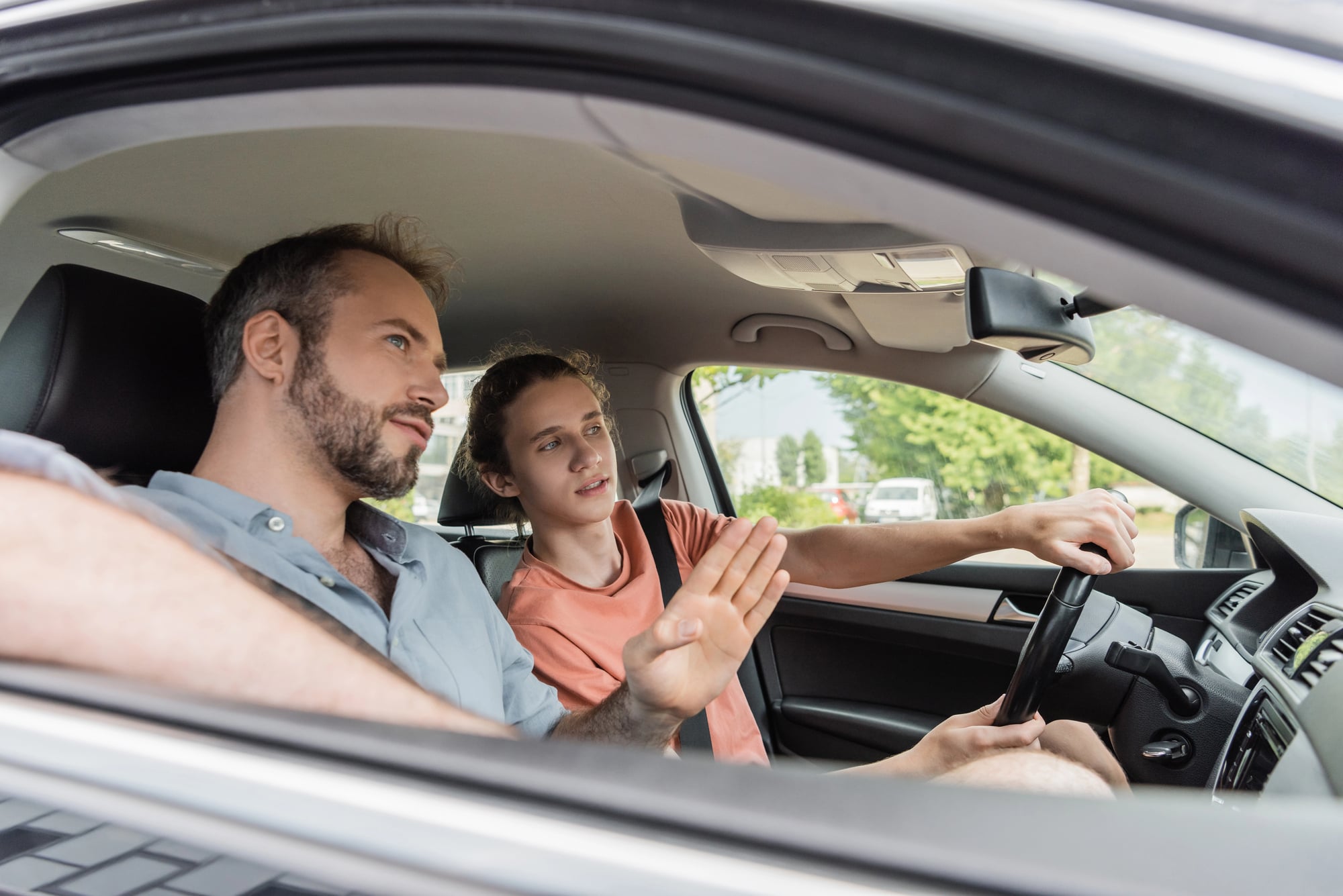
The phone rang the second they got home — or more accurately, they were the one making the calls. A new driver in a social circle was a resource, a lifeline, a mobile solution to the problem of being fifteen miles from anything interesting, and every friend within calling distance knew it.
There was something almost ceremonial about that first carload: everyone piling in, someone claiming the passenger seat before the others could, the windows going down before the car even backed out of the driveway.
Blasted The Radio At Full Volume
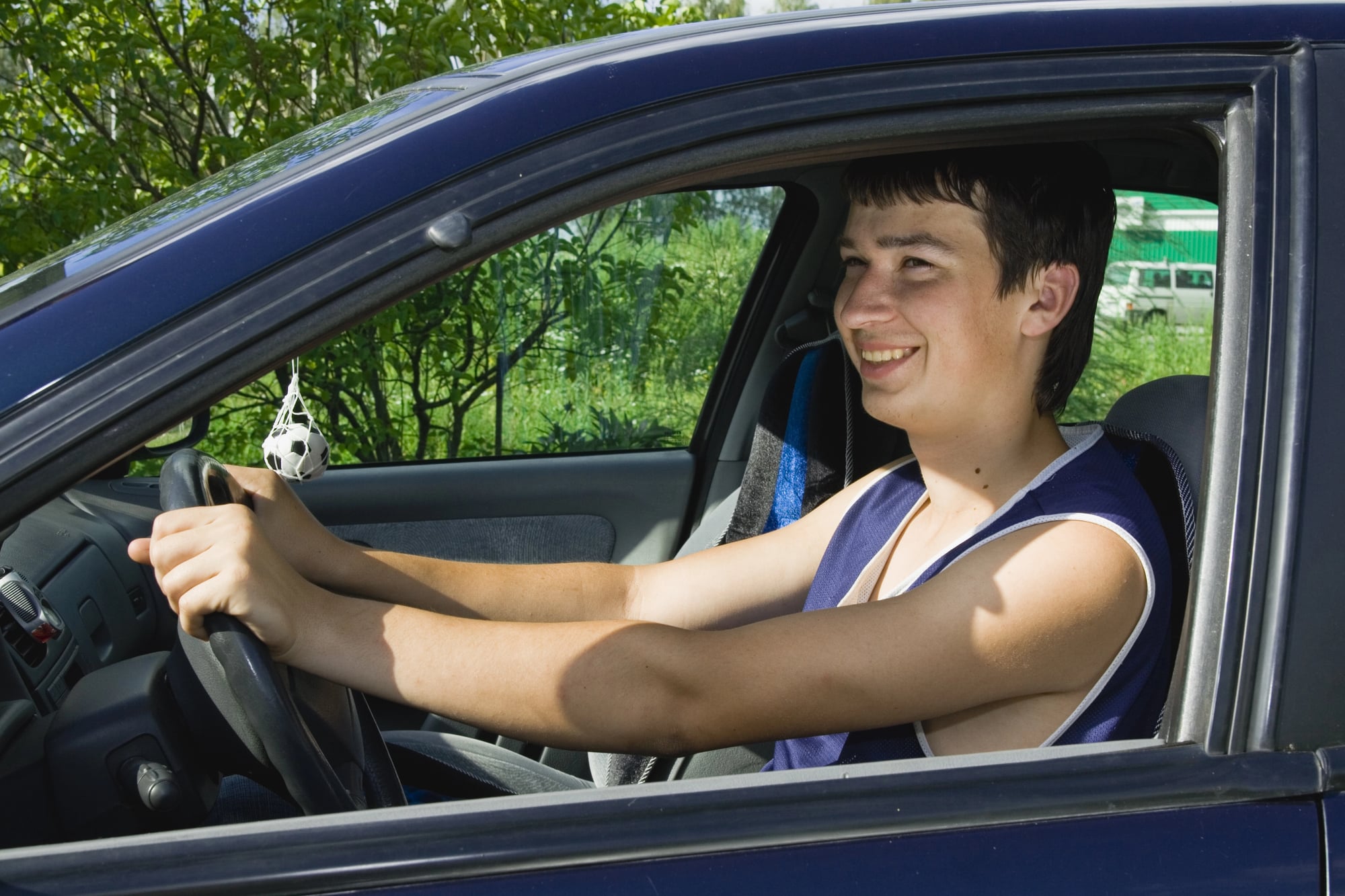
This is non-negotiable, and it always was. The moment a teenager was alone in a car — truly alone, accountable to nobody — the volume knob went as far right as it would go.
In 1974, that meant Led Zeppelin, Stevie Wonder, or whatever AM station was loud enough to rattle the rearview mirror, and the experience of hearing music at that volume, in that specific context, was categorically different from hearing it anywhere else.
Drove Past Someone They Had A Crush On
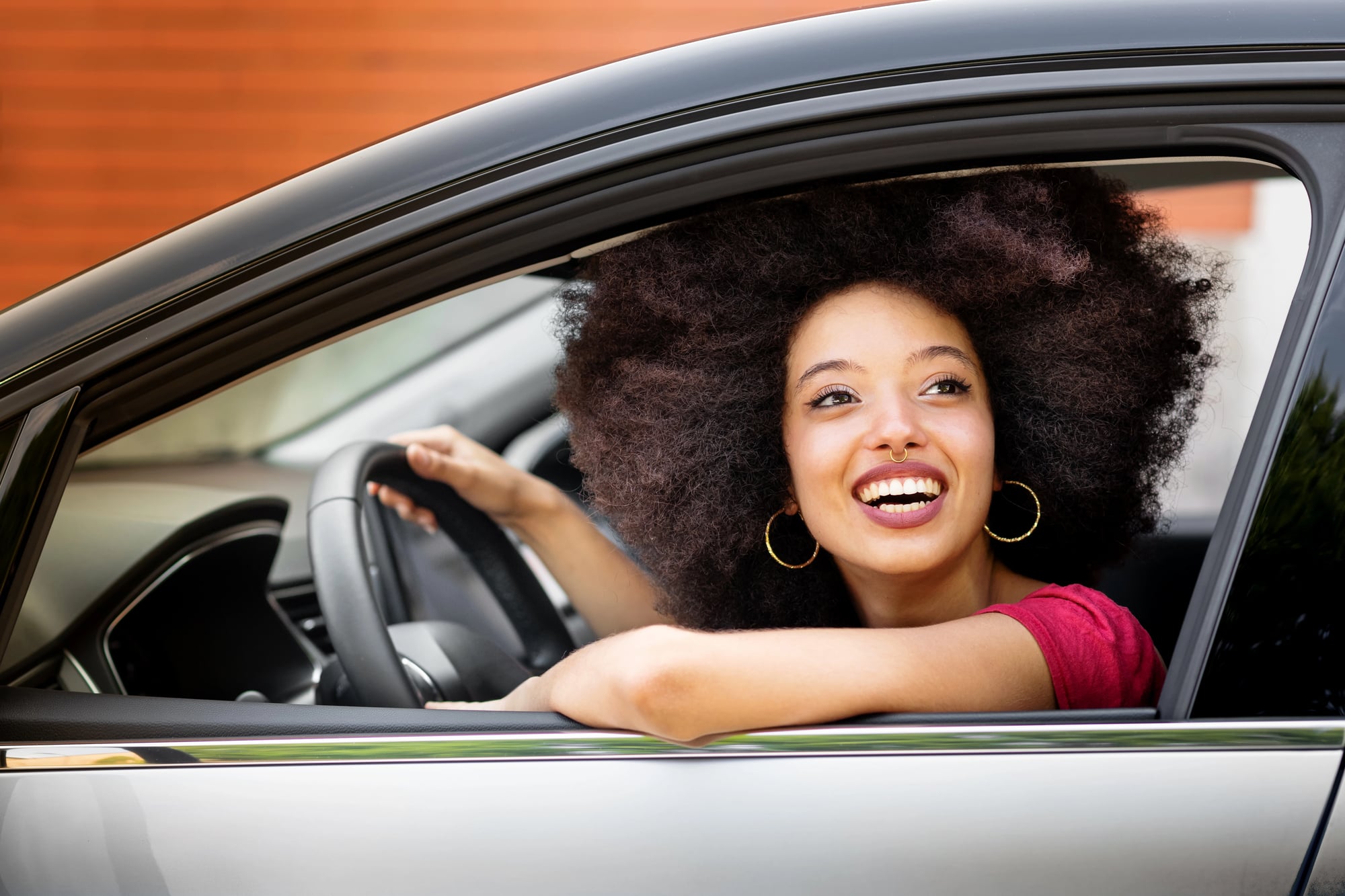
The license opened up a specific kind of social maneuver that had previously been unavailable: the low-speed drive-by. It required knowing which house belonged to which person, a plausible excuse for being in that neighborhood, and the ability to appear completely casual while doing something that required absolute precision.
Most teenagers executed this maneuver within the first forty-eight hours of getting their license, and the success rate was, to be fair, questionable at best.
Stopped At A Drive-In Restaurant
Drive-ins in the 1970s were still a genuine institution — the kind of place where a carhop might actually skate out to your window and hang a tray on the door. Pulling into one for the first time as the driver, rather than the passenger, carried a different weight: suddenly you were the one ordering, the one responsible for the tray, the one who had to figure out where to set the Coke so it wouldn’t tip.
It was a small thing, and somehow it wasn’t small at all — it was the first version of a dozen adult transactions that were quietly lining up ahead.
Tested The Car’s Limits Somewhere Empty
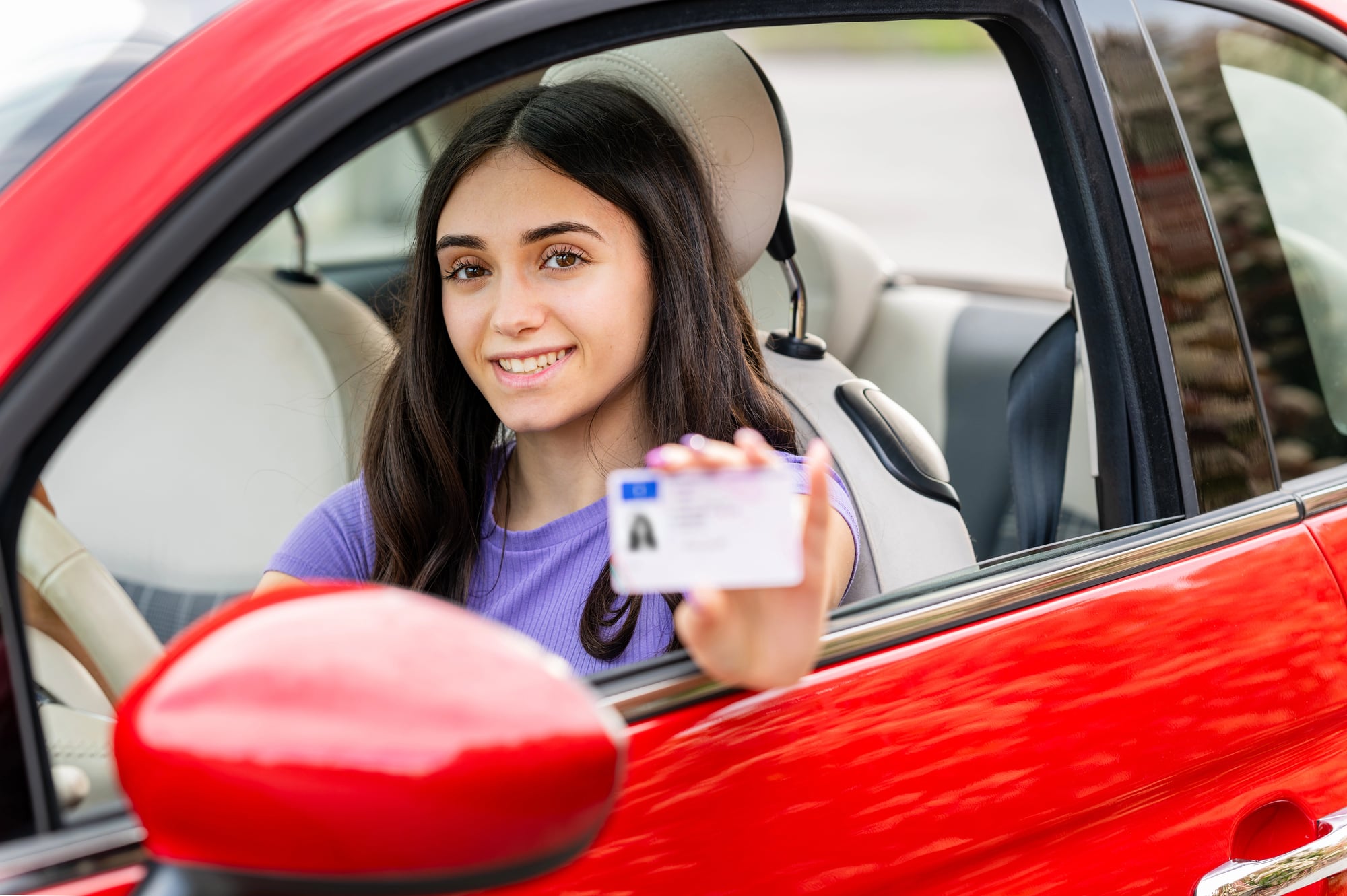
Every newly licensed teenager in the ’70s found a parking lot, a country road, or a stretch of industrial nothing and did something their parents would have objected to strongly. Sometimes it was seeing how fast the car could accelerate, sometimes it was a sharp turn taken faster than necessary — the point wasn’t recklessness exactly, it was calibration: figuring out where the edges were before they showed up uninvited.
The car became a physical fact rather than an abstraction the moment it pushed back.
Parallel Parked Somewhere Unnecessary
Parallel parking is the one skill the driving test demands that teenagers immediately feel the need to perform in public, unprompted. Having just demonstrated it successfully under pressure — probably on a quiet residential street with a DMV examiner sitting six inches away making notes — a newly licensed driver in 1975 would spot an open stretch of curb outside a record store or a diner and commit to it with an intensity the situation did not require.
It was proof, mostly to themselves, that the test hadn’t been a fluke.
Bought Gas For The First Time
There is something quietly disorienting about the first solo gas station visit — the way a mundane transaction suddenly announces that you are now a person who manages a vehicle, which is a machine that costs money to run, which belongs to your parents and is running on their goodwill as much as their fuel. In the early ’70s, full-service stations were still common enough that an attendant might fill the tank for you, but the bill still landed in your hands, and the math of miles per gallon made itself relevant for the first time.
So you paid, and something small but real shifted.
Drove To A Friend’s House Instead Of Calling
Before the license, making plans required a phone call, parental approval, and usually a negotiated ride. After the license, it was possible to simply appear — to pull into someone’s driveway unannounced because the option now existed and the novelty of exercising it hadn’t worn off yet.
The friend’s parents, almost universally, reacted with a combination of mild surprise and the dawning awareness that the neighborhood’s social dynamics had just permanently rearranged themselves.
Stayed Out Later Than Intended
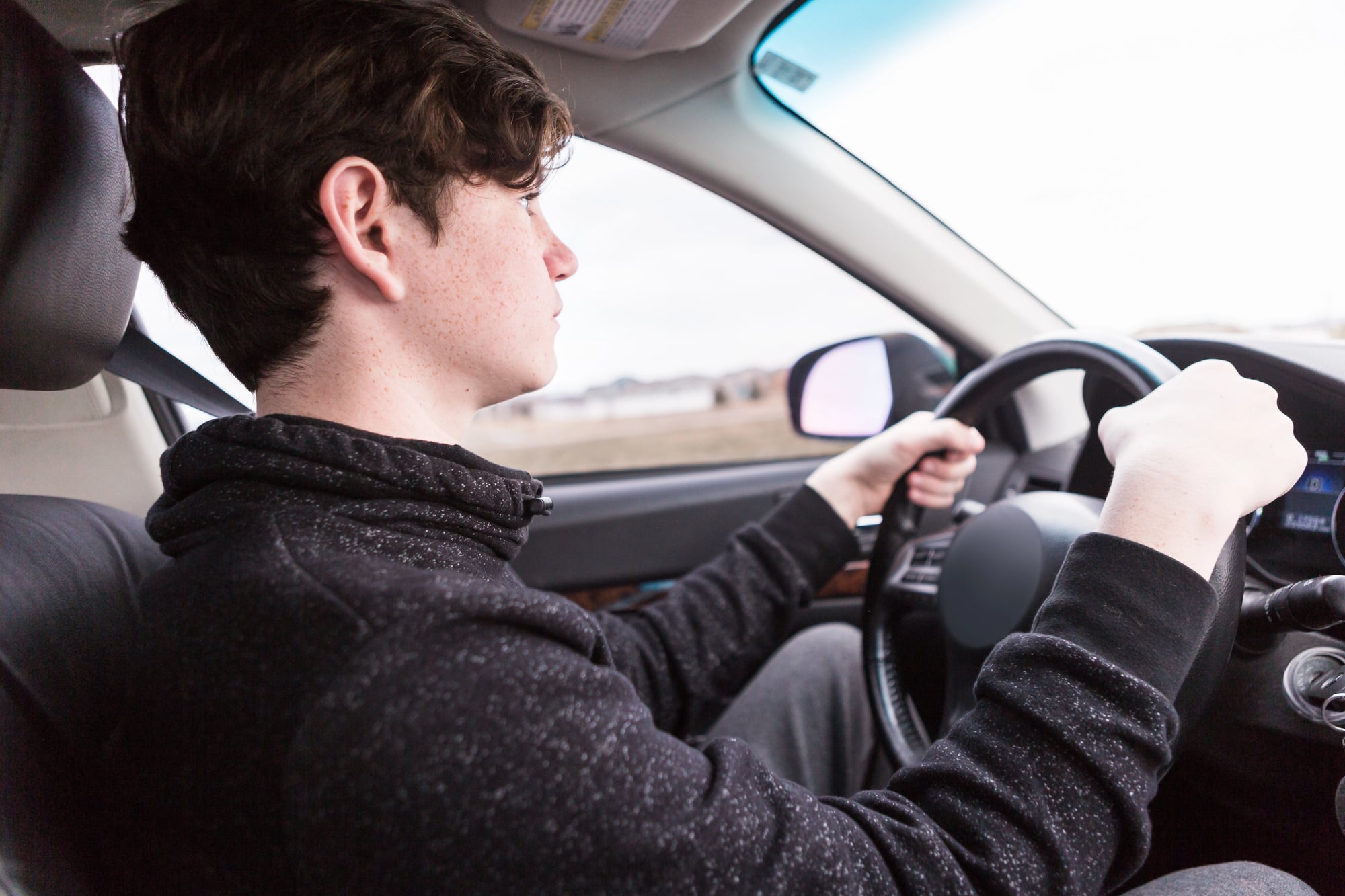
Curfew was a concept that applied to pedestrians and people dependent on parental transportation. A teenager with a license discovered, on the very first night of having one, that time moved differently behind the wheel — that what felt like forty minutes of driving around with friends was actually two and a half hours, and that the clock on the dashboard was delivering this information considerably after the fact.
The conversation on the way home shifted from wherever it had been to the rapid construction of an explanation that was technically true.
Drove Somewhere Specifically Because They Could
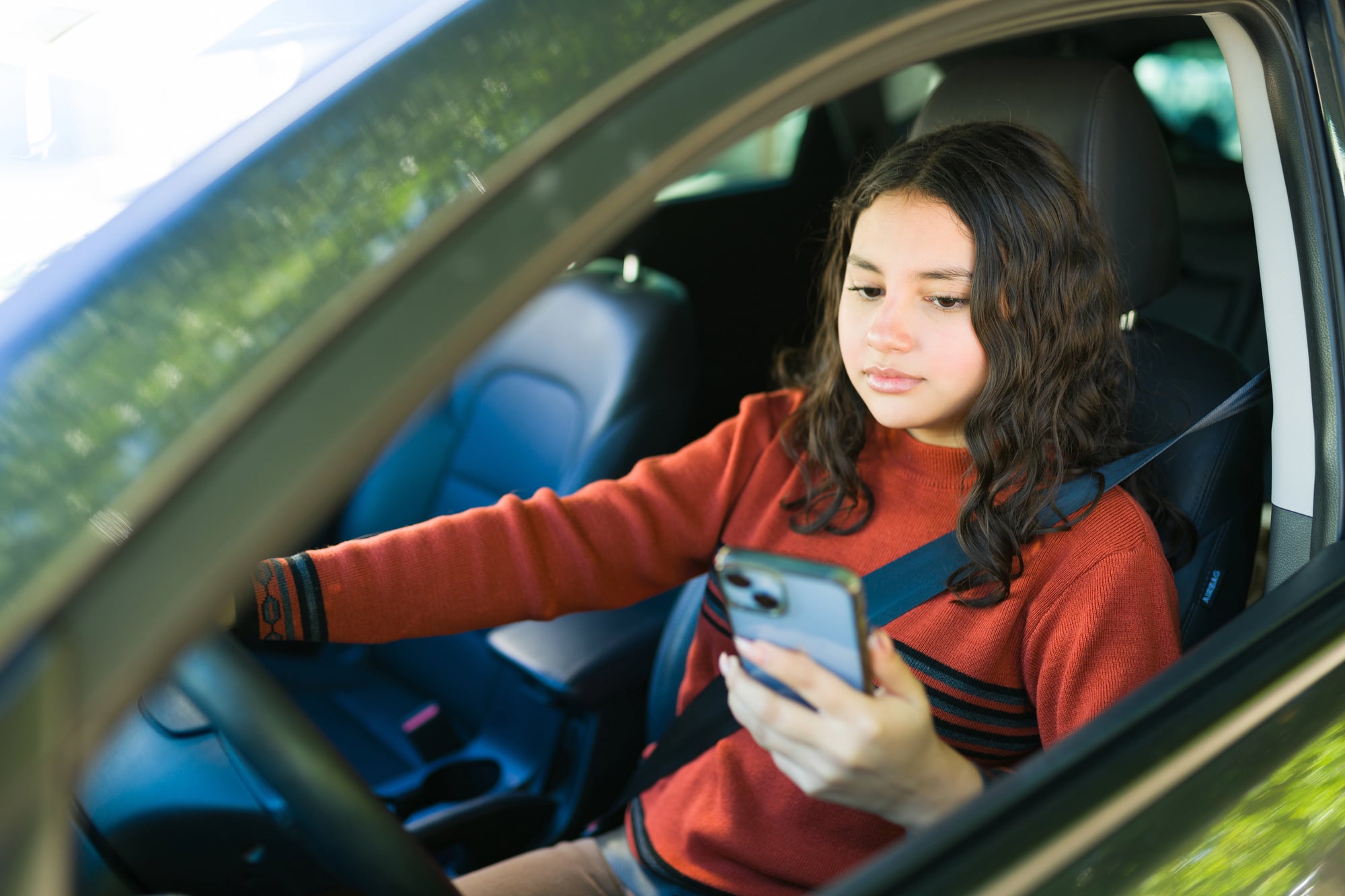
There is a particular kind of trip that has no purpose except the going — no errand at the end, no person waiting, no reason a reasonable adult would accept as sufficient. A teenager with a brand-new license in 1972 might drive twenty miles to a town they’d only ever passed through, just to see it from the driver’s seat, just to order a Coke somewhere they’d never been and sit with the fact of having gotten there themselves.
The destination was never the point; the point was the uninterrupted proof that they could pick one.
Made Their Parents Visibly Nervous In The Passenger Seat

At some point on day one, a parent climbed into the passenger seat — either voluntarily or because an errand needed running — and the experience was mutual and uncomfortable in ways neither party fully acknowledged. The teenager drove carefully, possibly more carefully than they’d driven alone, aware of the silent running commentary happening two feet to their right.
Parents who had been perfectly relaxed in that car for years discovered a new relationship with the dashboard and a sudden, keen interest in the speedometer.
Listened To The Same Song Four Times In A Row
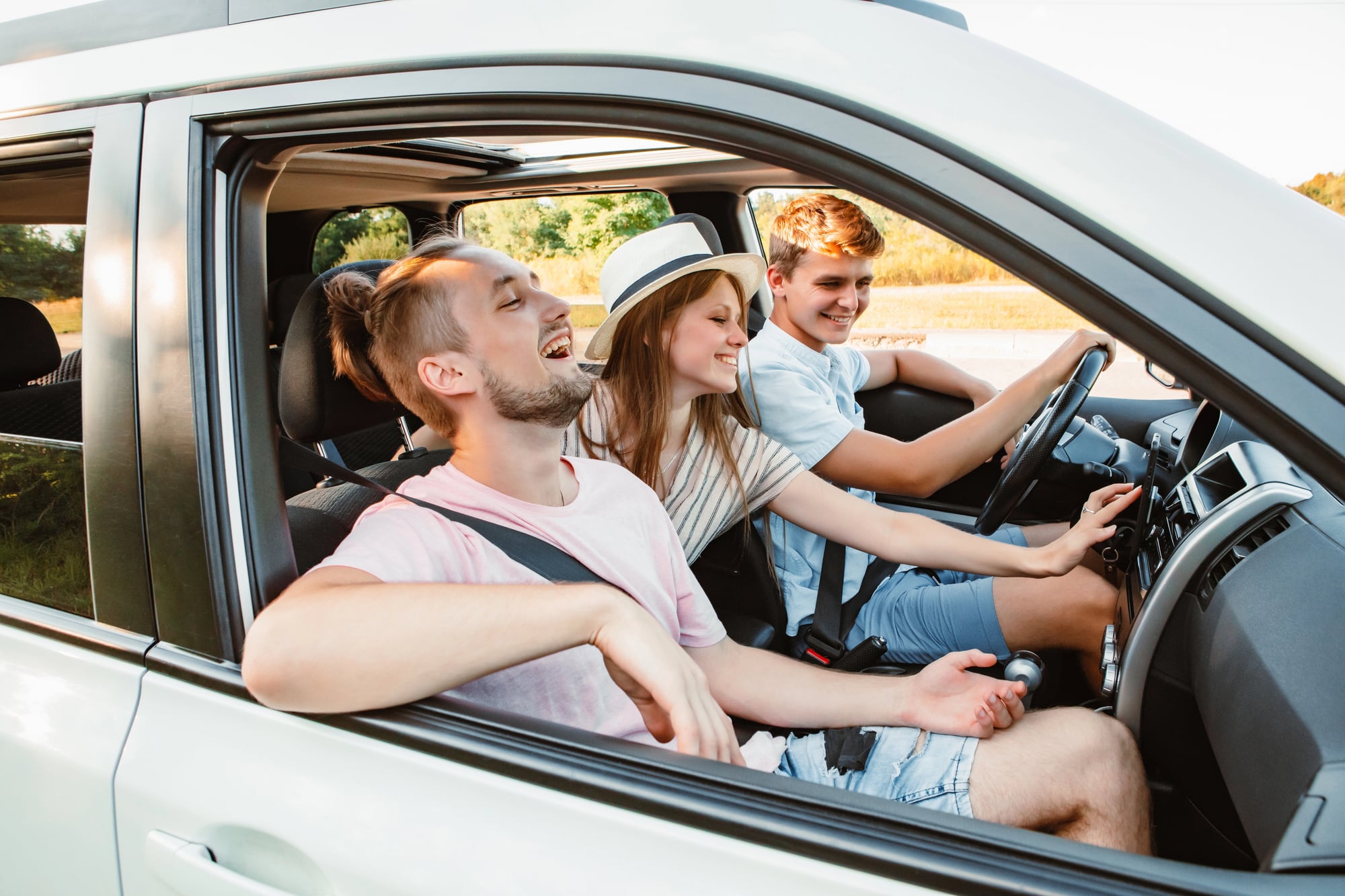
Radio in the ’70s meant you waited for the song you wanted, and when it came on, you turned it up. But with a new license and a car to yourself, the experience of a great song arriving at the right moment felt less like coincidence and more like the universe confirming something.
Some teenagers drove around specifically to catch a replay, turning back toward home only to stay in the car when the song came back around — a loop that made complete sense at seventeen and would have been difficult to explain to anyone who hadn’t been there.
Filled The Tank With Whatever Change They Had
Gas in the early 1970s was cheap enough that a handful of quarters and a crumpled dollar could actually move a car a meaningful number of miles. A newly licensed teenager, operating largely on whatever money they’d accumulated from odd jobs or a part-time shift somewhere, would stop at the station and tell the attendant a dollar amount rather than asking for a fill-up — a habit born not of thrift but of the specific arithmetic of being seventeen and technically solvent.
Two dollars of regular, and the adventure continued.
Drove Past The School

This one didn’t require explanation and never did. School, on any normal day, was the place they were required to be, surrounded by people they hadn’t chosen, operating on a schedule someone else built.
But on the afternoon of getting a license — or the evening, or the weekend — driving past it alone felt like a quiet renegotiation of terms. The building looked different from the driver’s seat: smaller, maybe, or just less permanent than it had seemed from the sidewalk.
Turned The Wrong Way And Kept Going Anyway
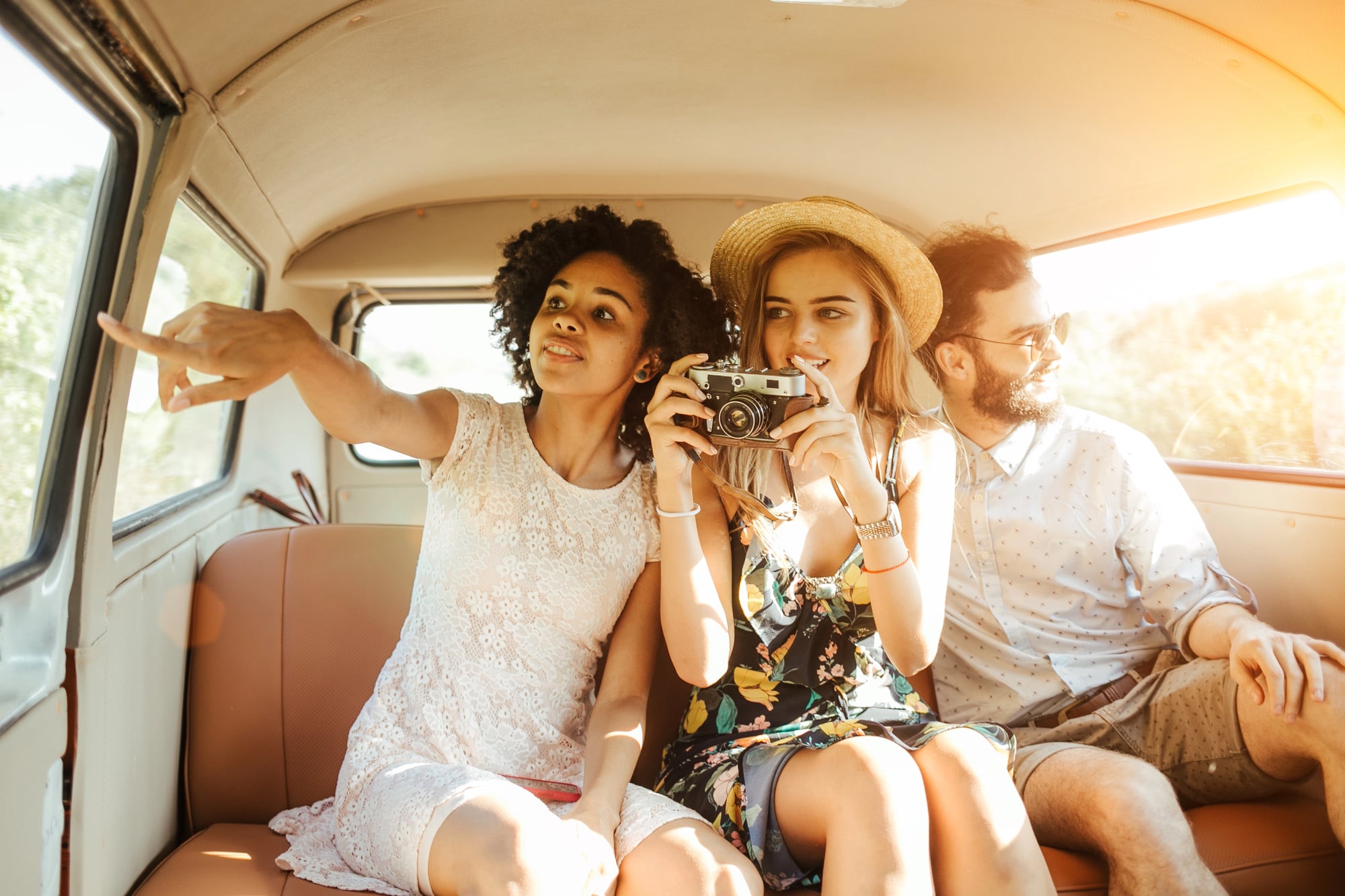
Getting lost as a passenger was frustrating. Getting lost as a driver was, in the ’70s before GPS and before detailed street maps were standard equipment in most family sedans, a genuine possibility that new drivers ran into and mostly handled by continuing forward and hoping for a recognizable intersection.
There was no shame in it — the same teenagers who aced the written test discovered almost immediately that real navigation involved more guesswork than the manual implied, and that most wrong turns eventually corrected themselves if you drove far enough.
Felt, Just For A Moment, Like An Adult
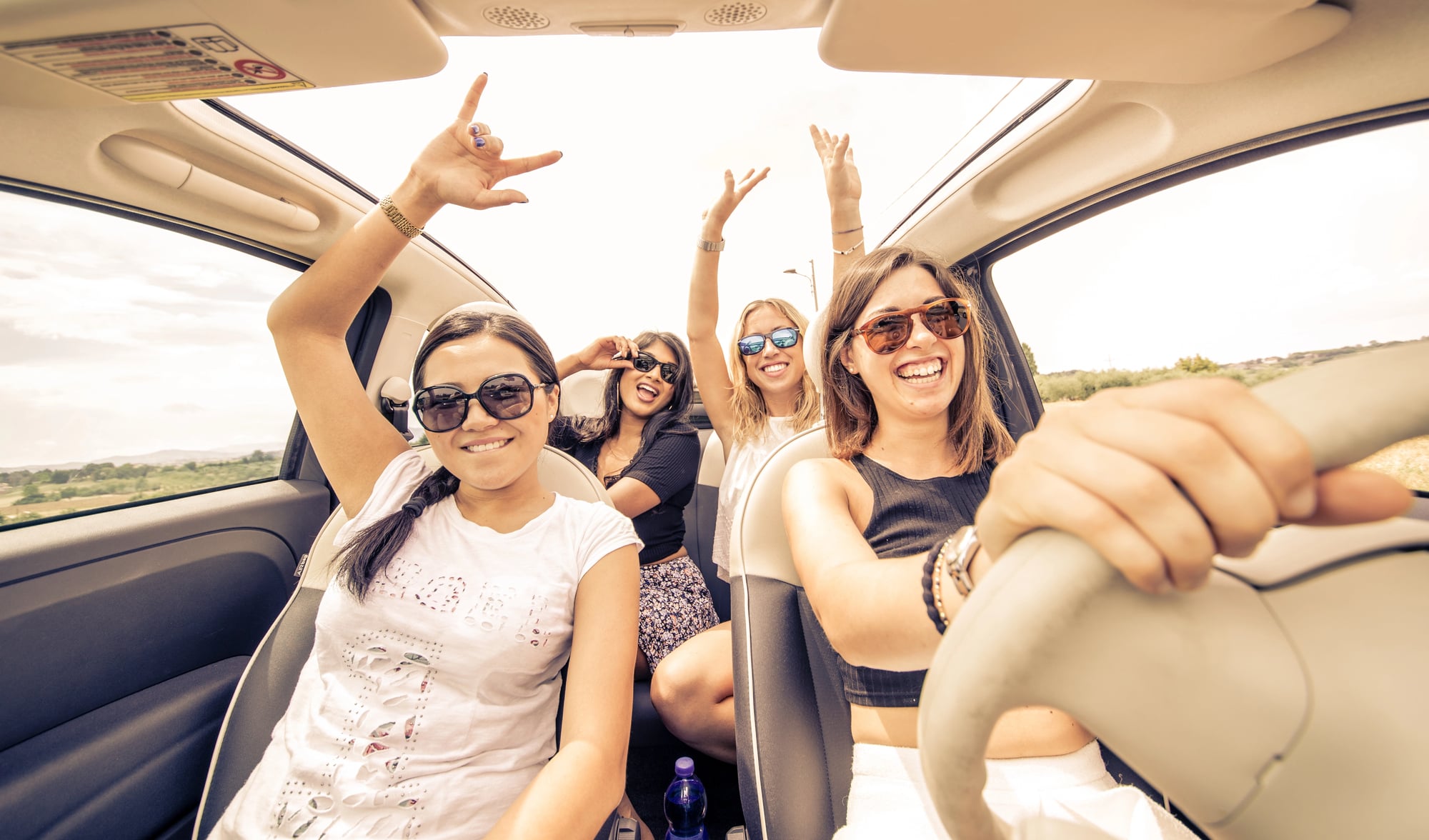
It wasn’t the card itself. It wasn’t even the car. It was a specific instant — maybe at a red light, maybe pulling out of a parking spot, maybe just idling at a familiar intersection and seeing it differently — where the feeling arrived without announcement: that a line had been crossed, quietly and without ceremony, and that the person sitting in the driver’s seat was no longer quite the same one who had been a passenger in this same car for the last decade.
The feeling didn’t last, not in its full concentrated form, but it showed up. And it was real.
The Day The World Got Bigger
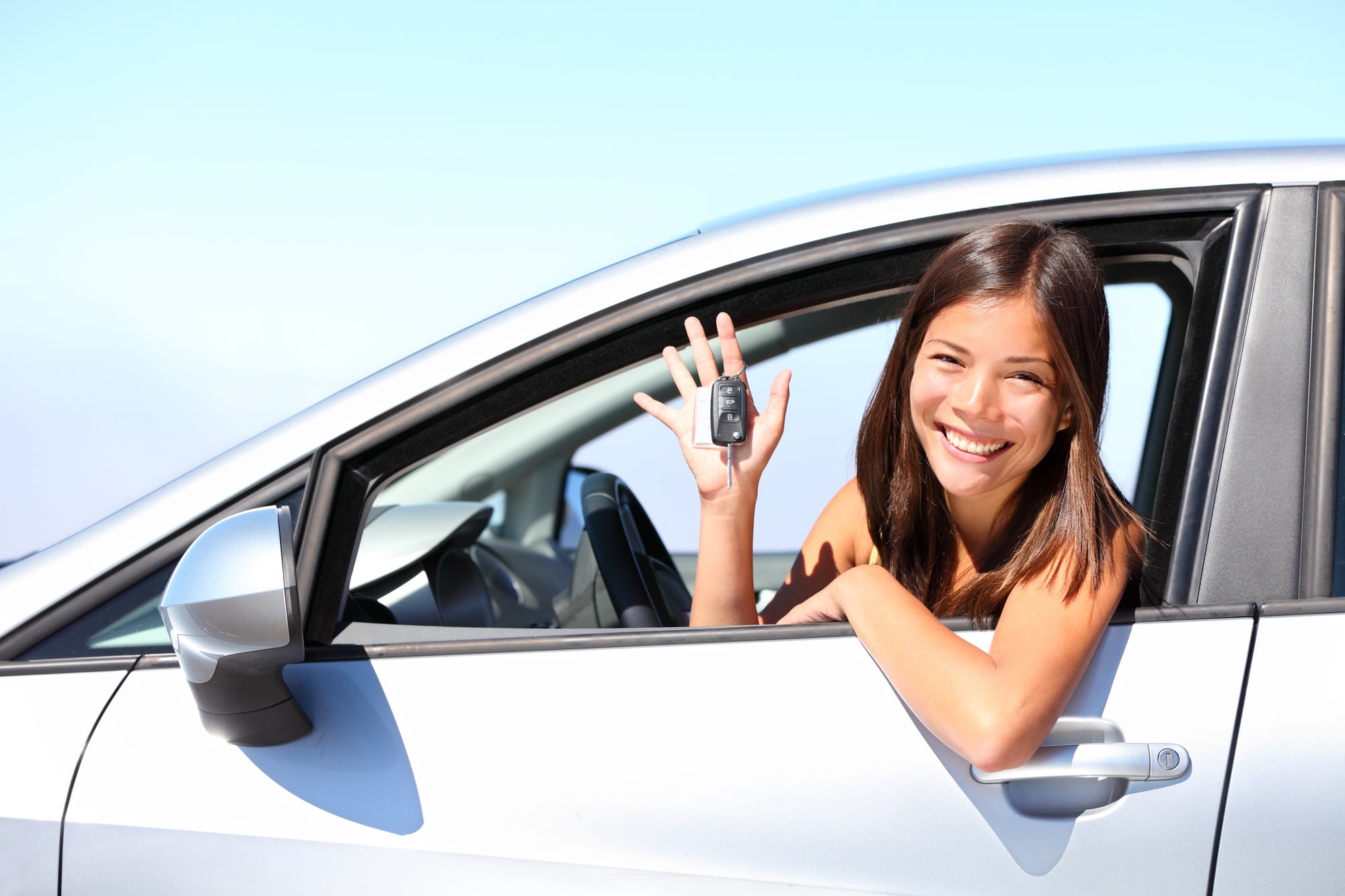
No single afternoon in an American teenager’s life in the 1970s carried more logistical weight than the one that started at the DMV. The license was a laminated rectangle, the car was usually borrowed or inherited or barely functional — and none of that mattered.
What mattered was that the radius of possible life had just expanded in every direction simultaneously, measured not in miles exactly but in the sudden, unnerving sense that the next decision was genuinely yours to make. Generations of ’70s teens felt it on the same day, in the same moment, in thousands of different cars on thousands of different roads — and not one of them forgot it.
More from Go2Tutors!

- The Romanov Crown Jewels and Their Tragic Fate
- 13 Historical Mysteries That Science Still Can’t Solve
- Famous Hoaxes That Fooled the World for Years
- 15 Child Stars with Tragic Adult Lives
- 16 Famous Jewelry Pieces in History
Like Go2Tutors’s content? Follow us on MSN.