25 Draft Night Trades That Completely Backfired
Draft night in professional sports should be a night of hope and calculated risks. Teams spend months evaluating talent, building draft boards, and crafting strategies to improve their future.
Sometimes, though, the pressure of the moment leads to decisions that look questionable immediately and catastrophic in hindsight. The worst draft night trades share a common thread: they sacrifice proven talent or high-value picks for players who never live up to expectations.
These aren’t just minor miscalculations—they’re franchise-altering mistakes that set organizations back years.
Kobe Bryant to Los Angeles
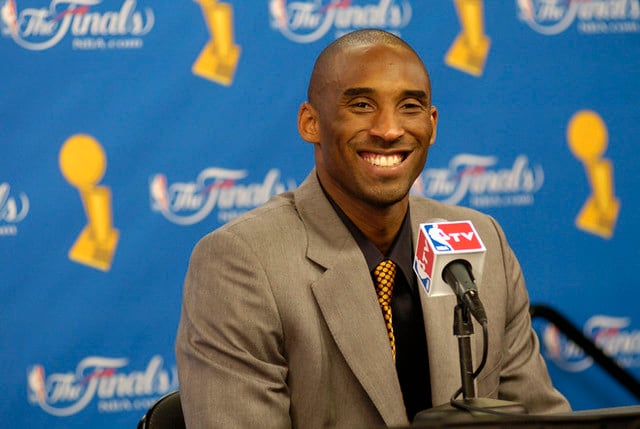
Charlotte drafted Kobe Bryant 13th overall in 1996, then immediately traded him to the Lakers for Vlade Divac. Bryant went on to win five championships and became one of basketball’s greatest players.
Divac played one forgettable season in Charlotte before retiring.
Scottie Pippen to Chicago
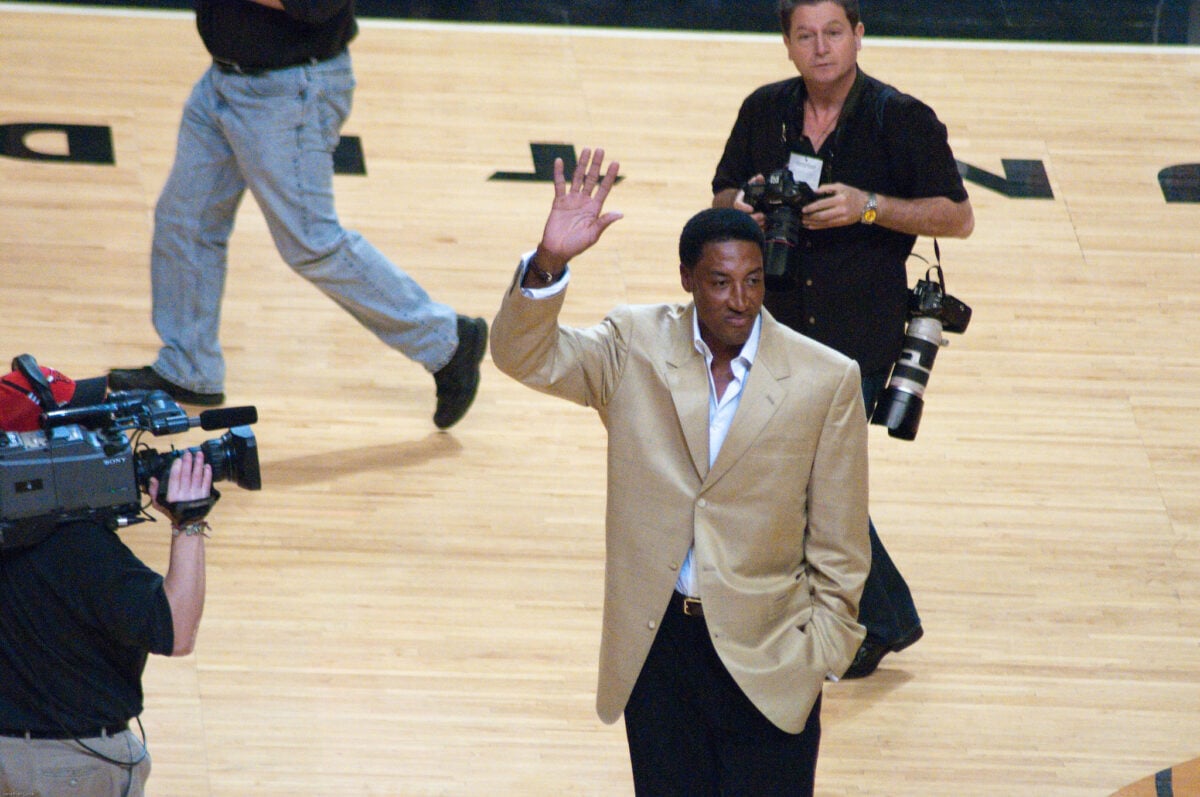
The SuperSonics selected Scottie Pippen fifth overall in 1987, then traded him to Chicago for Olden Polynice and draft considerations. So Seattle essentially gave away (and this is where the timeline gets particularly painful for their fans) one of the greatest two-way players in basketball history for a backup center and pocket change.
Pippen won six championships with Michael Jordan, while Polynice averaged 7.8 points per game in Seattle. And yet the Sonics somehow convinced themselves this was sound basketball logic.
Dirk Nowitzki to Dallas
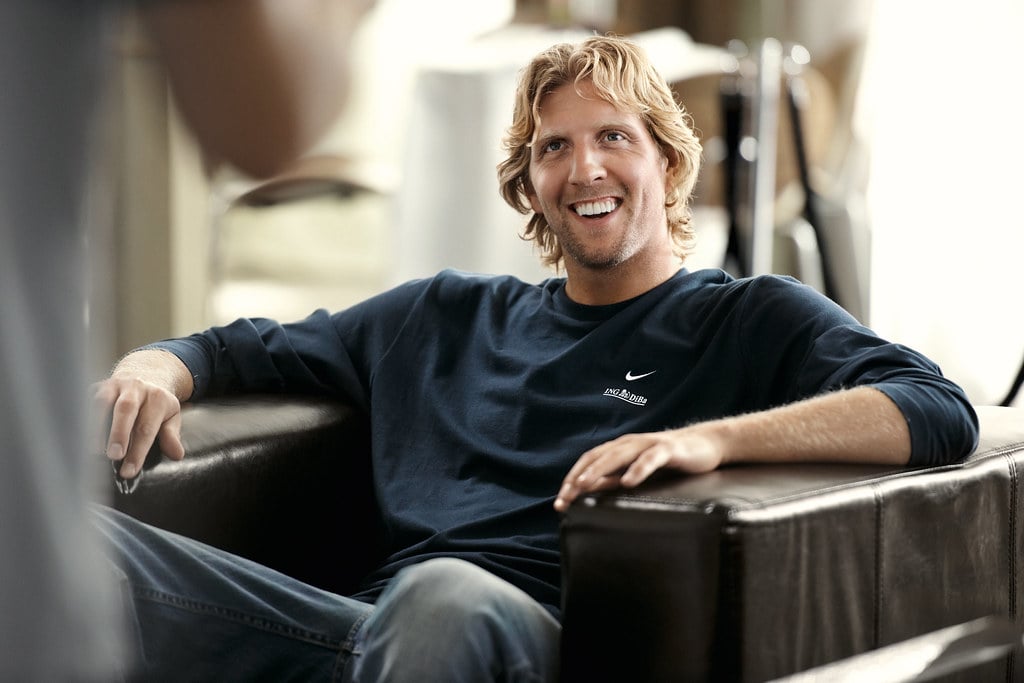
Milwaukee selected Dirk Nowitzki ninth in 1998, then immediately sent him to Dallas for Robert Traylor. Nowitzki revolutionized basketball as a seven-foot shooter and won a championship in 2011.
Traylor’s career was over by age 27.
Penny Hardaway to Orlando
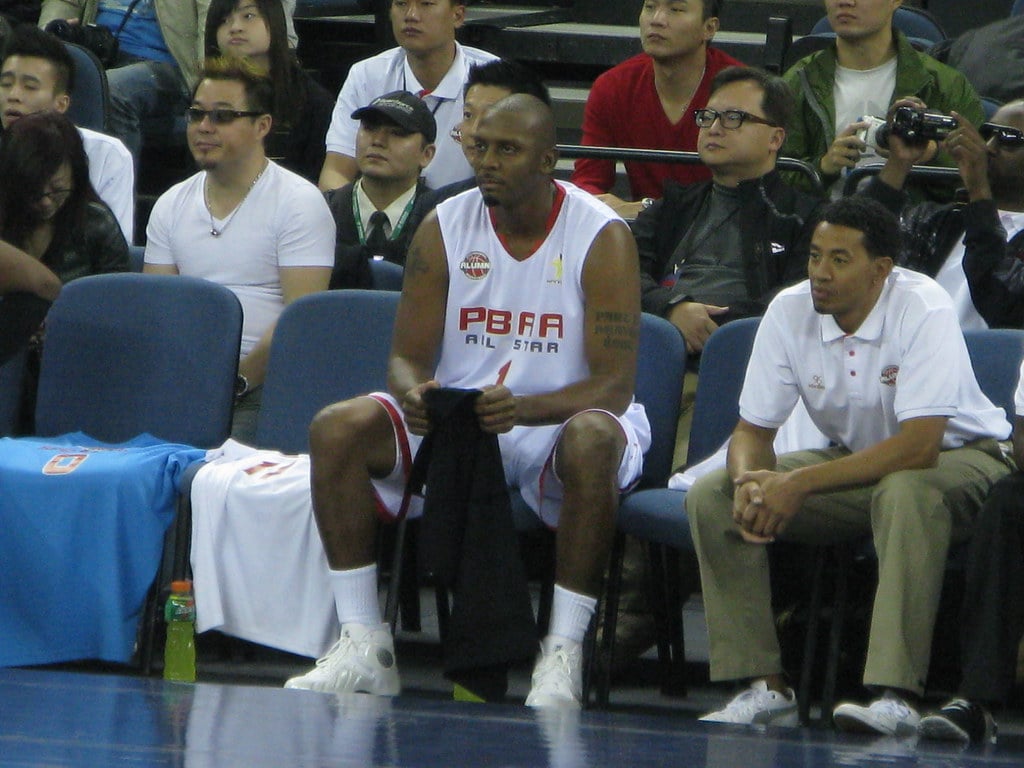
Golden State drafted Chris Webber first overall in 1993, then traded him to Orlando for Penny Hardaway, who the Magic had selected third overall. Hardaway became a superstar point guard, while Webber lasted exactly one season with the Warriors.
The trade haunted Golden State for years.
Robert Parish and Kevin McHale to Boston
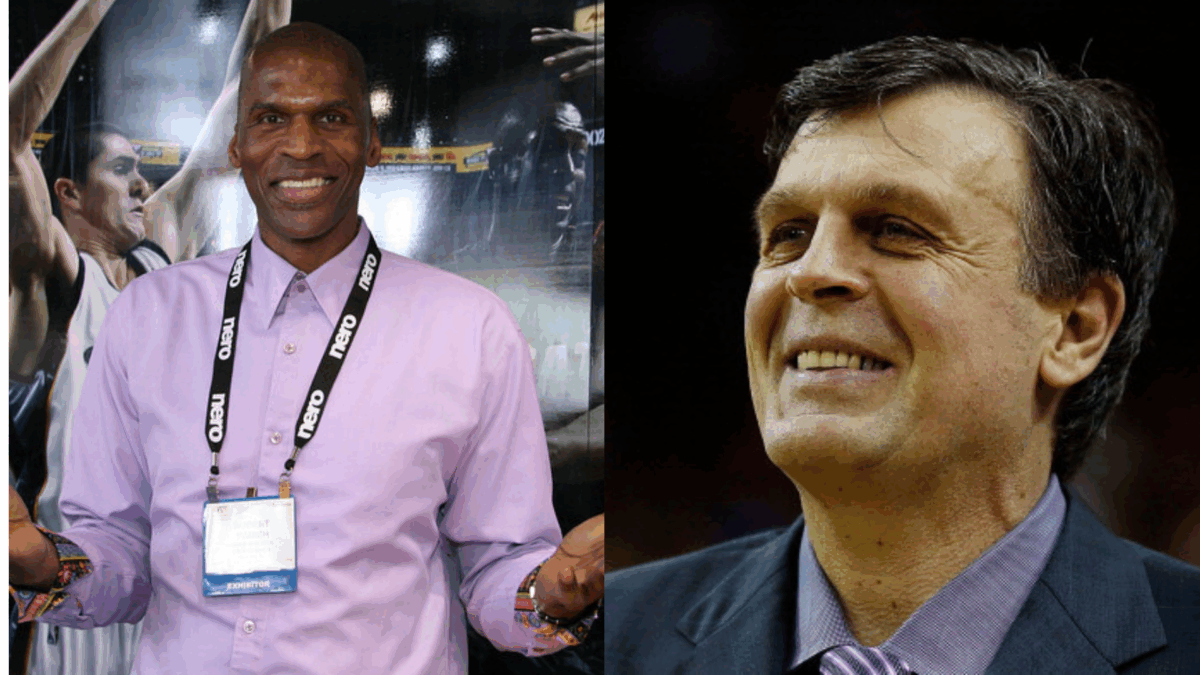
This one stings differently because it involved multiple future Hall of Famers changing hands in a single transaction. Golden State traded Robert Parish and the third pick (which became Kevin McHale) to Boston for the first overall pick, which they used on Joe Barry Carroll.
Parish and McHale anchored Boston’s championship teams throughout the 1980s, playing alongside Larry Bird in what became one of the greatest frontcourts in basketball history. Carroll, meanwhile, put up decent numbers but never approached greatness—and certainly never justified giving up two cornerstones of a dynasty.
Chris Paul to New Orleans
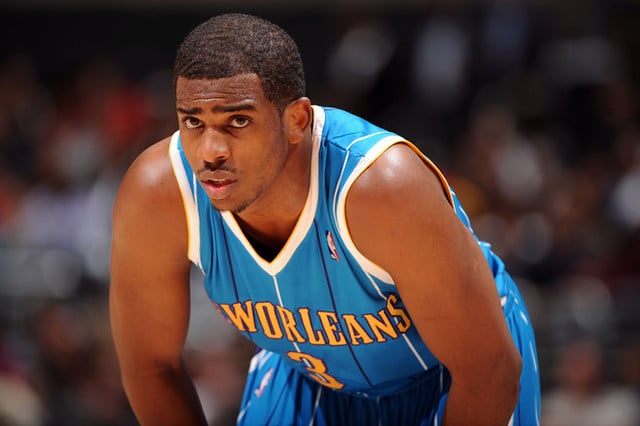
The Hornets selected Chris Paul fourth in 2005 after trading down from the second spot, but the real disaster was what they gave up to move back: they sent the second pick to Utah for the fourth pick plus future considerations. Utah used that pick on Deron Williams, who became Paul’s main rival for best point guard in the league for several years.
Both players had excellent careers, but Paul was consistently better.
Brandon Roy to Portland
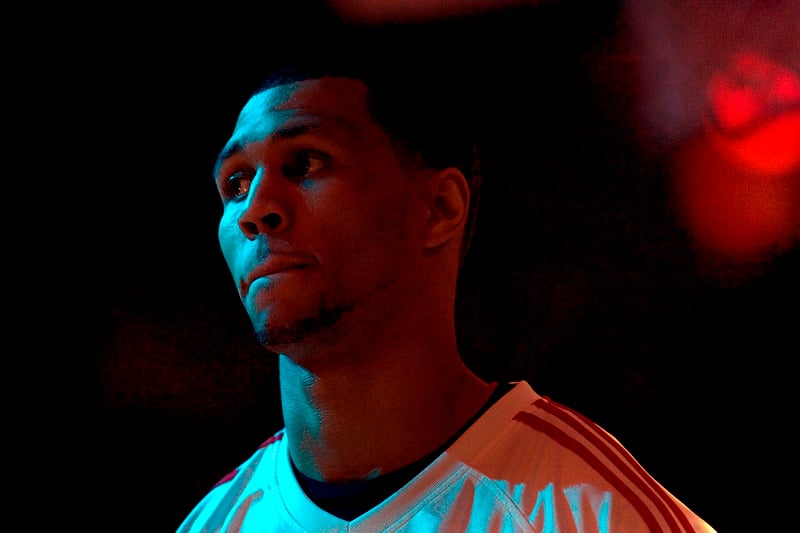
Minnesota selected Brandon Roy sixth in 2006, then immediately traded him to Portland for Randy Foye. Roy became an All-Star shooting guard before injuries cut his career short.
Foye was a solid role player but never approached Roy’s impact or ceiling.
Lamarcus Aldridge to Portland
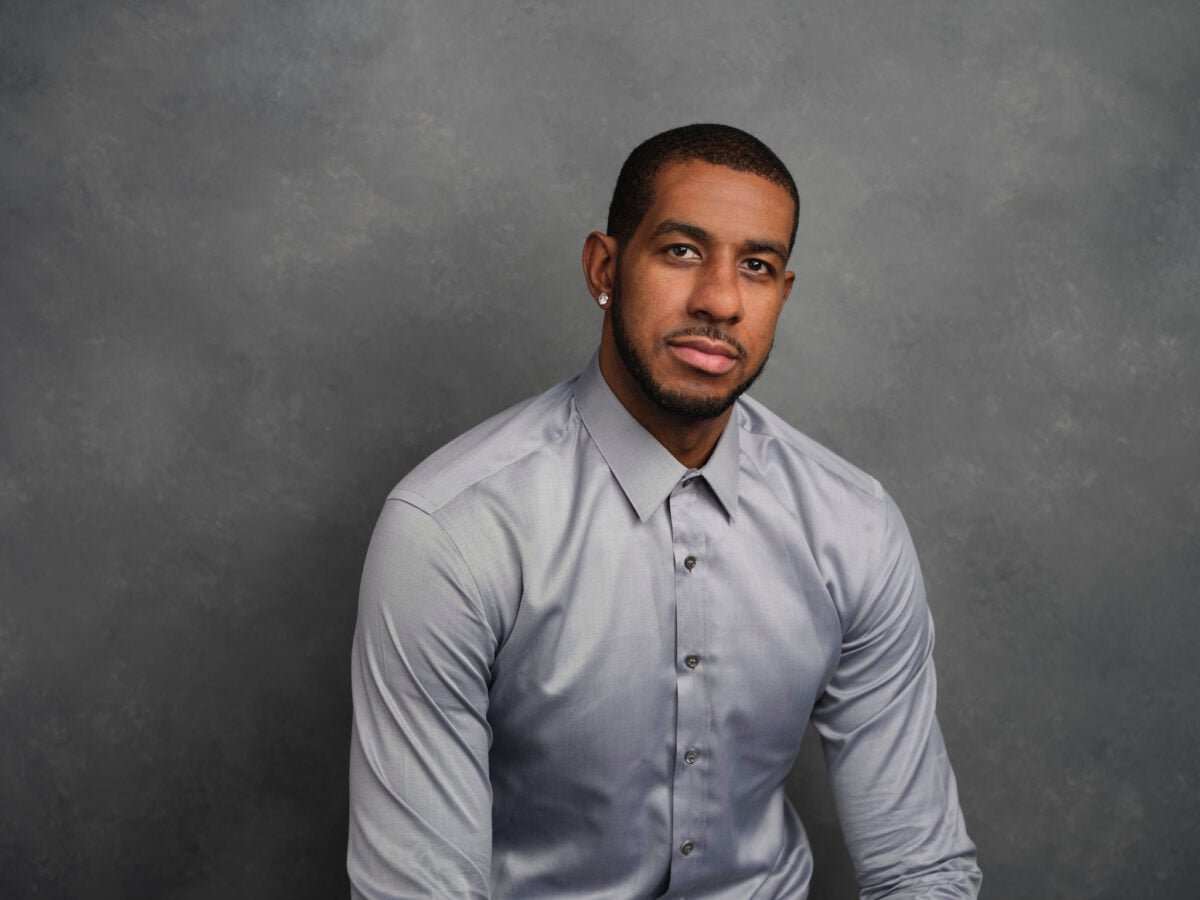
Chicago selected LaMarcus Aldridge second overall in 2006, then traded him to Portland for Tyrus Thomas and Viktor Khryapa. The logic seemed simple enough: get two players instead of one, add depth and athleticism to the roster.
Thomas showed flashes but never developed consistency, while Khryapa barely registered as an NBA player. Aldridge, on the other hand, became a five-time All-Star and anchor of Portland’s resurgence.
Kawhi Leonard to San Antonio
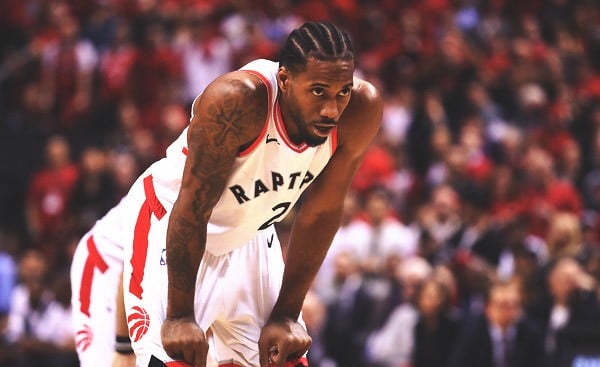
Indiana selected Kawhi Leonard 15th in 2011, then traded him to San Antonio for George Hill. Leonard won two championships, including Finals MVP in 2014, and became one of the league’s elite two-way players.
Hill had a solid career but nothing approaching Leonard’s impact.
Nate Robinson Draft Rights
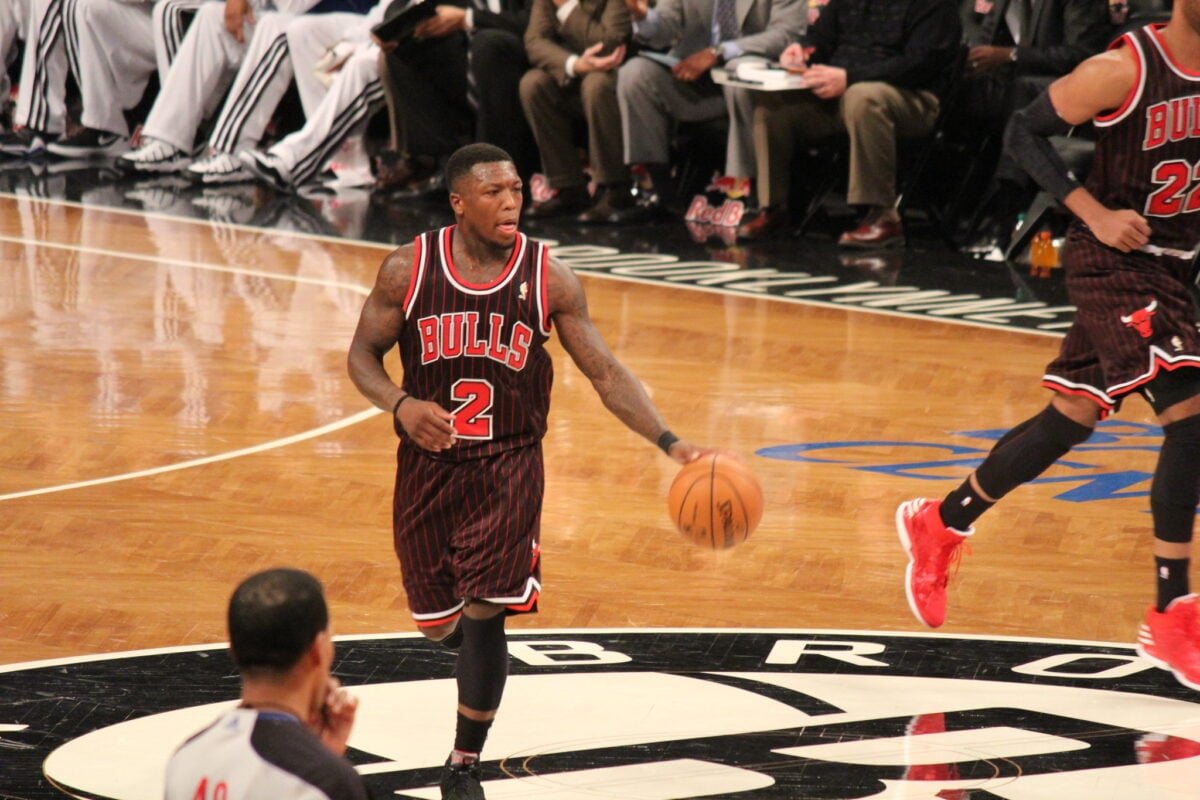
Phoenix selected Nate Robinson 21st in 2005, then traded his rights to New York for future considerations and Dijon Thompson. Robinson became a fan favorite and three-time Slam Dunk Contest winner who provided energy off the bench for over a decade.
Thompson never played a game in the NBA.
John Collins to Atlanta
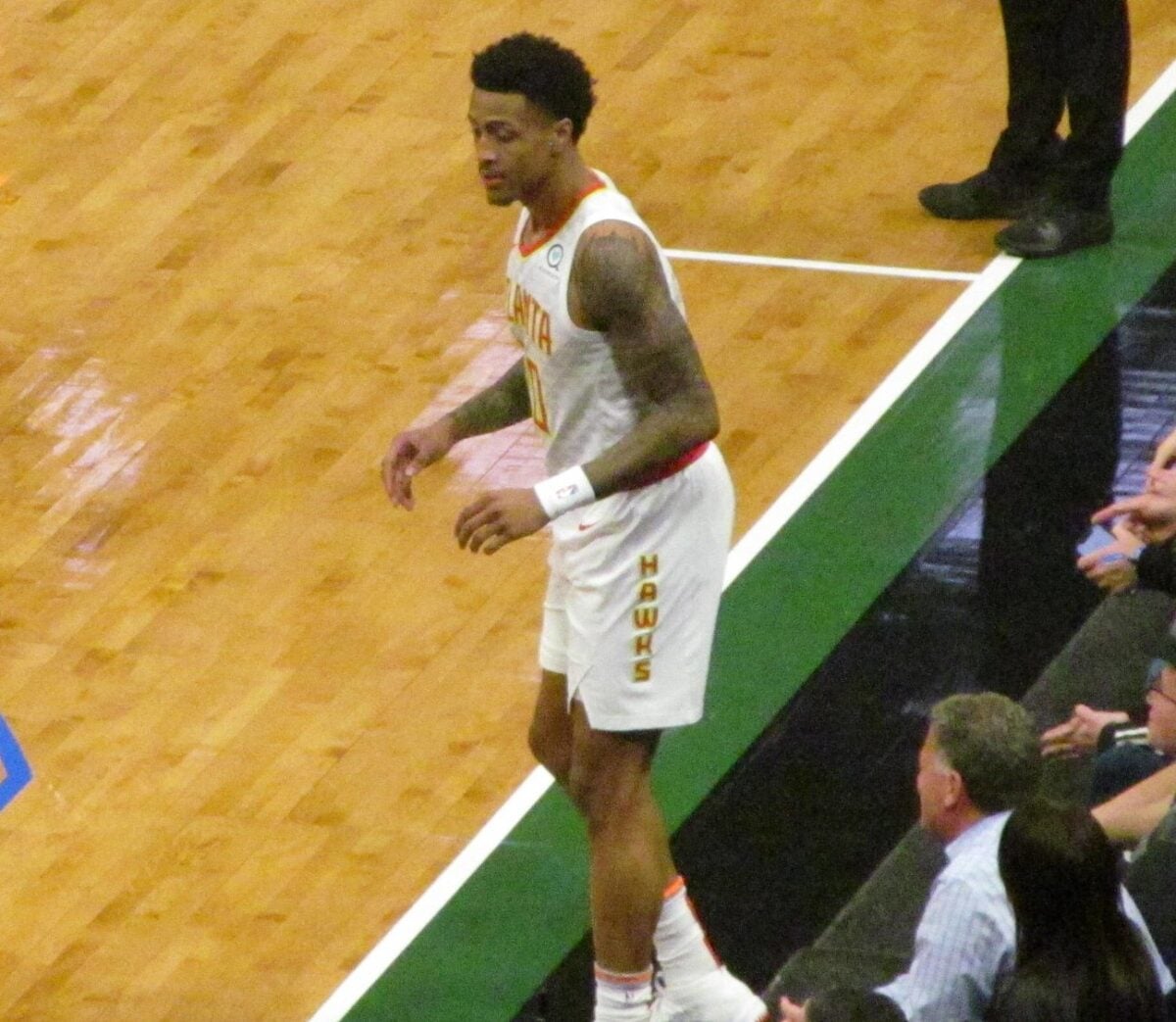
When the draft approaches, front offices convince themselves they’re outsmarting everyone else—finding hidden value where others see risk. Philadelphia selected John Collins 19th in 2017, then promptly traded him to Atlanta for two future second-round picks and cash considerations.
Collins became a 20-point scorer and athletic force in the paint, while Philly used those picks on players who barely made NBA rosters. To be fair, hindsight makes every front office look foolish eventually, but this one stung immediately.
Kyle Kuzma to Los Angeles
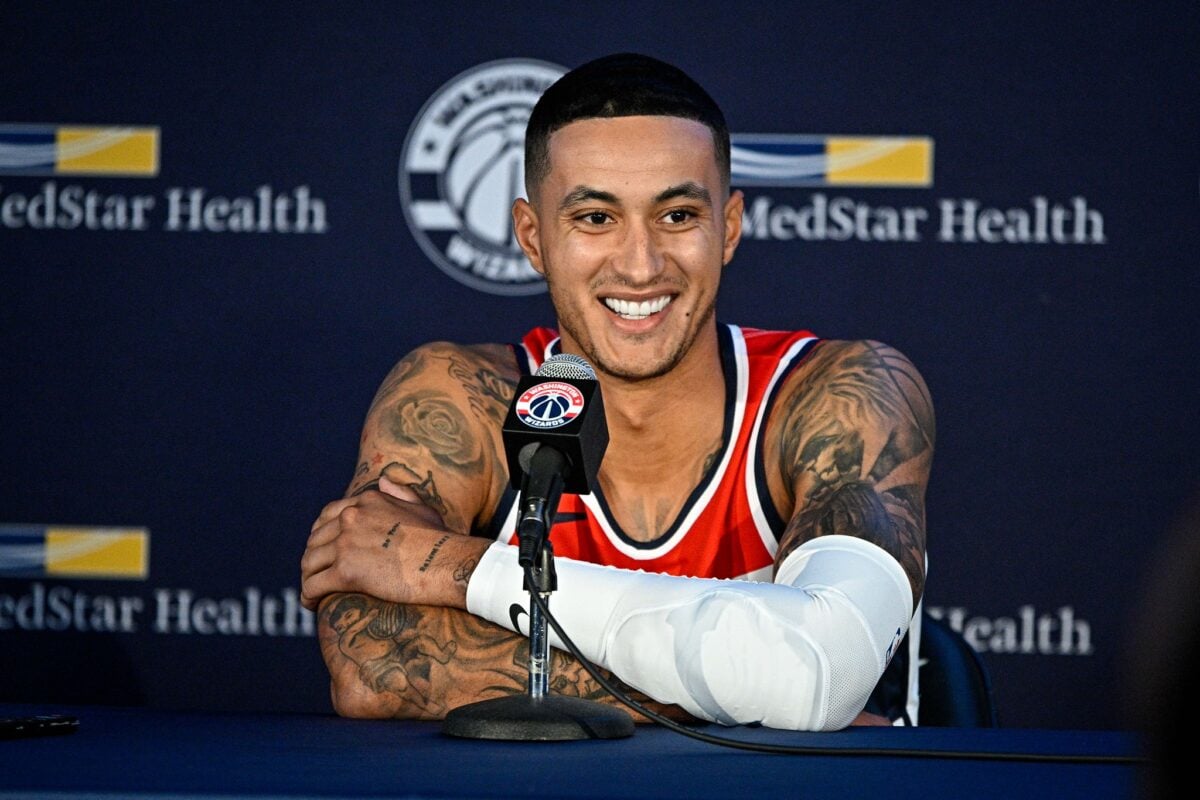
There are trades that look questionable at the time, and trades that look worse with every passing season—then there’s what Brooklyn did with Kyle Kuzma. They selected him 27th in 2017 and immediately sent him to the Lakers for Brook Lopez, who was already on an expiring contract.
Kuzma developed into a versatile scorer who played a key role in LA’s 2020 championship run. Lopez left Brooklyn after one season, making this essentially a giveaway of a promising young player for a one-year rental.
Shai Gilgeous-Alexander to LA Clippers
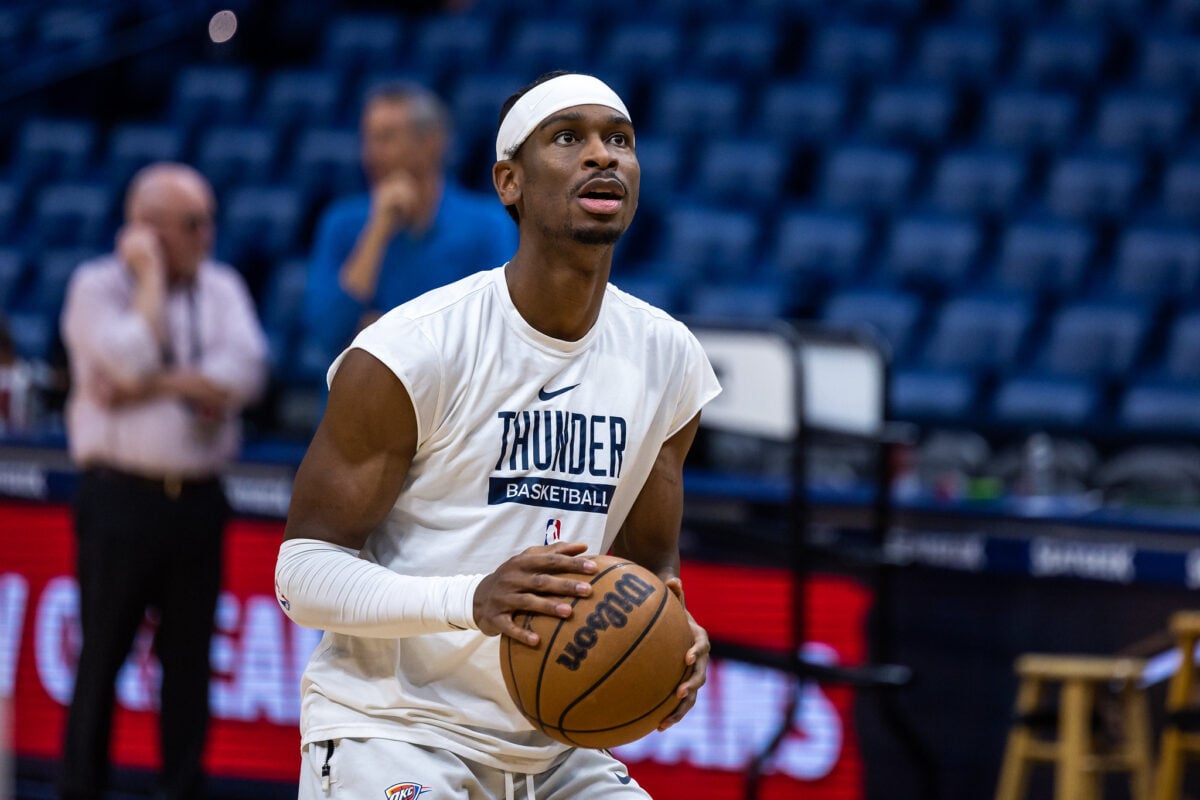
The LA Clippers selected Shai Gilgeous-Alexander 11th in 2018, then immediately traded him away, receiving Miles Bridges in return. Alexander developed into an All-Star point guard with elite scoring ability and basketball IQ.
Bridges has shown potential but hasn’t reached Alexander’s level of impact or consistency.
Donovan Mitchell to Utah
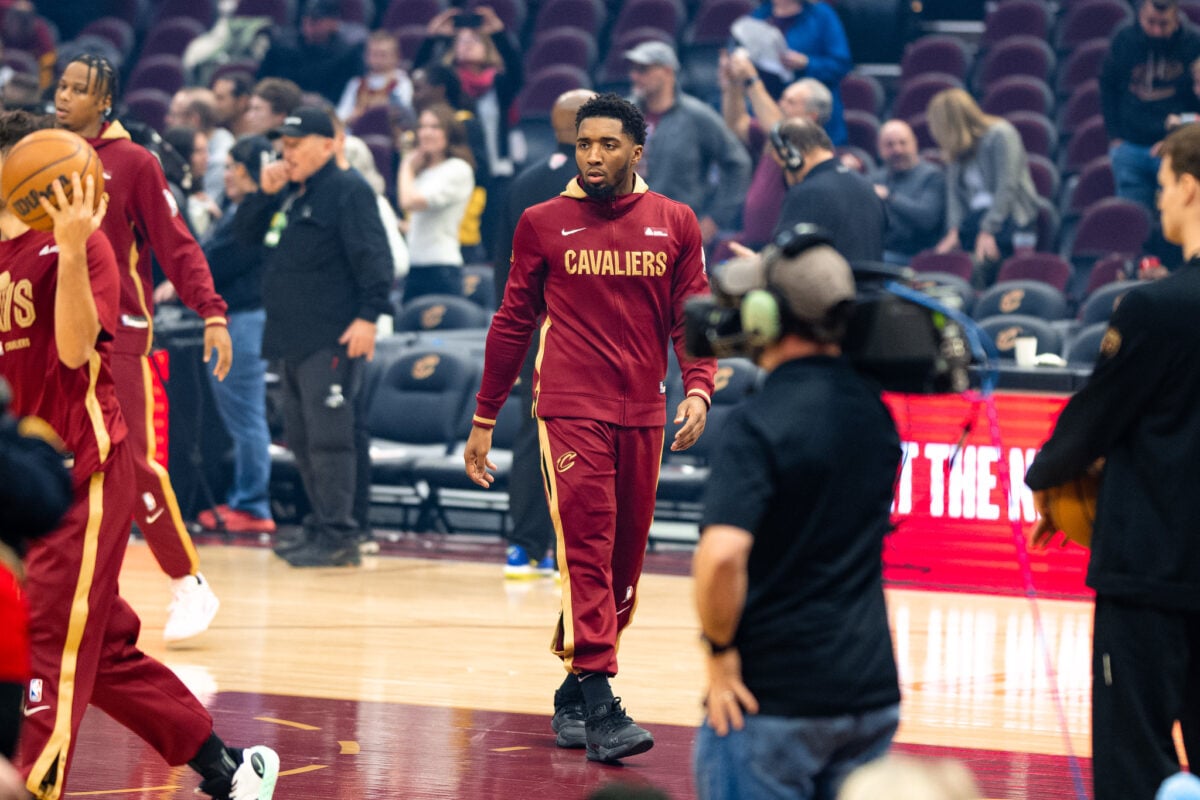
Denver selected Donovan Mitchell 13th in 2017, then immediately traded him to Utah for Tyler Lydon and Trey Lyles. Mitchell became Utah’s franchise player and one of the league’s most explosive scorers.
Neither Lydon nor Lyles made significant impacts in Denver, with Lydon barely sticking in the NBA.
Rudy Gobert to Utah
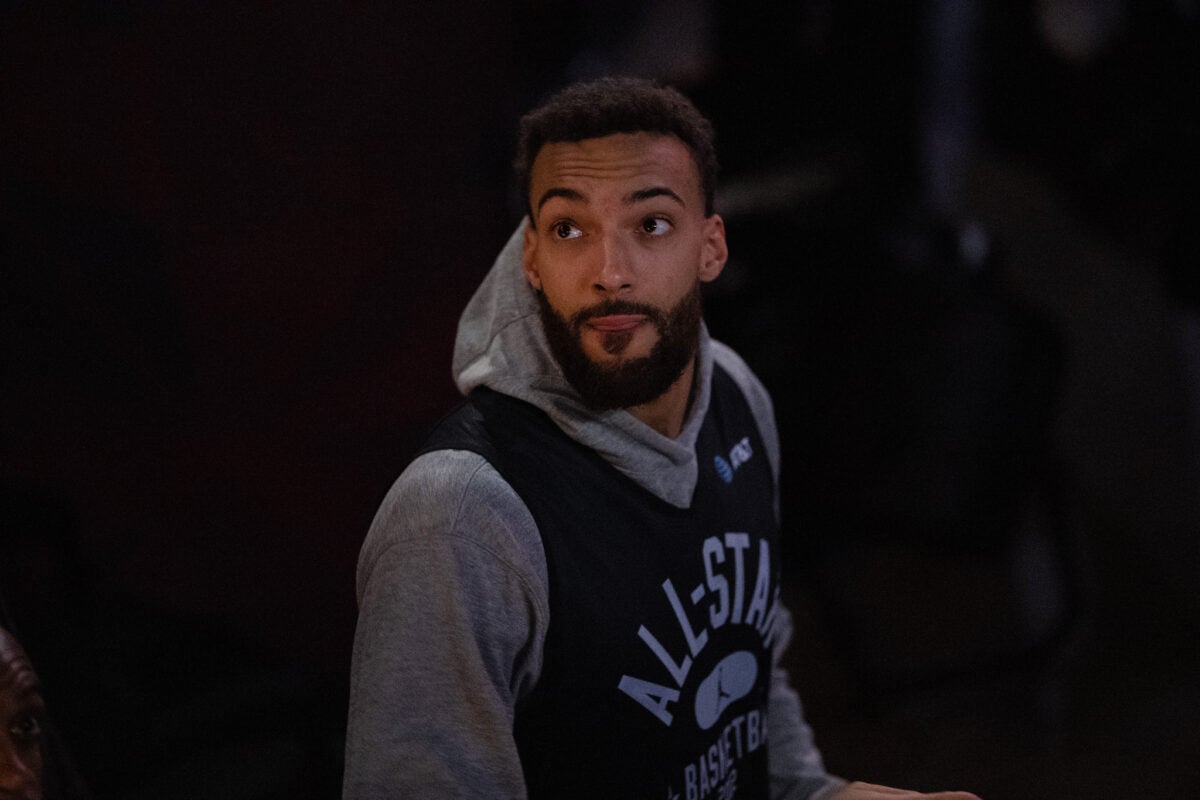
Denver strikes again, this time with an even more puzzling decision from their 2013 draft night. They selected Rudy Gobert 27th overall, then immediately sent him to Utah for cash and future considerations (because apparently they needed lunch money more than a future Defensive Player of the Year). Gobert became a three-time Defensive Player of the Year and transformed Utah’s defense for nearly a decade.
The cash considerations, predictably, had less impact on Denver’s championship aspirations—though it probably covered the front office’s coffee budget for a few months.
Terry Rozier to Boston
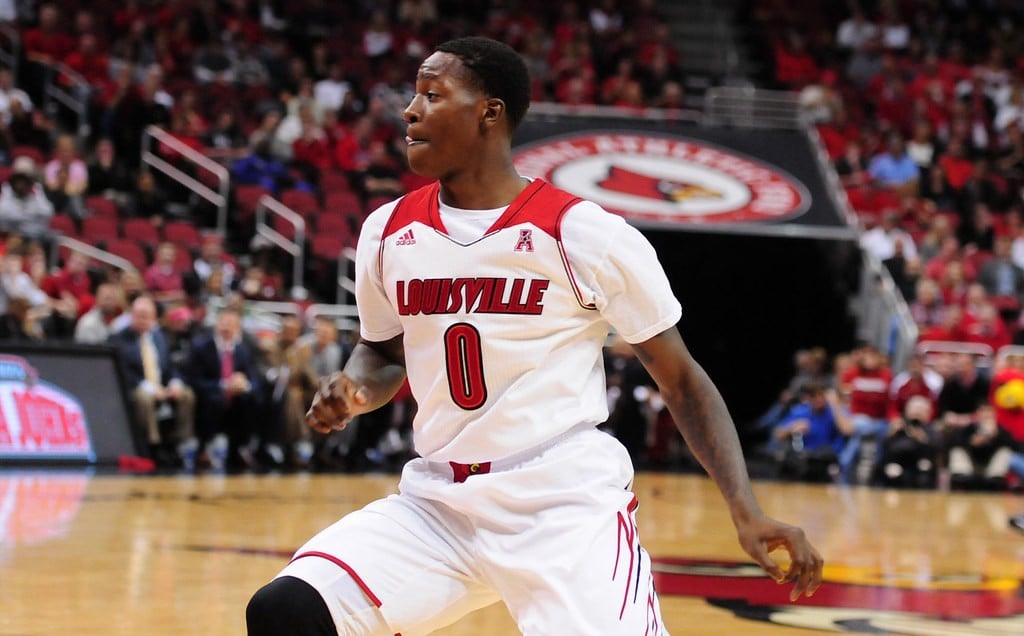
Cleveland selected Terry Rozier 16th in 2015, then traded him to Boston for two future second-round picks and cash. Rozier became a key contributor for Boston’s playoff runs and later signed a significant contract with Charlotte.
The second-round picks produced minimal value for Cleveland.
Kelly Oubre Jr. to Washington
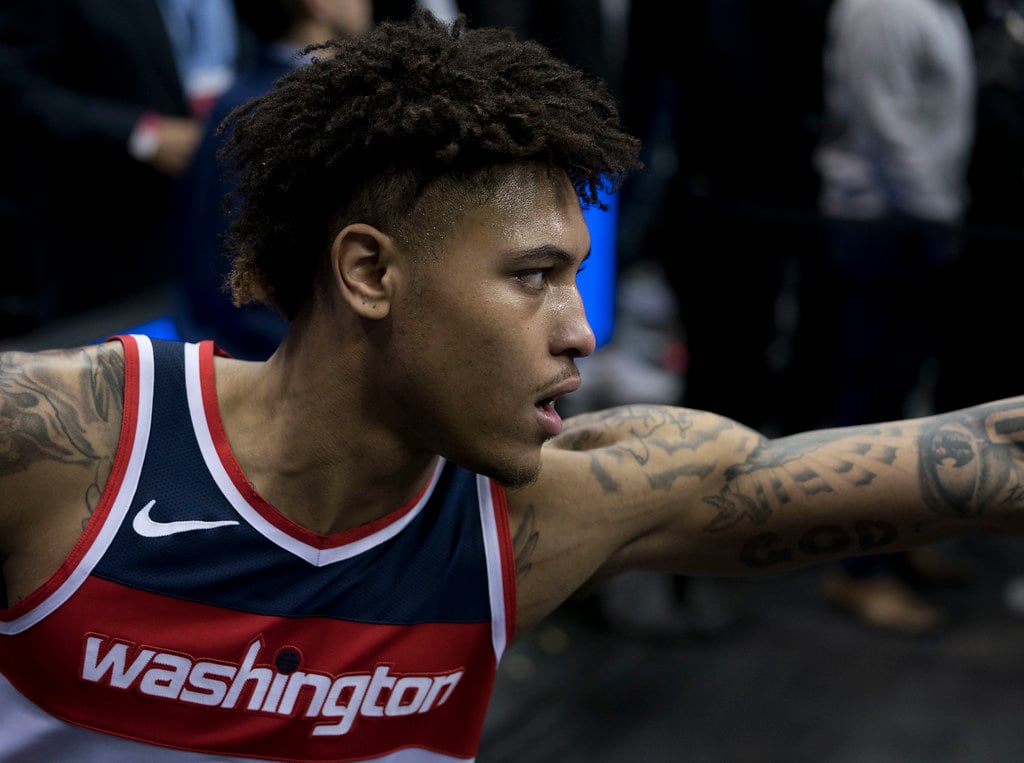
Atlanta selected Kelly Oubre Jr. 15th in 2015, then immediately traded him to Washington for a future first-round pick that was heavily protected. Oubre developed into a solid starter and athletic wing player.
The pick Atlanta received never conveyed due to protection, leaving them with nothing to show for the trade.
Jaden McDaniels to Minnesota
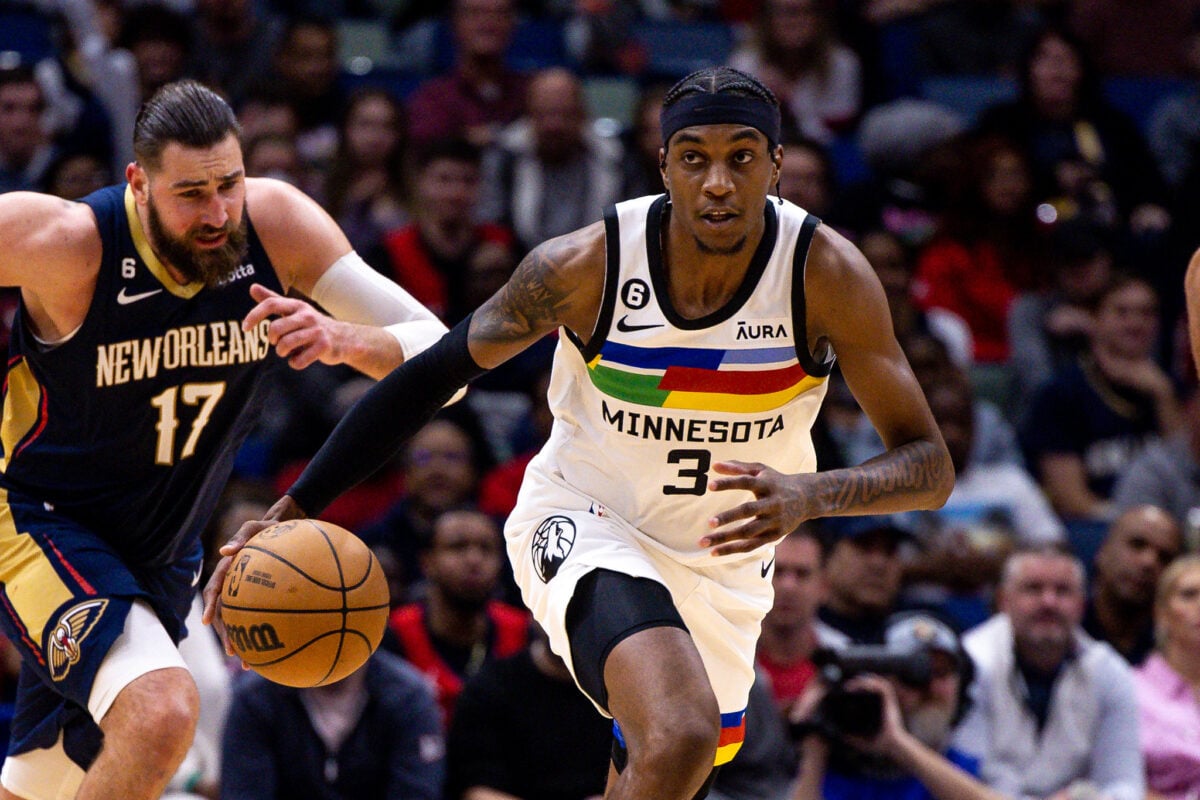
Oklahoma City selected Jaden McDaniels 28th in 2020, then traded him to Minnesota for two future second-round picks. McDaniels became a defensive standout and key rotation player for the Timberwolves.
The second-round picks have yet to produce meaningful contributors for OKC.
Cameron Johnson to Phoenix
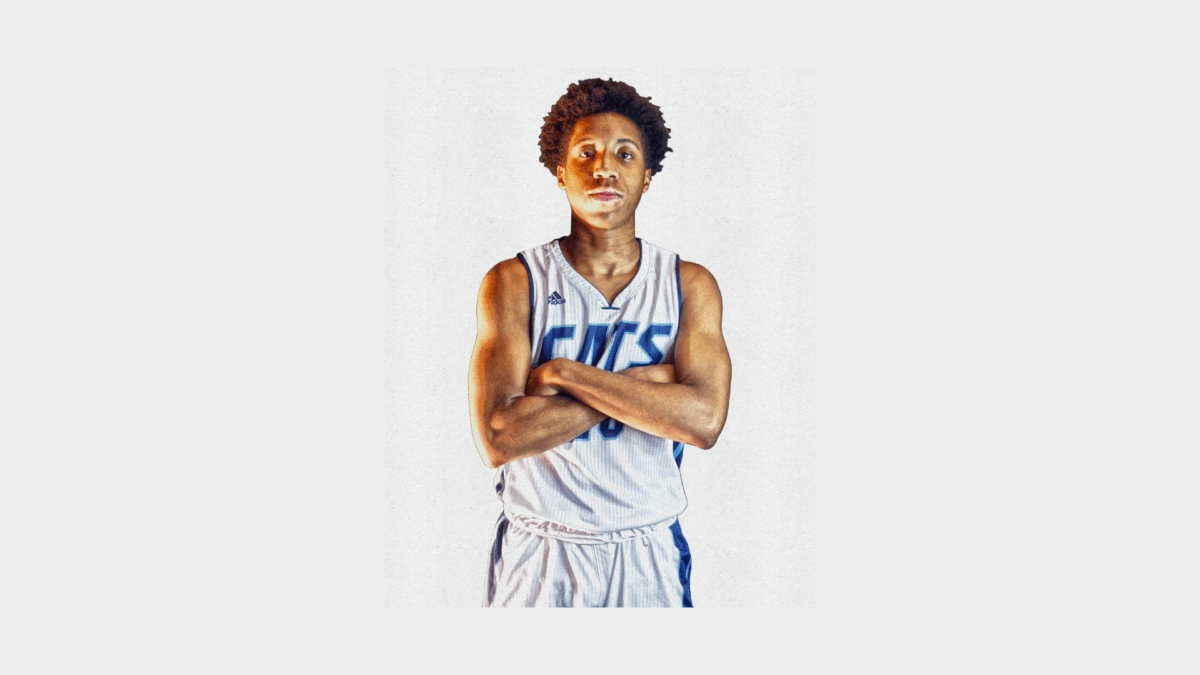
Pittsburgh Panthers forward Cameron Johnson was selected 11th overall by Minnesota in 2019, but you’d never know it from watching him play in purple and gold—because the Timberwolves immediately sent him to Phoenix for Dario Saric and the 6th pick, which they used on Jarrett Culver. Johnson developed into one of the league’s best three-point shooters and a key piece of Phoenix’s Finals run in 2021, while Culver struggled to find his place in Minnesota’s rotation and was eventually traded away.
Saric provided decent veteran presence but nothing close to Johnson’s upside and production.
Tyler Herro to Miami
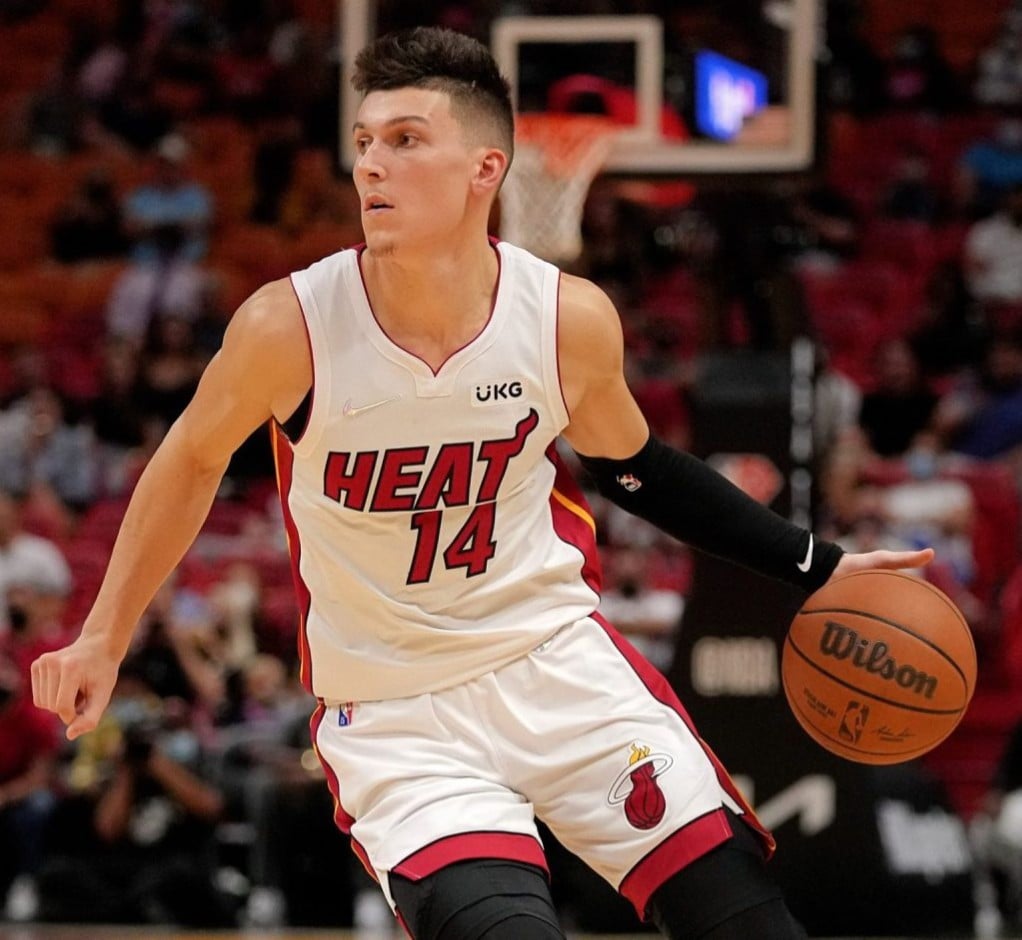
Milwaukee selected Tyler Herro 13th in 2019, then traded him to Miami for three future second-round picks. Herro became Sixth Man of the Year in 2022 and a key scorer for Miami’s playoff runs.
The second-round picks haven’t produced rotation players for Milwaukee.
Desmond Bane to Memphis
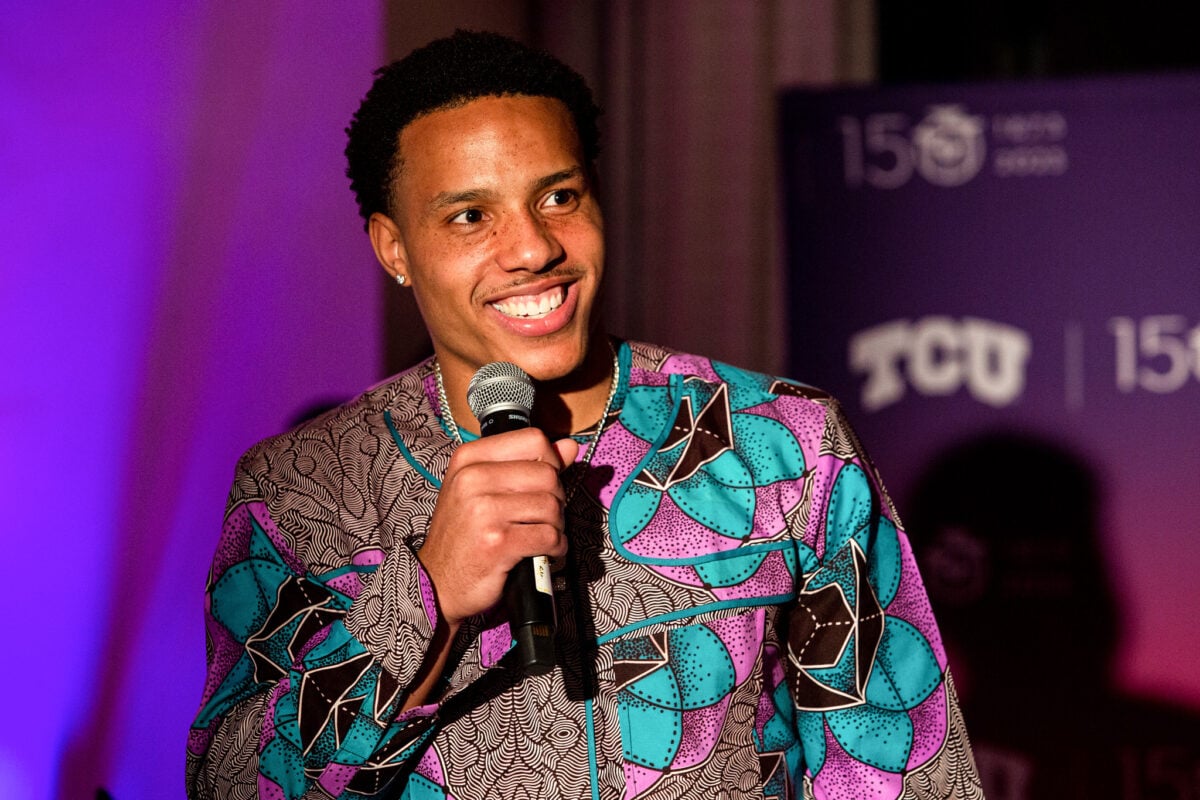
Boston selected Desmond Bane 30th in 2020, then immediately traded him to Memphis for two future second-round picks and cash. Bane became one of the league’s most efficient three-point shooters and a cornerstone of Memphis’s young core.
The picks and cash provided minimal value to Boston.
Alperen Sengun to Houston
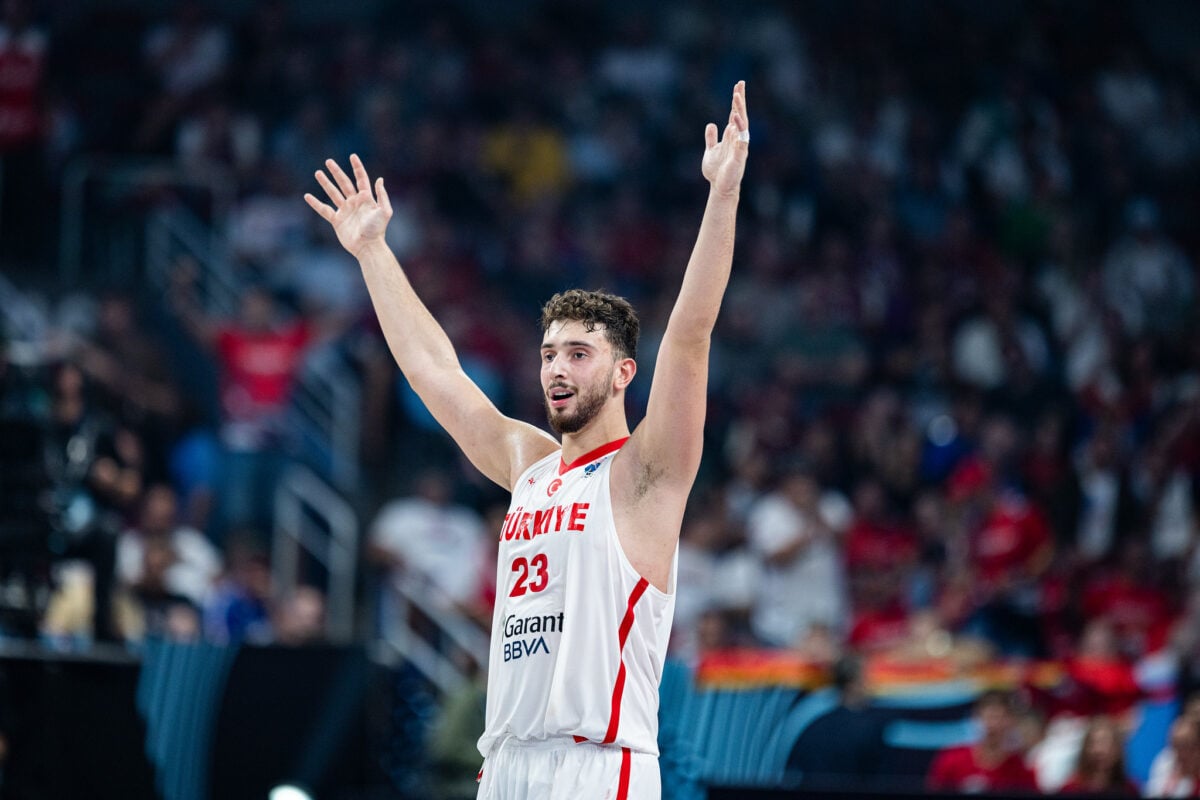
Oklahoma City selected Alperen Sengun 16th in 2021, then traded him to Houston for two future first-round picks and two second-round picks. While the picks haven’t materialized yet, Sengun has already shown All-Star potential as a skilled big man with excellent passing ability and basketball IQ.
Franz Wagner to Orlando
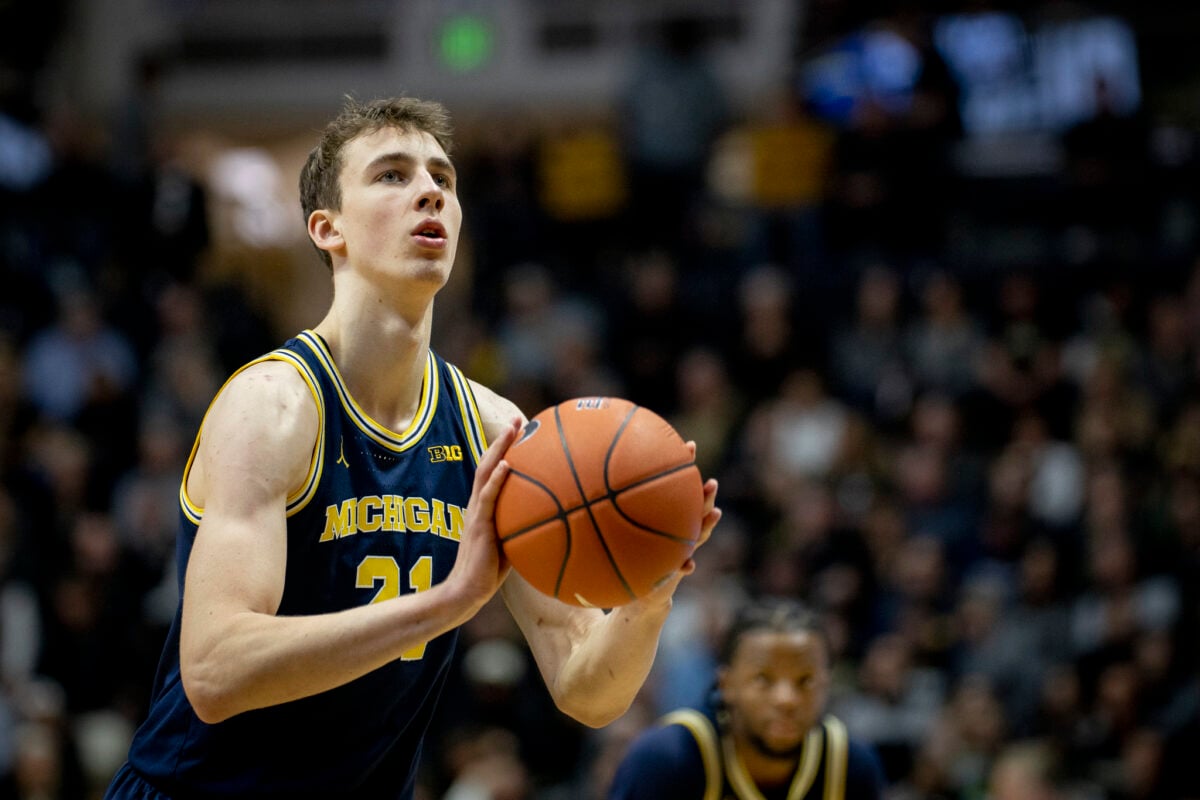
The Lakers selected Franz Wagner eighth in 2021, then traded him to Orlando along with cash for a future second-round pick. Wagner won Rookie of the Year consideration and developed into Orlando’s primary offensive weapon.
The second-round pick has minimal value compared to Wagner’s production.
Day’Ron Sharpe to Brooklyn
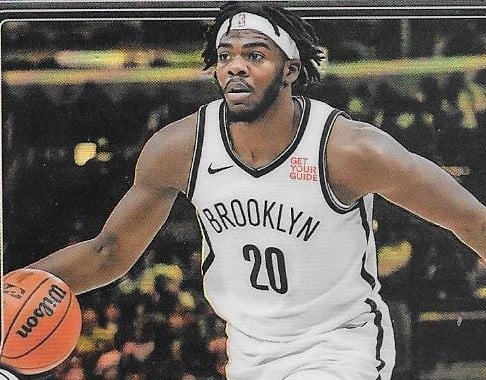
Portland selected Day’Ron Sharpe 29th in 2021, then traded him to Brooklyn for cash considerations. Sharpe has shown promise as an athletic big man and rebounder for the Nets.
Portland essentially gave away a rotation player for operating expenses.
Christian Braun to Denver
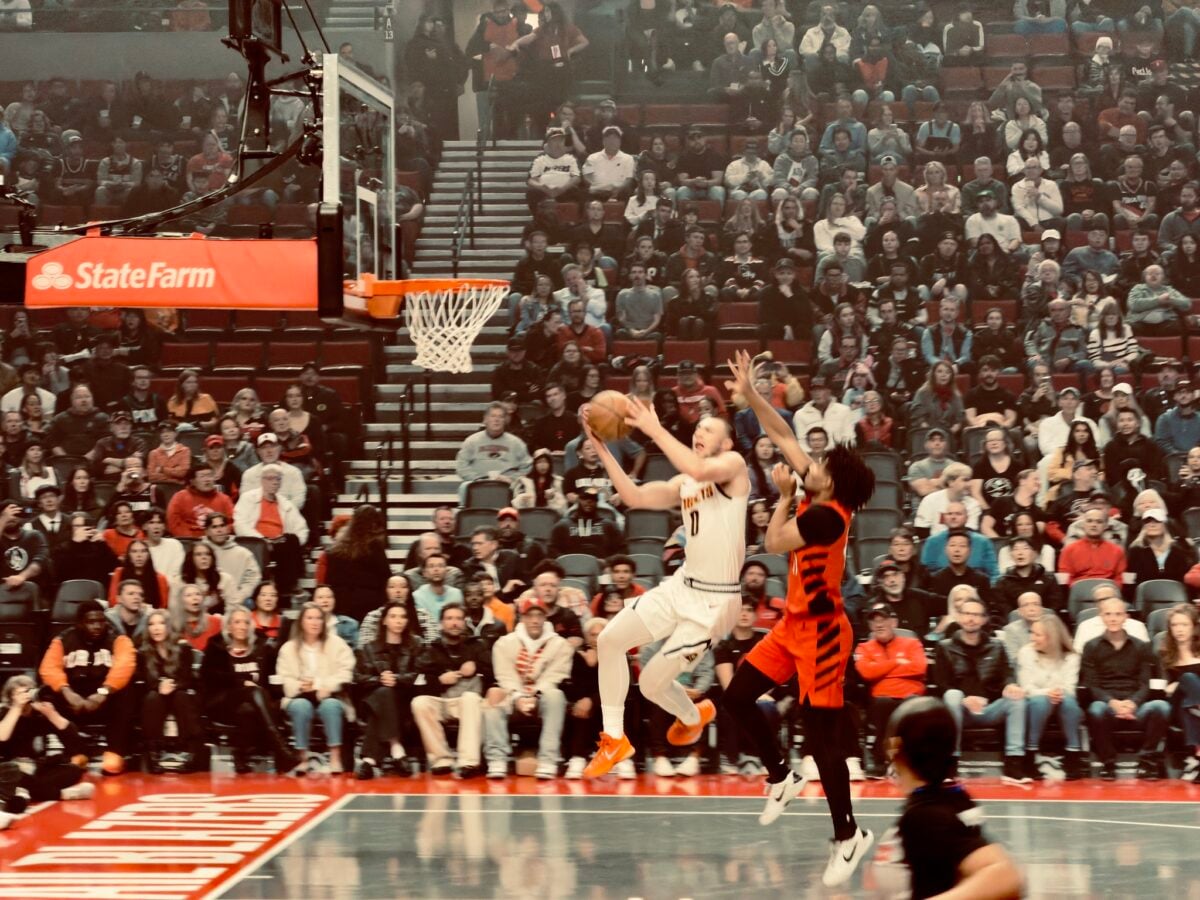
Orlando selected Christian Braun 21st in 2022, then immediately traded him to Denver for cash and a future second-round pick. Braun became a rotation player for Denver’s championship team in 2023.
Orlando received minimal compensation for a player who contributed to an NBA title in his rookie season.
The Pattern Behind the Pain

These trades reveal a troubling pattern: teams consistently undervalue their own draft picks and overestimate the value of immediate returns or future considerations. The pressure to make moves on draft night leads to hasty decisions that haunt franchises for years.
Cash considerations and late second-round picks rarely produce the impact that even mid-to-late first-round selections can provide, yet teams continue making these exchanges as if salary cap space and pocket change were more valuable than young talent.
More from Go2Tutors!

- The Romanov Crown Jewels and Their Tragic Fate
- 13 Historical Mysteries That Science Still Can’t Solve
- Famous Hoaxes That Fooled the World for Years
- 15 Child Stars with Tragic Adult Lives
- 16 Famous Jewelry Pieces in History
Like Go2Tutors’s content? Follow us on MSN.