17 Abandoned Places Frozen in Time
There’s something magnetic about places that time forgot. Maybe it’s the way dust settles on forgotten dreams, or how silence fills spaces where laughter once echoed.
These abandoned locations tell stories without words, preserve moments without intention, and remind us that everything we build eventually faces the same quiet fate.
Pripyat, Ukraine
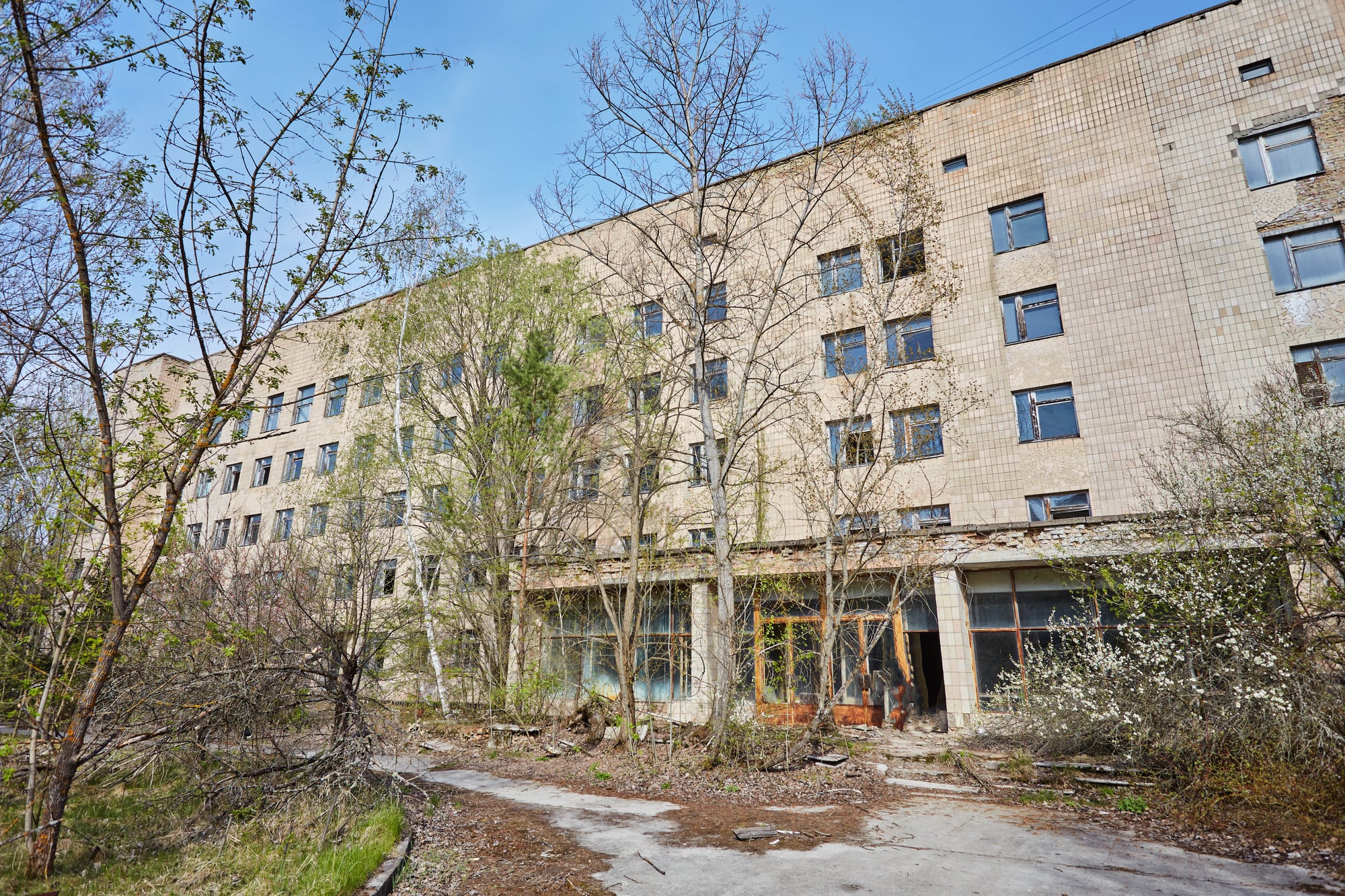
The clocks stopped at 1:23 AM on April 26, 1986. Pripyat became a ghost town overnight when the Chernobyl Nuclear Power Plant exploded.
Thirty-eight years later, the city remains exactly as residents left it—except for the forest slowly reclaiming every street.
Hashima Island, Japan
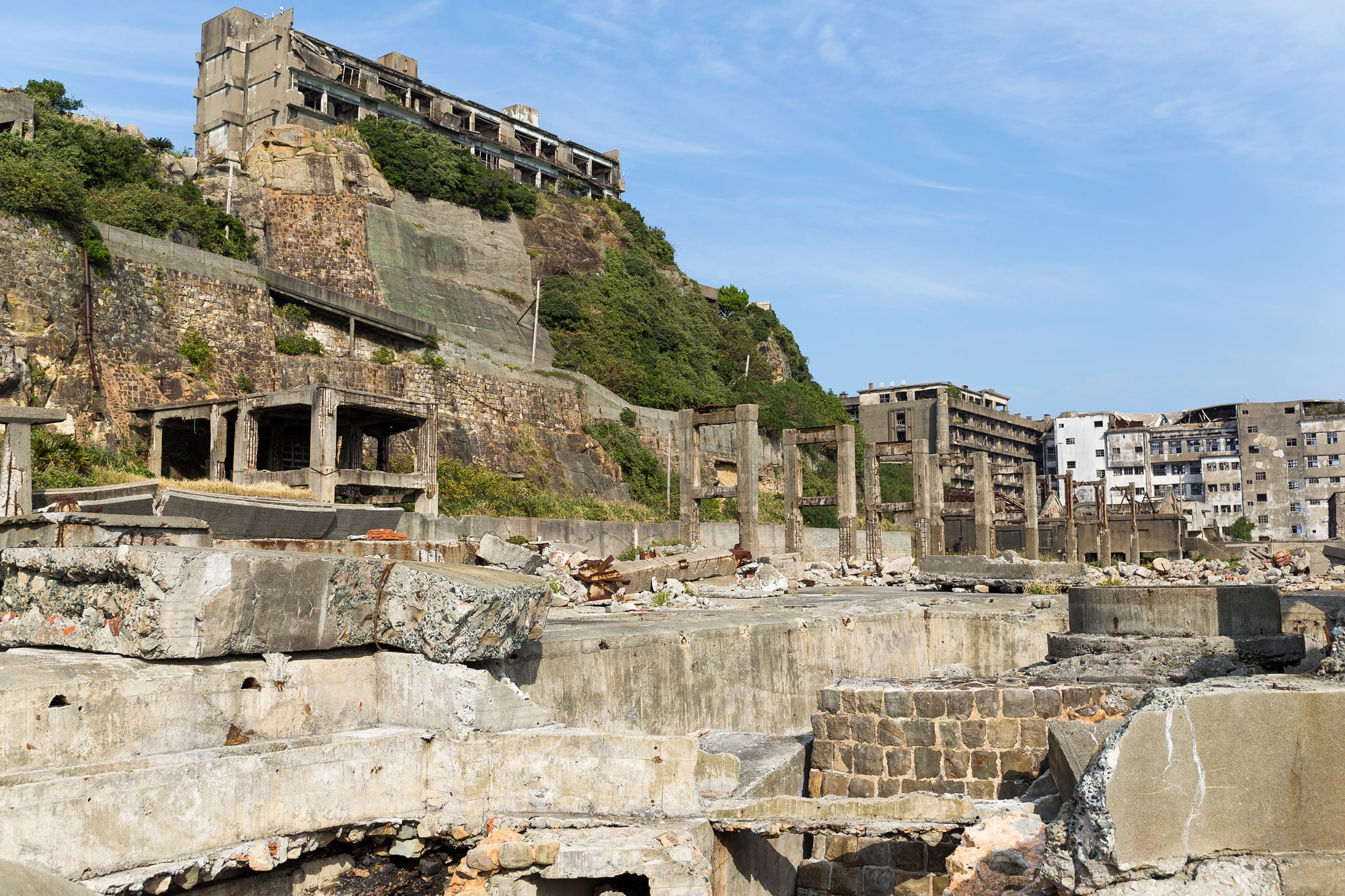
Coal miners lived here for nearly a century, cramped into concrete apartment blocks on this tiny island. When coal demand declined in 1974, the mining operation closed and residents left within months.
Now it’s a crumbling maze of empty buildings surrounded by ocean, earning the nickname “Battleship Island” for its stark silhouette against the horizon.
Bodie, California
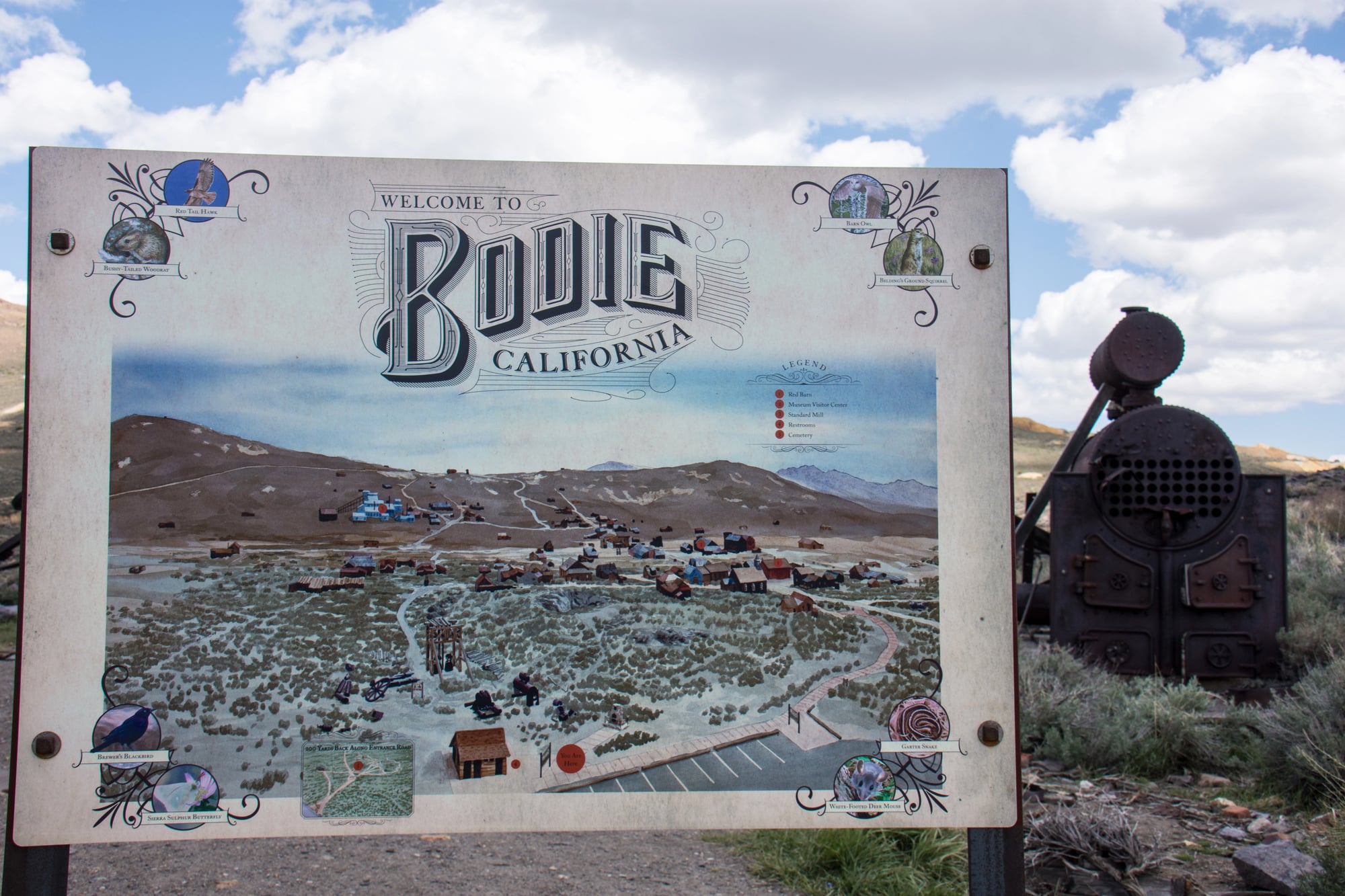
This former gold rush town (which, incidentally, housed nearly 10,000 people at its peak in the late 1800s) sits preserved in what’s called “arrested decay”—meaning nothing gets restored, but nothing gets removed either.
So you’ll find wooden buildings still standing with their original furniture, bottles still on the bar, and papers still scattered across desks as if the residents just stepped out for lunch and never came back.
Walking through Bodie feels like entering a sepia photograph where the people simply vanished mid-conversation.
Centralia, Pennsylvania
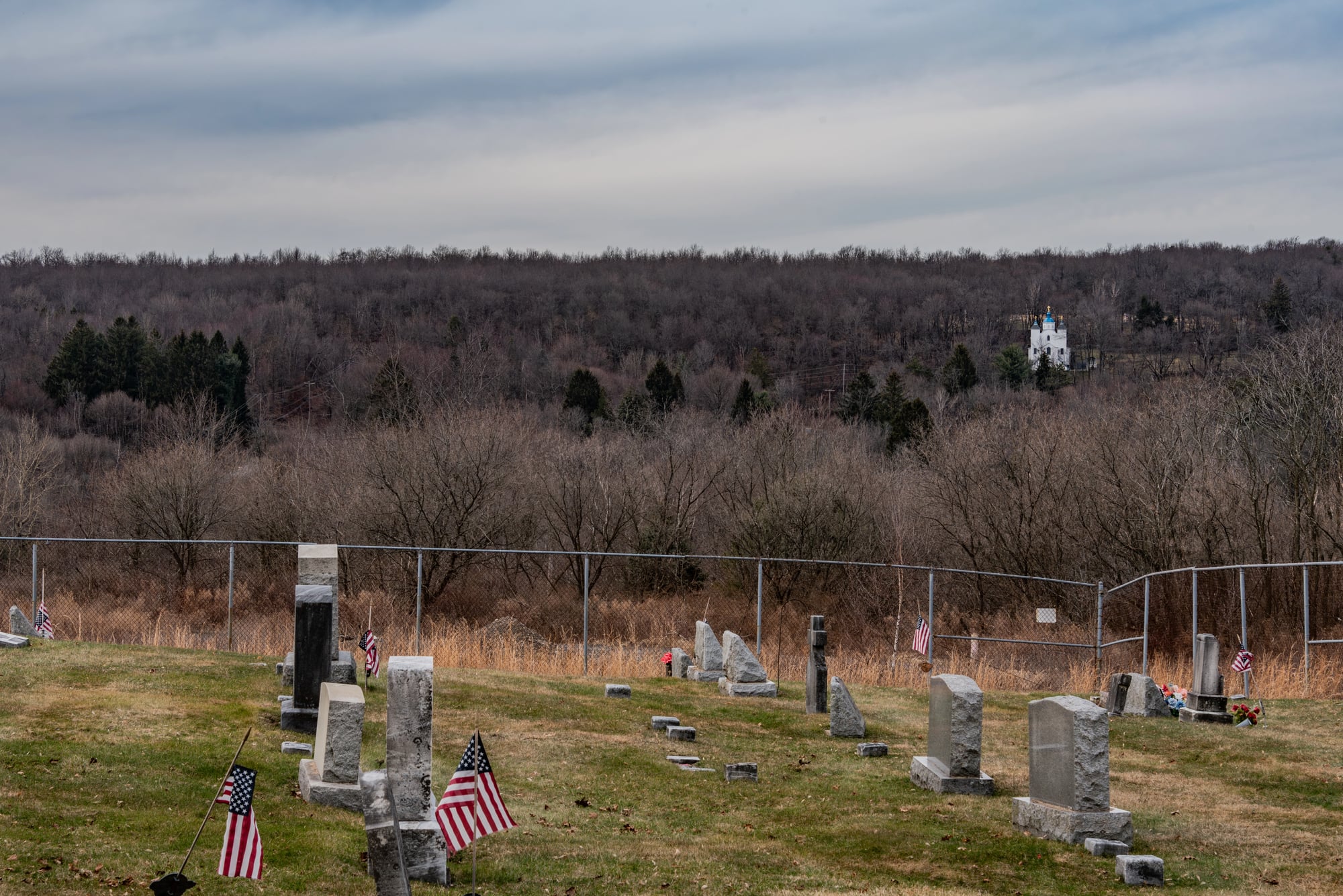
A coal fire has been burning underneath this town since 1962. The ground is too hot to walk on in places, smoke rises from cracks in the pavement, and most buildings were demolished decades ago.
Only a handful of residents refuse to leave.
Beelitz-Heilstätten, Germany
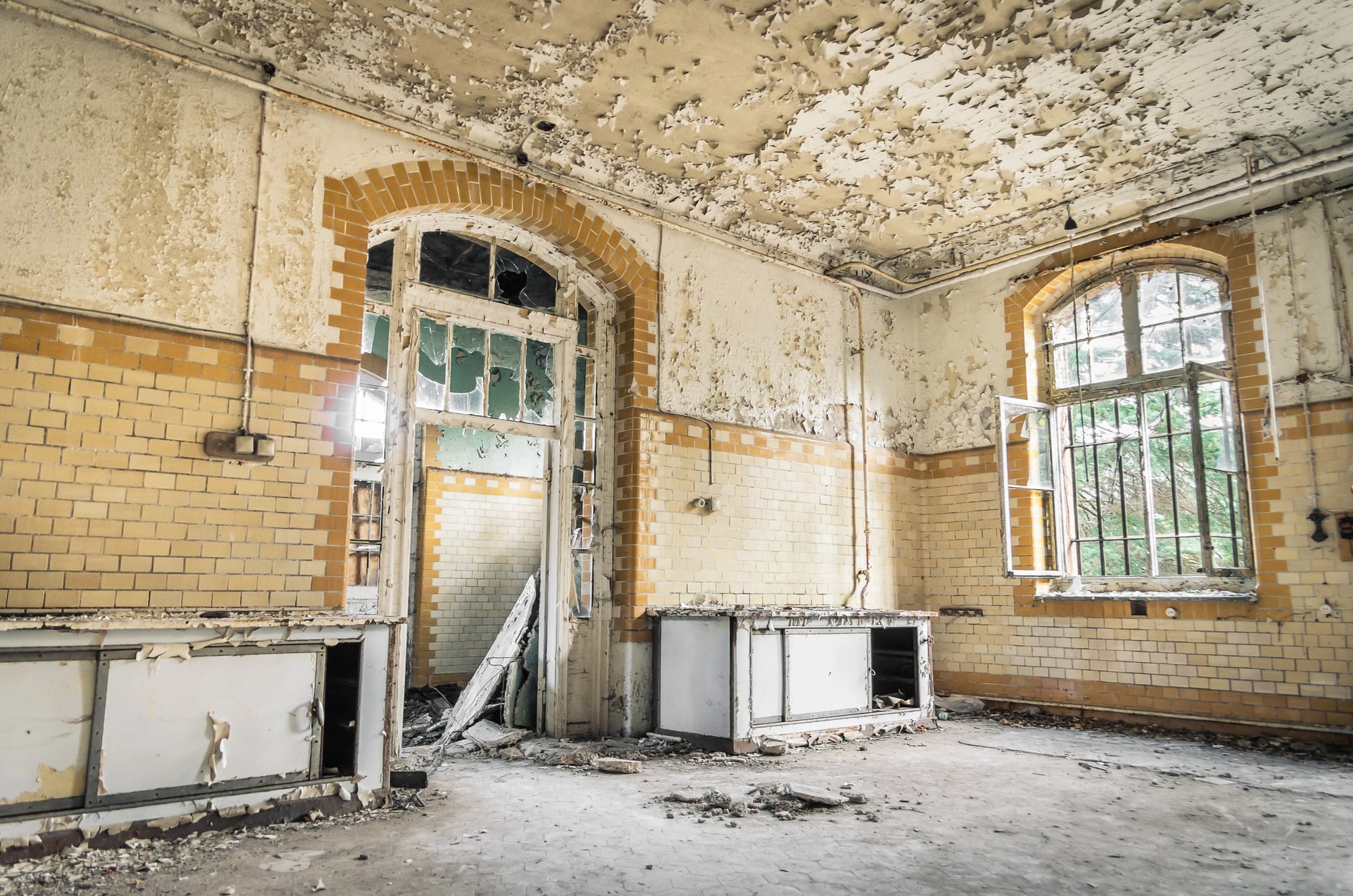
These sprawling hospital complexes treated tuberculosis patients for nearly a century before closing in the 1990s. Sixty buildings connected by underground tunnels now sit empty, their medical equipment still in place.
Nature has begun its slow invasion through broken windows and cracked walls.
Poveglia Island, Italy
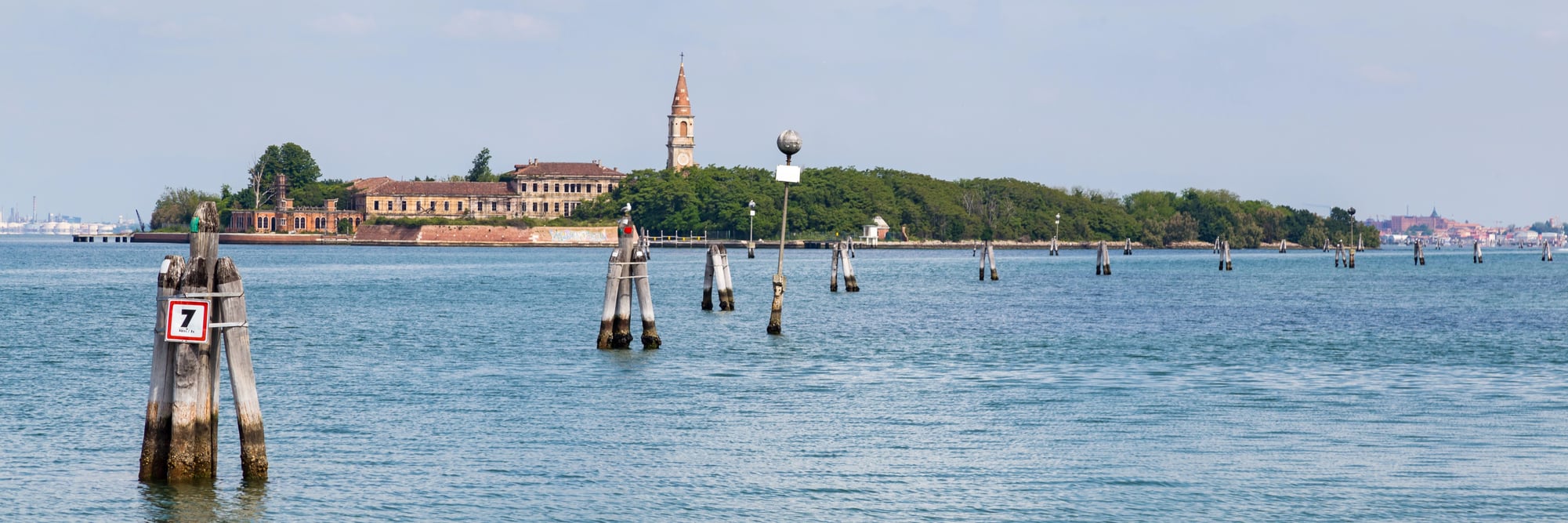
Used as a plague quarantine station for centuries, this small island near Venice holds the ashes of over 100,000 people in its soil. When the hospital closed in 1968, Poveglia was simply abandoned—medical equipment, patient records, and all.
The Italian government now prohibits public access, but the buildings remain exactly as the last staff left them, slowly surrendering to ivy and salt air.
But here’s what makes Poveglia different from other abandoned medical facilities: the weight of all that history seems to press down on every surface, every doorway, every room where so much human suffering played out in isolation.
Kolmanskop, Namibia
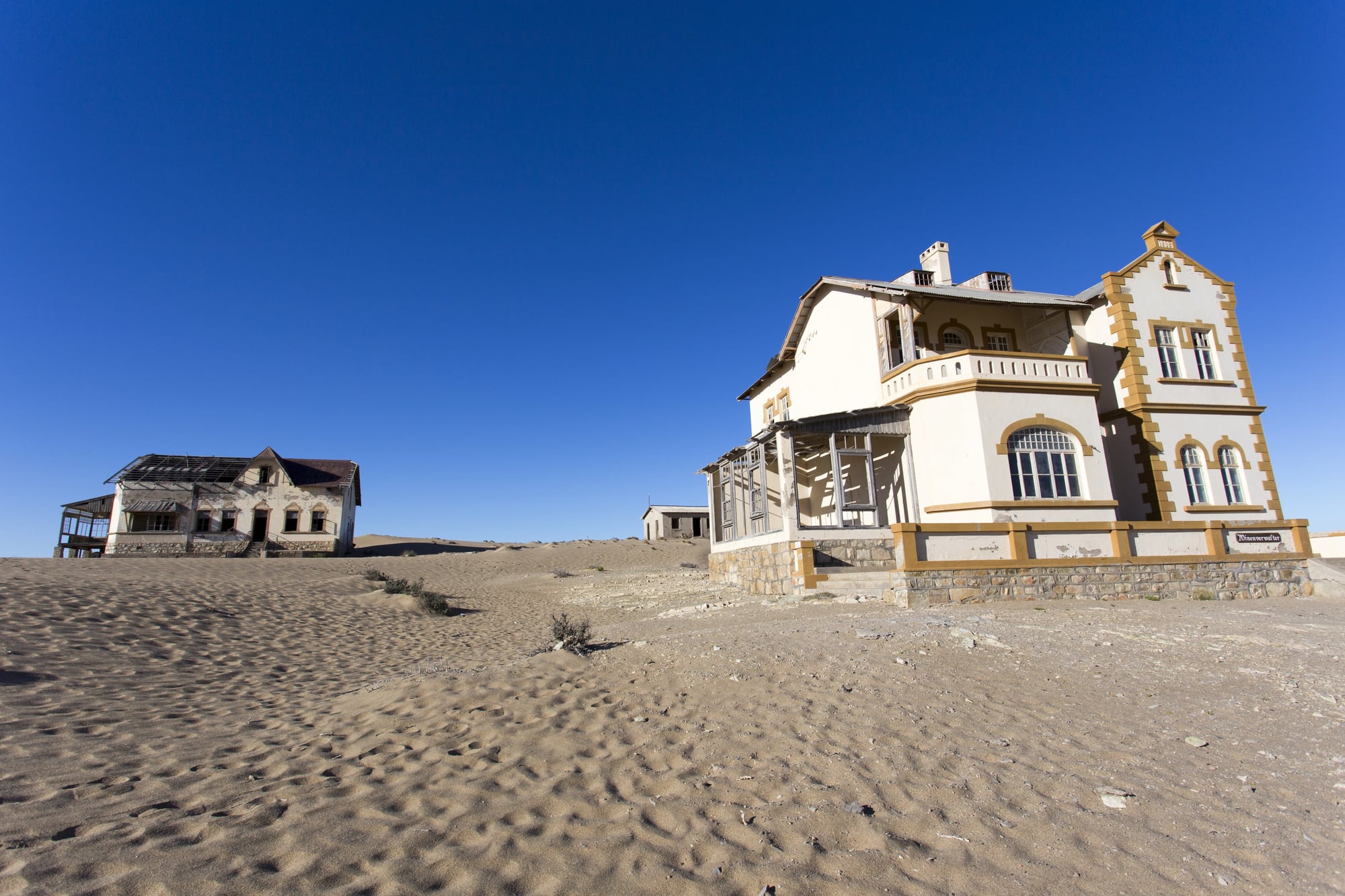
Diamond miners built this German-style town in the Namib Desert during the early 1900s. When the diamonds ran out by the 1950s, the desert began its patient reclamation project.
Sand now pours through doorways and fills entire rooms, creating surreal indoor dunes.
Eastern State Penitentiary, Pennsylvania
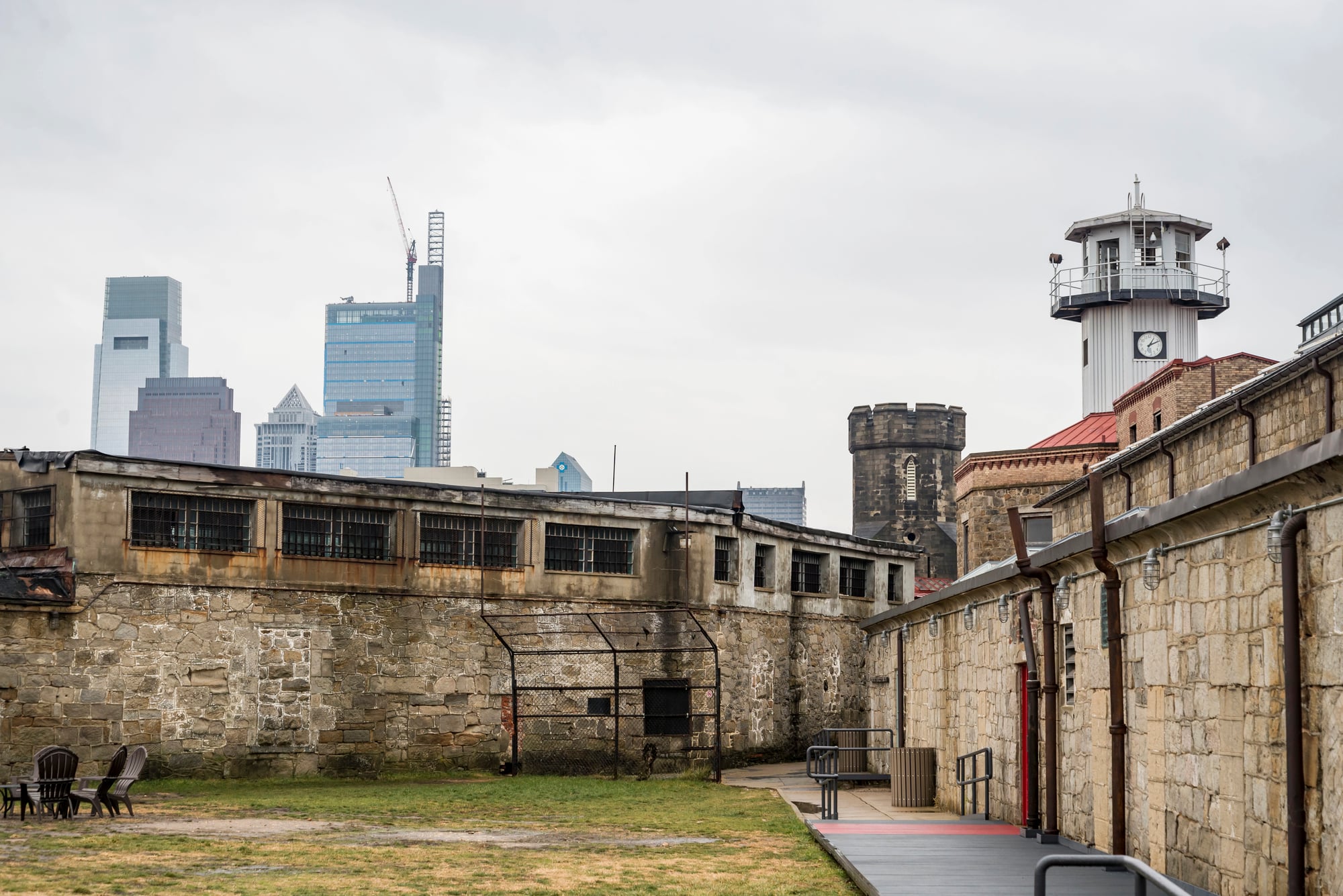
This prison pioneered solitary confinement when it opened in 1829. After closing in 1971, the cells, guard towers, and exercise yards were left untouched.
Peeling paint and rusted bars tell the story of a place designed to break human spirits through isolation.
Gunkanjima, Japan
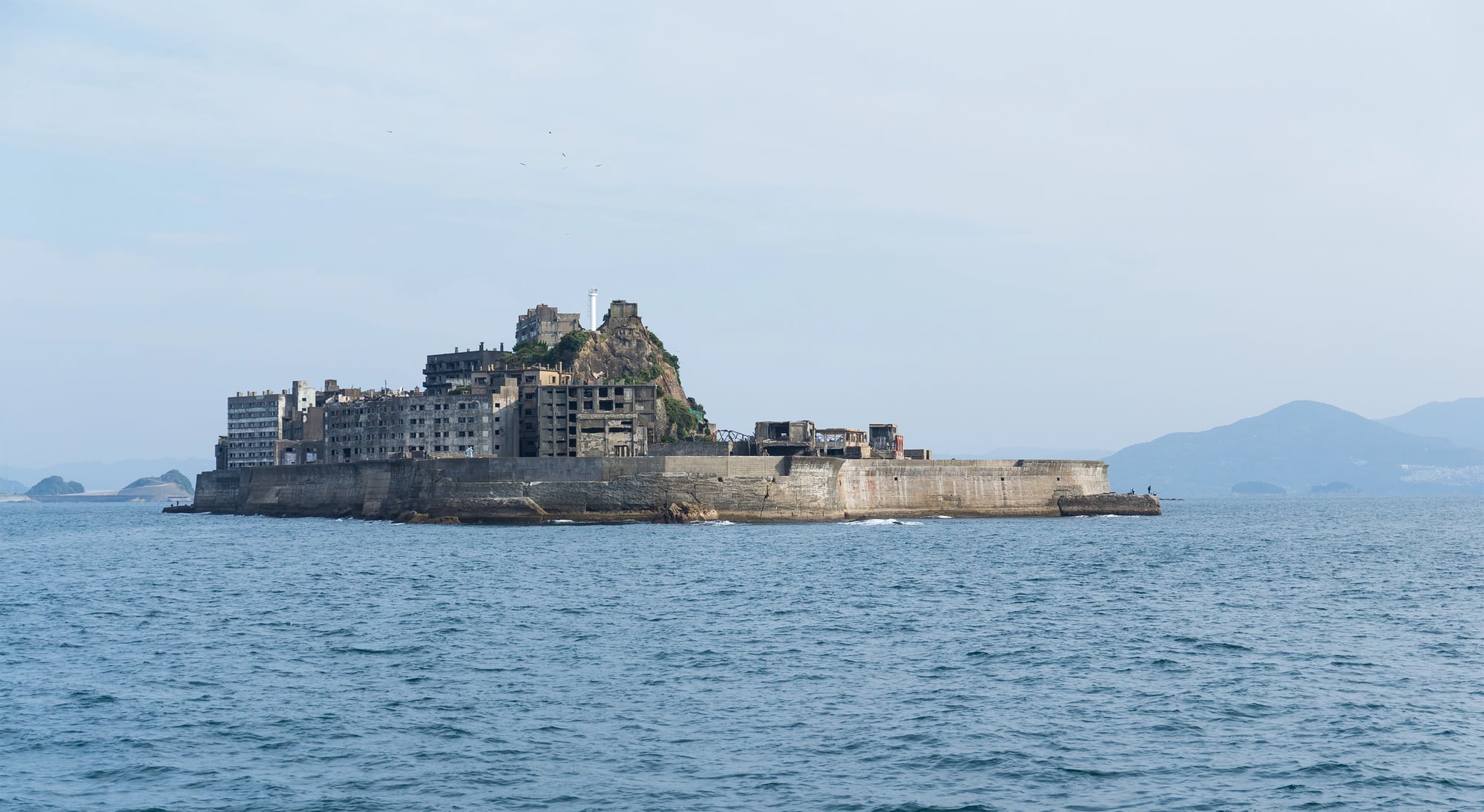
Another name for Hashima Island, but worth mentioning separately because of how the concrete buildings seem to grow directly from the rocky cliffs—like some brutalist architectural experiment that was testing how many people you could pack onto a piece of land barely larger than a city block.
The apartment buildings rise nine stories high, connected by narrow walkways that now lead nowhere, their windows gaping black against the gray concrete.
When you see photographs of Gunkanjima, it’s hard to believe people actually raised families there, celebrated holidays, fell in love, argued about mundane things like whose turn it was to take out the trash.
The place looks designed for isolation rather than community, yet somehow both happened.
Varosha, Cyprus
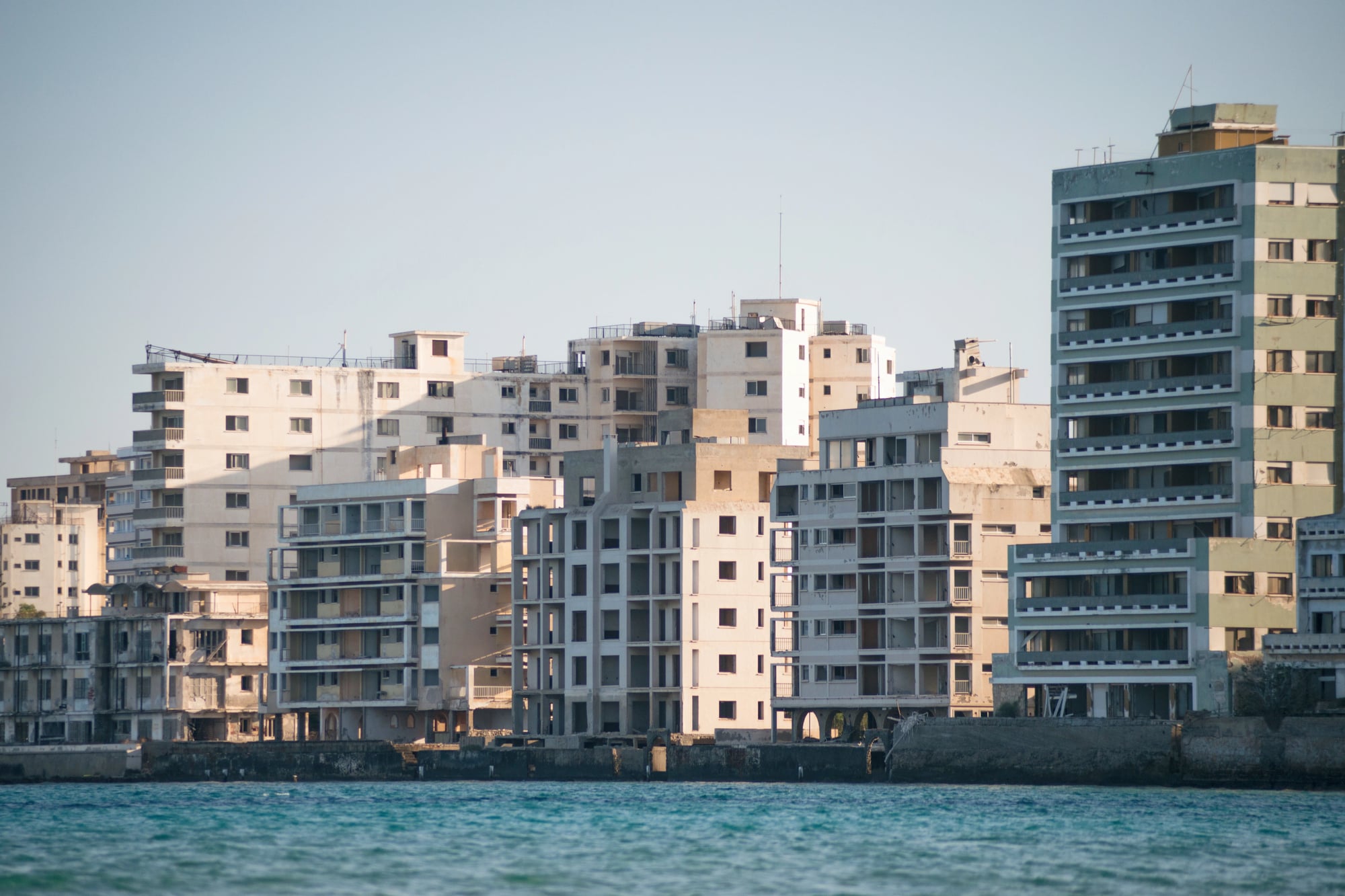
Turkish forces invaded Cyprus in 1974, and residents of this beach resort town fled so quickly they left everything behind. Hotels still have towels by the pools, restaurants still have tables set for dinner, and shops still display 1970s fashions in their windows.
Humberstone, Chile
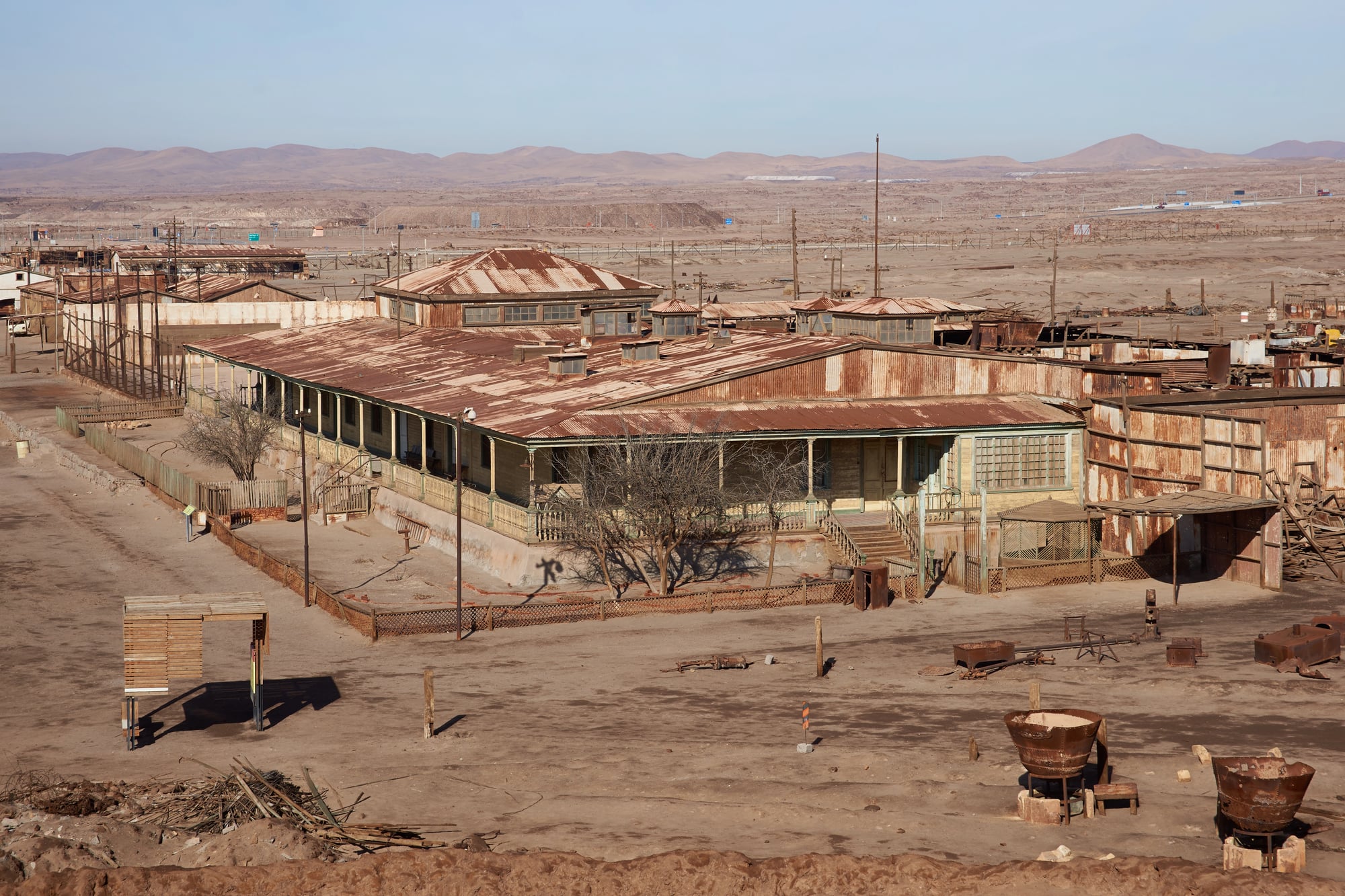
This saltpeter mining town operated for nearly a century before economic collapse forced its abandonment in 1960. The theater, swimming pool, and company store remain exactly as workers left them, preserved by the dry Atacama Desert climate.
Michigan Central Station, Detroit
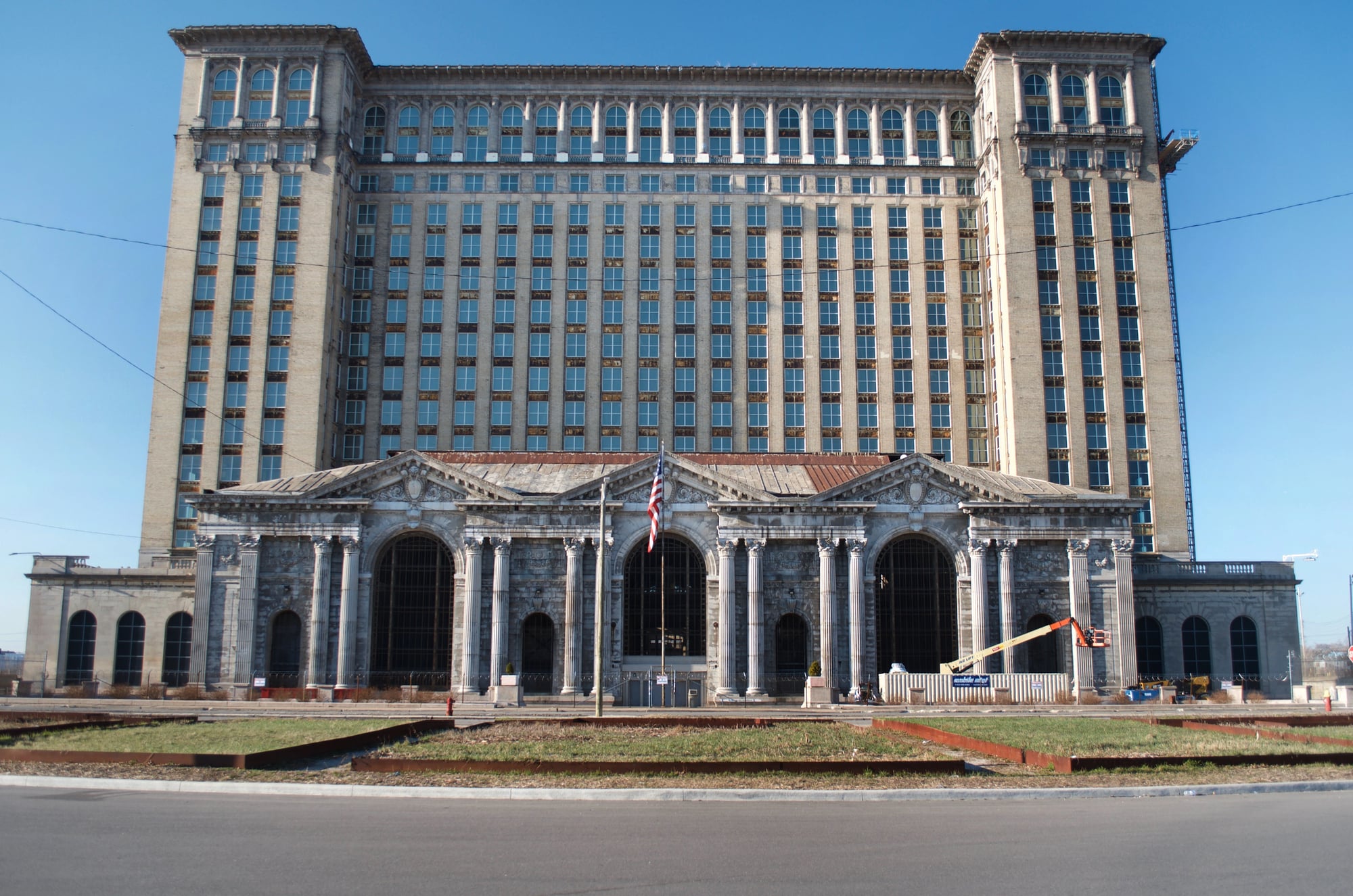
Built in 1913 as a monument to Detroit’s industrial might, this train station closed in 1988 when passenger rail service ended. The grand waiting room with its soaring ceilings and ornate details became a symbol of urban decay—though recent restoration efforts have begun.
Still, for decades, it stood as a cathedral to abandonment, where pigeons nested in the chandeliers and weeds grew through marble floors.
Oradour-sur-Glane, France
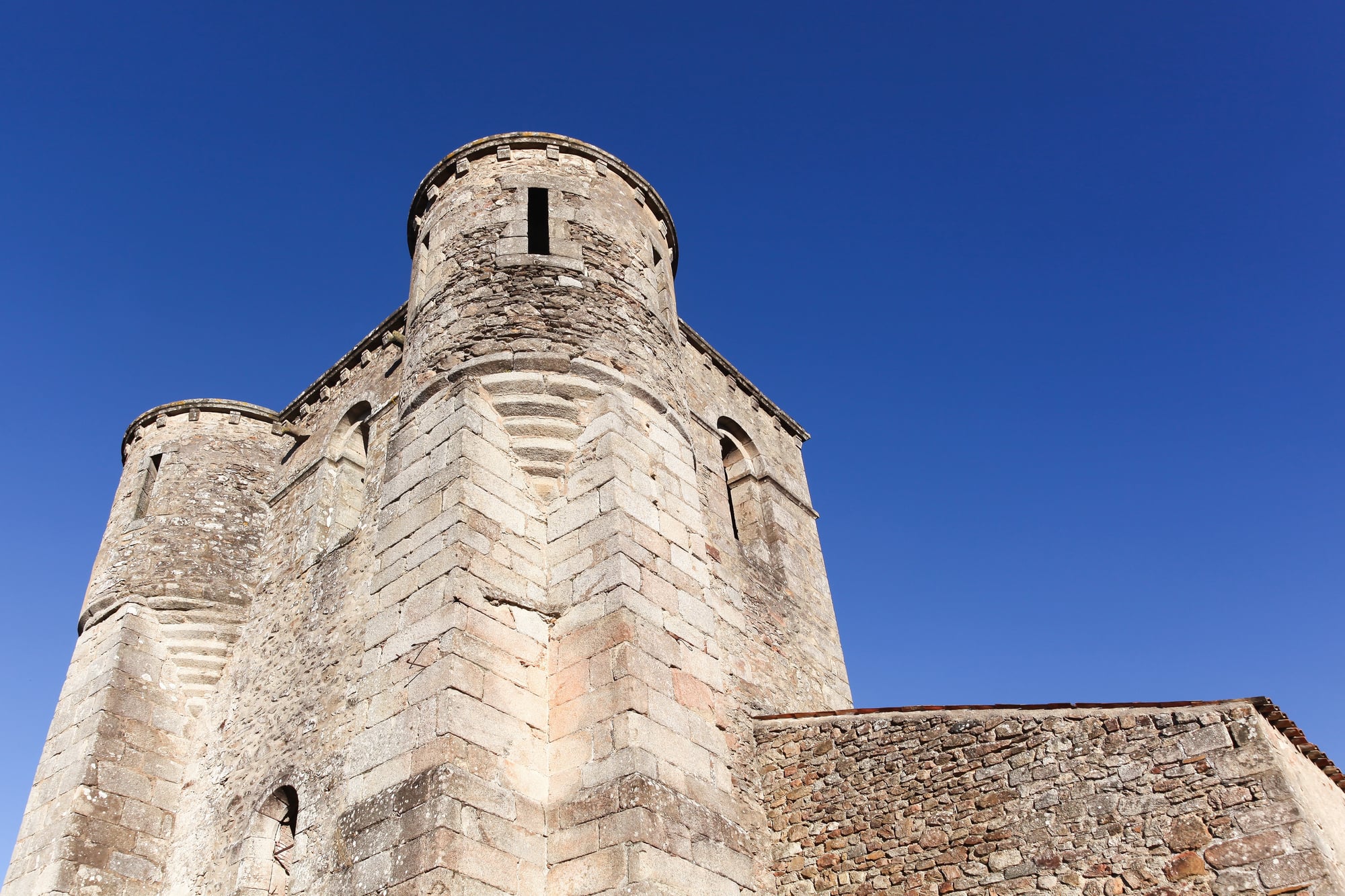
German forces destroyed this village and killed its inhabitants in 1944 during World War II. Rather than rebuild, France preserved the ruins exactly as they were found—burned cars, collapsed buildings, and household items scattered in the streets.
It serves as a permanent memorial to wartime atrocity. The silence here feels different from other abandoned places.
Heavier.
Six Flags Jazzland, New Orleans
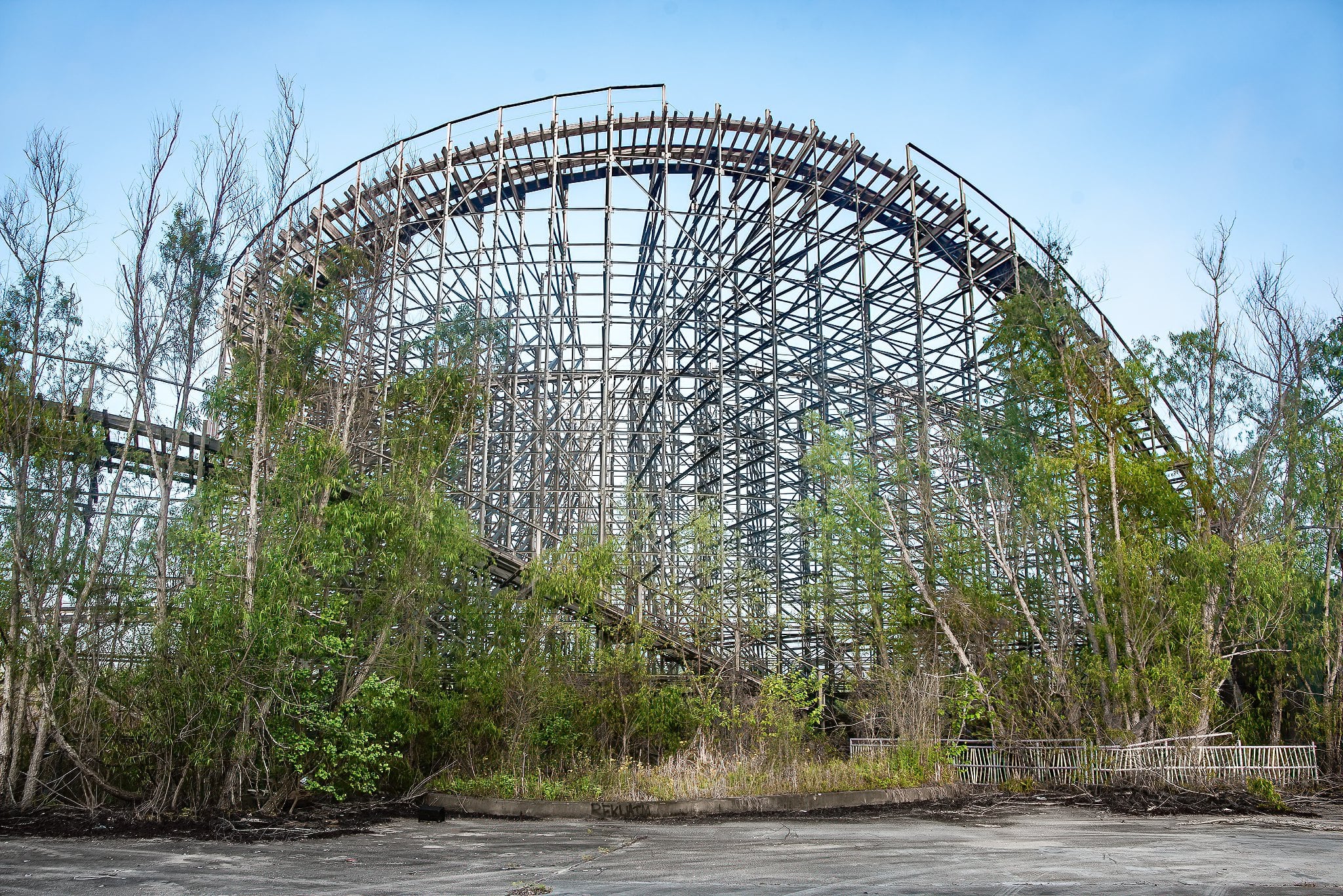
Hurricane Katrina flooded this amusement park in 2005 (and despite various redevelopment plans over the years, it remains untouched). Roller coasters stand frozen mid-loop, carnival games still display their prizes, and bumper cars sit submerged in what used to be the main midway—though the water has since receded, leaving behind a layer of mud and debris that coats everything like a shroud.
So what you have now is this surreal landscape where children’s laughter once echoed, but the only sounds are wind rattling loose metal and birds nesting in the Ferris wheel cars.
The juxtaposition hits you: a place designed entirely for joy, transformed into something that looks like the end of the world.
Bannerman Castle, New York
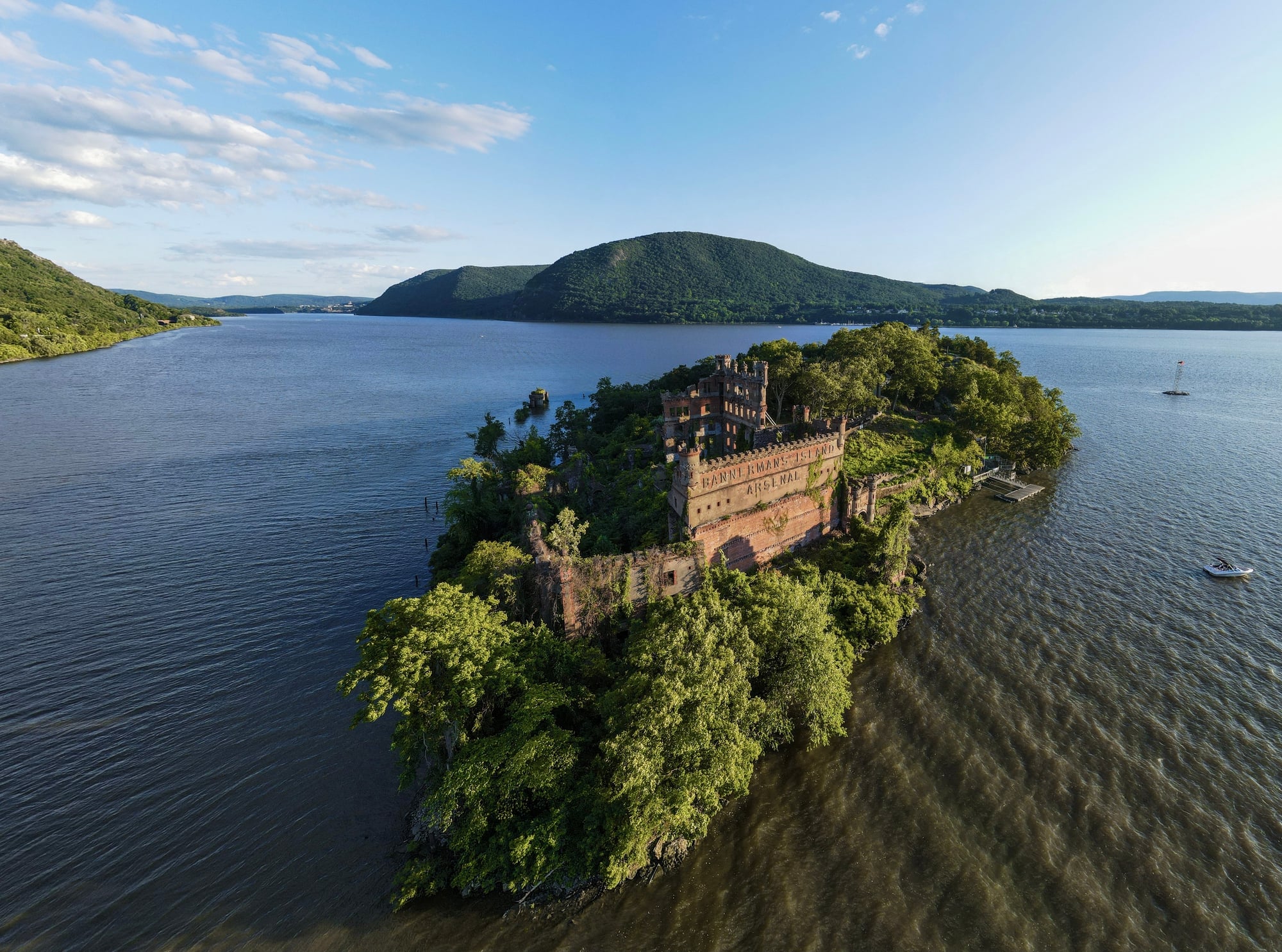
Francis Bannerman built this castle on Pollepel Island to store military surplus after the Spanish-American War. After explosive accidents damaged the structure in the early 1900s, it was gradually abandoned.
The Hudson River castle now stands as a romantic ruin, its towers slowly crumbling into the water.
Villa Epecuén, Argentina
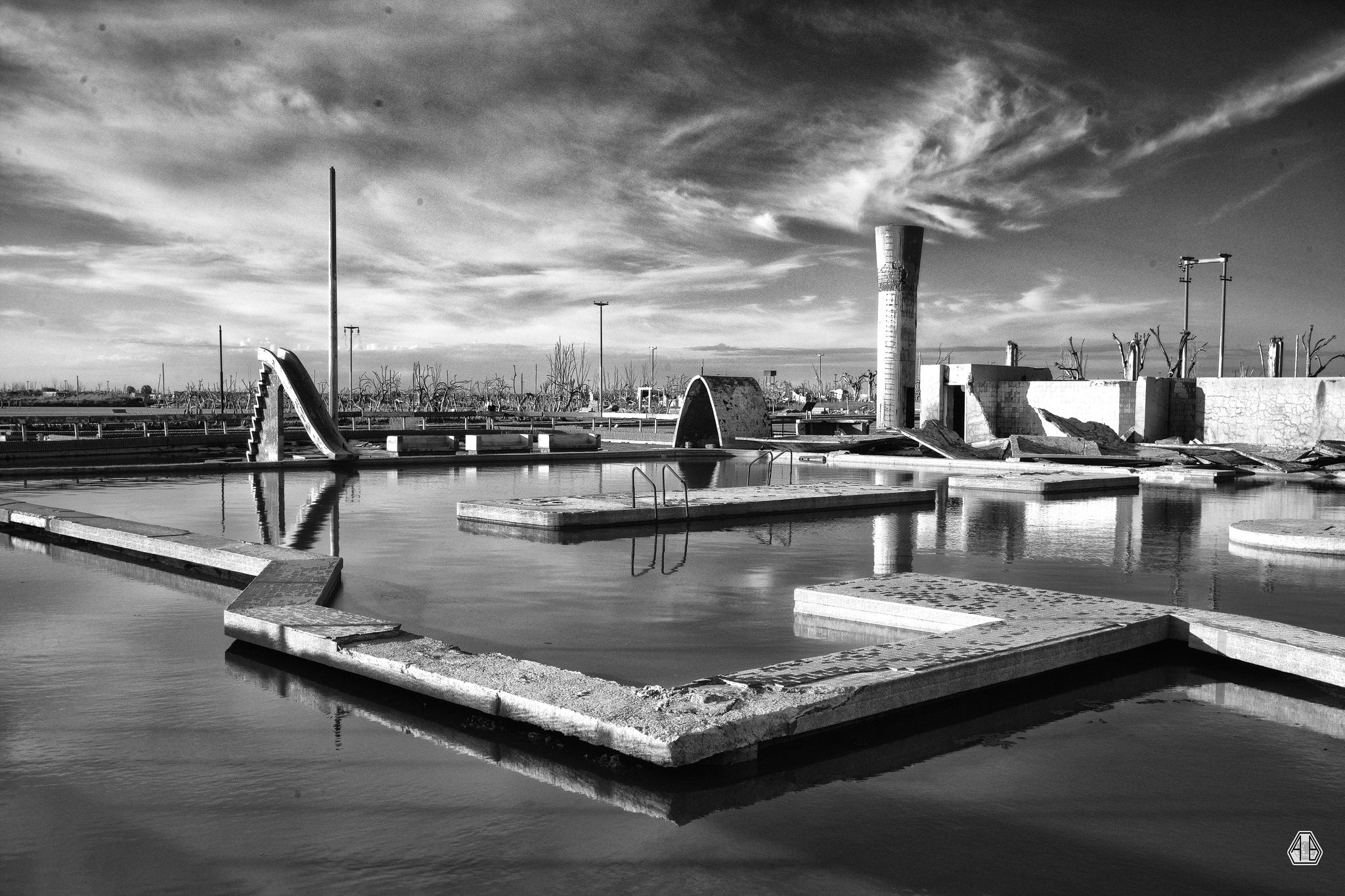
This lakeside resort town was completely submerged when a dam broke in 1985. When drought lowered the water levels decades later, the town emerged like Atlantis—buildings covered in salt, cars still parked where residents left them, trees long dead but still standing.
Battleship Island’s Shadow Twin
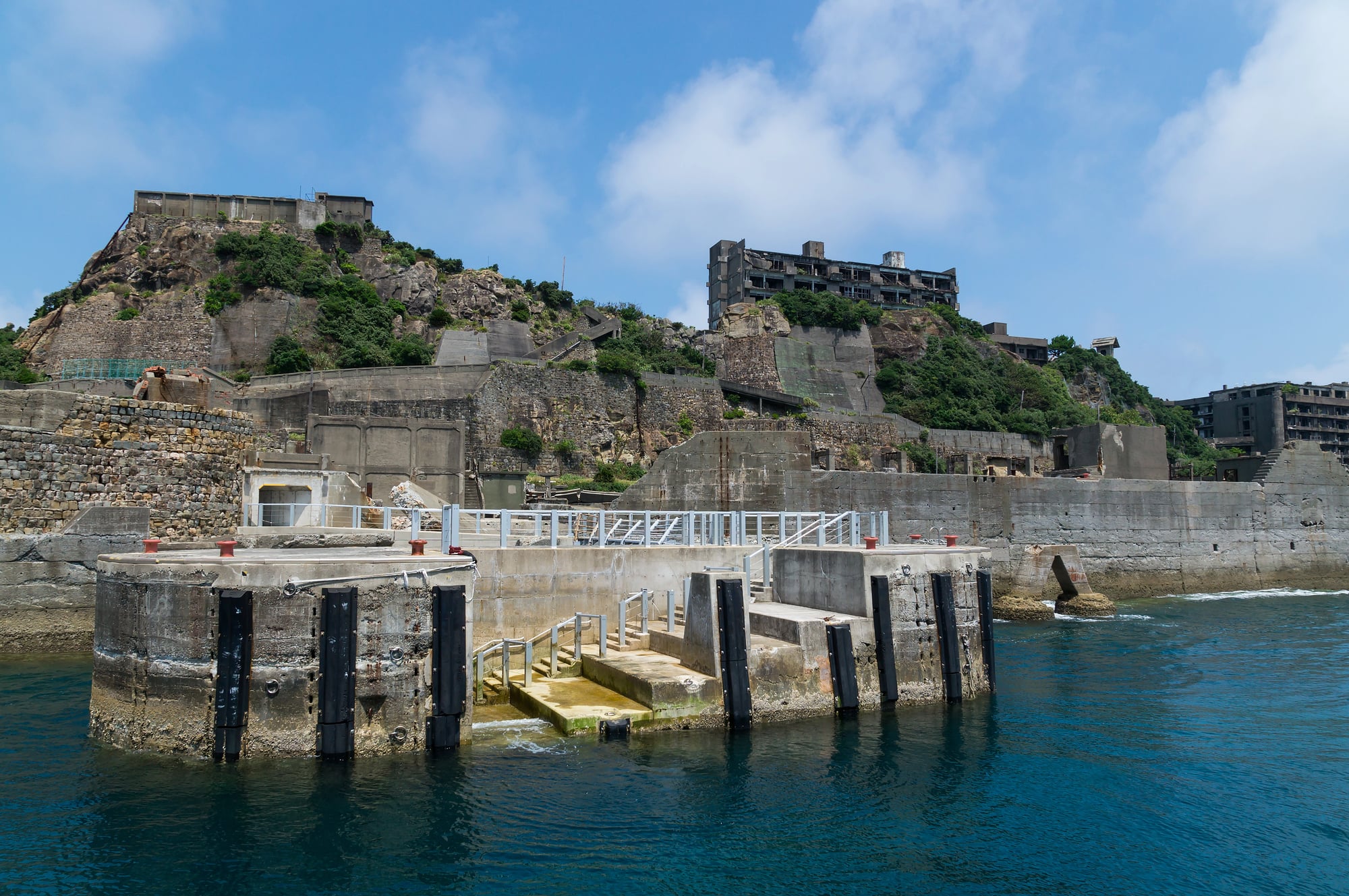
Less famous than Hashima but equally haunting, several similar mining islands off Japan’s coast tell the same story of industrial ambition followed by swift abandonment. These concrete monuments to extraction now serve as accidental time capsules, preserving a specific moment when progress meant packing humans into the smallest possible space to harvest resources from the earth.
When Silence Takes Over

These places share something beyond their abandonment—they all capture that precise moment when human activity simply stopped. Not gradually, but suddenly, leaving behind the awkward pause of interrupted life.
Walking through any of them feels like overhearing half of a conversation, where you can sense the missing parts but never quite piece together the whole story.
More from Go2Tutors!

- The Romanov Crown Jewels and Their Tragic Fate
- 13 Historical Mysteries That Science Still Can’t Solve
- Famous Hoaxes That Fooled the World for Years
- 15 Child Stars with Tragic Adult Lives
- 16 Famous Jewelry Pieces in History
Like Go2Tutors’s content? Follow us on MSN.



