Ancient Punishments So Bizarre They Sound Like Fiction
There’s a strange comfort in assuming that cruelty, when it existed in the ancient world, was at least straightforward. A sentence handed down, a penalty paid.
But the deeper you go into the historical record, the more you realize that ancient societies didn’t just punish people — they invented punishments with a kind of grim creativity that feels almost theatrical. Some of these methods were designed to humiliate as much as harm.
Others operated on a logic so foreign to modern thinking that they read less like justice and more like something a very disturbed playwright dreamed up. What follows are some of the most genuinely strange punishments ever recorded — real, documented, and stranger than most fiction would dare to be.
Scaphism

The Persians called it scaphism, and it was exactly as bad as it sounds. The condemned person was strapped between two hollowed-out boats, fed milk and honey until dysentery set in, and then left floating on a stagnant pond.
Insects did the rest — slowly, over days.
Decimation

Roman military discipline produced a punishment so coldly mathematical it still feels unsettling centuries later: if a unit was found guilty of cowardice or mutiny, one soldier in every ten was selected by lot — the others doing the selecting — and beaten to death by his own squadmates, none of whom had any personal grievance with the man they were about to kill. The surviving nine were then forced to camp outside the fort’s perimeter and eat barley instead of wheat, a public shame layered on top of grief.
So the punishment wasn’t really about the man who died — it was about making the other nine feel exactly what they’d done. And that calculation, cool and deliberate, is somehow more disturbing than any act of passion.
The Brazen Bull

The Brazen Bull was a hollow bronze statue in the shape of a bull, and it worked the way a furnace works: you put something inside, and you applied heat. A person placed inside the sealed chamber would be consumed by the fire lit beneath, and the acoustics of the bronze — designed deliberately by its inventor, Perillos of Athens — converted their screams into something that sounded, to people standing outside, like the bellowing of an animal.
The cruelty wasn’t just physical; it was the erasure of the human sound of suffering, replaced with something that didn’t implicate anyone. Perillos reportedly tested it himself, first — which is its own kind of justice.
Impalement
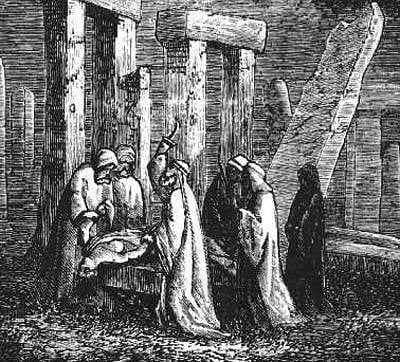
Vlad III of Wallachia didn’t invent impalement, but he did turn it into something close to a signature. The practice existed across the ancient world — in Assyria, in Persia, in various corners of the Mediterranean — as a way of executing people that also served as a message to everyone who passed by afterward.
To be fair, it worked on that second front: an army reportedly turned back rather than face Vlad after encountering a forest of around 20,000 impaled soldiers outside Târgoviște. Cruelty as a deterrent is a very old idea — it just doesn’t usually have its own nickname.
Being Sewn Into an Animal Hide

Ancient Rome had a punishment called the poena cullei in its early form — later formalized — but the broader practice of sewing a living person into a dead animal’s skin appears across multiple cultures. The heat, the constriction, the smell — none of it was accidental.
It was designed to degrade as much as destroy. Being unmade inside something already dead was the point.
The Rat Torture

The method known loosely as “rat torture” — though it appears in different forms across different cultures, from medieval Europe to certain corners of the ancient Near East — involved confining a rat inside a container that was then strapped against the body of the condemned, with only one direction available to the animal: inward. What makes this punishment so genuinely difficult to think about isn’t the physical result (which was exactly what you’d expect) but the logic behind it — the idea that the torturer’s hands remained technically clean, that the instrument of suffering was something alive and panicked and not entirely in anyone’s control.
The rat, in a horrible way, became the guilty party. And that displacement of agency is one of the oldest tricks in the history of cruelty.
Burial to the Neck
Being buried to the neck is a punishment that appears in cultures separated by thousands of miles, which says something uncomfortable about how universal certain impulses are. The body becomes irrelevant — present but inaccessible — and what remains exposed is just the face, blinking in the sun, completely dependent on whoever chooses to walk by.
In some traditions, the condemned was left to the elements; in others, stoning followed. Either way, the punishment was designed to reduce a person to helplessness so total it almost reads as philosophical — a lesson about what you are without your body, your hands, your ability to move.
Damnatio Memoriae
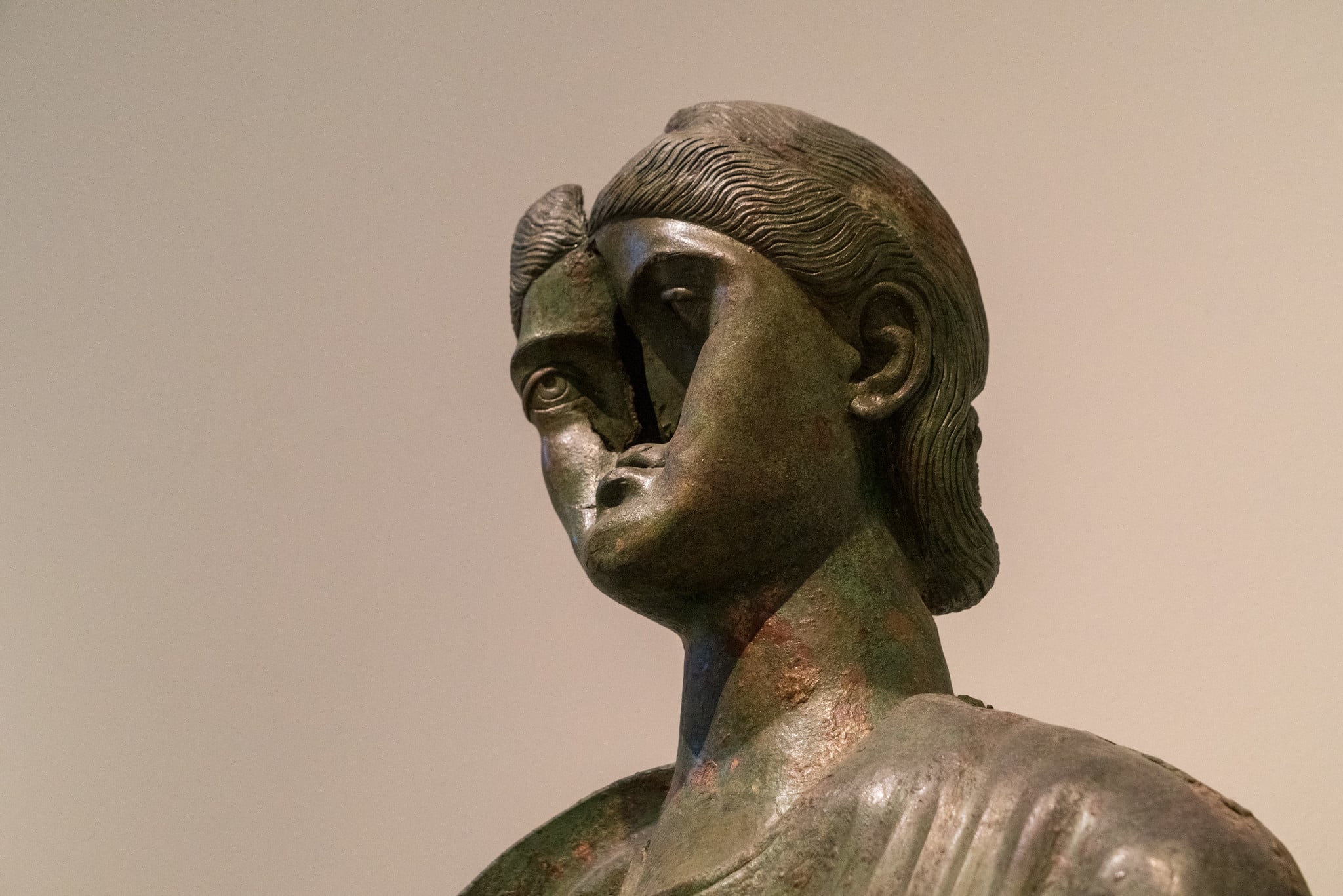
Damnatio memoriae is the Roman practice of officially erasing a disgraced person from the historical record — chiseling their name from inscriptions, destroying their portraits, pretending they never existed. It sounds almost mild compared to flaying or impalement, which is exactly why it’s so interesting: Rome apparently considered obliteration from memory a punishment severe enough to be handed down by the Senate.
The assumption embedded in this is that legacy matters more than life to certain kinds of people — and turns out, for Roman emperors, that assumption was usually correct. Erasure as a weapon only works if the target cares about being remembered, which means it was the most personalized punishment in the Roman toolkit.
Flaying

Flaying — the removal of skin from a living person — appears in Assyrian records with a frankness that’s almost clinical. Kings documented it on stone reliefs alongside their military victories, as though it required no particular explanation.
It was punishment, but it was also theater. The Assyrians understood that what people witnessed mattered as much as what they suffered.
Poena Cullei

The poena cullei was Rome’s designated punishment for parricide — the killing of a parent — and it operated on a symbolism so deliberate it reads almost like dark poetry: the condemned was sewn into a leather sack alongside a dog, a rooster, a viper, and a monkey, and the sack was thrown into a river or the sea. Each animal was chosen for a specific symbolic reason (the dog for shamelessness, the viper for ingratitude, the monkey as a grotesque mockery of human form), and the whole assembly — this terrible, chaotic bag of living things — was meant to represent the way the murderer had inverted the natural order of family.
It was also, to be clear, an extremely effective execution method — but the Romans seemed less interested in efficiency than in making a theological point. And that point, delivered via drowning sack of animals, was one you would not forget.
The Judas Cradle
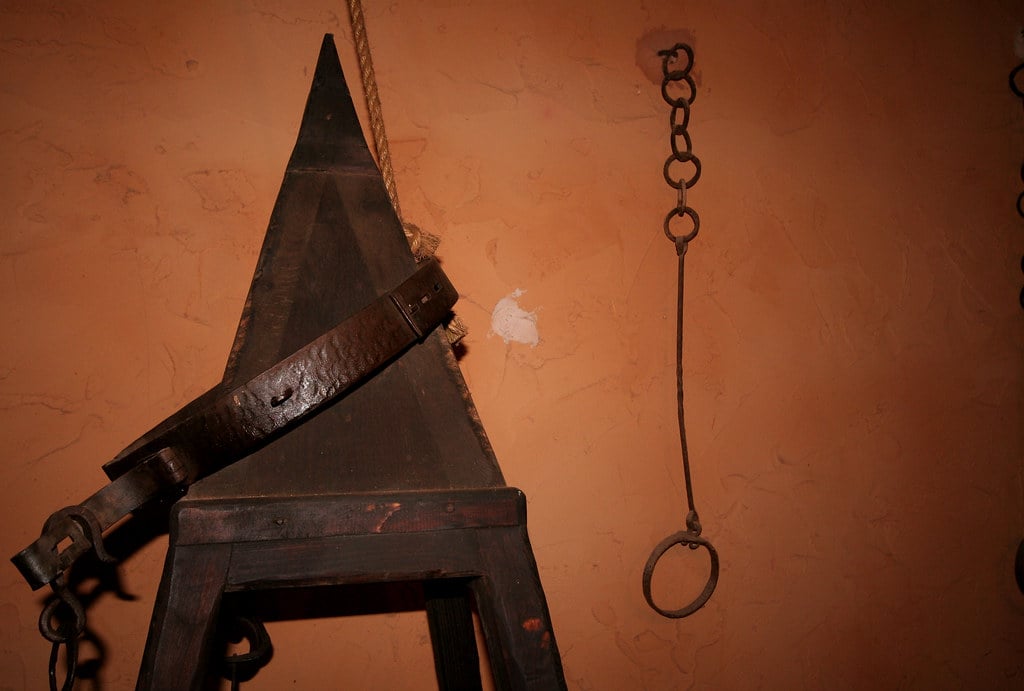
The Judas Cradle is often attributed to medieval Europe, but the principle it embodies — using gravity as the instrument rather than the executioner’s direct hand — appears in older traditions across the ancient world. The device was a pyramid-shaped seat, and the condemned was suspended above it, then lowered, slowly, at whatever pace the authorities chose.
There’s something almost patient about it, the way a slow punishment implies that the punisher has time — that they are in no hurry. It’s the difference between a storm and a drought: one announces itself loudly, the other simply outlasts you.
Forced Laughing
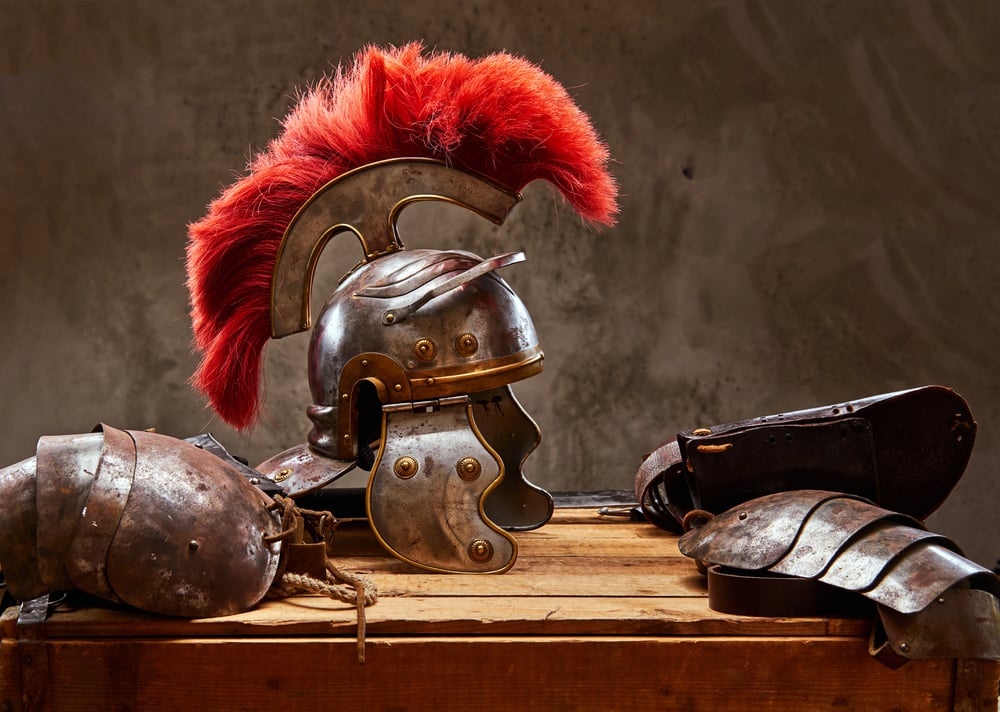
Ancient Sparta reportedly punished certain offenses by forcing the condemned to laugh continuously — achieved through methods that ranged from physical stimulation to prolonged sleep deprivation. Laughter as a weapon is a genuinely unsettling concept, mostly because it hijacks something involuntary and turns it against you.
The cruelty isn’t in the act itself but in the disorientation: your body doing something associated with joy, under duress, until the two things become impossible to separate. It’s the kind of punishment a civilization designs when it’s thought very carefully about what it actually means to humiliate someone.
The Breaking Wheel

The breaking wheel was exactly what it sounds like, and it was used across Europe and parts of the ancient world for centuries. A person was bound to a large wagon wheel and beaten with a heavy implement — sometimes the wheel was then mounted on a pole.
Death was rarely quick. The wheel became a symbol so recognizable that it appeared in coats of arms and religious iconography, which is the kind of detail that should give anyone pause.
Pressing
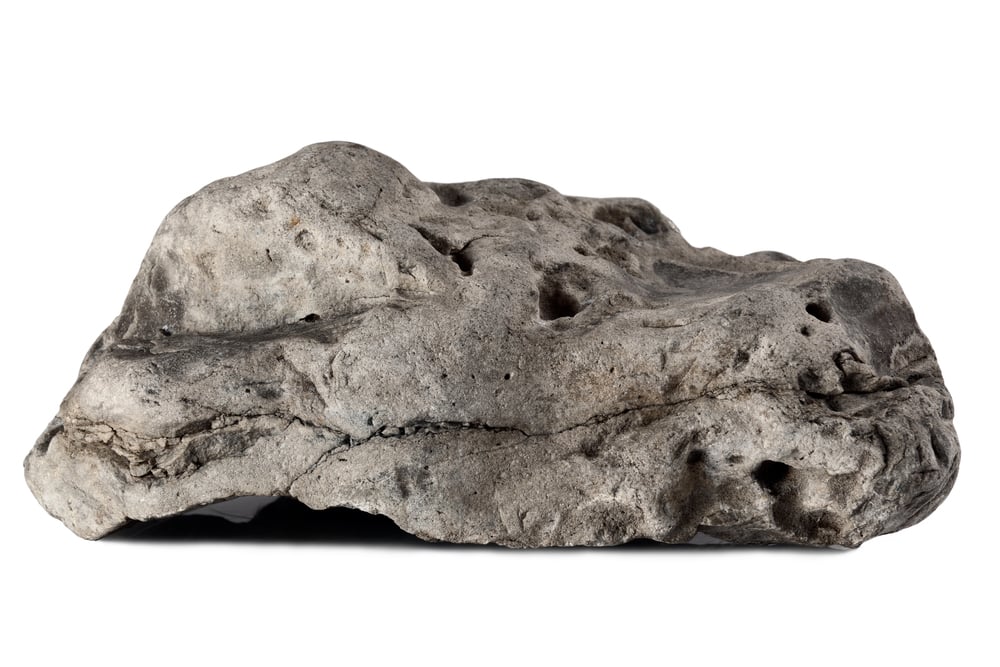
Pressing — known formally as peine forte et dure in its medieval English form, though the practice of placing heavy stones on the living appears far earlier in various ancient legal traditions — was used specifically against defendants who refused to enter a plea, because a trial could not proceed without one, and a trial that did not proceed meant the condemned’s property could not be confiscated by the state. The stones would be added one by one (each one heavier than the last, the weight building across hours or days), and the accused would be offered, at intervals, the chance to simply speak.
Some people chose not to. There is something almost magnificent about that refusal — the decision to be destroyed by weight rather than by words — even as the method itself is one of the more drawn-out forms of execution the historical record contains.
And the state, for its part, kept adding stones.
Tongue Removal for Blasphemy

The removal of the tongue as punishment for blasphemy appears in ancient codes from Babylon to Rome to early medieval Europe, and it works on a logic that is almost too tidy: the instrument of the offense becomes the thing that is taken. But language isn’t just an instrument — it’s how a person exists in relation to other people — and so the punishment was less about preventing future speech than about severing the condemned from the social world entirely.
A person who cannot speak becomes, in communities built on oral tradition and public discourse, something closer to a ghost. Still present, still watching, just permanently cut off from the conversation.
The Drunkard’s Cloak

The Drunkard’s Cloak was a barrel with rounds cut for the head and arms, worn as a walking prison by people convicted of public intoxication in parts of northern Europe and, reportedly, in some earlier traditions tracing back further. The condemned had to walk through the town wearing it — heavy, humiliating, and completely visible.
It’s one of the rare ancient punishments that prioritized shame over pain, which makes it almost refreshingly honest: the point was never to hurt you, just to make absolutely everyone aware of what you’d done. Turns out public embarrassment has always been considered a meaningful consequence, which is saying something about human nature across every era.
Being Eaten by Cats

Ancient Persia allegedly used confinement with hungry cats as a method of execution, though the historical record here is thinner than with other entries. The condemned would be confined in a sealed room with starved animals.
It was personal in a way that most executions weren’t — not administered by a soldier or a device, but by something indifferent to justice entirely.
Death by a Thousand Cuts
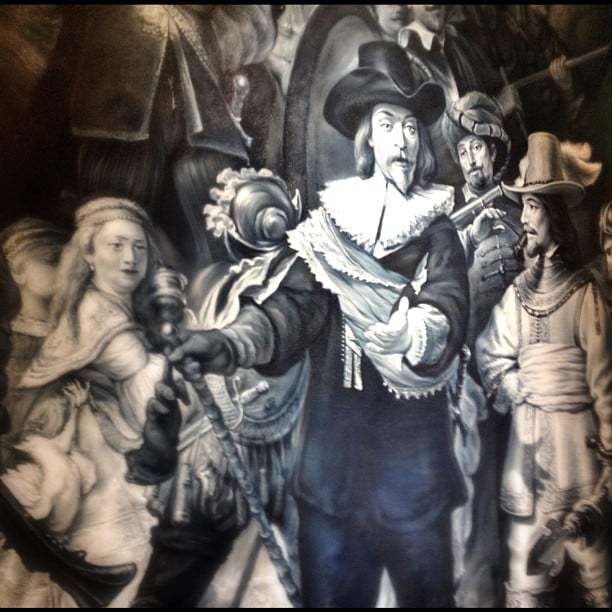
Lingchi — known in the West as “death by a thousand cuts” — was a Chinese execution method used from approximately the 900s CE through its official abolition in 1905, and it operated on a philosophy of punishment so precisely calibrated that the number of cuts administered corresponded directly to the severity of the crime: the worst offenders received the most cuts, the mildest form was considerably fewer, and the entire process was overseen according to strict procedural guidelines. What’s most disquieting about lingchi — more than the method itself, which was exactly as prolonged as you’d expect — is the bureaucratic care behind it, the sense that someone had sat down and worked out a sliding scale of dismemberment with the same administrative focus you might bring to a tax code.
The condemned wasn’t just being executed; they were being measured, categorized, and processed. And that precision, somehow, makes it worse than the chaos.
What Justice Actually Was

Every civilization on this list believed, with complete sincerity, that it was being just. That’s the part that doesn’t resolve neatly — not the inventiveness of the cruelty, but the confidence behind it.
These weren’t the acts of people who thought they were doing something monstrous. They were the acts of people who had built systems, written laws, assigned roles, and convinced themselves that suffering, delivered correctly, meant something.
The gap between their certainty and ours is enormous, and the only honest thing to do with it is to sit in it for a moment — to wonder what future centuries will make of the certainties we’re carrying right now, the ones that feel so obviously correct we’d never think to question them.
More from Go2Tutors!

- The Romanov Crown Jewels and Their Tragic Fate
- 13 Historical Mysteries That Science Still Can’t Solve
- Famous Hoaxes That Fooled the World for Years
- 15 Child Stars with Tragic Adult Lives
- 16 Famous Jewelry Pieces in History
Like Go2Tutors’s content? Follow us on MSN.