Unusual Ways People Used Ice Before Refrigerators
Long before anyone could open a freezer door and grab a handful of ice cubes, people had to get creative with frozen water. Ice wasn’t just a luxury for keeping drinks cold.
It played a role in everything from healthcare to entertainment, and people came up with some pretty clever ways to use it. So what did folks actually do with all that ice they harvested from frozen lakes and rivers? Let’s look at some of the surprising ways ice shaped daily life in the years before electric refrigerators changed everything.
Storing corpses until burial

Funeral homes and families faced a serious problem when someone died, especially during summer. Bodies would start to decompose quickly in warm weather, which made it difficult to wait for relatives traveling from far away or to plan proper funeral services.
Ice became the practical solution for preserving the deceased until burial could take place. Funeral directors would pack bodies in ice or place them in ice-filled cooling boards, which were specially designed wooden platforms with compartments for ice blocks.
This practice was so common that ice delivery services offered special rates for funeral purposes.
Keeping produce fresh at markets

Vendors at outdoor markets needed a way to keep fruits, vegetables, and other perishables from wilting or rotting in the heat. They built wooden stalls with zinc-lined compartments underneath where large blocks of ice could sit.
The cold air would rise up through the display area, creating a natural cooling effect that kept lettuce crisp and berries fresh throughout the day. Some clever merchants even draped wet burlap over their produce, positioning it near the ice so the evaporation would create extra cooling.
Treating high fevers and infections

Doctors relied heavily on ice to bring down dangerous fevers before modern medicine offered better options. They would wrap chunks of ice in cloth and place them on a patient’s forehead, under their arms, or around their neck.
For serious infections or inflammation, ice packs helped reduce swelling and pain in affected areas. This wasn’t just folk medicine either.
Medical textbooks from the 1800s included detailed instructions on proper ice application for various conditions.
Preserving caught fish on boats

Fishermen working on commercial vessels faced a real challenge getting their catch back to shore before it spoiled. They filled the holds of their boats with crushed ice mixed with salt, which lowered the temperature even further than plain ice could manage.
Each layer of fish got covered with more ice, creating a system that could keep seafood fresh for days or even weeks at sea. The fishing industry consumed enormous amounts of ice, and coastal ice houses did steady business supplying the fleets.
Making ice cream as a special treat

Ice cream existed long before refrigerators, but making it required serious effort and plenty of ice. Families would pack a metal canister filled with cream and flavorings inside a wooden bucket, then surround it with ice mixed with rock salt.
Someone had to crank a handle for 20 to 30 minutes while the salt lowered the ice’s temperature enough to freeze the cream mixture. The whole process became a social event, with neighbors gathering for ice cream socials on hot summer evenings.
Cooling down hospital wards

Hospitals in hot climates struggled to keep patients comfortable during heat waves, which could actually slow recovery or worsen certain conditions. Some facilities installed elaborate systems where large blocks of ice sat in metal pans positioned near air vents or fans.
As the ice melted, the moving air would pick up the coolness and distribute it throughout the ward. Hospitals in places like India and the southern United States relied on these ice-cooling systems well into the early 1900s.
Chilling champagne for celebrations

Wealthy families who wanted to impress guests at parties needed a way to serve champagne at the proper cold temperature. They used decorative silver or brass buckets filled with ice to chill bottles right at the table.
Some fancy homes had special wine cellars with ice rooms attached, where servants would store bottles surrounded by ice blocks for hours before an event. The tradition of ice buckets at celebrations stuck around even after refrigerators became common.
Preserving meat on long train journeys

Railroad companies revolutionized food transportation by developing refrigerated train cars packed with ice. Workers loaded these cars with massive ice blocks at the start of a journey, and the insulated walls kept temperatures low enough to ship meat from Chicago slaughterhouses to cities across the country.
Attendants traveled with the cargo, adding more ice at stops along the route to maintain the cold. This ice-based system opened up national markets for perishable foods and changed American eating habits completely.
Treating sports injuries and bruises

Athletes and regular folks dealing with sprains, twisted ankles, or bad bruises turned to ice for relief long before modern sports medicine existed. They would chip off pieces from a large ice block, wrap them in towels, and apply the cold packs to injured areas.
The ice helped reduce swelling and numbed the pain enough that people could get through their day. Boxers became famous for sitting with their faces packed in ice between rounds to minimize swelling.
Keeping butter solid in summer

Butter would turn into a greasy puddle within hours on a hot day, making it nearly impossible to spread or use in cooking. Households used specialized butter dishes with a bottom compartment that held ice underneath the butter.
The cold from below kept the butter at just the right consistency without freezing it solid. Dairy shops used similar setups to display their butter for sale without it melting all over the counter.
Cooling theaters and public buildings

Entertainment venues and government buildings in big cities needed to attract crowds even during sweltering summers. They installed ventilation systems where tons of ice sat in basement chambers with fans blowing air across the frozen blocks and up through floor vents into the main spaces.
Some theaters advertised their ‘ice-cooled air’ on marquees as a major selling point. The amount of ice these buildings used each day was staggering, sometimes requiring several deliveries from ice companies.
Preserving biological specimens
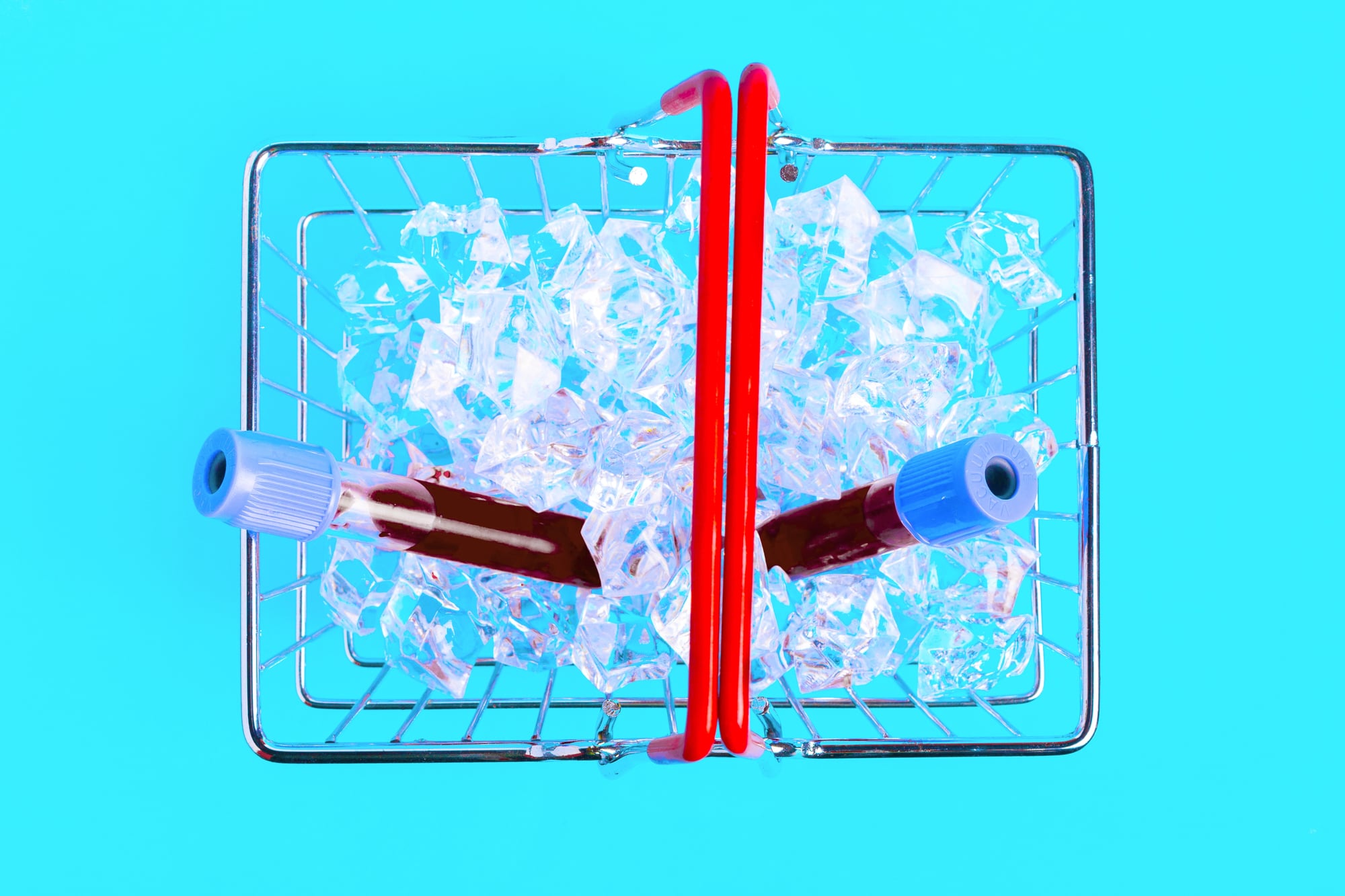
Scientists and medical schools needed ways to keep anatomical specimens, tissue samples, and research materials from decomposing. They stored these items in glass jars submerged in tanks of ice water or kept them in ice-packed storage rooms.
Natural history museums used similar methods to preserve animal specimens they were preparing for display. Without this ice-based preservation, much of the scientific progress in biology and medicine would have moved far slower.
Chilling milk at dairy farms

Farmers milking cows twice a day faced an urgent problem since milk would sour within hours if left at room temperature. They pumped fresh milk into large metal cans and placed them in water tanks filled with ice, which dropped the milk’s temperature quickly enough to slow bacterial growth.
Dairy farms close to cities had ice delivered regularly, while rural farms often had their own ice houses stocked with blocks cut from frozen ponds during winter. This system kept milk safe until it could reach consumers.
Creating cold storage for pharmacies

Drugstores stocked medications and compounds that would break down or lose effectiveness in heat. Pharmacists built special storage areas with ice compartments to maintain stable cool temperatures for these sensitive products.
Insulin, vaccines, and certain pills all required cold storage, and ice made this possible decades before electric refrigeration reached most pharmacy locations. The local ice delivery schedule often determined when pharmacists could restock temperature-sensitive items.
Finding relief from aching teeth when dental care wasn’t advanced

Back when there were no good painkillers or proper dental care, folks with awful toothaches didn’t have many ways to feel better. Pressing ice straight onto the jaw, or tucking tiny bits of ice near the sore spot, helped dull the hurt – for a while.
Some barbers, who also pulled teeth back then, always had ice ready just for this reason; it made yanking out teeth slightly easier on the person. Thanks to the chill, people managed to sit through simple treatments without passing out.
Cooling units in storage rooms where wine matures
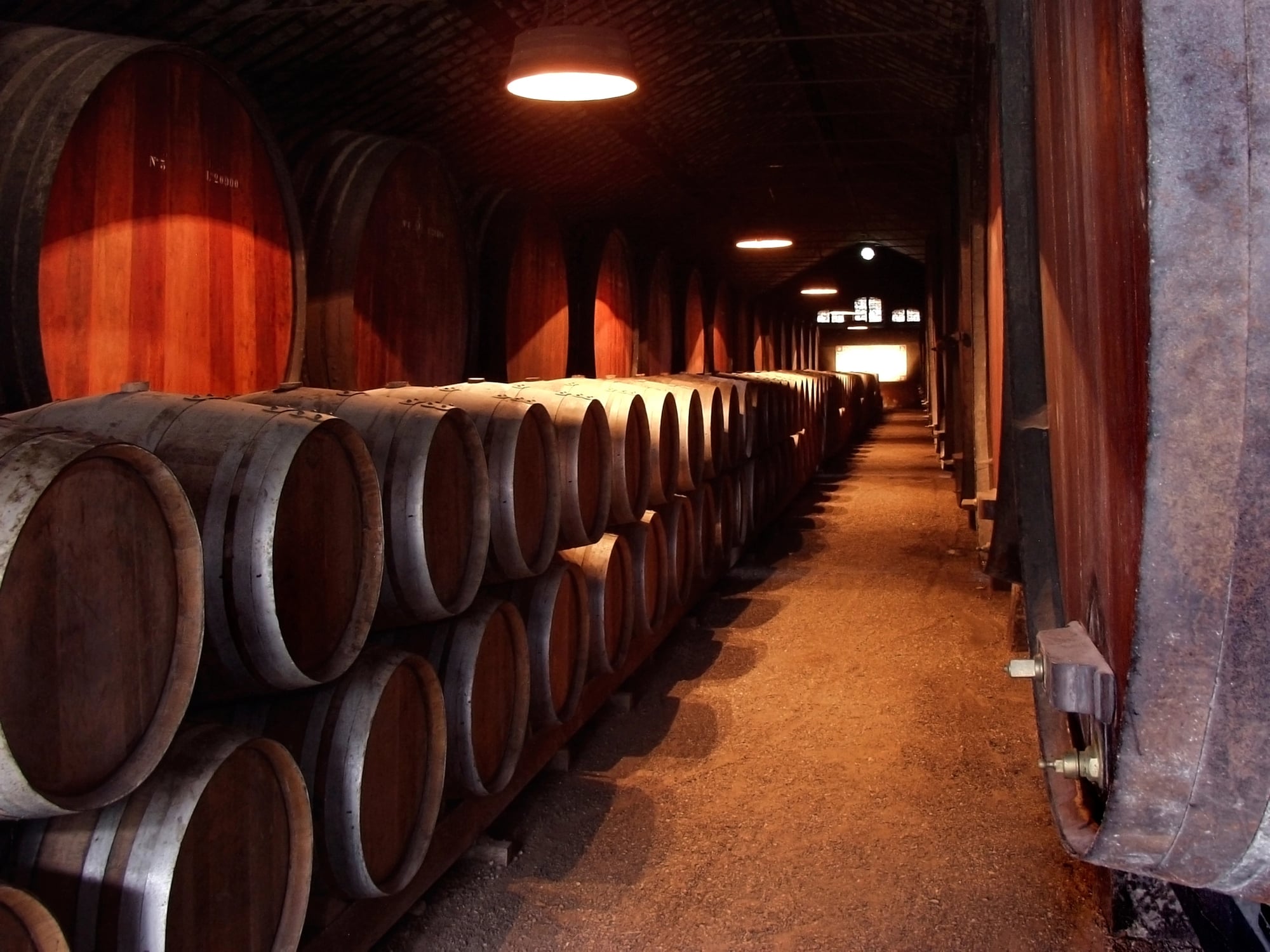
Winemakers plus collectors knew good aging needed steady chill, yet underground cellars often warmed up – particularly where climates ran hot. So they carved out separate ice chambers near storage zones, topping them off with frozen chunks now and then.
Chills leaked across shared walls, holding temps just right for maturing bottles. A few estates hired hands focused purely on hauling and replacing ice to guard precious vintages.
Picking blooms to keep them fresh for big moments

Florists had to keep cut flowers from drooping before weddings, memorials, or big gatherings – warm rooms made petals fade fast. To fight heat, some tucked bouquets into icy chambers or bundled stems with chipped ice when shipping out.
A bride might dunk her arrangement in a bucket, cool it down with frozen water nearby till morning light. Over time, people counted on these flower sellers no matter the season, trusting they’d deliver lively blooms anytime.
Treating heat stroke in emergency situations

If a person passed out from overheating, getting cooled fast was key – one way it helped avoid worse health issues. People nearby would wrap the individual in anything cold they had, like using chilled packs near spots where veins were shallow.
Workplaces under scorching conditions stored frozen blocks just for moments like these. This method made survival more likely during sudden hot spells before bodies adjusted.
How ice shaped modern life

Back then, harvesting ice and delivering it set up networks that later helped spread electric fridges. Companies pulling blocks from frozen lakes usually jumped on machines making ice – then shifted to selling cooling units.
Expectations around cool drinks or fresh groceries? They began when ice was king.
Turns out, freezing stuff wasn’t just about keeping things cold – it reshaped how we store food, handle meds, stay comfortable – even now.
More from Go2Tutors!

- The Romanov Crown Jewels and Their Tragic Fate
- 13 Historical Mysteries That Science Still Can’t Solve
- Famous Hoaxes That Fooled the World for Years
- 15 Child Stars with Tragic Adult Lives
- 16 Famous Jewelry Pieces in History
Like Go2Tutors’s content? Follow us on MSN.