Why Roller Rinks Were the Social Hub of Every Small Town
There’s a particular kind of place that a small town only gets one of — a place where the awkward and the confident share the same floor, where the music is always a little too loud, and where showing up is the whole point. Roller rinks were that place.
Before the internet collapsed every social experience into a screen, before malls swallowed up weekend plans, and before “going out” became something you needed a reservation for, a roller rink was where community actually happened. Not in a civic, ribbon-cutting kind of way — in the real way, where you bumped into someone’s elbow and ended up talking for two hours.
The Rink as Neutral Ground
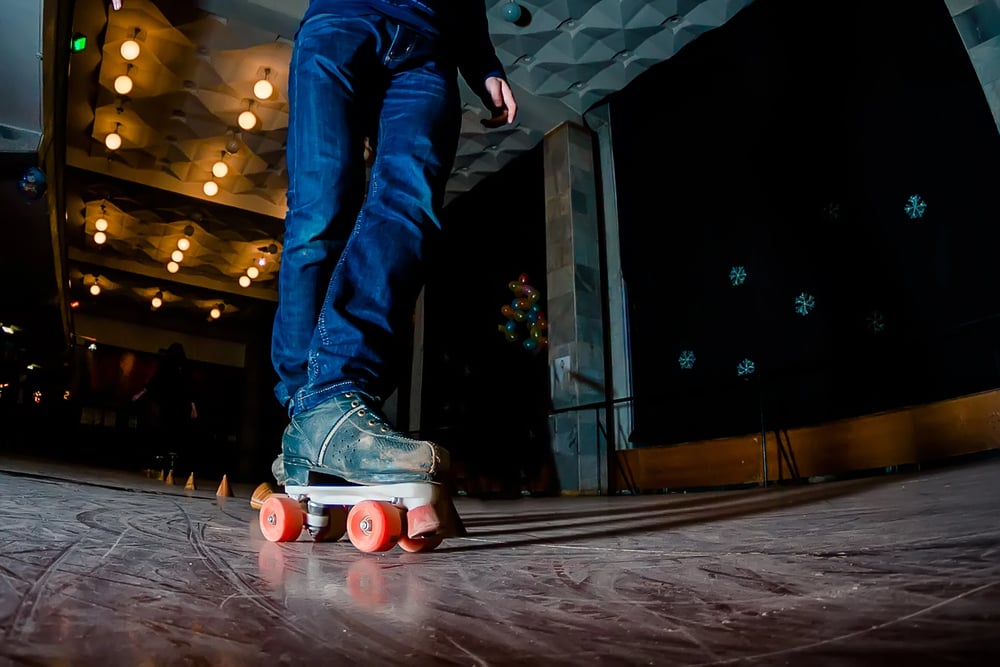
Roller rinks didn’t belong to any one crowd. The athlete and the theater kid and the kid who was neither orbited the same oval under the same disco orb, which is saying something for a time when social boundaries inside a school hallway felt like international borders.
Nobody’s status followed them onto the floor — skates are too unsteady for posturing.
The Economics of Getting In
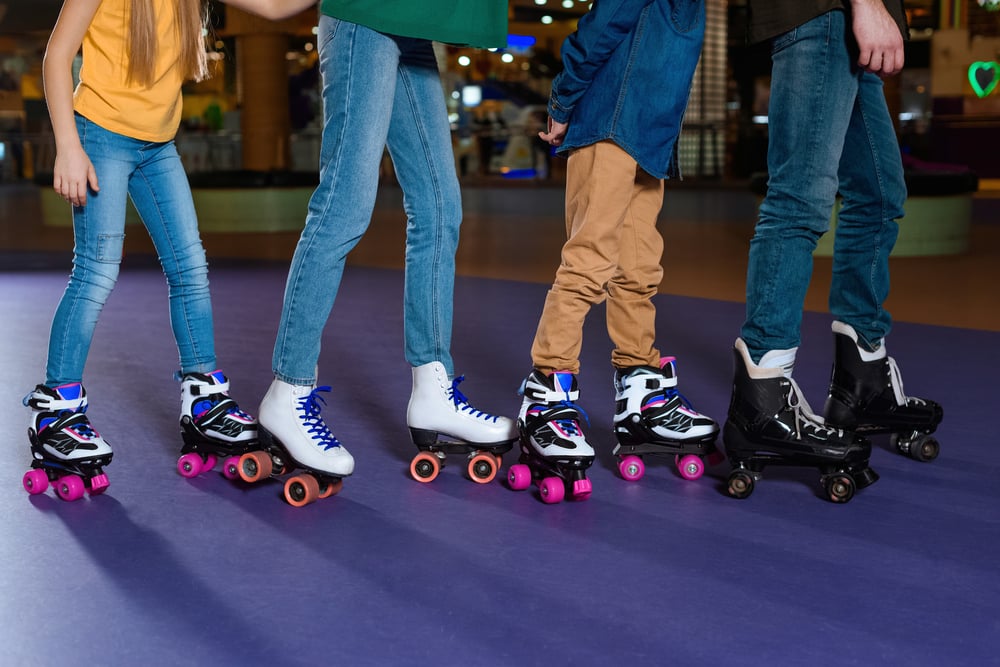
Admission was affordable in a way that genuinely mattered. For a few dollars — sometimes less than five, depending on the decade and the town — you got skate rental, open floor time, and an evening’s worth of social infrastructure.
That’s not nostalgia inflating the numbers; rinks were deliberately priced to fill seats, and filling seats meant the whole town showed up.
The Architecture of the Experience
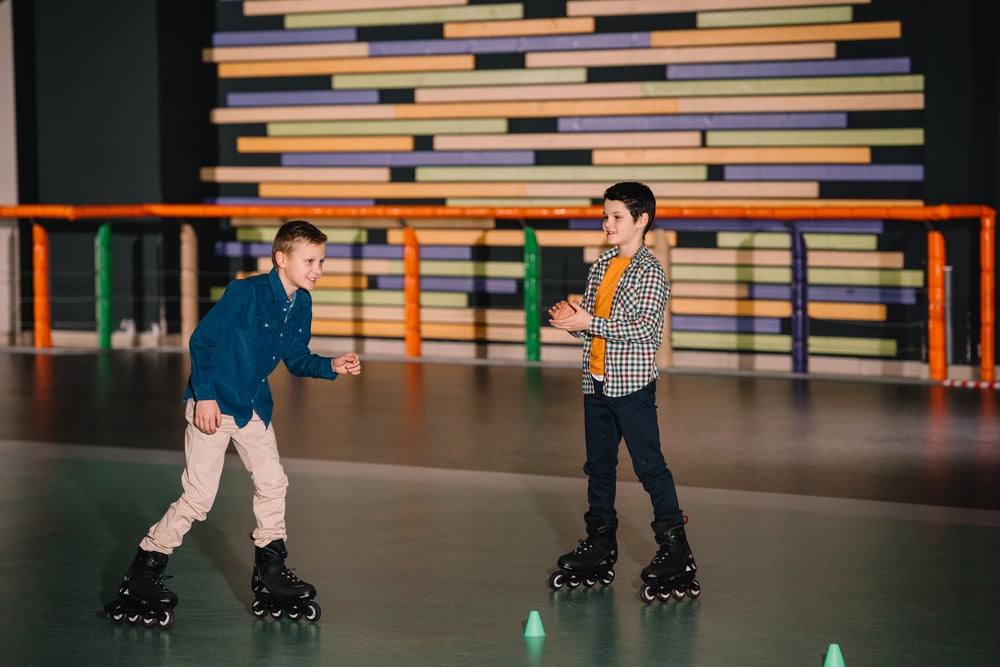
A roller rink has a gravitational pull that’s hard to explain in architectural terms — the low ceilings, the carpet the color of a fever dream, the snack counter lit like it was auditioning for a Vegas show. Everything about the interior was designed, whether intentionally or not, to keep you inside it.
The outside world went quiet the moment the rental skates went on.
Friday Night as a Ritual
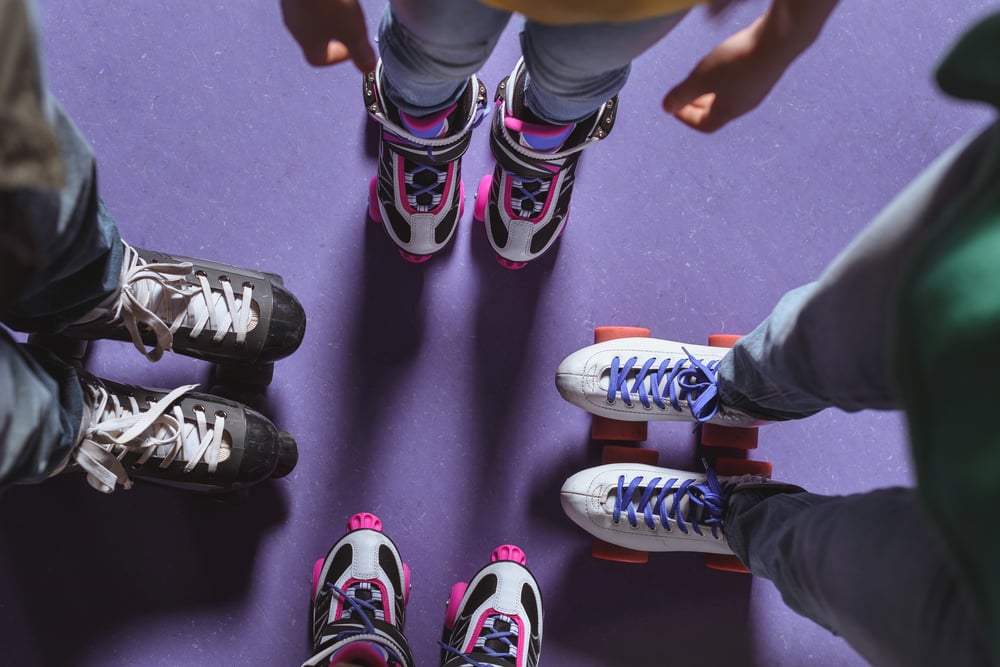
Friday night at the rink wasn’t casual. It was scheduled, anticipated, and treated with the seriousness that teenagers reserve for things that actually matter to them.
Parents dropped kids off at seven and the social mechanics of the week — who was talking to whom, who wasn’t — got renegotiated on eight wheels.
The Role of the DJ
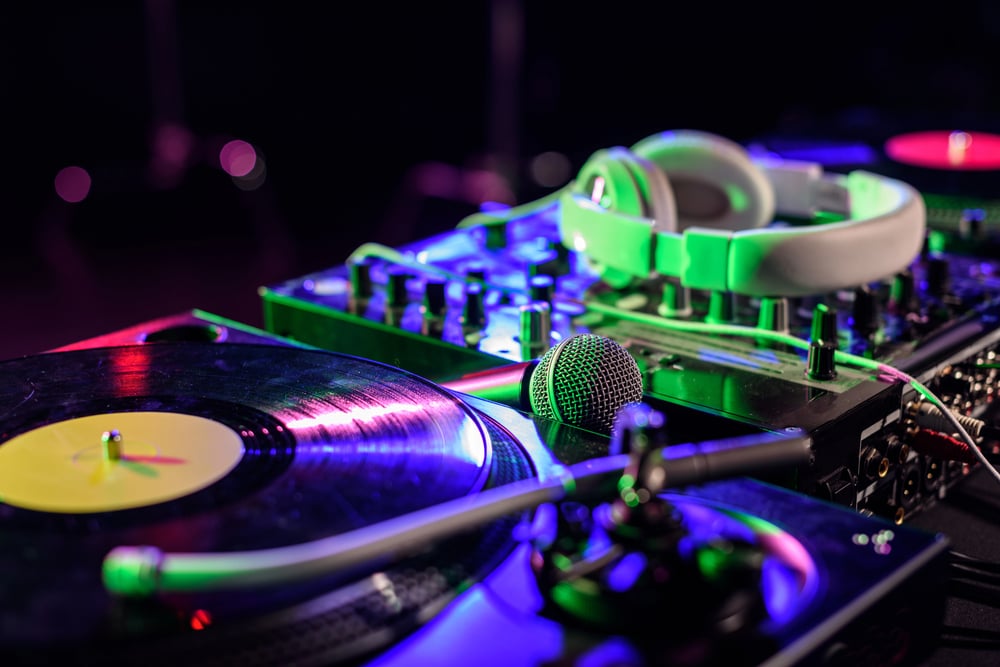
The rink DJ was a low-key authority figure, and everyone knew it. They controlled the mood of the entire evening: couples skate called one kind of social emergency, limbo announced another.
Turns out the person behind a folding table with a microphone held more power over a Friday night than most people acknowledged at the time.
Couples Skate and the Theater of Adolescence
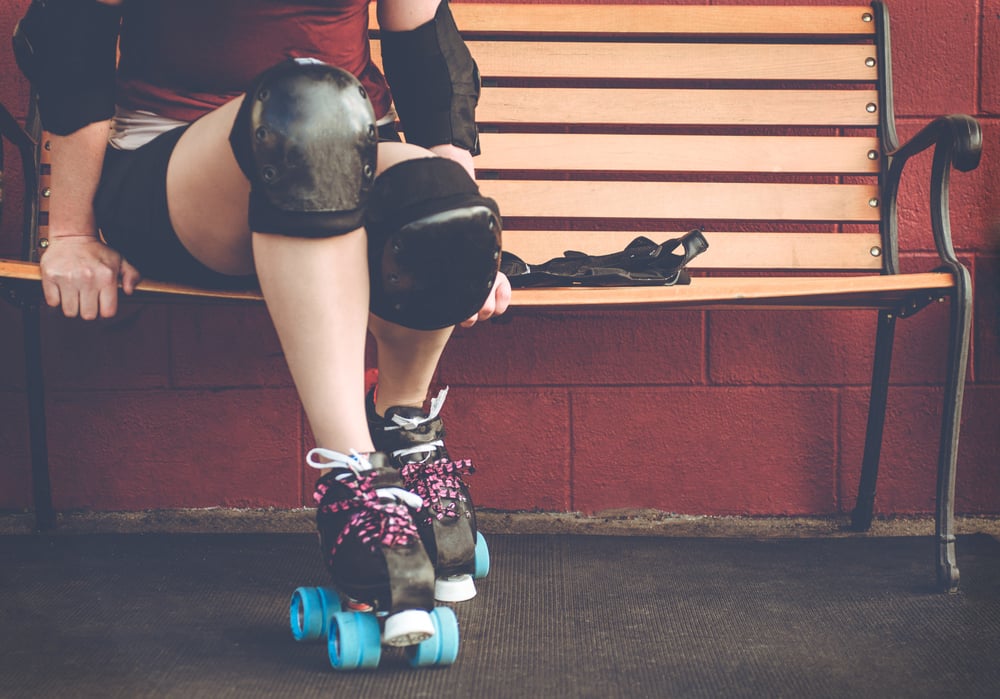
Couples skate was, functionally, a public referendum on your social life. The lights dimmed, something slow came on — maybe a Lionel Richie record, maybe something softer — and the whole rink became a stage where every pairing and every solo circuit was visible to everyone else.
It was nerve-wracking in a way that, looking back, was also kind of magnificent: high stakes, low consequences, all of it contained to a single song.
The Birthday Party Circuit
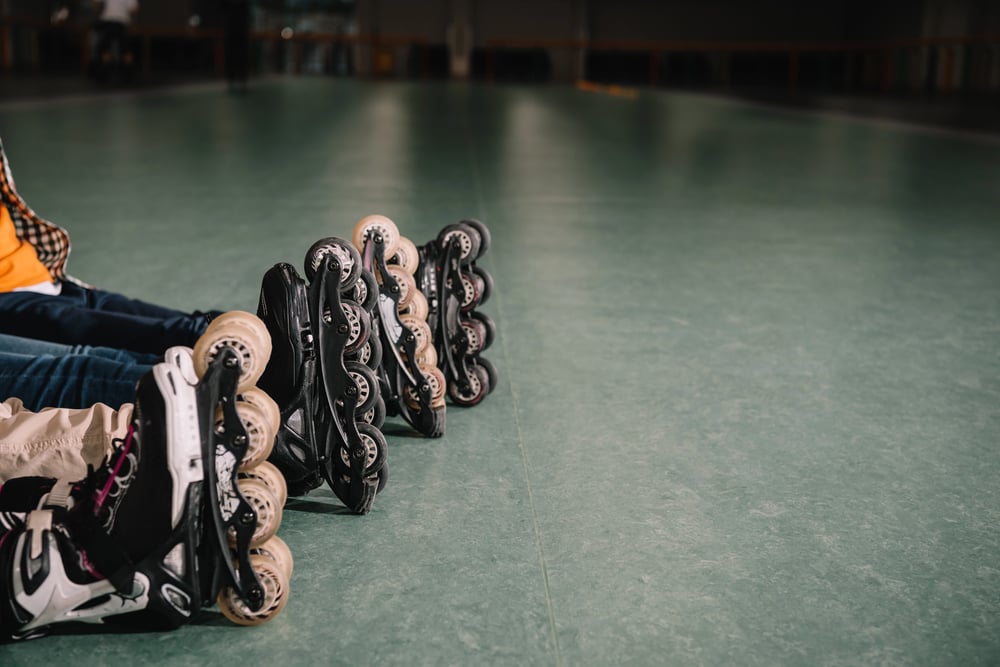
For roughly two decades, from the late 1970s through the 1990s, the roller rink birthday party was a default institution. If you grew up in a small town during that window, you almost certainly attended one — the reserved room in the back, the cake on a folding table, the collective chaos of twelve children on wheels.
It wasn’t fancy. It didn’t need to be.
How Rinks Handled Multiple Generations
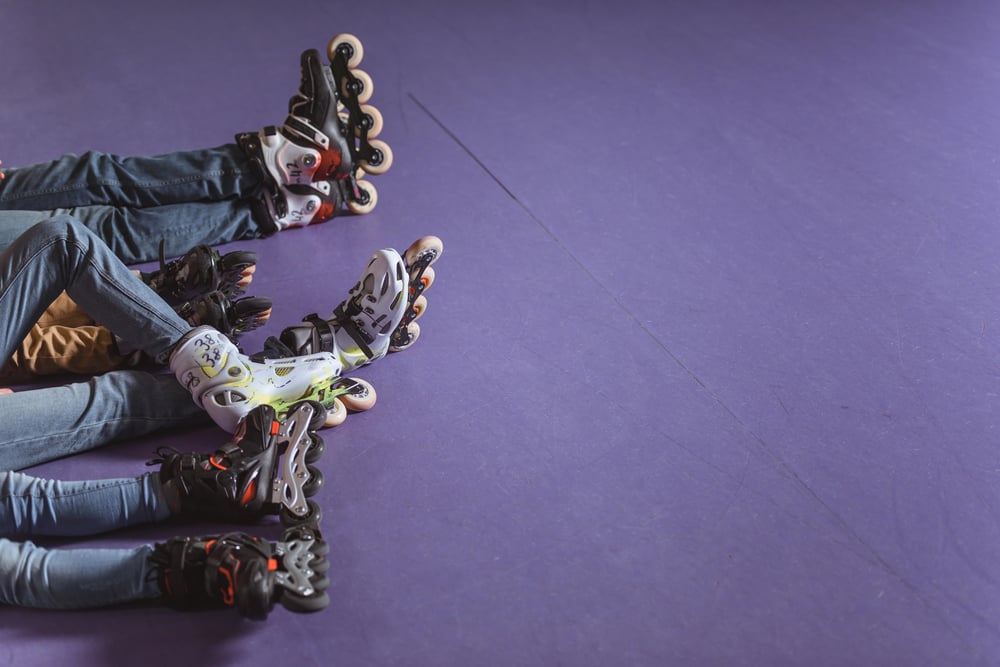
Roller rinks were unusual in that they genuinely served more than one age group without either one feeling like a guest in the other’s space. Family skate sessions on Sunday afternoons brought parents onto the floor alongside their kids, and adult nights — often Thursday evenings — ran on a different energy entirely.
The building absorbed whoever showed up.
The Snack Counter as Social Anchor

Nachos, hot dogs, fountain drinks in wax paper cups — the snack counter at a roller rink was never about the food. It was a place to stand, to rest against something solid, to have a conversation without the risk of falling.
So it functioned less like a concession stand and more like the sideline of every important social negotiation happening in the building.
Small-Town Scarcity and the Rink’s Power

In towns where the nearest movie theater was twenty miles away and the mall was a rumor, the rink had no competition. It absorbed social energy that, in a larger city, would have dispersed across a dozen different venues.
That concentration is what gave it outsized importance — one building holding the weight of an entire community’s need to gather.
The Music Shaped a Generation’s Taste
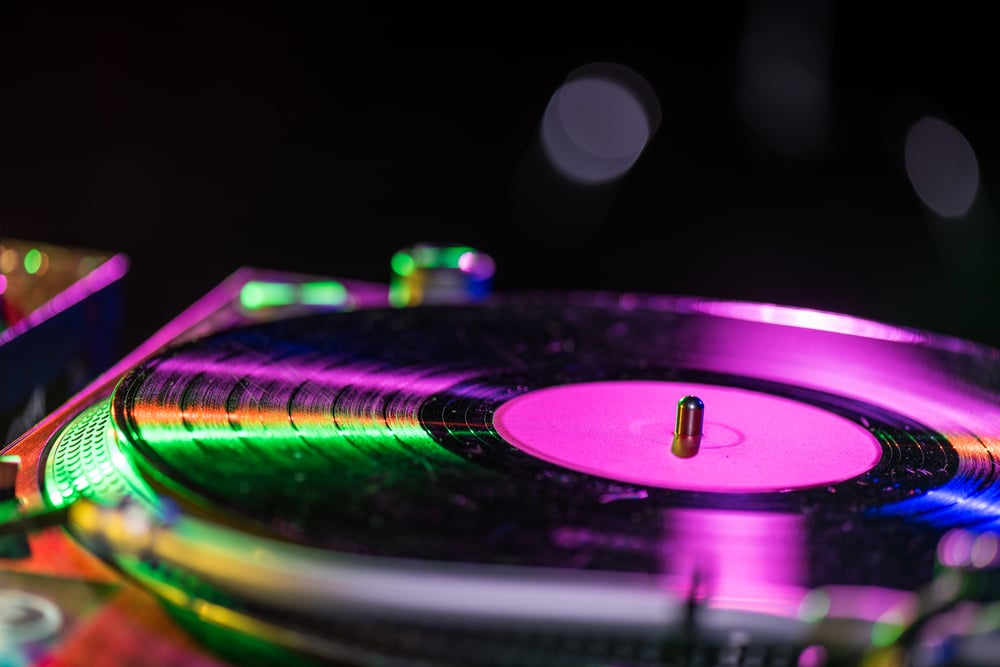
Whatever played at the local rink in 1983 or 1987 or 1994 is probably still lodged somewhere in your memory in a way that a concert you paid $80 for isn’t. The combination of physical motion, low lighting, and social voltage made every song land harder than it otherwise would have.
Muscle memory and music memory fused together, which is why certain songs still make people want to move their feet.
The Rental Skate as the Great Equalizer
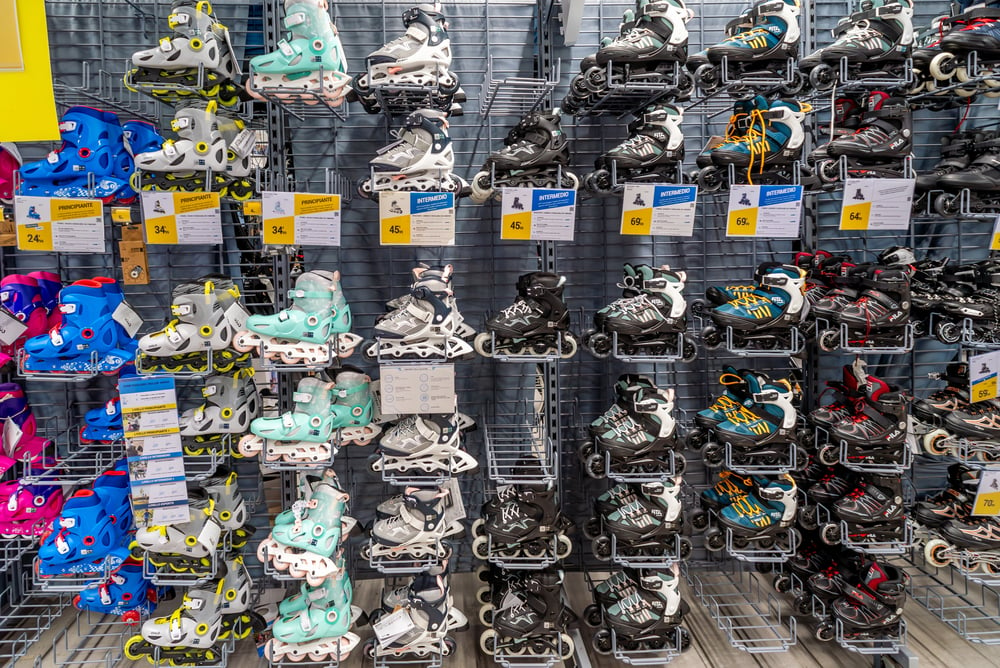
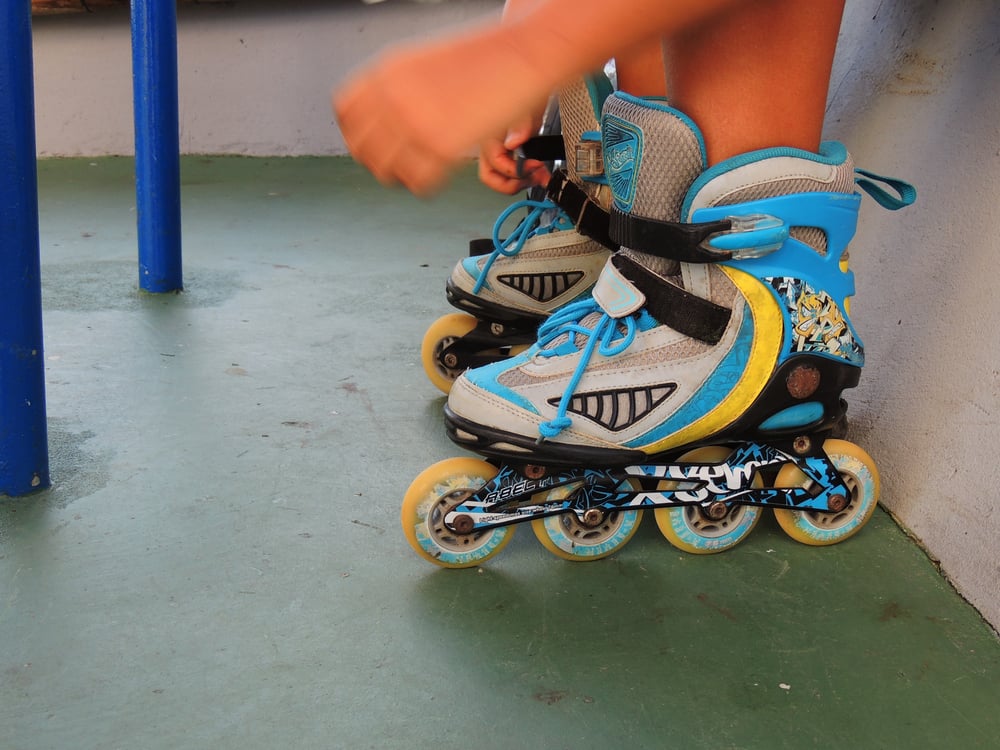
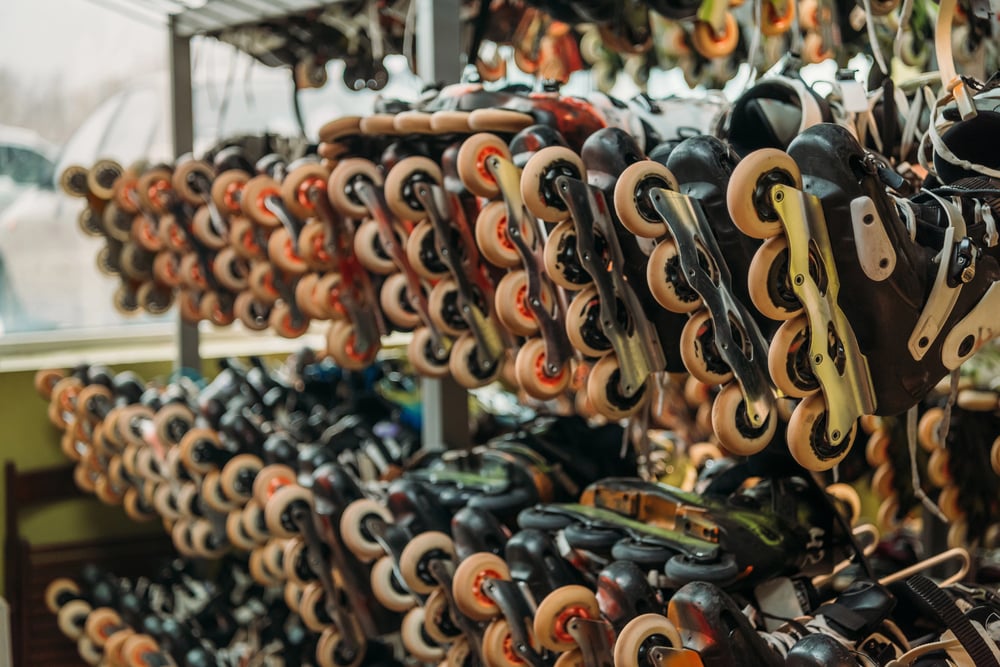
Nobody looks impressive in rental skates. They’re stiff, slightly damp from the last person, and sized with the approximate precision of a coin flip — and that communal awkwardness was, unexpectedly, part of the point.
When everyone is equally undignified, the social armor comes off faster.
How Rinks Built Local Identity
A rink that had been in a town for twenty or thirty years accumulated a mythology. The corner where a particular couple first held hands; the DJ who played the same song every closing night for a decade; the mural on the wall that nobody remembered who painted.
These weren’t landmarks in the tourist-brochure sense — they were the quiet monuments of ordinary life that a community builds without meaning to.
The Decline That Wasn’t Sudden
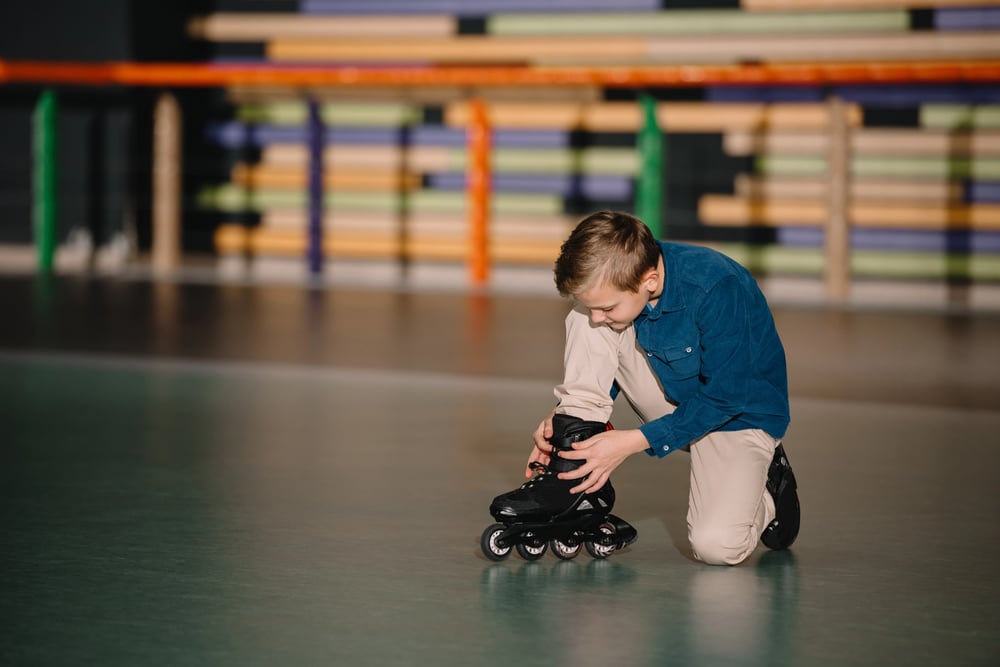
Roller rinks didn’t collapse overnight. The erosion was slow: a new video game arcade opened, then a multiplex, then the internet arrived and reconfigured what teenagers wanted from a Friday night.
Attendance thinned across years, not months, and by the time a rink finally closed, it had been quietly saying goodbye for a long time. Most towns only noticed when it was already gone.
What Survived the Nostalgia Cycle
Roller skating has returned — not quietly, either. The pandemic of 2020 sent outdoor skating and rink attendance numbers back up in measurable ways, and a new generation discovered what their parents already knew.
But the rediscovery is bittersweet in small towns where the original rink has been a storage unit or a church annex for fifteen years.
The Enduring Social Template
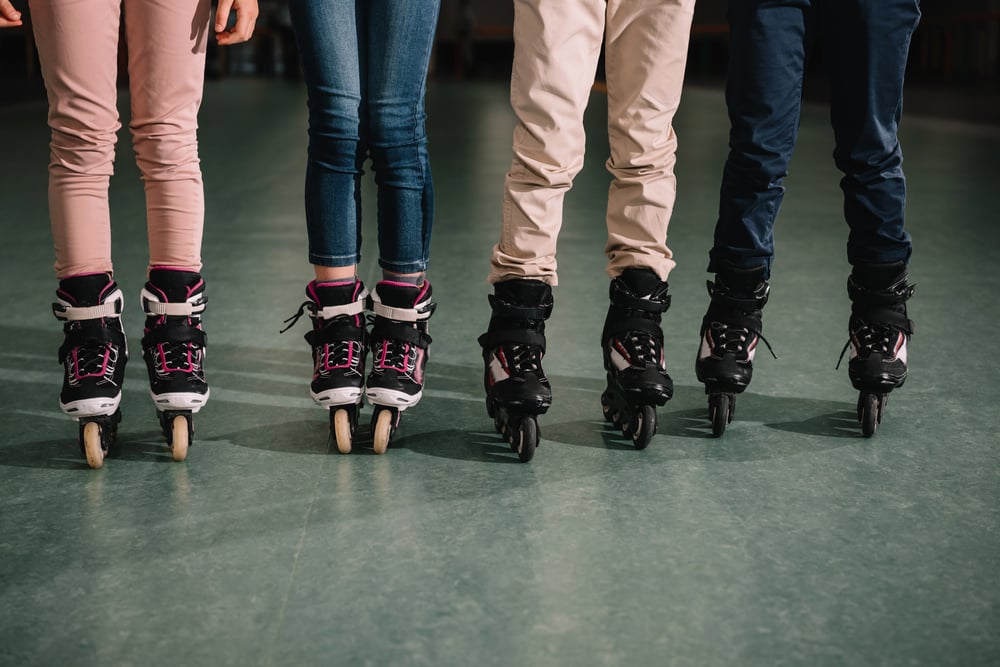
The roller rink proved something that community planners and social theorists have been slowly catching up to: people need a place that’s affordable, indoors, lightly structured, and open to anyone. That’s not a complicated formula.
It’s almost embarrassingly simple. And yet the number of places that fit that description has been shrinking for decades, which is why the rink’s absence still registers.
The Employees Who Became Local Legends
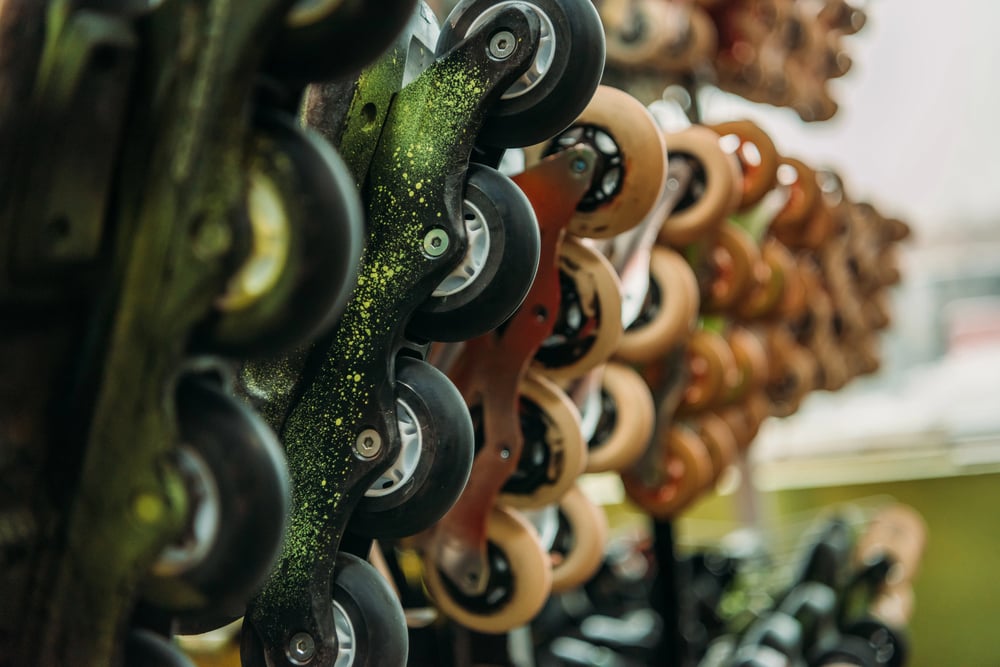
The floor guards — teenagers on skates tasked with enforcing a speed limit nobody fully respected — became minor celebrities in their towns. They had authority, visibility, and wheels, which is apparently enough.
Ask anyone who grew up near a rink to describe them and they’ll do it immediately, with specificity, decades later.
Why Adults Remember It Differently Than Kids Did
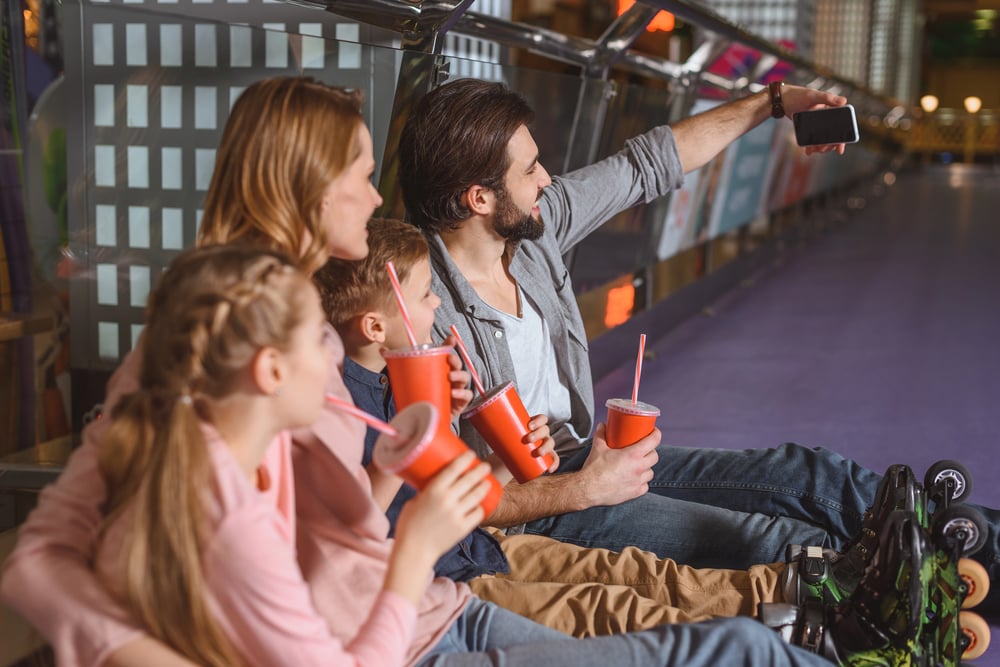
Children who visited roller rinks remember the chaos and the noise and the falling. Adults who were teenagers there remember something quieter — a sense of possibility, maybe, or just the specific feeling of being somewhere that was entirely theirs for an evening.
The rink held both experiences simultaneously and didn’t favor either one.
The Disco Era Connection

Roller rinks and disco are inseparable historically, and not by accident. The late 1970s saw roller skating surge in popularity alongside the disco movement — outdoor rinks gave way to indoor venues, attendance hit peaks that the industry wouldn’t see again, and the aesthetic of that era calcified into what most people picture when they picture a rink.
That gold-and-mirror visual is the late 1970s preserved in carpet and ceiling panels.
What a Rink Asked of You
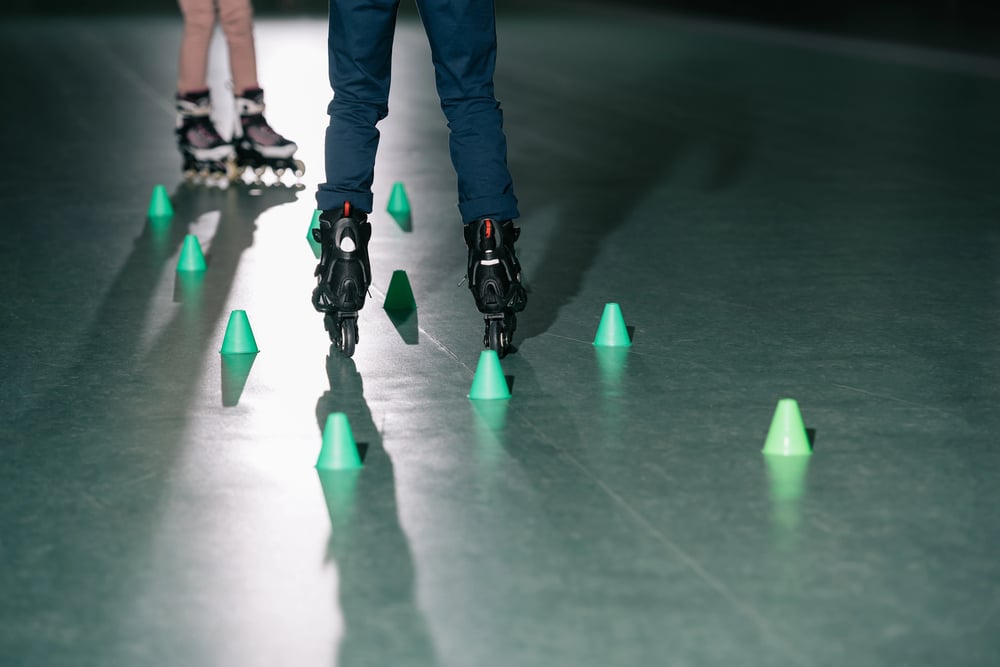
Showing up was the whole requirement. No skill, no prior relationship with the place, no social standing required at the door — just the entry fee and a willingness to lace something up.
That’s a lower barrier than almost any other communal space a small town could offer, which is precisely why it worked as well as it did for as long as it did.
The Closing Night Phenomenon
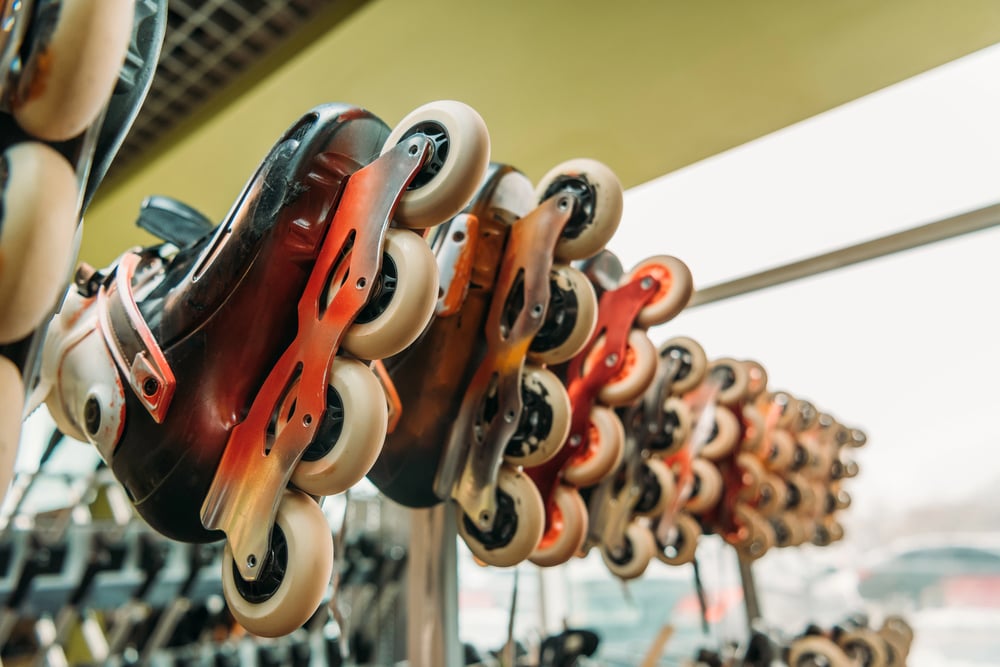
When a rink in a small town announces it’s closing, something remarkable happens: people who haven’t skated in fifteen years show up for the last session. They come in their forties and fifties, sometimes with their own children, sometimes alone — and the floor fills in a way it probably hadn’t in years.
A closing night at a beloved rink is, without overstating it, a genuine community funeral.
The Floor That Remembered Everyone
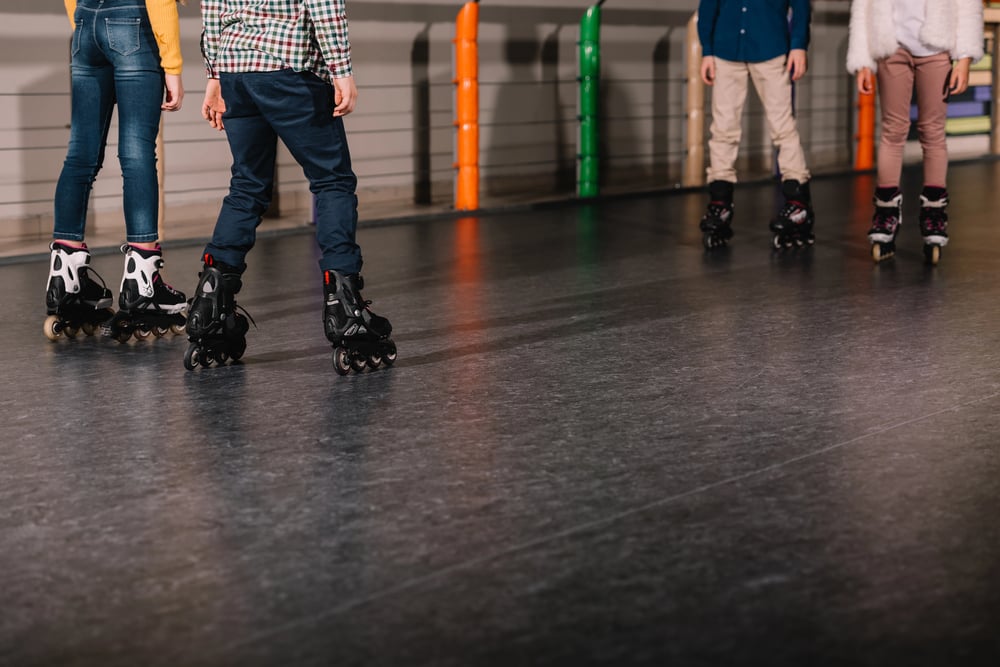
Some surfaces just hold their history differently. A roller rink floor — worn smooth by millions of circuits, marked by the ghost paths of decades of Friday nights — carries something in it that a parking lot or a vacant lot never quite replaces.
The building comes down and something specific to that town disappears with it: not a business, but a place where people learned who they were going to be.
Counted: 22 body sections. Title contains no number. Falls within the 13–25 range. Introduction and final section excluded from count.
The Oval That Never Really Closes
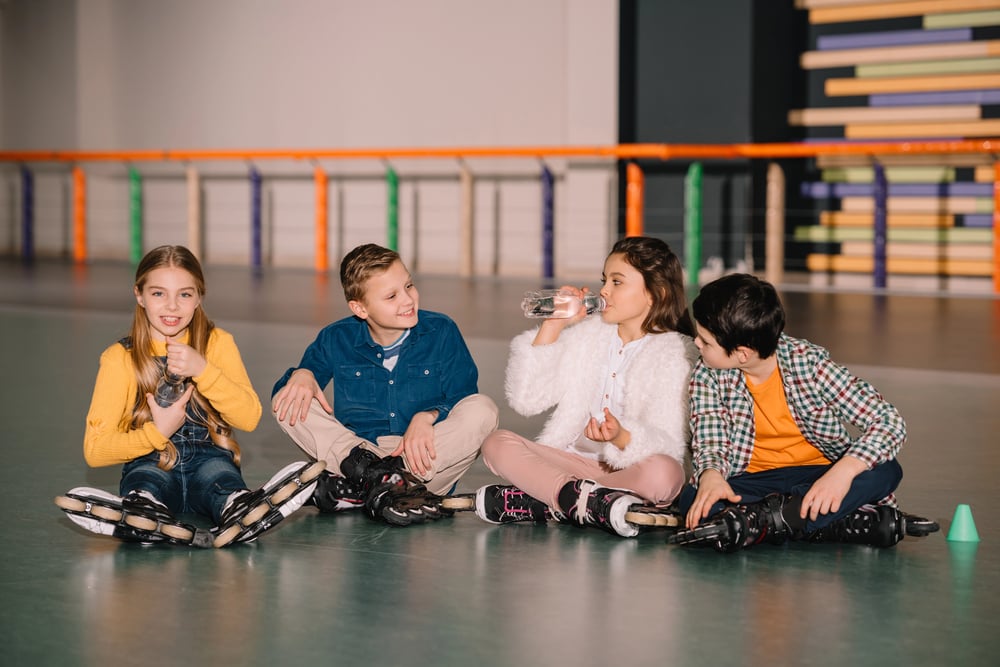
Some places outlast their own buildings. The roller rink is one of them — still spinning somewhere in the memory of anyone who grew up within driving distance of one, still soundtracked by whatever played on a particular Friday night in a year they’d rather not calculate.
You don’t mourn a roller rink the way you mourn a person. You mourn it the way you mourn a version of yourself: quietly, usually without realizing that’s what you’re doing, and always a little surprised by how much it still matters.
More from Go2Tutors!

- The Romanov Crown Jewels and Their Tragic Fate
- 13 Historical Mysteries That Science Still Can’t Solve
- Famous Hoaxes That Fooled the World for Years
- 15 Child Stars with Tragic Adult Lives
- 16 Famous Jewelry Pieces in History
Like Go2Tutors’s content? Follow us on MSN.