31 Rulers Who Were Overthrown by Their Own Inner Circle
Power is a strange kind of gravity. It pulls people close — advisors, generals, family members, loyal lieutenants — and then, quietly, it begins pulling those same people in the opposite direction.
History is full of rulers who built their thrones on the shoulders of men and women who eventually decided they’d carried enough weight. The betrayal didn’t always come from enemies at the gates. More often, it came from the person sitting closest at the dinner table, or the general who knew the palace layout better than anyone.
These are thirty-one rulers who learned that lesson the hard way.
Julius Caesar
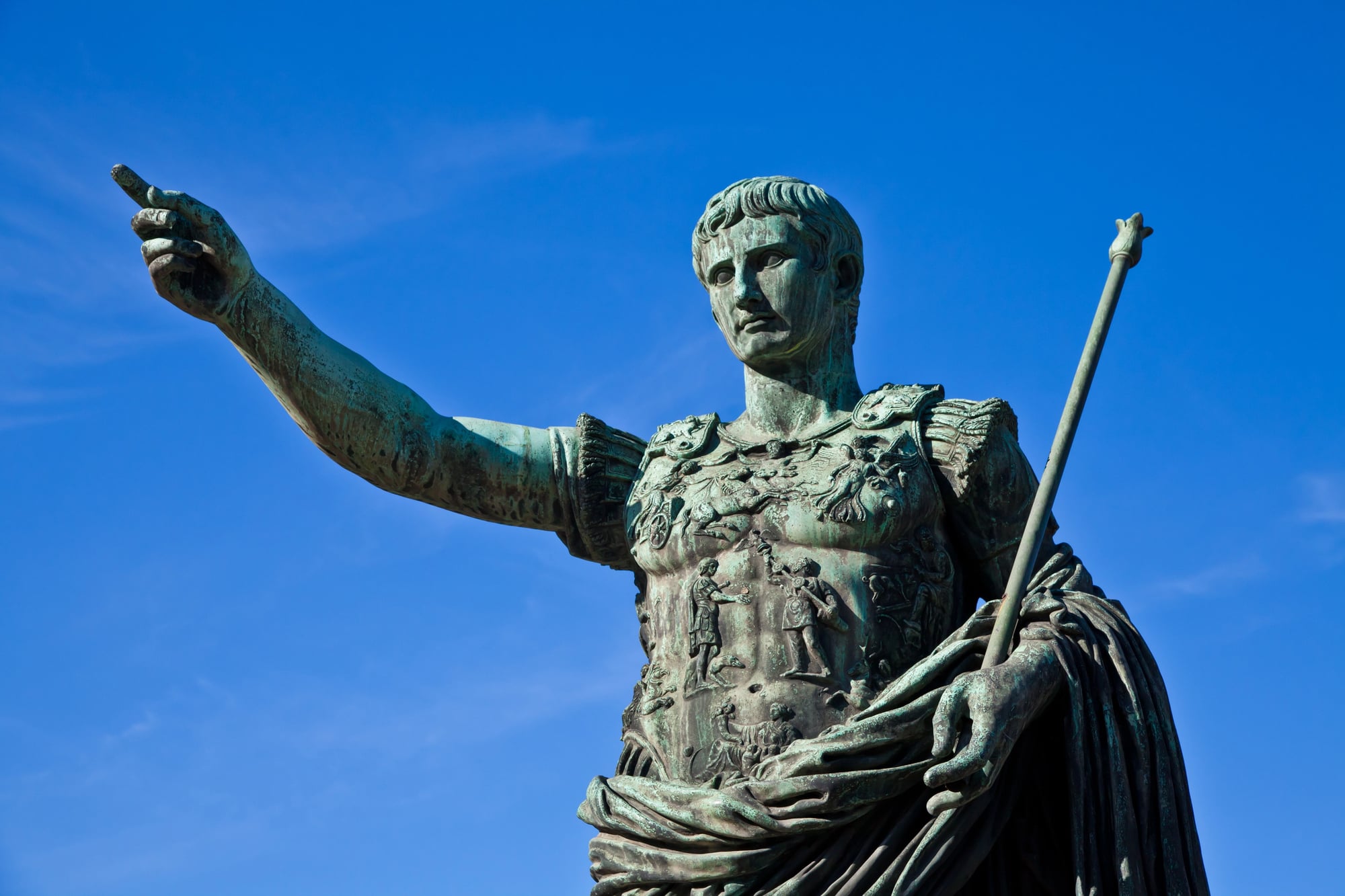
The most famous betrayal in recorded history still feels almost theatrical in its specificity: twenty-three stab wounds, the Senate floor, men he’d personally elevated holding the blades. Caesar had granted clemency to many of his assassins after defeating them in civil war, which — as it turns out — was not the gesture of mutual respect he imagined it to be.
Et tu, Brute indeed.
Caligula
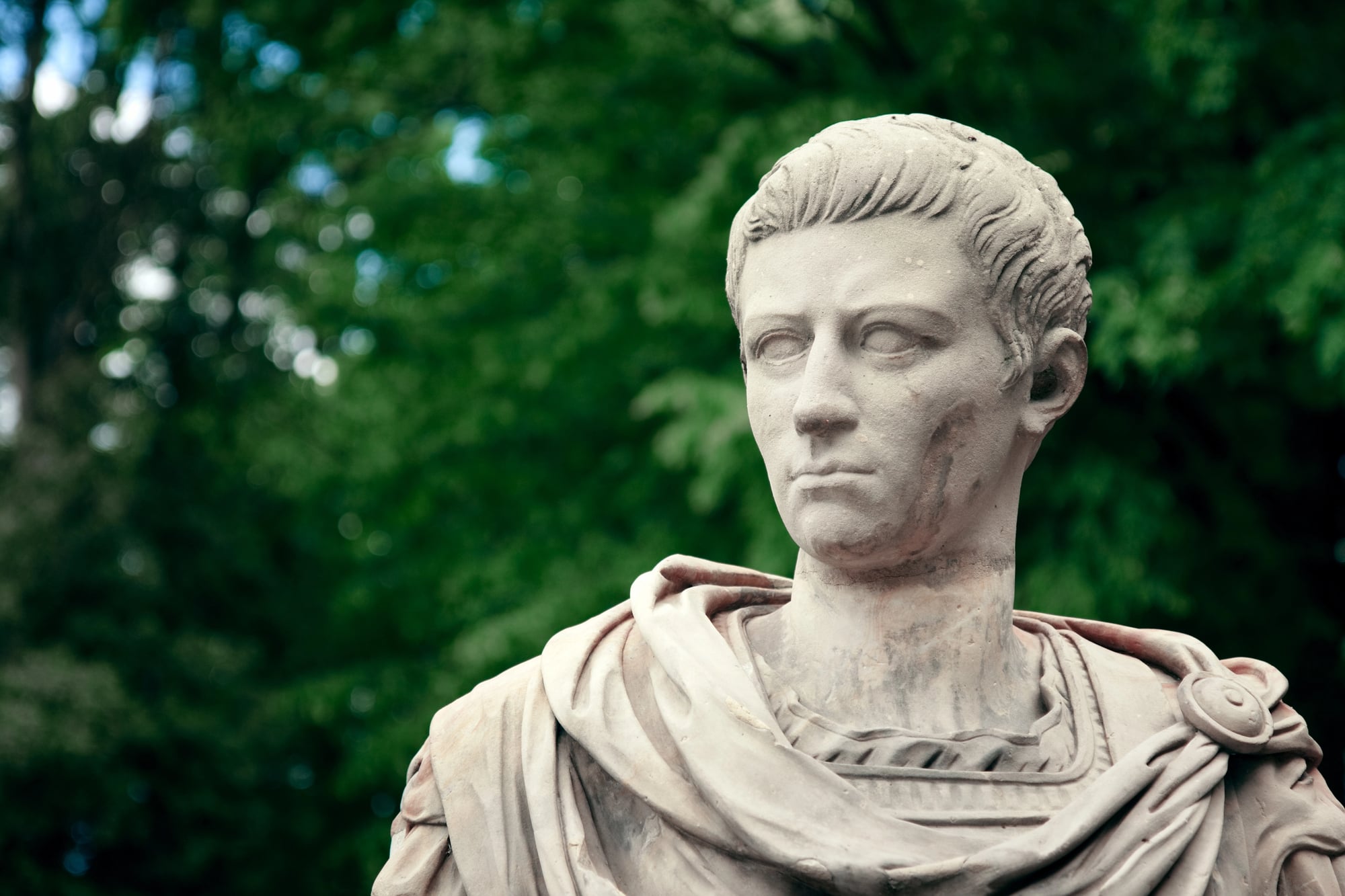
Caligula was murdered by officers of the Praetorian Guard — the very unit responsible for his protection — after roughly four years of increasingly erratic rule. The plot included members of his own household staff and at least one senator, which means the conspiracy reached basically every tier of Roman power simultaneously.
His wife and daughter were killed the same day, just to be thorough.
Claudius
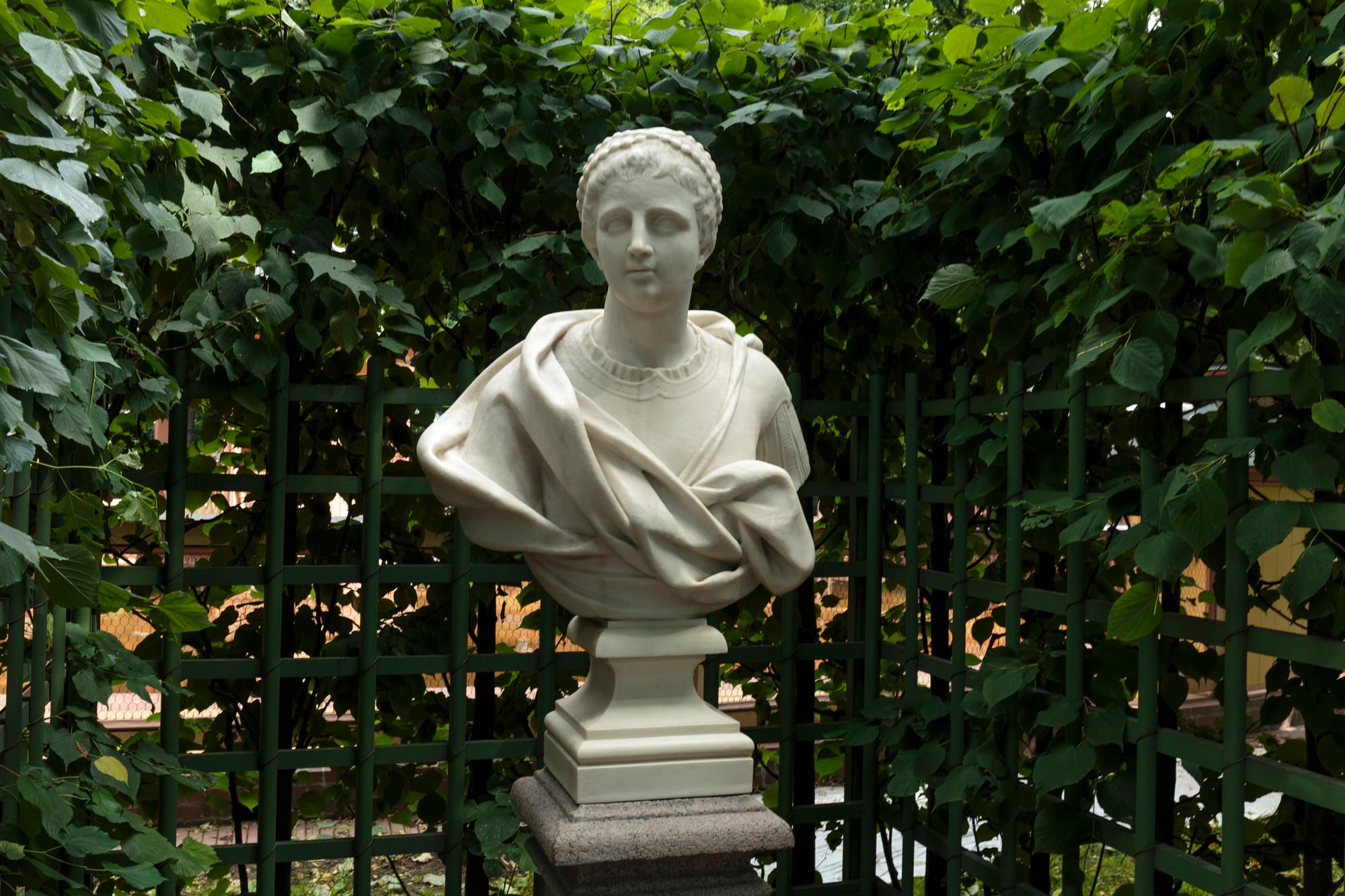
Claudius, who succeeded Caligula after the Guard essentially appointed him on a whim, is widely believed to have been poisoned by his own wife, Agrippina the Younger. She allegedly laced his mushrooms — his favorite food — so her son Nero could take the throne before Claudius changed his succession plans.
So she cooked her way to an empire, and history mostly buried the detail.
Domitian
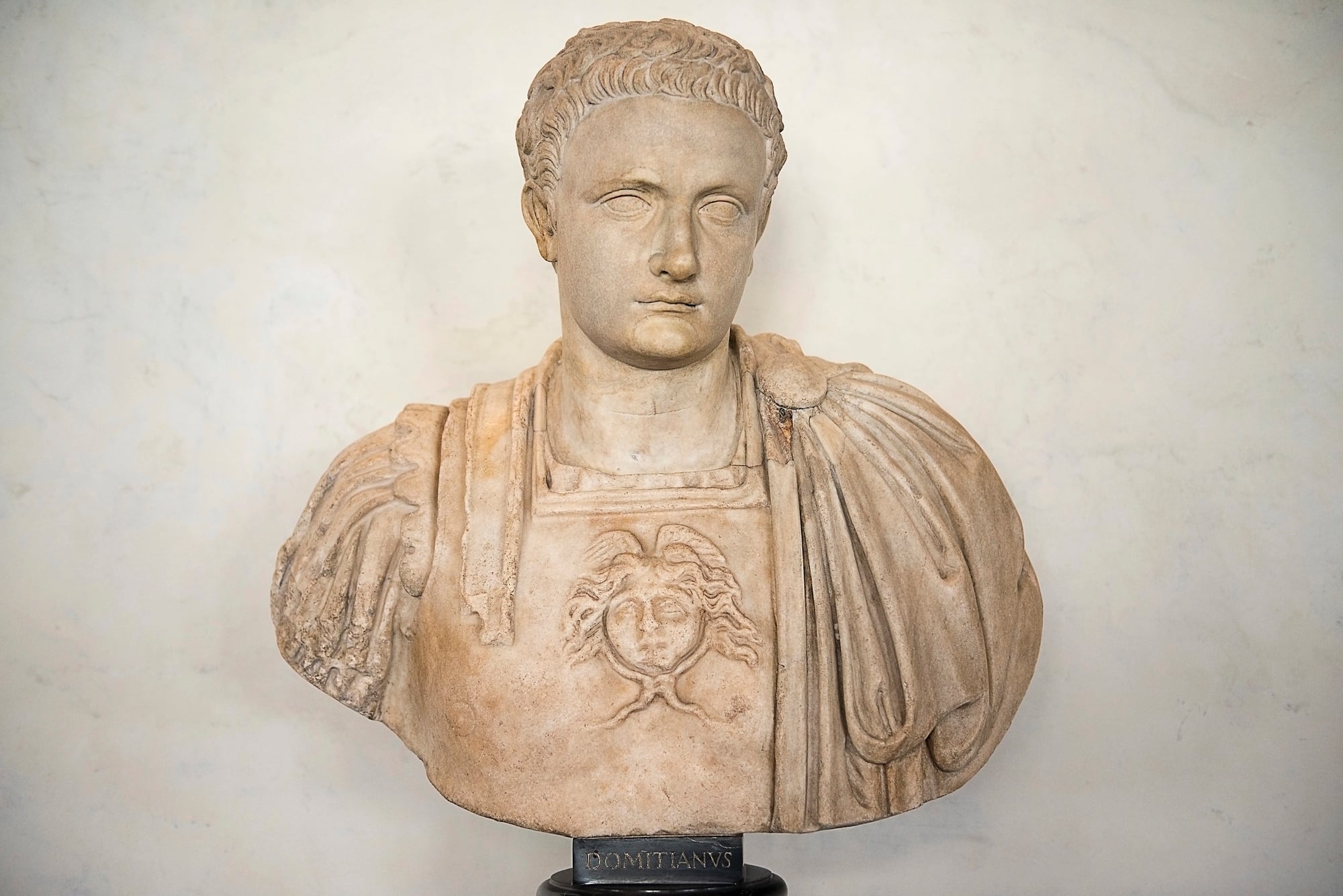
Domitian ruled Rome with a paranoid grip for fifteen years, executing senators and perceived enemies at a pace that made dinner invitations from the emperor deeply unwelcome. His assassination in 96 AD was organized by court officials and, according to some ancient sources, members of his own household — his chamberlain, his wife Domitia, and the Praetorian prefects all implicated.
The Senate, upon hearing the news, allegedly cheered.
Caracalla
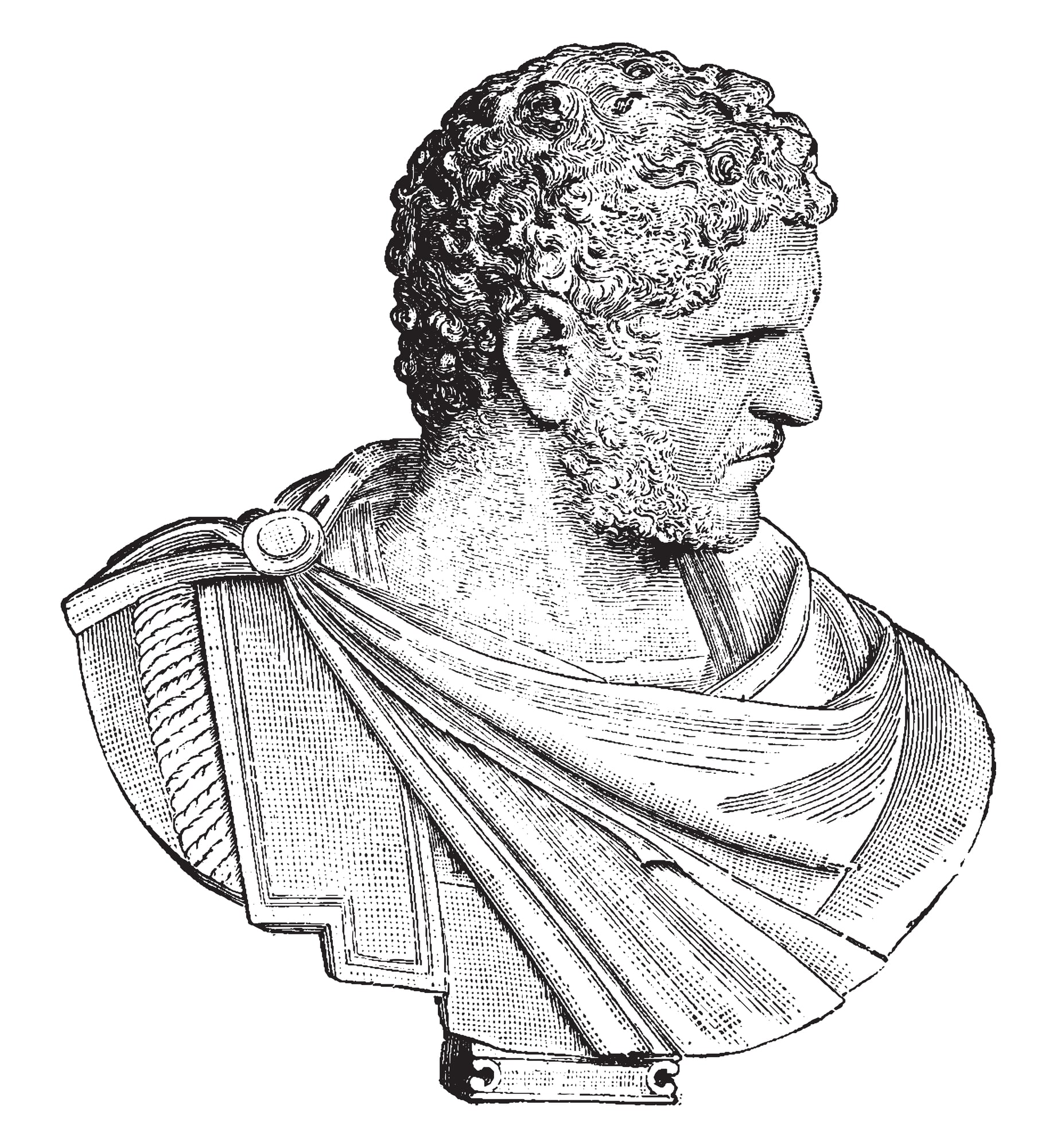
Caracalla was killed by a soldier named Julius Martianus while — in one of history’s less dignified moments — stopping to relieve himself on a roadside during a journey to Carrhae. The assassination was organized by the Praetorian prefect Macrinus, who feared he was about to be executed and decided to act first.
Macrinus then appointed himself emperor, which is a bold move for someone who just had his boss stabbed mid-journey.
Elagabalus
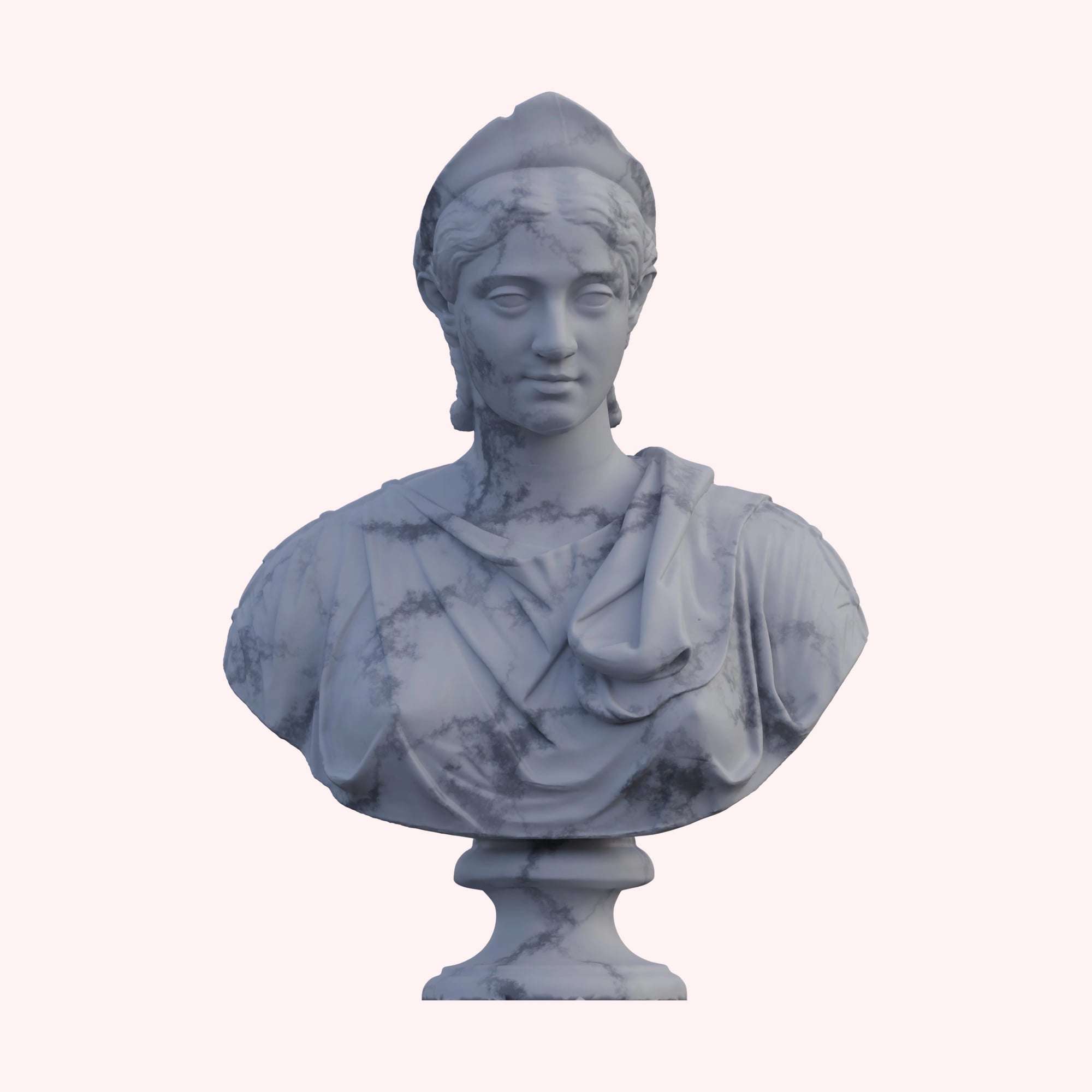
Elagabalus, the teenage Roman emperor whose behavior scandalized even a society not easily scandalized, was killed by the Praetorian Guard in 222 AD at the age of eighteen. His own grandmother, Julia Maesa — who had engineered his rise to power — essentially withdrew her protection once she concluded he was an unworkable liability.
The Guard killed him and his mother together, then dragged the bodies through the streets of Rome, which was the Roman equivalent of a formal resignation.
Emperor Xuanzong of Tang (Deposed)
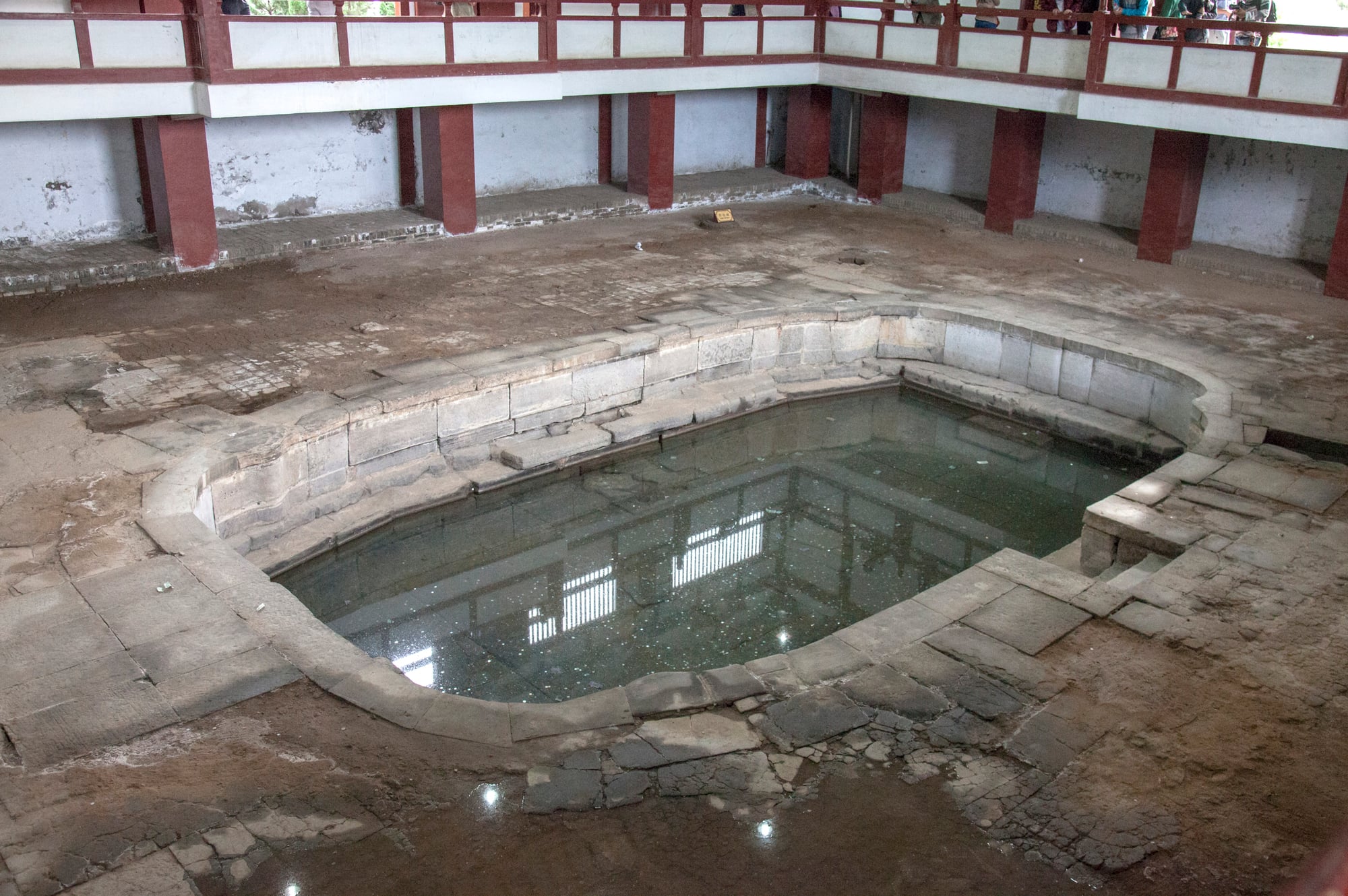
Xuanzong, one of Tang dynasty China’s most celebrated emperors, was forced to abdicate during the An Lushan Rebellion — a catastrophic revolt led by a general he had personally trusted and elevated to extraordinary military power. The rebellion fractured the dynasty and permanently reduced Tang imperial authority, and Xuanzong spent his final years stripped of real power, a ceremonial figure in a court that had moved on without him.
The general he’d trusted had spent years at his table before deciding the table itself should change hands.
Shah Suja of Afghanistan
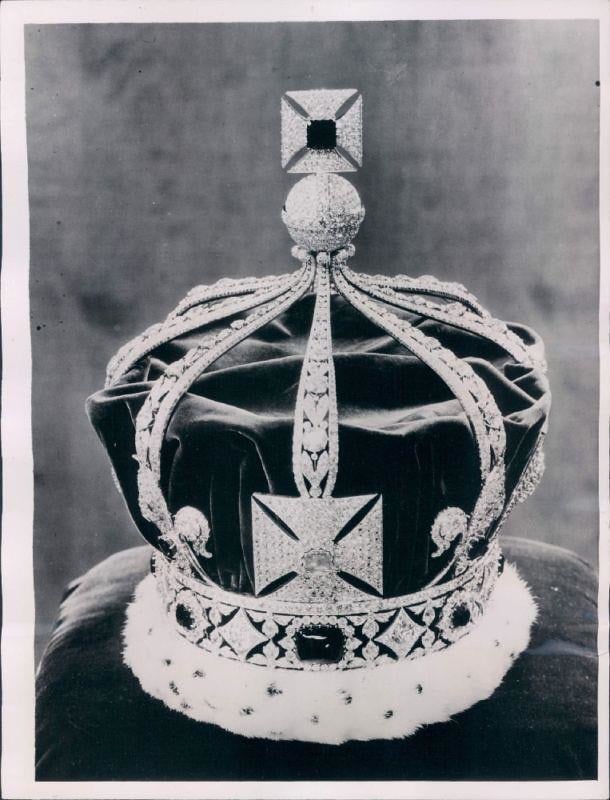
Shah Suja was restored to the Afghan throne in 1839 with British military backing, which made him dependent and — in the eyes of many Afghans — illegitimate from the moment he arrived. He was assassinated in 1842 by a rival Afghan nobleman, and the collapse of British support following the disastrous First Anglo-Afghan War left him utterly exposed.
The inner circle that was supposed to protect him had already calculated that his survival was not in their interest.
Peter III of Russia
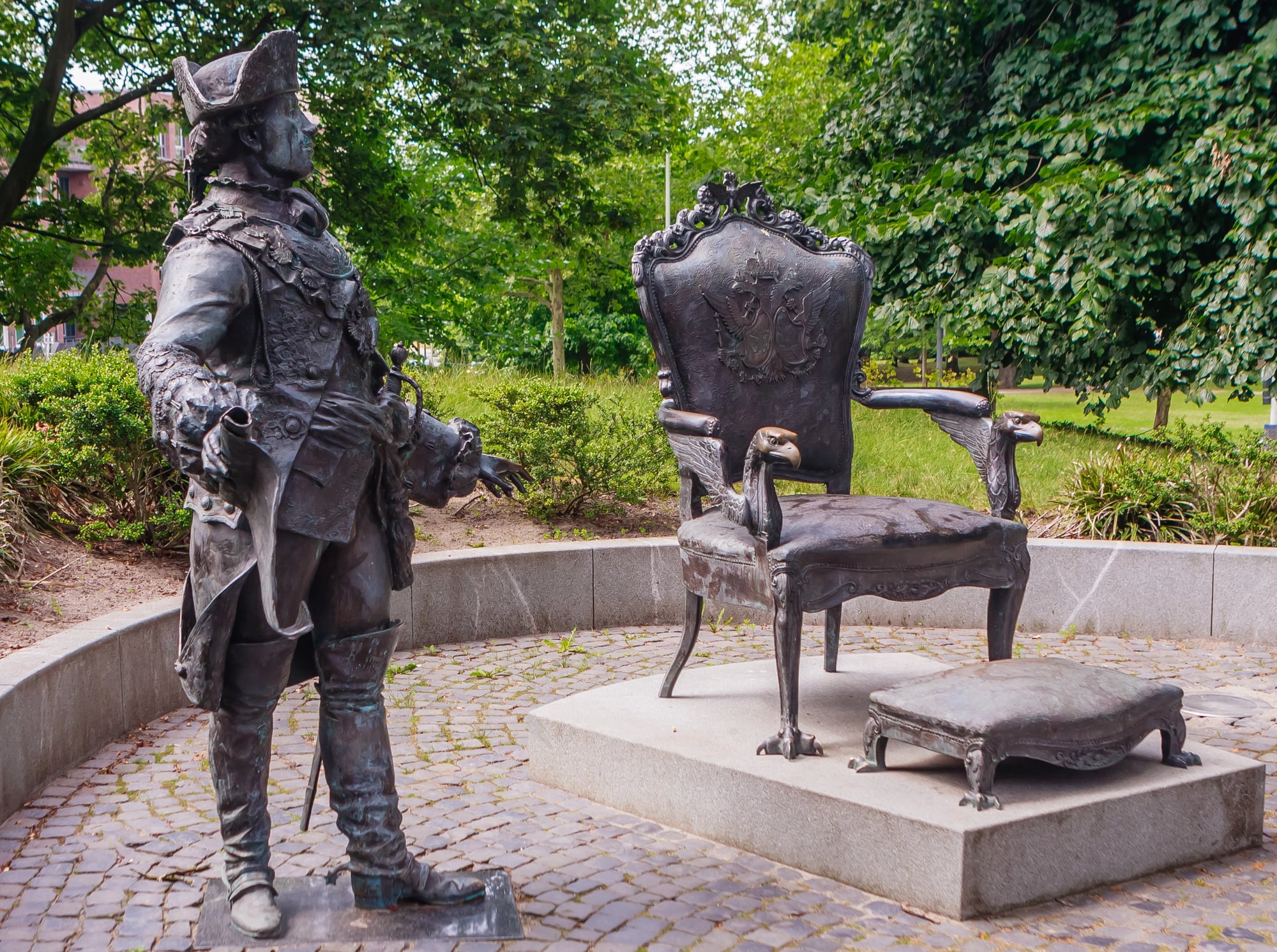
Peter III ruled Russia for roughly six months before his wife — Catherine, later called “the Great” — organized a palace coup with the help of her lover Grigory Orlov and the Imperial Guard. Peter was forced to sign an abdication statement, imprisoned, and dead within days under circumstances that remain officially unclear.
Catherine went on to rule for thirty-four years, which suggests the coup was, logistically speaking, a success.
Paul I of Russia
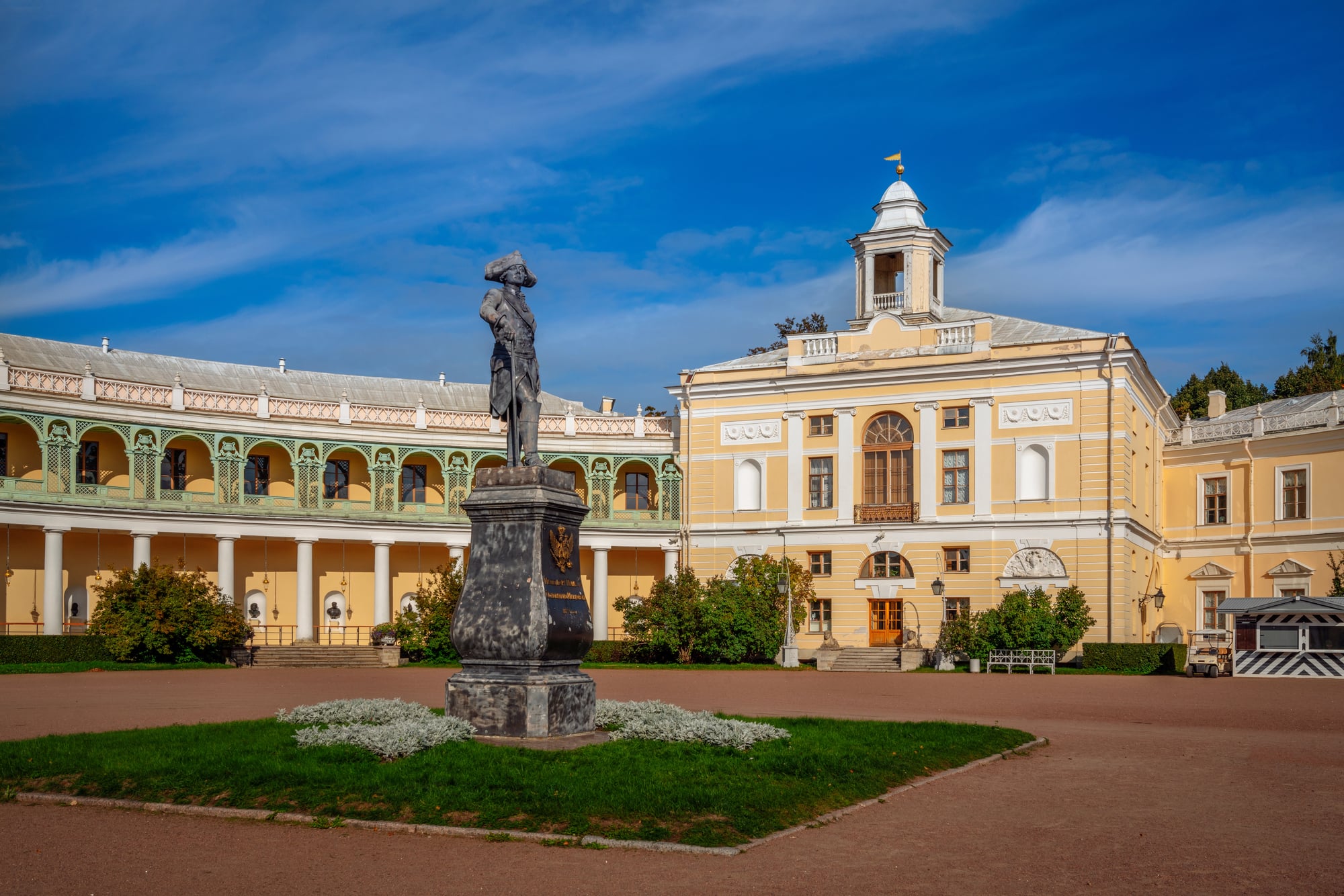
Paul I managed to alienate virtually every major faction of Russian society within five years of taking the throne, which is a genuinely impressive pace of destruction. A group of nobles and military officers strangled him in his bedroom in 1801, with his own son Alexander — who became Tsar Alexander I the following morning — almost certainly aware the plot was in motion.
To be fair, Paul had given them reasons. Many reasons.
Tsar Nicholas II
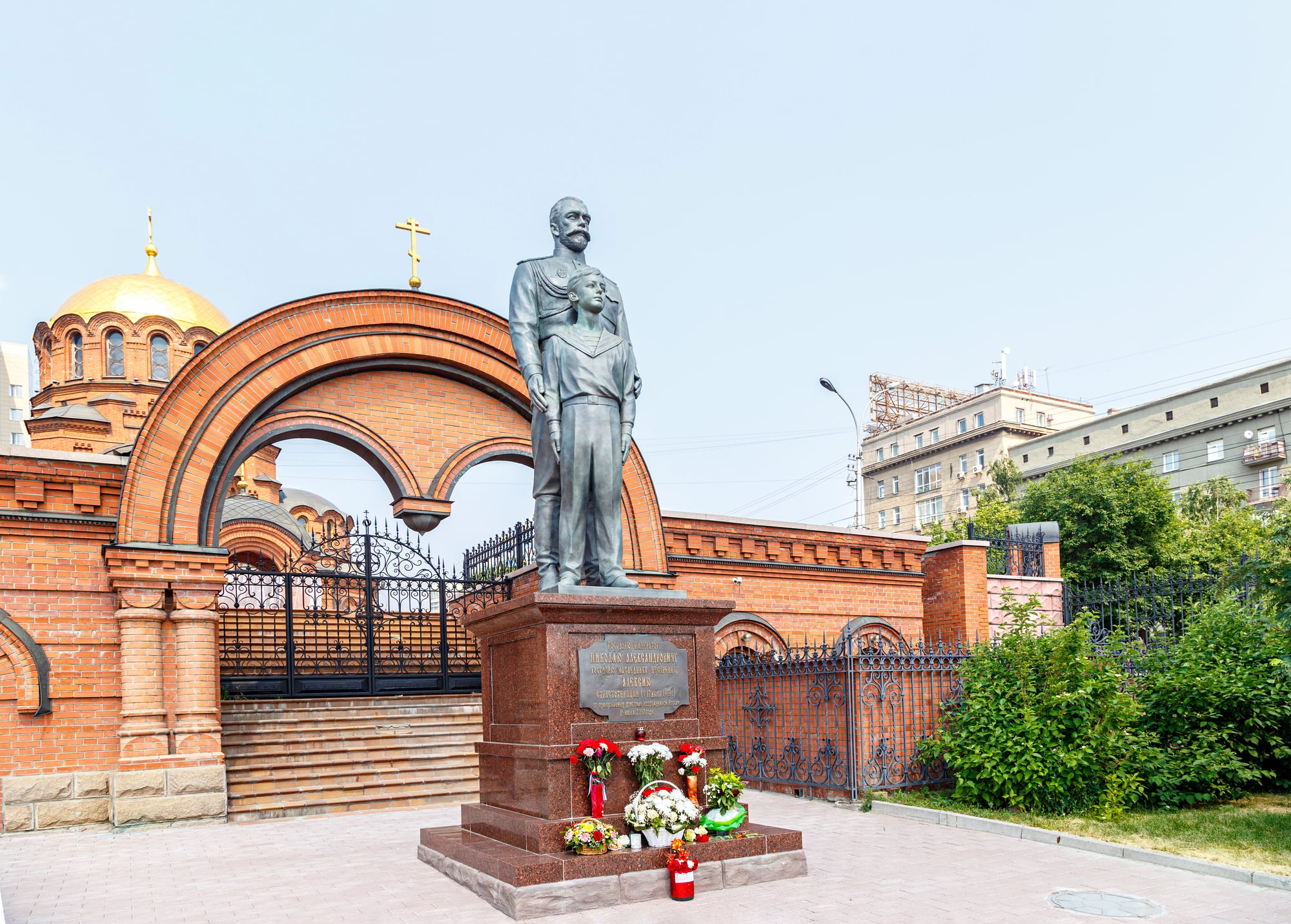
Nicholas II didn’t die at the hands of his inner circle in the traditional conspiratorial sense, but his abdication in 1917 was engineered in part by nobles, military commanders, and Duma leaders who concluded the monarchy was finished and that Nicholas needed to be told so clearly. General Alekseyev, his own chief of staff, surveyed the army’s senior commanders and delivered the results to the Tsar: they wanted him gone.
The Romanov dynasty, three hundred years of it, ended because the people closest to the throne stopped believing it was worth defending.
Maximilien Robespierre
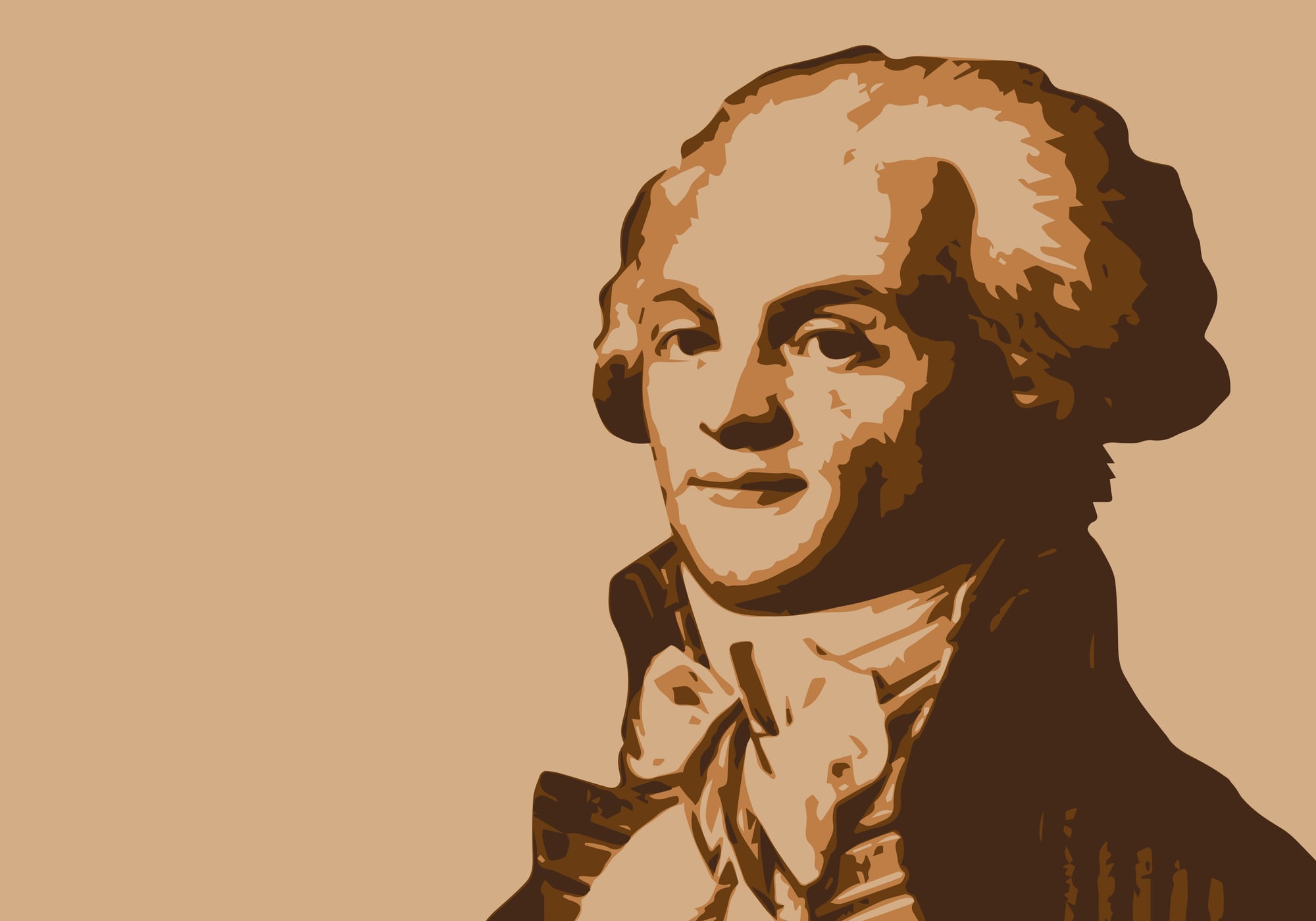
Robespierre was the architect of the Reign of Terror, and the men who eventually had him arrested and guillotined were men who had served alongside him in the Committee of Public Safety. They moved against him in Thermidor 1794 not out of moral awakening but because they feared they were next on his list.
So they acted first — and the Revolution, in its usual manner, consumed its own.
Jean-Paul Marat
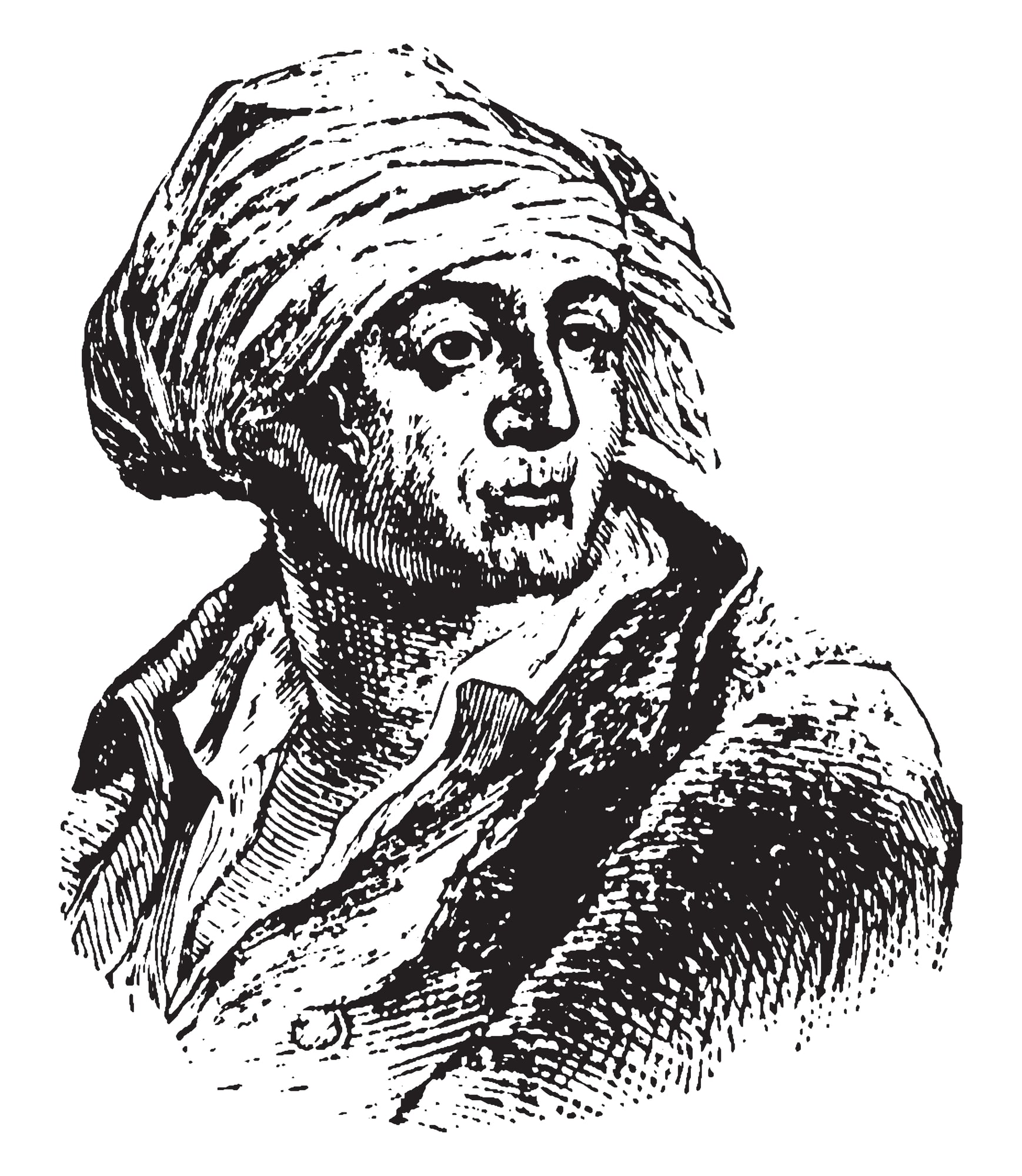
Marat was stabbed in his medicinal bath by Charlotte Corday, a woman with connections to the Girondist faction — a political group Marat had helped destroy. While Corday acted alone, she came from the same revolutionary ecosystem Marat had thrived in, making this less a stranger’s attack than a settling of accounts within the same brutal political world.
The revolutionary movement had grown its own executioners.
Saddam Hussein
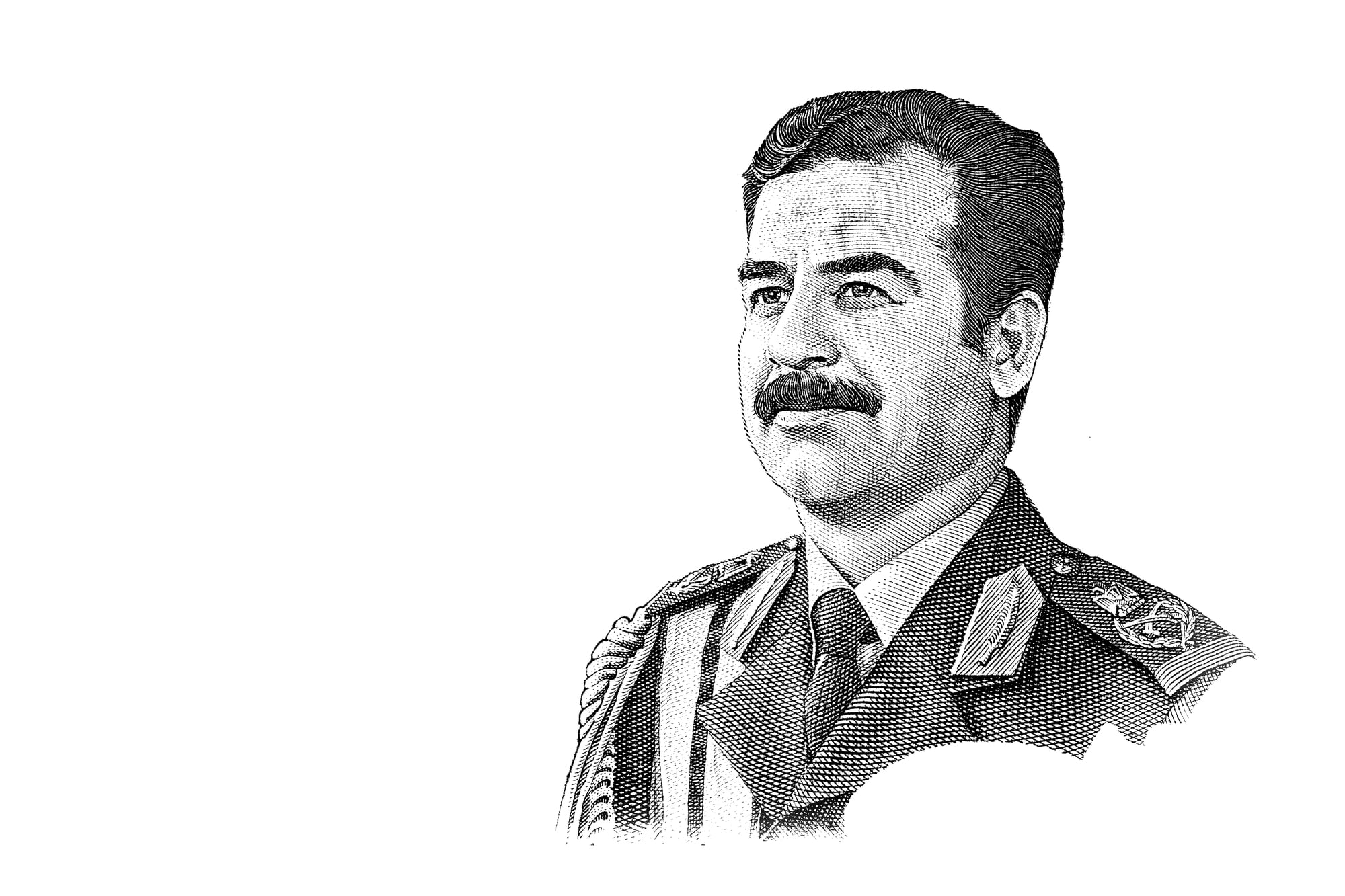
Saddam Hussein spent decades constructing a security state specifically designed to prevent the kind of insider betrayal that toppled other leaders, with overlapping intelligence agencies each watching the others, and family members placed in key positions because blood — he calculated — was harder to bribe than loyalty. And yet the information that led coalition forces directly to him in 2003 came from within his own circle, from people who had spent years inside his system and decided survival now pointed in a different direction.
The architecture of paranoia, it turns out, doesn’t eliminate betrayal — it just delays it.
Muammar Gaddafi
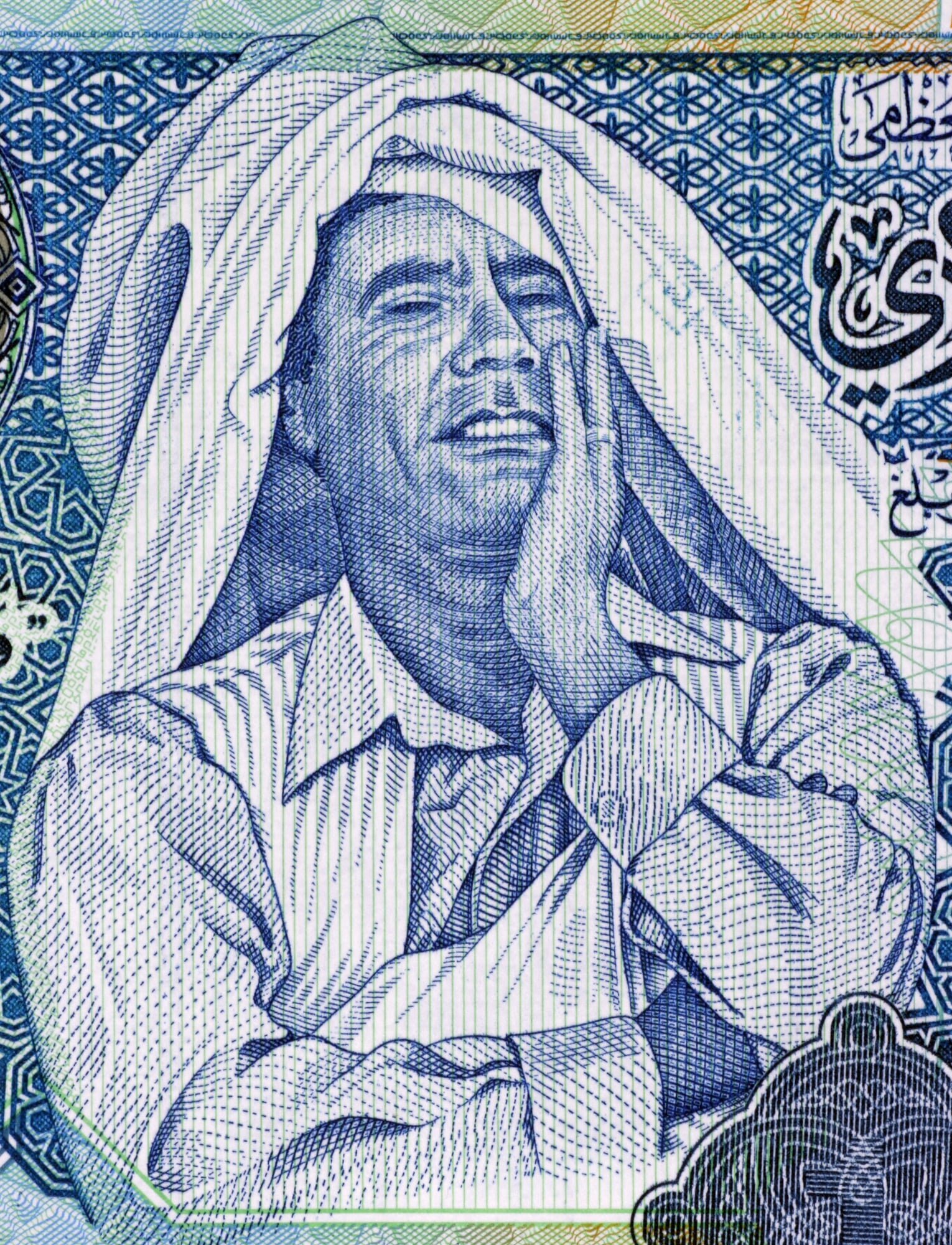
Gaddafi was captured and killed in 2011 not by a foreign army but by Libyan rebel fighters — many of whom had previously served within his own military and governmental apparatus. Senior officials, military officers, and even longtime allies defected as the NATO-backed uprising gathered momentum, stripping away the human infrastructure that had kept his regime standing for forty-two years.
A regime built on personal loyalty collapses faster than almost anything else once that loyalty starts calculating its options.
Hosni Mubarak

Mubarak was pressured to resign in February 2011 after the Egyptian military — the institution he had come from and had spent his presidency cultivating — declined to fire on protesters and ultimately informed him that his time was finished. He had assumed, reasonably by the standards of his entire career, that the army was his.
The generals had a different understanding of whose army it actually was.
Zine El Abidine Ben Ali
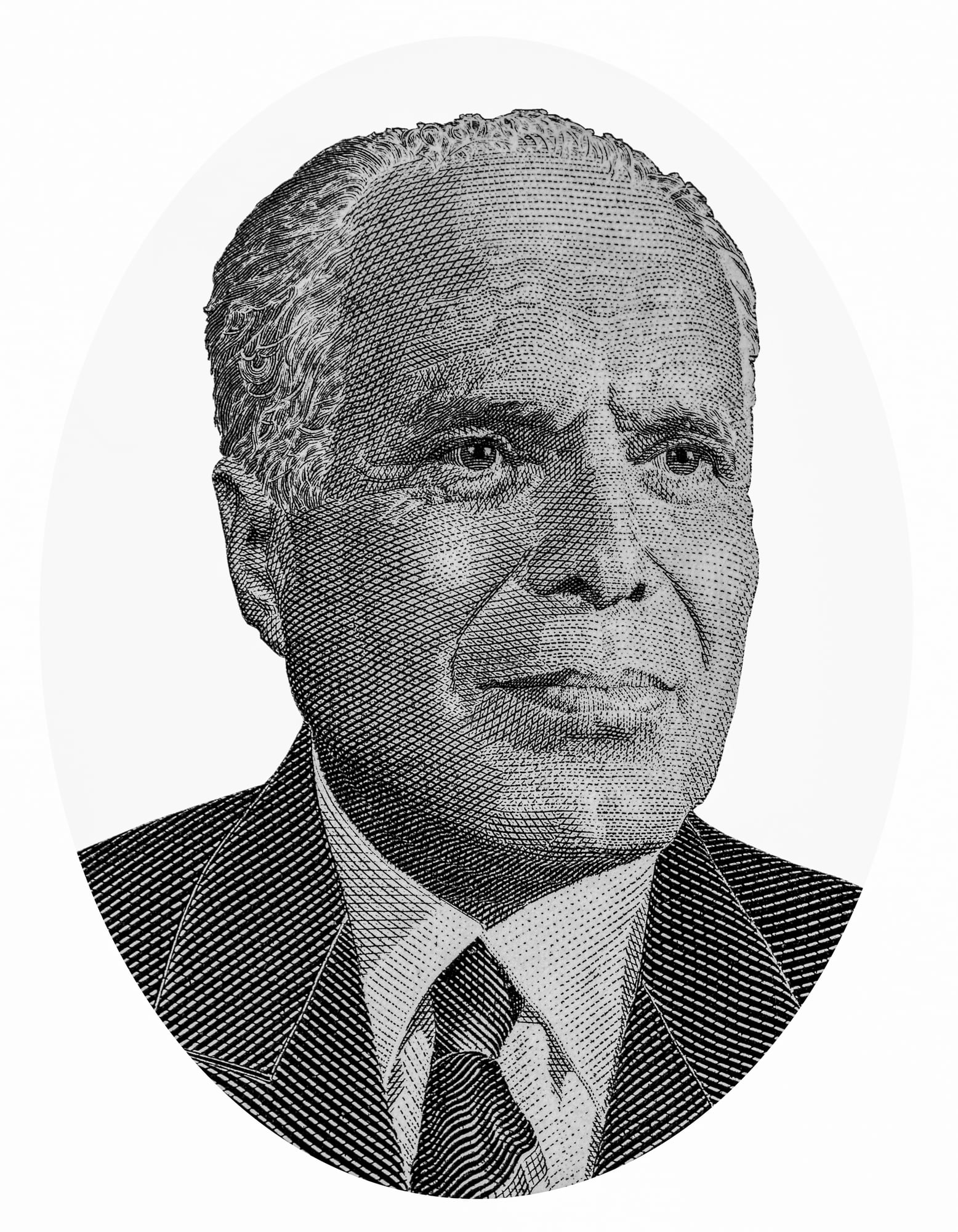
Ben Ali fled Tunisia in January 2011 after twenty-three years in power, his exit accelerated by the defection of military commanders who refused to deploy lethal force against protesters. He had come to power himself through a constitutional coup in 1987 — removing an ailing president by declaring him medically unfit — so there was a certain circular logic to being removed by institutions he thought he controlled.
He died in exile in Saudi Arabia in 2019, never having returned.
Nicolae Ceaușescu
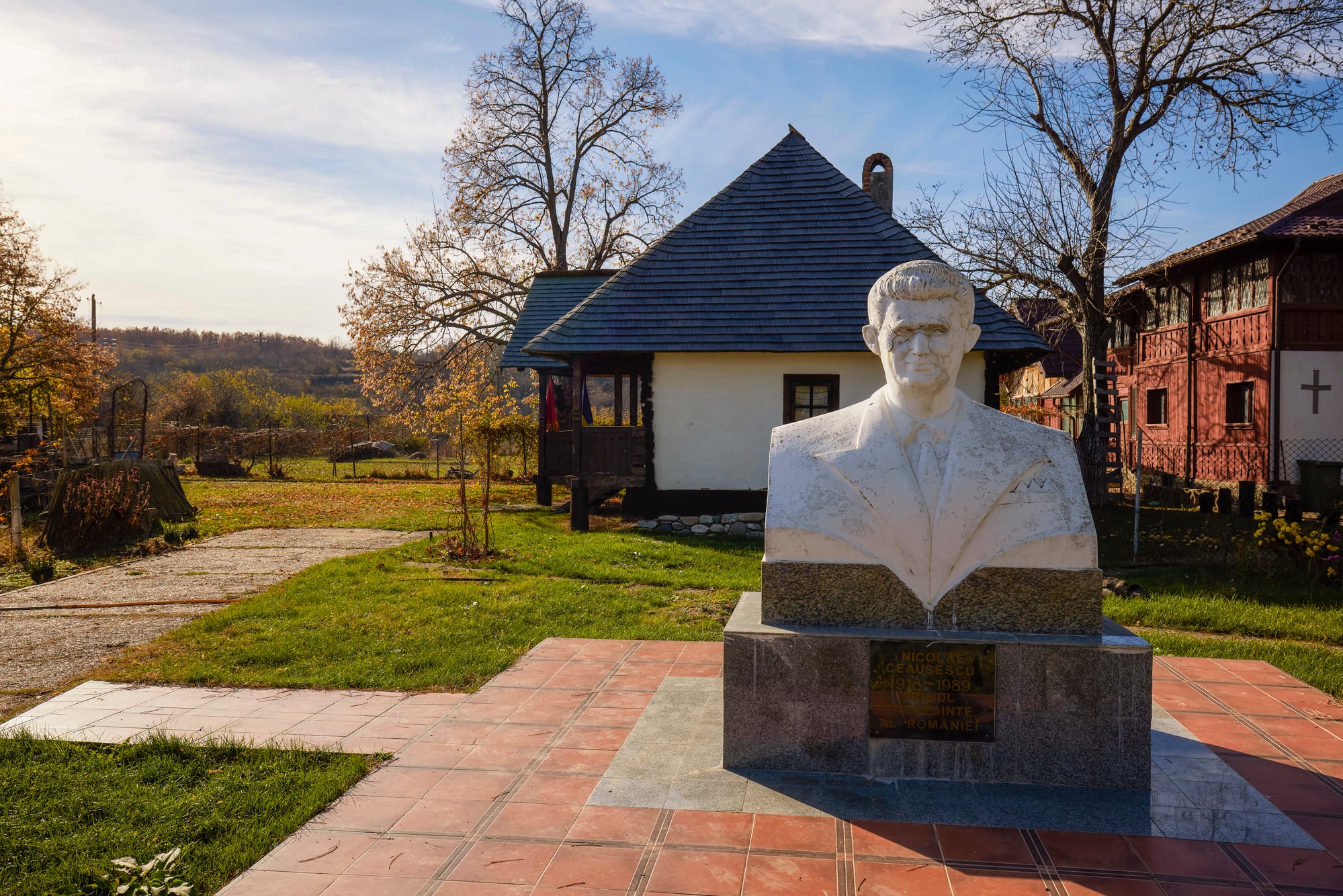
Ceaușescu and his wife Elena were arrested, given a trial lasting less than two hours, and executed by firing squad on Christmas Day 1989 — all organized by the National Salvation Front, which included former Communist Party officials and military officers who had served his regime. The speed of it was almost administrative.
They went from ruling Romania to being buried in an unmarked grave inside seventy-two hours.
Slobodan Milošević
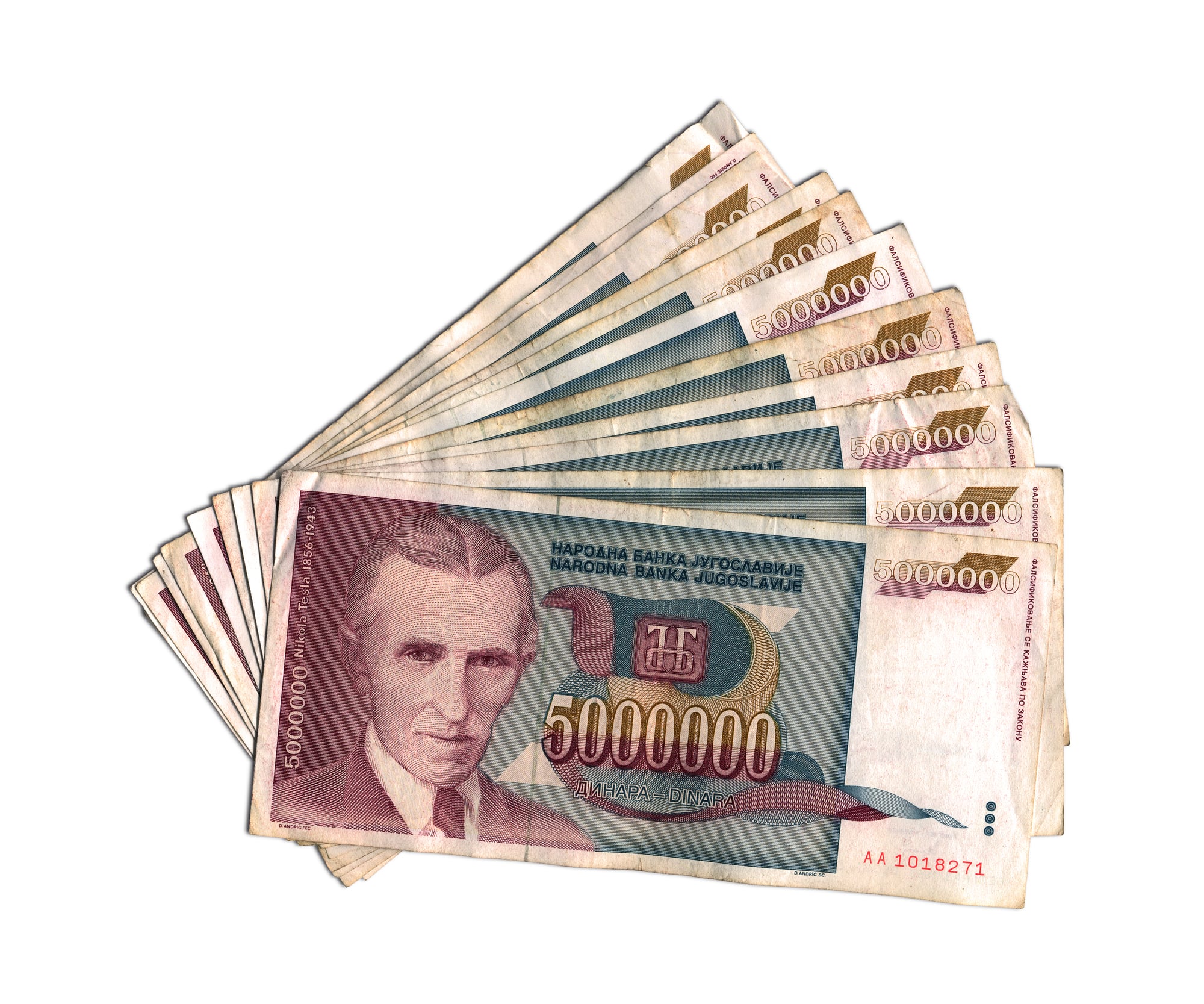
Milošević was removed from power in October 2000 when Serbian police, military units, and intelligence officials chose not to defend his government against mass protests following a disputed election — a refusal that was itself a form of coup. His own security apparatus, the instrument he’d used to intimidate and control Serbia for over a decade, simply stood aside.
He was later transferred to The Hague by his own government, who had concluded he was more useful as a defendant than as a former president.
Ferdinand Marcos
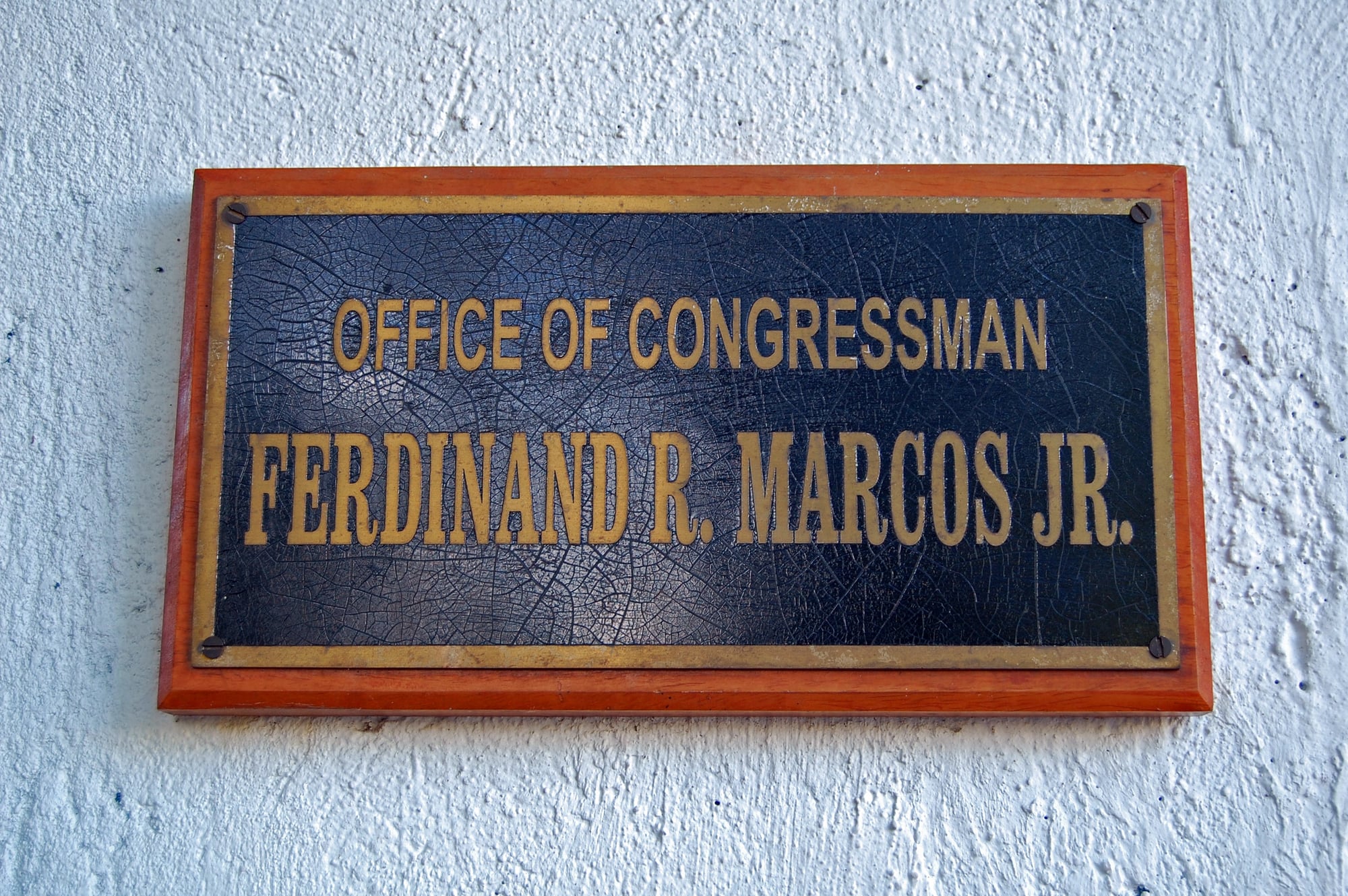
Marcos was forced out of the Philippines in 1986 when two of his closest military allies — Defense Secretary Juan Ponce Enrile and General Fidel Ramos — defected and announced they were backing the People Power movement. Marcos had promoted both men and relied on them for years; their defection was the crack that brought the whole structure down in a matter of days.
He flew into exile in Hawaii, leaving behind warehouses full of shoes and a country that had apparently reached its limit.
Fulgencio Batista
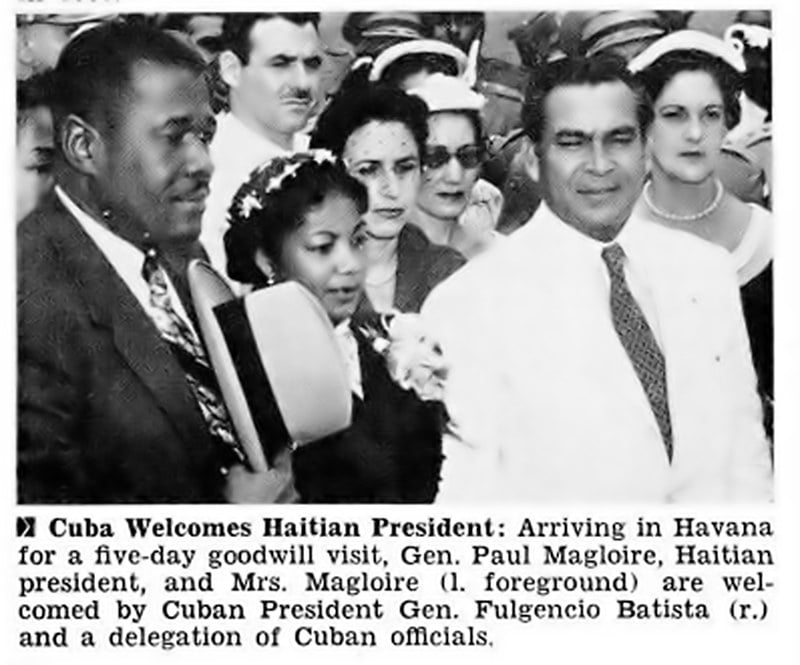
Batista fled Cuba on New Year’s Eve 1958 as Fidel Castro’s forces closed in, but the real story of his regime’s collapse was the hollowing out of military loyalty in the months before. Officers defected, soldiers refused to fight, and the U.S. — which had backed him — quietly withdrew support once it was clear the game was over.
A dictatorship that can’t count on its own army is already finished; it just takes a while for the paperwork to arrive.
Jean-Bédel Bokassa
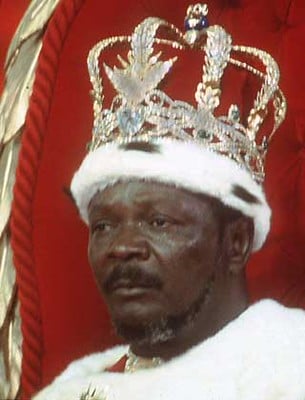
Bokassa, the self-declared Emperor of the Central African Empire, was ousted in 1979 by a French military operation — but the political groundwork was laid when his own government became internationally indefensible after he personally participated in the massacre of schoolchildren who had protested his decree requiring them to purchase expensive uniforms. French officials who had previously supported him decided the relationship had become a liability rather than an asset, and they acted accordingly.
The emperor lost his empire, in the end, over school uniforms.
Idi Amin
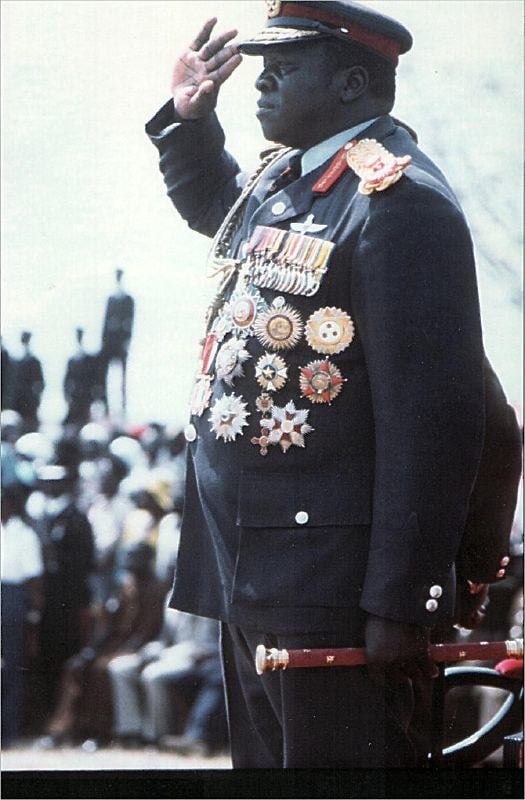
Idi Amin was overthrown in 1979 by a combination of Tanzanian forces and Ugandan exiles, but his downfall was accelerated by the defection and disintegration of his own military — officers and soldiers who had served him for years and simply stopped fighting when it became obvious the regime was collapsing. Amin had come to power in a military coup himself in 1971, deposing Milton Obote while Obote was out of the country.
The mechanism that lifted him eventually ran in reverse.
Haile Selassie
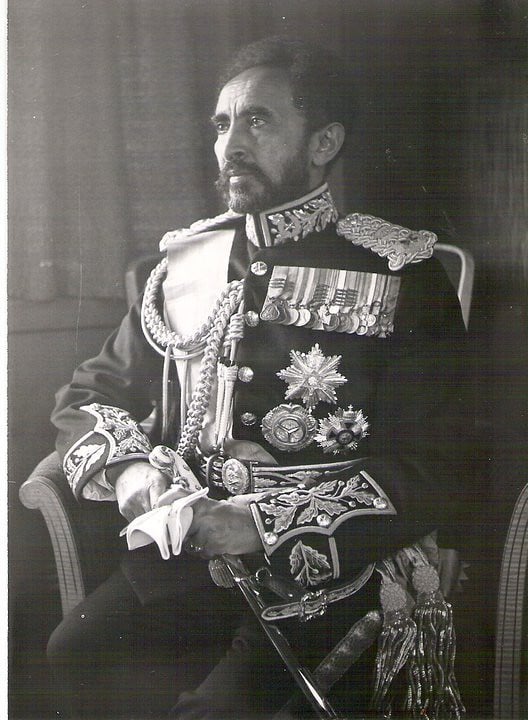
Haile Selassie, emperor of Ethiopia for decades, was deposed in 1974 by the Derg — a coordinating committee of military officers drawn from his own armed forces. The coup was almost methodical: they arrested ministers, officials, and military commanders one by one over several months before finally placing the emperor himself under house arrest in September.
He died in custody in 1975, officially of complications from a prostate procedure, though the circumstances have never been fully accepted as innocent.
Mohammad Reza Shah Pahlavi

The Shah of Iran spent enormous resources on SAVAK, his secret police, and on military expansion, calculating that a strong enough security apparatus would keep him untouchable. But when the revolution came in 1978 and 1979, the army did not fire on the crowds with the consistency required to suppress them, and senior military commanders eventually declared neutrality — effectively withdrawing the one instrument that could have saved his throne.
He left Iran in January 1979 for medical treatment and never returned.
Anastasio Somoza Debayle
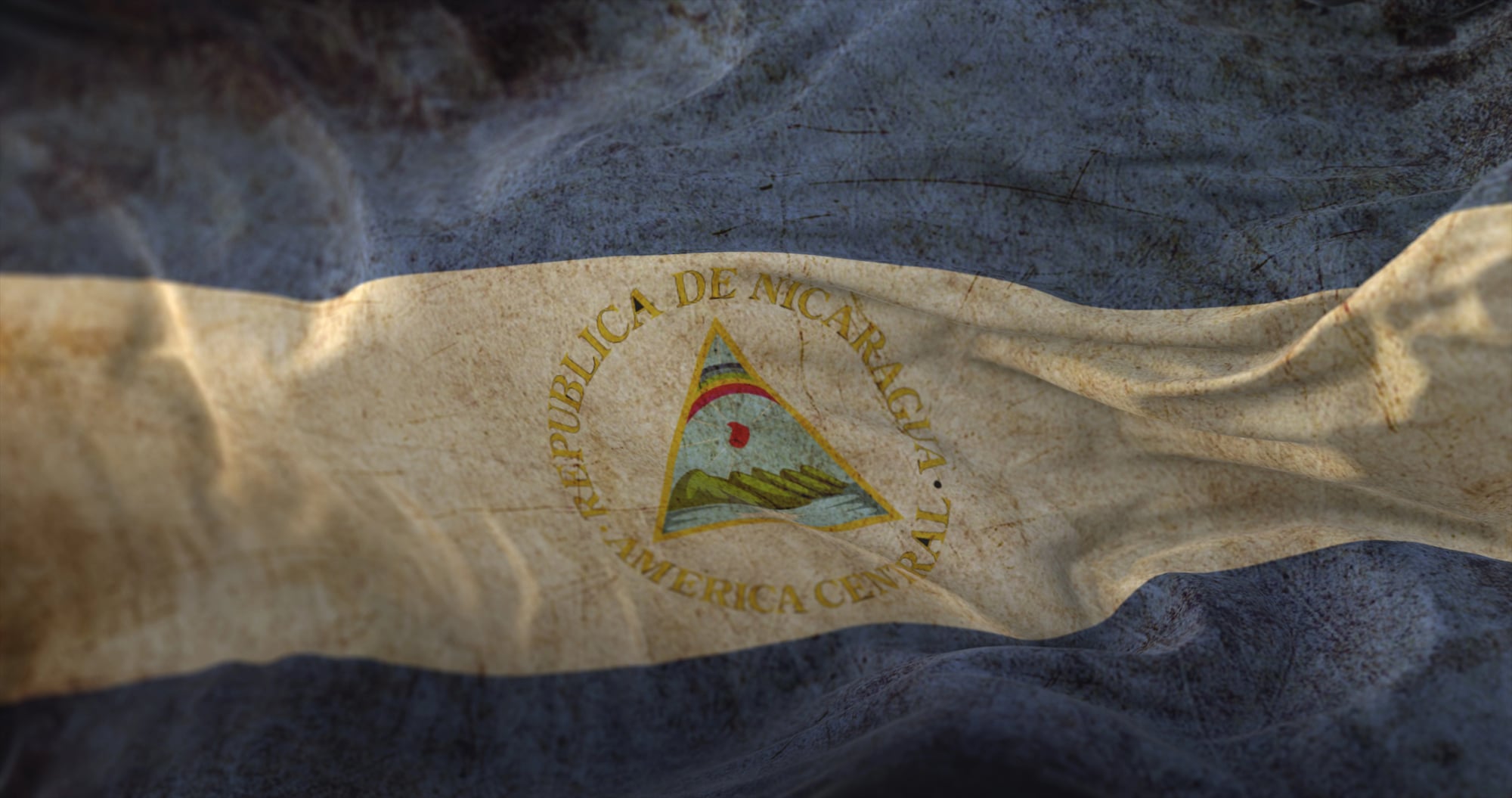
Somoza was the last of a dynasty that had ruled Nicaragua since the 1930s, and his regime depended almost entirely on the National Guard — an institution the Somoza family had built and staffed with personal loyalists. The Guard’s increasingly brutal conduct during the Sandinista insurgency alienated even conservative elements who had previously supported the family, and when the Sandinistas took Managua in July 1979, the Guard collapsed rather than held.
Somoza fled to Paraguay, where he was assassinated in 1980 by a Marxist Argentine guerrilla group — which is the kind of ending that arrives with a grim sense of inevitability.
Yahya Khan

Yahya Khan, Pakistan’s military ruler, was forced to hand power to Zulfikar Ali Bhutto in December 1971 after the catastrophic loss of East Pakistan — which became Bangladesh — and the surrender of ninety thousand Pakistani troops to Indian forces. Senior military commanders who had served under him concluded the regime was unsustainable in the wake of that defeat, and the handover was less a voluntary transfer than a managed removal.
Losing half your country in a single war has a clarifying effect on institutional loyalty.
Jean-Pierre Boyer
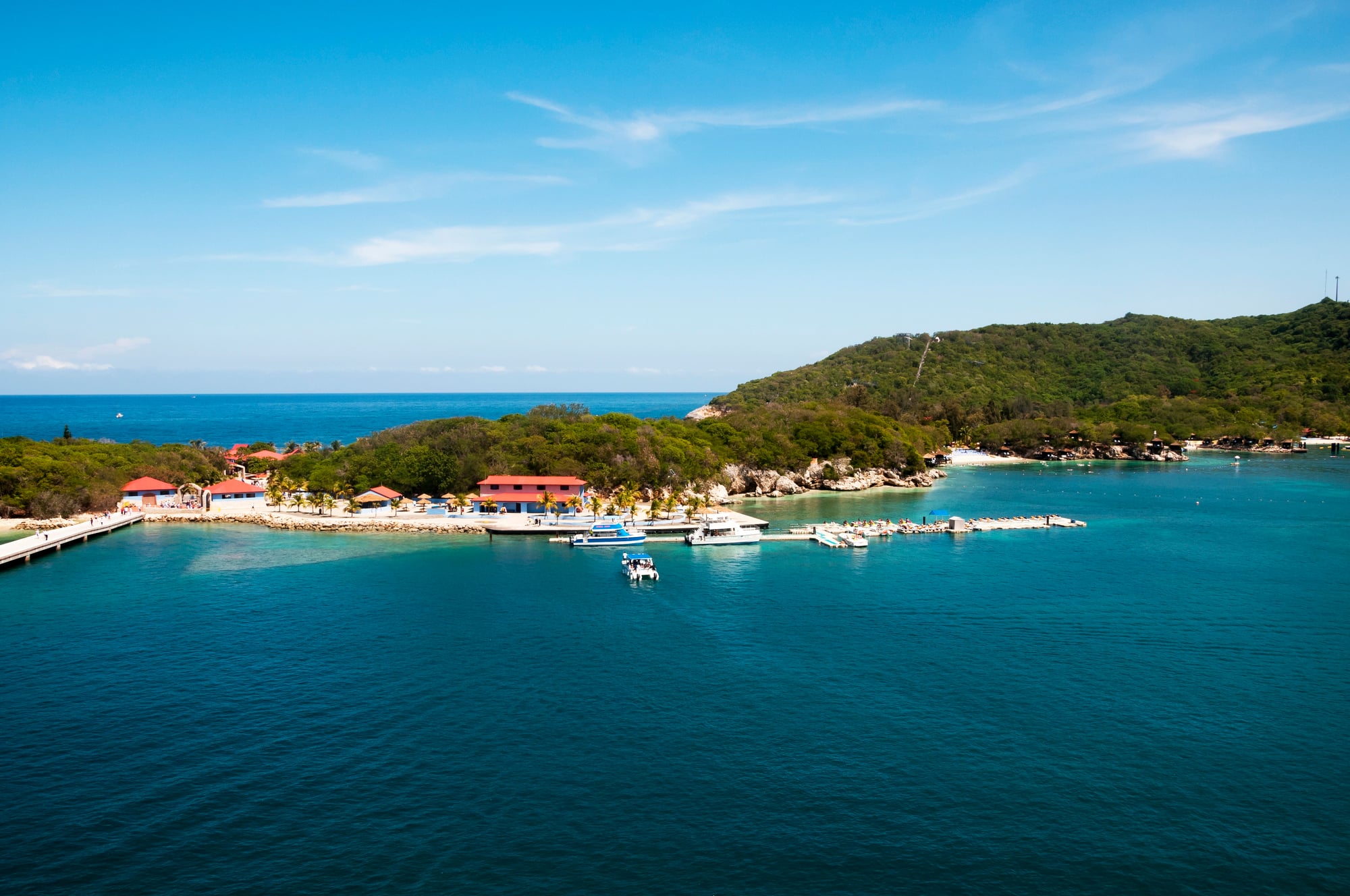
Boyer ruled Haiti for twenty-five years before a coalition of military officers and regional leaders — many of whom had served within his own government — forced him into exile in 1843. His attempts to impose the Rural Code, which essentially bound peasant workers to estates, had produced deep and lasting resentment, and those around him eventually decided the political costs of defending him outweighed the benefits of keeping him in place.
He died in Paris in 1850, a long way from the country he had governed longer than anyone else in its history.
Shaka Zulu
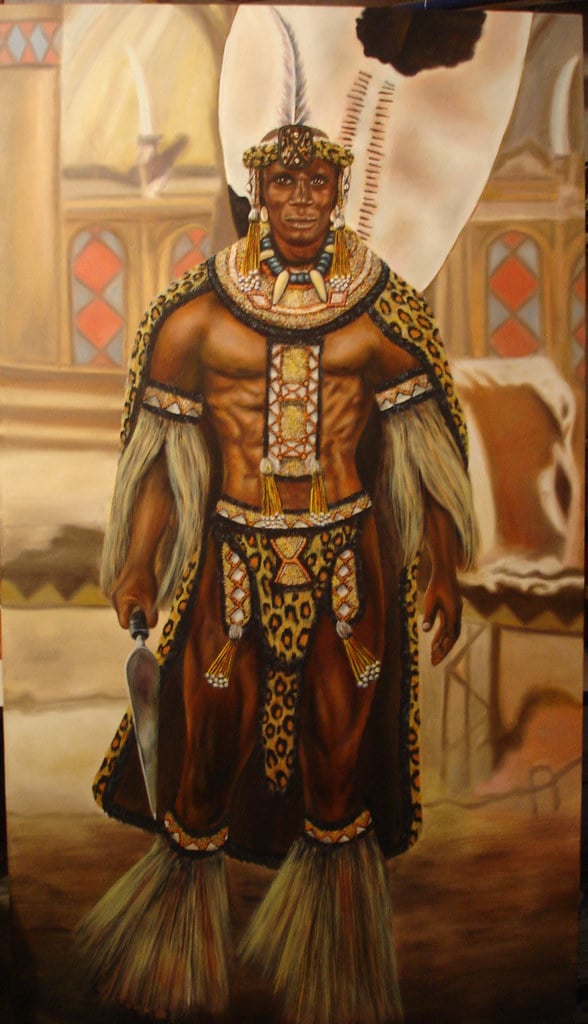
Shaka, founder of the Zulu kingdom and one of the most formidable military organizers in African history, was assassinated in 1828 by his own half-brothers — Dingane and Mhlangana — aided by his personal attendant. The conspiracy formed partly in response to Shaka’s extreme and increasingly erratic behavior following the death of his mother, including forcing his people into extended mourning and reportedly executing thousands.
The men closest to him, who had watched him build an empire, decided the cost of proximity had become too high.
Amenhotep IV (Akhenaten)
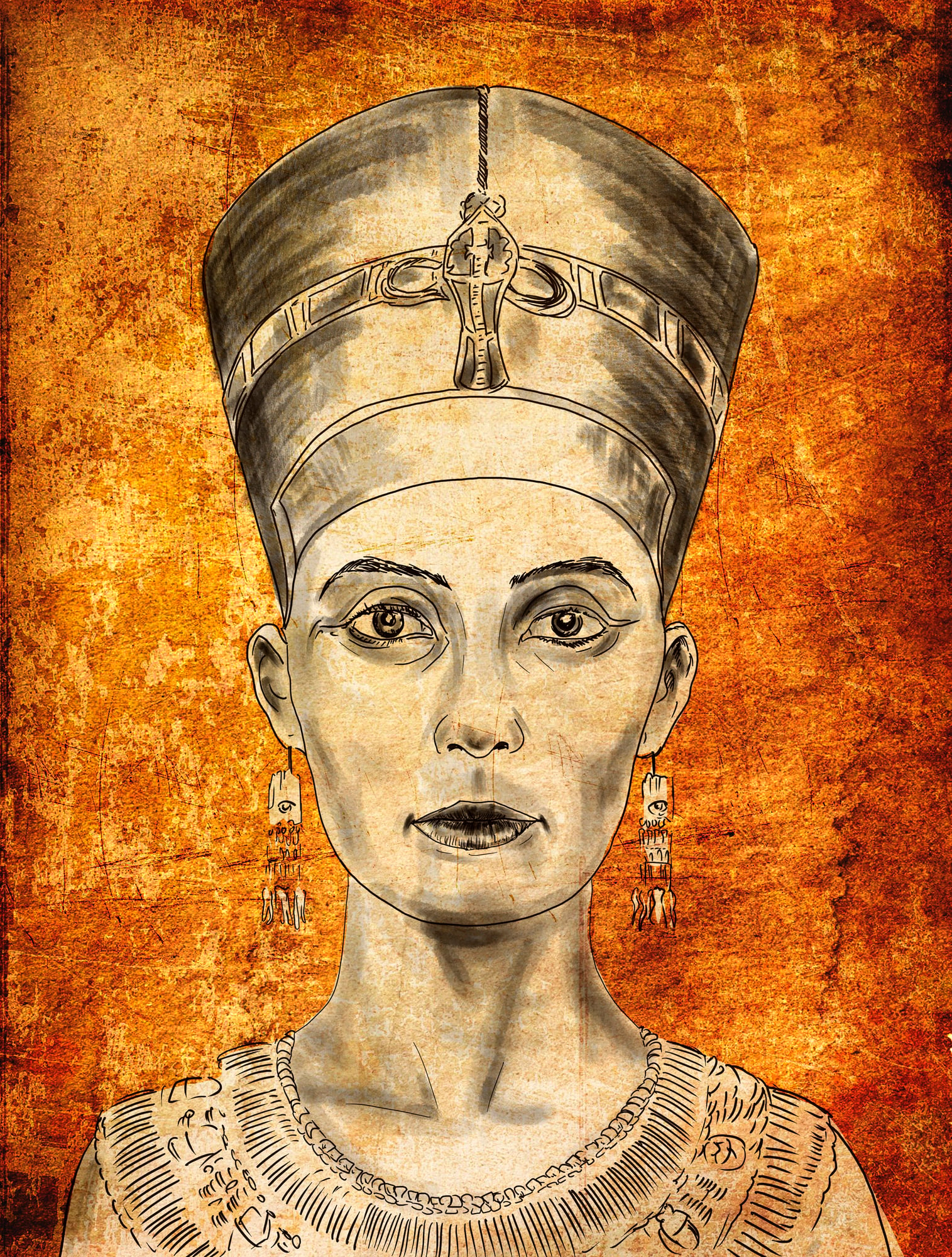
Akhenaten’s religious revolution — abandoning Egypt’s traditional pantheon for the worship of the Aten — dismantled the power of the priestly class overnight, which generated the kind of institutional resentment that does not simply fade. The reversal of his reforms after his death was so complete and so swift that his name was systematically erased from monuments, suggesting the people around him — courtiers, priests, military officials — had spent years waiting for the moment to act.
The erasure itself is the evidence: you don’t spend that much effort removing someone unless you feared them, and resented them, in equal measure.
Darius III of Persia
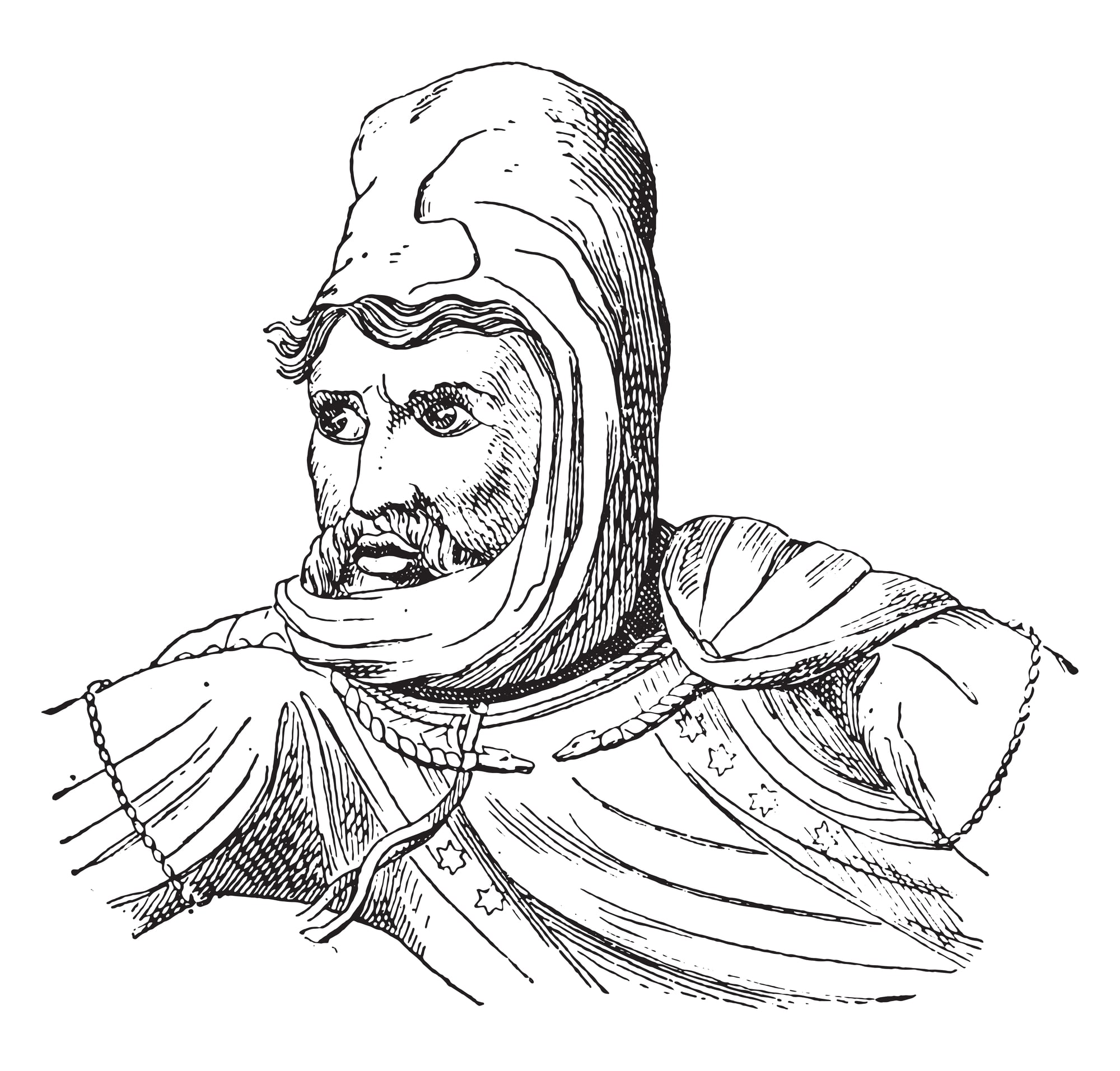
Darius III, the last Achaemenid king of Persia, was betrayed and murdered in 330 BC by Bessus, the satrap of Bactria — one of his own provincial governors and a relative — as Alexander the Great’s forces closed in. Bessus seized Darius, declared himself his successor, and then had him stabbed when it became clear Alexander was moving too fast to outrun.
Alexander, arriving at the scene shortly after, reportedly wept over the body — which is a strange coda to a story that was never really about Alexander at all.
The Door Opens From the Inside
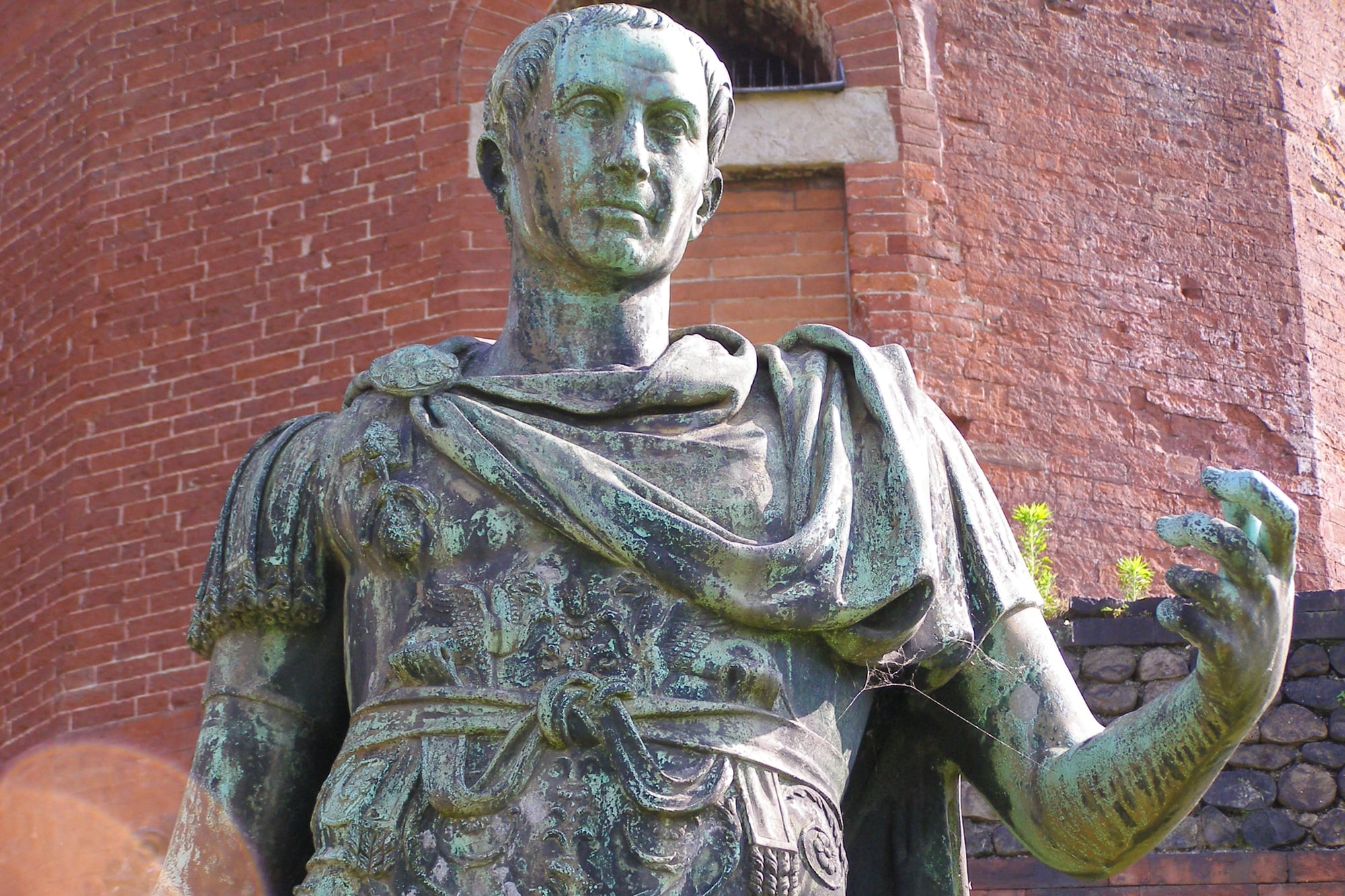
There’s a pattern running through every one of these stories that becomes hard to ignore once you’ve read enough of them: the rulers who fell this way weren’t always the weakest or the least capable. Many of them were formidable — brilliant, even.
What connected them was something subtler. They each reached a point where they confused loyalty with permanence, where the deference shown to them in the room read as devotion rather than calculation. Power tends to do that. It creates a feedback loop where every nodding head looks like agreement, every cleared room looks like respect, and every year without a coup looks like proof that one is impossible.
The people in these inner circles — the generals, the wives, the prefects, the ministers — weren’t monsters. Most of them were pragmatists who understood one thing clearly: that the distance between serving a ruler and surviving one is sometimes a very small step.
And when they took it, history turned on a hinge that no one standing outside the room could see moving.
More from Go2Tutors!

- The Romanov Crown Jewels and Their Tragic Fate
- 13 Historical Mysteries That Science Still Can’t Solve
- Famous Hoaxes That Fooled the World for Years
- 15 Child Stars with Tragic Adult Lives
- 16 Famous Jewelry Pieces in History
Like Go2Tutors’s content? Follow us on MSN.