Photos Of Scariest Bridges In America
Some bridges make your heart race before you’ve even started crossing them. They stretch impossibly far across churning water, sway in mountain winds, or hang so high above the ground that cars below look like toys.
These aren’t the safe, predictable overpasses you encounter on daily commutes — these are the bridges that test your nerve and leave your palms sweating on the steering wheel.
Mackinac Bridge
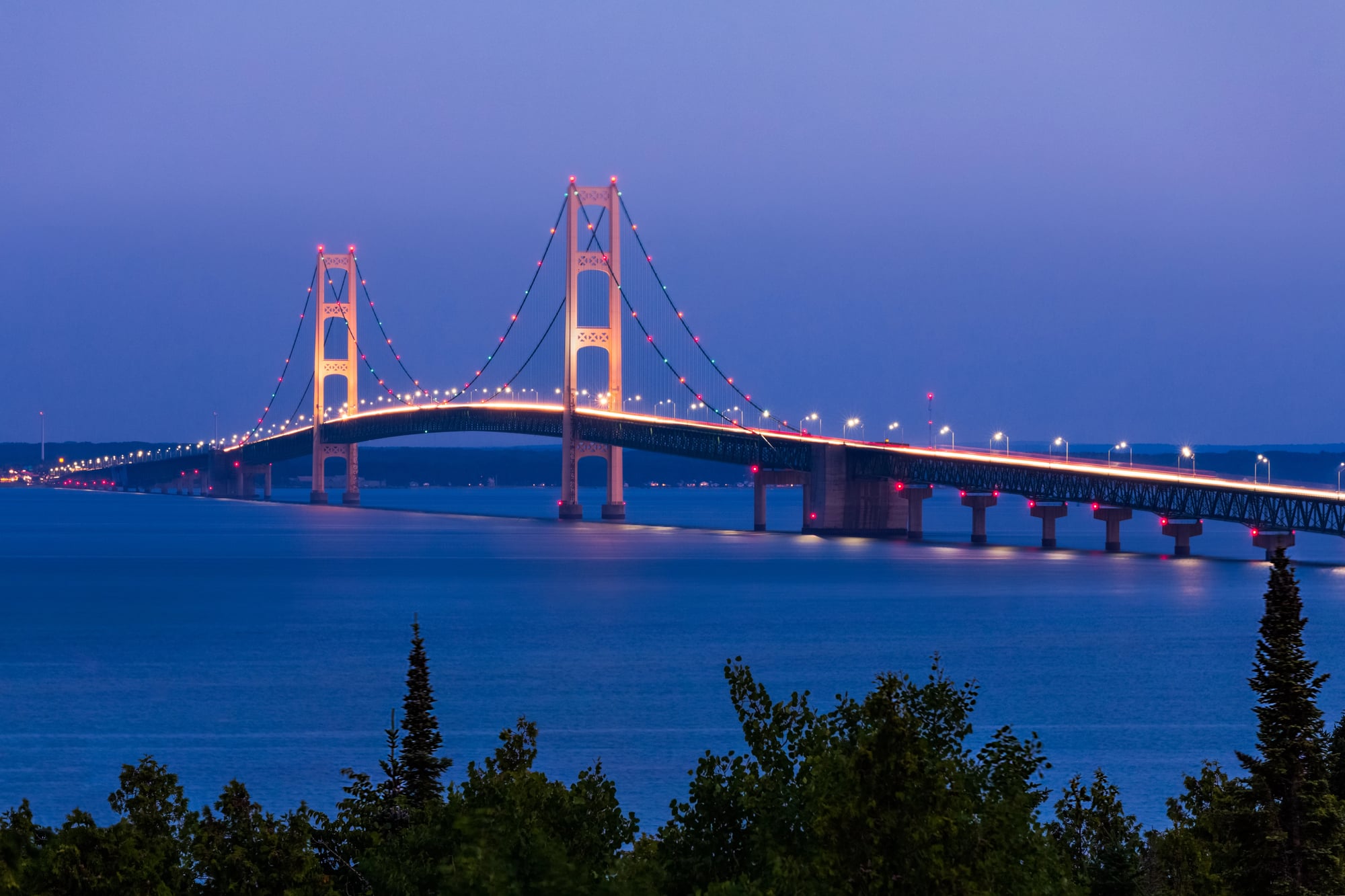
Five miles of steel suspension spanning the Straits of Mackinac. The wind hits sideways at 200 feet above the water, and high-profile vehicles get escorted across by state police — which should tell you everything about what driving this bridge feels like.
Cars have been blown off course here. The bridge authority doesn’t advertise that fact, but it’s real enough that they offer a driving service for people too terrified to cross alone.
Fair enough.
Chesapeake Bay Bridge
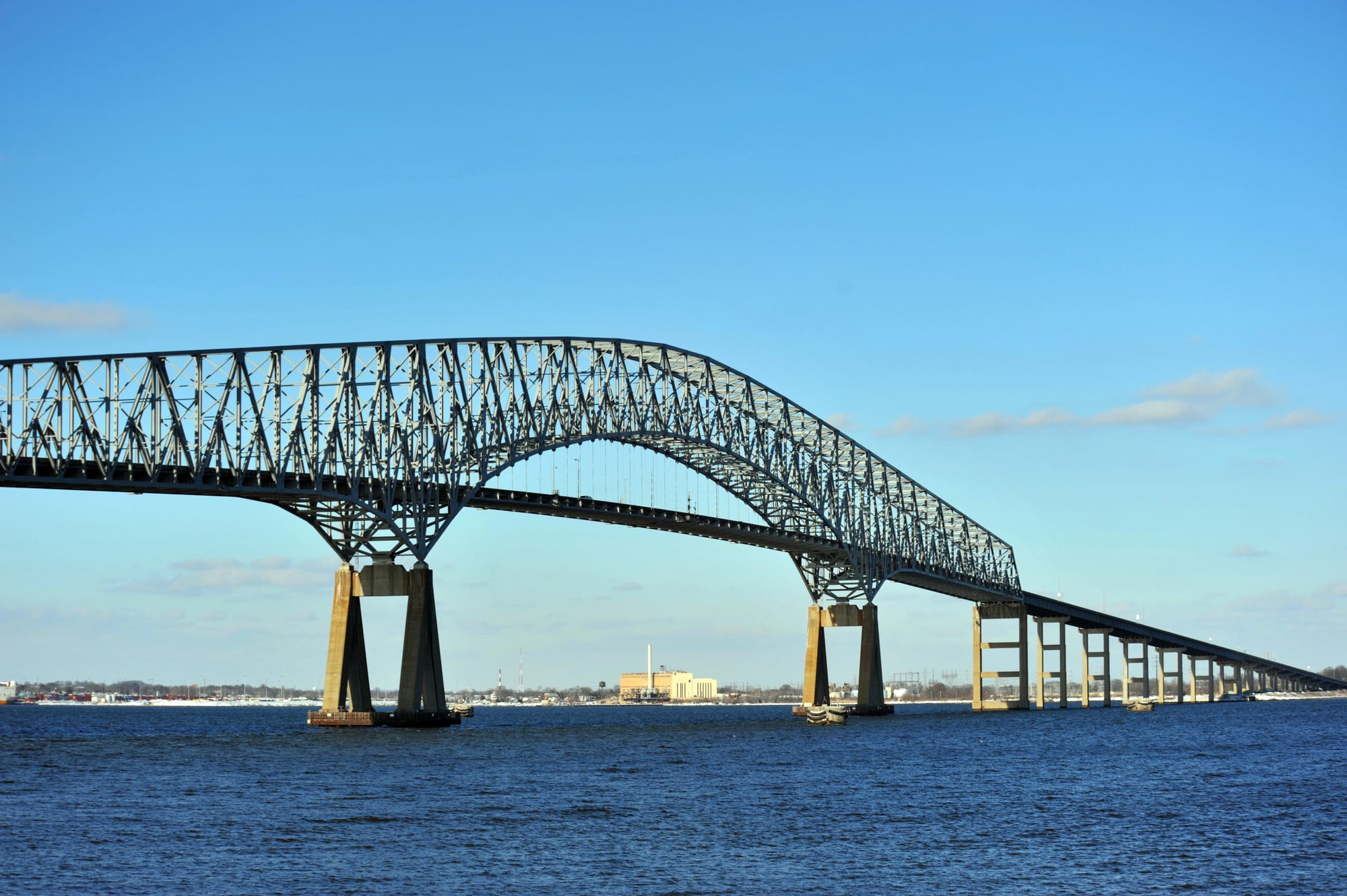
The thing about the Chesapeake Bay Bridge is how it disappears. You start crossing what looks like a normal span, then realize you’re committed to 4.3 miles of open water with nowhere to turn around.
The bridge curves partway across, so you can’t see the end from the beginning — just water stretching in all directions.
They run a driving service here too. Panic attacks are common enough that they’ve made it a business.
Verrazano-Narrows Bridge
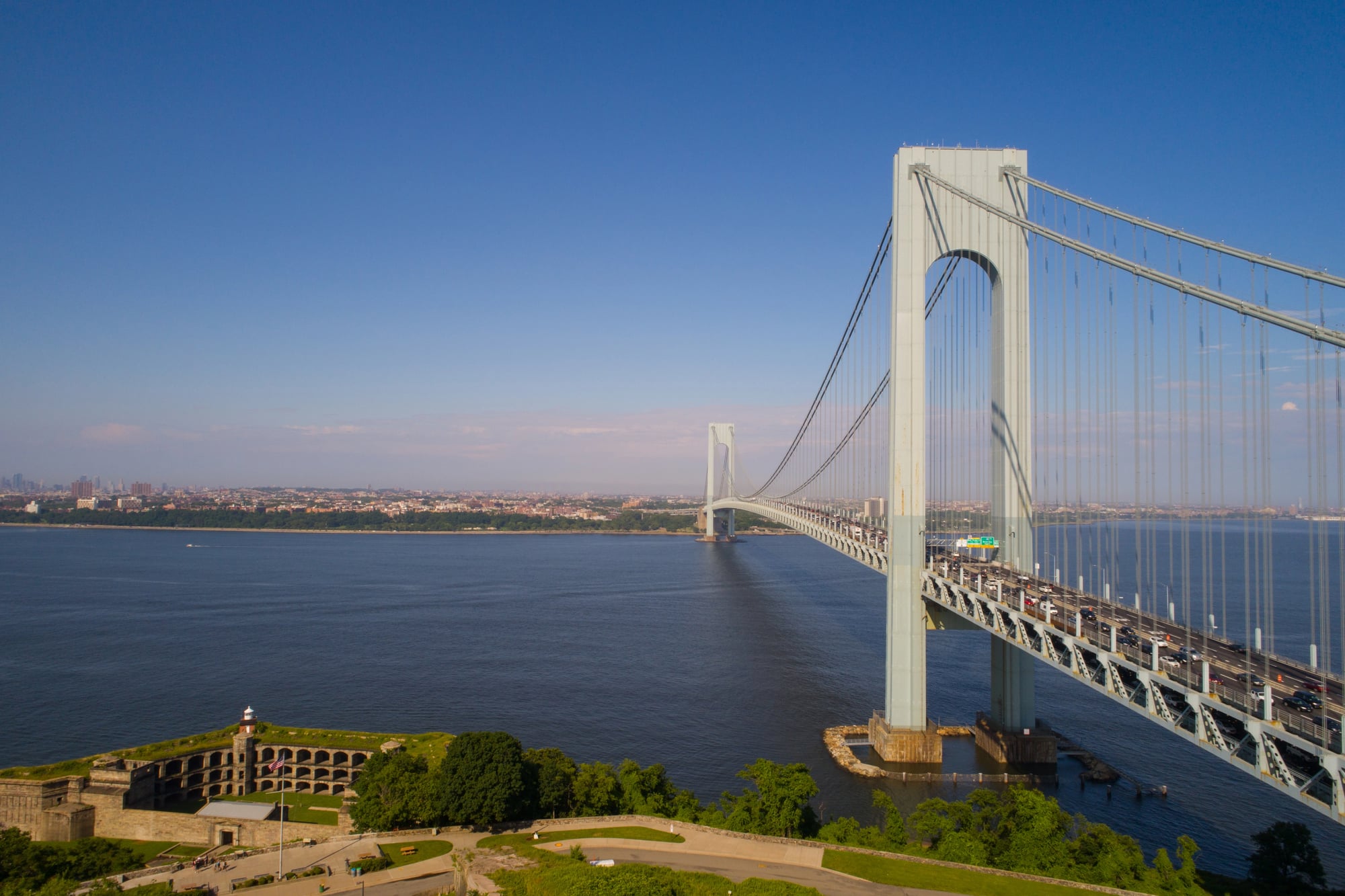
There’s something unsettling about a bridge that moves (and every suspension bridge moves — you can feel it in your steering wheel if you pay attention), but the Verrazano takes this to an uncomfortable extreme. Traffic loads make the roadway rise and fall by several feet, which creates the sensation that you’re driving across something alive, something breathing beneath your wheels.
The bridge connects Staten Island to Brooklyn, which sounds mundane until you’re actually up there, 210 feet above the water, feeling the whole structure shift and sway with every gust of wind that comes off the Atlantic.
And the wind is constant here — funneled between the boroughs, accelerated by the water, hitting the bridge at angles that make lane changes feel like small acts of faith. So you grip the wheel tighter and try not to think about how much the bridge is moving.
Most people make it across fine.
Sunshine Skyway Bridge
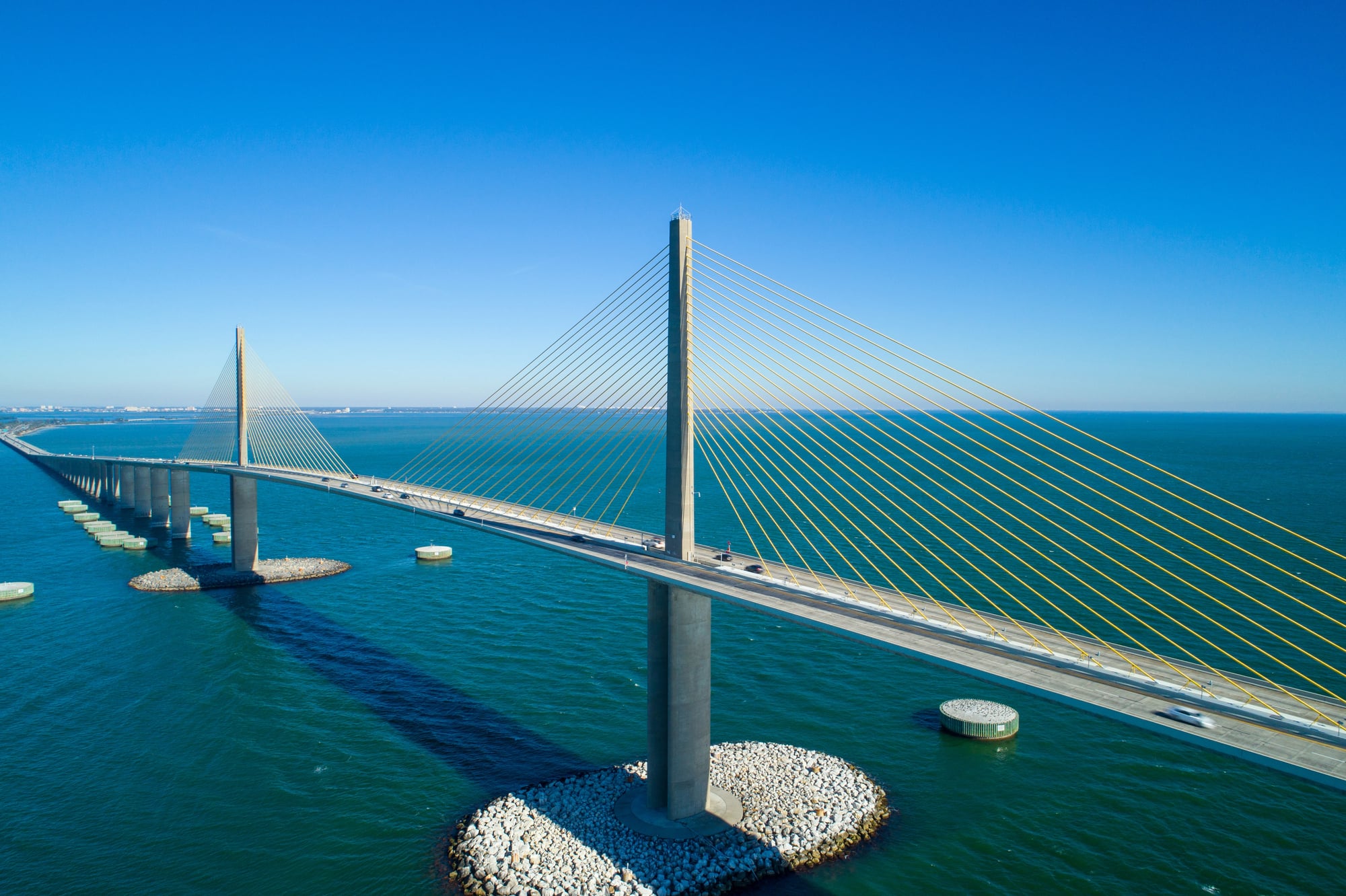
Four miles across Tampa Bay, rising to 190 feet at its peak. The approach is gradual enough that you don’t realize how high you’re climbing until you look sideways and see boats that look like specks on the water below.
The original bridge collapsed in 1980 when a freighter hit it during a storm. They built the new one stronger, but the ghost of that disaster hangs over every crossing.
Coronado Bridge
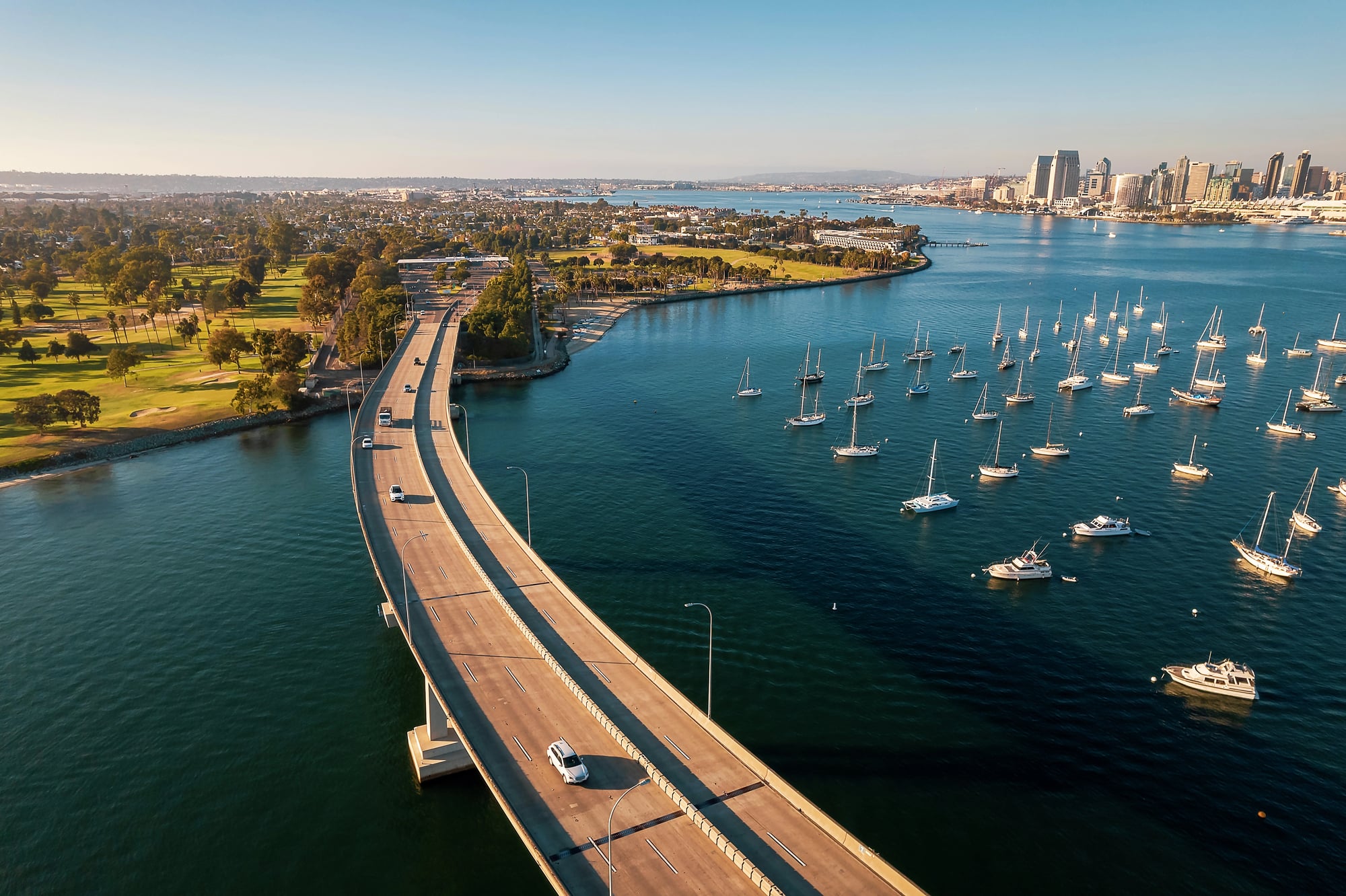
The Coronado Bridge in San Diego curves like a question mark suspended in air, which seems like an appropriate shape for a structure that makes you question your decision to drive across it. It’s not just the 200-foot height or the 2.1-mile length — it’s the way the bridge corkscrews through space, following a path that feels more like a roller coaster than a roadway.
The curve was designed to give ships clearance below, but from a driver’s seat, it feels like someone built a bridge without quite knowing where they wanted it to end up. You start the crossing heading one direction and finish it facing another, with the Pacific Ocean spread out below like a blue void that seems to pull at your peripheral vision.
The guardrails feel lower than they should. Everything feels lower than it should.
Golden Gate Bridge
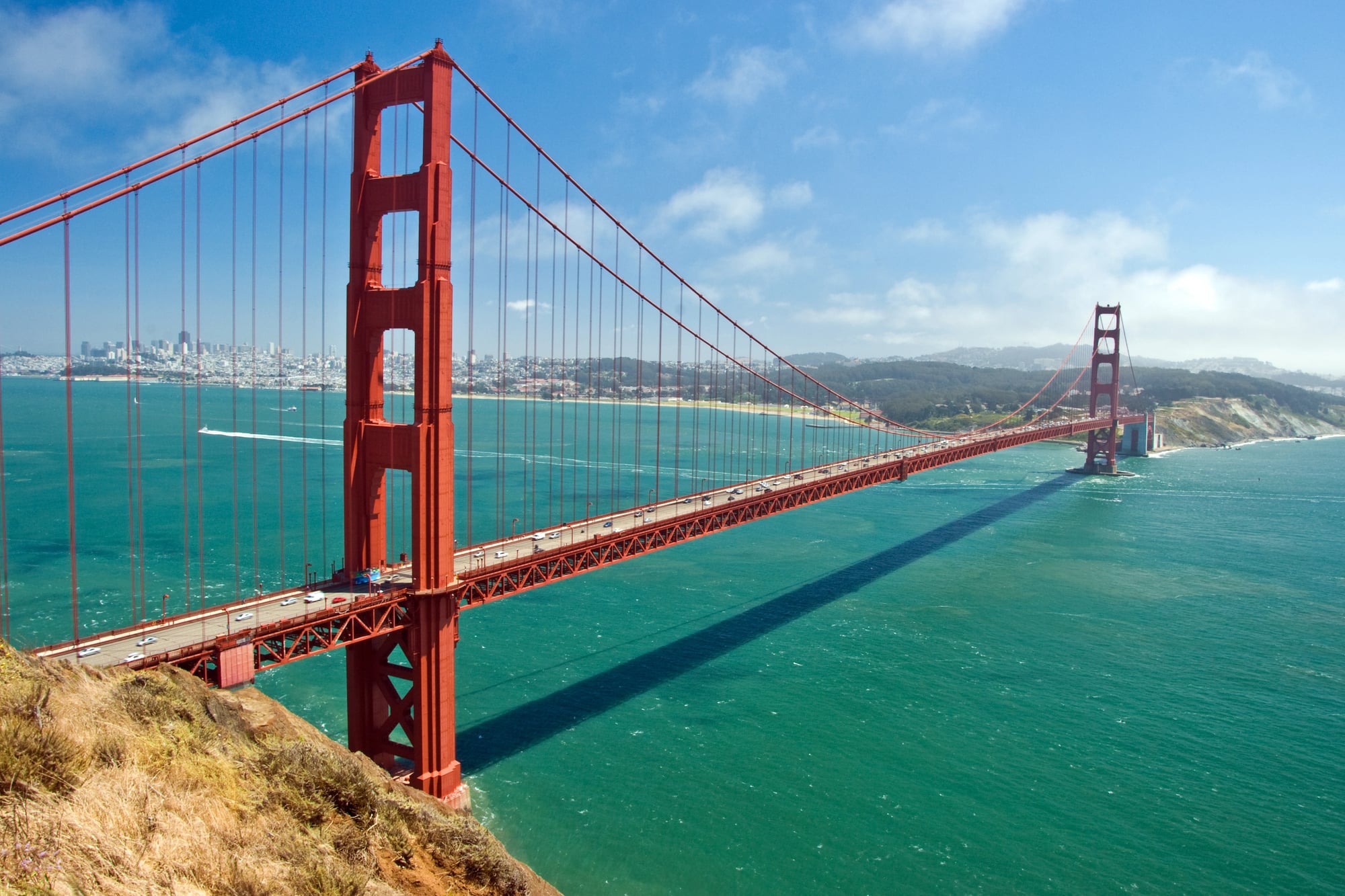
Everyone knows the Golden Gate is beautiful. Fewer people talk about how it feels to drive across it in fog so thick you can’t see the towers, let alone the water below.
The bridge vanishes into gray nothingness ahead and behind, leaving you suspended in a void with nothing but the rumble strips to guide you.
Wind speeds here regularly hit 70 mph. The bridge was built to flex, which it does, constantly.
Confederation Bridge

Stretching 8 miles across the Northumberland Strait to connect Prince Edward Island to mainland Canada, this is what happens when engineers decide to build a bridge across water that freezes solid in winter and churns with ice floes the rest of the year. The structure sits low to the water — so low that waves crash over the roadway during storms — but it has to curve upward in the middle to let ships pass underneath, creating a roller-coaster profile that makes the crossing feel like a slow-motion carnival ride over frigid water that could kill you in minutes if something went wrong.
The bridge closes regularly during storms, which should give you some idea of what “something going wrong” might look like. But when it’s open, you drive across 8 miles of open water with nothing but concrete barriers between you and the North Atlantic.
Even in summer, the crossing feels like an act of defiance against nature.
Rainbow Bridge
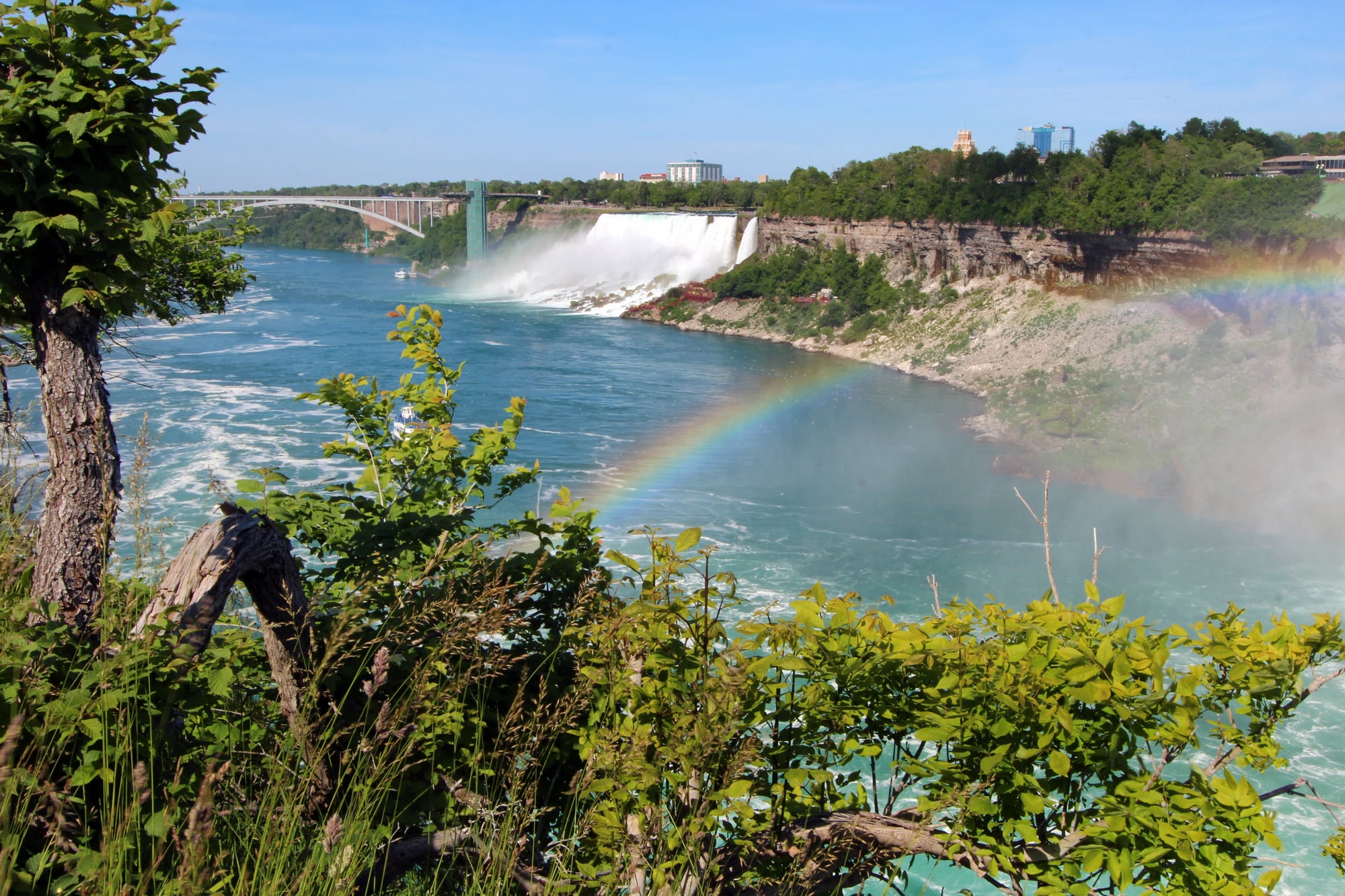
The Rainbow Bridge at Niagara Falls sits directly above one of the most powerful waterfalls on the continent. You can feel the mist on your windshield and hear the roar of water even with the windows up.
The bridge is only 950 feet long, but every foot of it reminds you that you’re suspended above a force of nature that could pulverize concrete.
New River Gorge Bridge
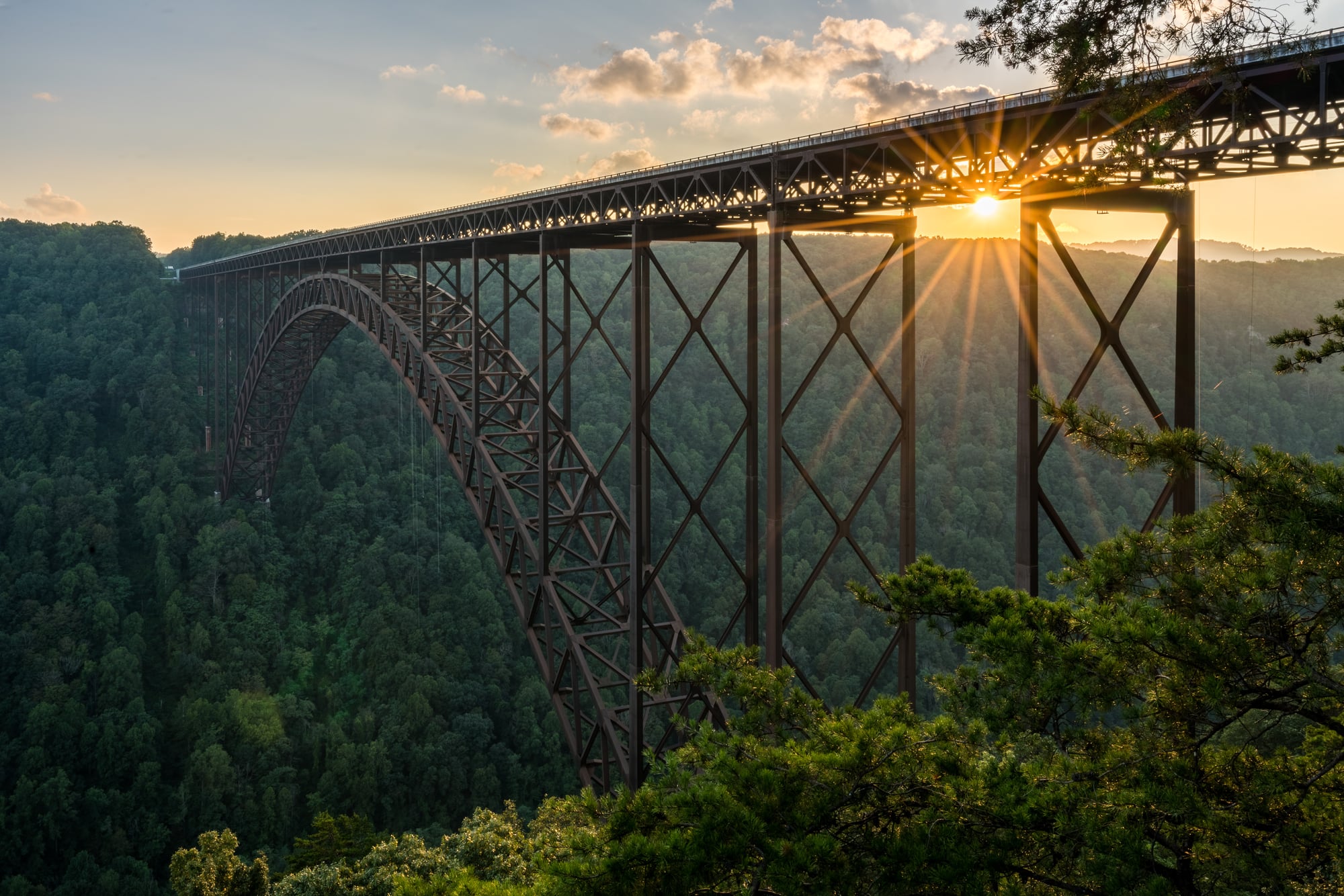
This is the bridge people use for BASE jumping, which tells you something about the height involved (876 feet above the New River). What it doesn’t tell you is how the wind behaves in the gorge — unpredictable updrafts and crosswinds that hit the bridge deck with enough force to move vehicles.
The span is beautiful from a distance. From the driver’s seat, it’s a half-mile of white-knuckle driving with a view straight down into the Appalachian wilderness.
Most bridges feel solid beneath you, but suspension bridges like this one have a way of reminding you that you’re essentially driving across a very sophisticated rope. The deck flexes with traffic loads and wind, creating subtle movements that your inner ear picks up even when your conscious mind doesn’t — a sensation somewhere between seasickness and vertigo that builds slowly during the crossing.
And the crossing takes time at this height, long enough for the reality of being suspended nearly 900 feet above the river to fully sink in. The guardrails suddenly seem inadequate.
Everything seems inadequate.
Arthur Ravenel Jr. Bridge
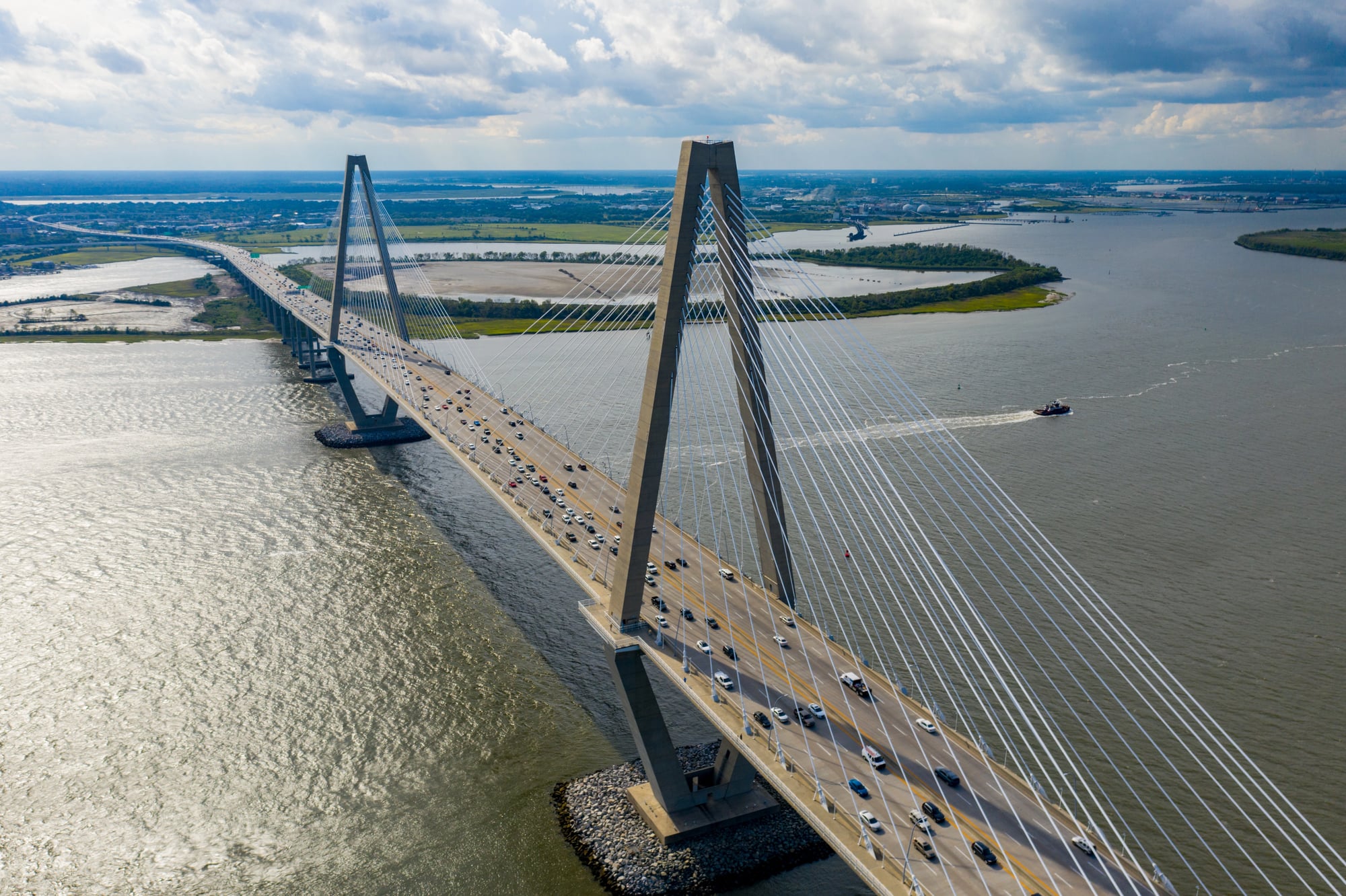
Two and a half miles across the Cooper River in Charleston, rising 186 feet above the water. The approach is steep enough that you lose sight of oncoming traffic as you climb toward the peak, creating the unsettling sensation of driving blind into empty sky.
Cable-stayed bridges like this one are engineered marvels. They’re also exercises in trusting that steel cables can hold up several lanes of traffic suspended in midair.
Tacoma Narrows Bridge
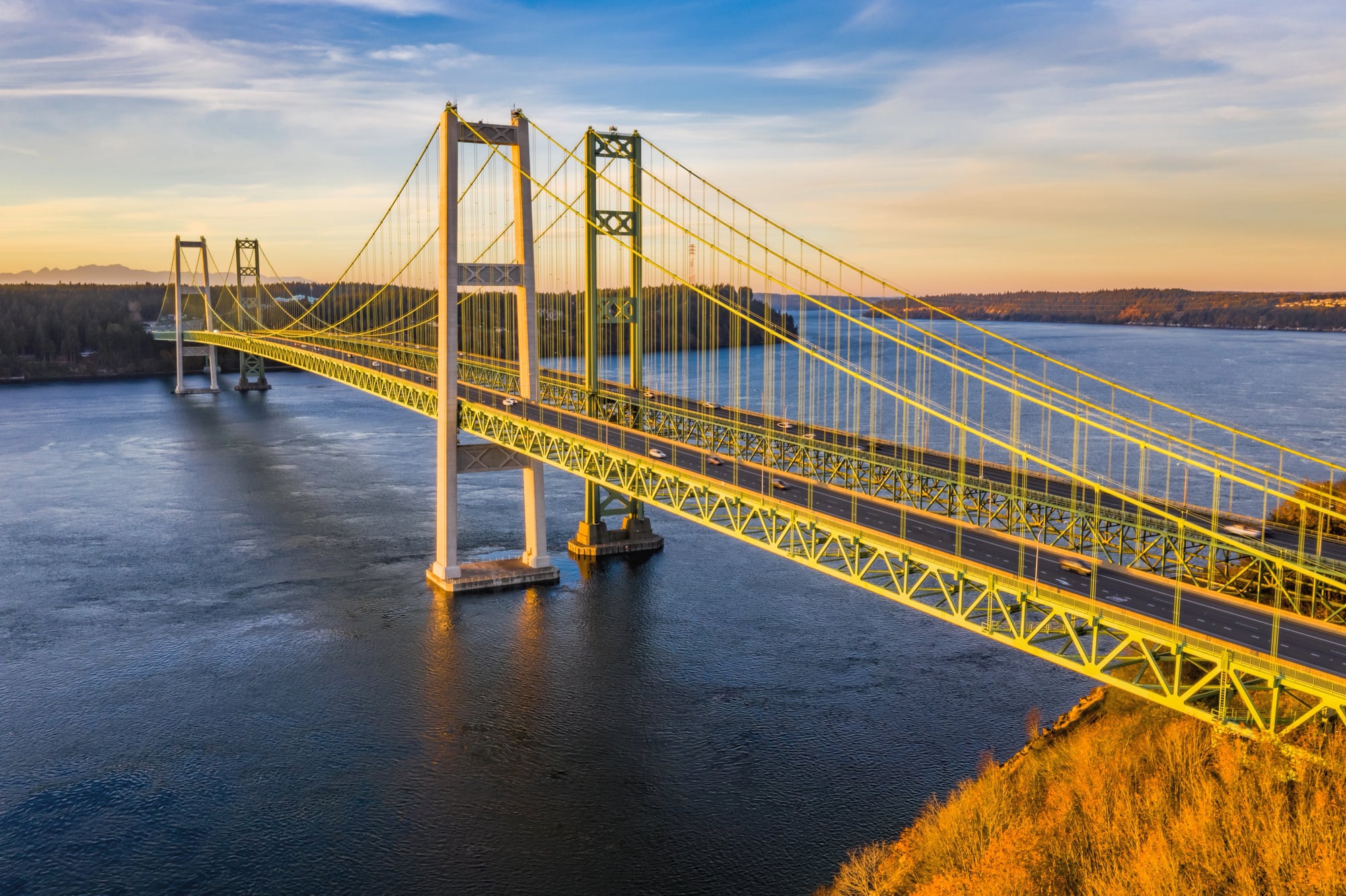
The original Tacoma Narrows Bridge twisted itself to pieces in 1940, collapsing in winds that weren’t even that strong by bridge standards. The replacement bridge is supposedly more stable, but driving across it means confronting the knowledge that bridges can fail — and fail spectacularly.
The new span feels solid enough, but the ghost of “Galloping Gertie” haunts every crossing. You can watch footage of the original collapse on YouTube, which is exactly the wrong thing to do before driving across its replacement.
Astoria-Megler Bridge
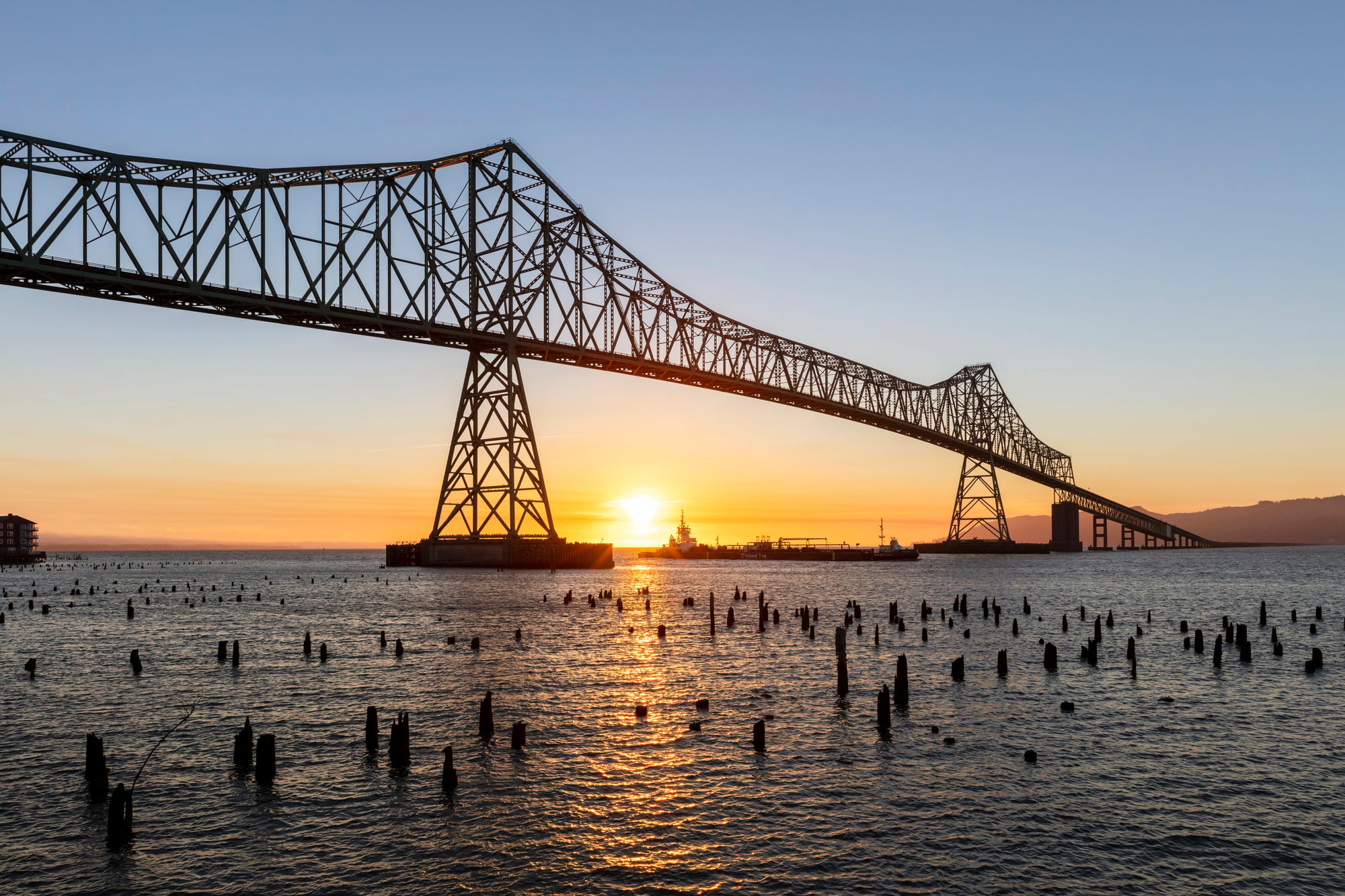
Four miles across the Columbia River where it meets the Pacific Ocean, this bridge sits in one of the most wind-prone locations on the West Coast (the Columbia River Gorge funnels wind like a natural wind tunnel, and where the river meets the ocean, those forces collide in ways that make weather prediction more art than science). The bridge is old enough that it lacks modern wind barriers, so crosswinds hit vehicles with full force — especially problematic for RVs, trucks, and motorcycles, which explains why the bridge occasionally closes to high-profile vehicles during storms.
But even in normal conditions, the crossing feels precarious: you’re driving across water that’s simultaneously river and ocean, with swells and currents that seem to move in several directions at once below. The steel truss design means you’re essentially driving through a tunnel of girders, which should feel protective but instead creates a cage-like sensation, as if you’re trapped in a structure that’s being buffeted by forces you can’t see but can definitely feel.
Memorial Bridge
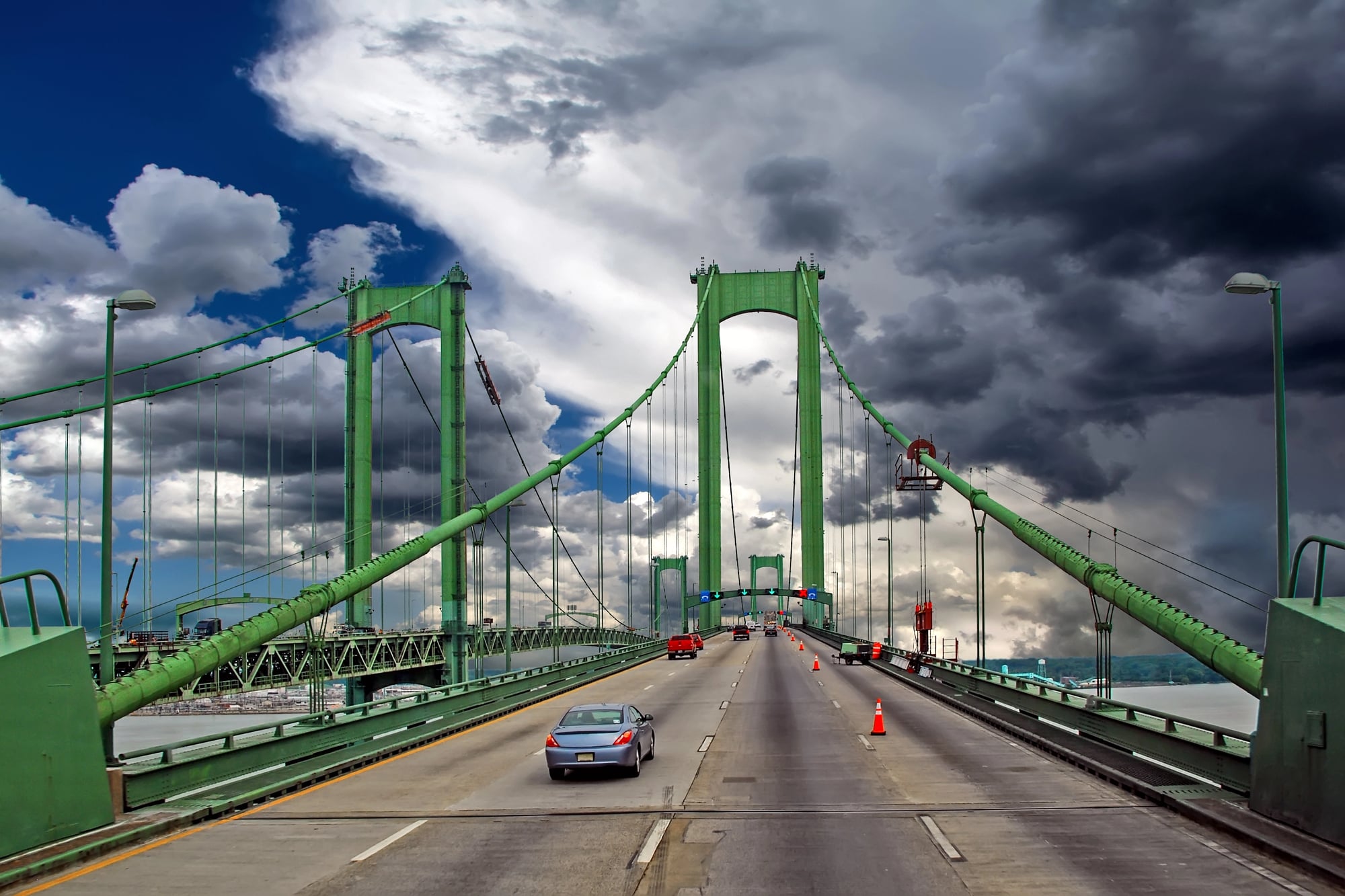
The Memorial Bridge connecting New Hampshire to Maine sits above the Piscataqua River, where tidal currents create some of the fastest-moving water on the East Coast. The bridge itself is a drawbridge, which means it opens regularly to let boats pass — a reminder that you’re crossing a gap that’s normally filled with nothing but air.
When the bridge is closed for boat traffic, cars line up on both sides, waiting to cross a span that could open beneath them at any moment.
Where Fear Meets Engineering
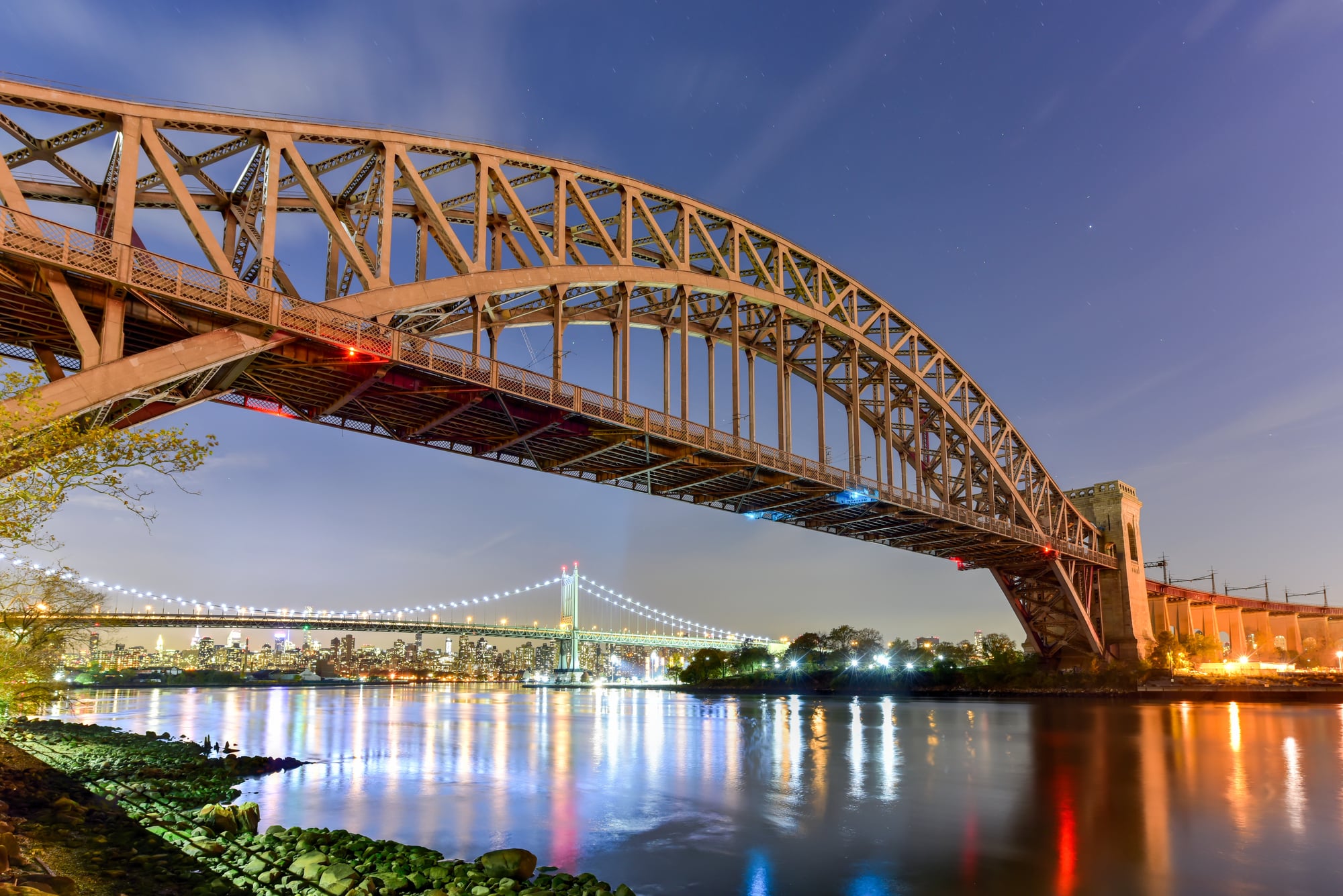
These bridges exist because someone decided that the benefits of crossing water, gorges, and impossible distances outweighed the risks of building structures that defy common sense. Most of the time, that calculation works out fine — millions of people cross these spans safely every year.
But sitting behind the wheel, suspended hundreds of feet above water or wilderness, the engineering explanations feel less convincing than they do on solid ground. The bridges do their job.
They just make sure you remember exactly what that job entails.
More from Go2Tutors!

- The Romanov Crown Jewels and Their Tragic Fate
- 13 Historical Mysteries That Science Still Can’t Solve
- Famous Hoaxes That Fooled the World for Years
- 15 Child Stars with Tragic Adult Lives
- 16 Famous Jewelry Pieces in History
Like Go2Tutors’s content? Follow us on MSN.