26 Pocket Change Finds That Turned Out to Be Rare Coins Worth Serious Money
Most people treat pocket change like background noise — the loose junk that accumulates at the bottom of a bag, rattles around a cup holder, or gets dumped into a jar that never quite gets counted. It’s forgettable by design.
A penny is a penny is a penny, until the day it isn’t.
Across the country, ordinary people running ordinary errands have pulled coins out of their change and discovered something that stopped them cold. A coin that looked wrong somehow — a date that seemed off, a detail that didn’t match, a surface that caught the light in a way that felt strange.
Some of them ignored it. Some of them looked it up.
And some of those people walked away with discoveries worth thousands, tens of thousands, or in rare cases, well into the millions.
Here are 26 of the most remarkable finds — coins that were circulating quietly in plain sight before someone finally paid attention.
1943 Copper Lincoln Cent
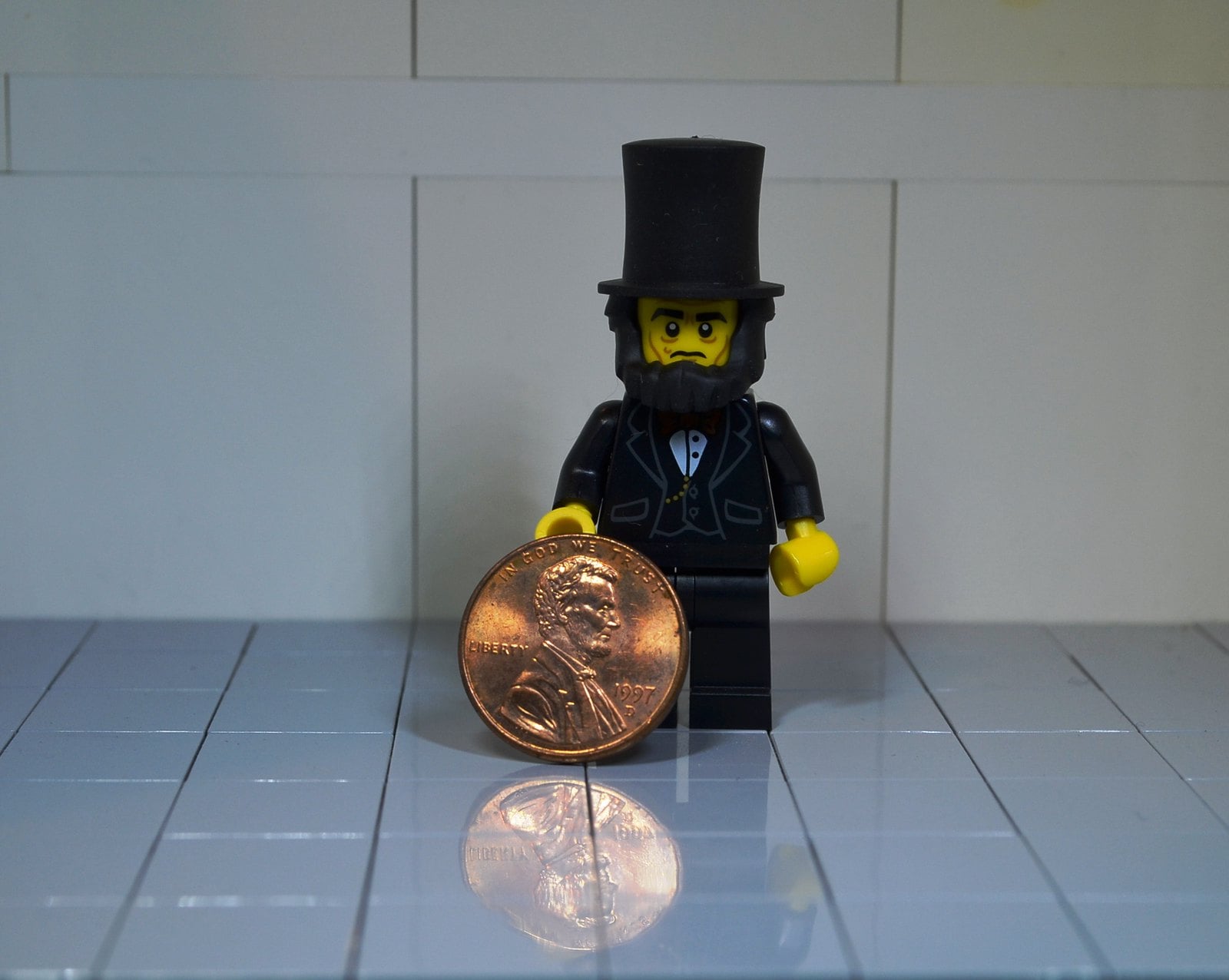
This coin is a genuine accident of wartime. In 1943, the U.S. Mint switched to zinc-coated steel cents to conserve copper for the war effort — but a small number of copper blanks from 1942 got left in the presses and were struck anyway.
The result was a coin that looked like a regular penny but was never supposed to exist. Authenticated examples have sold for over $200,000.
1955 Doubled Die Lincoln Cent
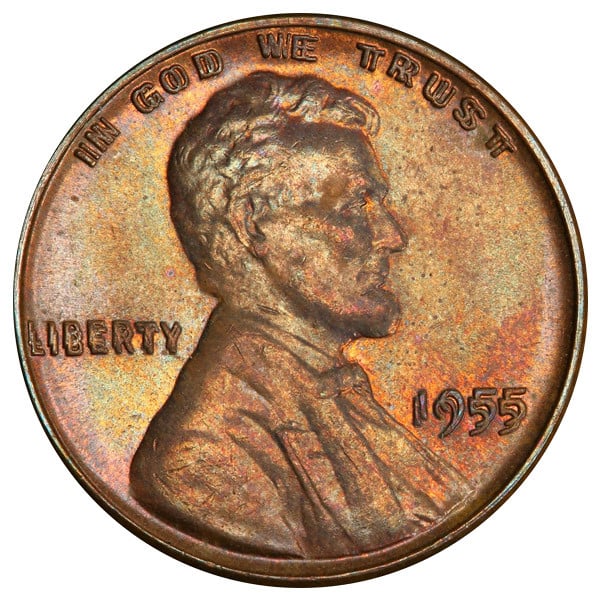
There’s something almost aggressive about the doubling on this one — the date and lettering are visibly doubled to the unaided eye, no magnification required. It happened when a working die was misaligned during the hubbing process, stamping the design twice at slightly different angles, and a significant number made it into circulation before anyone caught it.
Fine examples in decent condition routinely fetch $1,500 to $15,000 depending on grade.
1916-D Mercury Dime
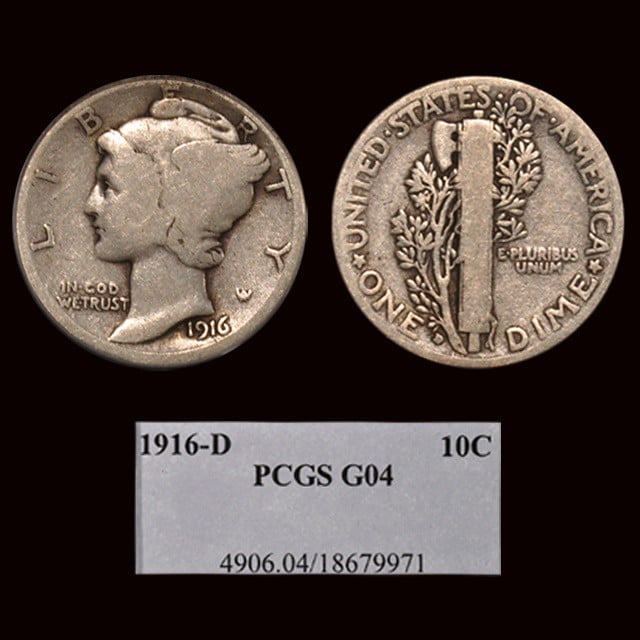
The 1916-D is the key date in the Mercury dime series, full stop. Only 264,000 were struck at the Denver Mint that year, which sounds like a lot until you consider how many were spent, lost, or melted down in the decades since.
Finding one in pocket change would be extraordinary at this point — but it has happened — and even a worn example in poor condition is worth several hundred dollars.
1969-S Doubled Die Lincoln Cent
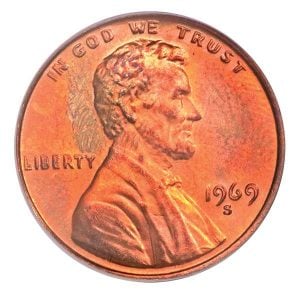
This coin is one of those objects that carries its own mythology. The doubling on the obverse — the date, “IN GOD WE TRUST,” and “LIBERTY” — is dramatic and unmistakable, the kind of thing that looks like a misprint rather than a minting error.
The FBI once declared known specimens counterfeit (incorrectly, as it turned out), which says something about how unusual they appear. Genuine examples are worth anywhere from $25,000 to over $100,000.
1932-D Washington Quarter
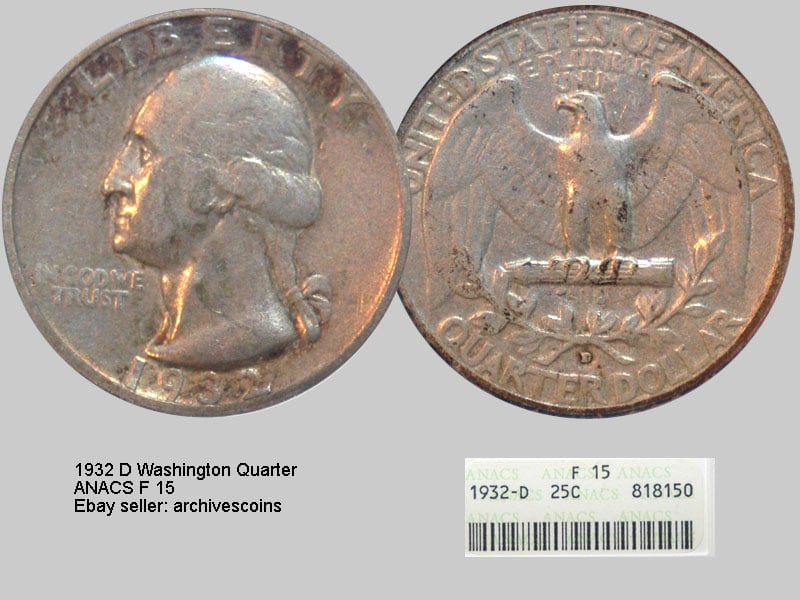
A coin that looks completely ordinary is sometimes the most dangerous kind to overlook. The 1932-D Washington quarter was the first year of the series, struck at Denver with a mintage of only 436,800 — making it one of the scarcest quarters in American coinage.
Circulated examples trade for around $100 to $200, but mint-state examples are worth significantly more.
1922 Plain Lincoln Cent
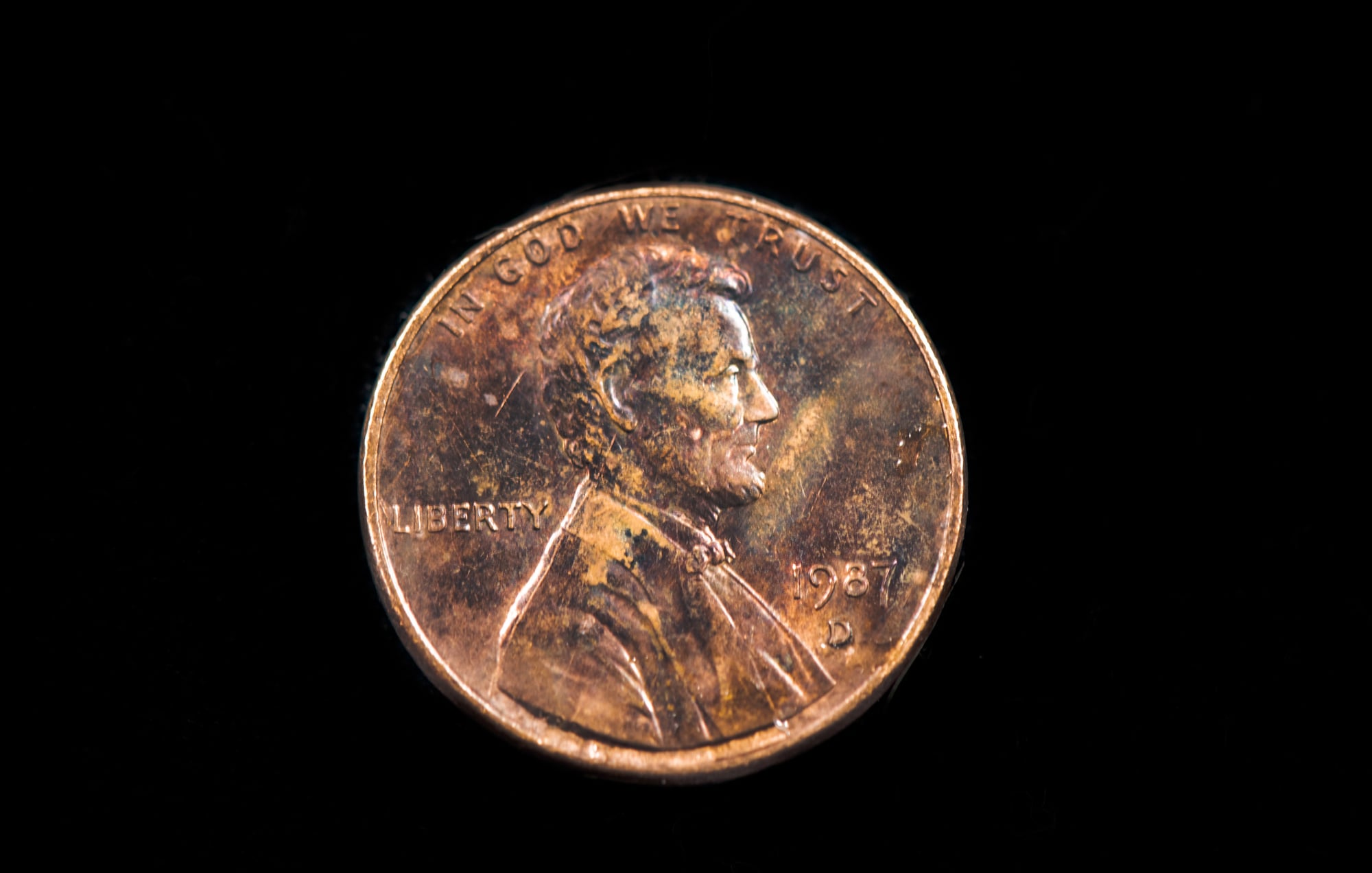
In 1922, all Lincoln cents were supposed to be struck in Denver, each bearing a “D” mintmark. But on some dies, the mintmark was polished away — accidentally — producing coins with no mintmark at all, which should have been impossible that year.
So collectors call it the “1922 Plain,” and a strong example where Lincoln’s features are still visible on both sides is worth over $1,000 without breaking a sweat.
1942/1 Mercury Dime
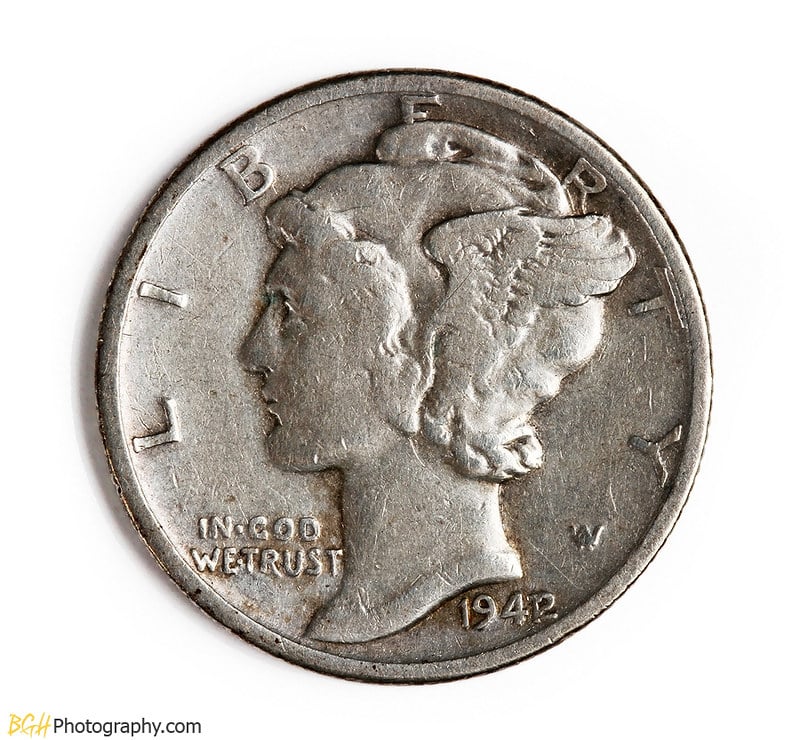
Overdate errors have a particular quality — they’re like finding a palimpsest in metal, one date ghosting beneath another. The 1942/1 occurred when 1941 dies were reworked for 1942 production but the “1” beneath the “2” wasn’t fully effaced, leaving a visible trace of the previous year.
Both Philadelphia and San Francisco struck these, and either version in circulated condition is worth $400 to $600 at minimum.
1804 Silver Dollar
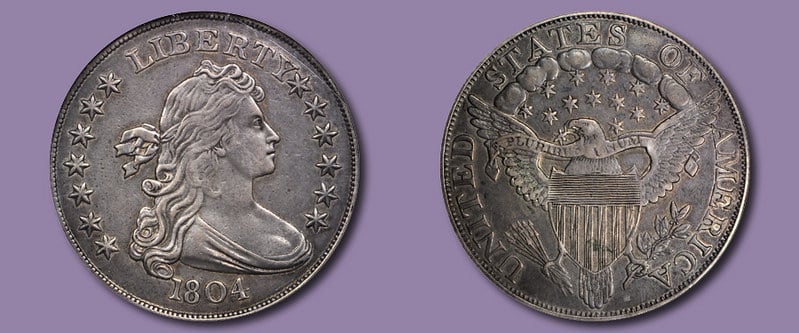
The 1804 dollar is practically a myth that mints, and the fact that it has shown up in collections acquired through entirely mundane means makes it one of numismatics’ great ironies. None were actually struck in 1804 — they were produced later as diplomatic gifts — and only 15 are known to exist.
One sold for $4.14 million in 1999. If you ever handle one, your hands are shaking for a reason.
1913 Liberty Head Nickel
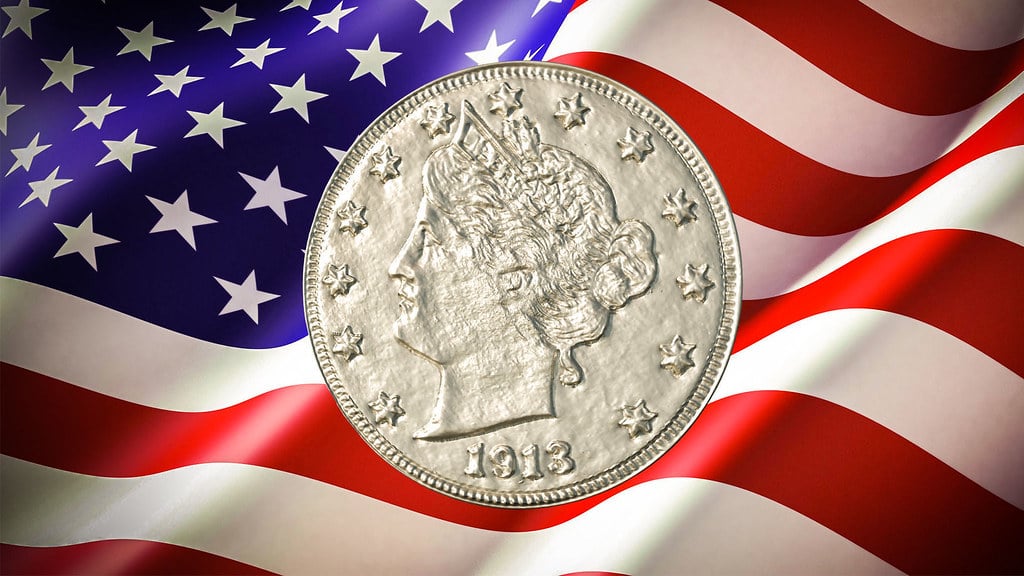
Only five of these exist in the entire world, and every single one is accounted for and documented. The Liberty Head nickel was officially discontinued after 1912, so the five 1913 examples were struck without authorization — by whom and why remains genuinely debated.
One sold for $4.5 million in 2018, which makes it one of the most valuable coins in American numismatic history.
2004 Wisconsin Extra Leaf Quarter
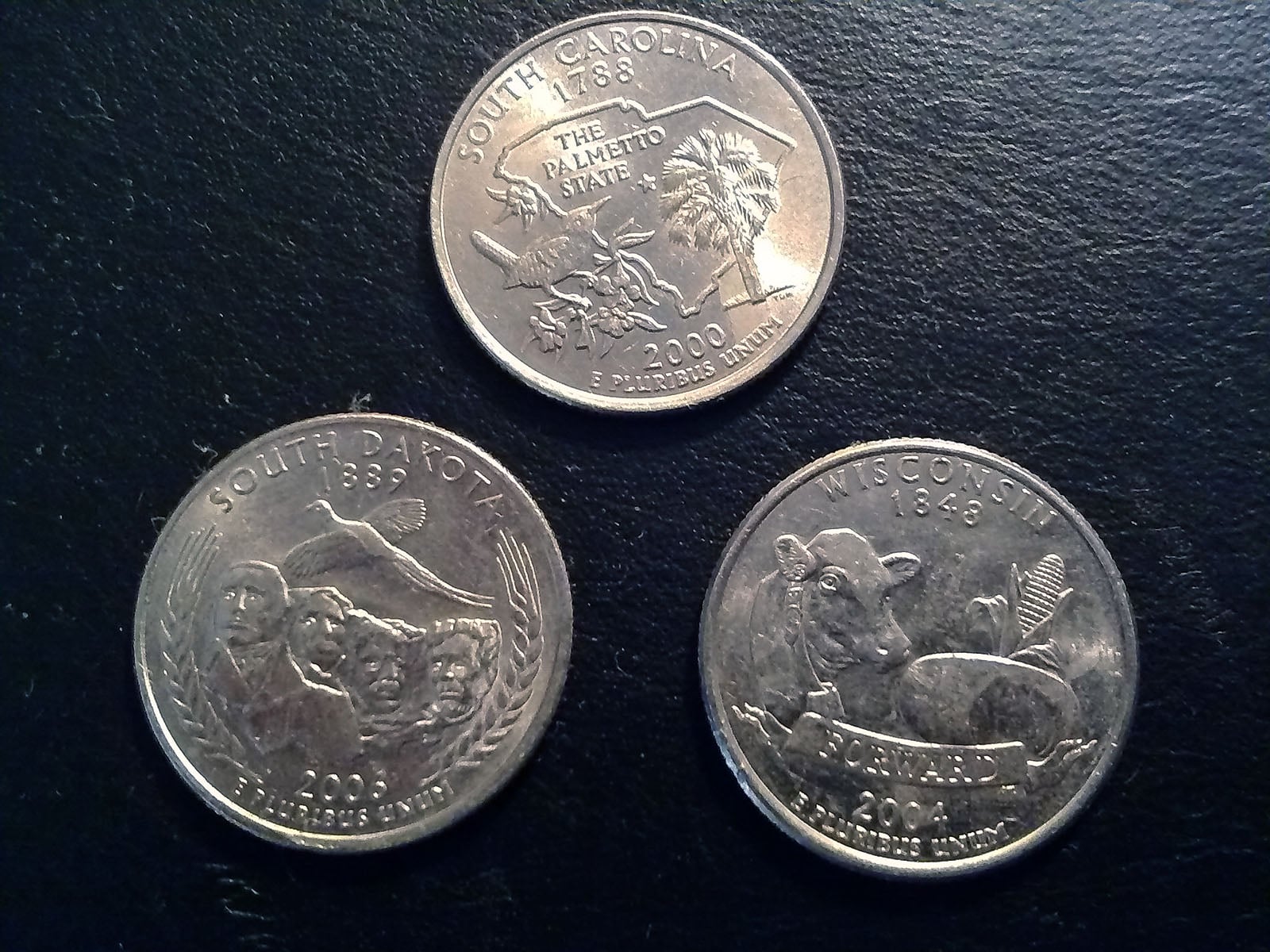
This one rewards the patient and the observant. On certain 2004 Wisconsin state quarters from the Denver Mint, a cornstalk on the reverse shows an extra leaf — either pointing up or pointing down — where no leaf was supposed to be.
The error appears to have been deliberate sabotage by a mint worker rather than a mechanical accident, though that’s never been confirmed. Examples with the extra leaf sell for $200 to $300, sometimes more in higher grades.
1972 Doubled Die Lincoln Cent
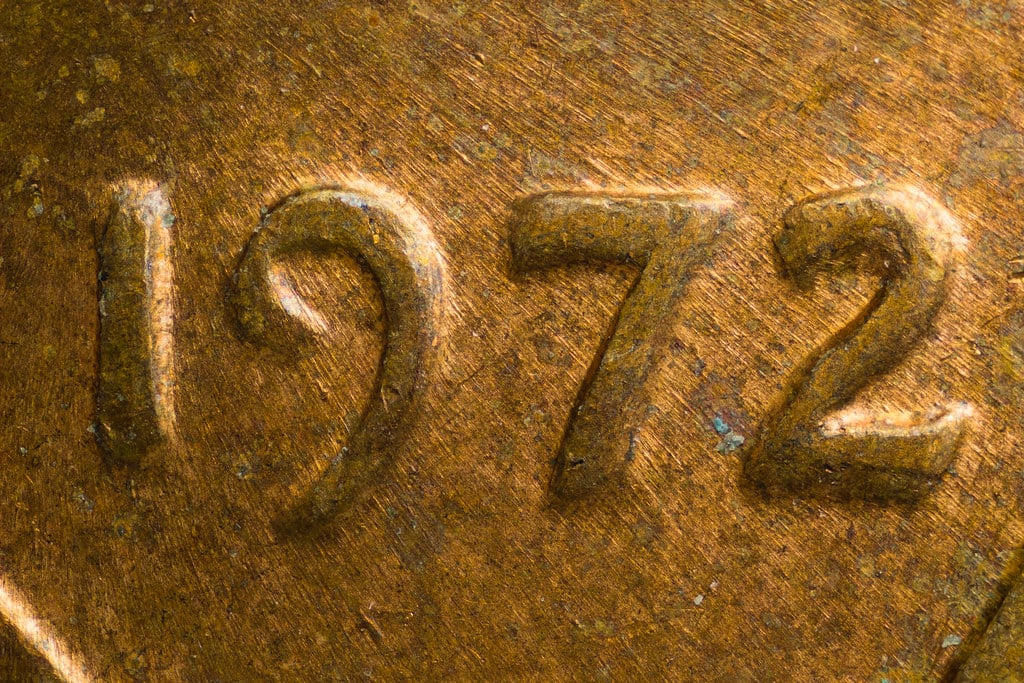
The 1972 doubled die isn’t subtle — the entire obverse design shows visible doubling — and it’s one of those errors that turns up in circulation often enough that collectors actively search rolls of cents hoping to find one. What makes it interesting is that it comes in multiple varieties, with some showing stronger doubling than others, and grading matters enormously here: a mint-state example can push past $300 while a worn one still brings $30 to $100.
1794 Flowing Hair Silver Dollar
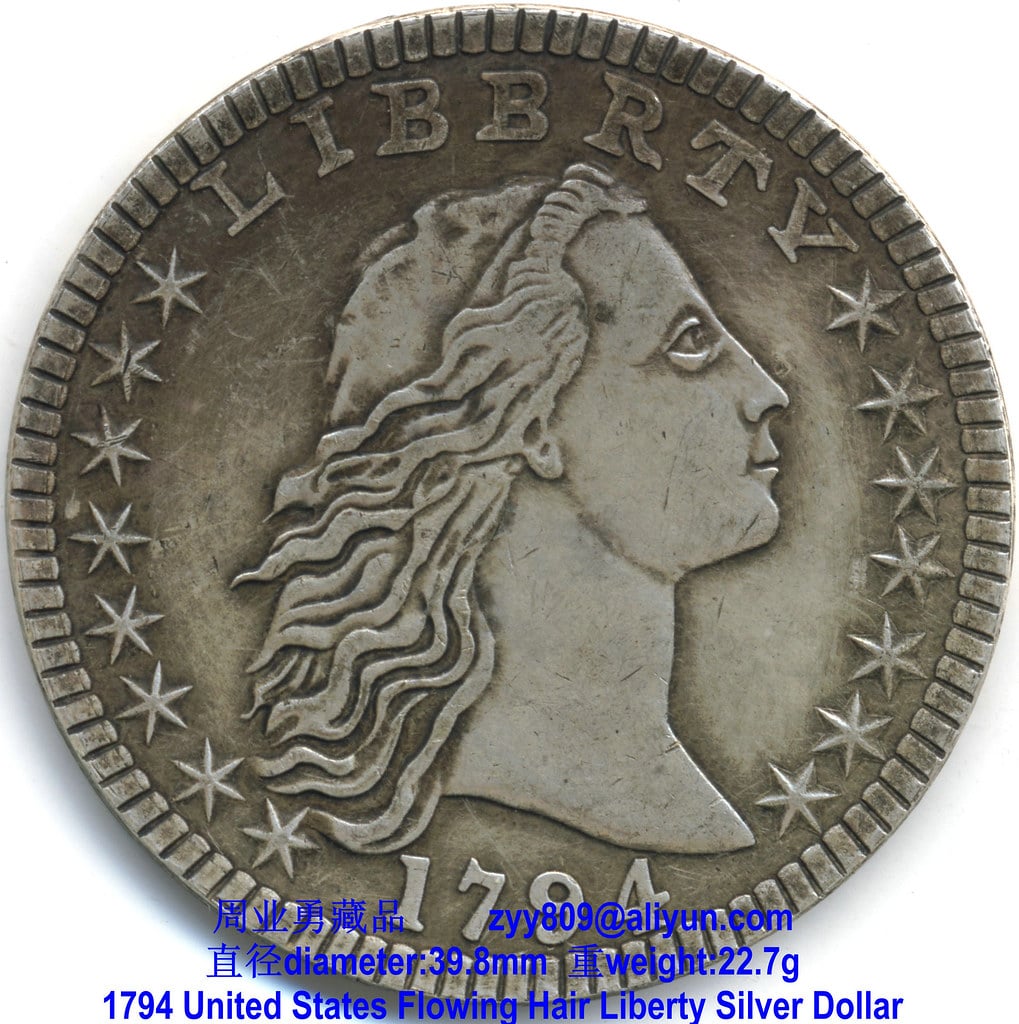
This coin, the very first silver dollar struck by the United States Mint, sold for $10,016,875 in 2013 — a world record for a coin at auction that stood for years. The possibility that one could surface in an inherited collection, an estate sale, or a jar of old coins kept in a basement is remote but not zero, and professional numismatists will occasionally recount a story that starts exactly that way.
It’s the kind of coin that makes the whole hobby feel haunted by possibility.
1995 Doubled Die Lincoln Cent
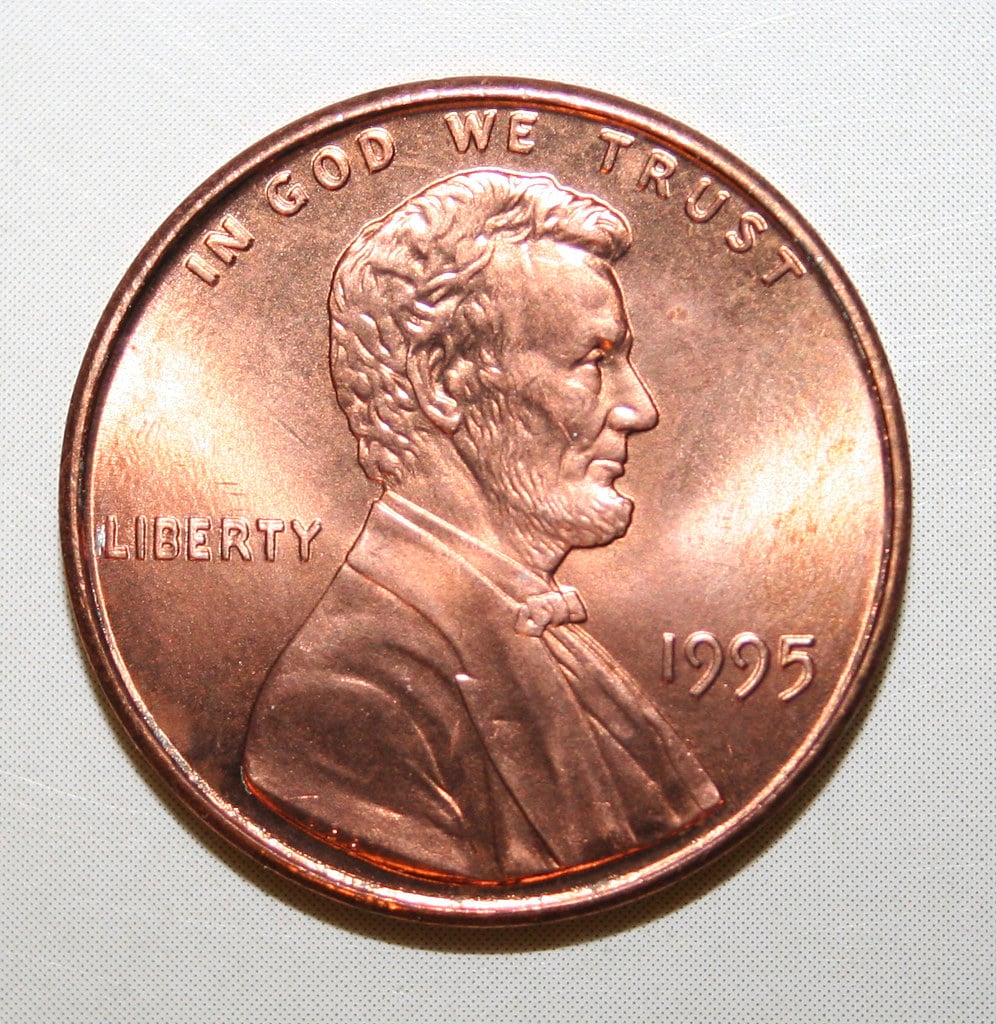
Unlike some doubled-die cents that require a loupe to verify, the 1995 doubling is visible with a sharp unaided eye — the word “LIBERTY” and the date show clear separation. It’s a relatively modern error, which surprises people who assume rare coins must be old coins.
Thousands of examples circulated before collectors recognized the variety, and today a mid-grade example is worth $20 to $75, with uncirculated coins climbing much higher.
1916 Standing Liberty Quarter
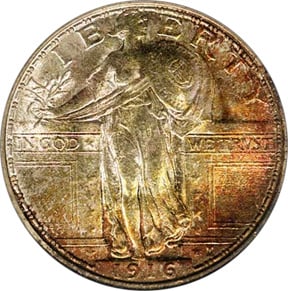
The Standing Liberty quarter debuted in 1916, and the Philadelphia Mint struck only 52,000 of them — a mintage so low it’s almost accidental. Anything that circulated from that first year is extraordinarily scarce, and even heavily worn examples trade for $3,000 or more.
The design itself is one of the most admired in American coinage, which adds a particular sting to the fact that so few exist.
2000 Sacagawea Dollar / Washington Quarter Mule
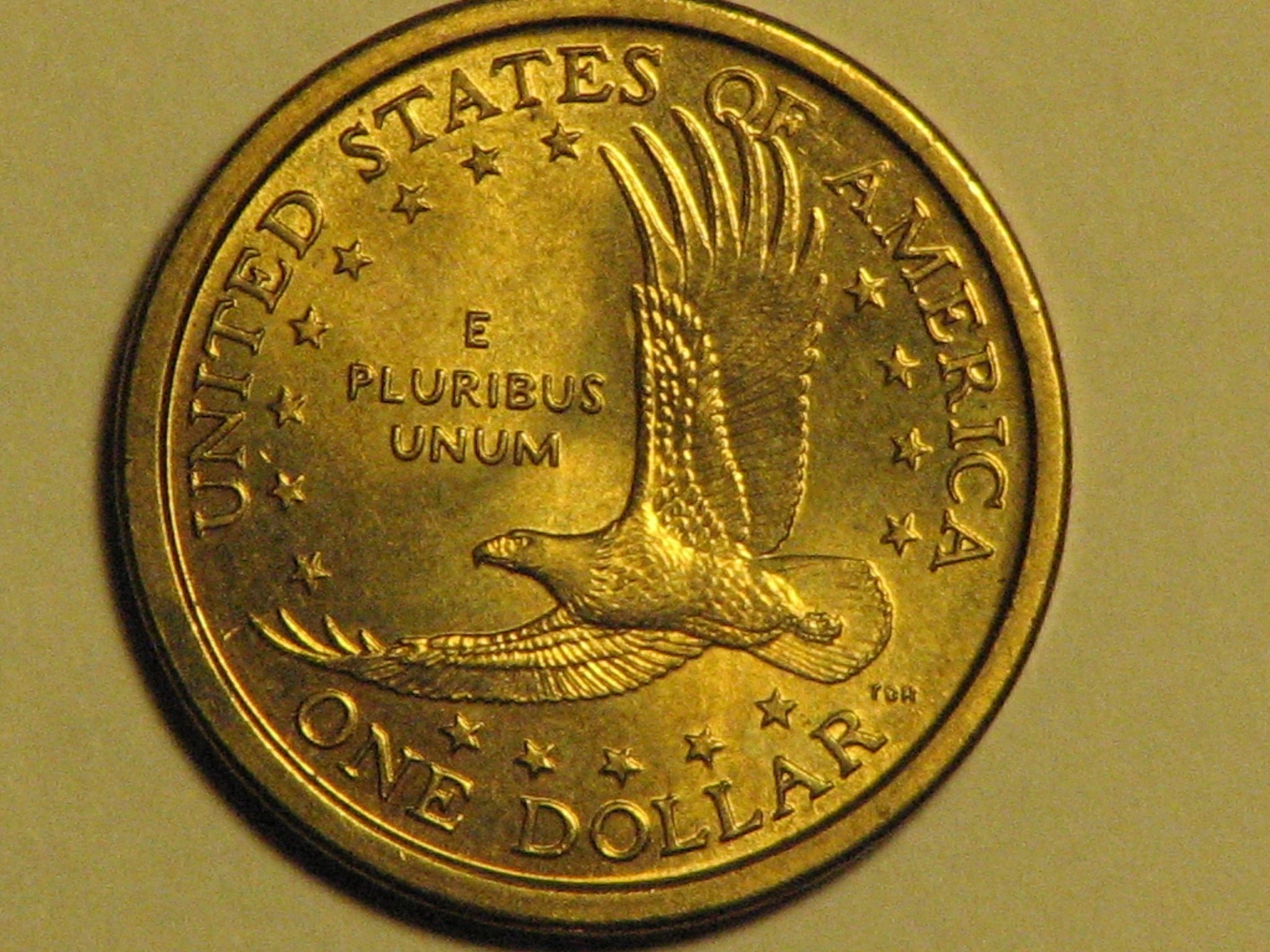
A mule coin is what happens when dies from two completely different coins get paired together — and the 2000 Sacagawea/Washington quarter mule is exactly that: a coin struck with the obverse of a Washington quarter and the reverse of a Sacagawea dollar. It should not exist.
Fewer than 20 are known, and authenticated examples have sold for over $100,000. One was reportedly spent as a dollar at a vending machine before its owner realized what it was.
1937-D Three-Legged Buffalo Nickel
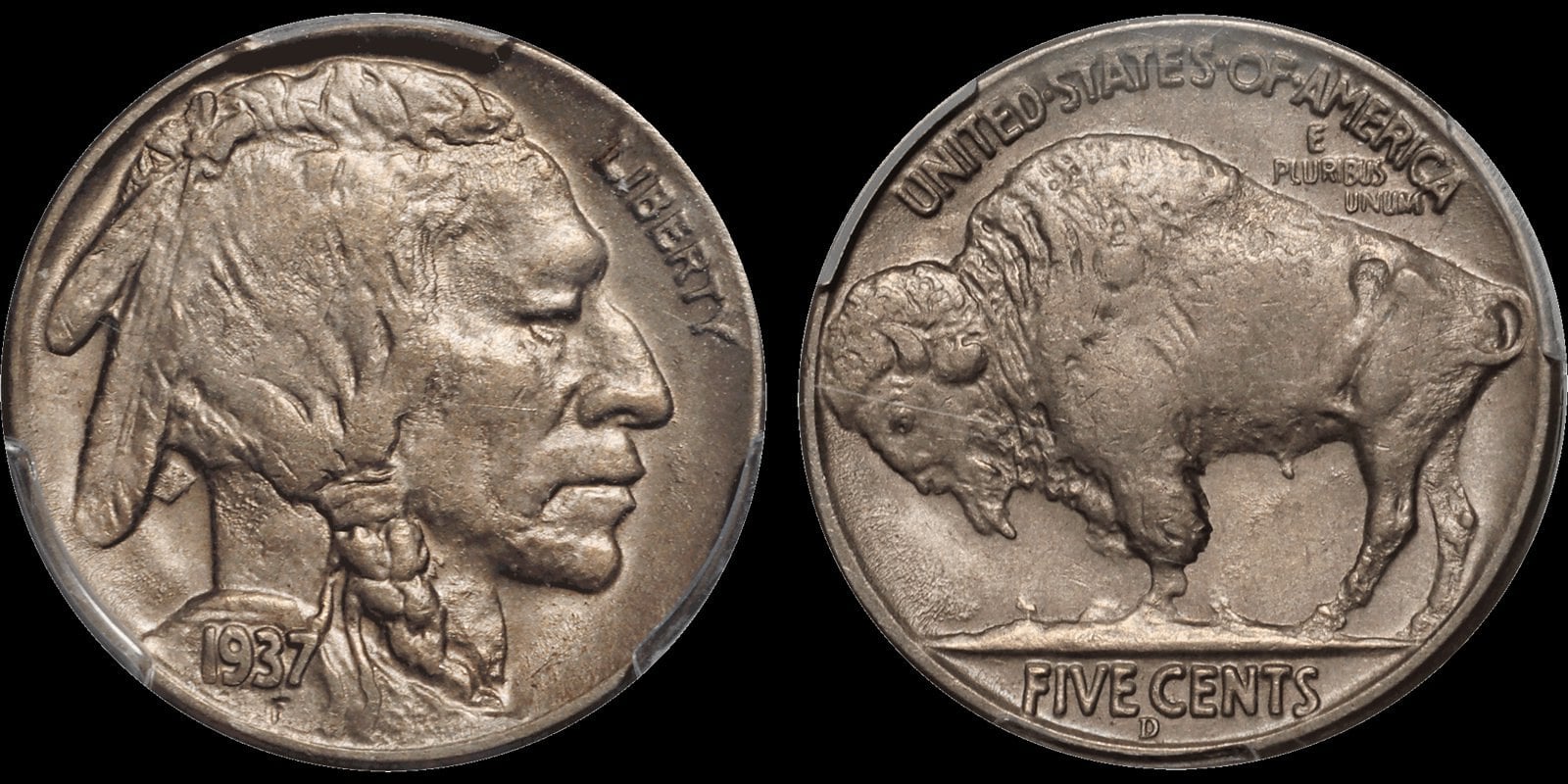
One of the bison’s legs is simply gone — worn away from an overpolished die — giving the buffalo on this coin the look of a creature that lost an argument with physics. The error happened at the Denver Mint and was not caught before significant numbers entered circulation.
Today a well-worn example trades for $500 to $700, and a mint-state specimen pushes well past $10,000.
1893-S Morgan Silver Dollar
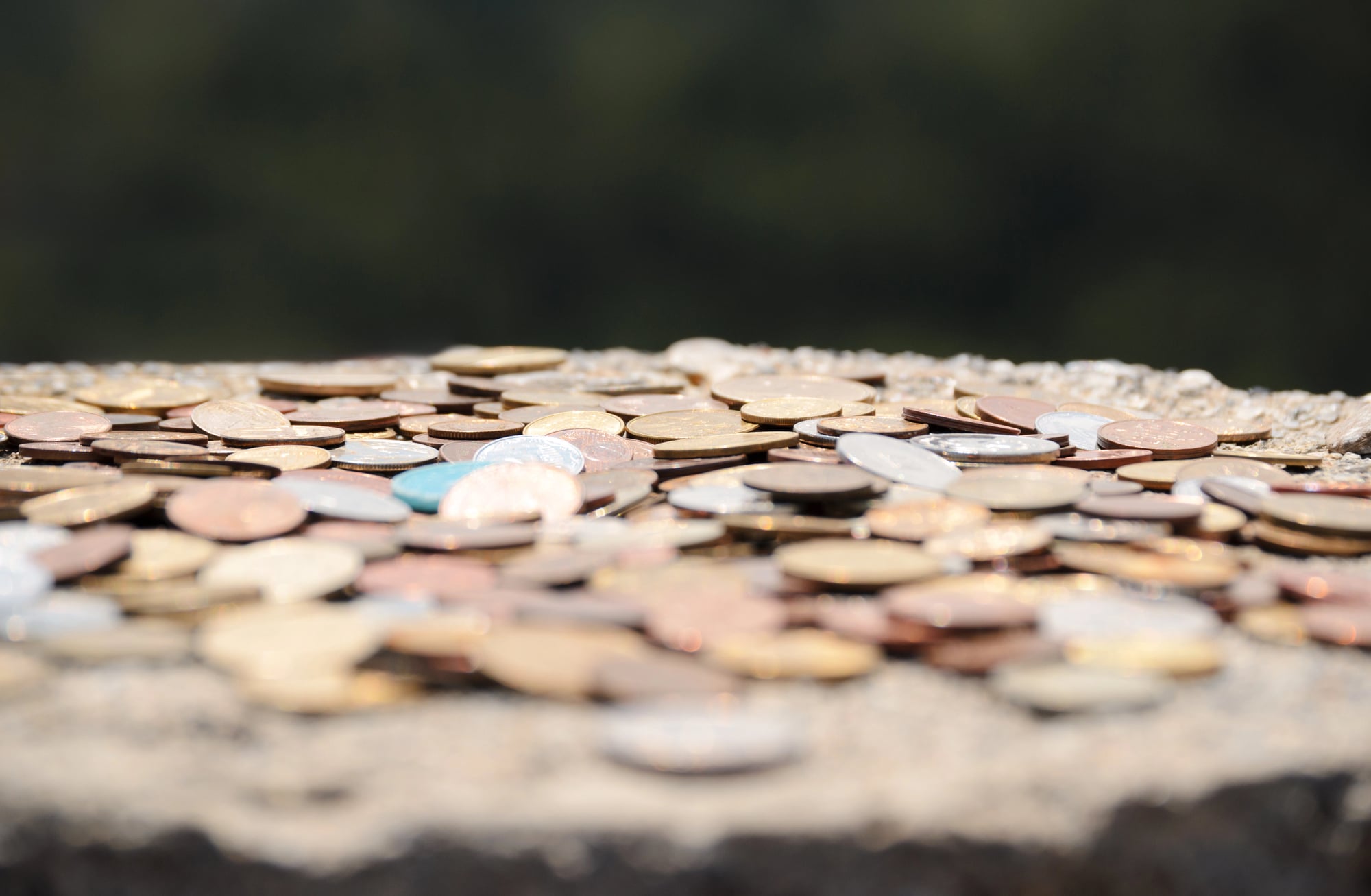
The 1893-S Morgan is the rarest date in the entire Morgan dollar series, with only 100,000 struck and a heartbreaking survival rate. Finding one in circulation today is essentially a historical accident waiting to happen — old estates, coin jars from the turn of the century, inherited silver tucked away and forgotten.
Even in poor shape, an authenticated 1893-S is worth over $4,000; in high grade, it reaches six figures.
1982 No Mint Mark Roosevelt Dime
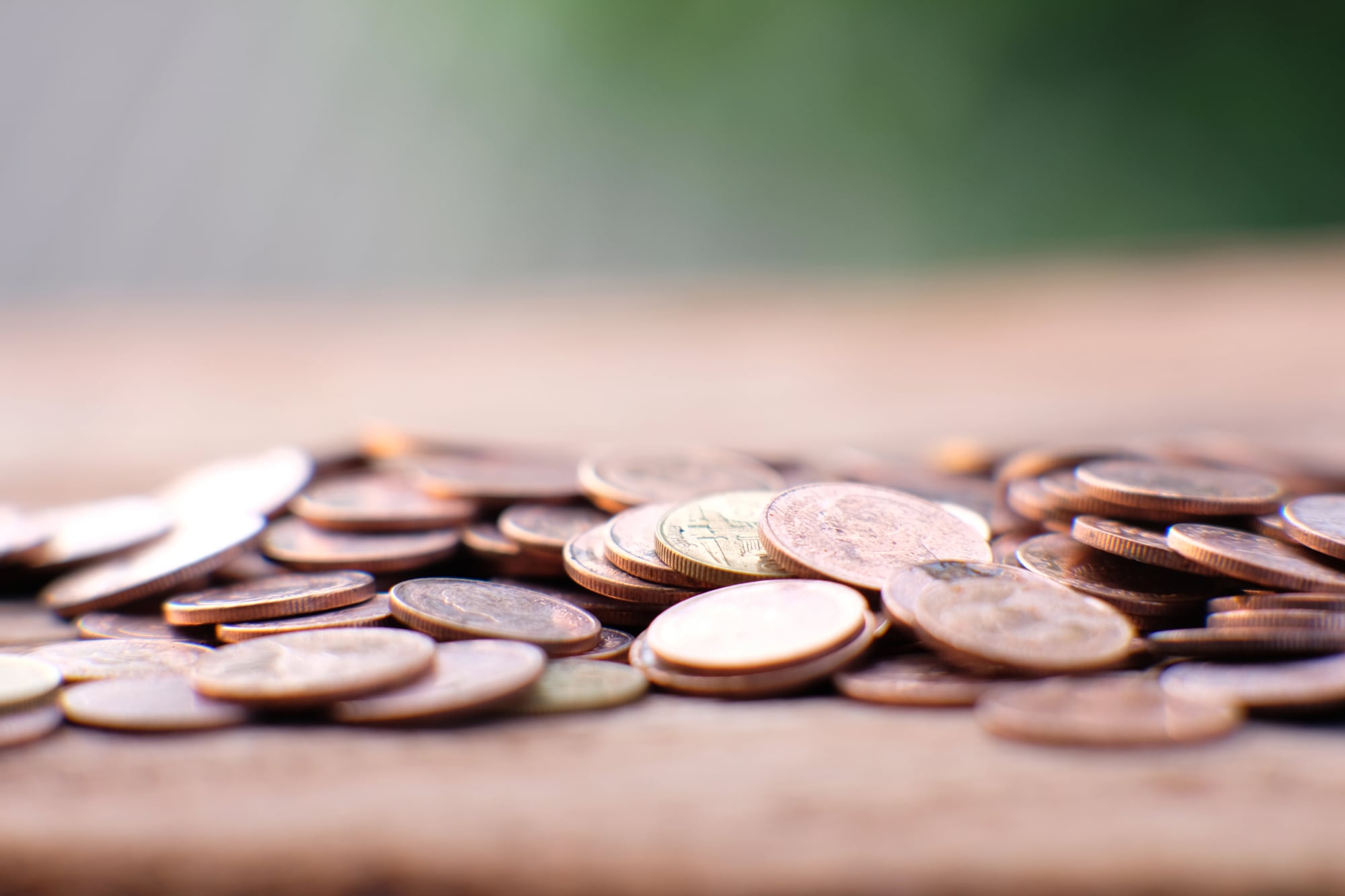
The Roosevelt dime is so familiar it becomes invisible — and that invisibility is exactly what allowed thousands of 1982 Philadelphia dimes without a mintmark to circulate unnoticed for years before anyone flagged them. Philadelphia had added mintmarks to its coins starting in 1980, so a 1982 dime without one was an error plain and simple.
These turn up in pocket change with surprising regularity and are worth $30 to $75 depending on condition.
1921 Peace Dollar High Relief
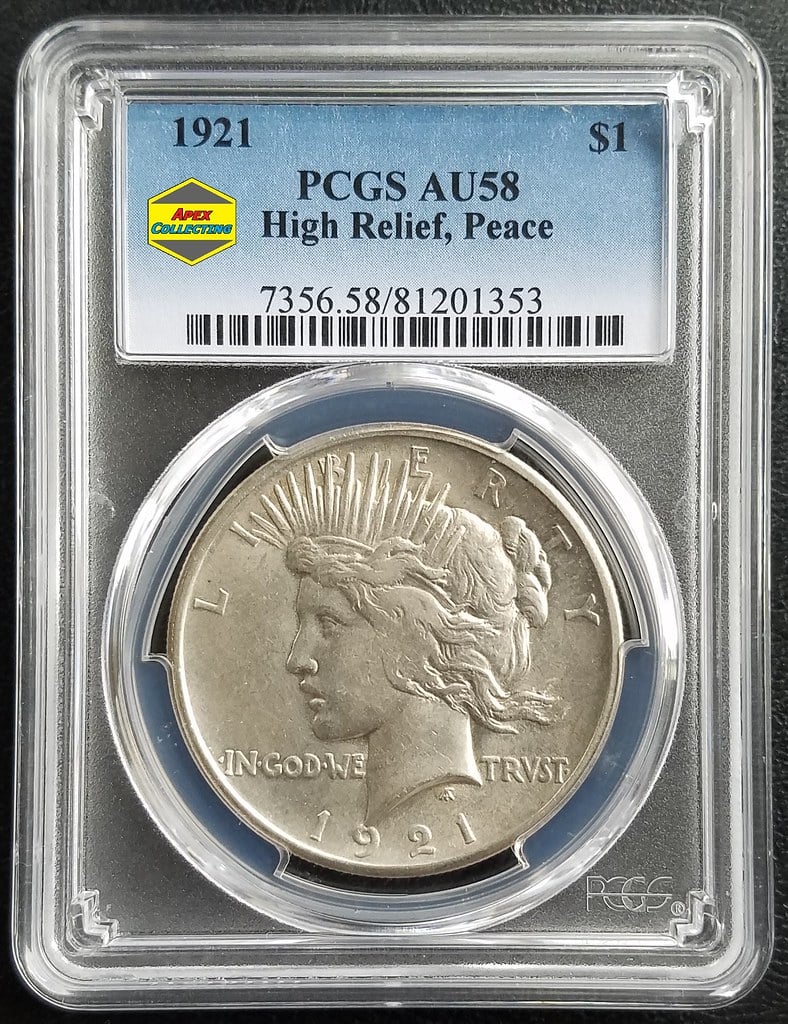
The Peace dollar launched in 1921 with a high-relief design that proved almost immediately impractical — coins stacked poorly and struck inconsistently — so the relief was lowered for 1922 production. The 1921 high-relief Peace dollar, struck in limited quantities, is today worth $1,000 to $4,000 depending on grade, and it has a sculptural presence that makes it feel different in the hand from any other silver dollar.
1955 Poor Man’s Doubled Die Lincoln Cent
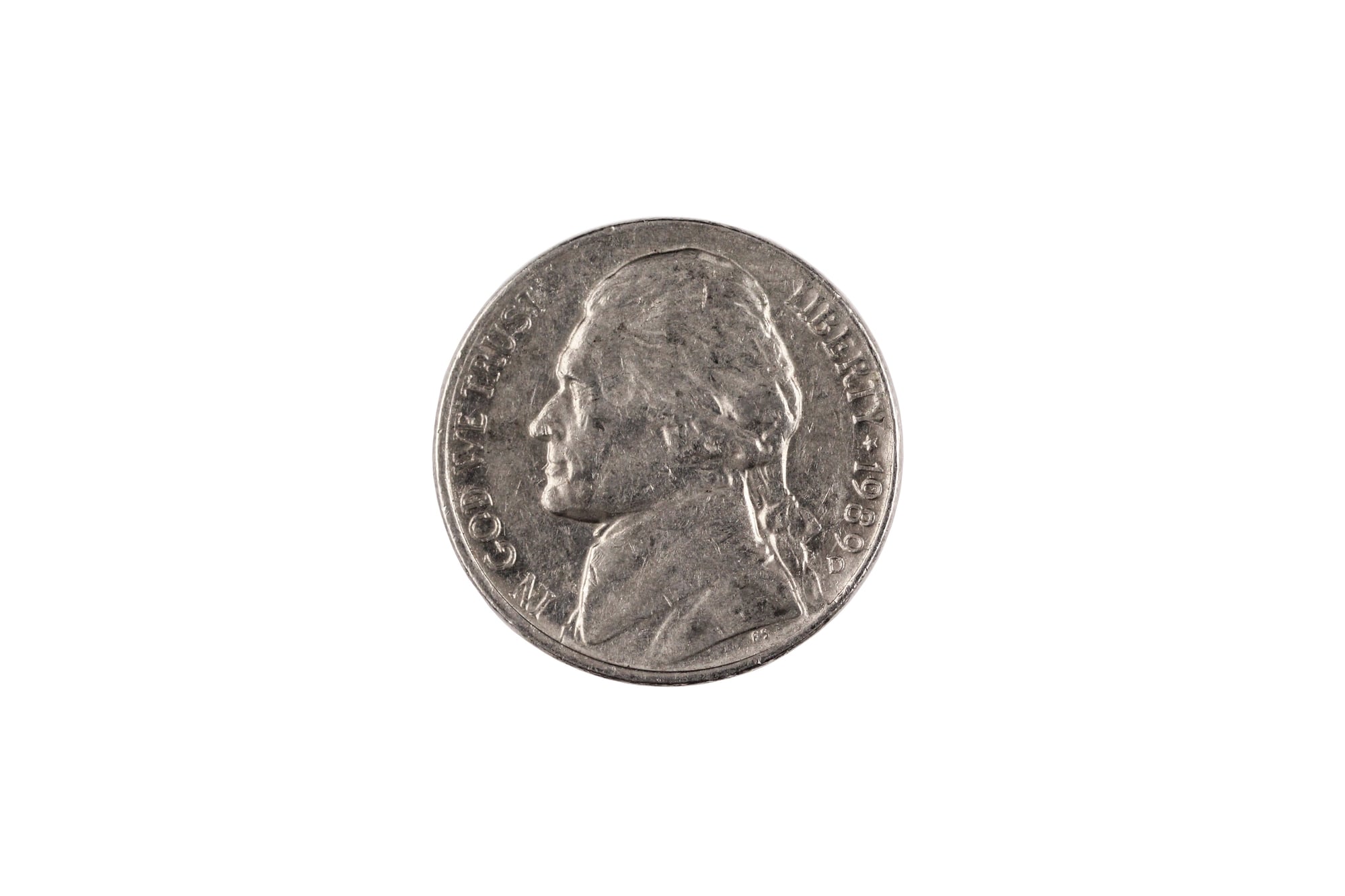
This coin gets its nickname because it mimics the famous 1955 doubled die but is actually a different error entirely — a machine doubling that creates a shelf-like appearance on the lettering rather than true hub doubling. It’s worth far less than the genuine article, but it still catches eyes in change trays, and it’s a good reminder that not every unusual-looking coin is what it first appears to be.
Sharp-eyed collectors learn the difference fast.
1943-S Lincoln Cent Bronze
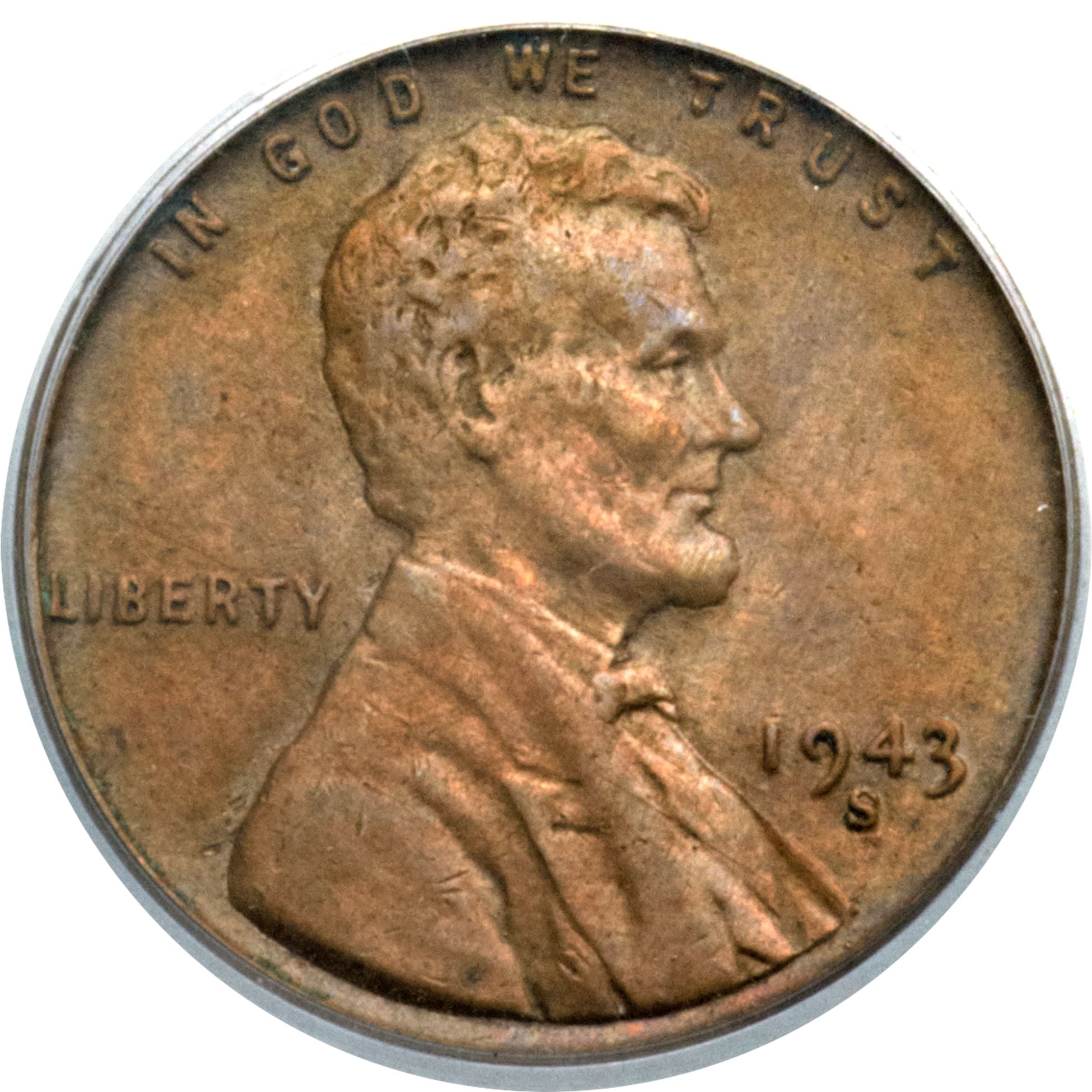
The San Francisco Mint struck its 1943 cents in steel like every other facility — except for a tiny handful struck on leftover bronze planchets, just like Philadelphia. Authenticated 1943-S bronze cents are extraordinarily rare, with perhaps six known examples, and verified specimens have sold for over $1 million.
The simplest test — a magnet — will tell you whether your 1943 cent is steel or something worth a closer look.
1888-O Morgan Silver Dollar Doubled Die Obverse
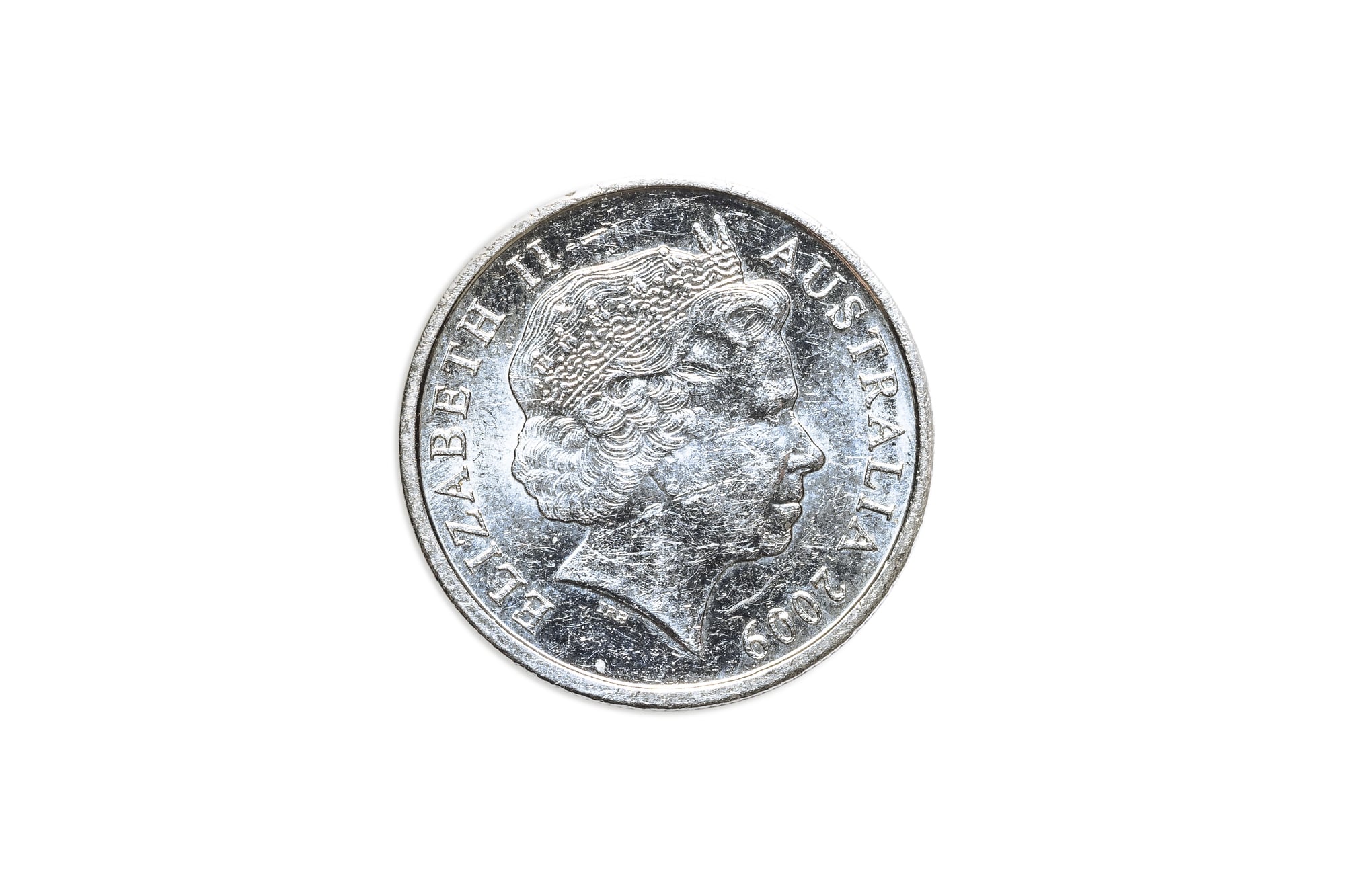
The 1888-O “Hot Lips” variety gets its name from the dramatically doubled profile of Liberty on the obverse — specifically the lips, which appear thick and doubled in a way that’s immediately visible once you know to look for it. It’s one of those errors where the nickname arrived before most collectors even understood the mechanism behind it.
Mid-grade examples sell for $200 to $500, and the variety is actively sought within the Morgan dollar collecting community.
1974 Aluminum Lincoln Cent
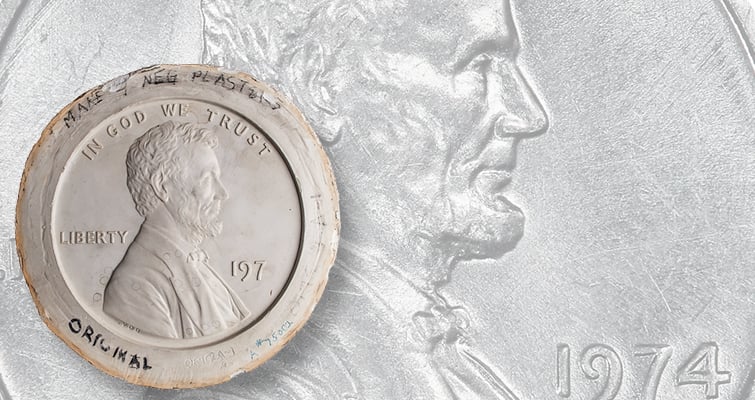
The U.S. Mint struck around 1.5 million aluminum cents in 1974 as part of an experiment to lower production costs, but Congress rejected the change and the coins were ordered destroyed — nearly all of them. A small number escaped, and their legal status has been contested for decades: the Smithsonian holds one, and private ownership exists in murky territory.
The few that have surfaced publicly represent one of the great unresolved curiosities in American coinage.
2005 Speared Bison Jefferson Nickel
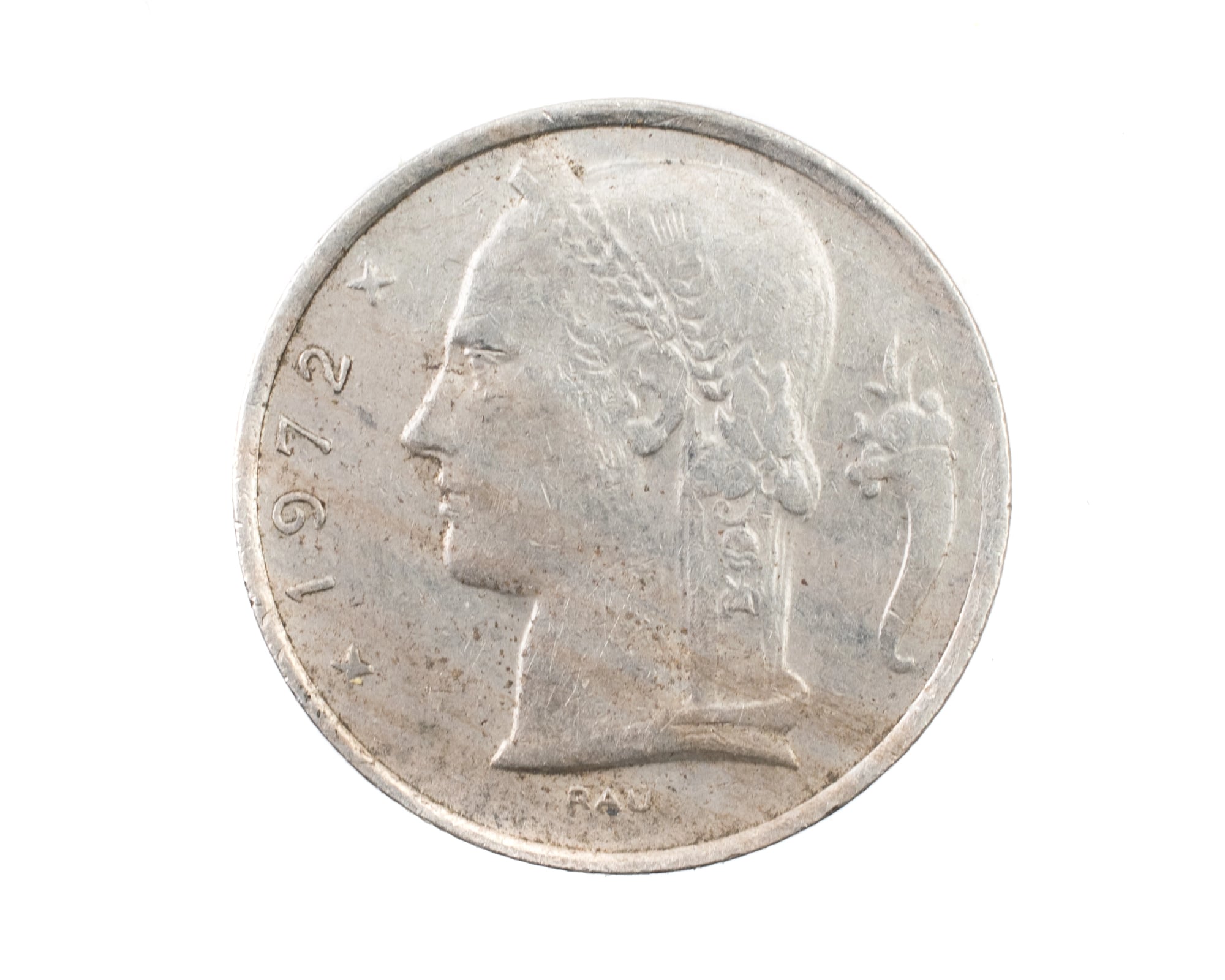
On certain 2005 Jefferson “Bison” nickels from the Denver Mint, a long, sharp die gouge runs through the bison on the reverse — visually resembling a spear through the animal, which gave the variety its name. It’s not an official Mint designation, but the numismatic community adopted it immediately, which says something about how distinctive it is.
Examples in circulated grades sell for $50 to $200, and the variety turns up in circulation often enough to make searching pocket change worth the effort.
1901-S Barber Quarter
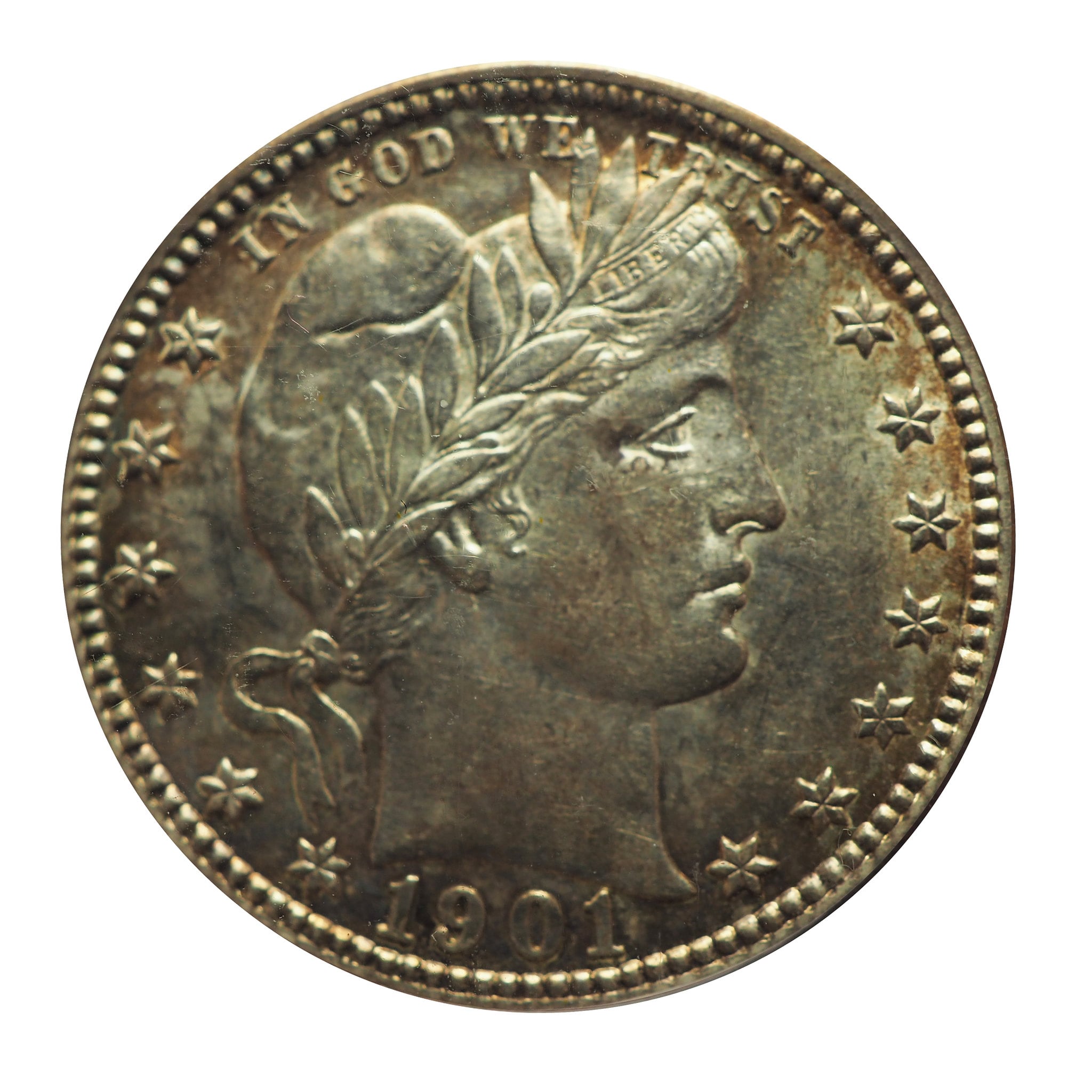
The 1901-S Barber quarter has one of the lowest survival rates of any 20th-century coin in common circulation, with a mintage of 72,664 — and most of those wore down to barely legible discs before anyone thought to save them. Finding one where the date and mintmark are still visible is a minor miracle of preservation, and even a heavily worn example with identifiable details is worth over $3,000.
The coin is proof that rarity isn’t always about dramatic errors — sometimes it’s just about survival.
1970-S Small Date Lincoln Cent Proof
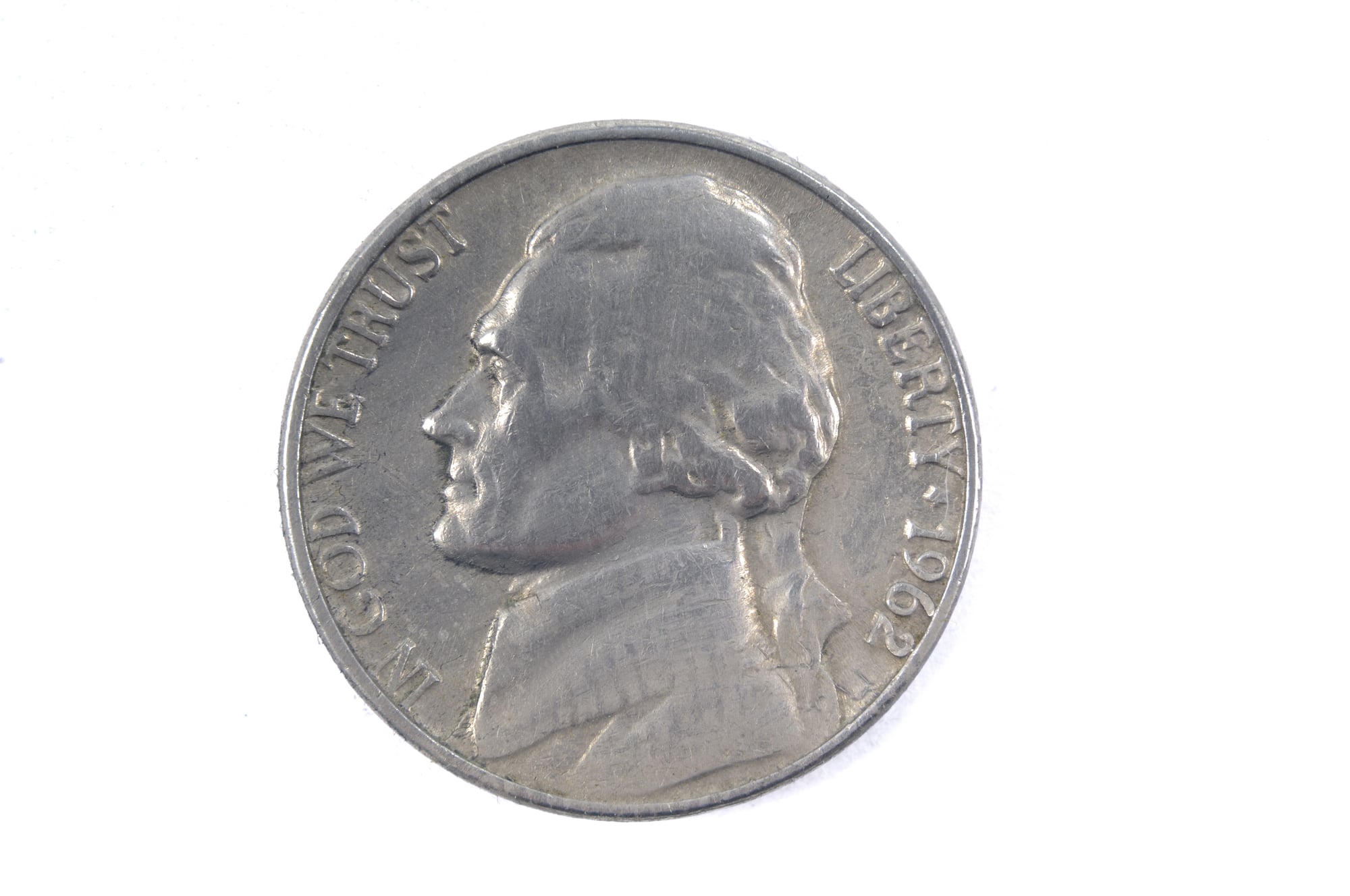
This one hides in plain sight among proof sets — those polished, collector-intended coins that end up separated from their original packaging and occasionally treated as ordinary change. The 1970-S Small Date variety, where the “7” in the date sits lower than the other numerals, is worth significantly more than its Large Date counterpart, and the difference is subtle enough that it gets missed constantly.
A circulated example might bring $30; a proof in top condition has sold for several thousand dollars.
Every Coin in Your Pocket Deserves One Look
The strange thing about rare coins is that they don’t announce themselves. They sit in registers, change jars, and couch cushions with the same indifferent silence as every other piece of metal — waiting for someone who knows what they’re looking at.
Most coins really are worth face value. But the history of numismatics is studded with stories of people who almost didn’t look, who nearly spent something extraordinary on a cup of coffee, who caught the right detail at the right moment entirely by accident.
You don’t need to become a collector to check a date, feel the weight of a coin, or notice when something looks slightly wrong. Sometimes the most valuable skill is just the habit of paying attention to what’s already in your hands.
More from Go2Tutors!

- The Romanov Crown Jewels and Their Tragic Fate
- 13 Historical Mysteries That Science Still Can’t Solve
- Famous Hoaxes That Fooled the World for Years
- 15 Child Stars with Tragic Adult Lives
- 16 Famous Jewelry Pieces in History
Like Go2Tutors’s content? Follow us on MSN.