Signs That Old Family Silverware Might Actually Be Sterling
There’s something about old silverware that refuses to be ignored. It sits at the back of a drawer, or wrapped in tarnished cloth inside a cedar chest, and it waits — patient in the way that only objects with real age can be.
Maybe it belonged to a grandparent. Maybe it surfaced during an estate cleanout and nobody quite knew what to do with it.
Before assuming it’s decorative plate or costume metal, it’s worth taking a closer look. Sterling silver has been hiding in plain sight in American homes for generations, and the clues that identify it are more accessible than most people realize.
The Hallmark Stamp
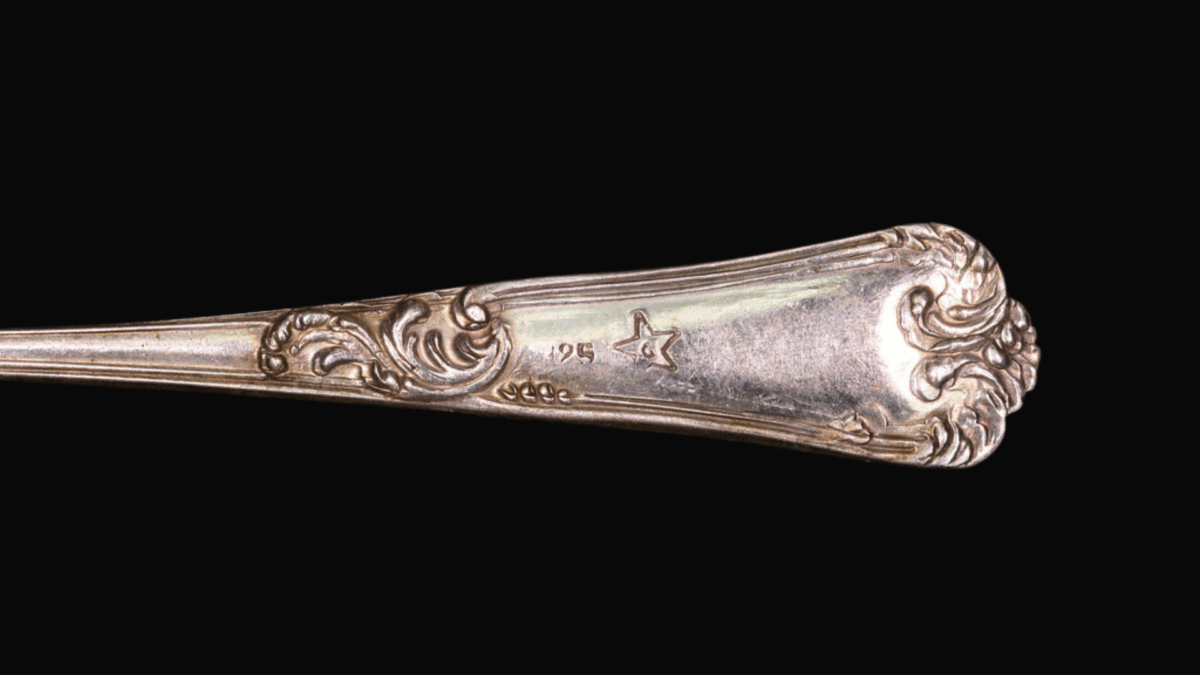
Sterling silver is almost always marked. Look on the back of each piece — on the handle of a spoon, the underside of a fork, or the base of a serving dish — and search for a stamp that reads “925,” “Sterling,” or “Ster.”
These marks indicate that the piece contains 92.5% pure silver, which is the legal standard for sterling in the United States and much of Europe.
British Lion Passant
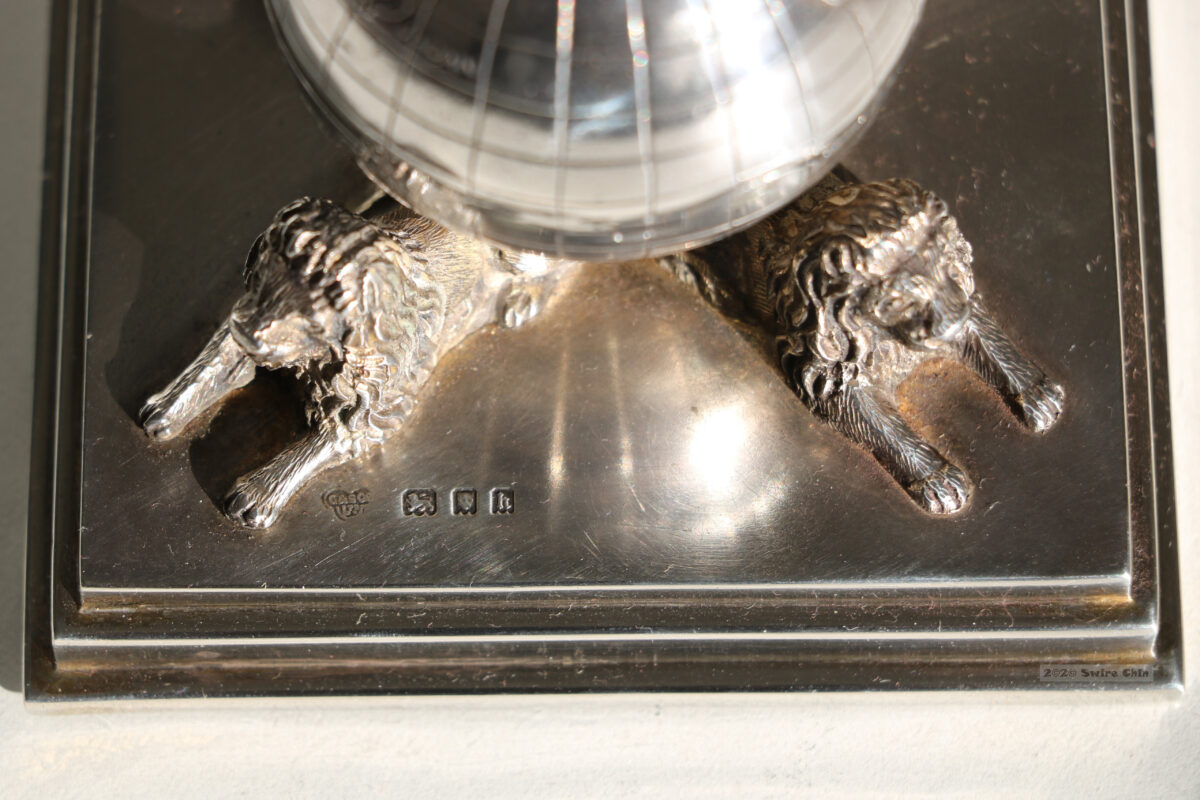
British sterling carries its own marking system, and it’s one of the most recognizable in the world. A small lion walking to the left — called the lion passant — has been used on British sterling since the 1500s, which is saying something, and it appears alongside date letters and assay office marks that can help you pinpoint the exact year and city of manufacture.
If your silverware looks old and vaguely formal and has tiny stamped symbols that look almost like heraldic crests, British hallmarking is worth researching — the rabbit pit is genuinely deep, but it leads somewhere real.
The Magnet Test

Magnets are indifferent to silver. Hold a strong magnet — a rare earth magnet works best — close to the piece, and if it clings or pulls with any real force, the piece contains iron or steel and is almost certainly plated.
Sterling will show no magnetic attraction whatsoever, so the magnet just slides away, unbothered.
Tarnish Patterns
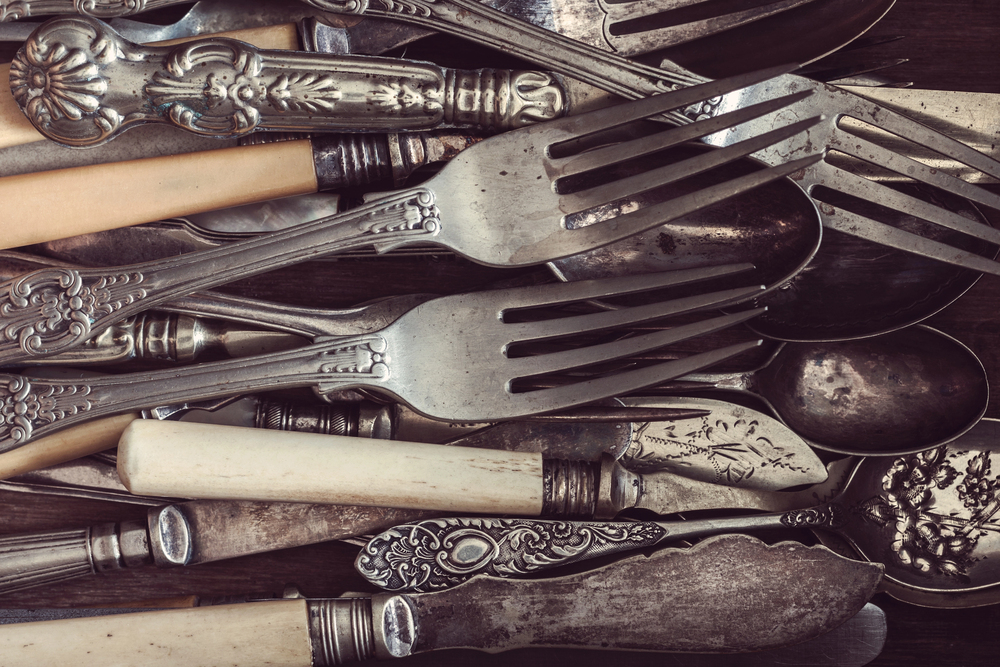
Tarnish is sterling’s most honest tell, and it behaves in a specific way that plated metal doesn’t bother to replicate. Sterling tarnishes in uneven, sometimes spectacular patterns — deep black in recessed areas, warm gray on flat surfaces — because the silver is reacting with sulfur compounds in the air, a chemical process that runs all the way through the metal rather than sitting on top of it.
Plated pieces tend to tarnish differently: patchy, with areas where the base metal underneath has started to show through in reddish or yellowish tones.
The Ice Test
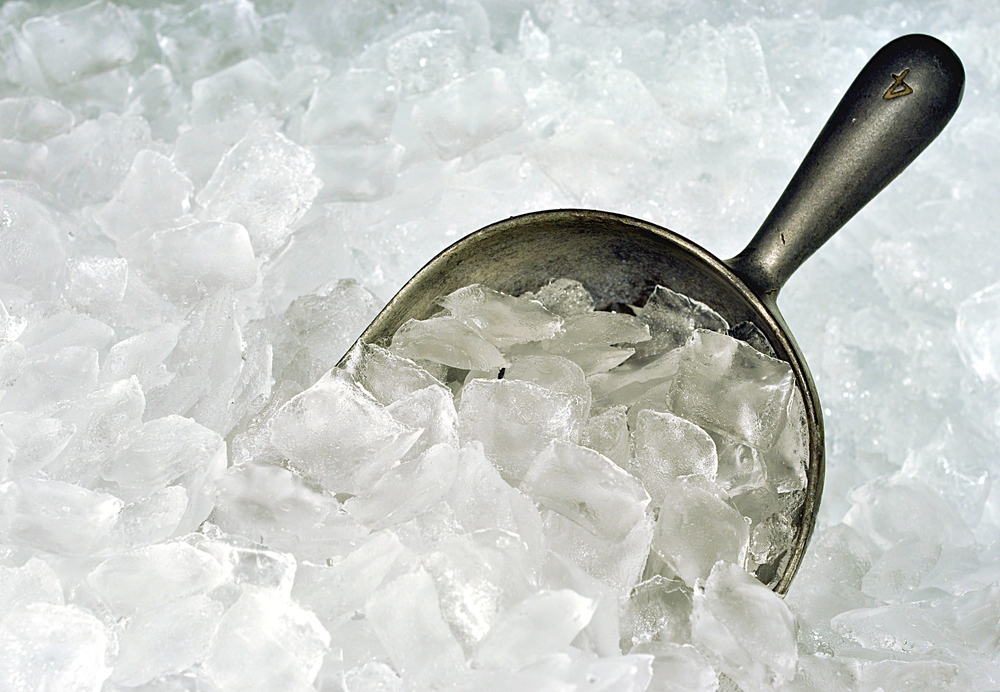
Place a piece of ice directly on the metal surface. Sterling silver conducts heat more efficiently than almost any other metal — it has the highest thermal conductivity of all common metals — and a cube of ice placed on genuine sterling will begin melting almost instantly, noticeably faster than it would on a countertop or a piece of plated metal.
It’s a low-tech test, but the physics behind it are sound.
No Wearing Through at Edges
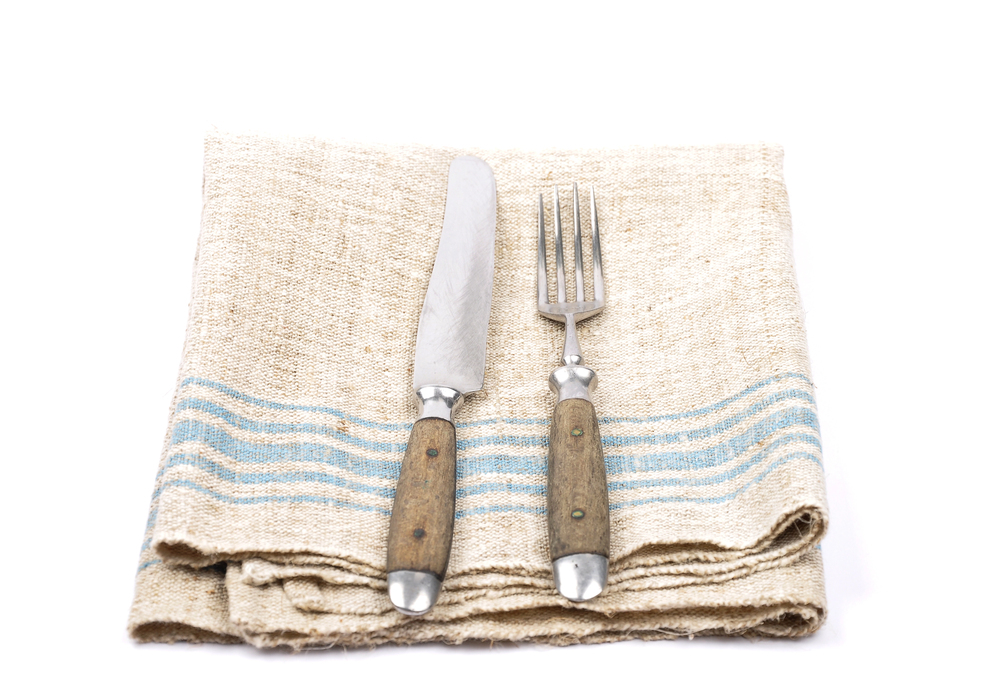
Silverplate wears. Over years of use and polishing, the thin silver layer on plated pieces starts to thin and eventually disappears at the highest-friction points — the edges of fork tines, the tip of a knife blade, the curve of a spoon bowl.
Sterling, being solid silver all the way through, shows no such wearing through, even on pieces that are genuinely old and heavily used. If the edges look brassy or coppery, that’s plate revealing itself.
Weight in Your Hand
Sterling has a particular density that silverplate simply doesn’t match. Pick up a sterling spoon and then pick up a plated one — the difference registers in your hand immediately, a kind of quiet substantiality that plated metal, with its thin silver skin over a lighter base, can’t fake.
It’s not dramatic, but once you’ve felt it, the comparison is hard to un-notice.
The Acid Test

Jewelers and silver dealers use nitric acid or a proprietary silver testing solution to confirm metal content, and the results are unambiguous. A small drop applied to an inconspicuous area — typically a tiny scratch on the underside of the piece — will turn a specific color depending on the silver content: a creamy or gray-green reaction indicates sterling, while a sharper green or dark reaction points to base metal.
This is the most definitive at-home test available, and the testing kits are inexpensive and widely sold online.
Maker’s Marks Beyond the Metal Content
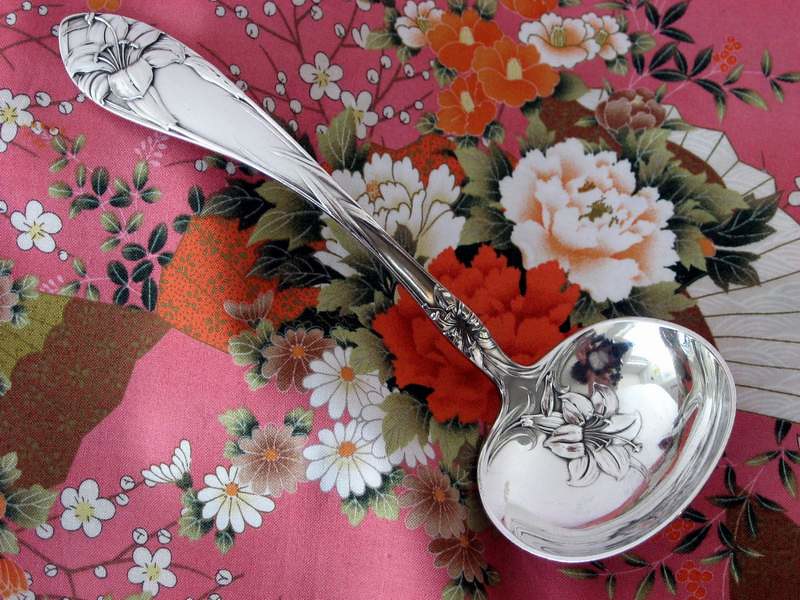
Sterling pieces from reputable American manufacturers — Gorham, Reed & Barton, Tiffany & Co., Wallace, International Silver — often carry additional maker’s marks alongside the sterling designation. These secondary marks identify the manufacturer, the pattern, and sometimes the production date, and their presence alongside a sterling stamp tends to authenticate the piece more completely.
Gorham, for instance, used a lion, an anchor, and the letter G together as their standard mark for most of the nineteenth and early twentieth centuries.
Pattern Registration Numbers
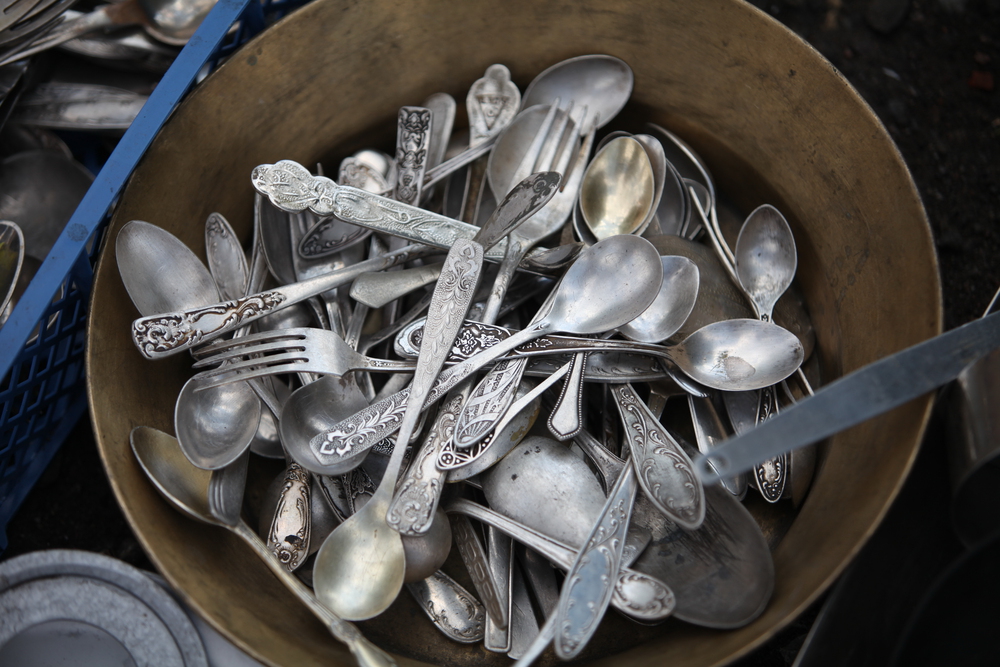
Some older American sterling carries pattern registration numbers that can be cross-referenced against manufacturer records and silver pattern databases. These numbers, often stamped on the back of a piece alongside the sterling mark, were used by manufacturers to protect their designs — and the fact that they bothered to register a pattern at all suggests the piece was made to a standard worth protecting.
Pattern identification databases like Replacements, Ltd. carry records going back well over a century.
The Sound It Makes
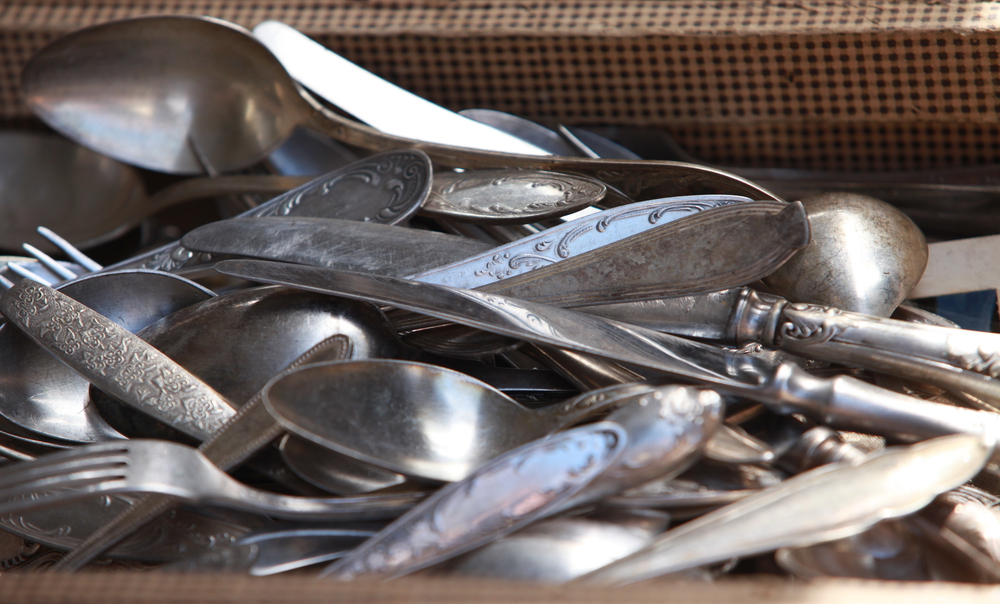
Drop a sterling spoon lightly onto a hard surface and listen. Sterling rings — a clear, slightly sustained tone, like a very small bell — while plated metal thuds or produces a flatter, shorter sound without much resonance.
It’s a subtle difference, and it takes a moment to calibrate, but the ring of sterling is real and consistent, not a trick of the imagination.
European Fineness Marks
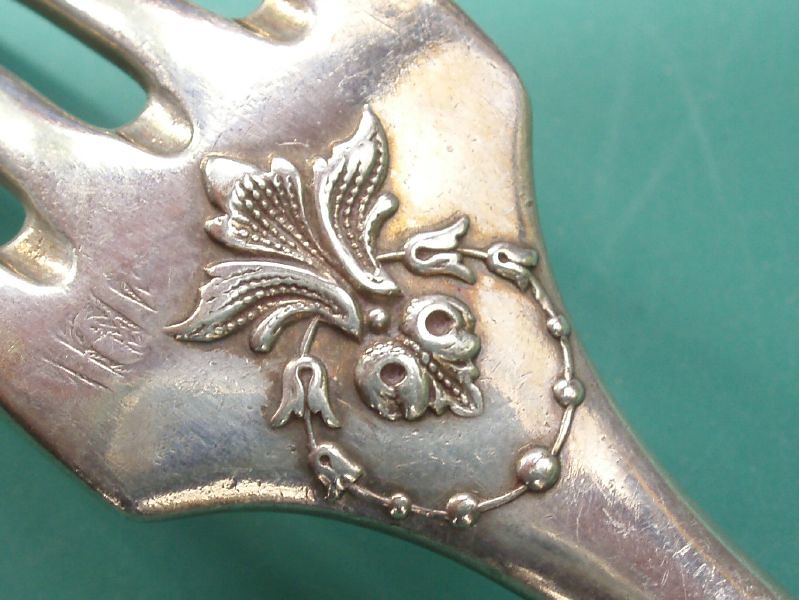
European countries other than Britain used numerical fineness marks rather than word stamps, and these marks follow a different scale. French sterling is typically marked “950,” meaning 95% pure silver — actually a higher silver content than the American 925 standard — while some older continental pieces carry “800” marks, indicating 80% silver, which is not technically sterling by American definition but still represents genuine solid silver with real value.
If the piece has a number that isn’t 925 but also isn’t a suspiciously round figure like 100 or 200, it’s worth looking up the continental marking system.
The Absence of “EPNS” or “Silver Plate”
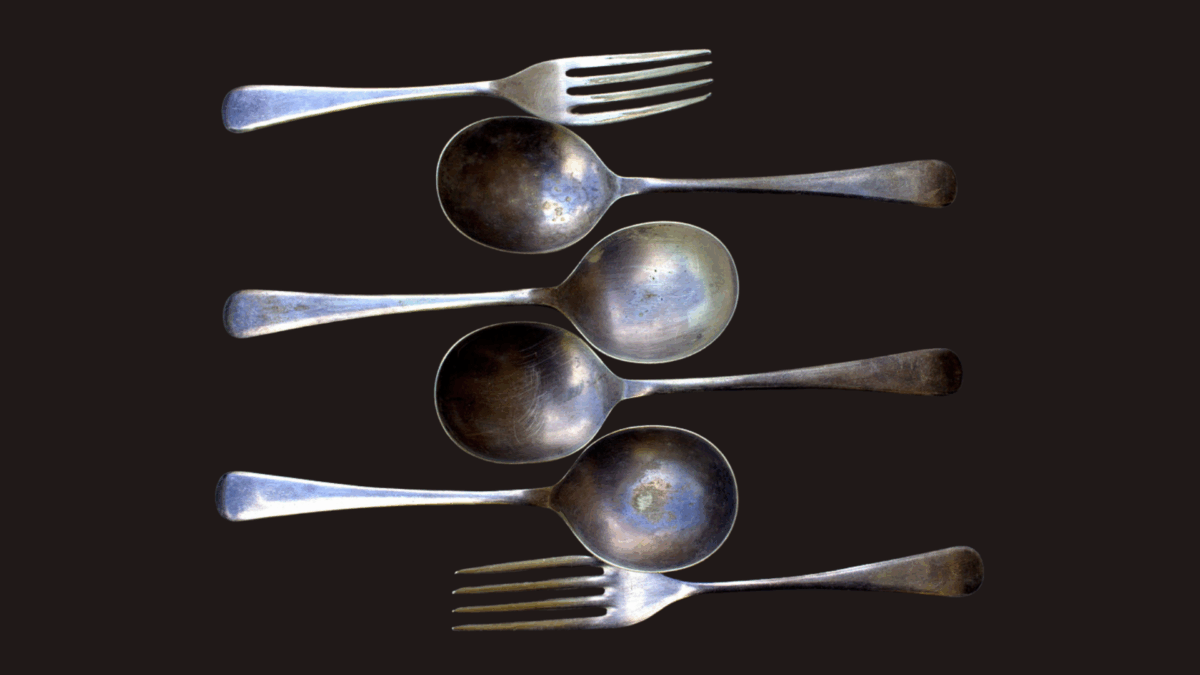
Plated pieces are, to their credit, usually honest about what they are. The stamp “EPNS” — electroplated nickel silver — appears on the back of millions of plated pieces made throughout the twentieth century, along with phrases like “Silver Plate,” “Silver on Copper,” or simply “Plated.”
If those words are absent and a “Sterling” or “925” stamp is present instead, that’s not a coincidence — those are two entirely different designations that mean entirely different things.
Age and Style as Context
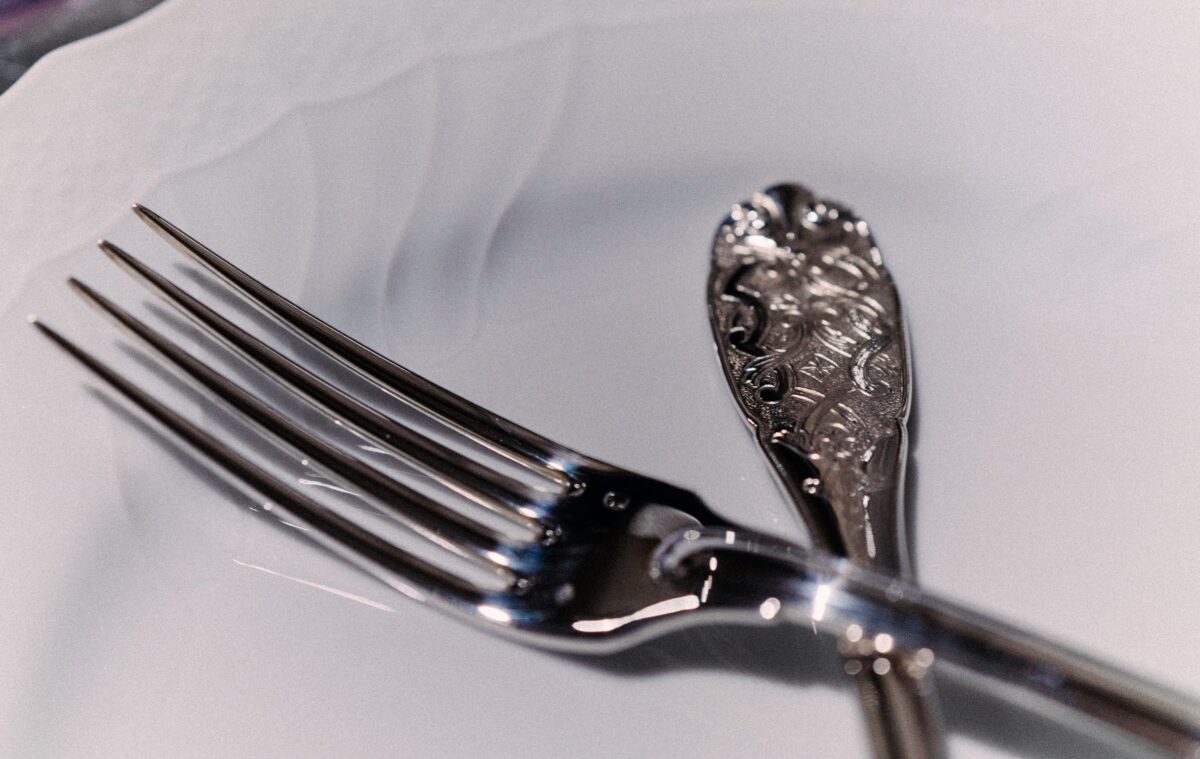
Sterling silverware was the standard for formal household settings among middle- and upper-middle-class American families from roughly the 1880s through the mid-twentieth century. A matched set of flatware or serving pieces with ornate, Victorian-era patterning, found in a family that was established during that period, fits the profile of sterling in a way that random, unmatched pieces do not.
Age and context don’t confirm metal content on their own, but they frame the question correctly: the piece belongs to a time when sterling was the expected material, not the exception.
Professional Appraisal

An appraiser who specializes in silver or antiques can confirm sterling status definitively, usually in a single appointment. They have XRF analyzers — handheld devices that use X-ray fluorescence to read the exact metal composition of a piece without damaging it — and the results they produce are as close to certainty as silver testing gets.
To be fair, the cost of an appraisal sometimes exceeds the value of the piece, so it’s worth reserving this step for sets or items that appear genuinely significant.
Where the Silver Lives Now
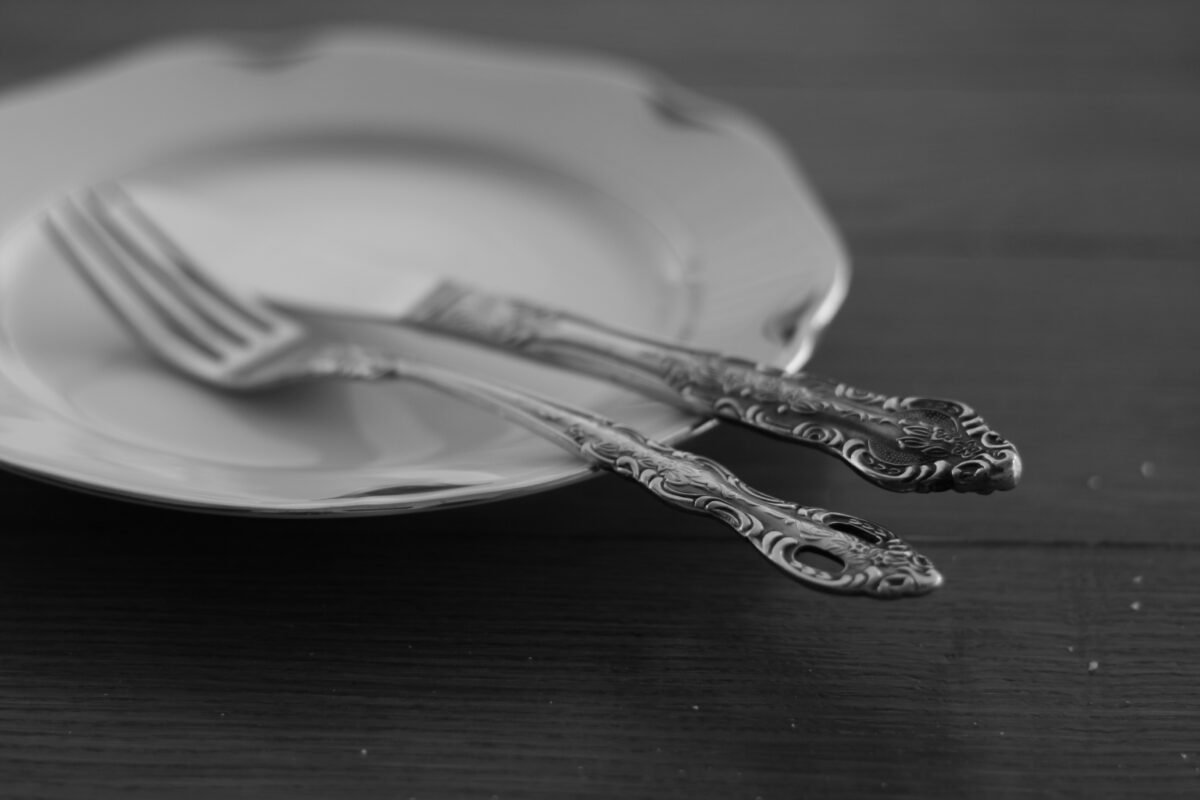
The silverware worth finding isn’t usually displayed. It’s wrapped in anti-tarnish cloth, tucked inside velvet-lined boxes, pushed to the back of a sideboard, or sitting inside a case that nobody has opened in thirty years — because that’s exactly where something gets stored when it’s considered too good for daily use but too meaningful to discard.
Sterling tends to survive precisely because previous generations treated it as permanent, which, as it turns out, it nearly is.
More from Go2Tutors!

- The Romanov Crown Jewels and Their Tragic Fate
- 13 Historical Mysteries That Science Still Can’t Solve
- Famous Hoaxes That Fooled the World for Years
- 15 Child Stars with Tragic Adult Lives
- 16 Famous Jewelry Pieces in History
Like Go2Tutors’s content? Follow us on MSN.