How the Ice Cream Truck Became the Soundtrack of Summer
There’s a sound that can stop a child mid-stride, mid-sentence, mid-anything. A tinny, looping melody drifting down a residential street on a Tuesday afternoon in July.
Before the truck is even visible, kids are already calculating the distance, already negotiating with whoever is nearby for a dollar or two. The ice cream truck didn’t just sell frozen treats — it sold a feeling so specific to summer that the two became inseparable.
How that happened is a story worth telling.
The Origin of the Truck Itself
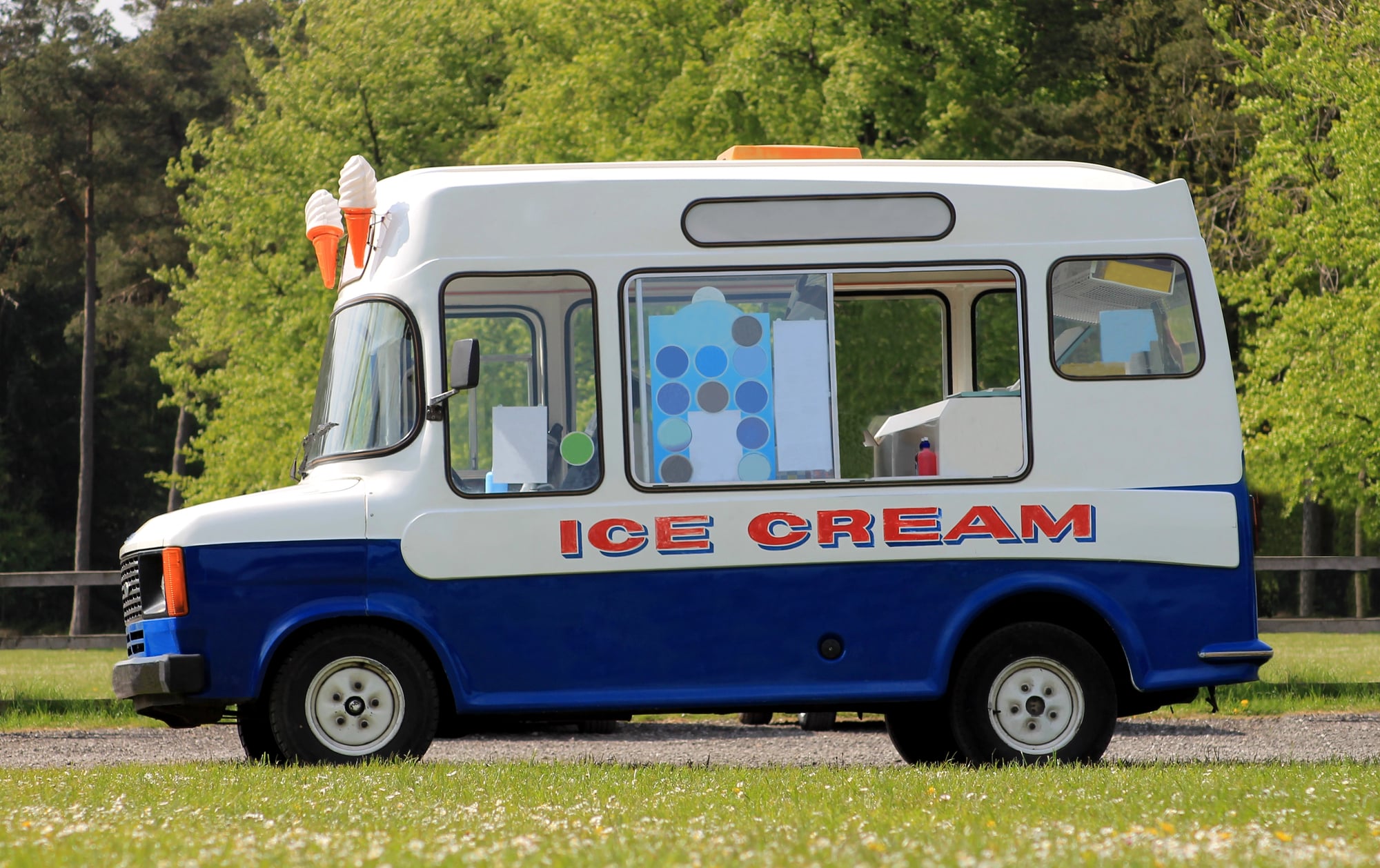
The ice cream truck is older than most people assume. The concept traces back to the 1920s, when vendors in cities like New York and Chicago began loading ice cream onto horse-drawn carts and later onto motorized vehicles to reach neighborhoods that didn’t have access to a soda fountain or a candy shop.
Good Humor, founded in 1920 by Harry Burt Sr. in Youngstown, Ohio, is widely credited as the first company to build out a true fleet of branded ice cream trucks — white vehicles, uniformed drivers, the works.
Why the Music Started
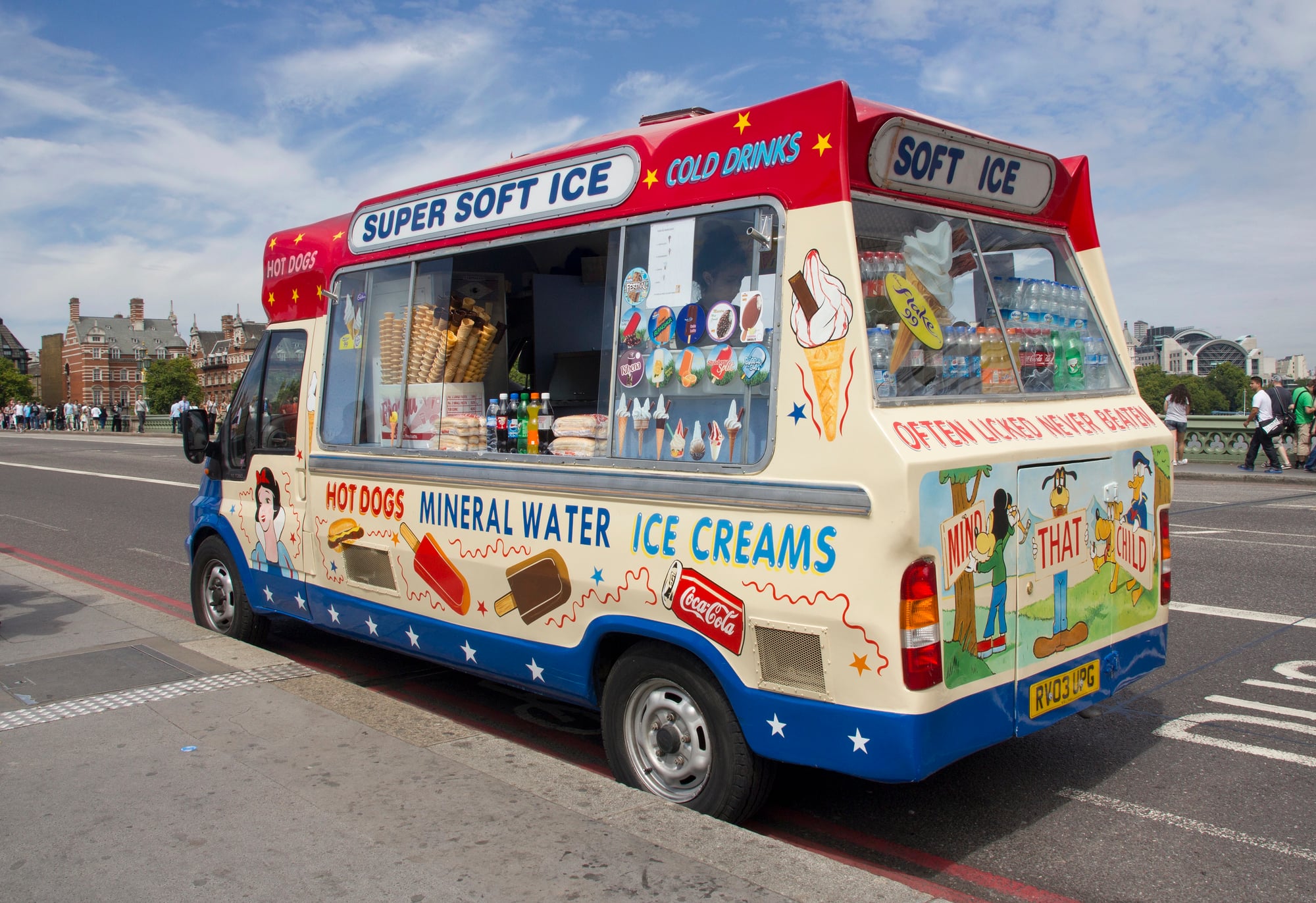
The music wasn’t decoration. Early vendors used hand-cranked bells and chimes for the same reason a food cart rings a bell today: to announce presence across a distance where a human voice won’t carry.
As trucks became mechanized, so did the music — first with simple bells mounted to the vehicle, then with loudspeakers and looping tape systems that could project a recognizable tune across an entire block. Sound was the product’s first advertisement, arriving before the truck ever turned the corner.
The Songs That Got Chosen
A handful of melodies became synonymous with the ice cream truck to the point where hearing them in any other context feels mildly disorienting — like spotting your dentist at a grocery store. “The Entertainer” by Scott Joplin, “Turkey in the Straw,” and “Do Your Ears Hang Low” became staples not because of any formal selection process but because they were cheerful, repetitive, and in the public domain, which is a combination that turns out to be unbeatable for a commercial operation running on thin margins.
The Controversy Behind “Turkey in the Straw”
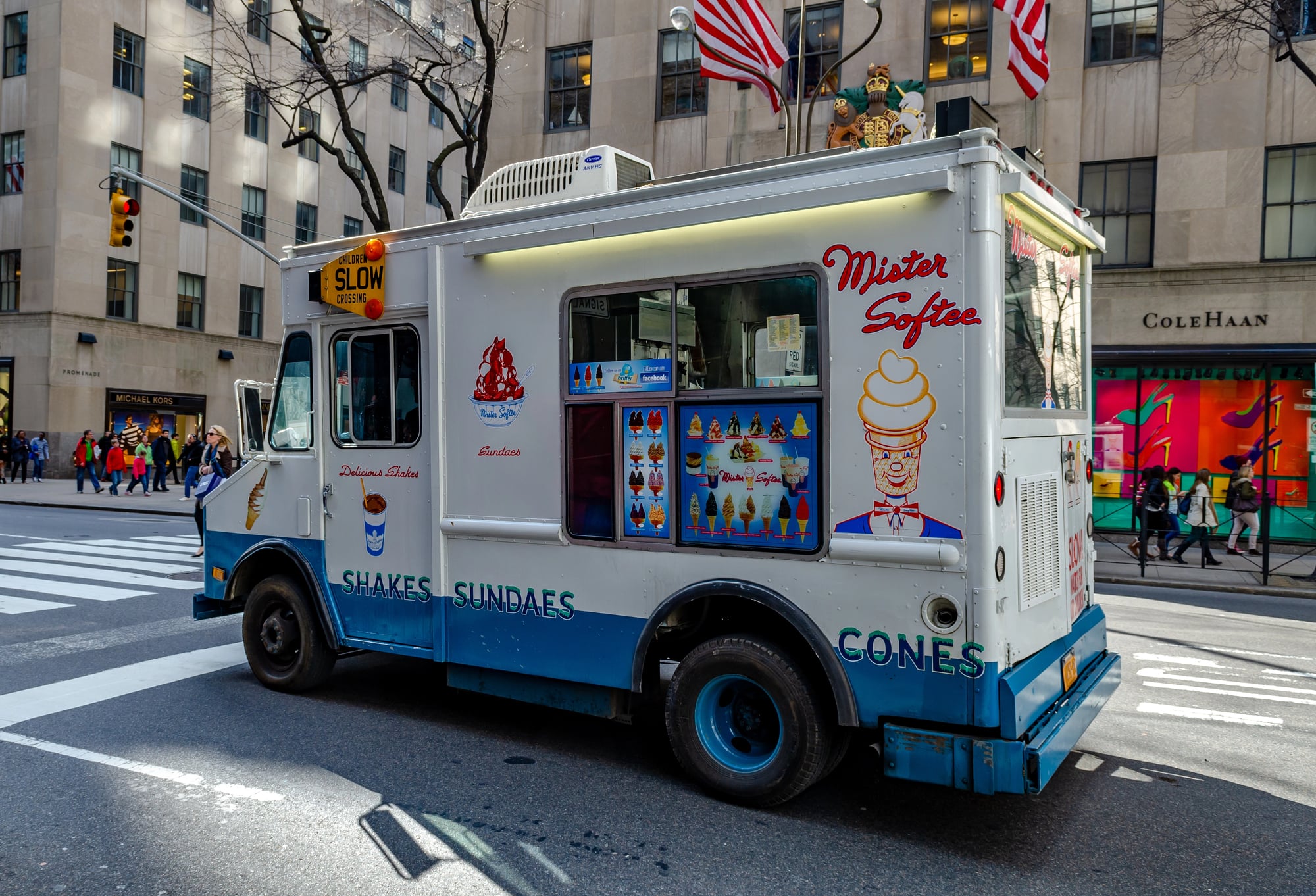
“Turkey in the Straw” carries a genuinely uncomfortable history that sat undiscussed for decades. The melody itself is a 19th-century American folk tune, but in the post-Civil War era, it was paired with overtly racist lyrics that spread widely in minstrel culture.
The ice cream truck popularized the tune stripped of those words — but the origin remained. In 2014 and in subsequent years, researchers and journalists brought the history back into public conversation, prompting some cities and vendors to consider retiring the melody entirely.
Good Humor’s White Trucks and What They Signaled
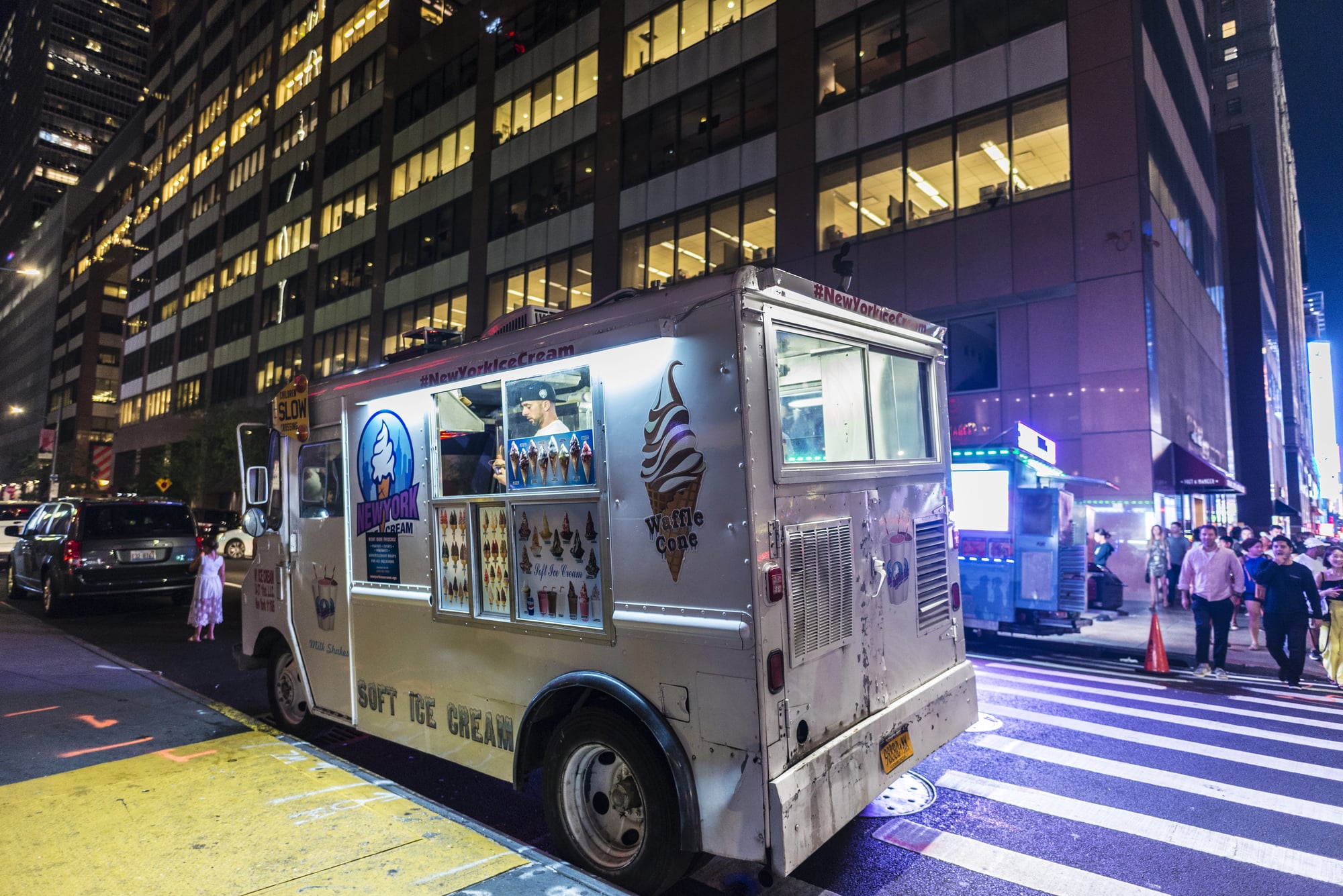
Good Humor built something more deliberate than a business — it built a mythology. The white trucks, the crisp uniforms, the polite drivers: all of it was a calculated signal of cleanliness and trust at a time when food safety concerns were genuine and widespread.
Ice cream sold from a street cart carried associations with contamination and questionable ingredients, and Good Humor understood that the packaging of the experience mattered as much as the product inside it. The trucks weren’t white by accident.
How the Suburbs Gave the Truck Its Power
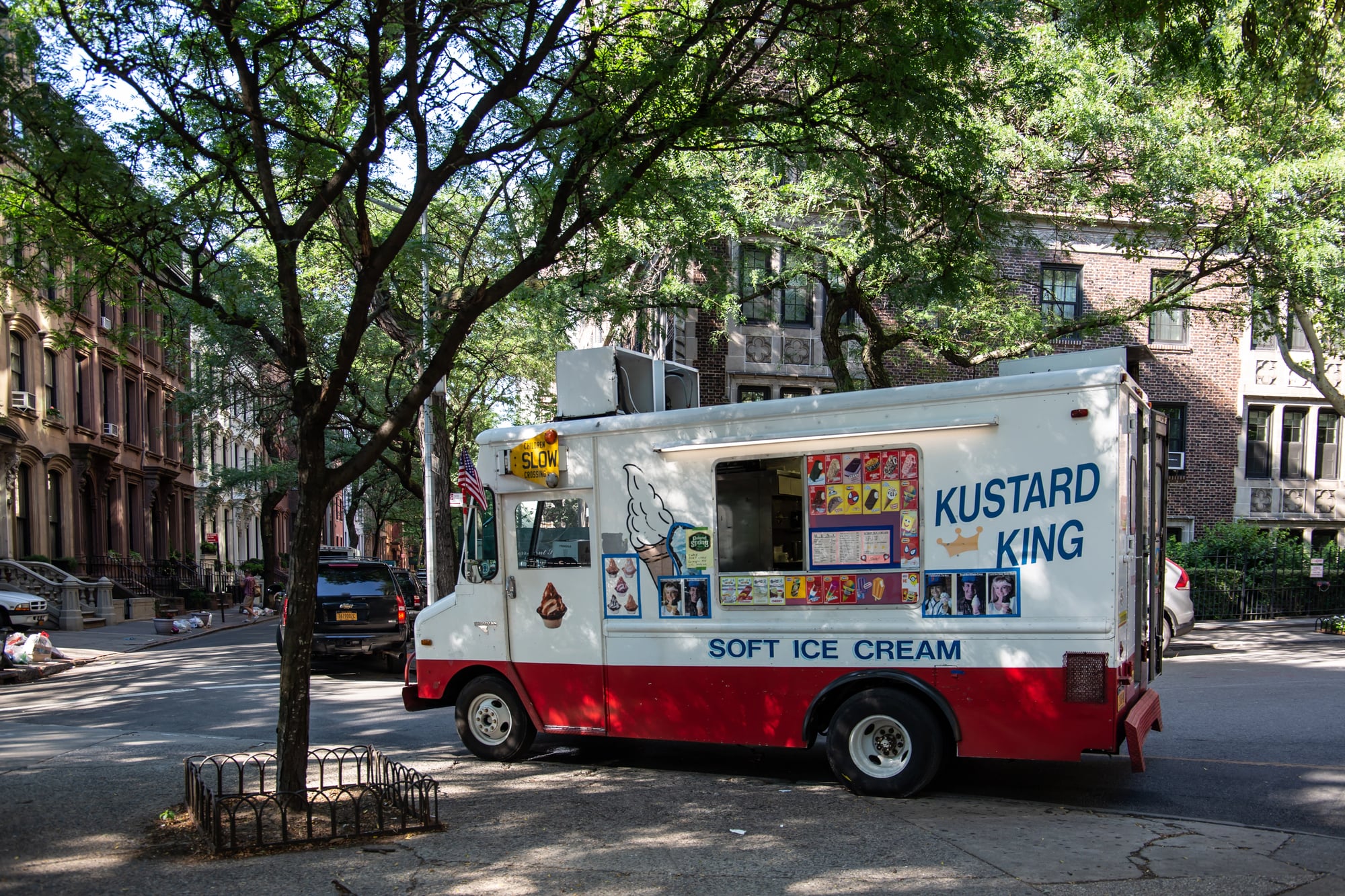
The ice cream truck, as a cultural institution, found its fullest expression not in dense urban neighborhoods but in postwar American suburbs — the ones that spread outward from cities throughout the 1950s and 1960s, street after cul-de-sac after dead end, where kids had space and time and very few reasons to leave the block. The truck came to them, and that fact alone was almost magical: a thing that arrived, unbidden, playing music, carrying exactly what you wanted on the high-temp afternoon of the week.
The suburb gave the truck a stage it couldn’t have found elsewhere.
The Role of Television
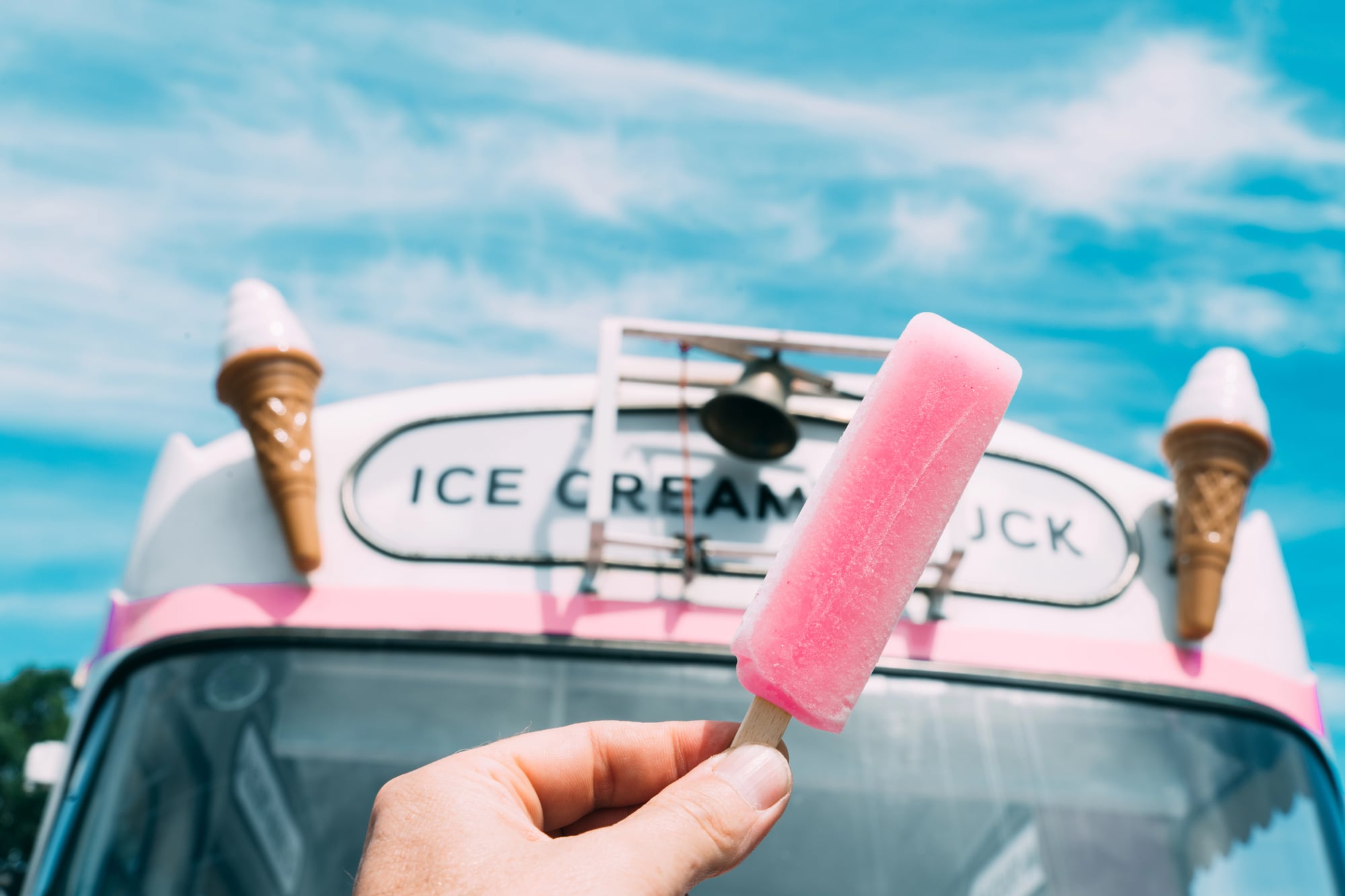
Television didn’t create the ice cream truck, but it absolutely cemented it. Sitcoms and cartoons throughout the 1950s, 60s, and 70s returned to the same image again and again — children scrambling toward a white truck, coins in hand, the familiar melody rising over the scene as shorthand for summer, for childhood, for a particular kind of uncomplicated happiness.
That image repeated itself so many times across so many screens that the association became reflexive, something absorbed before anyone was old enough to question it.
The Independent Operators

Good Humor dominated the mid-20th century, but the ice cream truck landscape has always had a parallel universe of independent operators — single-truck businesses run by individuals who bought a vehicle, stocked it themselves, and mapped out their own routes through neighborhoods that the major companies ignored or abandoned. These operators are the ones who introduced regional favorites, who sold paletas alongside Creamsicles, who adapted their stock to the actual demographics of the streets they drove.
The industry’s diversity lives in that informal, unbranded tier.
Regional Flavors and Local Identity
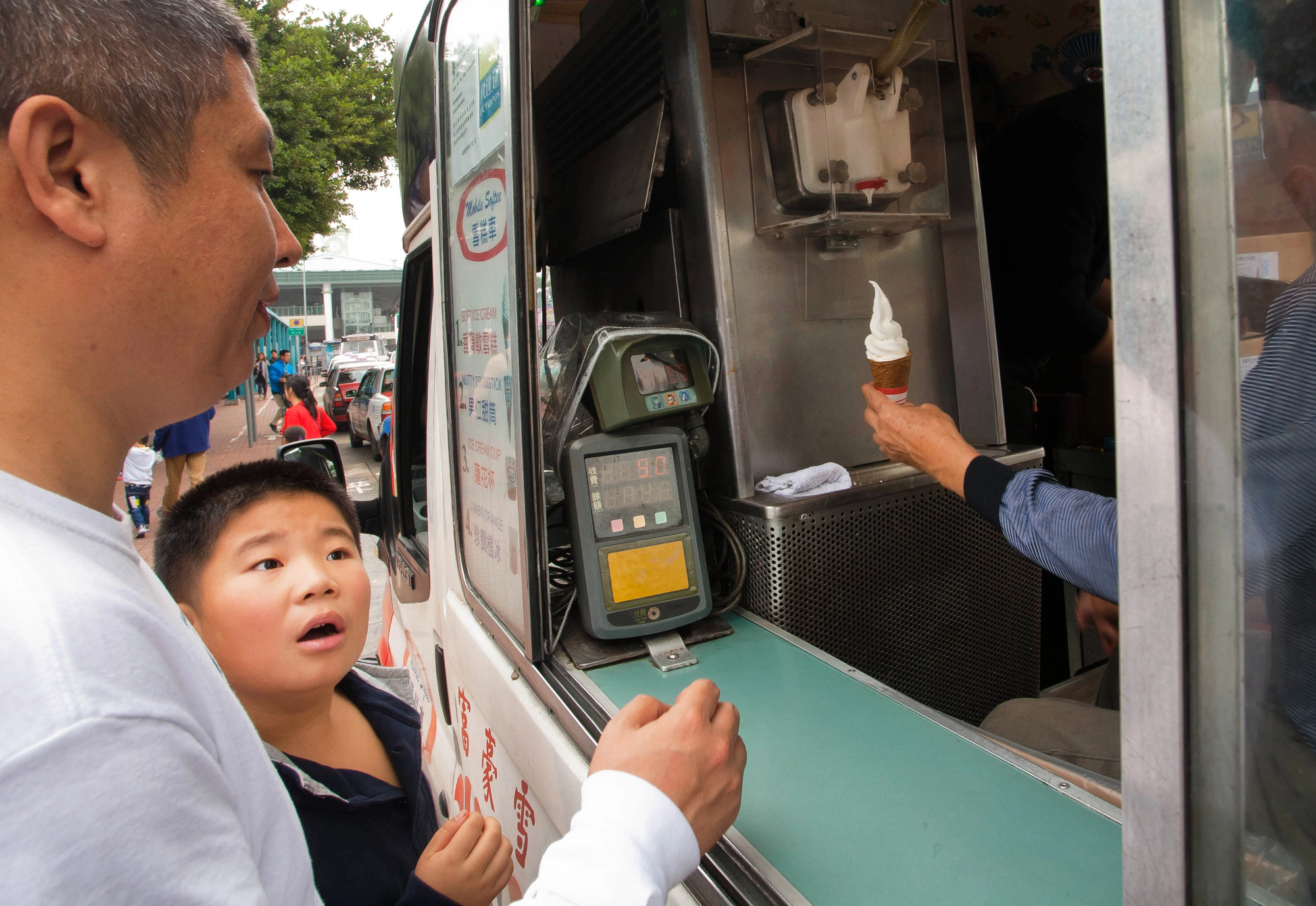
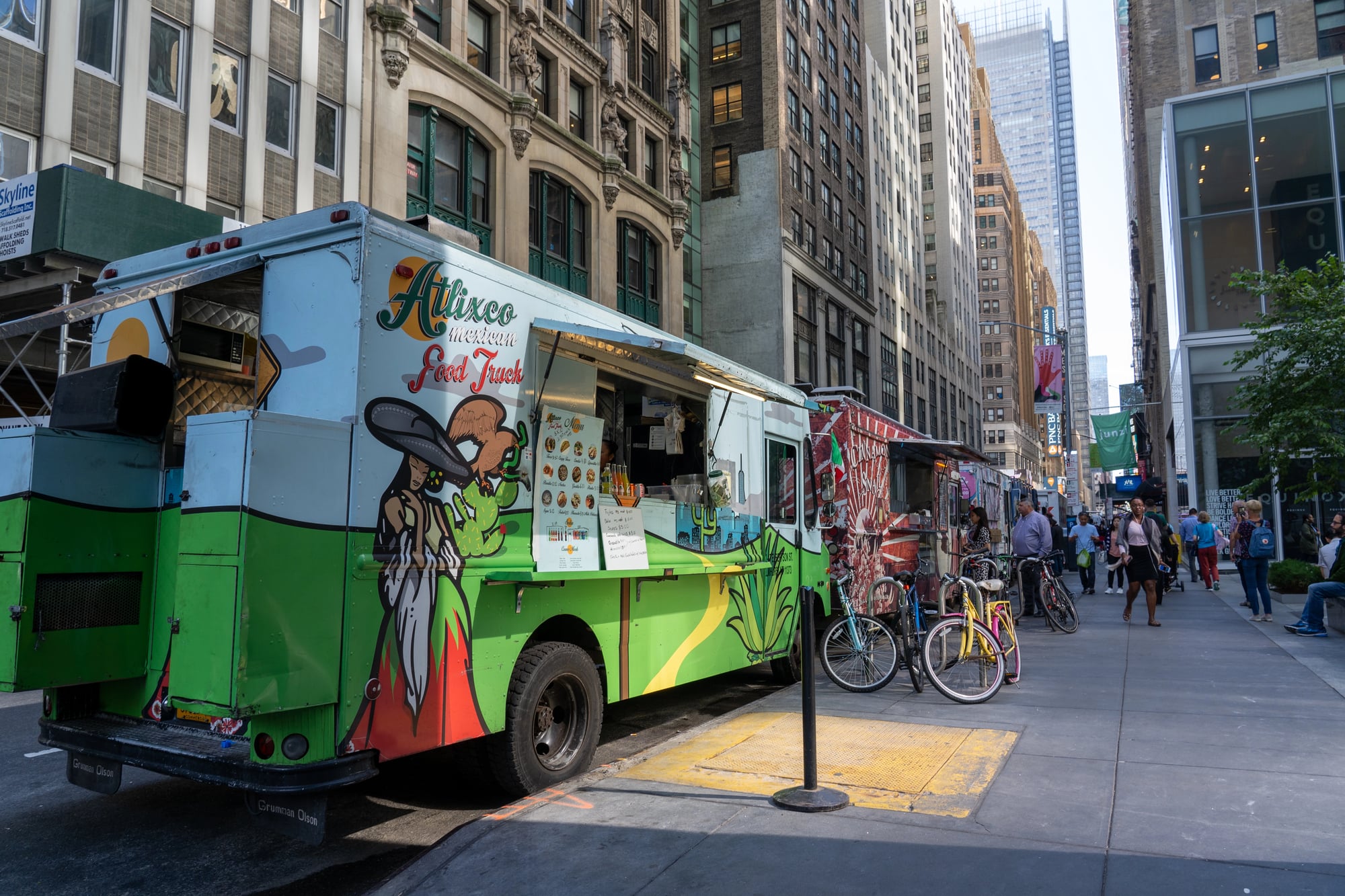
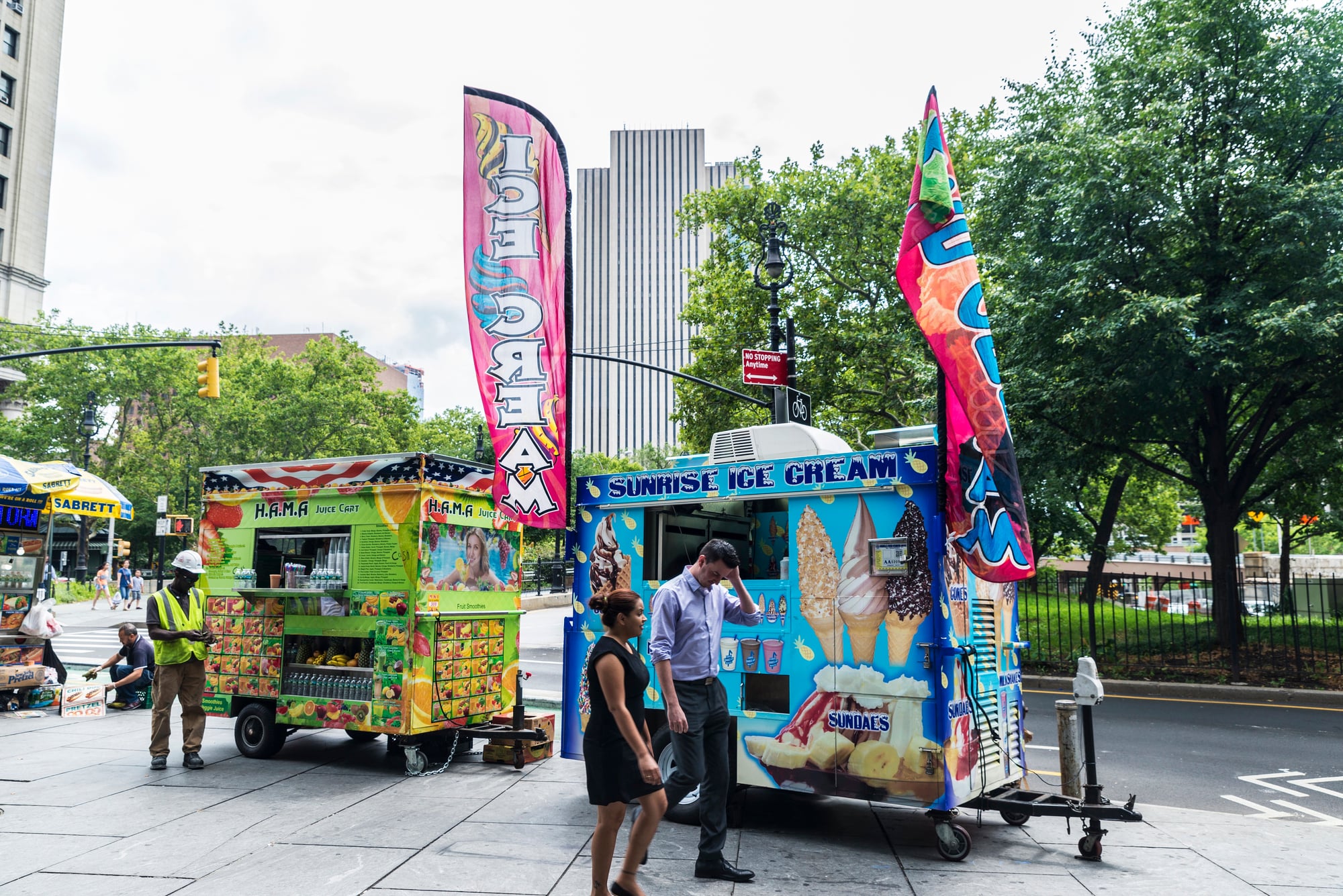
What gets sold from an ice cream truck in Miami is not what gets sold in Minneapolis, and that gap is wider than most people imagine. Vendors in heavily Latino neighborhoods stock paletas — fresh-fruit popsicles with flavors like tamarind, mango chili, and hibiscus — while trucks in other regions built their reputations on soft-serve cones, Bomb Pops, or sandwiches made with round cookies.
The truck absorbed the food culture of wherever it operated, which is how a single vehicle type became a genuinely local institution in dozens of different ways at once.
The Economics of Running a Route
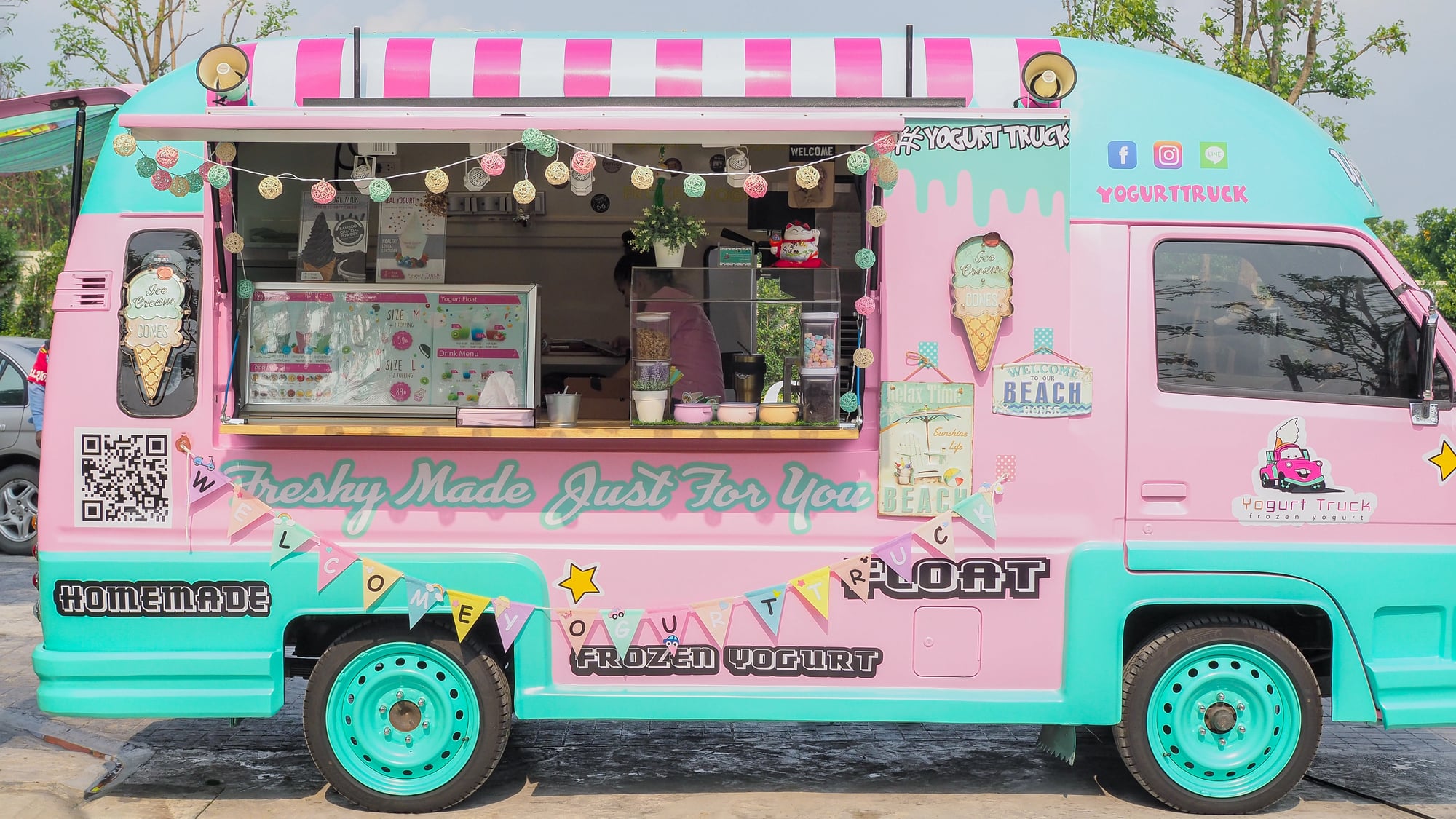
Running an ice cream truck route is not a casual endeavor. A vendor typically pays for the truck, the product, the fuel, any required permits (which vary wildly by city and municipality), and the time spent mapping and driving a route that produces enough sales to cover all of the above.
Margins on individual items are thin — a $3 bar might yield a dollar of profit after cost — which means volume, consistency, and route loyalty are everything. The cheerful music is doing serious commercial work.
When Good Humor Stopped Driving
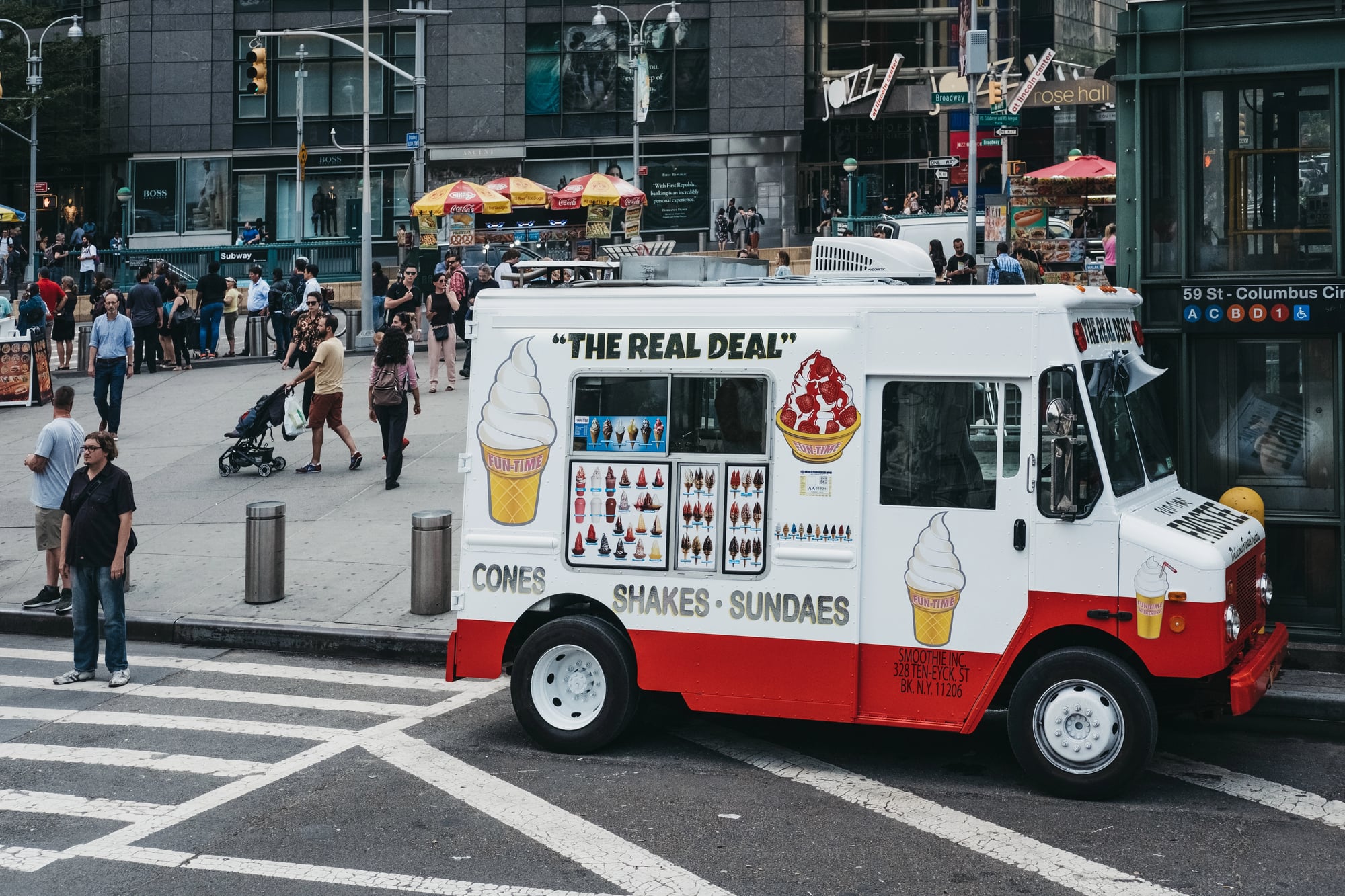
Good Humor made a decision in 1976 that effectively ended its direct involvement in the street vending business: it sold off its fleet of trucks and shifted focus entirely to grocery store distribution. The company didn’t disappear — its products still exist on freezer shelves — but the trucks with the bells and the uniformed drivers were gone.
What filled the gap was the decentralized army of independent operators, and that transition is a large part of why the ice cream truck became so regionally varied and idiosyncratic in the decades that followed.
The Truck in Music and Pop Culture
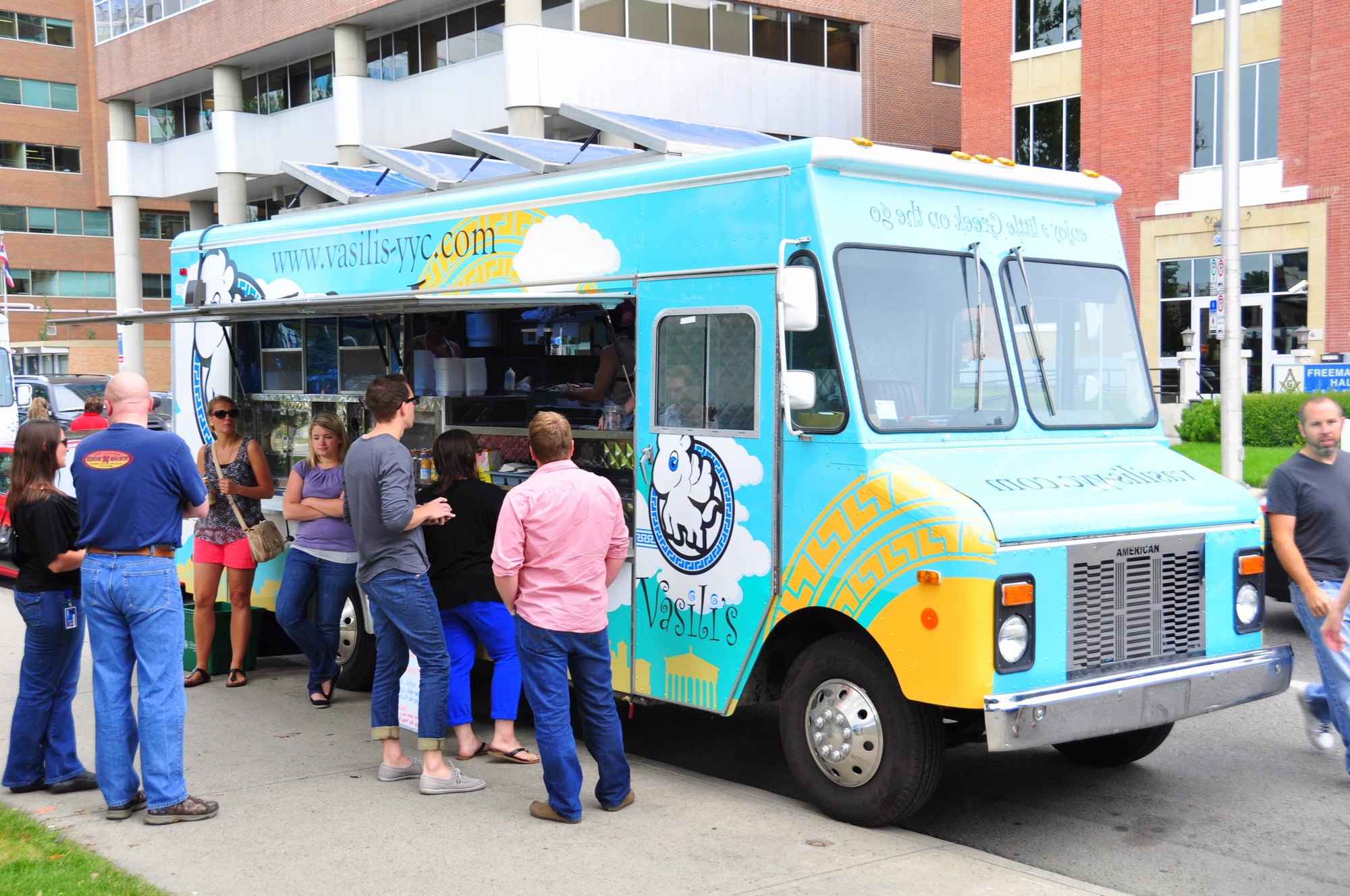
The ice cream truck has shown up in enough pop songs, films, and television episodes to constitute its own minor genre. Drake sampled the ice cream truck melody in “Infant” off If You’re Reading This It’s Too Late.
Horror films have weaponized the jingle’s uncanny quality — that cheerful loop becomes unsettling almost immediately when the context shifts. The truck functions as a cultural shorthand that writers and directors reach for when they want to establish summer, innocence, or the particular dread of something familiar turned wrong.
The Nostalgia Effect
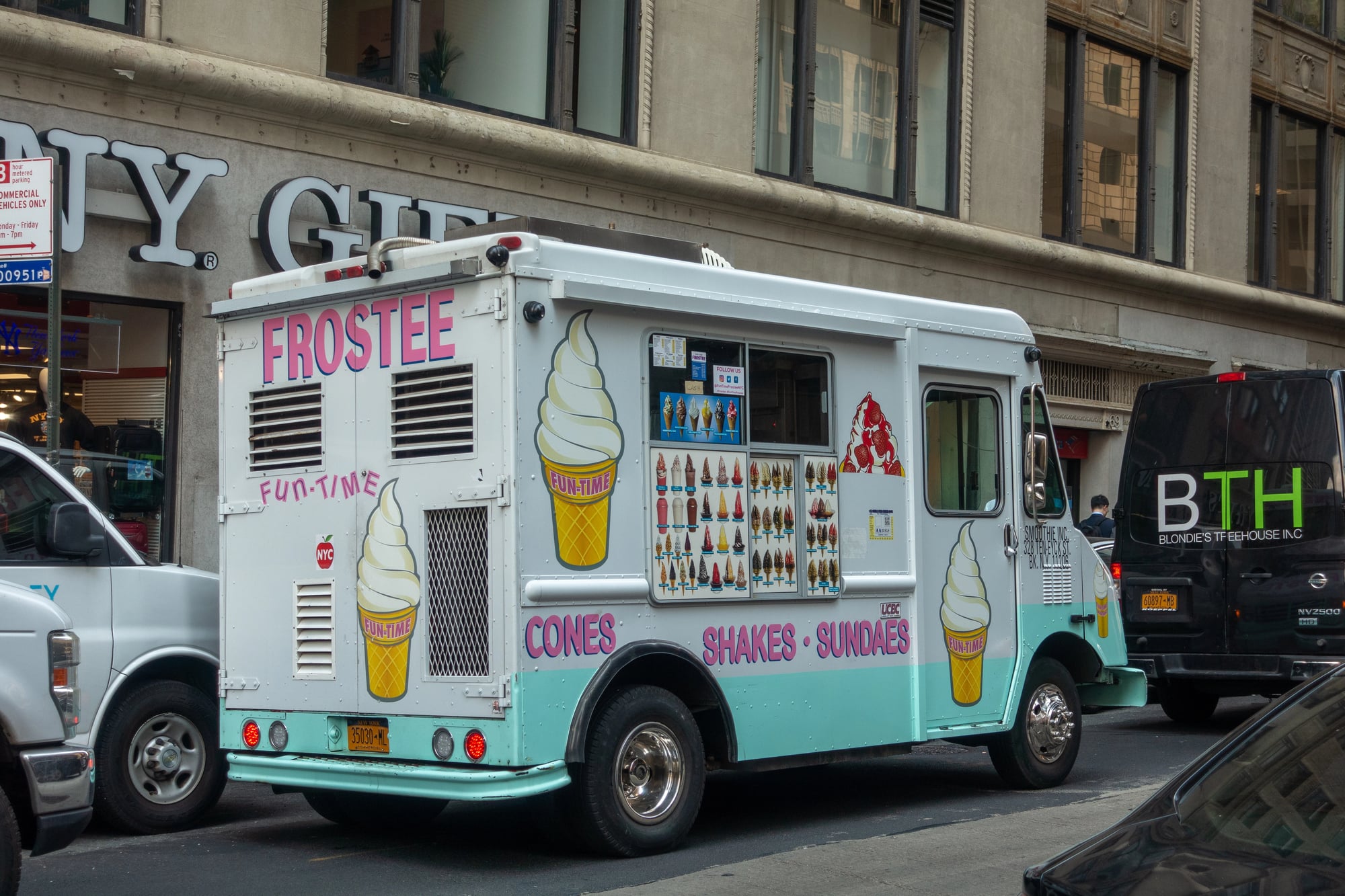
Nostalgia is a stubbornly physical thing — it lives in the body before it reaches the brain. Hearing an ice cream truck melody in adulthood produces something that isn’t quite an emotion and isn’t quite a memory: it’s more like a temperature shift, a sudden return to the specific weight of a July afternoon from twenty years ago.
The truck is one of the few commercial products that sells its past as much as its present, and most vendors know this, whether they’d put it in those words or not.
How the Jingle Functions as Marketing
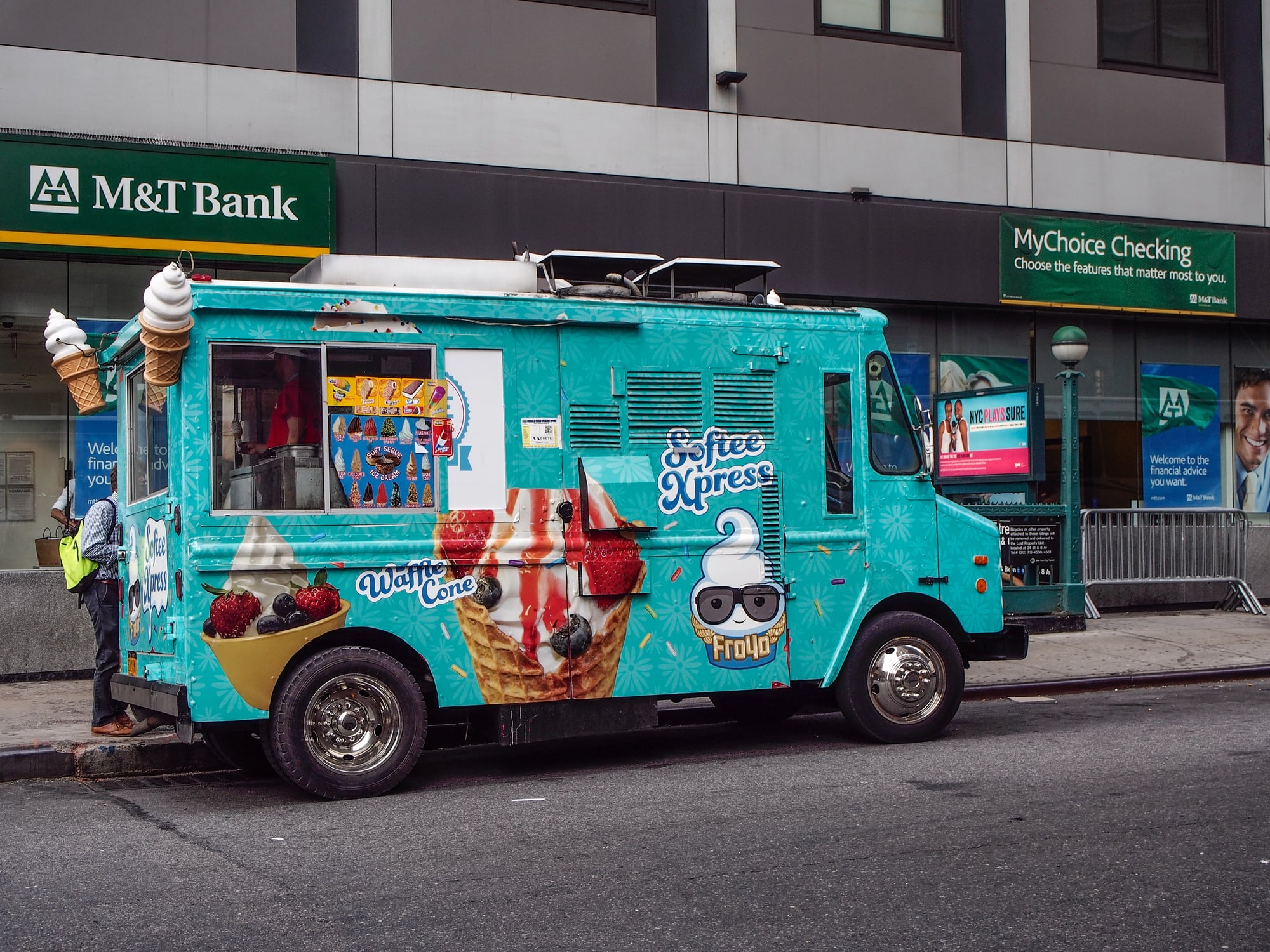
The ice cream truck jingle is a piece of audio branding that predates the entire modern concept of audio branding. No logo, no tagline — just a repeating melody that travels ahead of the product and lodges in the listener’s mind within seconds.
Marketing researchers have spent considerable time studying exactly this phenomenon: the way a short, repetitive musical phrase tied to a purchase experience becomes a near-automatic trigger for desire. The ice cream truck was doing this in the 1930s, decades before anyone wrote a business school paper about it.
Summer as a Container
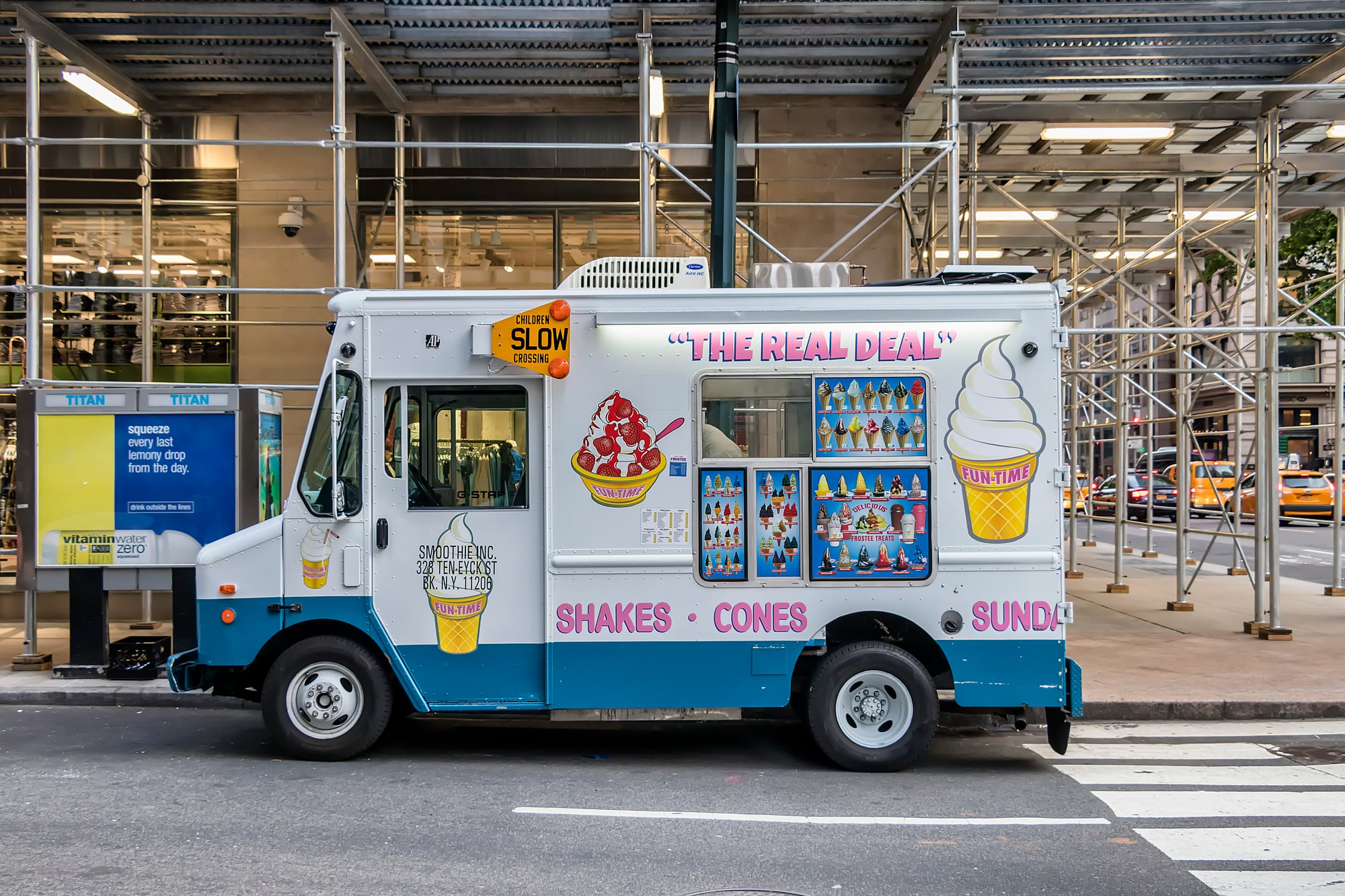
Summer, as a cultural concept, needs containers — things that hold the season’s feeling in a recognizable shape so that it can be recalled later, intact. The beach umbrella does some of this work.
So do fireflies and lawn sprinklers and the particular smell of sunscreen. The ice cream truck does it with sound, which is the most stubborn of the senses when it comes to memory storage: a melody heard at age seven can resurface forty years later with the full sensory weight of the afternoon attached, the heat, the grass, the taste of something cold.
The Truck’s Unlikely Survival
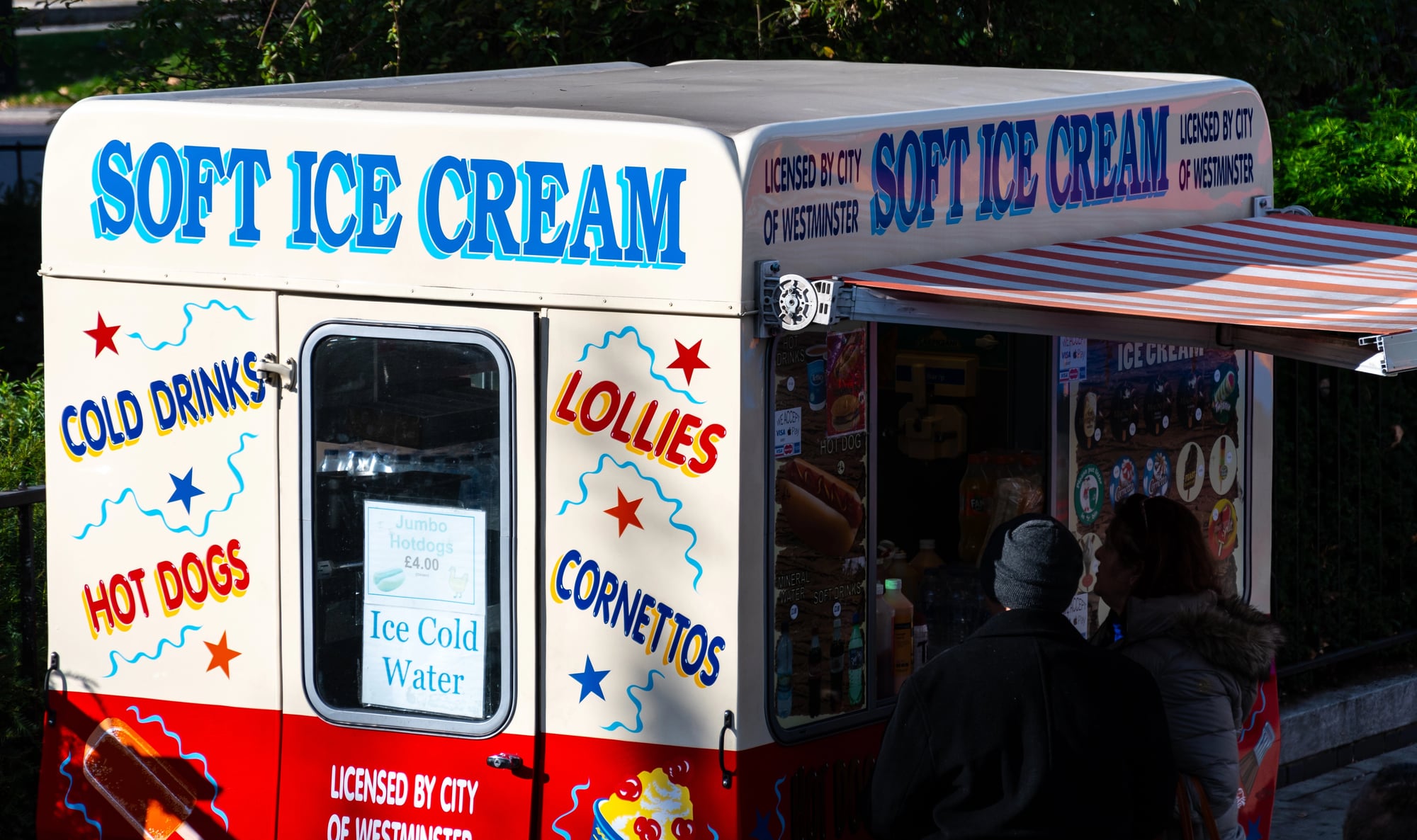
The ice cream truck probably should have faded. Grocery stores stocked the same products for less money.
Liability concerns multiplied. City regulations tightened.
Fuel costs rose. And yet the trucks persisted — not just survived but maintained enough cultural gravity that new generations of vendors keep entering the business, that cities keep fielding permit applications, that the melody still pulls kids toward the curb the way it pulled their parents and grandparents.
Some businesses outlast the conditions that created them because they became something the culture decided it wasn’t willing to give up.
The Soft-Serve Machine as Engineering Achievement
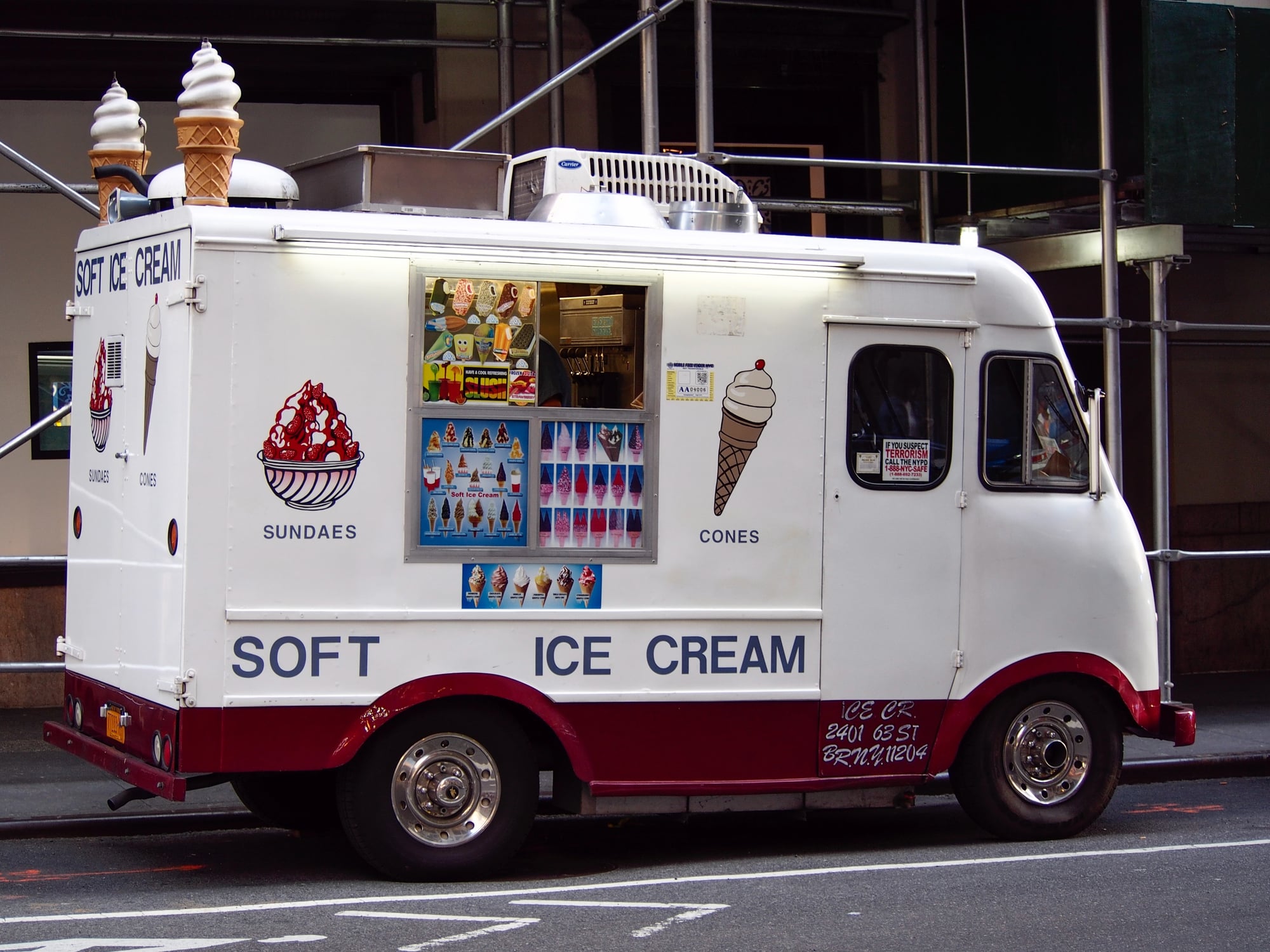
The soft-serve dispenser mounted in the back of an ice cream truck is more complicated than it looks. Maintaining the correct temperature and consistency for soft-serve in a moving vehicle — one that parks in direct sunlight, idles for extended periods, and operates in outdoor heat that ranges from bearable to genuinely brutal — requires refrigeration equipment that has been refined over decades to handle exactly those conditions.
The difference between a truck that can serve a swirl cone and one that can’t is a meaningful competitive distinction on a hot street in August.
How Social Media Changed the Route
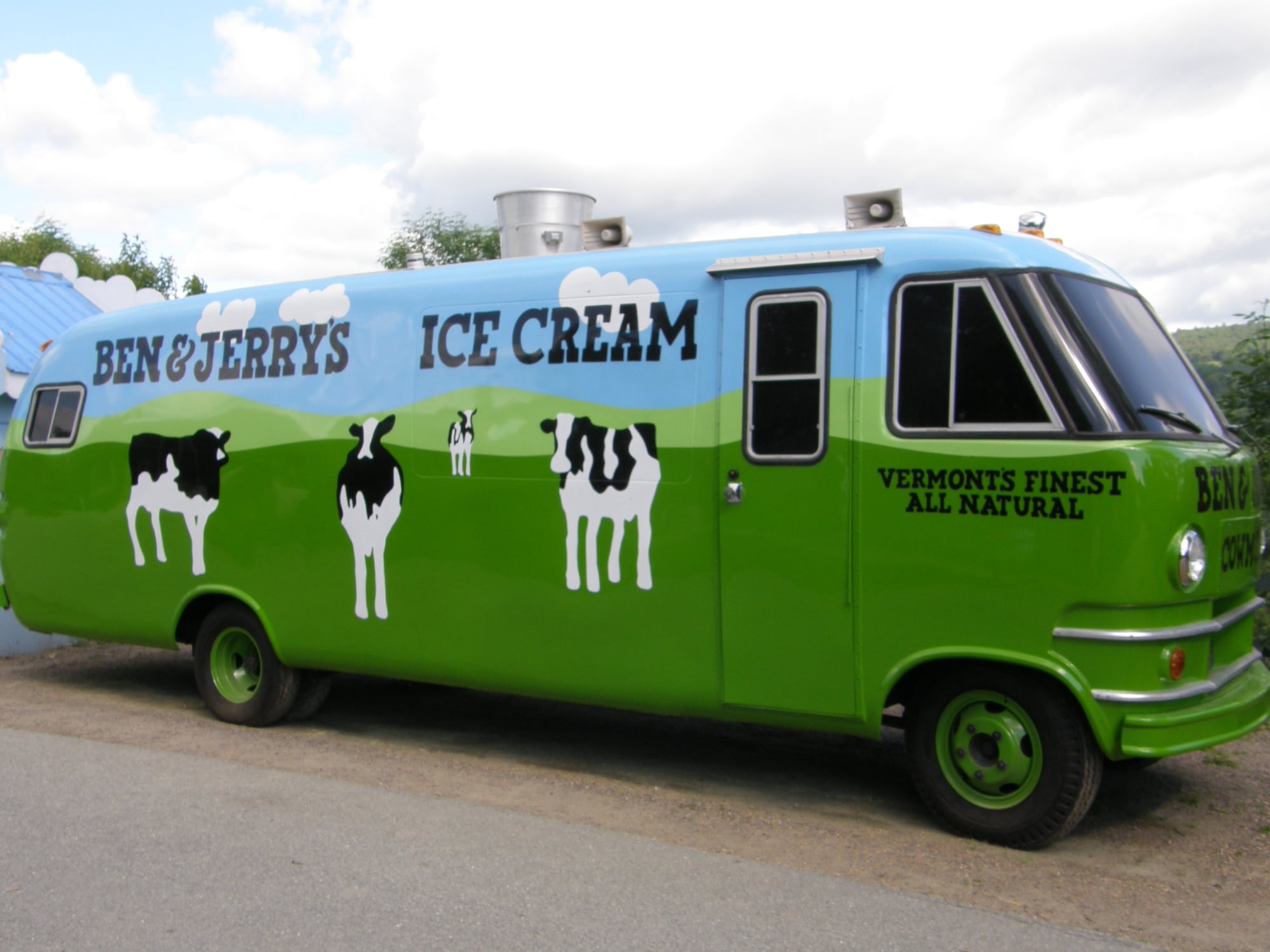
Instagram and TikTok introduced something genuinely new to an old business model: the vendor who builds a following before the truck arrives. A growing number of ice cream trucks now maintain social media accounts that announce their location in real time, post new menu additions, and build a customer base that tracks them deliberately rather than encountering them by chance.
The serendipitous quality — that feeling of the truck just appearing — is diluted slightly by this, but the trade-off in consistent revenue is hard to argue with.
The Truck’s Role in Urban Food Access
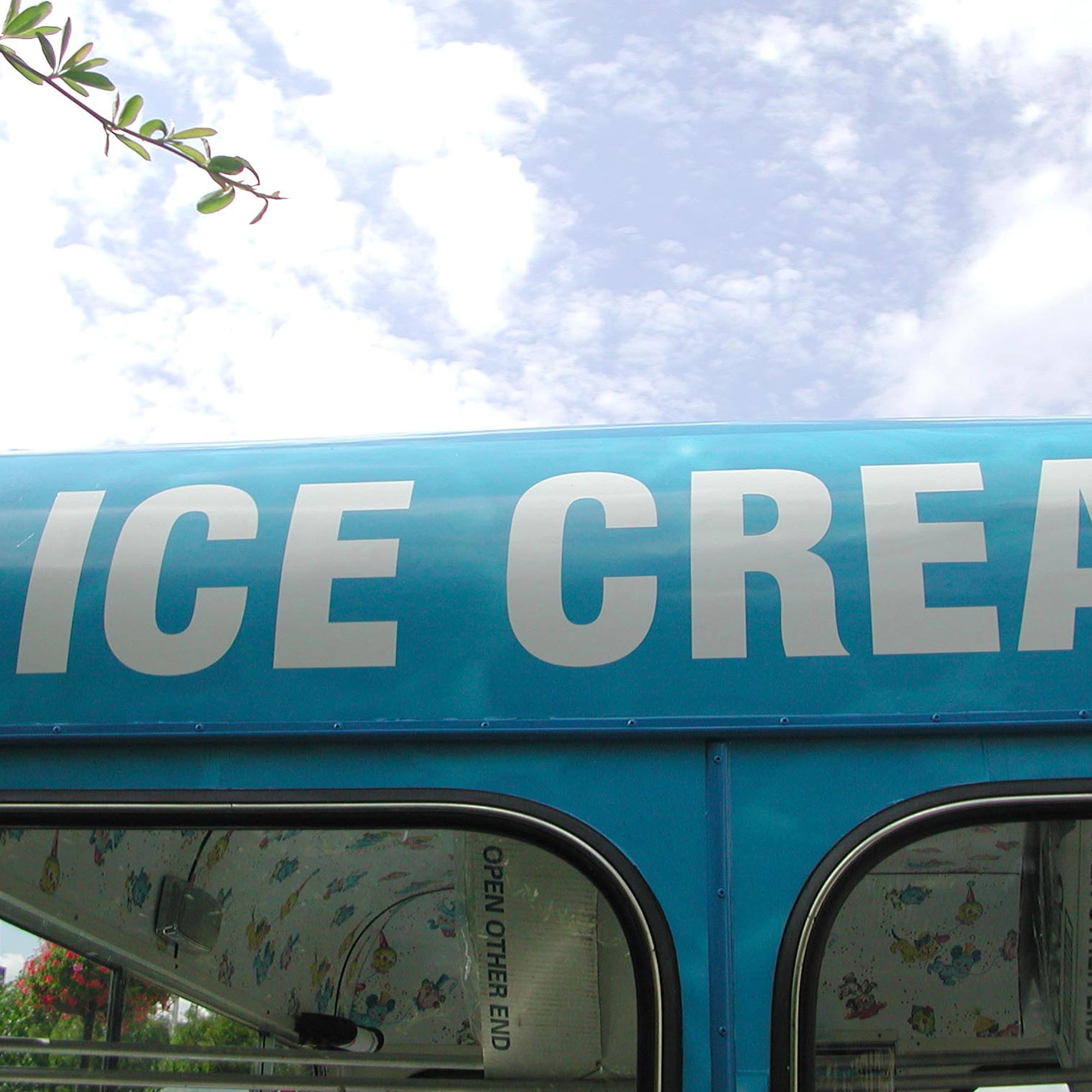
In some neighborhoods, the ice cream truck is one of the only mobile food vendors that appears with any regularity, which gives it a role that extends beyond dessert. Community food advocates have, in scattered but notable cases, partnered with ice cream truck vendors or used the same distribution model to deliver fresh fruit or other food items to areas underserved by grocery stores.
The infrastructure — a mobile vehicle, a predetermined route, a built-in customer awareness — turns out to be adaptable in ways its original operators never intended.
The Childhood Geography It Creates
Every kid who grew up hearing an ice cream truck learned the geography of their neighborhood through the sound of its approach — which street it turned down first, how long before it reached your block, whether you had enough time to run inside and back before it passed. The truck created a kind of acoustic map of summer afternoons, a sense of neighborhood scale understood through the speed and direction of a melody.
That’s not nothing. That’s a child learning where they are in the world, one jingle at a time.
The Sound That Outlasts Everything Else
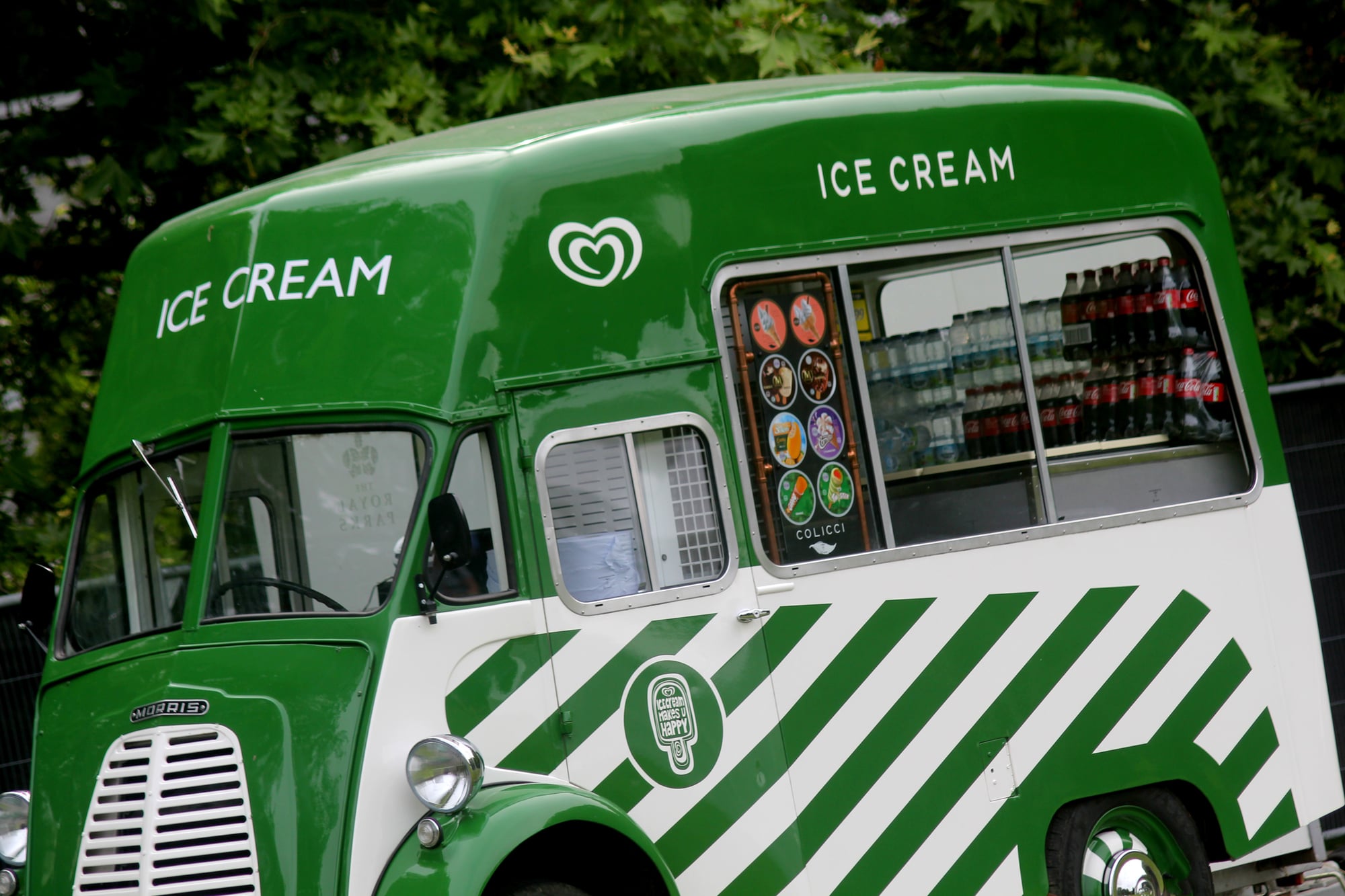
Summers blur together. Specific days from childhood dissolve into generalized warmth, the details gone.
And yet the ice cream truck melody tends to survive all of that erosion — crisp and specific, arriving fully formed from somewhere decades back, carrying the season with it like a thing that refused to be left behind. Some sounds are just stubborn that way: they attach themselves to something real, something felt, and they don’t let go no matter how much else gets lost.
More from Go2Tutors!

- The Romanov Crown Jewels and Their Tragic Fate
- 13 Historical Mysteries That Science Still Can’t Solve
- Famous Hoaxes That Fooled the World for Years
- 15 Child Stars with Tragic Adult Lives
- 16 Famous Jewelry Pieces in History
Like Go2Tutors’s content? Follow us on MSN.