How One Forged Document Fooled a Government for Years Before Being Exposed
Forgery is one of those crimes that sounds almost quaint — a pen, some patience, maybe a convincing stamp or signature. But the most dangerous forgeries in history weren’t pulled off in a back alley.
They were slipped into the machinery of governments, treated as gospel, and used to shape decisions that affected real people, real policy, and real lives. One of the most instructive cases in that category isn’t fictional.
It’s the story of the Hitler Diaries — sixty-two handwritten volumes that purported to contain Adolf Hitler’s private thoughts, acquired at enormous cost by one of the world’s most reputable media organizations, authenticated by a celebrated historian, and splashed across international headlines before being exposed as a thorough, embarrassing fraud. It took years of institutional credulity, motivated reasoning, and a staggering lack of basic scientific scrutiny to get there.
And it unraveled in a matter of days once someone actually looked.
The Claim
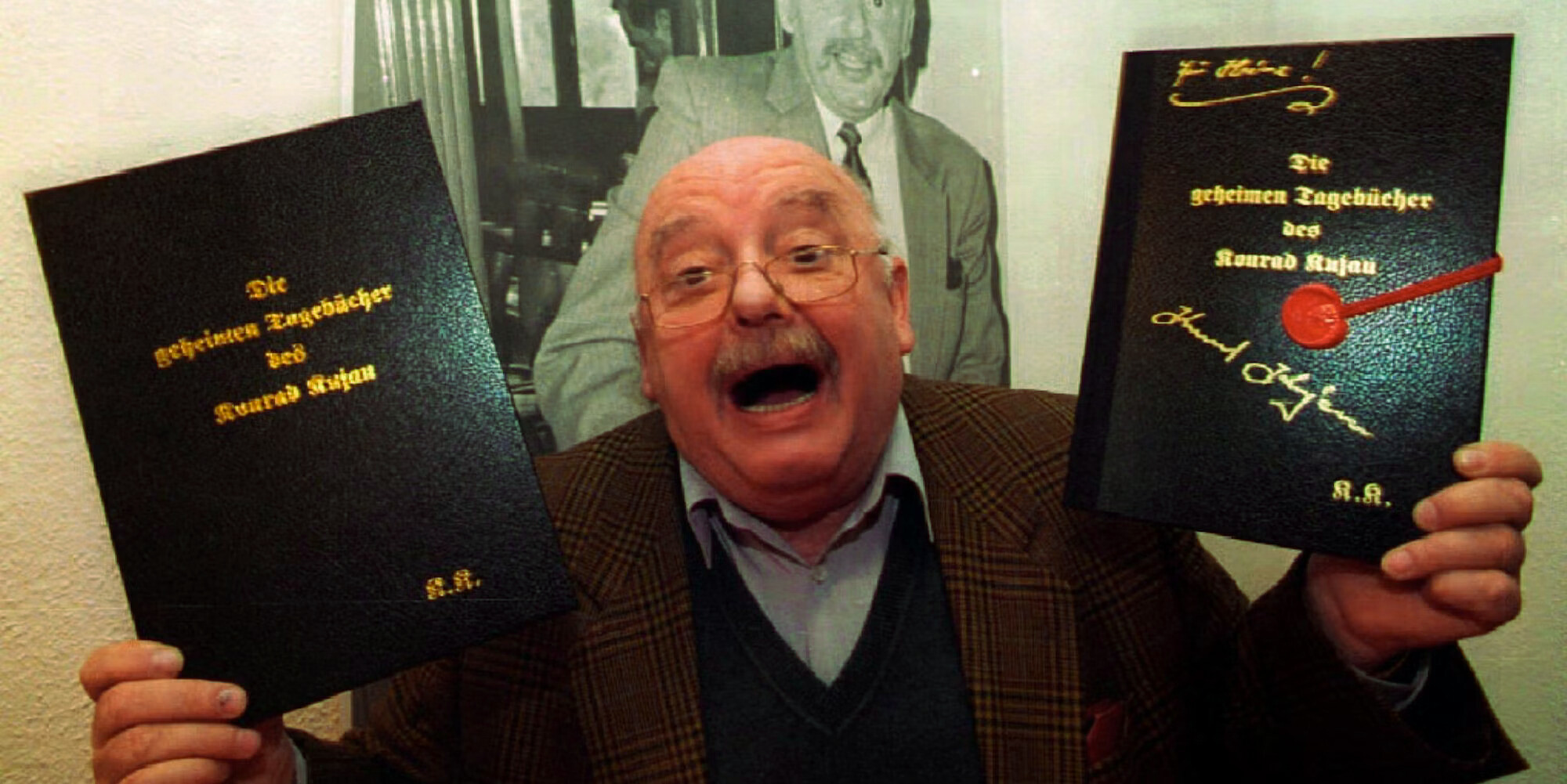
Konrad Kujau forged all sixty-two volumes himself, working out of Stuttgart, and the claim was audacious enough that it should have triggered immediate suspicion. The diaries allegedly represented Hitler’s personal account of daily events from 1932 through 1945, recovered from a plane crash near Dresden in the final days of the war.
No one had ever heard of them. No archive had ever referenced them.
And yet the story moved forward anyway, because the person telling it was confident, and confidence, turns out, is its own kind of authentication.
The Middleman
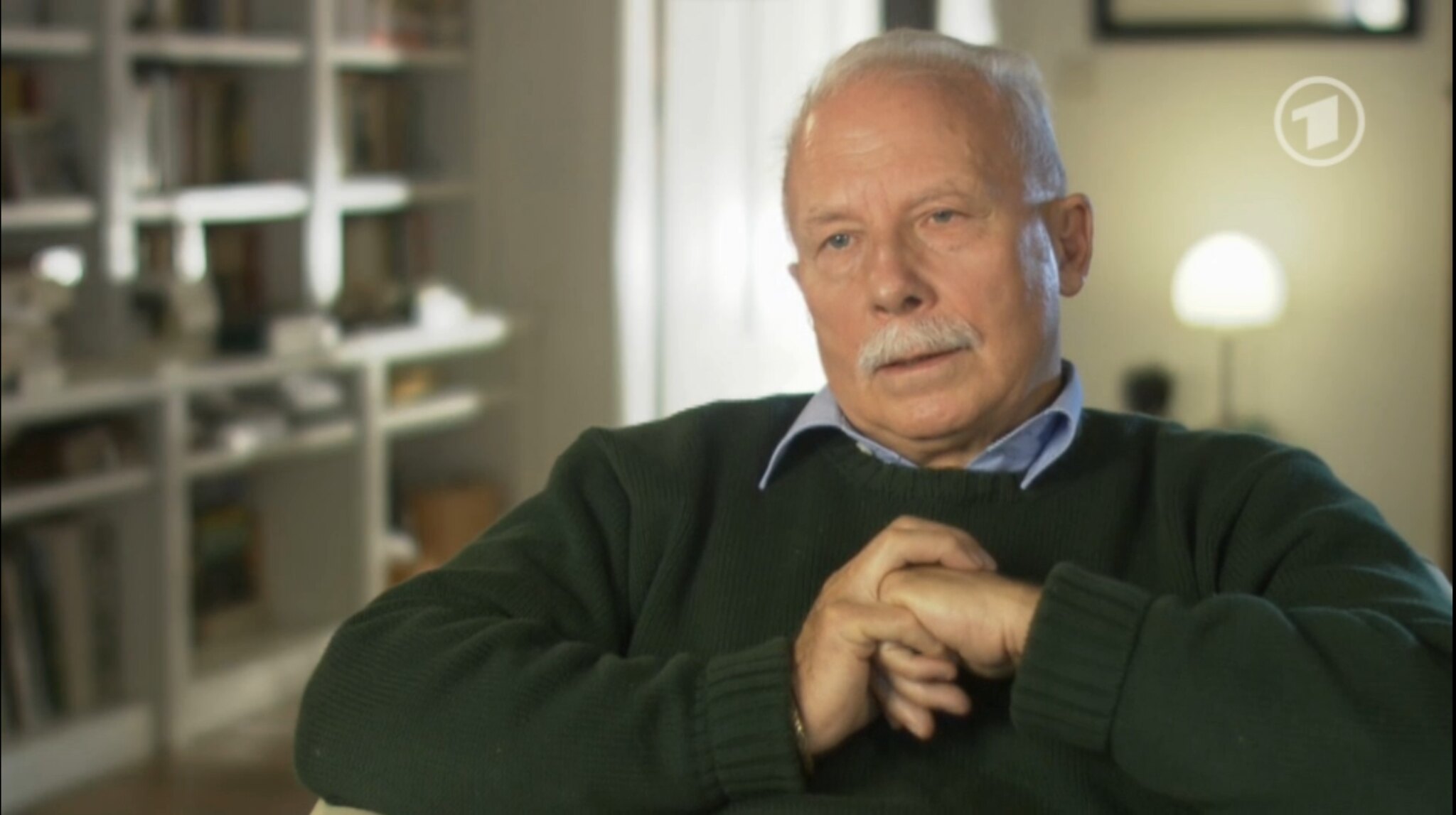
Gerd Heidemann was a journalist for the German magazine Stern, and he was the kind of man who confused access with judgment. He had cultivated contacts in far-right circles across Europe, owned a yacht that had once belonged to Hermann Göring, and brought to the diaries a genuine and almost disqualifying obsession with the Nazi era — the type of fixation that doesn’t clarify history so much as it distorts the person carrying it, bending their professional instincts toward whatever confirms the enormity of what they’re already certain they’ve found.
The Price
Stern paid approximately 9.9 million Deutsche Marks for the diaries — a sum that, by itself, created the pressure that doomed the verification process. Large purchases demand large justifications, and once that much money has changed hands, the institutional appetite for inconvenient doubt effectively collapses.
That’s not a conspiracy. That’s just how sunk costs work on human psychology.
The Authentication
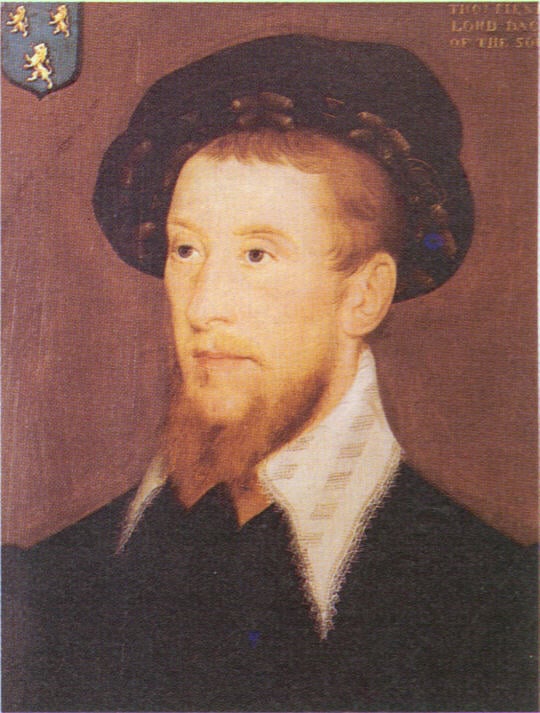
The historian Hugh Trevor-Roper, Baron Dacre of Glanton, authenticated the diaries after a brief review — and then, almost immediately, began to second-guess himself. He had examined the volumes under time pressure, without access to adequate reference materials, in a room controlled by Stern‘s representatives.
So he authenticated them anyway. It remains one of the more spectacular professional reversals in twentieth-century scholarship: a man who built a career on rigorous historical method abandoning it at the worst possible moment.
The Announcement

Stern unveiled the diaries to the world on April 25, 1983, with the kind of triumphant press conference that tends to age poorly. Newsweek and The Sunday Times had already paid for serialization rights.
The Sunday Times editor had Trevor-Roper’s authentication in hand. The story was everywhere within hours, treated as one of the major historical discoveries of the century — which, in a way, it was, though not the kind anyone was celebrating.
The Forensic Problem
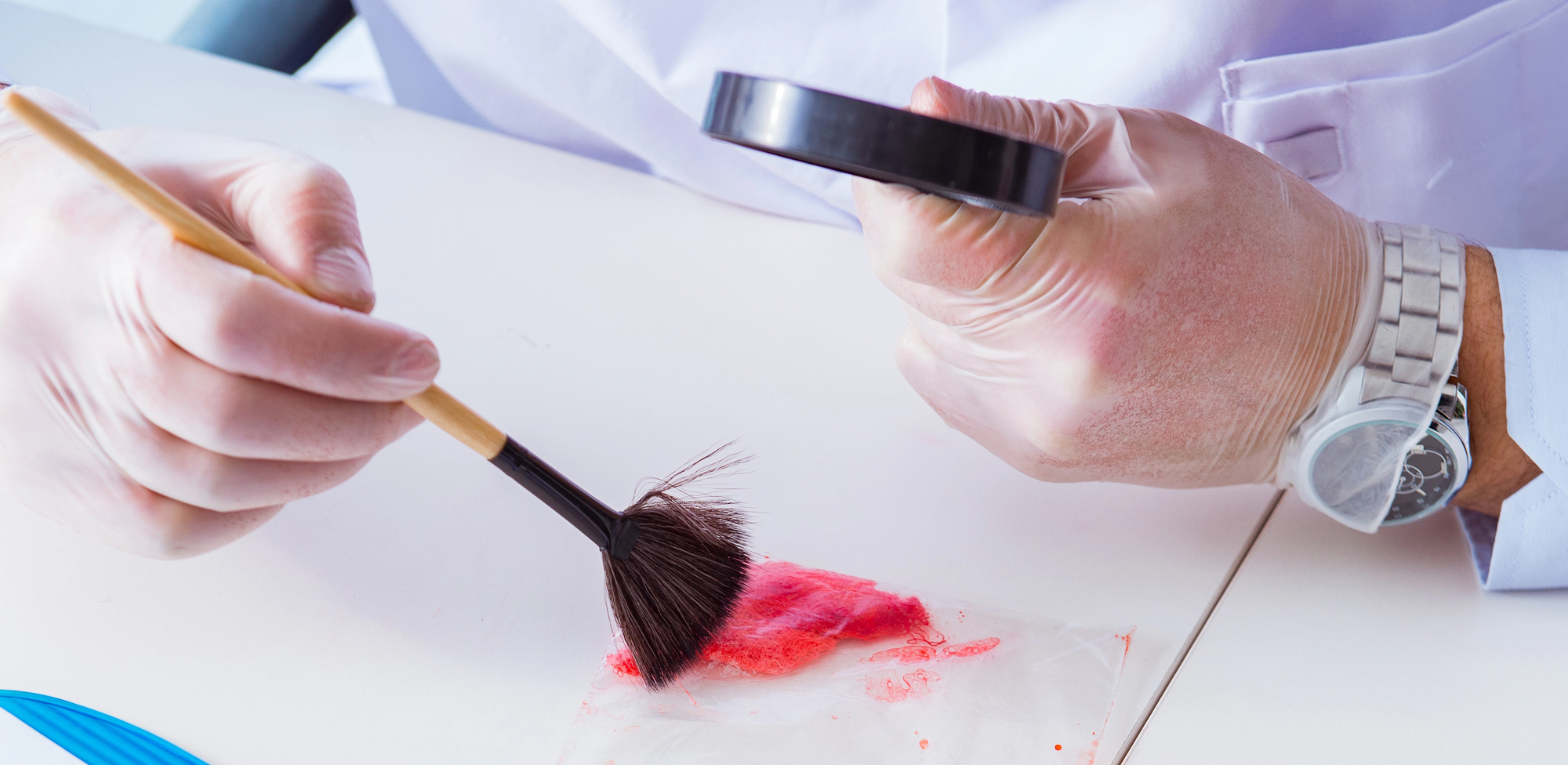
West German federal authorities took custody of samples and ran them through basic forensic tests within days of the announcement, and the results were not subtle. The paper contained a whitening agent — specifically, a chemical called blankophor — that wasn’t commercially available until well after the war ended.
The ink showed polymerization patterns consistent with having been applied within the previous two years. The bindings contained synthetic fibers that didn’t exist in wartime Germany.
The diaries weren’t just wrong. They were physically impossible.
The Handwriting Question
Kujau had sourced a genuine sample of Hitler’s handwriting and used it as the basis for his forgeries — which sounds sophisticated until you realize that the sample he used was itself of disputed provenance, and that he made systematic, repeated errors he’d simply carried over from the original. Handwriting experts who reviewed the diaries after the forensic exposure noted that the similarities between Kujau’s forgeries and authentic Hitler documents were circular: they matched each other because one had been copied from the other, not because either was reliable.
What Kujau Actually Was

Konrad Kujau was a professional forger long before the diaries — he had sold fake Nazi memorabilia for years to collectors across West Germany, and his reputation in those circles was that of a reliable supplier of things that didn’t exist. He was not a genius.
He was a stubborn, imaginative con man who understood one thing with particular clarity: that buyers in the Nazi memorabilia market were motivated by desire, and desire is the enemy of scrutiny.
The Stern Collapse

The fallout inside Stern was catastrophic and fast. The magazine’s editor-in-chief, Peter Koch, initially defended the diaries even after the forensic results became public — a posture that lasted roughly forty-eight hours before becoming untenable.
Several senior editors resigned. The magazine’s credibility, built over decades, contracted sharply in a matter of weeks.
To be fair to Stern, they had been defrauded. But they had also failed every basic step of verification that would have caught the fraud early.
Heidemann’s Double Role

What emerged during the subsequent investigation was that Heidemann had not simply been duped. He had also been skimming.
Of the roughly 9.9 million Deutsche Marks Stern paid for the diaries, only a fraction reached Kujau — Heidemann had been pocketing a substantial portion for himself, apparently financing his lifestyle and his obsessions simultaneously. So the fraud had a fraud inside it, which is the kind of detail that makes the whole story feel less like a cautionary tale and more like a nesting doll of bad decisions.
The Trial

Both Heidemann and Kujau were tried and convicted in 1985. Kujau received four years and six months.
Heidemann received four years and eight months — slightly more, largely because of the embezzlement. Kujau served his sentence, was released, and then leaned into his notoriety with a characteristic shamelessness: he began selling signed Kujau forgeries as a legitimate product, certificates of authenticity included, which is either entrepreneurial genius or the most honest advertising in history, depending on your tolerance for irony.
Why Trevor-Roper Failed

The Trevor-Roper failure is worth examining on its own terms because it explains something that goes beyond one historian’s misjudgment. He authenticated the diaries before the scientific tests were run, under conditions he later admitted were inadequate, and in an environment where the institutional momentum was already pointed in one direction.
The lesson isn’t that he was a fraud or a fool — it’s that expertise, when removed from the conditions that make it reliable, becomes something closer to impression management. Which is a useful thing to understand about the word “expert” in general.
The Role of Desire

Every forgery that succeeds for years does so because someone, somewhere, wants it to be real. The Hitler Diaries offered historians a window into a monster’s private mind, offered publishers a career-defining scoop, and offered Gerd Heidemann a kind of meaning he’d been assembling from artifacts for decades.
That desire didn’t make anyone dishonest. It made them careless, and carelessness in the presence of a skilled forger is essentially the same thing.
What Changed After
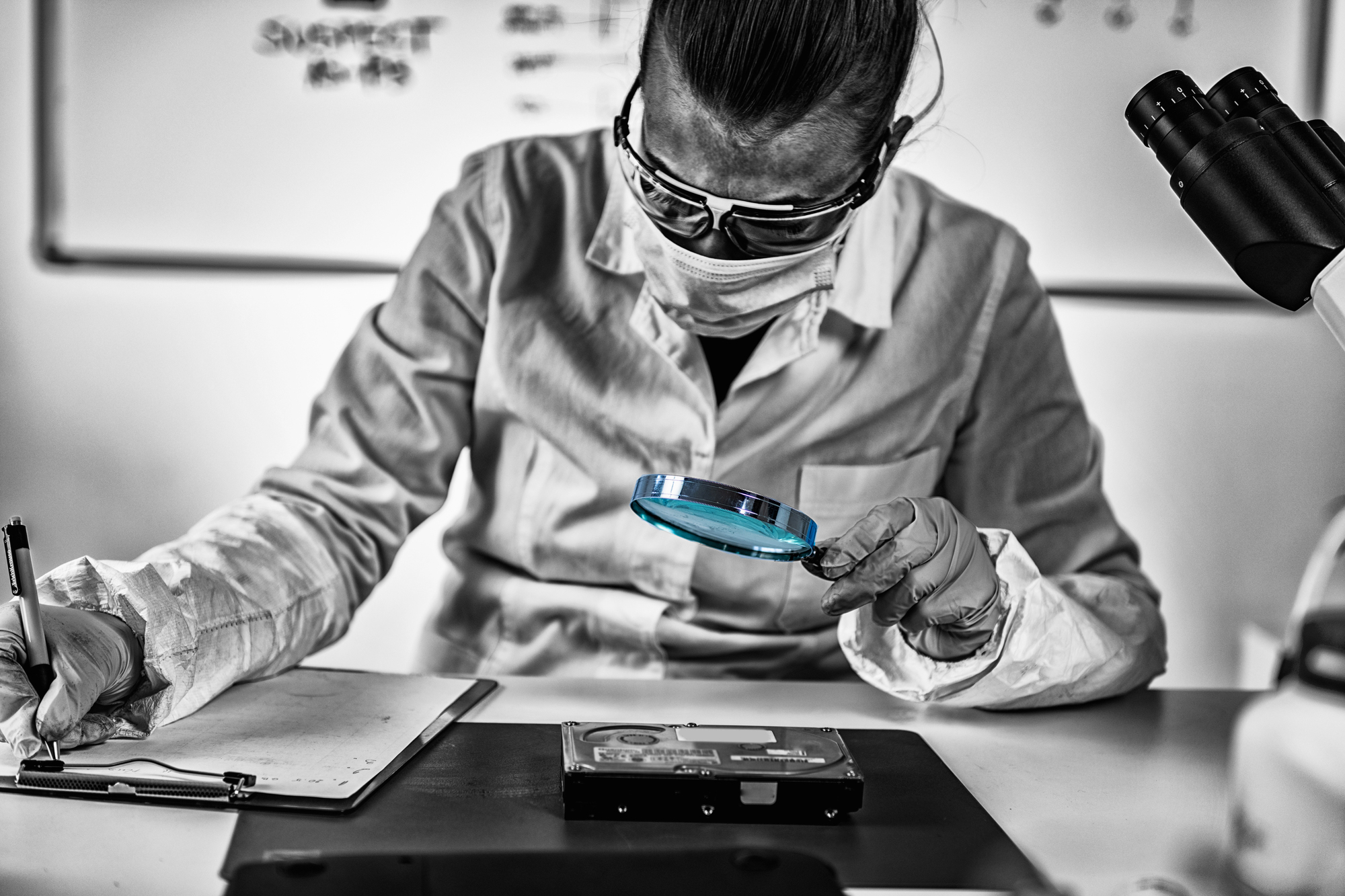
The exposure of the Hitler Diaries became a landmark case in document forensics and journalistic verification standards. Scientific testing of primary historical documents — ink chemistry, paper composition, binding materials — became a far more formalized requirement in both archival and investigative contexts.
The case is still cited in forensic science training, in journalism ethics courses, and, somewhat grimly, in forgery manuals. Kujau made the field more careful.
That’s a legacy, even if it’s not a flattering one.
The Archive That Never Existed
One of the more telling details of the entire affair is that no legitimate archive, no secondary source, no surviving aide or secretary, and no postwar historian had ever referenced the existence of Hitler’s diaries before Kujau produced them. The provenance was invented whole — the crashed plane, the East German retrieval, the secret chain of custody across the divided country.
And still the story moved forward. Absence of corroboration isn’t definitive proof of forgery, but it’s a place to start, and no one started there.
A Lesson Written in Ink
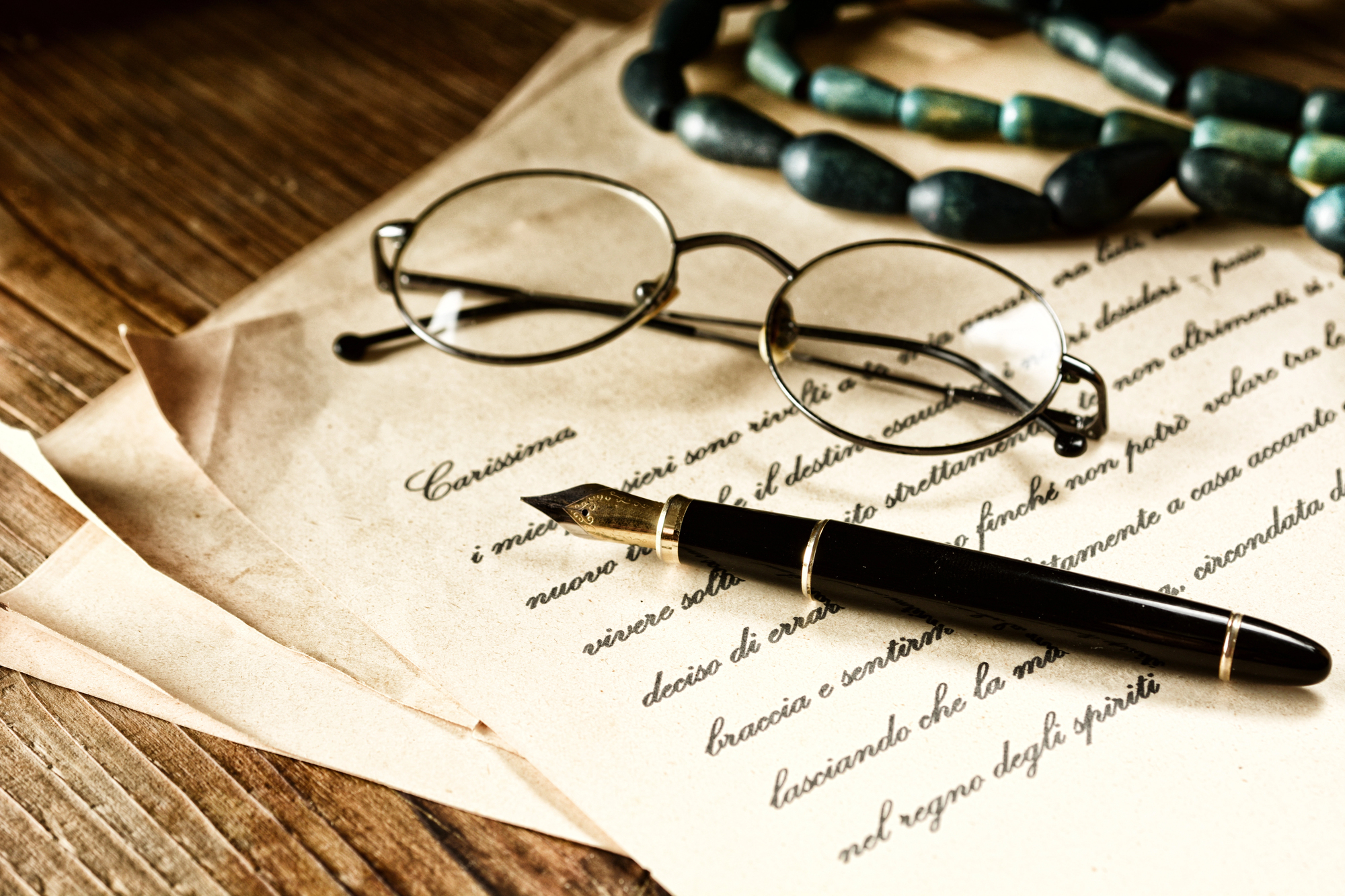
There’s something almost geometric about how the Hitler Diaries fraud collapsed — sixty-two volumes of careful, patient fabrication, and what ended it was a chemical test that took less time than it took to forge a single page. The forgery wasn’t exposed by brilliance or investigative courage.
It was exposed by a laboratory doing its job. That gap between the elaborateness of the deception and the simplicity of the solution is where the real story lives — not in what Kujau invented, but in how long the world’s institutions managed to avoid looking at what was sitting right in front of them.
When the Paper Finally Talks
Documents have a stubbornness that forgers tend to underestimate. You can copy a signature, mimic a style, age ink with chemicals, and construct a story that satisfies every contextual question — and then the paper itself will quietly hold its own evidence, indifferent to the narrative built around it.
The Hitler Diaries fell apart not because someone was clever enough to catch them, but because scientific analysis doesn’t negotiate with a convincing story. It just checks the paper.
And the paper, in this case, told the truth that no one with a financial or emotional stake in the diaries had bothered to ask for.
More from Go2Tutors!

- The Romanov Crown Jewels and Their Tragic Fate
- 13 Historical Mysteries That Science Still Can’t Solve
- Famous Hoaxes That Fooled the World for Years
- 15 Child Stars with Tragic Adult Lives
- 16 Famous Jewelry Pieces in History
Like Go2Tutors’s content? Follow us on MSN.