26 Candy Bars That Tasted Completely Different Decades Ago
There’s something unsettling about biting into a childhood favorite and realizing it’s not quite right. The wrapper looks the same. The name is the same.
But somewhere between memory and the present moment, something shifted — and it wasn’t your taste buds. Candy companies have been quietly reformulating their products for decades, swapping out ingredients, shrinking portions, changing ratios of chocolate to filling, and calling it progress.
Sometimes it was cost-cutting. Sometimes it was a response to ingredient shortages or shifting regulations.
Occasionally, a company genuinely believed the new version was better. Whatever the reason, the candy bar you remember from childhood is, in many cases, a fundamentally different product today.
Here are 26 that changed more than most people realize.
Cadbury Dairy Milk
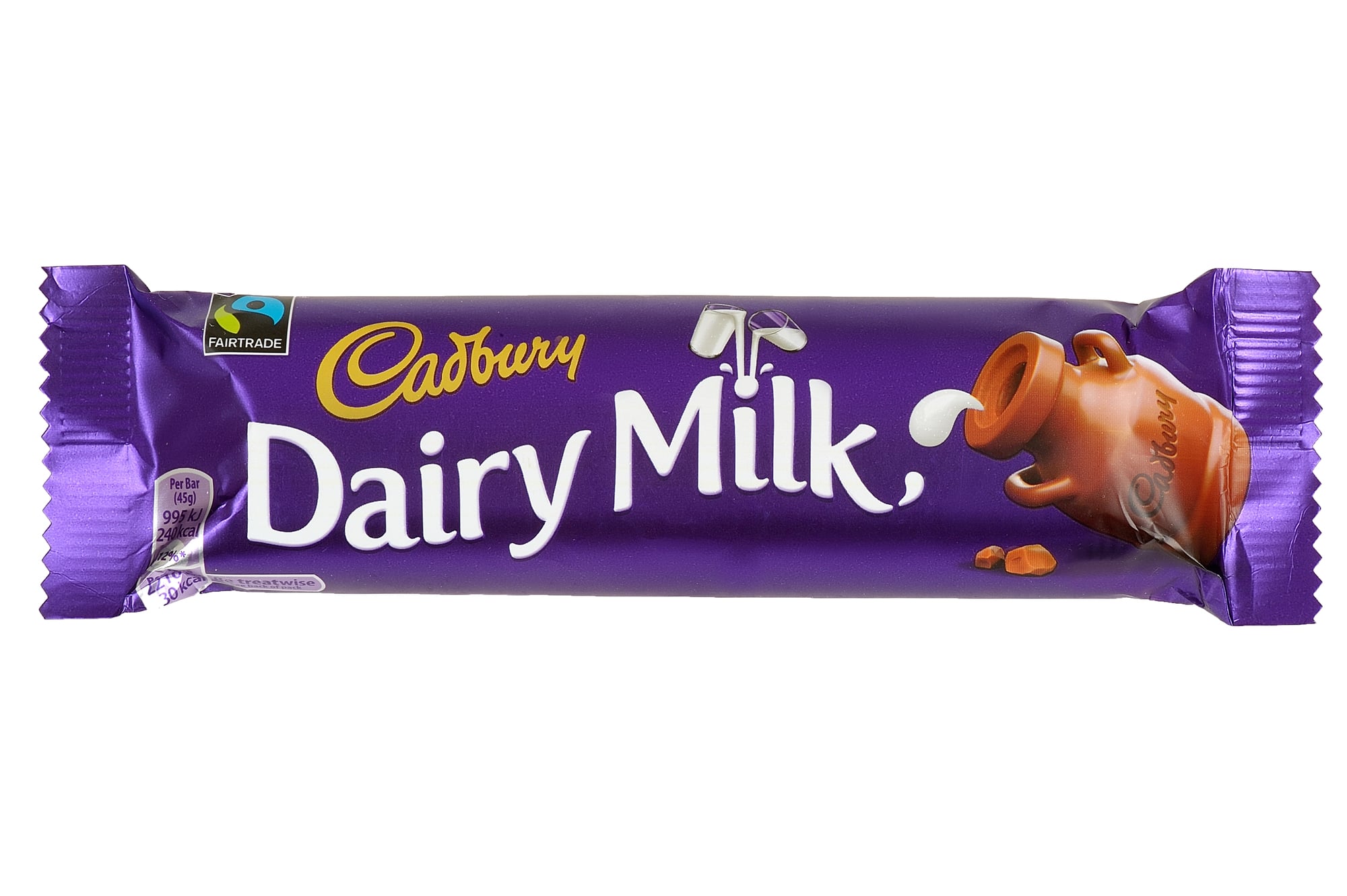
Cadbury Dairy Milk used to carry a higher milk content, which gave it that distinctly creamy, almost fudgy texture that made it feel different from any other chocolate bar on the shelf. When Kraft acquired Cadbury in 2010, the recipe shifted — cocoa butter was partially replaced with vegetable fat in some markets, and longtime fans noticed immediately.
The backlash was real, and it was loud, which is saying something for a candy bar.
Hershey’s Milk Chocolate
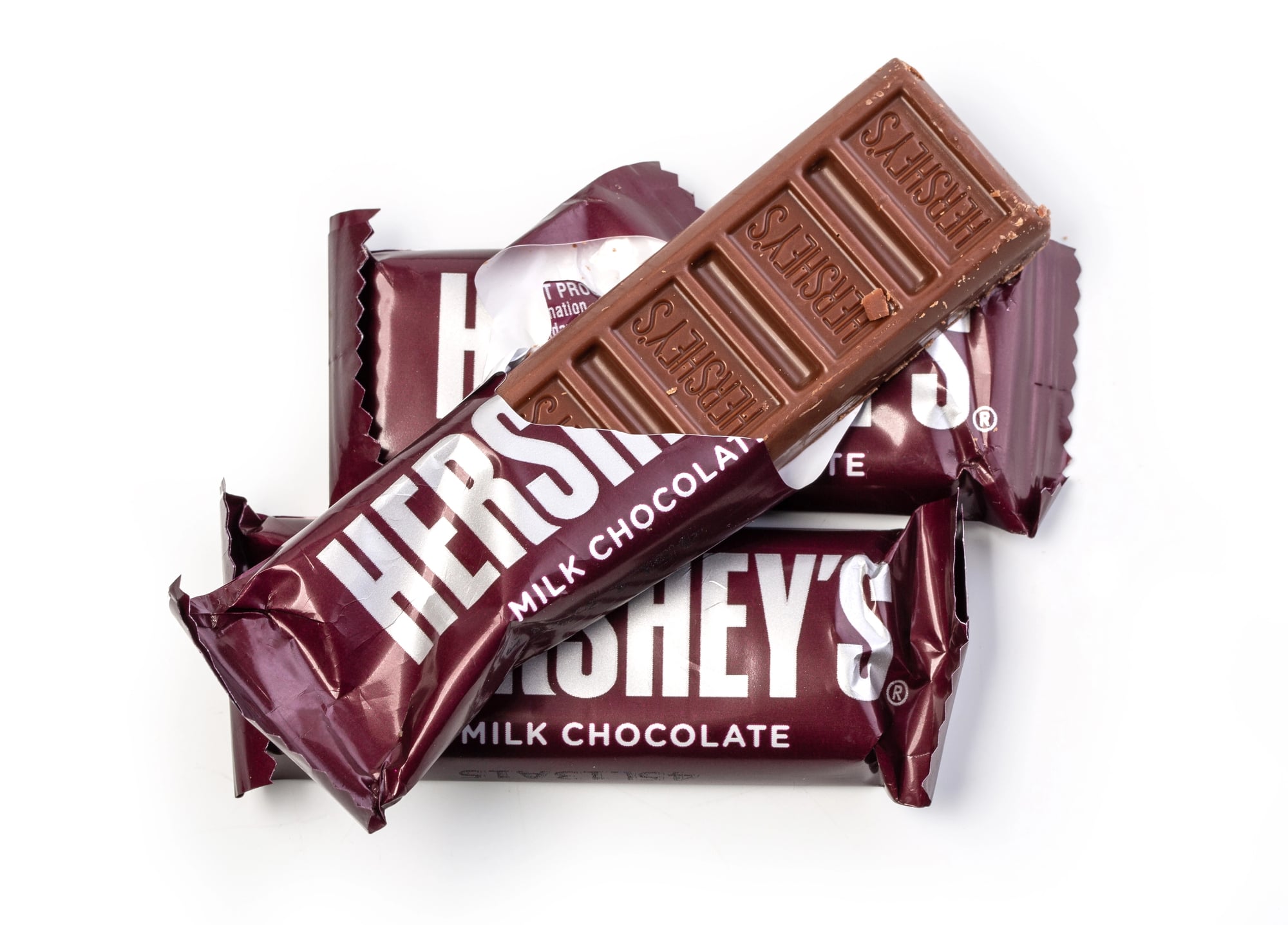
Hershey’s changed its formula to include PGPR, a cheaper emulsifier that replaced some of the cocoa butter, and the result is a bar that has a slightly different melt and a faintly waxy finish that wasn’t there before. The change happened quietly around 2008, with little fanfare and even less transparency.
Turns out people pay more attention to their chocolate than corporations expect.
Snickers
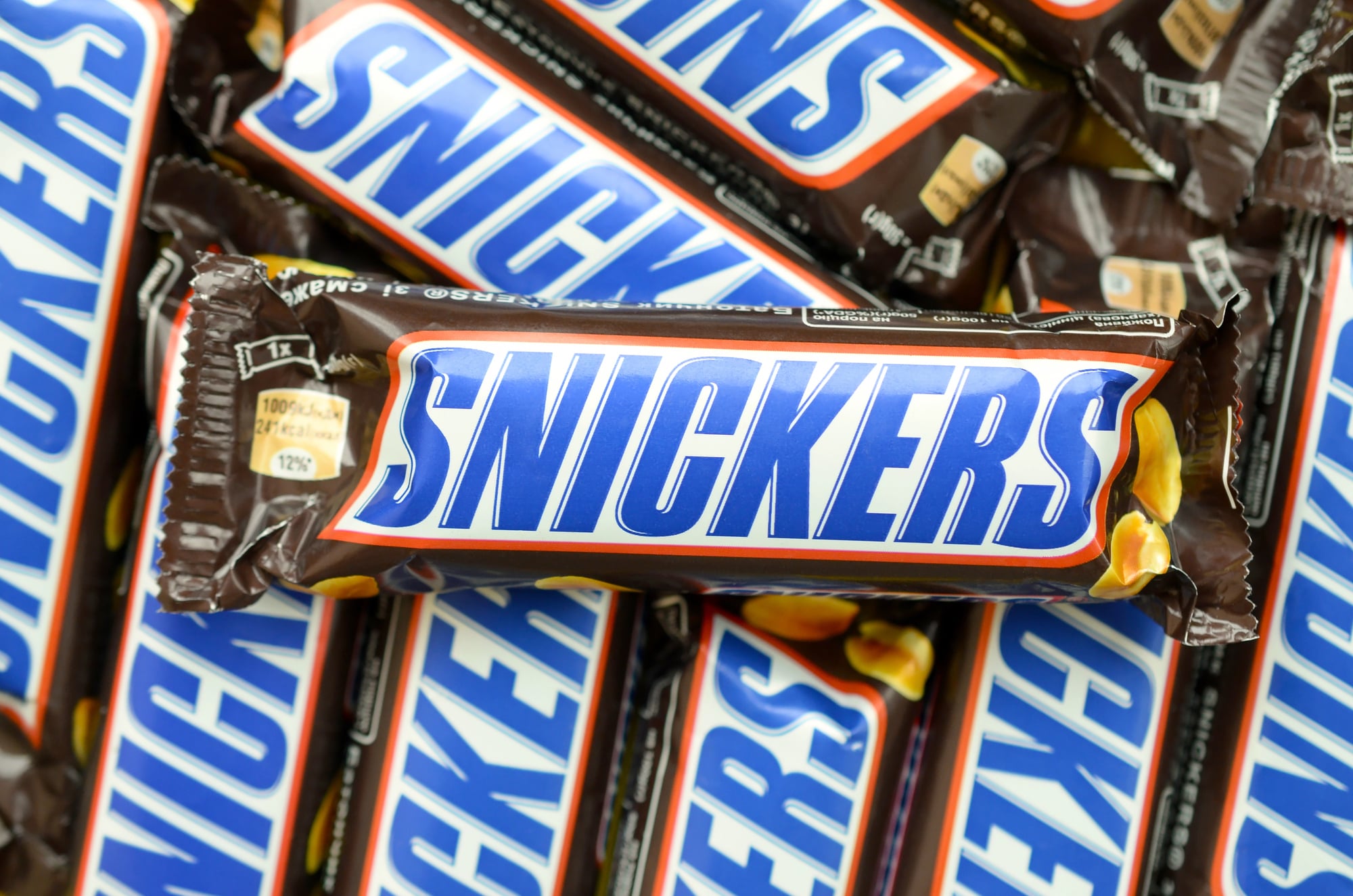
The Snickers bar of the 1980s was denser — more nougat, more caramel, a different structural weight in your hand that made it feel substantial in a way that bordered on meal-adjacent. Over the years, the ratios shifted slightly and the bar shrank in size while the wrapper stayed familiar, a trick the candy industry has relied on so consistently it now has a name: shrinkflation.
It still sells. But it’s not the same thing.
Milky Way
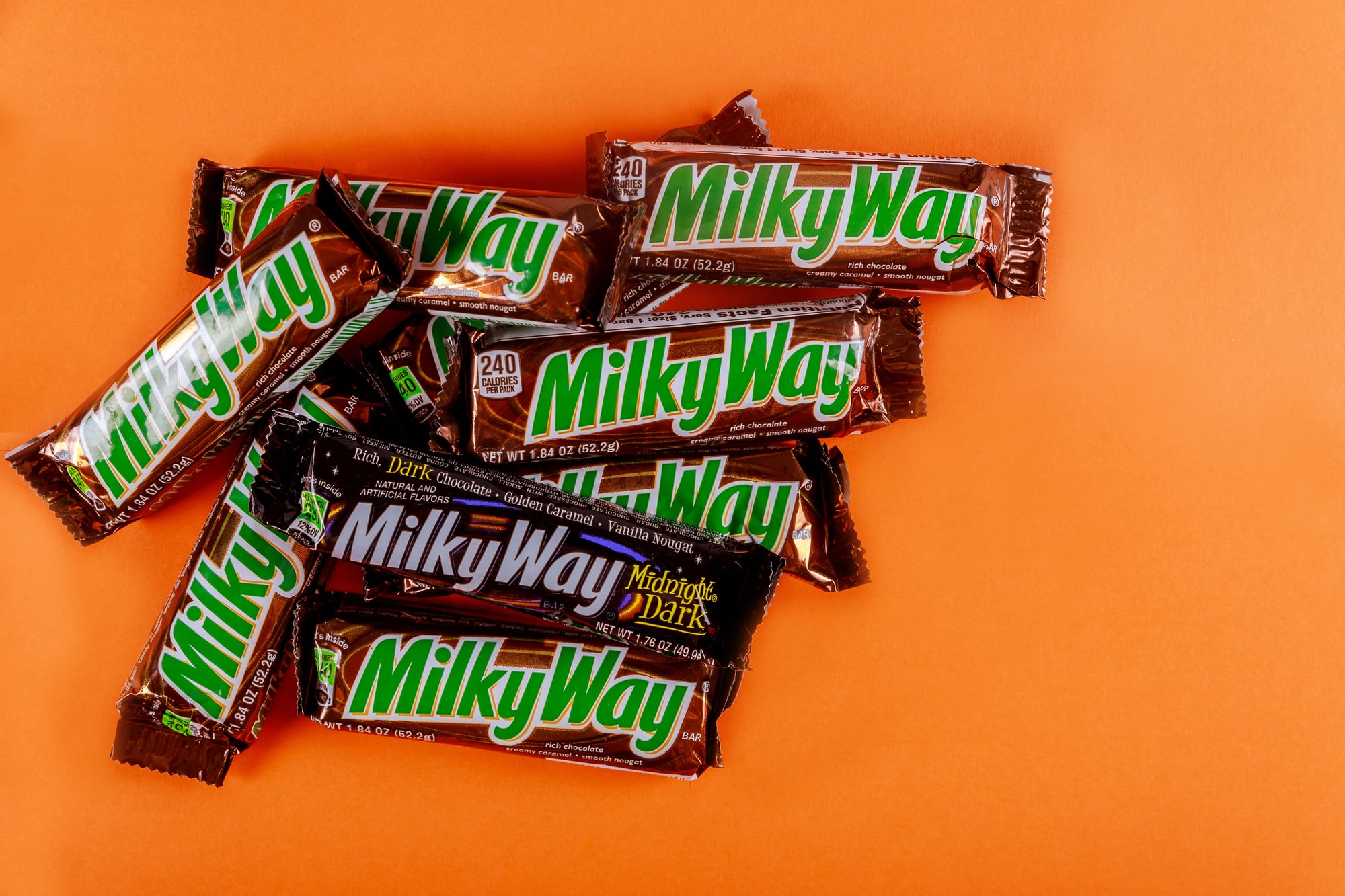
Milky Way is a bar that, without any dramatic announcement, changed the character of its nougat over the decades — what was once a texture closer to aerated fudge gradually became lighter, airier, and less rich, which some people prefer and others find quietly disappointing, the way you might feel about a restaurant that switched from butter to margarine without updating the menu.
And the chocolate coating got thinner. Not dramatically so, just enough that the ratio tipped.
Butterfinger
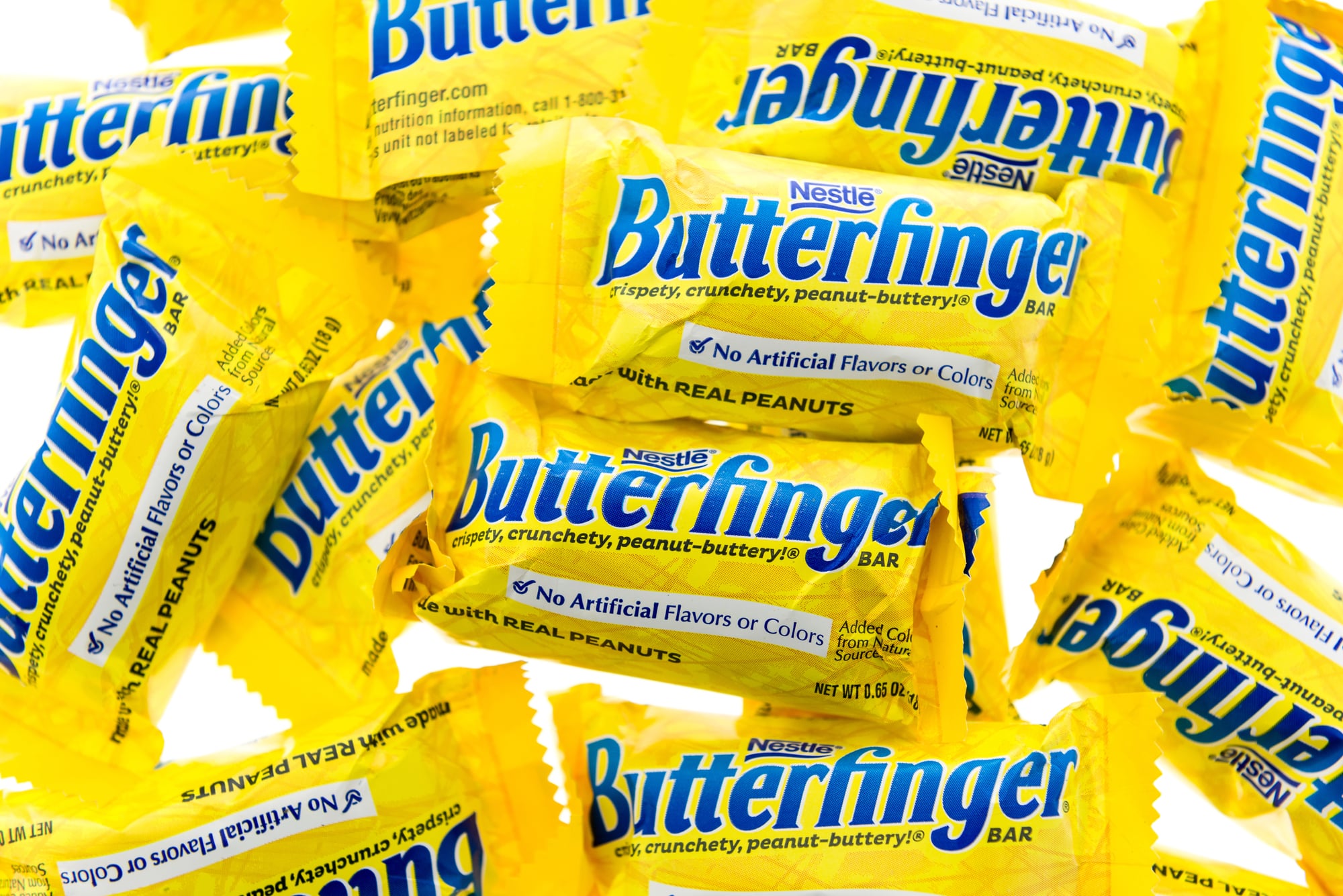
Butterfinger went through one of the more dramatic and openly acknowledged reformulations in candy bar history, when Ferrero acquired the brand from Nestlé in 2018 and announced they were changing the recipe to improve quality — less waxy coating, better peanut butter flavor, different texture in the crispy core.
To be fair, most food critics agreed the new version was actually better. Long-time fans were less forgiving.
Baby Ruth
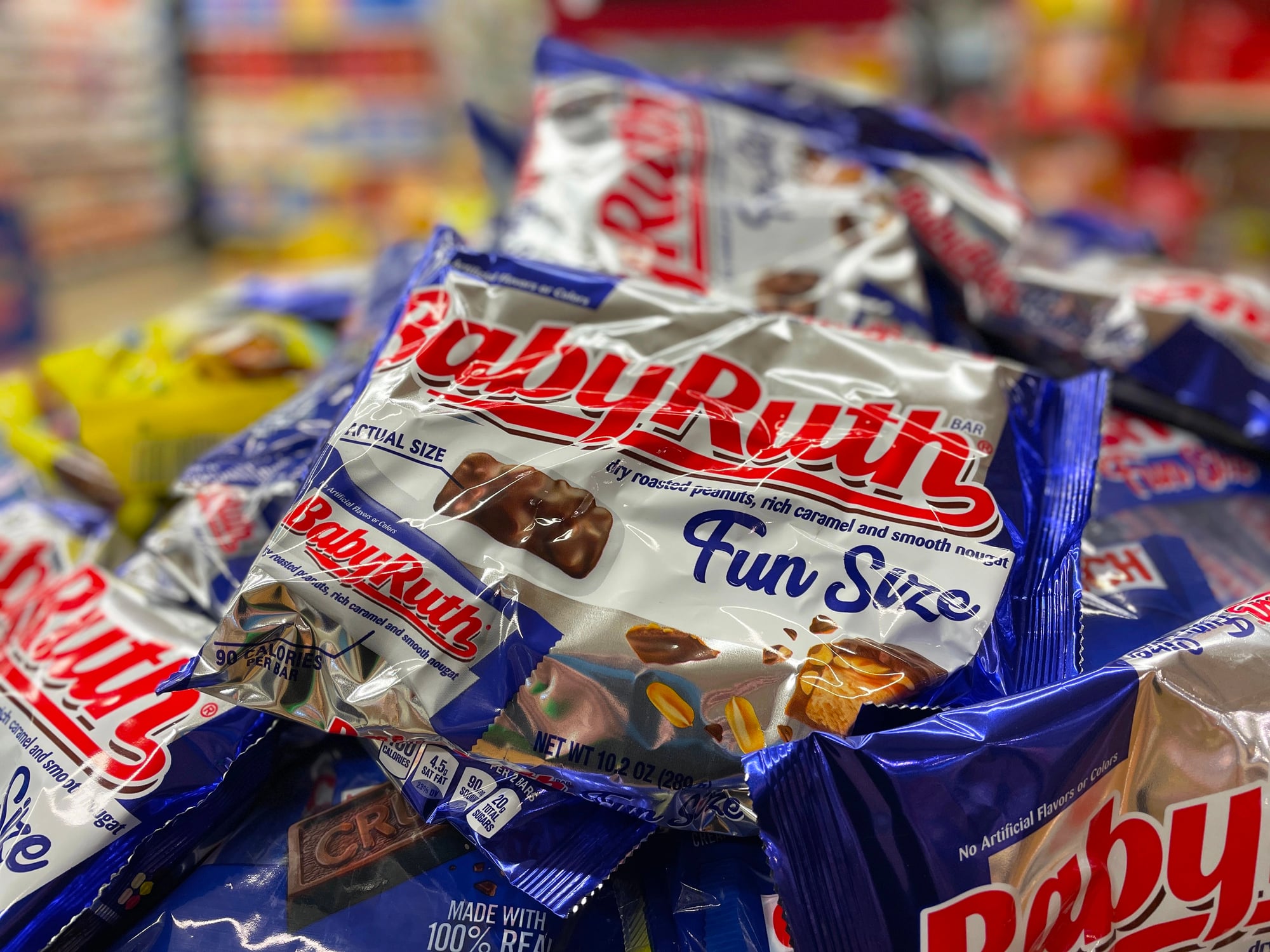
Baby Ruth, once a genuinely dense and satisfying bar built around roasted peanuts and a firm caramel, became a quieter version of itself over successive ownership changes — each reformulation shaving something small away, the way a sculpture gets worn down not by one blow but by years of light rain.
The peanut presence that used to be the whole point of the bar became less assertive. The chocolate coating thinned.
Mounds
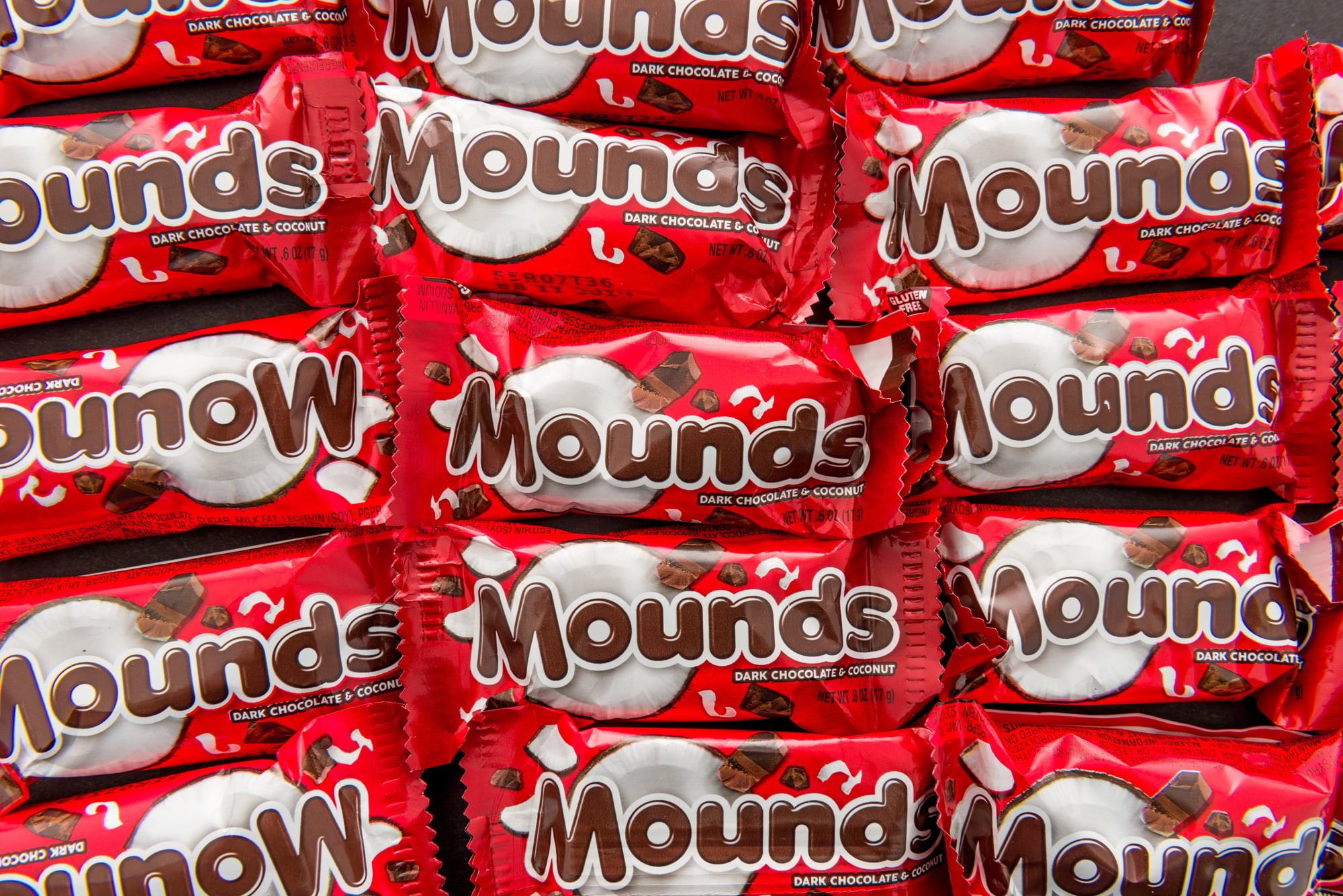
Mounds used to taste noticeably darker — the coconut filling was denser and the dark chocolate coating had a bitterness that gave the whole bar a kind of grown-up quality, something that felt less like candy and more like a deliberate flavor experience.
That edge softened over the years. What remains is still good, but it doesn’t correct you the way it once did.
Almond Joy
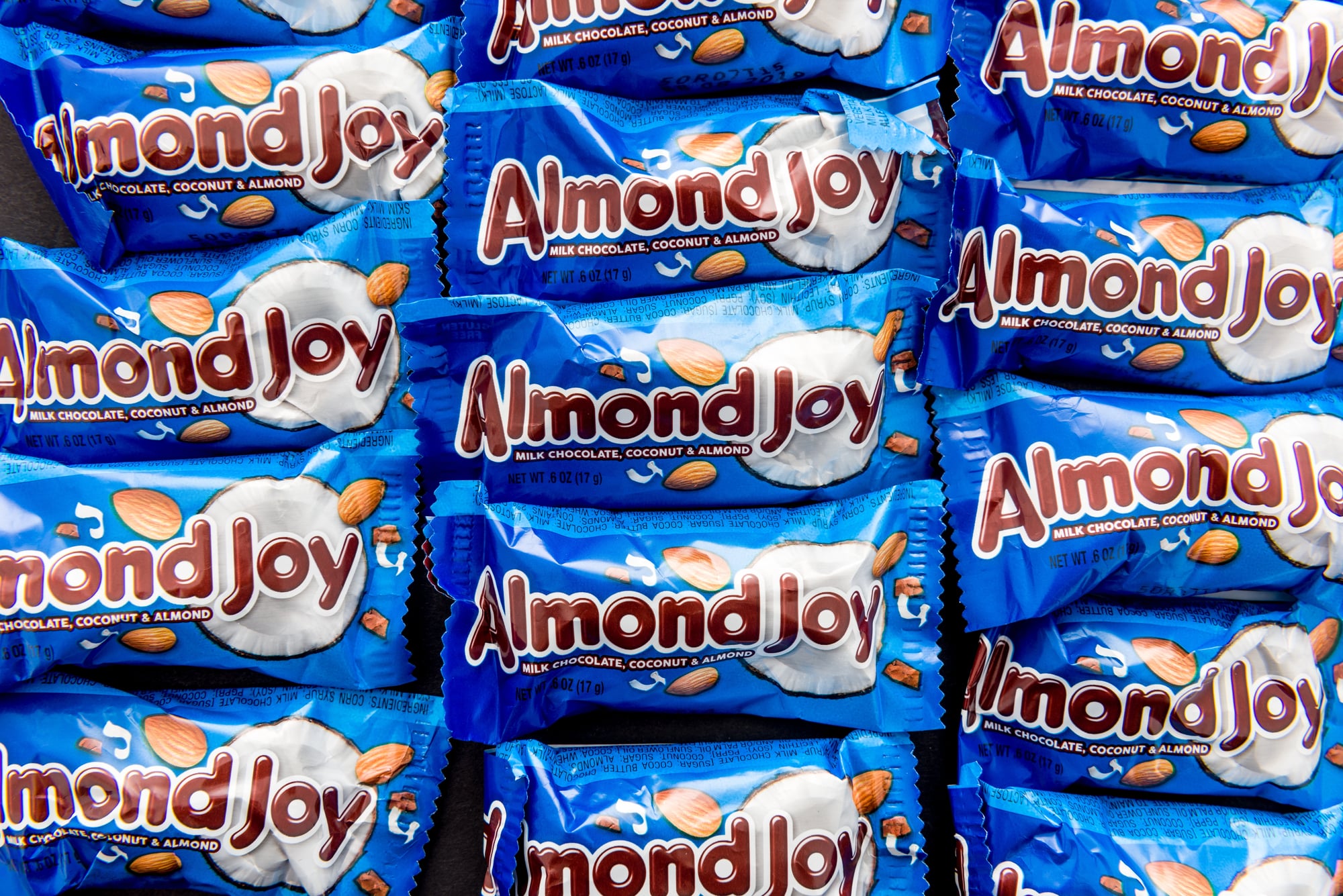
The coconut in Almond Joy was once coarser and chewier, with a texture that pushed back slightly, and the almonds were more generously sized relative to the bar — giving the whole thing an almost granular resistance that made it feel more like something you’d find at a specialty shop than a checkout counter.
The current version is smoother, more uniform, milder. It’s easier to eat.
That’s not always a compliment.
Kit Kat
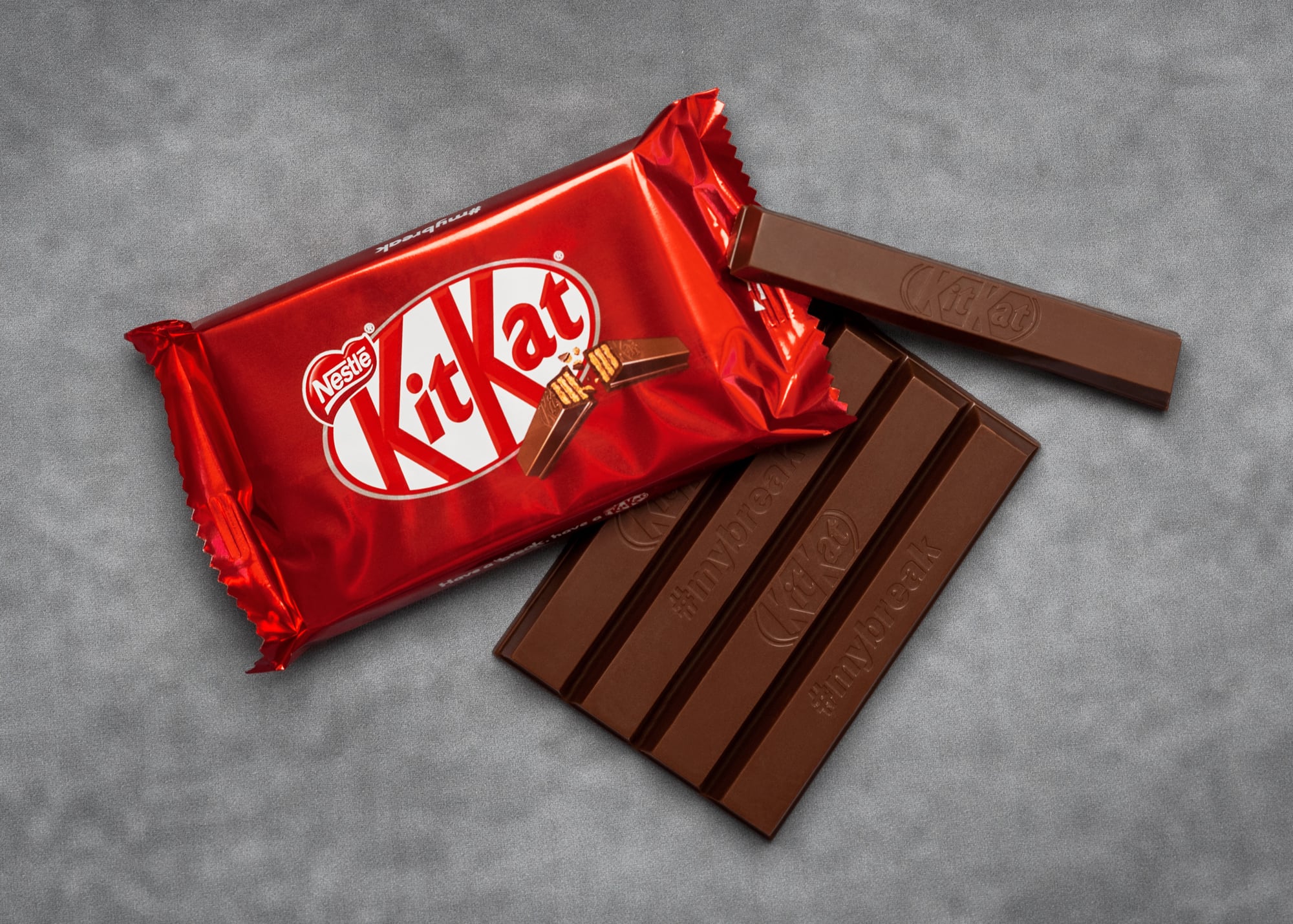
Kit Kat in the United States is made by Hershey under license, and the chocolate used is noticeably different from the original Nestlé-produced version still sold in most of the rest of the world — less creamy, with that characteristic Hershey’s slight tang from the butyric acid that develops during their milk processing.
People who’ve eaten both versions side by side know exactly which one they prefer. It’s not a close contest.
Reese’s Peanut Butter Cups
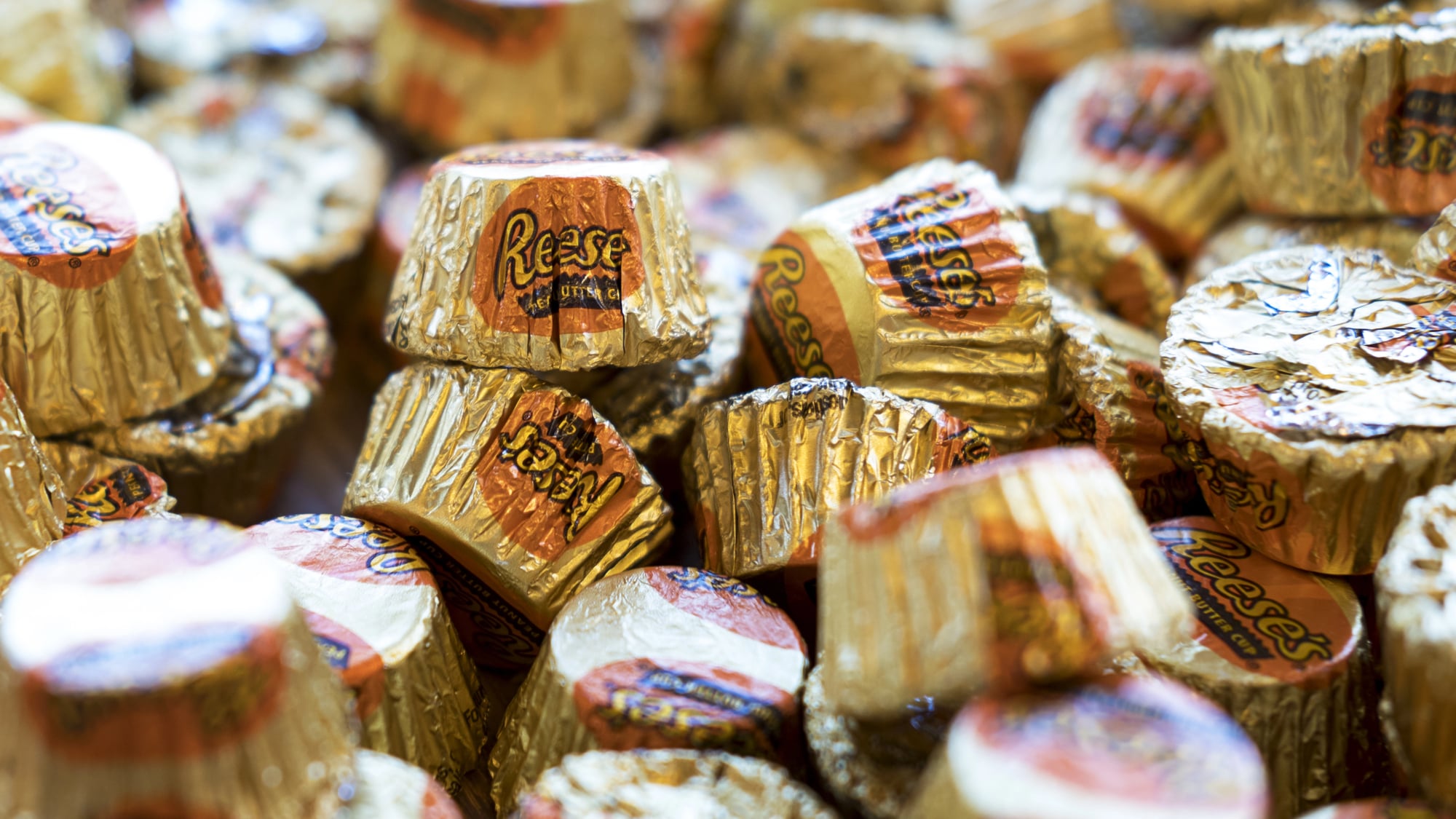
Reese’s Peanut Butter Cups changed their peanut butter filling formulation in ways that made it slightly sweeter and less salty over time, which altered the contrast between filling and chocolate that made the original version feel so balanced.
The old filling had a gritty, almost grainy texture that felt genuinely peanut-forward. The newer version is smoother, creamier, and blander in ways that are hard to articulate but easy to taste.
100 Grand
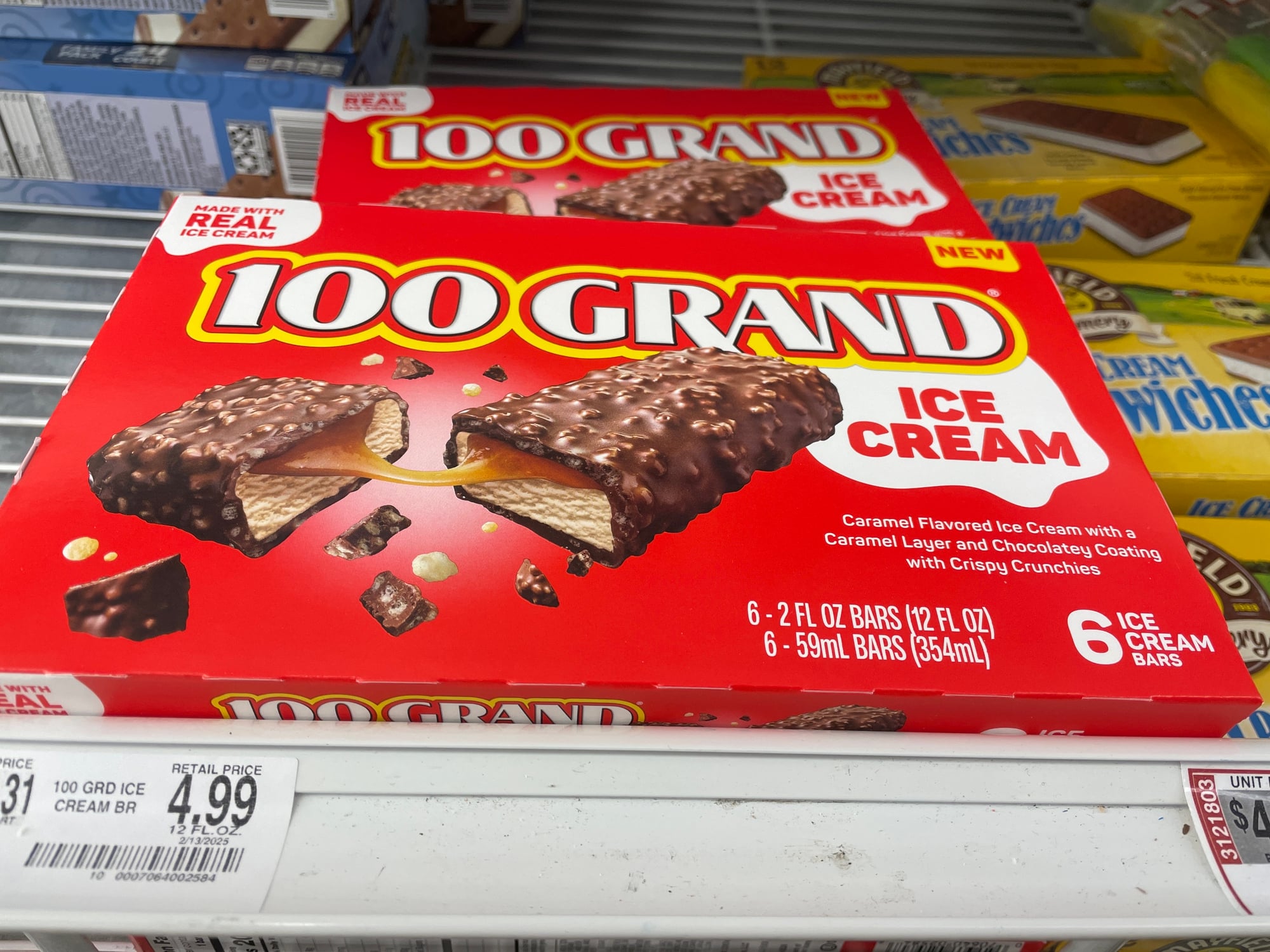
100 Grand is a bar that got noticeably smaller without getting proportionally cheaper, which is the oldest trick in the processed food playbook — but beyond the size issue, the caramel itself changed in consistency, becoming stickier and less richly flavored than the version that existed in the bar’s mid-century heyday.
The crisped rice inclusions are still there, but they’re not quite as loud.
Heath Bar
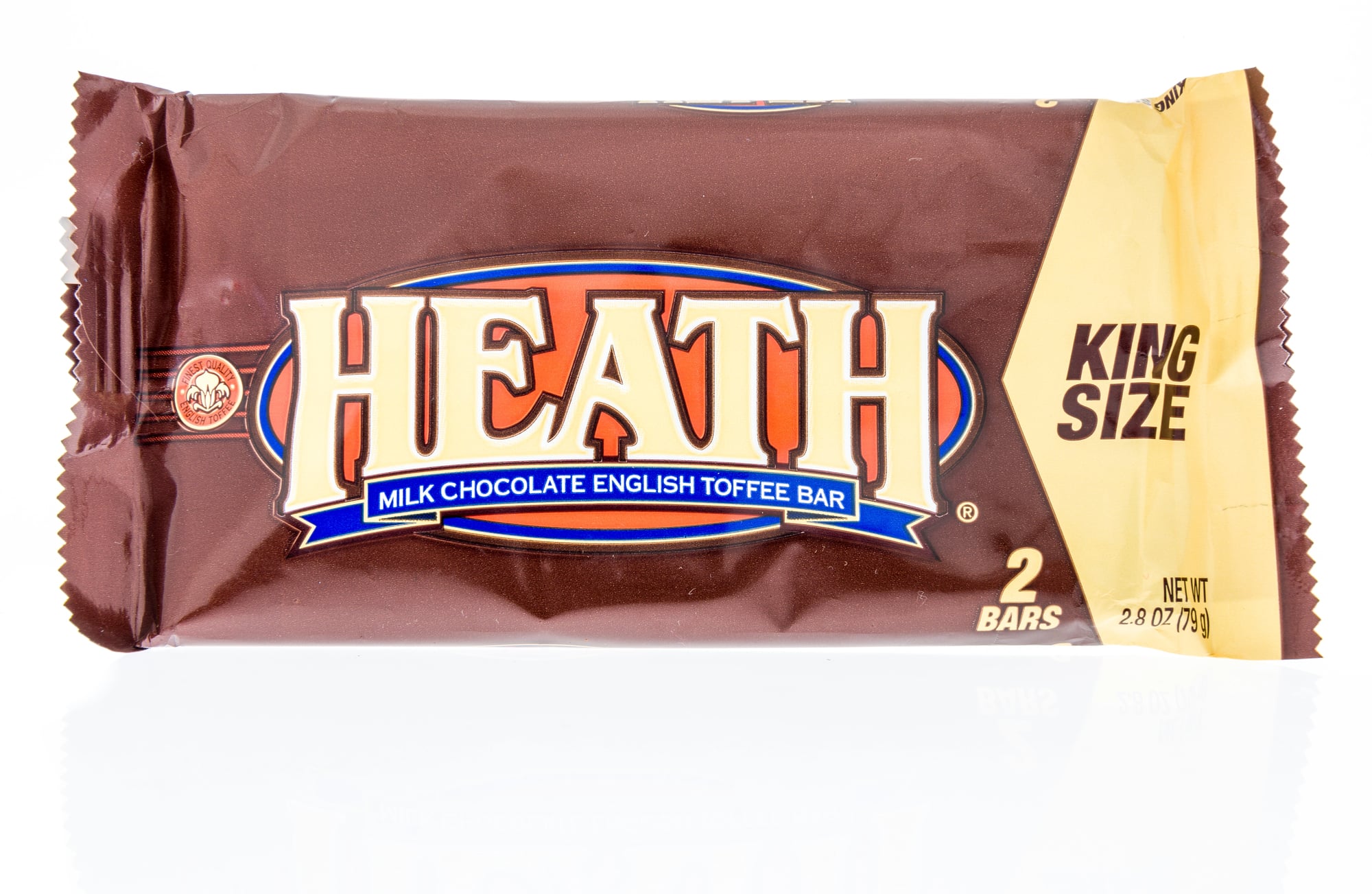
Heath Bar, that brittle English toffee slab coated in milk chocolate, once used a butter-forward toffee recipe that left a genuinely dairy-rich taste behind — the kind of flavor that took a moment to fully arrive, the way a good caramel should.
After Hershey acquired the brand, the recipe shifted in ways that made the toffee less complex, more uniformly sweet, and slightly harder than it used to be. It still crunches.
It just doesn’t linger.
Clark Bar
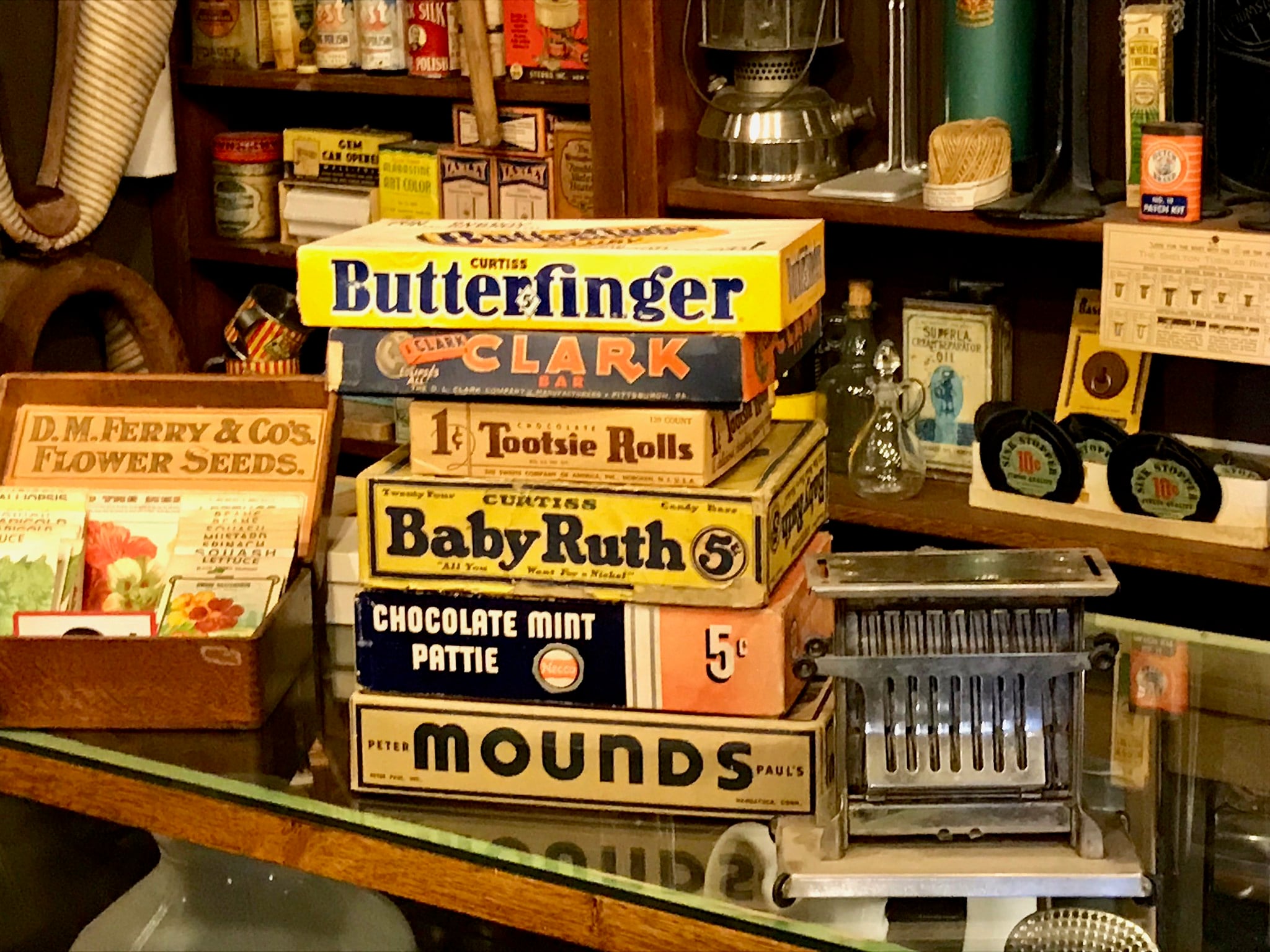
Clark Bar has been reformulated, discontinued, and revived so many times that the version currently on shelves bears only a family resemblance to the bar that was a genuine regional institution in Pittsburgh for most of the 20th century.
The original had a specific peanut butter crunch with a flaky, layered interior that was structurally unlike anything else on the market. What exists now is a reasonable approximation.
Just not the same animal.
Whatchamacallit
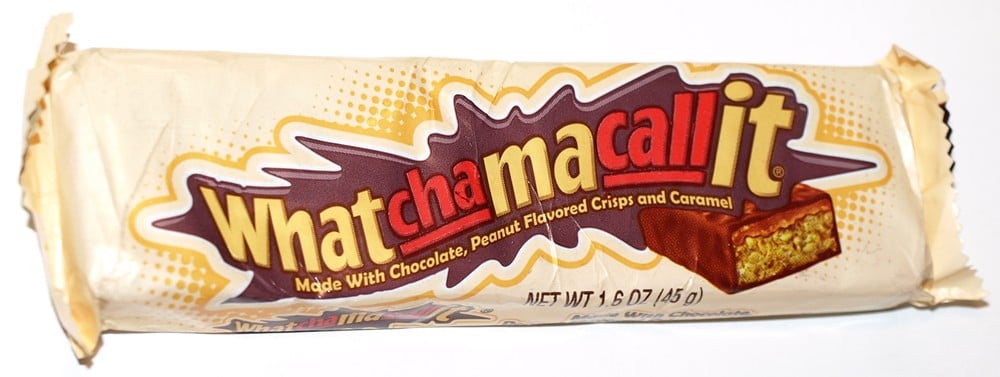
Whatchamacallit underwent a quiet but meaningful reformulation in the 1980s when Hershey changed the filling from a peanut-flavored crispy layer to a more generic caramel-and-crisp combination — a change that stripped out the bar’s most distinctive quality and replaced it with something closer to a generic candy bar interior.
The original version, with its distinct peanut-flavored wafer core, was genuinely unusual. The current version is not.
Mars Bar
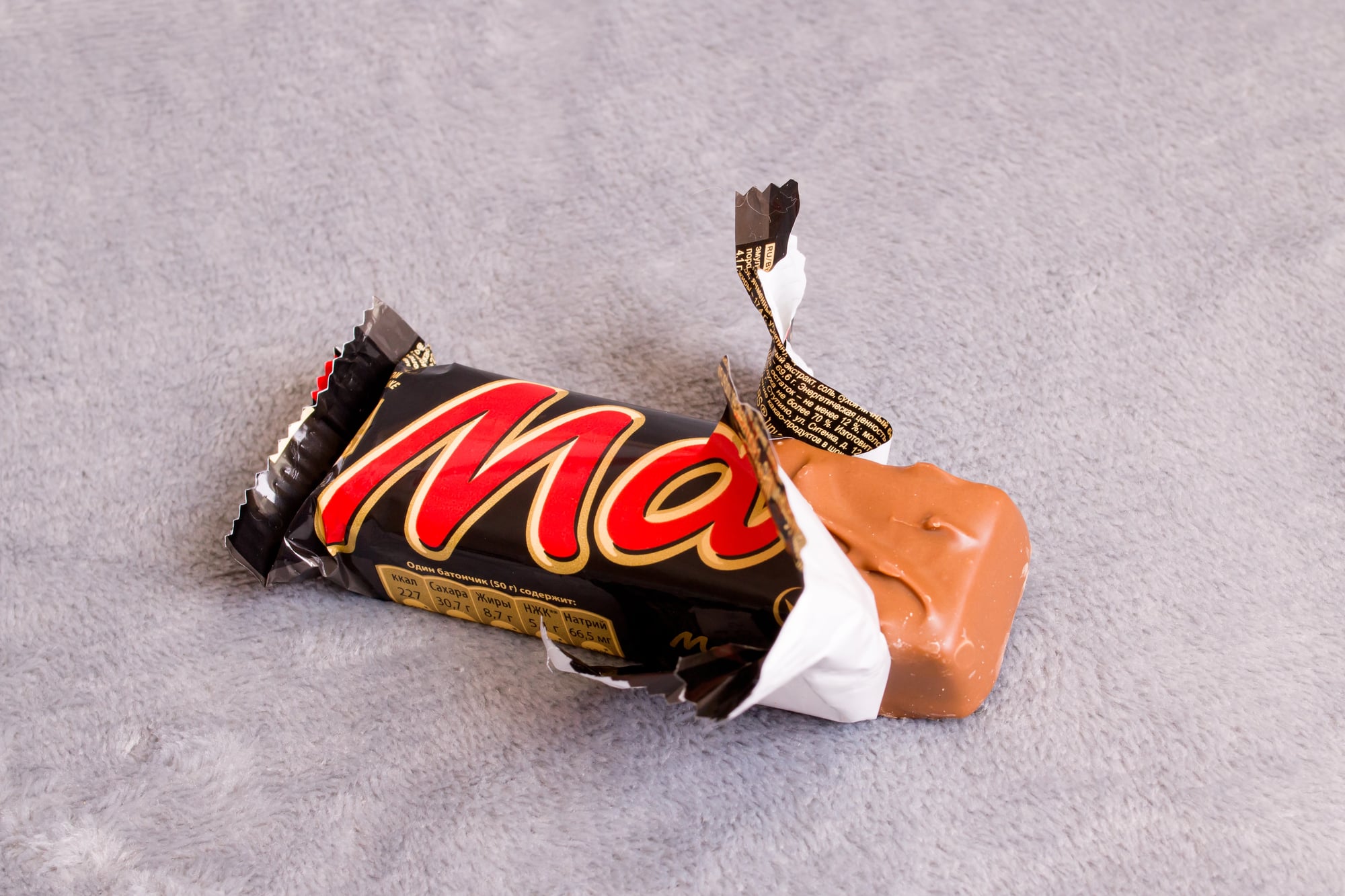
The Mars Bar that Americans remember from the 1980s and 1990s was discontinued in the United States in 2002, and while it lived on in international markets, the formulation has drifted over the years — the almond version that existed stateside was different from the European Mars Bar to begin with, and neither version today closely resembles what was sold in American stores four decades ago.
It’s one of those bars where the name is the only constant.
Pay Day
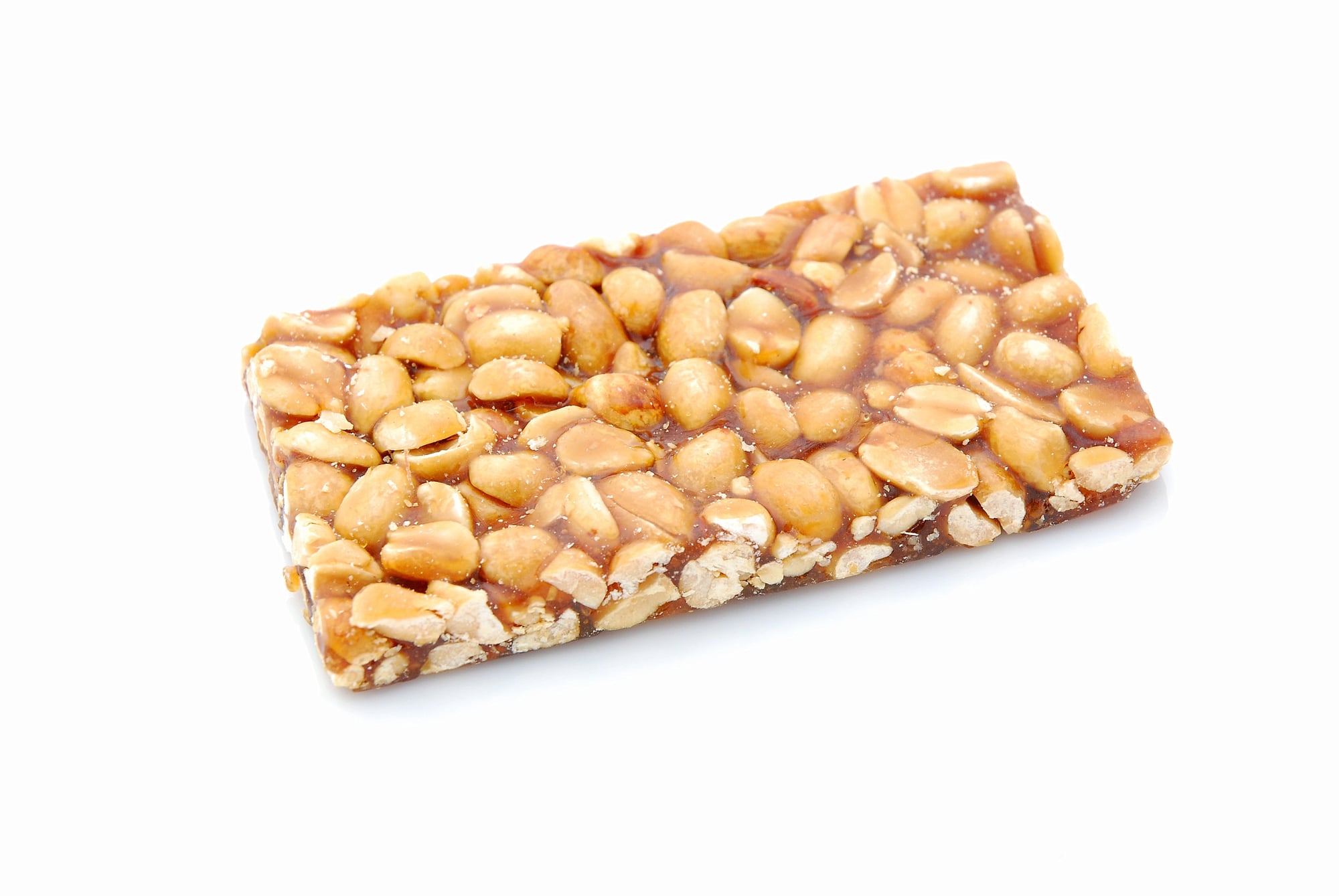
Pay Day is a bar that changed most visibly in the caramel center, which was once a firmer, less sweet core that gave the roasted peanuts something to grip — the whole bar had a structural logic to it, peanuts pressing into caramel on every side, creating a density that made it feel almost savory.
The caramel got softer and sweeter over the years, which changed the peanut-to-caramel balance in ways that made the bar feel more like a conventional candy and less like its own thing.
Zagnut
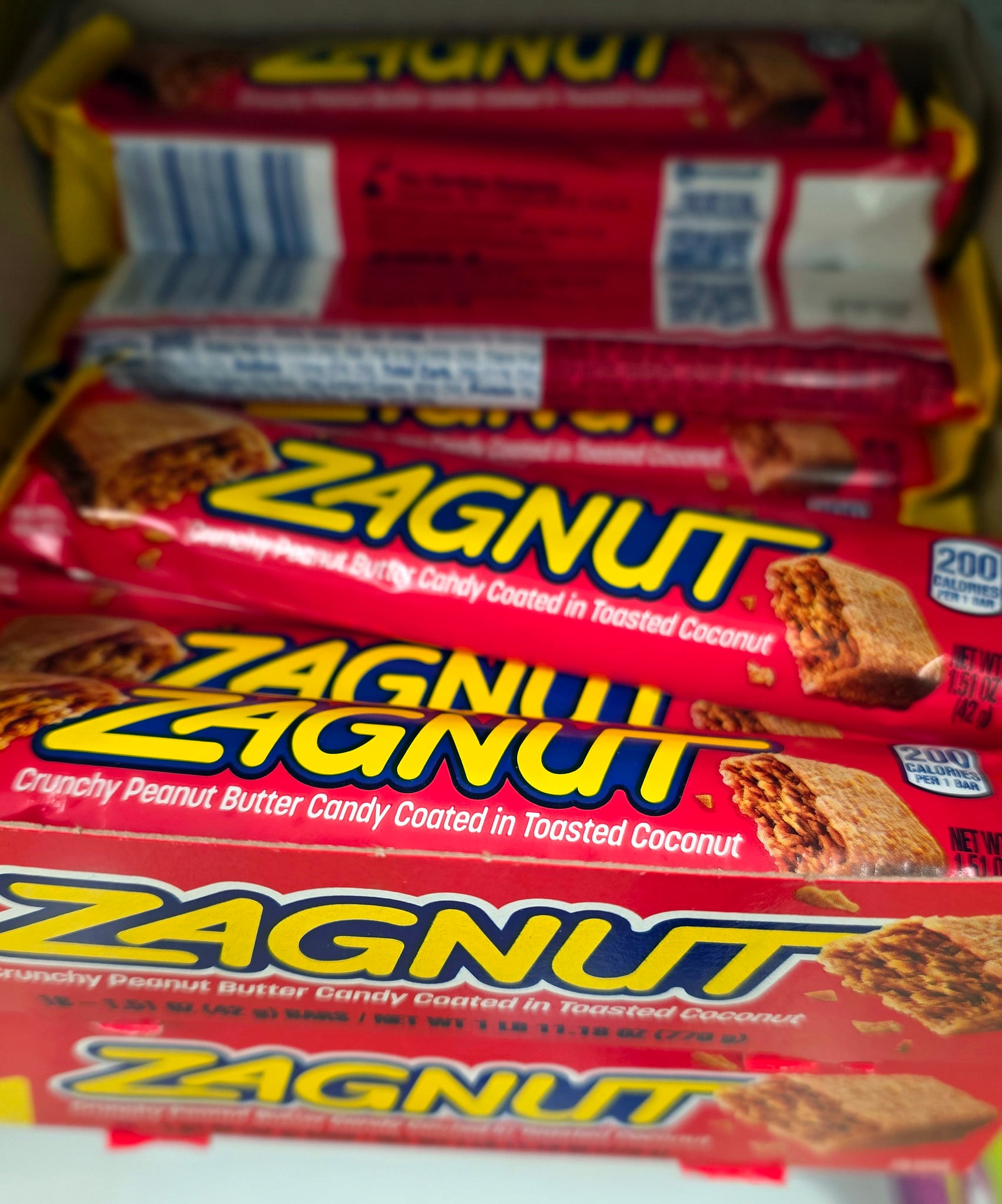
Zagnut, a peanut butter and toasted coconut bar that never had chocolate, was a genuinely idiosyncratic product — the coconut coating was coarser and more toasted, the peanut butter center was drier and more intensely flavored, and the whole bar tasted like something someone made in a kitchen rather than something a machine produced.
Each reformulation softened it a little more. It’s still distinctive, but the edges got rounded down.
O’Henry
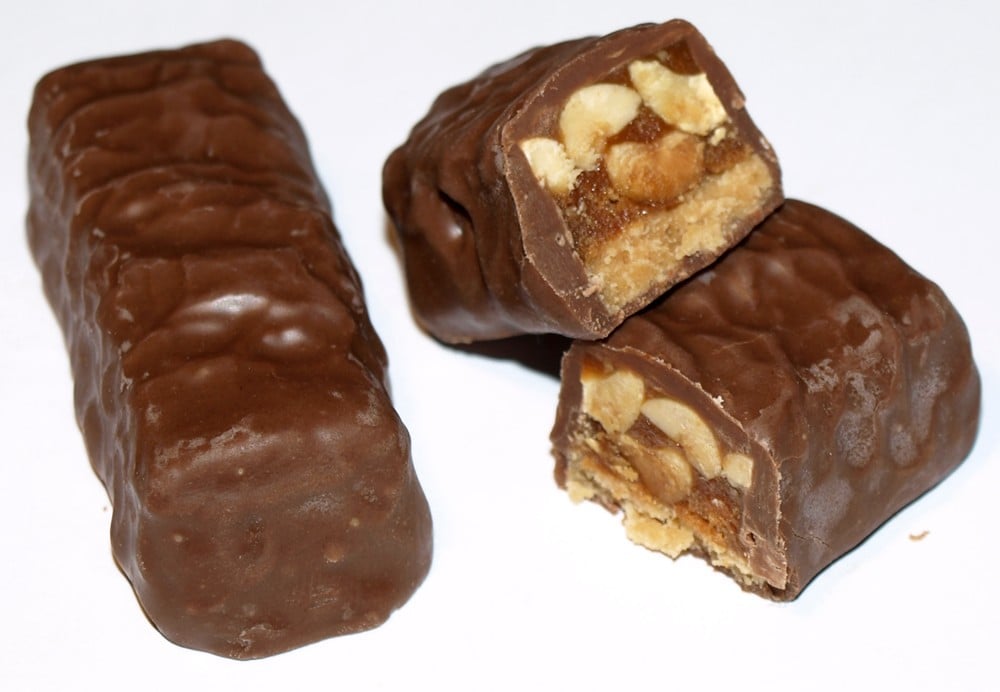
O’Henry is a bar that most younger candy consumers have never encountered, and the version that surfaces occasionally today bears only a loose resemblance to the original — a fudge and caramel center packed with peanuts, coated in chocolate, that once had a weight and richness that felt almost old-fashioned in the best possible way, like something from a soda fountain counter rather than a gas station rack.
The peanut quantity went down. The sweetness went up.
Chunky
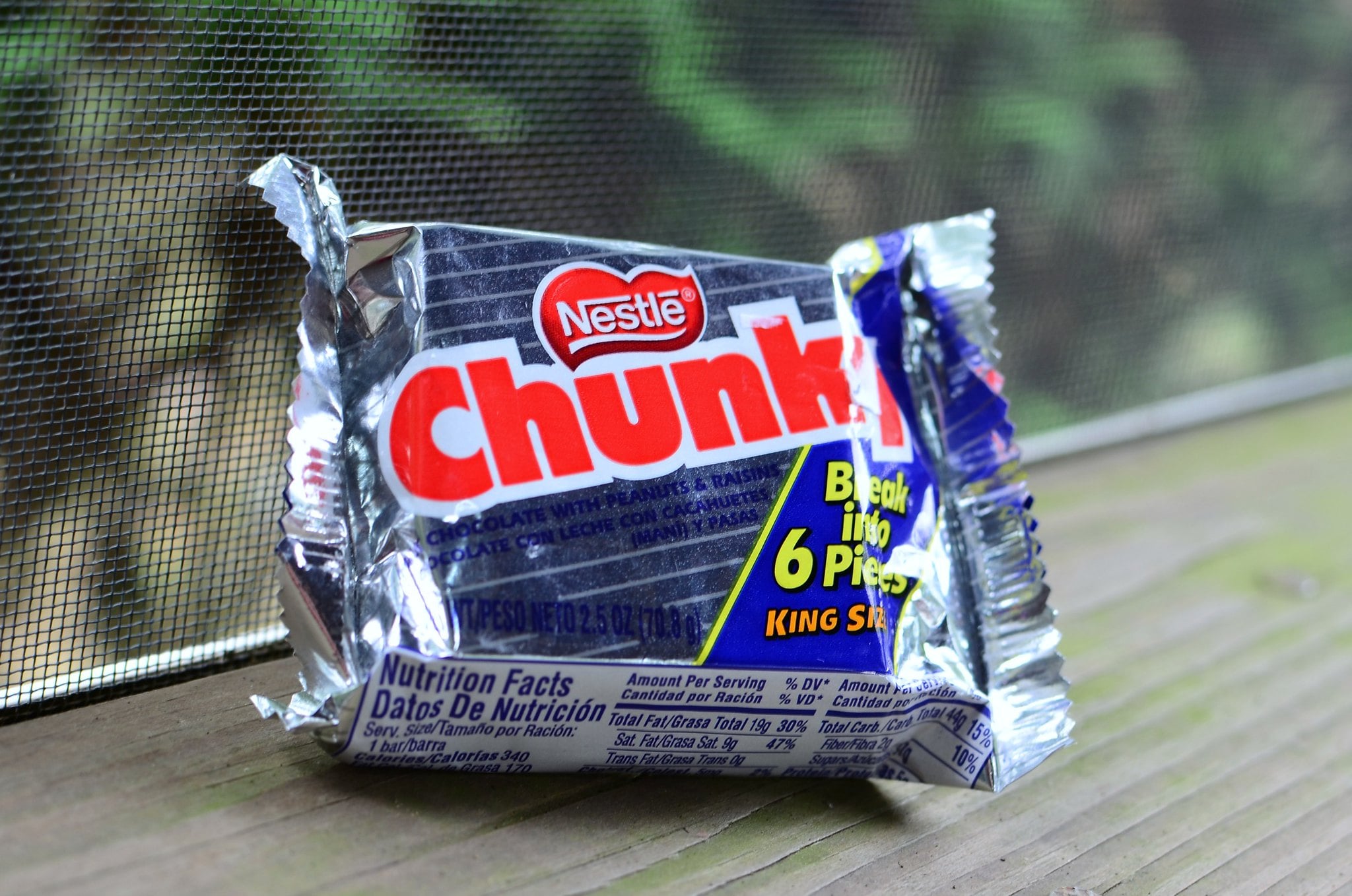
Chunky is one of those bars where the name used to be a genuine description — an almost aggressively thick block of chocolate with cashews, raisins, and Brazil nuts packed in at a density that made it unwieldy to eat gracefully.
The Brazil nuts quietly disappeared from the recipe decades ago, replaced by other nuts or simply absent, and the overall dimensions of the bar shrank considerably. It’s still called Chunky, which at this point is mostly aspirational.
Five Star Bar
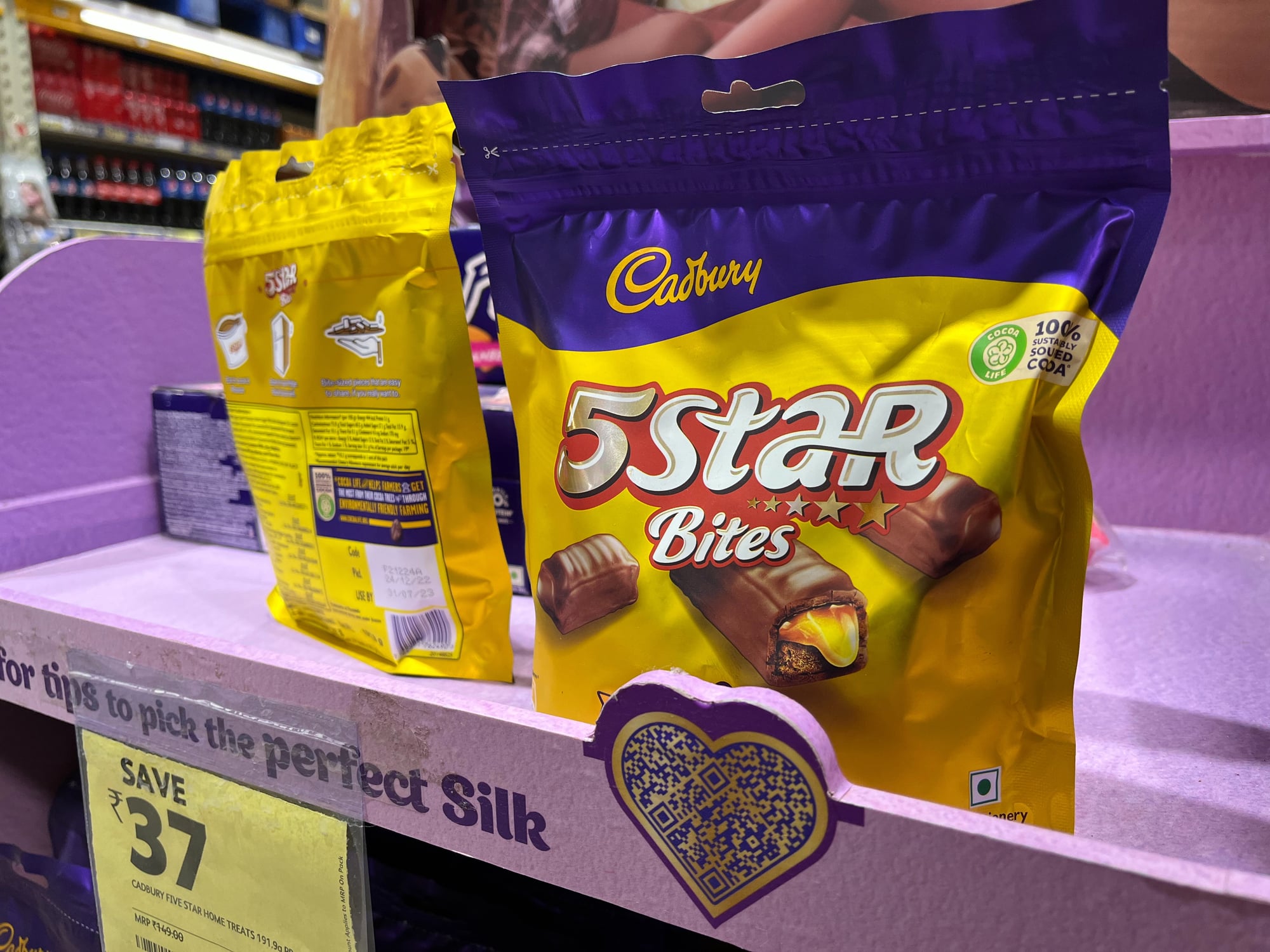
Five Star Bar, a bar that combined chocolate, caramel, peanuts, and wafer in a ratio that made it feel almost baroque in its ambition, was quietly simplified over the years — the wafer component became less prominent, the caramel less assertive, the peanut presence more muted.
It’s one of the more obvious cases of a company taking a bar with a genuinely complex flavor profile and smoothing it into something more broadly palatable and correspondingly less interesting.
Reggie! Bar
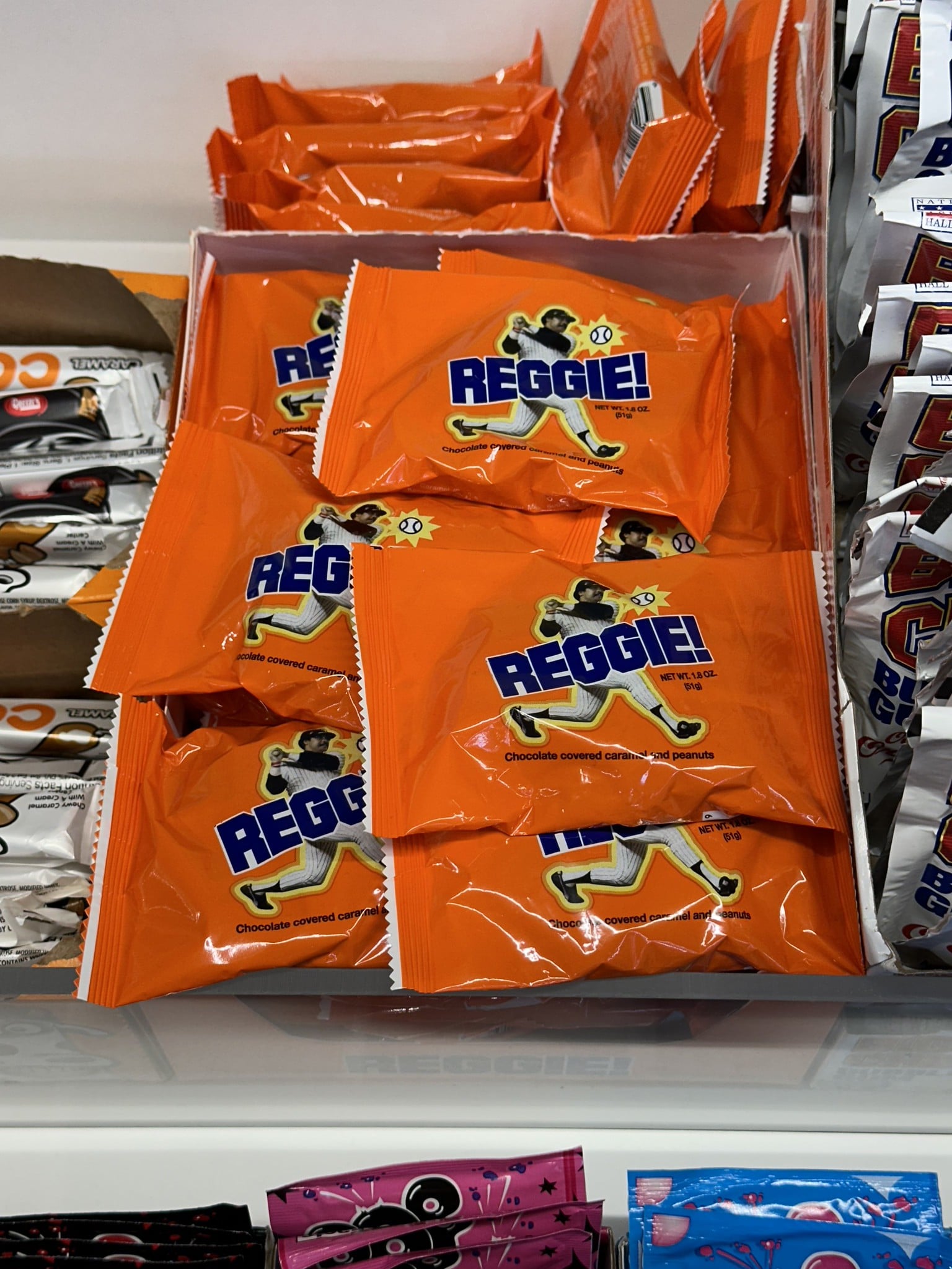
The Reggie! Bar — created in honor of Reggie Jackson and launched in 1976 — was a chocolate-covered peanut cluster that had an irregular, lumpy shape and a genuinely peanut-forward flavor that felt less processed than most candy bars of its era.
It was discontinued in 1978, revived briefly in the 1990s, and neither revival exactly captured what made the original worth eating. Some bars are products of their moment in a way that can’t be replicated.
Chick-O-Stick
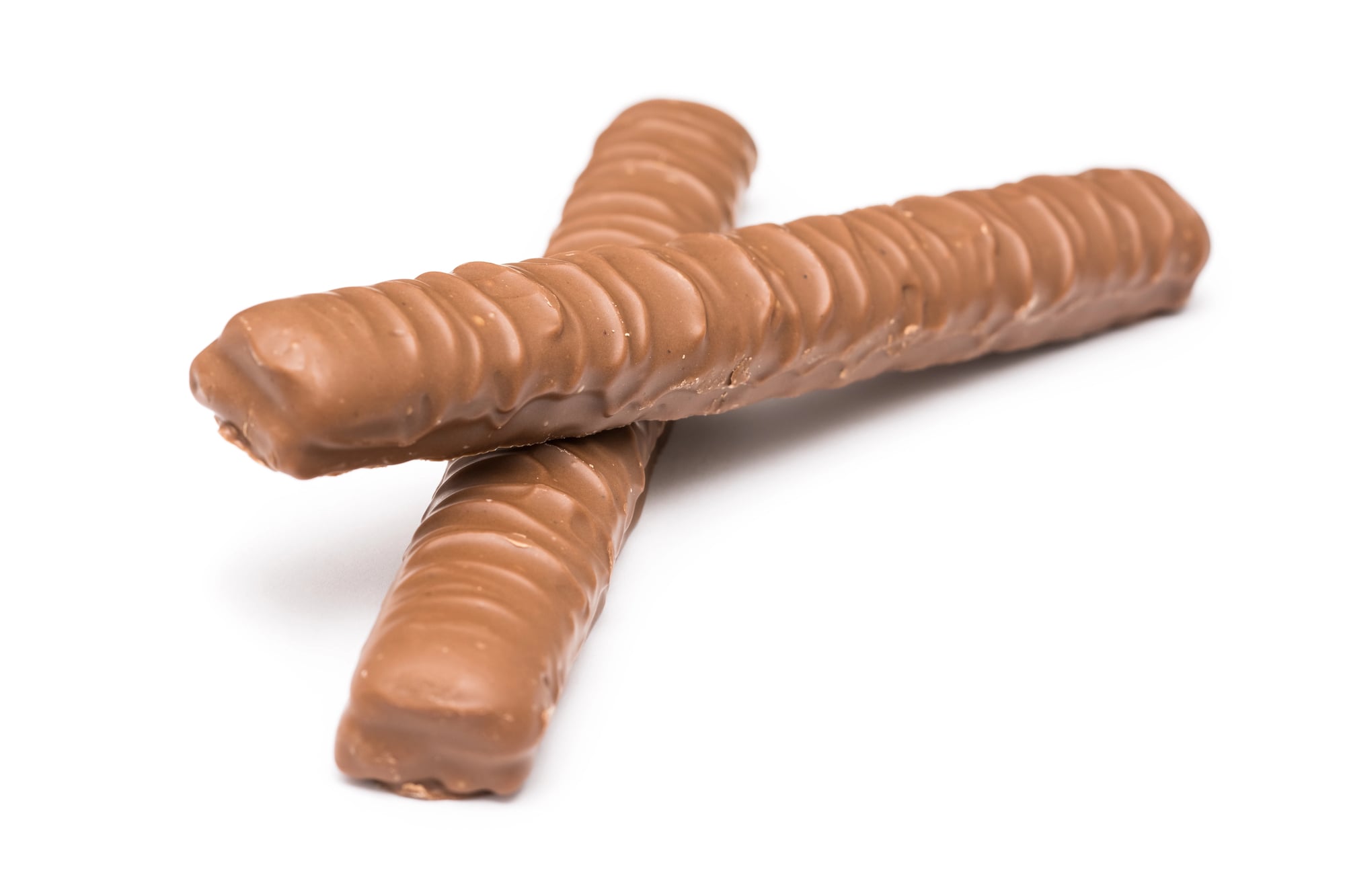
Chick-O-Stick, technically a candy rather than a candy bar but close enough to include here, was once made with a harder, more intensely flavored peanut butter candy core coated in toasted coconut — the kind of thing that stuck to your back teeth with genuine conviction.
The texture softened over the years, and the coconut got lighter. It’s still a genuinely unusual product, but the original version had a stubborn quality that the current one doesn’t quite match.
Pearson’s Salted Nut Roll
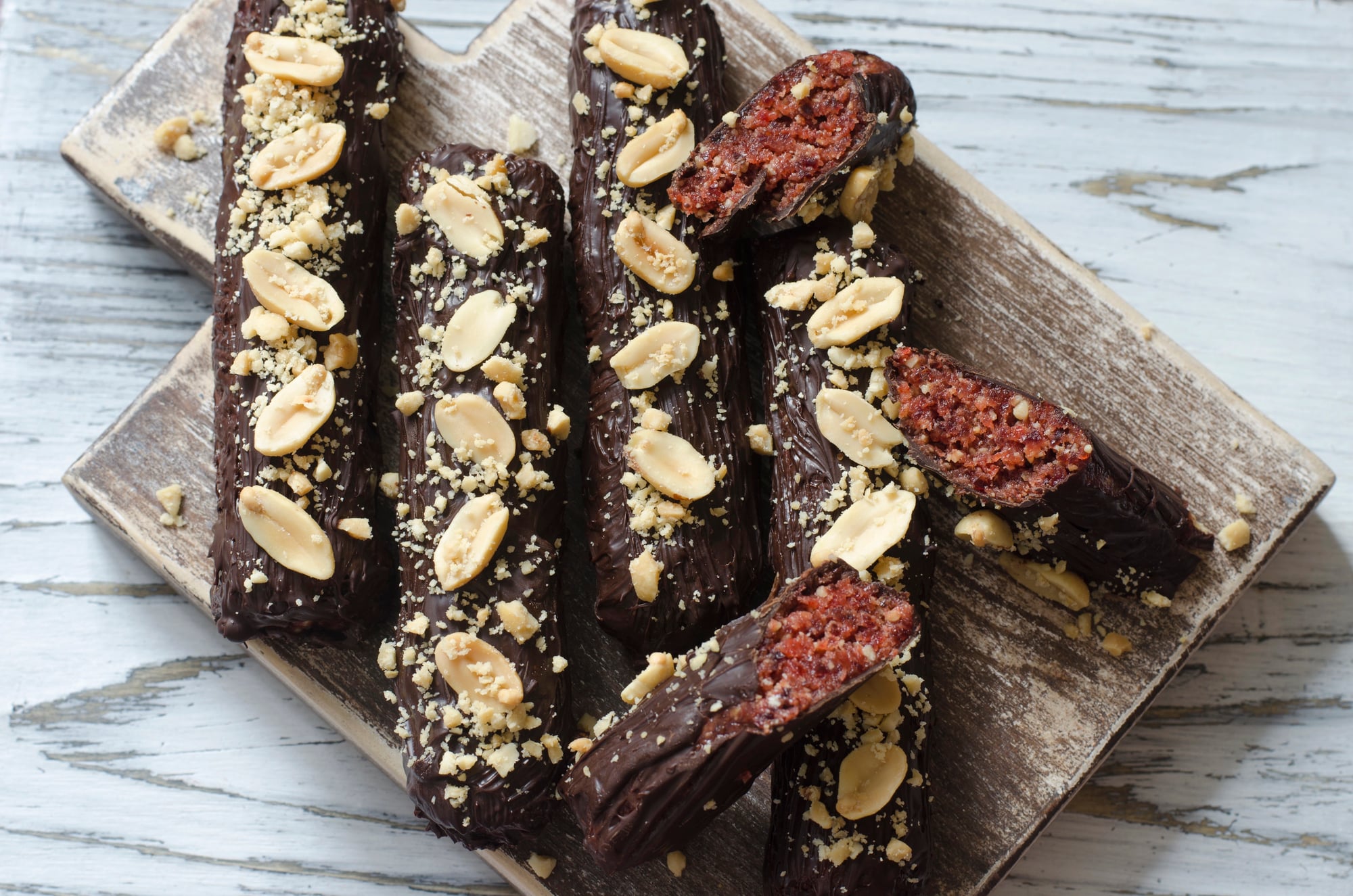
Pearson’s Salted Nut Roll was once a bar that led with salt in a way that felt almost aggressive — the peanuts were heavily salted, the nougat center was firmly textured, and the contrast between salty peanut exterior and sweet vanilla nougat was the whole point.
The salt level has been dialed back considerably over the decades, which makes it more broadly appealing and substantially less interesting. Sometimes the thing that makes a product great is exactly the thing that gets removed.
Twin Bing
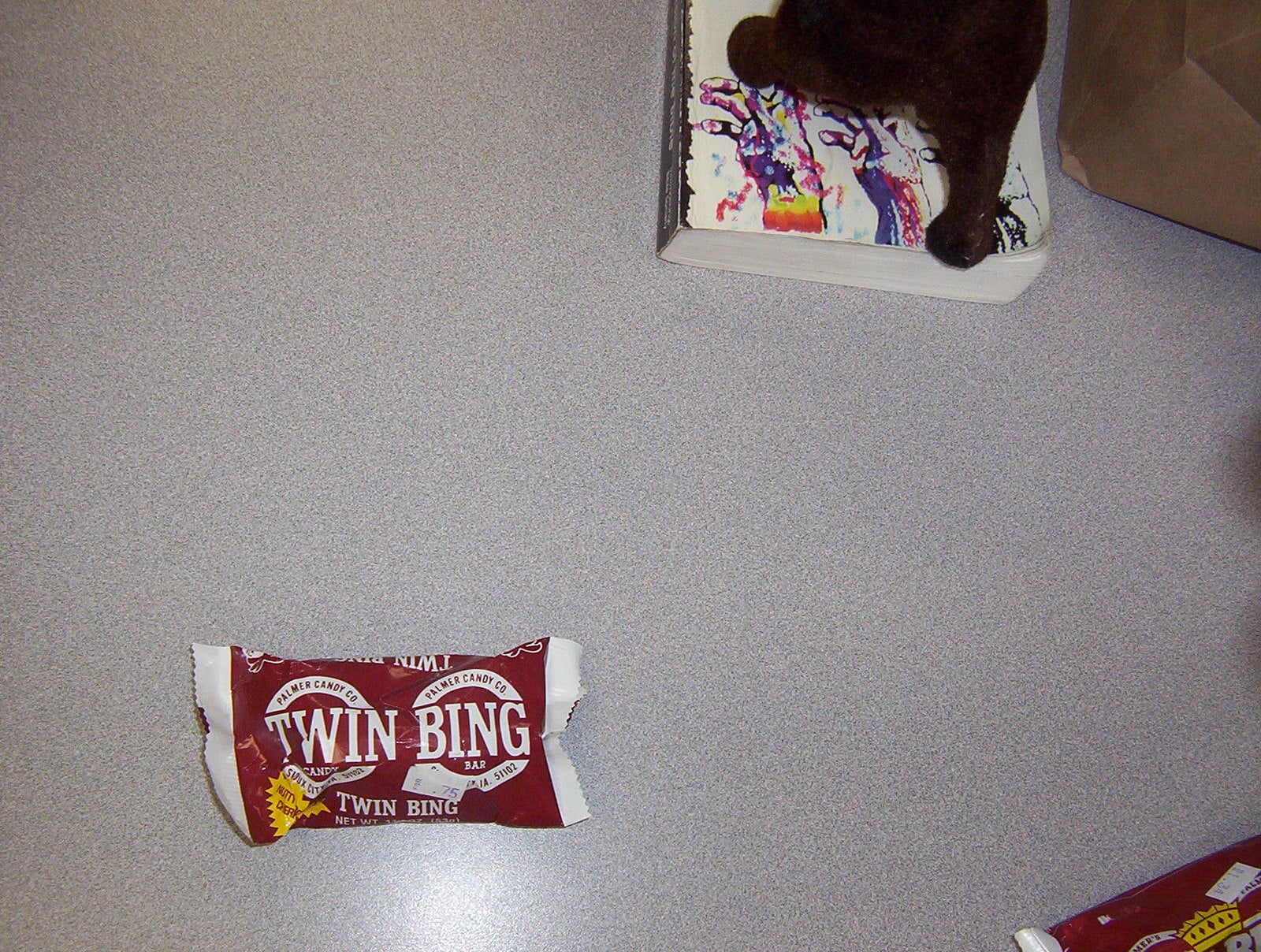
Twin Bing is a regional candy bar from Palmer Candy in Iowa that features a cherry cream center coated in chocolate and chopped peanuts, and the cherry flavoring used in the original formulation was more intensely artificial — which sounds like a criticism but wasn’t, because that sharpness gave the bar a clarity that made it taste like something specific rather than something vague.
The current version is milder. The peanut-to-cherry contrast is less pronounced.
Regional fans notice.
Valomilk
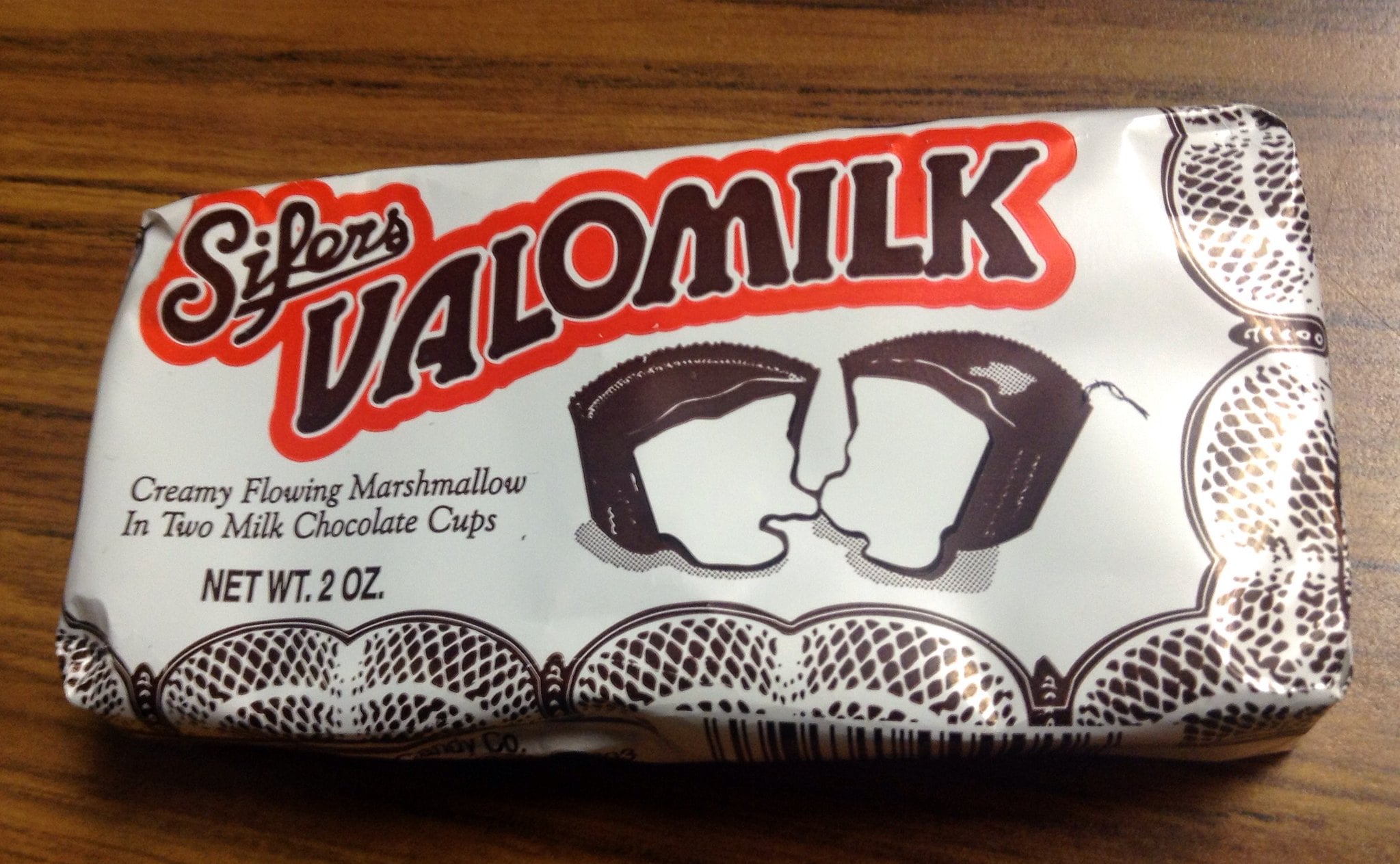
Valomilk is one of the few candy bars that can honestly claim to be nearly impossible to eat without making a mess, built around a liquid marshmallow filling that runs when you bite into it — and the original version had a filling that was looser, more fluid, and more violently marshmallow-flavored than what’s sold today.
The chocolate was darker and slightly more bitter. The whole experience was less polished, which was entirely the point.
Goo Goo Cluster
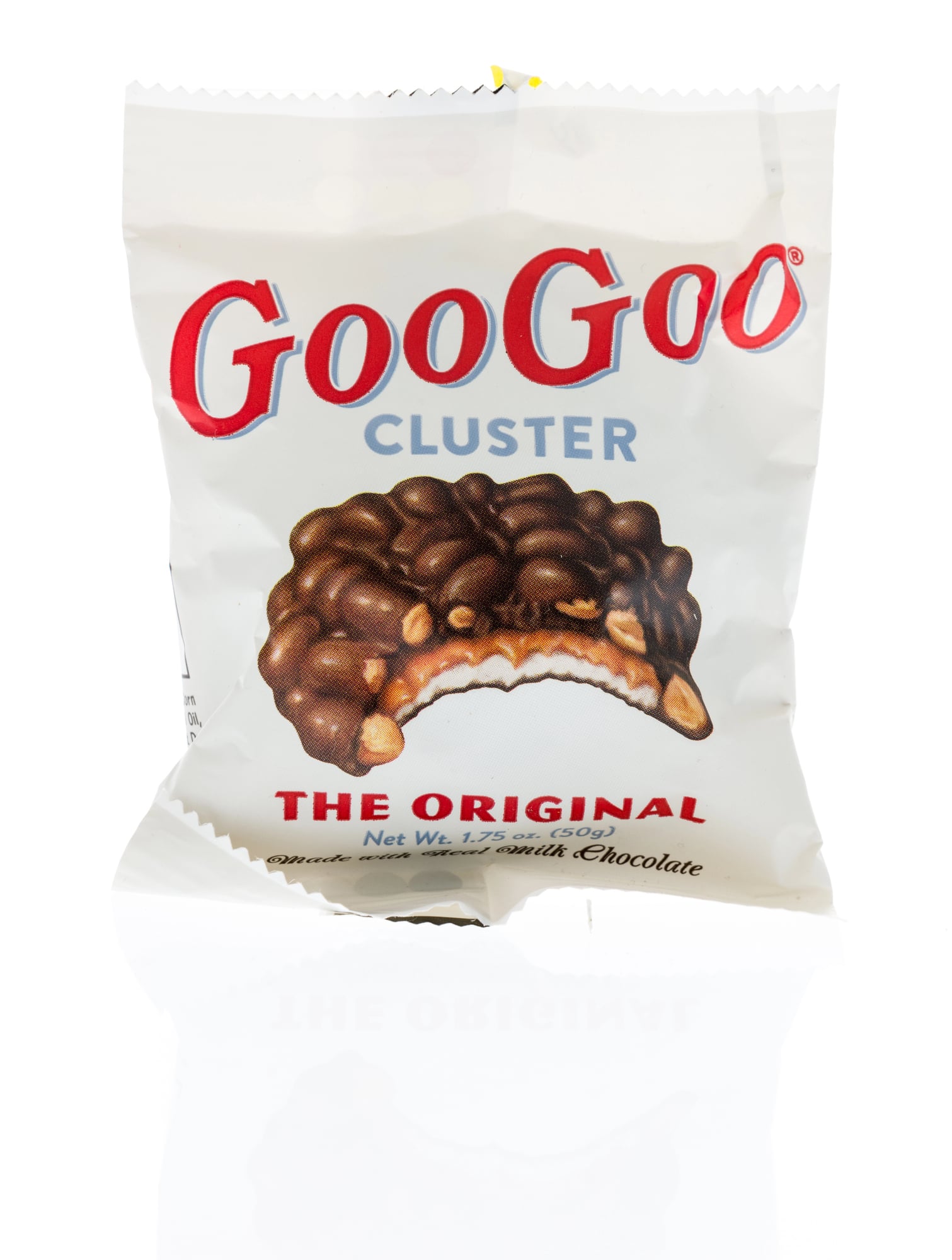
Goo Goo Cluster, the Nashville-born candy that dates back to 1912, has been through enough ownership changes and recipe adjustments that the current version — while still good — is a considerably tidier product than the original, which was rougher in texture, more aggressively sweet, and had a handmade quality that came through in every irregular bite.
The chocolate is smoother now. The caramel is more uniform.
Nothing about it surprises you anymore, and that might be the most significant change of all.
What the Wrapper Doesn’t Tell You
The candy industry has always operated on the assumption that most people won’t notice small changes — or won’t complain loudly enough to matter even if they do. And mostly, that’s been correct.
But the cumulative effect of decades of reformulations, shrinking portions, and ingredient substitutions is a candy aisle full of bars that share names with something people loved as kids without quite being that thing. The wrapper is the same. The logo is familiar.
And yet something is gone, replaced quietly while no one was officially watching. You’re not imagining it.
The chocolate really did taste different.
More from Go2Tutors!

- The Romanov Crown Jewels and Their Tragic Fate
- 13 Historical Mysteries That Science Still Can’t Solve
- Famous Hoaxes That Fooled the World for Years
- 15 Child Stars with Tragic Adult Lives
- 16 Famous Jewelry Pieces in History
Like Go2Tutors’s content? Follow us on MSN.