The Longest-Running Family Businesses in the World Have Survived for Centuries
Most businesses don’t make it past a decade, let alone outlive the person who started them. Somewhere around three generations, family businesses tend to unravel — the founder’s grandchildren either sell out, split apart, or simply lose interest in the thing their great-grandparent built.
And yet scattered across the world are a handful of businesses that shrugged off that pattern entirely, run by the same families for so long that the companies themselves have quietly outlasted empires, plagues, and the occasional world war. Their stories aren’t really about business strategy at all. They’re about stubbornness, patience, and a kind of family loyalty that apparently doesn’t get tired.
Kongo Gumi

Kongo Gumi built temples in Osaka starting in 578 AD. Same family, different centuries, same trade.
Forty-plus generations ran it before a debt crisis in the 2000s folded it into a larger construction group. Fifteen hundred years is a long run for anyone.
Nisiyama Onsen Keiunkan
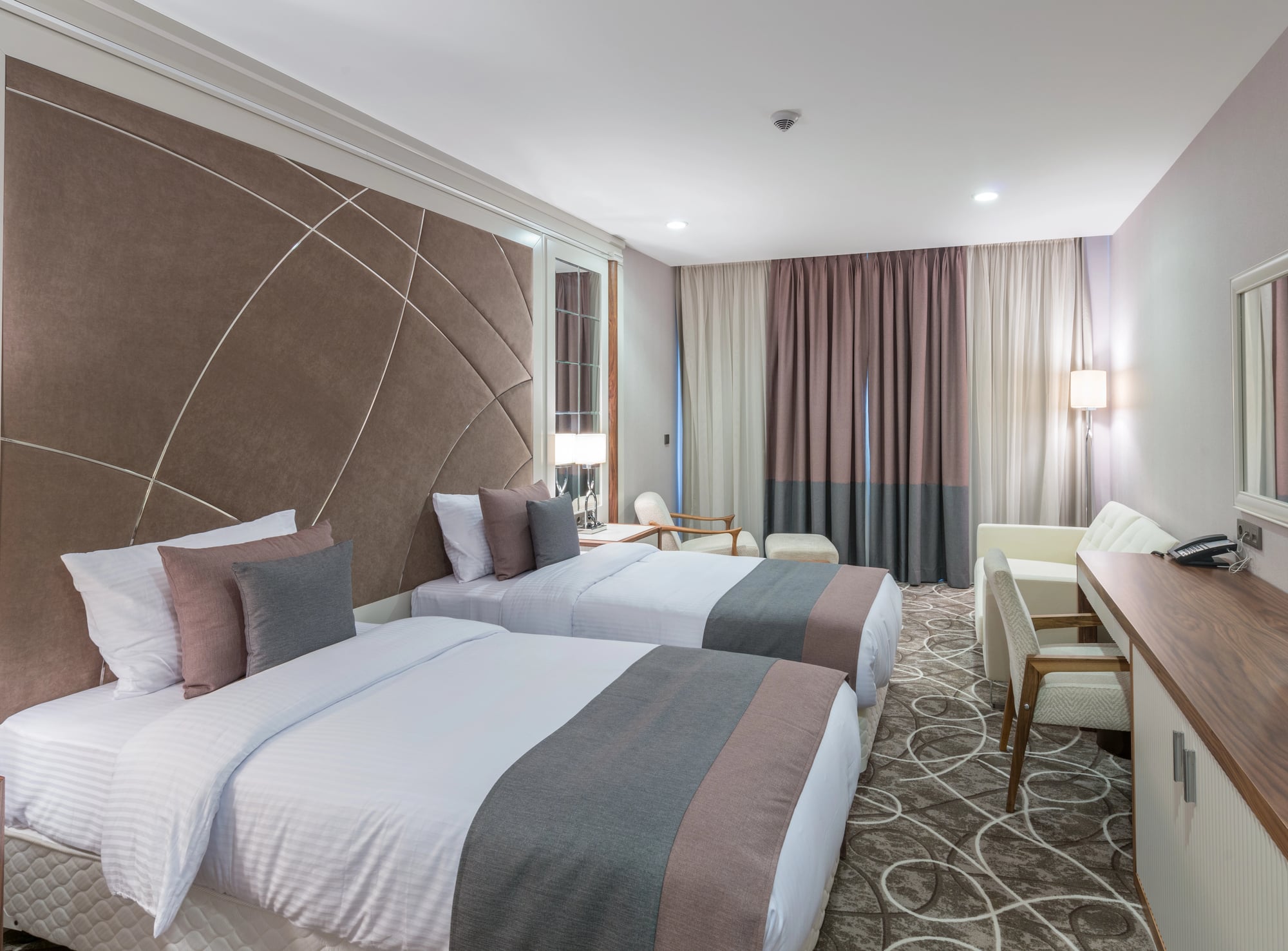
Nisiyama Onsen Keiunkan opened in 705 AD in the mountains of Yamanashi Prefecture (which means it was already ancient by the time most European monarchies existed), and it has been passed down through 52 generations of the same family without a single interruption long enough to count as a closure. Guinness has certified it the oldest hotel in the world, and the certificate hangs in the lobby like it’s just another framed photo — because to the family running it, it kind of is.
So the water hasn’t changed, the mountain hasn’t moved, and neither has the family’s stubborn insistence on keeping the doors open. There’s something almost defiant about that: fifty-two generations refusing to let the thing die.
Hoshi Ryokan

Hoshi Ryokan sits beside a hot spring in Komatsu the way a stone sits in a riverbed — worn smooth by centuries of water passing over it, never moved, never in a hurry. Founded in 718 AD, it has been tended by 46 generations of the same family, each one inheriting not just a building but a rhythm: guests arrive, guests soak, guests leave, and the mountain keeps its silence.
There’s a stubbornness to that kind of continuity, the sort that doesn’t announce itself, it just keeps showing up, century after century, indifferent to whatever empire happens to be rising or falling outside its walls. By the time you’ve counted the generations, you’ve stopped thinking of it as a business at all.
Château de Goulaine

A thousand years of ownership by one family puts most modern startups to shame. Château de Goulaine has been in the hands of the Goulaine family since roughly the year 1000, through the Hundred Years’ War, the French Revolution, two World Wars, and — somehow the hardest test of all — a stretch in the 20th century when the estate housed a butterfly museum.
Wine, war, and butterflies: not many companies can claim survival through all three. That’s not resilience, that’s just refusing to quit, which turns out to work fine over a millennium.
Barone Ricasoli

Barone Ricasoli has made wine in Tuscany since 1141. Same family, same hills, same grapes for roughly 900 years.
The current baron still runs it, which puts the family’s tenure somewhere around 32 generations. Nobody’s counting exactly — they stopped needing to prove the point centuries ago.
Barovier & Toso
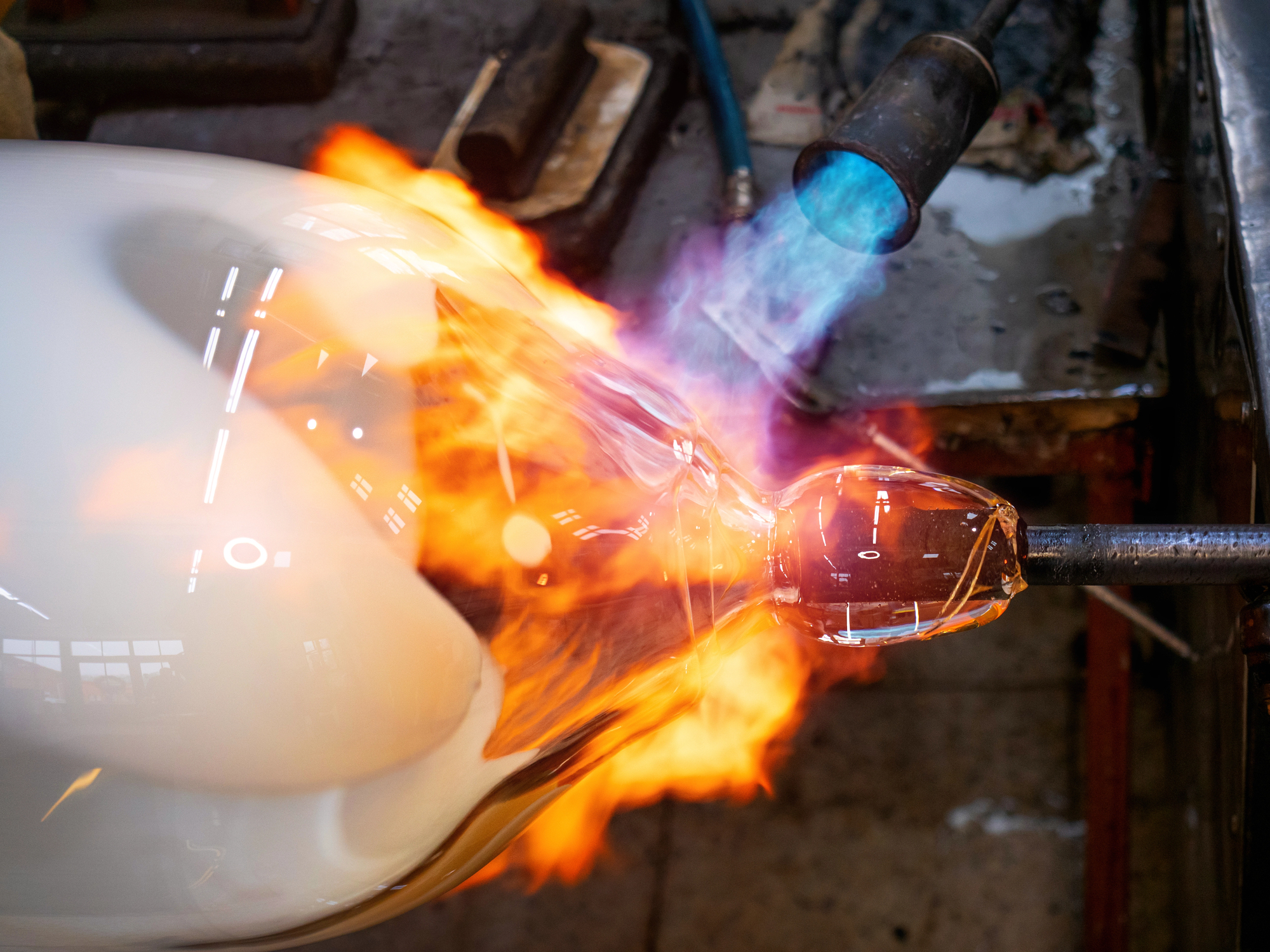
Barovier & Toso has been making glass on the island of Murano since 1295 (Murano itself was chosen back then specifically because Venice wanted its glass furnaces safely away from the city’s wooden buildings, which tells you something about how seriously glassmaking was taken), and the same family has guided the furnaces through 21 generations without losing the thread of the craft. Angelo Barovier, one of the family’s own, is credited with inventing clear glass in the 15th century — a detail that sounds almost too tidy to be true, but there it is in the historical record.
So the family that helped invent the modern glass industry is still, all these centuries later, running the company that started it. Venice has flooded, burned, and been fought over more times than anyone bothered counting, and the furnaces keep firing anyway.
Torrini Firenze
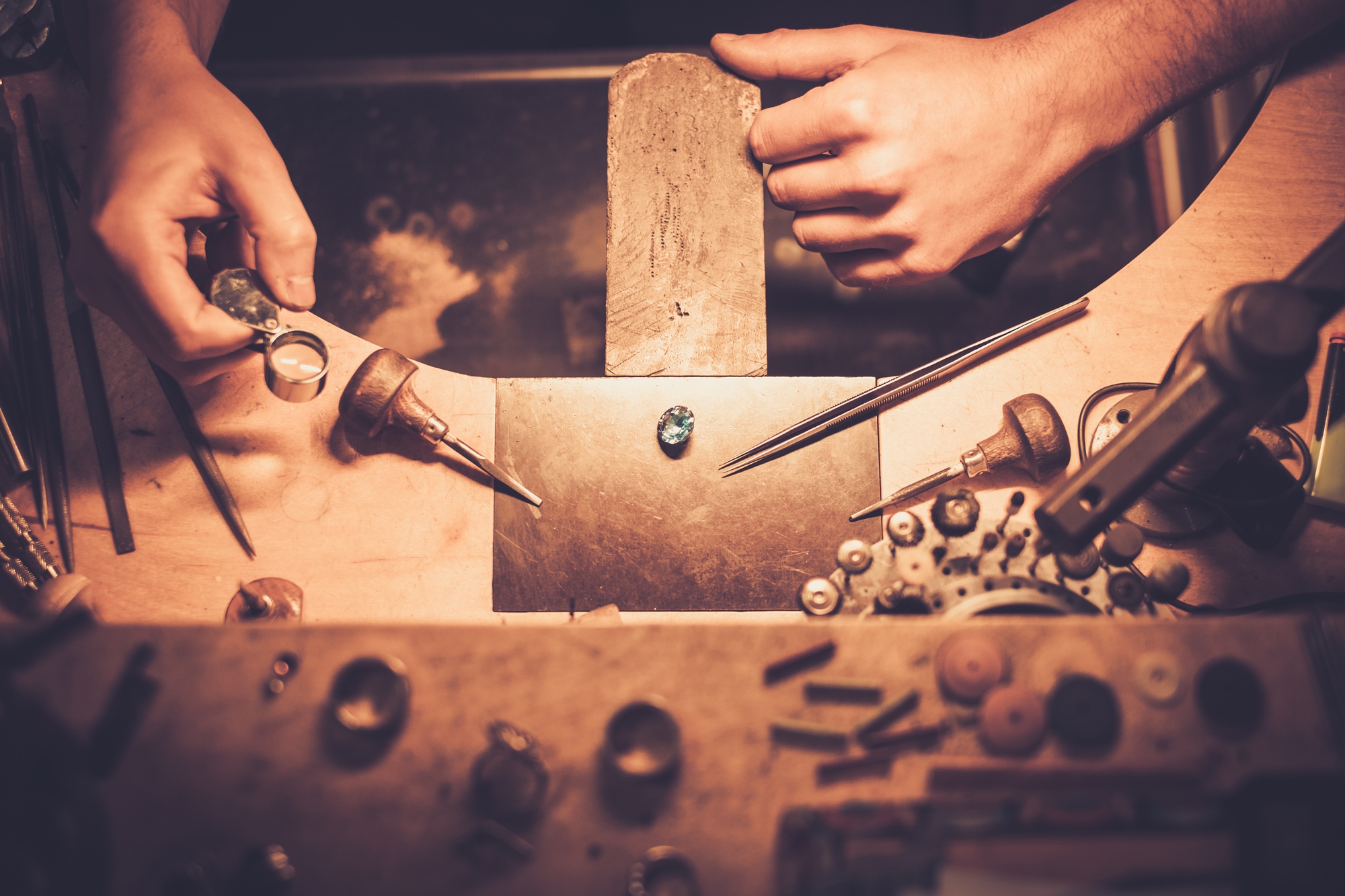
A goldsmith’s workshop is a strange thing to hand down like a family heirloom, and yet Torrini Firenze has done exactly that since 1369, each generation learning to shape metal the way a river learns the shape of its banks — slowly, and only through repetition. Florence has seen plagues, Medici rule, and the rise and fall of entire artistic movements pass through its streets, and through all of it, the same family kept hammering gold into rings and clasps in the same corner of the city.
There’s a quiet dignity in a craft that doesn’t try to reinvent itself every decade, one that trusts the old methods because the old methods still work. Seven centuries later, the workshop still smells like it always did — metal, heat, and patience.
Antinori

Antinori makes some of the best wine in Italy, and it has for 26 generations, which is the kind of statistic that makes other wineries look like they just opened last Tuesday. The family started in 1385 and never really stopped, surviving plagues, wars, and — this part is almost funny — a stretch where Florence itself nearly went bankrupt from all its infighting.
Consistency is the whole trick here: same family, same region, same stubborn belief that wine is worth doing properly or not at all. Six hundred and forty years in, nobody’s arguing with the results.
Fonderia Marinelli Pontificia
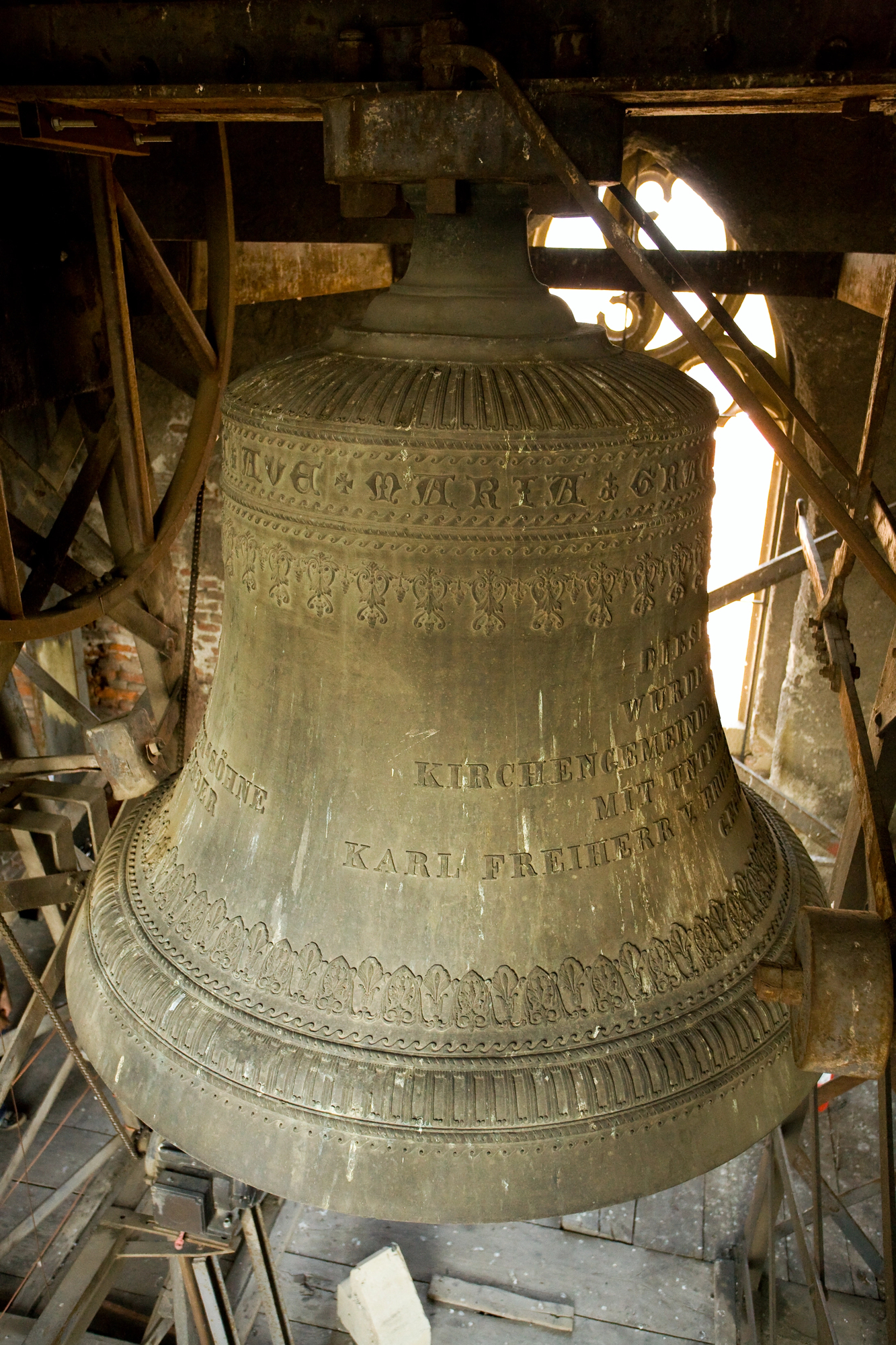
The Marinelli family has cast bells in Agnone, Italy since 1339. Church bells, mostly — the kind meant to ring for centuries, not seasons.
The family holds a rare title from the Vatican itself, allowed to stamp papal bells with their name. Nearly 700 years in, they’re still the ones the Church calls first.
Richard de Bas
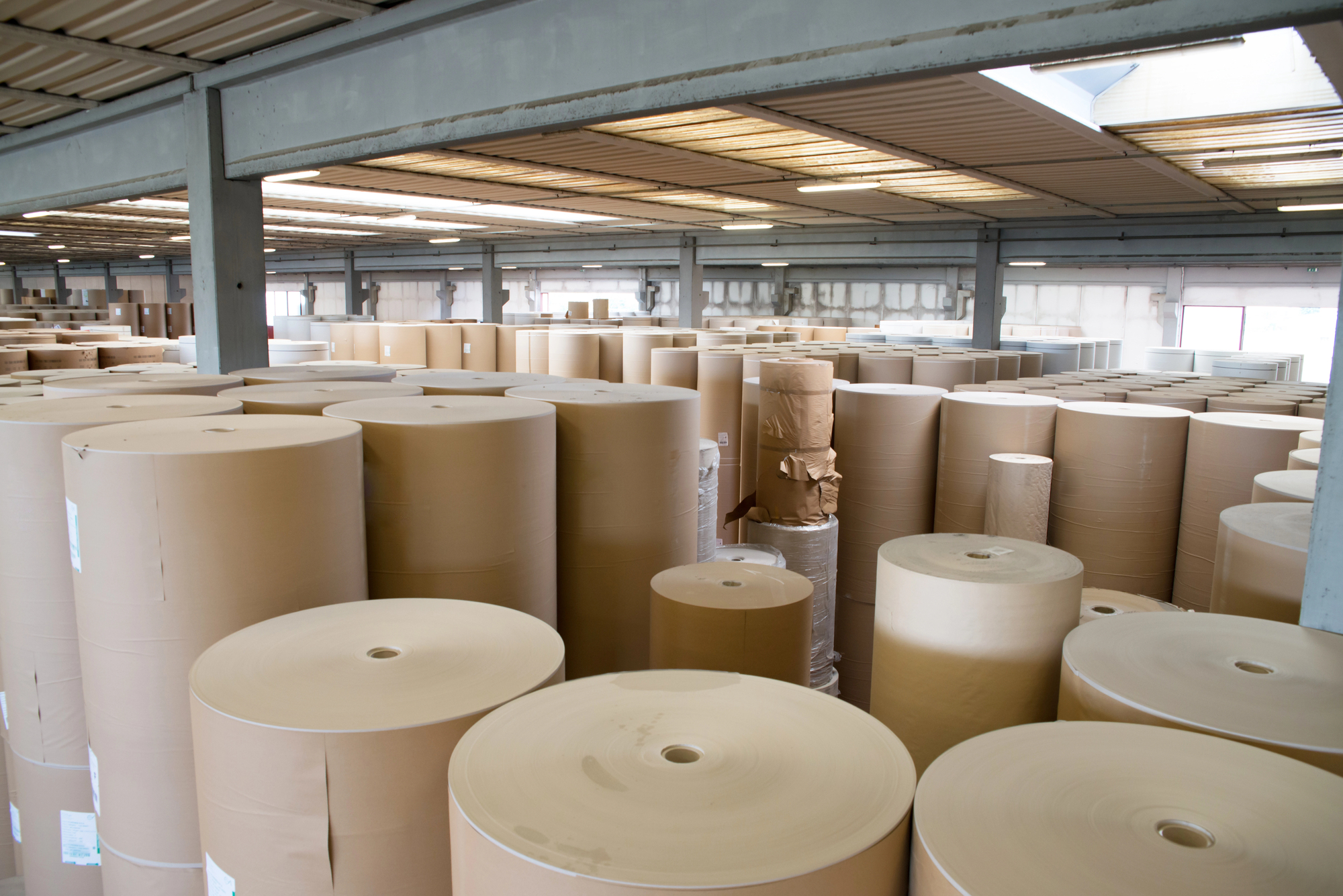
Richard de Bas has made paper by hand in the Auvergne region of France since 1326 (using techniques that, remarkably, haven’t changed much since medieval monks first figured out how to turn rags into sheets worth writing on), and the mill still operates today as both a working paper producer and a museum people travel out of their way to visit. The Revolution came and went, industrialization came and mostly went around them rather than through them, and the family kept making paper the slow way while factories elsewhere churned it out by the ton.
So there’s something almost willful about a business that watched an entire industry mechanize and decided: not for us. Nearly 700 years of saying no to shortcuts is its own kind of achievement.
Beretta

Beretta has made firearms in the same Italian valley since 1526, which comes well after the printing press’s widespread adoption across most of Europe (beginning in the 1460s–1480s). Fifteen generations of the same family have run it, each one inheriting a workshop that feels less like a factory and more like a long conversation between craftsmen separated by centuries rather than a room.
The valley itself — Val Trompia, tucked into the mountains north of Brescia — has been shaping metal since Roman times, so the Beretta family didn’t so much start an industry as inherit one already waiting for them. Half a millennium later, the name still means the same thing it always did.
John Brooke & Sons
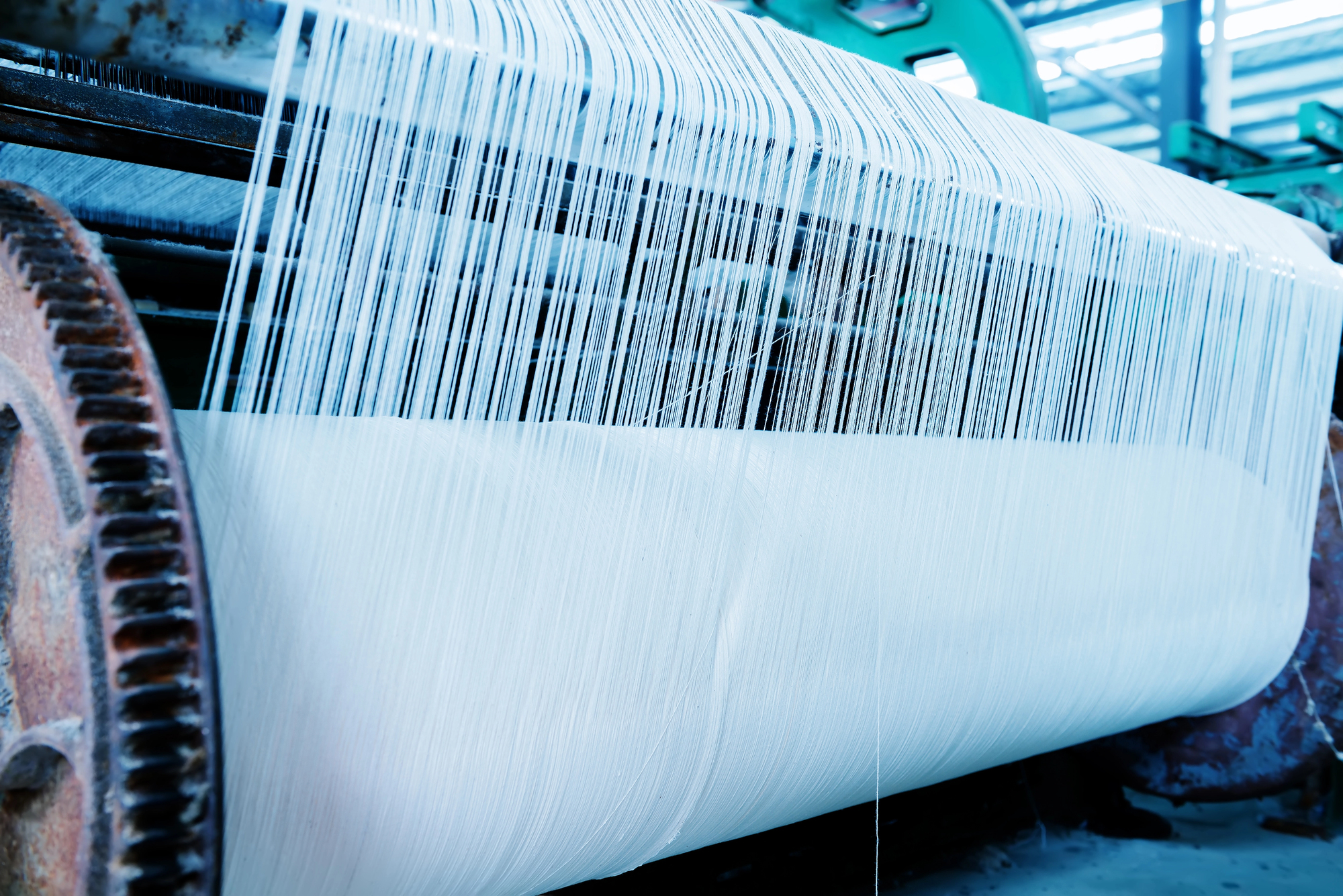
Textile mills don’t usually last five centuries, but John Brooke & Sons managed it, founded in 1541 in Yorkshire, England. The family wove wool through the rise and collapse of entire trade empires, and if that’s not a workout for a business, nothing is.
Most companies struggle to survive one recession; this one shrugged off dozens across roughly 480 years of continuous operation. Turns out wool never really goes out of style, which helps.
Zildjian
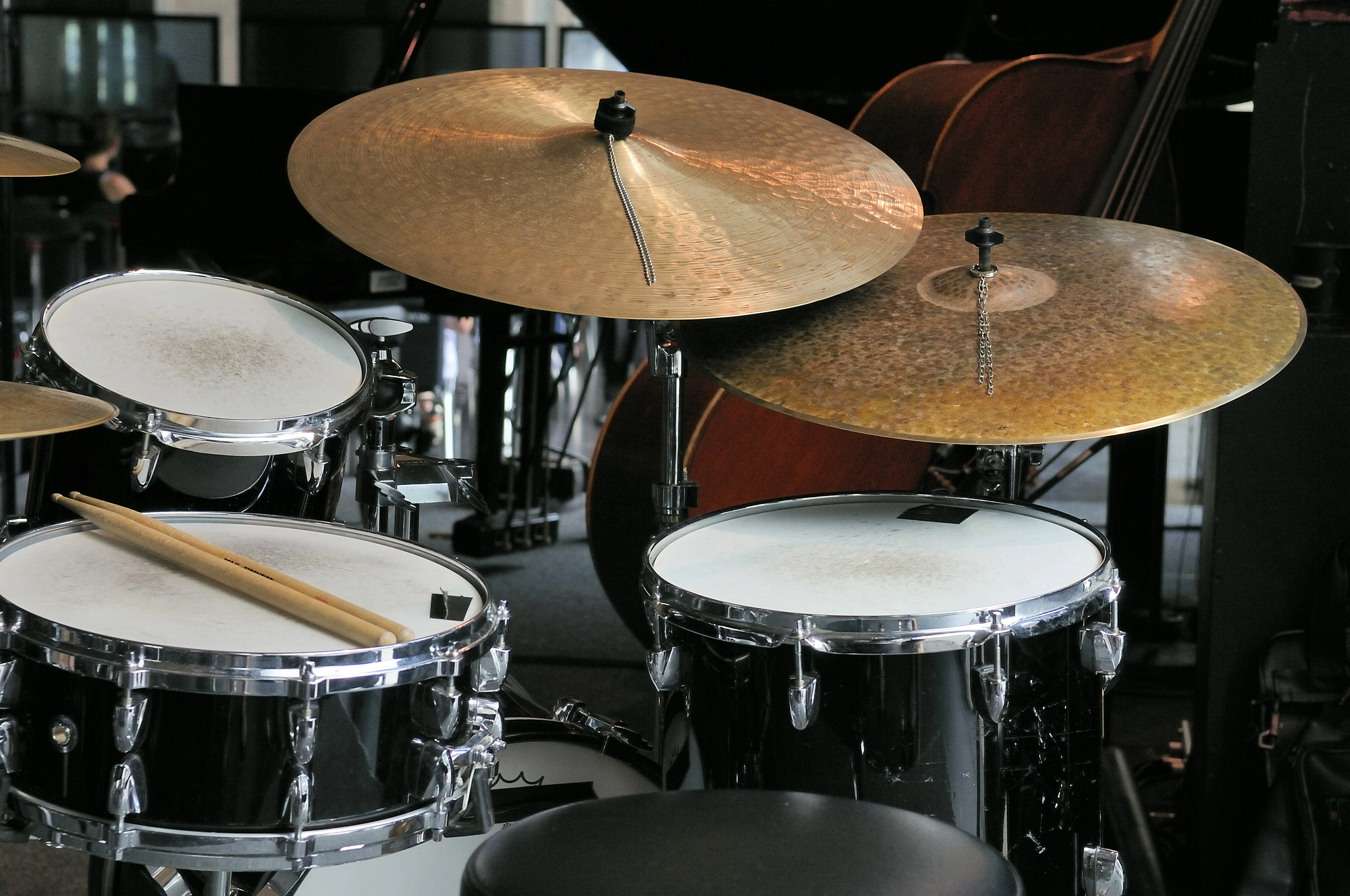
Zildjian has made cymbals since 1623. It started in Constantinople under the Ottoman Empire, not exactly where you’d expect a cymbal dynasty to begin.
The family guarded its metal alloy formula as a closely kept secret for generations. Four hundred years later, drummers worldwide still trust the name on the cymbal without asking why.
Gekkeikan
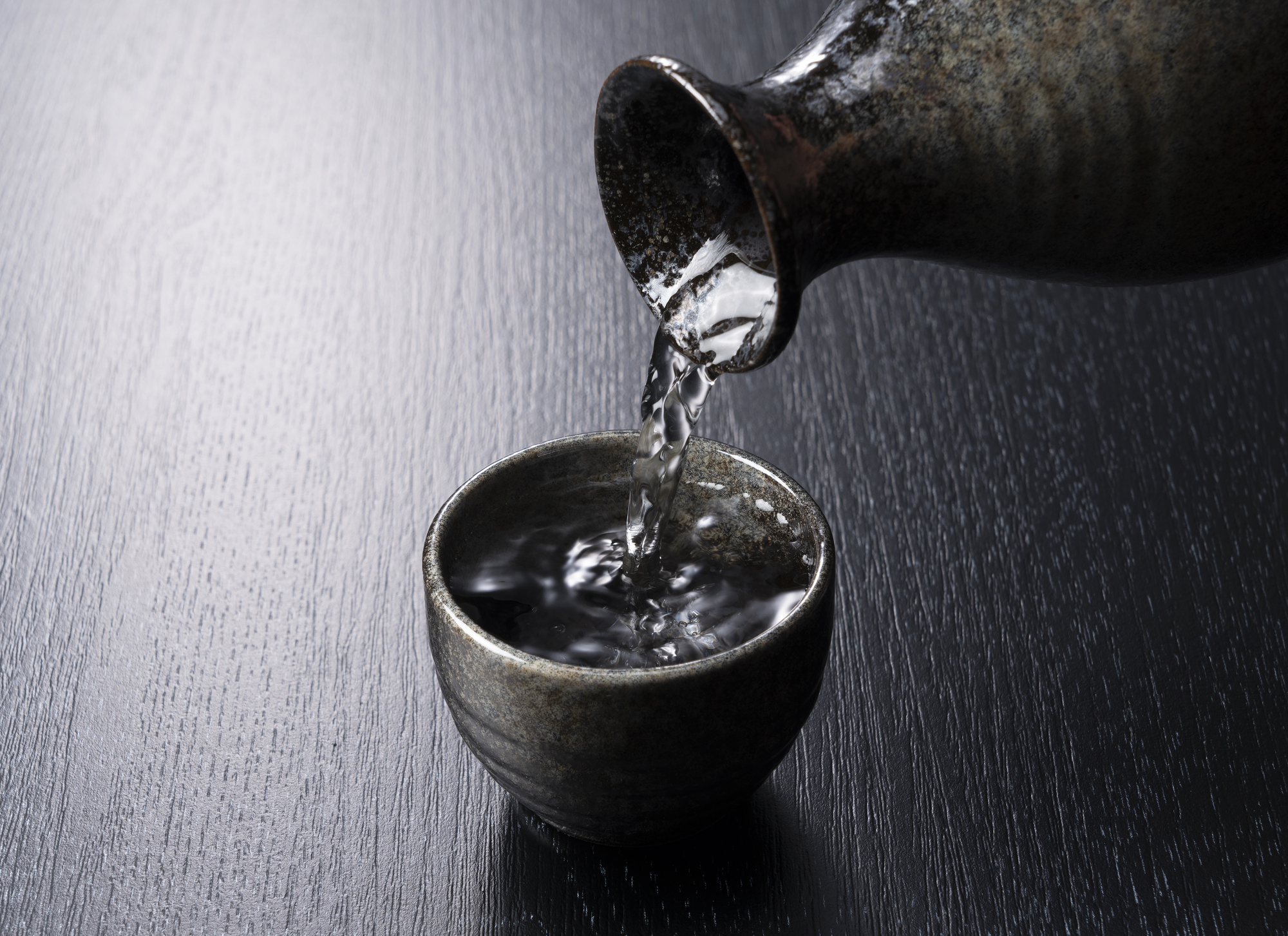
Gekkeikan has brewed sake in Fushimi, Japan since 1637 (a district chosen, as it happens, for its unusually pure groundwater, which brewers there still credit for the region’s reputation), and the same family has overseen the brewery through the Edo period, the Meiji Restoration, two World Wars, and Japan’s postwar transformation into an industrial power. The company modernized eventually — it had to, everyone did — but it never abandoned the traditional brewing methods that built its name in the first place.
So the sake in a bottle today still traces back, in method if not exact recipe, to decisions made almost 400 years ago. Nearly four centuries of continuity is not something most industries can claim, sake or otherwise.
William Prym
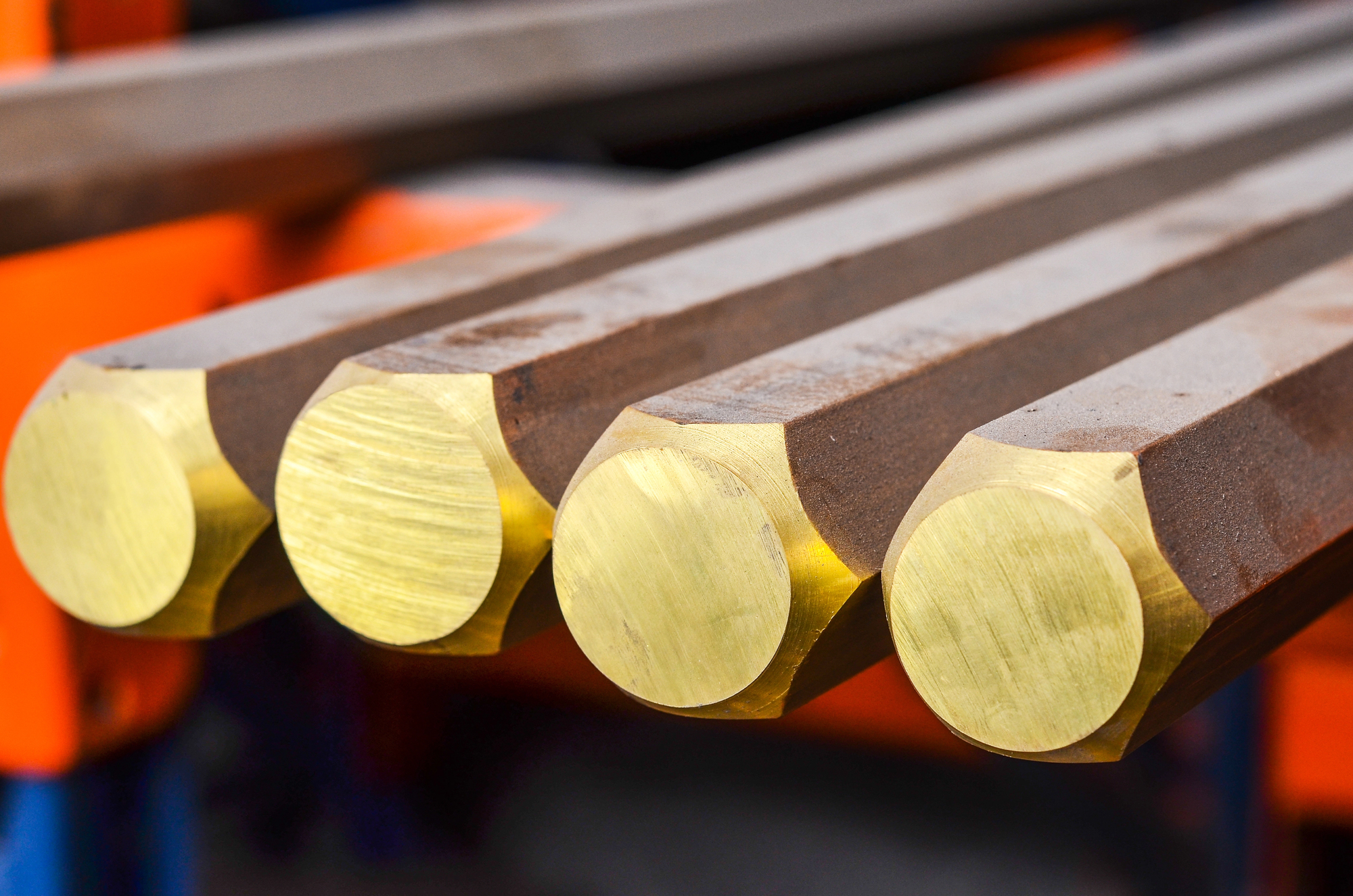
William Prym started working brass in Germany in 1530, back when the whole idea of a family business outlasting a single lifetime was more hope than expectation. Buttons, needles, pins — small things, easy to overlook, the kind of objects nobody thinks about until they’re missing one.
And yet those small things kept one family working the same trade for nearly 500 years, through the Reformation, through wars that redrew Germany’s borders more than once, through industrialization that swallowed smaller rivals whole. Sometimes the businesses that last aren’t the flashy ones — they’re the ones making the small, necessary thing nobody else bothered to keep making.
Hotel Pilgrim Haus

Hotel Pilgrim Haus in Soest, Germany opened its doors in 1304, and it’s still welcoming guests today, which makes most historic inns look like pop-up shops. The building has hosted pilgrims, merchants, and travelers for over 700 years, surviving the Black Death, the Thirty Years’ War, and two World Wars along the way — a resume that would exhaust most modern hospitality brands.
Nobody’s rebranding this place every five years chasing a trend. Seven centuries of doing the same thing well is a stranger, better kind of marketing than anything a consultant could dream up.
What Outlasts Everything
There’s a pattern hiding in all of this, and it isn’t about wine or bells or cymbals at all. Every family on this list picked one thing — one craft, one trade, one small stubborn idea — and simply refused to let it go, generation after generation, long after it would have been easier to sell, quit, or reinvent themselves as something trendier.
Empires fell around them. Plagues emptied their towns. Wars redrew the very borders they operated inside. And still, somebody in the family kept showing up to do the work the way it had always been done, because that was the job, and the job doesn’t end just because the century did.
More from Go2Tutors!

- The Romanov Crown Jewels and Their Tragic Fate
- 13 Historical Mysteries That Science Still Can’t Solve
- Famous Hoaxes That Fooled the World for Years
- 15 Child Stars with Tragic Adult Lives
- 16 Famous Jewelry Pieces in History
Like Go2Tutors’s content? Follow us on MSN.