The Sound of Coins Dropping Into an Arcade Machine Still Gives People an Instant Rush
There’s a particular sound that stops conversations mid-sentence in certain rooms: the metallic clatter of coins landing inside an arcade machine. It doesn’t matter if you haven’t touched a joystick in twenty years or if the last quarter you spent was on laundry, not Pac-Man.
Something about that specific clink still reaches back and grabs a part of the brain that never fully grew up, and it happens before you’ve even decided to feel anything about it.
The Clink Before the Game
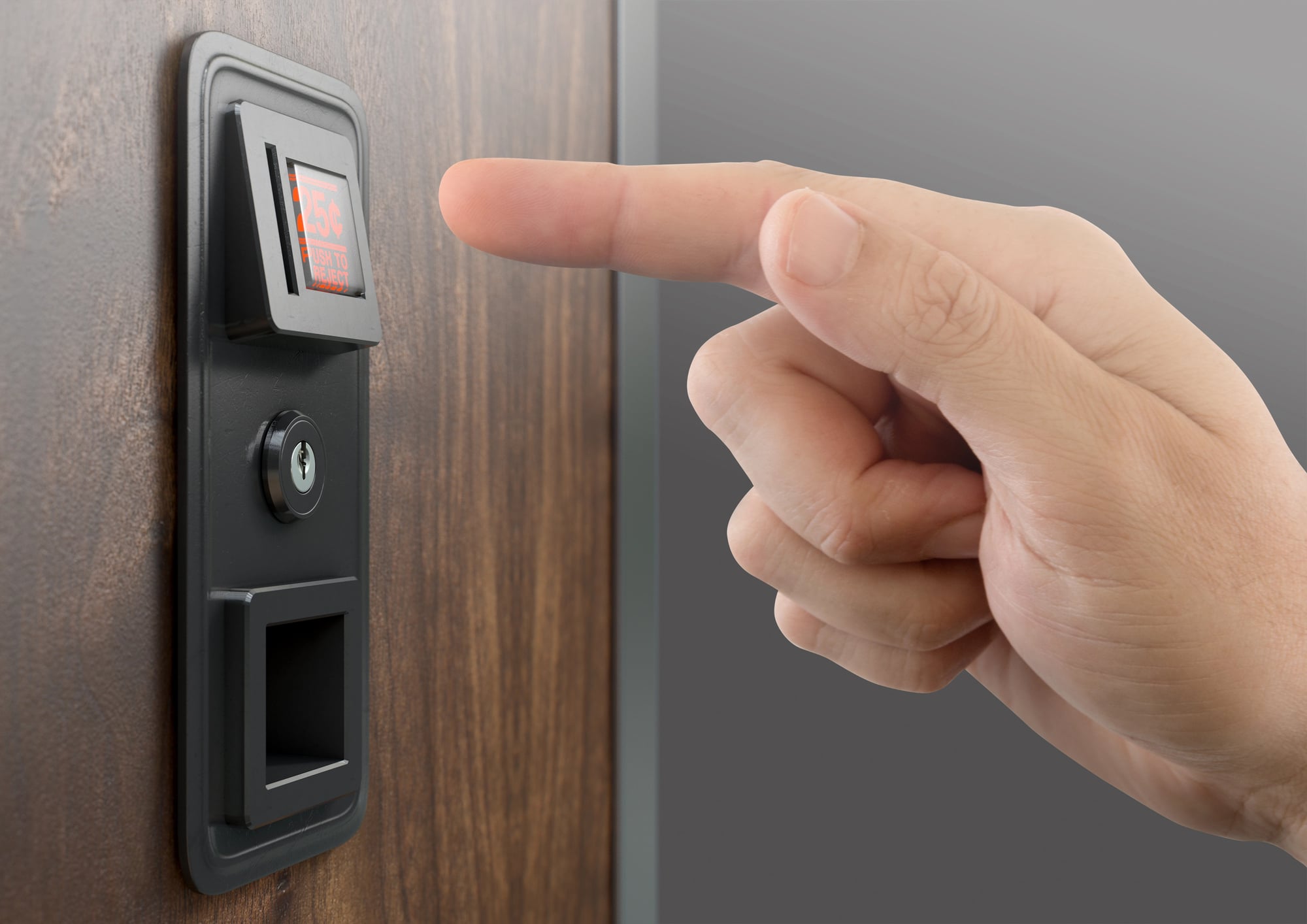
The sound arrives before the game does. A clink, then a clatter, then the screen flickers awake.
That half-second gap does more work than any graphics card ever could.
Pavlov Would Have Loved Arcades

Pavlov rang a bell and dogs started drooling, and arcades figured out the human version of that trick decades before anyone called it behavioral science — the coin drop, the flicker of light, the countdown timer that says PLAYER ONE, all stacked together until your body responds before your brain catches up. So when metal hits metal inside that slot, something in you straightens up, ready, the way a runner leans forward at the sound of a gun (even if there’s no race, even if you’re just standing in a mall in 1998).
It’s involuntary. And that’s the trick: it was never really about the game — it was about training you to want the next round before the current one ended.
The Quarter Was Never Just Money
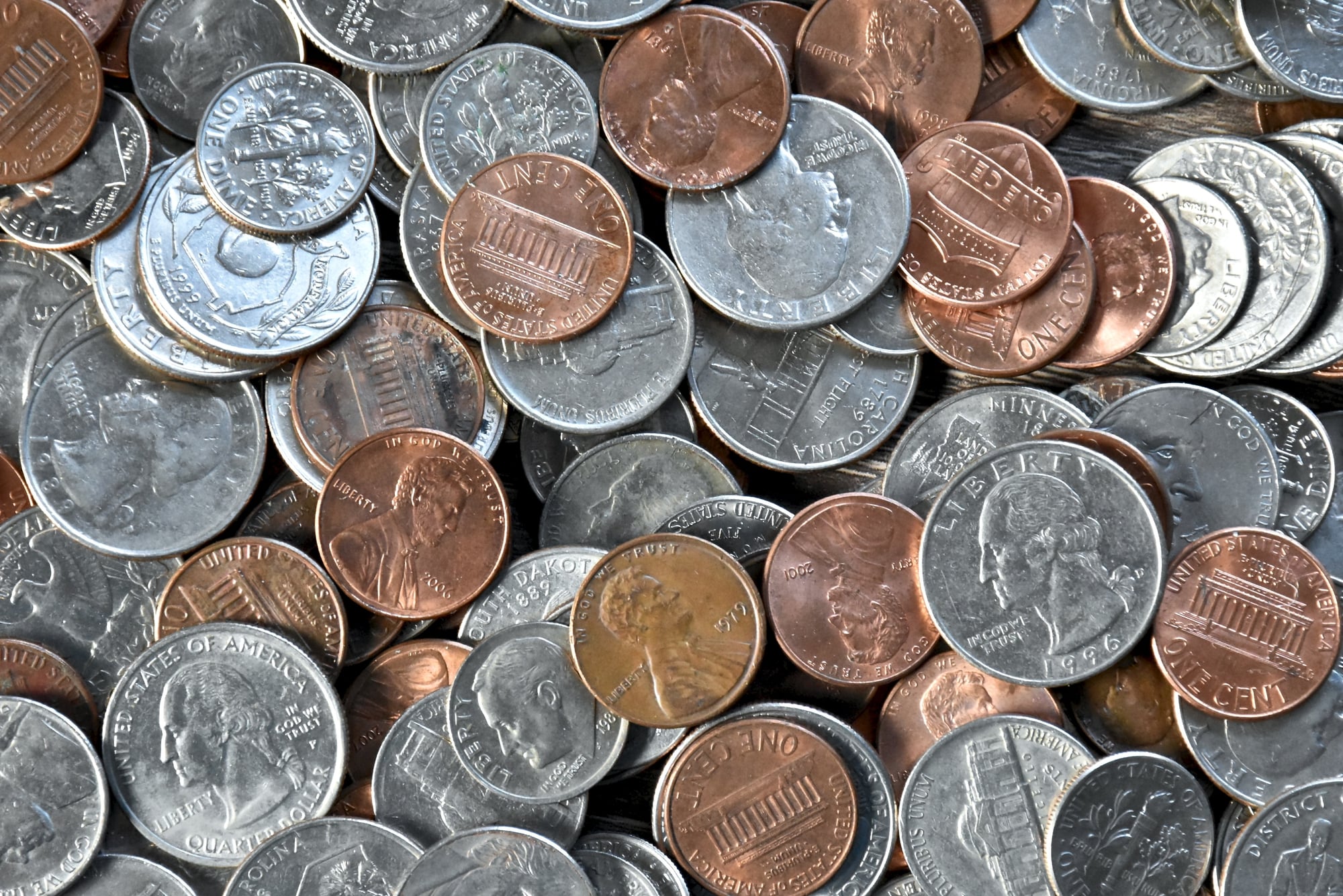
A quarter in your pocket is just currency, until it isn’t. Slide it into a coin slot and it stops being spare change and becomes a ticket, a small stubborn promise that something is about to happen.
There’s a reason people held onto that particular weight of metal longer than any other coin, heavier in memory than in the hand, the way a screen door slam can outlive the house it belonged to.
Pinball’s Metal Heartbeat
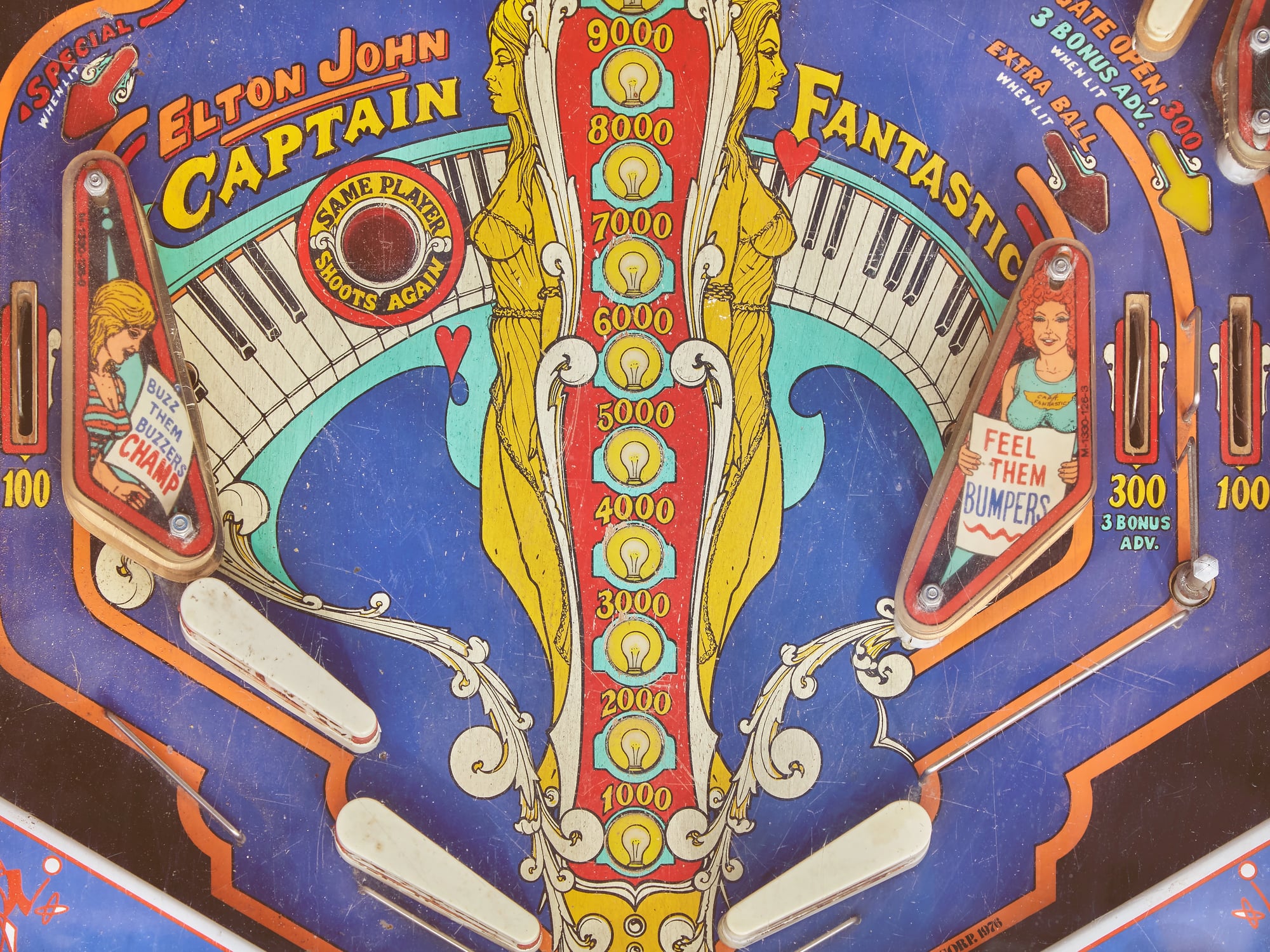
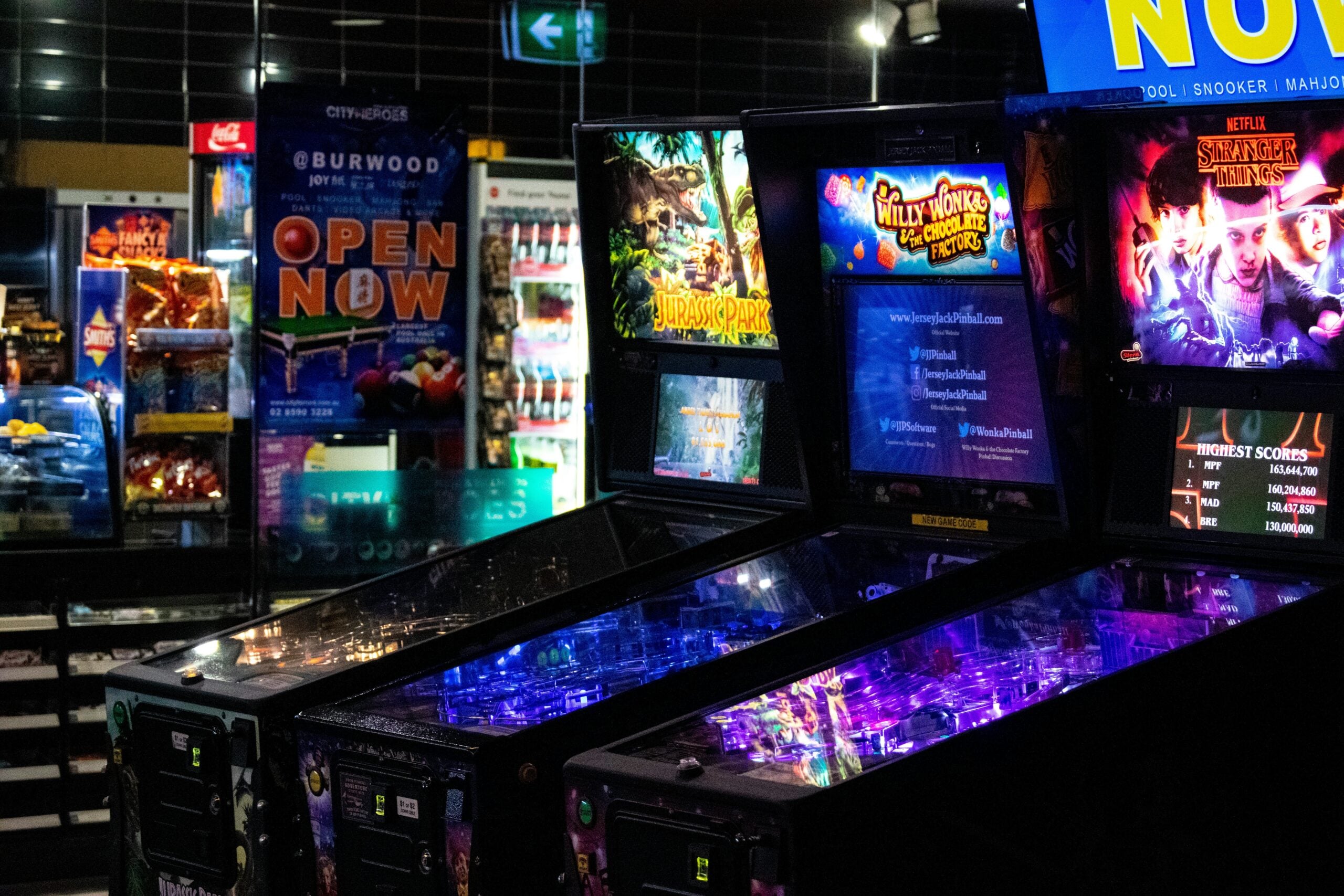
Pinball invented the coin sound long before video games borrowed it. The mechanical thunk of a pinball machine accepting a coin has more personality than half the sound effects modern arcades pipe through speakers, and that’s not nostalgia talking, that’s just true.
Digital chimes can be looped and tweaked endlessly, but they can’t replicate the honest clunk of gears doing actual work, which is saying something in an industry obsessed with polish.
Photo Booths and the Coin-Operated Souvenir
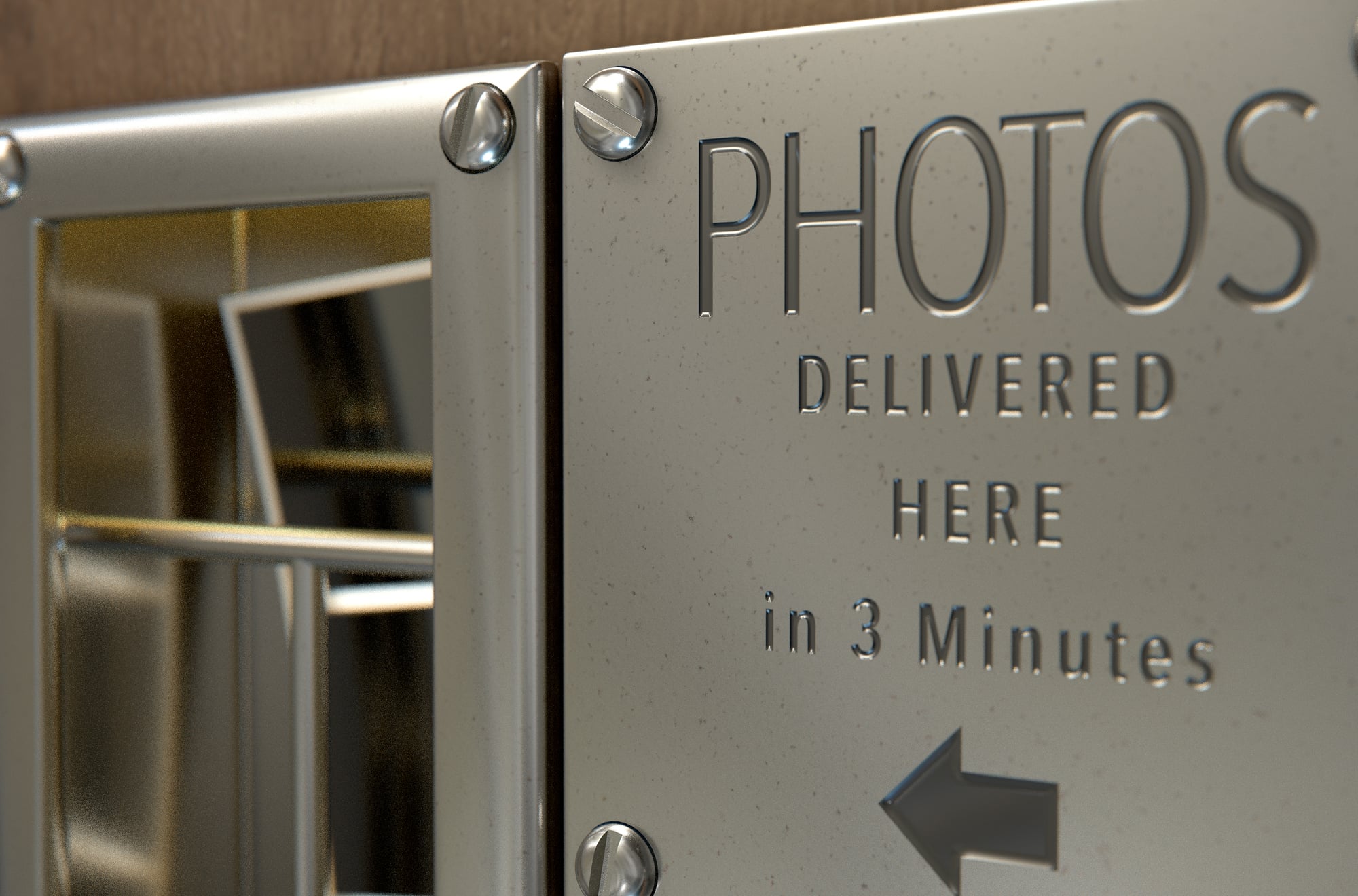
Photo booths ran on the same coin logic as arcades, just slower. Drop your money, sit still, wait for four flashes and a strip of film to drop.
No do-overs, no filters, just the sound of a machine deciding you’re worth documenting.
The Change Machine Ritual
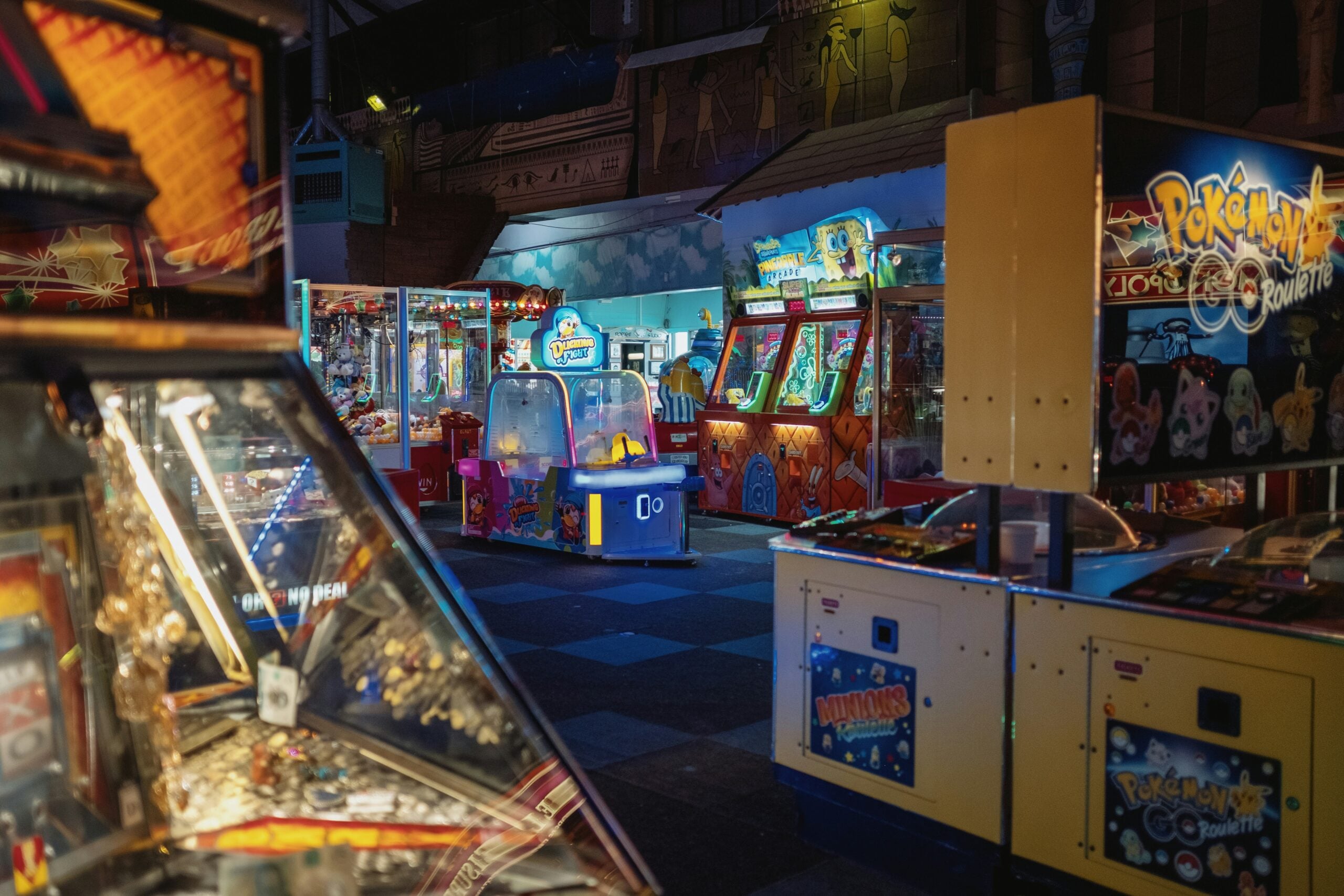
Every arcade had one: a change machine bolted to the wall, humming, hungry, occasionally swallowing a dollar bill without giving anything back, which everyone accepted as the cost of doing business, apparently, because nobody ever really complained about it. You’d feed it a crumpled bill, wait for that mechanical churn (the sound like a small factory deciding whether to trust you), and then the coins would drop into the tray in a rush, more of them than felt mathematically fair.
That rush mattered. But it was really just the appetizer, the thing that primed you for the real sound waiting a few feet away.
Chuck E. Cheese and Childhood Memory
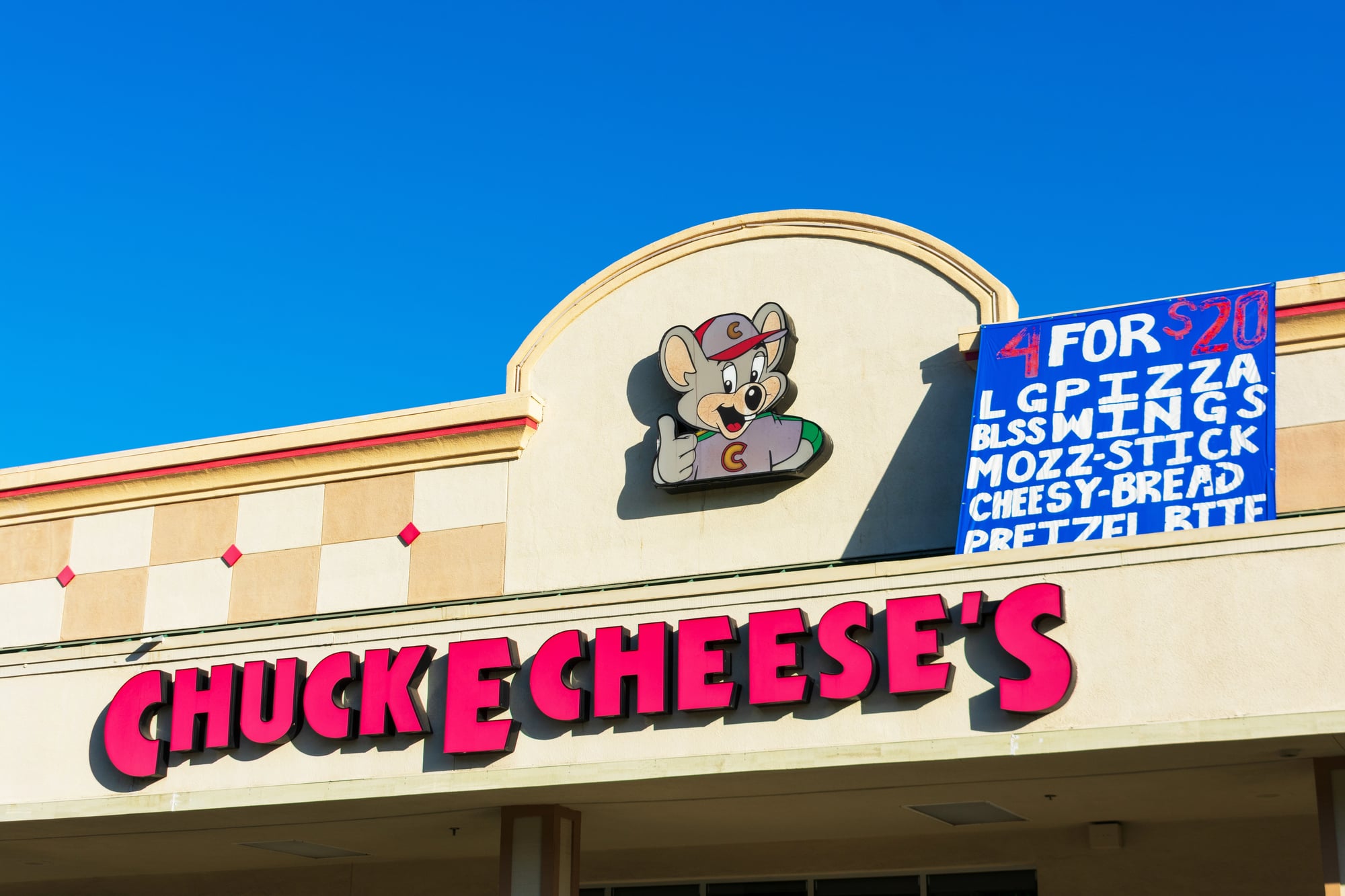
Chuck E. Cheese sounded like chaos to any adult standing in the doorway, but to a kid it was closer to music, a layered hum of coin drops, ticket spools, and a dozen games shouting over each other. Somewhere in that noise, a birthday felt bigger than it actually was.
Decades later, the smell of pizza and the memory of that particular racket still arrive together, uninvited, the way certain songs do.
Token Booths and the Loss of the Coin Sound

Tokens ruined the coin sound and nobody talks about this enough. A token dropping into a slot makes a duller, cheaper noise than a real quarter, more like a button falling into a jar than currency changing hands.
Arcades switched to tokens for practical reasons, security, control, all the boring stuff, but they traded away the one sound that actually sold the experience. Progress, as usual, came with a small acoustic downgrade nobody asked for.
The Rise of Swipe Cards
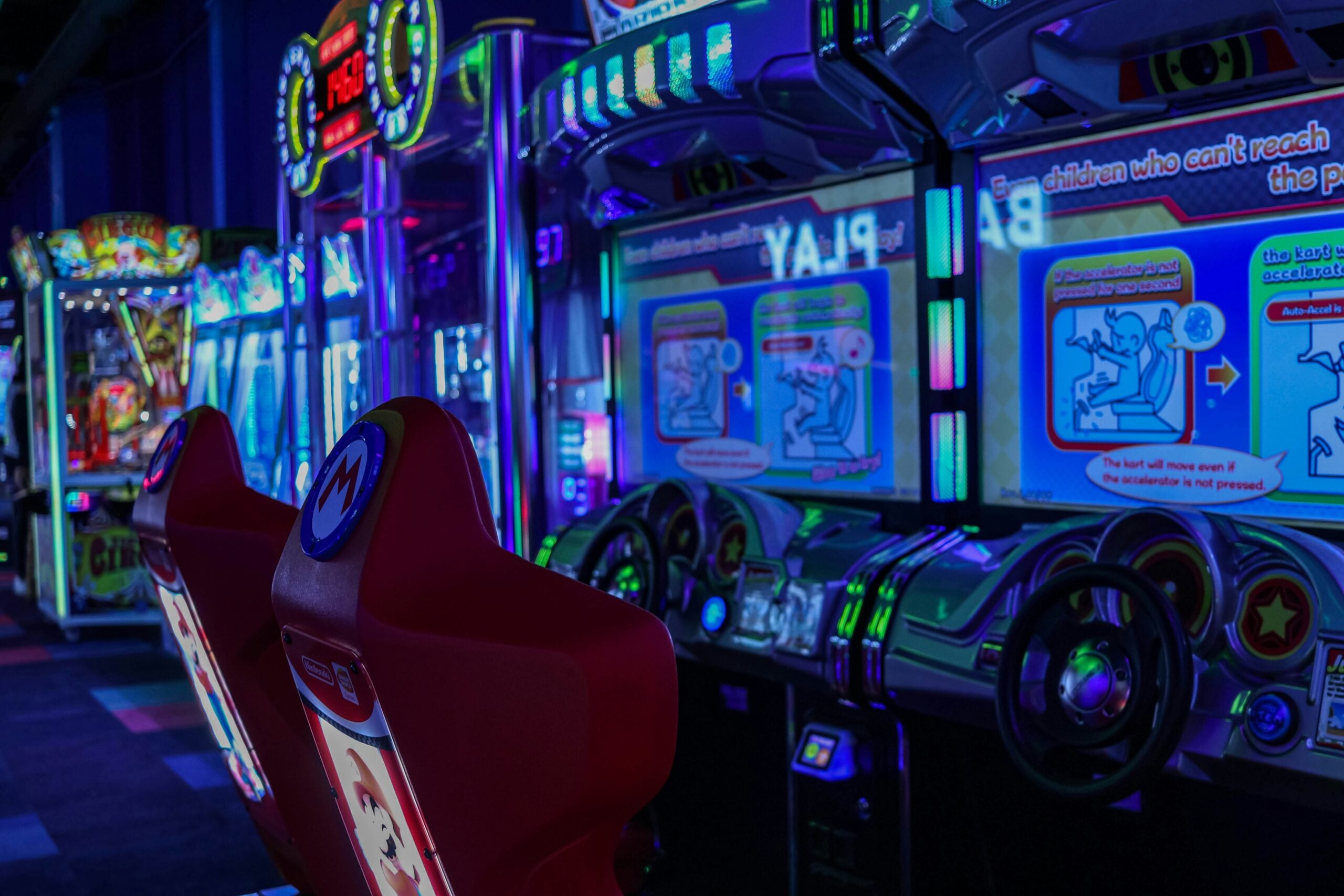
Most modern arcades run on cards now. Tap, beep, done.
Efficient, sure, but efficient isn’t the same as satisfying, and everybody who grew up with quarters knows the difference immediately.
Why Arcades Never Fully Died
Everyone predicted arcades would vanish once home consoles got good enough, and for a while it looked true, cabinets gathering dust in the backs of pizza places, whole rows of machines unplugged and sold for parts. But something kept a handful of them alive: the fact that a television in your living room, no matter how sharp the graphics got, never made a sound when you fed it money.
So people kept driving to the same strip malls, feeding the same machines, chasing a noise their console simply couldn’t make. It’s a small thing to build an entire industry’s survival on, and yet here we are.
The Psychology of Small Rewards
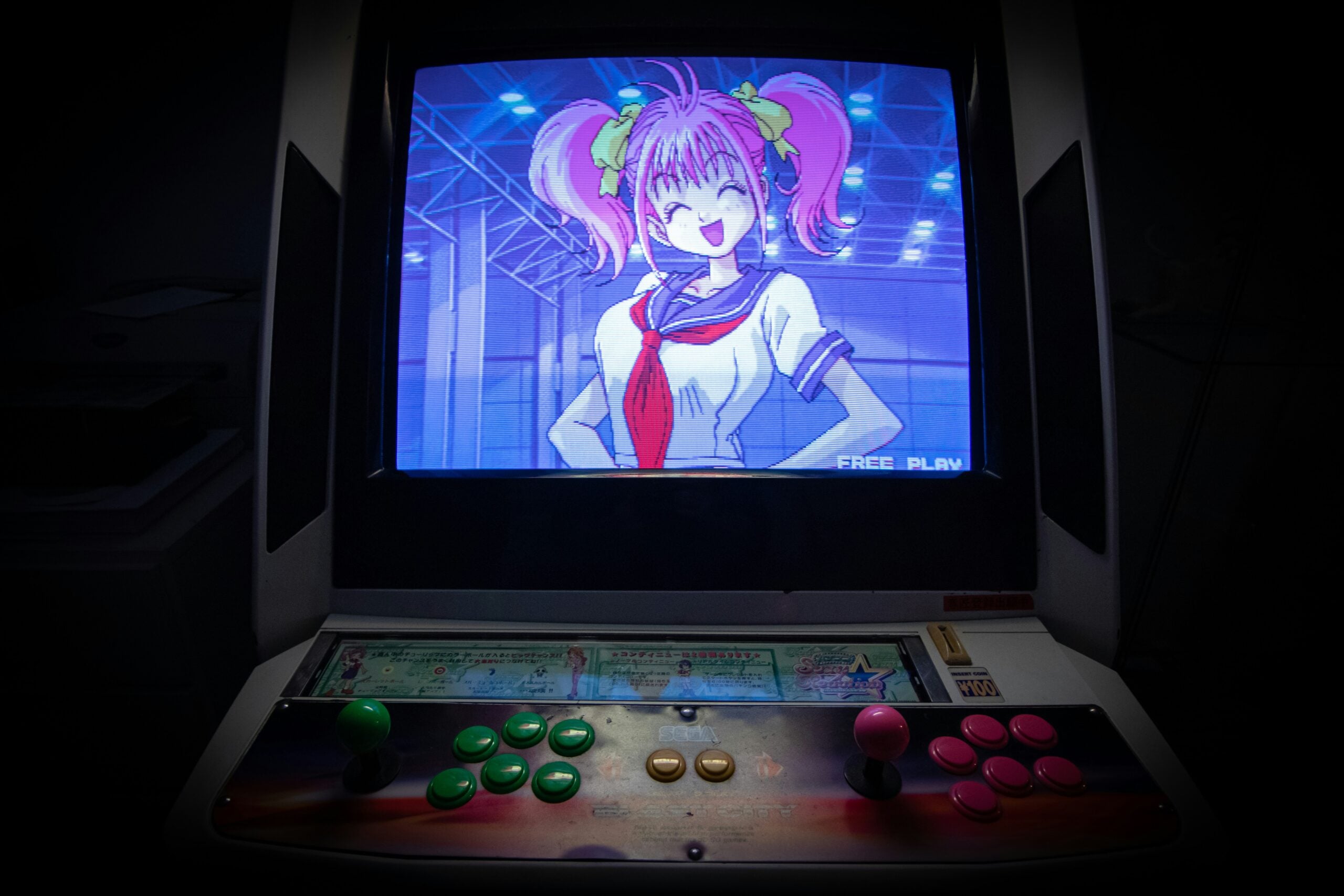
Slot machines get blamed for exploiting the brain’s love of small, unpredictable rewards, but arcades were doing it first, just with better manners. A coin drop is a tiny down payment on hope, cashed in seconds later for a game you might lose anyway.
The sound doesn’t promise you’ll win. It just promises you’re allowed to try, which turns out to be almost as good.
Barcades and Adult Nostalgia

Barcades exist because adults refused to let go of a sound from childhood, dressed up now with better beer and higher prices. Nobody walks into one for the drink menu.
They go to hear that same coin-drop chime while holding something stronger than a juice box, which is progress of a kind. It’s a little embarrassing how well it works, and also completely fine.
The Sound Design Behind Coin Slots
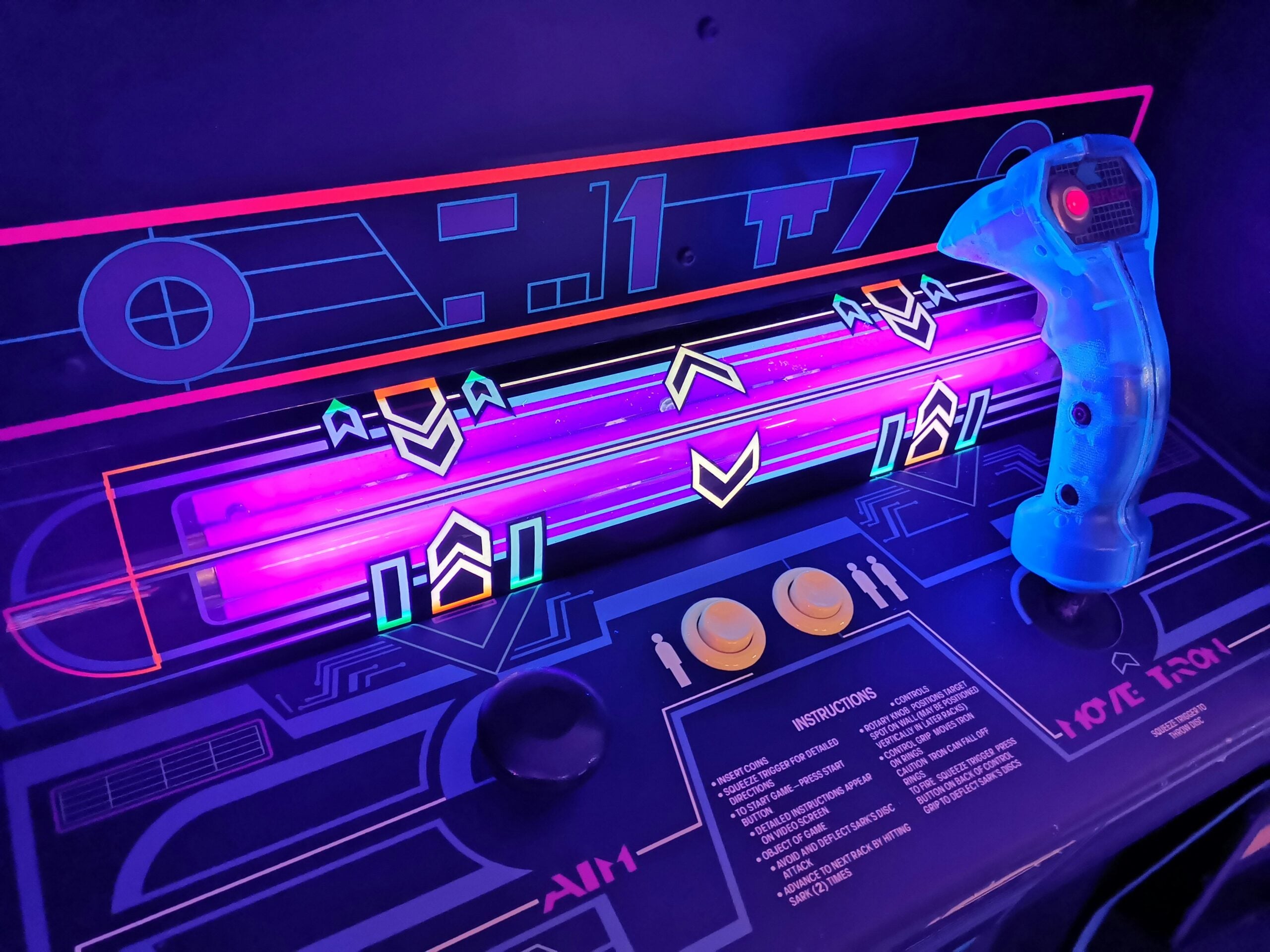
Coin slots were never just openings for money. Engineers tuned the drop distance, the metal chute, the little internal bell, all to make one clean sound.
Nothing about that clink was an accident.
Claw Machines and the Coin Drop

Claw machines might be the most dishonest devices ever built: the coin drop still sounds exactly like promise, no different from a machine that pays out fairly, which feels almost unfair in itself. You put your money in, watch the claw drift over a pile of prizes clearly weighted to resist it (someone engineered that grip strength on purpose, and it shows), and somehow the coin sound alone is enough to make you try twice more.
And the strange part is you know this going in. But the sound doesn’t care what you know.
The Coin Sound That Outlived the Coin
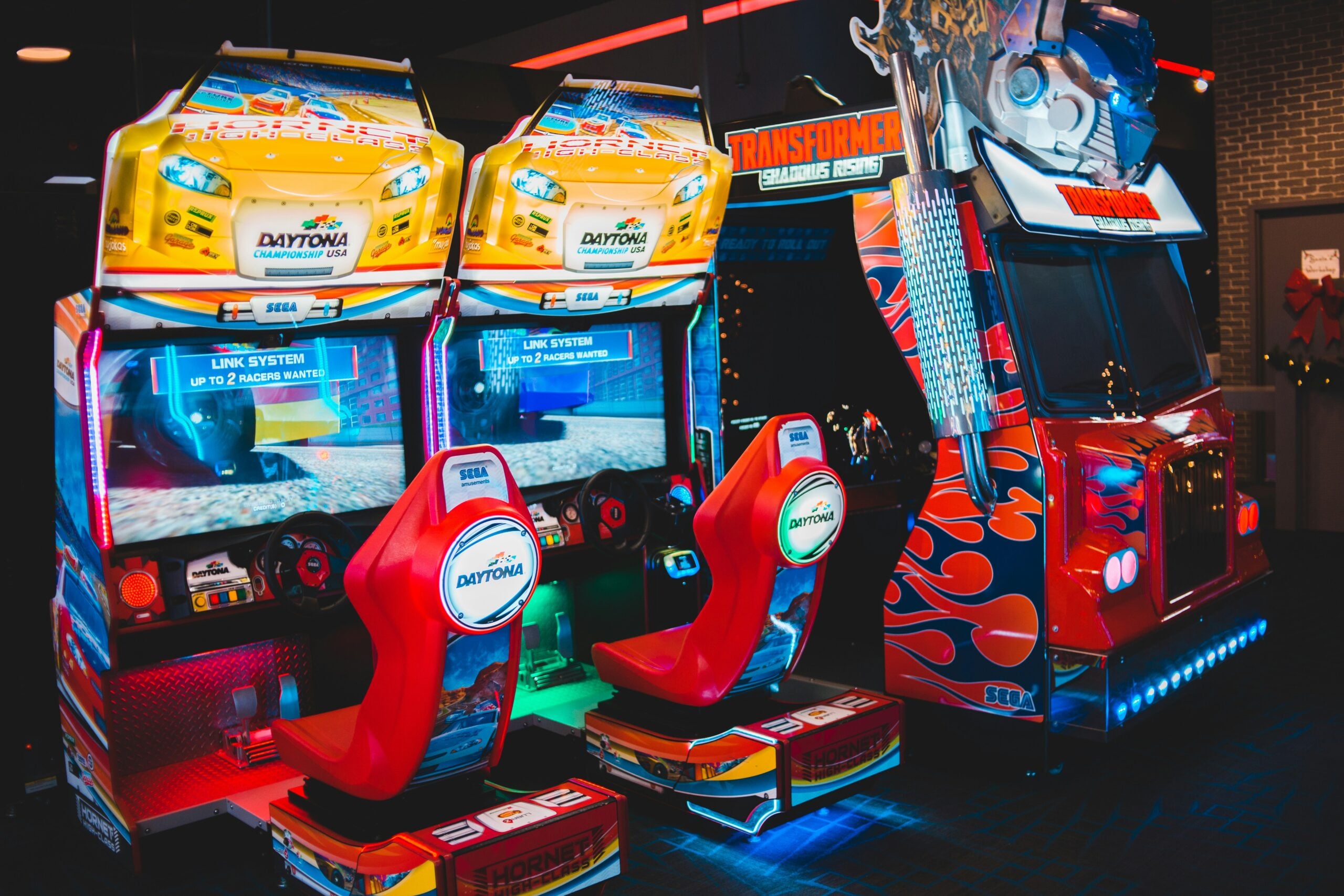
Plenty of arcades don’t take actual coins anymore, and yet the sound effect survives inside the machines that replaced them, digitally recreated, still triggered by a card tap. It’s a strange kind of fossil, a sound preserved long after the thing that made it disappeared, like a ringtone shaped like an old rotary phone.
Nobody demanded this. The industry just knew, somehow, that removing the sound would feel like removing something people didn’t know they needed.
Home Arcade Cabinets and the Sound You Can’t Buy Back
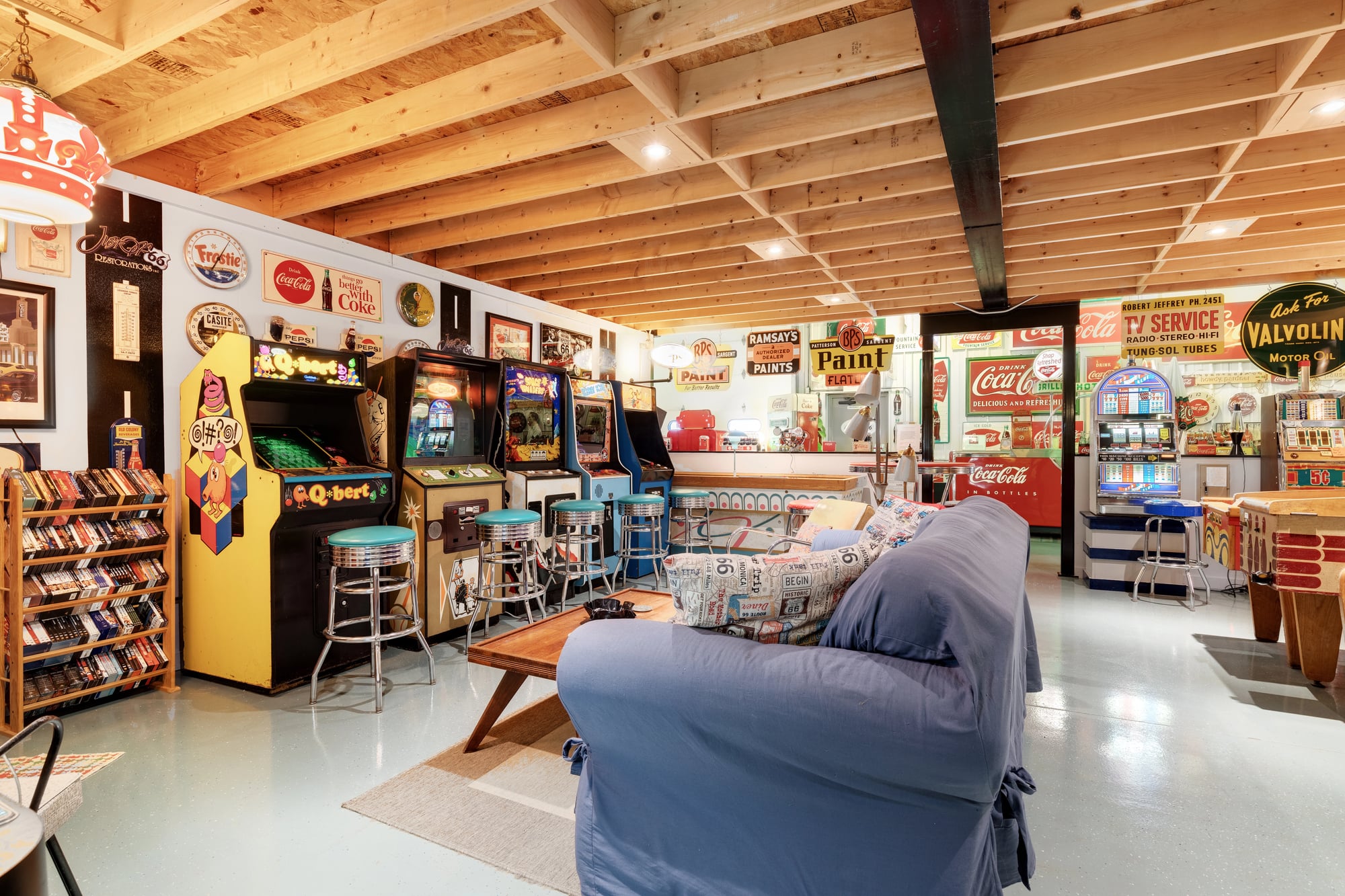
Full-size arcade cabinets for the home exist now, complete with authentic coin mechanisms, and people still pay real money to install a slot that requires more real money. That’s not a contradiction, that’s devotion.
You can buy the machine, the joystick, the exact cabinet artwork from 1985, but the sound only means something when it’s attached to a memory you didn’t manufacture yourself. Some things resist being purchased back, no matter how good the replica is.
The Noise That Never Aged

Coins are disappearing from daily life, one tap-to-pay transaction at a time, and most people won’t miss counting change or digging through couch cushions for gas money. But the sound survives anyway, stubborn, refusing the same fate as the object that created it.
Maybe that’s the real trick arcades pulled off decades ago, teaching an entire generation that a small metallic clatter means something good is about to happen, long after anyone remembers agreeing to believe it.
More from Go2Tutors!

- The Romanov Crown Jewels and Their Tragic Fate
- 13 Historical Mysteries That Science Still Can’t Solve
- Famous Hoaxes That Fooled the World for Years
- 15 Child Stars with Tragic Adult Lives
- 16 Famous Jewelry Pieces in History
Like Go2Tutors’s content? Follow us on MSN.