27 Classified Space Race Documents Released Decades After the Fact
The version of the Space Race most people know is clean and theatrical: Sputnik shocks America, Kennedy gives a speech, Armstrong walks on the Moon. What the classified files reveal is considerably messier.
Behind the public milestones was a parallel history of espionage operations, secret military programs, covered-up disasters, and intelligence failures that both governments worked hard to keep out of the public record. When those files eventually surfaced — through declassification requests, glasnost-era Soviet disclosures, and Freedom of Information Act releases — the picture that emerged was stranger and more human than the official story had allowed.
The documents below come from CIA archives, National Reconnaissance Office disclosures, Soviet files released in the 1990s, and a series of U.S. military studies that spent decades buried in research libraries. Each one reframes something that was presented, at the time, as simple.
Eisenhower Knew Sputnik Was Coming

Declassified CIA documents released in October 2017 confirmed that President Eisenhower and senior U.S. intelligence officials had advance knowledge that the Soviet Union was planning to put a satellite into orbit by the end of 1957. The “shock” the American public experienced on October 4, 1957, was genuine.
For the administration, it was considerably more complicated.
The U.S. Government Chose Not to Stop Sputnik

One reason Eisenhower did not scramble to preempt the Soviet launch was that he had already authorized a classified satellite program of his own, and a Soviet satellite passing over American territory first would establish a legal precedent for overflight in space — a precedent that American spy satellites would need. Letting Sputnik go first made the subsequent American reconnaissance program cleaner to defend.
This reasoning remained classified for decades.
The CIA Stole a Soviet Moon Probe for One Night

Declassified intelligence files describe an operation in which CIA agents in 1959 arranged to have a Soviet Lunik spacecraft temporarily removed from a trade exhibition being toured through American cities. American intelligence officers borrowed the vehicle overnight, disassembled as much as they could photograph and measure, and returned it before morning.
The Soviets are not believed to have ever known.
The Man Behind Sputnik Was Classified

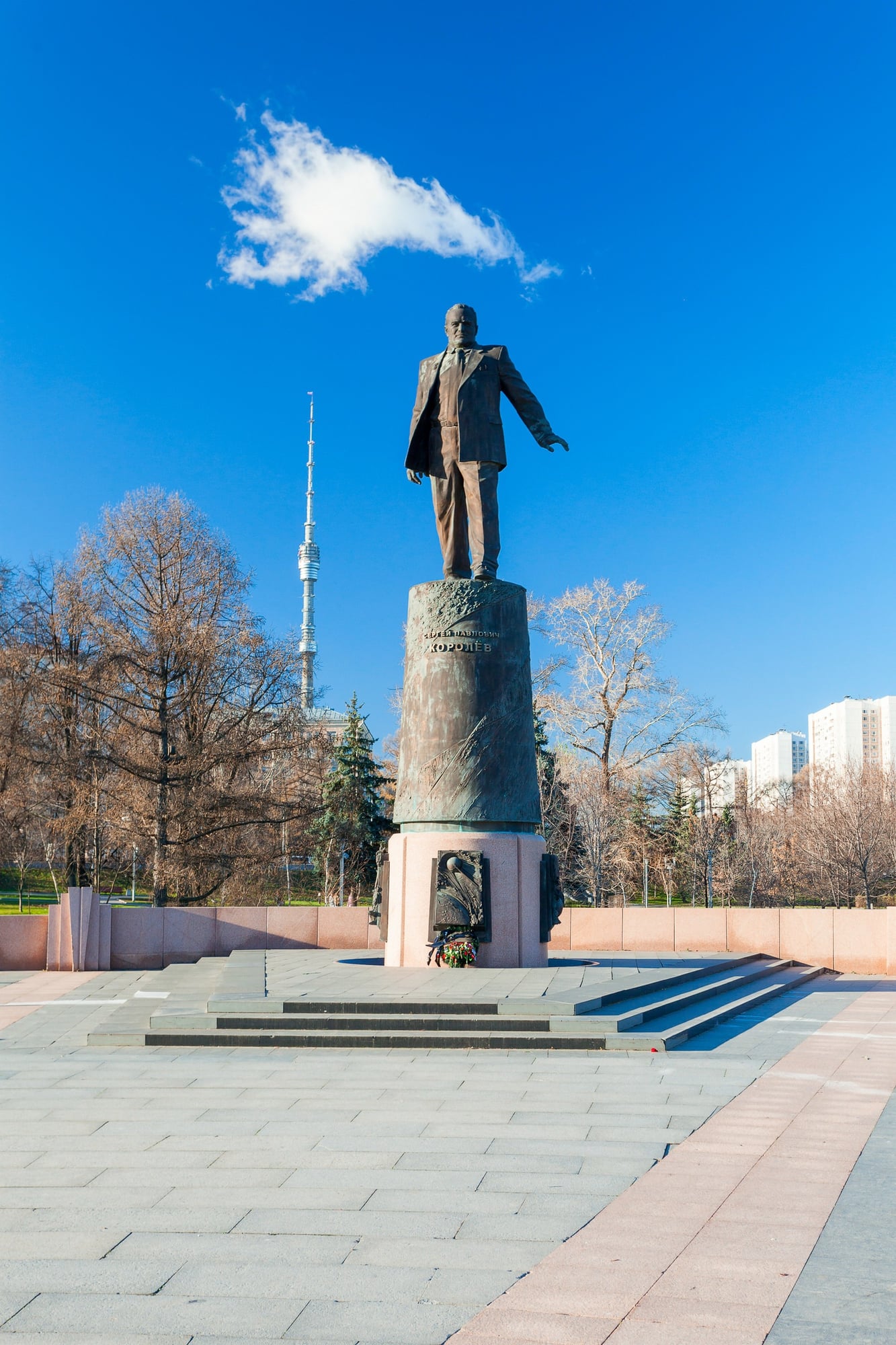
Sergei Korolev — the chief designer of the Soviet space program and the man responsible for Sputnik, the Vostok spacecraft, and every Soviet space first through the mid-1960s — was a state secret during his lifetime. When the Nobel Prize committee asked Khrushchev who was responsible for Sputnik, he reportedly replied that “all of the Soviet people” had distinguished themselves.
When Korolev’s team published articles about Sputnik in Pravda, his byline read “Professor K. Sergeyev.” The world only learned his name after his death in January 1966.
Korolev Had Been a Gulag Prisoner

What the Soviets were especially reluctant to publicize was that their most important rocket scientist had been arrested during Stalin’s purges in 1938 and sentenced to hard labor in Siberia. Korolev spent years in the Kolyma gold mines and in a prison design bureau before being released to work on rocketry after World War II.
The man who launched Sputnik and Gagarin had once been classified as an enemy of the state by the same government he later served.
The Soviet Moon Rocket Exploded Three Weeks Before Apollo 11
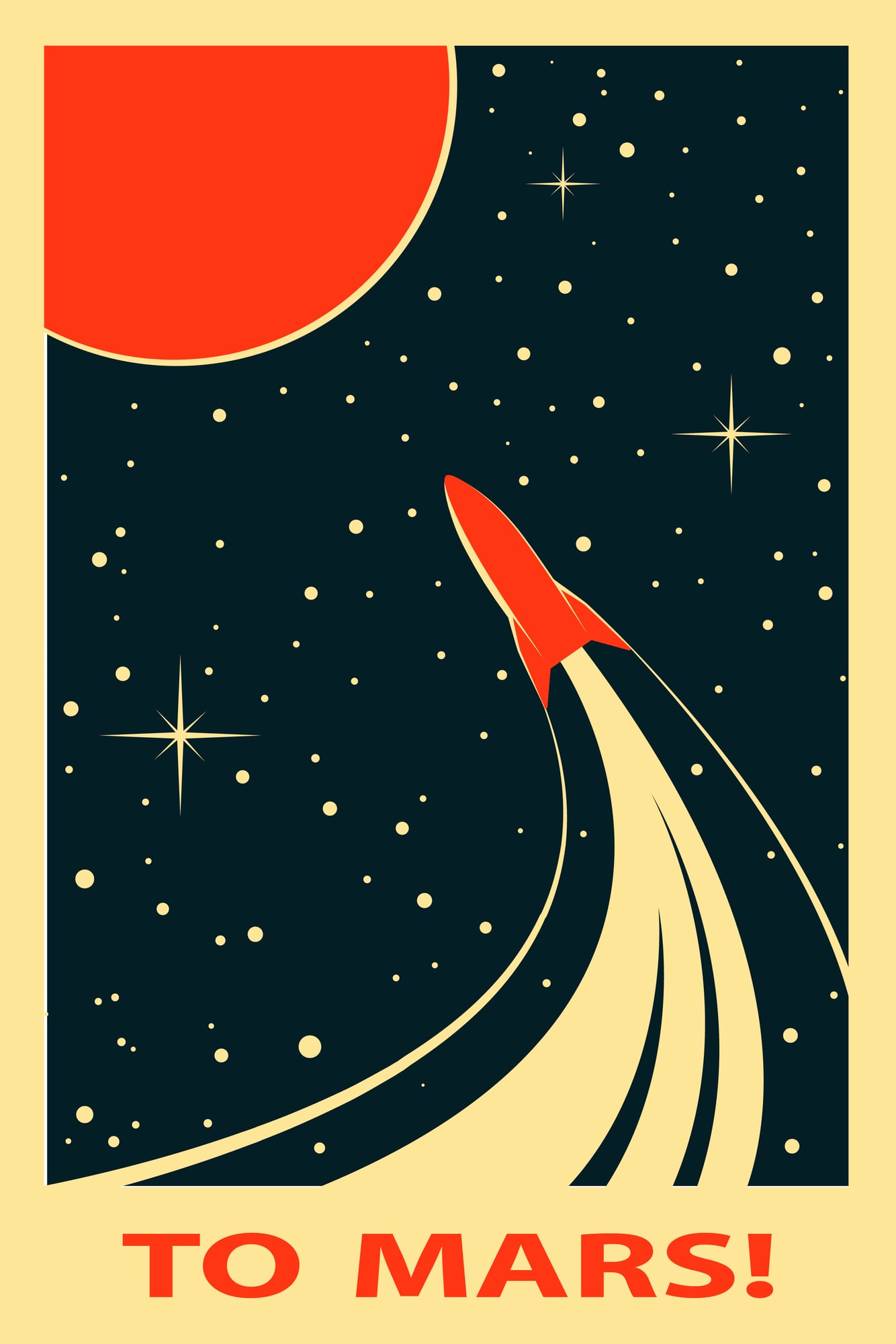
On July 3, 1969, seventeen days before Armstrong and Aldrin landed on the Moon, the Soviet N1 rocket exploded on the launchpad at Baikonur in Kazakhstan, destroying the launch complex. The explosion was one of the largest non-nuclear blasts of the Cold War.
The Soviet government never acknowledged that the N1 existed, and the intelligence remained classified. The Soviet lunar program had effectively ended; neither the Soviet public nor the wider world knew this until the early 1990s.
Four N1 Explosions Were Hidden for Two Decades
The N1 failed in all four of its test launches, between 1969 and 1972, each time in catastrophic fashion. The program was quietly canceled in 1976 and not officially confirmed until 1989.
The scale of the effort — and of the failure — was not documented in open sources until Soviet engineers began publishing memoirs in the 1990s.
The U.S. Army Planned a Military Base on the Moon
In March 1959, the U.S. Army Ballistic Missile Agency submitted a classified feasibility study titled “Project Horizon.” The plan called for 149 Saturn rocket launches, a cost of approximately six billion dollars, and a garrison of twelve soldiers on the lunar surface by 1966.
Eisenhower rejected it in favor of a civilian space program under NASA, and the study was classified for decades.
The Air Force Had Its Own Competing Moon Plan

The U.S. Air Force developed a parallel proposal called the Lunex Project in 1958, calling for a crewed lunar landing by 1967 and the subsequent construction of an underground base housing 21 personnel in connected modules beneath the lunar surface. Like Project Horizon, Lunex was abandoned when NASA assumed authority over the civilian space program.
The U.S. Considered Detonating a Nuclear Weapon on the Moon

Project A119 was a classified U.S. Air Force study from 1958 that assessed the feasibility and potential psychological impact of detonating a nuclear bomb on the lunar surface. The project was shelved, partly because scientists argued that landing a man on the Moon would be more compelling.
Its existence was not publicly acknowledged until 2000.
Carl Sagan Worked on the Moon Bomb Study as a Graduate Student
One of the scientists involved in the A119 feasibility study was a 24-year-old graduate student named Carl Sagan, who later became famous for arguing the opposite case — that humanity’s relationship with space should be defined by exploration and wonder, not weaponization. Sagan’s involvement came to light when a biographer referenced it in 1999.
The Soviet Union Had a Parallel Moon-Bombing Proposal

Declassified Soviet files confirmed that the Soviets had independently arrived at essentially the same proposal to detonate a nuclear device on the Moon for propaganda purposes. Both superpowers reached the same conclusion — and both ultimately rejected it.
The National Reconnaissance Office Didn’t Officially Exist Until 1992
The organization responsible for American spy satellites during the Space Race was itself classified. The National Reconnaissance Office was created in 1961 and operated in complete secrecy for more than 30 years.
Its existence was officially acknowledged by the U.S. government in September 1992.
Corona Spy Satellites Were Disguised as a Science Program
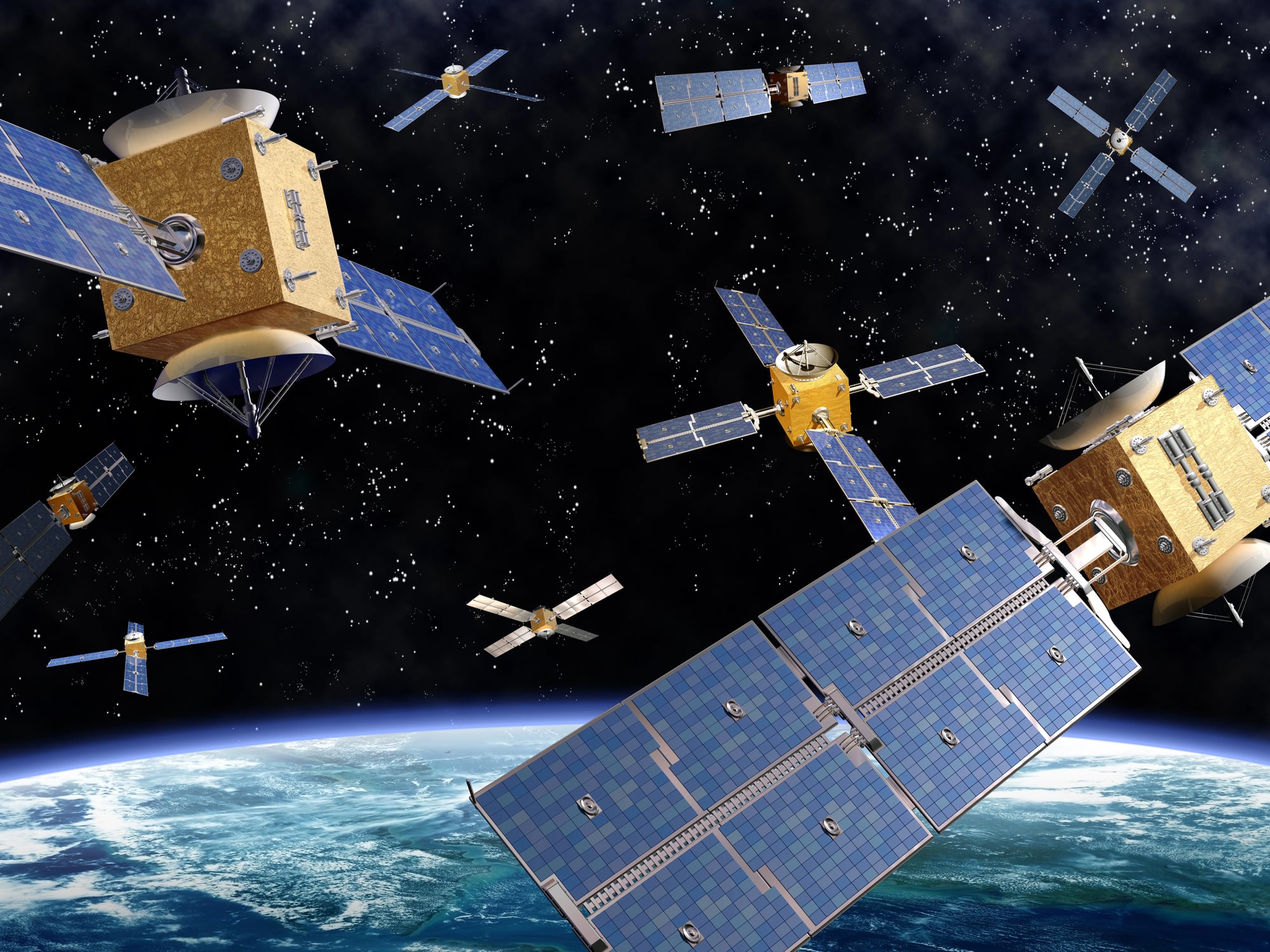
The Corona reconnaissance satellite program was publicly described as a technology development effort called “Discoverer.” When officially declassified in February 1995, it had already conducted 145 missions and produced more photographic coverage of the Soviet Union than all previous U-2 aircraft operations combined.
The Manned Orbiting Laboratory Was a Classified Spy Station

First announced publicly in December 1963 as a program to study the “military usefulness of humans in space,” the Manned Orbiting Laboratory was actually designed to put a crewed surveillance satellite in orbit over the Soviet Union. The program was canceled in June 1969, after spending $1.56 billion.
More than 20,000 pages of documents were declassified by the National Reconnaissance Office in 2015.
Seventeen Astronauts Were Secretly Recruited for the Spy Station

The MOL program selected its own astronaut corps — 17 people in total across three groups — who were trained for a mission the public didn’t know existed. Several later transferred to NASA, including Richard Truly, who became NASA Administrator.
Their MOL assignments could not be discussed publicly for decades.
Soviet Cosmonauts Were Not Allowed to Describe What They Saw

Cosmonauts who made early orbital flights were required to submit debriefs to security officials before speaking publicly about what they had observed. Any observation of military significance was classified before the cosmonaut could give interviews or write about the flight.
The Soviets Denied Having a Lunar Program Until 1989

Despite years of building the N1, training cosmonauts for lunar missions, and developing a lunar lander, the Soviet government publicly maintained throughout the late 1960s that it had no intention of sending cosmonauts to the Moon. The programs were officially acknowledged only under Gorbachev’s glasnost, beginning in 1989.
Vladimir Komarov Knew His Mission Would Kill Him
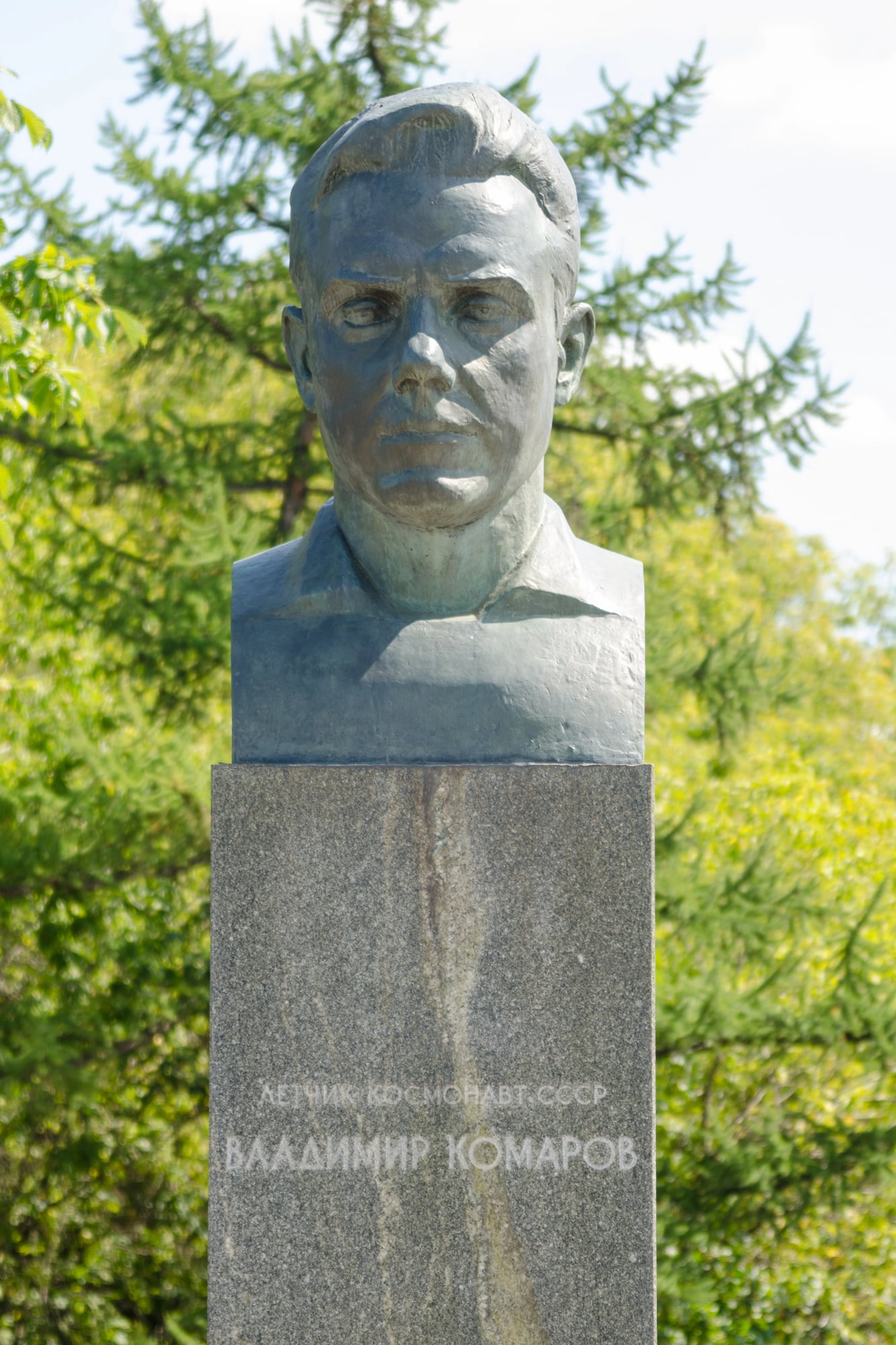
Declassified documents indicate that cosmonaut Vladimir Komarov was aware before his 1967 Soyuz 1 flight that at least 203 design faults had been identified in pre-flight reviews. He reportedly flew anyway, partly to spare his backup pilot and close friend Yuri Gagarin from the same fate.
Soyuz 1 crashed on reentry, and Komarov became the first person to die during a spaceflight mission.
Gagarin Was Removed from Flight Duty After Komarov’s Death
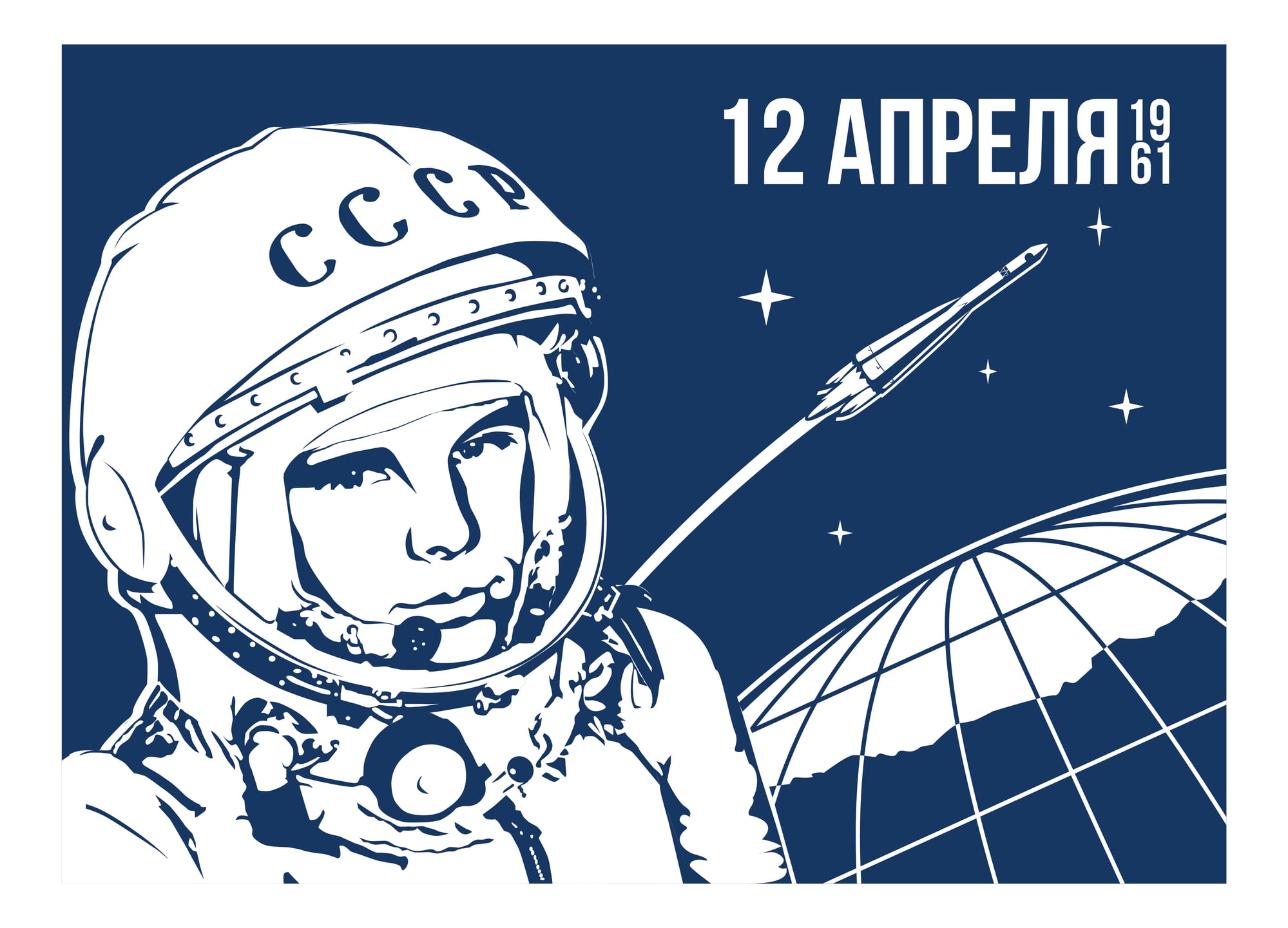
Following Komarov’s death, Gagarin was quietly grounded by Soviet authorities. He died in a training jet crash in March 1968.
Soviet investigations into the crash remained classified for decades; a full report was only released in 2013.
The CIA Knew Korolev’s Failing Health Was a Strategic Risk

Declassified CIA assessments show that American intelligence was tracking the health of the Soviet space program’s leadership. When Korolev died during a routine surgical procedure in January 1966, the Soviet program fragmented into competing design bureaus that could not agree on how to build the N1 — a problem that ultimately doomed the lunar program.
U.S. Intelligence Photographed the N1 Explosion from Orbit

American reconnaissance satellites captured imagery of the July 3, 1969, N1 launch explosion. The photographs documented the destruction of the Baikonur launch facility and the subsequent reconstruction effort.
The imagery remained classified long after the fact.
The Soviets Had a Race to Beat Apollo 8, Not Apollo 11

Declassified files revealed that the Soviet program’s actual priority in late 1968 was beating Apollo 8 with an unmanned circumlunar mission. The Zond program experienced failures in September and November 1968 that made a crewed flight before Apollo 8 impossible.
It was arguably the moment the Soviets lost the race, not July 1969.
Soviet Engineers Built a Better Spacesuit Than NASA’s for the Moon
Documents from the Soviet lunar program described a lunar spacesuit called the Krechet-94, a hard-shell suit entered from the back — a design concept later judged superior for solo surface operations. The suit was completed and tested.
It was never used.
The Soviets Landed Rovers on the Moon Years After the Race Officially Ended

The Soviet Lunokhod rover series — Lunokhod 1 in 1970 and Lunokhod 2 in 1973 — covered kilometers of lunar terrain and transmitted thousands of photographs. Their technical sophistication was recognized more clearly when documentation became fully available decades later.
The U.S. Air Force Briefly Considered Weaponizing Astronaut Helmets

Among the stranger items to emerge from declassified MOL planning documents was a discussion of whether crewed orbital platforms could incorporate offensive capabilities — including adapting equipment carried by crew members. These discussions were quietly dropped when the program shifted its focus to reconnaissance.
The Space Race Created the Framework for Arms Control in Space

Documents released from the 1967 Outer Space Treaty negotiations show that both the U.S. and the Soviet Union arrived at the treaty process with significant classified military activities already under way. The treaty prohibiting weapons of mass destruction in space was negotiated by two governments that had, in parallel, been actively considering exactly those things.
What the Files Finally Confirm

The strangest thing about the classified space race record is not any individual document. It is the pattern.
Both superpowers were simultaneously more frightened, more reckless, more creative, and more incompetent than their public postures suggested. The Americans staged shock over Sputnik while their president already knew it was coming.
The Soviets staged confidence about the Moon while their lunar rocket kept exploding in the desert. And in between, both sides were stealing each other’s hardware, photographing each other’s launch sites from orbit, and drawing up plans to blow up the Moon.
The documents don’t diminish the real achievements of the space race. They do complicate any account that treats it as simply a story about science.
It was also a story about secrecy, panic, propaganda, and the extraordinary things governments will attempt when they believe the other side might get there first.
More from Go2Tutors!

- The Romanov Crown Jewels and Their Tragic Fate
- 13 Historical Mysteries That Science Still Can’t Solve
- Famous Hoaxes That Fooled the World for Years
- 15 Child Stars with Tragic Adult Lives
- 16 Famous Jewelry Pieces in History
Like Go2Tutors’s content? Follow us on MSN.