City Landmarks Built for Forgotten Purposes
Cities tell stories through their buildings. But sometimes the story changes, and the building stays behind—standing as a monument to something that no longer exists.
Walk past these places now and you might never guess what they were really for. The original purpose fades from memory while the structure becomes something else entirely.
The Eiffel Tower Started as Temporary

Paris almost dismantled its most famous landmark. Gustave Eiffel designed the tower for the 1889 World’s Fair, and city officials planned to tear it down after 20 years.
The contract spelled it out clearly—temporary structure, limited lifespan. But then the radio came along.
The tower’s height made it perfect for transmission antennas, and suddenly Paris had a reason to keep what had been just an exhibition piece. The military used it during World War I for radio communications, intercepting enemy messages.
That temporary fairground attraction became permanent infrastructure, all because technology changed. Today tourists crowd the elevators and snap photos, completely unaware the tower was supposed to be scrap metal by 1909.
Grand Central Terminal Hides a Presidential Platform

Under Grand Central Terminal in New York, Track 61 sits abandoned. This wasn’t meant for regular commuters.
The government built it as a private entrance for presidents, complete with an elevator that rises directly into the Waldorf Astoria Hotel. Franklin D. Roosevelt used it to arrive in the city without being seen.
His train car would pull onto the platform, and an elevator would lift his car straight up into the hotel’s garage. The public never saw him being helped from the train—keeping his polio diagnosis largely hidden from view.
The platform hasn’t seen a presidential train since the 1960s. But it’s still down there, frozen in time, serving a purpose that became obsolete as attitudes about disability changed and security concerns shifted to different threats.
London’s Tube Stations Became Underground Cities
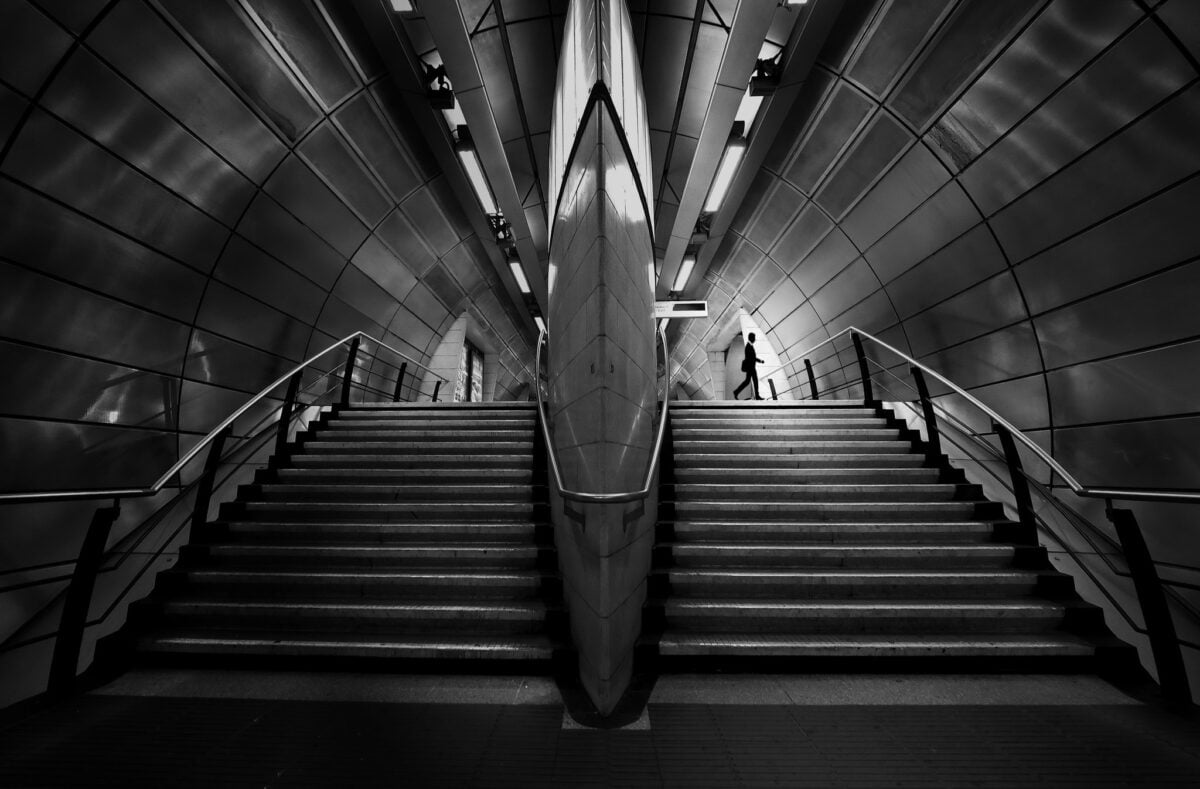
When German bombs started falling on London during World War II, thousands of people flooded into Underground stations every night. The government hadn’t planned this.
The Tube was for transportation, not shelter. But people came anyway, bringing blankets and sleeping in the tunnels.
Eventually the authorities gave up trying to stop them and started organizing the chaos. They installed bunks, toilets, and first-aid stations.
Some stations had libraries and canteens. Aldwych station became a secure storage facility for the British Museum’s treasures.
After the war ended, the bunks came out and the trains started running normal schedules again. The stations went back to being transit hubs.
Most people who pass through them today have no idea they once served as neighborhoods where families lived through the Blitz.
City Hall Station Became Too Small for Modern Times
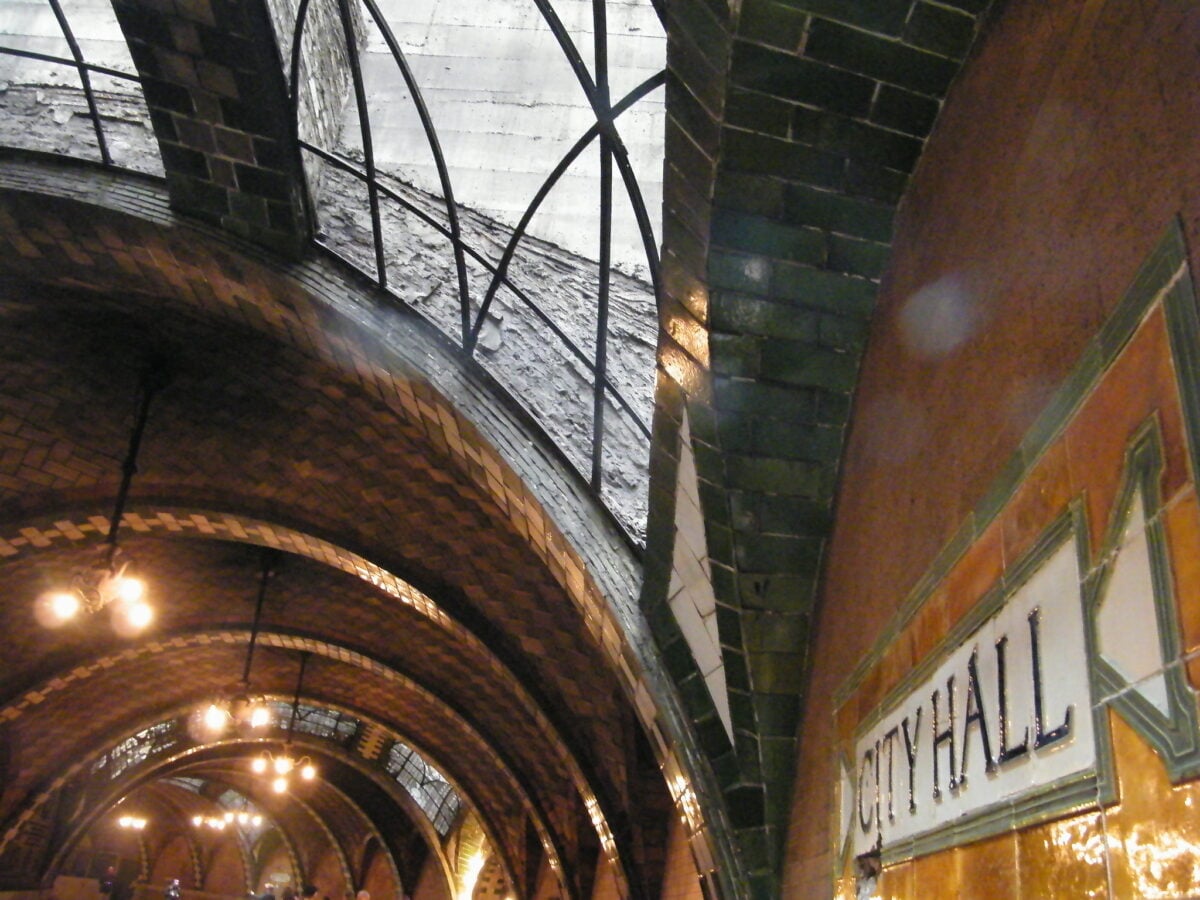
New York’s first subway line included a beautiful showpiece station at City Hall. The designers created a masterwork in 1904, with skylights, chandeliers, and arched tile ceilings.
This was meant to impress, to show the world that New York had arrived as a modern city. But subway cars got longer.
The station’s tight curve couldn’t accommodate the new trains safely. By 1945, City Hall station closed to passengers because the gap between the train and platform became too dangerous.
The station still exists, perfectly preserved beneath city streets. Transit workers use it to turn trains around on the 6 line.
Occasionally the Transit Museum runs tours through the abandoned platform, where you can see how they built subways more than a century ago—decorative instead of purely functional.
The Brooklyn Bridge Stored Wine Underground
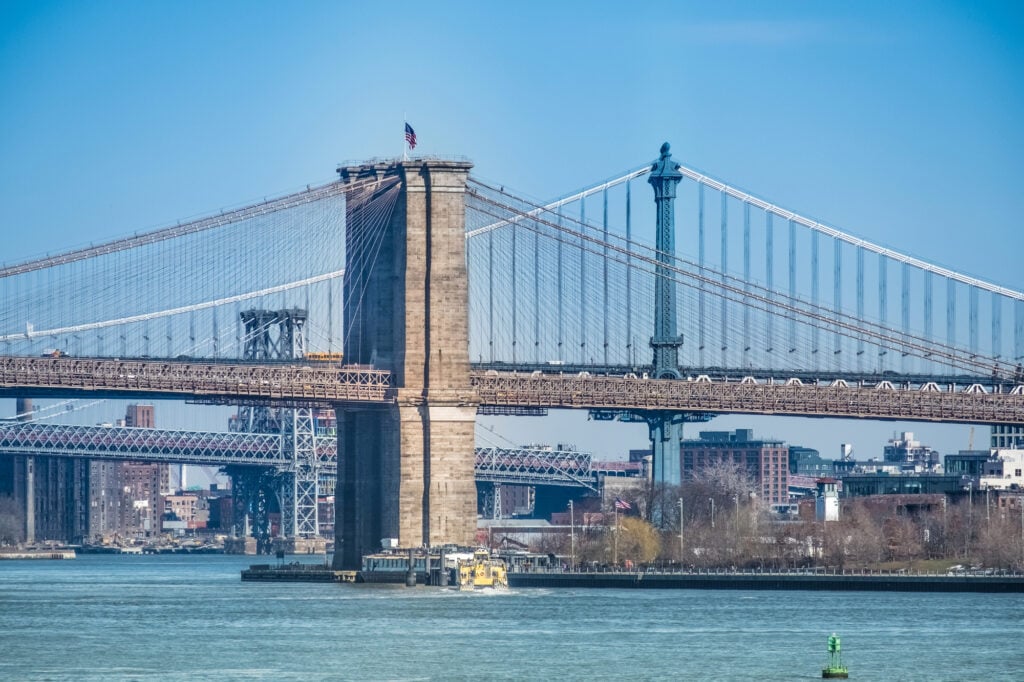
The Brooklyn Bridge has stone chambers inside its massive foundations. When the bridge opened in 1883, the builders realized these cool, dark spaces could serve a purpose beyond structural support.
They rented the chambers as wine cellars. For decades, merchants stored thousands of bottles in the bridge’s vaults, where the temperature stayed consistently cool without refrigeration.
The Brooklyn Bridge became one of New York’s premier wine storage facilities, completely hidden from anyone crossing overhead. Prohibition ended that business.
The city eventually sealed most of the chambers, though some remain accessible. The bridge still spans the East River, still moves thousands of people daily, but its side hustle as a wine cellar belongs to history.
Chicago’s Water Tower Outlasted Its Original Job
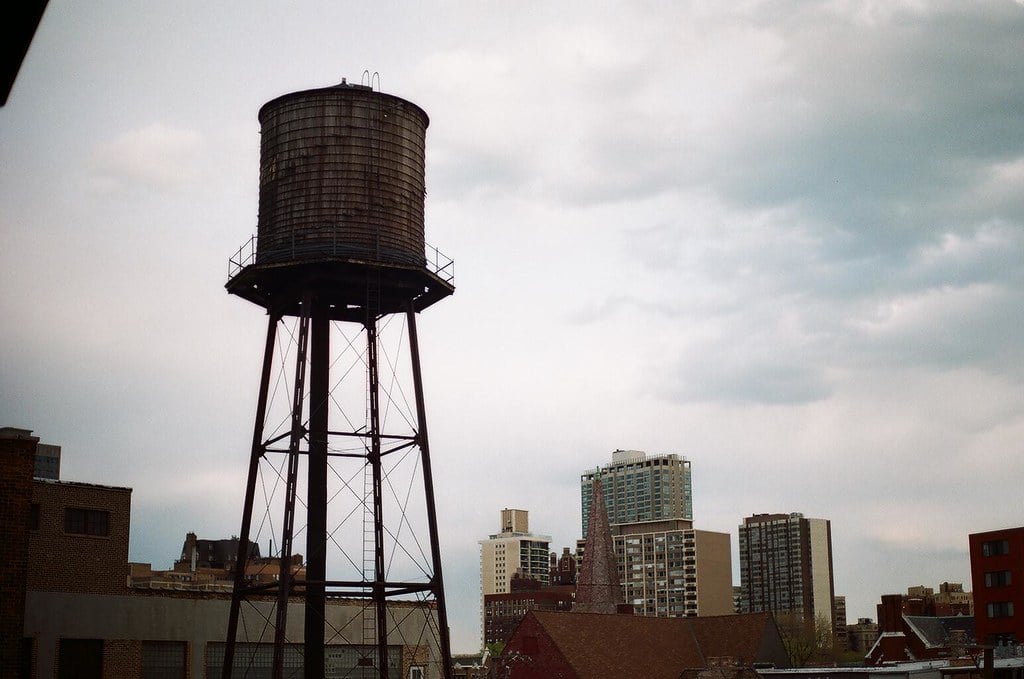
The Chicago Water Tower stands yellow and Gothic-looking among modern skyscrapers, looking somewhat out of place. Built in 1869, it housed a giant standpipe that equalized water pressure for the city’s pumping system.
Then the Great Chicago Fire swept through in 1871, destroying most of the city. The limestone water tower survived when almost nothing else did.
People saw it standing in the ruins and decided to keep it as a symbol of survival, even though newer technology made the standpipe inside obsolete within decades. The tower stopped functioning as water infrastructure over a century ago.
Now it’s a tourist attraction and the city uses the base as an art gallery. The structure stayed while the purpose left.
Paris Quarries Became a Mass Grave
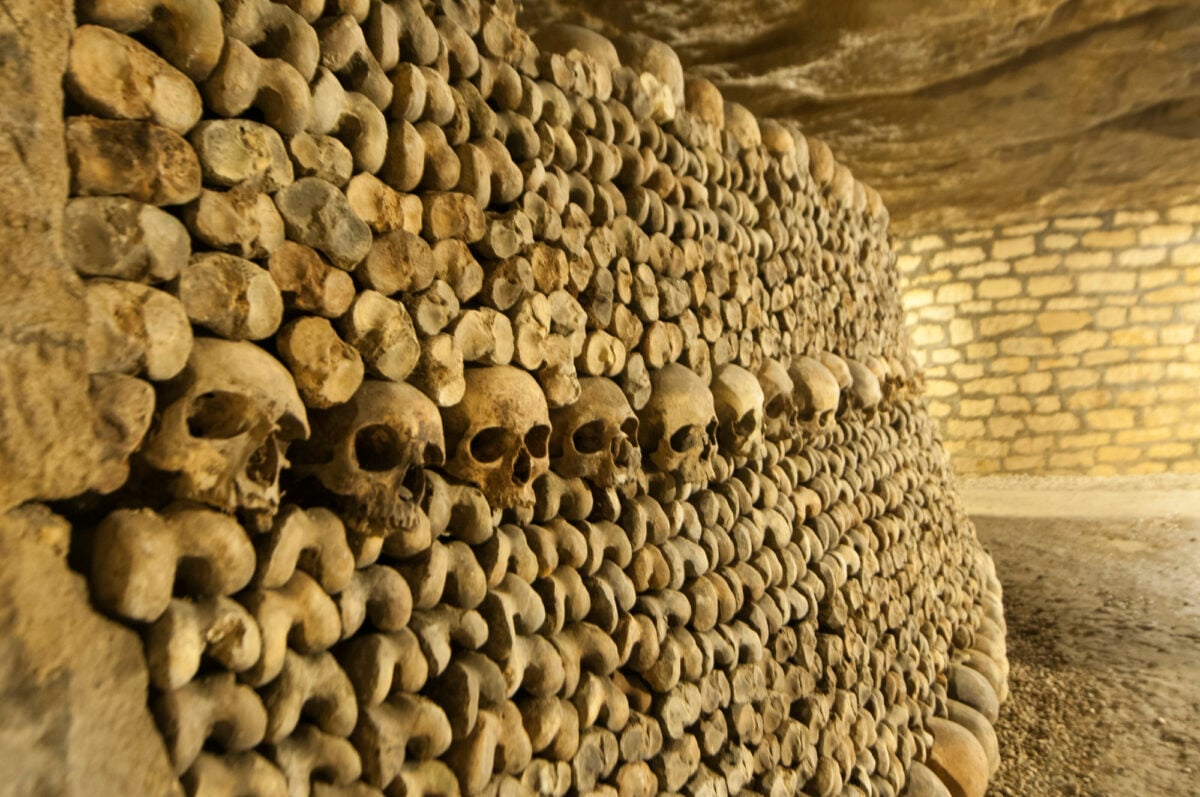
The Catacombs of Paris were limestone quarries first. Miners dug tunnels beneath the city for centuries, extracting building materials. The quarries served their purpose, then sat empty and forgotten—until the cemeteries ran out of room.
In the late 1700s, Paris had a problem. Bodies were literally piling up.
Cemeteries overflowed, creating health hazards. City officials decided to move millions of remains into the old quarry tunnels.
Workers transferred bones from dozens of cemeteries, stacking skulls and femurs in elaborate patterns along the tunnel walls. The quarries became an ossuary by accident of necessity.
Today tourists descend into these tunnels to walk among the bones, but the space was originally about construction materials, not death. The purpose transformed completely.
Seattle’s Old Streets Sit Below the New Ones
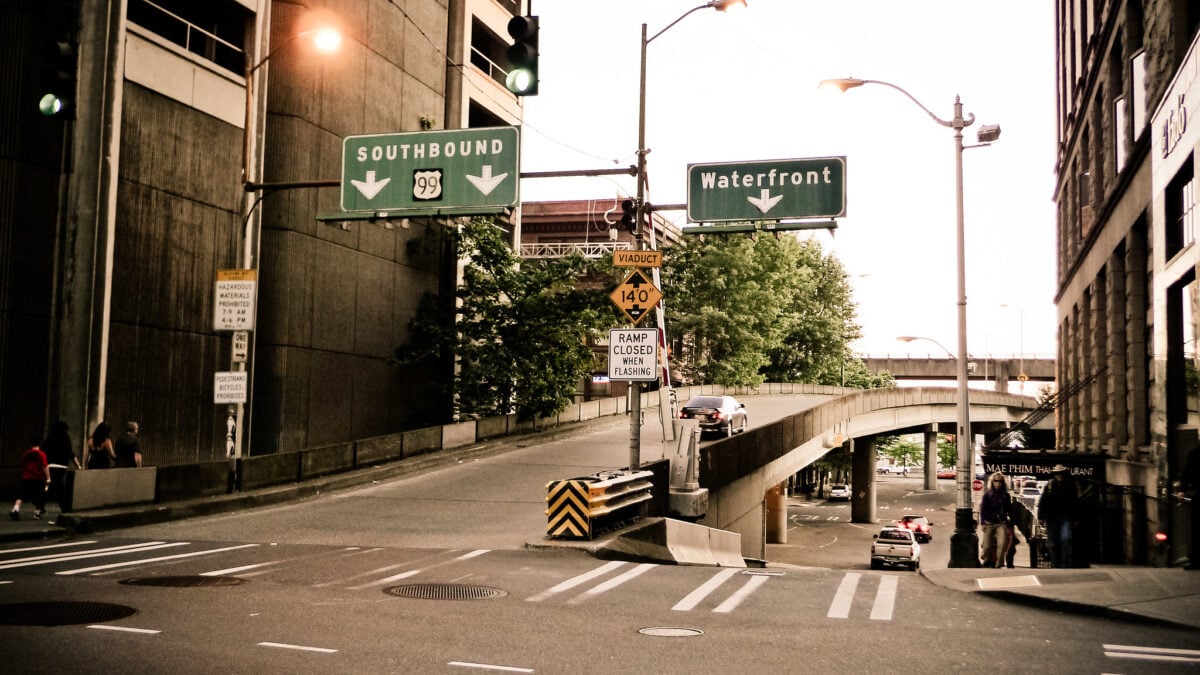
Seattle built itself twice on the same spot. After a fire destroyed much of downtown in 1889, city planners decided to raise the street level one to two stories.
The old ground floors became basements. Sidewalks became underground passages.
For a while, both levels operated simultaneously—shops upstairs and down, people walking above and below. Eventually the city sealed the underground level, and it became utility space and storage.
The original street level simply disappeared from memory. You can tour parts of Seattle’s Underground today.
Down there, you see the old storefronts with their windows facing what used to be street level. The city literally built over its first version of itself, leaving the original purposes buried and largely forgotten.
The Tower of London Stopped Being a Palace
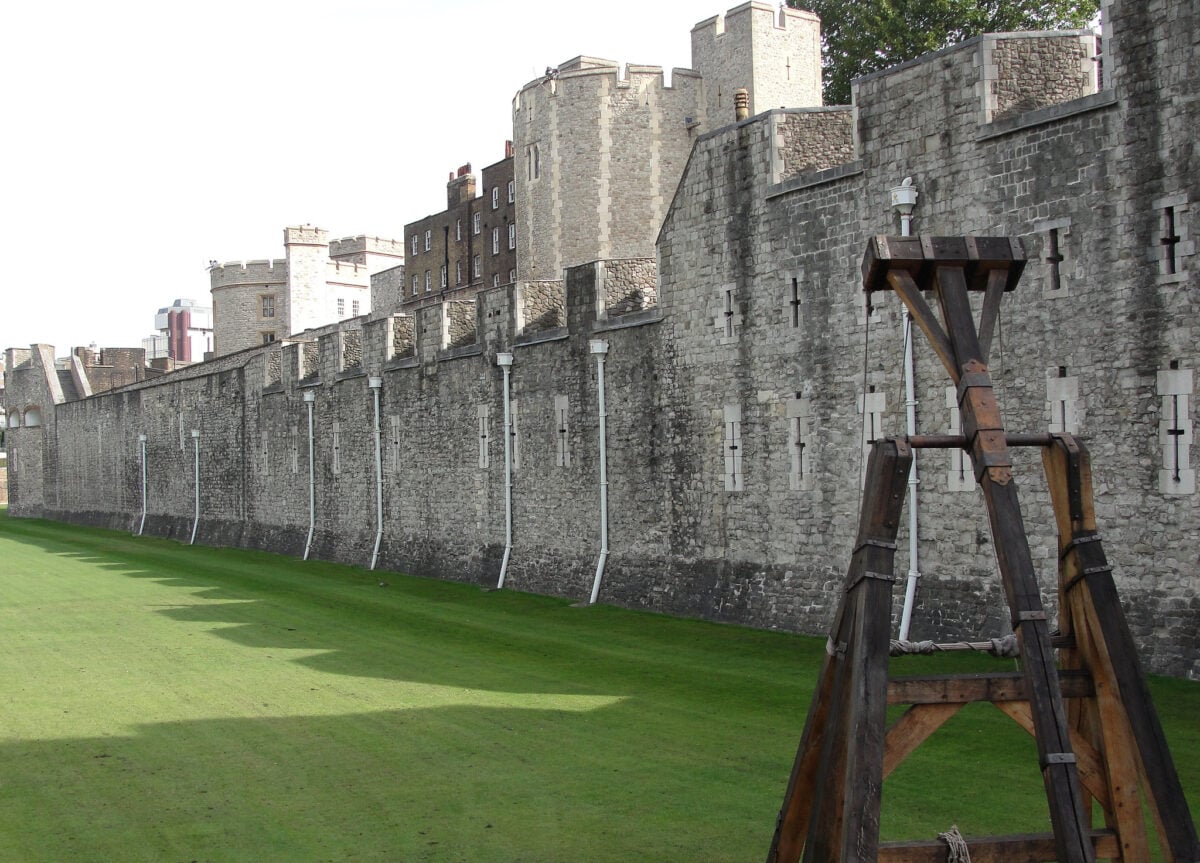
The Tower of London housed English monarchs for centuries. Kings and queens lived there, ruling from its stone walls.
It served as the primary royal residence in London from the 1100s through the 1500s. But palaces require comfort, and the Tower became less appealing as construction techniques improved.
The monarchy moved to roomier, more modern residences. The Tower found new purposes—fortress, prison, treasury, menagerie, armory.
Each role came and went, but the royal residential function ended first. Today millions visit the Tower each year to see the Crown Jewels and hear stories about prisoners.
The building’s identity as a royal home faded so completely that most visitors don’t realize it started as the king’s house, not a prison complex.
Train Stations Became Museums and Restaurants
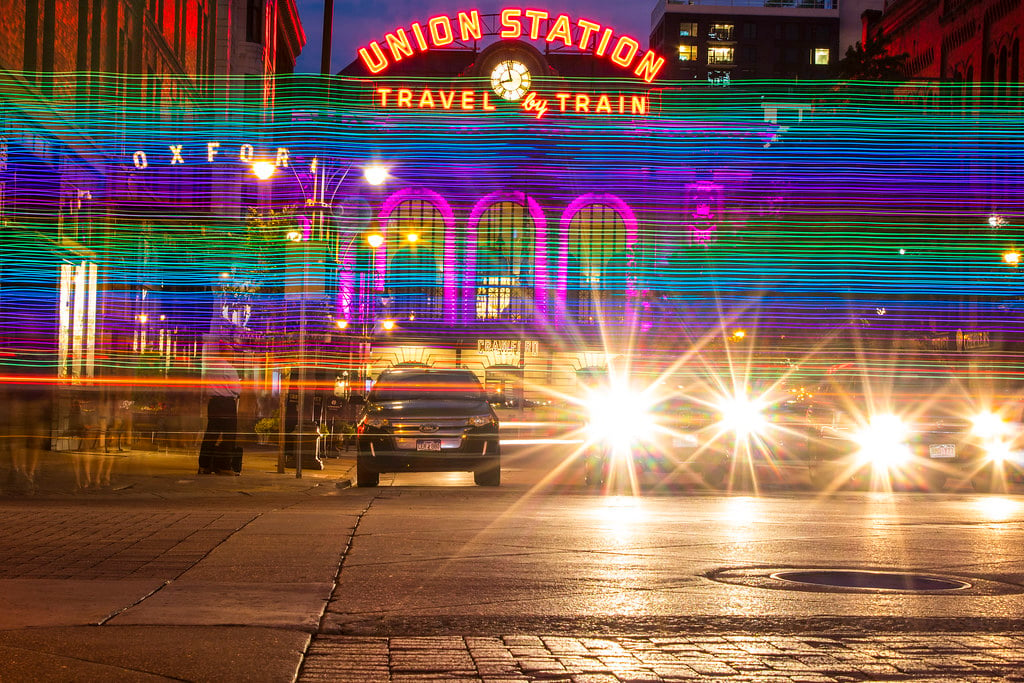
Across America and Europe, grand train stations from the railroad age sit mostly empty or repurposed. These buildings were designed as transportation cathedrals—massive spaces with soaring ceilings meant to celebrate the industrial age and the speed of rail travel.
Then cars and planes took over. Passenger rail declined.
Stations that once bustled with thousands of daily travelers went quiet. Cities faced a choice: demolish these massive buildings or find new uses for them.
Many became museums, shopping centers, or restaurants. Union Station in Washington, D.C., still handles some trains but functions largely as a retail and dining complex.
Michigan Central Station in Detroit sat abandoned for decades before its current renovation. The buildings remain, but their reason for existing has largely disappeared.
Cotton Exchanges Traded Nothing but Air
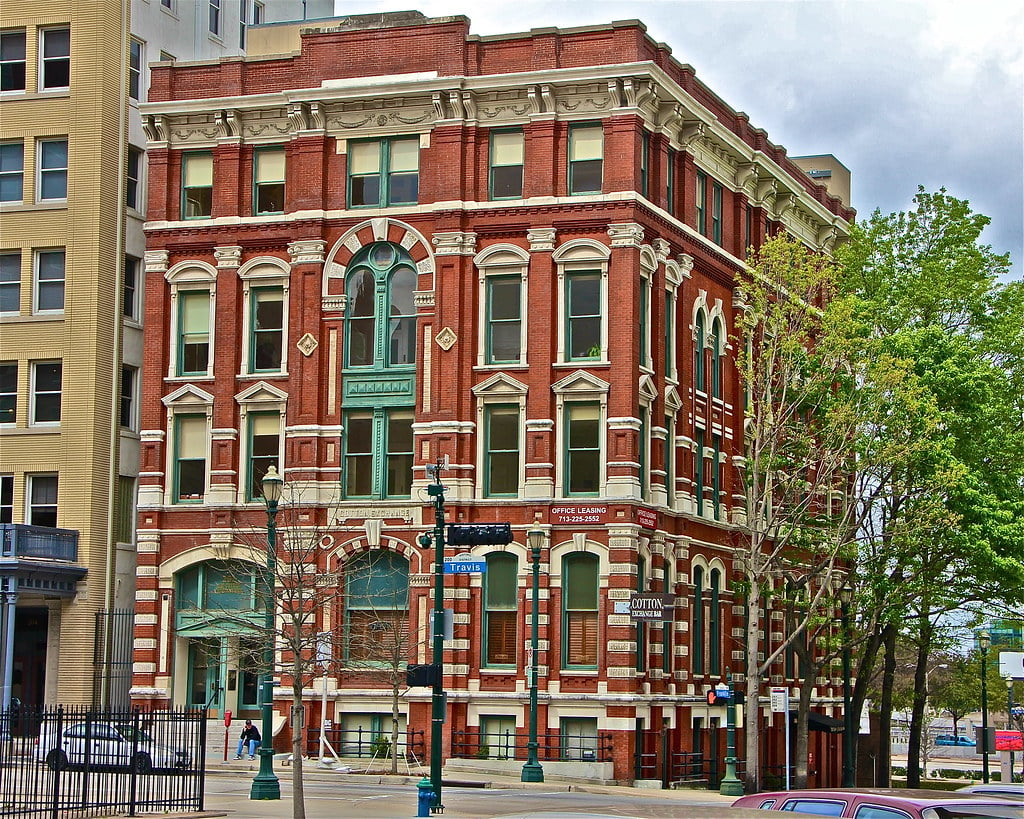
Southern cities built Cotton Exchanges in the 1800s as the commodity’s importance grew. These were trading floors where buyers and sellers set prices and made deals.
The buildings were purpose-built for this specific type of commerce, with large open floors for traders to gather and negotiate. Then cotton’s economic dominance faded.
Synthetic materials emerged. Trading moved to telephones and eventually computers.
The physical trading floors became unnecessary. The buildings sat there, designed around a function that no longer required that specific architectural setup.
Some Cotton Exchanges became event venues or office buildings. Others were demolished.
The ones that remain stand as monuments to a type of commerce that doesn’t happen face-to-face anymore. The architecture outlived the purpose.
Theaters Started Showing Different Types of Shows
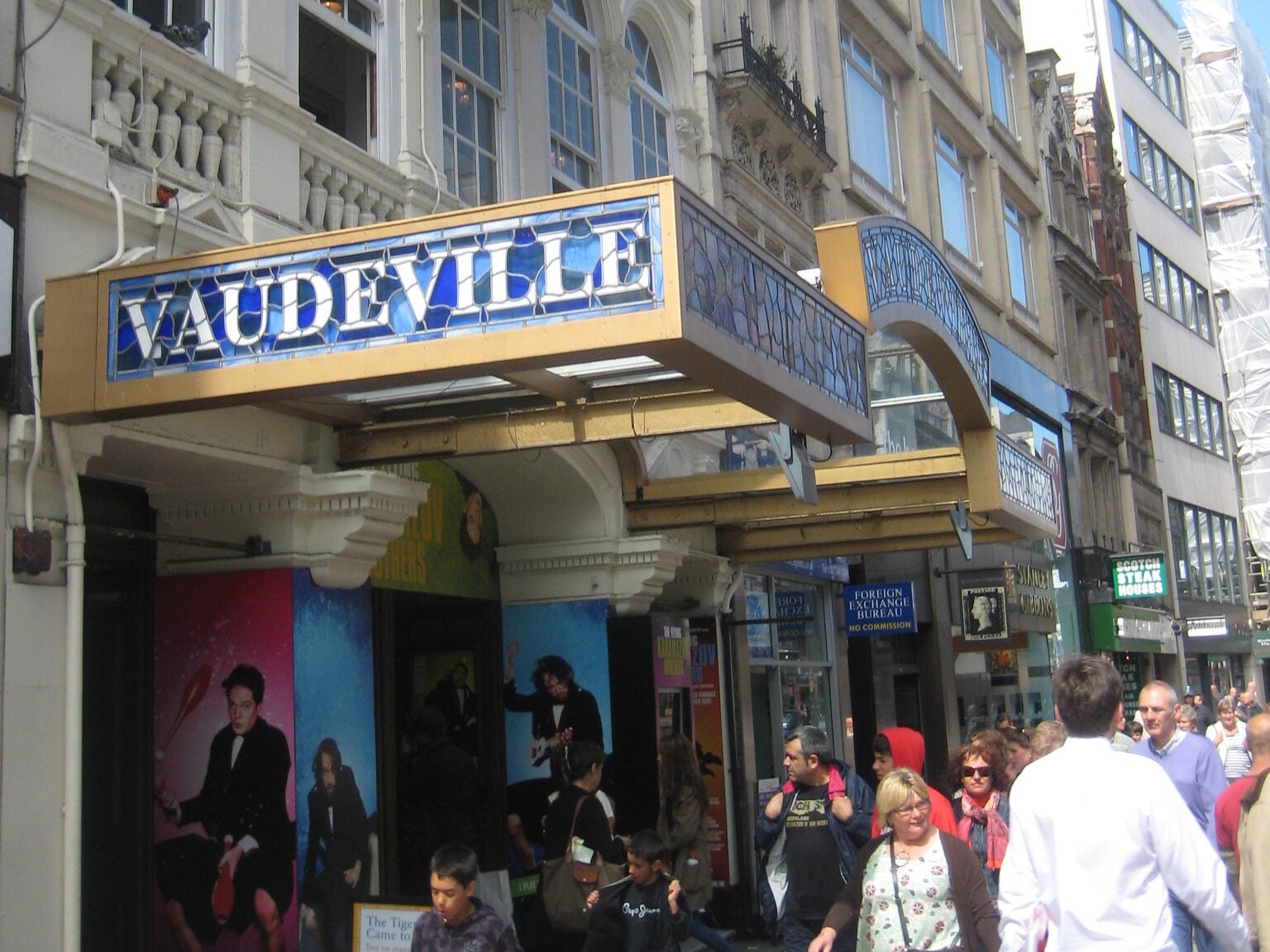
Old vaudeville and movie palaces line city streets, many of them repurposed or sitting empty. These buildings were designed for specific types of entertainment—variety shows, silent films, live performances that drew massive crowds in the early 1900s.
Television killed vaudeville. Multiplexes replaced single-screen palaces.
The ornate theaters with their balconies and decorated ceilings became too expensive to maintain for their original purpose. Some became legitimate theaters or concert halls.
Others converted to retail space or churches. Many were demolished.
The survivors often house uses that bear little resemblance to what happened there originally. A building designed for vaudeville now hosts corporate events.
A movie palace shows live comedy or hosts weddings. The spaces adapted, but the original purpose died.
Public Bathhouses Closed When Plumbing Improved
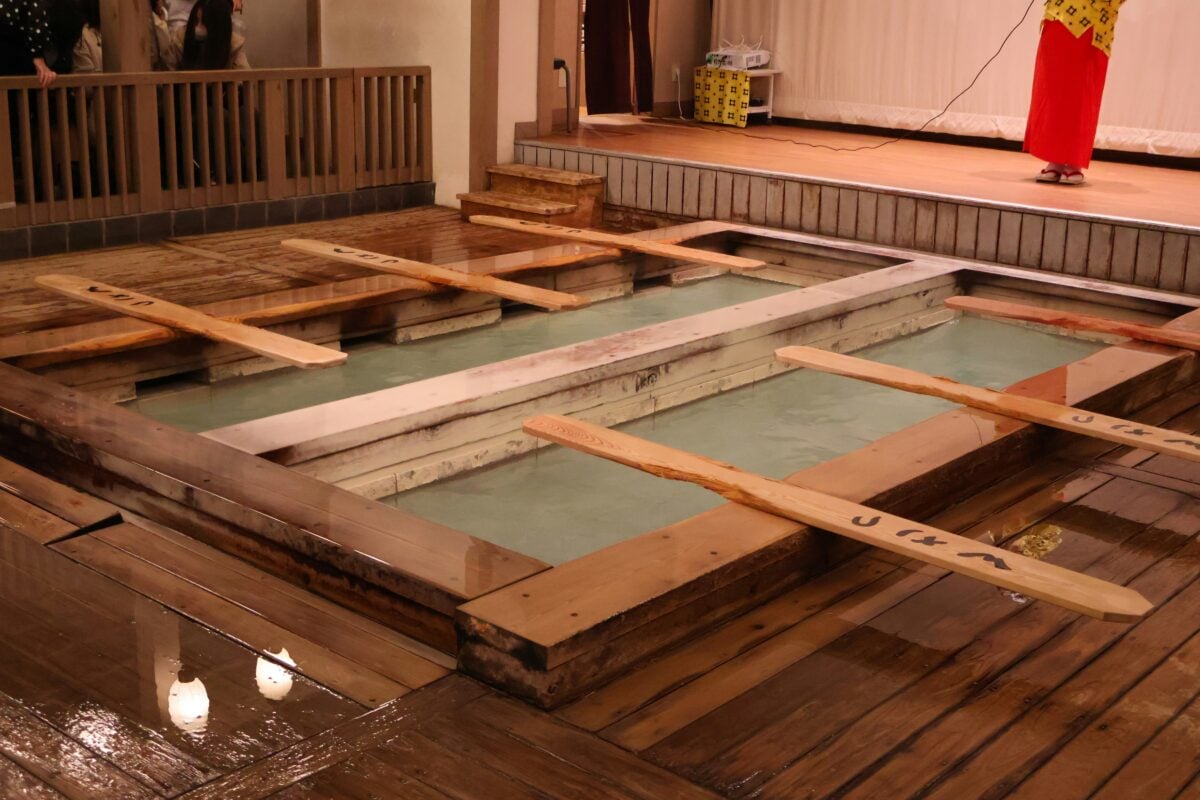
Cities across America built public bathhouses in the late 1800s and early 1900s. Most people didn’t have private bathrooms at home.
These facilities provided basic hygiene services—showers, bathtubs, laundry facilities—that tenement dwellers couldn’t access otherwise. As indoor plumbing became standard in homes and apartments, the bathhouses became unnecessary.
People could wash at home. The buildings lost their purpose within a few decades of being built.
Cities closed most of them by the 1950s and 1960s. Some bathhouse buildings still stand, converted to community centers, recreation facilities, or apartments.
The architectural details remain—tile work, high ceilings, large open rooms designed for bathing—but their essential function disappeared as infrastructure improved.
Armories Prepared for Wars That Never Came
Out in the open, heavy stone armories rise quietly between city blocks, left over from the 1800s into the early 1900s. Built by state governments, they gave shelter to National Guard troops along with their gear.
Tough walls and small windows weren’t just for show – meant to hold up when trouble hit. When riots sparked or borders felt shaky, these spots were where soldiers gathered fast.
Hardly any of the expected homefront battles actually happened. As years passed, those stone forts grew idle, their wartime role fading.
Costly upkeep weighed on budgets while soldiers trained elsewhere, needing space built for today’s drills. Some cities, some states – many armories changed hands or shifted roles.
Drill halls now echo with cheers instead of drills; sports fill those spaces. Artists work inside old military walls, alongside food stalls, beds for people without homes.
Stone towers still loom above streets, heavy with history. Built for war readiness, yet that need simply faded away.
Where Purpose Leaves Its Mark

Still there, these structures prove time shifts everything. From old cellars turned into walkways, function twists slowly.
Once loud with speeches, now silence fills where leaders stood. Stone pits once dug deep now hold only echoes underground.
Not every structure gets removed when its job ends. Some get remade quietly by need.
Others stay standing even when they forget why. Hidden reasons sit inside plain sight, maybe just down your street.
Old bones of buildings whisper different truths than today’s use shouts back. Between these versions – past intent versus present reality – a quiet record stays alive.
That open spot, where original aim drifts far from modern role, holds echoes no plaque can fully explain.
More from Go2Tutors!

- The Romanov Crown Jewels and Their Tragic Fate
- 13 Historical Mysteries That Science Still Can’t Solve
- Famous Hoaxes That Fooled the World for Years
- 15 Child Stars with Tragic Adult Lives
- 16 Famous Jewelry Pieces in History
Like Go2Tutors’s content? Follow us on MSN.