24 Moments When the Moon Program Almost Fell Apart for Political Reasons
The Apollo program is remembered as a triumph of engineering and national will. What is less often remembered is how many times it almost didn’t happen — not because of rockets, or computers, or the vacuum of space, but because of budget committees, Senate hearings, presidential second thoughts, and a war on the other side of the planet that kept consuming money that NASA had been counting on.
The program survived its political crises the same way it survived its technical ones: not easily, and often by a narrower margin than the official history suggests.
These moments are worth examining not because they make the achievement seem smaller — they don’t — but because they reveal what it actually costs to sustain a decade-long national commitment to something difficult. The moon landing had to be chosen, repeatedly, over other things that also needed choosing.
Kennedy Had Budget Reviews Examining Whether to Cancel Apollo Entirely
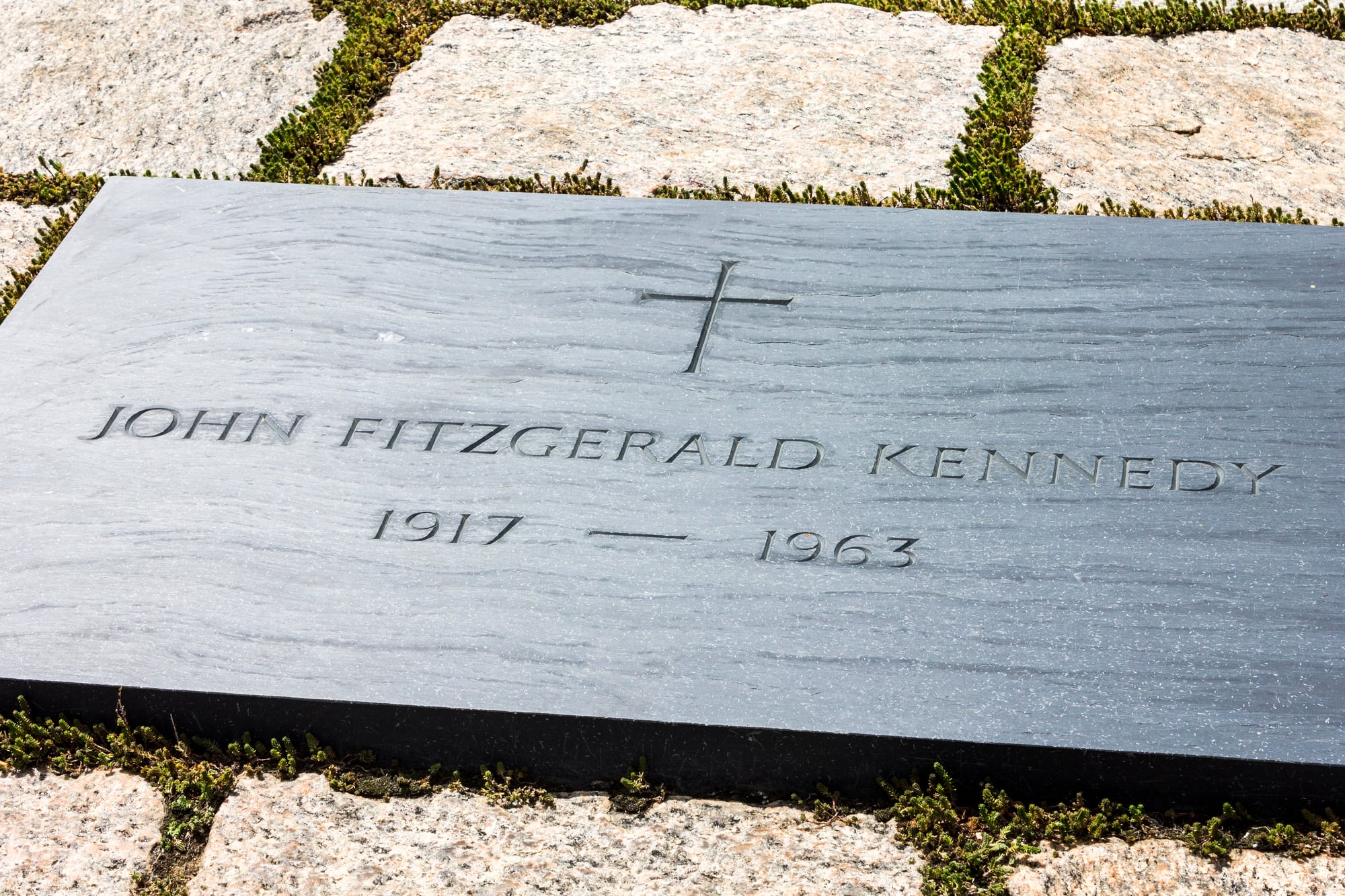
In 1963, with costs rising and critics growing louder, President Kennedy ordered three separate major reviews of the Apollo program — in April, August, and October. The final review examined three options: slowing the program down, keeping the Saturn V rocket but abandoning the Moon goal, or canceling Apollo outright.
All three were rejected, but the fact that cancellation was seriously on the table two years after Kennedy’s famous commitment at Rice University is rarely acknowledged.
Kennedy Himself Proposed Turning Apollo Into a Joint Soviet Mission

On September 20, 1963, Kennedy stood before the United Nations General Assembly and suggested that the Moon landing need not be a matter of national competition — proposing a joint American-Soviet expedition instead. On November 12, 1963, he formally directed NASA Administrator James Webb to take charge of planning for cooperation in lunar landing programs with the Soviets.
Kennedy was assassinated ten days later. His death removed the one person with both the authority and apparent inclination to transform Apollo into something altogether different.
Kennedy’s Death Locked the Program In — But for Complicated Reasons
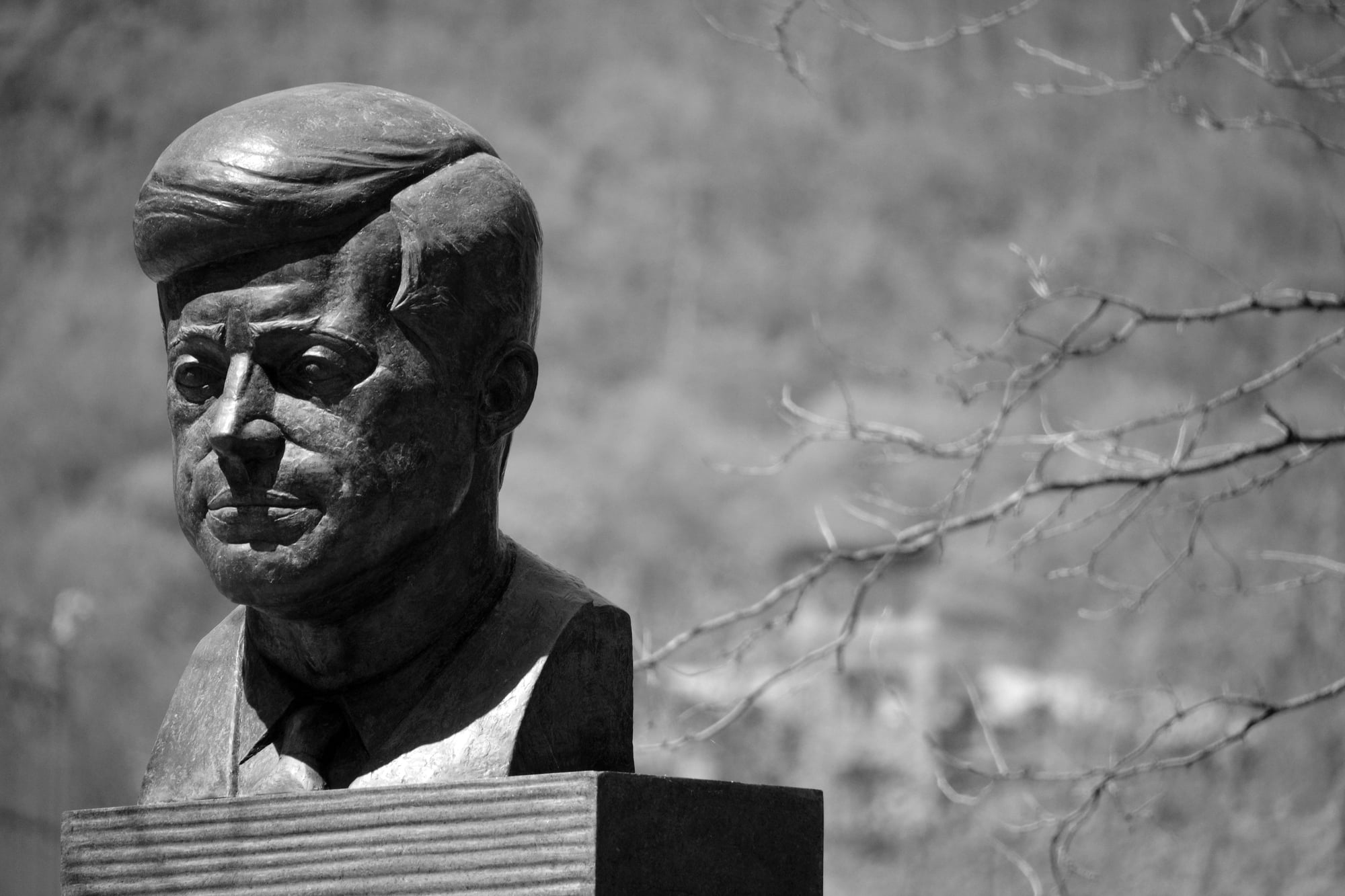
When Johnson assumed the presidency, he could not allow Kennedy’s stated goal to die alongside him. Apollo became politically inseparable from Kennedy’s memory, which meant that opposing or redirecting it risked looking like a failure to honor the fallen president.
The program survived Kennedy’s death not simply because Johnson believed in it, but because the politics of grief made cancellation virtually impossible in the immediate aftermath.
Congress Cut NASA’s Budget by 10 Percent While Apollo Was Still Being Built
In 1963, before Kennedy’s death, Congress imposed a ten percent cut to NASA’s budget. This came amid growing criticism from scientists and liberal politicians who argued that the money being spent on moon racing would be better directed at poverty, education, and healthcare.
The cut signaled that Apollo’s funding was not automatically secure regardless of political support at the top.
The Apollo 1 Fire Gave Program Critics Their Clearest Opening Yet

When a launchpad fire killed astronauts Gus Grissom, Ed White, and Roger Chaffee on January 27, 1967, it triggered congressional hearings that came closer than any previous political challenge to genuinely threatening the program. Critics who had been arguing that Apollo’s budget came at the expense of the poor now had a human tragedy to point to alongside their fiscal arguments.
Senator Mondale Used the Fire to Expose What NASA Had Hidden
During Senate hearings following the Apollo 1 fire, junior Minnesota senator Walter Mondale publicly disclosed the Phillips Report — an internal NASA document detailing serious, previously undisclosed problems with the program’s prime contractor, North American Aviation. NASA Administrator James Webb was blindsided: he had not known the report existed.
Mondale accused NASA of “evasiveness, lack of candor, a patronizing attitude toward Congress, and a refusal to respond fully and forthrightly to legitimate Congressional inquiries.” Webb’s credibility was severely damaged, and for several weeks the program’s future was genuinely in question.
Johnson’s Vietnam Spending Was Starving Apollo’s Budget Before the Landing

NASA’s annual budget peaked in 1965 and then began a steady decline — three full years before Armstrong walked on the Moon. By the late 1960s, the United States was spending the equivalent of the entire Apollo program’s total cost on the Vietnam conflict roughly every ten weeks.
The program reached the Moon on a budget that was already in long-term decline.
NASA Administrator Webb Resigned Under Political Pressure Before Apollo 11

James Webb, the NASA administrator who had overseen the program since 1961, resigned in October 1968 — nine months before the Moon landing he had spent seven years working toward. The resignation was widely attributed to political pressure following the Apollo 1 fire, budget battles with the Johnson administration, and exhaustion from defending the program to an increasingly skeptical Congress.
Nixon Took Office With No Personal Commitment to the Program
Richard Nixon was inaugurated in January 1969, six months before Apollo 11. He had no emotional investment in Apollo — it was Kennedy’s and Johnson’s program.
His aides made clear to NASA that Nixon “did not see the need to go to the moon six more times.” Both Webb and Johnson had been privately anxious that Nixon might try to scuttle the program before the landing.
Nixon Worked to Associate Himself With Apollo’s Success Without Acknowledging Its Origins

When Apollo 11 succeeded, Nixon placed the congratulatory phone call to the lunar surface, greeted the astronauts on their return, and used the moment for significant political gain. He never once mentioned Kennedy’s name in connection with the program’s achievement.
The political credit for the landing was carefully managed to point in Nixon’s direction while its Democratic origins were quietly set aside.
Apollo 12 Was Struck by Lightning Twice at Launch — and Almost Aborted

Thirty-six seconds after lifting off in November 1969, Apollo 12 was struck by lightning. Twelve seconds later, it was struck again.
The spacecraft lost most of its instrumentation. A flight controller named John Aaron, recalling an obscure configuration setting from a training simulation months earlier, suggested a switch position that restored the instruments.
A single wrong decision in those seconds might have ended not just the mission but, given the political climate of 1969, potentially the program.
Nixon Proposed Canceling Apollos 16 and 17 Even After the Program’s Greatest Missions

In August 1971, after the triumph of Apollo 15 — widely regarded as the program’s most scientifically productive mission — Nixon proposed canceling the two remaining flights. The move was only reversed by internal NASA resistance and the intervention of the scientific community.
The fact that even Apollo 16 and 17 had to be politically defended after fifteen successful missions illustrates the degree to which the program’s survival was never automatic.
Apollo 13’s Near-Disaster Raised Serious Questions About Whether to Continue at All
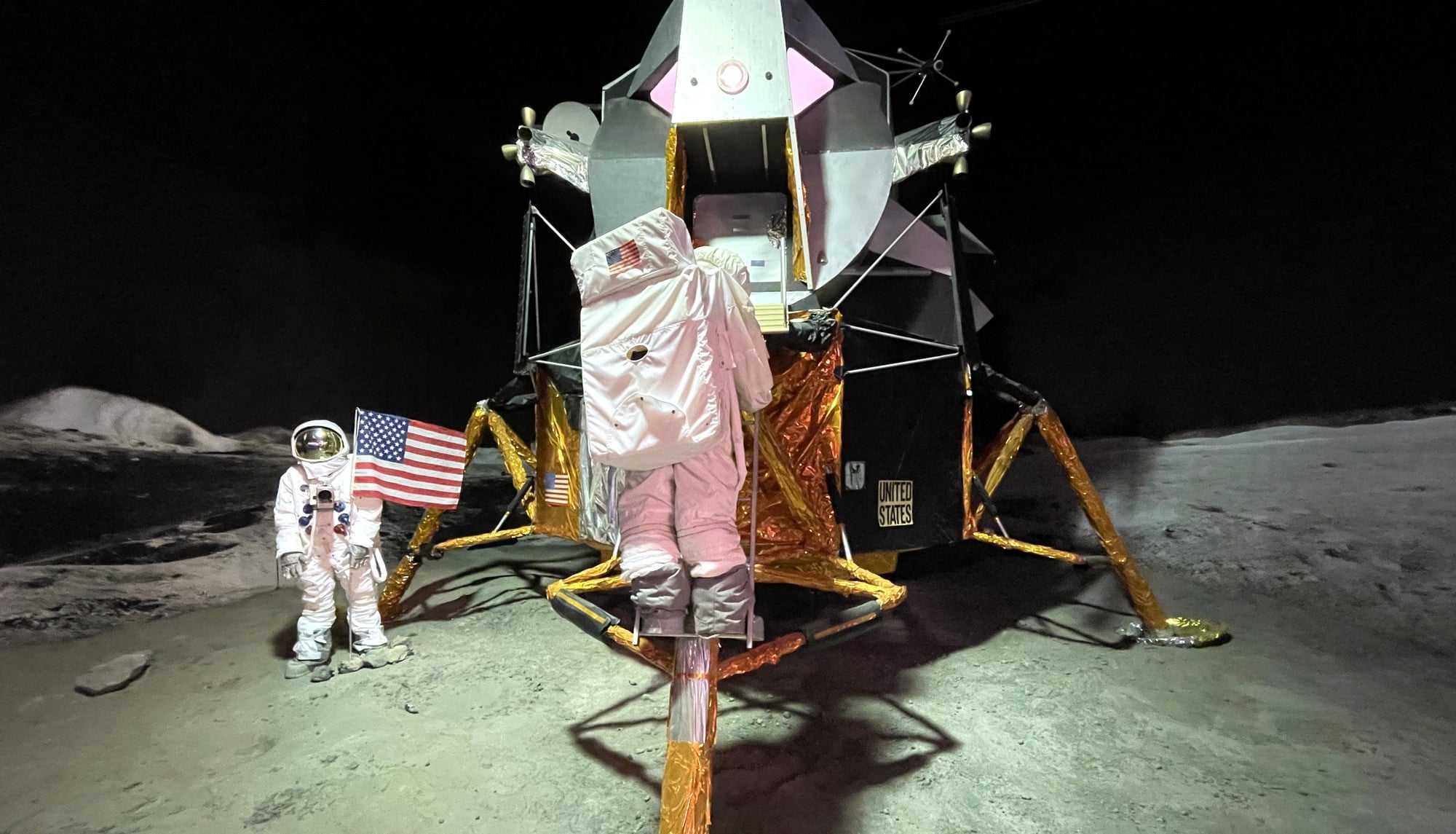
When an oxygen tank exploded aboard Apollo 13 in April 1970, stranding the crew in deep space, the political conversation about the program’s future shifted noticeably. The successful rescue saved the crew, but it gave those arguing for program termination a powerful argument: the Moon was demonstrably dangerous, and the country was getting diminishing returns from each successive mission.
Apollo 20 Was Canceled Before Apollo 13 Even Flew
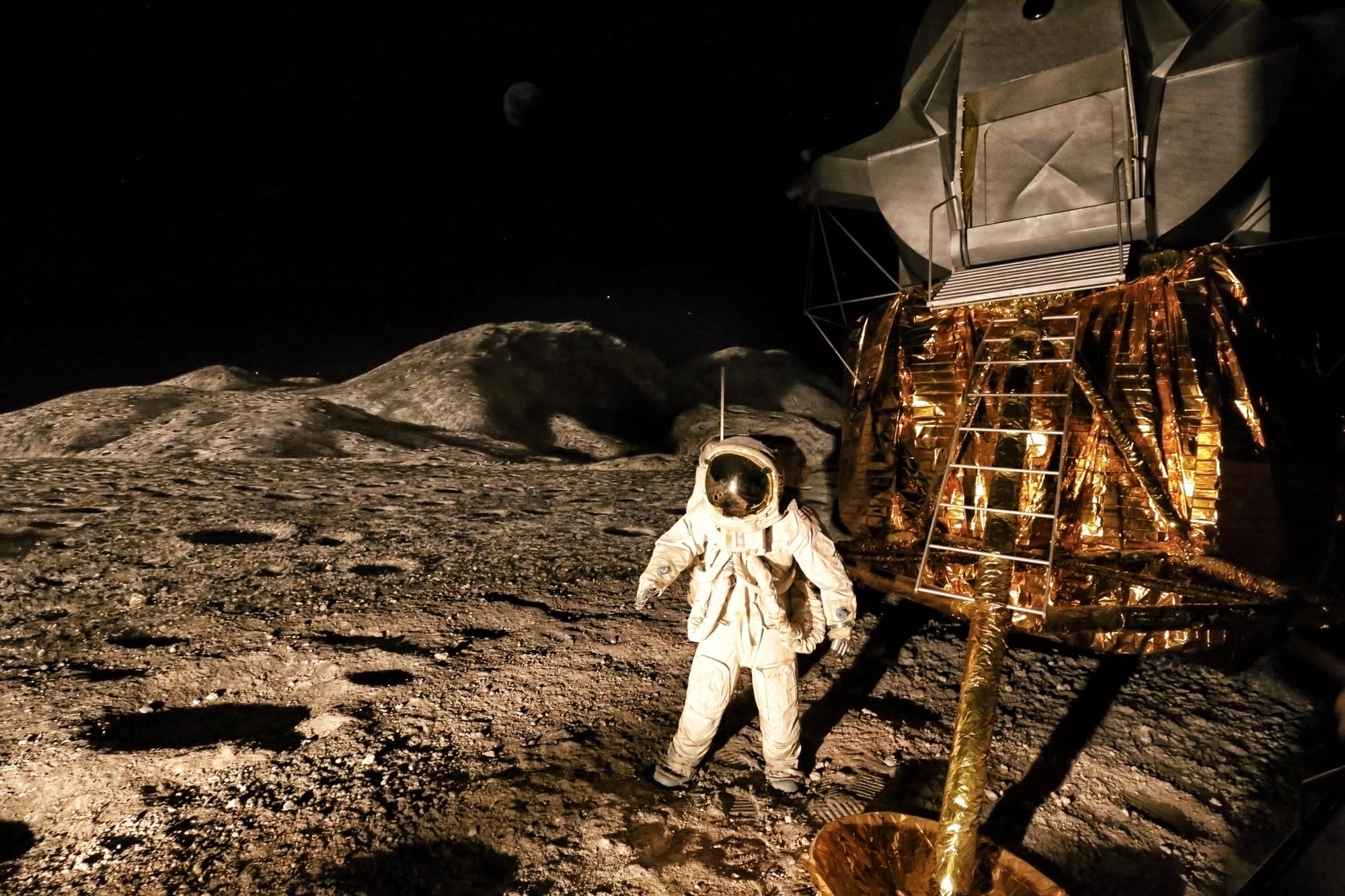
The first formal cancellation of a planned Moon mission happened on January 4, 1970 — three months before Apollo 13’s near-disaster. Apollo 20 was quietly ended in order to free a Saturn V rocket for the planned Skylab space station.
The decision reflected a fundamental shift in NASA’s political position: the agency was no longer arguing for expansion, it was negotiating which parts of the existing program to give up first.
Senator William Proxmire Campaigned Against NASA Throughout the Program

Wisconsin senator William Proxmire made opposition to NASA’s budget one of the consistent themes of his Senate career. He opposed the Shuttle program, challenged funding for planetary science missions, and repeatedly questioned whether the returns from space exploration justified its costs.
His arguments found a receptive audience in a Congress increasingly unwilling to fund both a space program and a social agenda simultaneously.
Only 39 Percent of Americans Supported a Mars Program After Apollo 11

A Gallup poll taken shortly after the first Moon landing found that 53 percent of Americans opposed a Mars program, with only 39 percent in favor. A Newsweek poll weeks later found that 56 percent of the public wanted Nixon to spend less on space, with only 10 percent wanting more.
The Apollo landing itself had not converted public opinion into support for sustained space exploration.
Apollos 18, 19, and 20 Were All Canceled Within Two Years of the First Landing

Three of the originally planned Moon missions were canceled in 1970 — one in January, two more in September. They had been intended to explore scientifically valuable sites including the Copernicus and Hadley Rille locations.
The combined savings were estimated at approximately $800 million. From the perspective of the scientists who had been waiting for the enhanced capabilities of the J-series missions, they represented a political retreat from scientific exploration.
The Nixon Administration Refused to Fund a Post-Apollo Moon Program

The Space Task Group that Nixon convened in 1969 presented him with options including a crewed mission to Mars by 1986, a permanent lunar base, and a large space station program. Nixon rejected all of the ambitious options.
The Moon program ended not because of any single decision but because no political will existed to pay for a sequel.
Congress Nearly Blocked Early Space Shuttle Funding in a Tied Vote

In April 1970, an amendment to cut NASA’s Shuttle and space station funding came to a House vote with the final tally 53 for, 53 against — a tie, which under House rules meant the amendment failed to pass. The full funding survived by the thinnest possible margin.
Ralph Abernathy’s Protest at Cape Kennedy Was a Genuine Political Challenge

The civil rights march led by Ralph Abernathy at the Kennedy Space Center gates the day before Apollo 11 launched represented a sustained and politically serious argument that the billions being spent on space exploration constituted a moral failure relative to poverty and inequality. NASA Administrator Thomas Paine met personally with Abernathy.
The underlying argument had wide resonance in Congress and contributed to the political atmosphere in which Apollo’s budget was being cut even as the rockets flew.
Vietnam Was the Single Largest Competing Claim on Apollo’s Funding

Throughout the late 1960s and into the 1970s, the primary structural threat to the Apollo program’s budget was competition with a war that had no defined endpoint and ever-growing costs. Every senator or congressman who voted to maintain Apollo’s budget could be accused of prioritizing Moon rocks over body bags.
The war did not kill Apollo, but it determined the ceiling the program could not rise above.
James Webb’s Refusal to Testify Freely After the Fire Damaged NASA’s Standing

Following the Apollo 1 fire, Webb’s handling of the Phillips Report revelation — his initial denial of knowledge and his subsequent defensive positioning before Congress — severely damaged NASA’s relationship with the Senate committee that controlled its budget. The investigation produced lasting skepticism about NASA’s transparency that made subsequent budget battles harder to win.
Kennedy’s UN Proposal Was Never Formally Withdrawn

Kennedy’s September 1963 proposal for a joint Soviet-American Moon mission was never officially retracted. Khrushchev’s response had been cautiously positive, and several Soviet officials had expressed genuine interest.
Had Kennedy lived, or had he made the proposal a year earlier, the Apollo program as it existed might have been substantially different — a cooperative venture rather than a competition, with different timelines, different costs, and potentially a different outcome.
Nixon Claimed Credit for the Landing He Had Nothing to Do With Building

Nixon’s political management of Apollo 11’s success positioned him as the steward of an achievement built entirely by the two administrations he had spent his career opposing. The astronauts, who were serving officers or government employees, could not publicly object.
The Program That Reached the Moon Was Fiscally Exhausted by the Time It Got There

By July 1969, NASA’s budget had been declining for three years. Apollos 18, 19, and 20 were already under threat.
The administrator who had built the program had resigned. Public support for further missions was weak.
The Moon landing did not secure Apollo’s future; it was, in a meaningful political sense, the program’s final act, even though three more missions would fly.
What Political Survival Actually Looked Like

The Apollo program’s political history is not a story of unwavering national commitment. It is a story of repeated short-term decisions to keep going, made by different people with different motivations — grief, competition, constituency pressure, fear of appearing weak — often in the face of serious arguments for stopping.
The engineers and astronauts who made the landing possible operated inside a political system that was simultaneously funding them and looking for reasons to stop. That they succeeded despite the ambivalence is as much a part of the story as the rockets.
More from Go2Tutors!

- The Romanov Crown Jewels and Their Tragic Fate
- 13 Historical Mysteries That Science Still Can’t Solve
- Famous Hoaxes That Fooled the World for Years
- 15 Child Stars with Tragic Adult Lives
- 16 Famous Jewelry Pieces in History
Like Go2Tutors’s content? Follow us on MSN.



