13 Reasons the Smell of Sunscreen Still Triggers Memories of Summers That Felt Like They Lasted Forever
You don’t have to be at a beach for it to happen. It can arrive in the aisle of a chemist, or on someone else’s skin in a lift, or on the first warm day of the year when a bottle from last season rolls out from under the bathroom sink. One inhale and something shifts — not a thought exactly, more like a change in atmospheric pressure, and then suddenly you’re elsewhere.
The smell of sunscreen is one of the more reliable time machines available to the human nervous system. Here’s why it works so well.
Smell Takes a Neurological Shortcut That Other Senses Can’t

Every other sense routes information through the thalamus — a relay station deep in the brain — before it reaches the areas that process emotion and memory. Smell goes directly to the olfactory bulb, which sits in immediate contact with both the amygdala, where emotion is processed, and the hippocampus, where memories are stored.
This anatomical shortcut means that a scent can retrieve a memory before conscious thought has even registered what’s happening. You’re back in 1994 before you’ve decided to be.
Sunscreen Was Applied at the Beginning of Good Things

The smell arrived before the fun did. Before the water, before the game, before the drive with the windows down — first came the application of sunscreen, usually hurried, often resisted. The brain, which is efficient about tagging meaningful moments, encoded that smell as the signal that something worth remembering was about to start.
Scents that consistently precede positive experience get wired to those experiences in a way that persists for decades.
The Specific Chemical Compounds Are Distinctive Enough to Be Unforgettable

The characteristic sunscreen smell — that sweet, slightly synthetic, warm-skin quality — comes primarily from octocrylene and other UV-absorbing molecules, combined with the cosmetic base of emollients and fragrance compounds that have remained broadly consistent across major brands for generations. Coppertone’s scent, first introduced in the 1950s and refined incrementally since, is recognisable to anyone who grew up in its era.
The smell isn’t generic — it’s specific, which is exactly what the brain requires for strong memory encoding.
Summers Were Your First Encounters With Unstructured Time

Childhood summers were genuinely different from the rest of the year. School imposed a rigid structure — the same sequence of events, the same rooms, the same people. Summer dissolved that structure entirely and replaced it with something loose and unpredictable.
Neuroscientists have found that novel experiences are stored more vividly than routine ones, and that time subjectively expands when the brain is processing new information. First encounters with a season felt longer because they were, neurologically speaking, more eventful.
The Application Ritual Was Itself a Moment of Attention

Someone putting sunscreen on you — a parent’s hands working across your shoulders, the instruction to close your eyes, the smell getting on your hair — was a form of physical attention that children don’t receive much of as they grow older. Being cared for in this small, specific way left a mark alongside the smell itself.
Adults who associate the scent with comfort rather than simply with summer are often reacting to this component: the memory of being physically attended to by someone who didn’t want you to burn.
Time Moved Differently When You Were Young

Psychology professor Per-Einar Binder at the University of Bergen has noted that time feels slower in childhood because the brain is encountering more genuinely new experiences — it’s in a near-constant learning process. An adult’s summer involves mostly familiar categories of experience; a child’s summer involves firsts.
The days stretched because so much was being processed and stored for the first time. Sunscreen smell, laid down during those elastic days, carries the feeling of that expanded time with it into adulthood.
The Texture of the Moment Got Stored Alongside the Smell
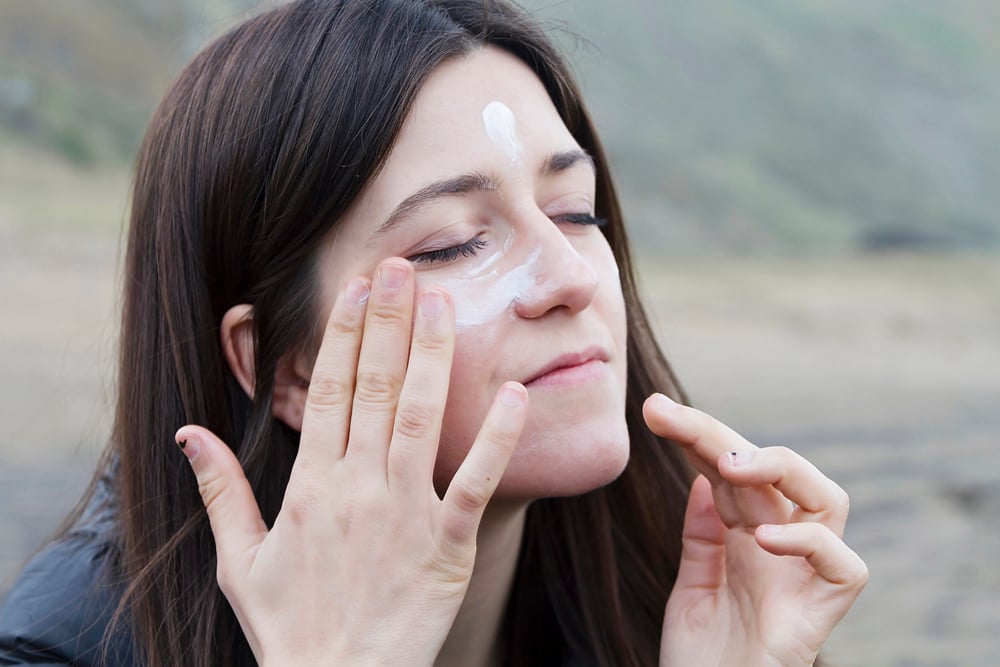
Scent memories are unusual in that they tend to pull in the sensory context of the original experience rather than just the smell in isolation. The warmth of the sun, the gritty sensation of sand that always appeared despite best efforts, the sound of water or traffic or other children — these arrive bundled with the smell because that’s how the brain fills them.
One component unlocks the whole archive, which is why the experience of smelling sunscreen can feel so complete and so sudden.
It Was Tied to Physical Freedom

Summer meant being outside and in your body in a way that most of childhood didn’t. You ran, climbed, swam, fell, got up. Sunscreen was the precondition for permission to do all of it — the thing that satisfied the adult in the doorway so that you could leave.
The smell became associated not just with summer but with the particular quality of physical freedom available to children on long days with nowhere they had to be. That association holds.
The Brands Stayed Consistent Across Your Whole Childhood
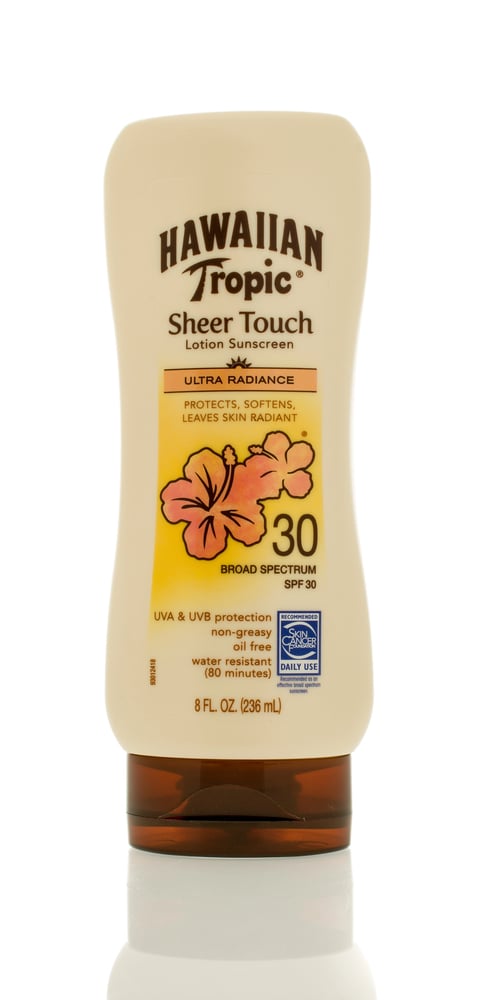
— Photo by homank76
Unlike many childhood products that changed formulation, packaging, or disappeared entirely, major sunscreen brands maintained recognisable scents across decades. A bottle of Hawaiian Tropic bought in the mid-1980s and one bought a decade later smelled essentially the same.
This consistency reinforced the memory encoding every single summer — the same smell filling itself into the same cluster of associations, making the neural pathway deeper and more reliable with each repetition.
Summer Was When You First Made Independent Friendships

For many children, summer holidays were the first time friendships operated outside school’s mandatory proximity. You chose to knock on someone’s door.
You agreed to meet at the pool. You established a regular group without a teacher organising it.
Sunscreen was present at these early acts of social independence, in the background of afternoons that felt like they belonged to you rather than to the timetable. The smell carries the particular quality of the chosen company.
The Body Remembers What Happened to It in the Sun

Physical sensation is stored alongside emotional memory, and the specific combination of warm skin, residual sunscreen, the slight tightness of mild sun exposure, and physical exhaustion from a full day outside is a sensory package that the body retains. Adults who encounter sunscreen smell sometimes experience a faint echo of that physical state — something that reads as relaxation or as a particular kind of tiredness that felt earned.
The body was there too and it took notes.
The End of Summer Made It Bittersweet

The smell of sunscreen at the end of August or September arrived with a different quality — the knowledge that this was the last beach trip, the last pool day, the last afternoon of that particular configuration of people and freedom. That bittersweet quality is part of why the memory holds so strongly.
Research on nostalgia has consistently found that it is primarily a positive emotion but one that sits alongside a gentle sadness, which is exactly the emotional combination produced by the smell arriving when summer was running out.
It Was One of the Only Smells That Never Got Associated With Anything Bad

Most powerful scents acquire complicated associations over time. Hospitals smell of disinfectant, kitchens of things gone wrong, schools of anxiety and old carpet. Sunscreen, for most people, stayed clean — it remained mapped almost exclusively to warmth, water, leisure, and the company of people you wanted to be with.
A smell with only positive associations is neurologically rarer than it sounds, which is part of why this one functions so effectively as a trigger for memories that the brain is happy to revisit.
The Memory Isn’t of a Specific Summer — It’s of the Feeling That Summer Once Had

The more accurate account of what sunscreen smell triggers is not a particular memory but a general emotional state — a feeling of time being abundant, of the body being capable, of not yet knowing how quickly things would change. That feeling isn’t specific to one summer but accumulated across all of them, stored in a compound memory that the smell can access in a single second.
It arrives complete, warm, and fully inhabited. That’s not nostalgia for a time so much as for a way of existing in time — and that’s the kind of thing that stays lodged in the nervous system long after the summers themselves have passed.
More from Go2Tutors!

- The Romanov Crown Jewels and Their Tragic Fate
- 13 Historical Mysteries That Science Still Can’t Solve
- Famous Hoaxes That Fooled the World for Years
- 15 Child Stars with Tragic Adult Lives
- 16 Famous Jewelry Pieces in History
Like Go2Tutors’s content? Follow us on MSN.