Things Pulled From Dumpsters on Moving Day That Resellers Flipped for Profit
Moving day produces a specific kind of decision-making: rushed, exhausted, under time pressure, surrounded by things that were perfectly useful a week ago and now represent one more box to carry. The result is a category of discarding that is fundamentally different from deliberate spring cleaning or considered donation.
People throw away things they would never throw away under normal circumstances, because the alternative is carrying them, and carrying them is not happening today. The people who know this — who understand that moving day dumpsters in apartment complexes and curbside piles in residential neighborhoods follow predictable calendars and yield predictable categories — have built genuine side incomes around the knowledge.
None of what follows requires special equipment or significant capital. It requires showing up, knowing what to look for, and being comfortable with the fact that other people’s rush decisions are your opportunity.
Solid Wood Furniture

Solid wood furniture is consistently one of the highest-value moving day finds because its weight makes it the first thing people decide not to move. A dining table that retails for $800 new and weighs 80 kilograms becomes, on moving day, a problem to be solved rather than a possession to be valued.
Resellers who pick up solid wood tables, dressers, and bookcases — even with scratches or worn finishes — clean them, occasionally refinish them, and sell them on Facebook Marketplace or Craigslist for $100 to $400. The material cost is zero.
Mid-century modern pieces in particular find buyers quickly in most urban markets.
Vintage Pyrex and Kitchen Sets

1950s and 1960s Pyrex in the original pastel patterns — particularly the pink Gooseberry, the turquoise Butterprint, and the rare Lucky Clover green — has become a serious collector category. A complete four-bowl nesting set in good condition can sell for $150 to $400 depending on pattern and condition.
These sets appear in moving day trash regularly because the people discarding them often don’t recognize the difference between generic glass bowls and a collectible set, and because the weight makes them candidates for leaving behind. One reseller documented finding a complete Pink Gooseberry nesting set, priced and sold within 48 hours for $280.
Old Video Game Cartridges and Consoles
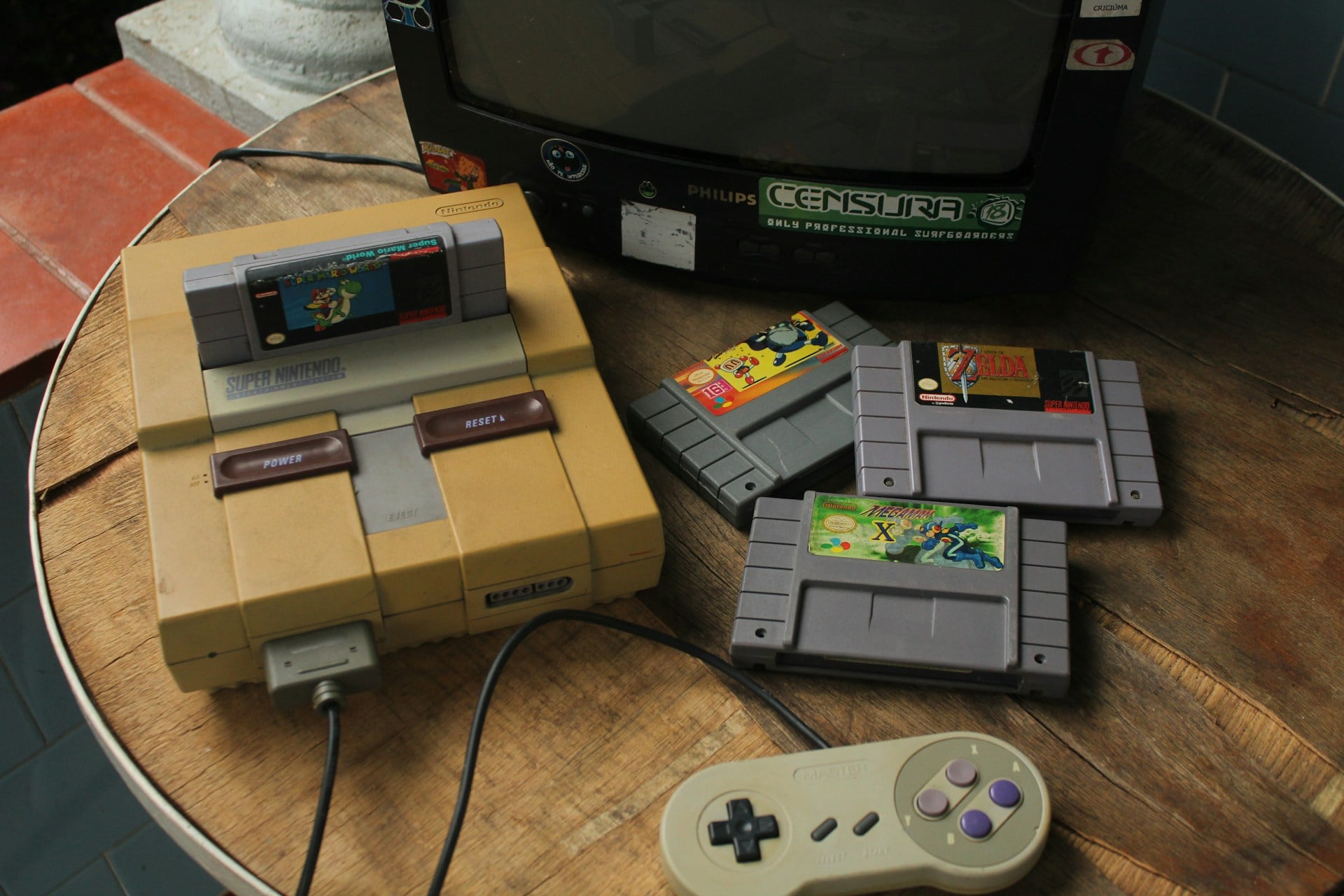
Moving day is reliably productive for retro gaming finds. A box containing an original Nintendo Entertainment System with controllers and cartridges, discovered in a curbside pile during an apartment complex move-out, is not an unusual find — it’s a recurring one.
NES consoles sell for $50 to $150; cartridges for popular original titles range from $5 to $80 individually, with rare titles reaching significantly higher. The PlayStation 2 is now at the age where it’s being discarded from attic storage in estate moves, while still commanding $50 to $120 in working condition.
People who grew up with these consoles in the late 1980s and 1990s are the buyers; the people discarding them are their parents.
Brand-Name Clothing in Resalable Condition

Designer clothing discarded during moves appears often enough that experienced dumpster divers check apartment complex bins in upscale neighborhoods specifically on move-out days. Items found with tags still attached, or in the kind of condition that suggests they were purchased and barely worn, are photographed and listed on Poshmark or eBay within hours.
A Barbour jacket in a large size found in a bin in a wealthy neighborhood is not unusual. Individual items in this category typically sell for $30 to $200 depending on brand, condition, and current demand; a full garbage bag of quality clothing found during a high-end apartment move-out can represent $500 to $1,000 in Poshmark listings.
Vintage Electronics and Turntables

Functioning vintage turntables are among the most consistently profitable moving-day finds. A Technics SL-1200 that a previous occupant couldn’t be bothered to list for sale becomes, in a reseller’s hands, a $300 to $600 Marketplace listing.
More commonly found are lower-tier vintage turntables — Pioneer, Dual, Garrard models from the 1970s and 1980s — that sell for $80 to $200 in working condition and $30 to $60 for parts. The rule of thumb in this category is that anything requiring a belt drive rather than direct drive is probably restorable, and that most vintage turntables found in storage simply need a stylus replacement and a cleaning to function.
Tools and Power Equipment

Hand tools, power tools, and garden equipment are extremely common moving-day discards because they’re heavy, occasionally old, and frequently owned in duplicate. A complete socket set in a metal case, a corded drill from a quality manufacturer, a circular saw with functional blade — these items appear regularly in curbside piles when people move to apartments from houses.
Working power tools from brands like DeWalt, Makita, and Milwaukee sell for 40% to 70% of their new retail price in used condition. A complete toolbox found intact can represent $200 to $800 in resale value.
The investment required is transport.
Vintage Cameras and Photography Equipment
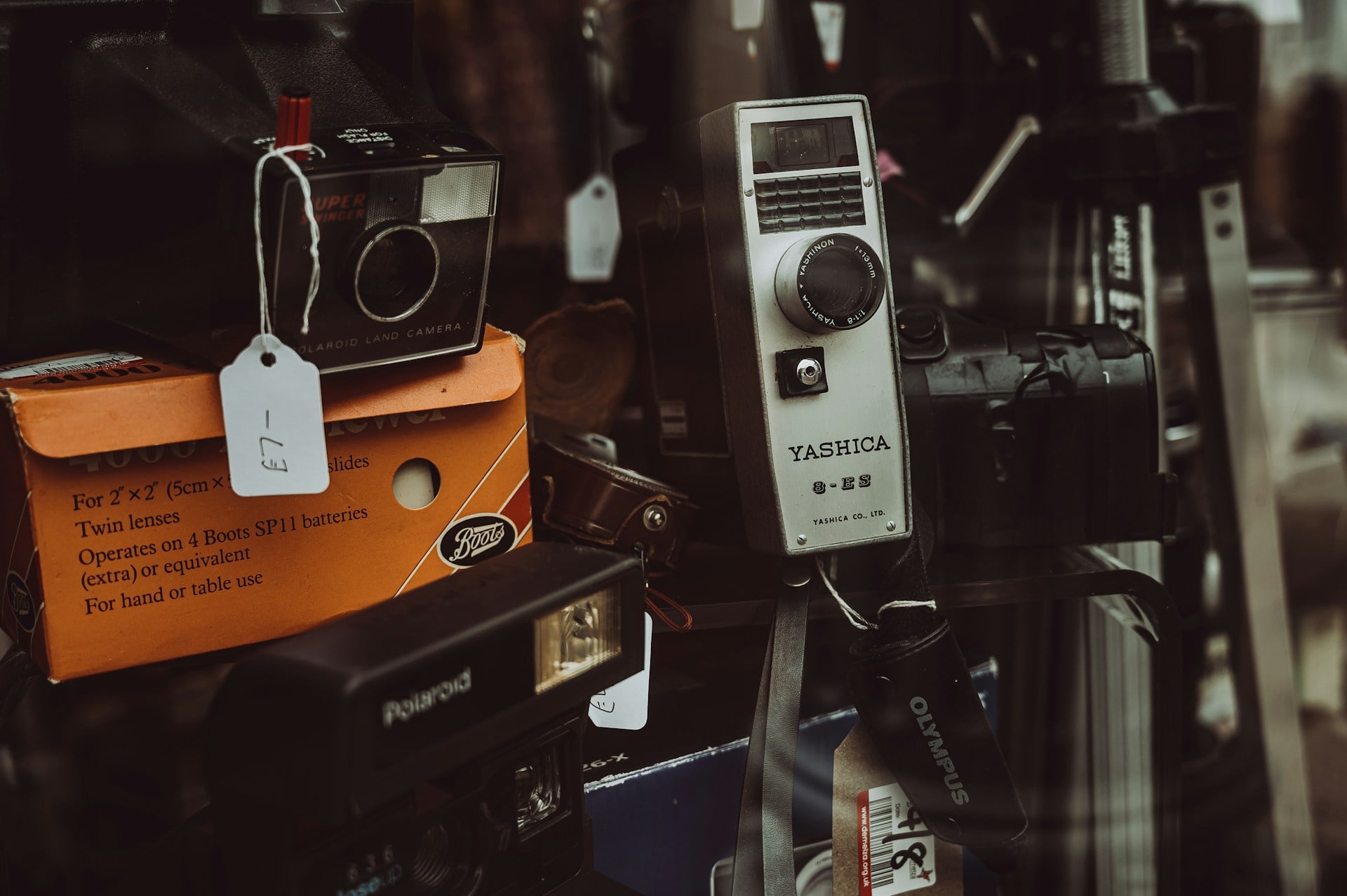
35mm film cameras from the 1970s and 1980s — Olympus OM-1, Minolta X-700, Canon AE-1 — are now collector and user items for a generation interested in film photography. They appear in moving day discards when the estates of photographers from that generation are cleared.
A working Canon AE-1 with a 50mm lens sells for $80 to $200 on eBay. Bodies without lenses sell for $30 to $80.
Medium format cameras of the same era are rarer in trash finds but correspondingly more valuable — a functioning Mamiya or Hasselblad in a moving pile would be the kind of find experienced resellers describe in detail. Non-functioning cameras can still sell for $20 to $50 to buyers who want the aesthetics for display.
Architectural Salvage From Renovations

People renovating before moving out, or clearing space in advance of a house sale, discard items that would require individual listing effort: cabinet hardware, vintage door knobs, original light fixtures, stair spindles, decorative moulding. The architectural salvage market pays well for quality period hardware.
A set of original Bakelite light switches from a 1940s house might sell for $5 to $15 each; original brass door hardware in matched sets from the same era can go for $30 to $80 per set. Mid-century modern light fixtures in working condition regularly sell for $40 to $200 at estate sales or on Marketplace.
The time investment is in sorting, cleaning, and listing individually.
Sporting Goods and Exercise Equipment
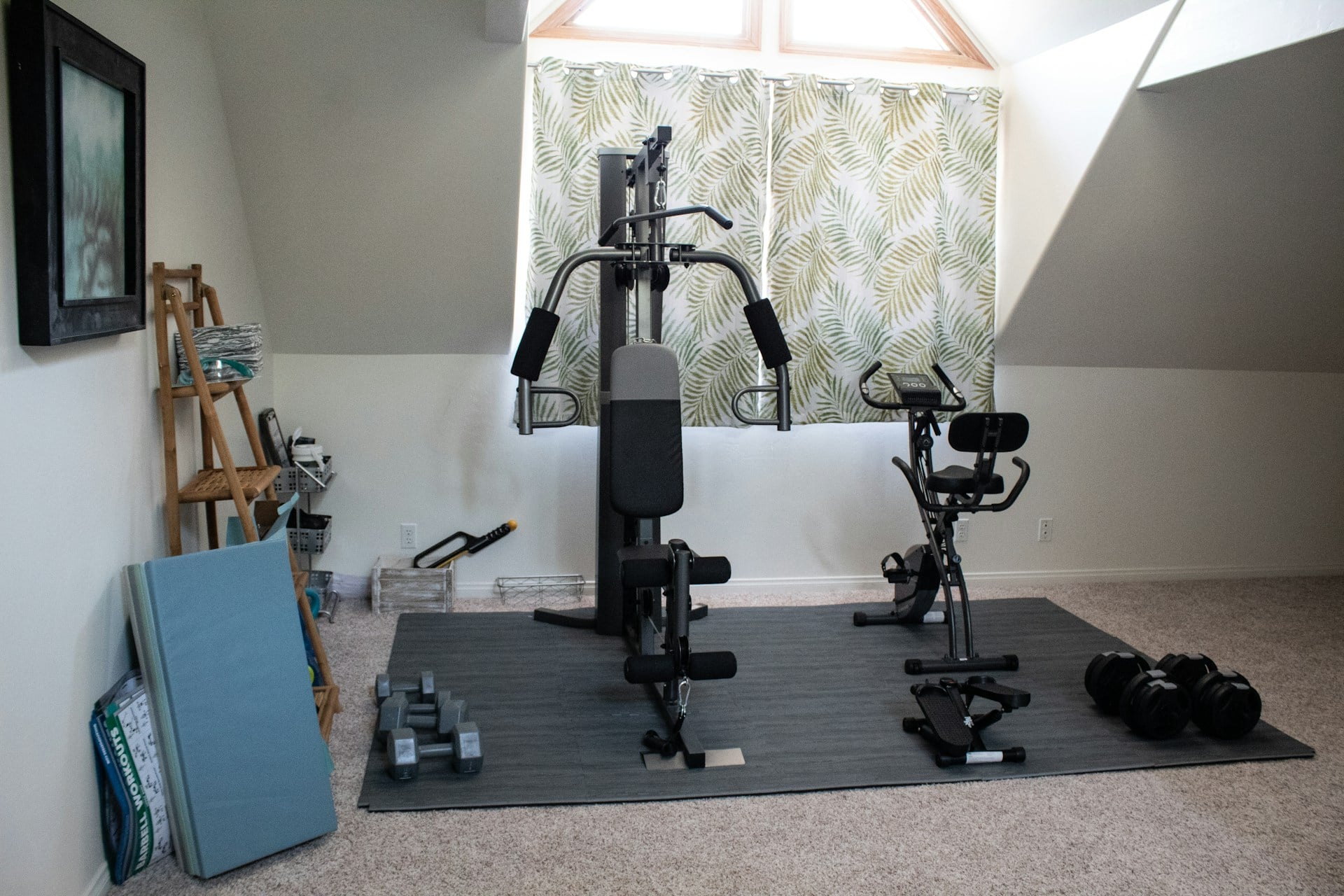
Moving is when stationary bikes, rowing machines, and free weights that haven’t been used in three years become someone else’s problem. Cast iron dumbbells in matched sets sell for roughly $1 per pound in good condition — a matched pair of 25-pound dumbbells is therefore a $50 find, and they weigh 50 pounds.
Kettlebells follow the same pricing logic. More elaborate equipment — ellipticals, cable machines — requires a trailer for transport and significantly more selling effort, but can sell for $100 to $400 depending on brand and condition.
Olympic-weight barbells with bumper plates appear occasionally and represent $200+ in resale value at current used-equipment market prices.
Books, Specifically First Editions and Signed Copies
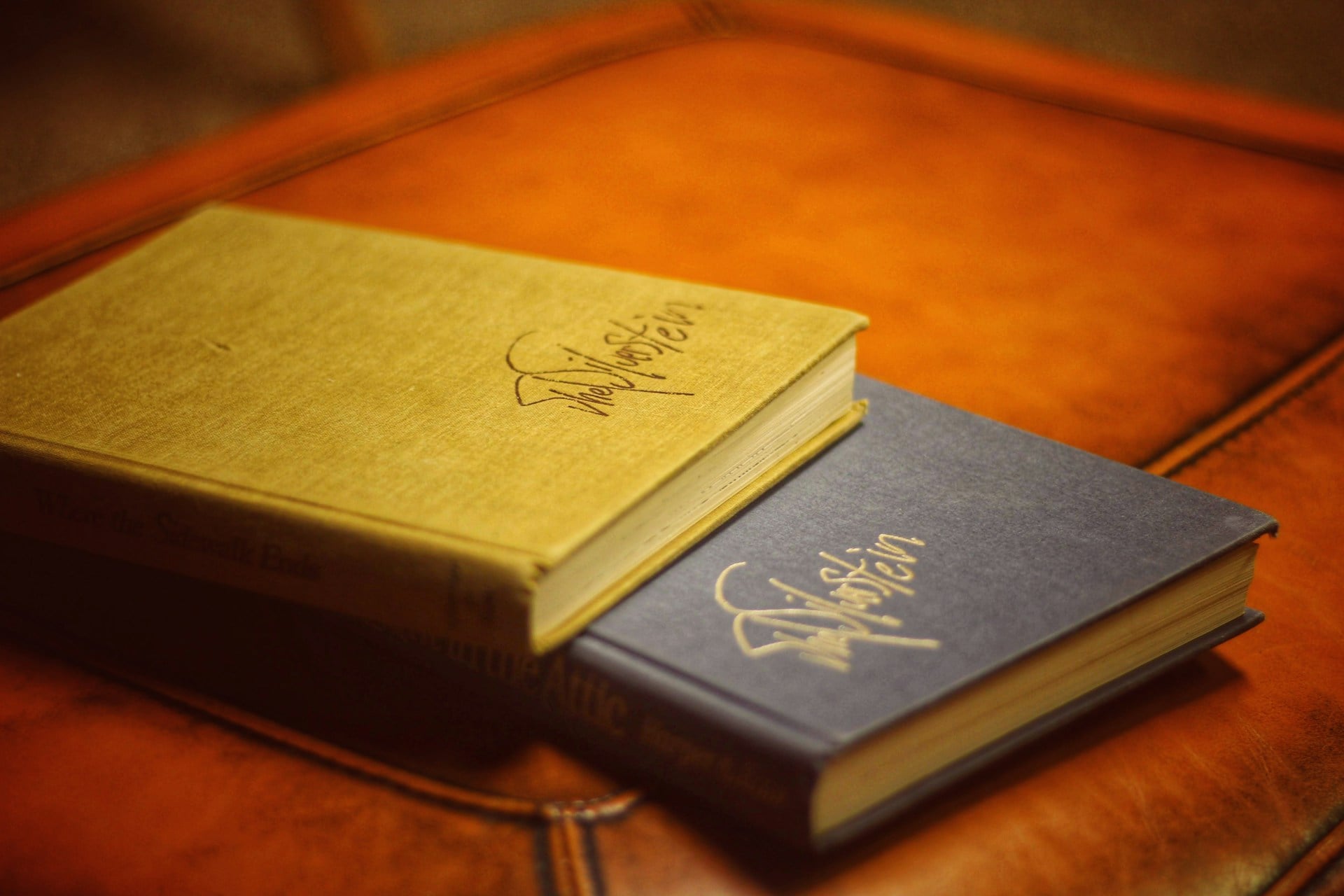
Books are among the most commonly discarded moving-day items. Most are worthless.
A small percentage are not. First editions of specific 20th-century novels — particularly hardcovers with dust jackets — can sell for $50 to several hundred dollars.
Signed copies of anything by an author who has since become significant are worth investigating before deciding they’re clutter. The practical skill here is being able to quickly check a book against the ISBN database on a phone while standing at the pile.
Resellers who pull boxes of books from moving discards typically keep three to five percent of what they find and donate the rest, but that three to five percent covers the time.
Vintage Board Games, Complete in Box

A complete copy of a vintage board game — particularly pre-1980 examples with original pieces and intact box art — sells to collectors and nostalgia buyers for $20 to $150 depending on the game and its condition. Games found in boxes in moving-day discards are sometimes incomplete, which reduces value significantly, but a complete copy of Risk from 1959, or an original Parker Brothers Clue from the 1940s, or a boxed Scrabble set with original wooden tiles, represents a worthwhile find.
The completeness check is simple: most vintage games list their piece counts on the box itself.
Le Creuset and Cast Iron Cookware
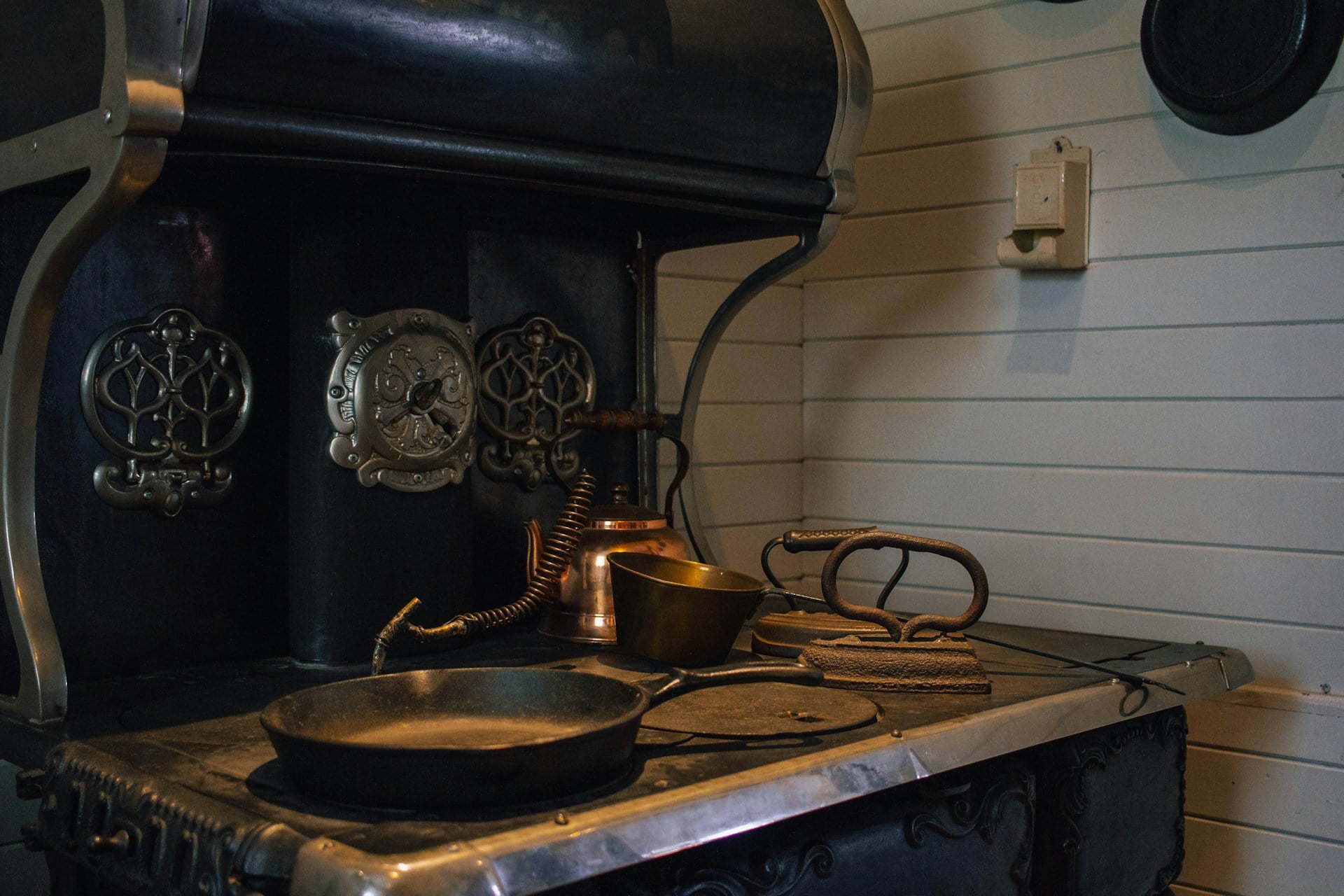
Cast iron cookware and high-end enameled Dutch ovens are the heaviest movable kitchen items and therefore the most likely to be left behind. A Le Creuset 28cm Dutch oven in good condition retails for $350 new and sells for $120 to $200 used.
A Lodge cast iron skillet found in a moving discard sells for $25 to $60 depending on size. The cast iron category is useful for resellers because it’s heavy enough that competitors often pass it by, it’s nearly indestructible, and the market for it is stable and consistent.
Cleaning a rusty cast iron pan takes thirty minutes and a YouTube tutorial.
Musical Instruments and Equipment

Guitars, violins, keyboards, and amplifiers appear in moving-day discards with enough regularity that musicians have learned which apartment complex move-out dates to monitor. A functional acoustic guitar in good condition sells for $50 to $200 depending on brand.
A working electric guitar amplifier of any brand above “student quality” sells for $75 to $300. More specialized finds — a functional bass amp, a drum machine from the 1980s, a functional MIDI keyboard — require more specific knowledge to value but can represent $150 to $600 in resale.
The key qualification throughout this category is “functional”: instruments and equipment that don’t work are worth significantly less unless specific parts are needed.
Collectible Records and CDs

Vinyl records appear in moving discards most often when estates are cleared or when someone who collected during the 1970s and 1980s moves to a smaller space and decides not to carry the crates. Most records in a random moving-day collection have minimal value.
A small percentage — original pressings of significant albums, records in sealed original packaging, promotional copies with specific labels — can sell for $20 to $200 each. The practical skill is being able to use an app like Discogs to check a record’s current market price while standing in the street.
A single sealed original pressing of a collectible album found in a free pile more than offsets the time spent going through the crates.
Framed Art and Mirrors
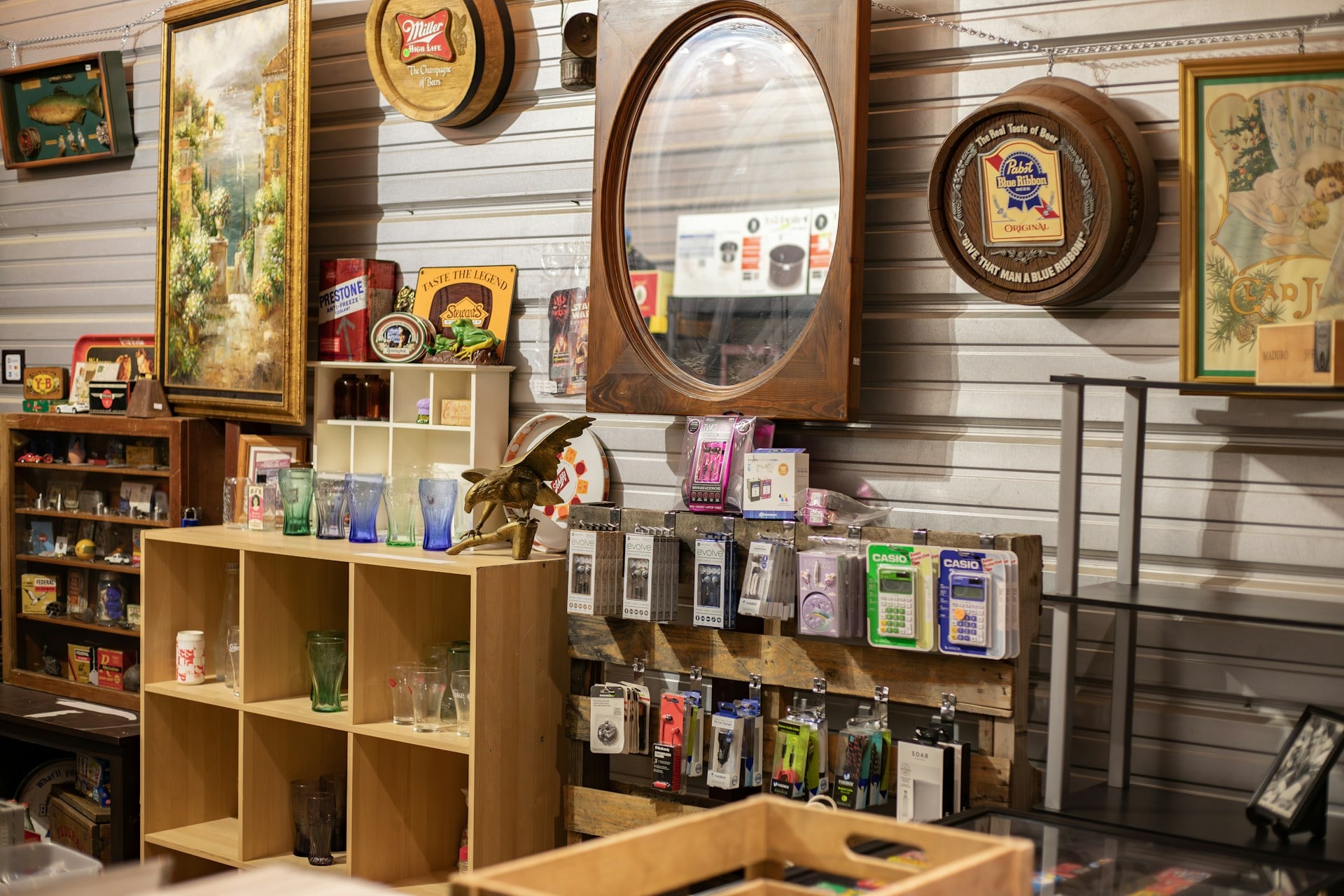
Large framed mirrors are expensive to buy new and nearly impossible to move if they weren’t already packed properly. They appear in curbside piles because the alternative was wrapping them in moving blankets and hoping for the best.
A large beveled-edge wall mirror sells for $100 to $300 on local platforms depending on size and condition. Original framed artwork — even from unknown artists — sells in the $20 to $100 range for staging and decorating purposes.
The occasional find in this category is something recognizable: a print from a significant artist, or a painting that turns out to be a genuine original rather than a reproduction.
Appliances, Specifically Small Kitchen Appliances
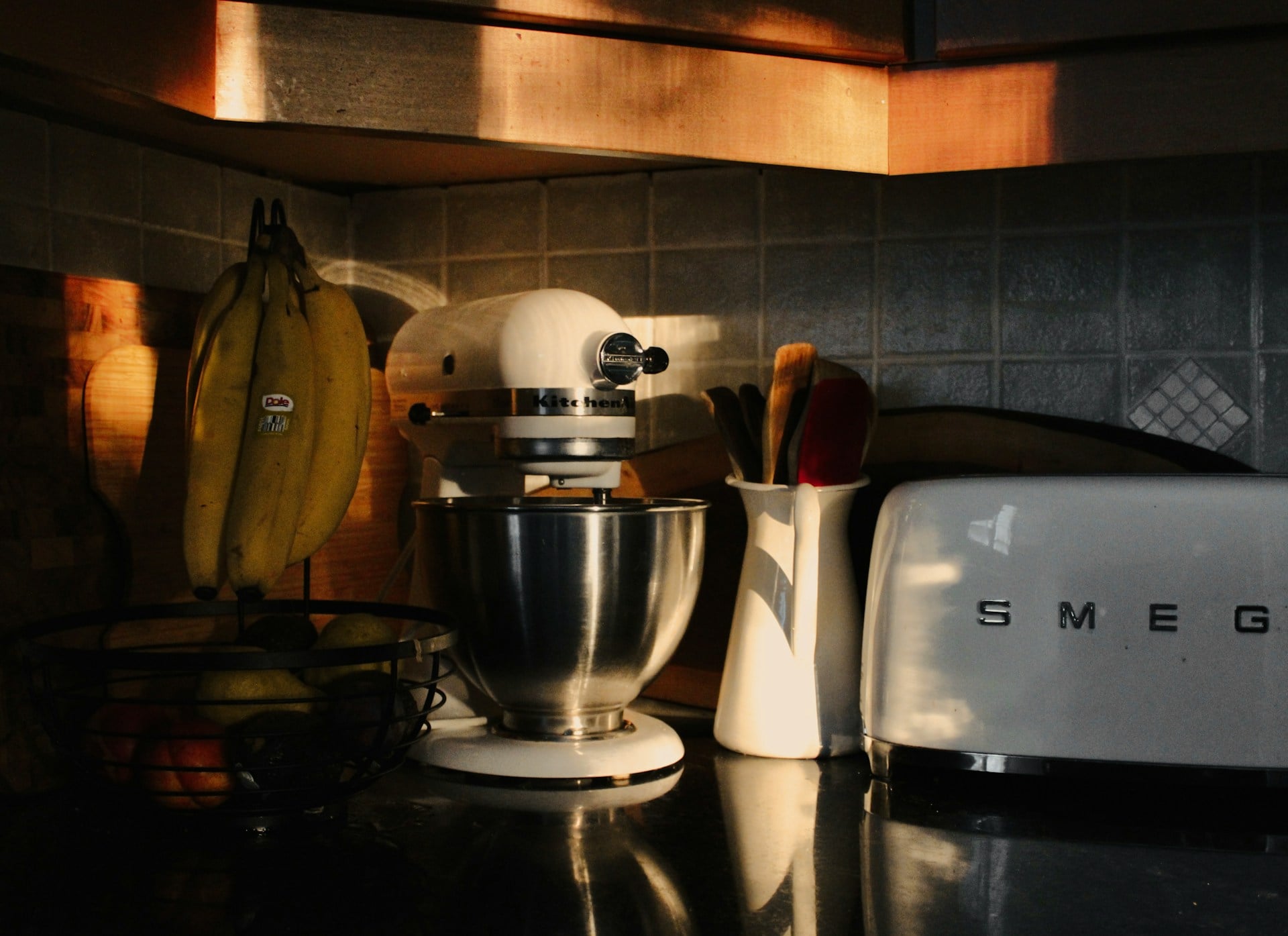
Stand mixers are the most reliable small appliance find. A KitchenAid stand mixer in working condition sells for $100 to $200 on Marketplace; a Vitamix blender in working condition sells for $80 to $180.
Both are heavy enough that people moving unexpectedly sometimes leave them rather than pack them. Espresso machines in working condition — particularly Breville or De’Longhi models — sell for $80 to $200 depending on condition and model.
The consistent principle in this category is that premium appliances from five or more years ago retain substantial resale value even in heavy use condition, because the alternative for buyers is paying full retail for a new unit.
Children’s Items: Strollers and Baby Equipment

Premium strollers are one of the most reliably valuable moving-day finds. A Bugaboo or UPPAbaby stroller in working condition sells for $150 to $400 used — a fraction of their new retail price but substantial resale value from a free find.
These items are discarded on moving day when parents are moving to a city where strollers are impractical, or when children have simply outgrown them and the stroller has been in storage rather than actively used. Car seats are not in this category: safety standards and the inability to verify crash history make them unsuitable for resale, and responsible resellers pass on them.
Vintage Lighting Fixtures

Authentic mid-century modern lighting — pendant lights, floor lamps, and sconces from the 1950s through 1970s — has become a consistent target for interior decorators and renovation projects. A functioning Sputnik chandelier or atomic-age pendant light found in a moving discard sells for $80 to $400 depending on size, condition, and current market.
More common are functional floor lamps in period styles — often with tarnished brass or chrome fittings — that sell for $40 to $150 after a polishing. The restoration requirement is usually minimal: a new bulb, cleaning of the shade, and a working switch.
The Specific Calculation of Moving Day

What makes moving day productive for resellers is not that people become suddenly careless about their possessions. It’s that they make a specific trade-off: the effort of carrying something or listing it for sale versus the effort of leaving it behind.
For most people, the math changes dramatically under time pressure. The item that would have been listed on Marketplace for $150 two weeks ago becomes, on moving day, something that goes in the pile because the truck is coming in four hours.
The reseller’s advantage is simply the other side of that calculation. They have time.
They have a car or a van. They know what things are worth because they’ve sold them before.
And they’re willing to show up at seven in the morning to an apartment complex parking lot to see what’s been left behind. The inventory is free.
The knowledge is the investment. And moving day produces it, on schedule, every first and last day of every month, in every city with a rental market — which is most of them.
More from Go2Tutors!

- The Romanov Crown Jewels and Their Tragic Fate
- 13 Historical Mysteries That Science Still Can’t Solve
- Famous Hoaxes That Fooled the World for Years
- 15 Child Stars with Tragic Adult Lives
- 16 Famous Jewelry Pieces in History
Like Go2Tutors’s content? Follow us on MSN.