Why Certain Smells Trigger Stronger Memories Than Photographs Ever Could
Most people have experienced it: a smell arrives and a memory follows, fully formed and loaded with feeling, from somewhere that photographs can’t reach. The scent of a specific soap, a particular wood fire, the chemical tang of a swimming pool — and suddenly you’re ten years old again, not just remembering it but briefly inhabiting it.
A photograph of the same moment triggers something more like recognition. The smell triggers something more like a return.
This isn’t imagination or sentimentality. The reason smells do this is architectural — a matter of how the olfactory system is wired in the brain versus every other sense you have.
The Bypass That No Other Sense Gets

When you see, hear, or touch something, the nerve signals travel first to the thalamus — a relay station in the centre of the brain that processes and routes incoming sensory data before passing it on to higher brain regions. The thalamus is a filter and a gatekeeper, adding a layer of processing between the raw experience and your conscious awareness of it.
Smell skips this step entirely. Olfactory signals travel directly from the receptor cells in the nose to the olfactory bulb, and from there straight to the amygdala and hippocampus — the brain’s emotional and memory centres — without any intermediary checkpoint.
The signal arrives faster and hits harder because nothing slows it down.
The Amygdala Connection
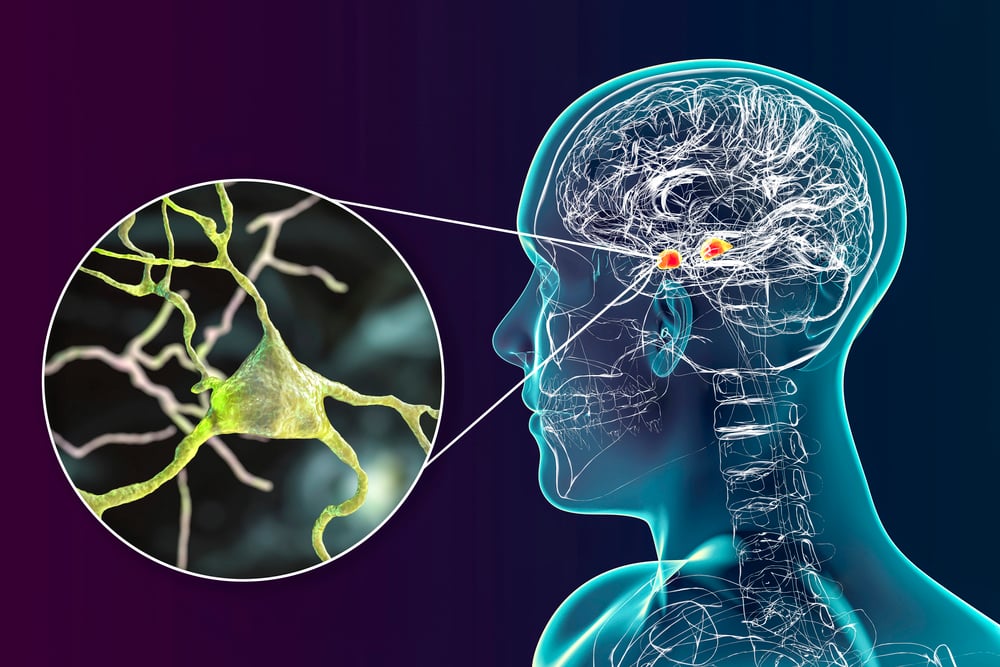
The amygdala is the brain structure most closely associated with emotional processing: fear, joy, grief, longing, nostalgia. Its direct anatomical connection to the olfactory system means that every smell you encounter is processed through an emotional filter before conscious thought begins.
This is why a smell can produce an emotional state — the chest tightening, the sudden warmth, the specific quality of grief — before you’ve consciously identified what you’re smelling, let alone remembered the context it came from.
The Hippocampus and Memory Formation
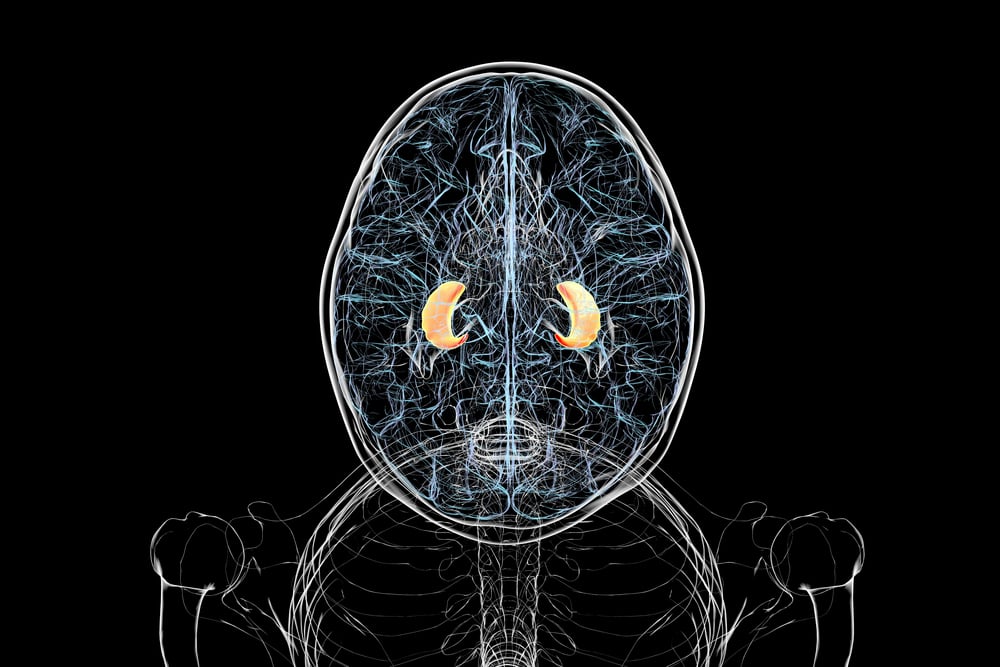
The hippocampus handles the formation and retrieval of episodic memory: the memory of specific events, places, and times rather than general knowledge. Olfactory pathways connect to the hippocampus more directly than any other sense, and research using neuroimaging published in 2024 confirmed that these pathways generate greater brain activity for a given memory than the same memory triggered by a visual cue.
Odour-evoked memories retrieved more of the associated context — the time of year, the people present, the emotional state — than photograph-evoked memories of the same event.
Marcel Proust and the Madeleine
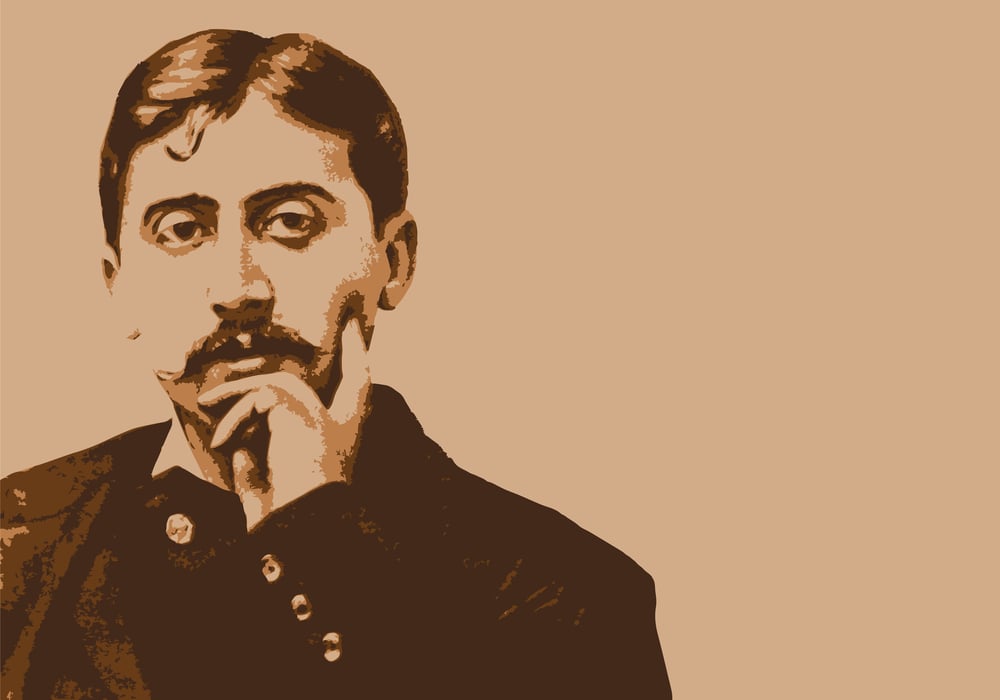
In his early 20th-century novel sequence In Search of Lost Time, Marcel Proust described how the taste and smell of a madeleine cake dipped in lime blossom tea triggered a flood of childhood memories so vivid they filled thousands of pages of prose. Neuroscientists now formally call this the Proust Effect — defined by researcher Cretien van Campen as “an involuntary, sensory-induced, vivid and emotional reliving of events from the past.”
Proust was describing fiction, but he had identified something neurologically real. The name has stuck because the description was precise.
Why Childhood Smells Hit Hardest

Smell develops earlier than any other sense. By mid-pregnancy, fetuses can detect the flavours in their mother’s food through the amniotic fluid, and these early exposures shape preferences and associations that persist into adulthood.
Many of the most powerful smell memories originate in early childhood, during years when visual and verbal memory systems were still developing and smell had the field to itself. These early olfactory experiences are stored alongside the emotional states they accompanied — which is why the smell of a specific sunscreen or a specific brand of crayon wax can carry more emotional weight decades later than any image from the same period.
The Reminiscence Bump

Research shows that smell-triggered autobiographical memories are, on average, older than memories triggered by other senses — a phenomenon researchers call the “reminiscence bump.” When participants in studies are prompted by a visual image, they tend to retrieve memories from their twenties.
When the same memories are triggered by smell, the retrieved memories are frequently from childhood or early adolescence. The olfactory system appears to anchor memories from periods of first exposure, which for many smells corresponds to the years when the scent was entirely new.
Why Smell Memories Feel More Real
A 2024 study published in JAMA Network Open found that odour cues produced more detailed autobiographical memories than word cues in adults with major depressive disorder — not just more emotionally intense, but more specifically recalled, with more contextual detail. Brain imaging studies confirm that odour-evoked memories activate the orbitofrontal cortex and the fusiform gyrus in ways that give the memory a vivid, quasi-visual quality that participants consistently describe as feeling less like remembering and more like re-experiencing.
The Evolutionary Reason This Exists
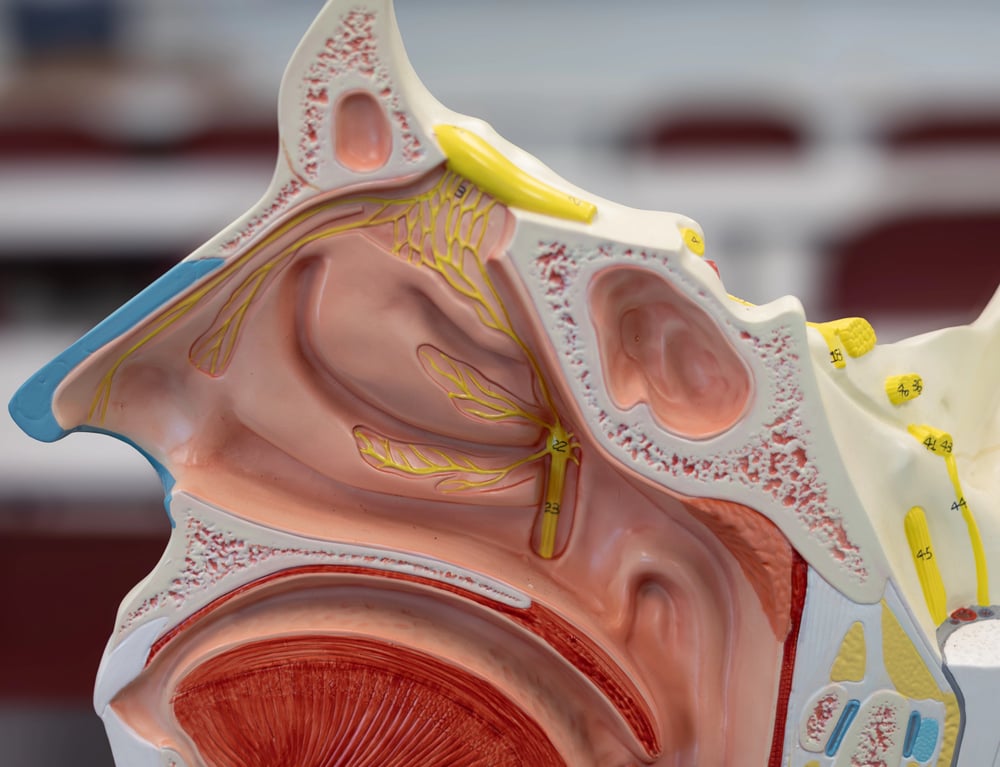
Christina Zelano, a neuroscientist at Northwestern University Feinberg School of Medicine who led research on olfactory-hippocampal connectivity, explains that during human brain evolution, the expanding neocortex rerouted most sensory pathways through new processing regions — but the olfactory system retained its ancient, direct route to the limbic system. Smell is the oldest sense in evolutionary terms, and its connection to survival — detecting food, predators, potential mates, disease — was too critical to be filtered through additional processing layers.
The result is a sense that still communicates with the brain’s deepest and oldest structures in a way that vision and hearing no longer do.
Smell Doesn’t Age the Way Other Senses Do

Vision and hearing decline gradually and predictably with age, following well-mapped neurological pathways. The relationship between olfactory function and cognitive ageing is more complex — and more alarming.
Research shows that olfactory impairment is associated with a higher risk of mild cognitive impairment and dementia, including Alzheimer’s disease, and that people who lose their sense of smell early may be experiencing early neurological change before other symptoms appear. Around 11 percent of Americans in their fifties report difficulty with smell, and by the age of 80, approximately 39 percent have difficulty identifying scents reliably.
Smell and Alzheimer’s Disease

When other memory systems are failing in Alzheimer’s disease, the olfactory pathways often remain at least partially intact, providing a pathway to personal history that other prompts can no longer access. A study published in the European Journal of Clinical Nutrition found that patients with mild Alzheimer’s disease produced a higher number of specific childhood and adulthood memories after odour exposure than without it — more than they produced from visual or auditory cues in the same conditions.
Familiar scents appear to activate autobiographical memories through routes that the disease has not yet damaged.
Reminiscence Therapy and Clinical Use

The robustness of olfactory memory in dementia has led to its incorporation into Reminiscence Therapy — a psychosocial intervention that uses sensory cues to stimulate autobiographical memory retrieval in dementia patients. A comparative study of 60 Alzheimer’s patients found that odour cues produced significantly more autobiographical memories than visual or auditory cues, with the retrieved memories rated as more emotionally rich and more specifically detailed.
Clinically, this means that a scent — vanilla, lavender, the specific detergent an institution used in the 1970s — can reach a patient when photographs and music have already lost their purchase.
Smell Training and Cognitive Health

Regular olfactory stimulation — actively smelling a diverse range of scents as a deliberate practice — strengthens the synaptic connections involved in olfactory processing and may slow cognitive decline. A study published in Frontiers in Human Neuroscience found that olfactory enrichment during sleep improved cognitive function in older adults.
The practical implication is that people who engage their sense of smell actively throughout life — cooks, perfumers, gardeners, winemakers — may be doing something neurologically valuable that has nothing to do with the activity itself and everything to do with the sensory stimulation it provides.
Why Negative Smell Memories Are Especially Persistent

The direct connection between the olfactory system and the amygdala that makes positive smell memories vivid makes negative ones tenacious. Clinical case studies have repeatedly linked specific smells to strong negative emotional responses, and olfactory triggers play a documented role in post-traumatic stress.
A combat veteran who smells diesel fuel in a specific context, a survivor of a particular incident who encounters a particular cleaning product — the involuntary nature of the response, arriving before conscious thought can intervene, is a direct consequence of the bypass that makes smell so potent as a memory trigger in the first place.
Personal Memory Is Personal Chemistry

Very few smells are universally positive or negative. Venkatesh Murthy, a neuroscientist at Harvard University, notes that while some smells carry near-universal associations rooted in evolution, the vast majority of scent-triggered memories are entirely personal — products of first exposure, emotional context, and the specific circumstances in which a smell was first encountered. Two people who smell the same brand of industrial floor polish will retrieve entirely different memories.
The smell is just the key. What it opens depends entirely on what was stored behind that particular door.
The Photograph’s Limitations

Photographs record what something looked like. They capture light — surface, colour, composition.
They don’t carry the temperature of the room, the emotional state of the people present, or the quality of what was in the air. Smell memories, when they surface, tend to carry all of this.
The reason a photograph of a person you loved makes you feel like you’re remembering them while a smell of their clothing makes you feel like they’re briefly present isn’t a matter of image quality. It’s a matter of which neural architecture the two cues activate, and how much of your whole self gets pulled into the retrieval.
What This Means for Everyday Life

Research on odour-evoked mood has found that when participants were exposed to a personally meaningful scent — a perfume associated with a specific relationship — they reported increased comfort, decreased anxiety, and more positive emotional states compared to exposure to a pleasant scent with no personal memory attached. This suggests that intentionally building smell associations for positive experiences has a measurable effect on how those experiences are later retrieved and what they feel like when they return.
The smell of coffee at the beginning of a morning you want to remember, repeated consistently, is not a sentimental gesture. It’s a filing system.
The Ancient Pathway Still Runs

The most striking thing about the olfactory-memory connection is how old it is. The amygdala and hippocampus are among the oldest structures in the vertebrate brain, and the direct olfactory pathway to them predates the evolution of the neocortex by hundreds of millions of years.
Every sophisticated cognitive function humans have developed since then — language, abstract reasoning, visual processing — layers on top of a system that still routes smell straight to the emotional core, unchanged. The photograph is a product of modern visual cognition.
The smell that bypasses it and goes straight to the feeling is operating on the original wiring. It’s more direct not because it’s simpler, but because it’s been there the longest.
The Architecture Tells the Story

The reason smell retrieves what photographs can’t reach has nothing mystical about it and everything architectural. Two structures — the amygdala and hippocampus — sit at the intersection of emotion and memory, and the olfactory system reaches them before the processing layers of the modern brain get involved.
The result is a sensory channel that delivers memory without the editorial commentary that other senses add. A photograph shows you what something looked like.
A smell shows you what it felt like to be there — complete, unfiltered, and immediate, whether you were ready for it or not.
More from Go2Tutors!

- The Romanov Crown Jewels and Their Tragic Fate
- 13 Historical Mysteries That Science Still Can’t Solve
- Famous Hoaxes That Fooled the World for Years
- 15 Child Stars with Tragic Adult Lives
- 16 Famous Jewelry Pieces in History
Like Go2Tutors’s content? Follow us on MSN.